
Oslo: A Sensory Travel Guide
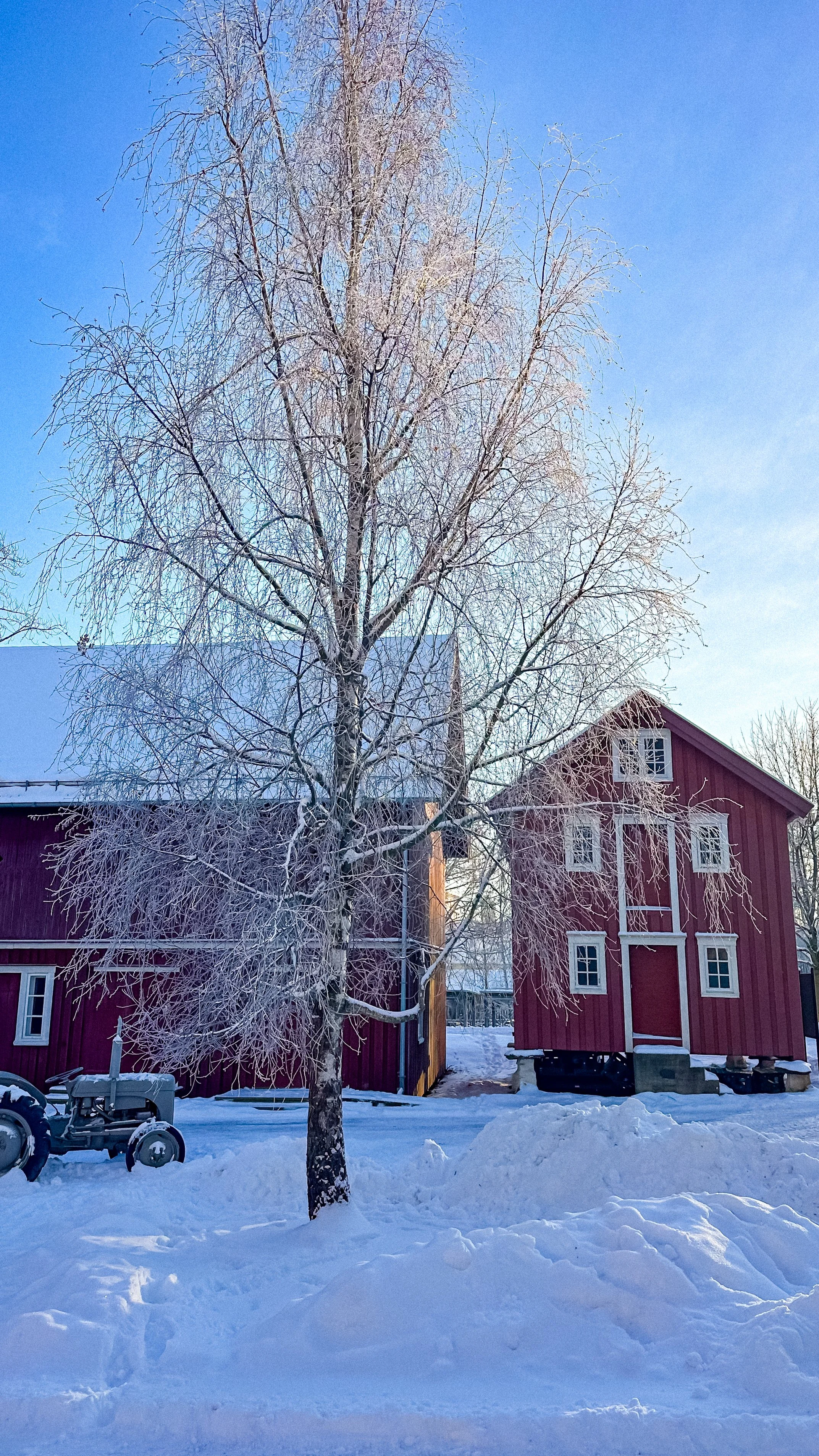
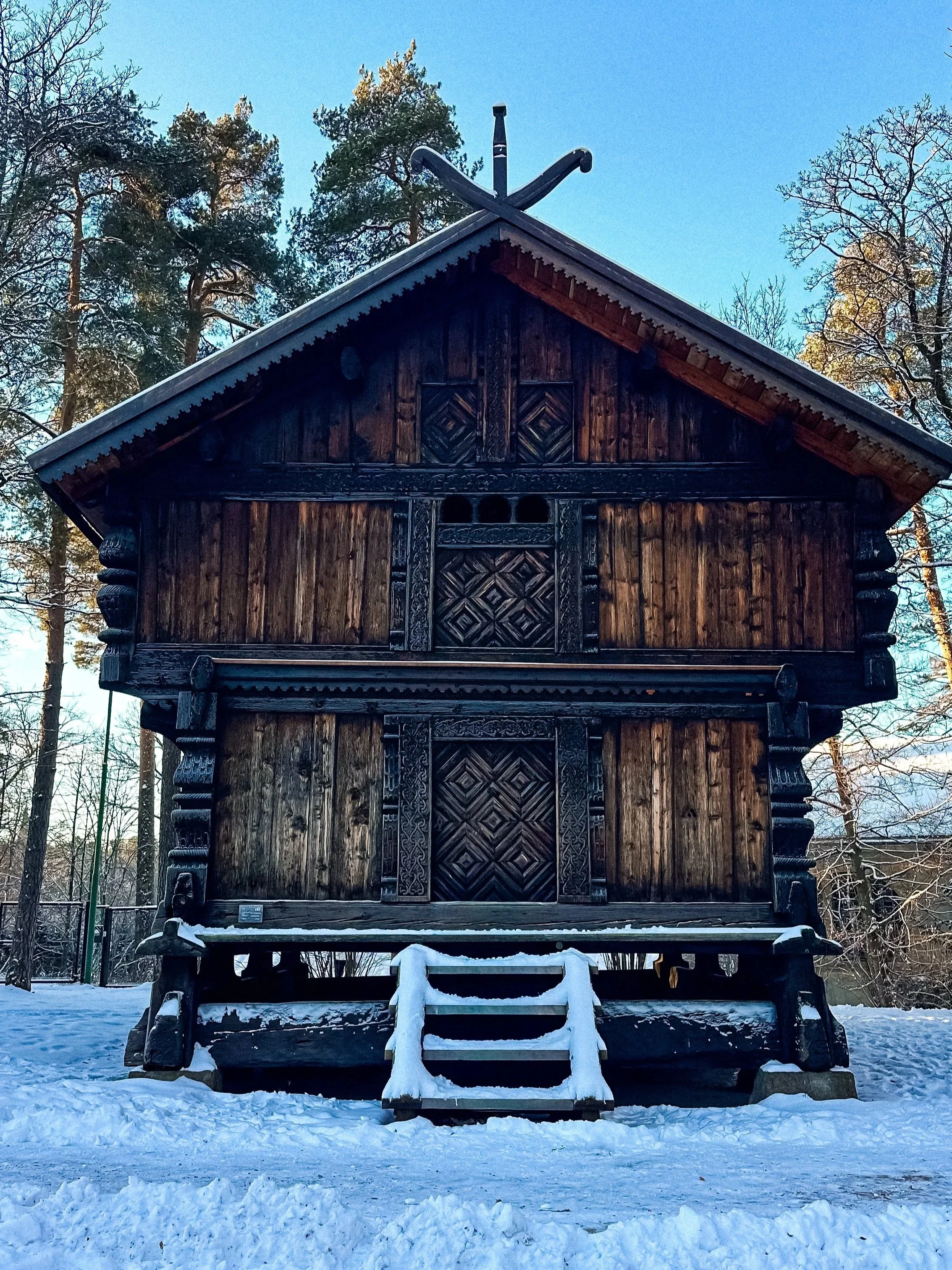
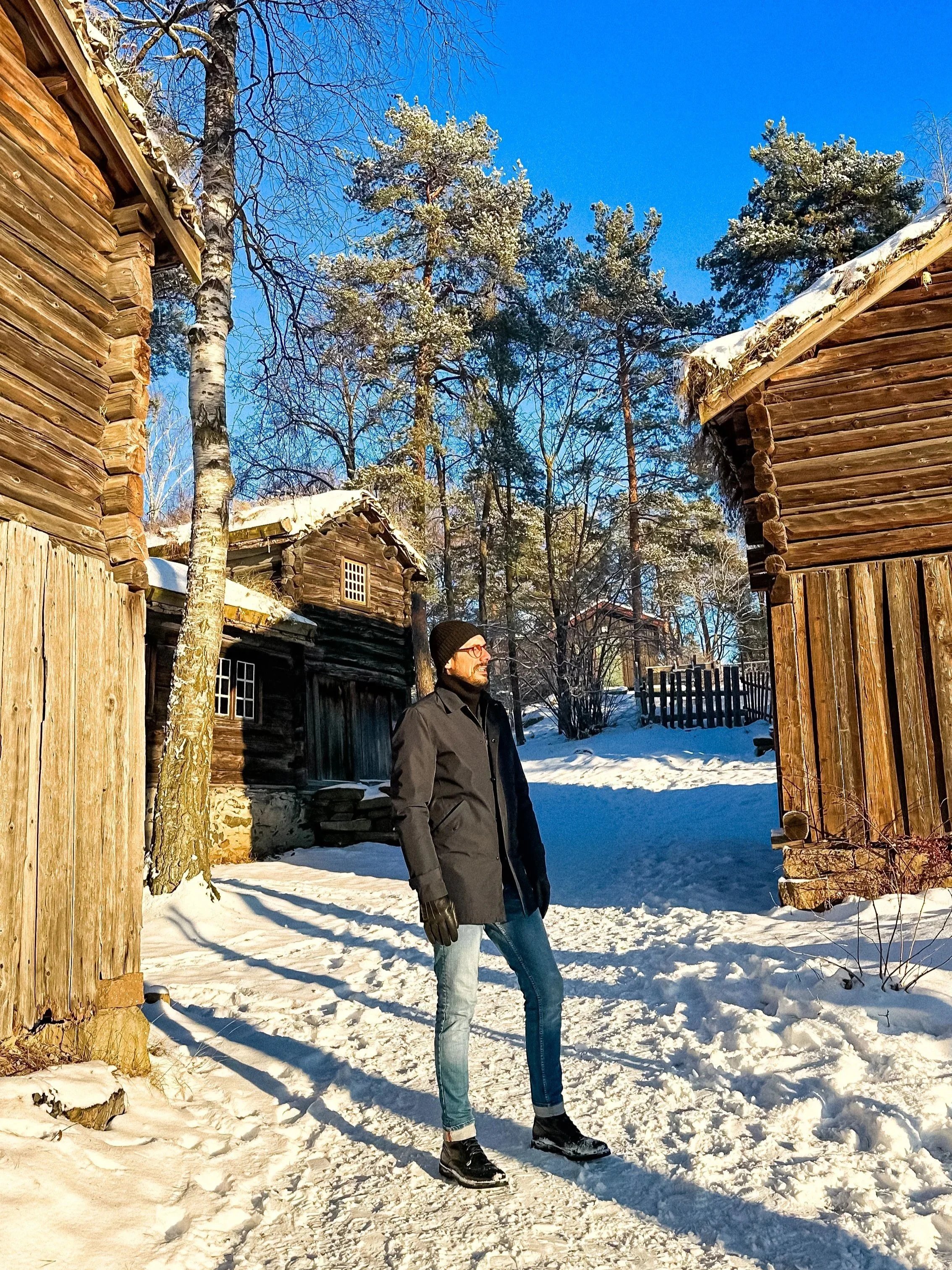
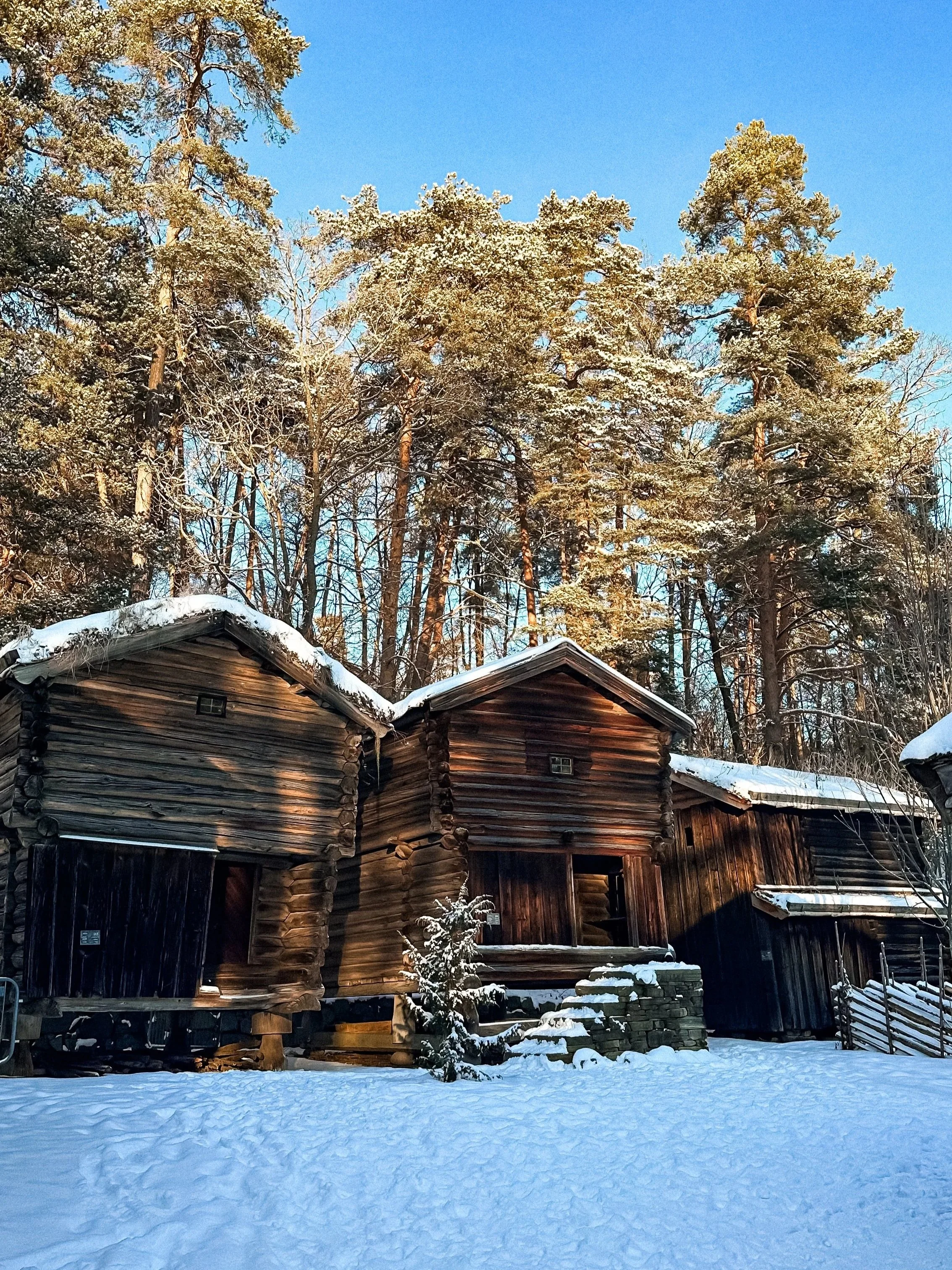
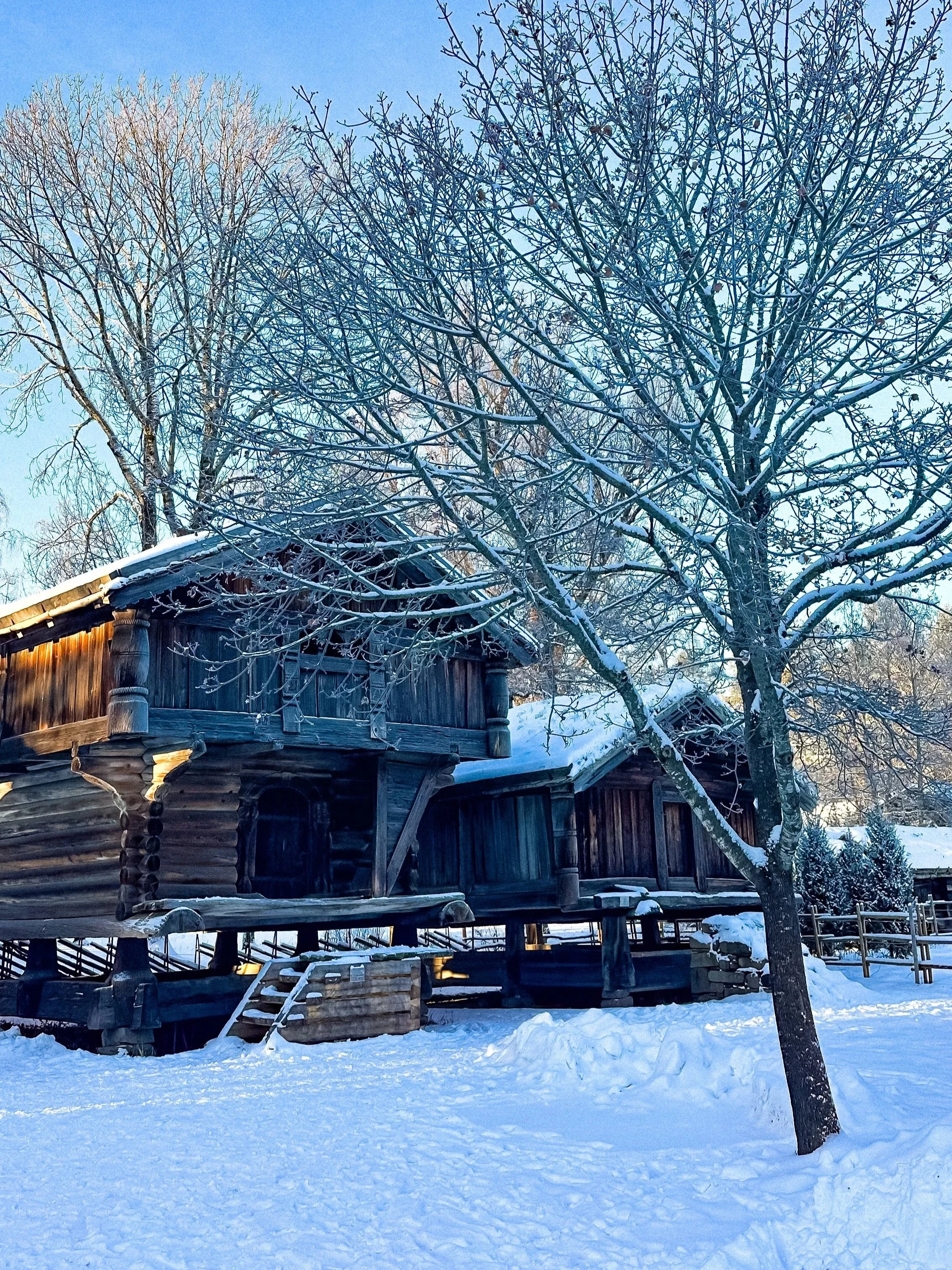
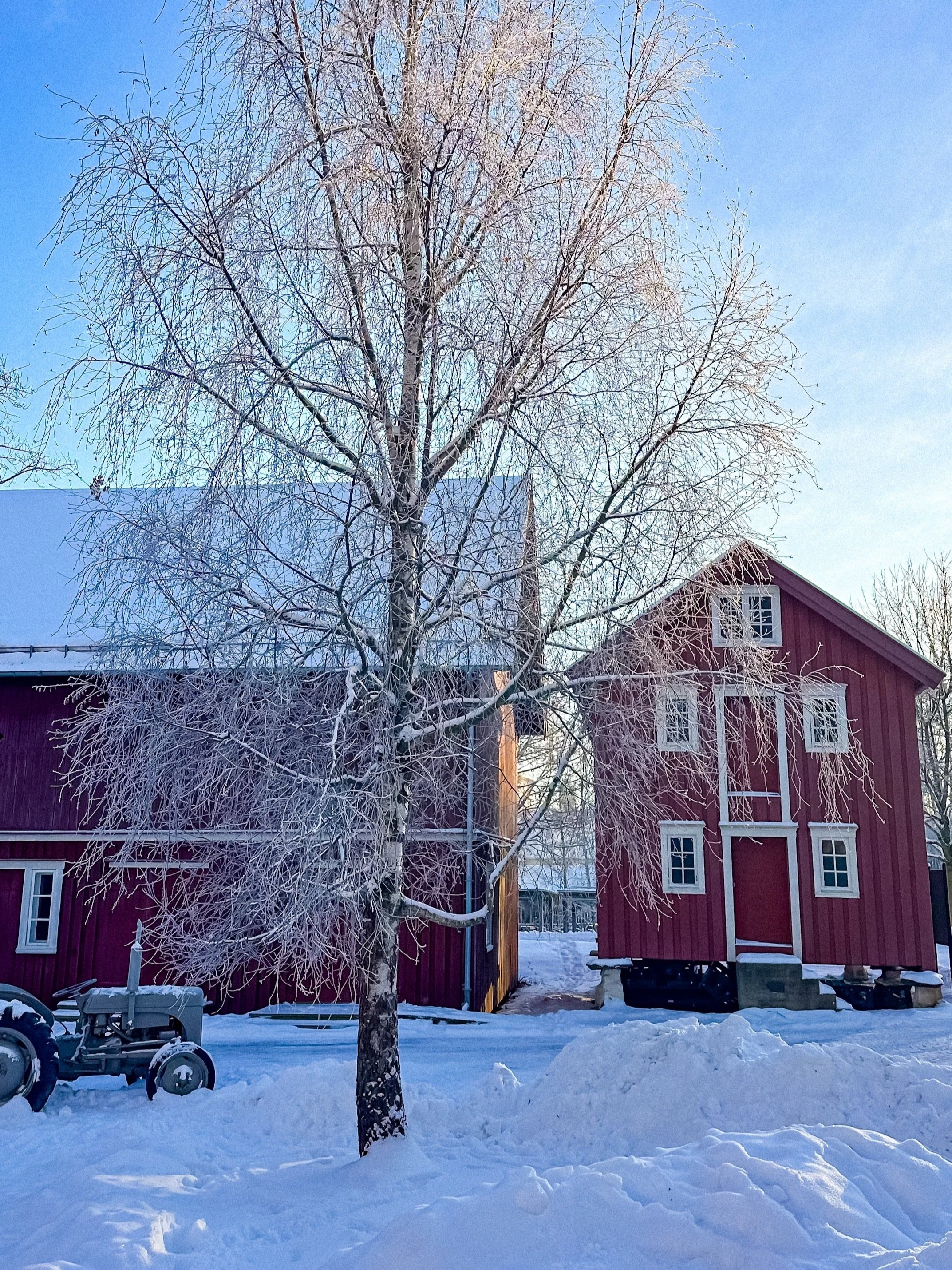
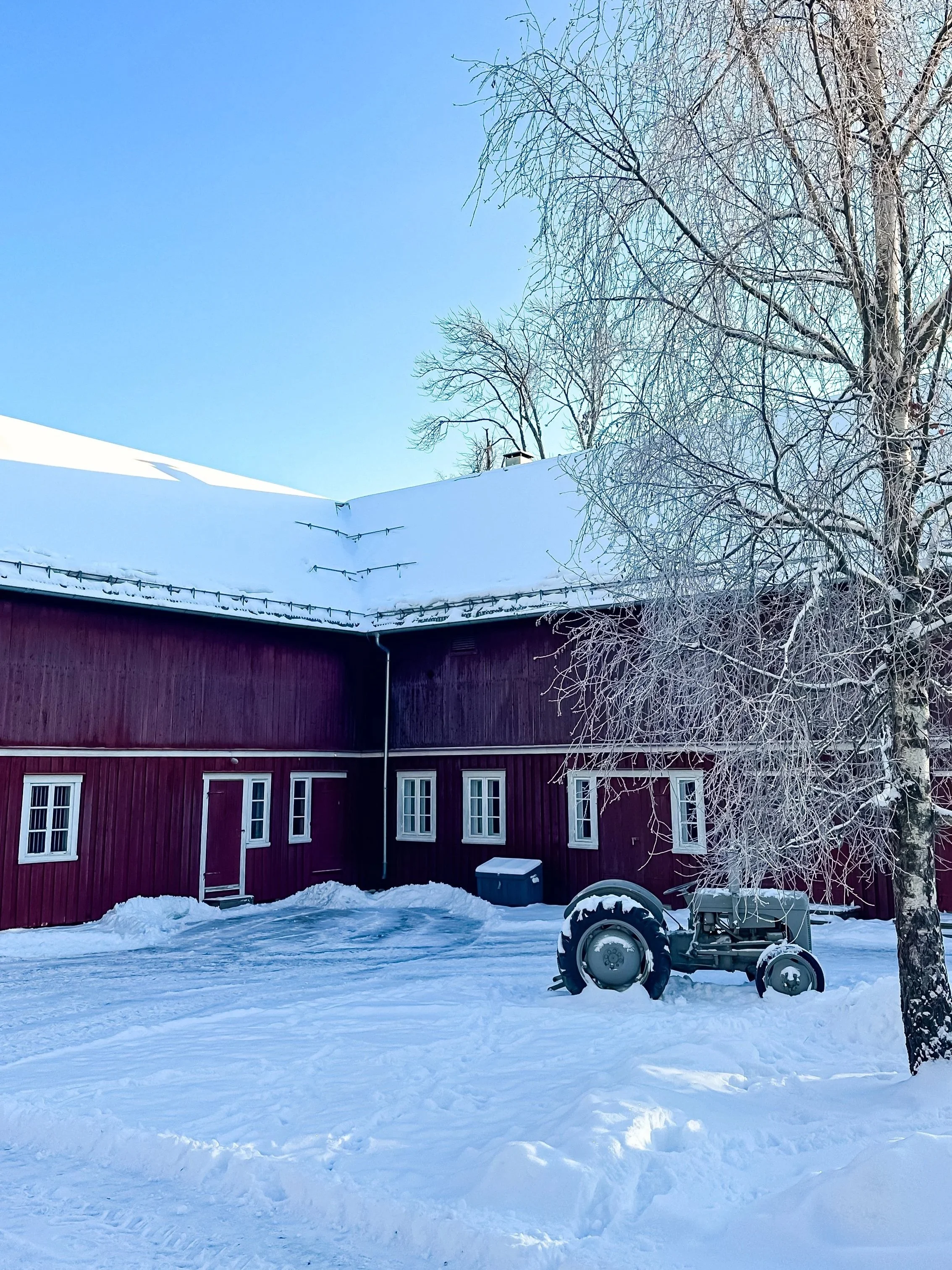
Local farm at the Folk Museum
Oslo is often underestimated. Quiet at first glance, discreet in its beauty, the Norwegian capital slowly reveals itself through light, textures, nature, and design. It is a city where architecture meets water, where culture lives side by side with forests, and where winter adds a poetic layer to everyday life.
For those who enjoy sensory travel, winter in Oslo is less about checking landmarks and more about absorbing mood, silence, and contrast. Fewer crowds, softer light, and a slower rhythm.
This guide gathers my favorite places and experiences in Oslo, curated with a slow and sensorial approach. Ideal for a first visit, but also for those who enjoy discovering a city beyond its obvious highlights.
A City Between Water and Nature
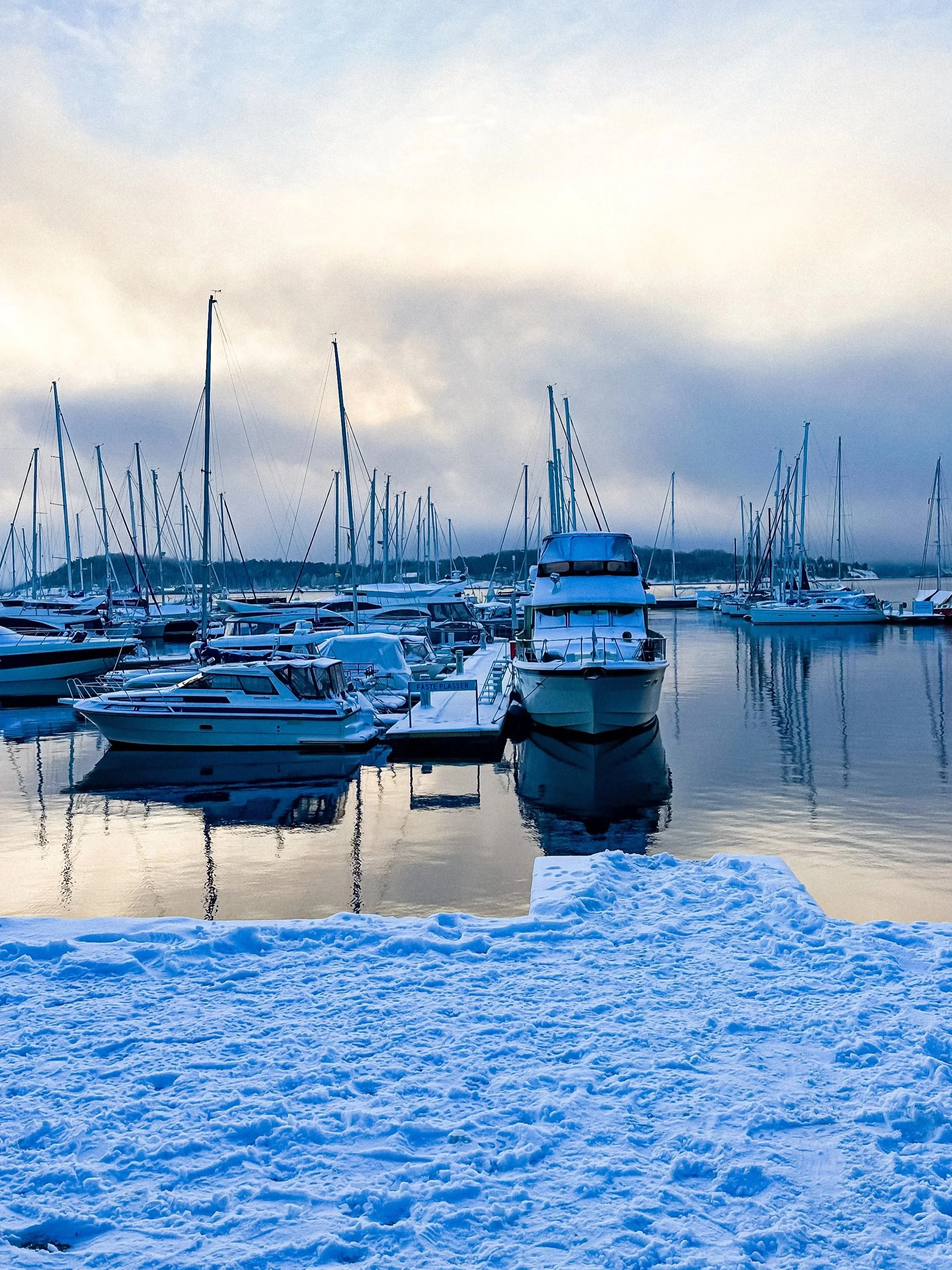
One of Oslo’s most striking characteristics is its geography. The city opens directly onto the Oslofjord, while forests and hills frame the urban landscape. Nature is never far. Even in the city center, water reflections, clean lines, and open perspectives are part of daily life.
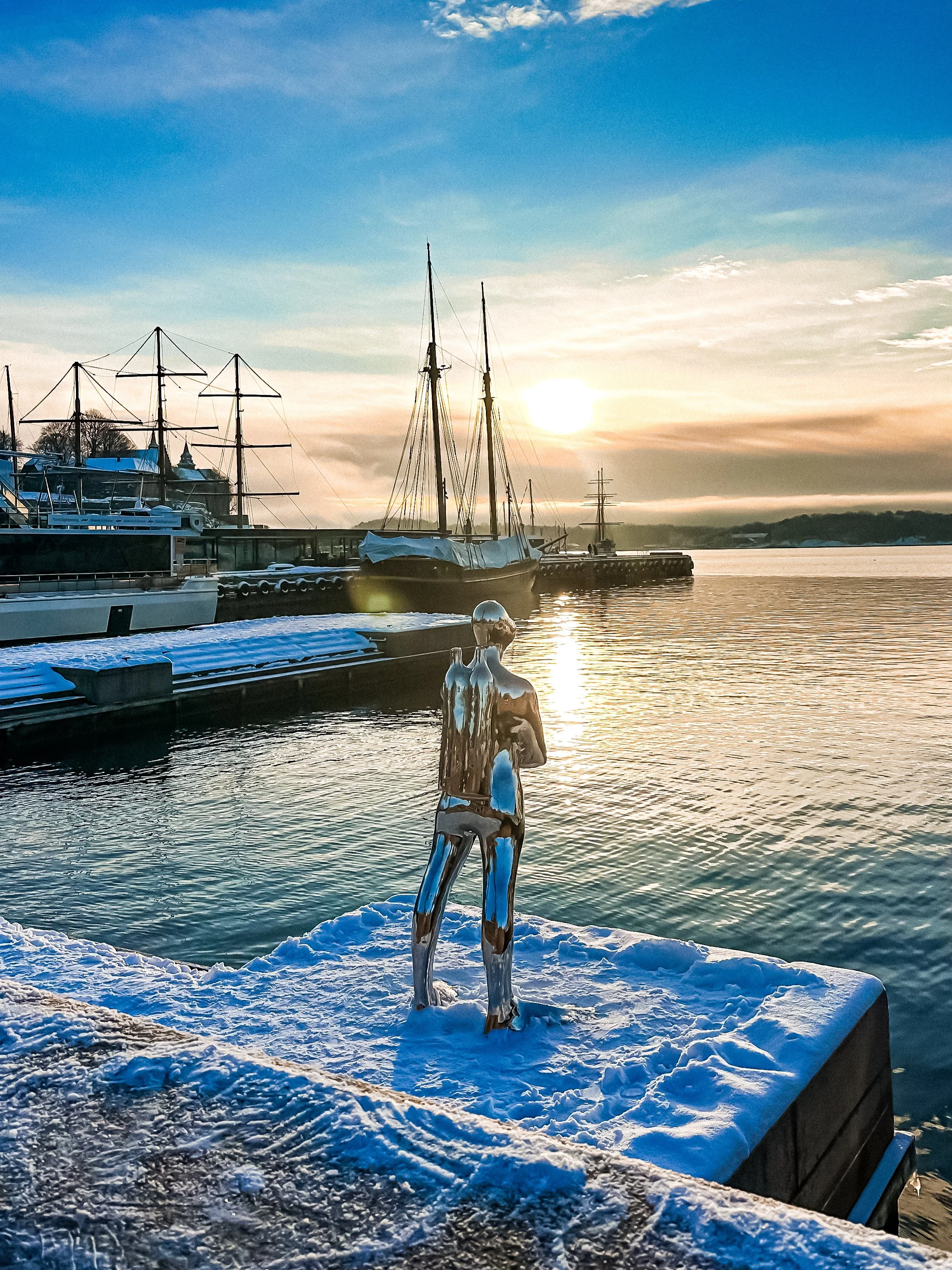
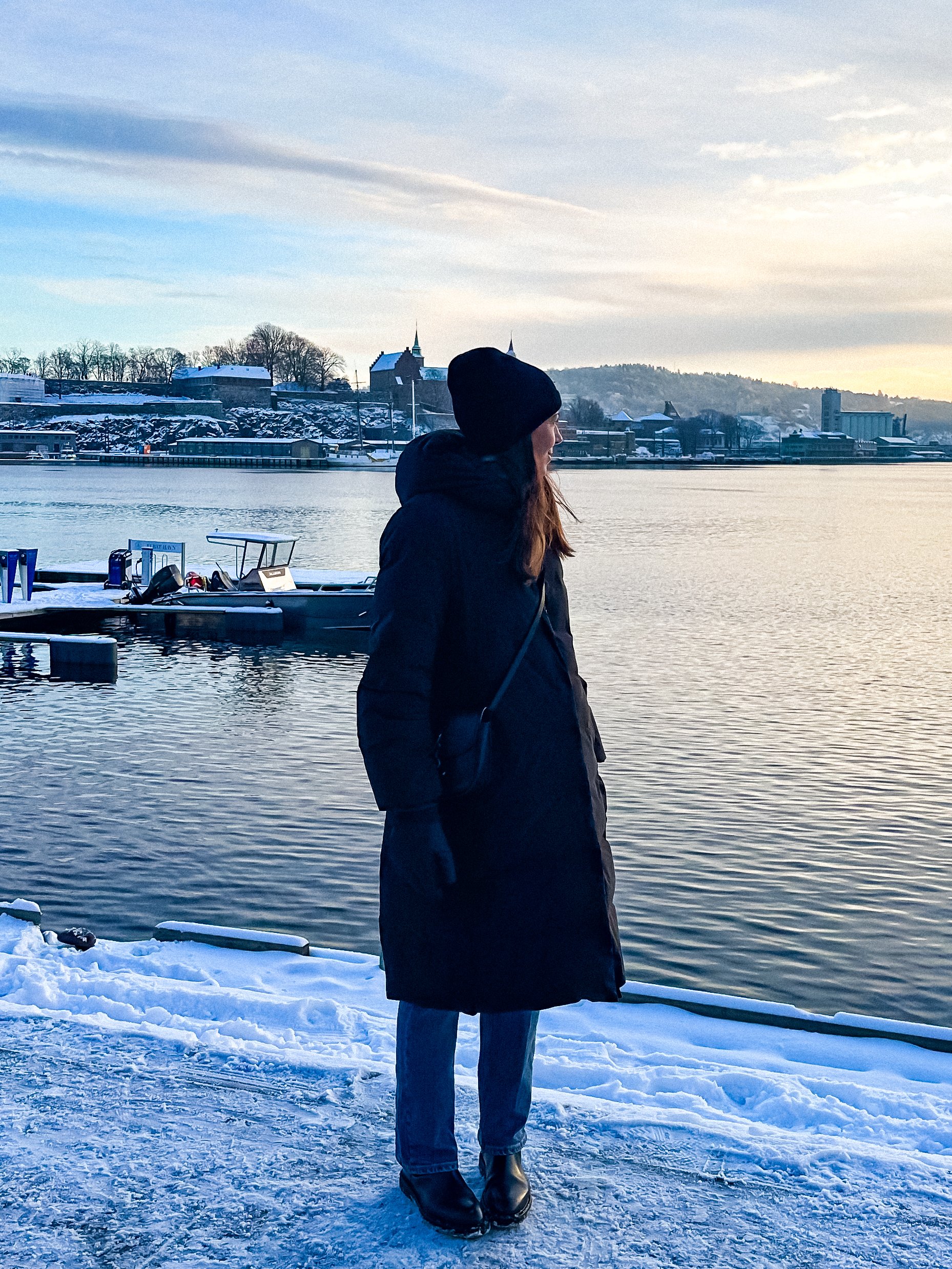
During winter, daylight is short. At the end of December, the sun begins to set around 1:30 pm, bathing the city in soft, blue light. Far from being a limitation, this creates an intimate atmosphere that invites slower walks and warmer interiors.
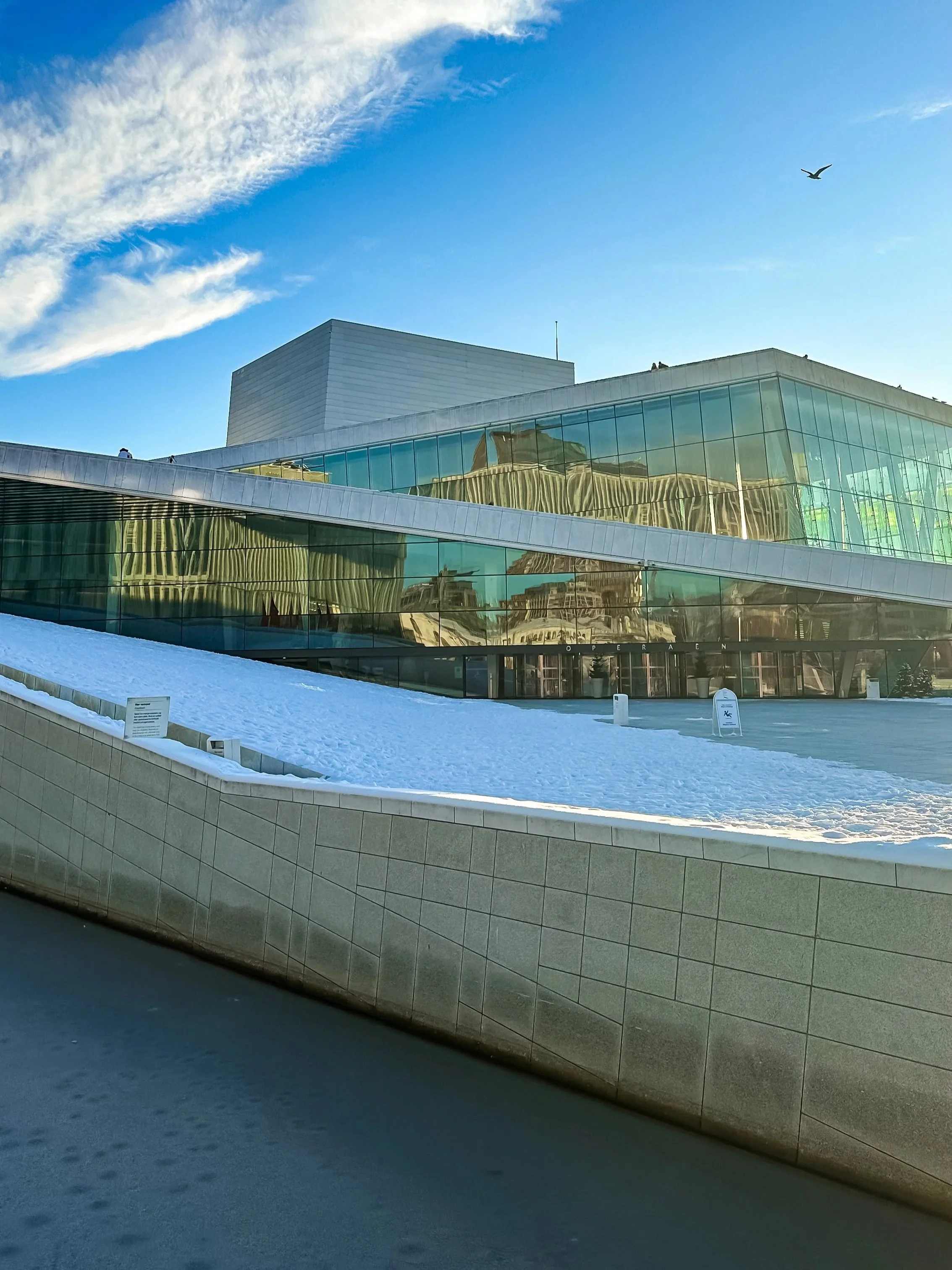
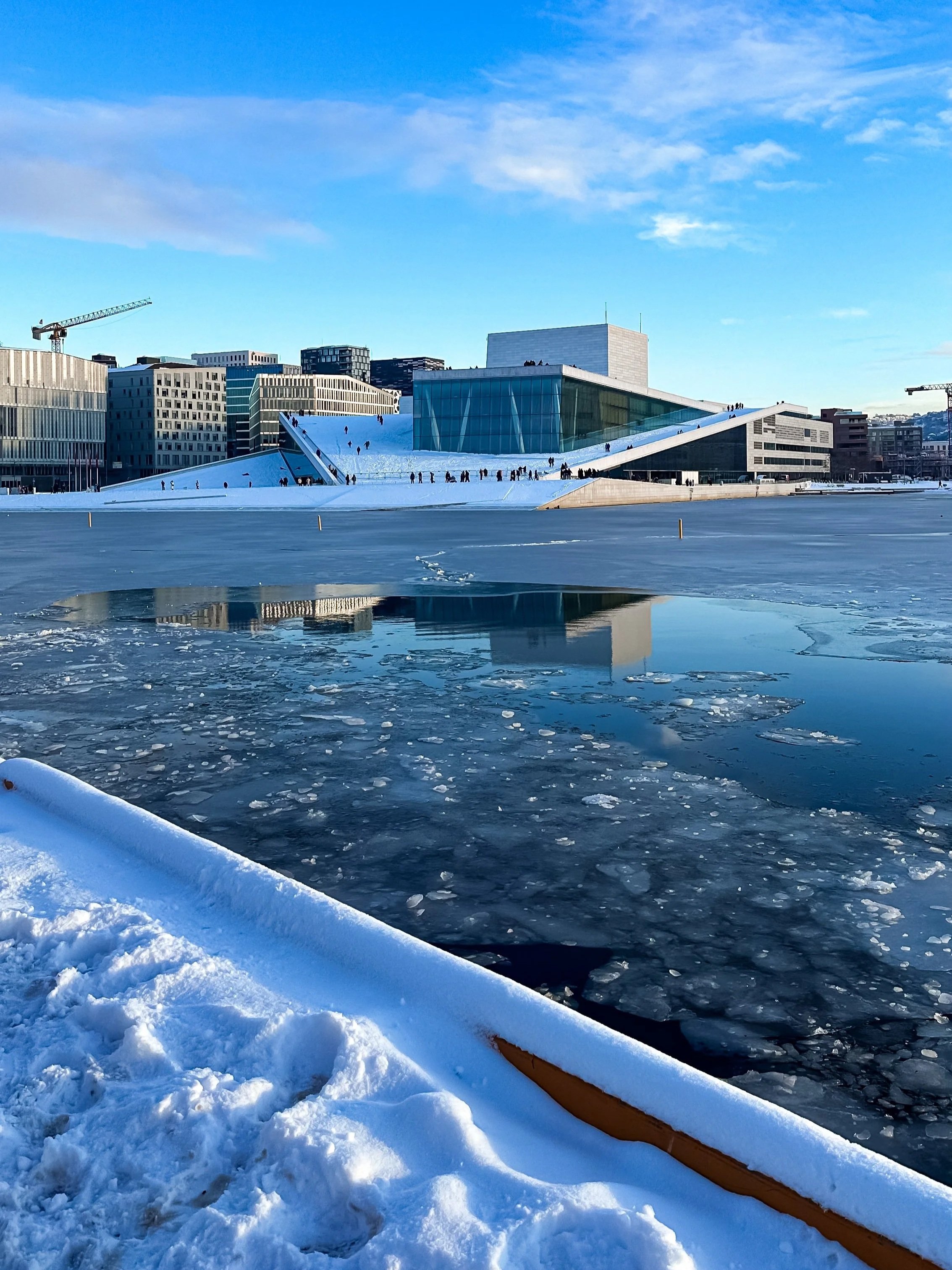
Oslo Opera House + Saunas on the Fjord
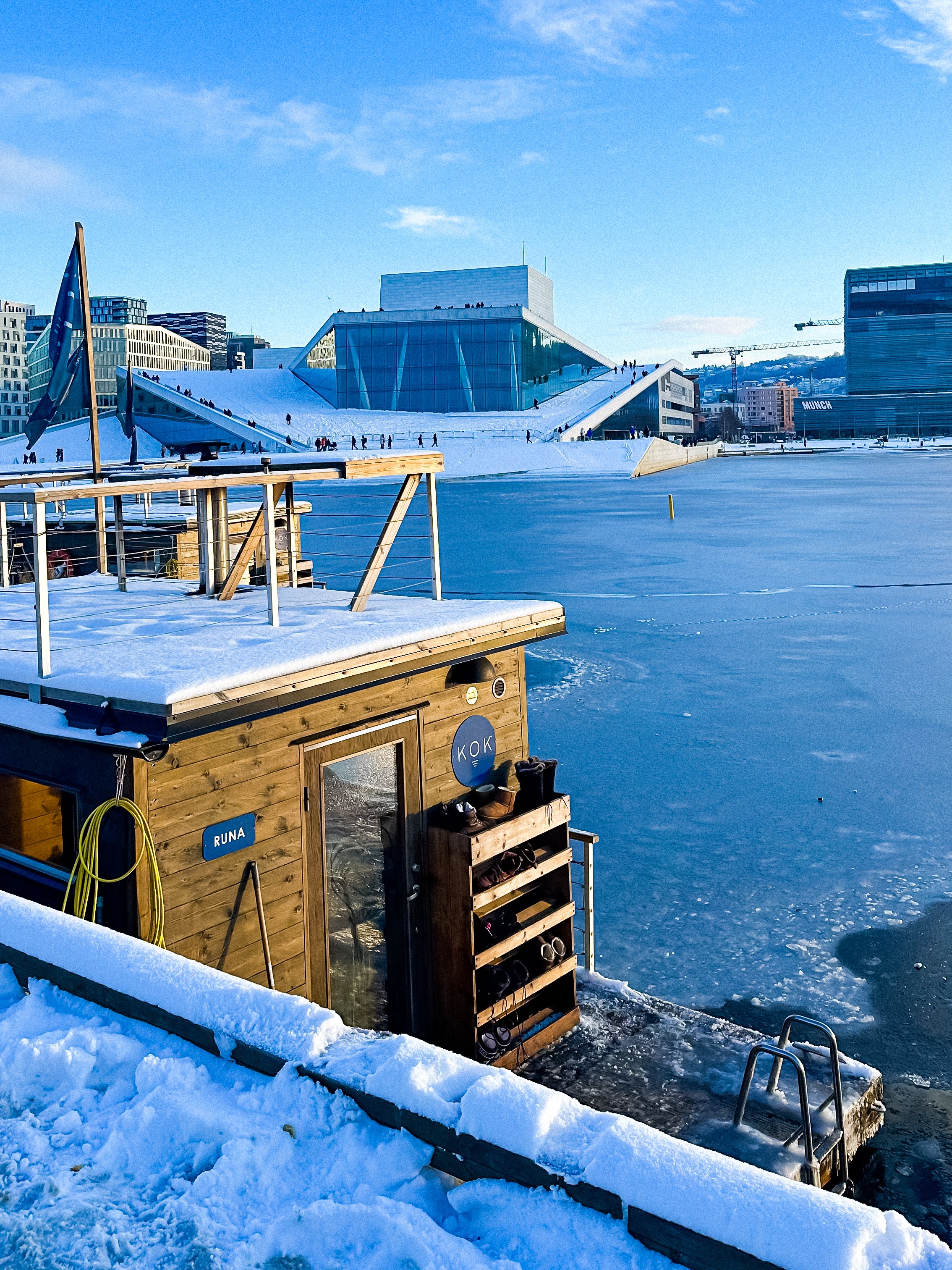
Often mistaken as rising from a fjord, the Oslo Opera House actually sits directly on the Oslofjord, blending seamlessly into the harbor.
Its white marble roof is designed to be walked on. Locals and visitors alike climb its gentle slopes to admire the city, the water, and the changing sky. From above, Oslo feels calm and expansive, especially in winter when the light is low and reflections are subtle.
This is one of the best places to understand Oslo’s relationship with architecture and public space.
Few experiences are as emblematic of Oslo as the floating saunas. Wooden cabins anchored on the water invite you to warm up before stepping directly into the icy fjord. It is both invigorating and grounding. Steam, cold water, silence, and breath come together in a deeply Nordic ritual.
Even if you choose not to swim, simply observing these saunas at sunset adds a strong sensory layer to the visit.
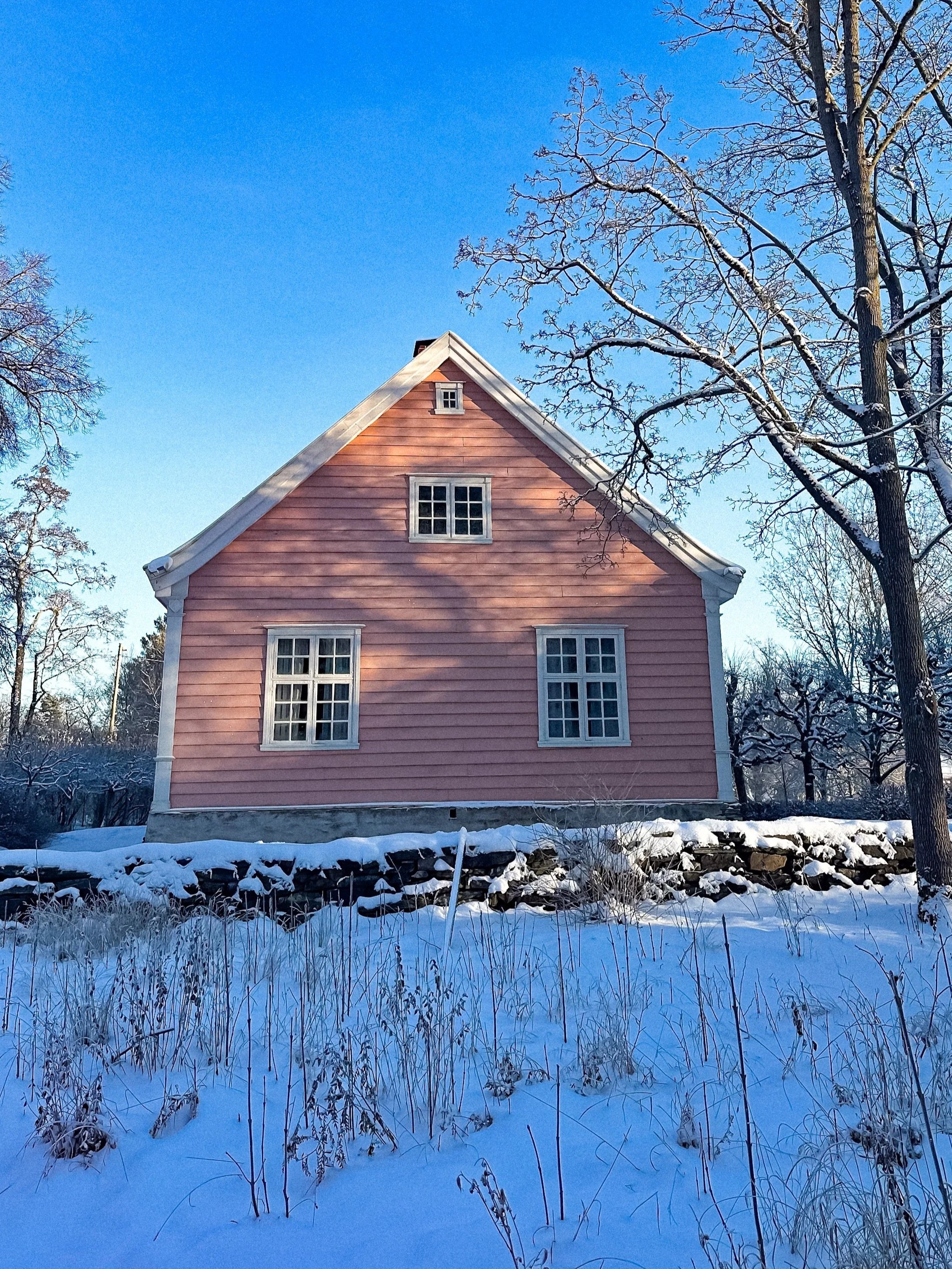
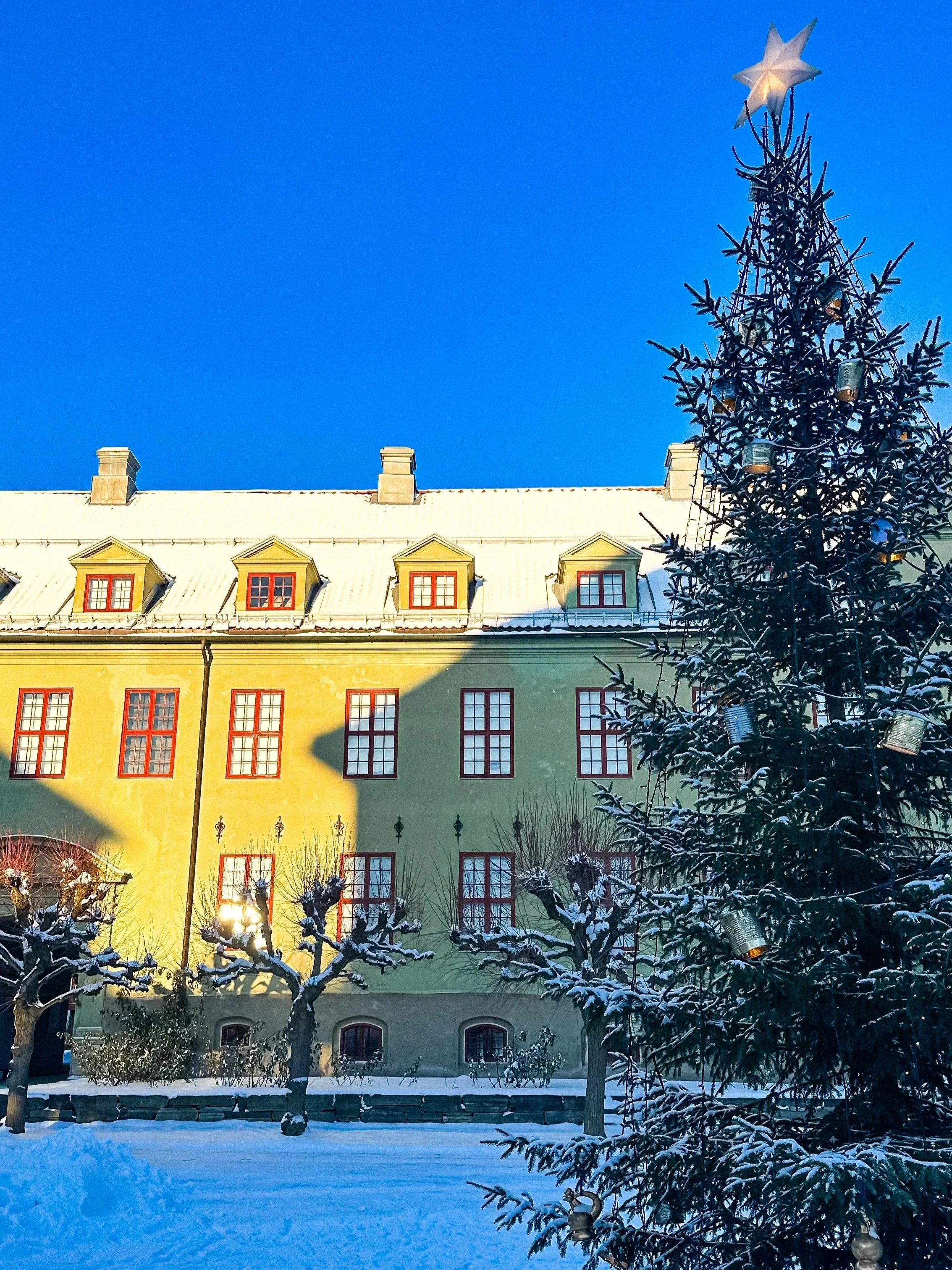
Norwegian Folk Museum (Norsk Folkemuseum)
Located on the Bygdøy peninsula, the Norwegian Folk Museum is one of Oslo’s most meaningful cultural visits.
This open-air museum gathers more than 150 historic buildings from all over Norway, offering a journey through centuries of daily life, traditions, and architecture.
The Wooden Houses
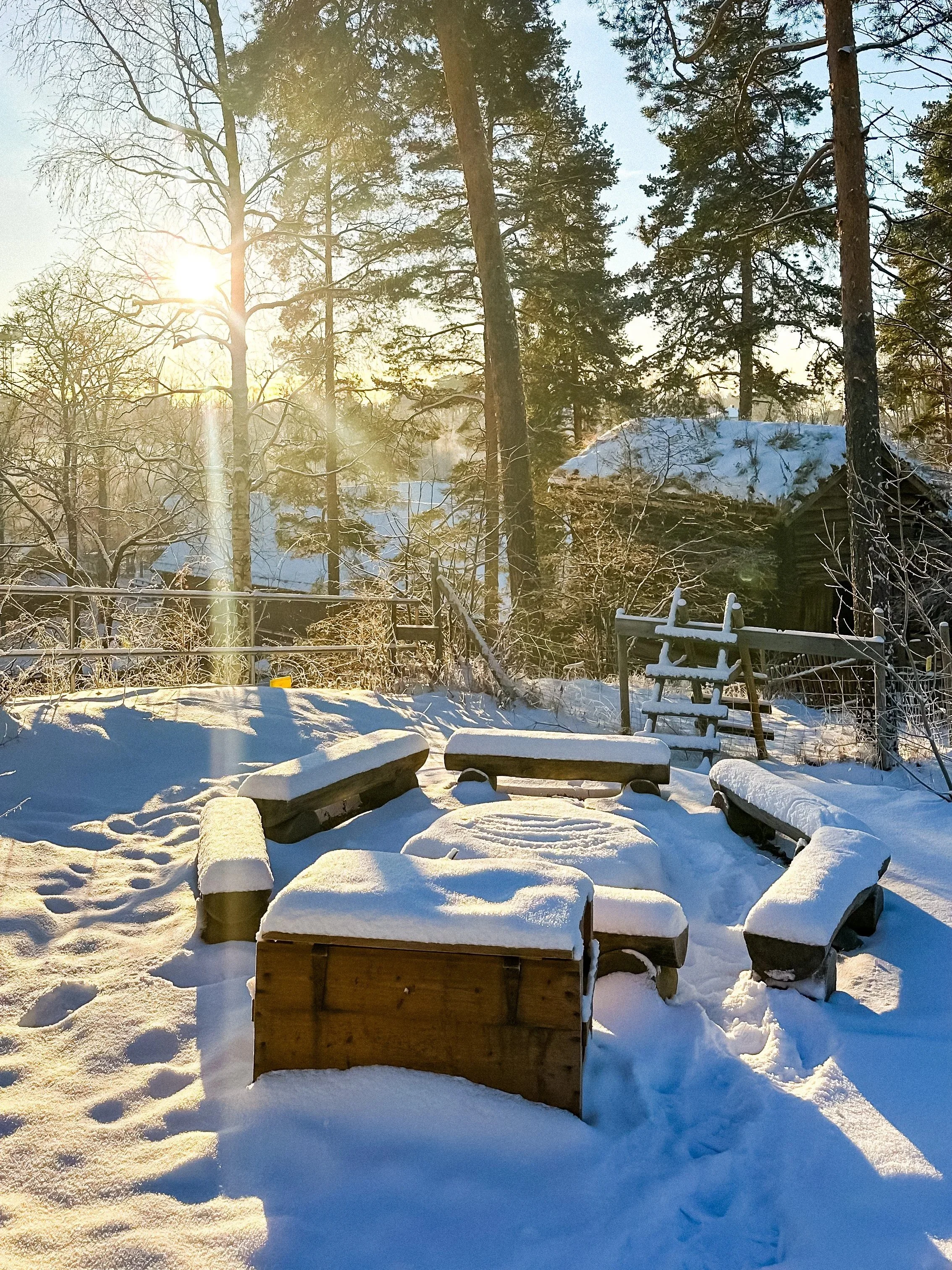
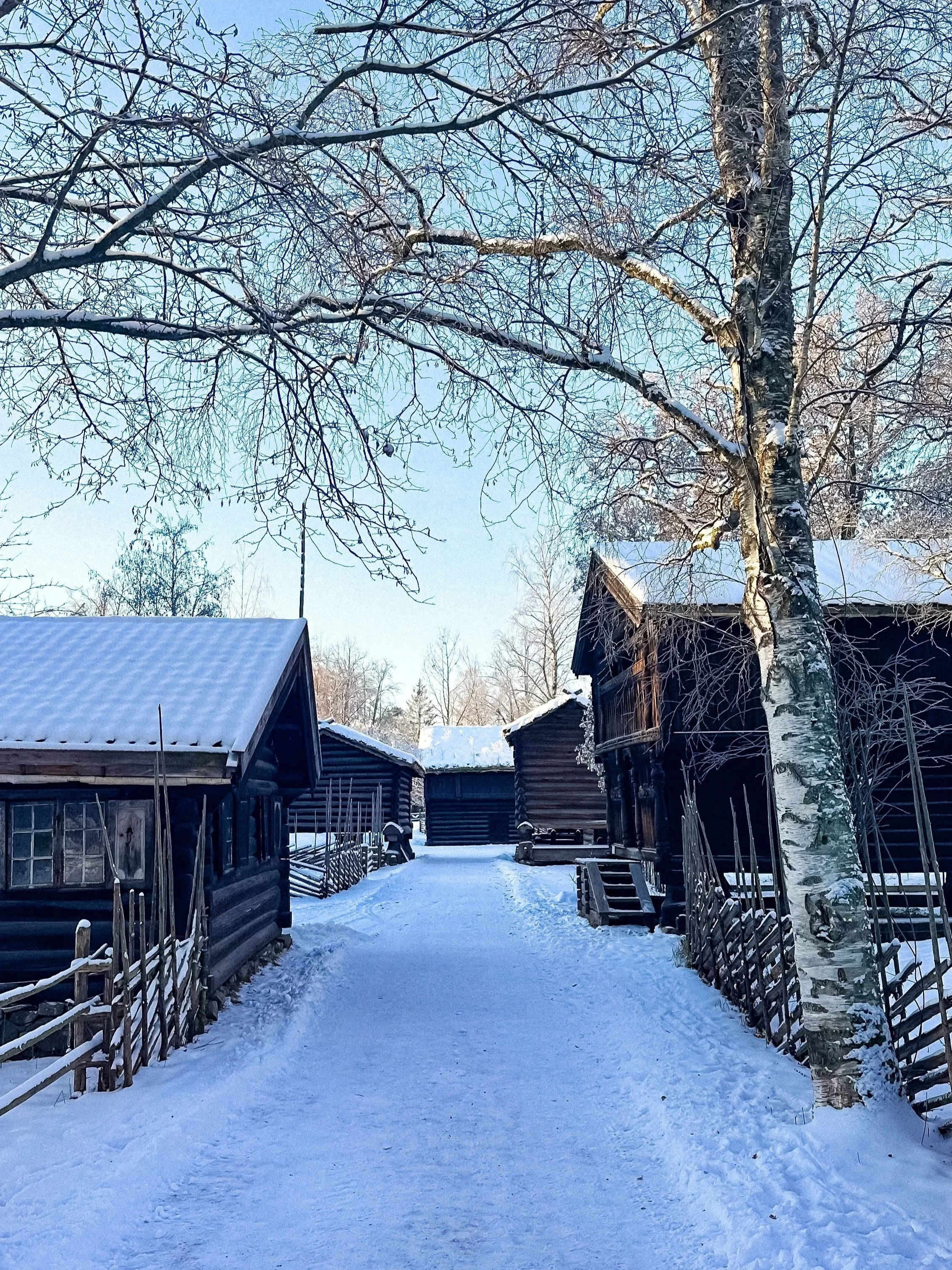
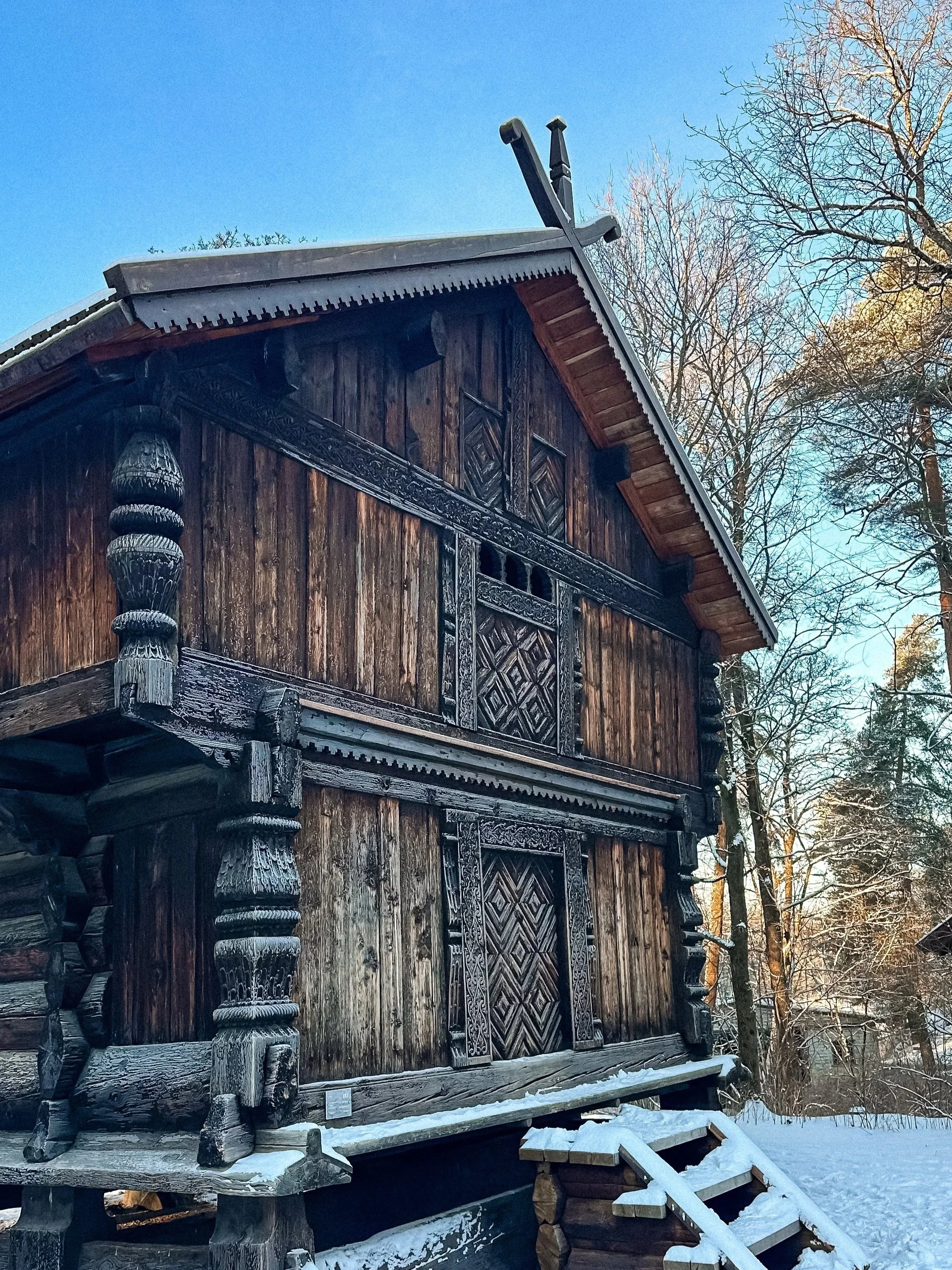
The wooden houses tell the story of Norway’s rural and urban evolution. From modest farmhouses to town homes, each structure reflects how Norwegians adapted to climate, resources, and social change. Walking among them feels like stepping into different periods of time, especially during winter when snow and silence enhance the atmosphere.
The Stave Church
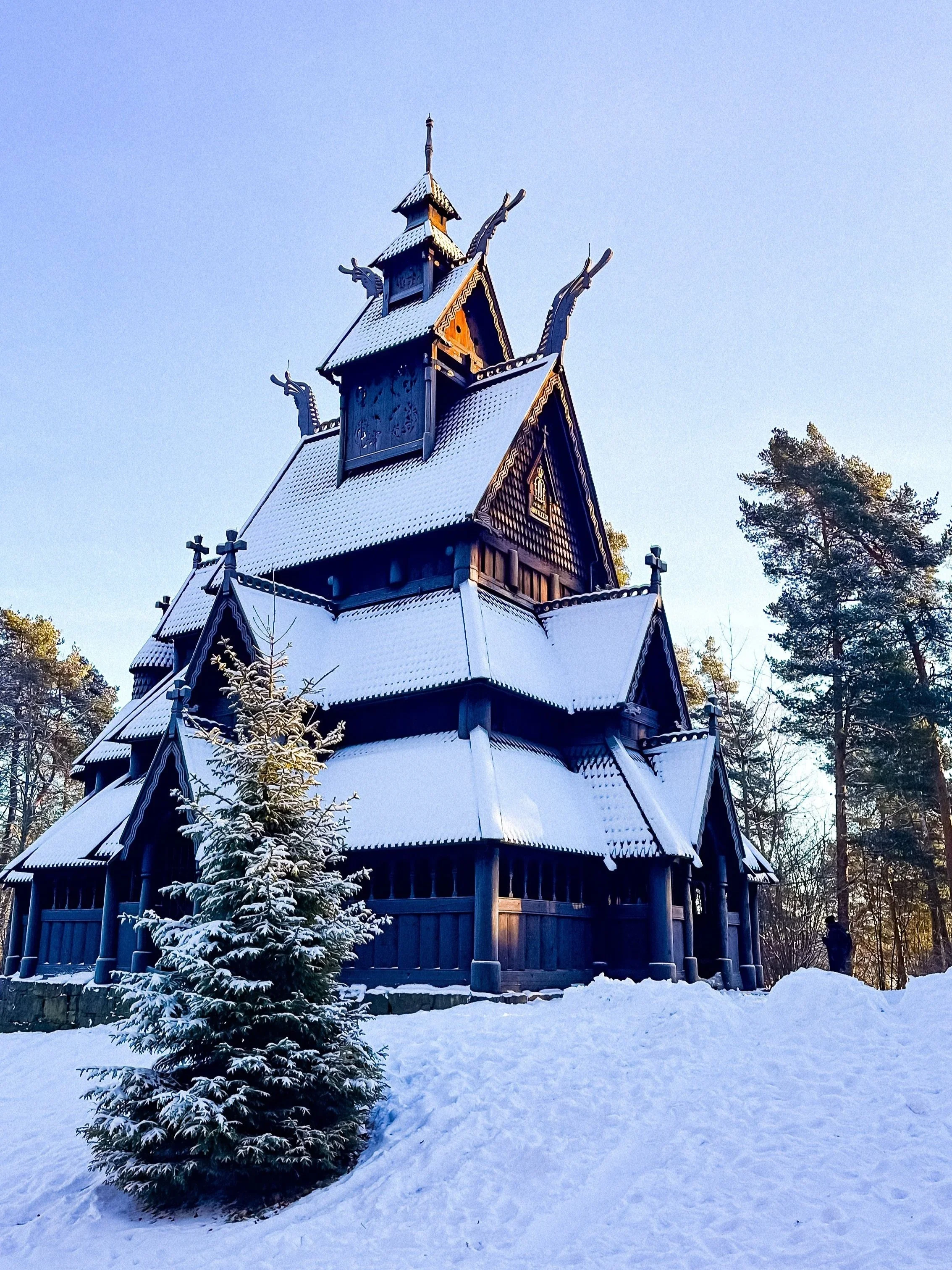
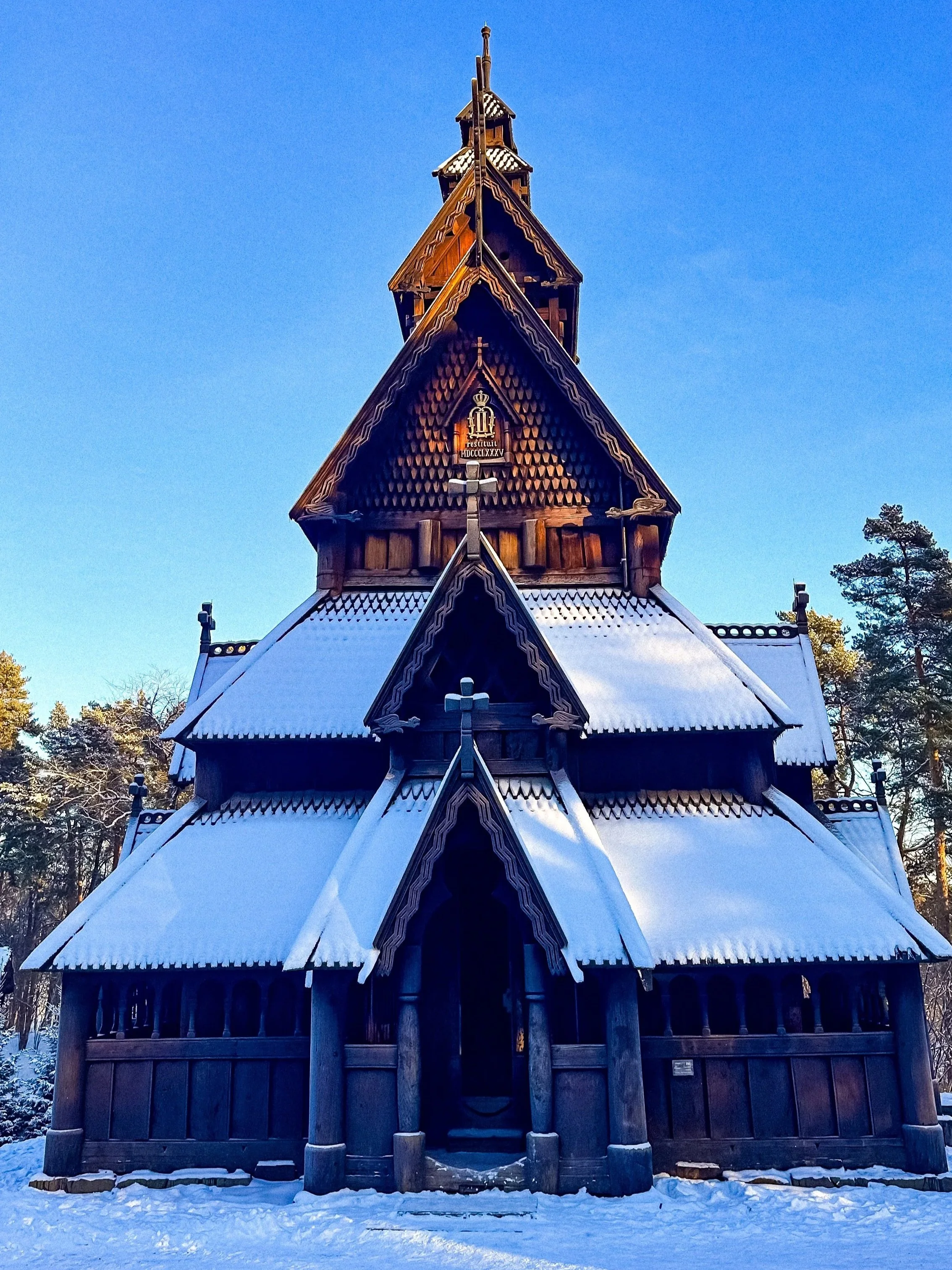
The highlight of the museum is the impressive Gol Stave Church, dating back to the 13th century. Built entirely of wood, its dark structure, intricate carvings, and vertical lines create a powerful presence. The base of the church rests on stone, while the wooden construction rises with a quiet strength that feels both spiritual and architectural.
It is one of the most striking examples of medieval Norwegian craftsmanship.
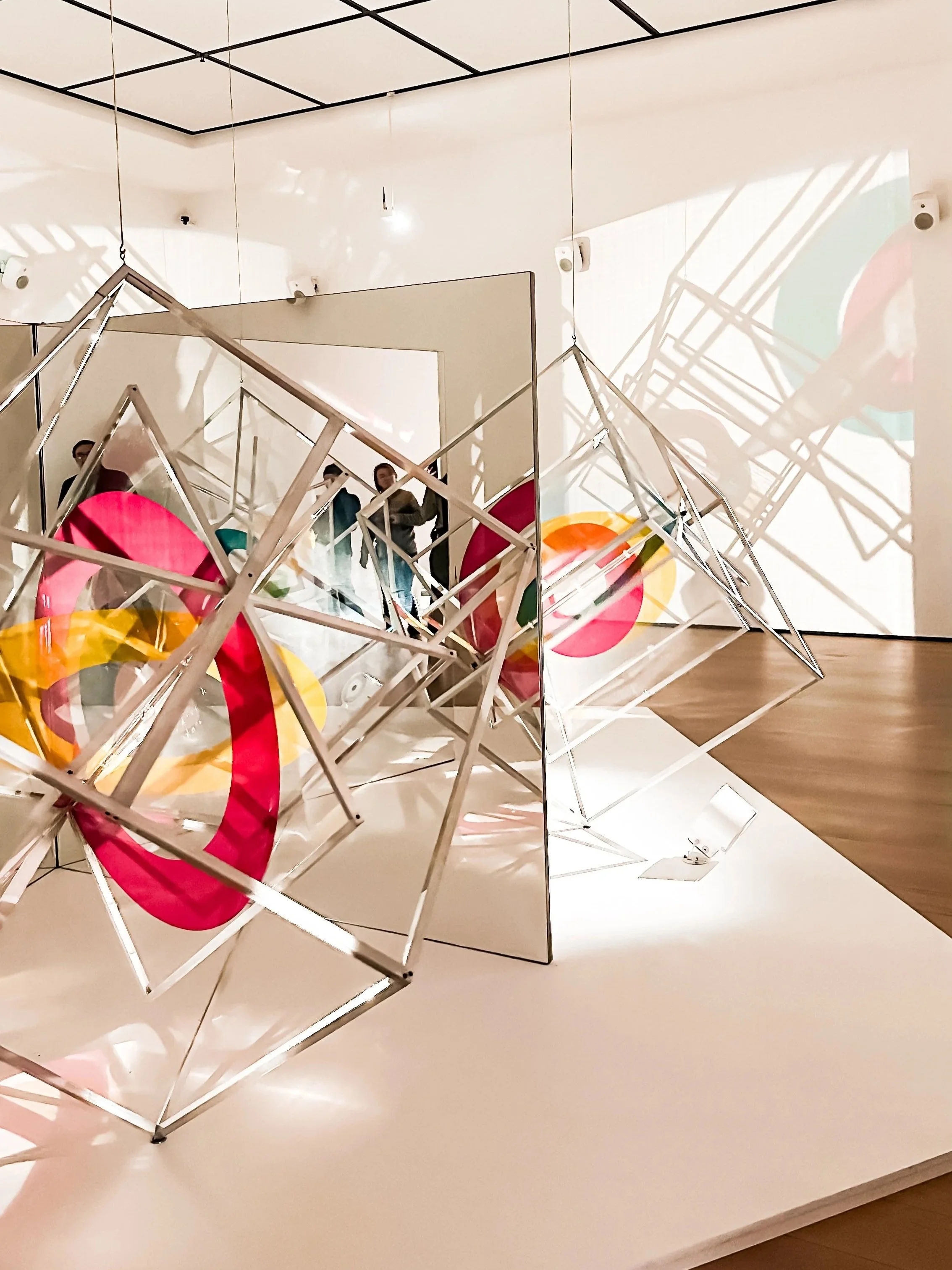
Museums and Art
Oslo’s museum scene reflects the city’s balance between contemporary architecture, nature, and cultural depth. Many of the museums are destinations in themselves, thoughtfully integrated into the urban landscape.
The National Museum
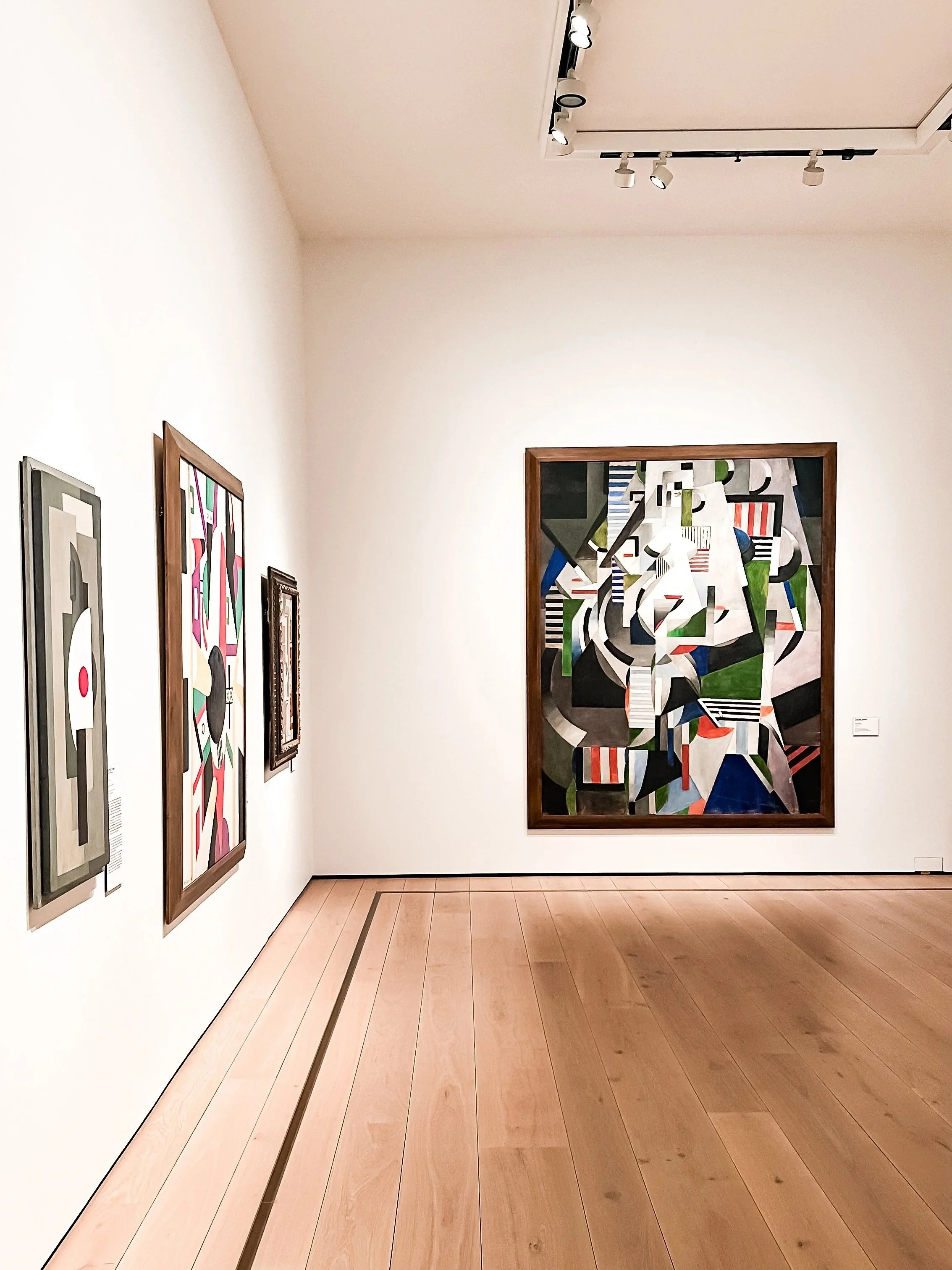
The National Museum is the largest art museum in the Nordic countries. Designed by the German firm Kleihues + Schuwerk, the building is monumental yet restrained, with clean lines and soft stone tones.
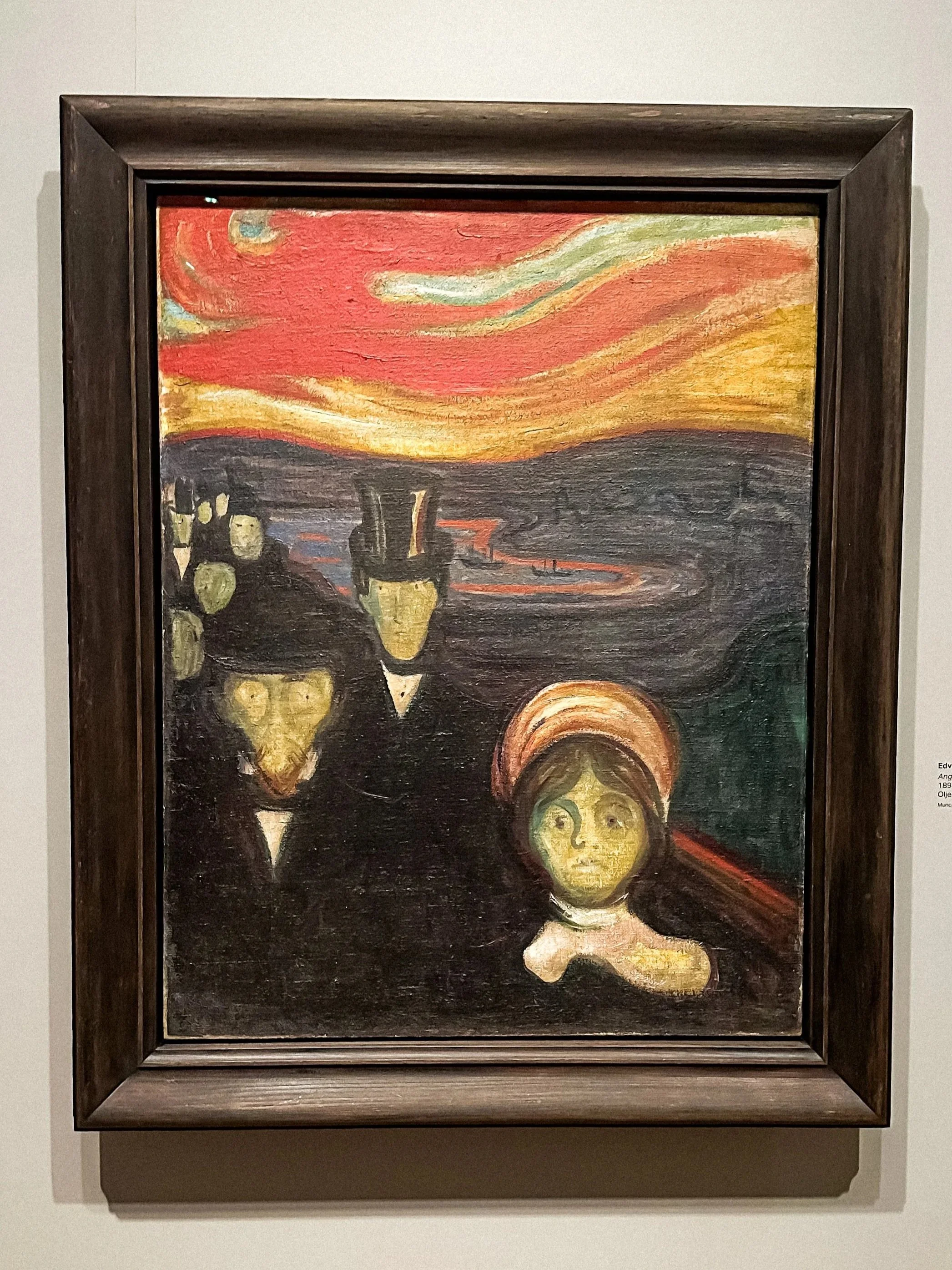
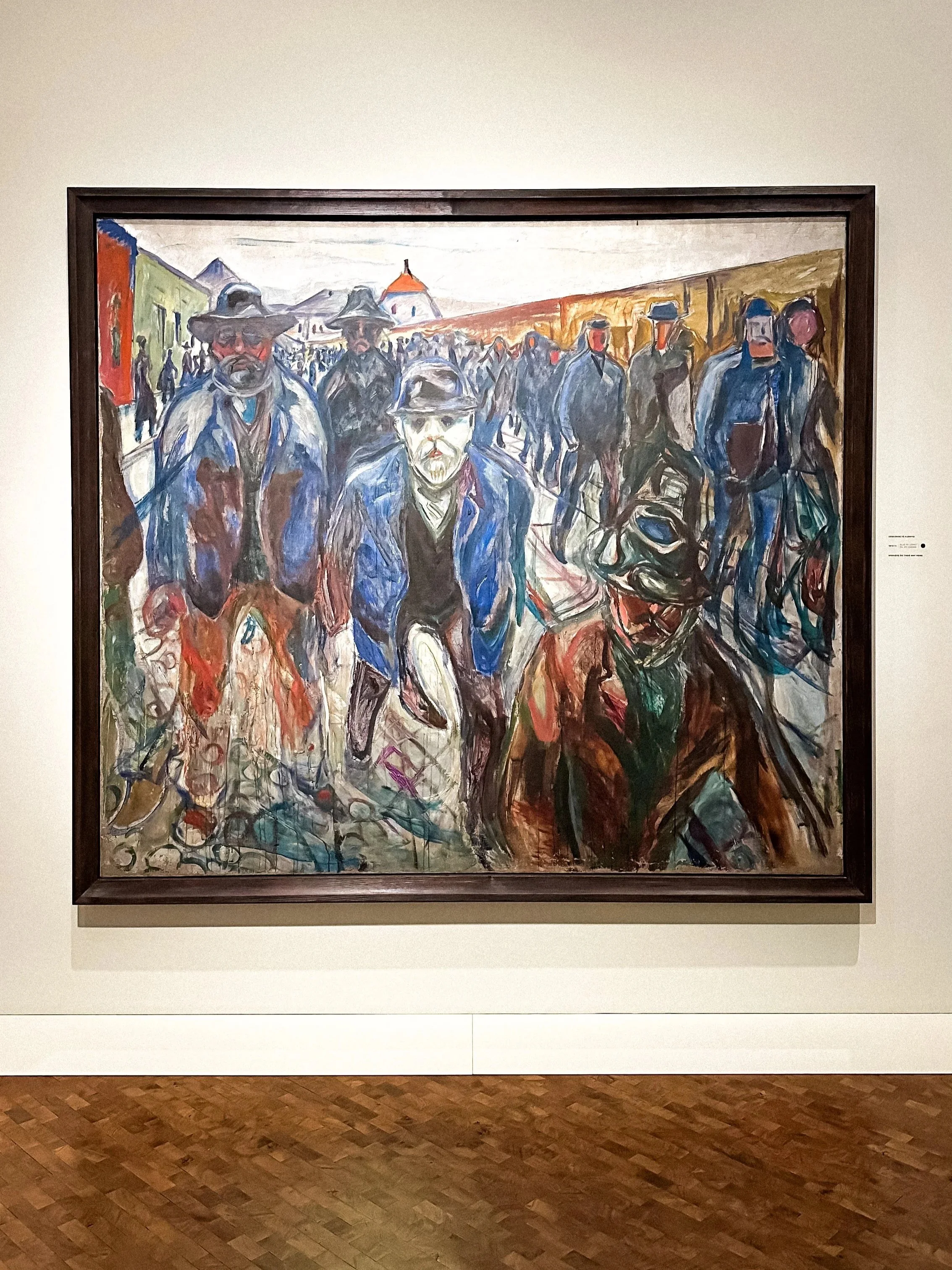
Inside, the collection spans Norwegian and international art, architecture, and design, from antiquity to contemporary works. Highlights include Edvard Munch, Harald Sohlberg, and an important design and decorative arts section that contextualizes Scandinavian aesthetics.
The museum’s spacious layout and natural light make it an unhurried and immersive visit.
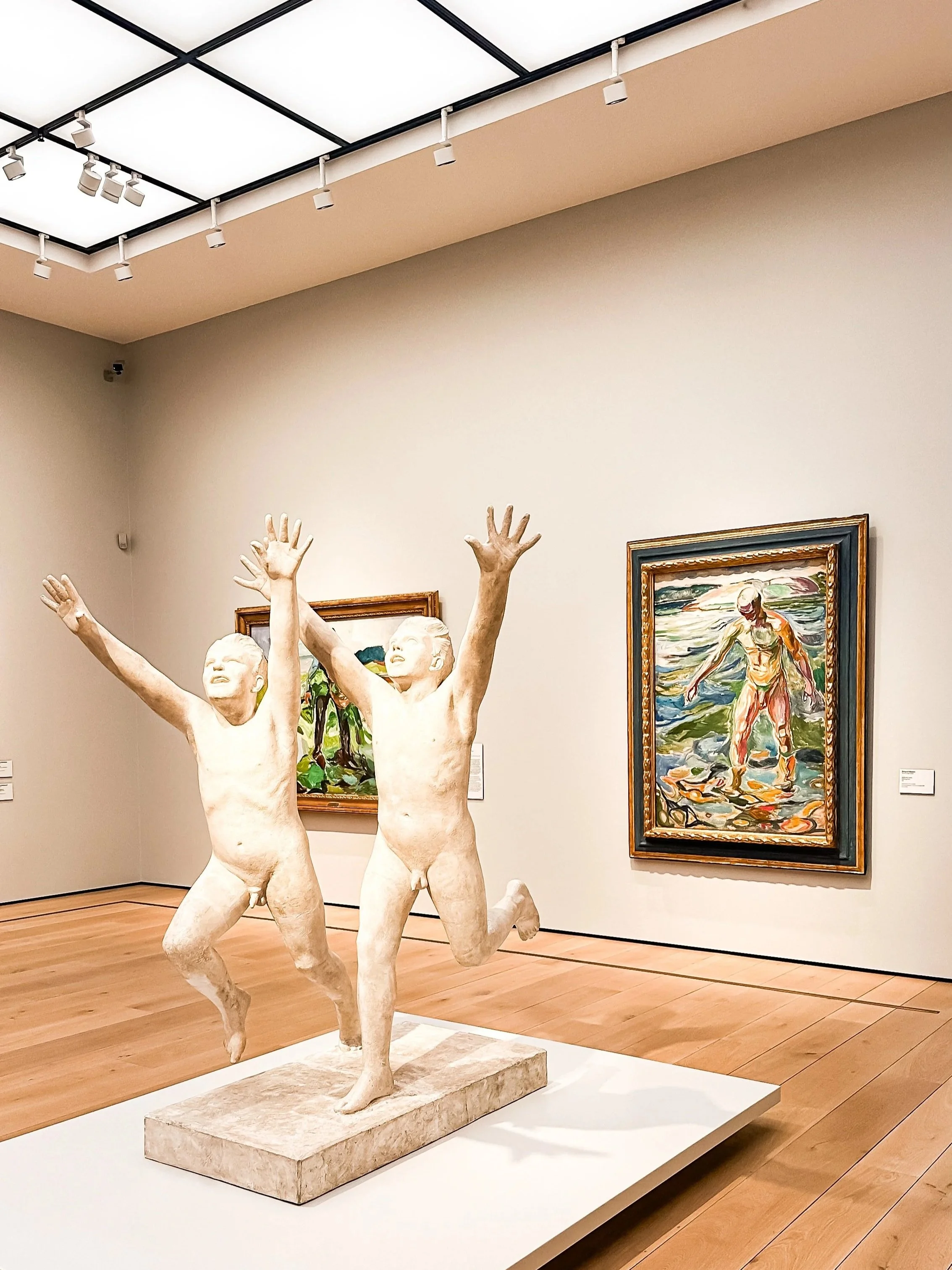
Munch Museum
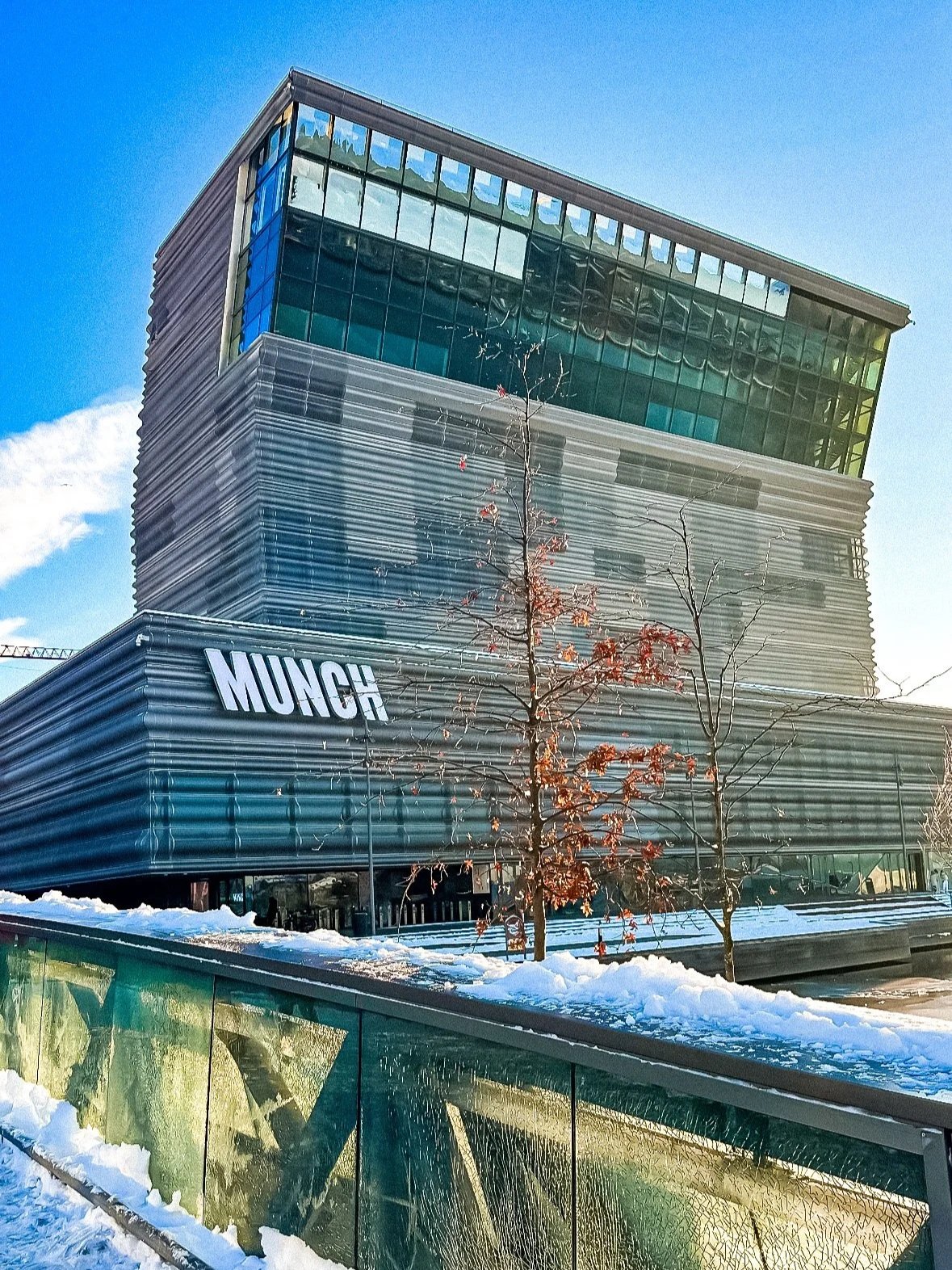
The Munch Museum, located in Bjørvika near the Opera House, was designed by Spanish architecture studio Estudio Herreros.
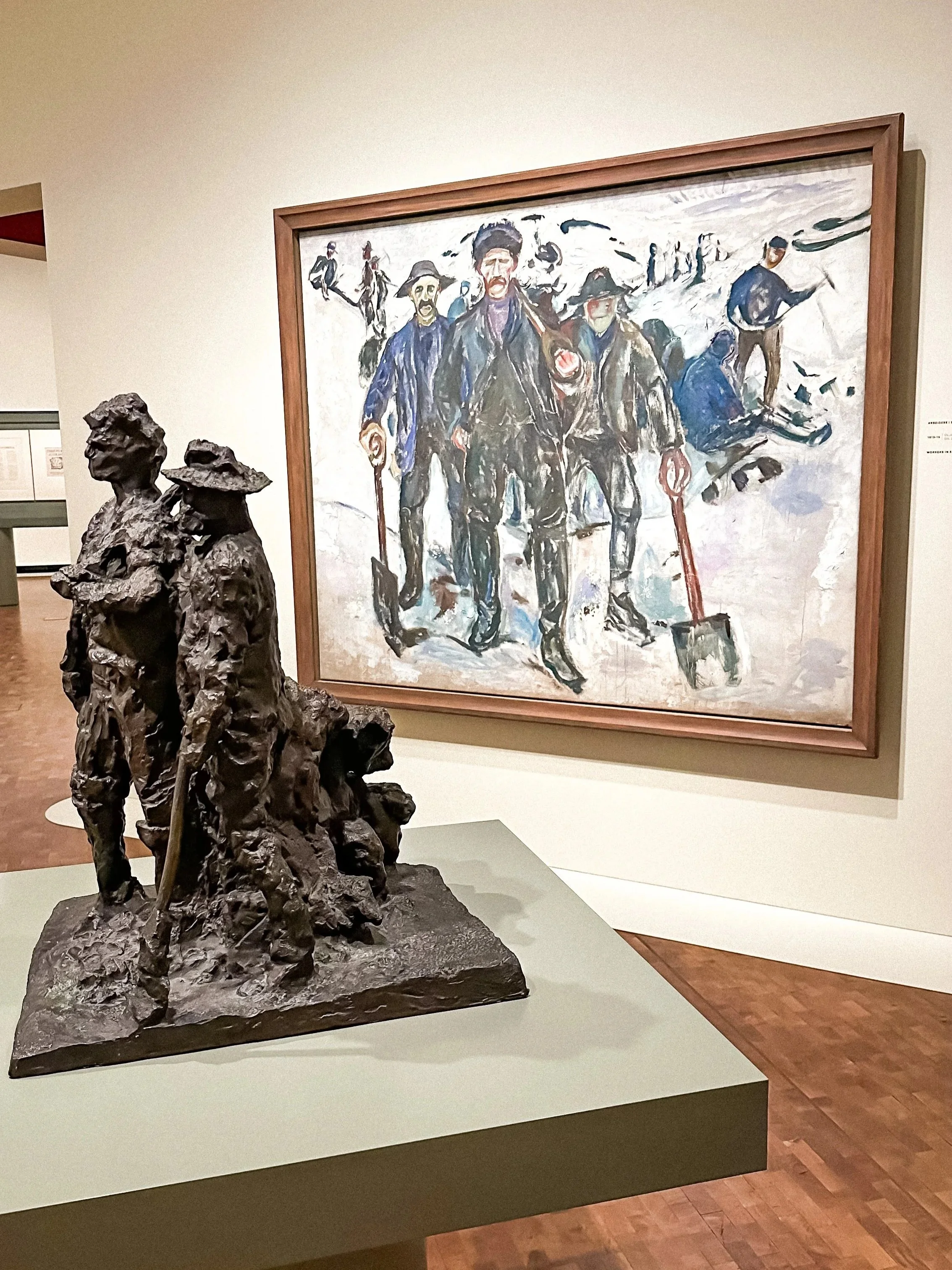
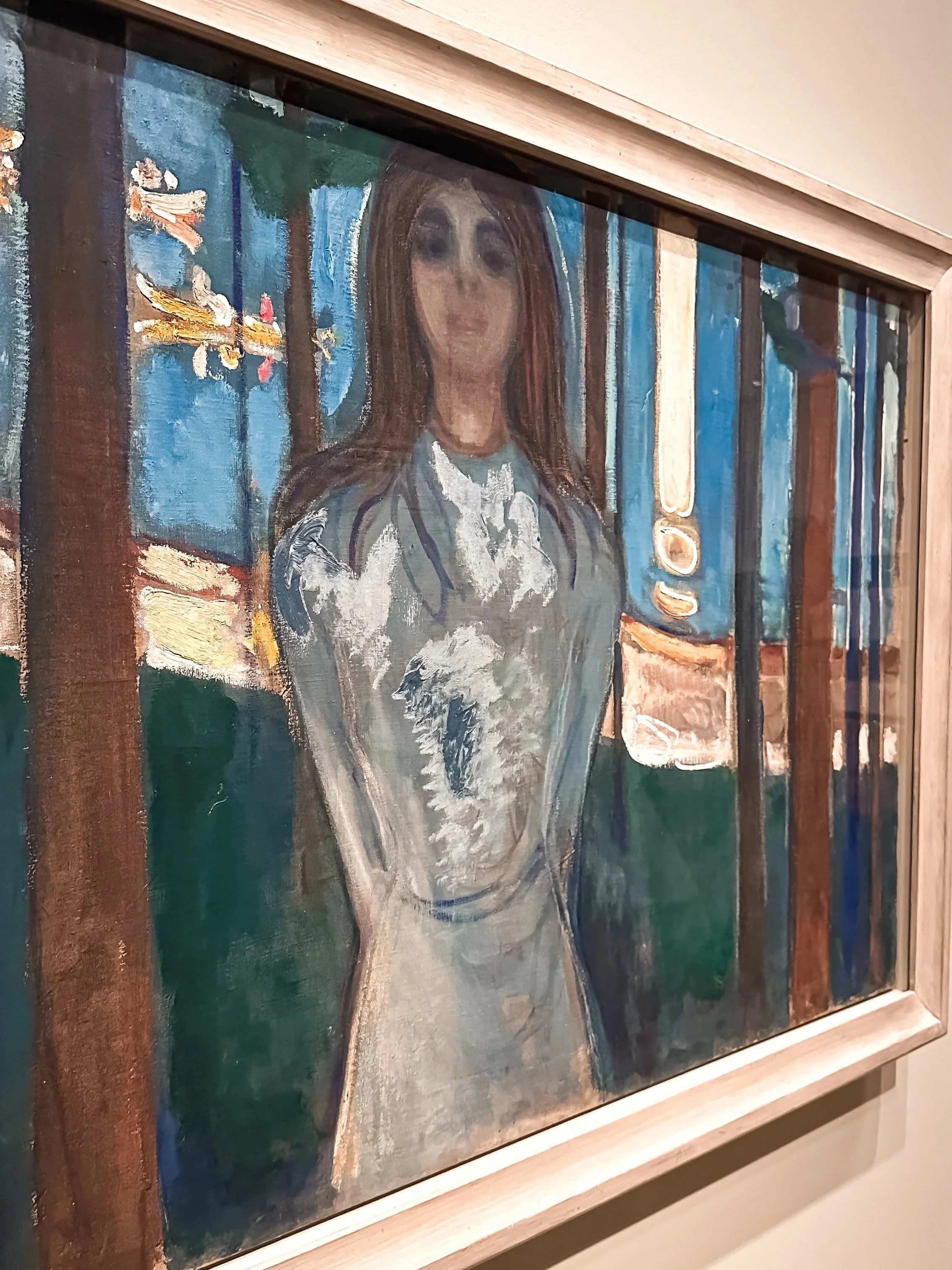
The building’s vertical structure stands as a contemporary landmark on the waterfront. Inside, the collection offers a comprehensive view of Edvard Munch’s work, far beyond The Scream, including paintings, drawings, prints, and personal archives.
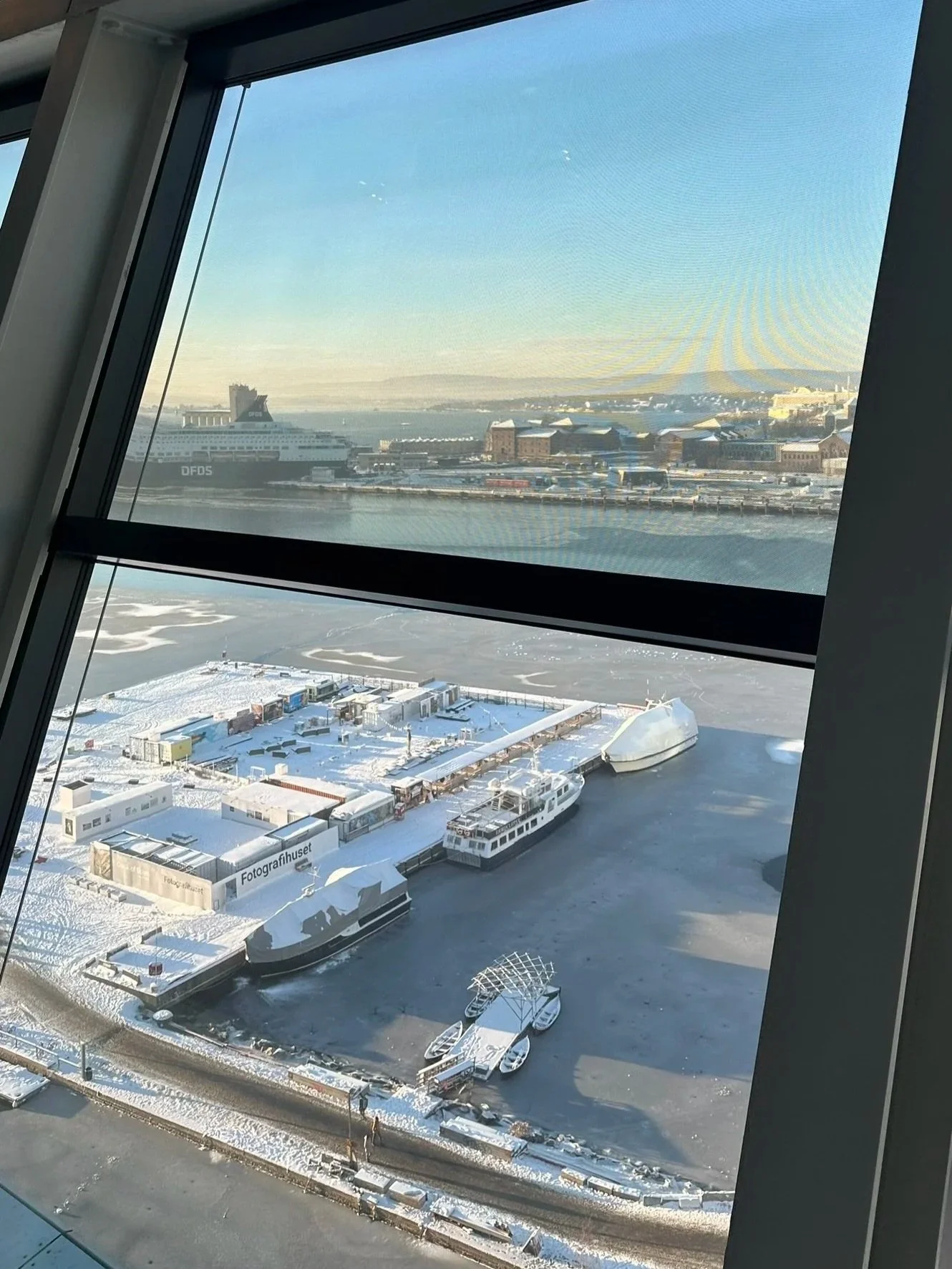
Upper floors offer panoramic views over Oslo and the fjord, adding a contemplative dimension to the visit.
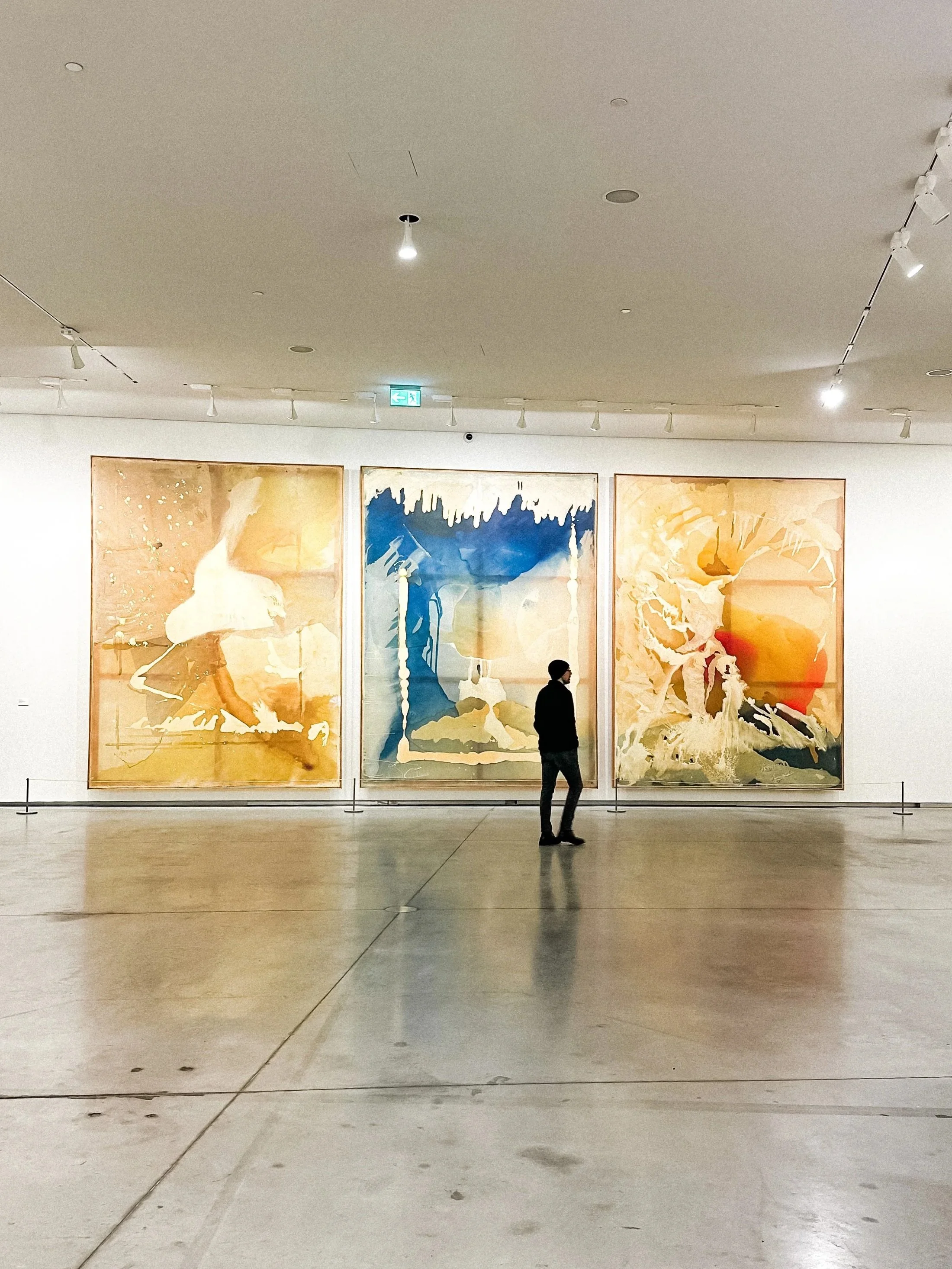
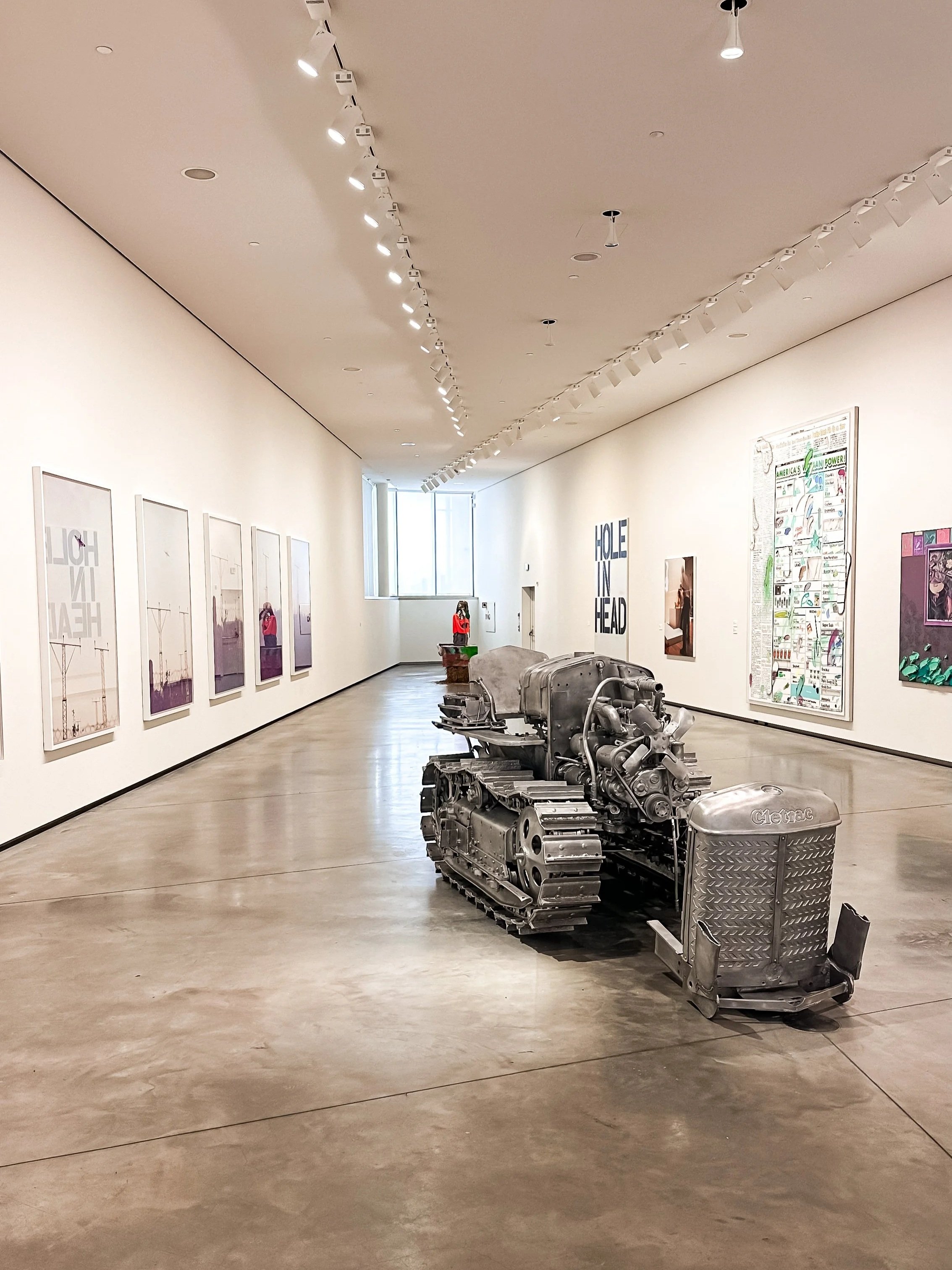
Astrup Fearnley Museum
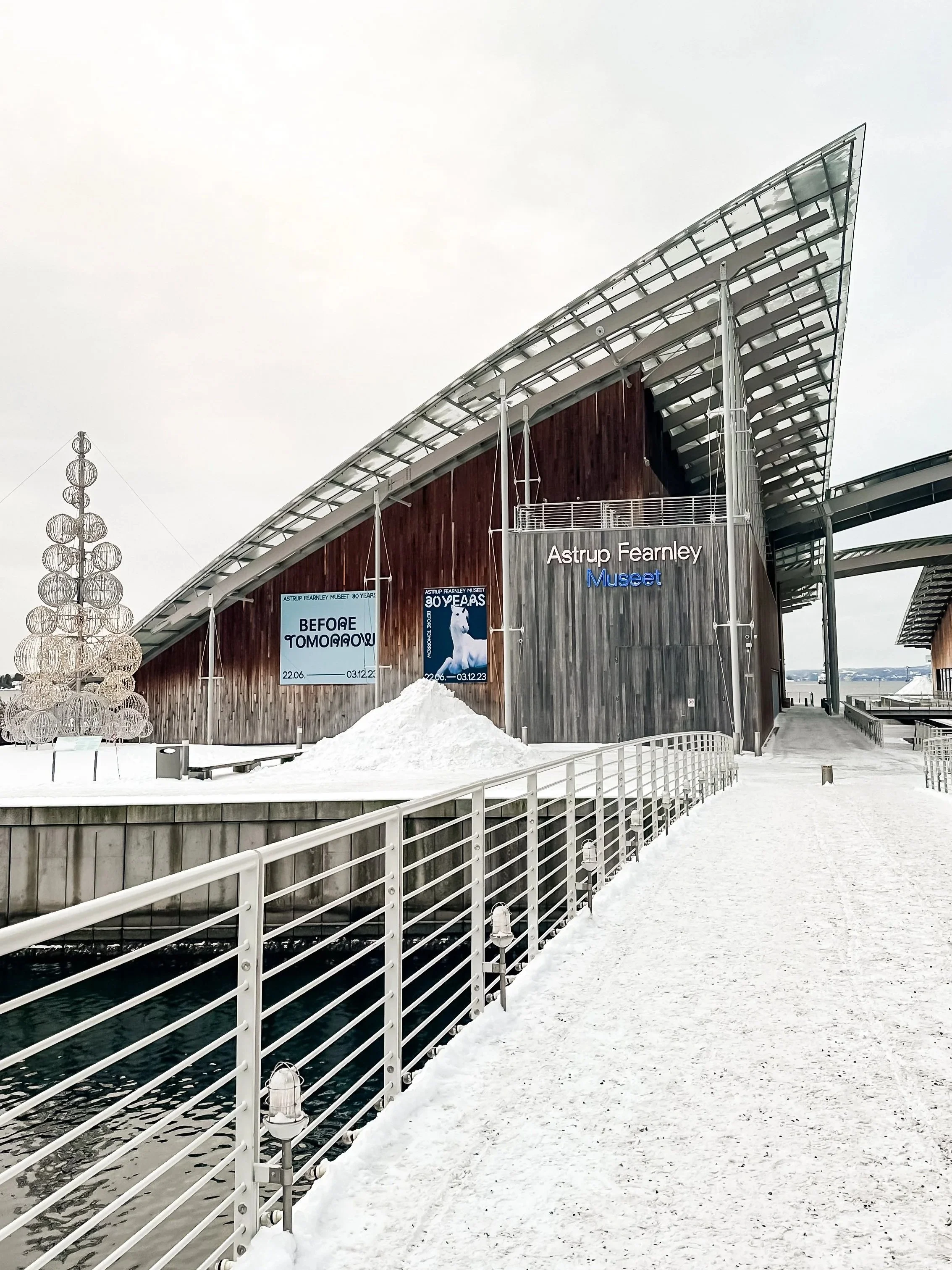
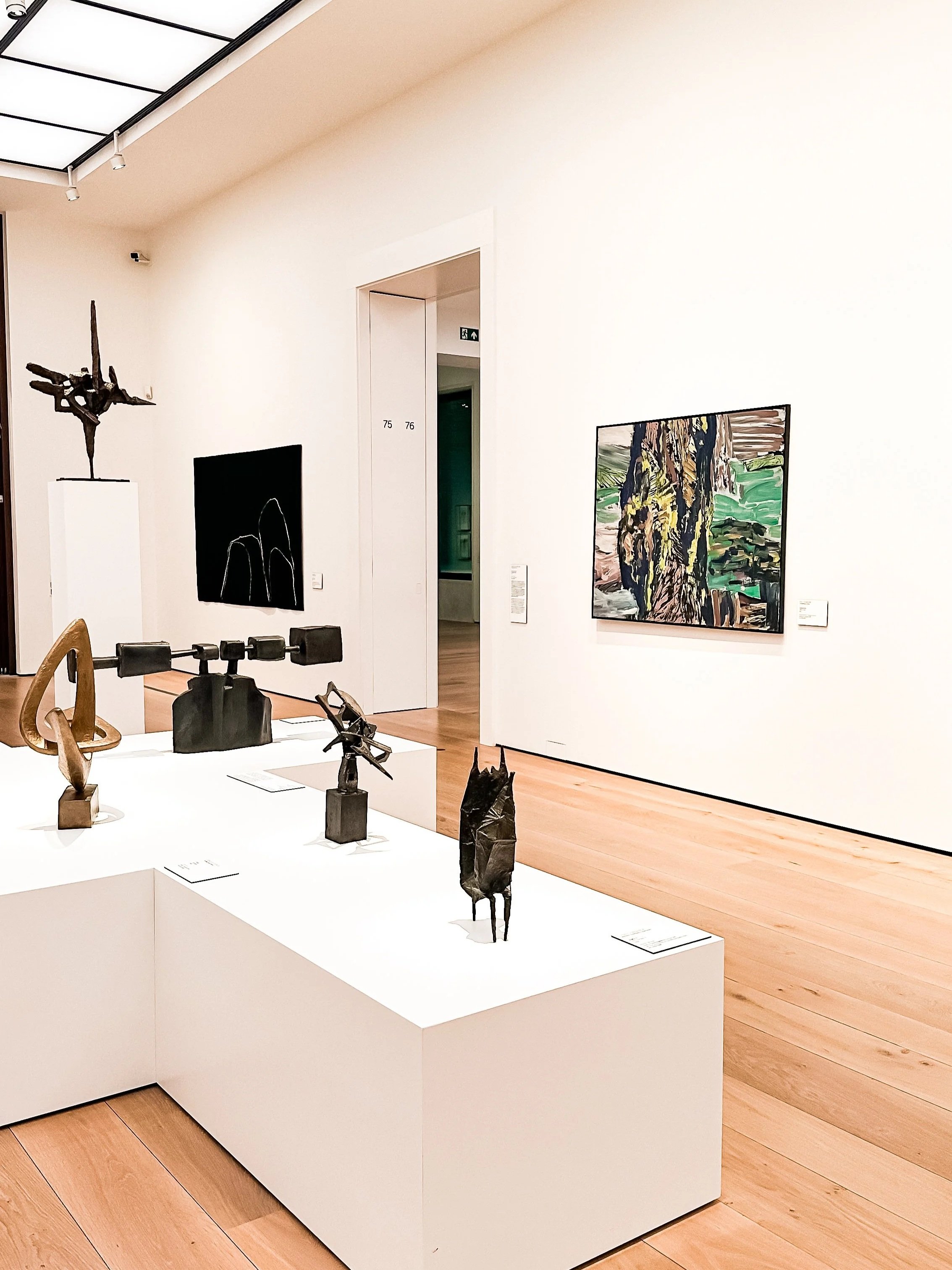
The Astrup Fearnley Museum is one of Oslo’s most refined cultural stops. Designed by Renzo Piano, the museum sits directly on the water at Tjuvholmen.
Its architecture blends glass, wood, and light, creating a seamless dialogue between art, sea, and sky. The collection focuses on contemporary art, with works by Damien Hirst, Jeff Koons, Anselm Kiefer, and other major international artists.
The surrounding area, with its sculptures and waterfront paths, is as much part of the experience as the museum itself.
Walking the City
Oslo is best experienced on foot, through a series of simple yet meaningful strolls that reveal its character.
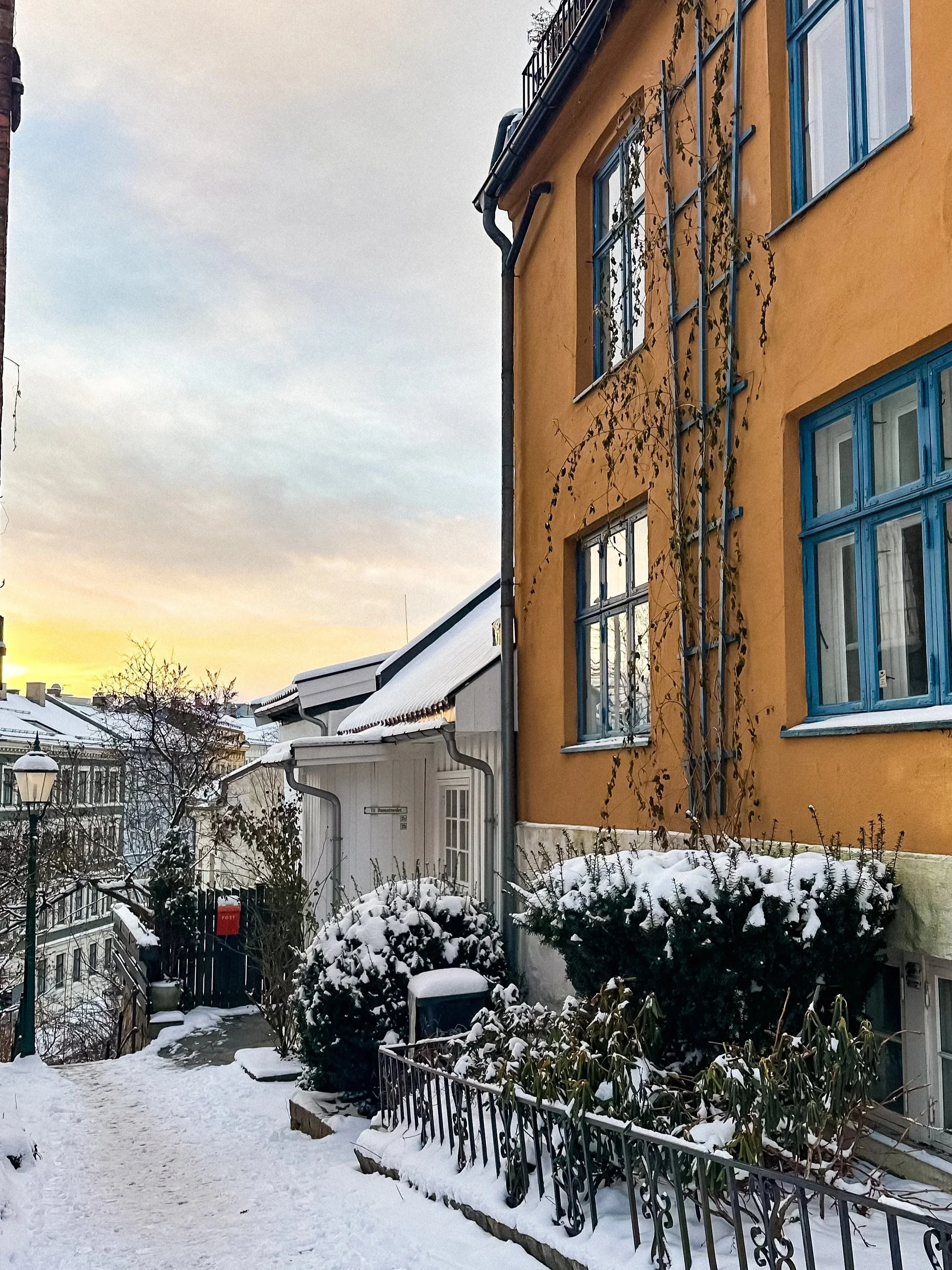
Damstredet
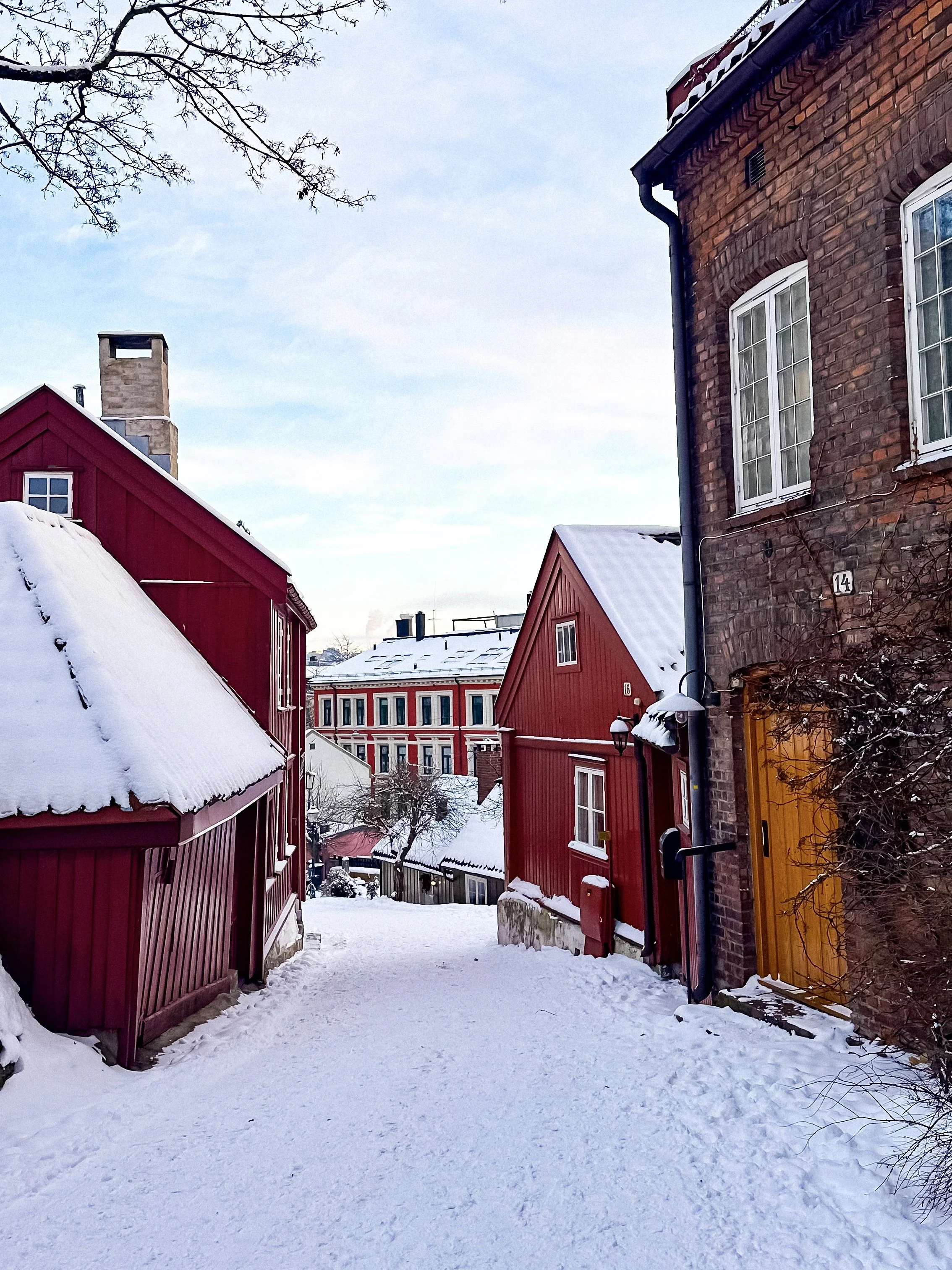
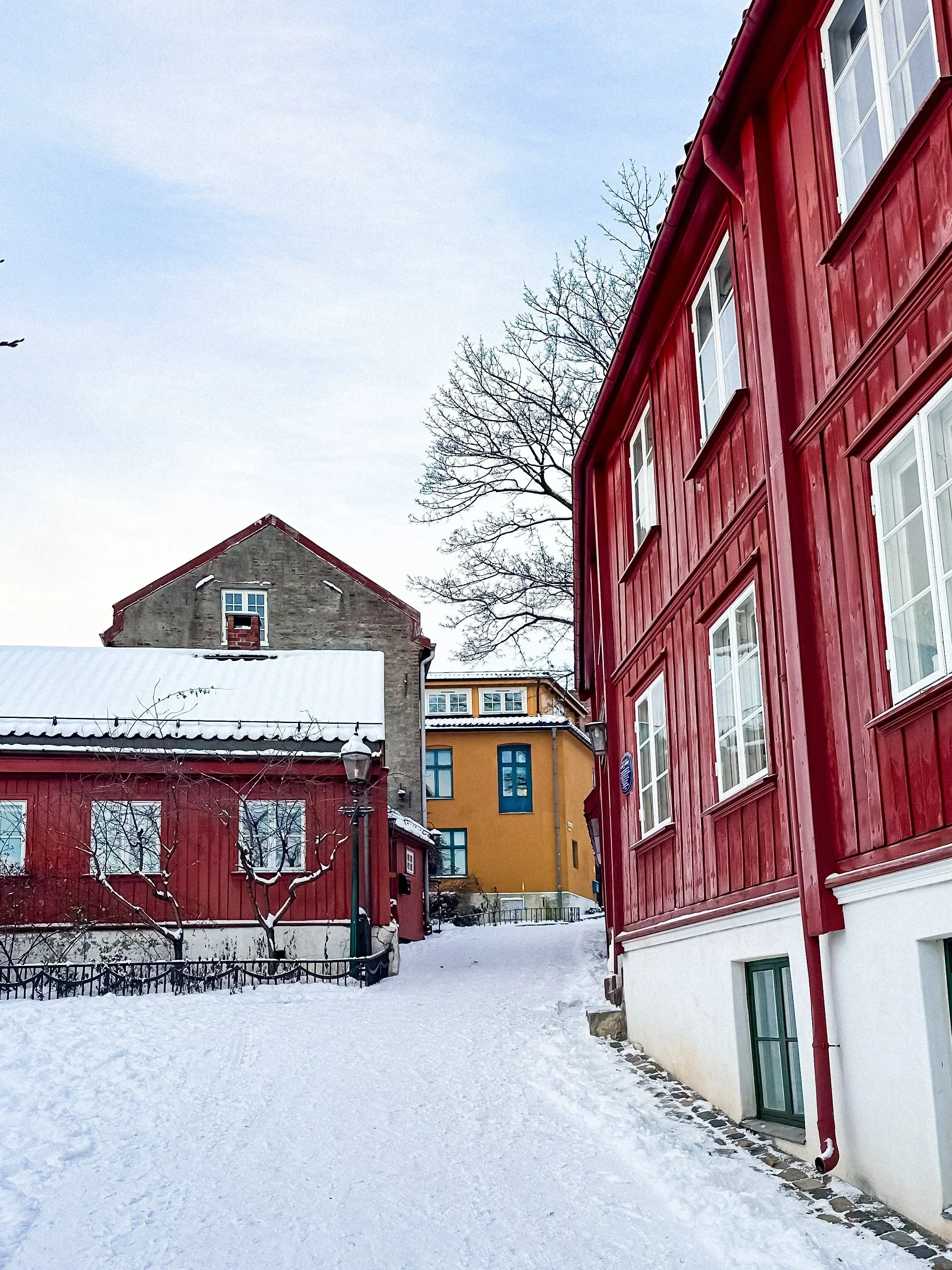
Damstredet feels like a step back in time. This small cobblestone street lined with preserved wooden houses offers a glimpse of 18th and 19th century Oslo.
Quiet and intimate, it contrasts beautifully with the city’s modern architecture.
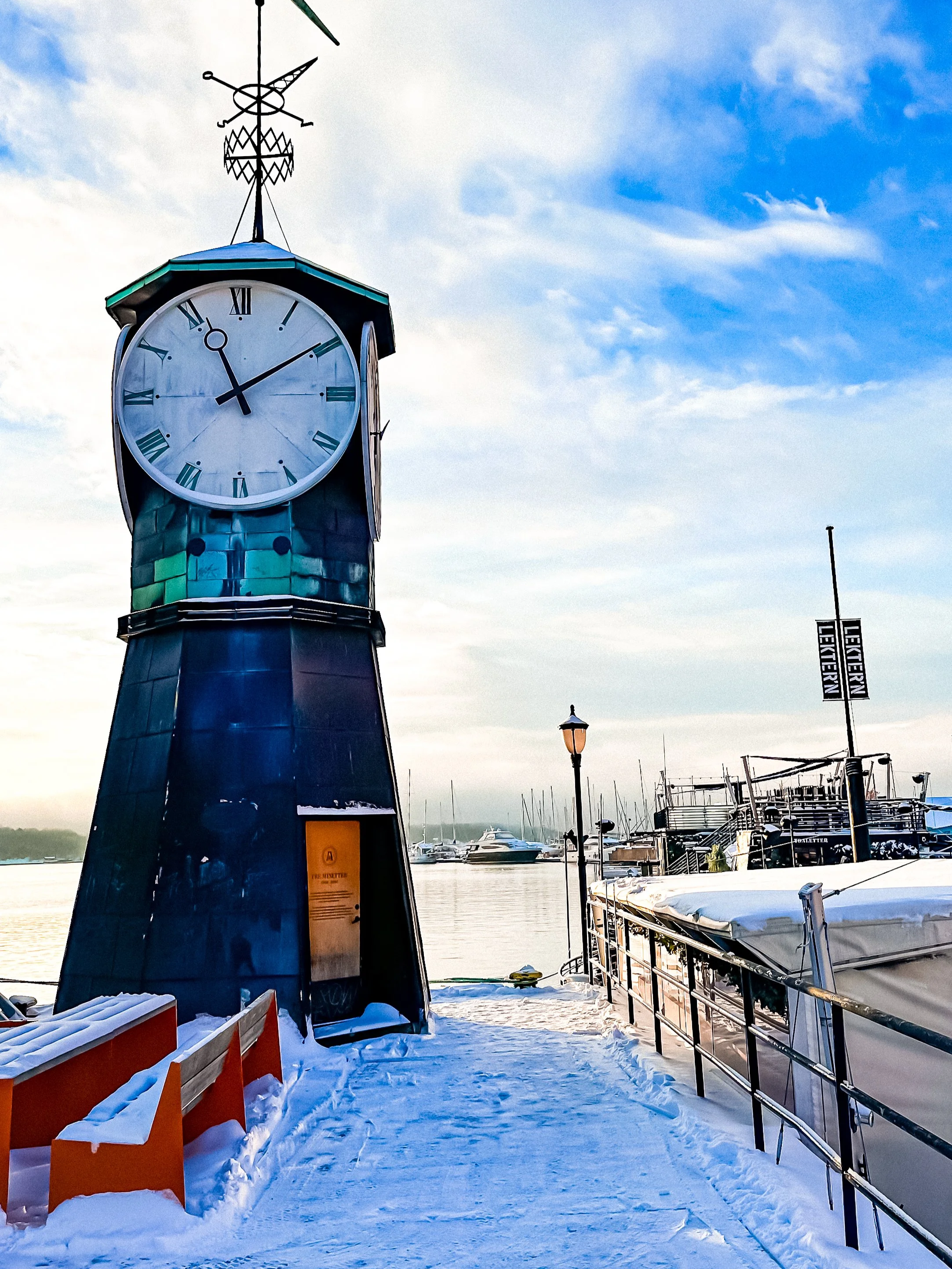
Aker Brygge and the Harbor
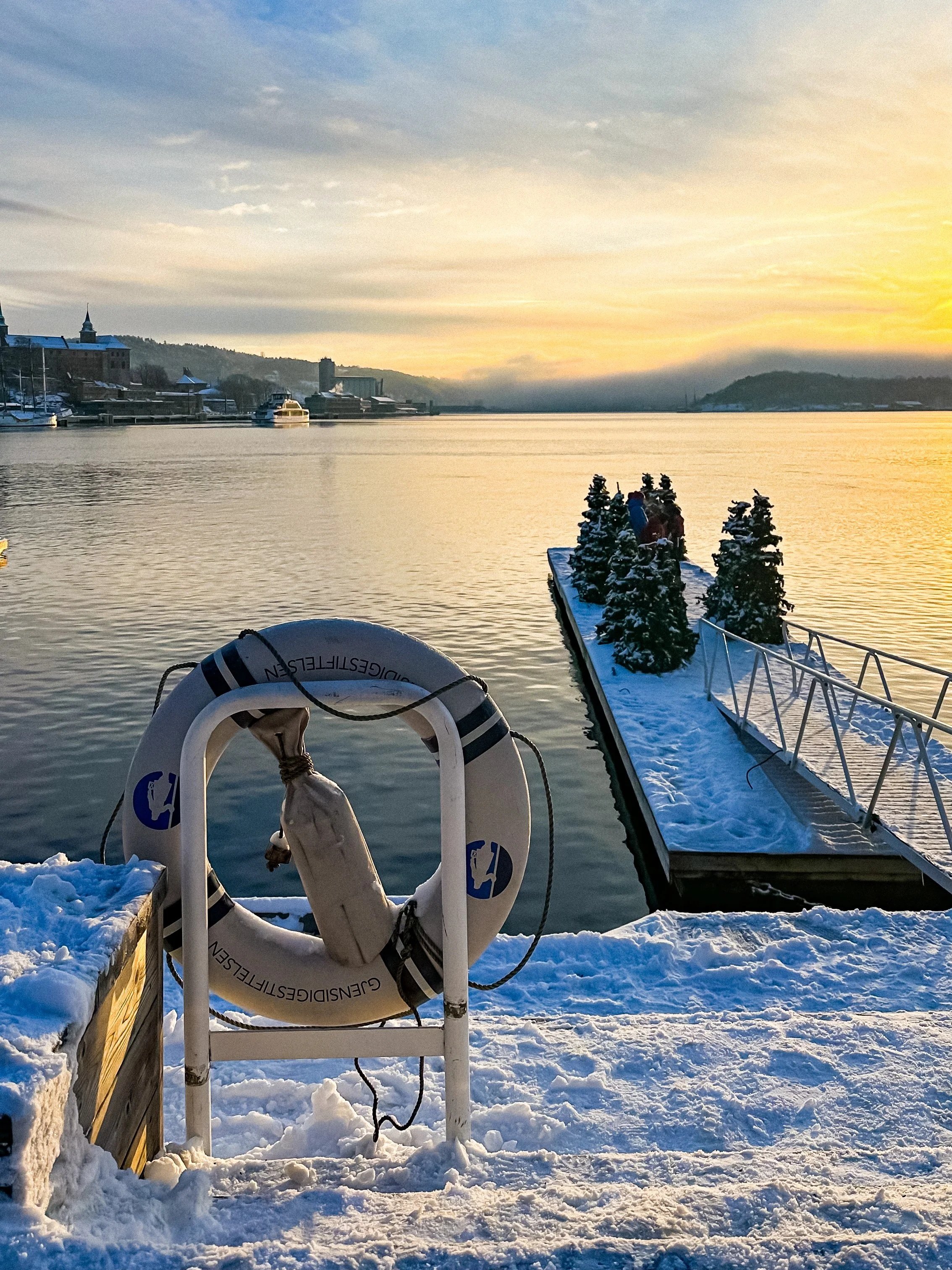
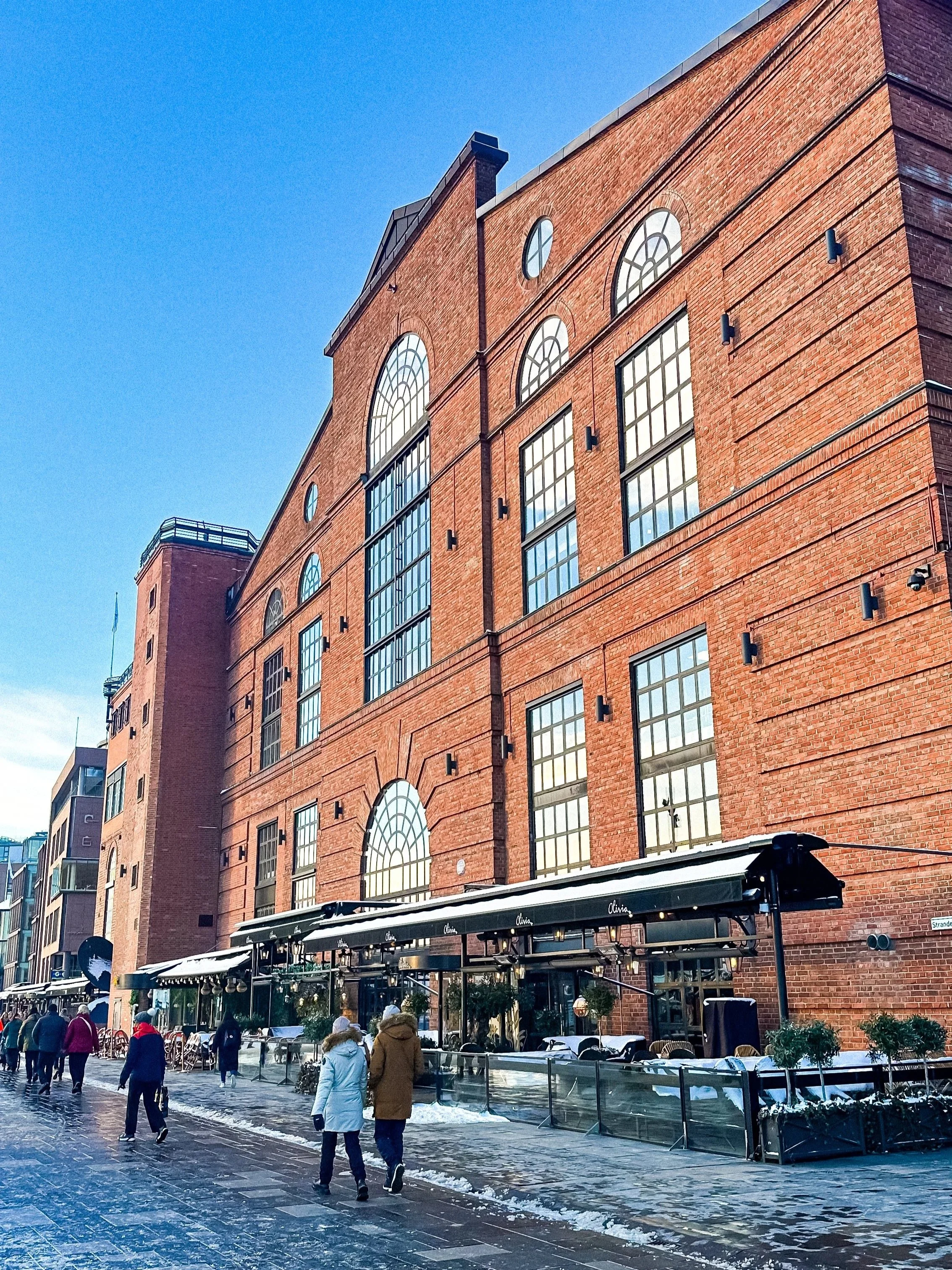
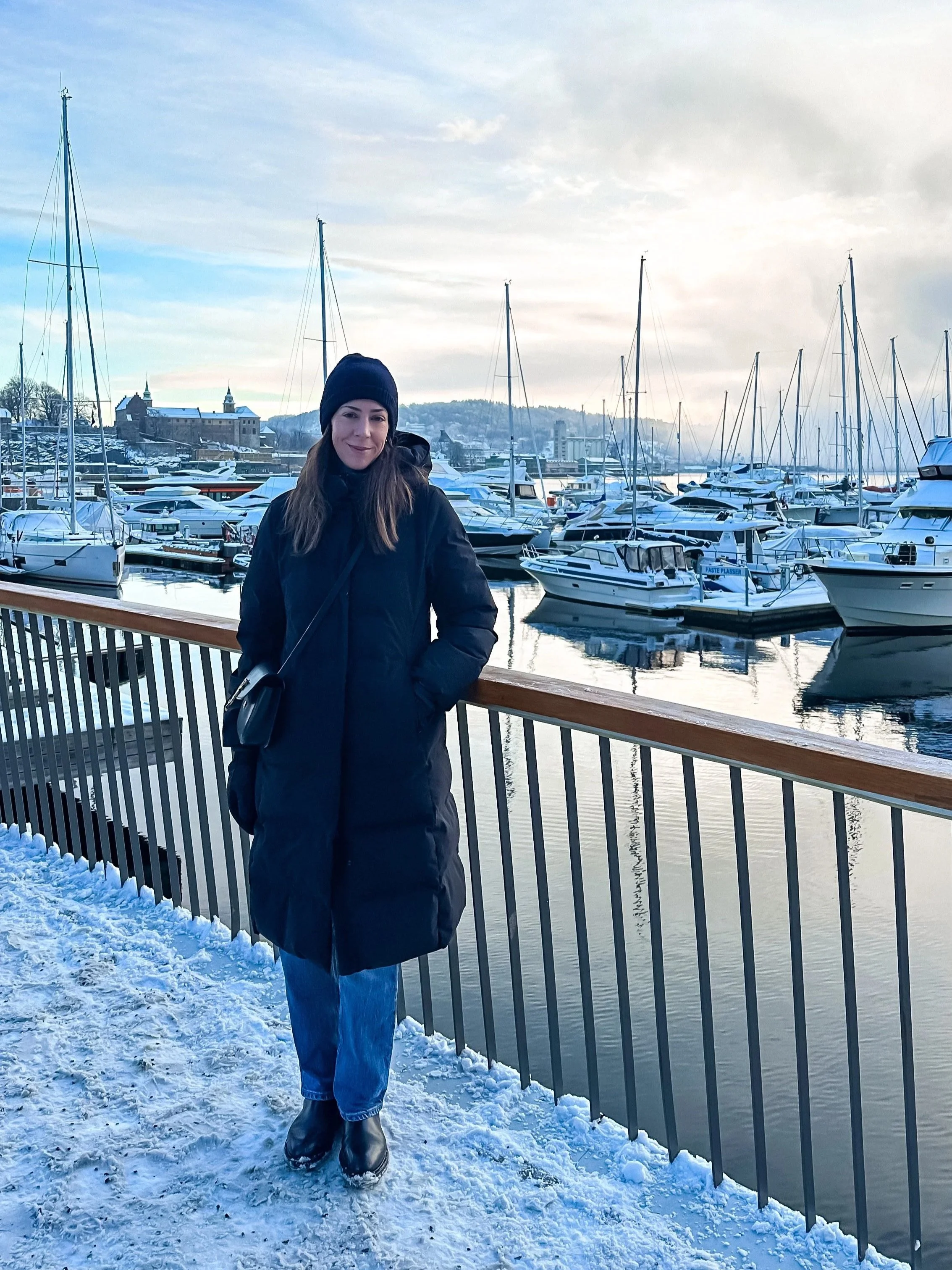
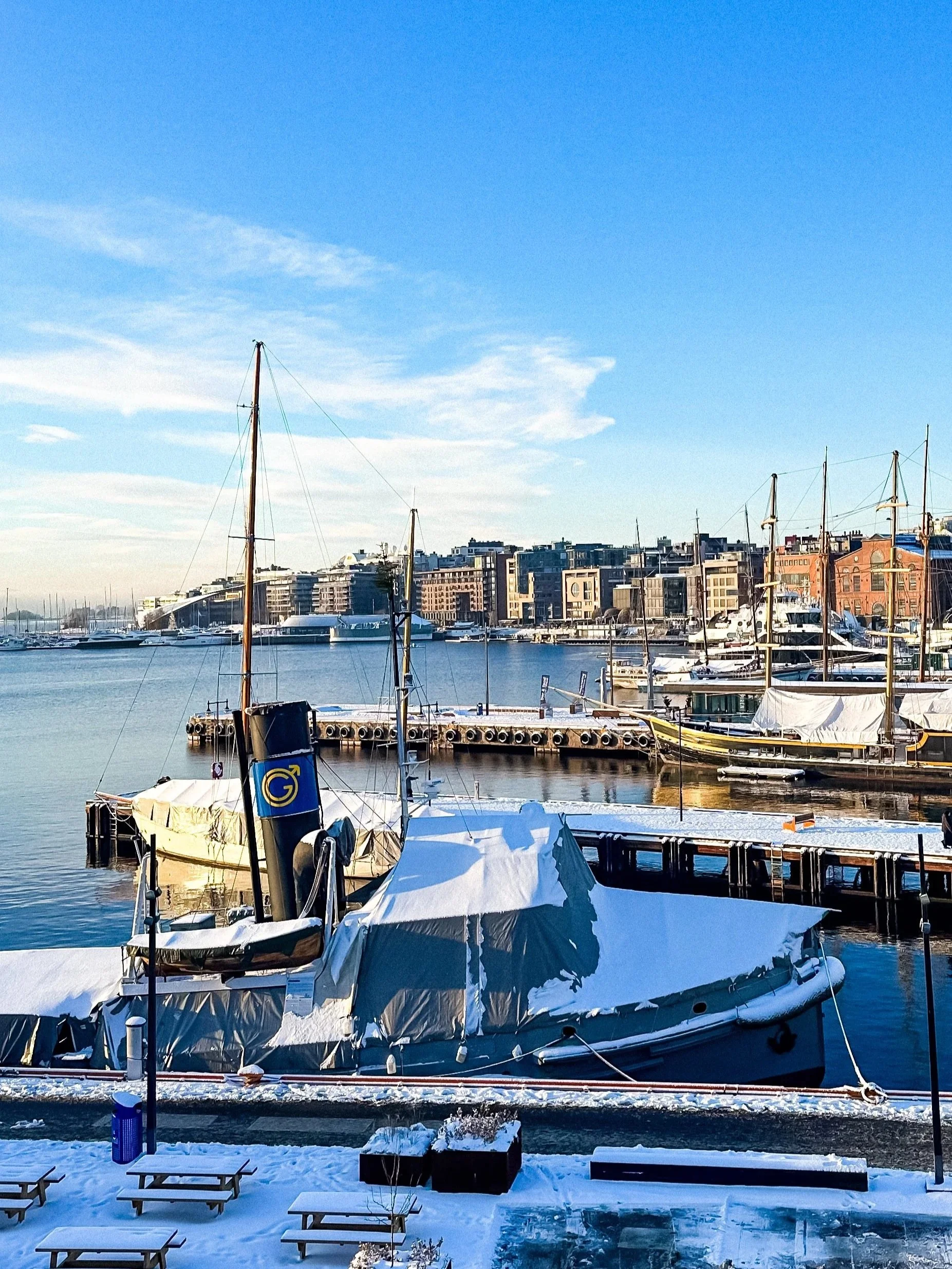
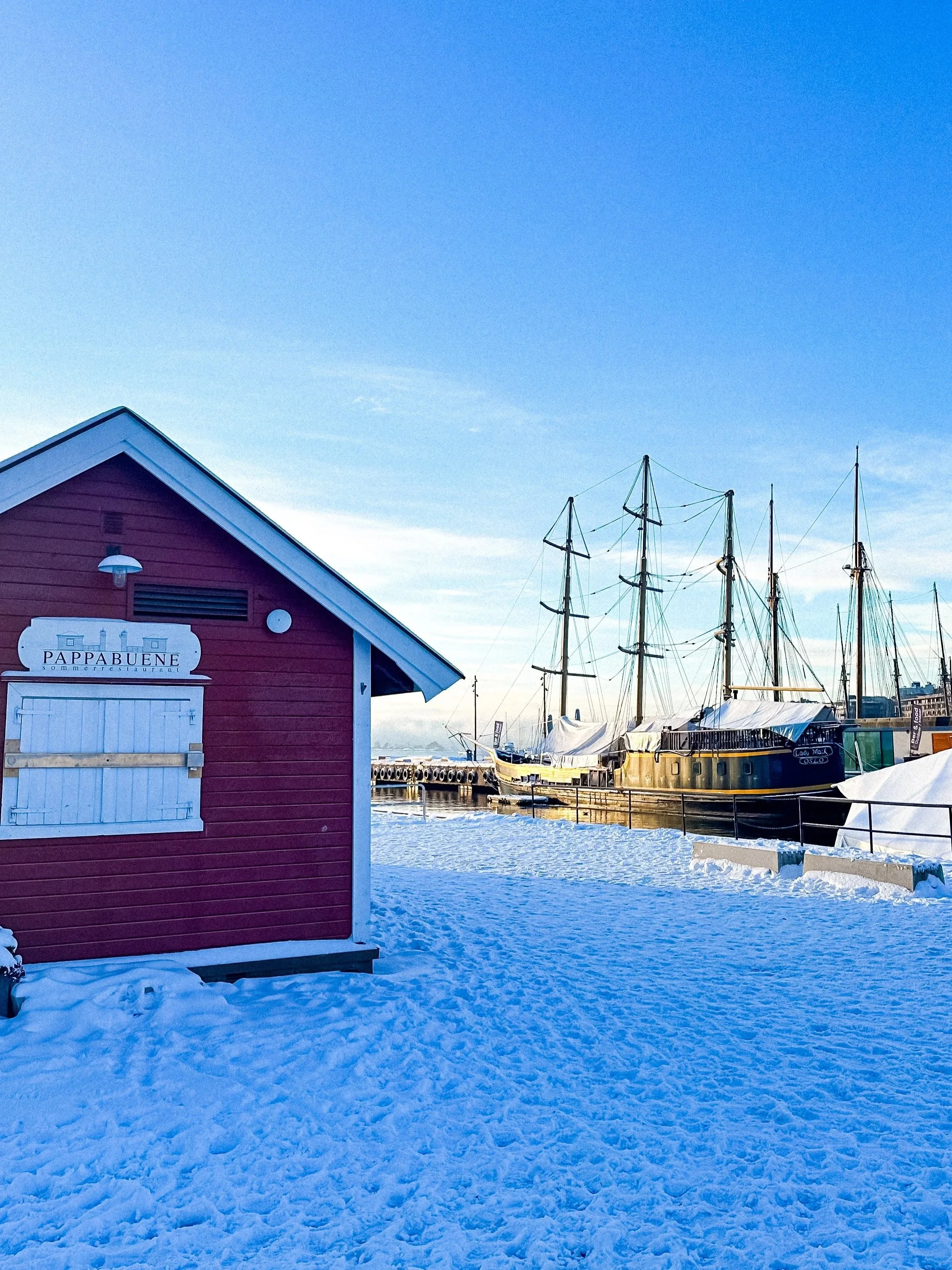
A walk along Aker Brygge follows the fjord’s edge, passing modern buildings, boats, and cafés. It is lively yet relaxed, offering beautiful views, especially at sunset.
This area connects naturally to Tjuvholmen and the Astrup Fearnley Museum, making it an ideal cultural and scenic walk.
Akershus Fortress
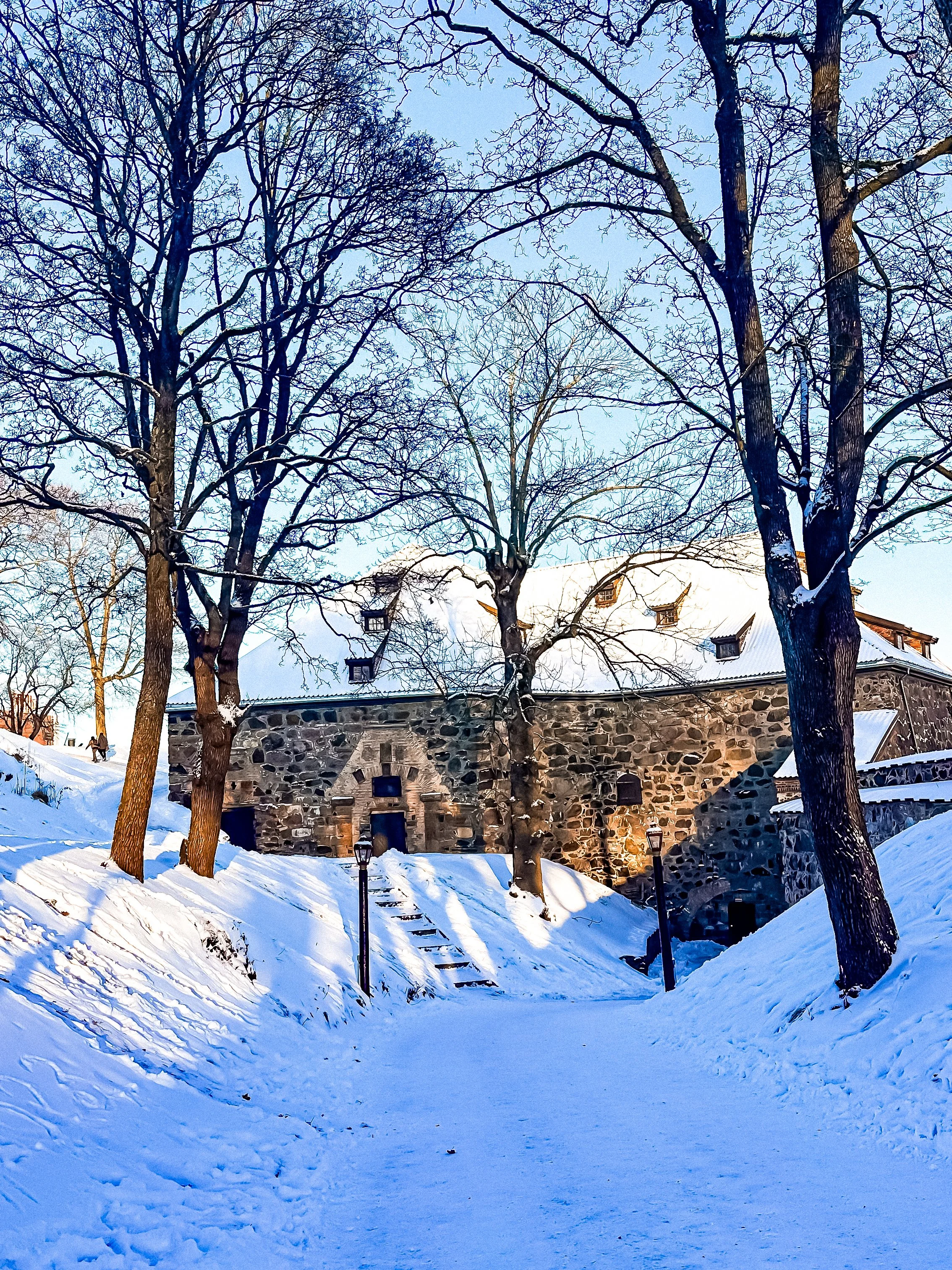
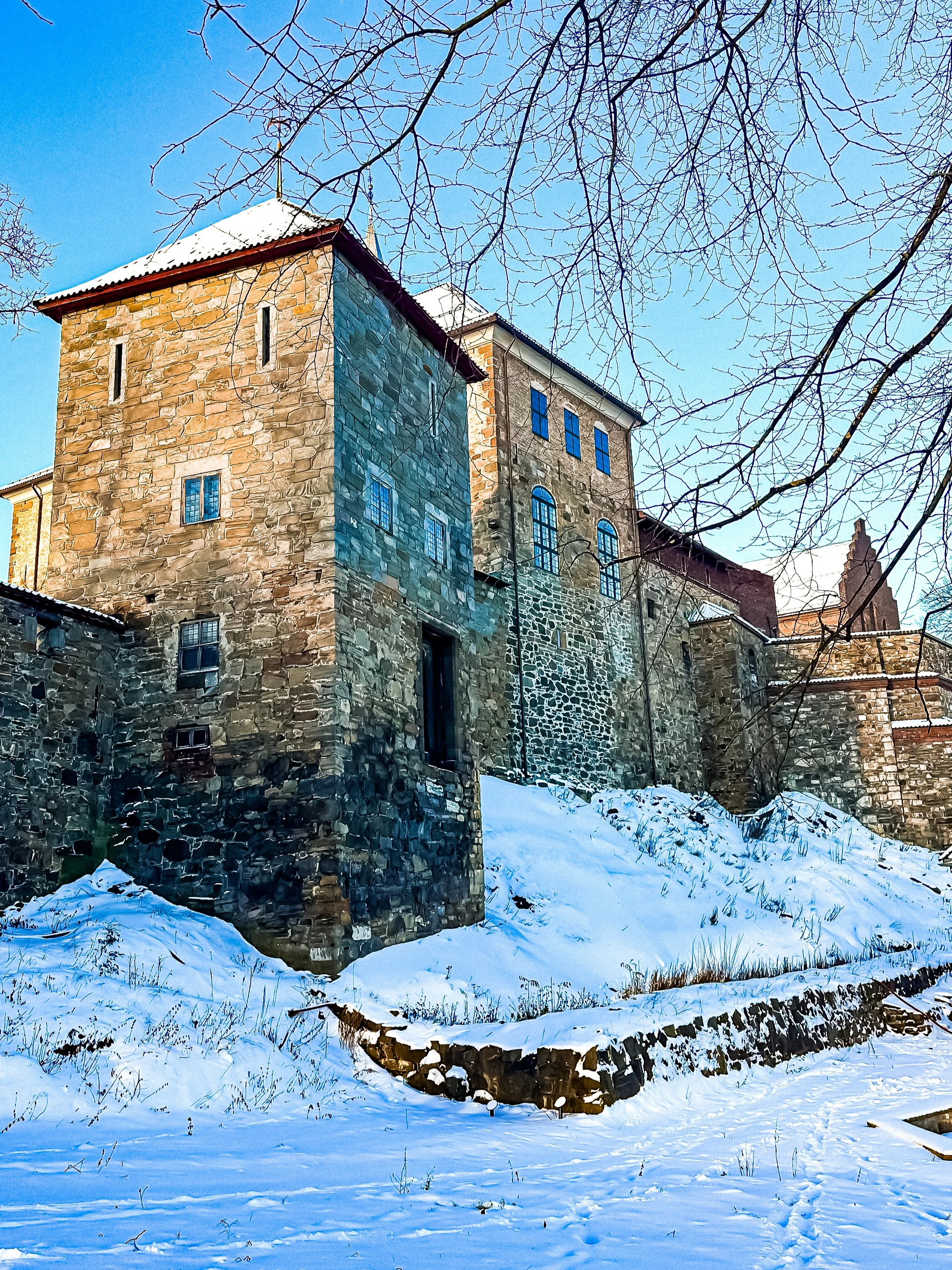
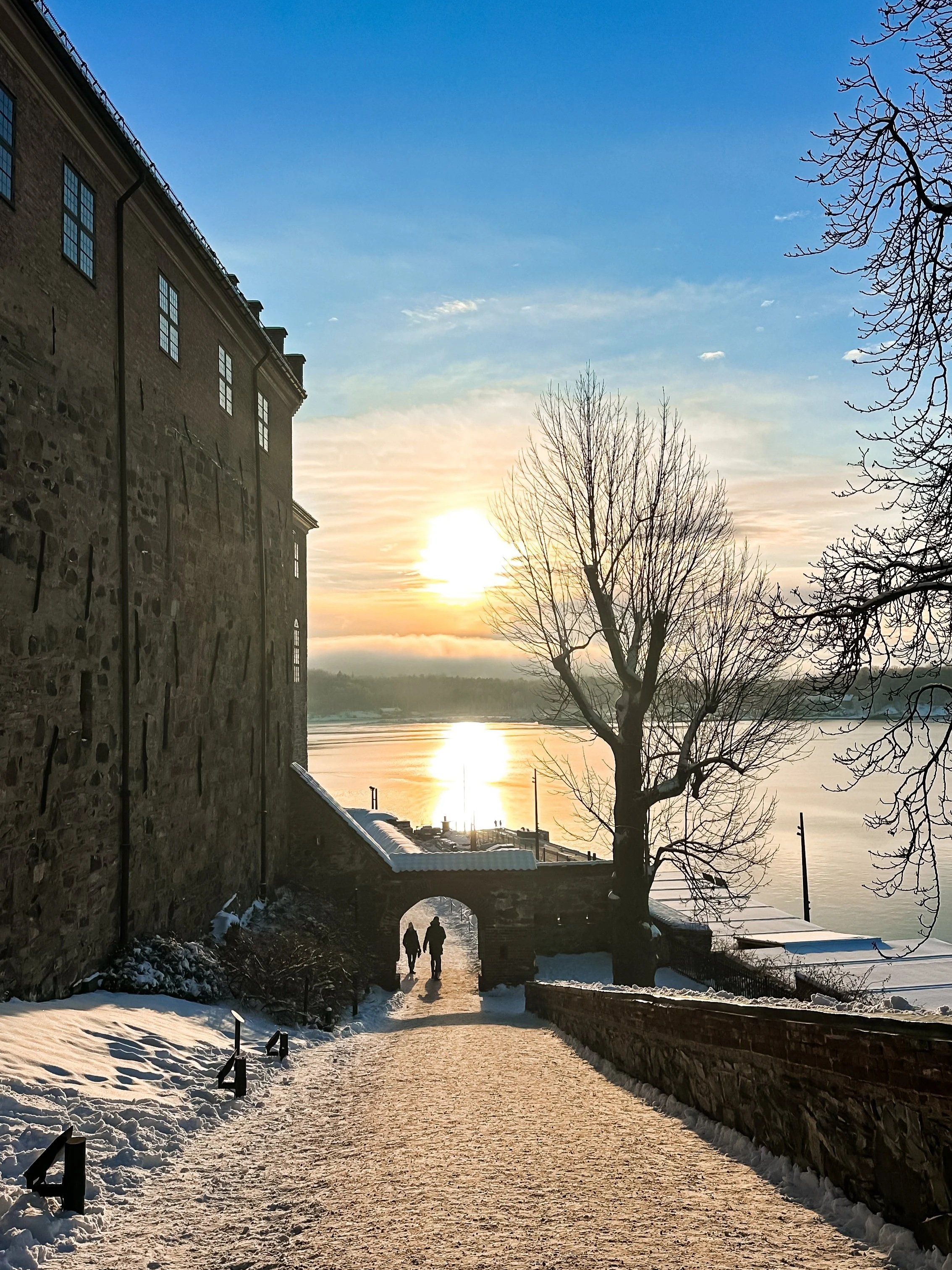
Akershus Fortress overlooks the fjord and has guarded Oslo for centuries.
Built in the late 13th century, the fortress offers a mix of medieval architecture, open courtyards, and panoramic views over the harbor. Walking along its walls provides both historical context and a peaceful break from the city streets.
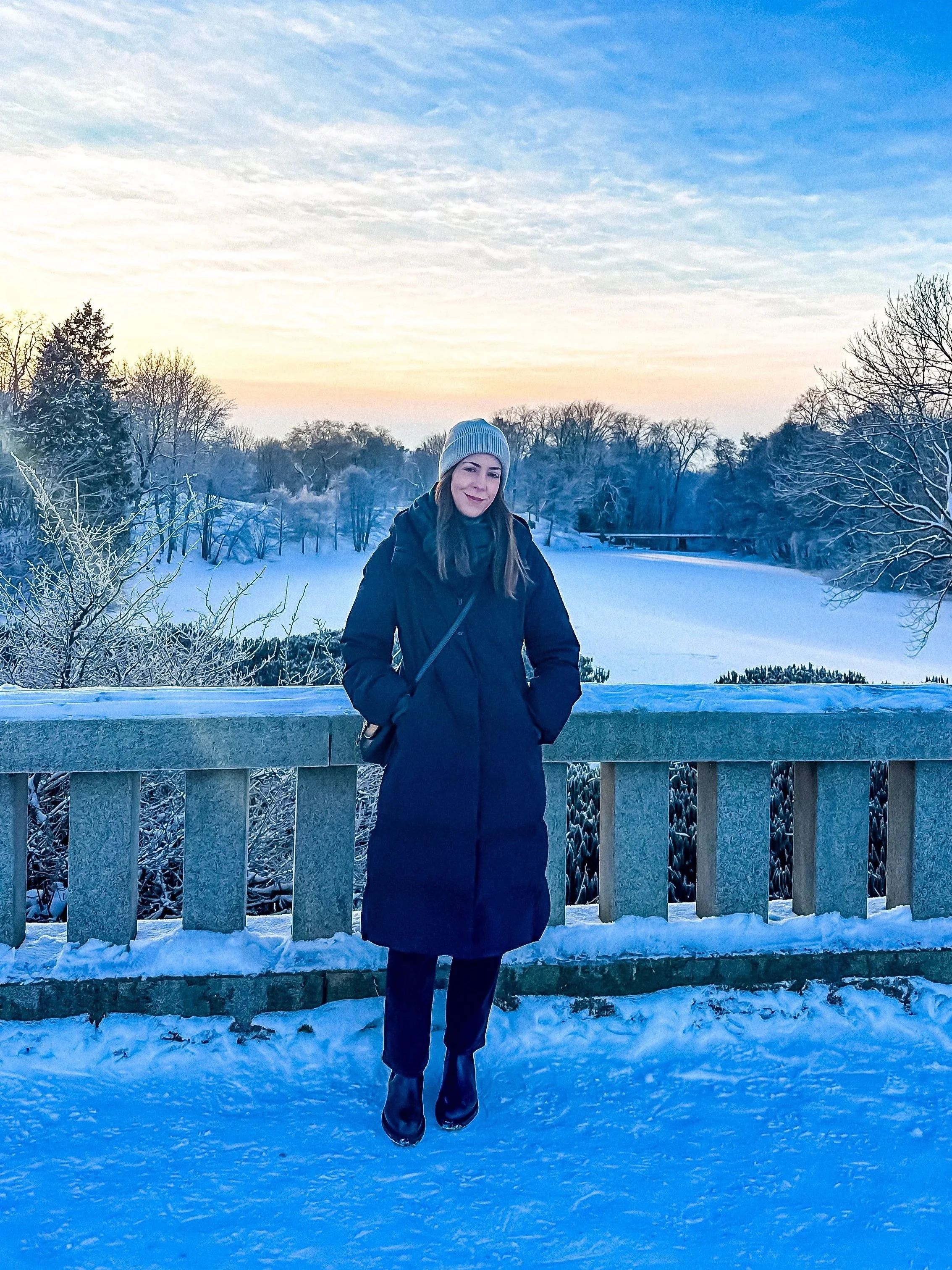
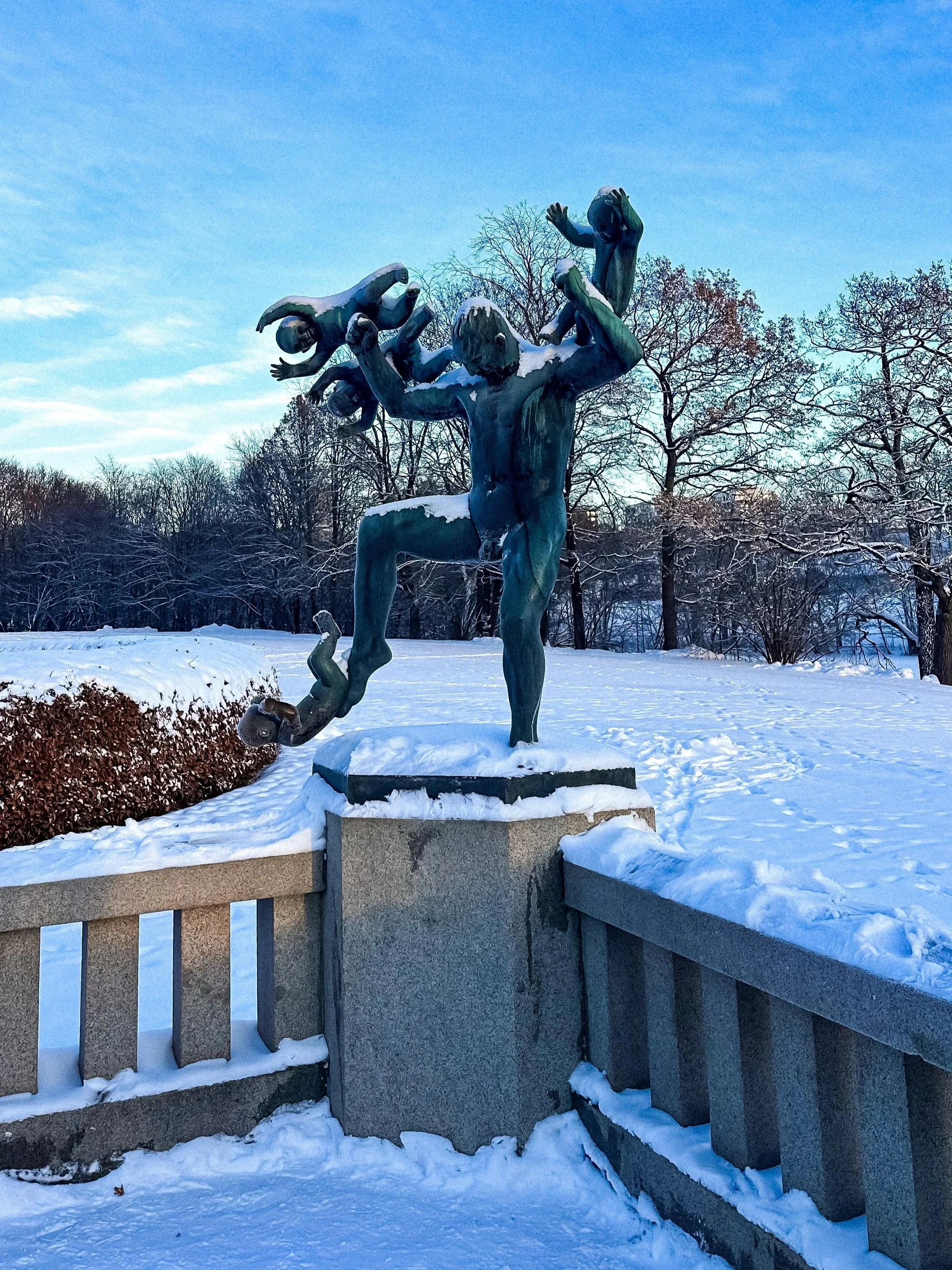
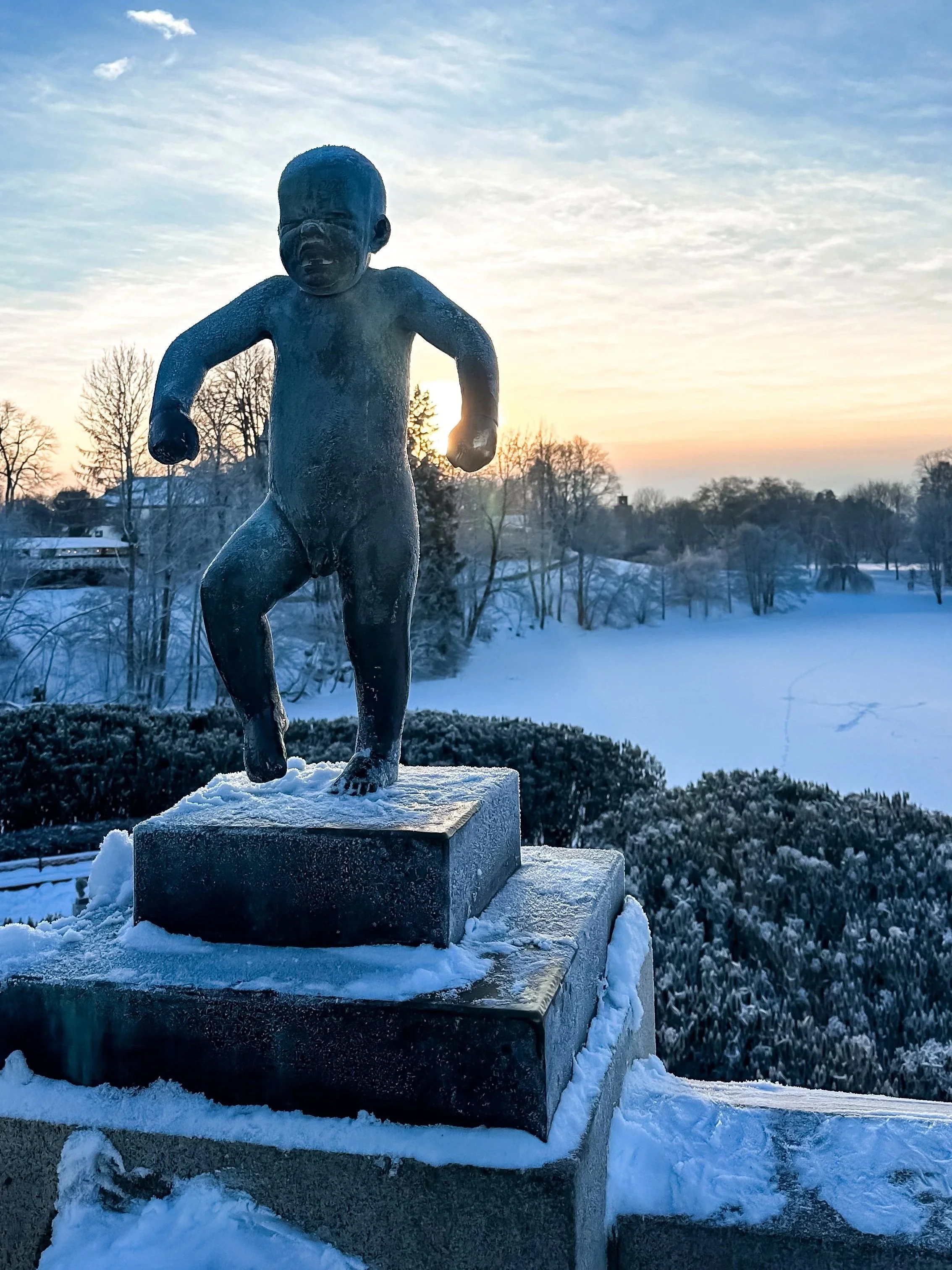
Vigeland Park
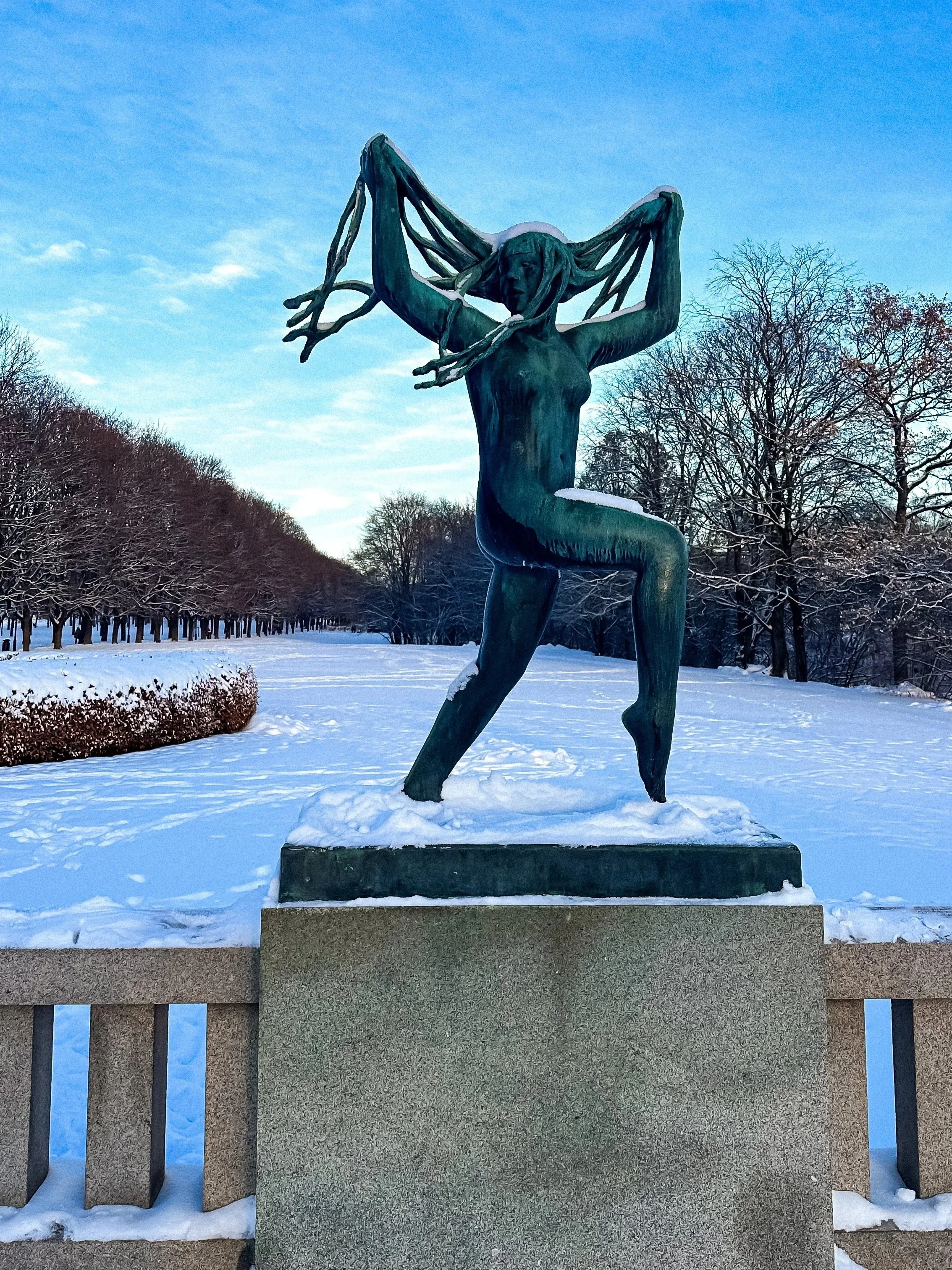
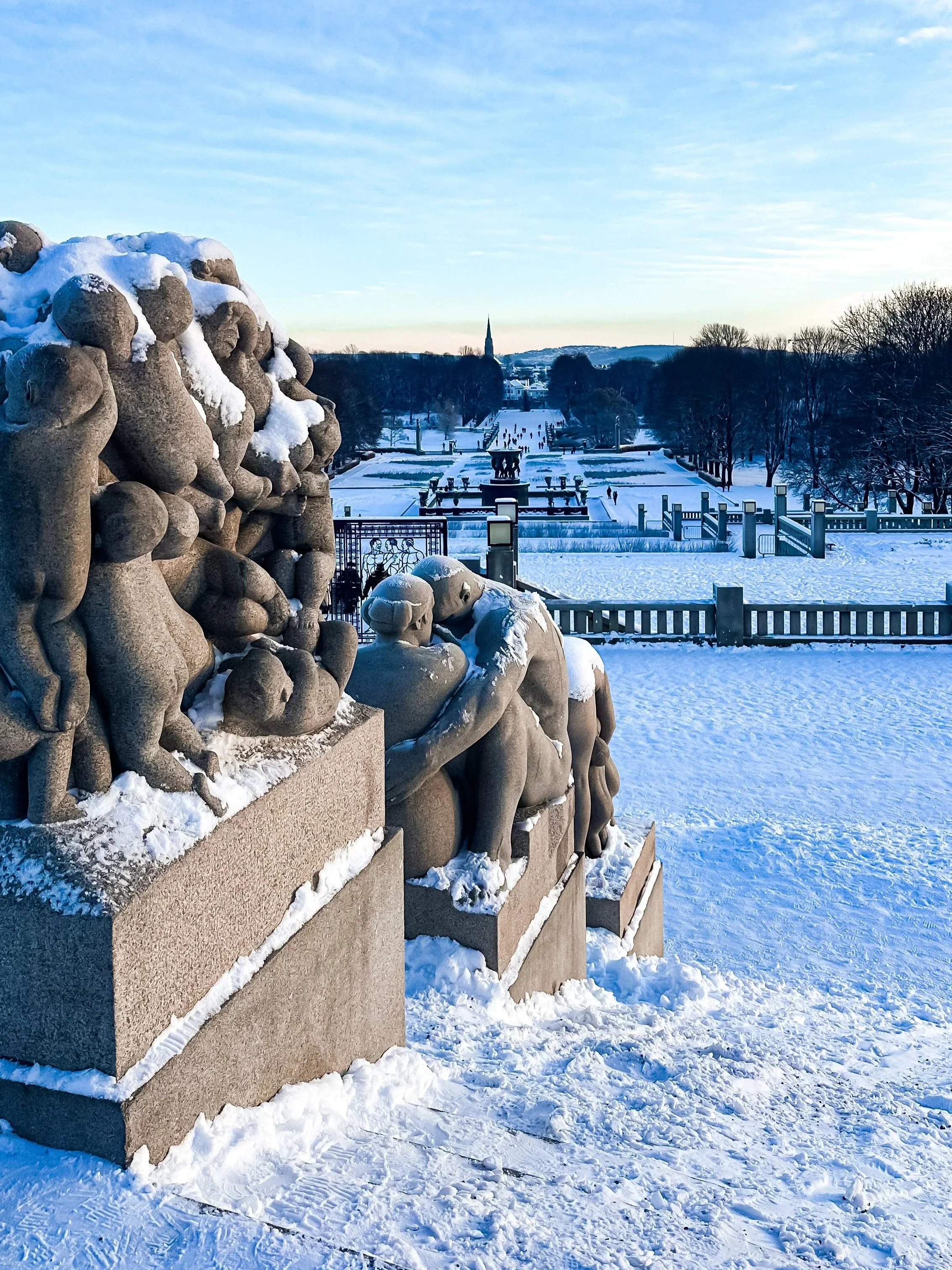
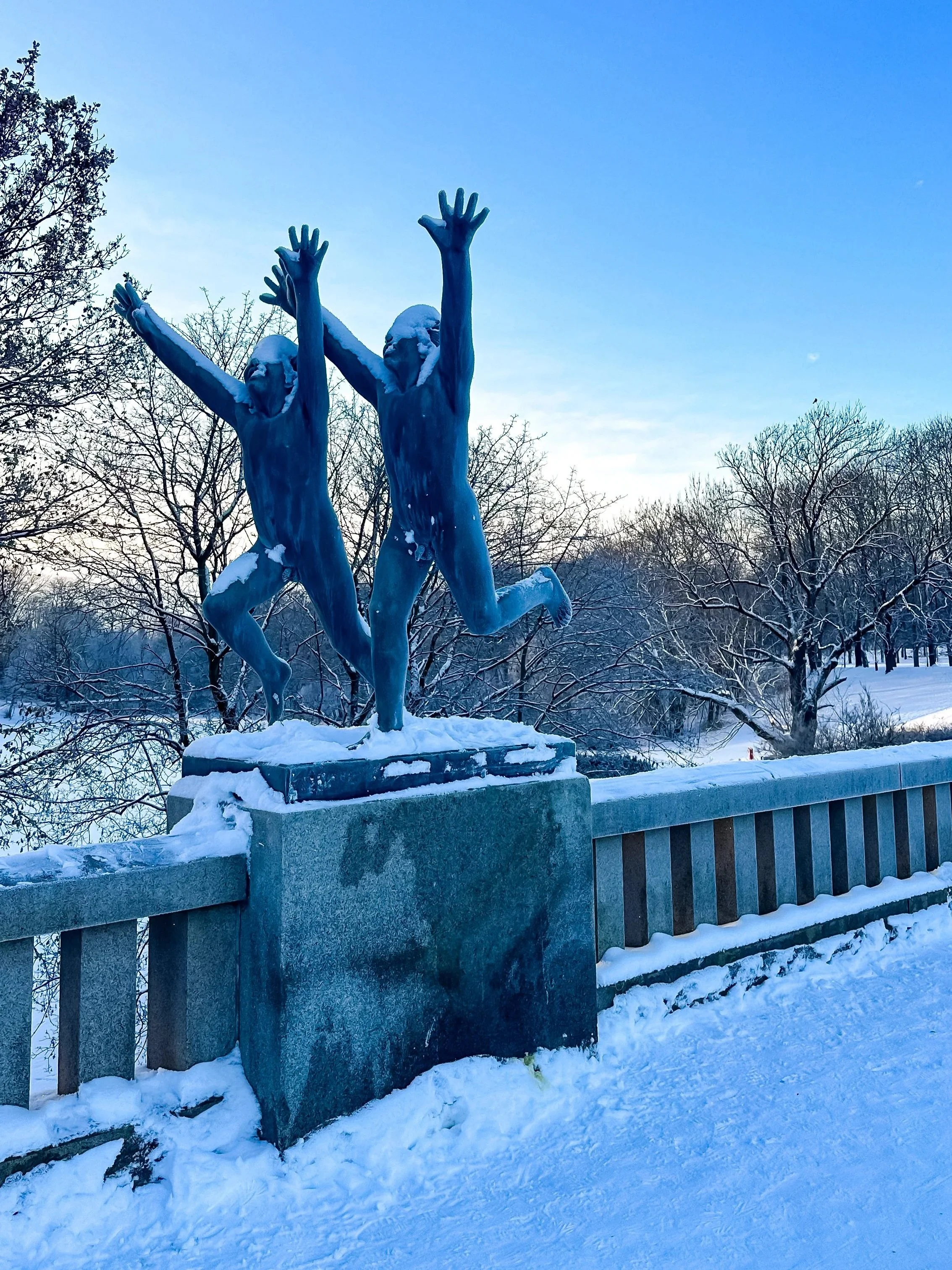
Located within Frogner Park, Vigeland Park is the world’s largest sculpture park created by a single artist.
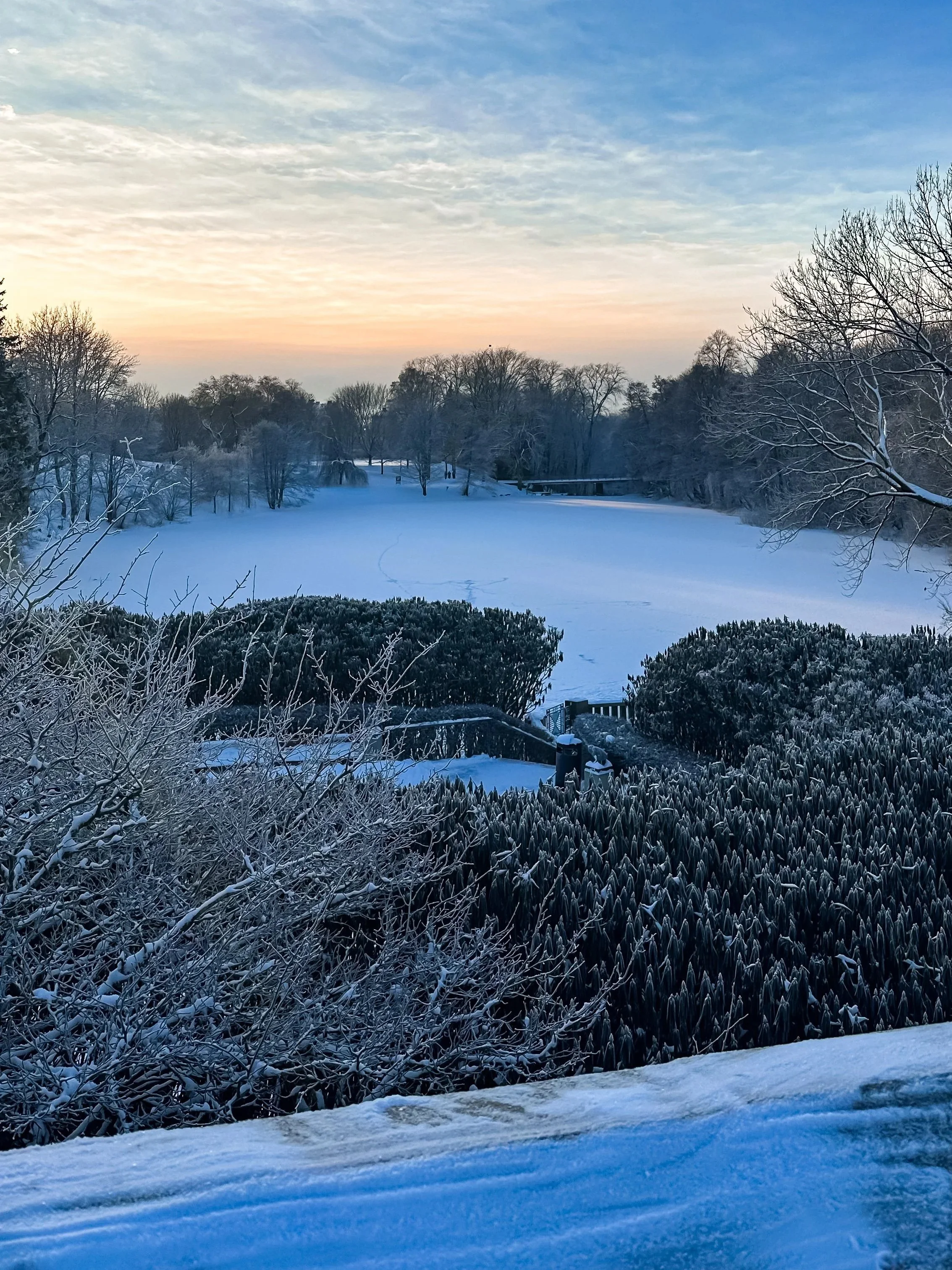
Gustav Vigeland’s works explore human relationships, life cycles, and emotions. In winter, the sculptures take on an even more striking presence against snow and bare trees.
Karl Johans Gate
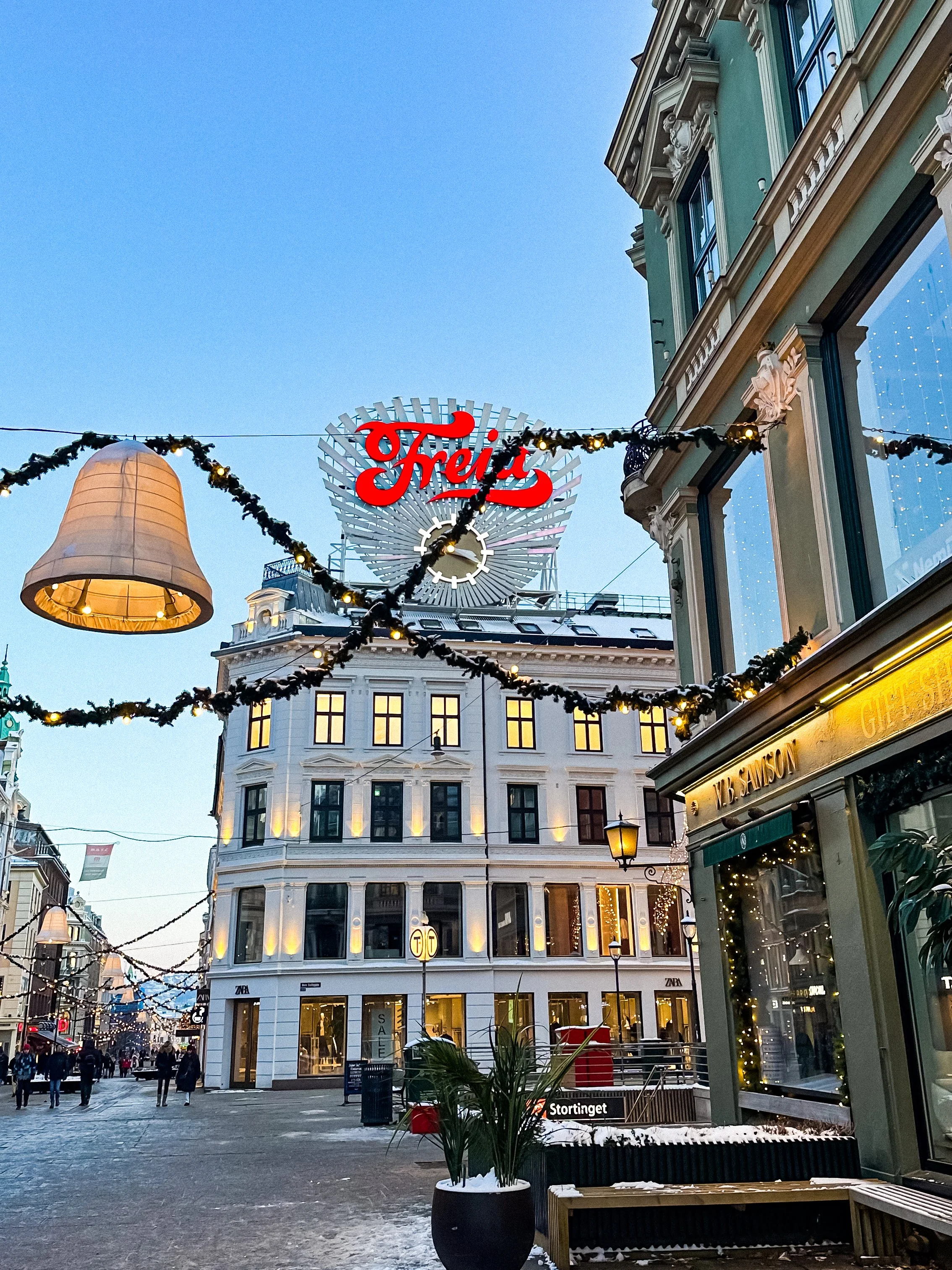
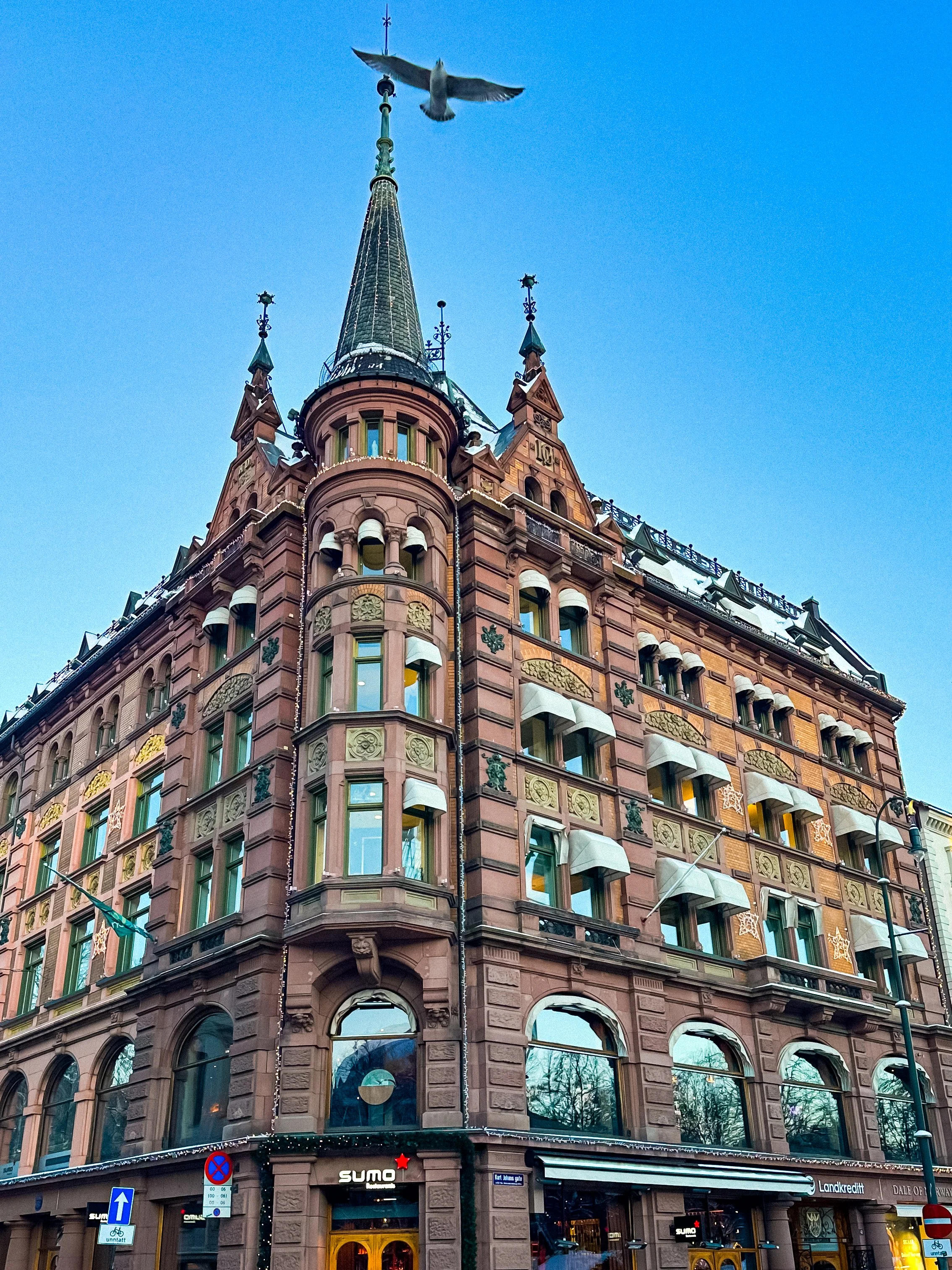
Oslo’s city center unfolds along Karl Johans Gate, the main pedestrian artery connecting the Central Station to the Royal Palace.
This is where everyday life, shopping, cafés, and landmarks intersect. One of the most recognizable sights is the large Freia chocolate sign, a nostalgic symbol deeply rooted in Norwegian popular culture. It adds a touch of vintage charm to an otherwise modern and functional cityscape.
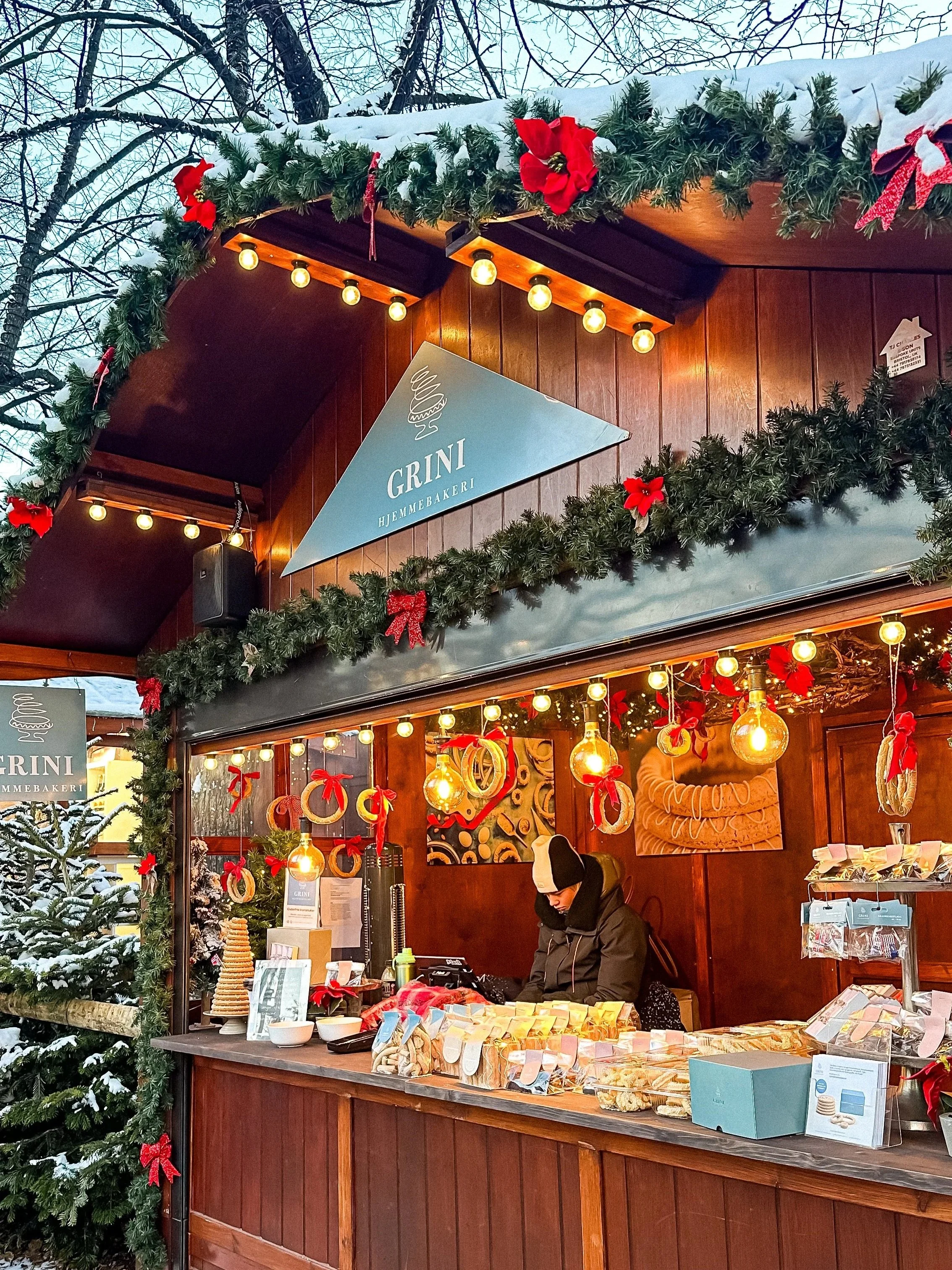
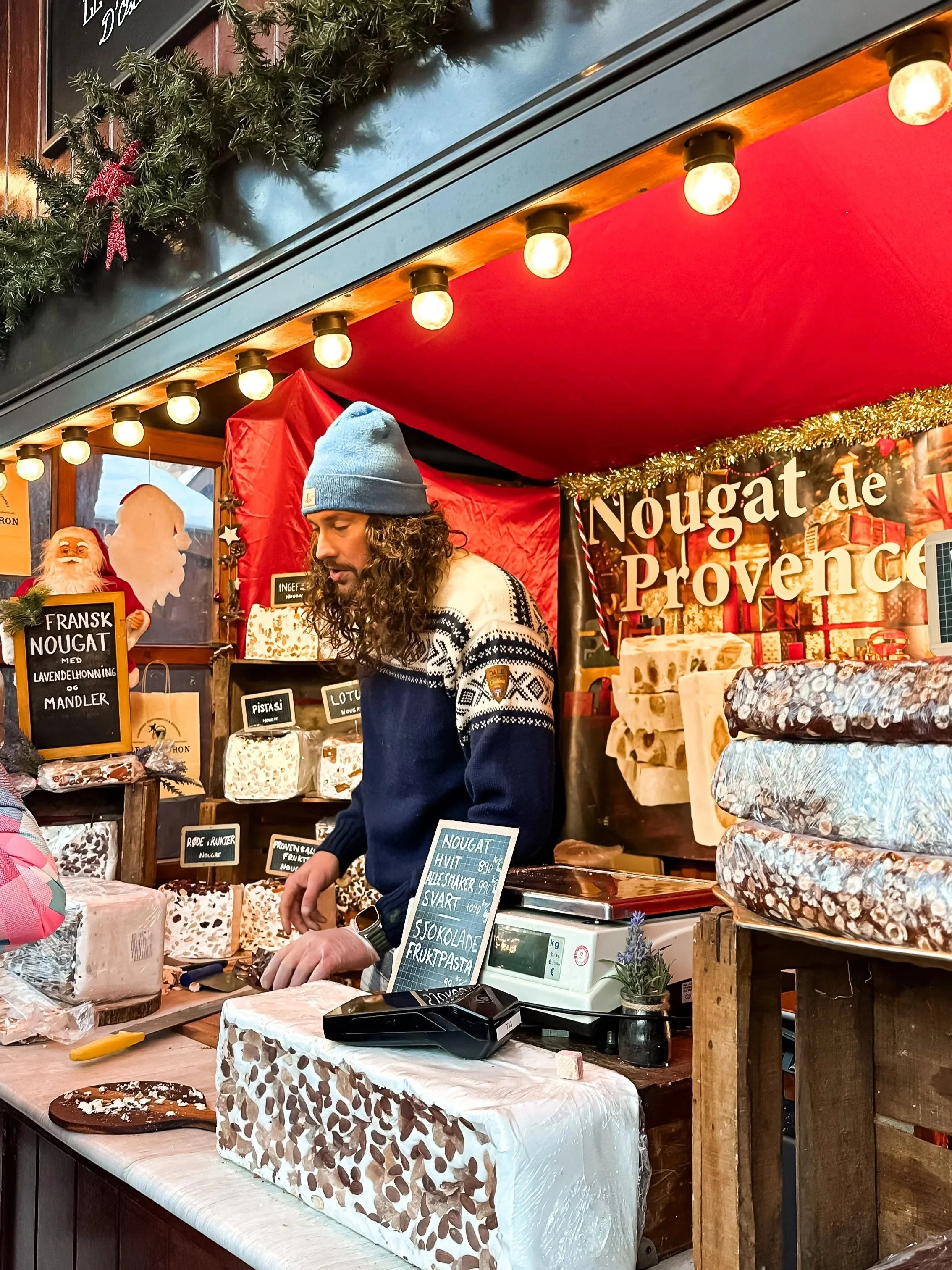
If you are visiting close to Christmas, this area becomes even more inviting. Along Karl Johans Gate and nearby squares, small Christmas markets pop up with local specialties, warm drinks, handcrafted gifts, and seasonal treats.
Around this area, you will also find the Royal Palace, Parliament (Stortinget), bookstores, historic cafés, and lively streets that contrast with Oslo’s quieter residential neighborhoods.

Creative Oslo
Grünerløkka
Grünerløkka is Oslo’s most creative and relaxed neighborhood. Independent boutiques, vintage stores, cafés, and street art define its atmosphere.
It is an excellent area to wander without a plan, observe local life, and experience a younger, more informal side of the city.
Mathallen Food Market
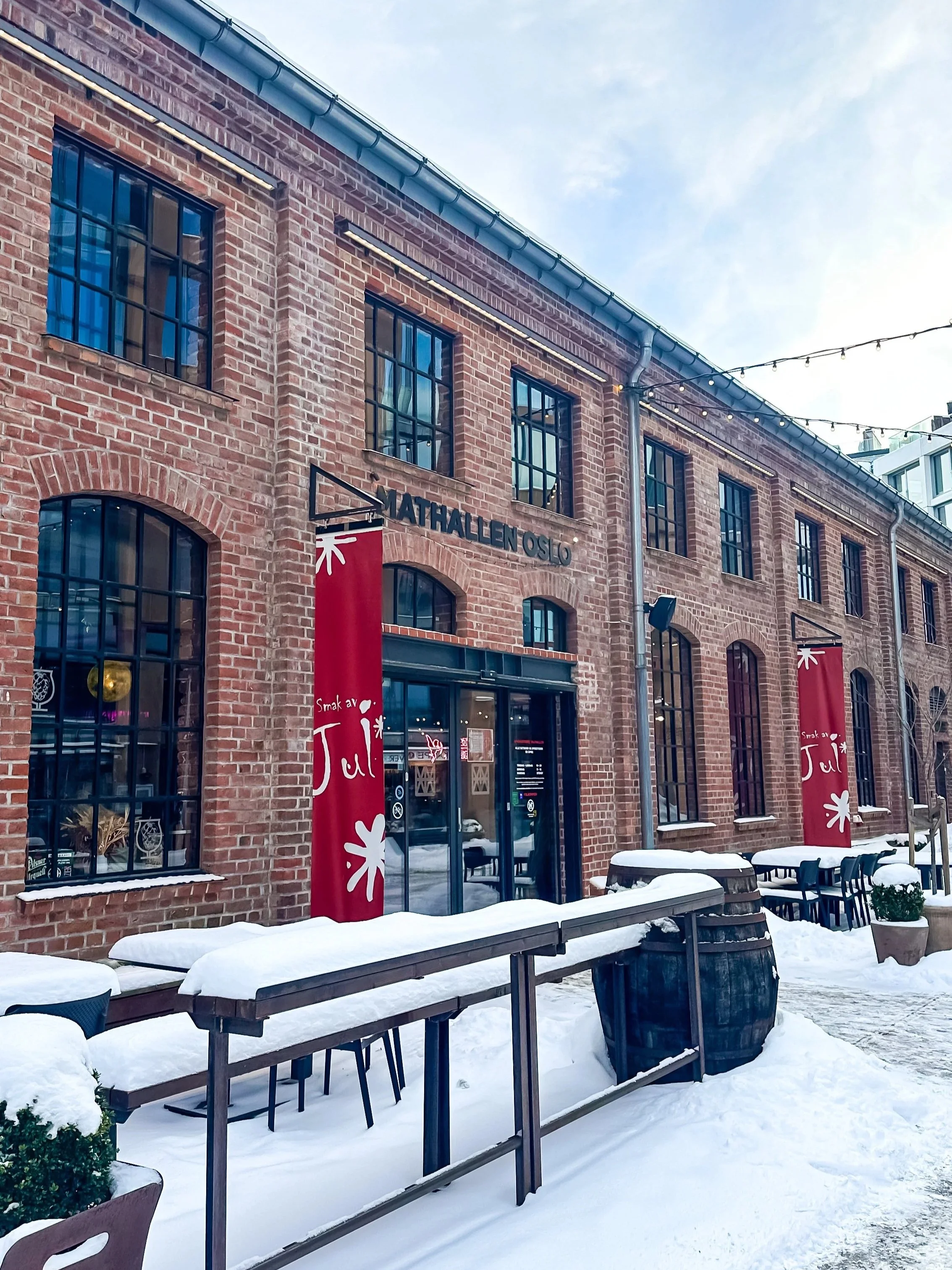
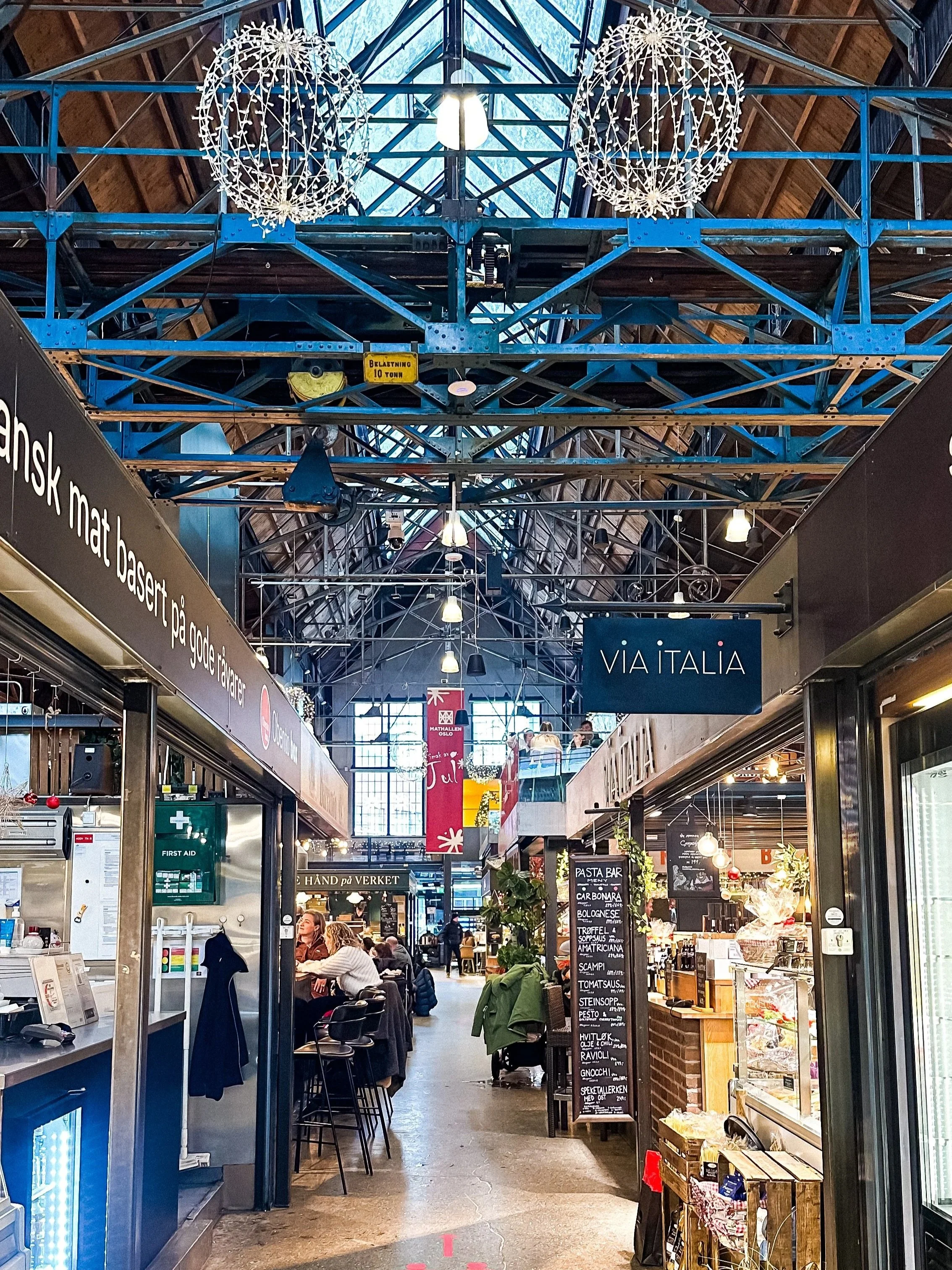
Mathallen is Oslo’s main food market, located in the Vulkan area near Grünerløkka.
Inside, local producers, Nordic specialties, and international food stands coexist. It is an ideal stop for lunch or a casual tasting experience, especially during colder months.
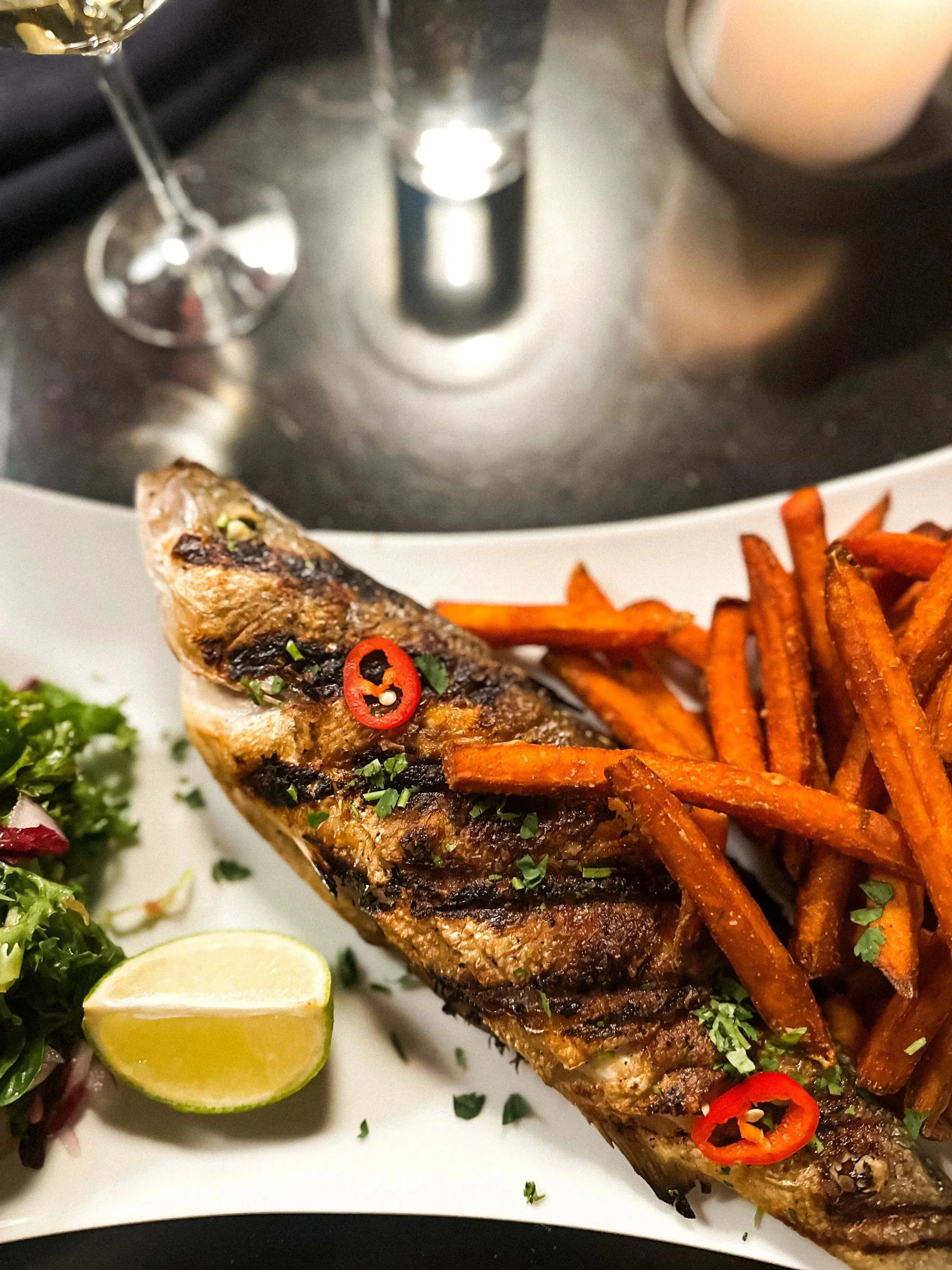
We ate at the Vulkanfisk Sjømatbar, and the fish was incredibly fresh and tasty!
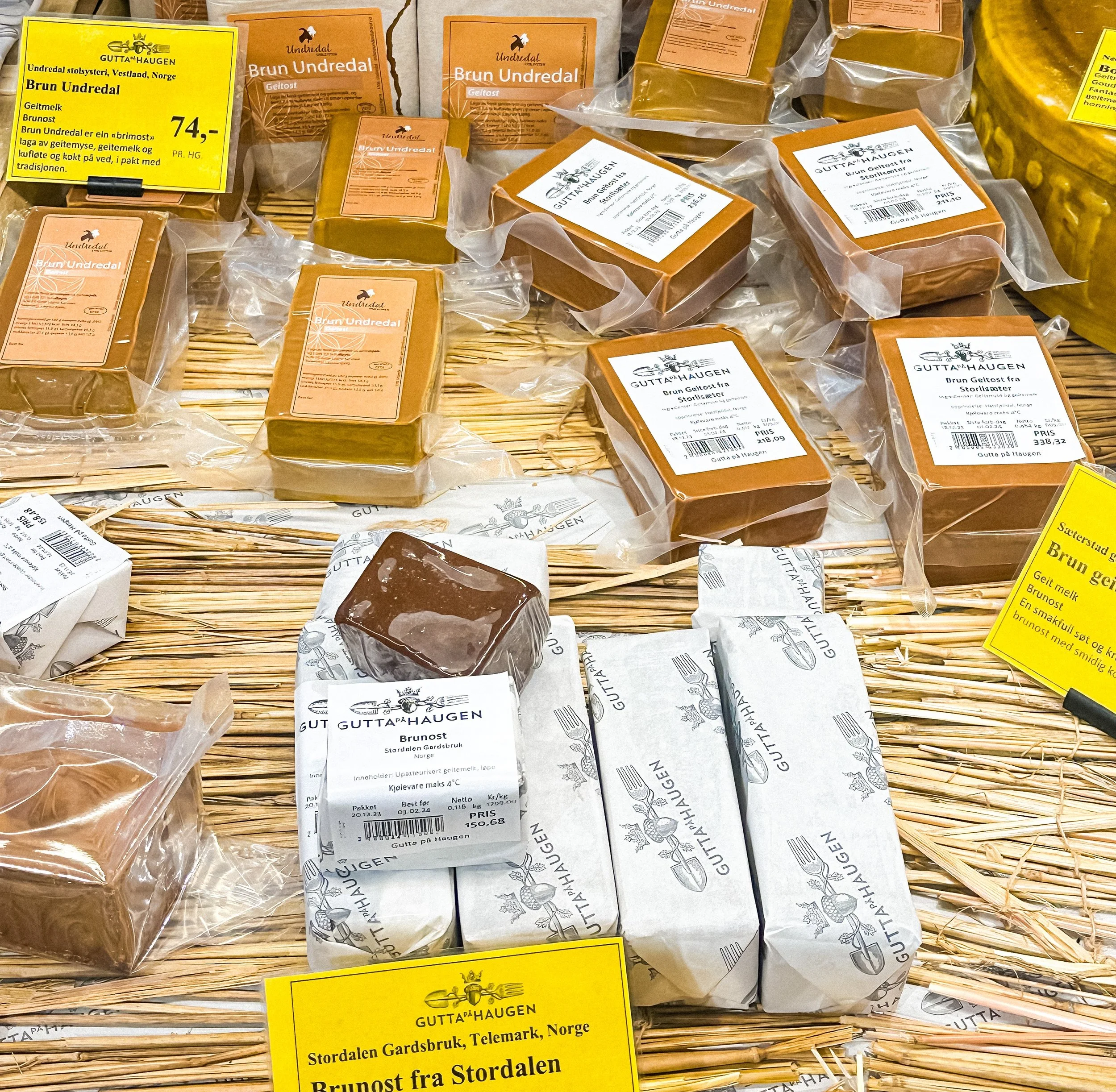
Don’t forget to try the local brown cheese, brunost. It is rich, gently sweet, and melts beautifully in your mouth!
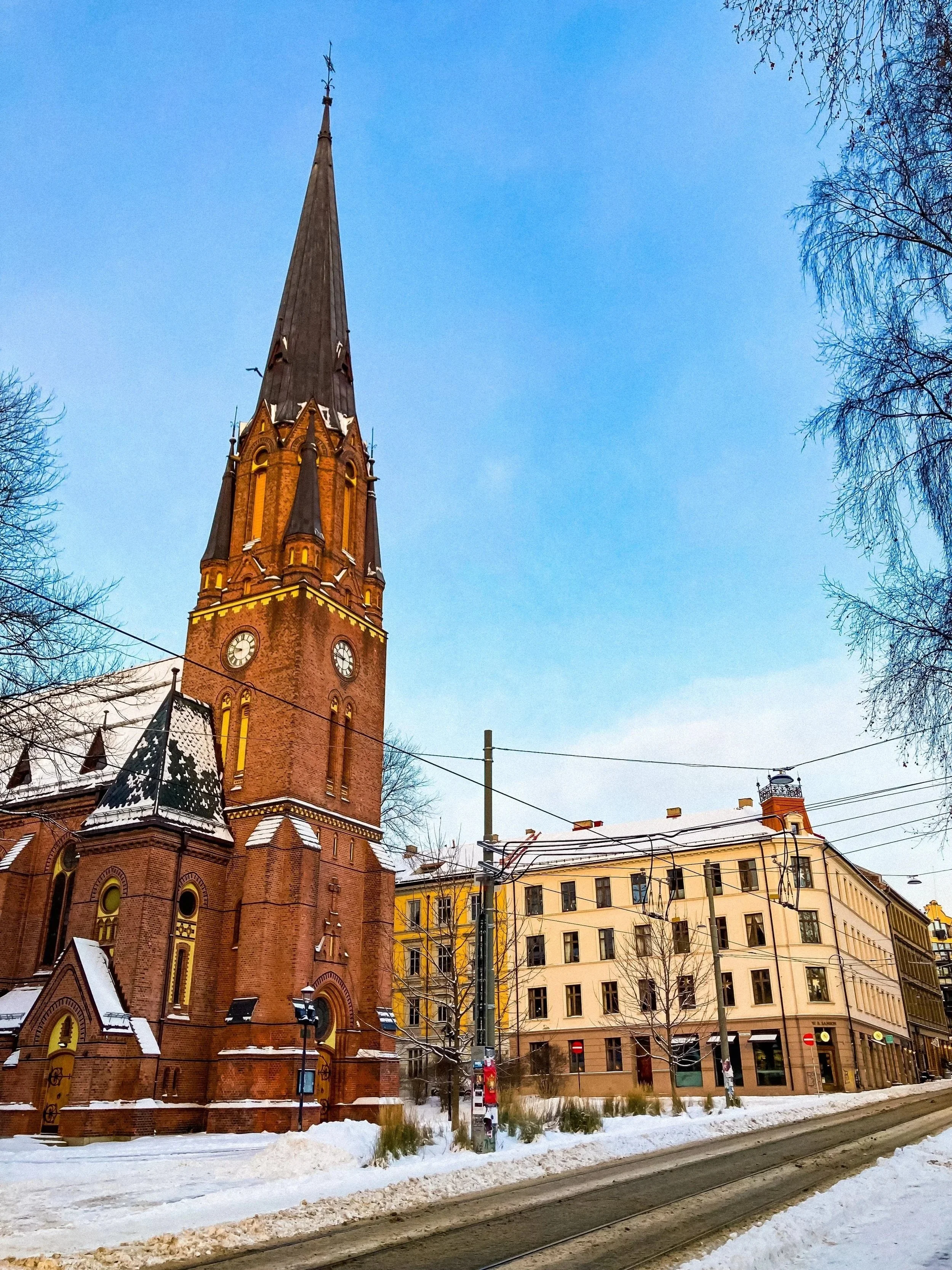
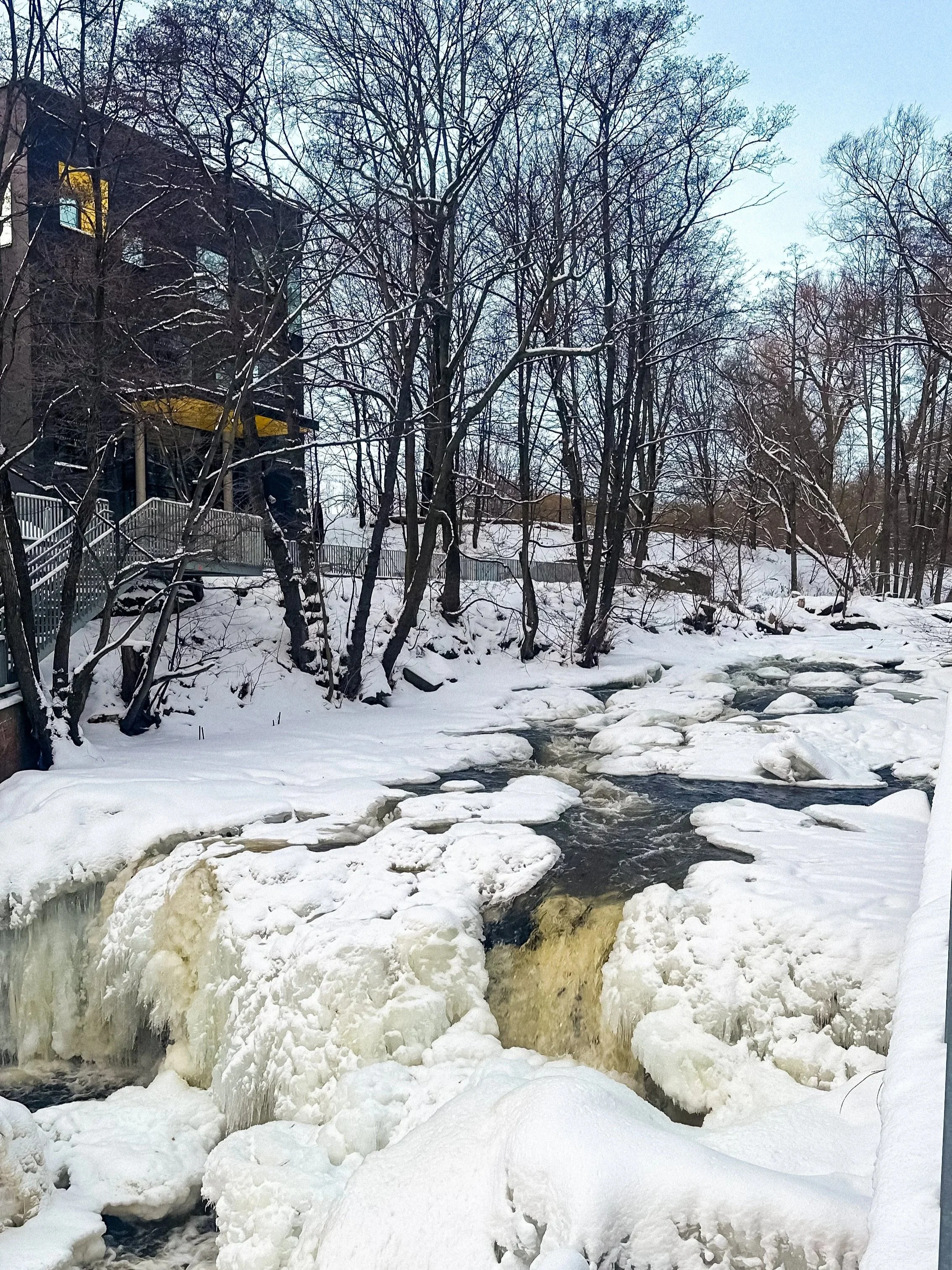
Oslo is not a city that imposes itself. It reveals itself gently, through details, textures, and moments.
It is a destination for those who appreciate balance. Between city and nature. Between culture and calm. Between cold air and warm interiors, where cafés become natural refuges. Warm drinks, candles, and minimalist interiors reflect the Norwegian way of embracing winter rather than escaping it.
If you are looking for a destination that invites you to slow down and feel more than rush, Oslo may surprise you.
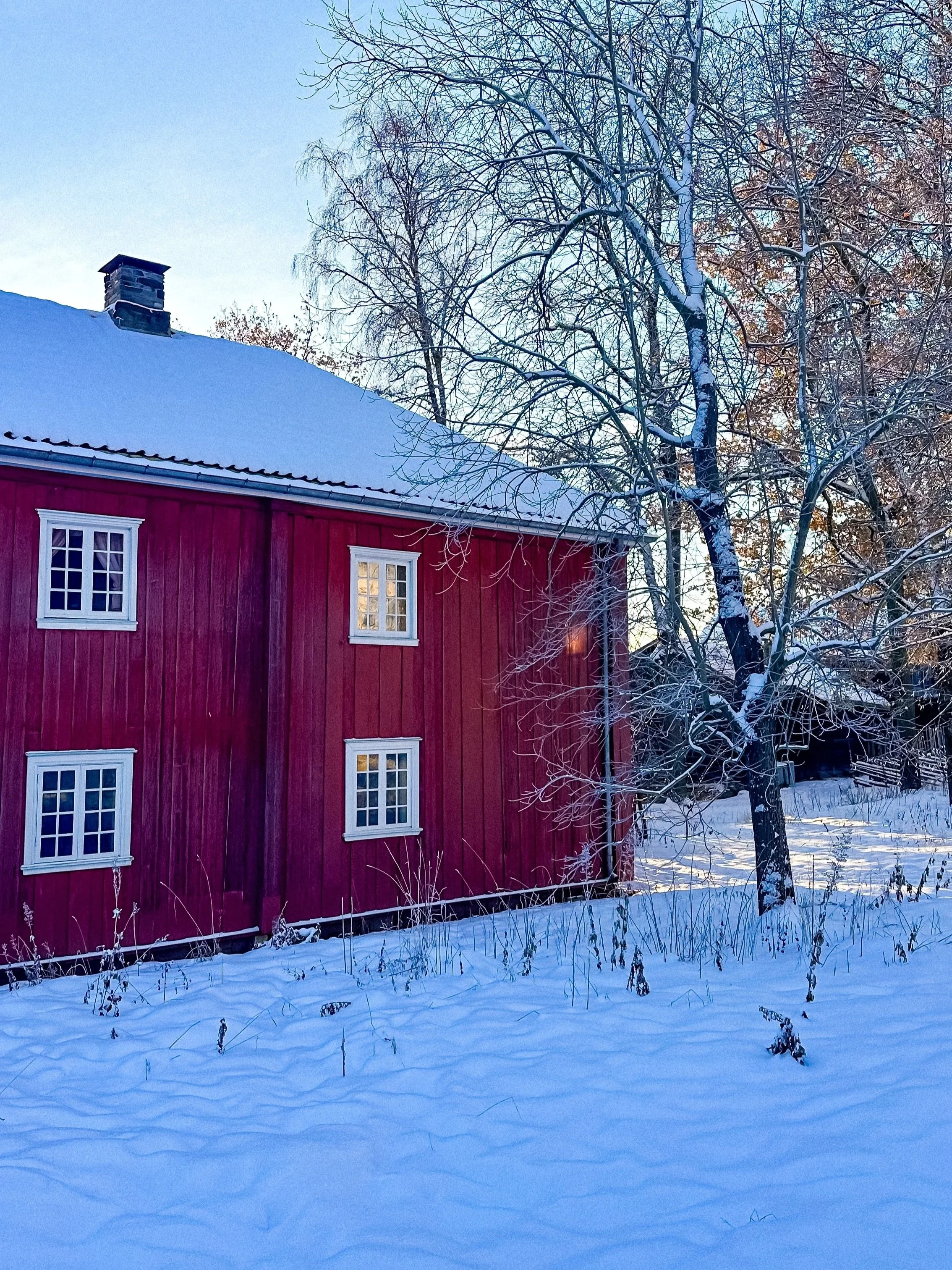
Typical wooden red houses outside Oslo
Practical Tips
Getting Around
Oslo is compact and easy to navigate. Walking covers most highlights, especially in the city center and along the waterfront.
Public transportation is efficient and reliable. Trams, buses, metro, and ferries are all part of the same system. The Oslo Pass can be a good option, offering free public transport and access to many museums.
When to Visit
Winter offers fewer crowds and a quieter atmosphere, but daylight is limited. Plan outdoor visits earlier in the day and leave museums and cafés for the afternoon.
Summer brings long days and a more vibrant outdoor life, with ferries, islands, and extended daylight well into the evening.
What to Wear
Layers are essential. Even in winter, Oslo is well adapted to cold weather, and indoor spaces are warm and comfortable. Waterproof shoes are recommended year round.
Food and Reservations
Dining out in Oslo can be expensive. Lunch menus and food markets like Mathallen offer more accessible options.
For popular restaurants and saunas, booking in advance is advised, especially on weekends.