
Rome: Flavors & Timeless Charm
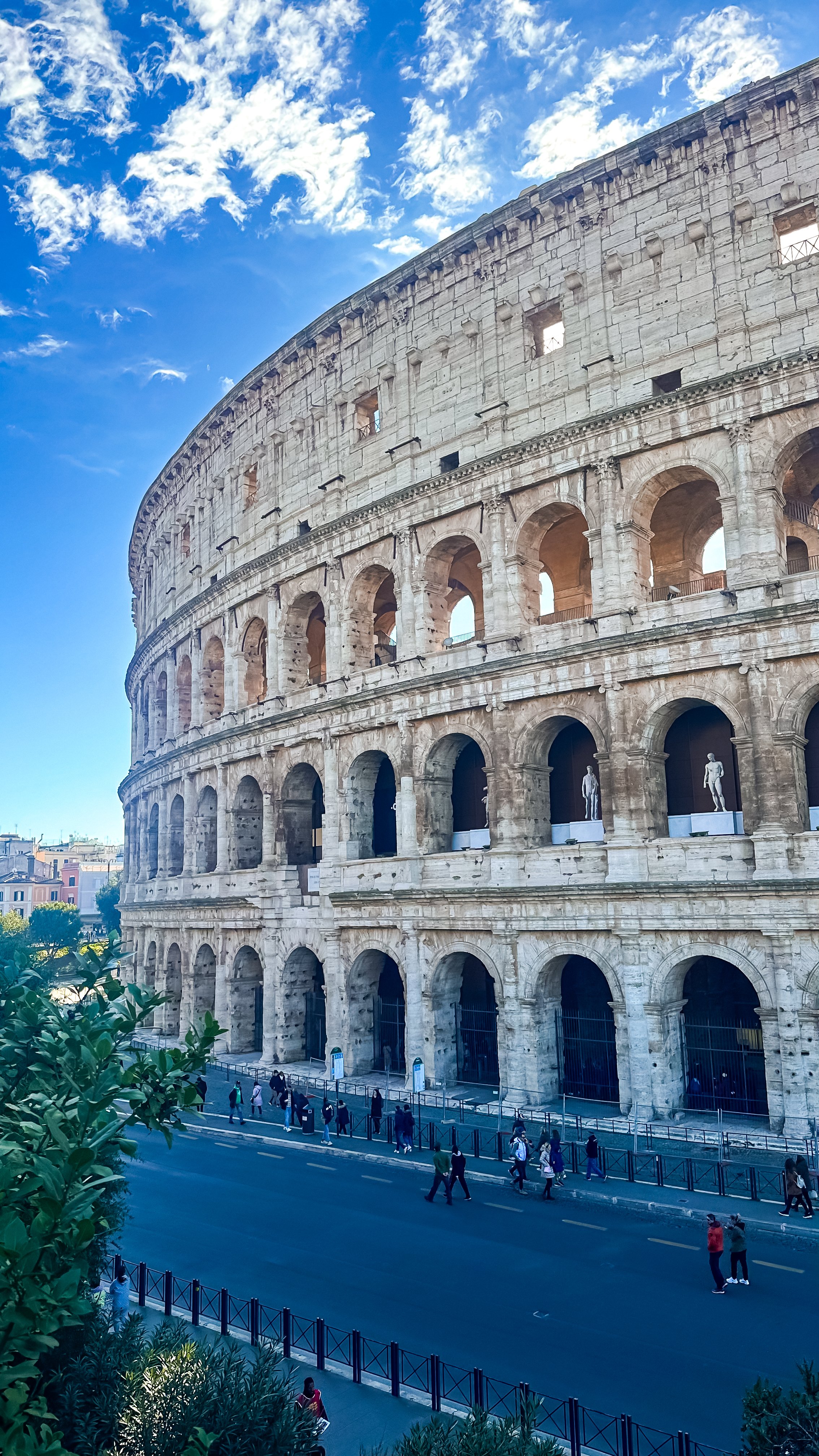
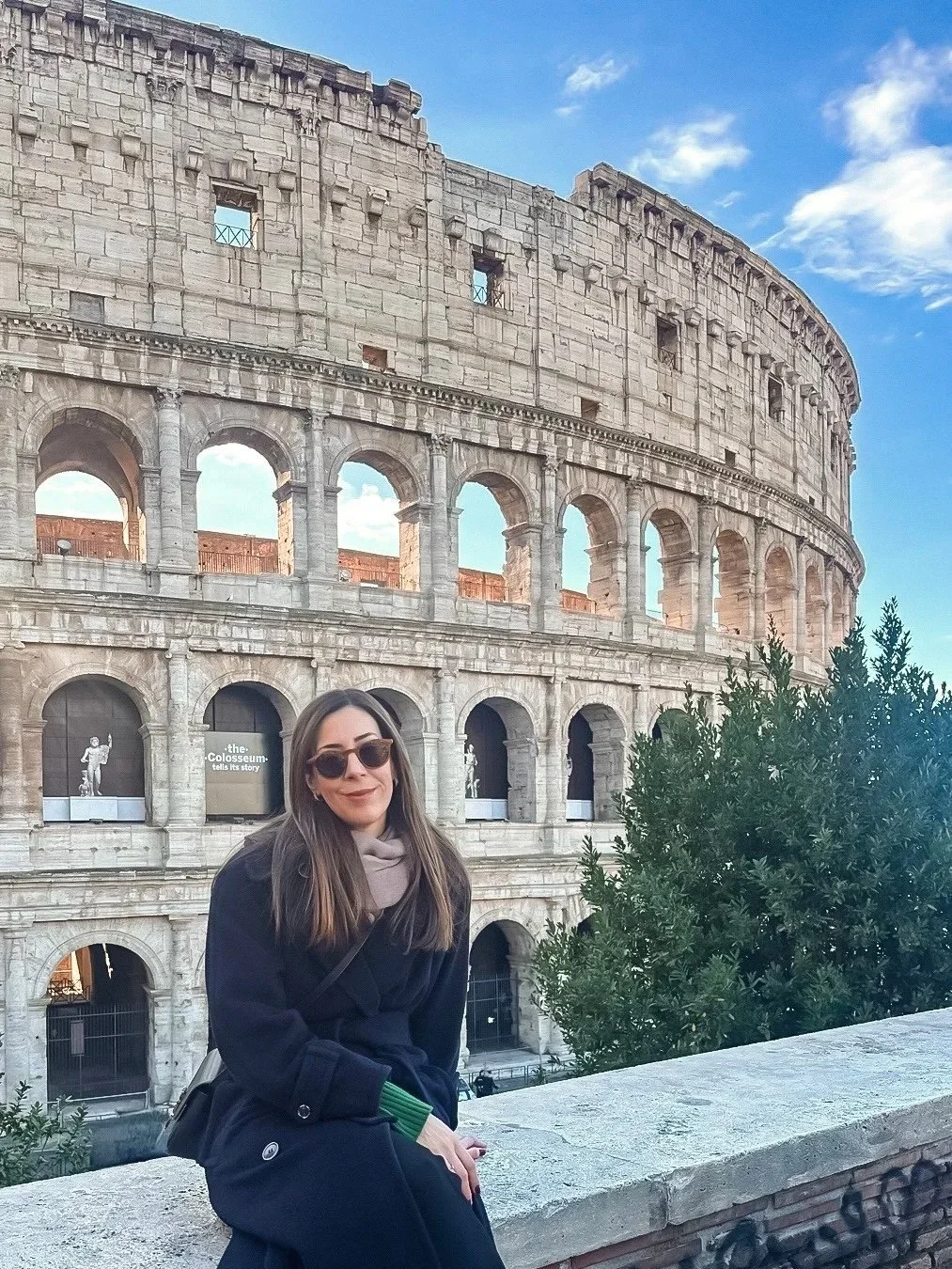
Exterior of Colosseum
Rome is not a city to rush. It unfolds slowly, layer by layer, through stones warmed by the sun, echoing footsteps, quiet courtyards, and lively piazzas. Ancient and everyday life coexist naturally, making each walk feel like a dialogue between past and present.
This guide brings a curated itinerary designed for travelers who enjoy atmosphere, history, and simple pleasures as much as iconic landmarks.
The Eternal City at a Gentle Pace
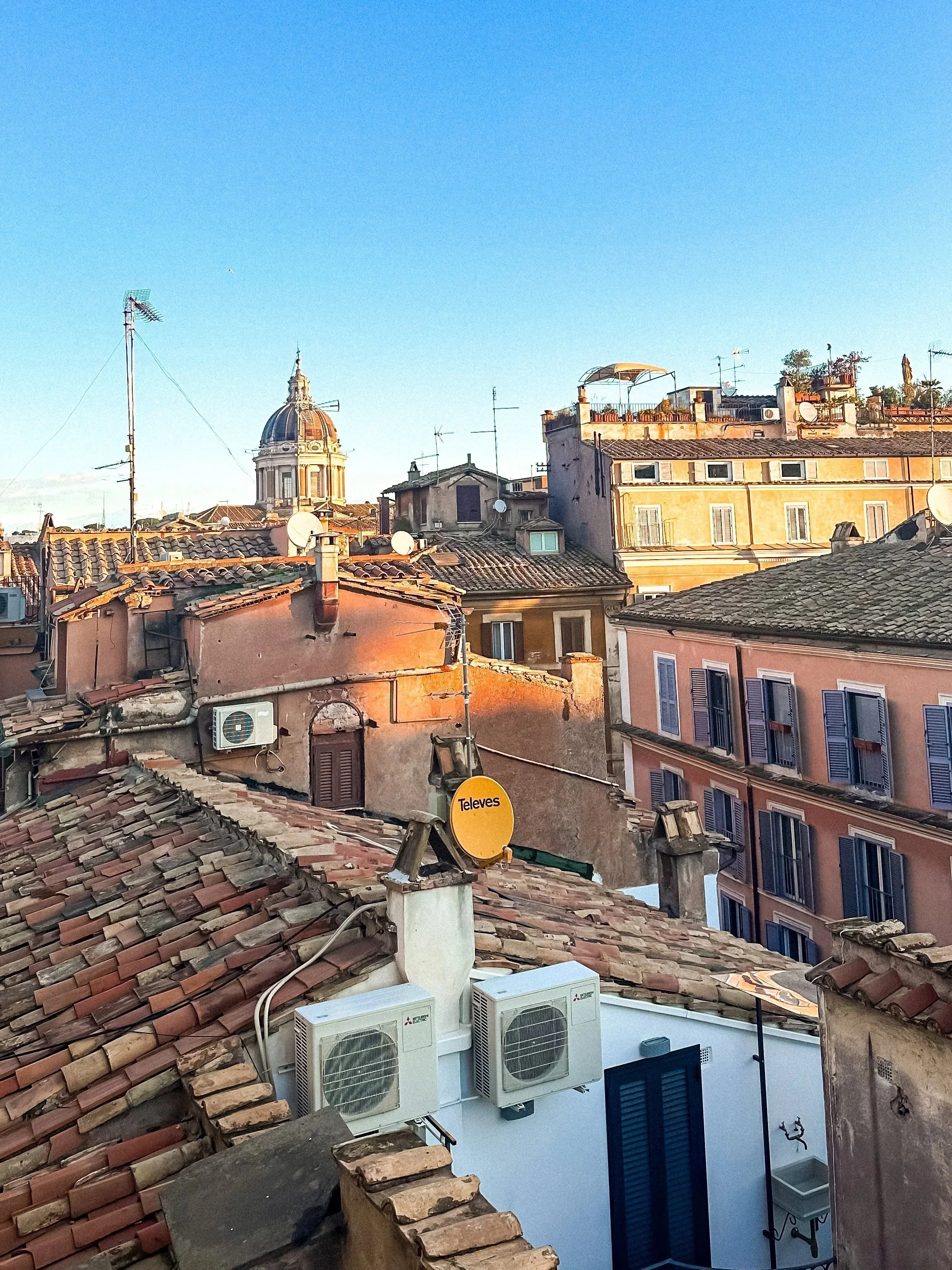
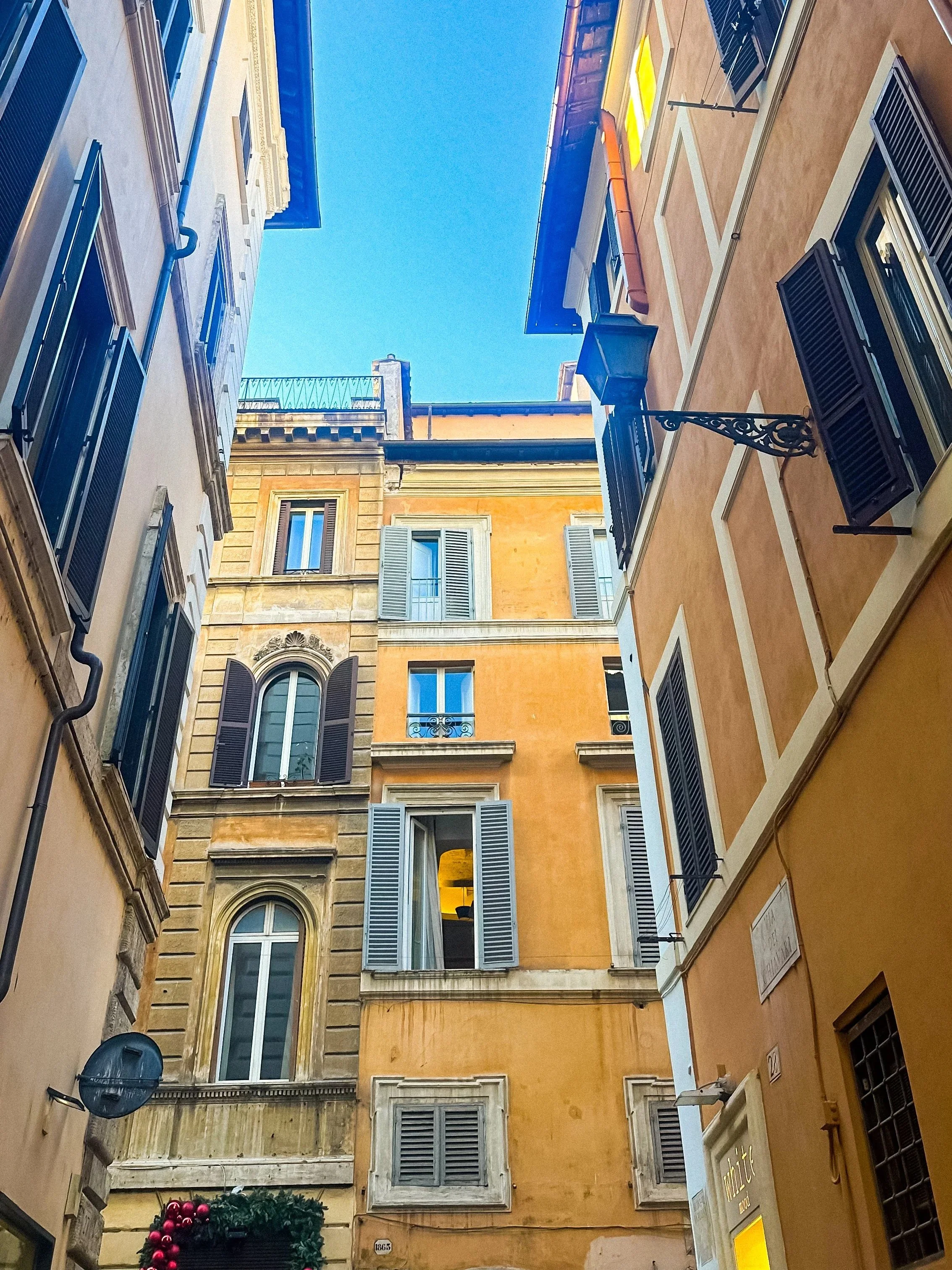
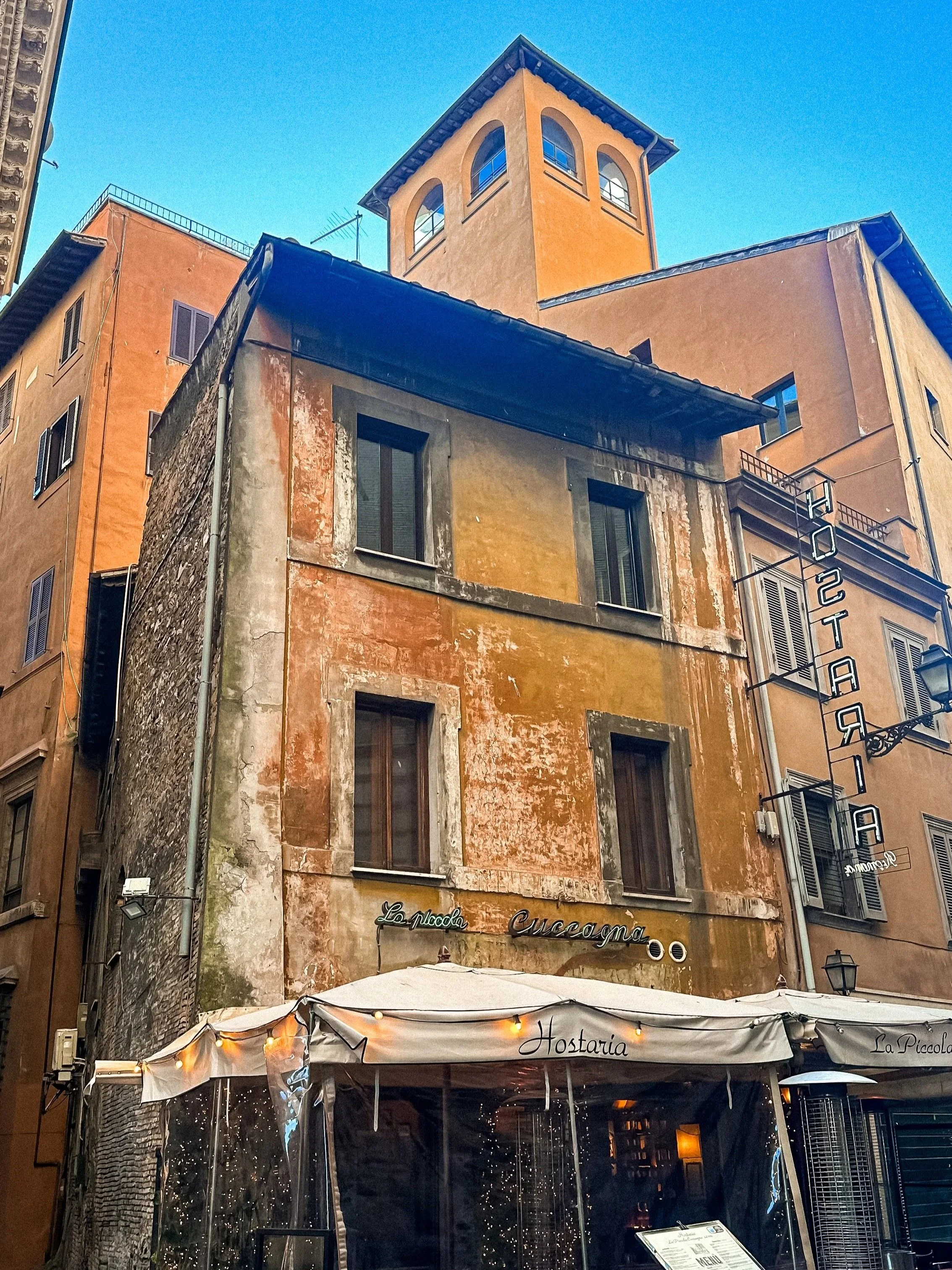
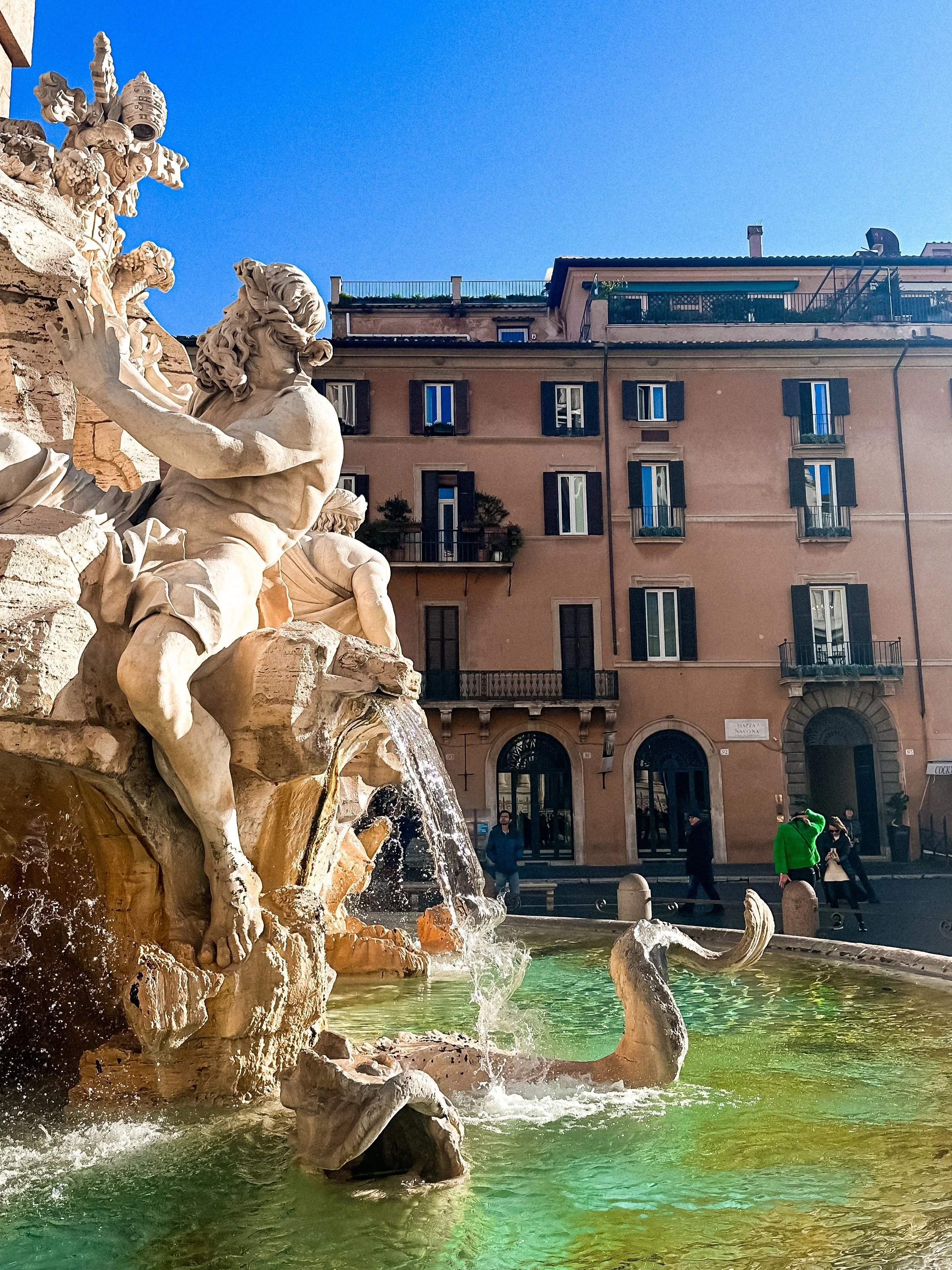
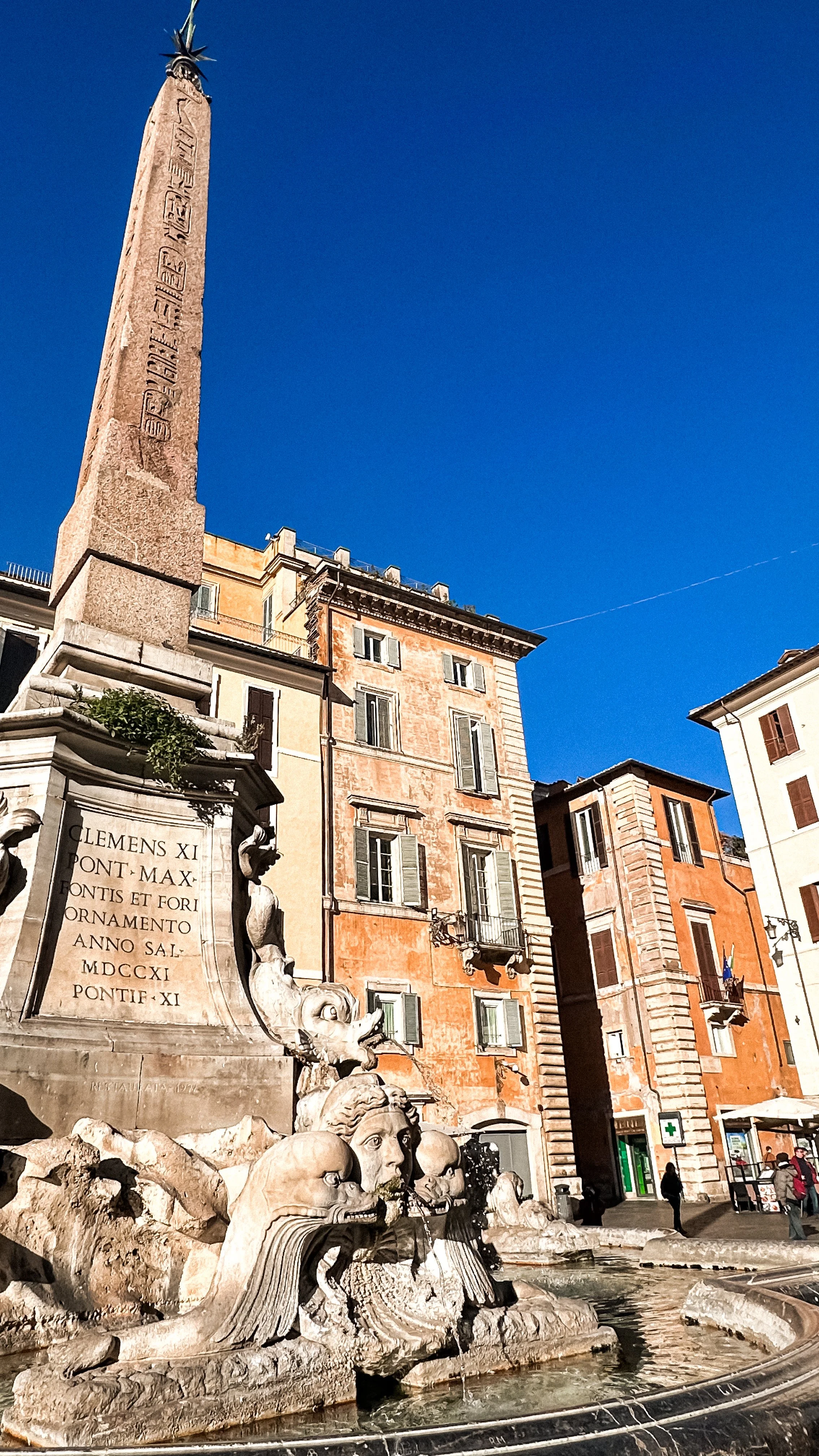
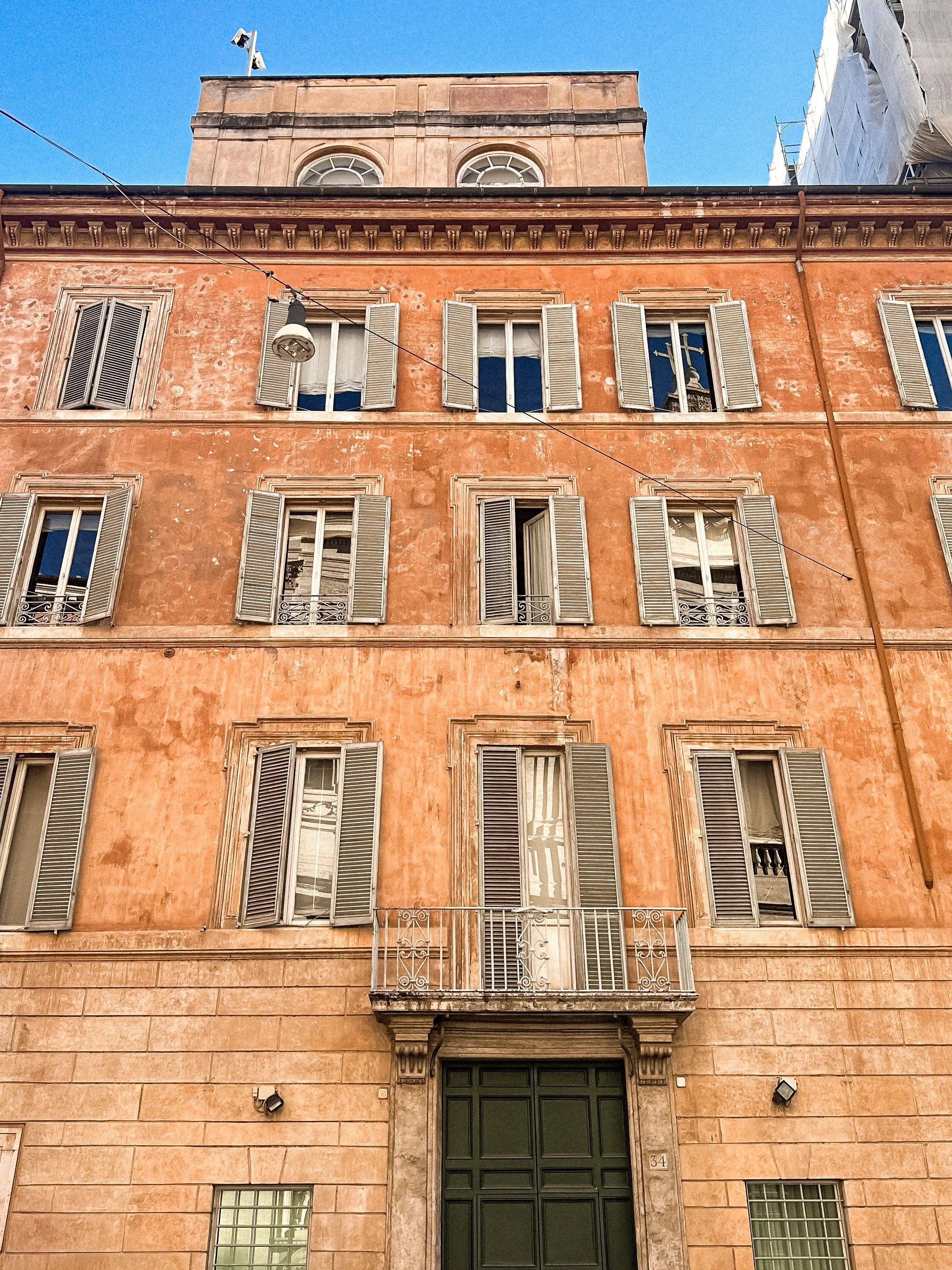
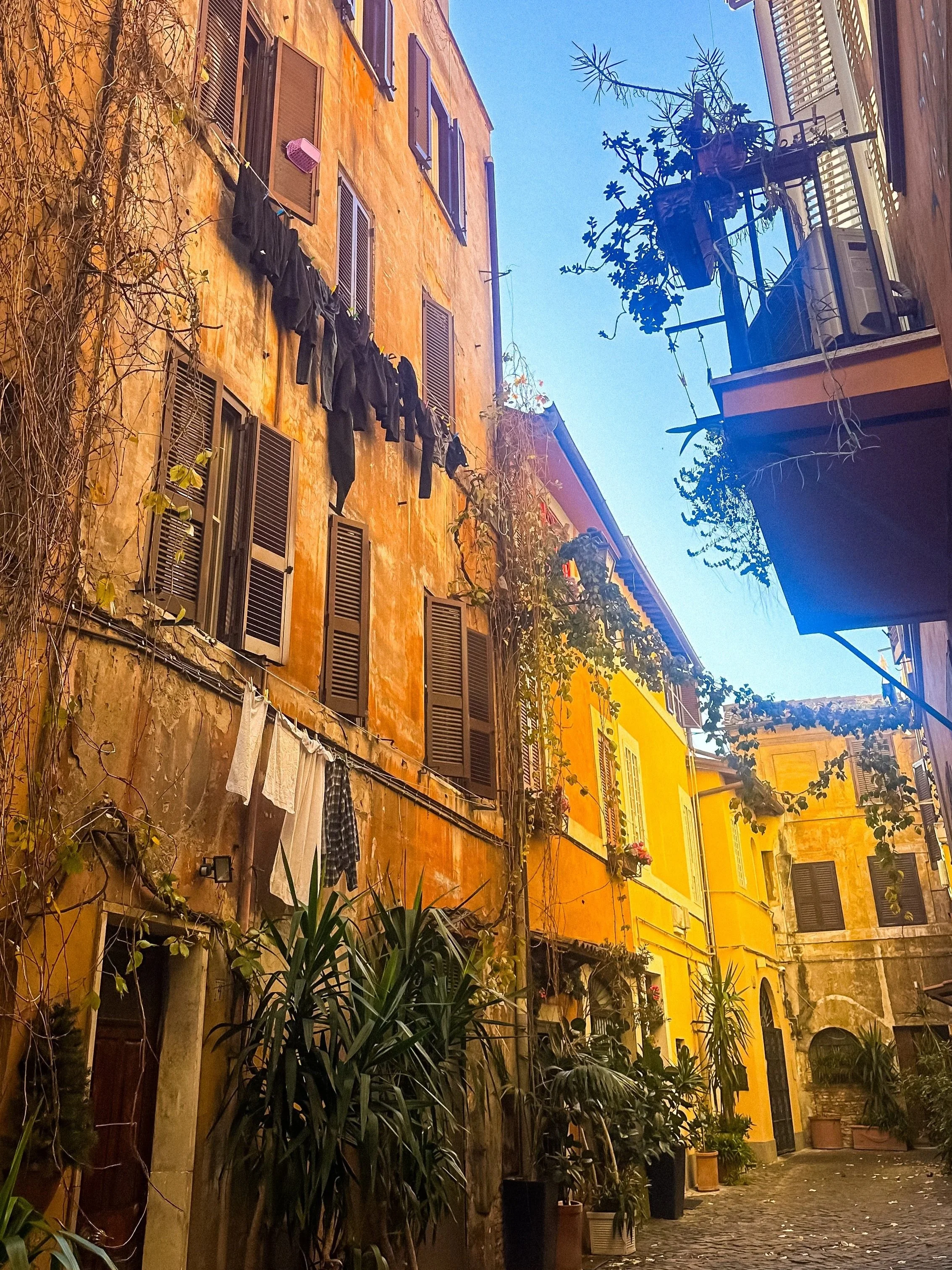
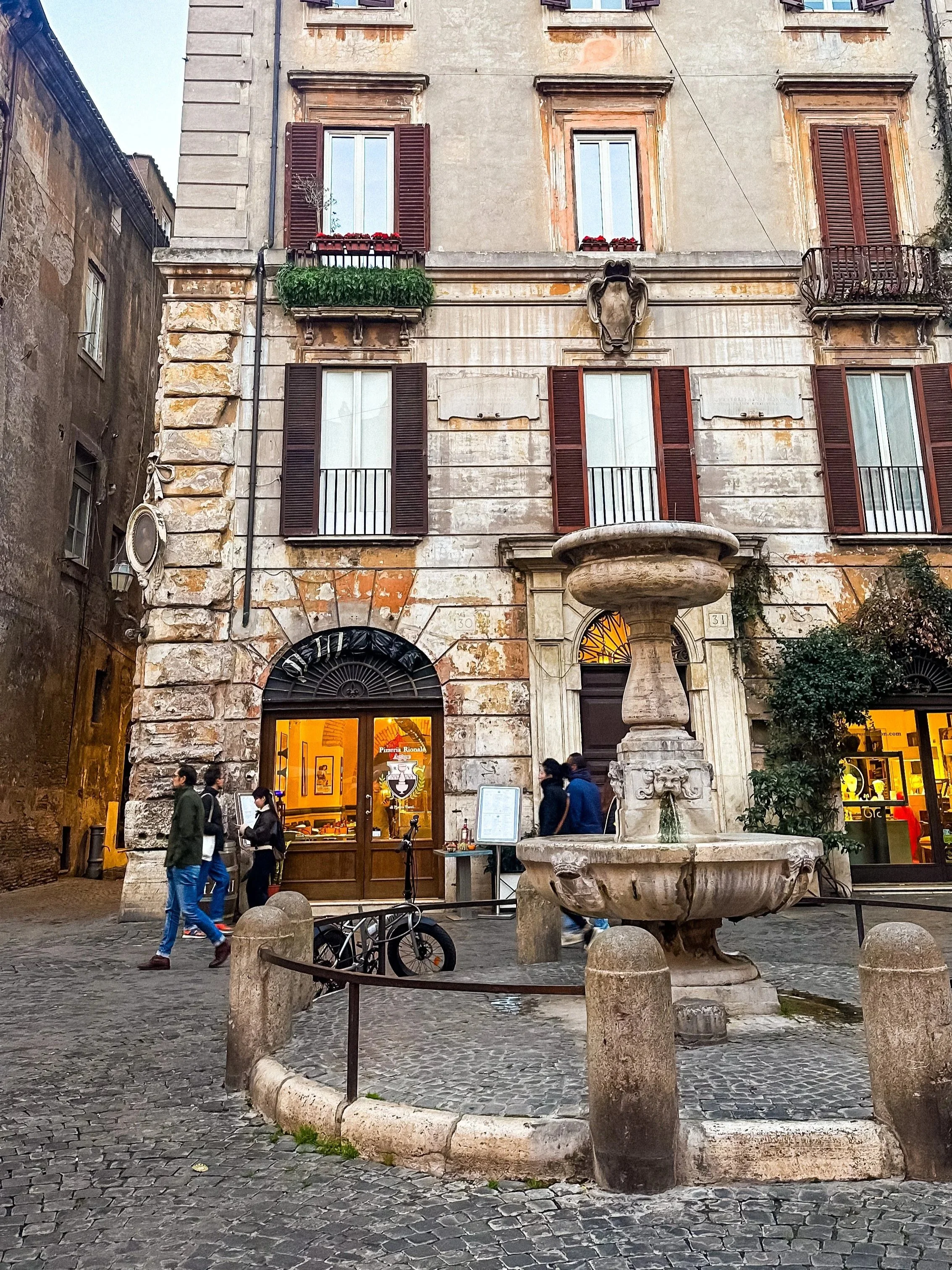
Rome rewards those who wander without urgency. Beyond its monumental sites, the city reveals itself in details. Fountains hidden behind corners, laundry hanging between ochre buildings, cafés filled with locals, and churches that appear unexpectedly quiet.
Early mornings and golden hour are ideal. The city feels softer, more intimate, before the crowds fully arrive.
Historic Rome: Icons and Atmosphere
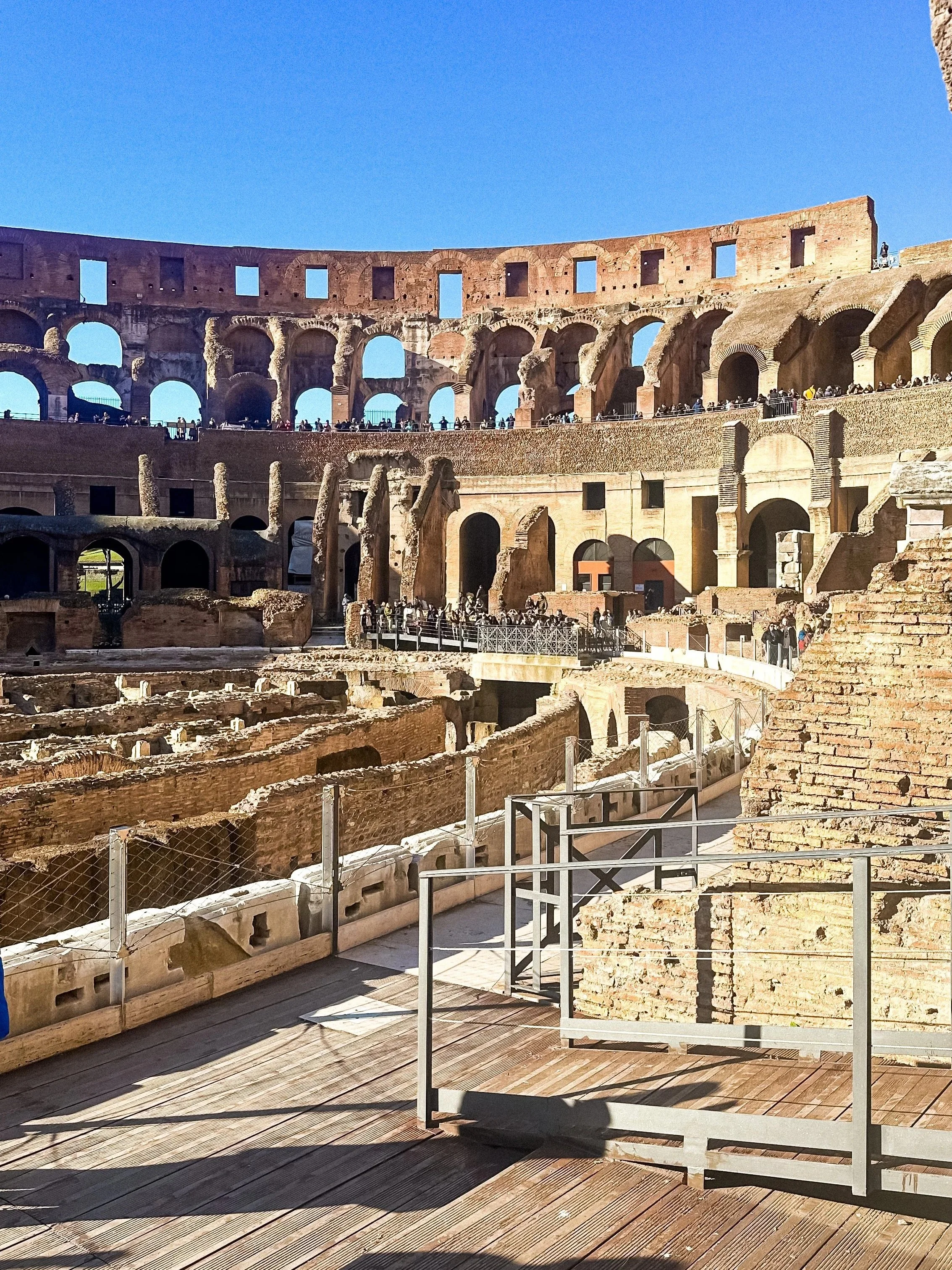
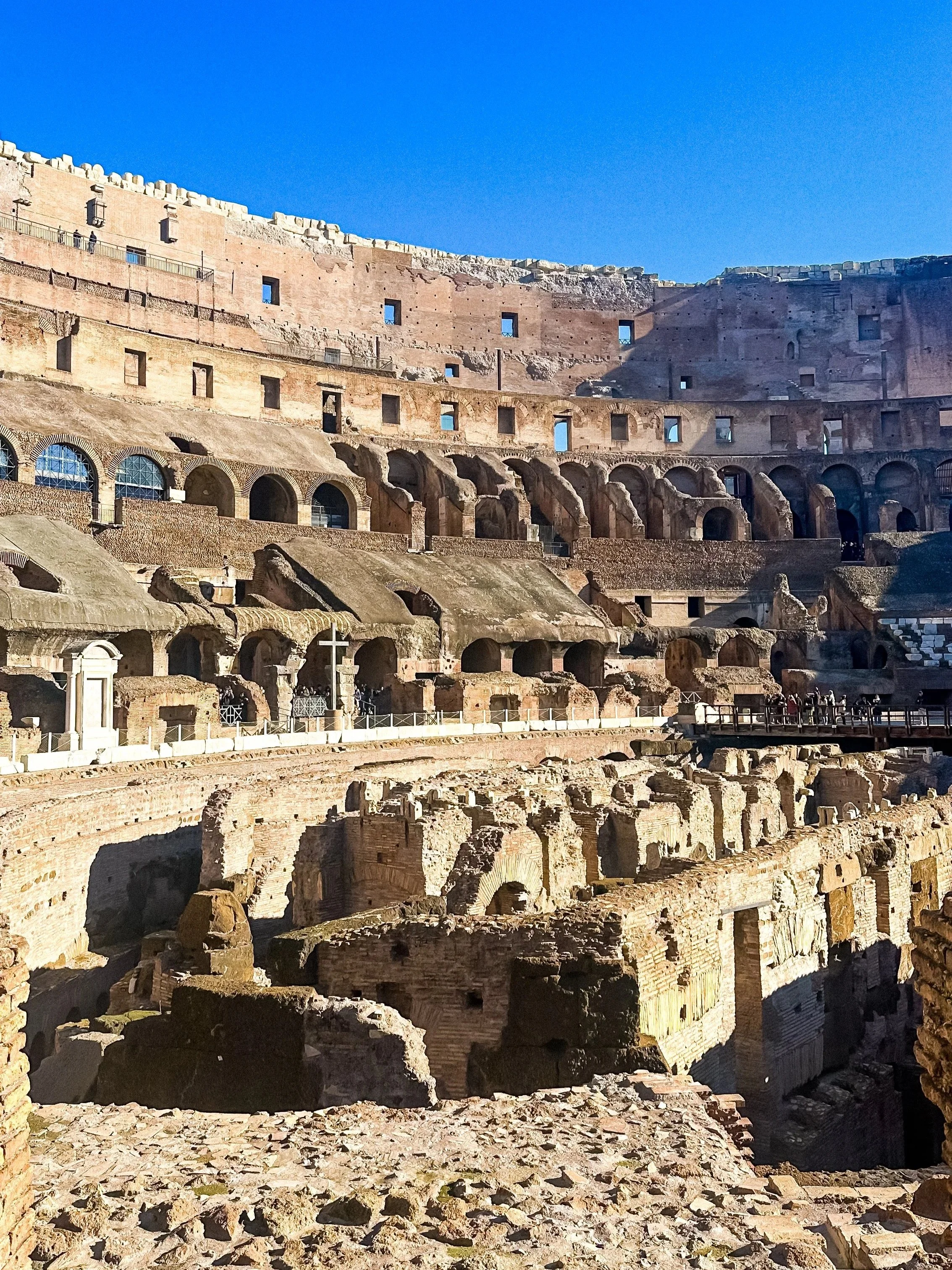
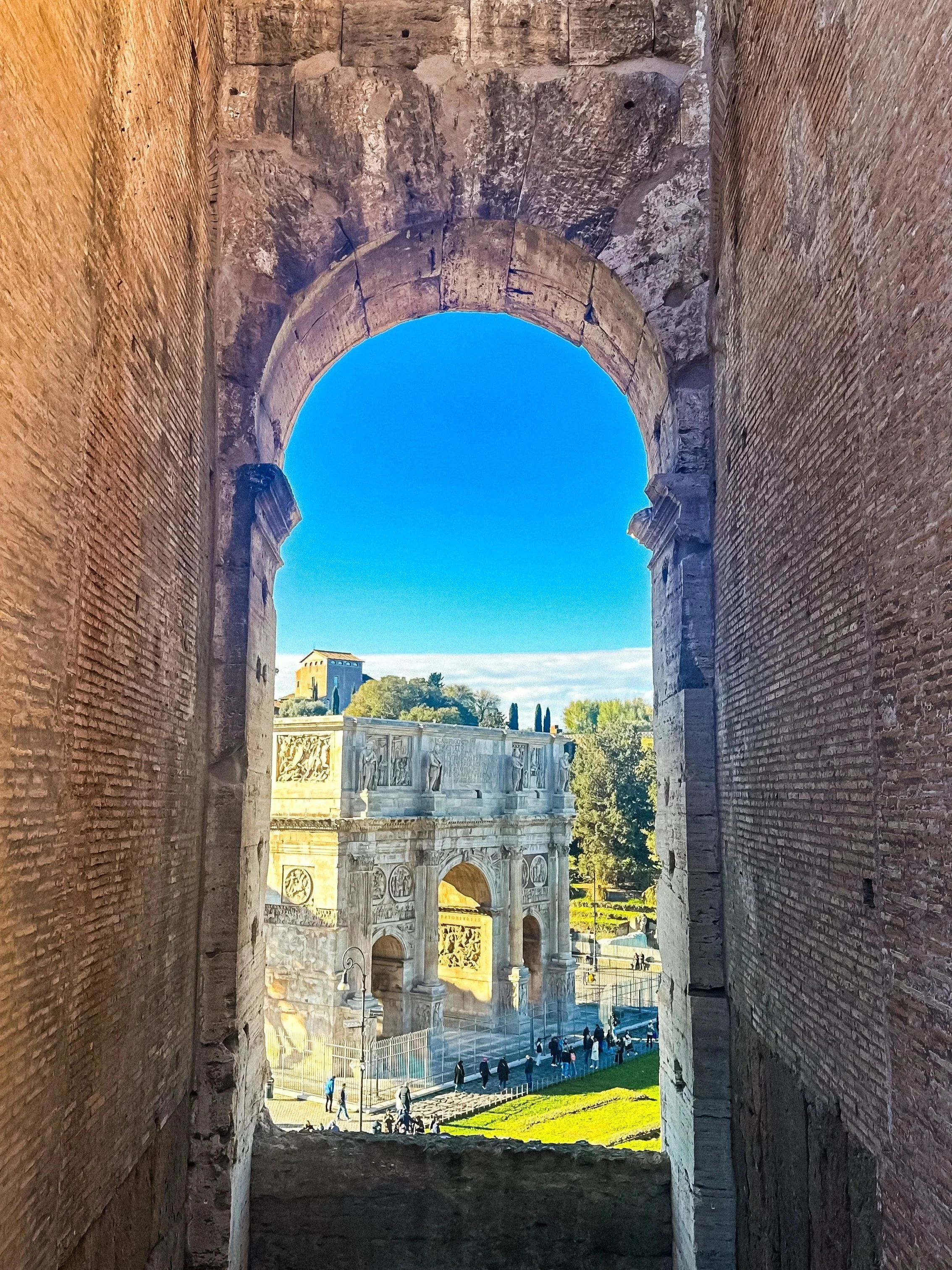
Colosseum and Roman Forum
The Colosseum remains one of the most powerful symbols of ancient Rome. Its scale and presence are impossible to ignore, even from the outside.
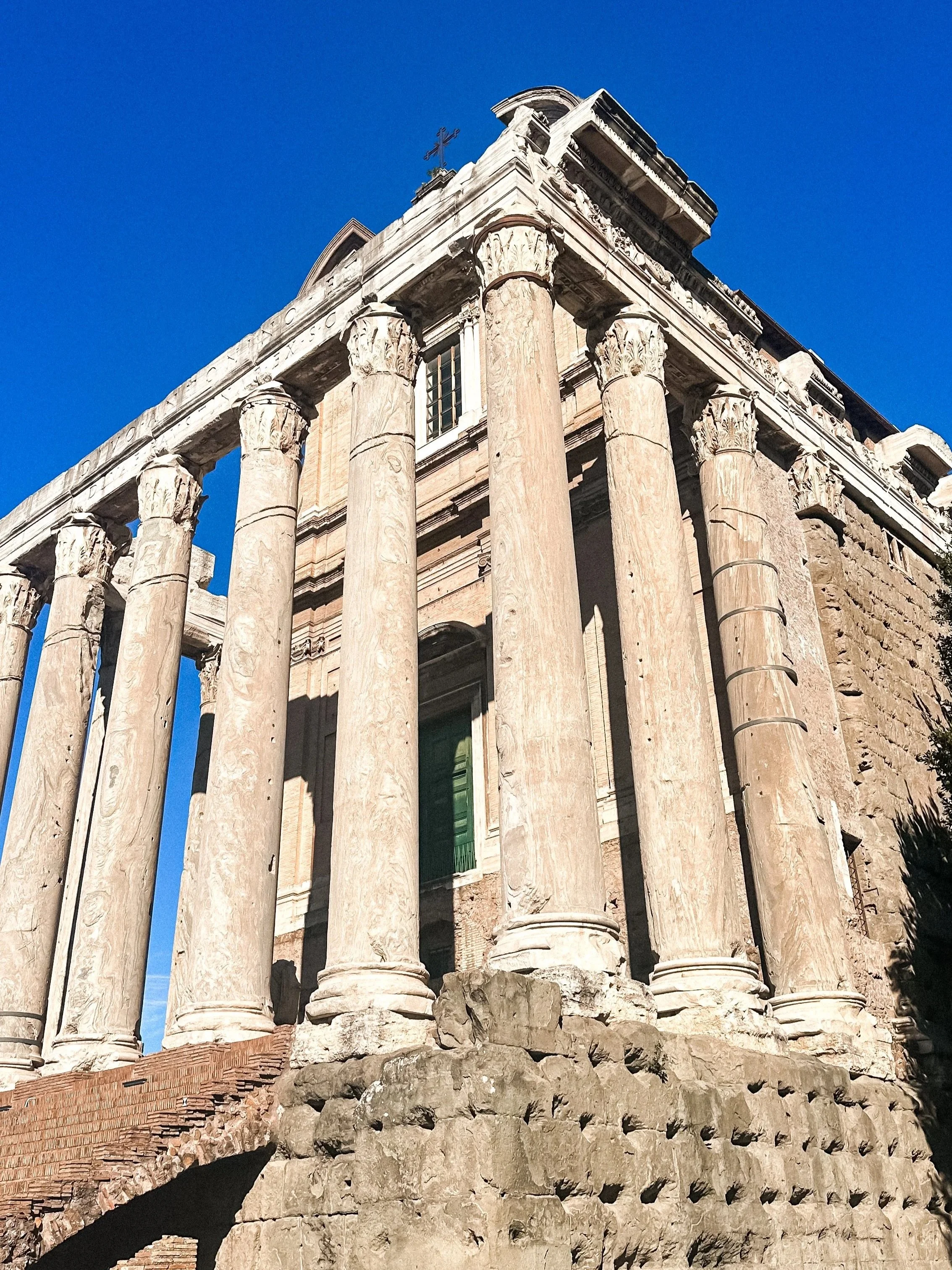
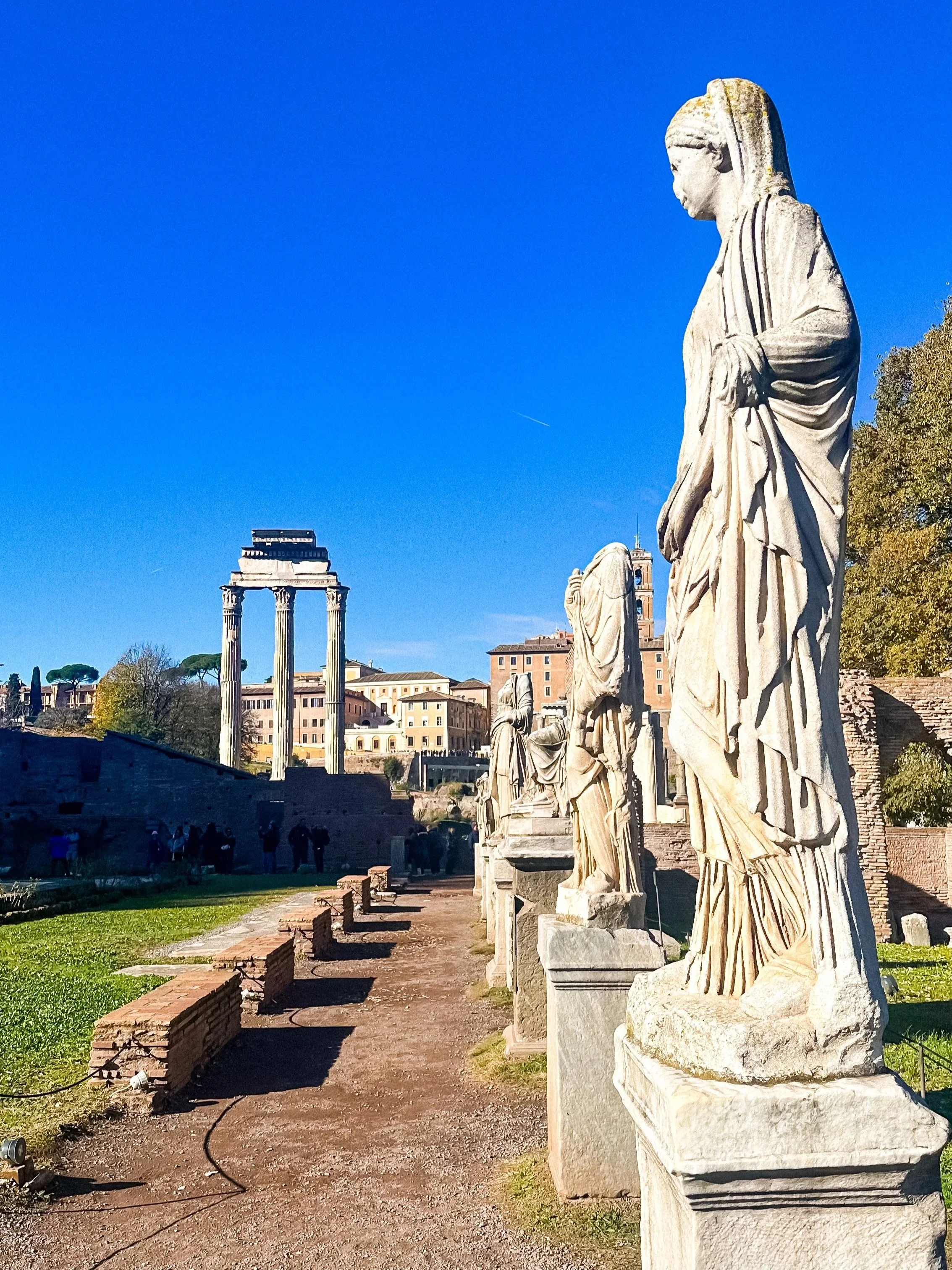
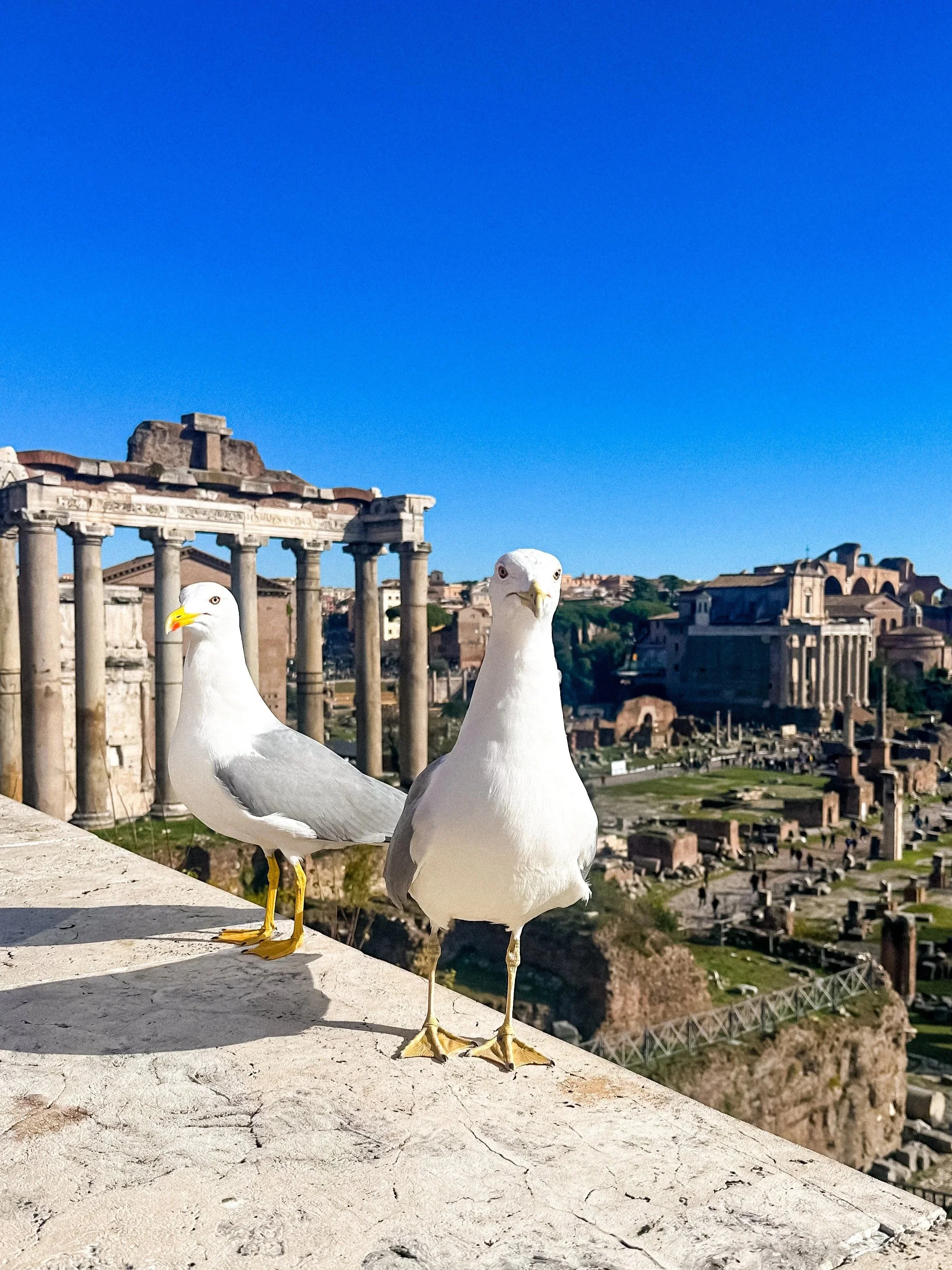
Pair the visit with the Roman Forum, where ruins of temples, basilicas, and public spaces reveal how daily life once unfolded at the heart of the empire. Walking through the Forum helps contextualize Rome beyond isolated monuments.
Piazza Venezia
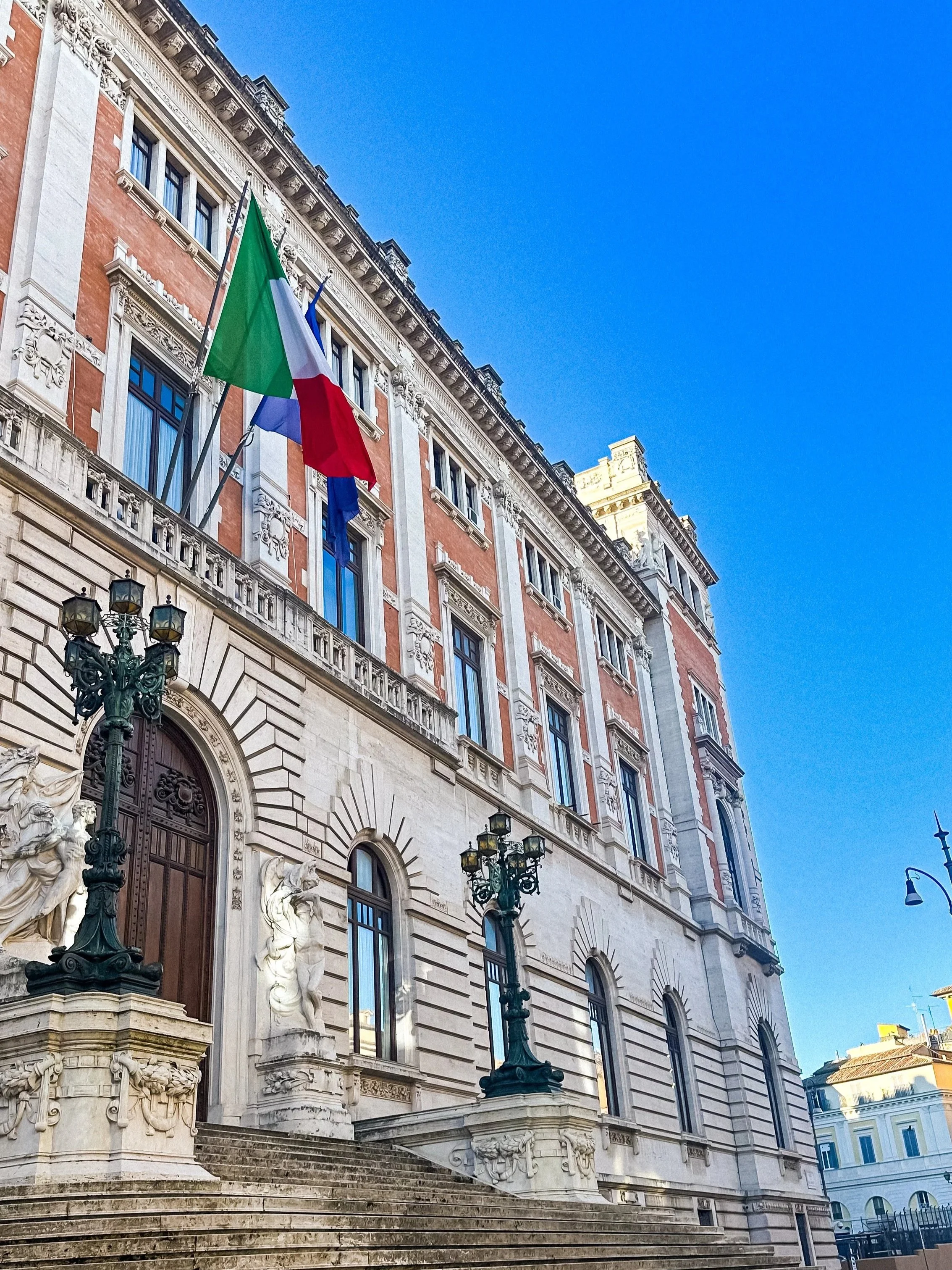
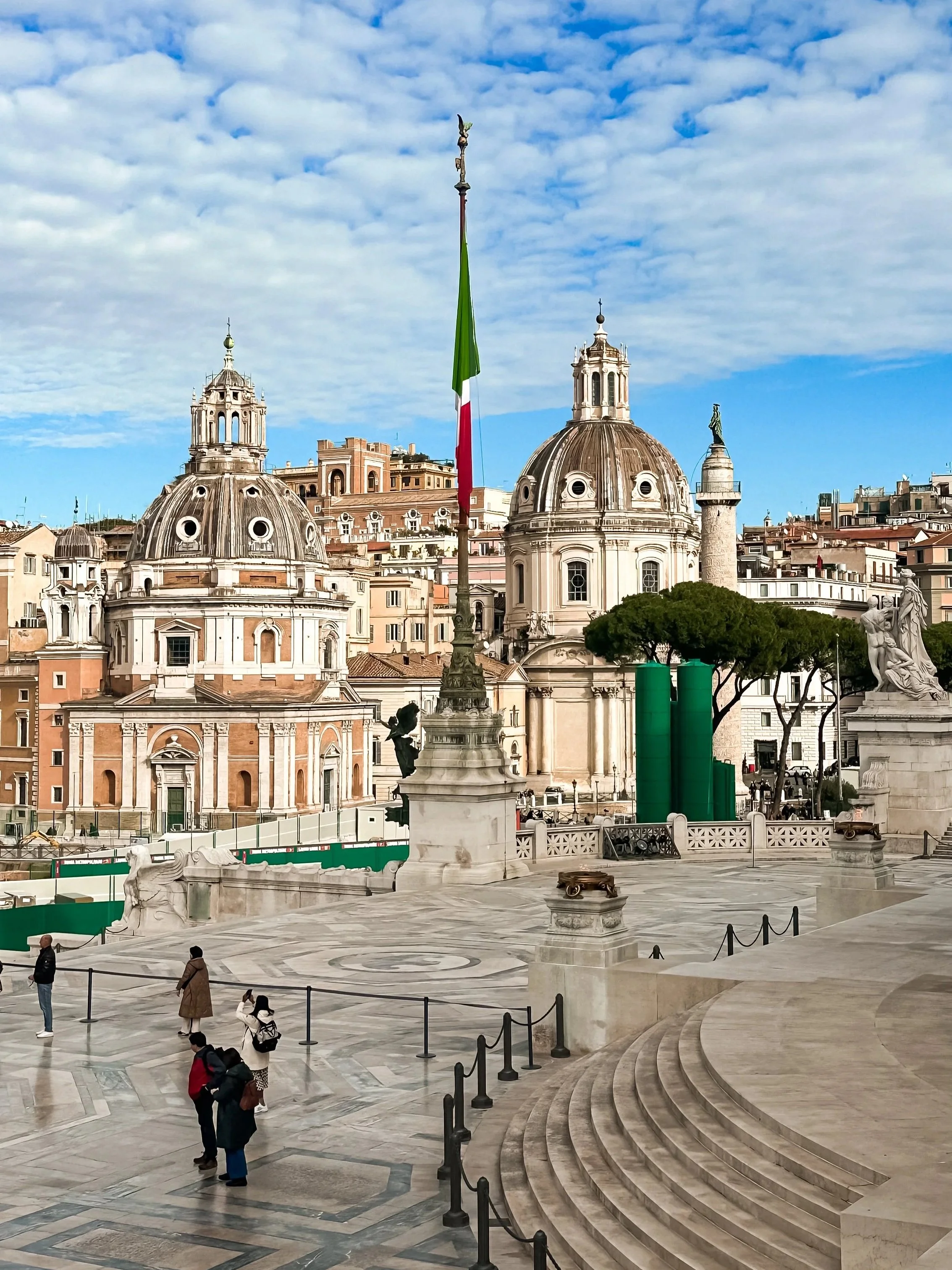
Piazza Venezia acts as a major crossroads of the city. Dominated by the Vittoriano monument, it is busy, monumental, and theatrical.
While often overlooked as a place to linger, it offers an important transition point between ancient Rome and the historic center.
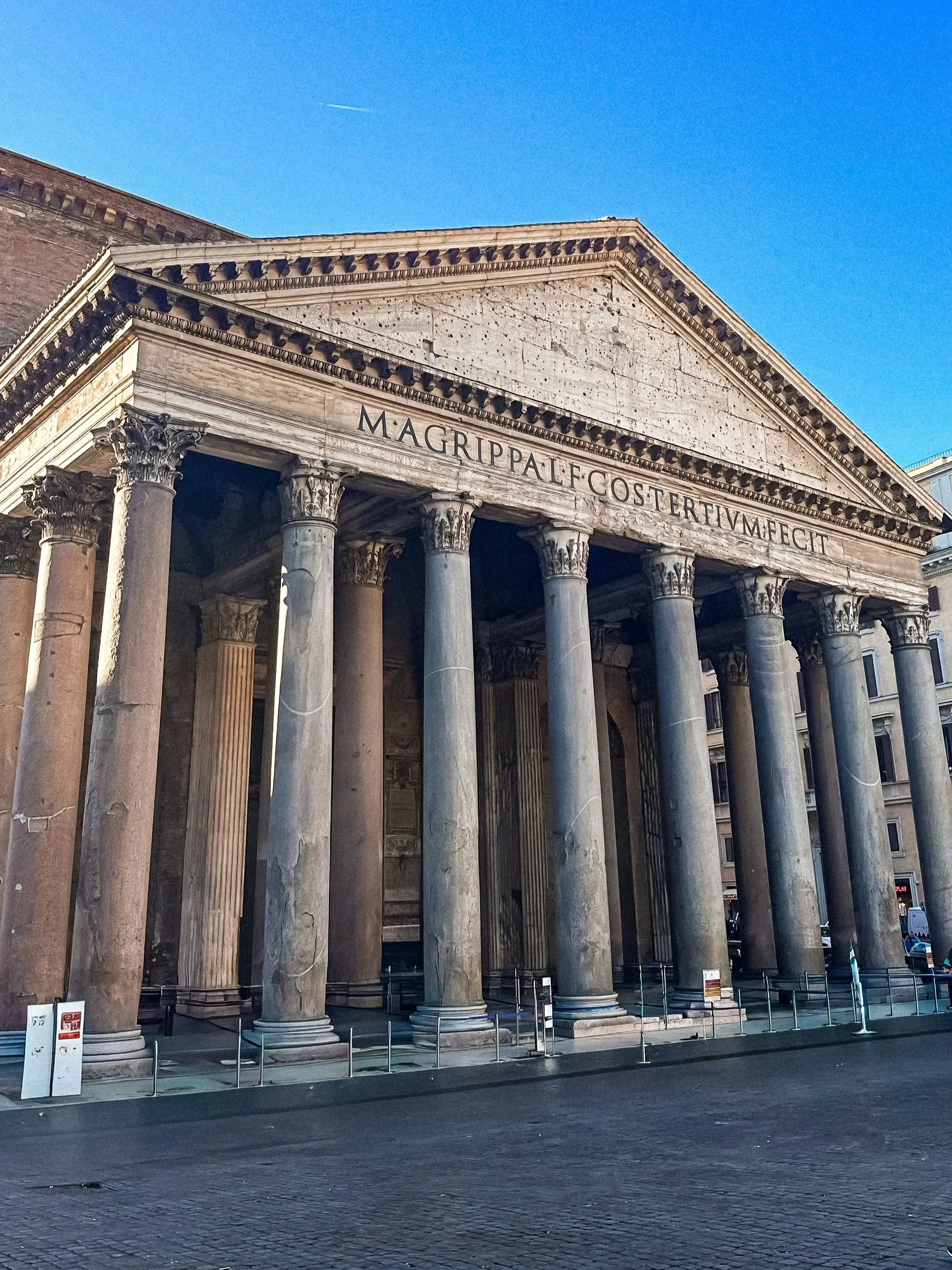
Pantheon
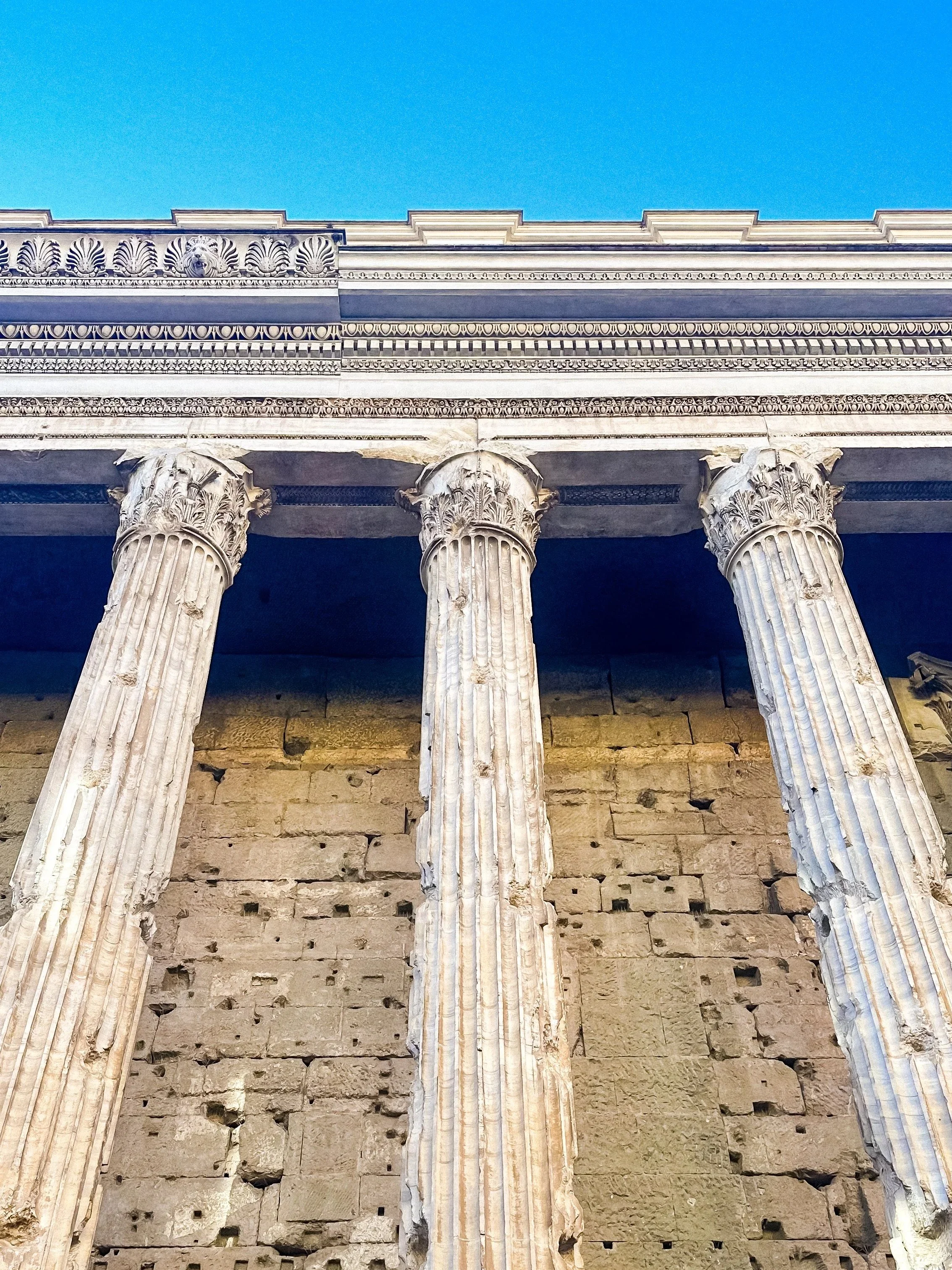
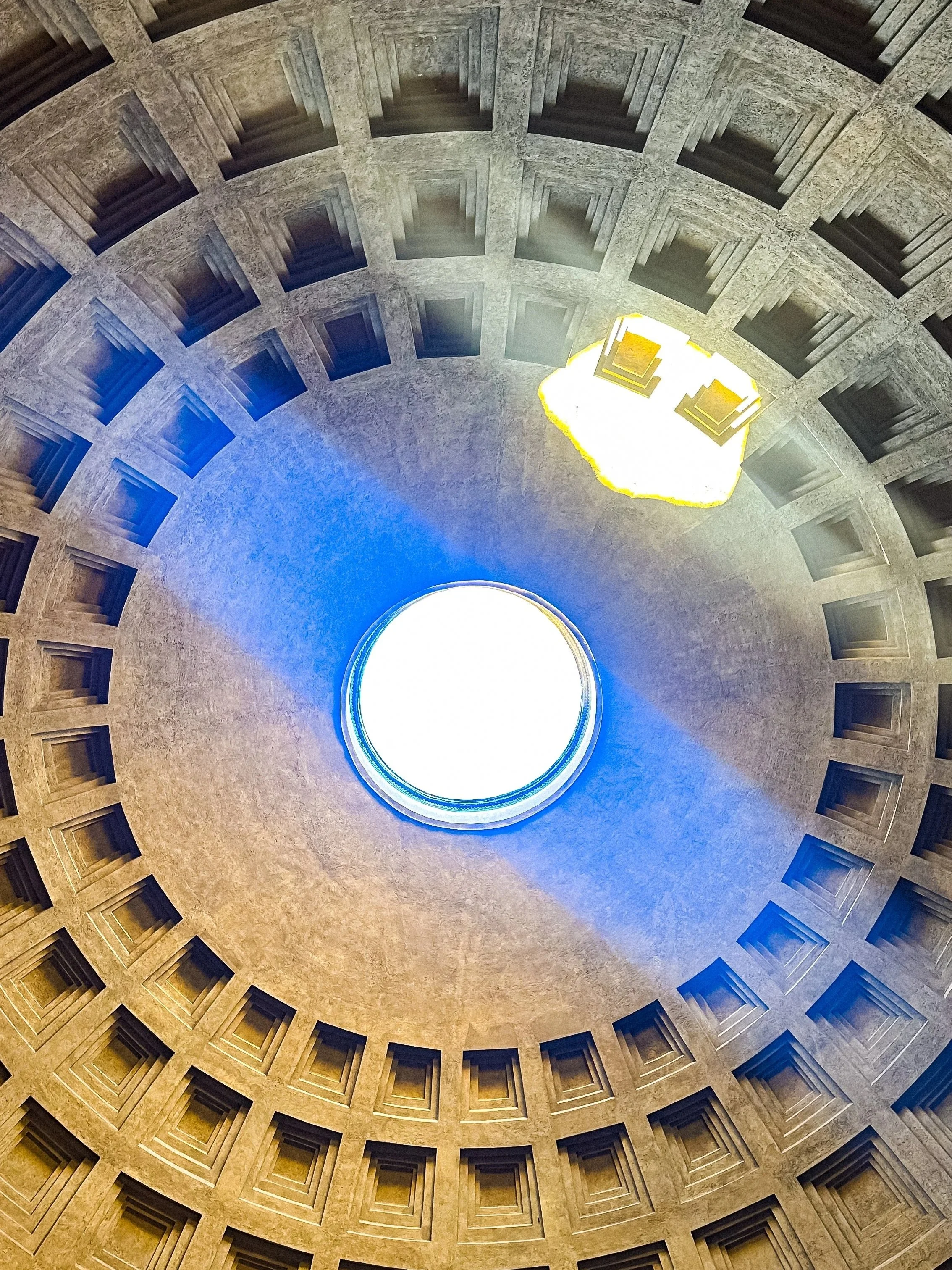
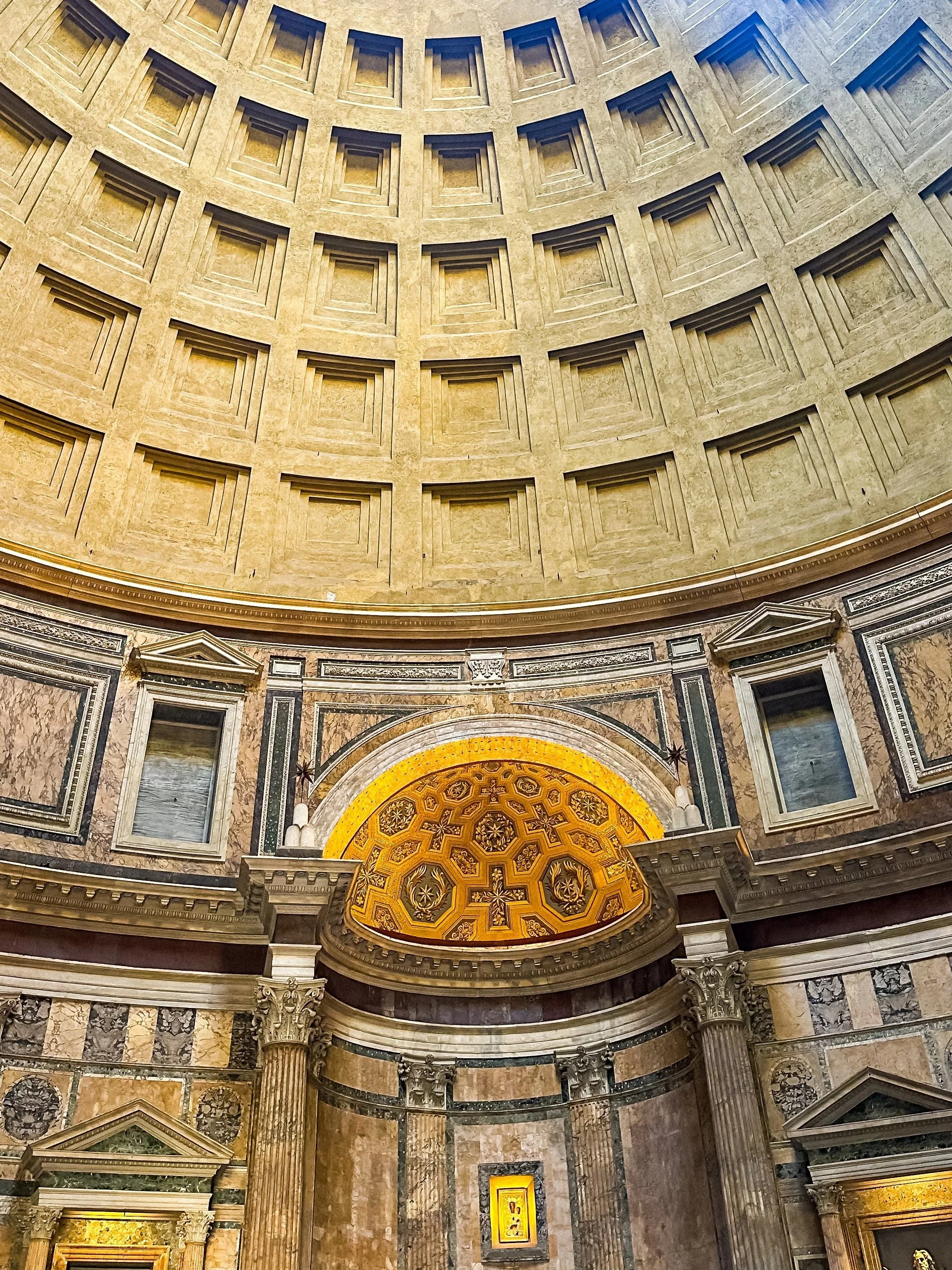
The Pantheon remains one of Rome’s most impressive architectural achievements. Its perfect proportions, massive concrete dome, and central oculus create a space that feels both powerful and serene.
Step inside slowly. Light moves across the interior throughout the day, transforming the space into a living monument rather than a static one.
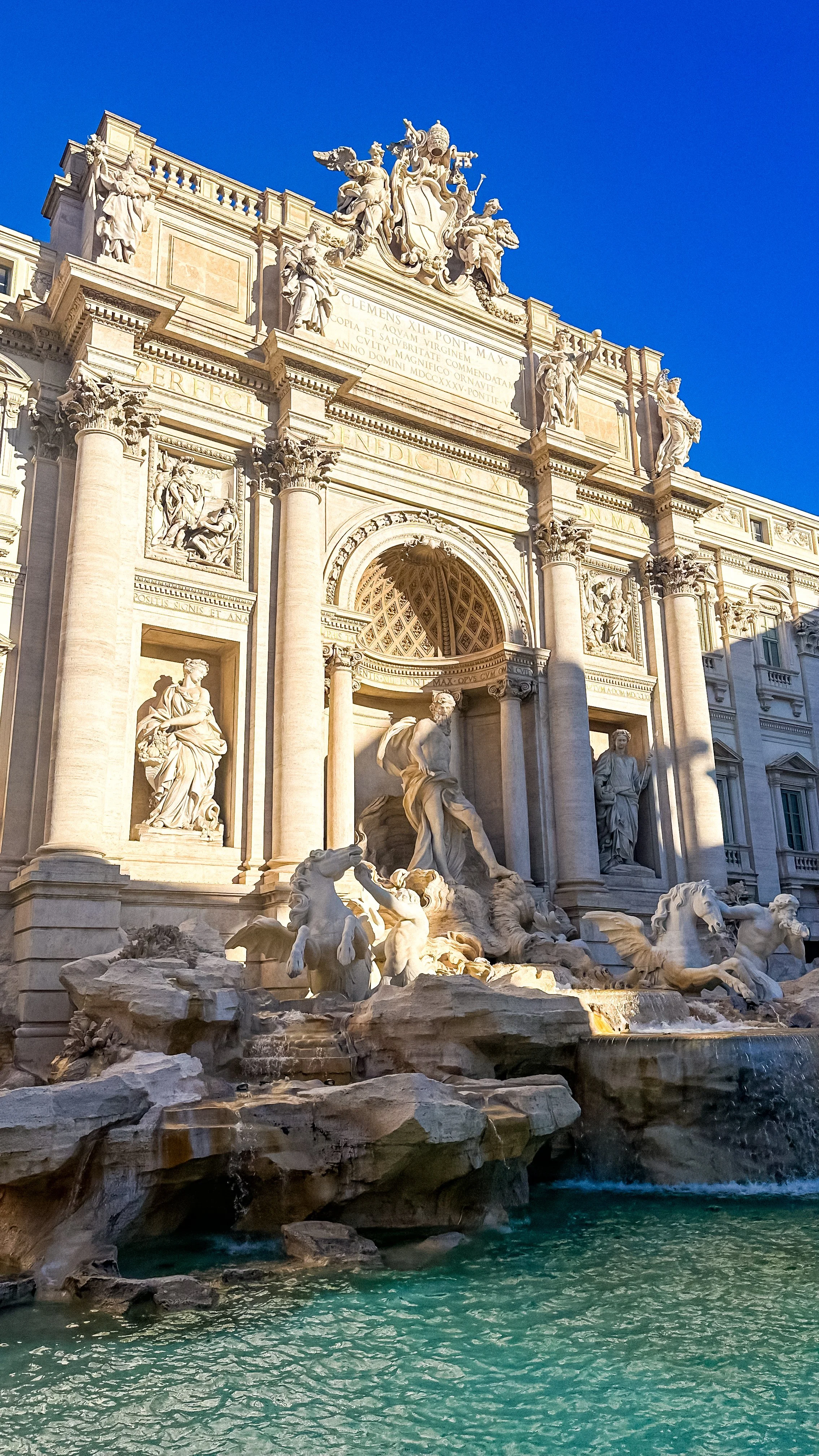
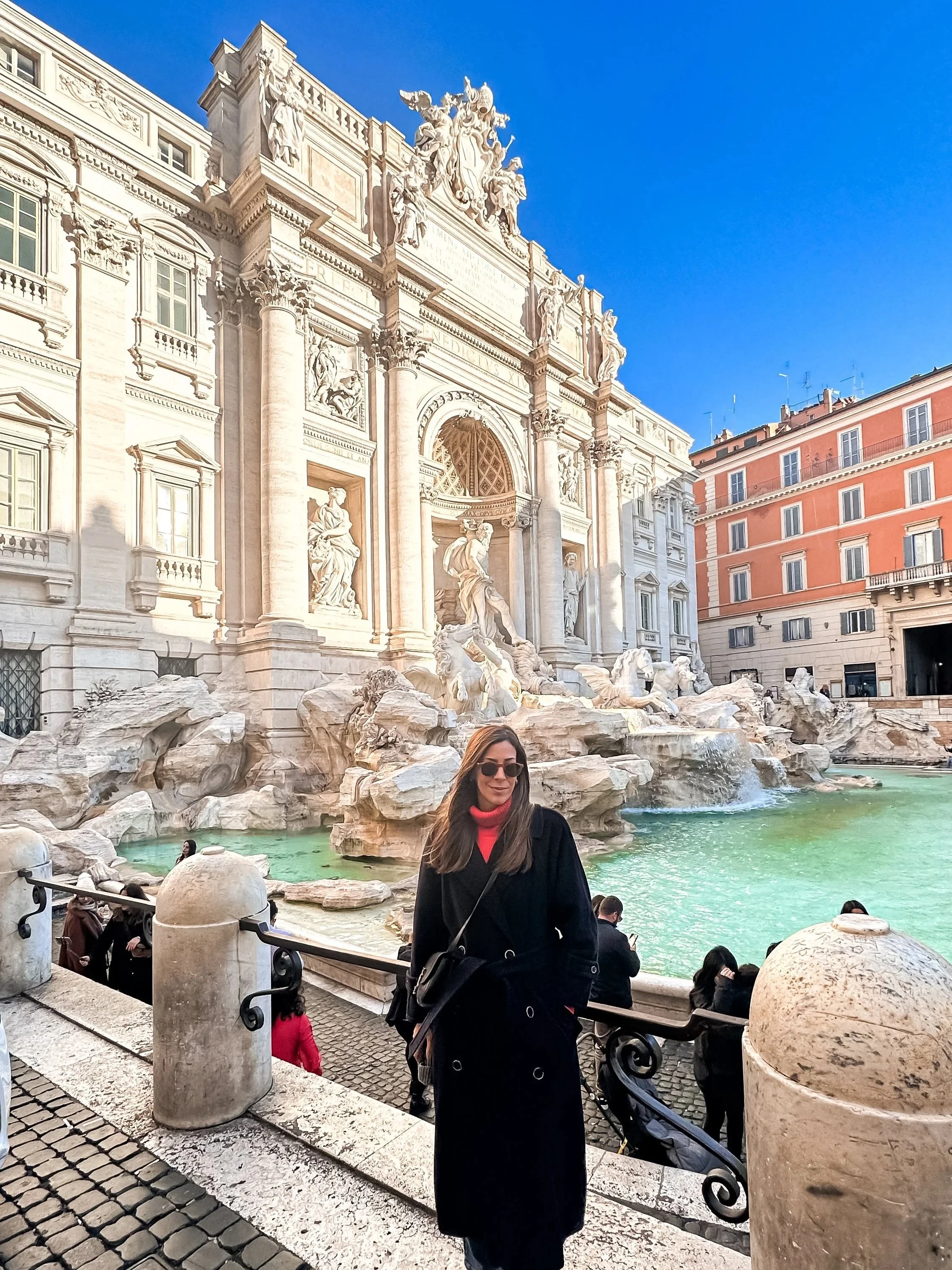
Fontana di Trevi
The Trevi Fountain is best experienced very early in the morning or late at night.
At quieter hours, the sound of water and the sculptural details become more perceptible, allowing the monument to feel less performative and more poetic.
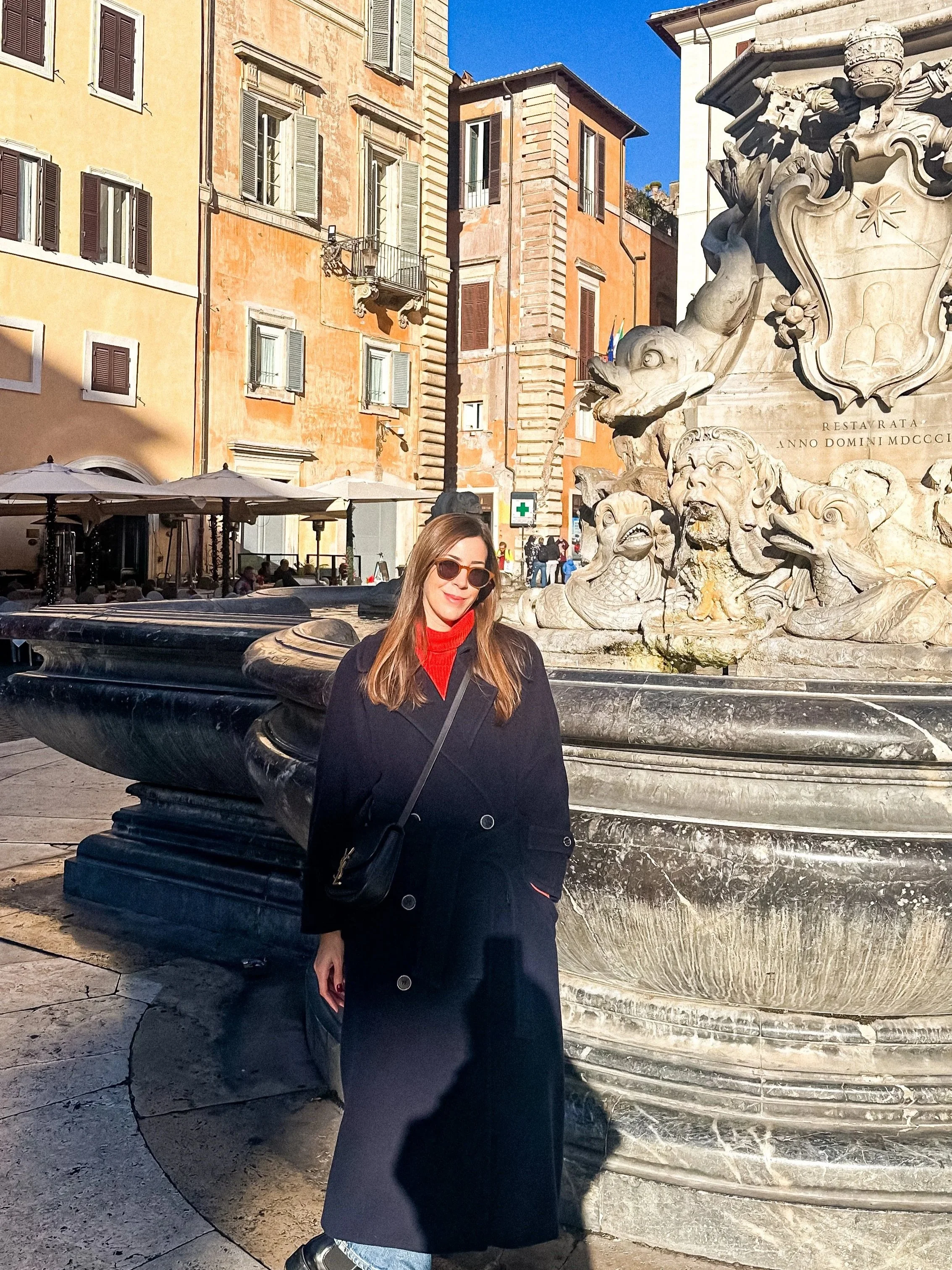
Trastevere: Roman Soul
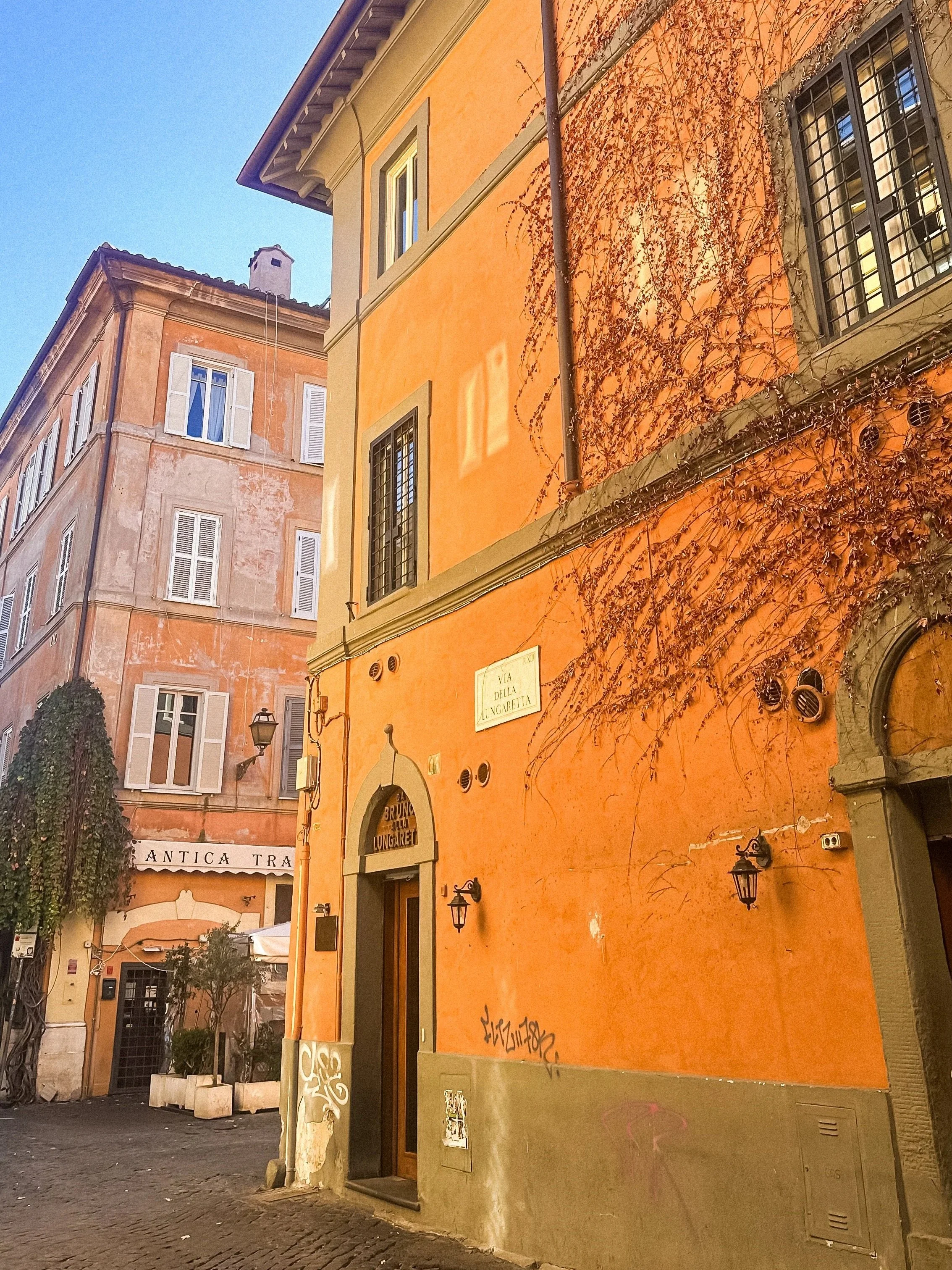
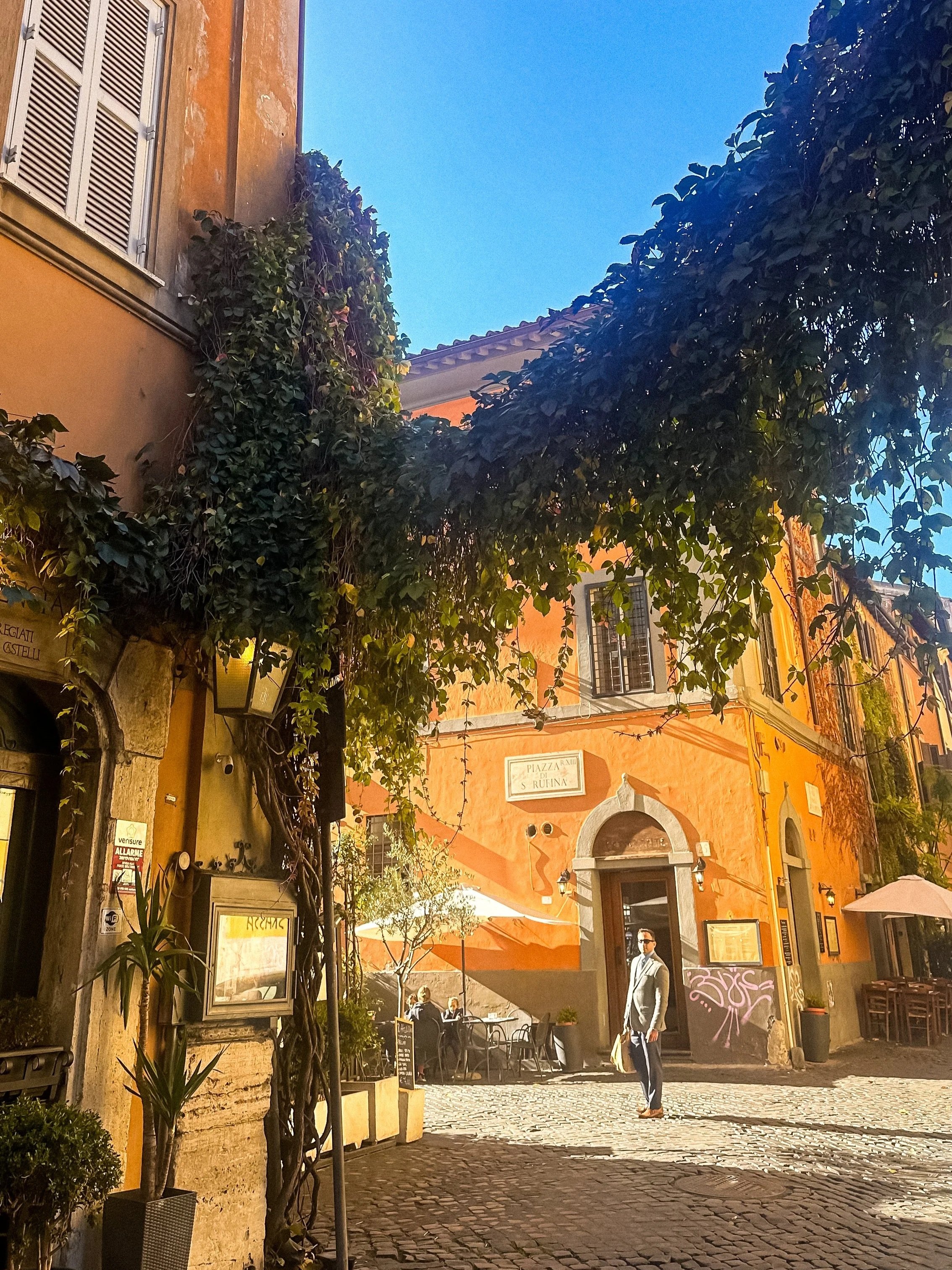
Trastevere is one of Rome’s most characterful neighborhoods.
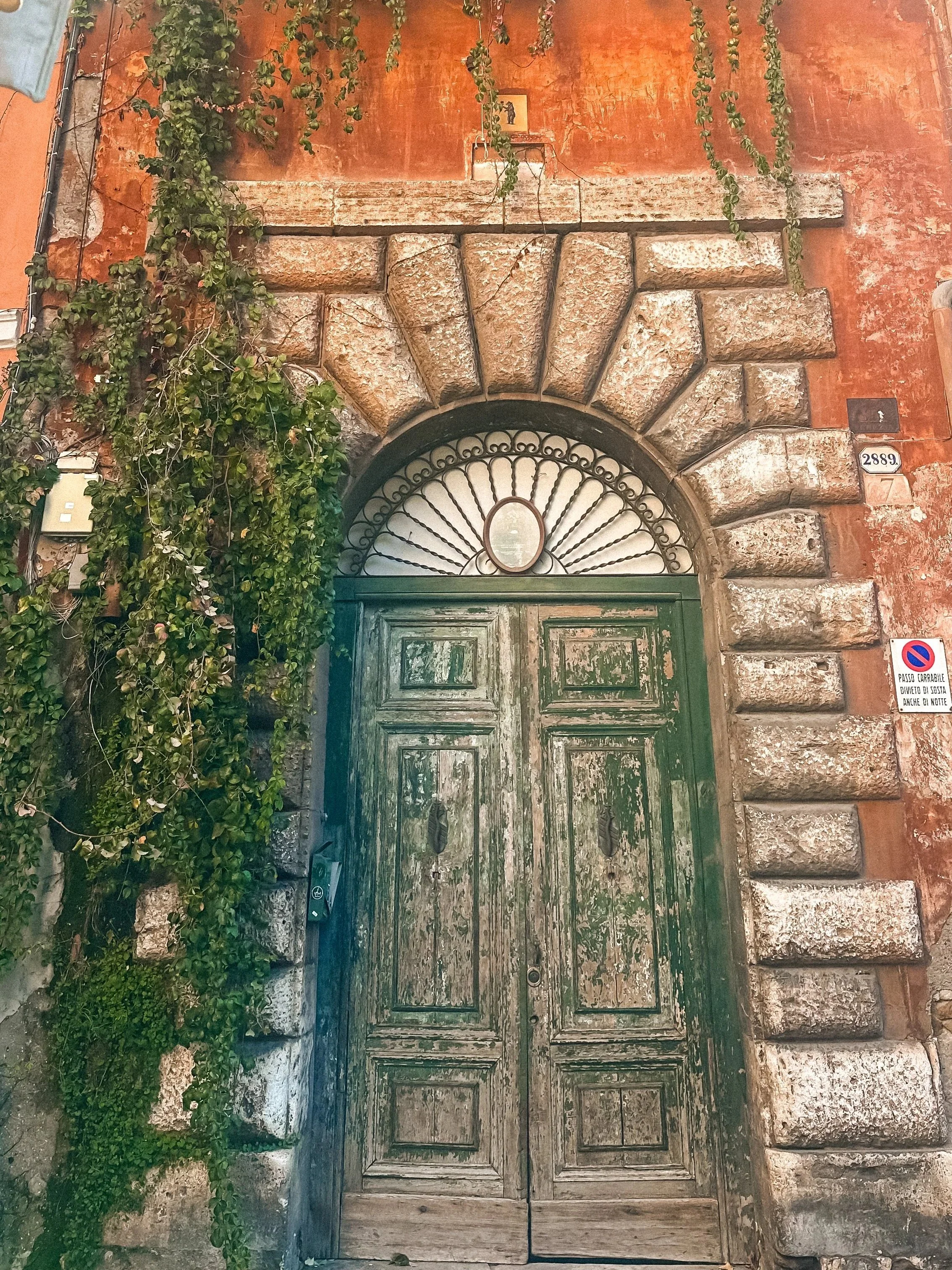
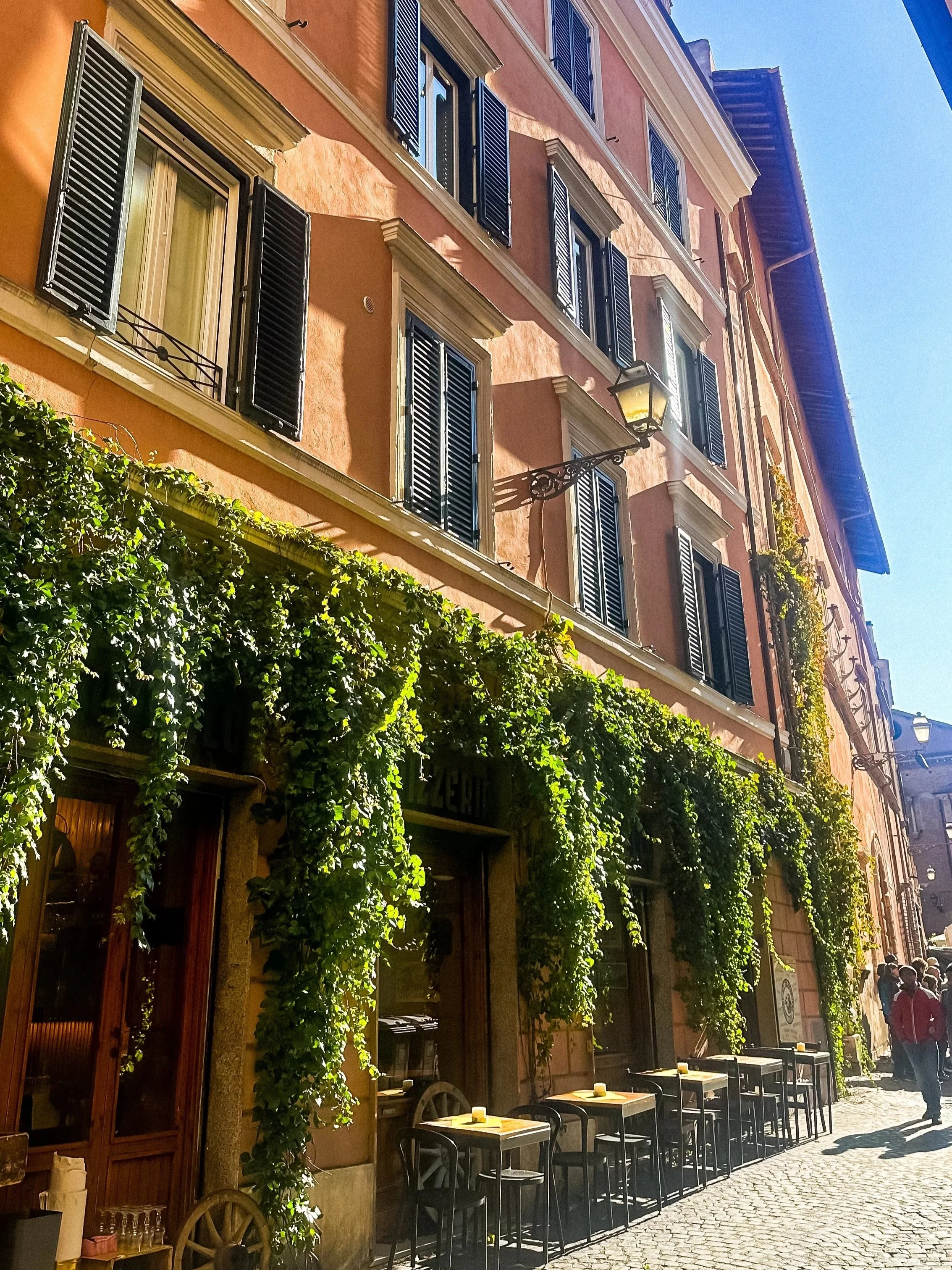
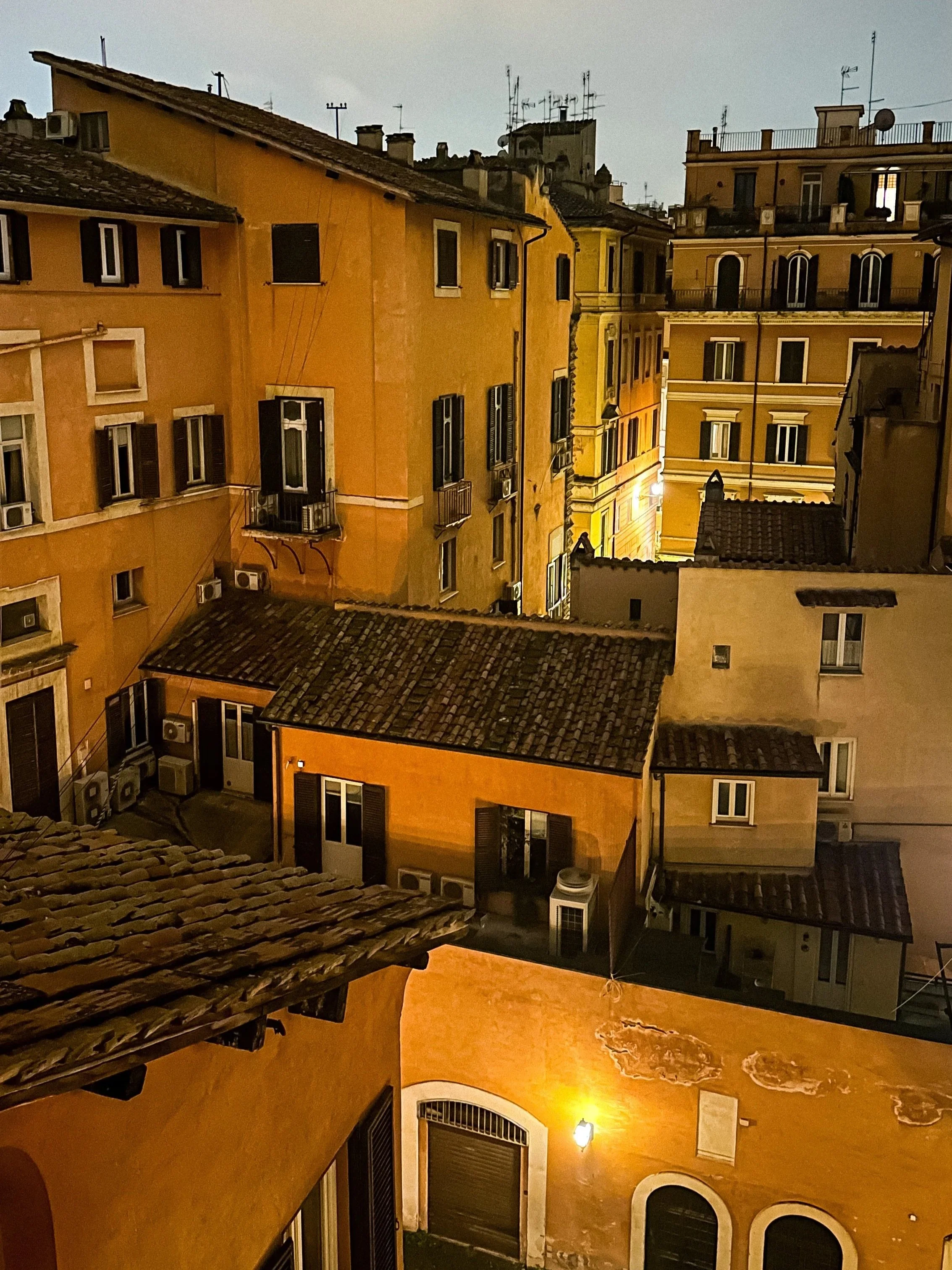
Cobblestone streets, ivy covered façades, and small piazzas define its charm. During the day it feels calm and residential. In the evening, lights soften the streets and restaurants fill with conversation.
Walk without a plan. This is a place to get lost, pause for an espresso, and observe daily life.
Art, Churches, and Quiet Beauty
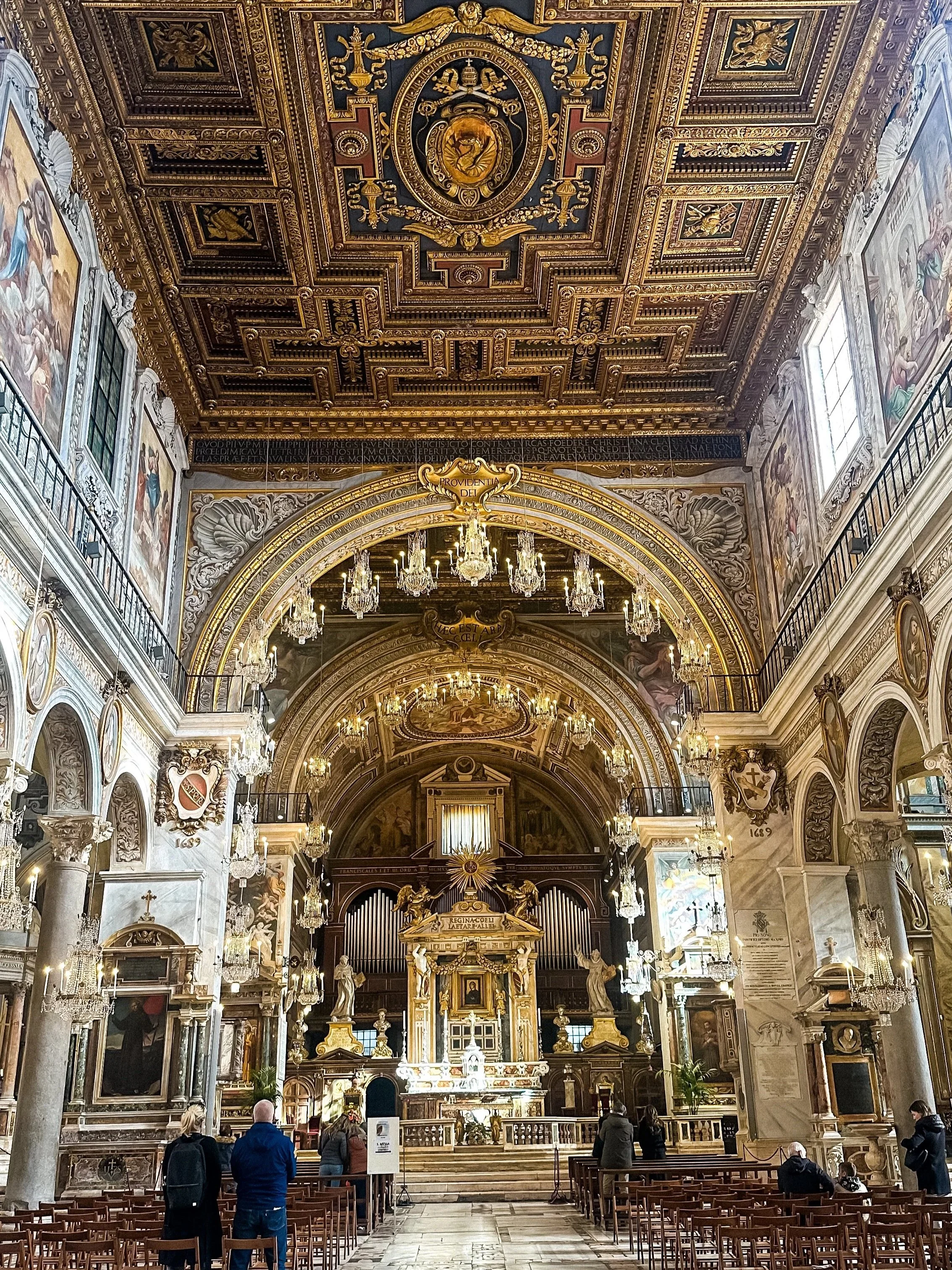
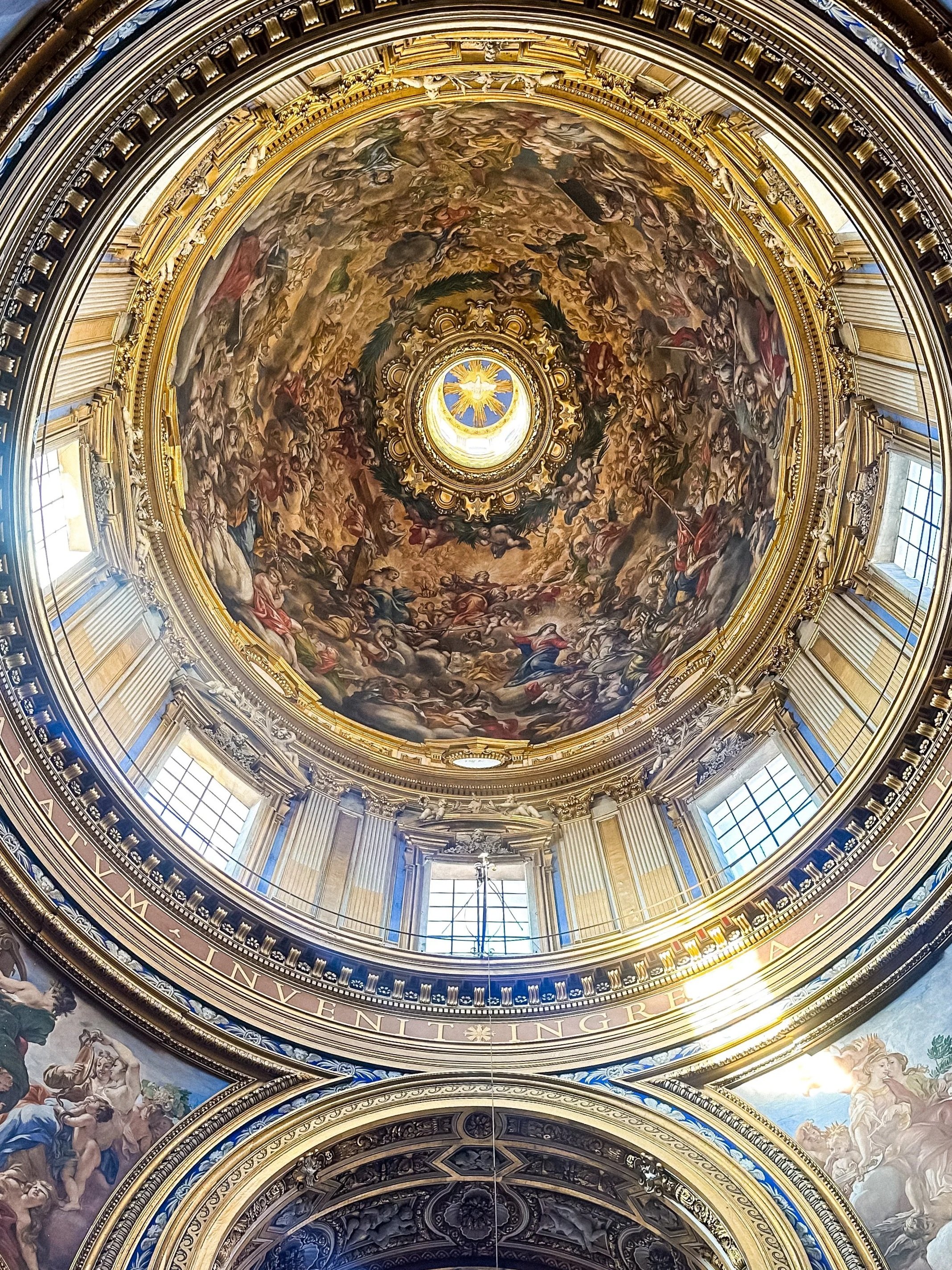
Rome’s churches function as open museums.
Santa Maria del Popolo, San Luigi dei Francesi, and Sant’Ignazio offer masterpieces by Caravaggio and breathtaking frescoes, often without the formality of major museums.
Enter for a moment of silence, even if art is not your main focus. The contrast with the busy streets outside is striking.
Vatican Area
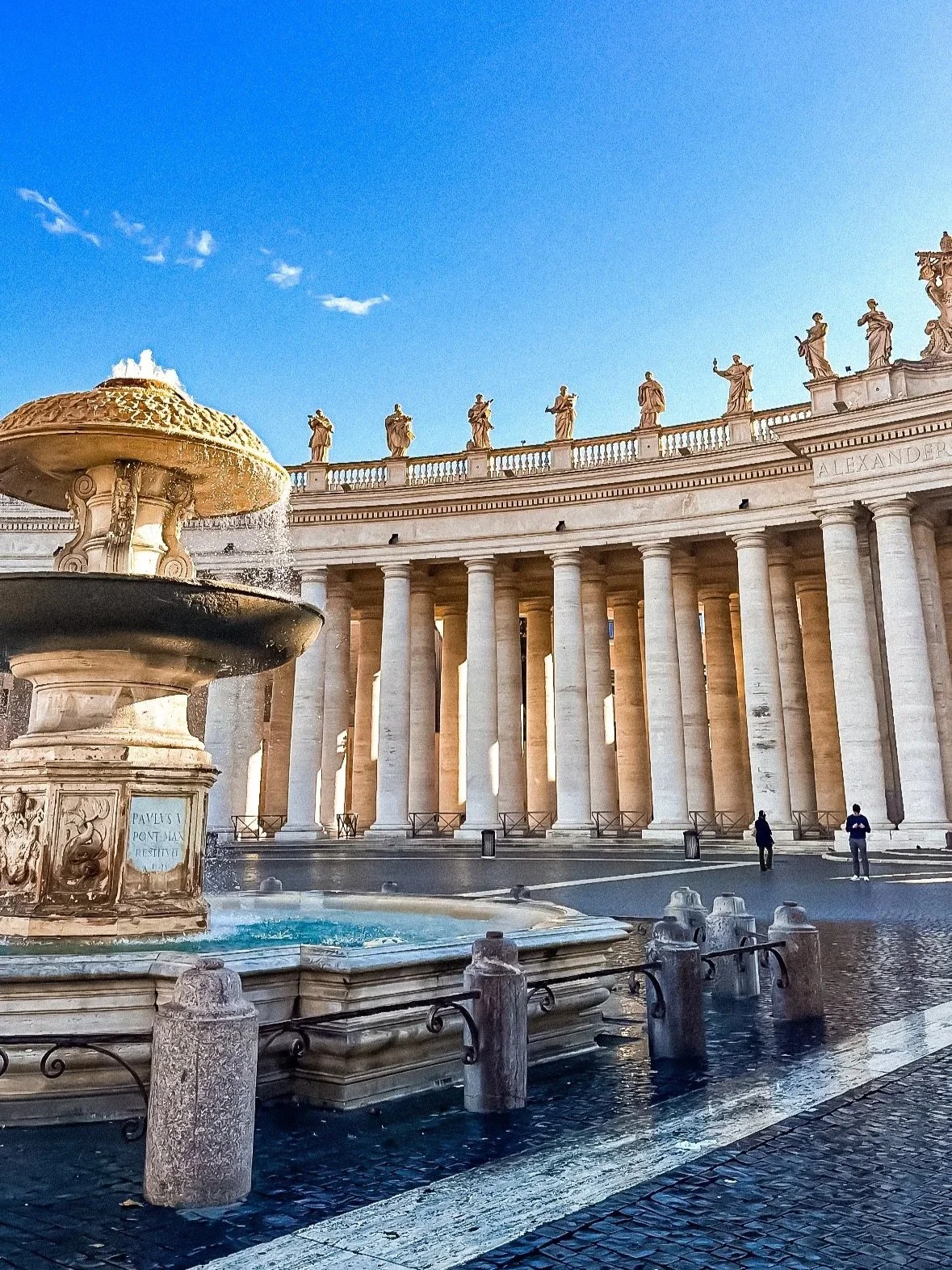
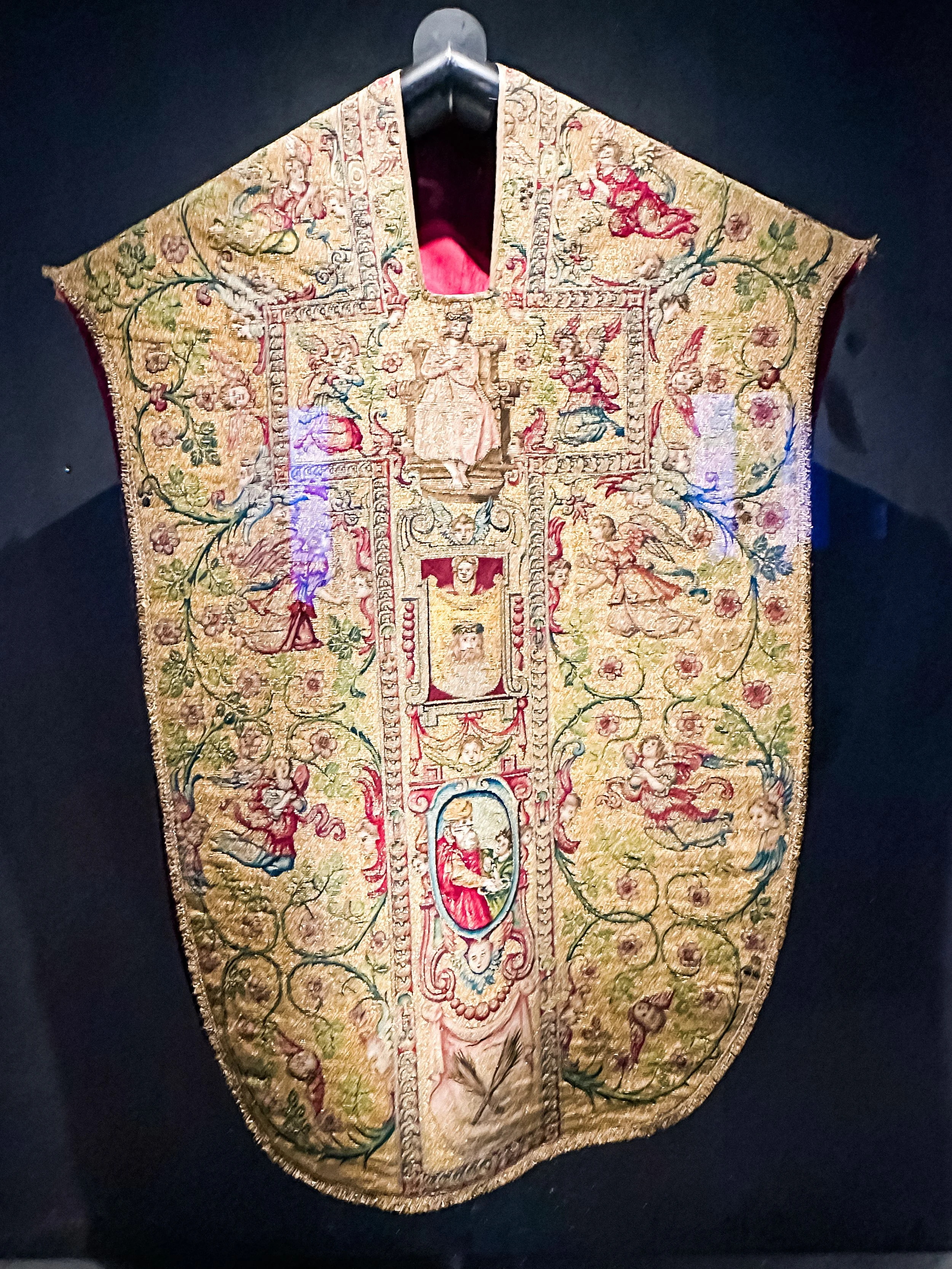
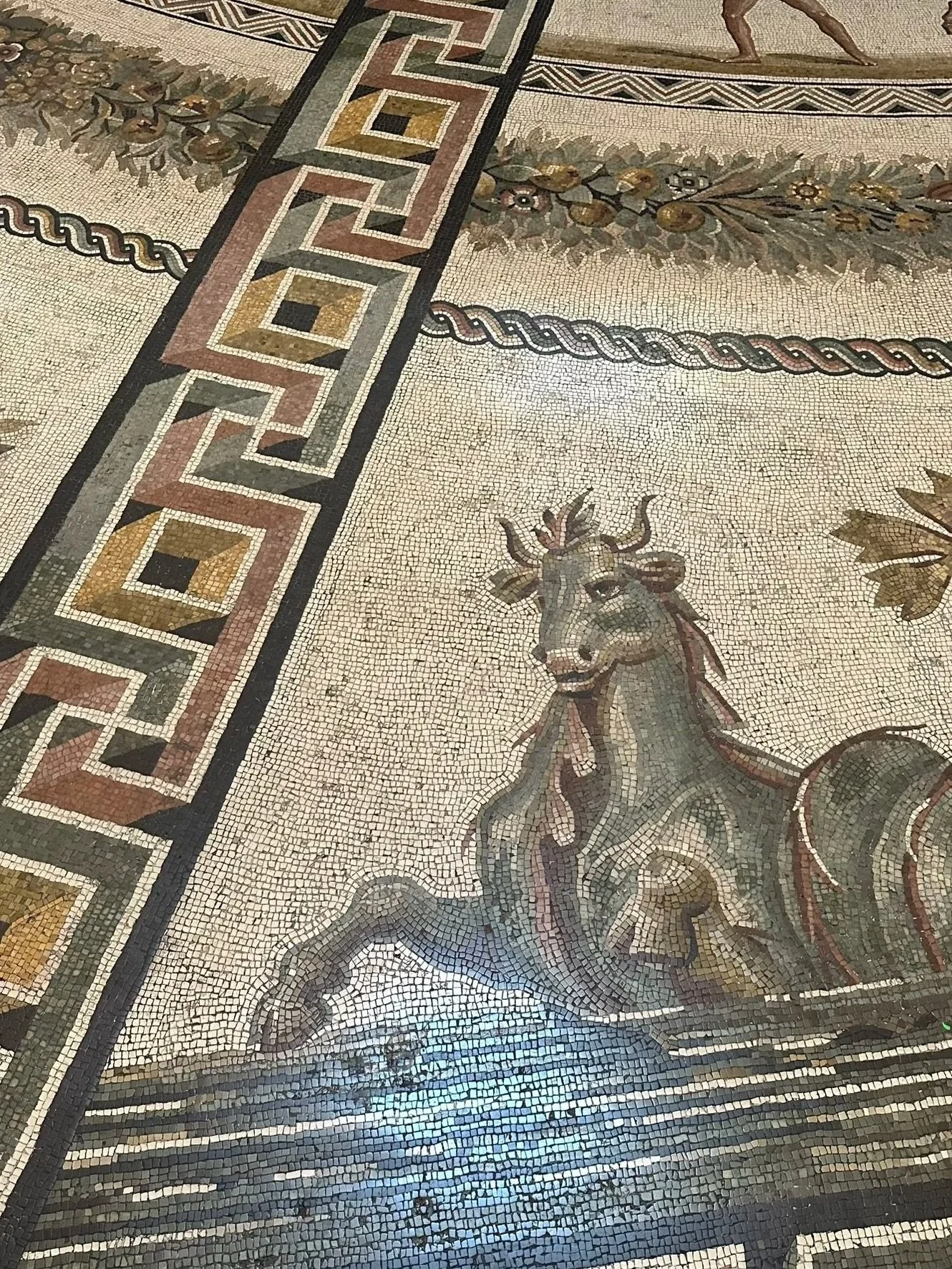
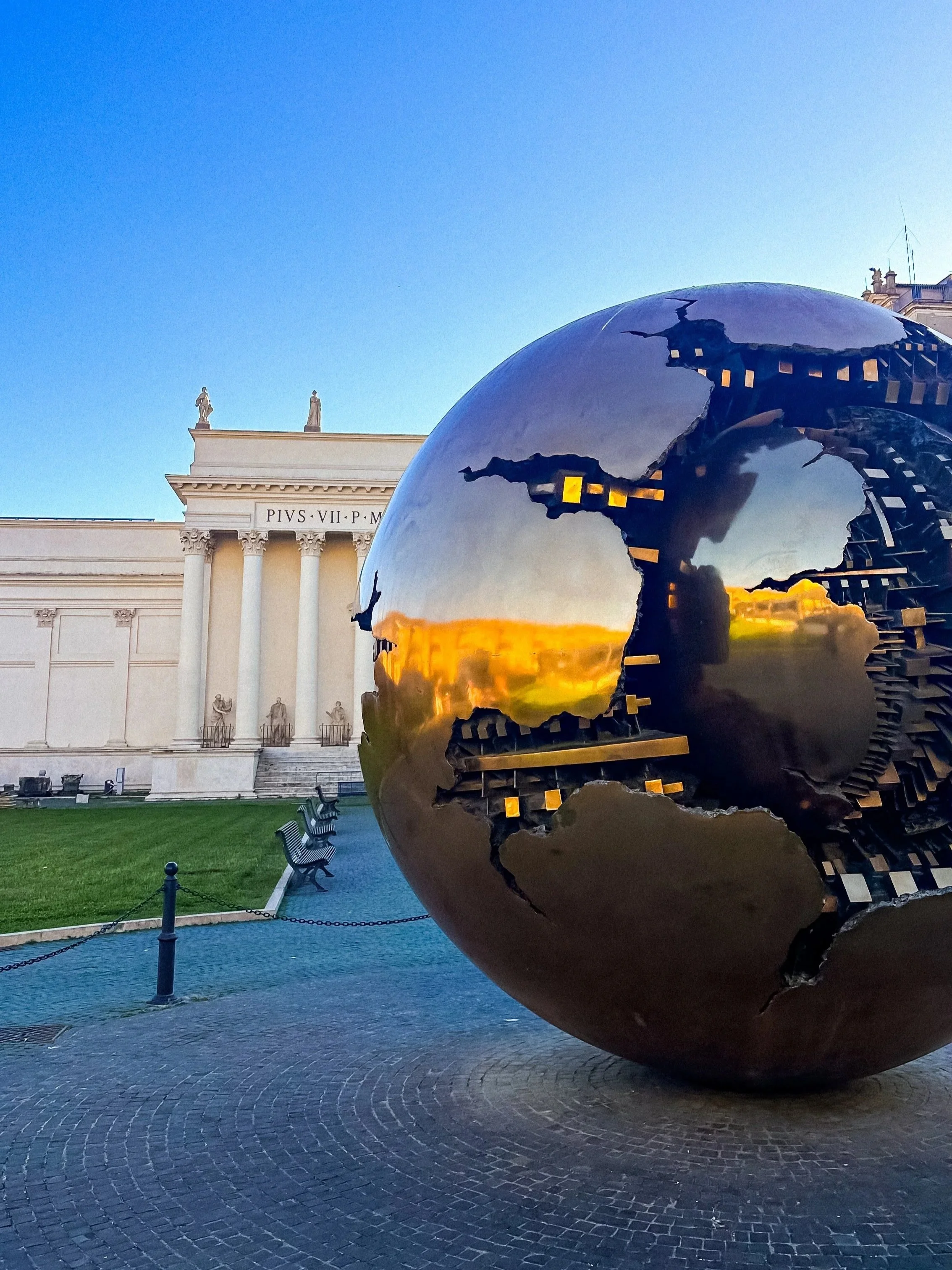
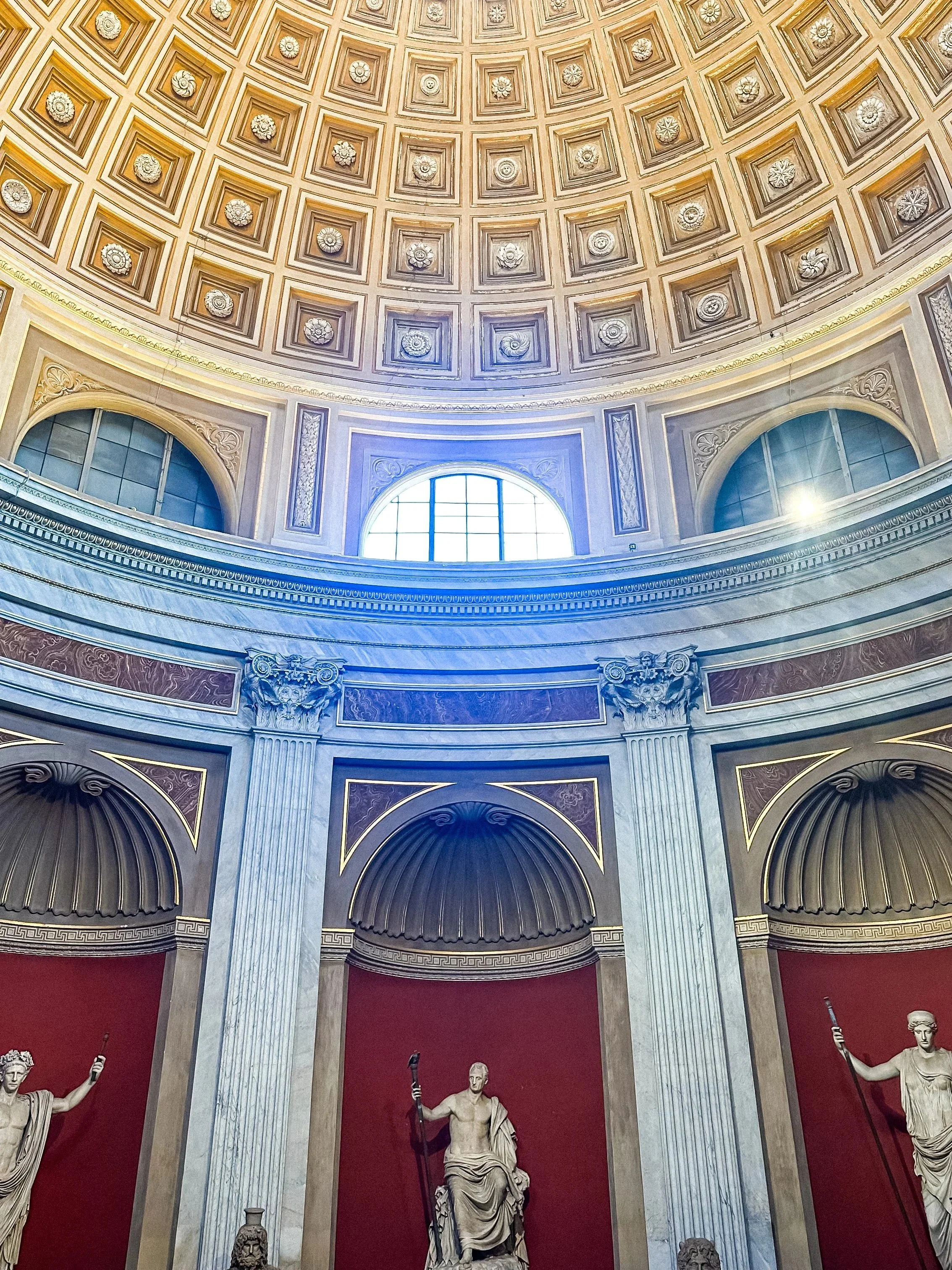
Vatican Museums and St. Peter’s Basilica
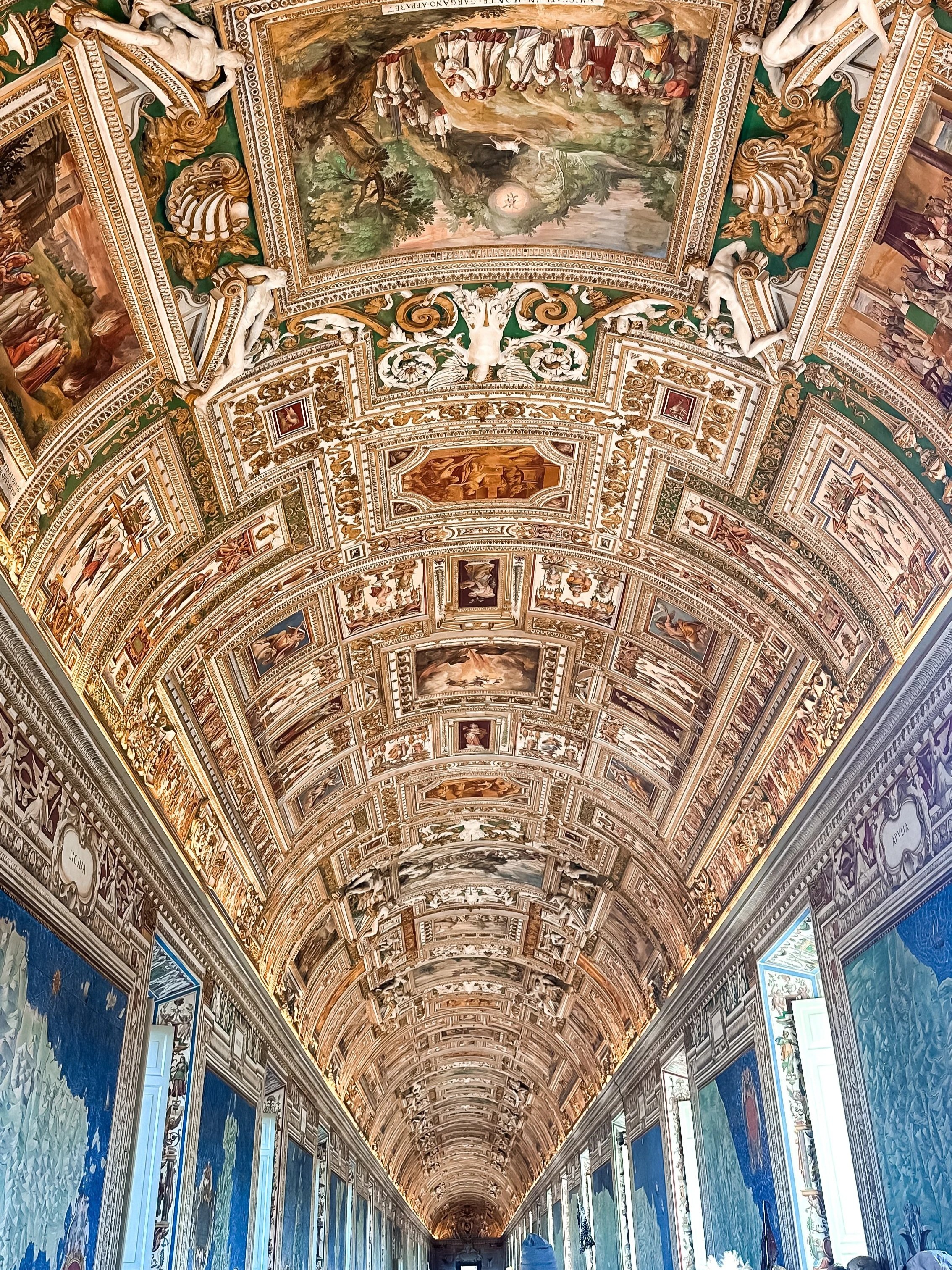
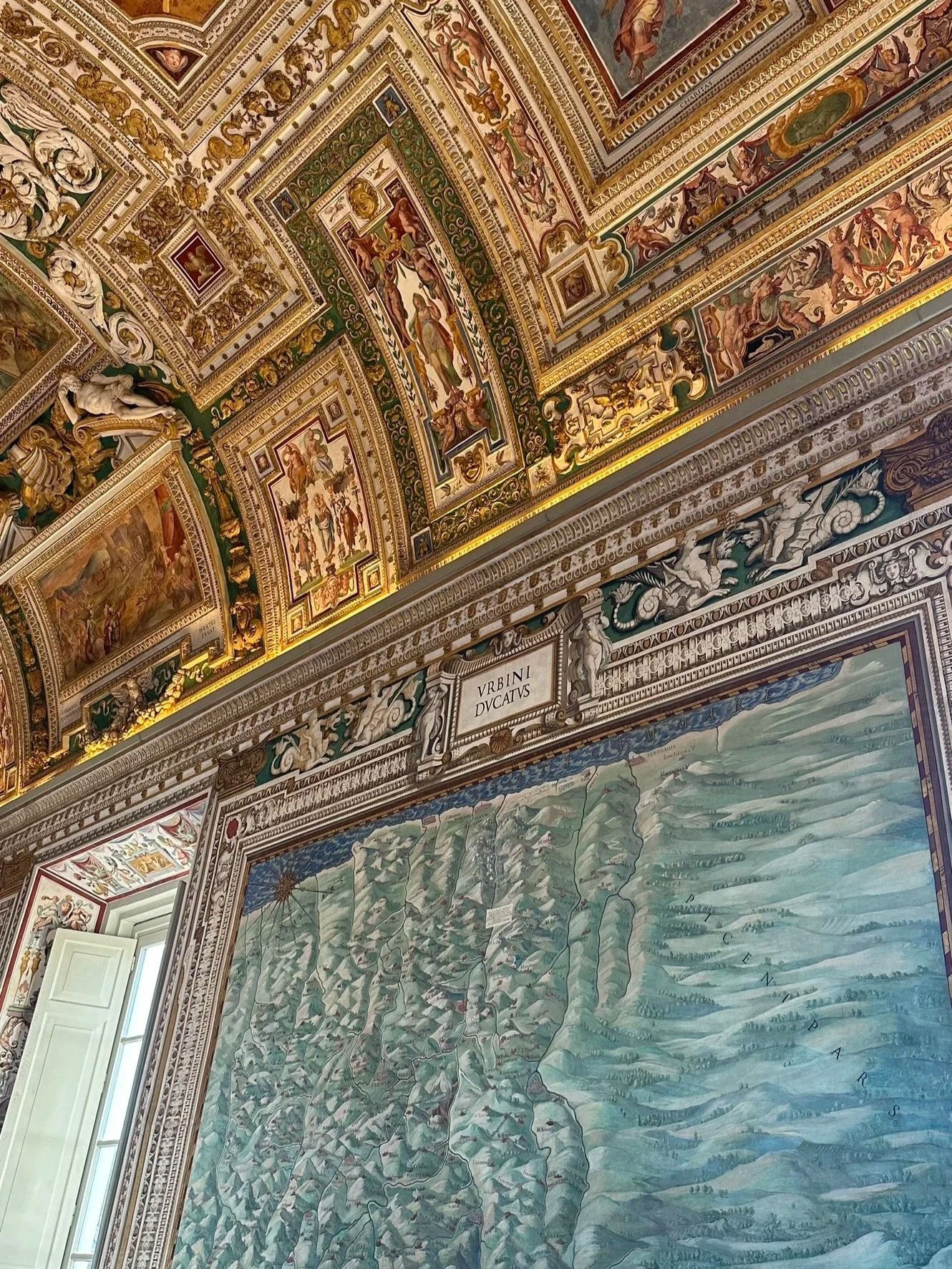
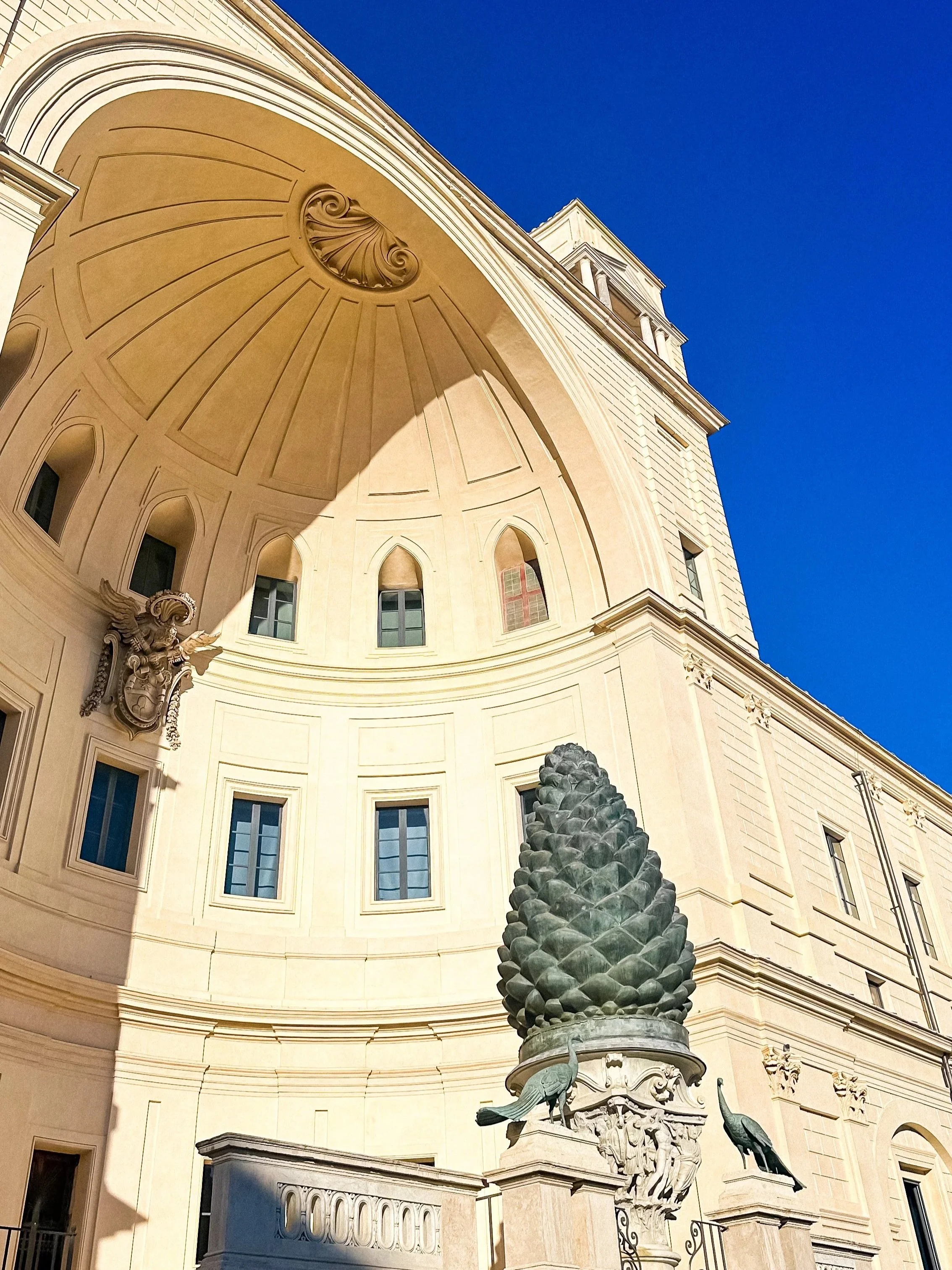
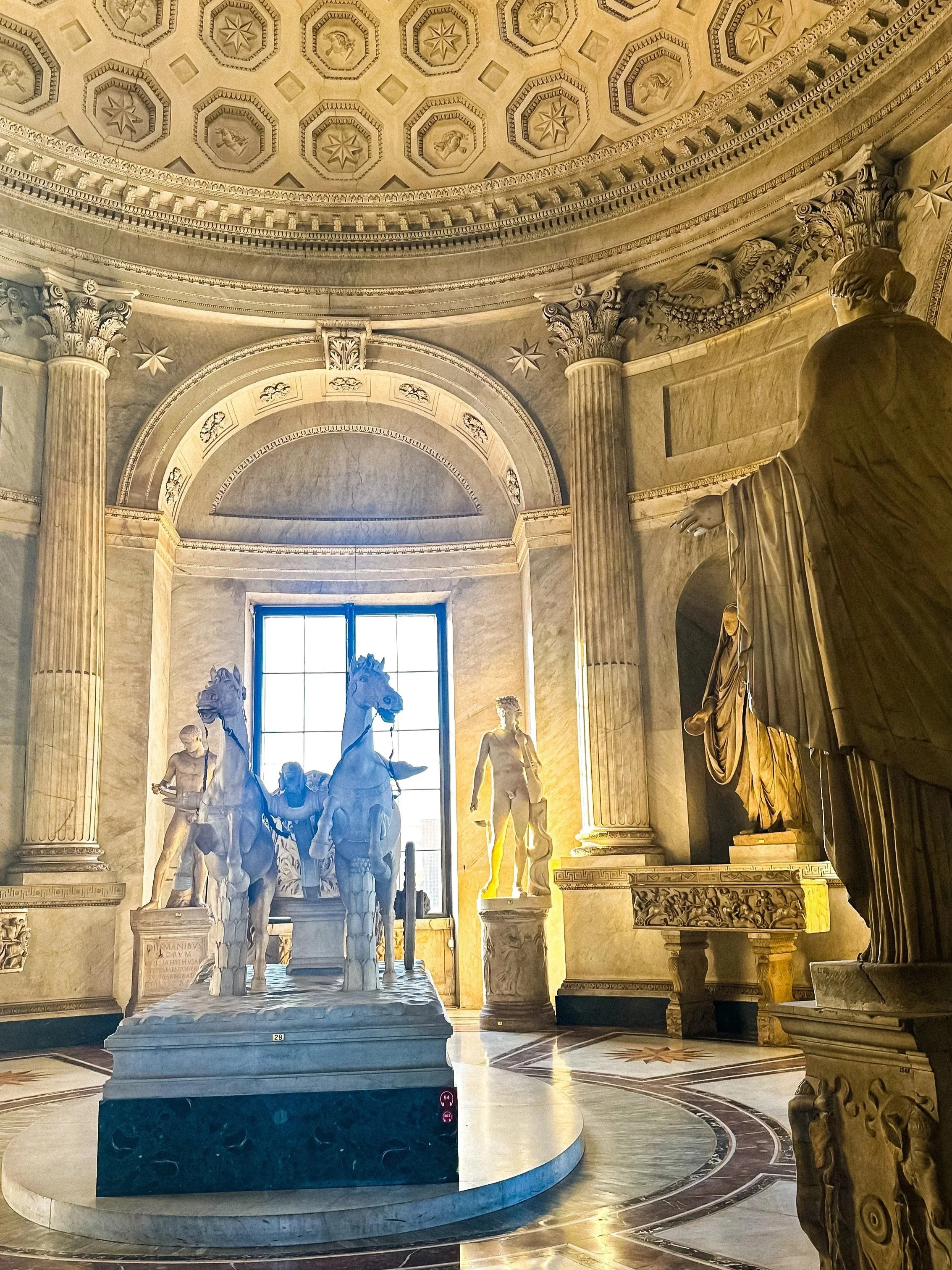
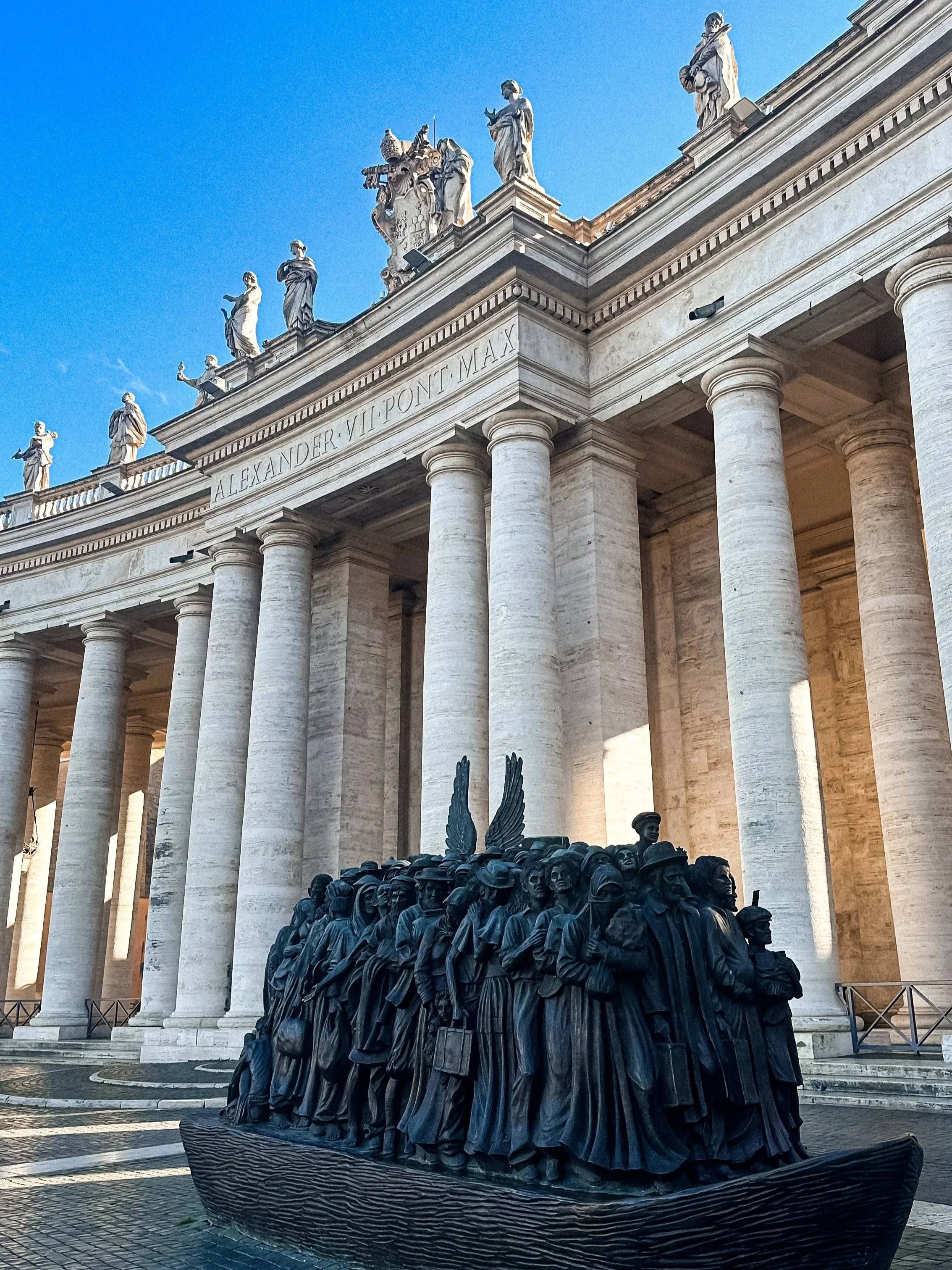
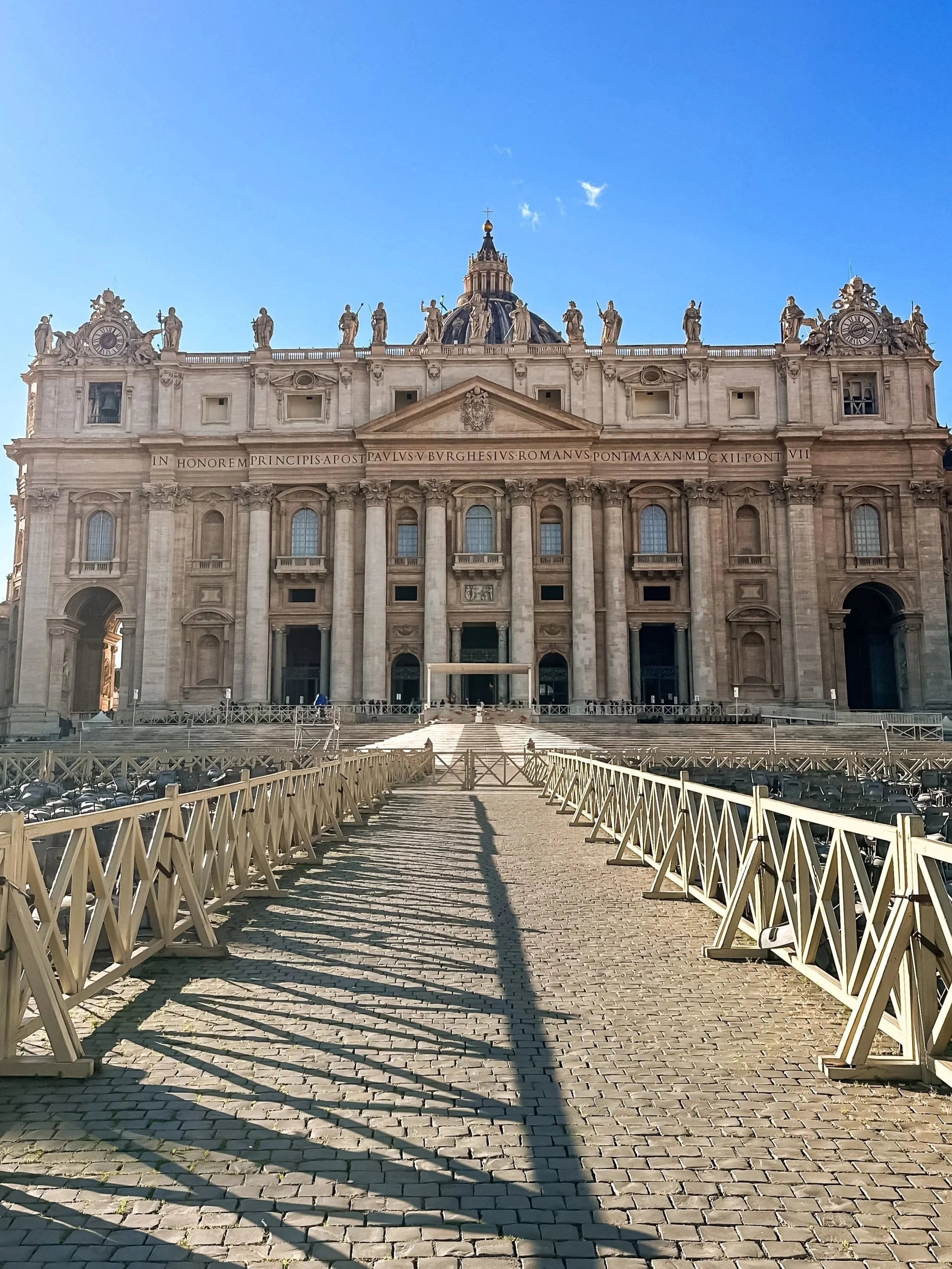
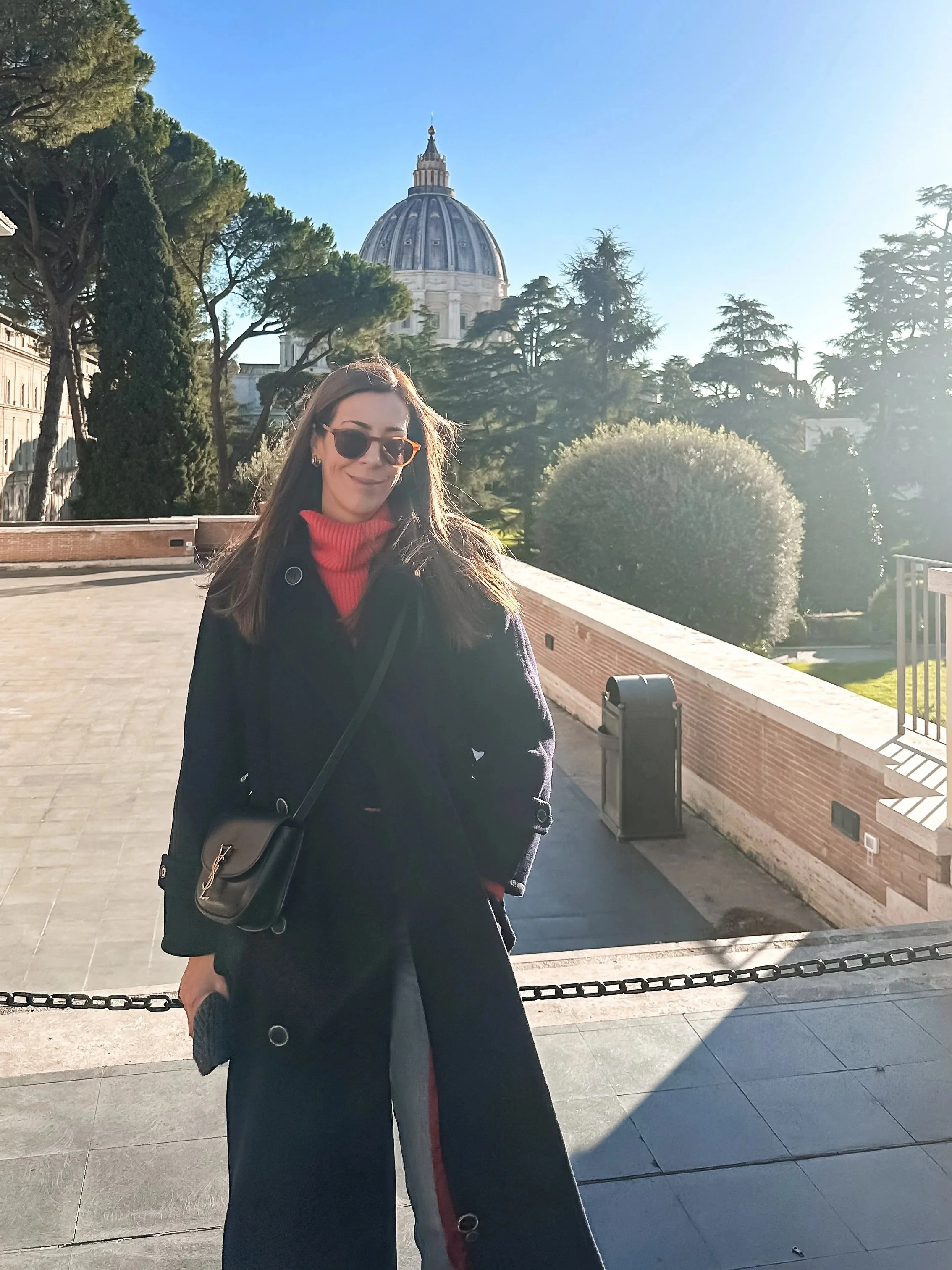
The Vatican Museums and St. Peter’s Basilica require time and patience, but the experience is undeniable.
Arrive early or book skip the line tickets. Inside, the scale, detail, and accumulation of history are overwhelming.
After the visit, step away from the main streets and walk along the Tiber for a quieter perspective.
Roman Walks
Along the Tiber
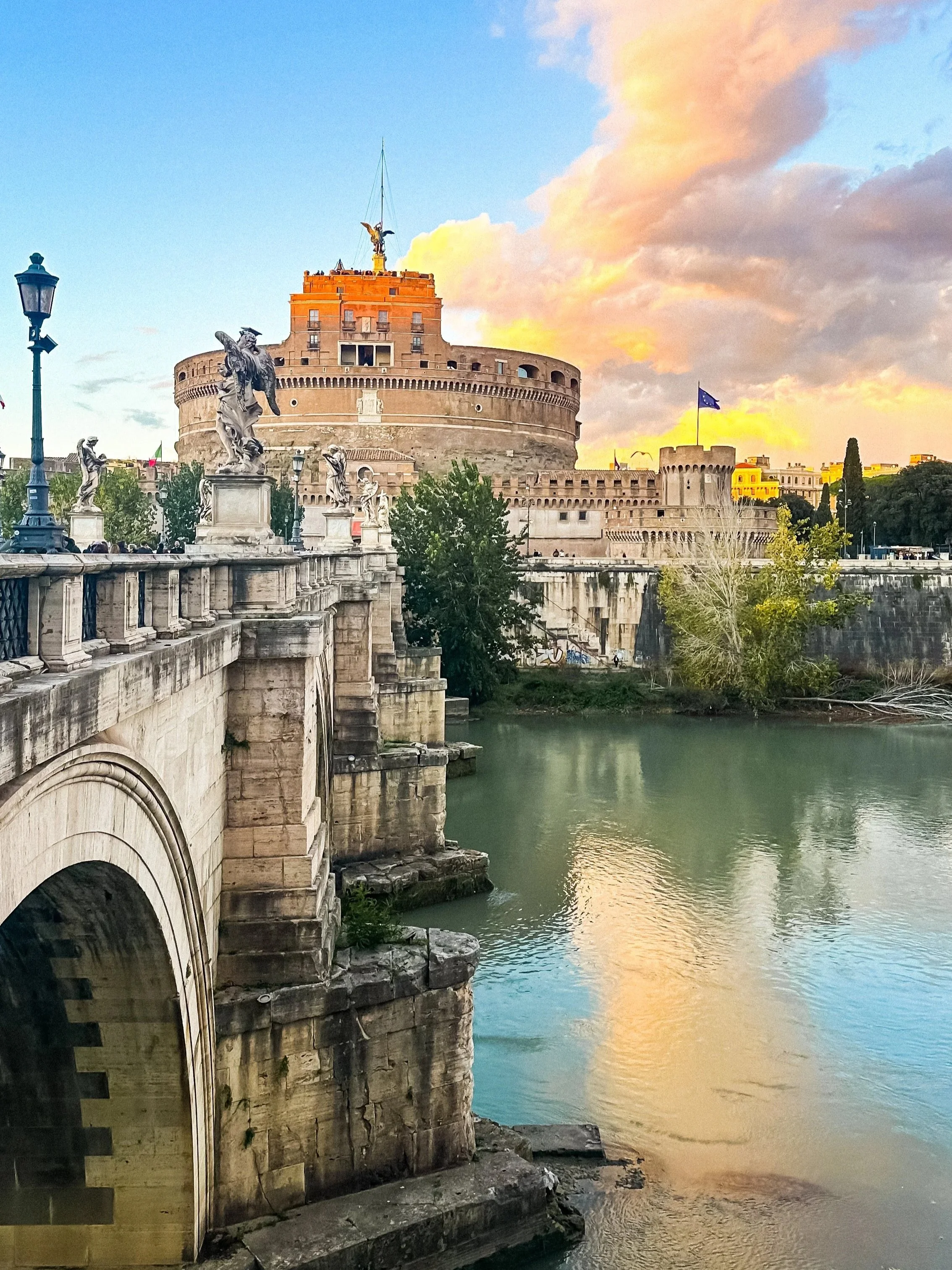
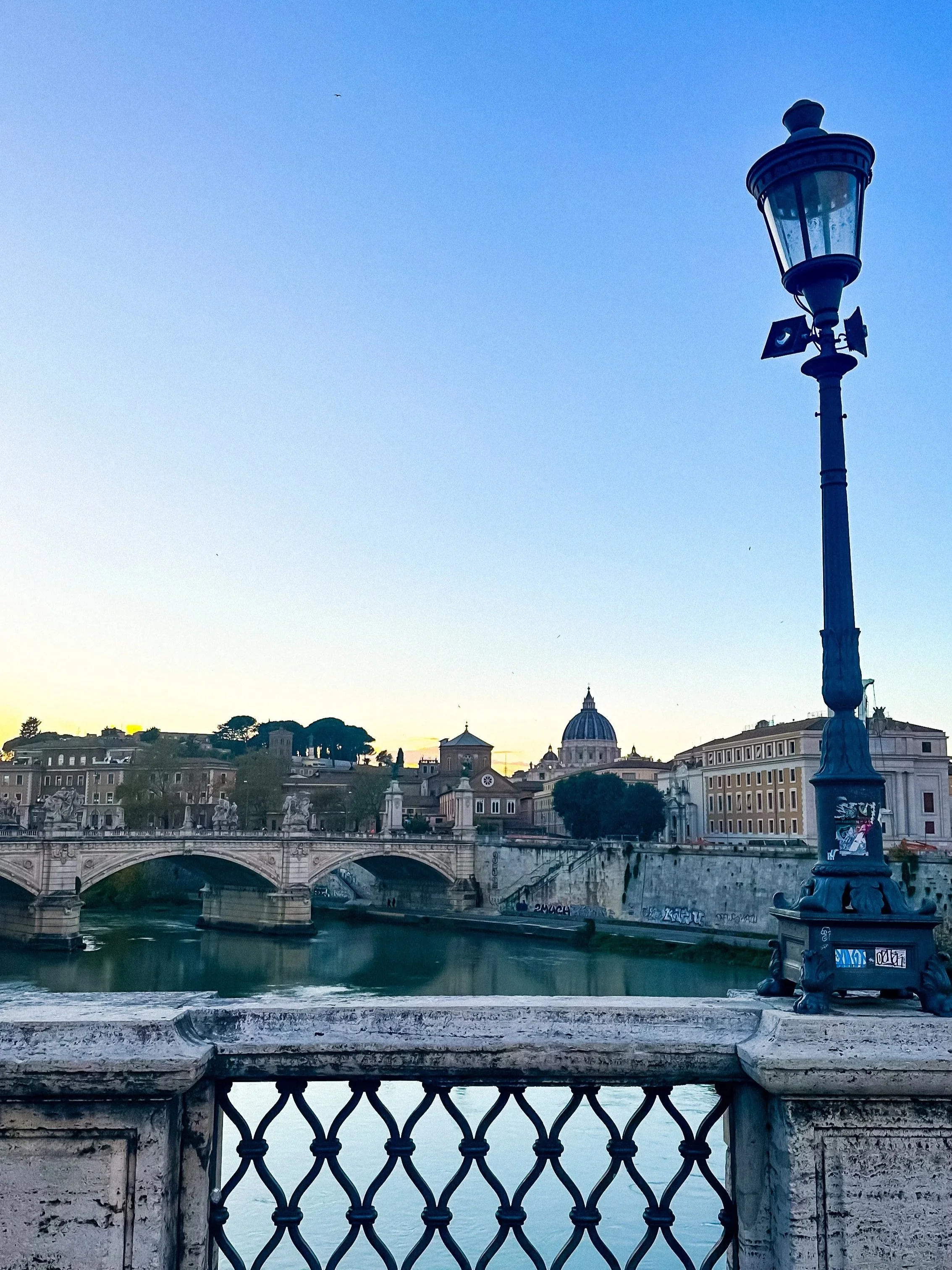
Walking along the river offers a break from the intensity of the historic center. Bridges frame beautiful views, especially in the late afternoon.
Castel Sant’Angelo
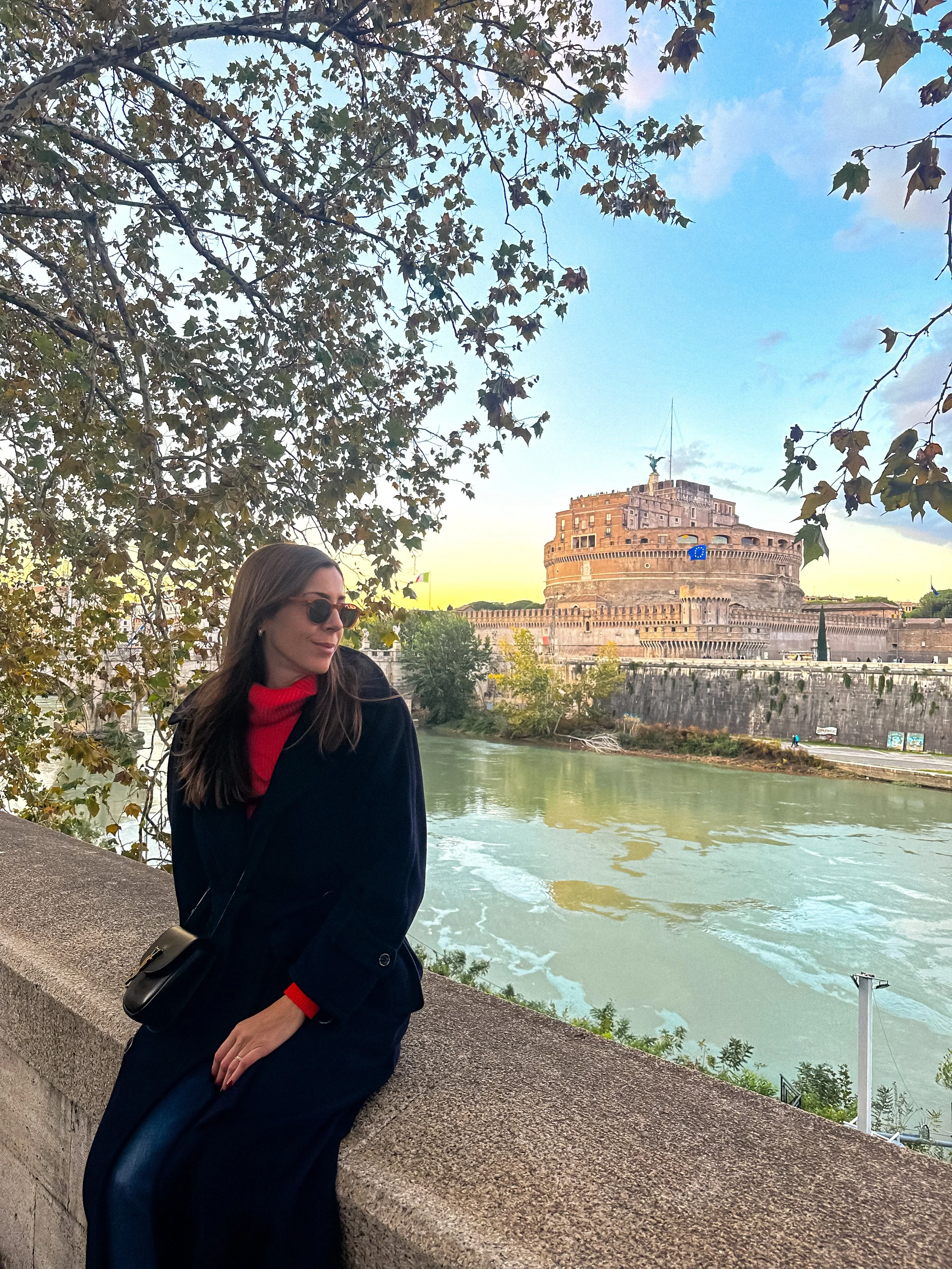
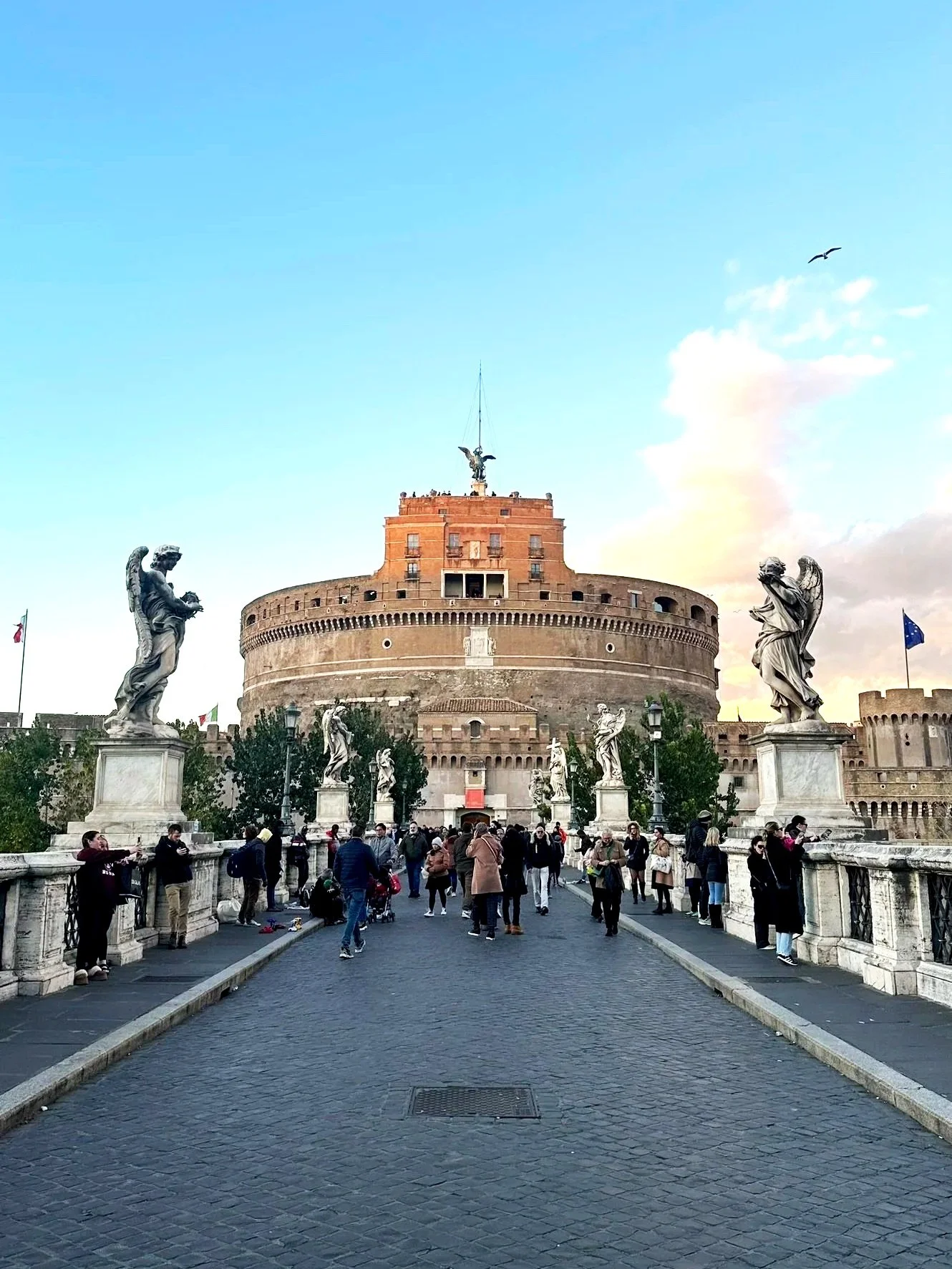
Castel Sant’Angelo offers one of the most beautiful panoramic views over Rome.
Originally built as a mausoleum for Emperor Hadrian, it later served as a fortress and papal refuge. Walking across the bridge lined with angel sculptures already sets the tone for the visit.
From the top, the city unfolds in layers, with the Vatican, the Tiber, and historic rooftops stretching into the distance.
Where to Eat and Drink
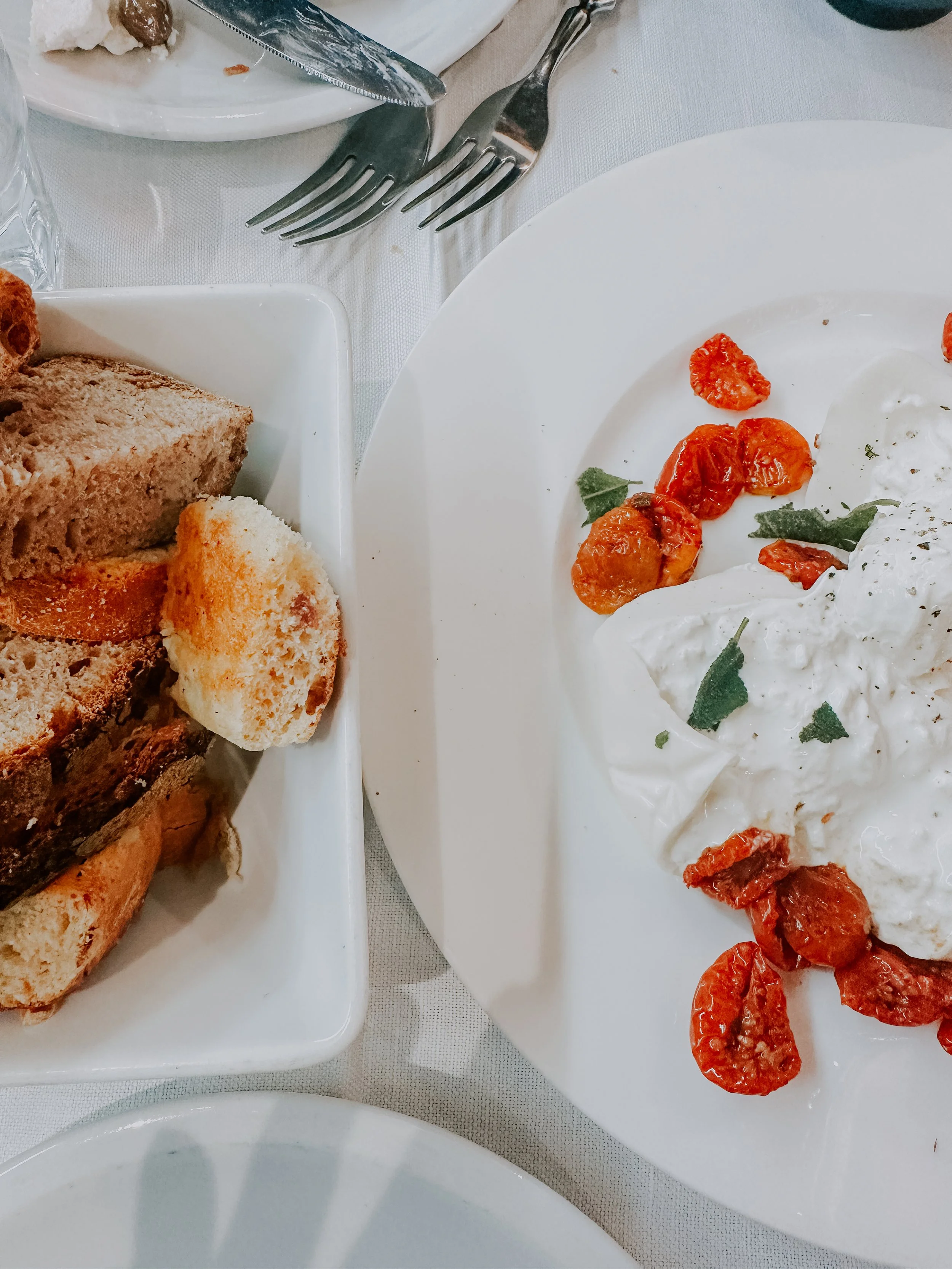
Rome’s food scene is rooted in tradition, generosity, and simplicity. These are some of the places that reflect the city’s authentic culinary rhythm.
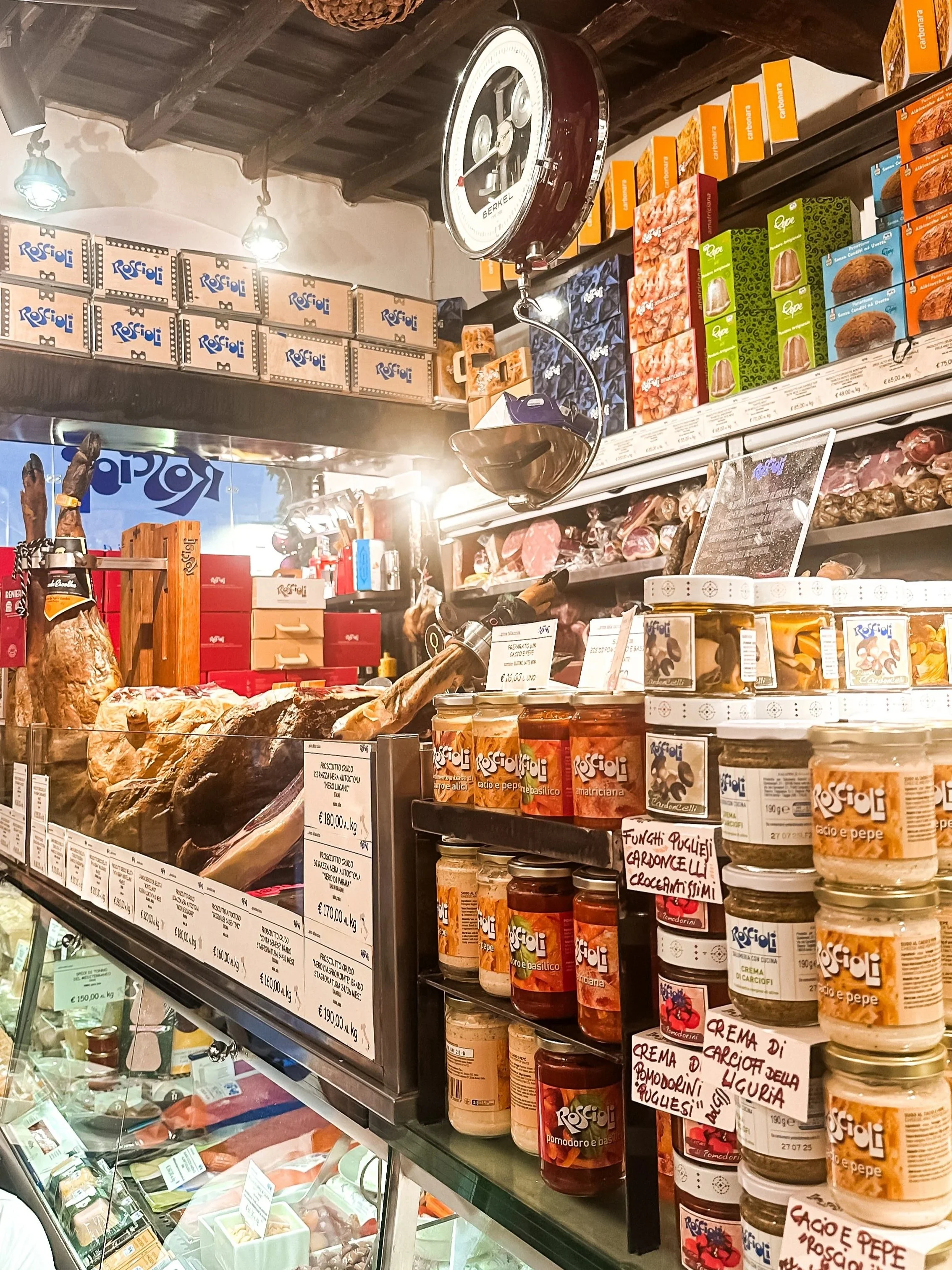
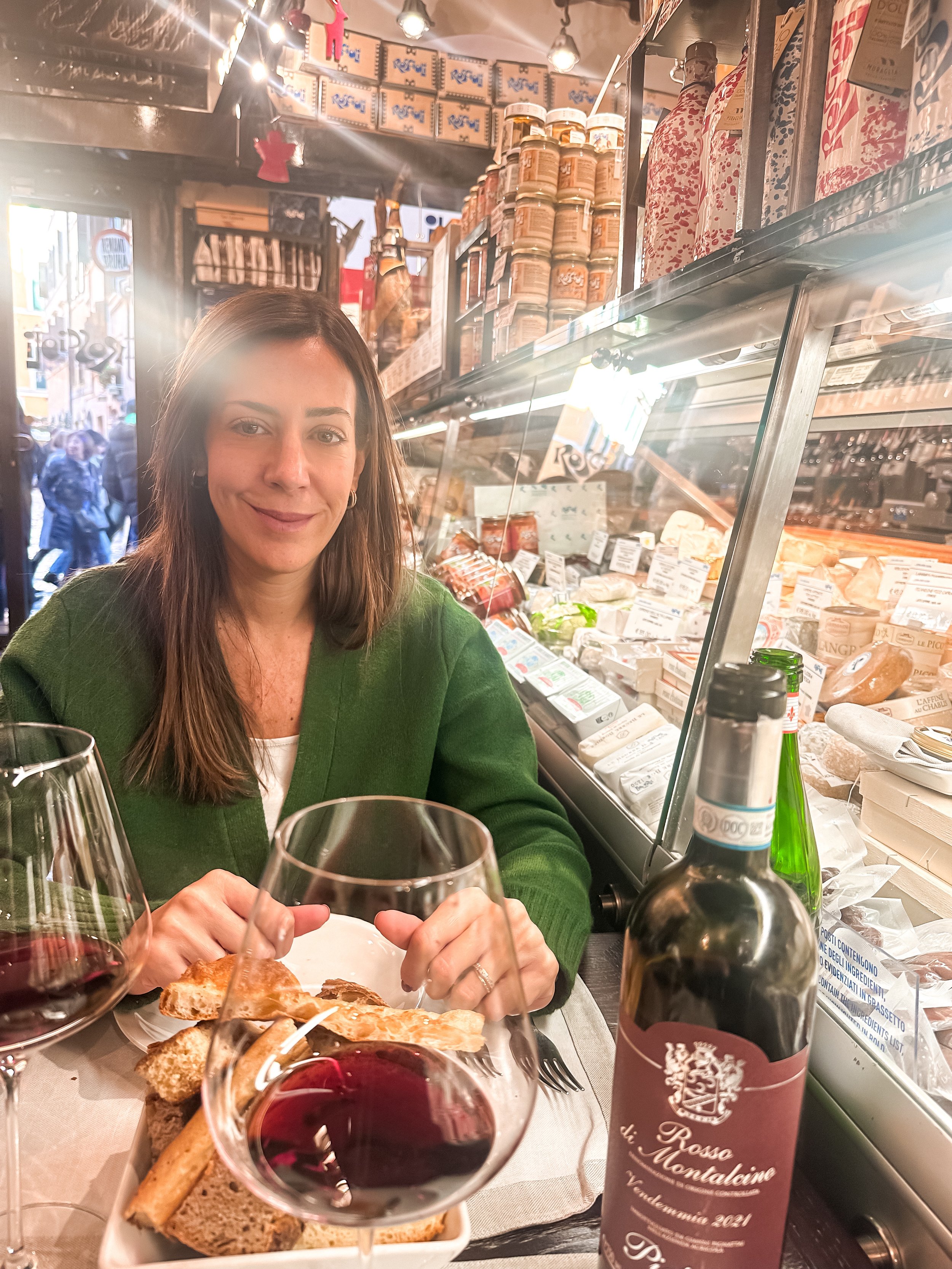
Salumeria Roscioli
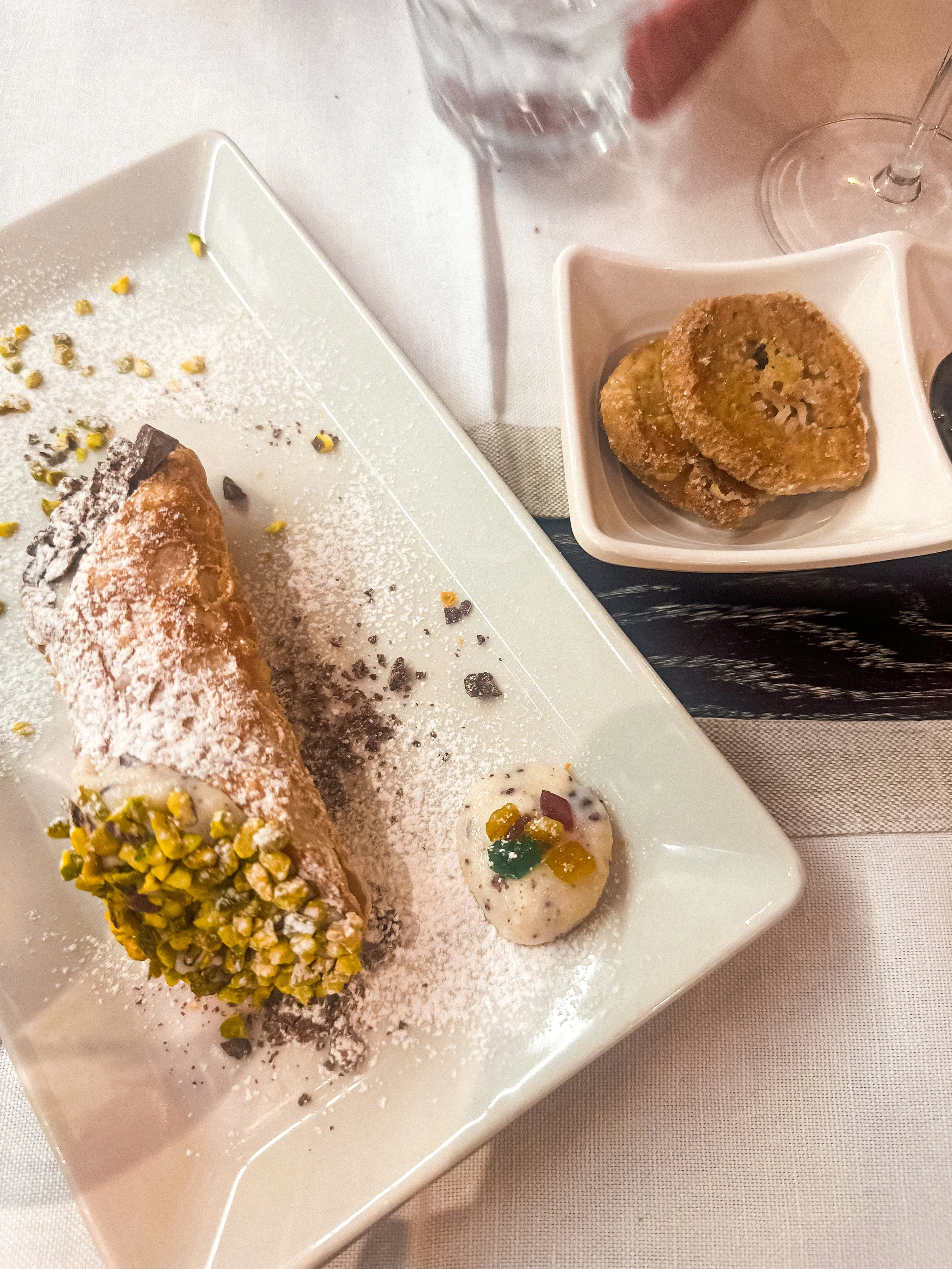
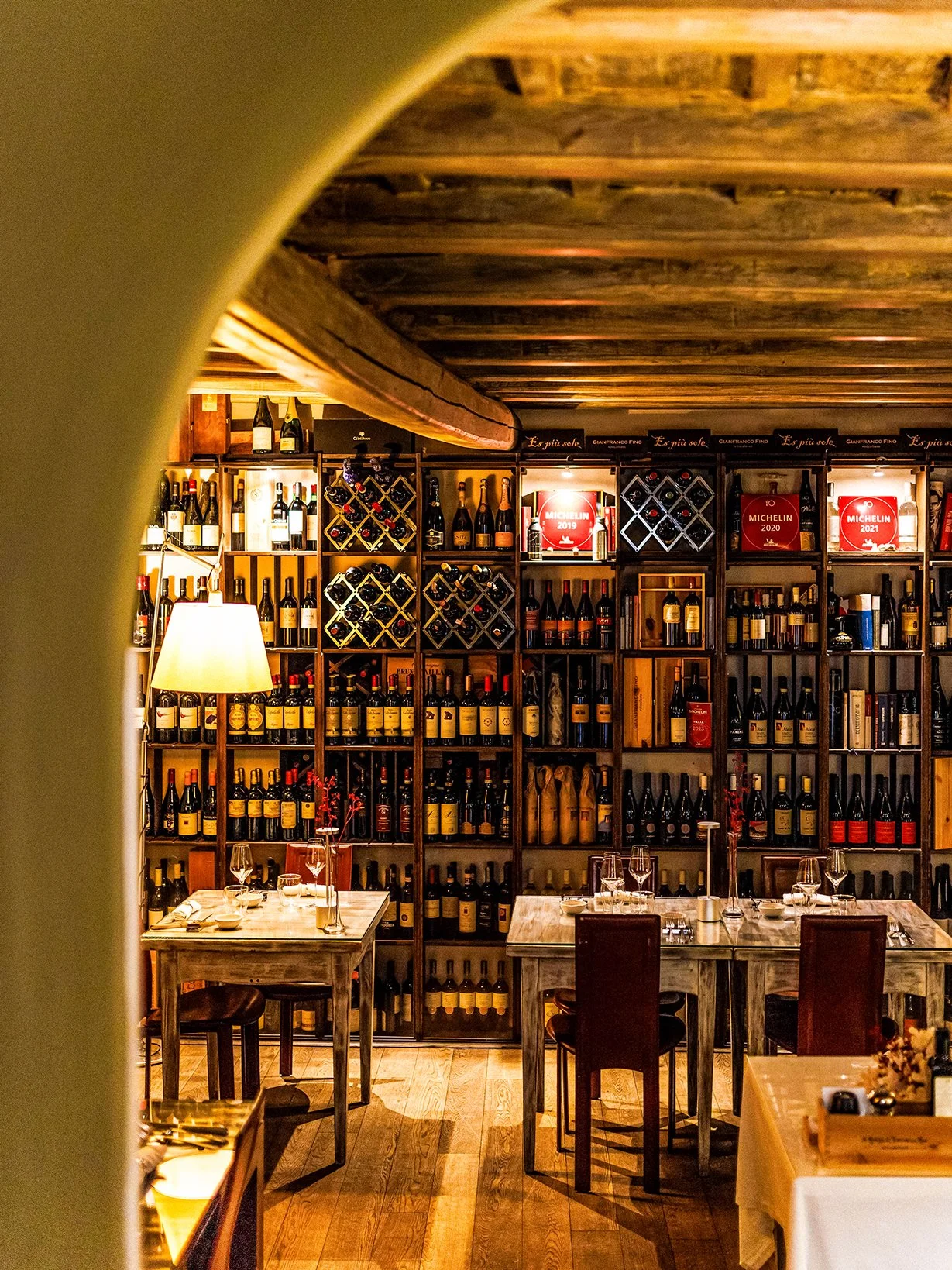
A Roman institution and one of my favorite places. Part deli, part wine bar, part restaurant. Exceptional cured meats, cheeses, fresh pasta, and one of the best wine selections in the city. Ideal for a long lunch or an early dinner.
All’Antico Vinaio
Perfect for something quick and informal. Generous focaccia sandwiches filled with high quality ingredients. Simple, bold flavors and a lively atmosphere.
Al Moro Trattoria
Classic Roman dishes served with consistency and care. A good address for traditional pasta recipes, especially if you want a reliable experience close to the historic center.
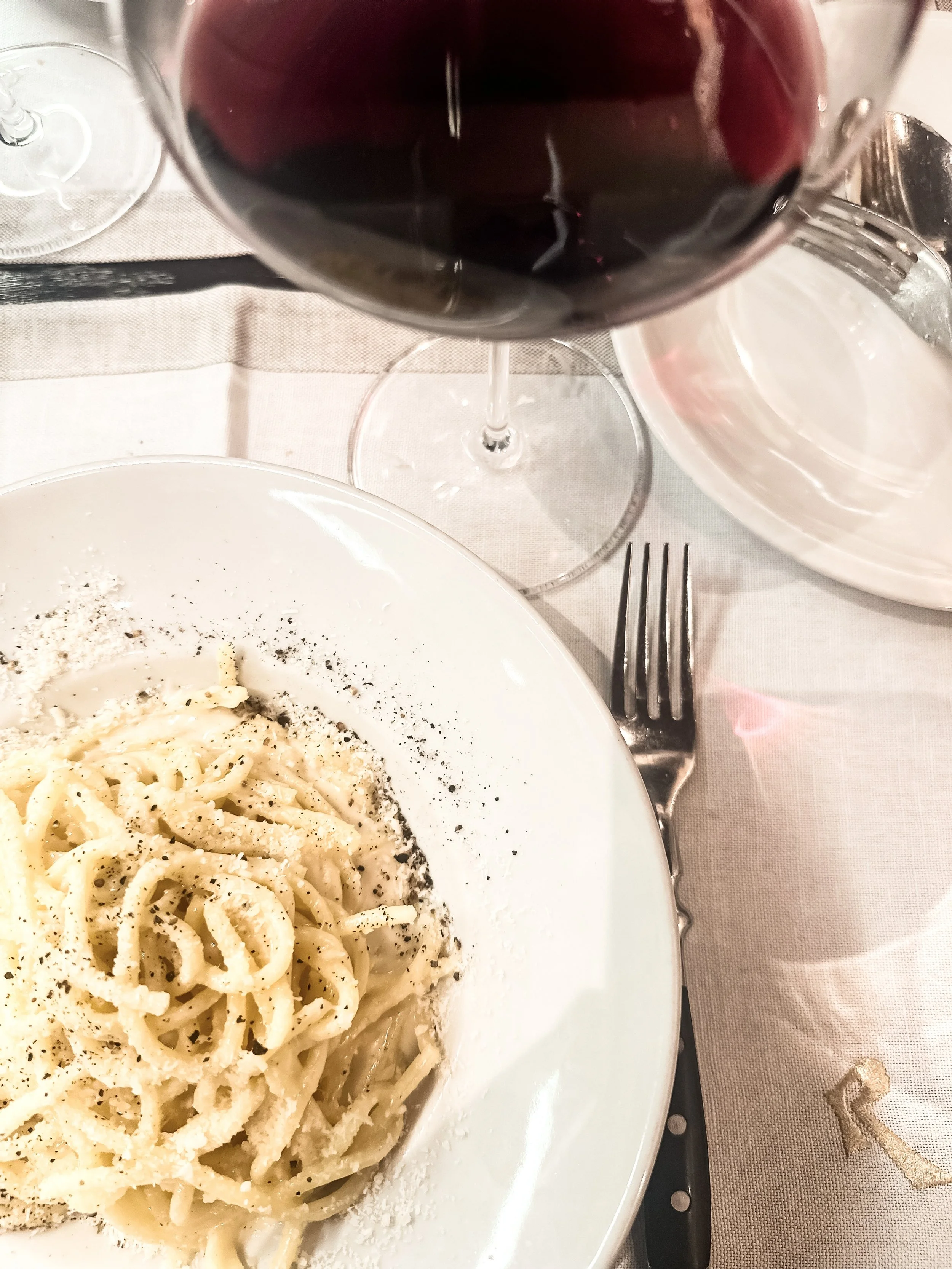
La Carbonara 1906
Dedicated entirely to one dish. If carbonara is on your list, this is the place. Rich, indulgent, and unapologetically Roman.
Le Tamerici
A quieter and more local address. Ideal for those who enjoy traditional cuisine in a relaxed setting, slightly away from the busiest tourist routes.
Club Derrière
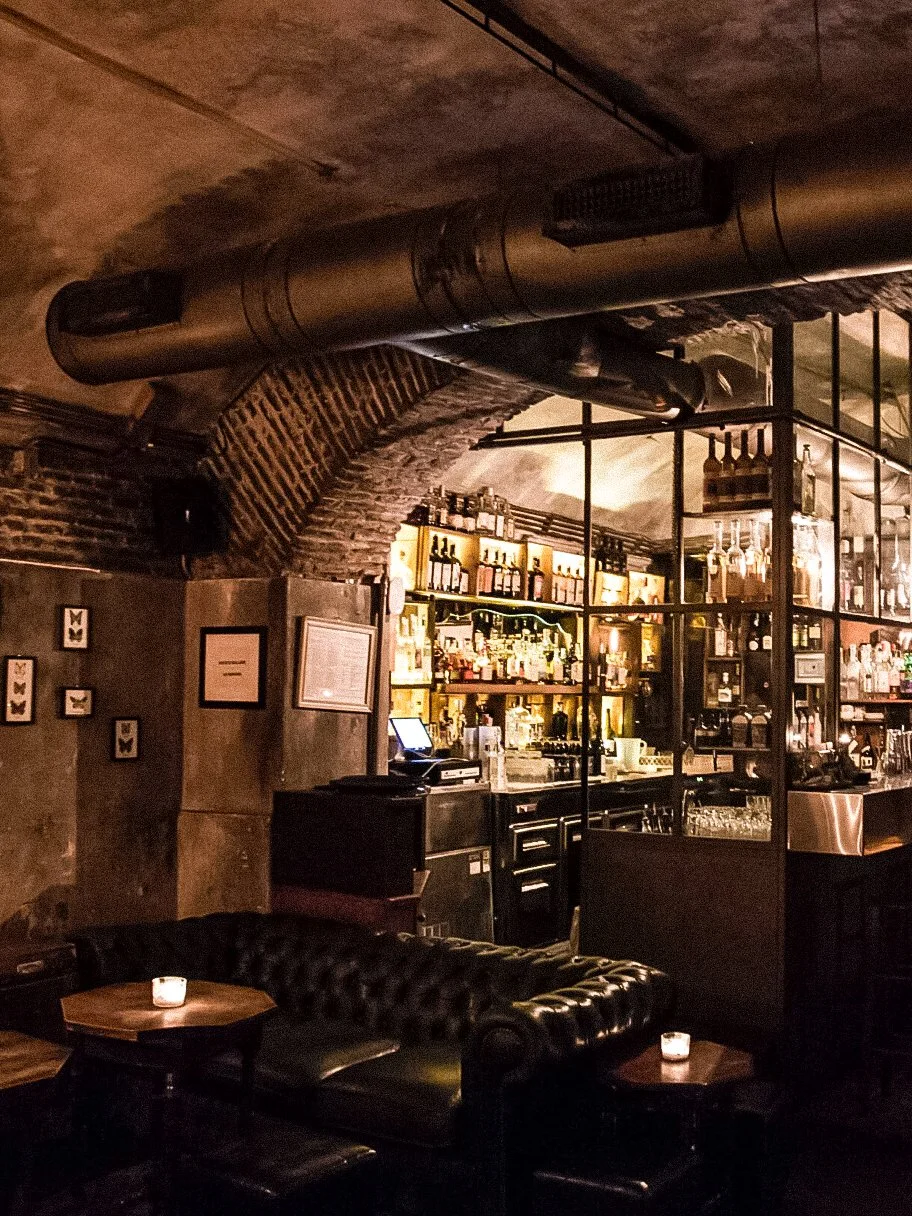
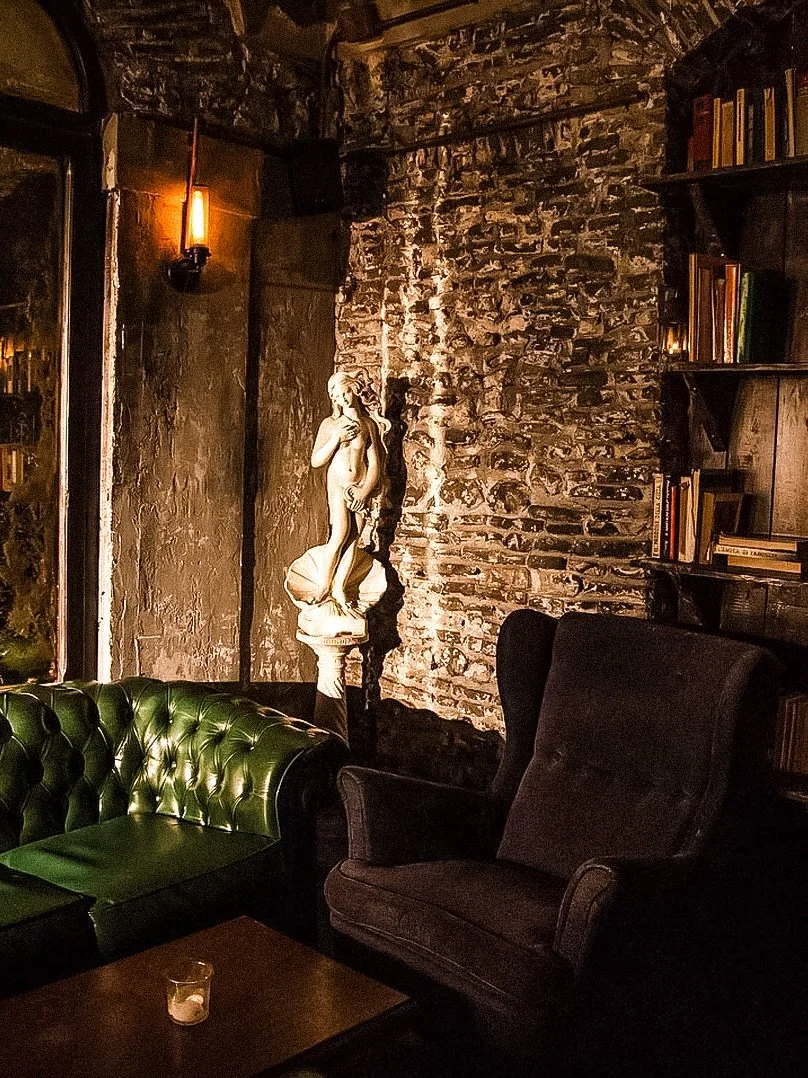
A discreet and intimate spot for evening drinks. Perfect for ending the day with cocktails in a low key, elegant atmosphere.
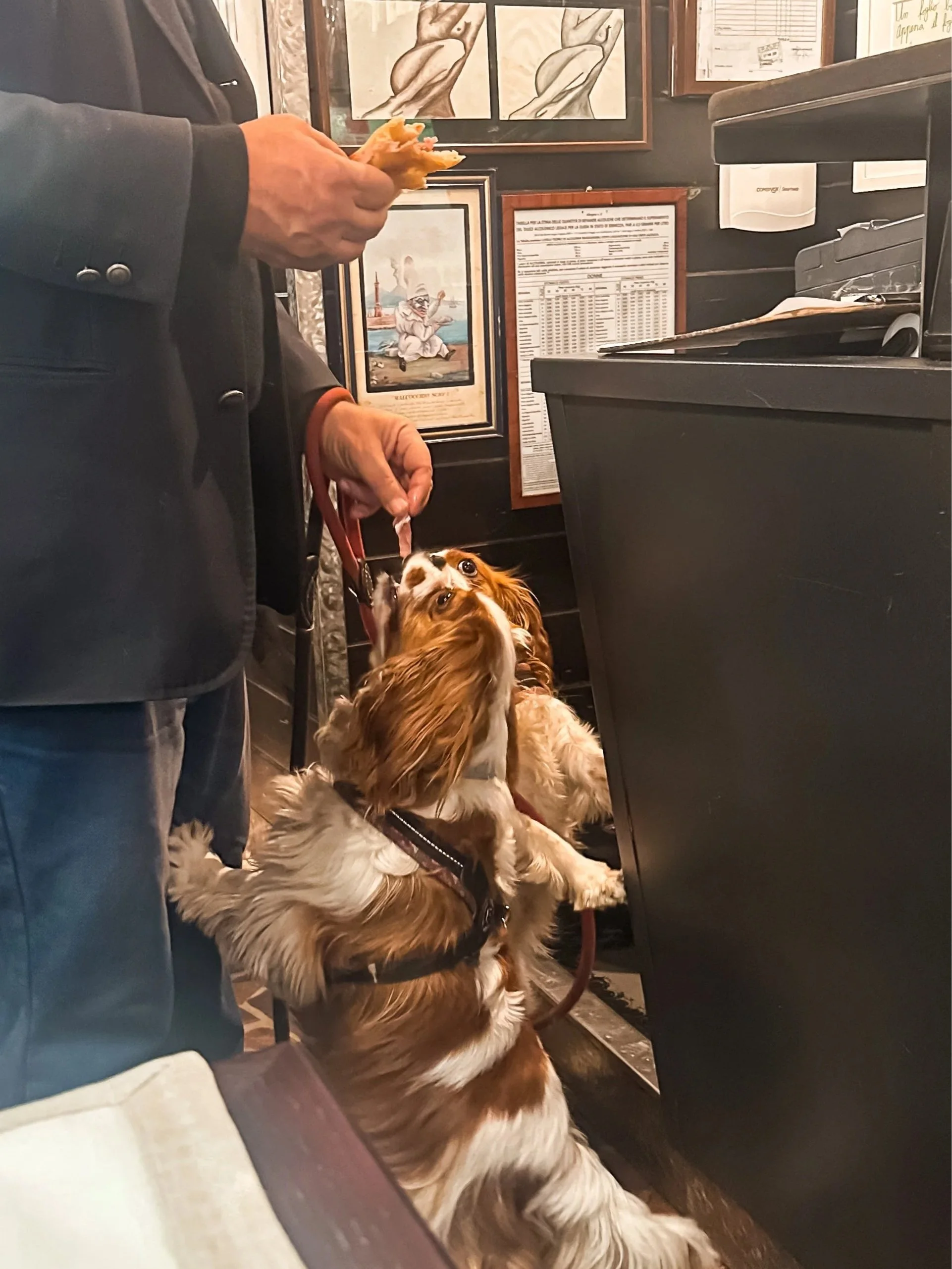
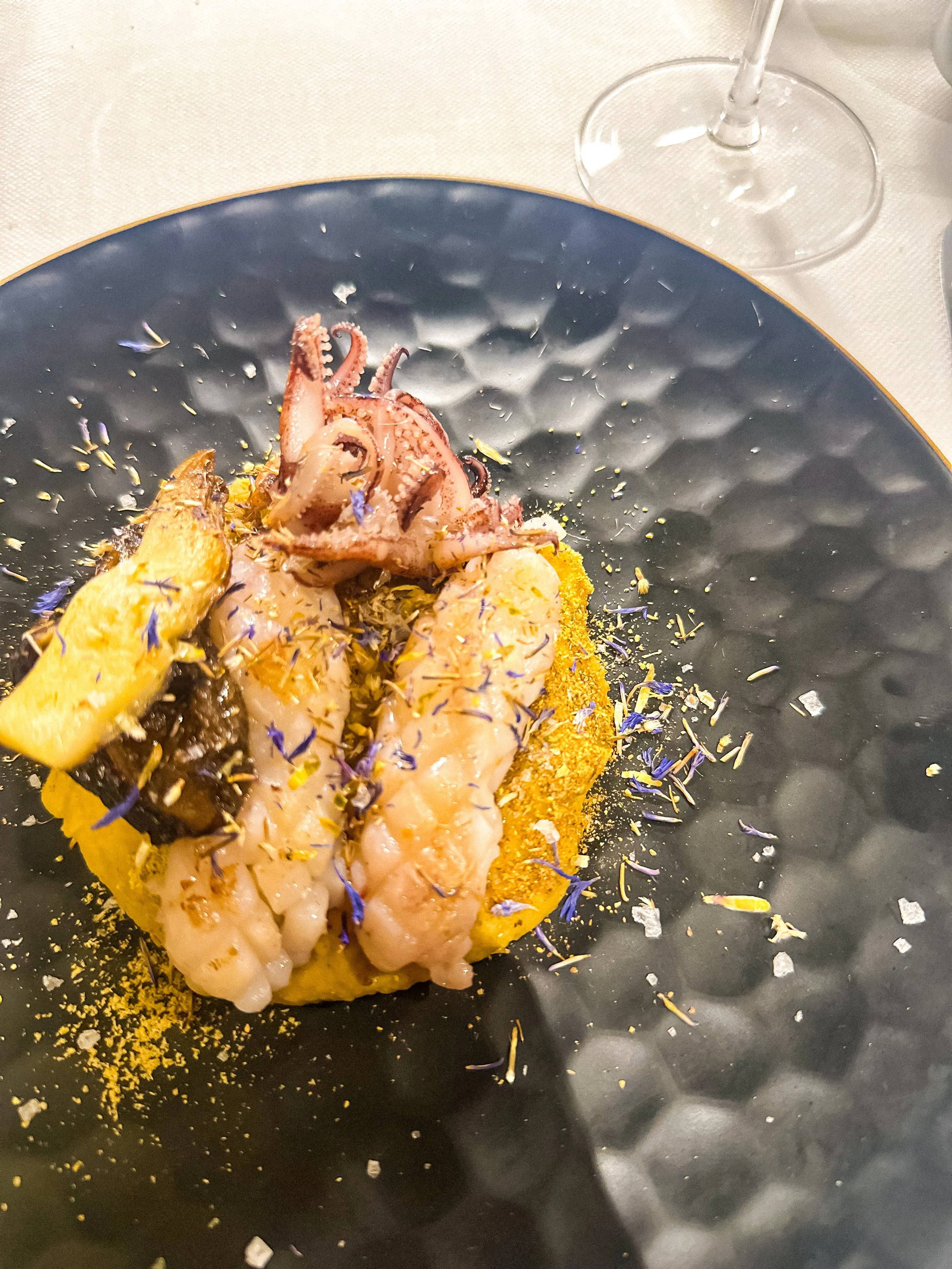
Rome is not about checking boxes. It is about presence.
A city where history feels alive, where everyday rituals continue among ruins, and where beauty often appears when least expected.
Take your time. Walk slowly. Let Rome reveal itself.
Practical Tips
When to Go
Spring and fall offer the most balanced experience. Summer is intense and crowded, while winter brings fewer visitors and a more contemplative mood.
Getting Around
Rome is best explored on foot. Comfortable shoes are essential. Public transport works for longer distances but walking reveals the city’s true character.
Timing
Plan major sites early in the day. Leave afternoons for wandering, cafés, and churches.