
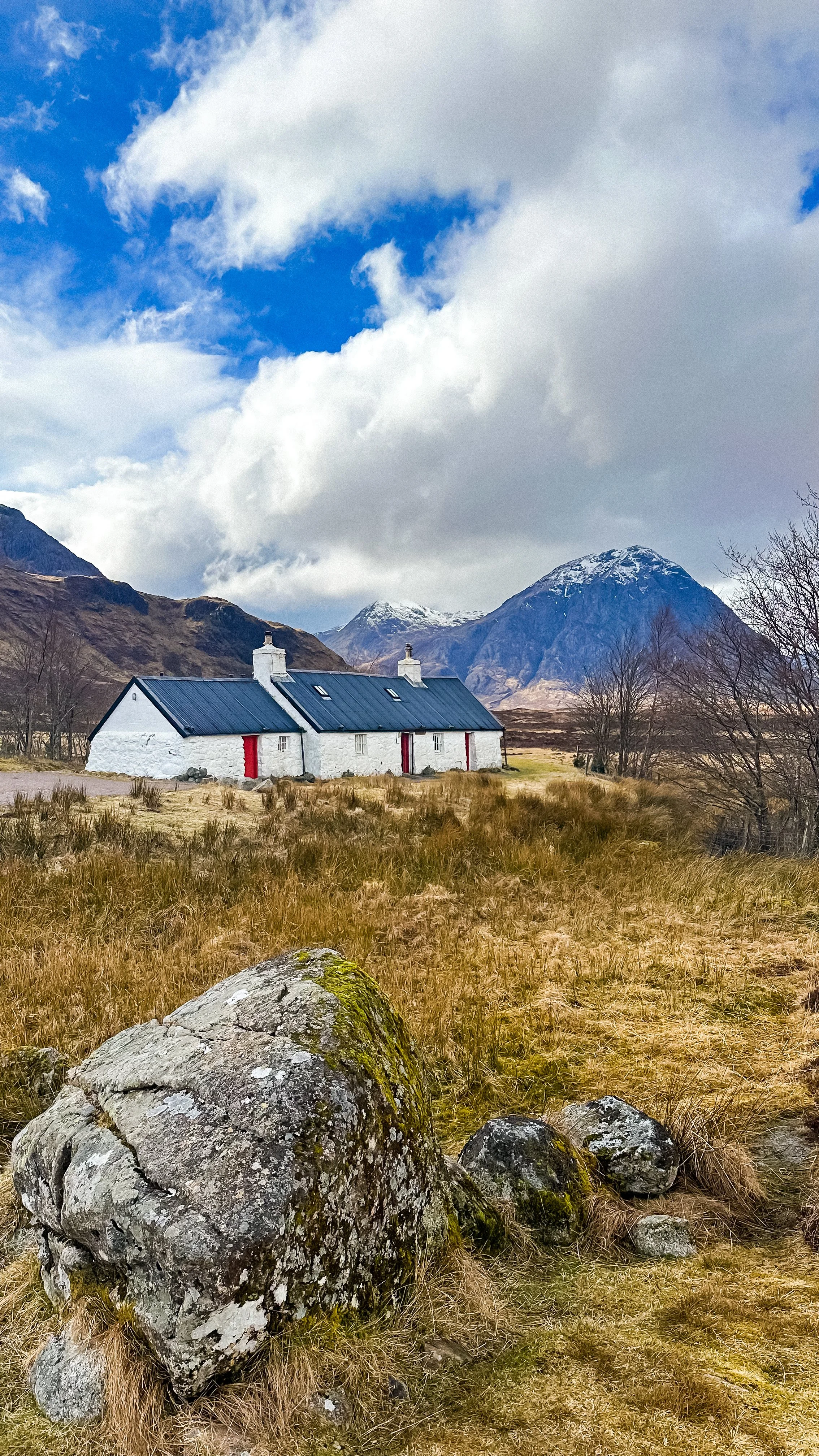
Black Rock Cottage near Glencoe
There are places that seem carved not only by time but by imagination. The Scottish Highlands are one of them. A land of shifting skies, emerald valleys, ancient castles and whispered legends carried by the wind across lochs and moors. Driving through this region feels like travelling inside a moving landscape painting, where history breathes, silence speaks and nature holds a sacred kind of power.
We dedicated several days to exploring its most captivating corners, starting with three days in Edinburgh before taking the road north. Renting an SUV is highly recommended due to long distances, unpredictable weather and muddy access roads. Once you leave the city, the rhythm changes and the Highlands begin to unveil their spell.
Fort William and Glencoe
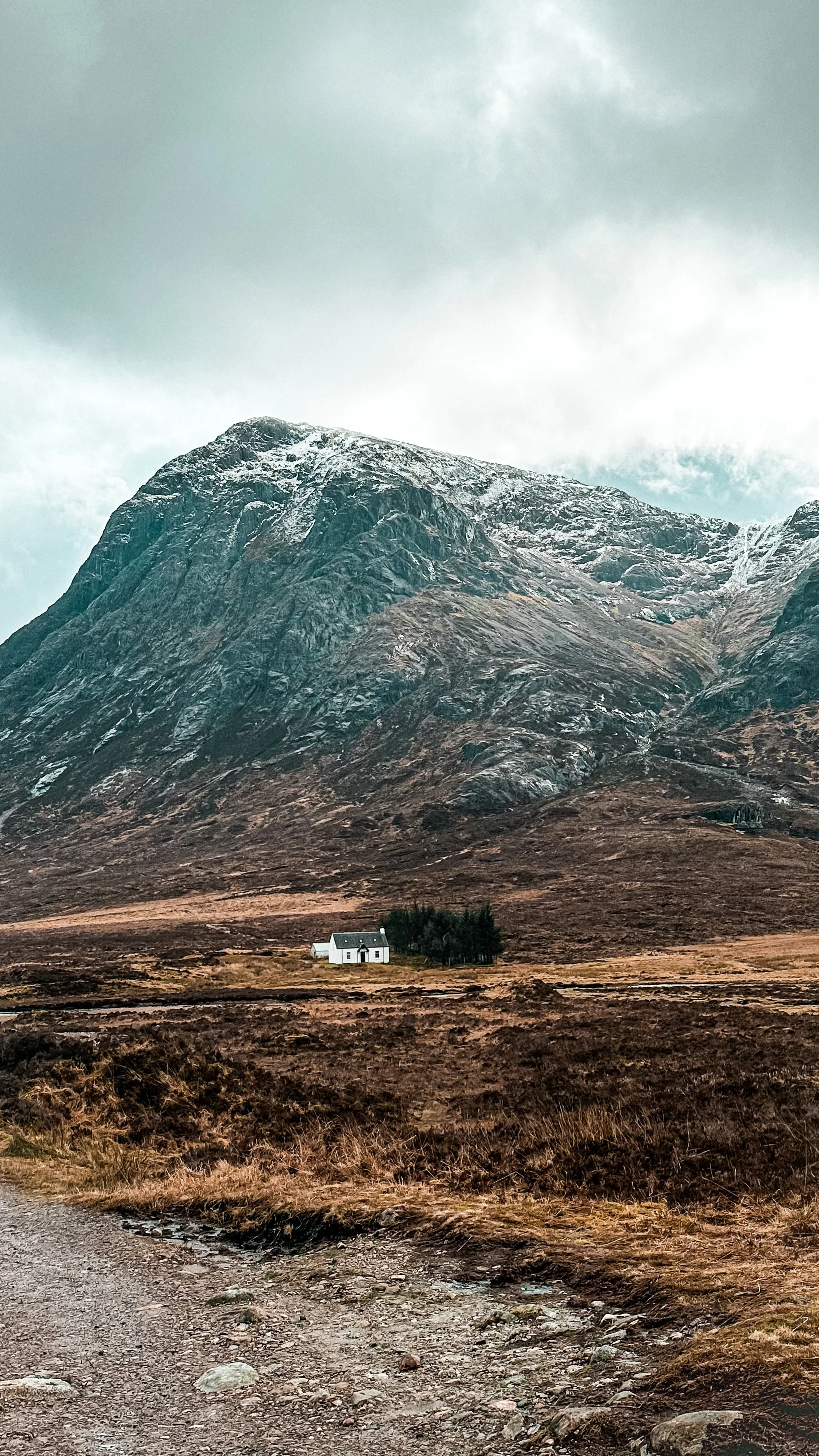
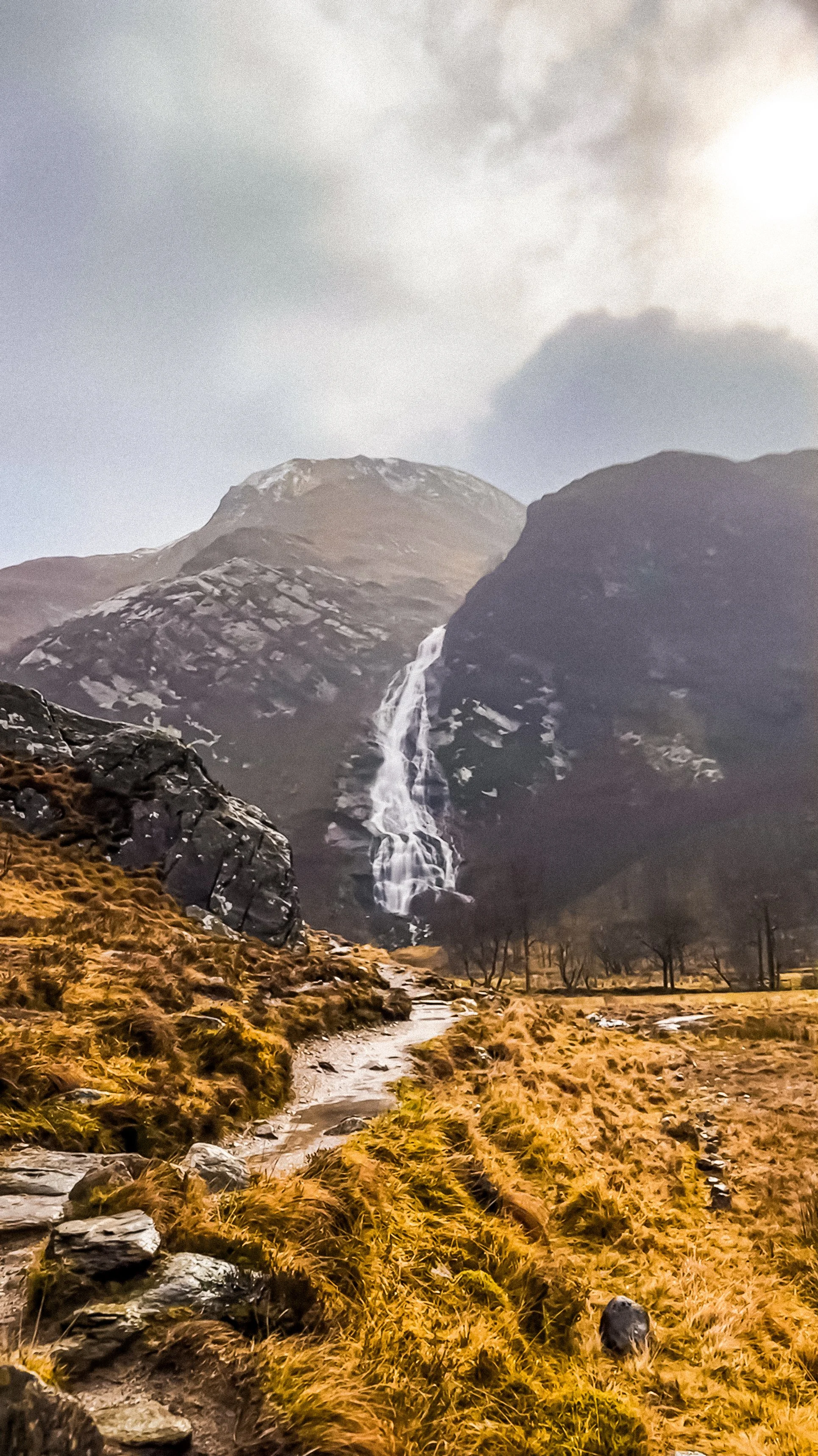
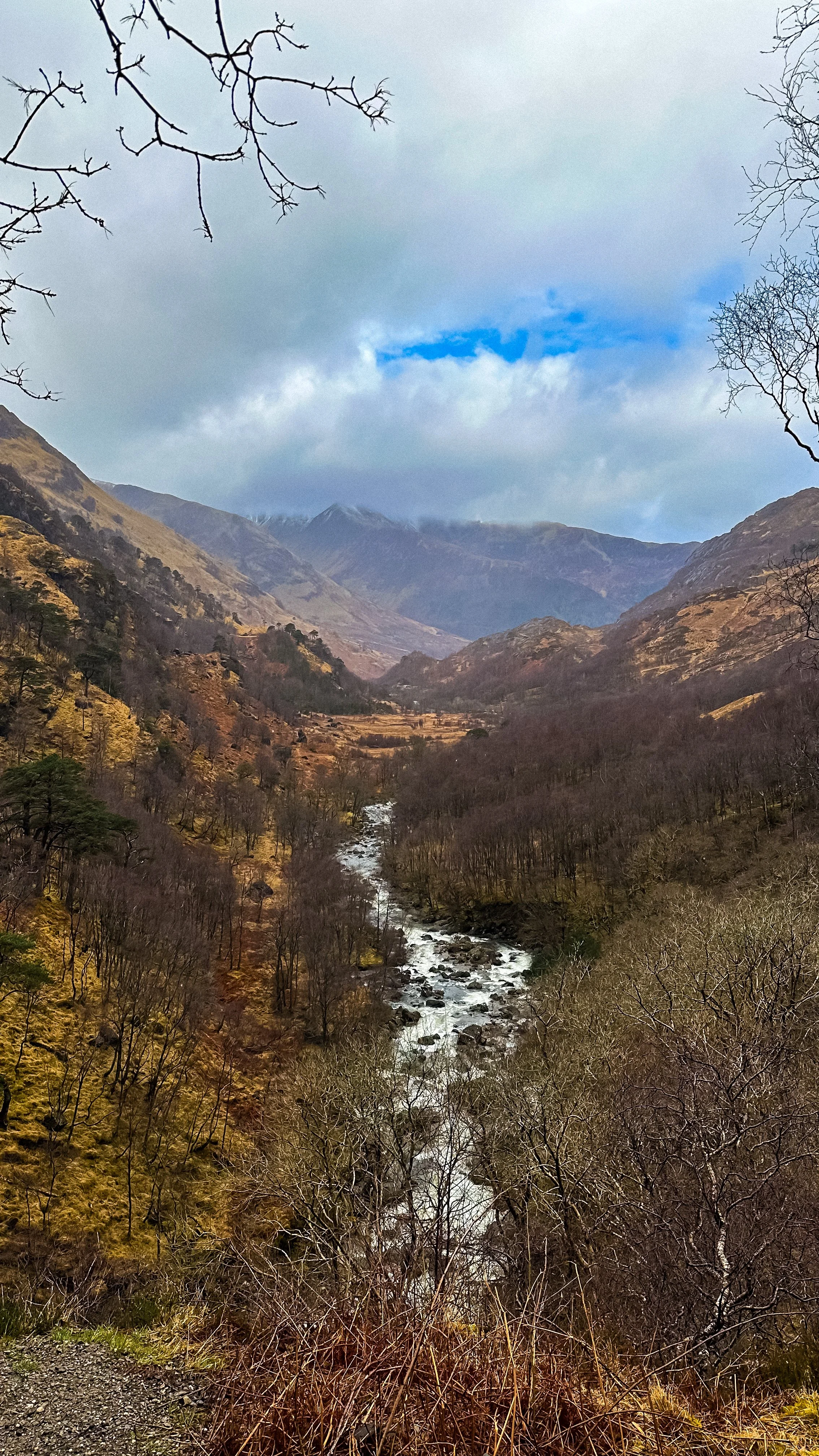
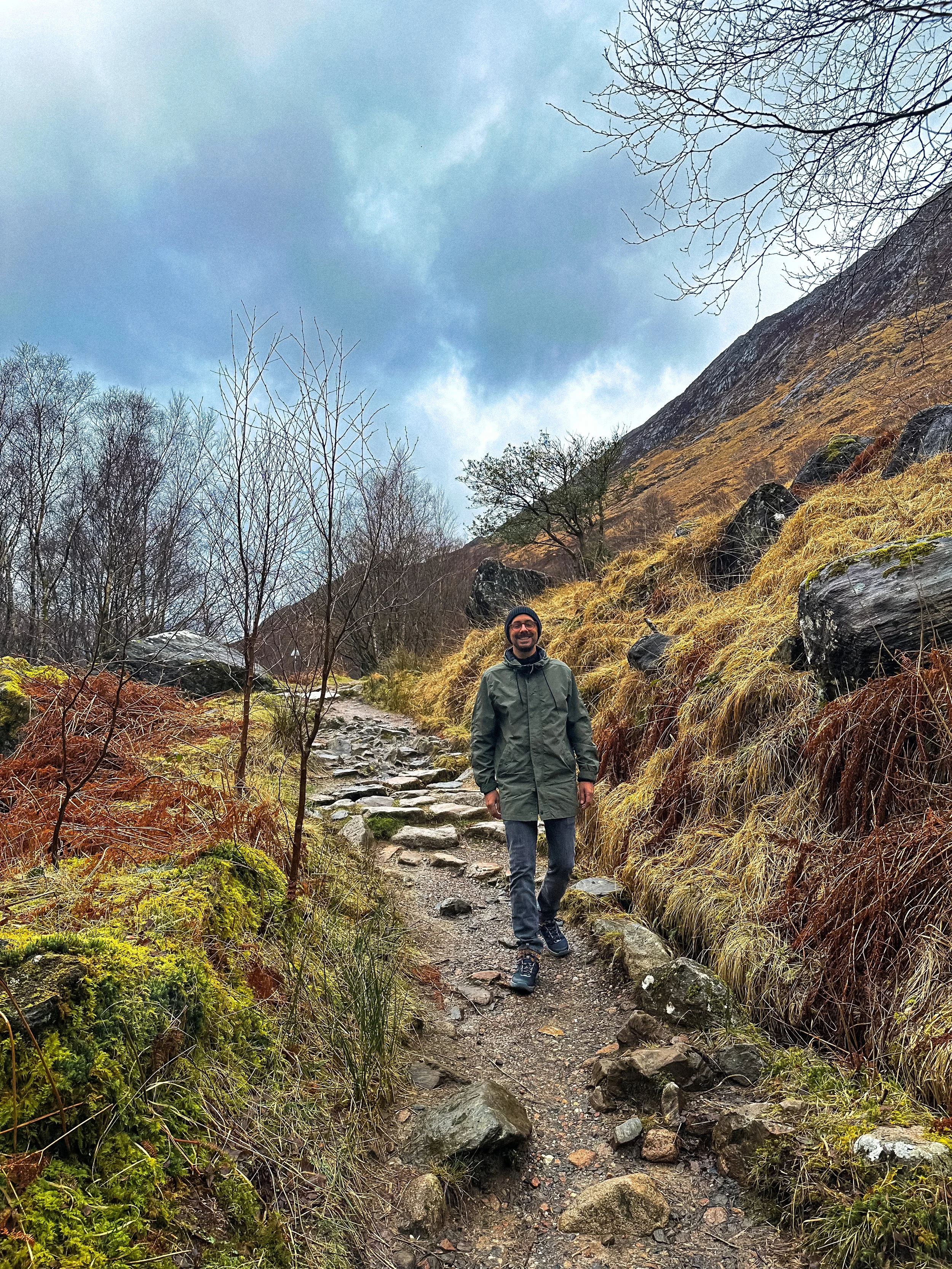
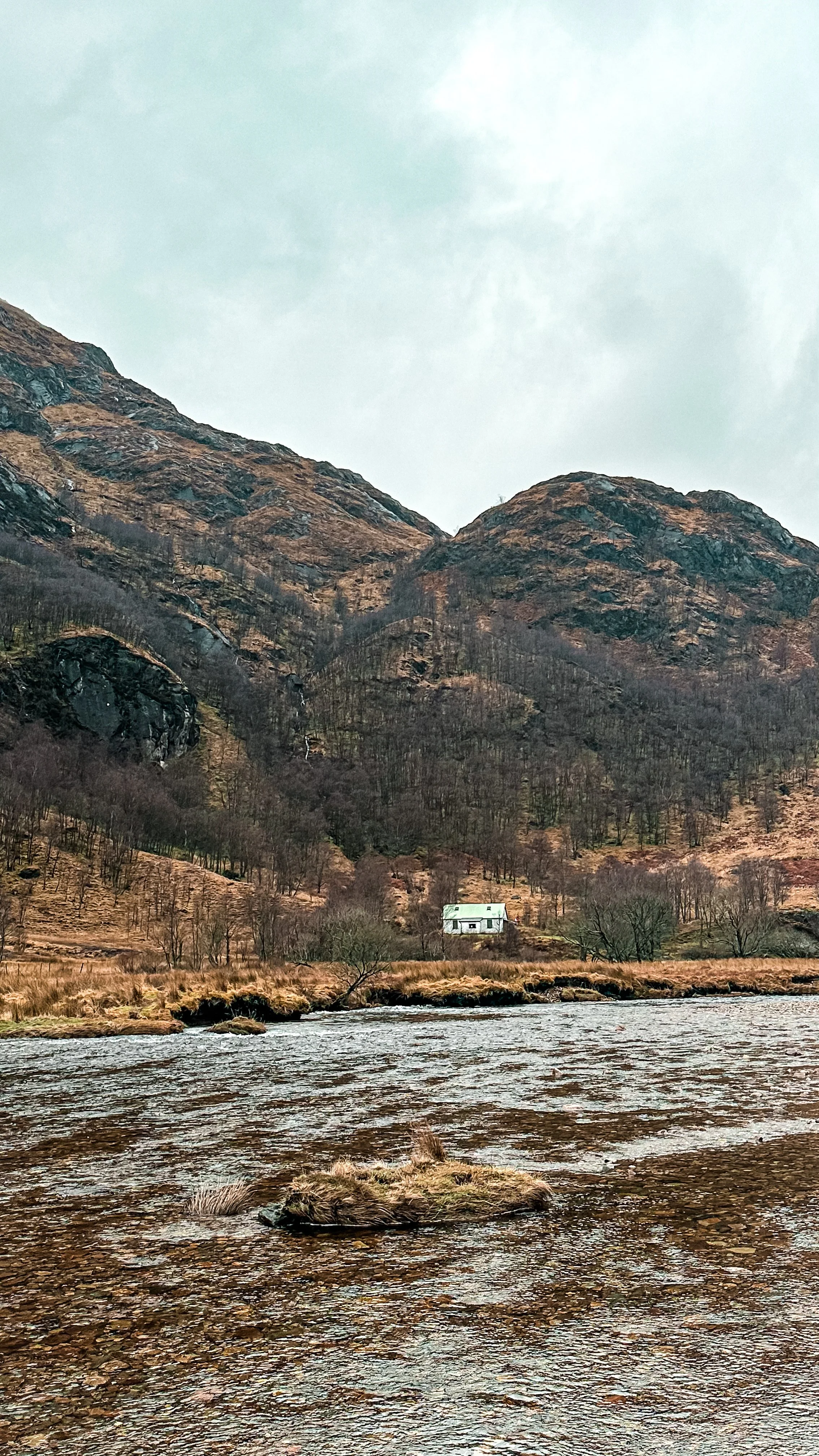
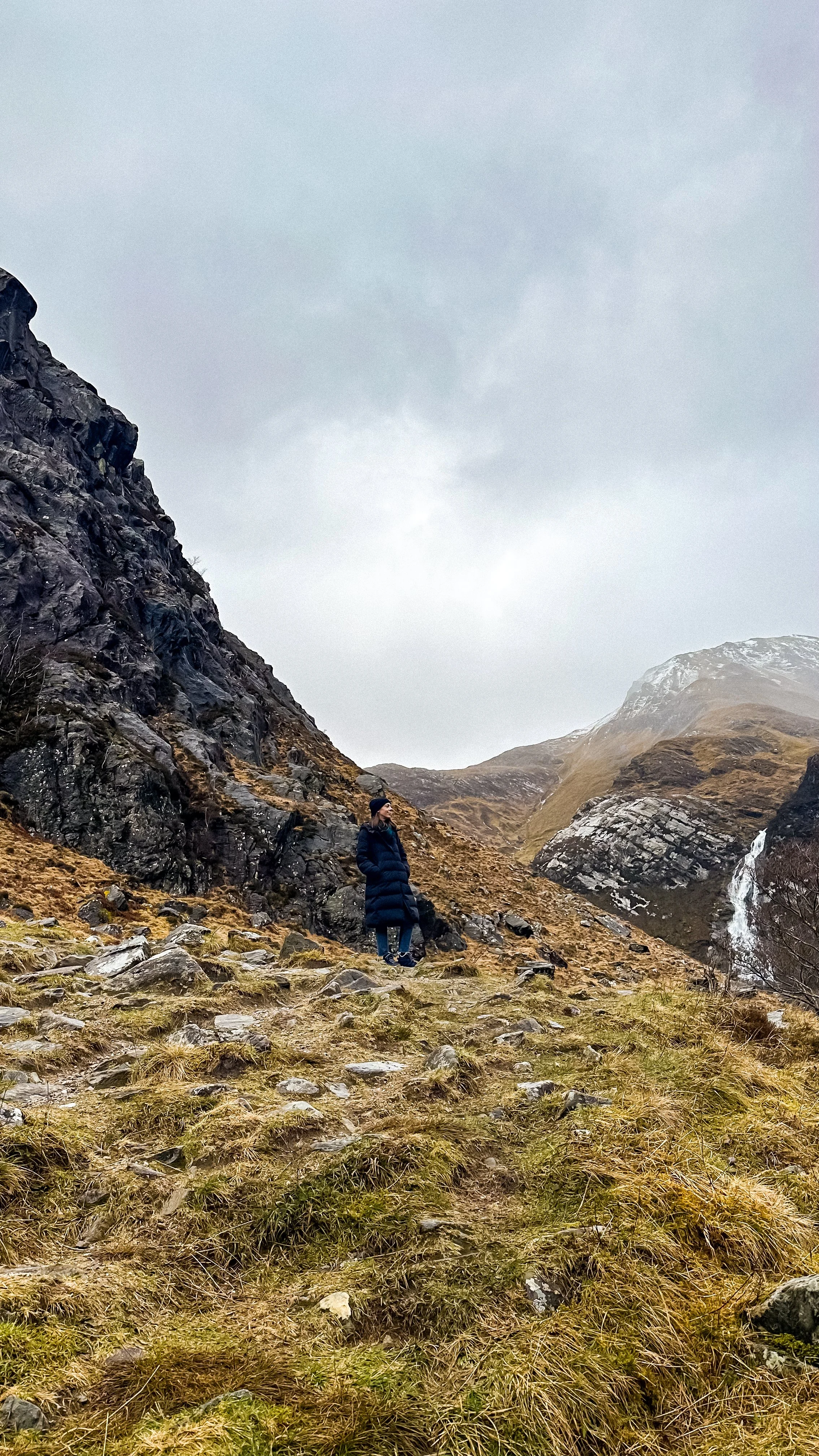
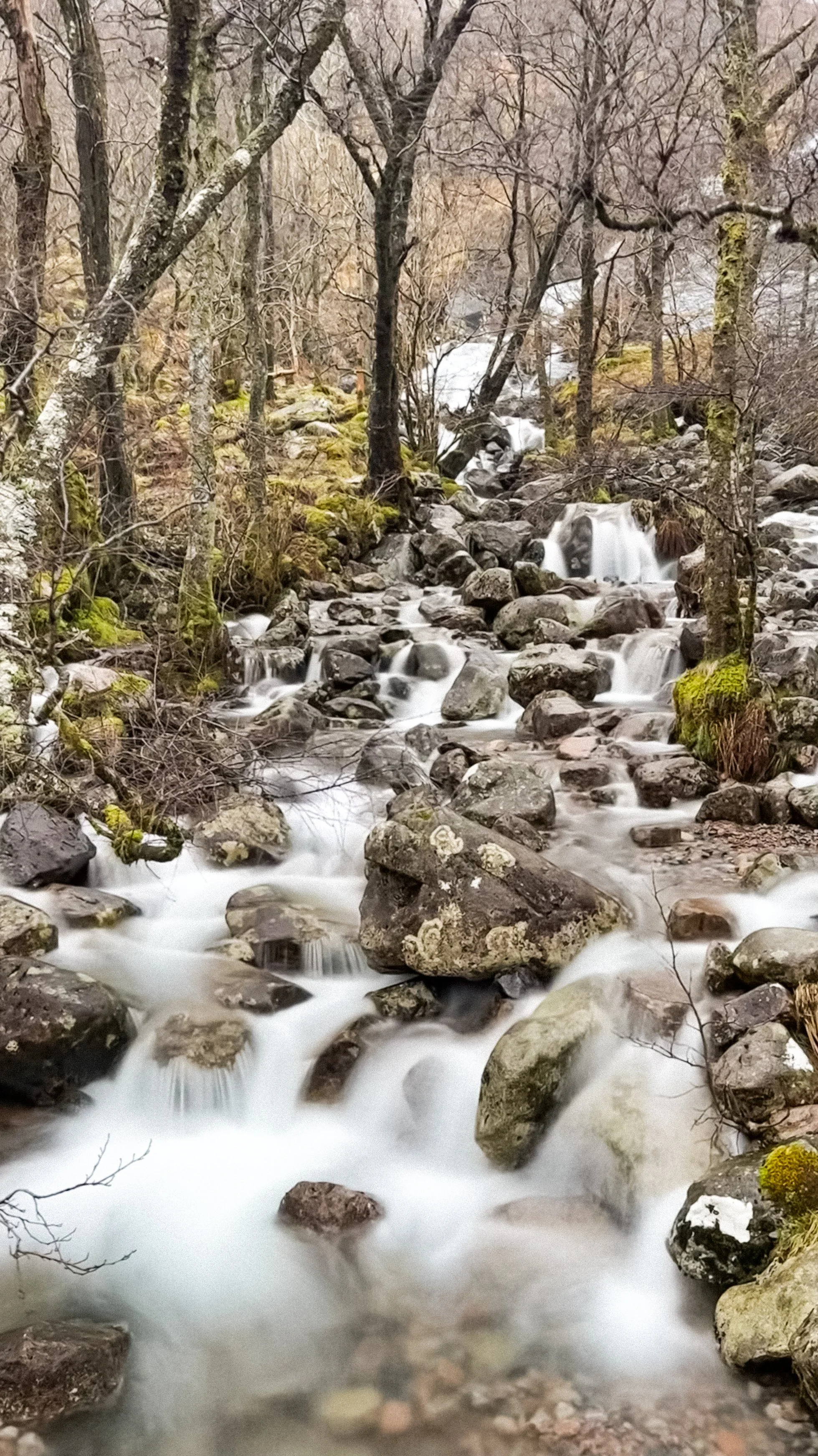
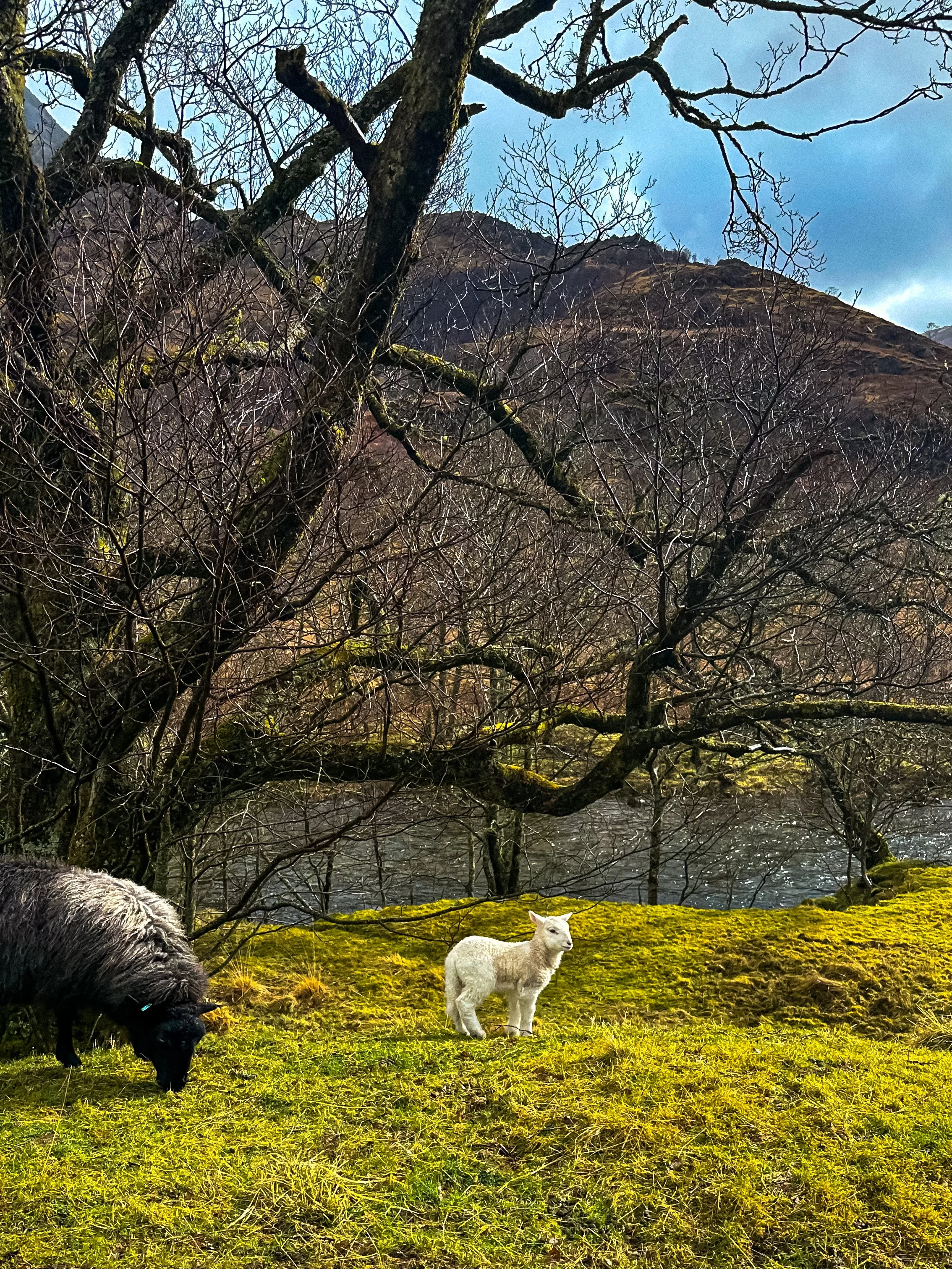
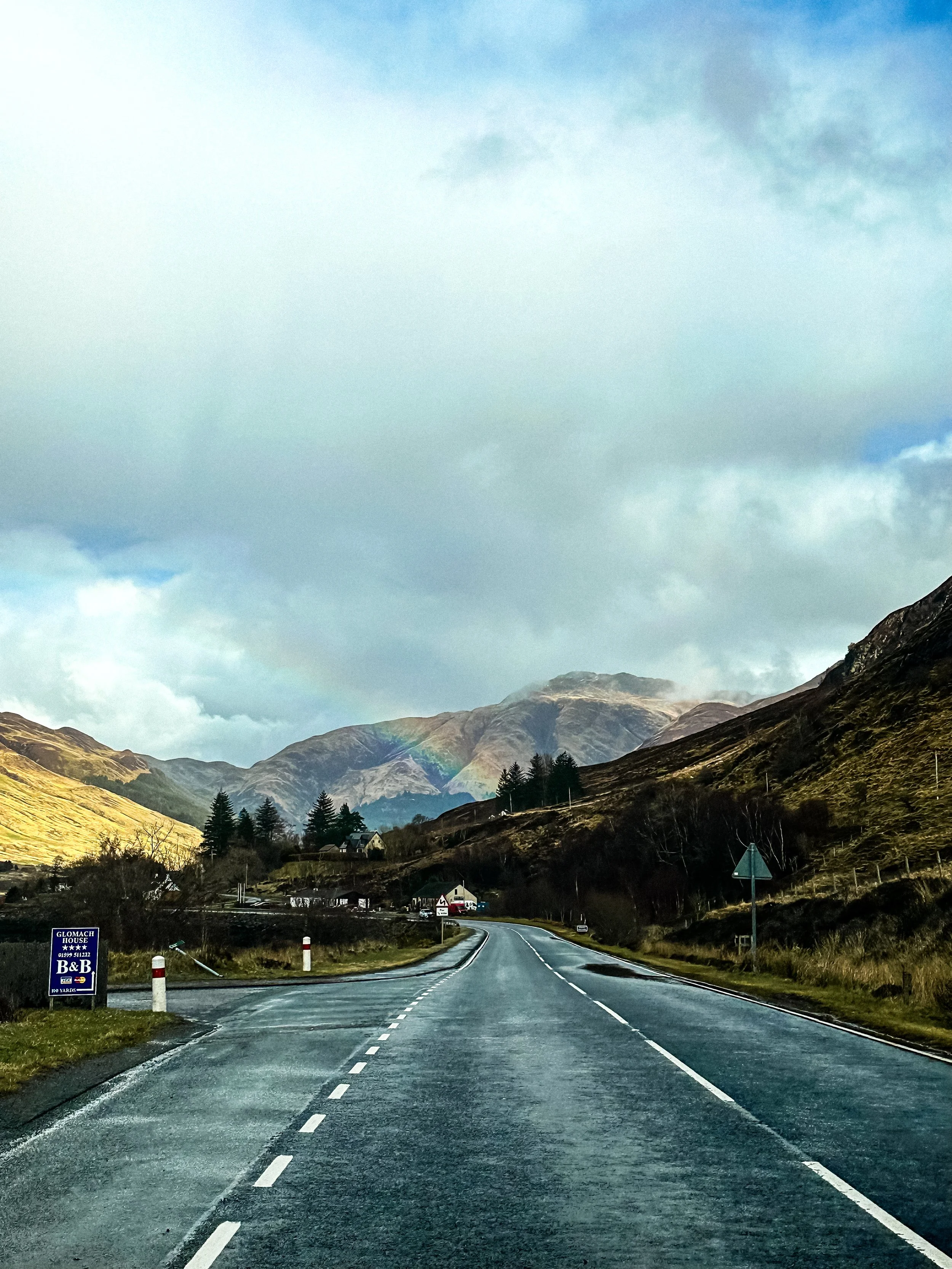
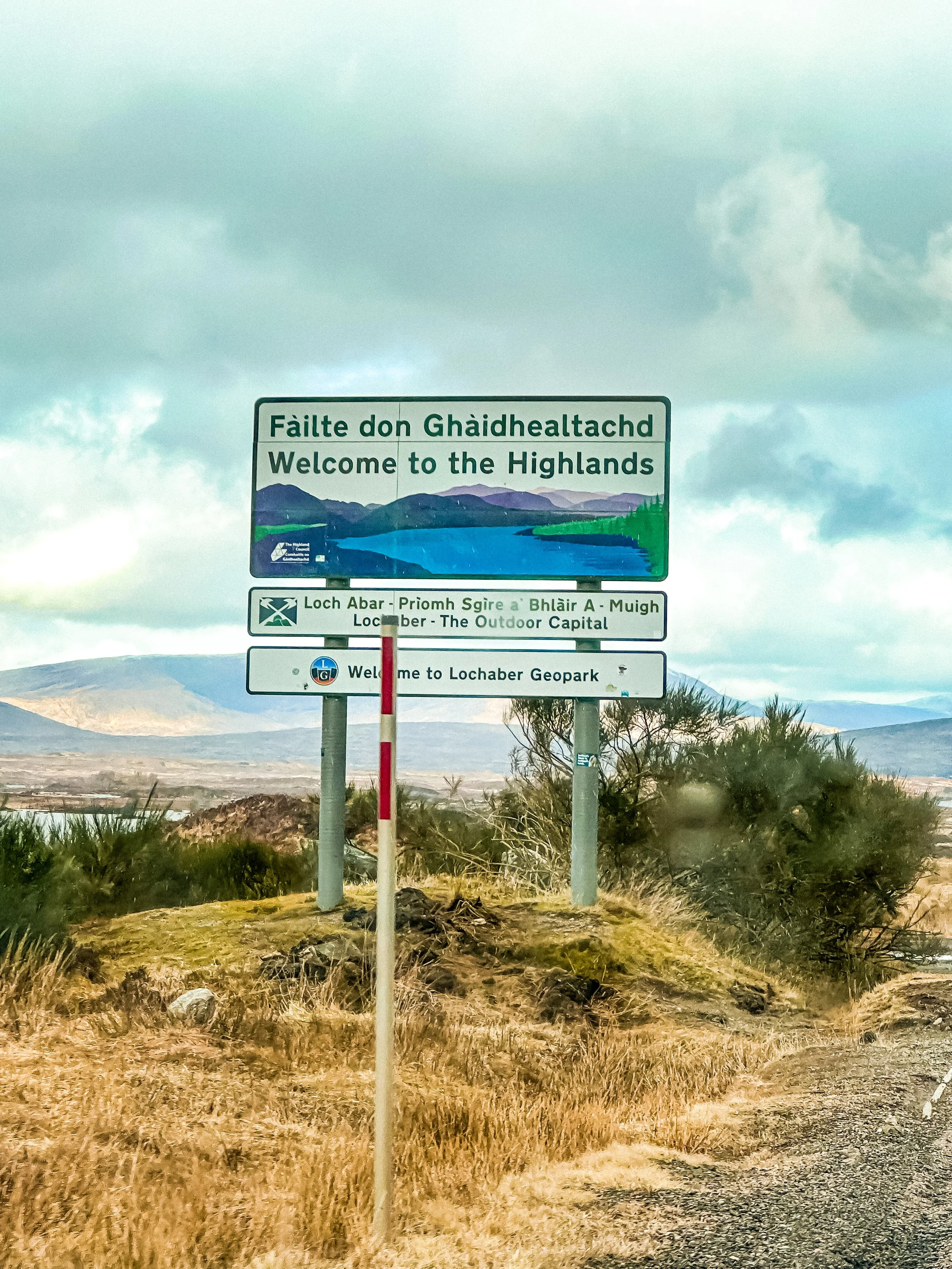
The first stretch of the journey led us to Fort William, passing through one of Scotland’s most dramatic regions: Glencoe. This valley is linked to one of the darkest chapters in Scottish history, the Massacre of 1692, yet it remains a place of staggering beauty.
Black Rock Cottage sits quietly in Rannoch Moor, framed by mountains and endless silence. It looks almost unreal, like the set of a period film.
Nearby stand the Three Sisters of Glencoe, monumental ridges shaped by glacial erosion that seem to guard the valley with ancient dignity.
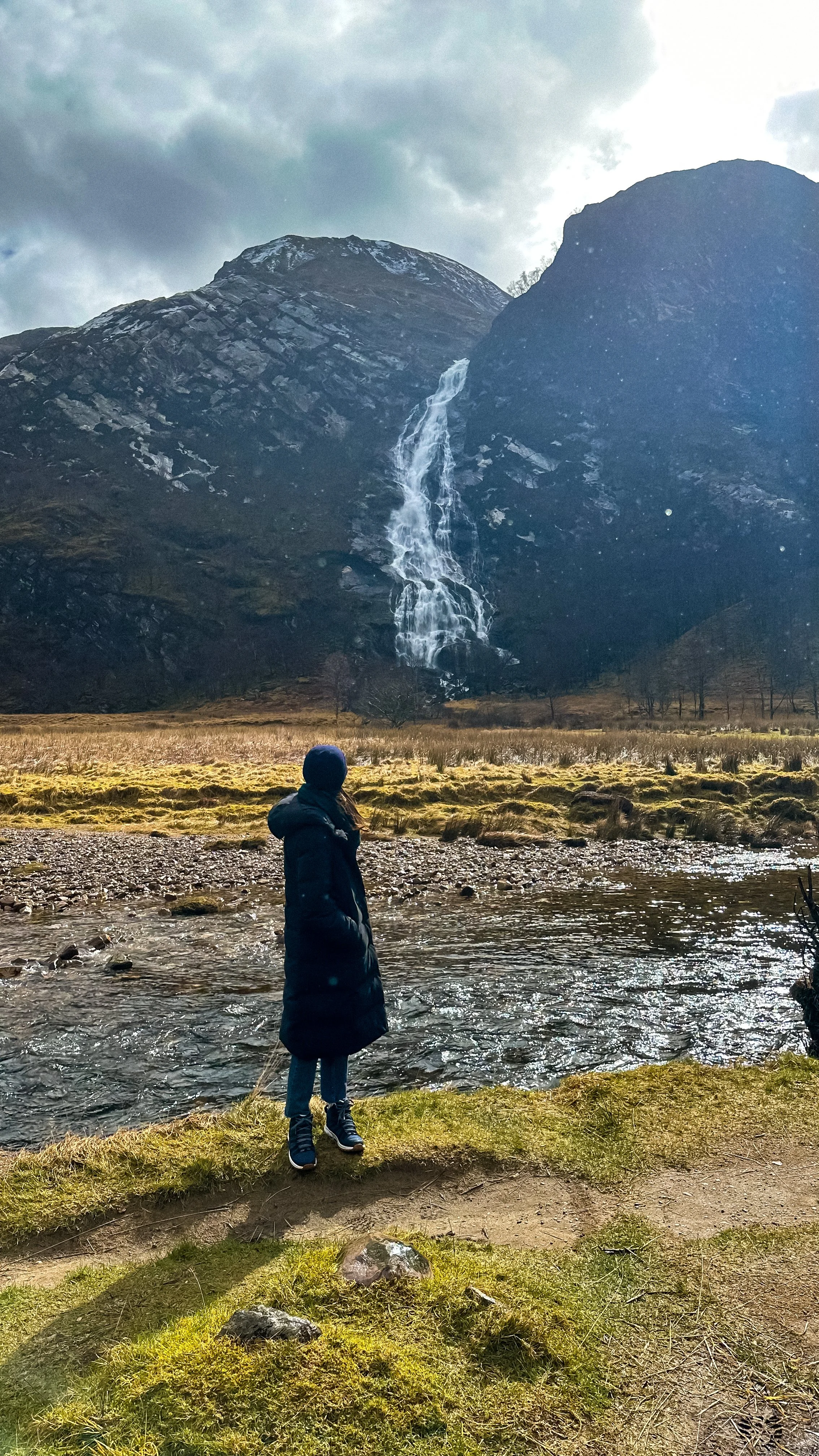
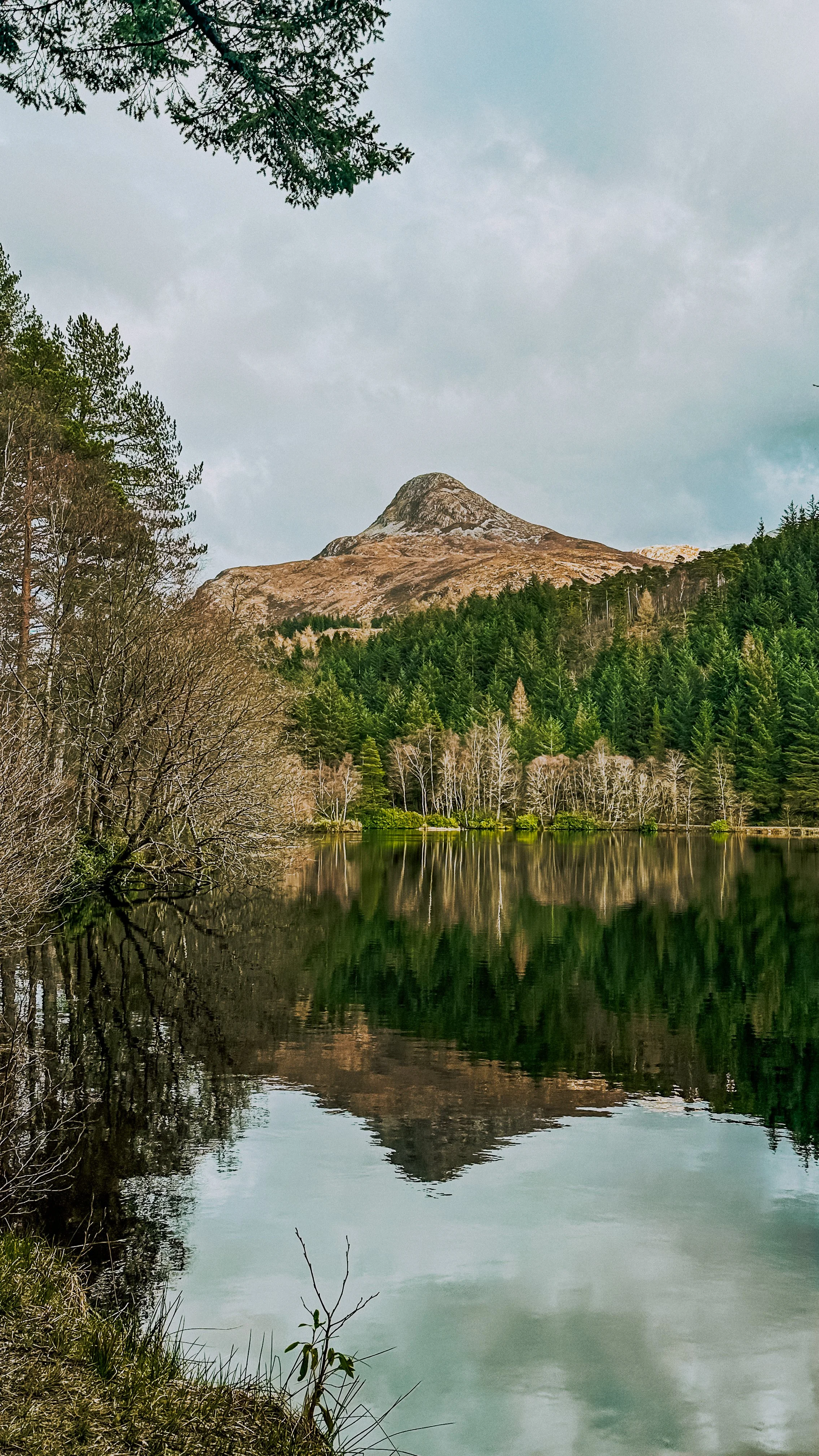
We hiked the trail to Steall Waterfall, a scenic route through lush forests, swinging bridges and sudden views opening toward one of Scotland’s highest falls. After a restful night in Fort William, we visited the peaceful Glencoe Lochan, an easy walk around mirrored waters surrounded by Canadian-style forest scenery.
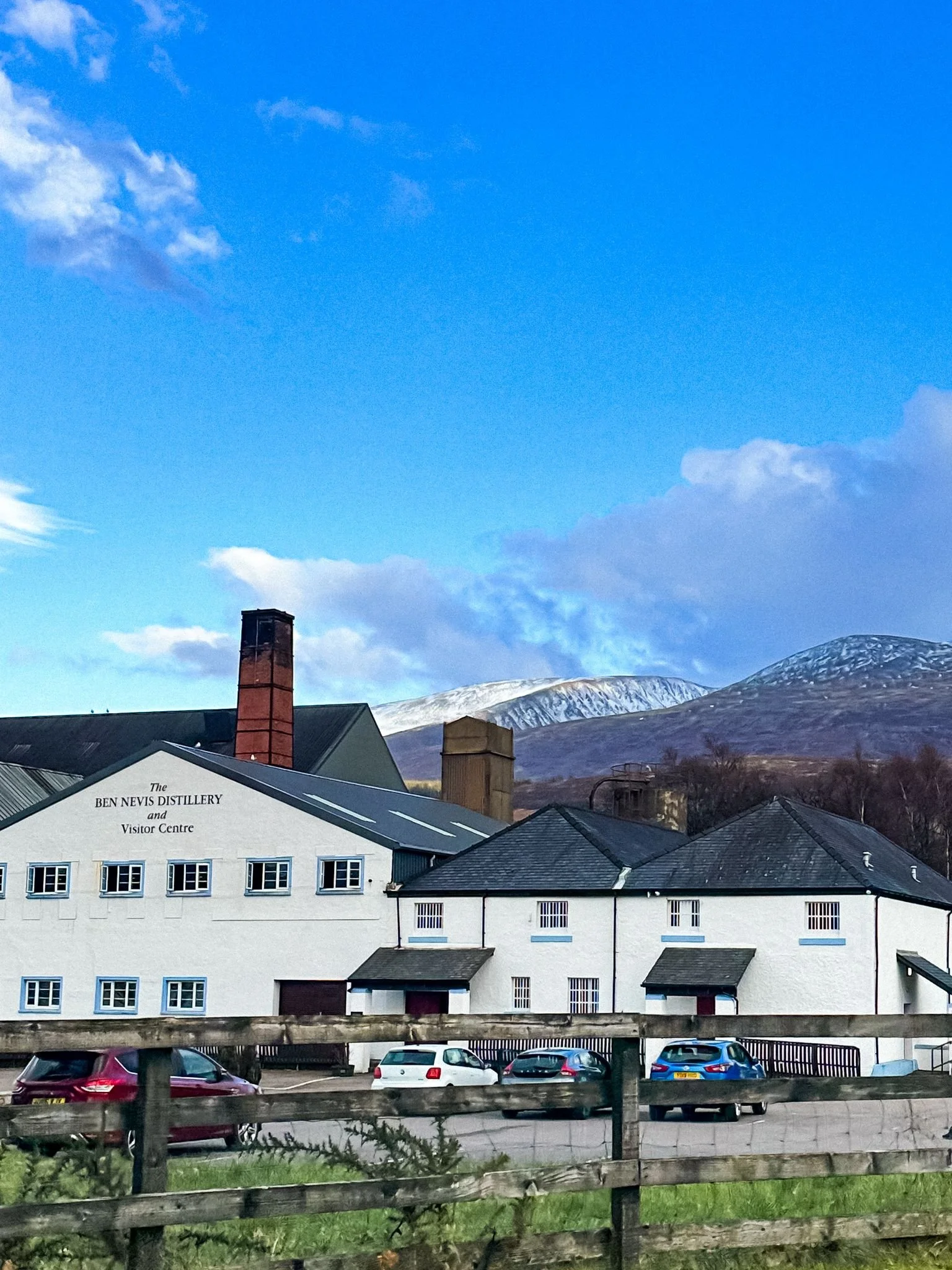
We also stopped at Ben Nevis Distillery, one of Scotland’s oldest licensed whisky distilleries, before enjoying a cozy dinner at Ben Nevis Inn & Bunkhouse, a rustic spot with heartwarming food and views that feel like a warm embrace from the mountains.
Isle of Skye: Land of Legends and Living Dreams
The next morning we drove toward the Isle of Skye, approximately three hours away. On the way, we crossed Glen Nevis Valley and viewed the Glenfinnan Viaduct, famous for the steam train in the Harry Potter films. The train operates mainly between April and October.
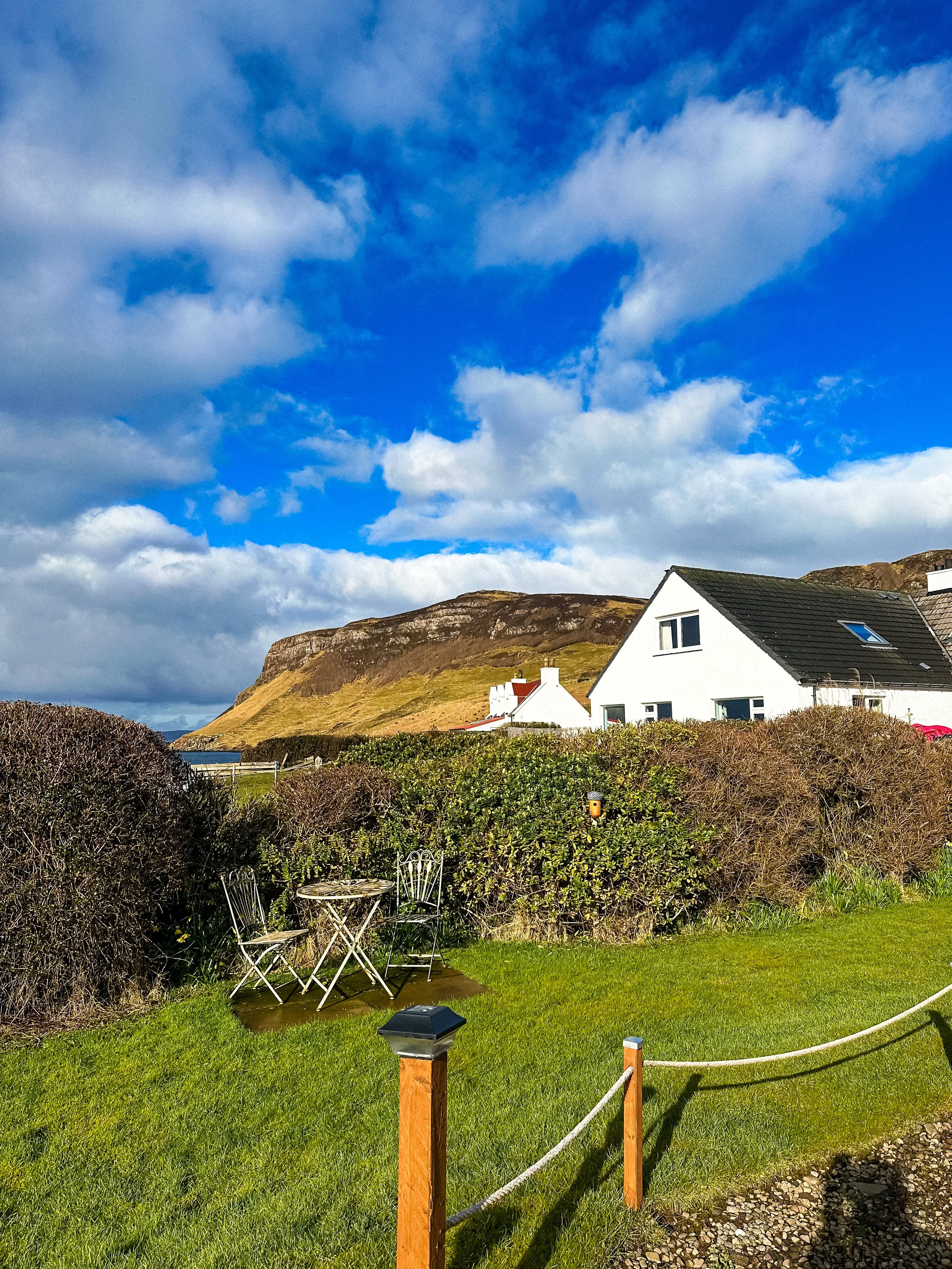
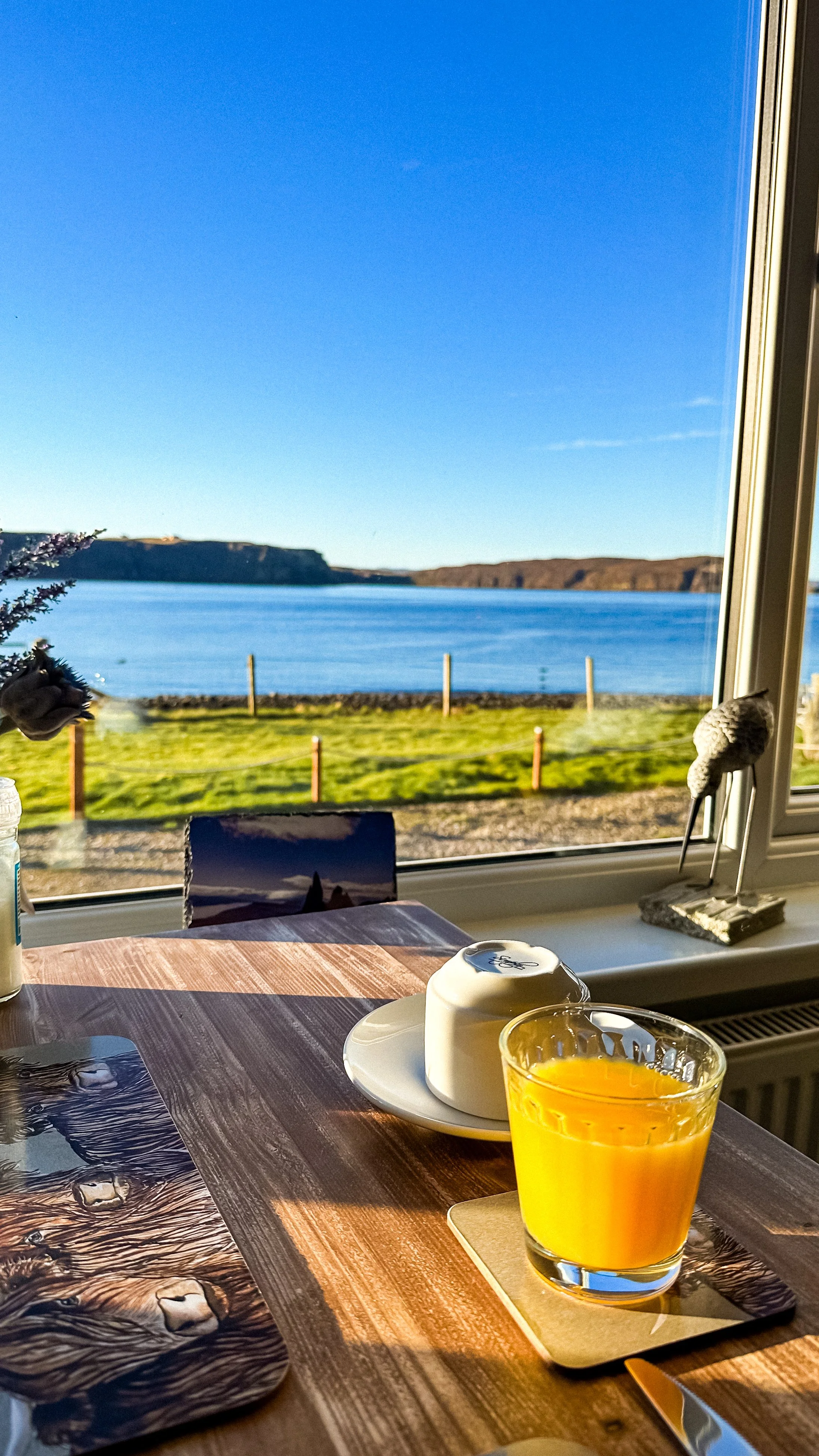
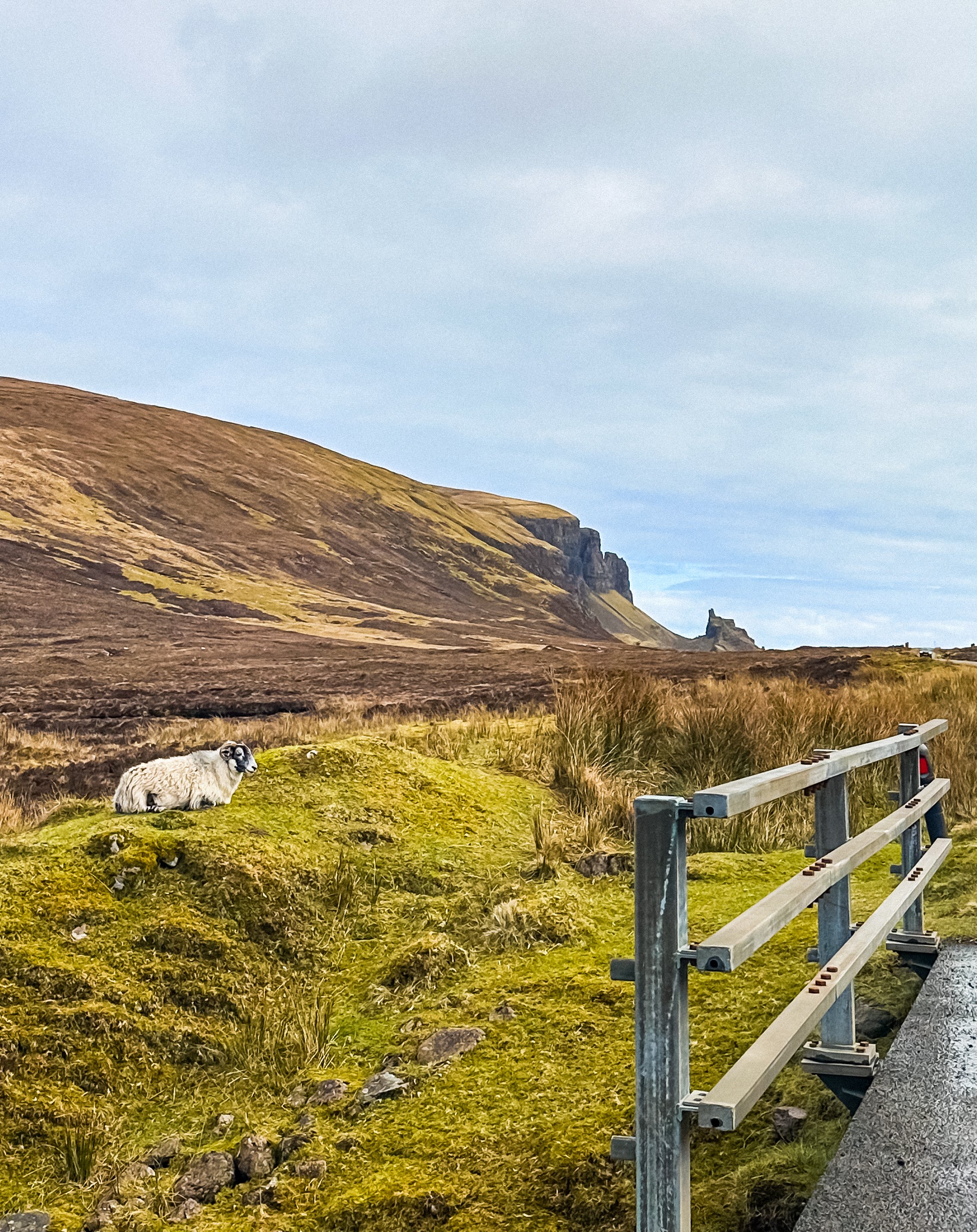
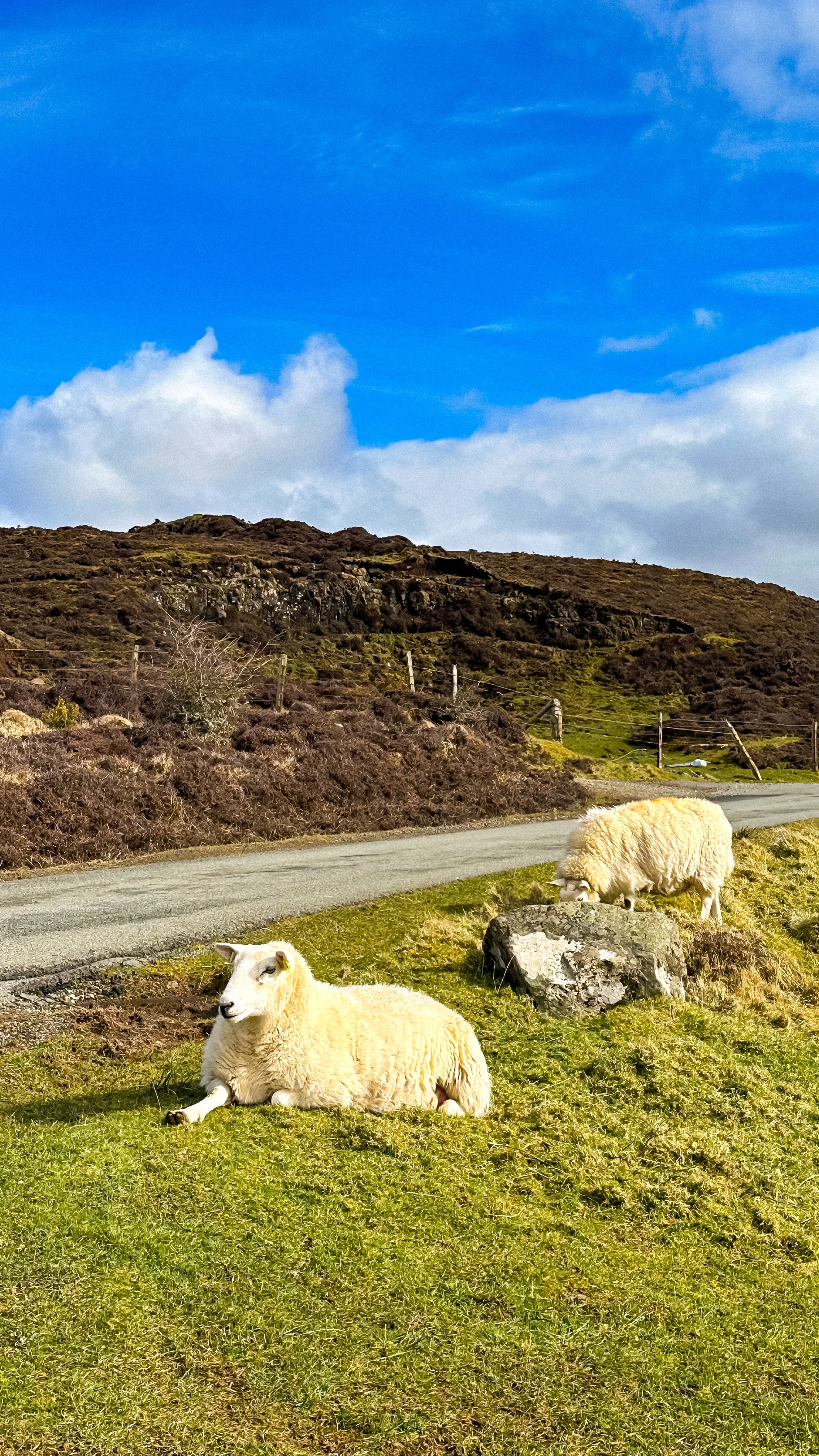
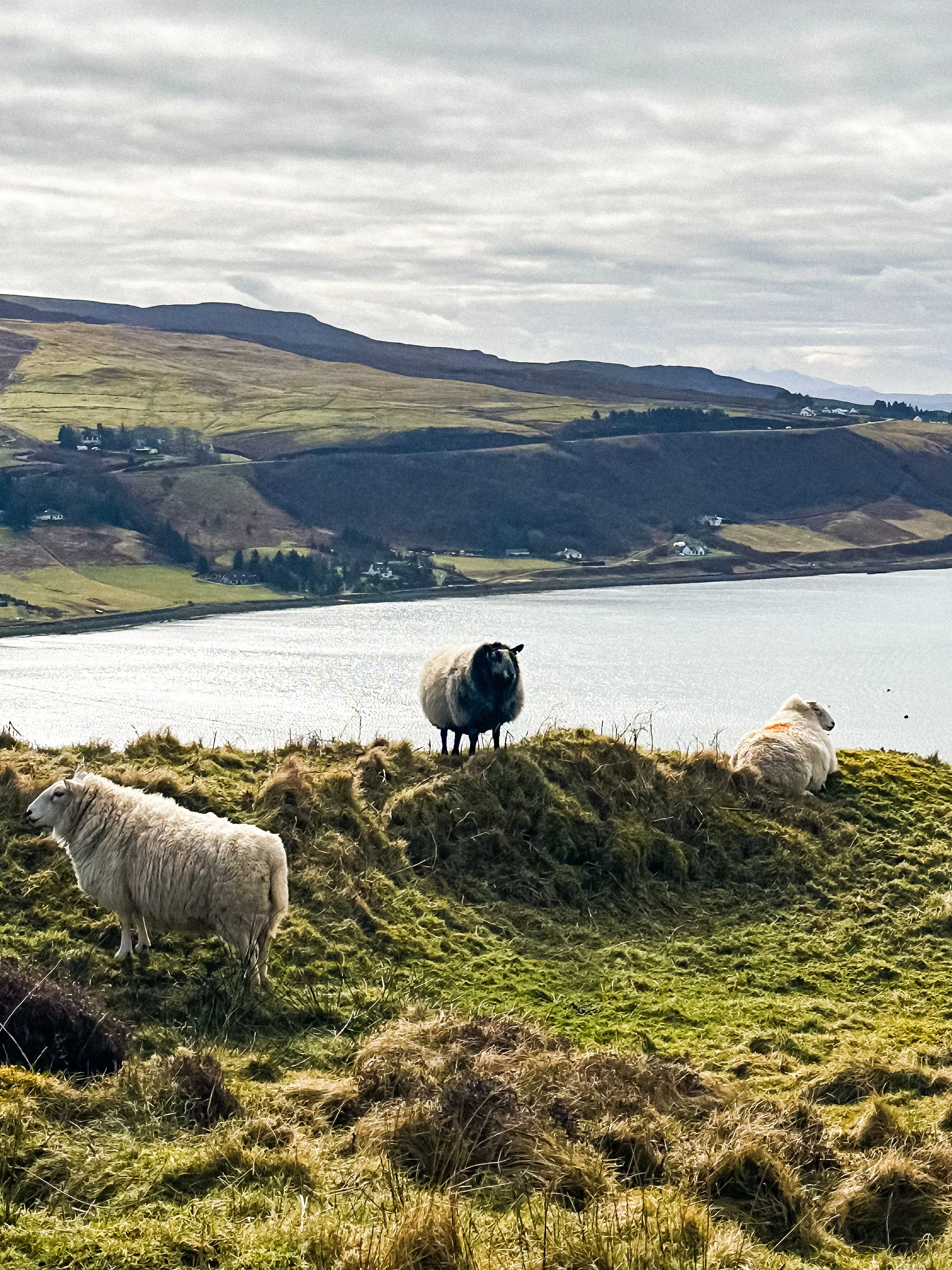
Skye is a world apart. With more sheep than inhabitants, ever-changing weather and landscapes that seem sculpted for mythology, time feels different here. We stayed in Uig, in a small family-run bed and breakfast overlooking the sea, where mornings were slow and poetic and sometimes a lone seal appeared near the shoreline.
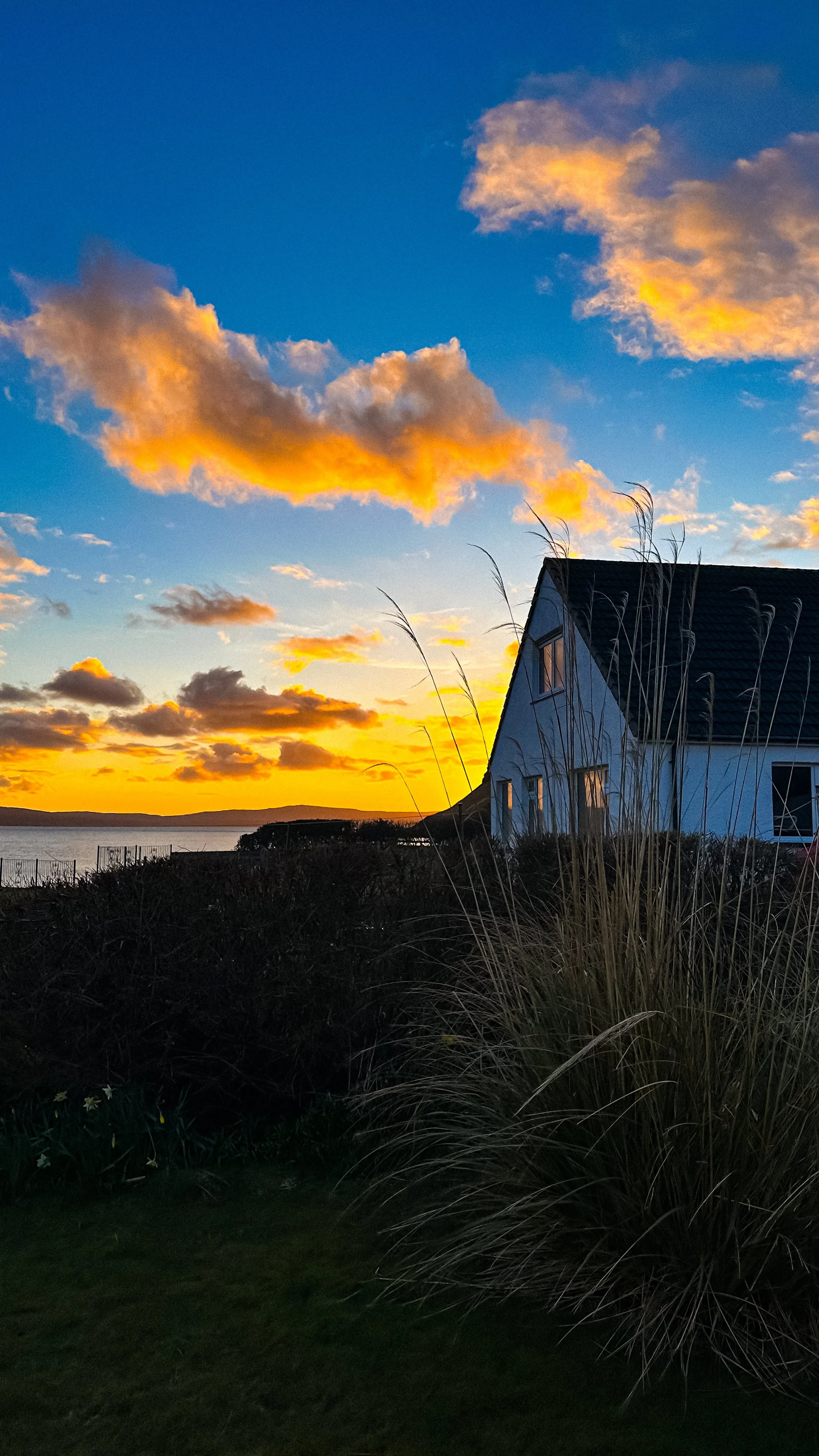
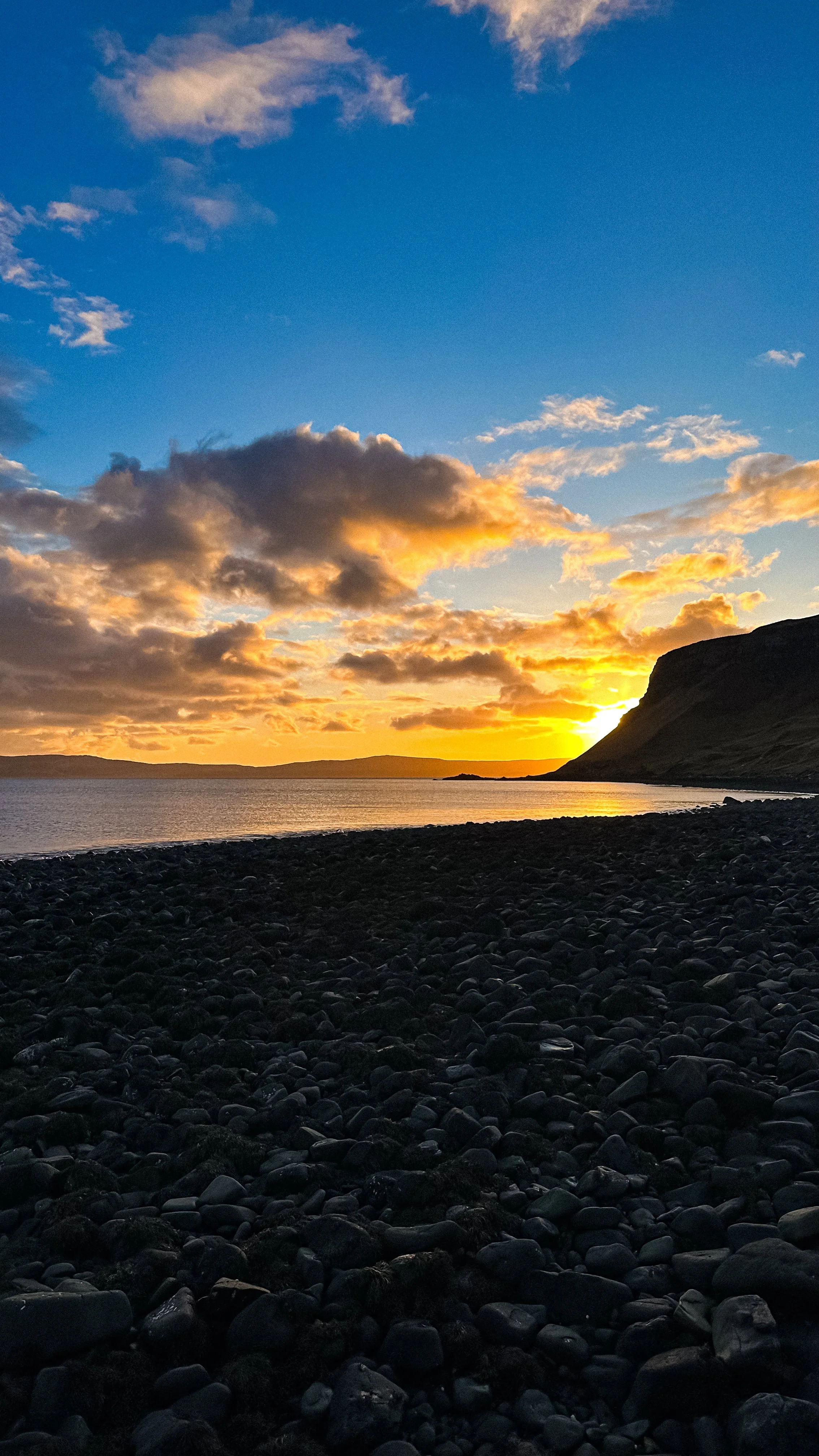
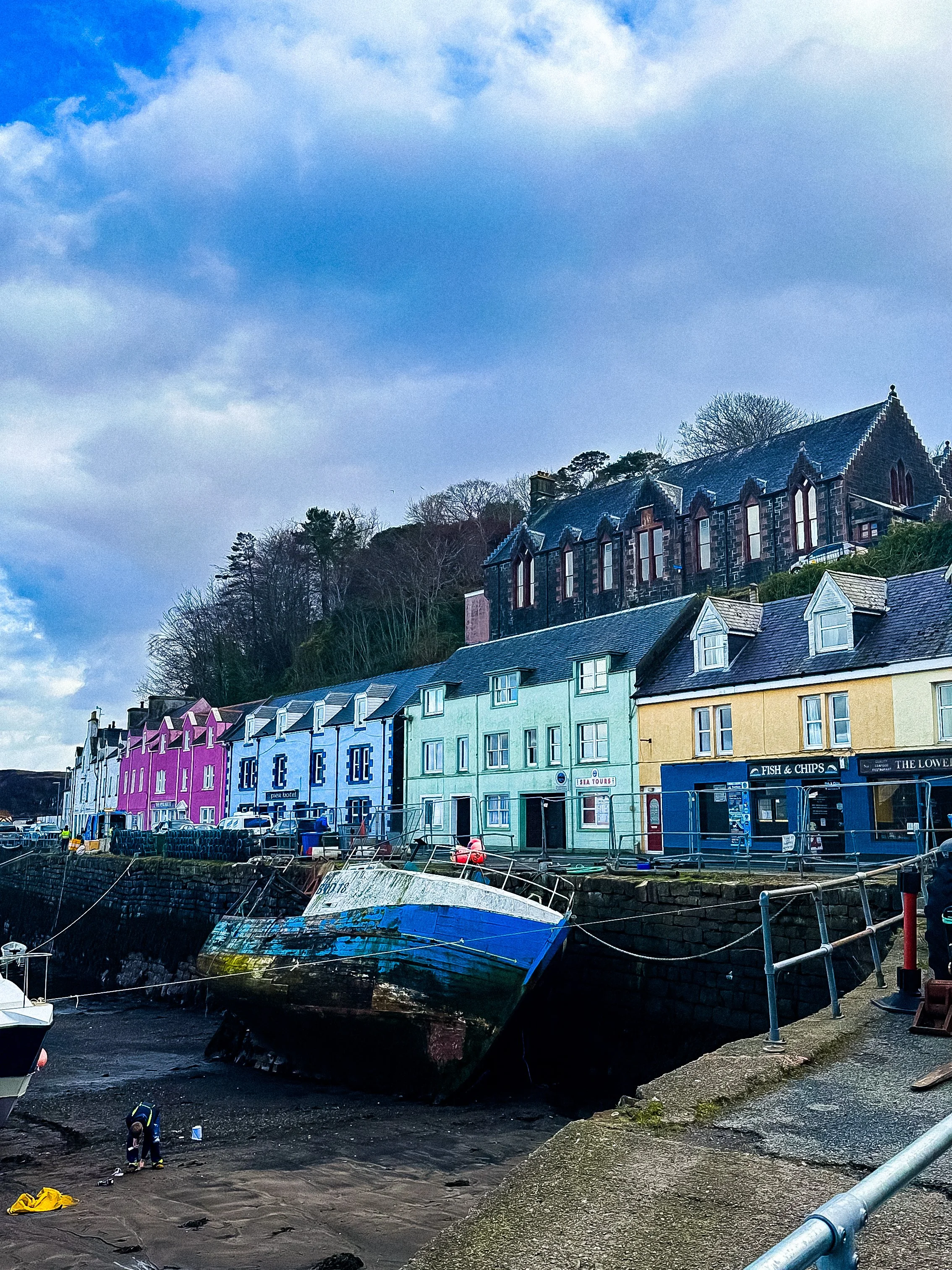
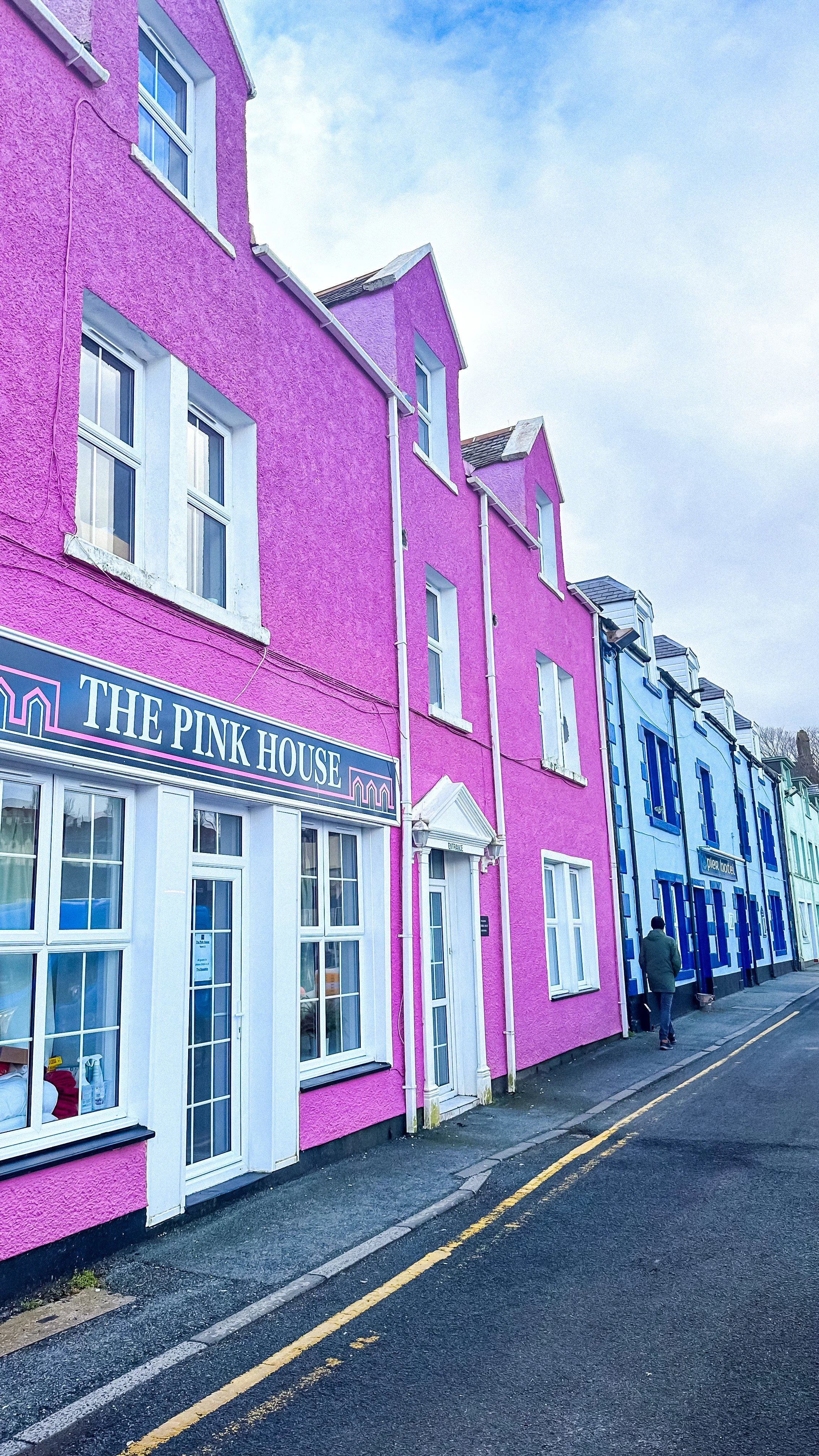
The island is divided in different geographical areas and exploring it by sections helps to optimize the experience.
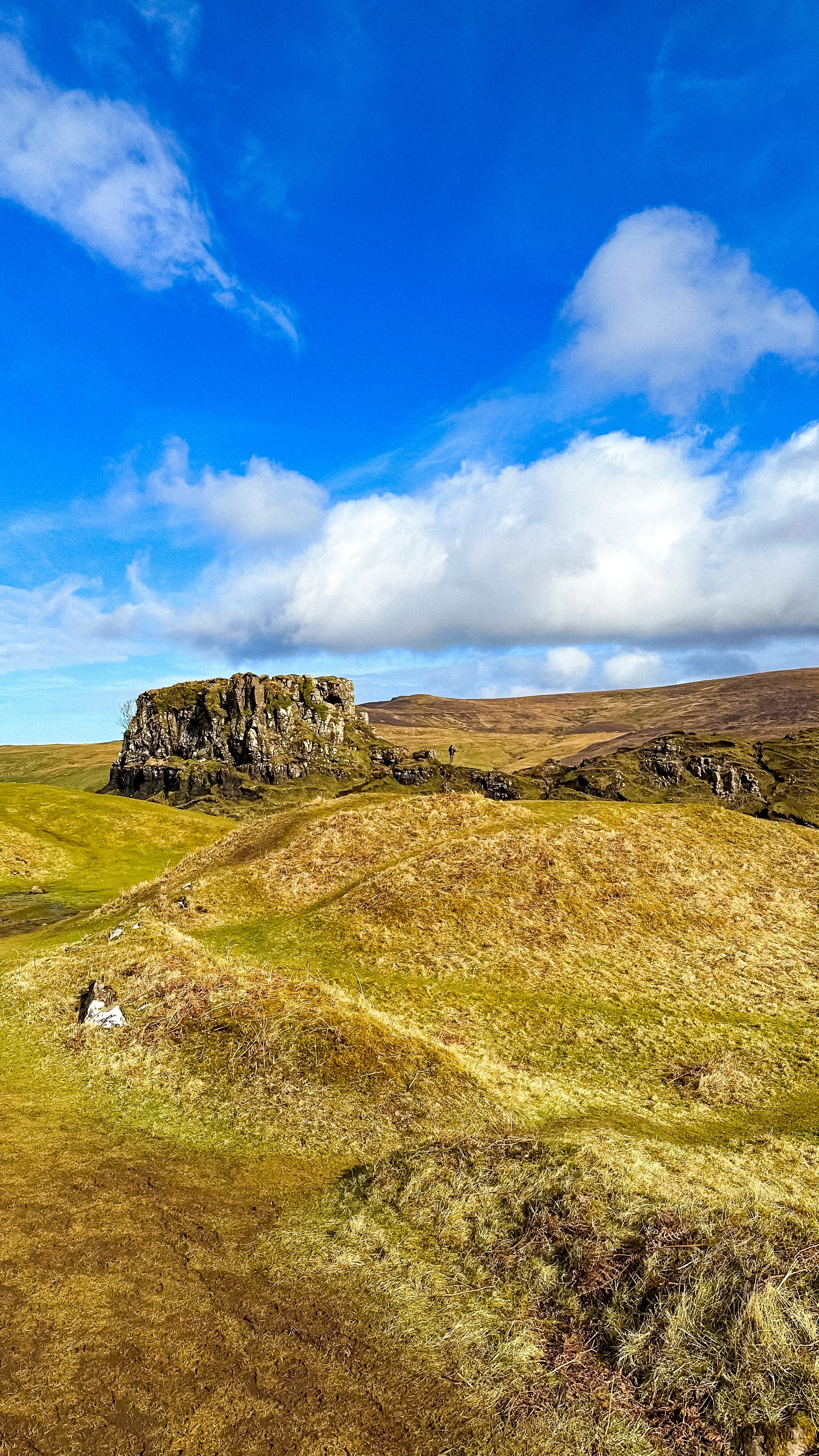
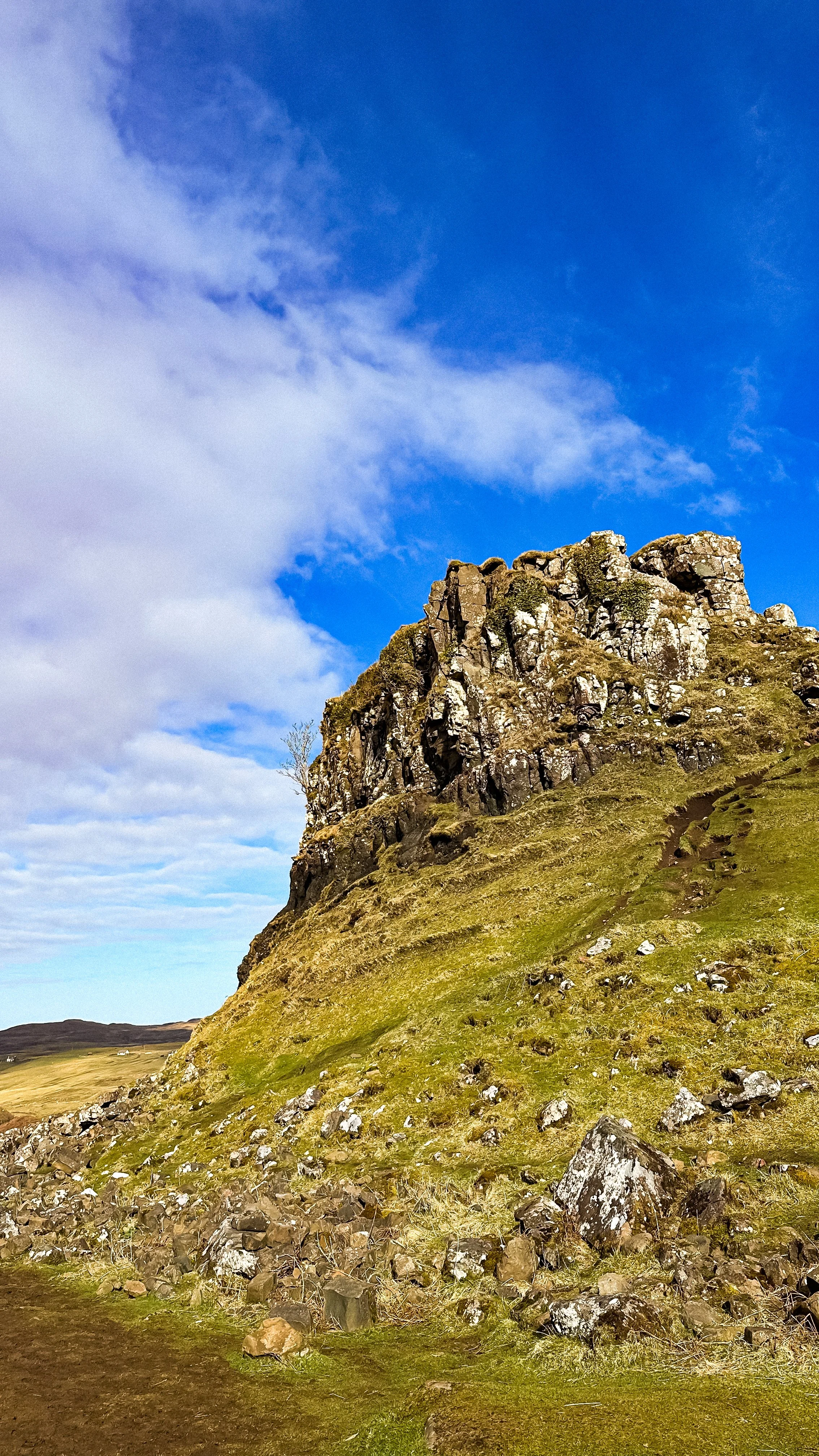
Fairy Glen
A surreal miniature landscape of grassy mounds and circular formations linked to Celtic folklore. No castles or fountains of fairies exist there, yet the atmosphere feels undeniably enchanted.
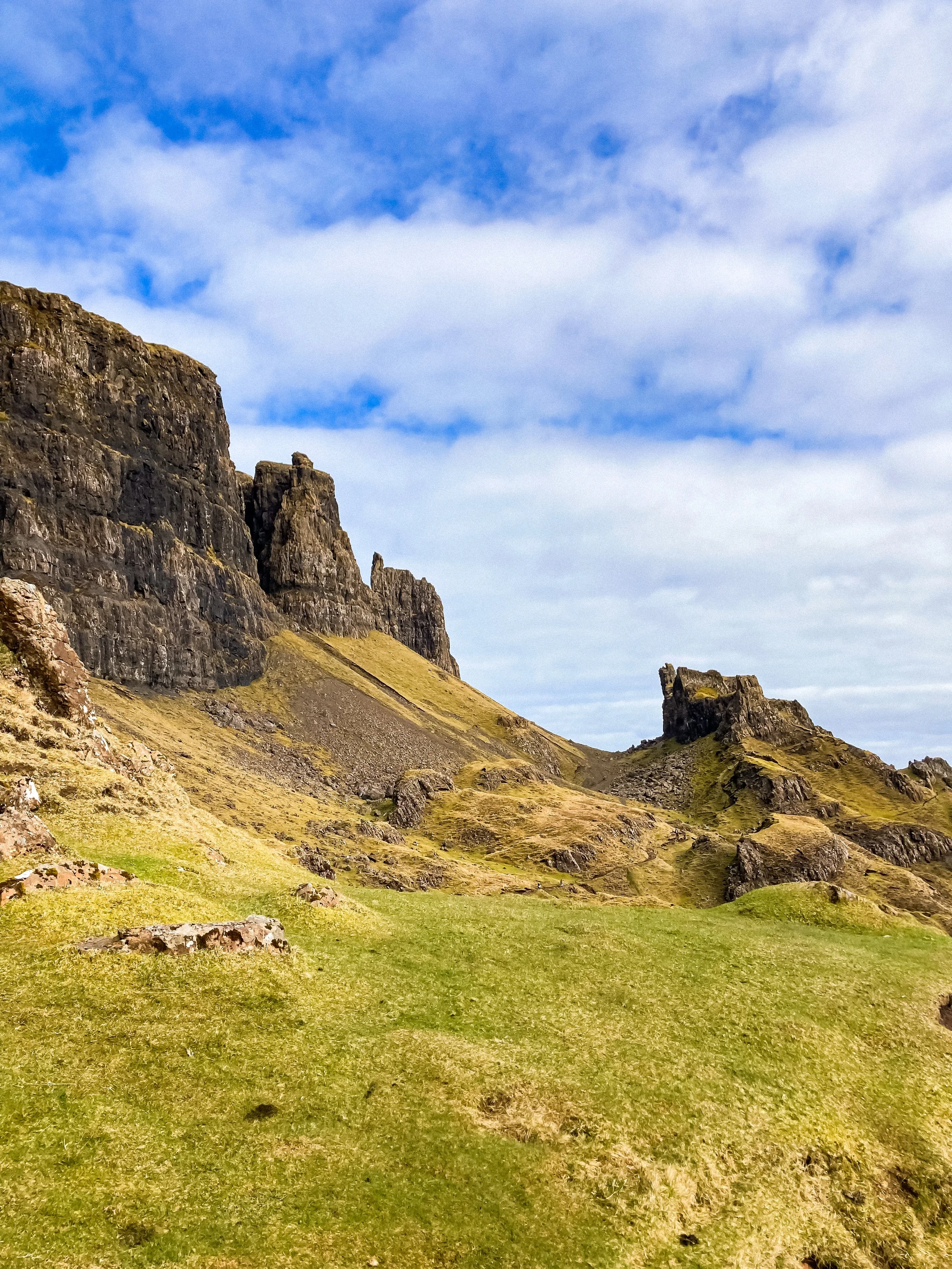
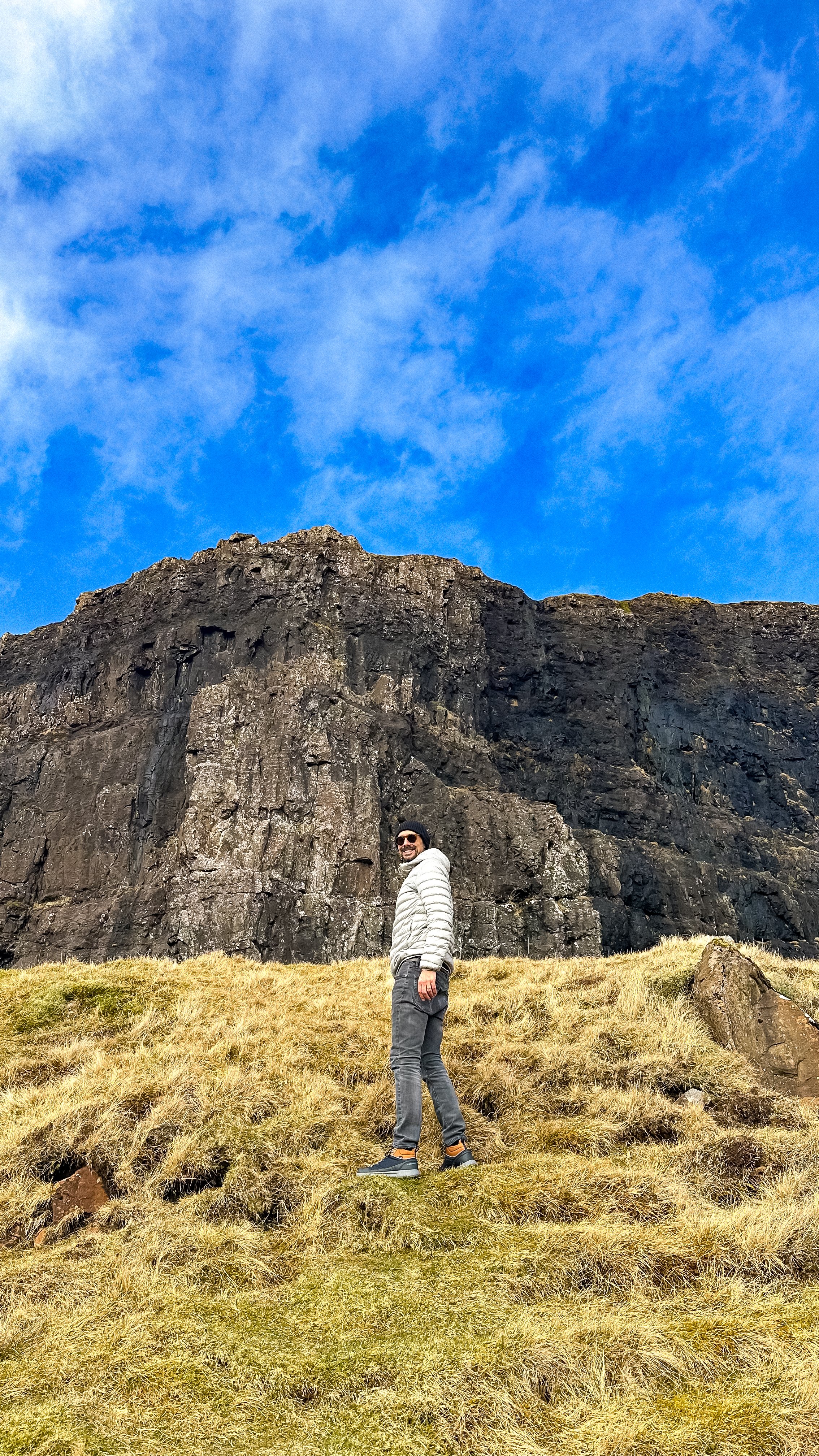
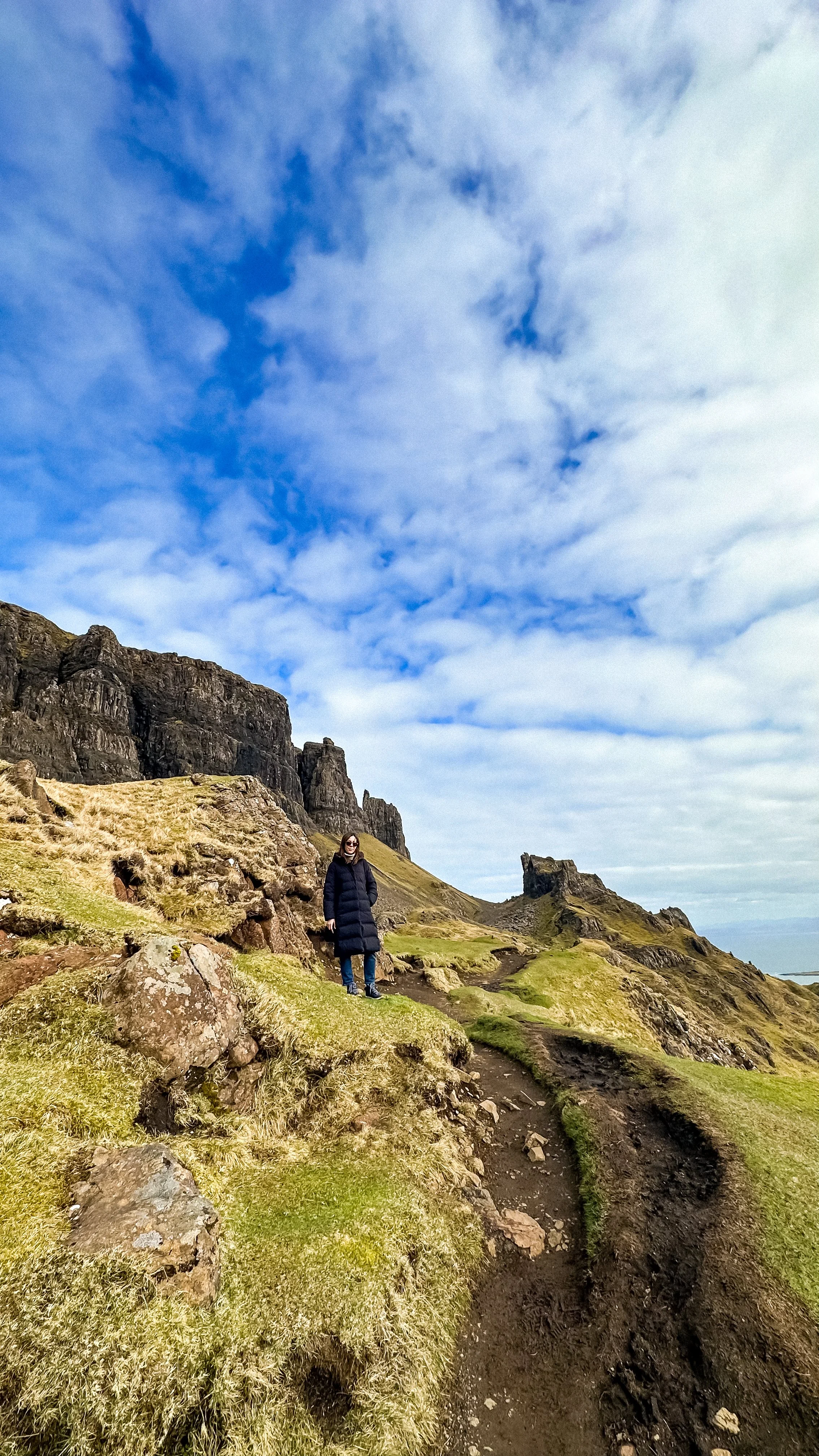
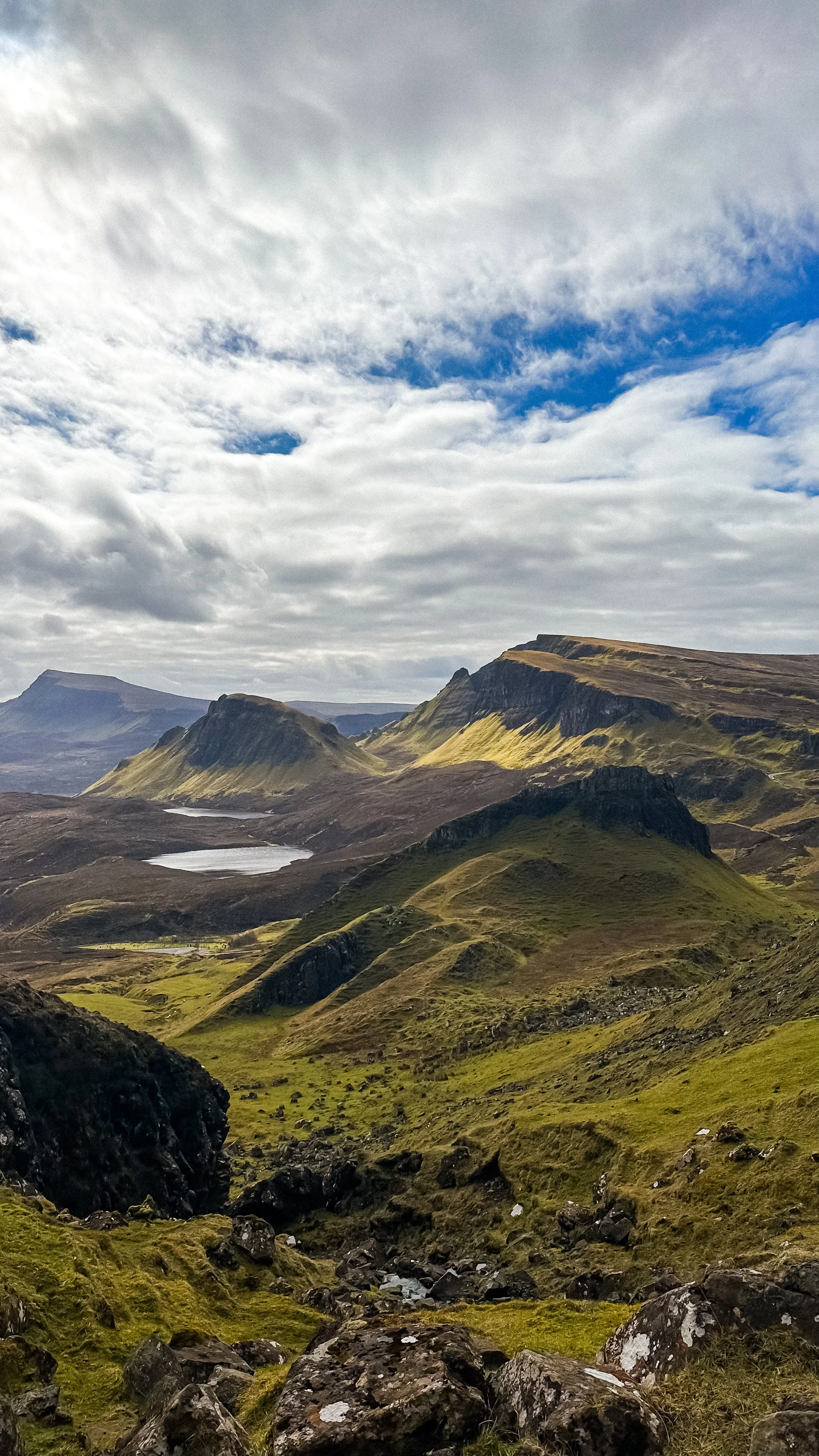
Quiraing
A breathtaking geological formation created by ancient landslides. Trails are scenic and panoramic, offering some of the island’s most iconic viewpoints.
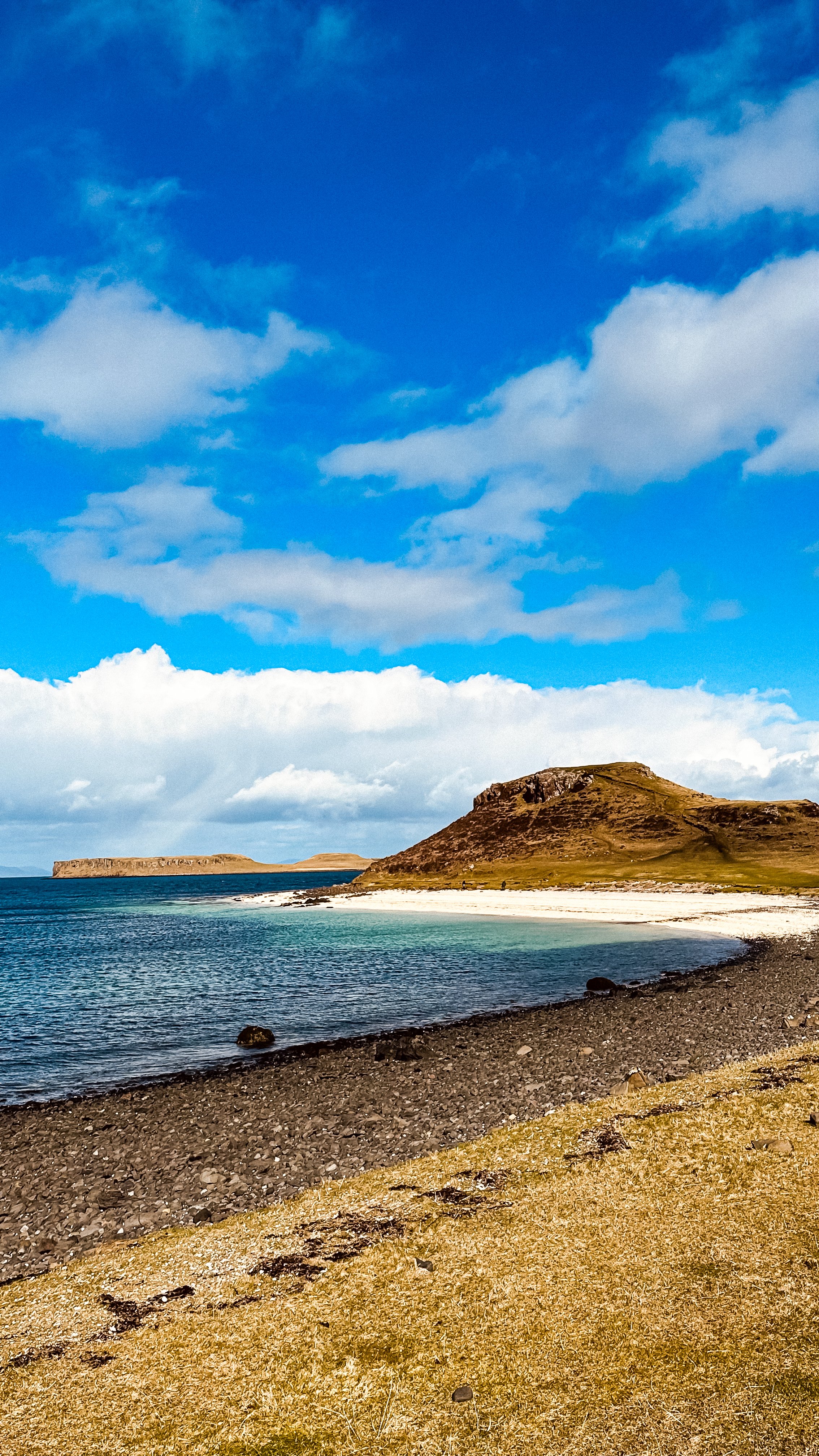
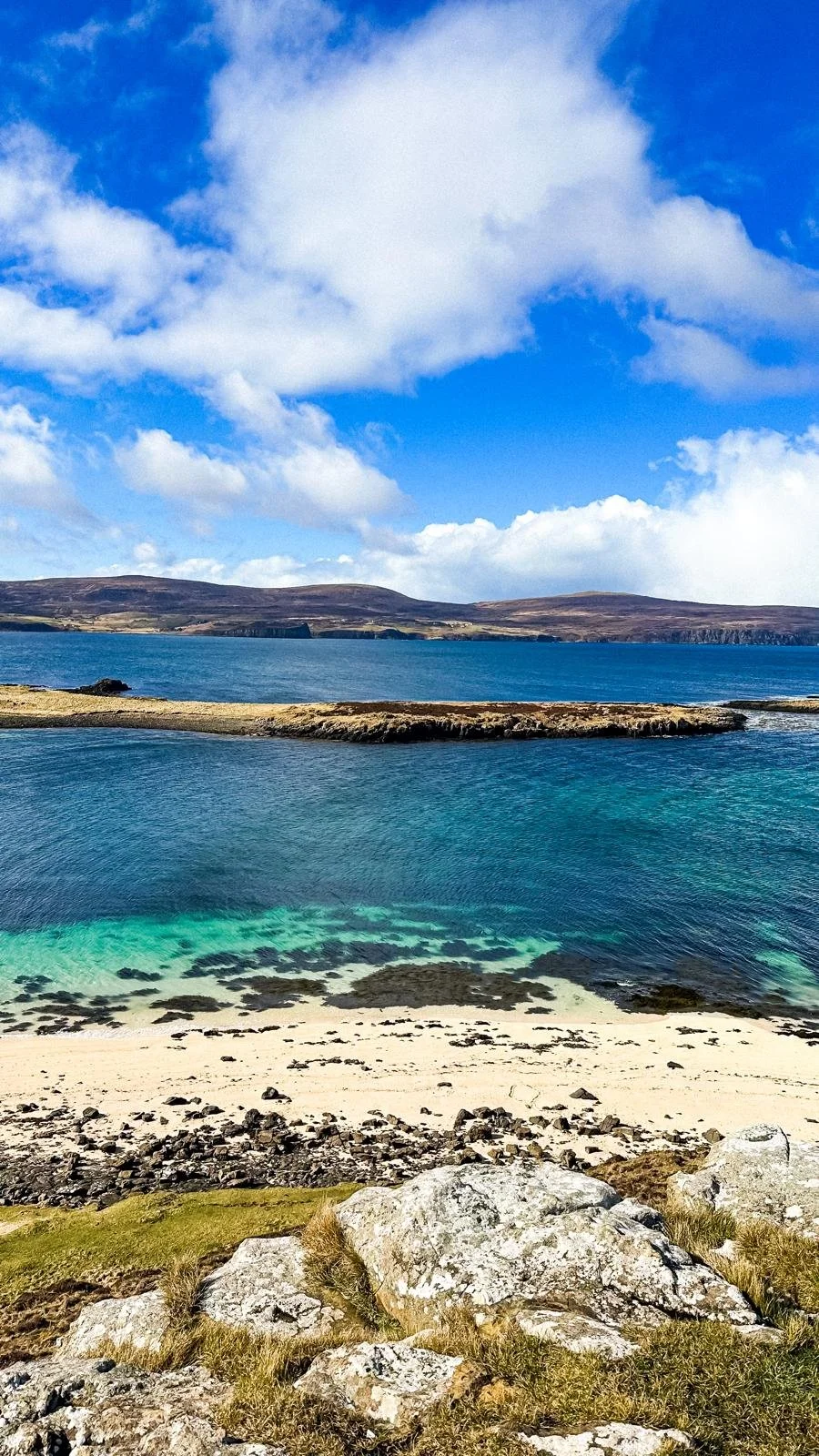
Coral Beach
Clear turquoise waters reminiscent of remote islands, formed not by coral but by tiny white shells that reflect the sunlight.
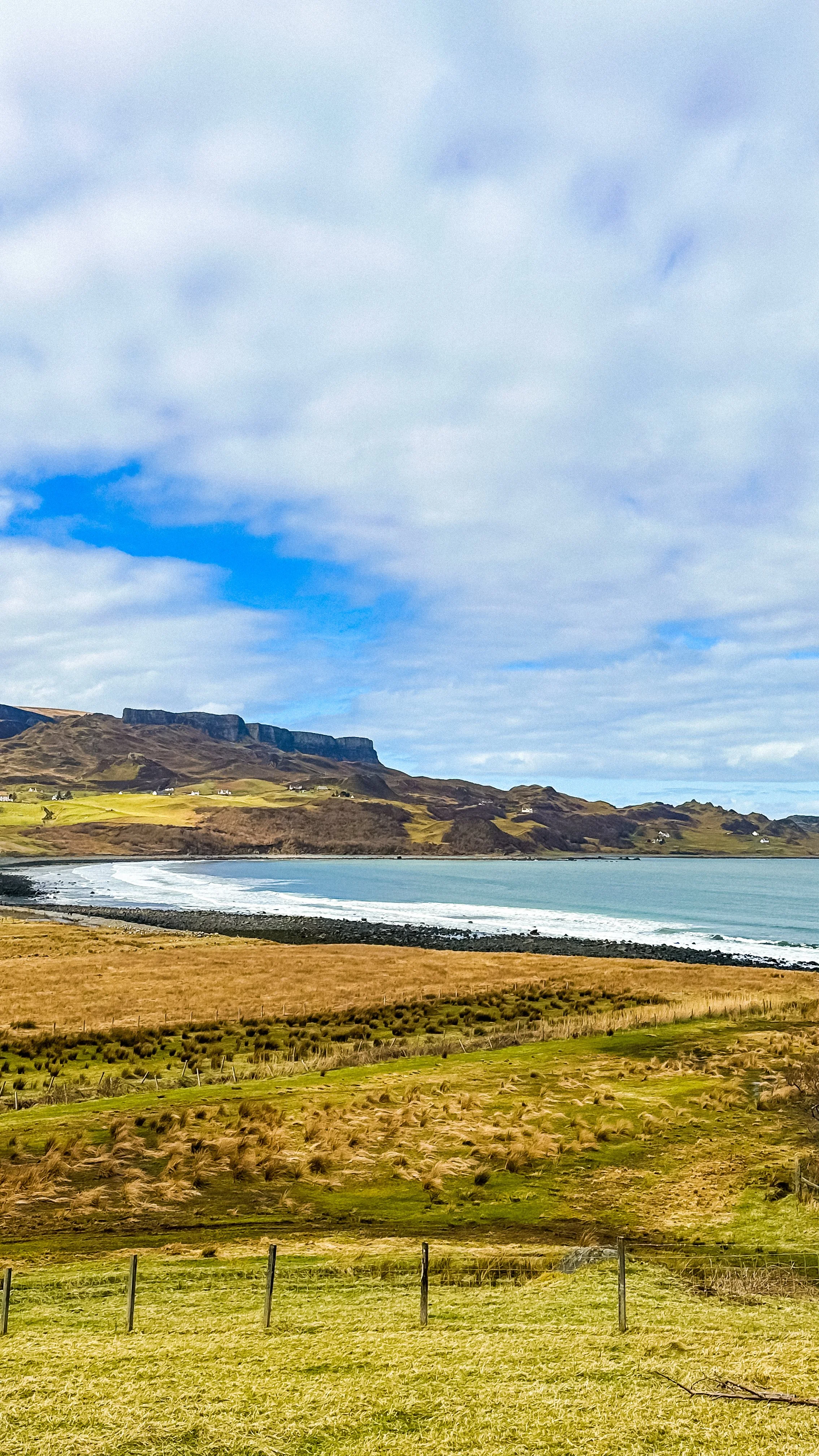
Staffin Bay and Mealt Falls
A coastal viewpoint where cliffs drop into the ocean and waterfalls descend directly into the sea.
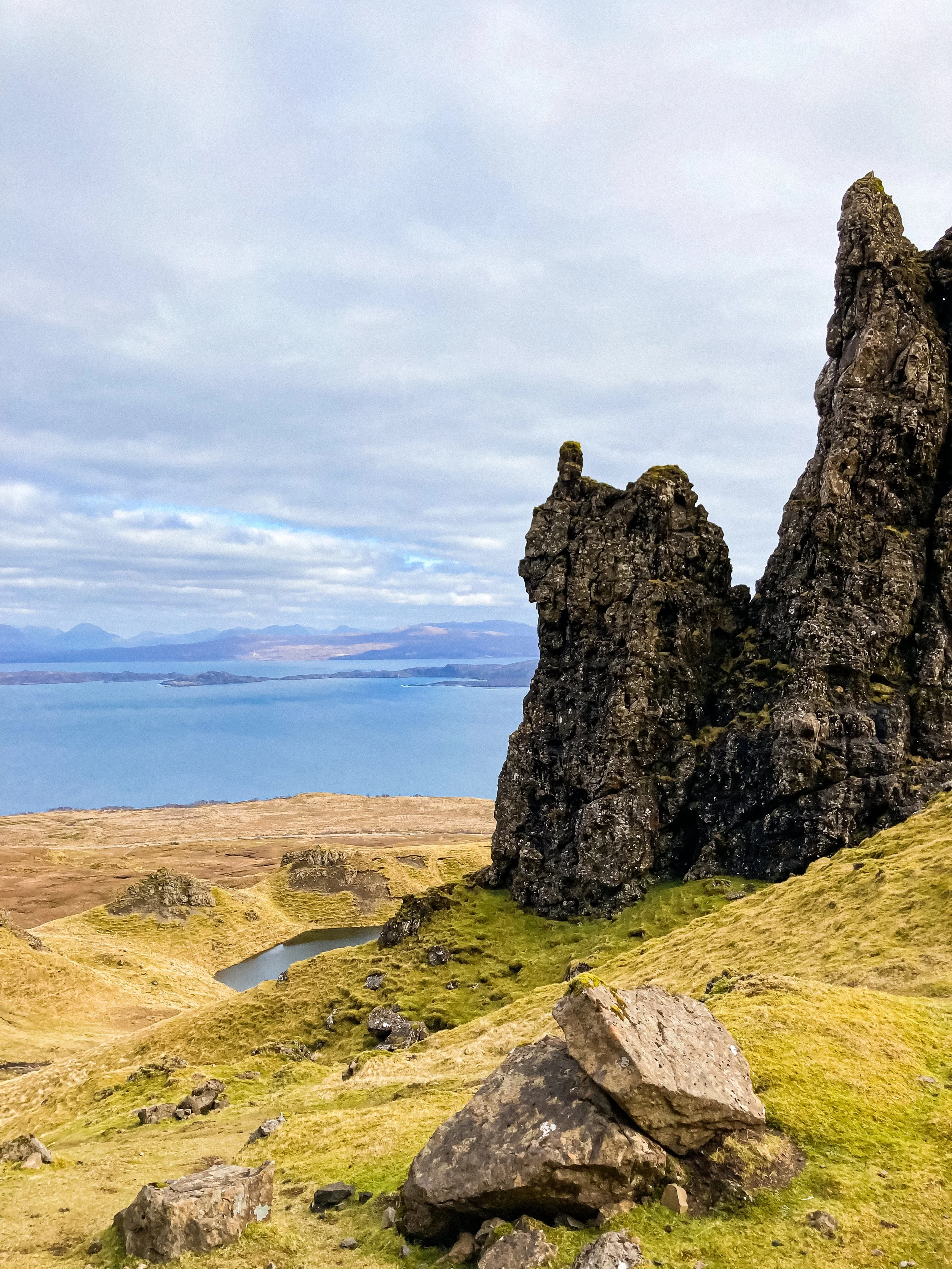
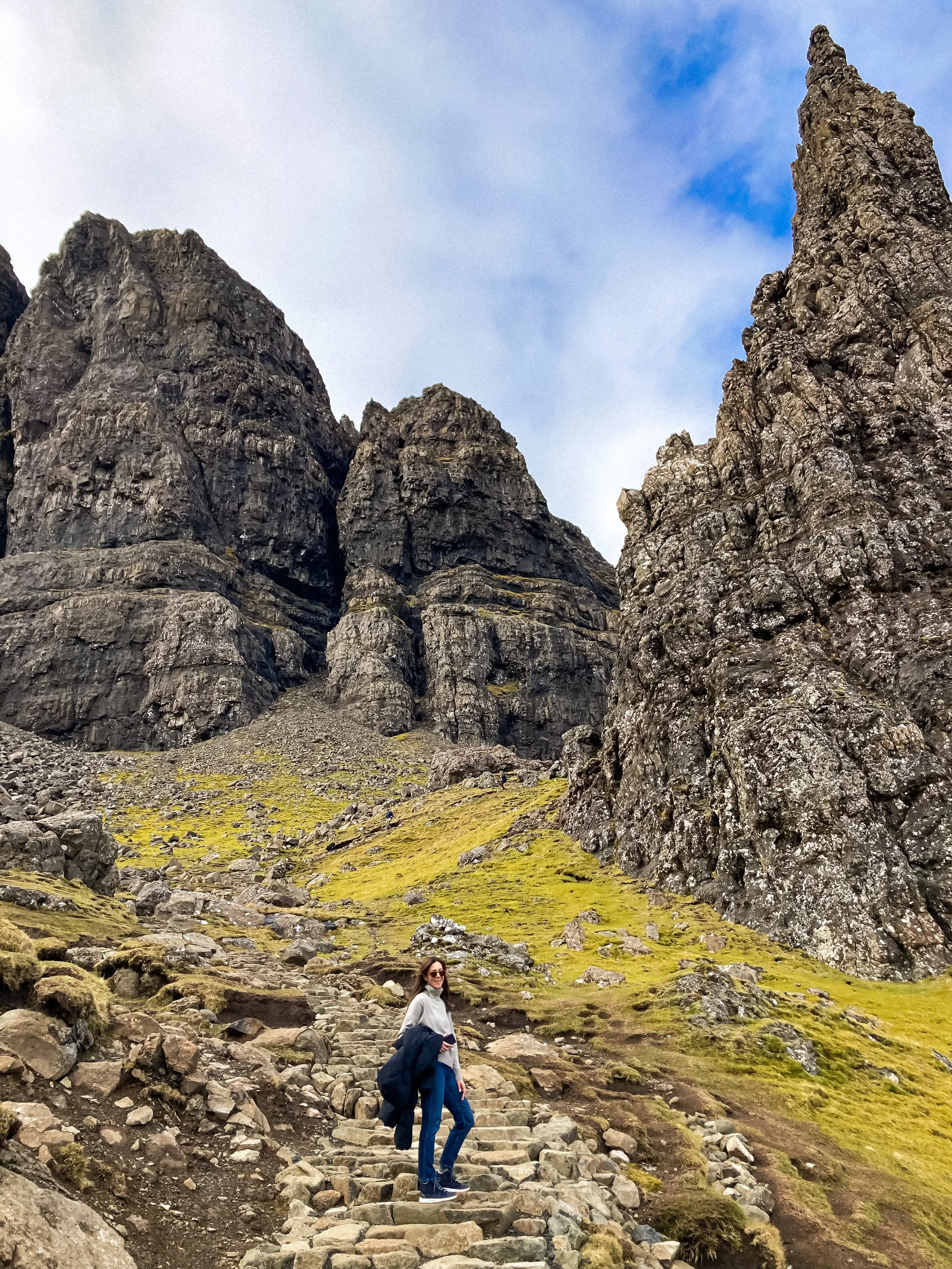
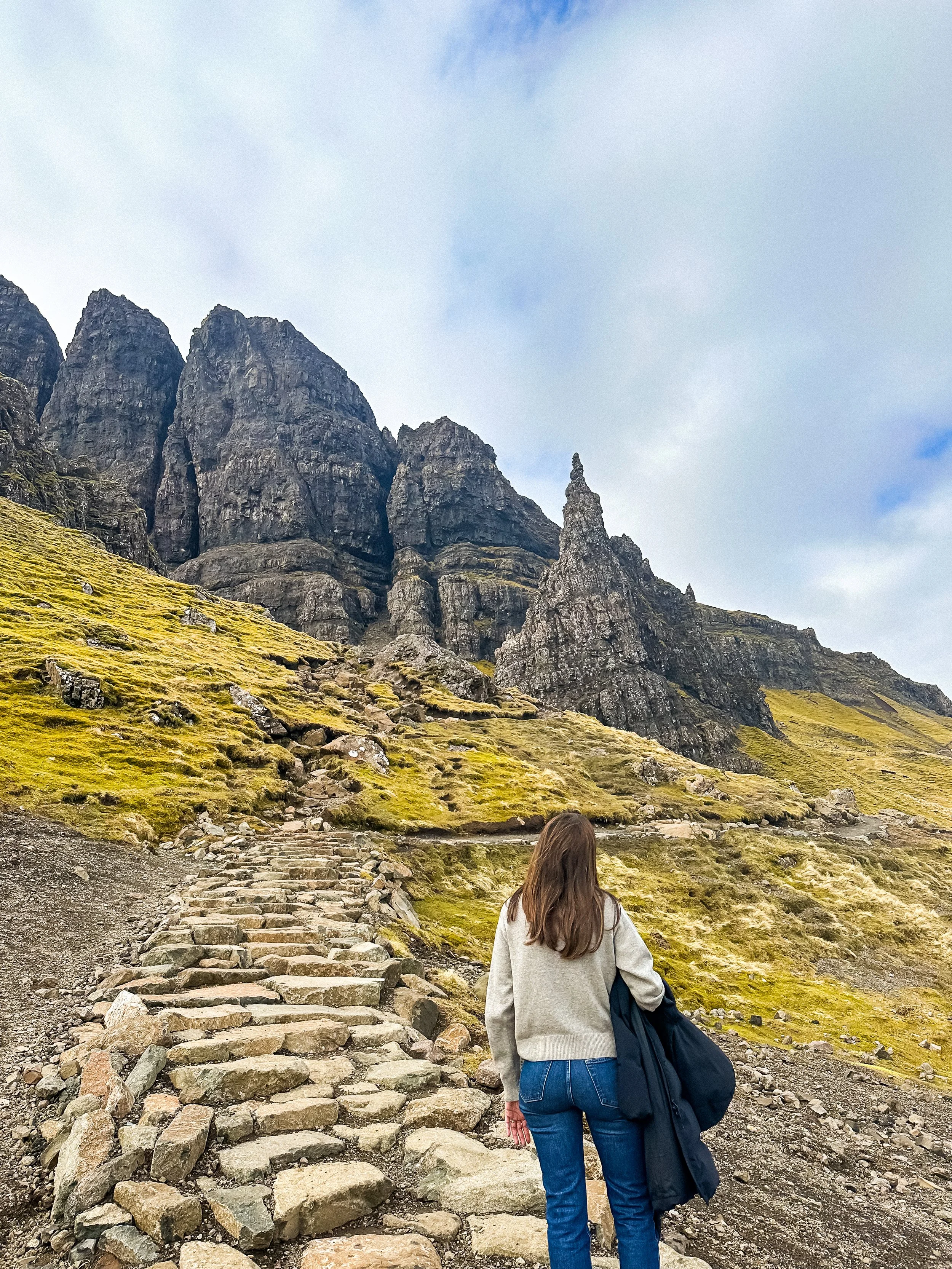
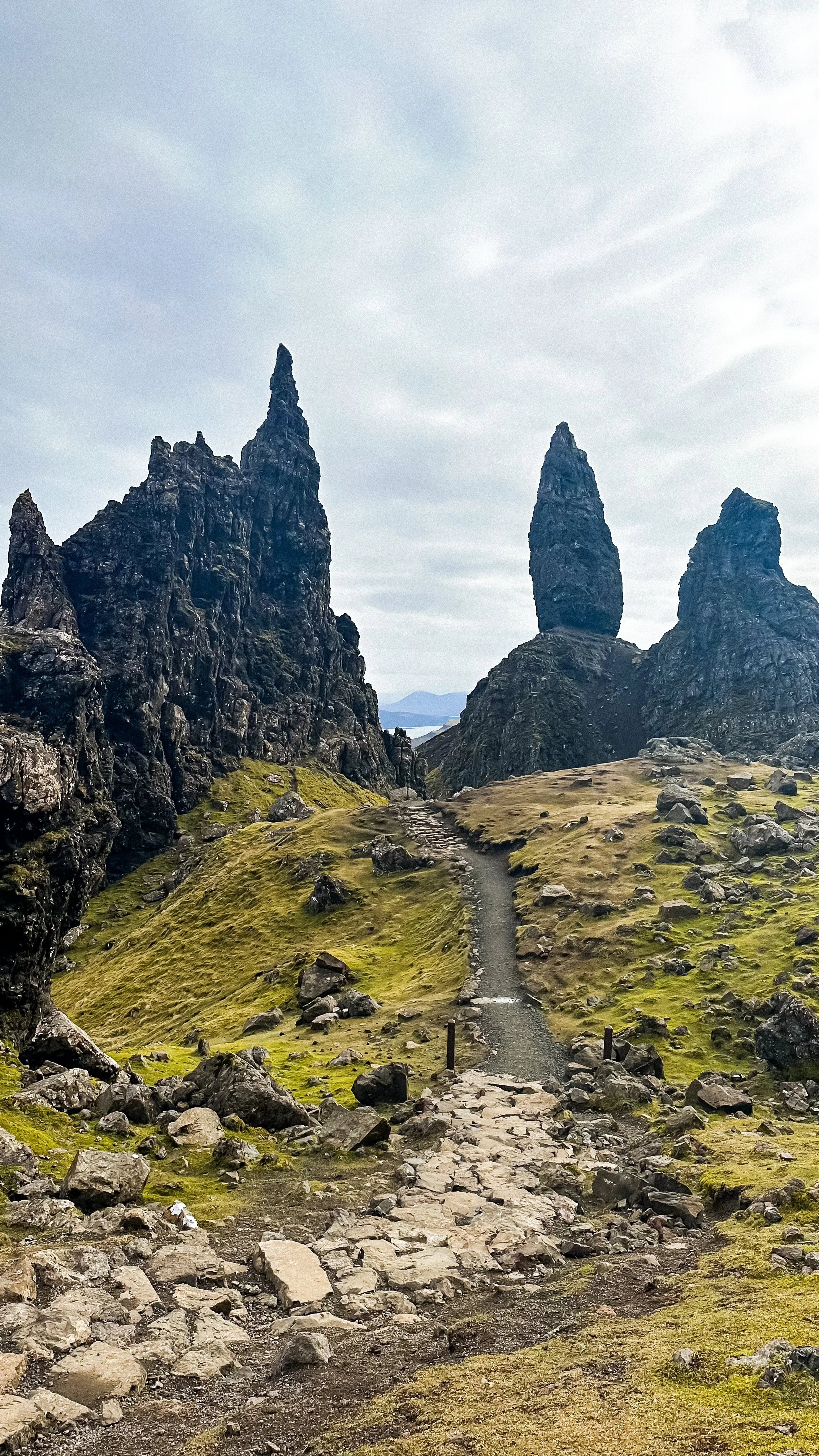
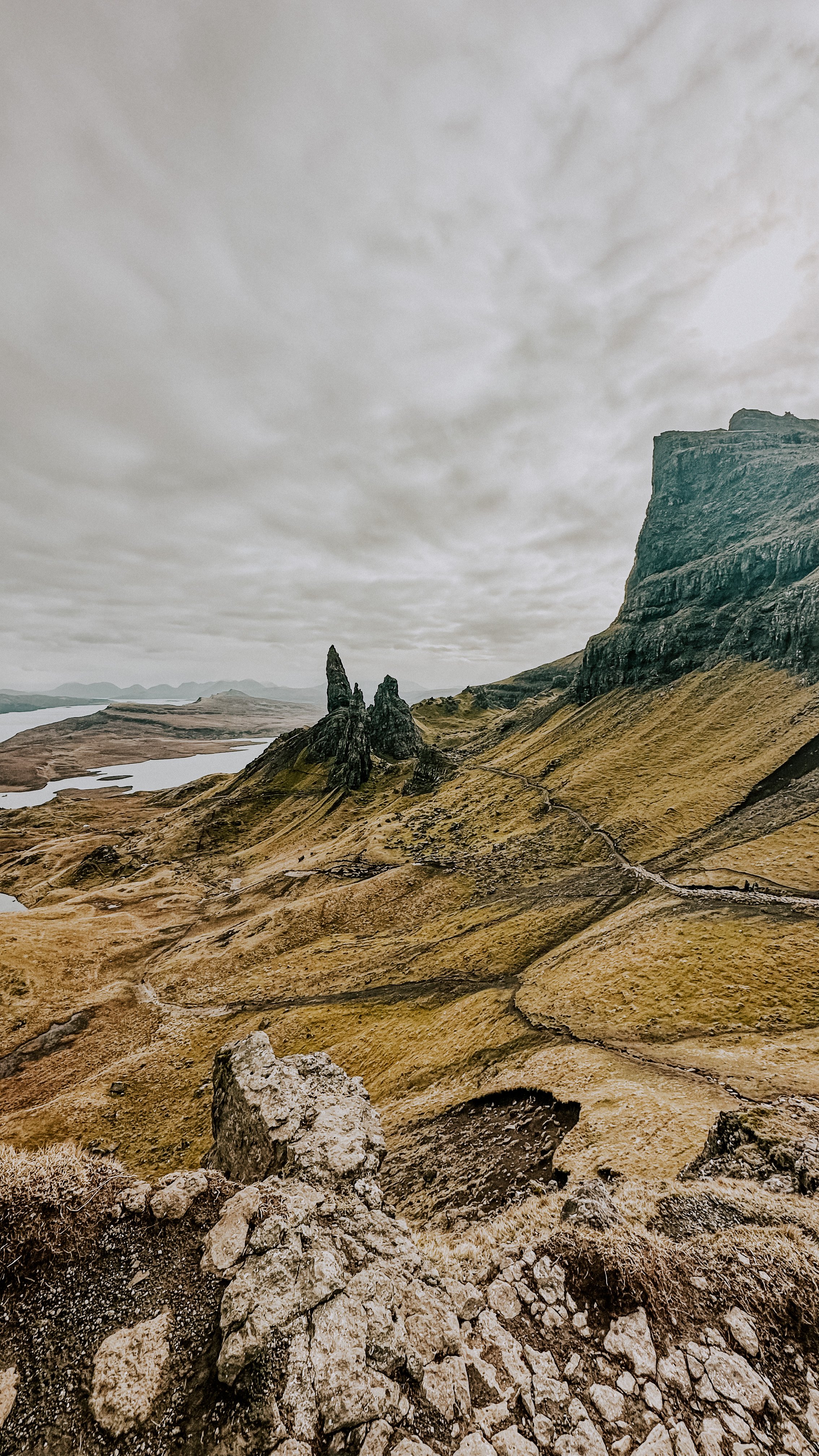
Old Man of Storr
A legendary basalt pinnacle shaped by natural forces and surrounded by ancient storytelling. The hike is steep and takes around two to three hours but the view is unforgettable.
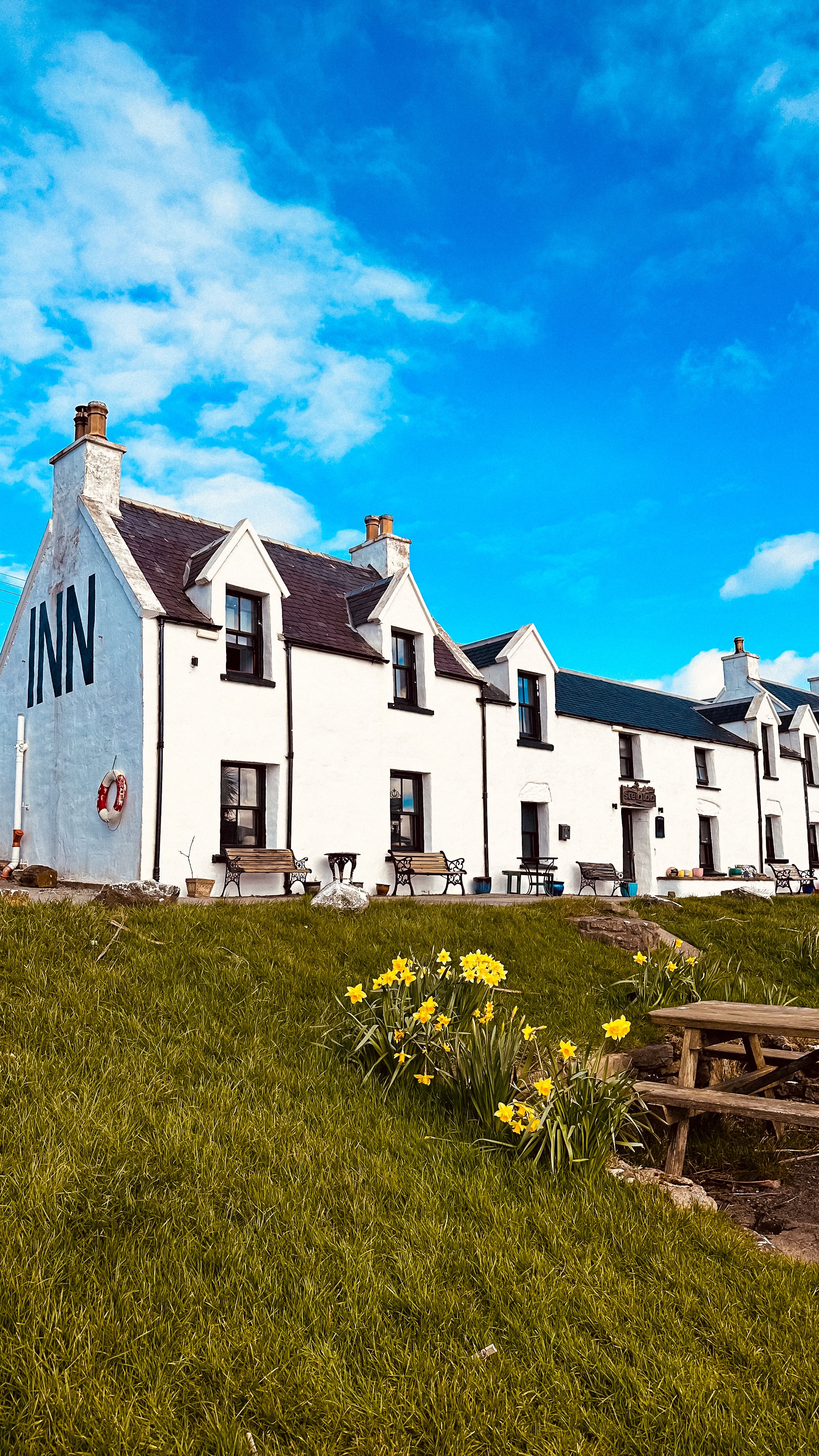
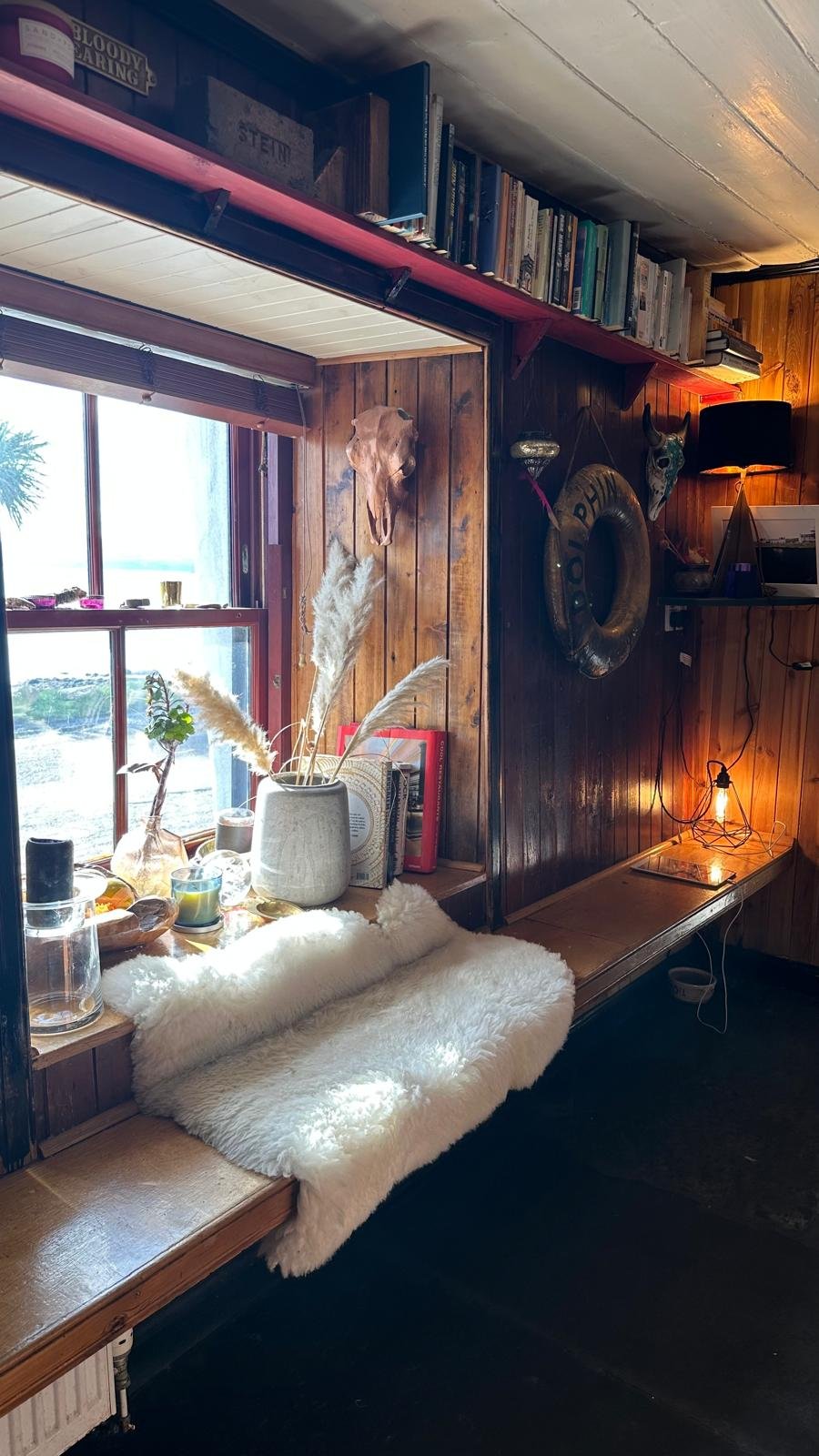
Stein Village
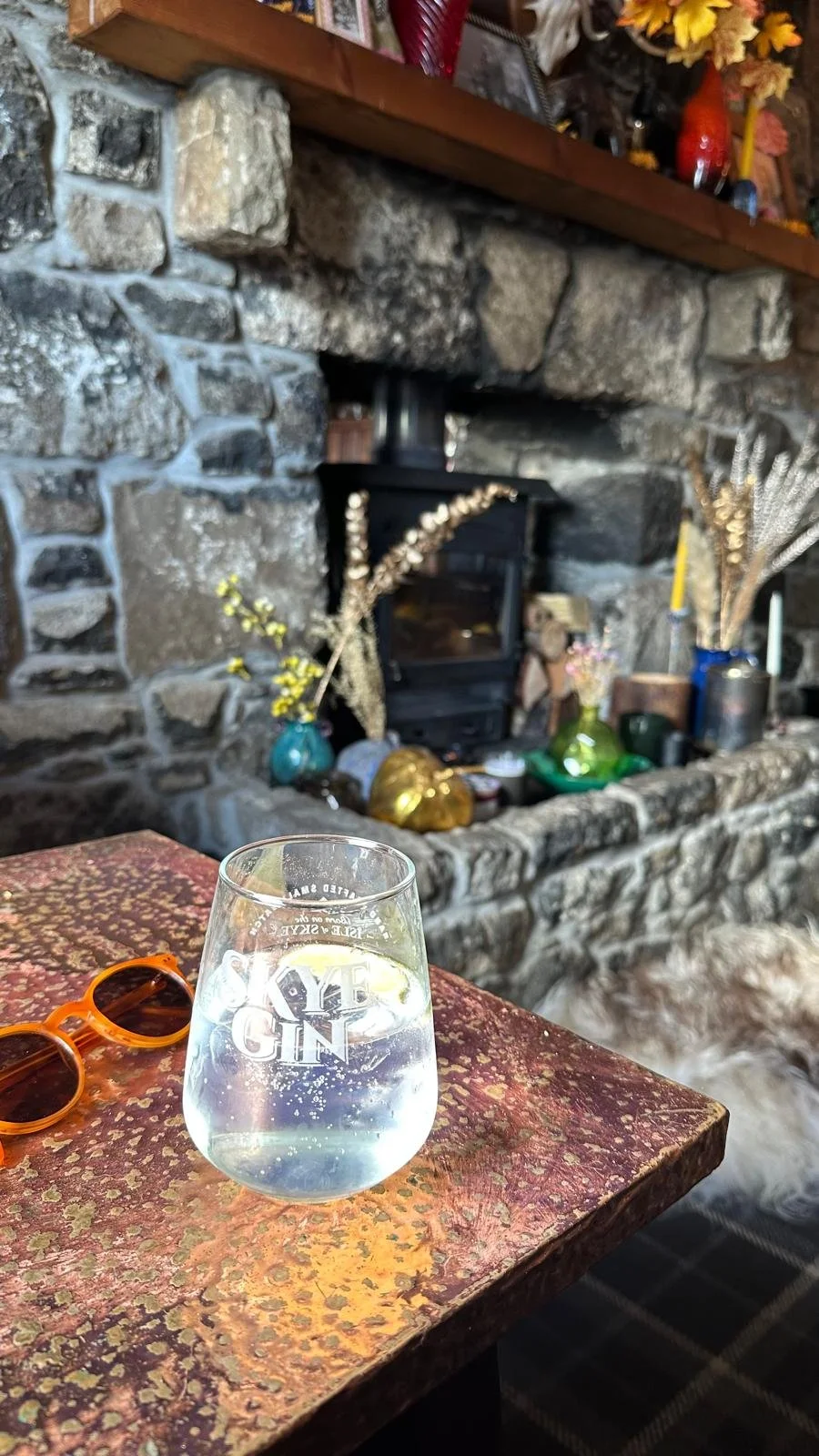
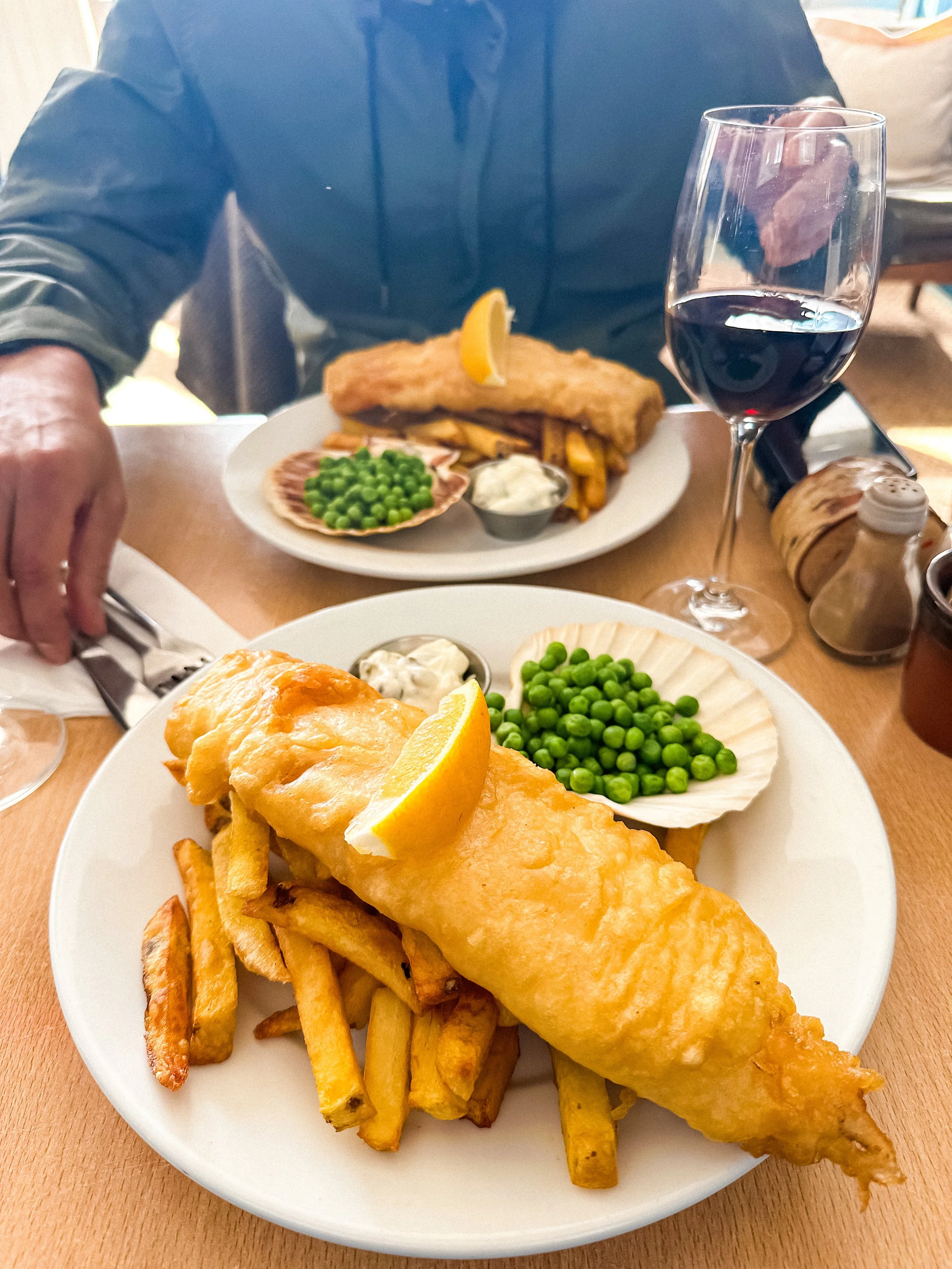
Home to a charming seaside inn serving locally sourced dishes. If you are a gin enthusiast, the Isle of Harris Gin is a must-try.
Dunvegan Castle and Talisker Distillery
Two Highland classics. The castle opens seasonally and Talisker reveals the craftsmanship behind one of Scotland’s most emblematic whiskies.
Neist Point Lighthouse
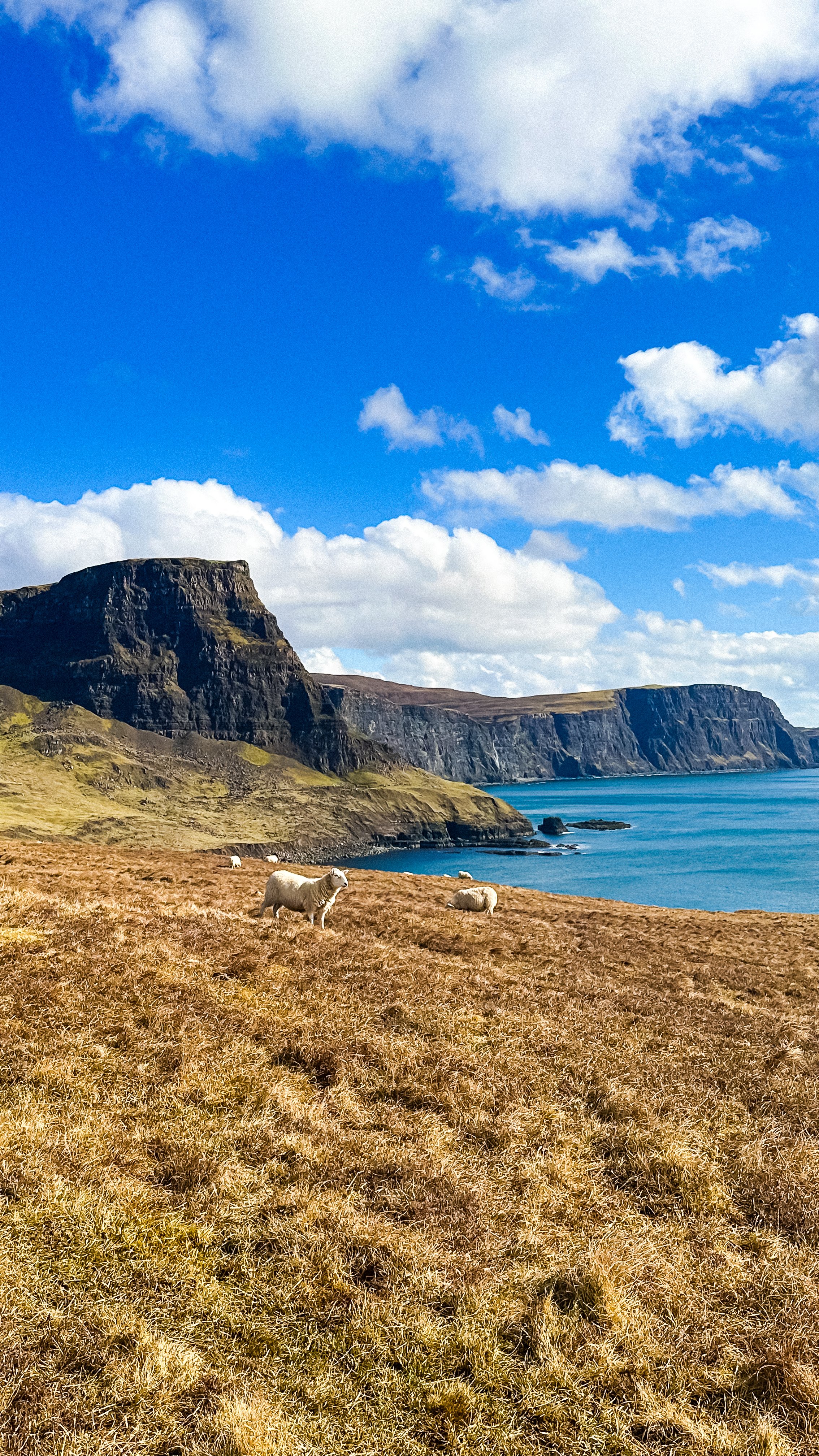
Arguably one of Skye’s most cinematic sights. Rugged cliffs, roaring winds, endless ocean and sheep grazing with indifference to the dramatic panorama.
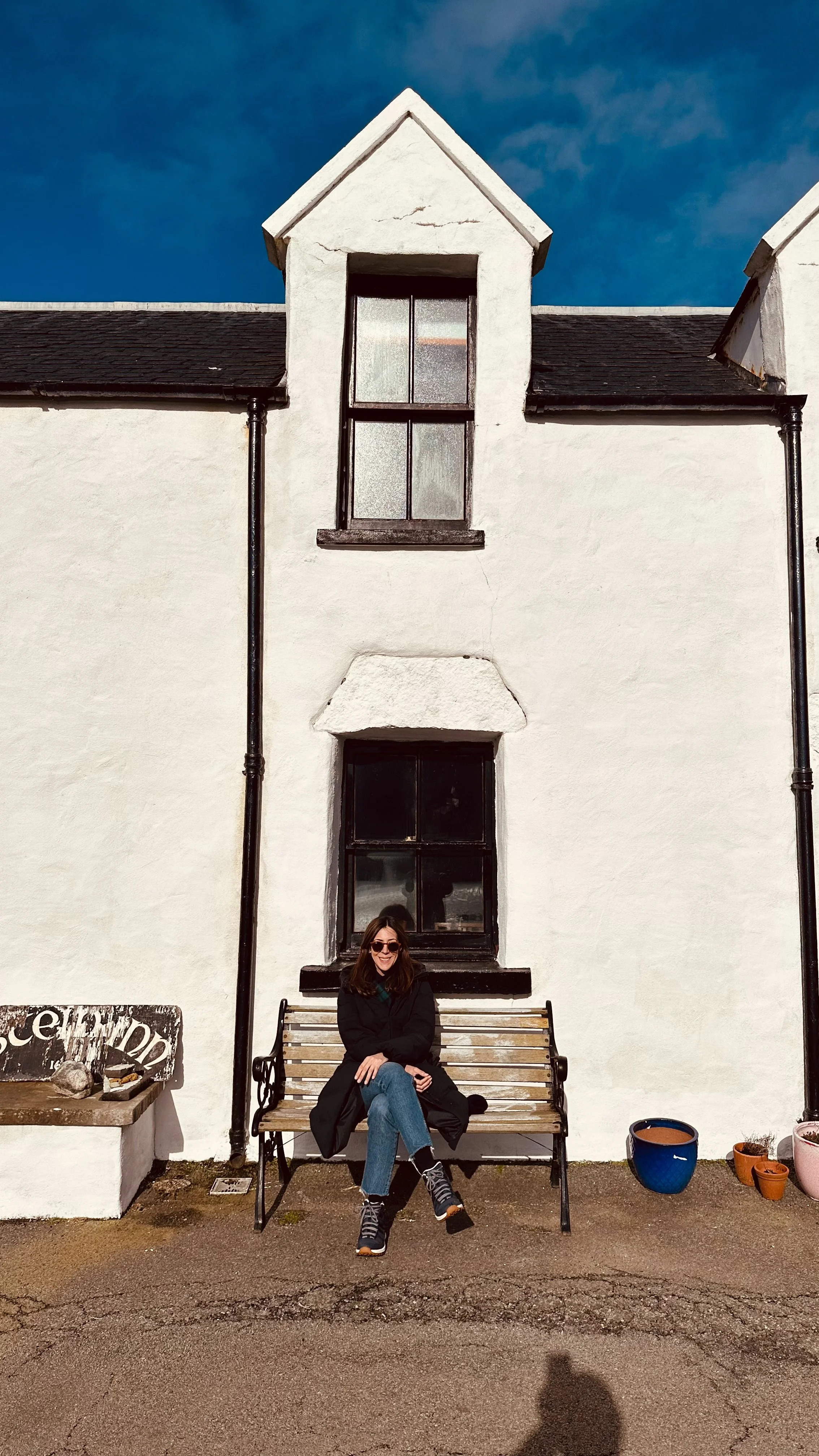
Fairy Pools and Sligachan
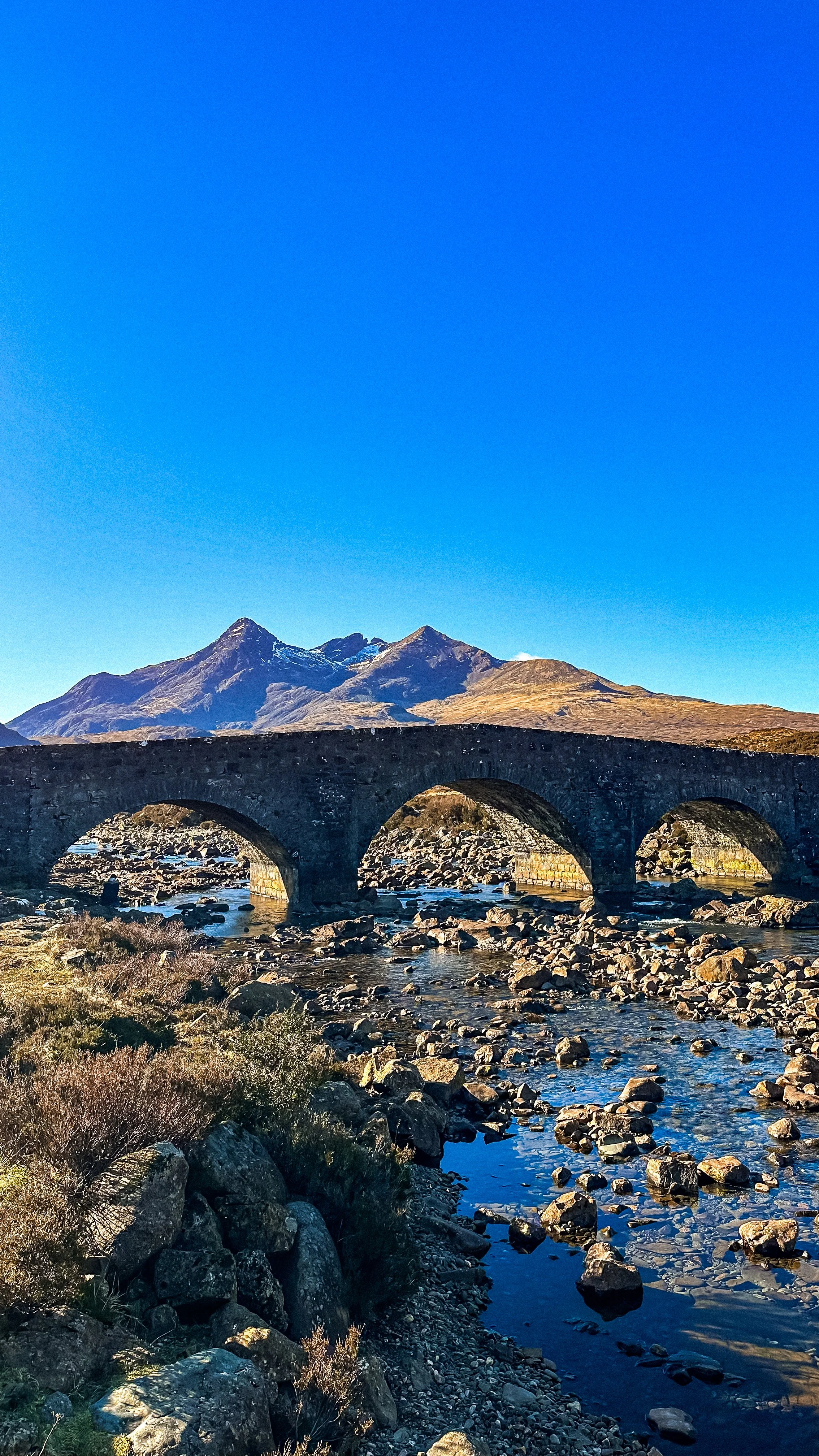
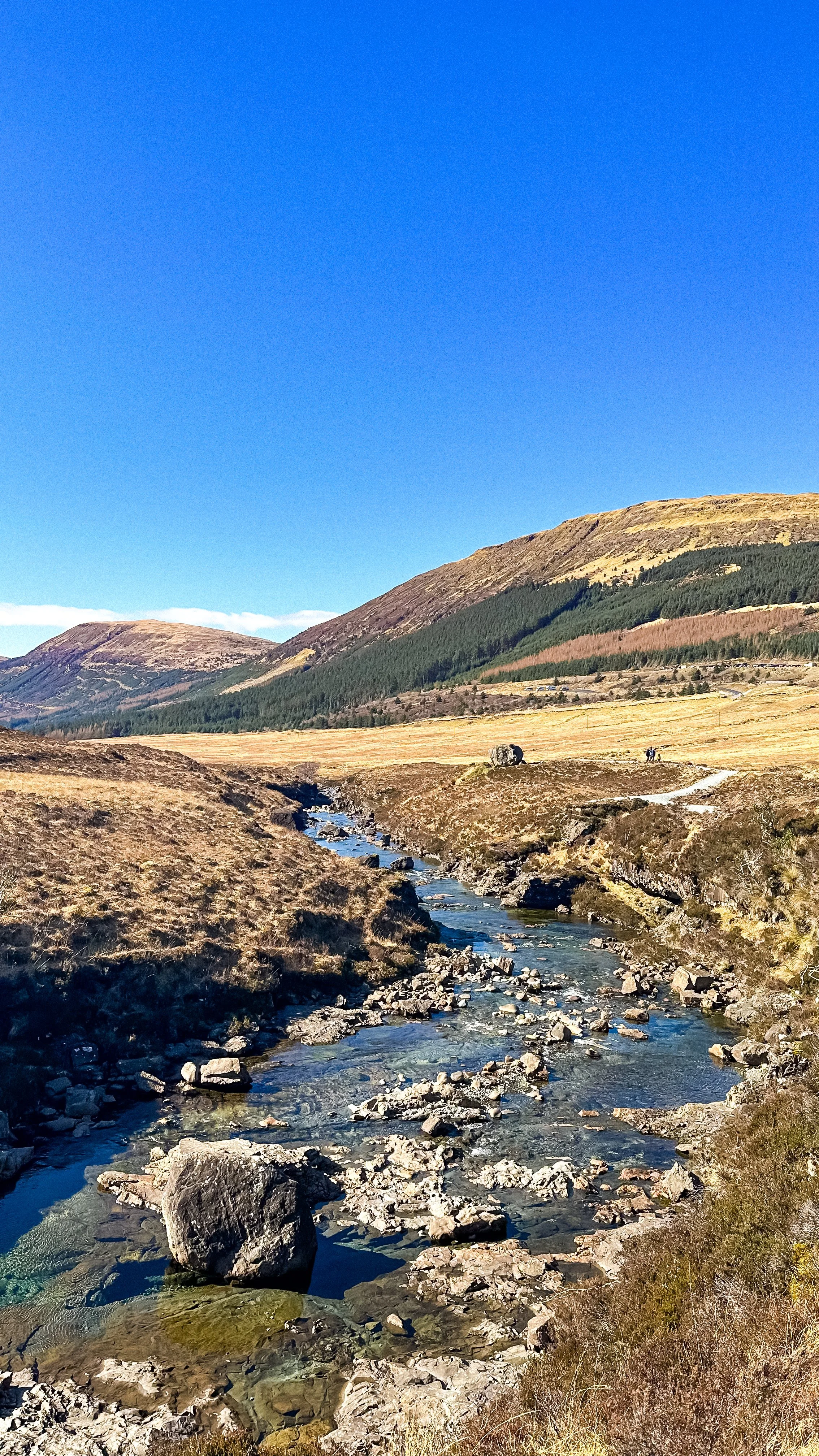
Crystal-clear pools formed by glacial water at the foot of the Cuillin mountains. Nearby lies Sligachan Bridge, tied to a local legend that suggests its water brings eternal youth to those who immerse their face.
Expect rain, sun, snow, fog and rainbows — sometimes all within the same hour. Skye is a living theatre of weather.
From Skye to Inverness: Castles, Battlefields and Silent Lochs
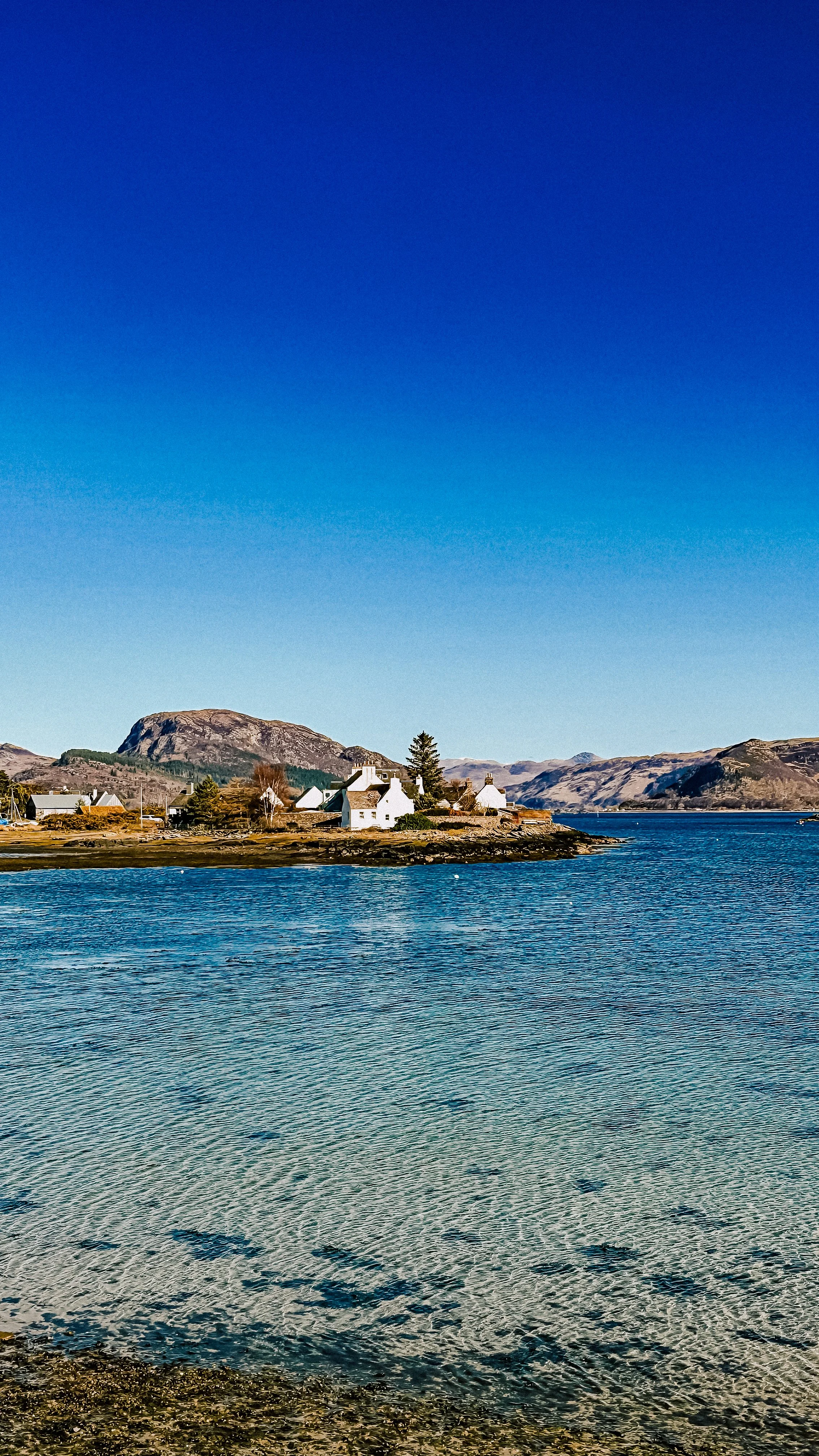
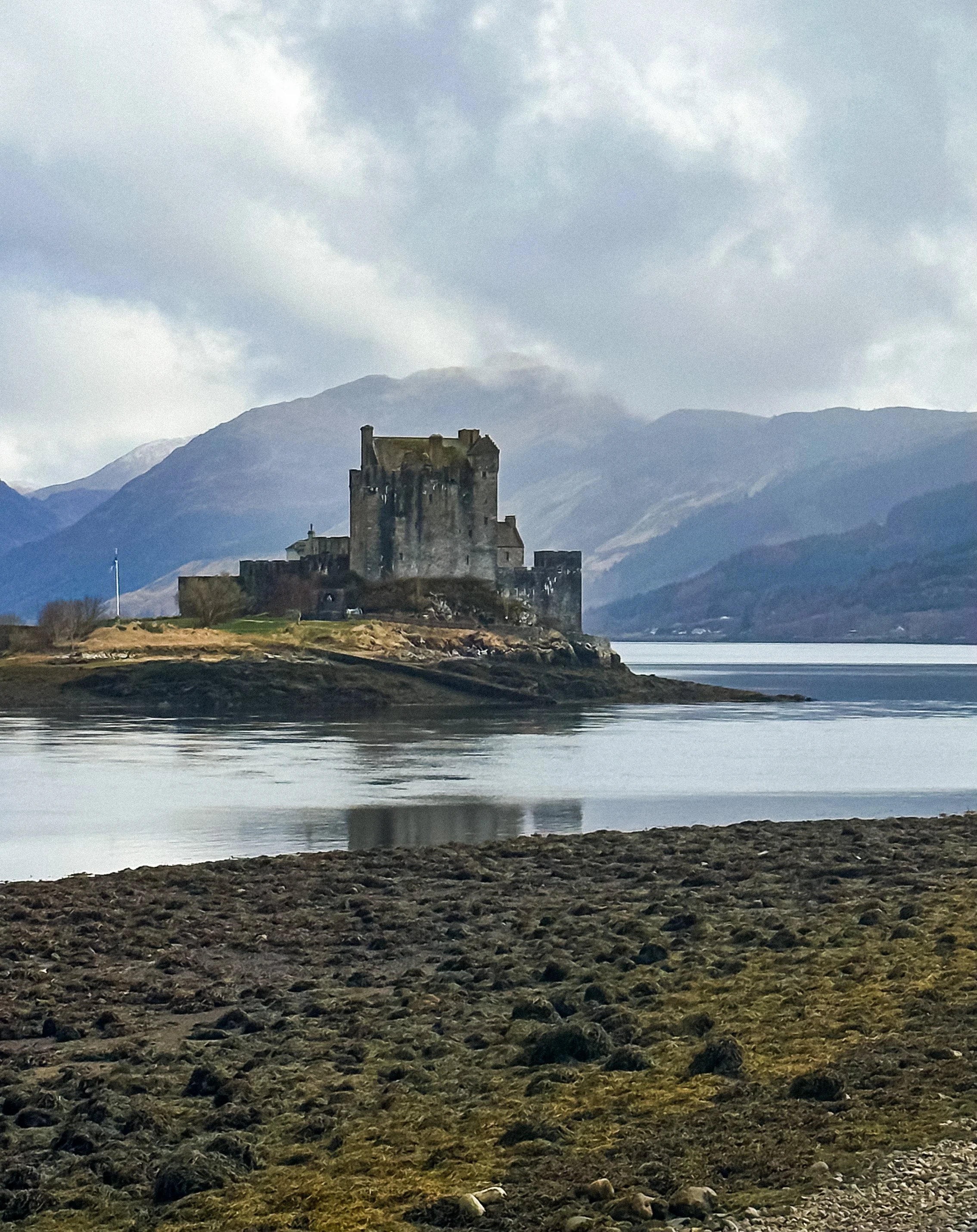
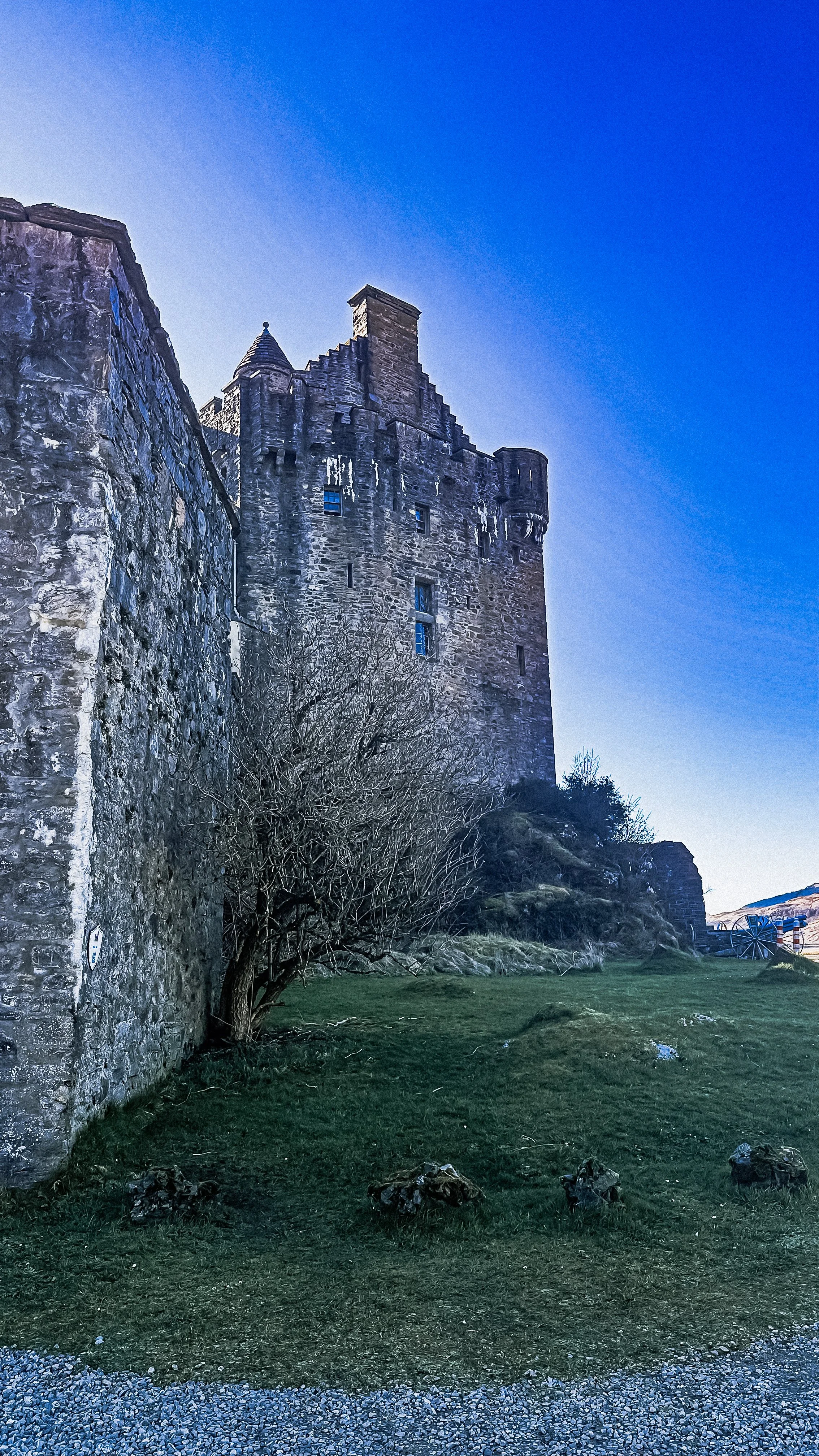
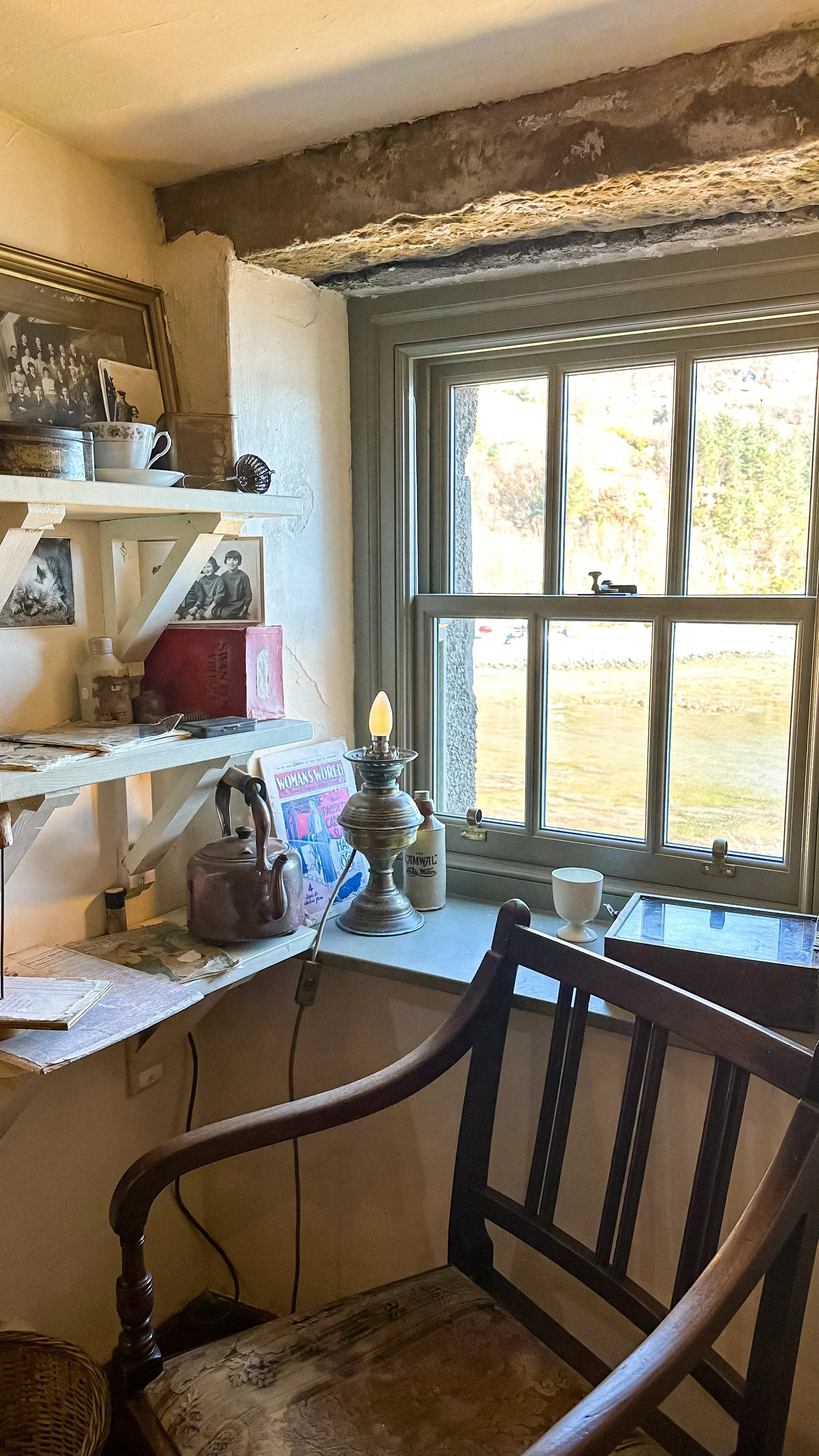
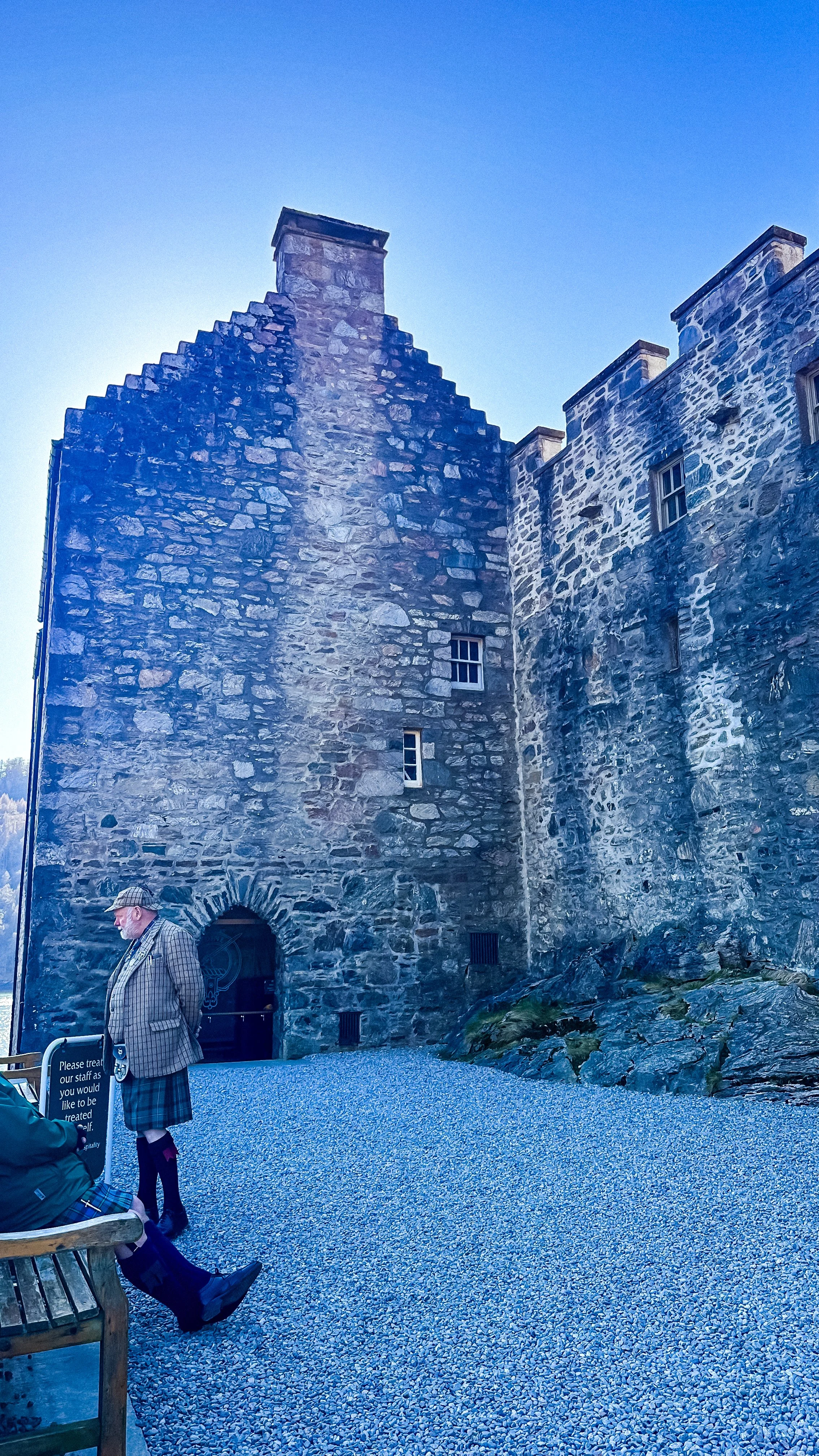
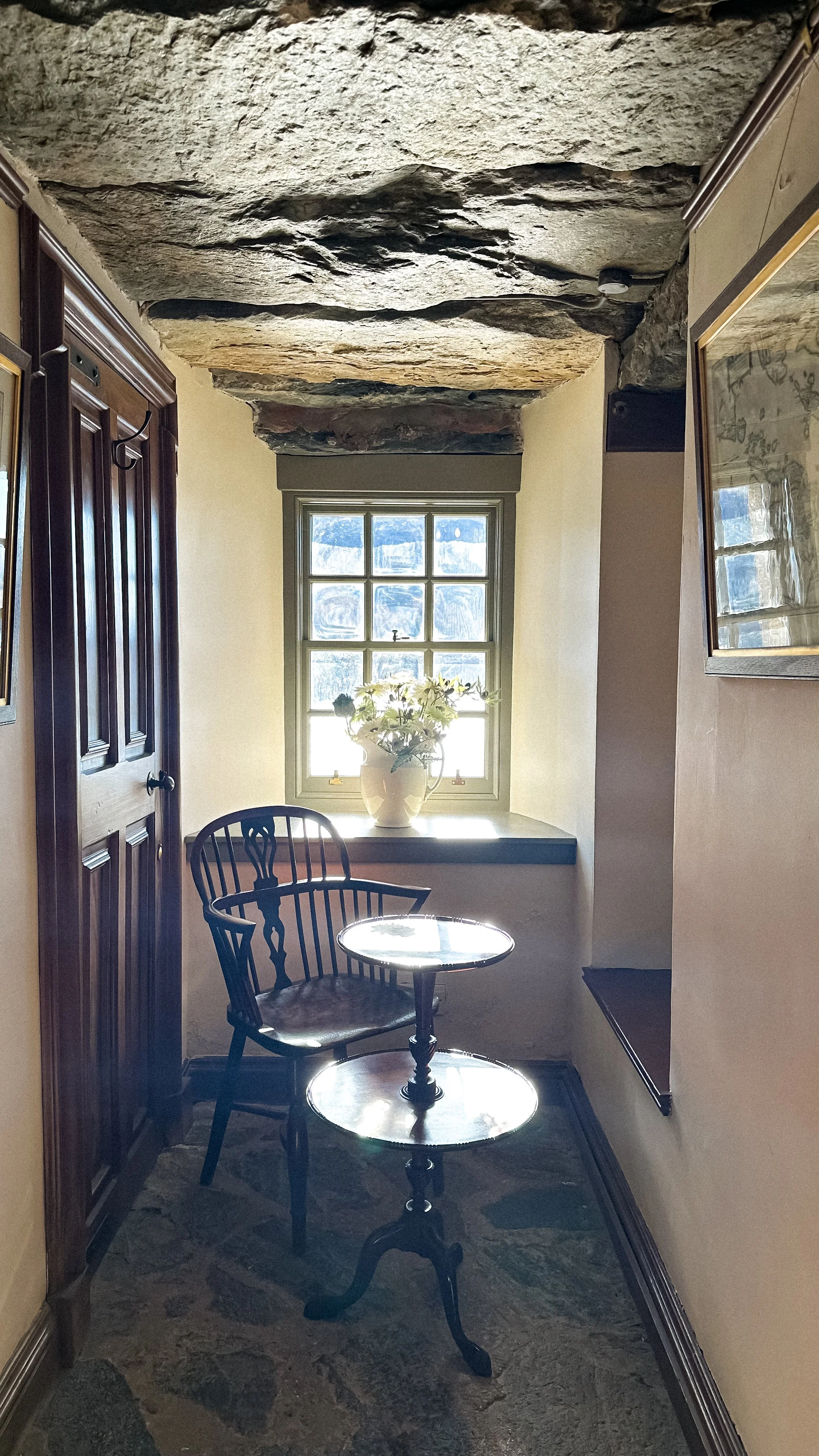
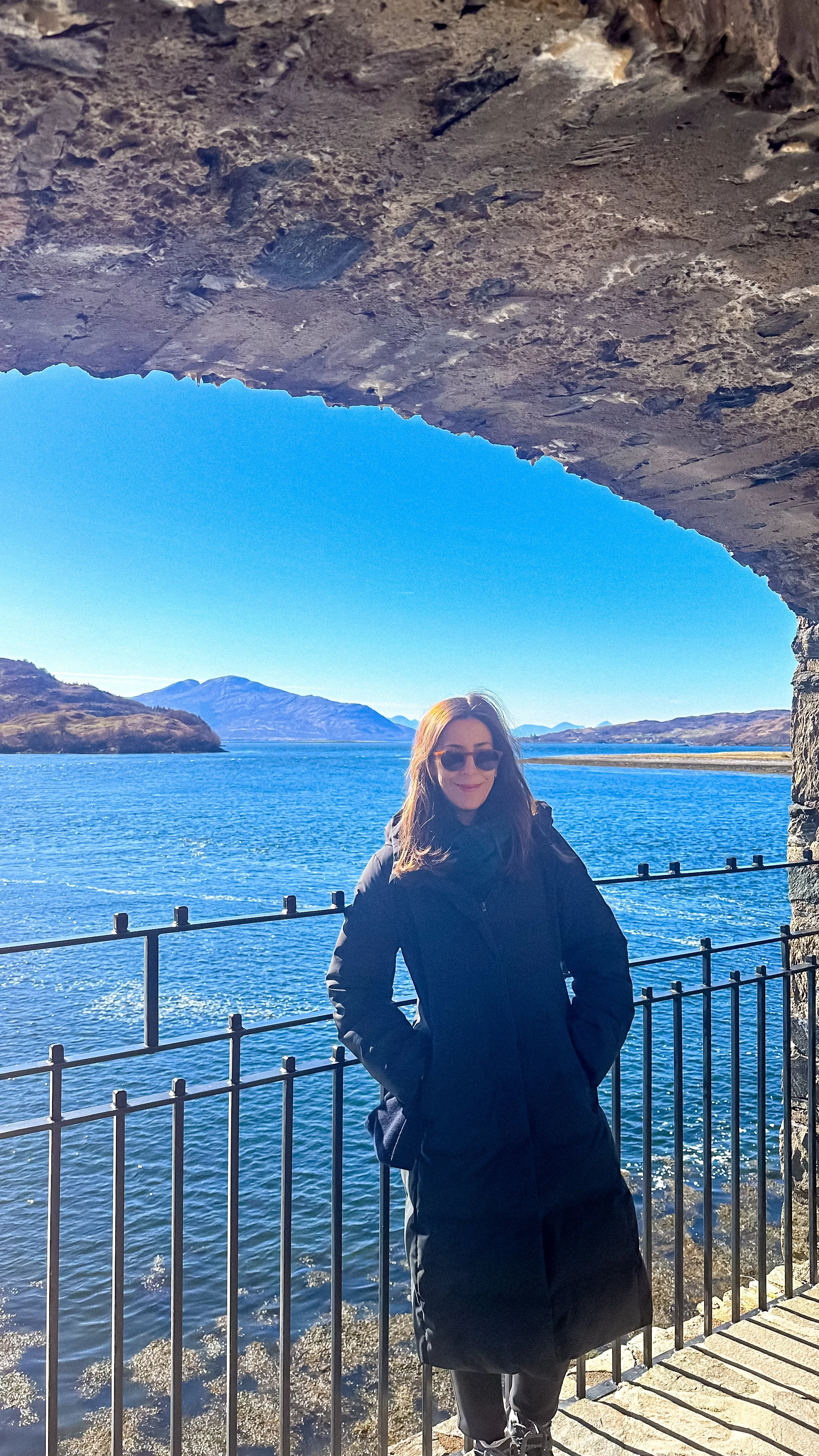
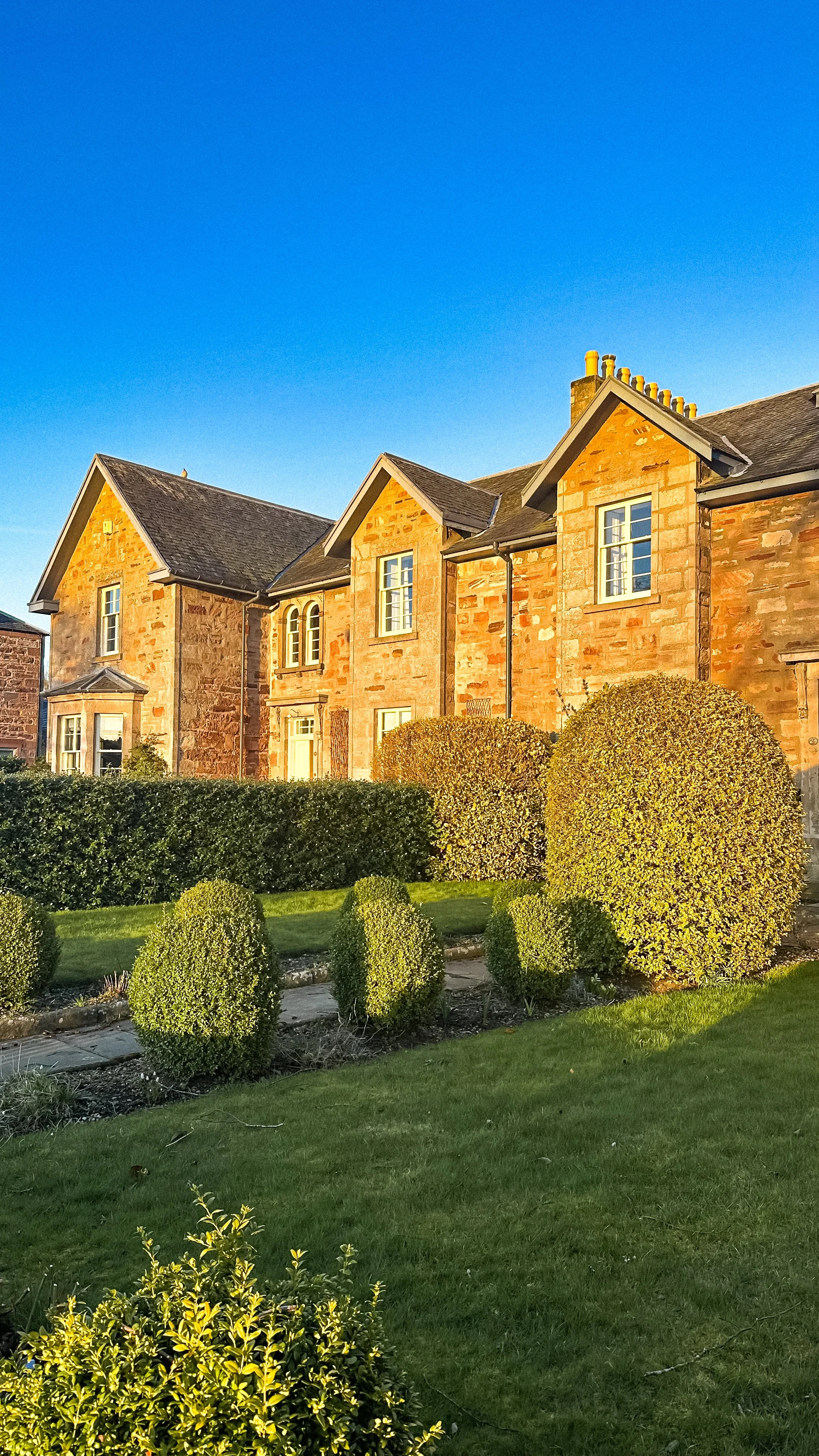
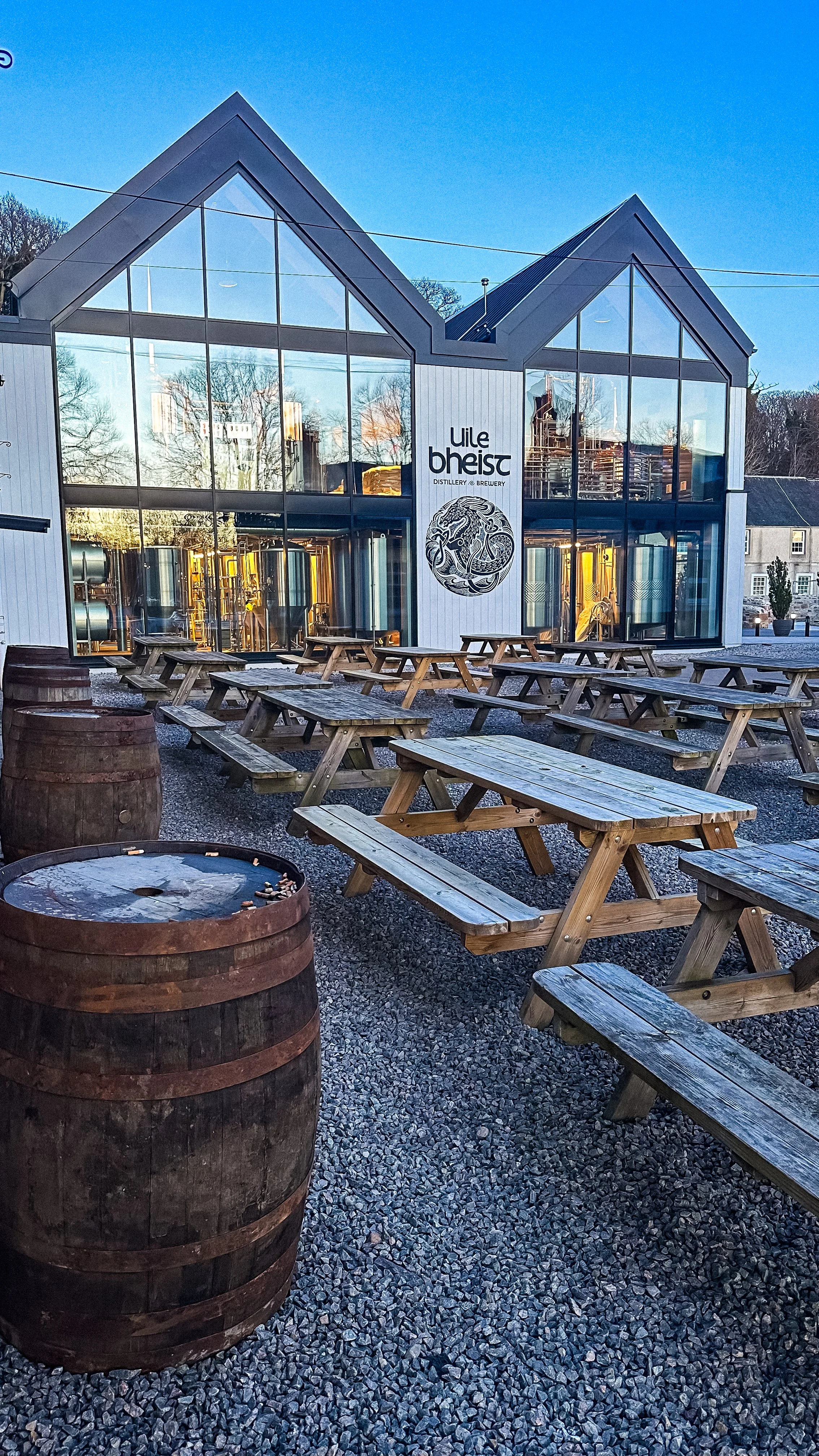
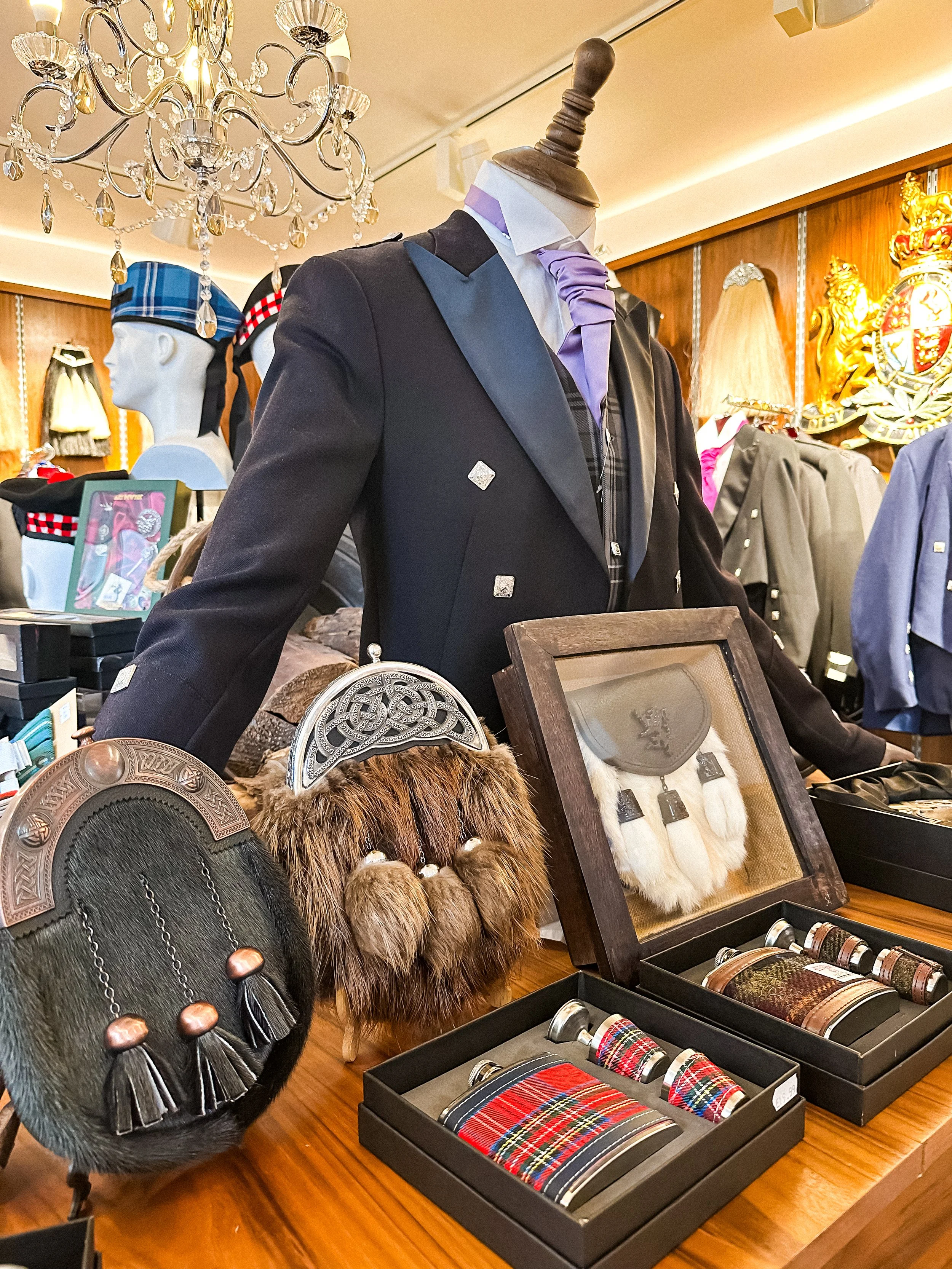
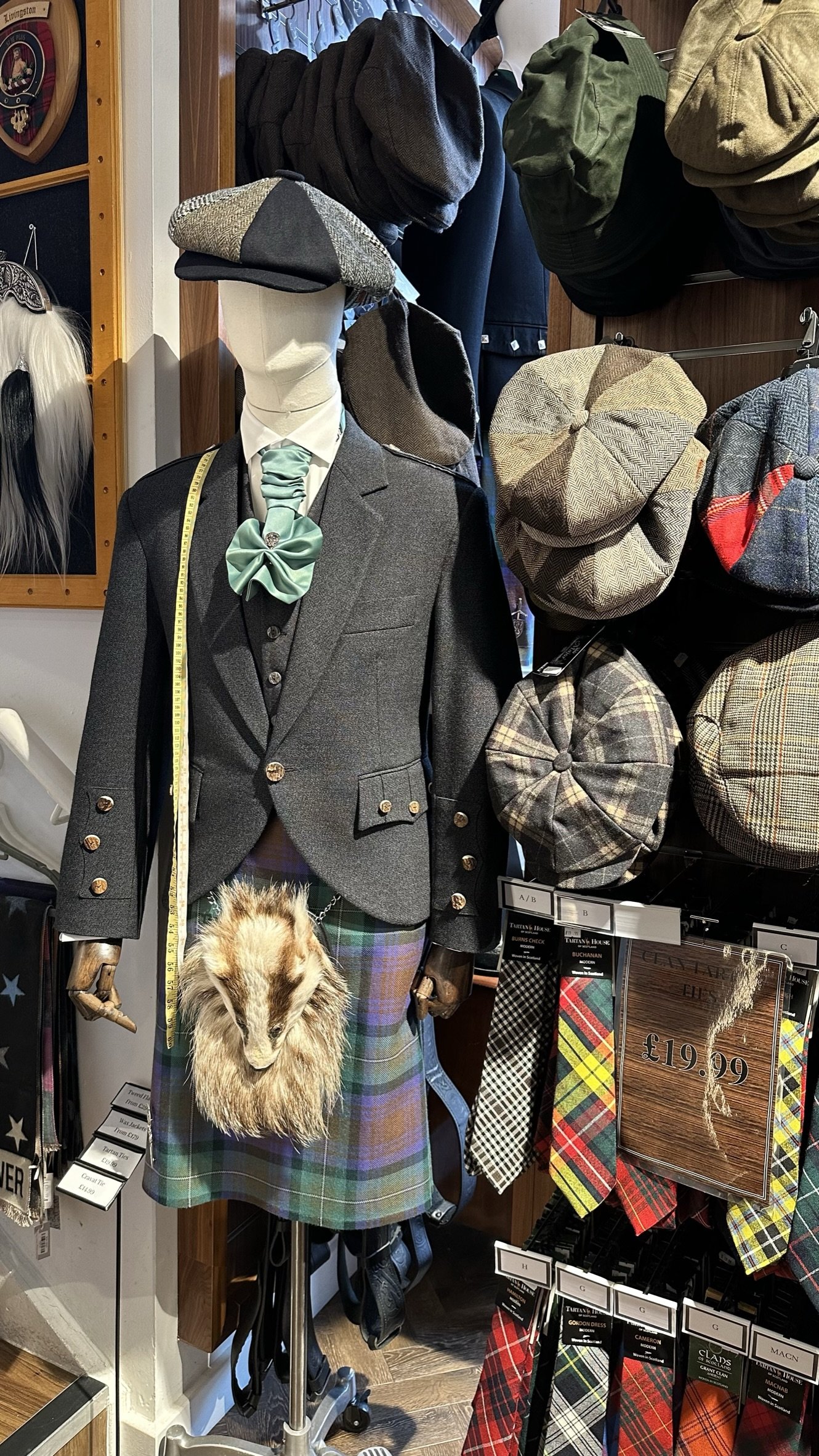
Leaving Skye, we stopped in Plockton, a charming fishing village with tranquil waters, palm trees carried by the Gulf Stream and postcard views. Nearby stands the majestic Eilean Donan Castle, one of Scotland’s most photographed sites. Originally built in the thirteenth century and later destroyed, it was fully reconstructed in the twentieth century and stands today as a proud symbol of resilience.
The journey continued to Inverness, the capital of the Highlands.
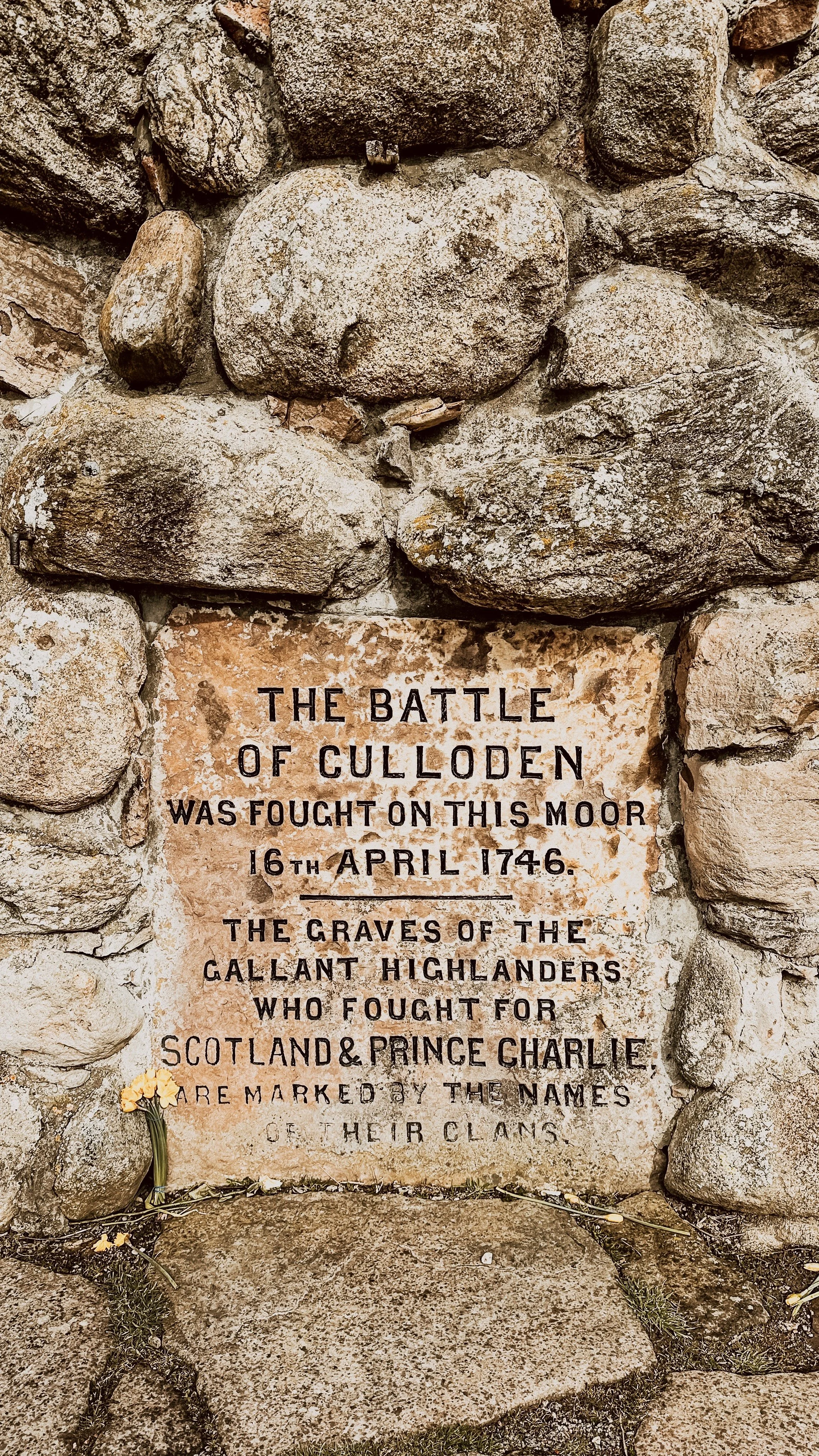
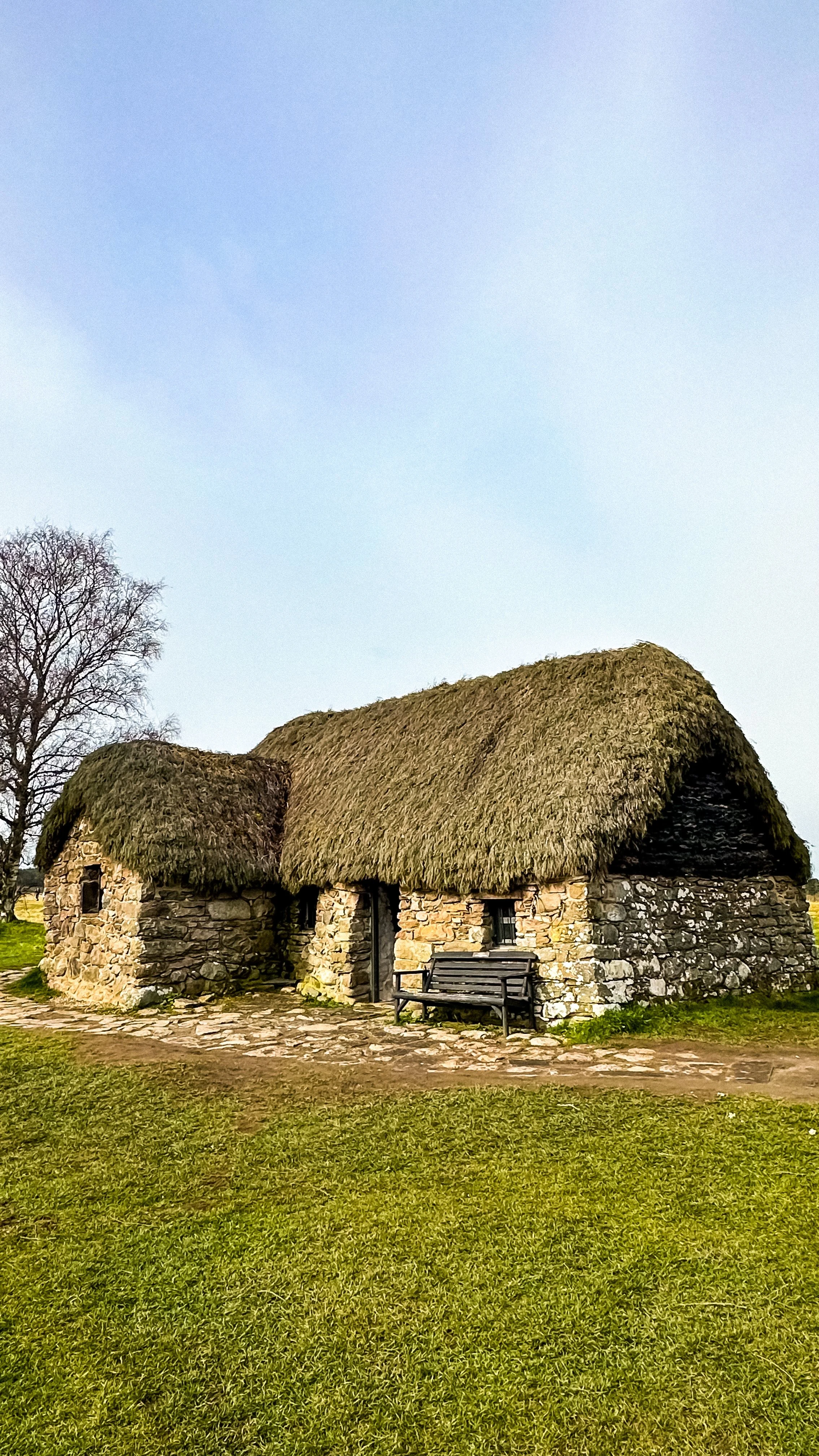
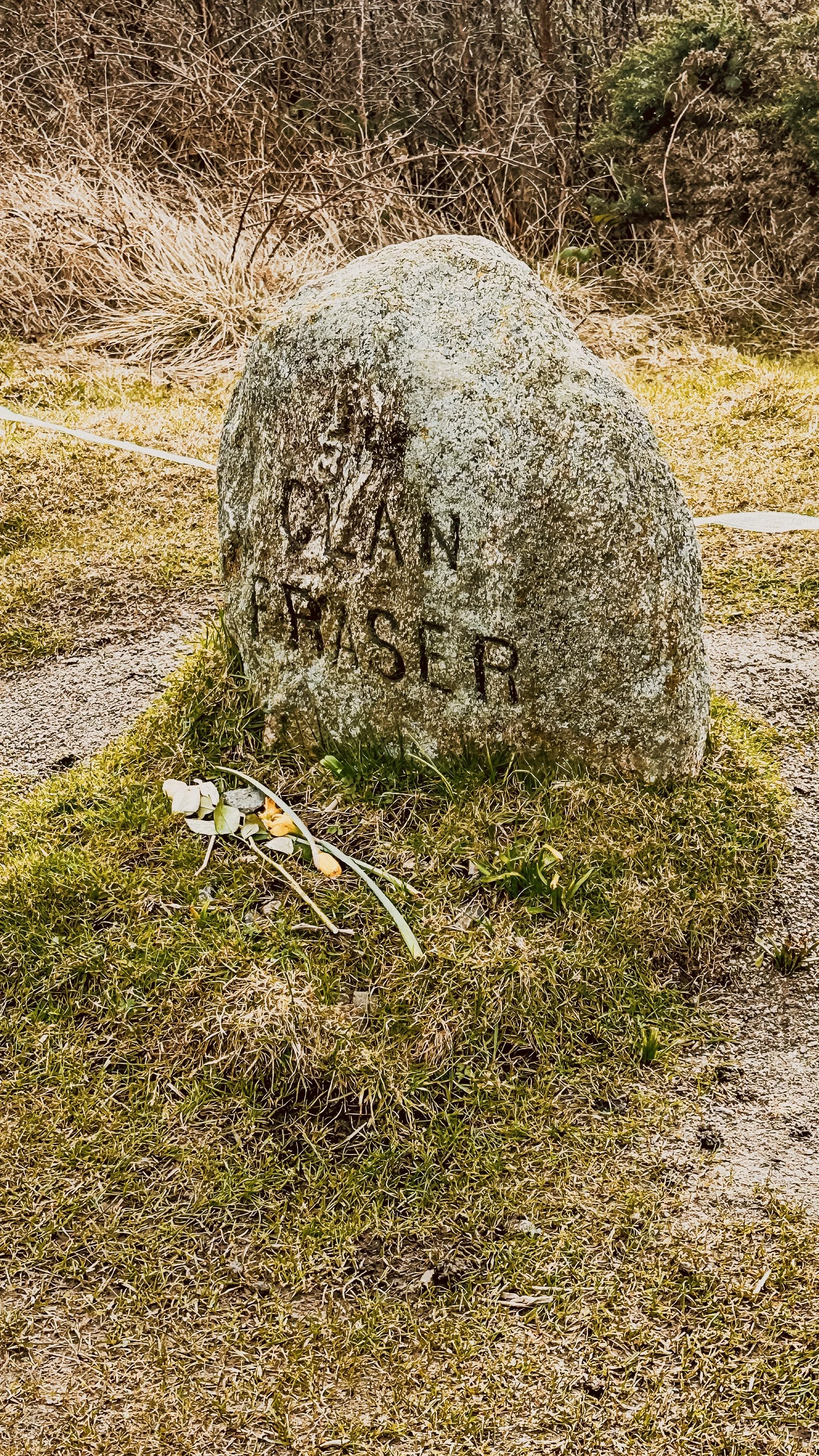
Close to the city lies Culloden Battlefield, the site of the tragic 1746 confrontation between Jacobite forces and the British army, marking the end of Highland clan culture as it once existed. The site remains profoundly emotional, surrounded by moorland winds and memorial stones.
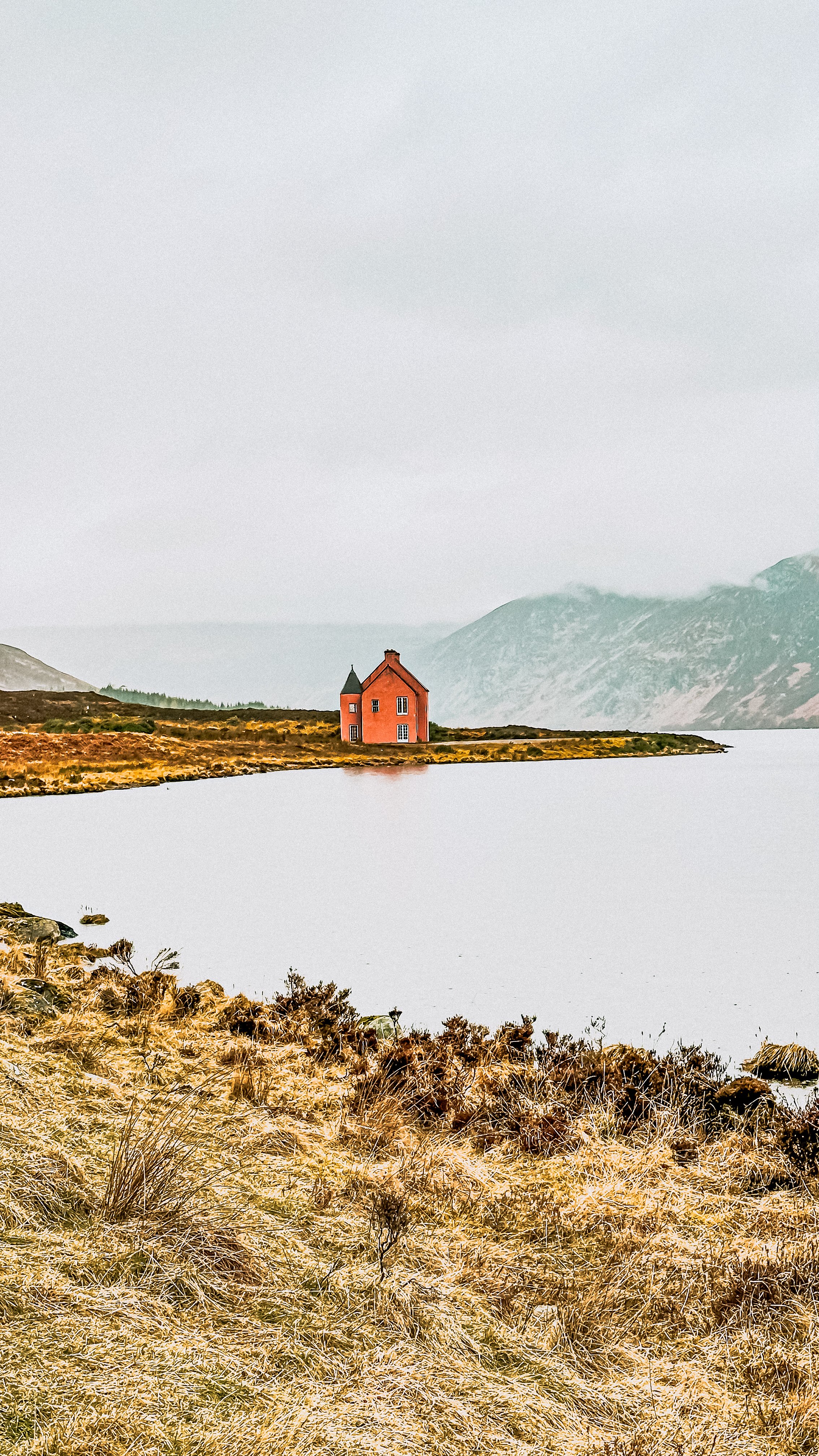
On the way, we also visited Loch Glass, associated with the pink house surrounded by solitary landscapes, and the Urquhart Castle ruins overlooking Loch Ness.
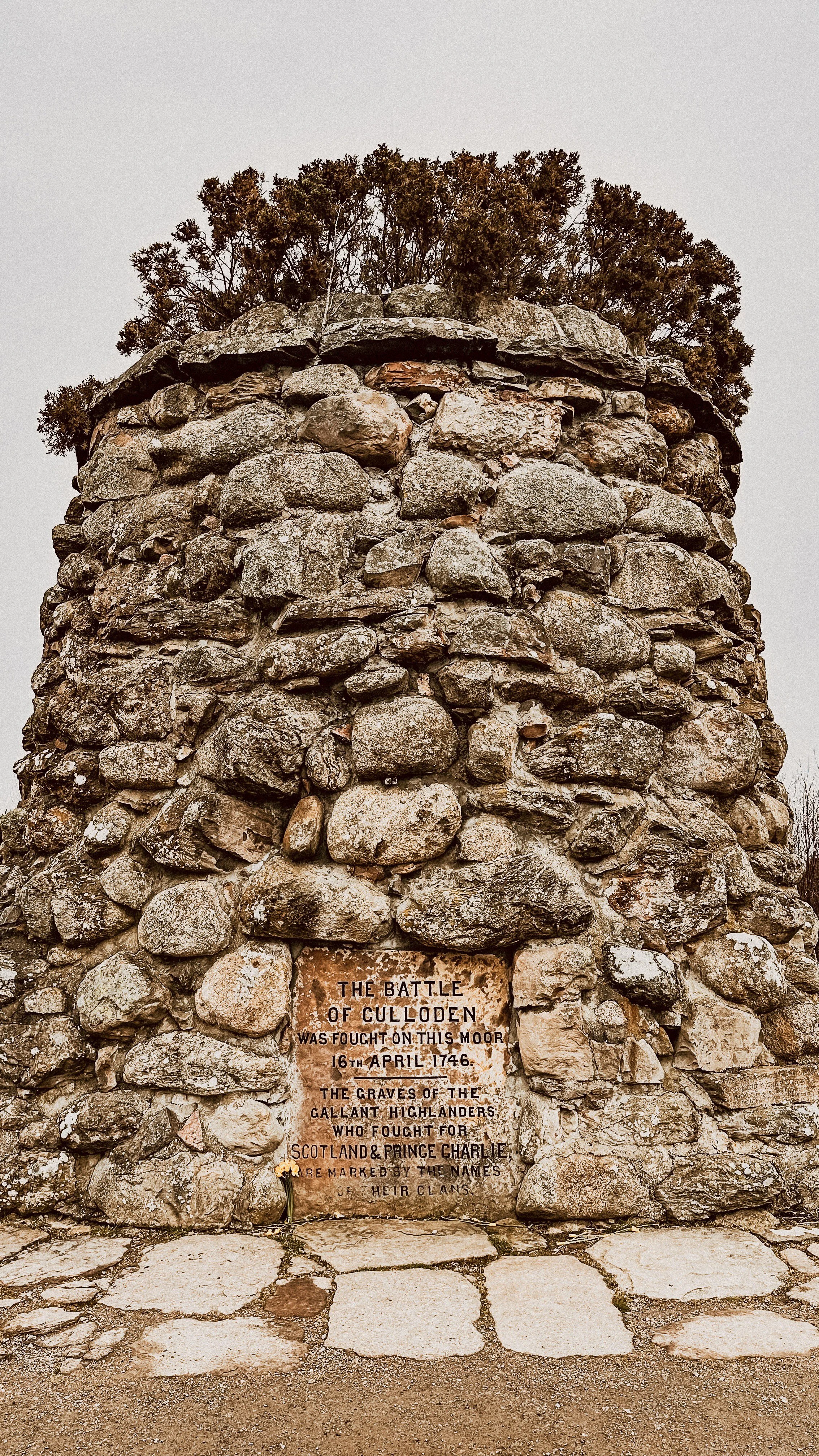
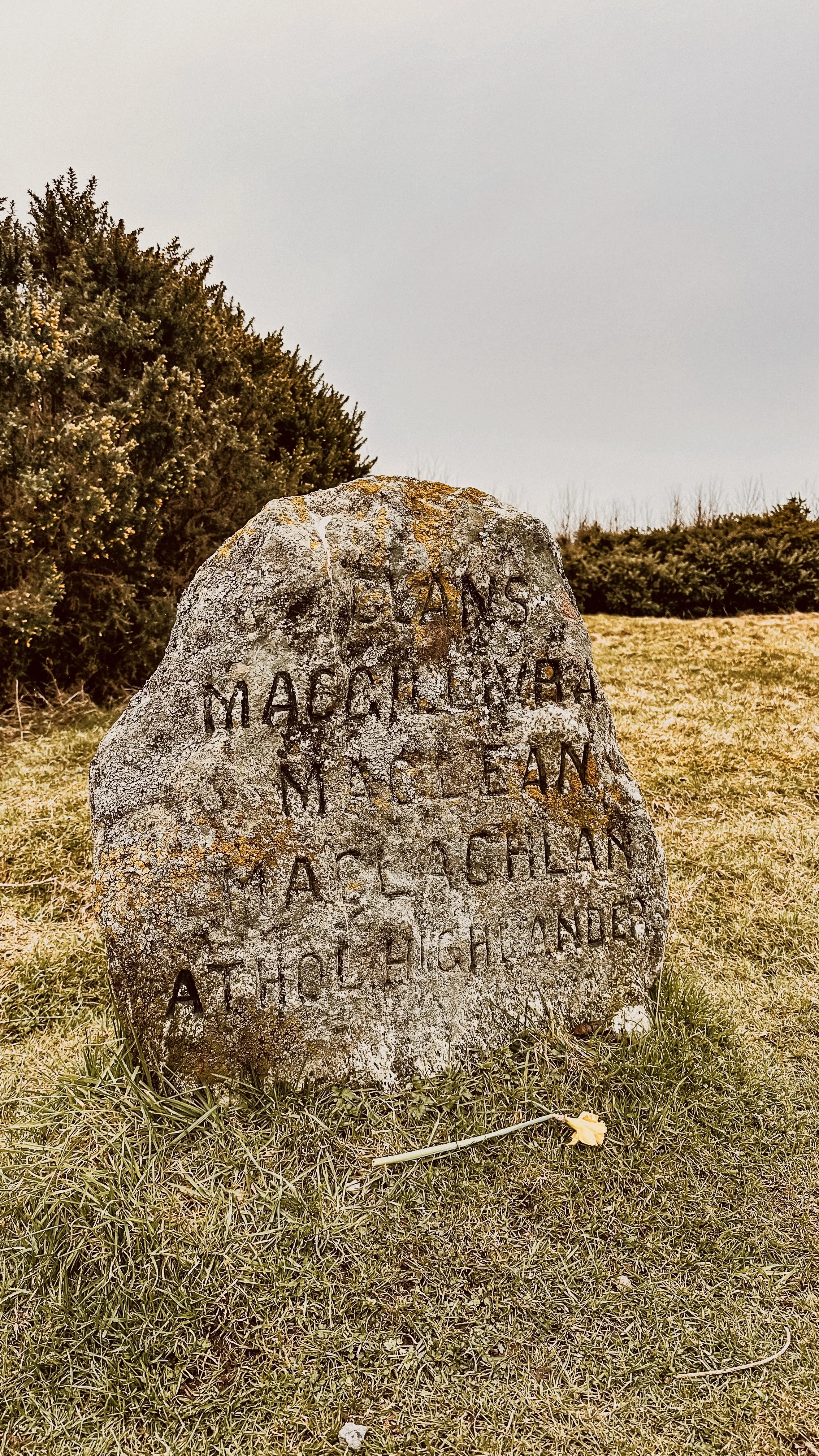
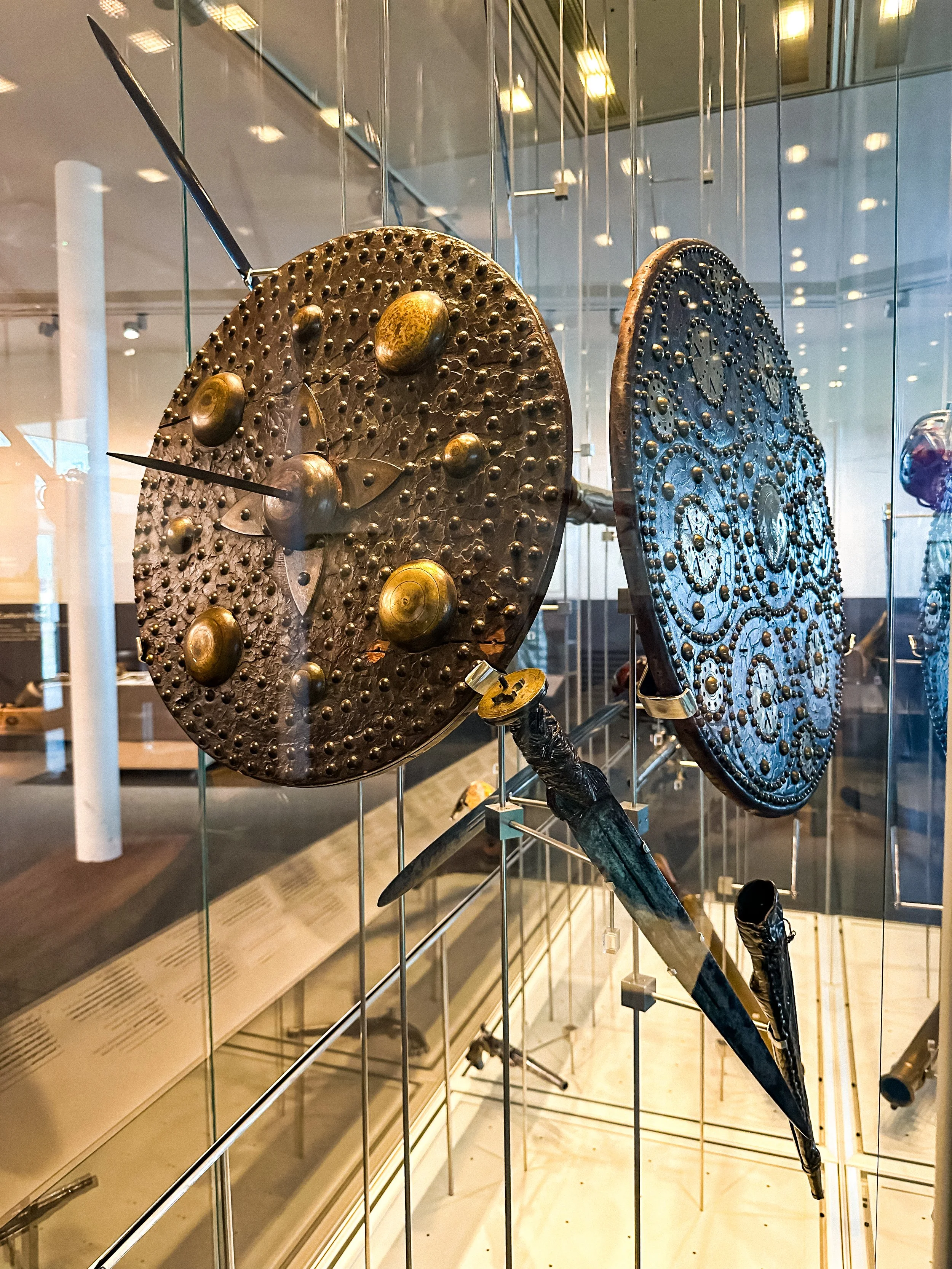
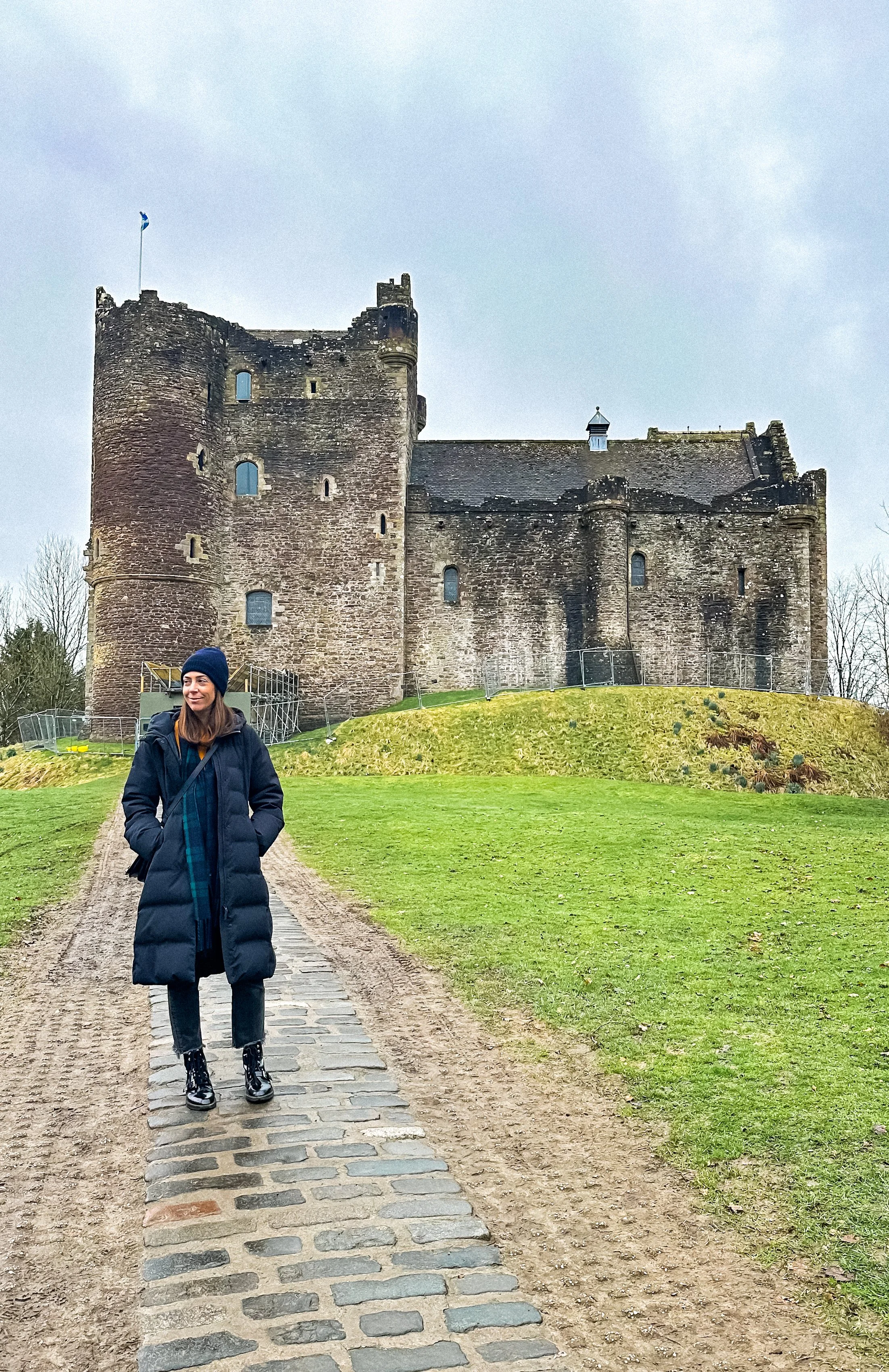
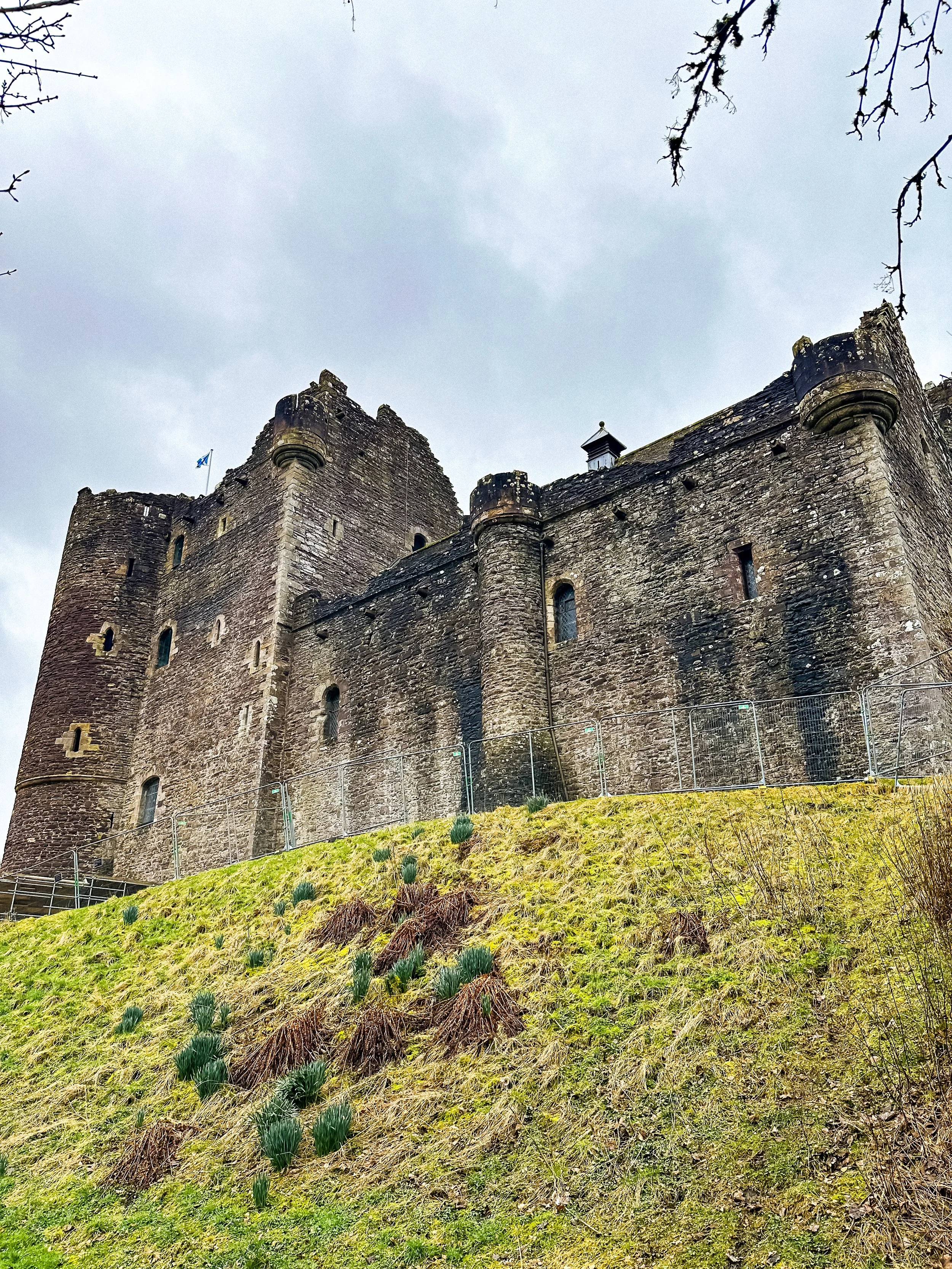
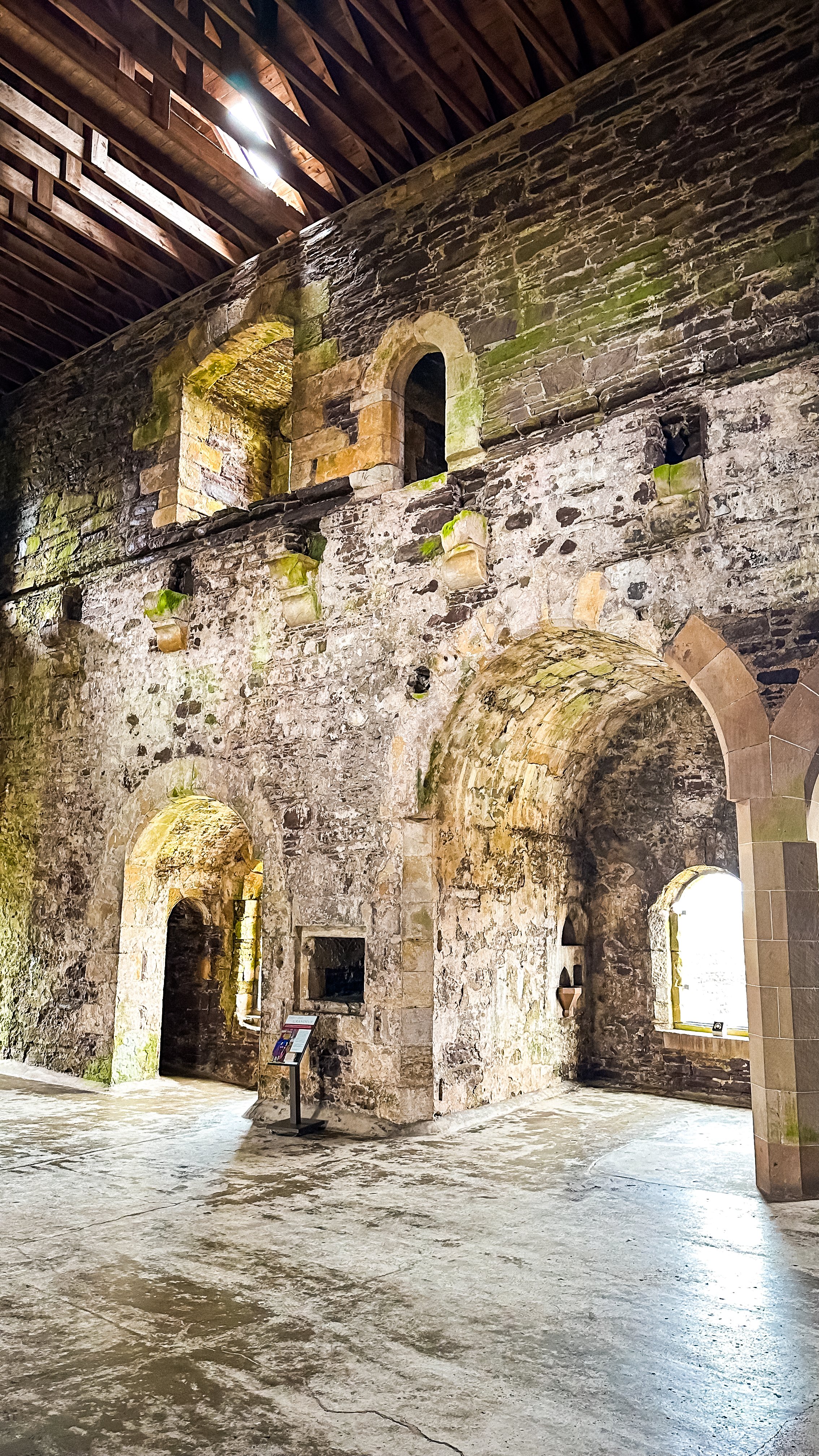
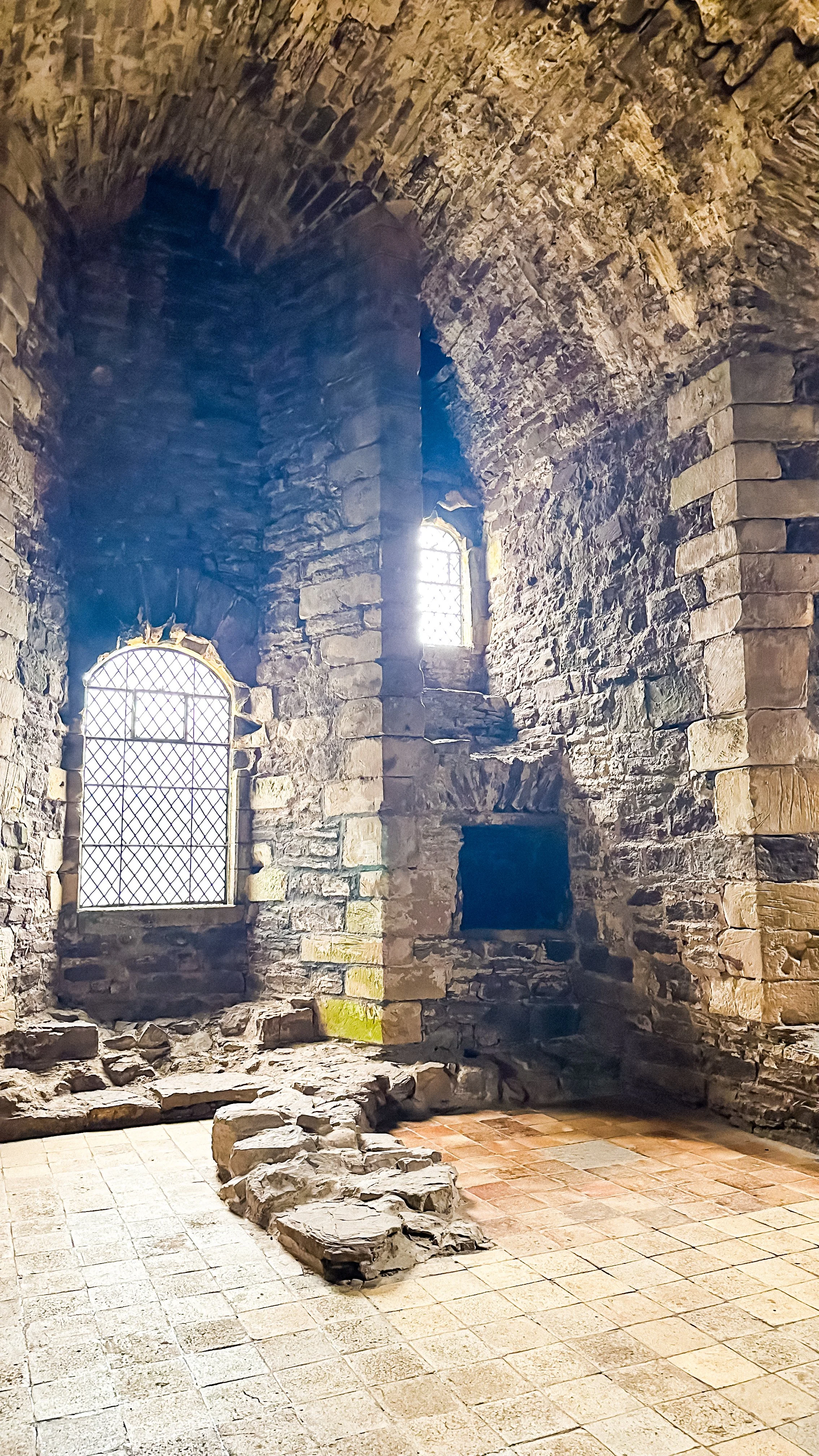
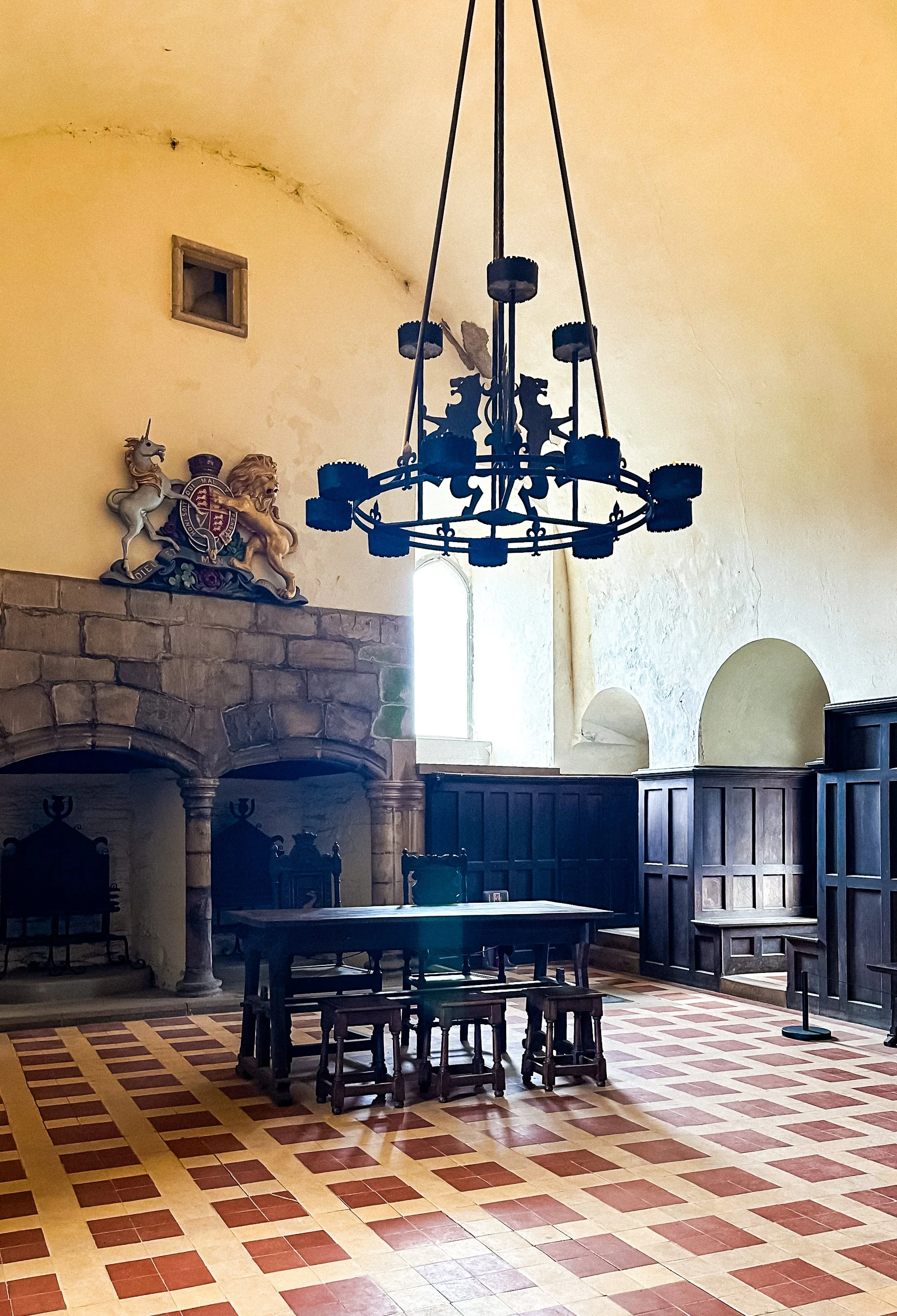
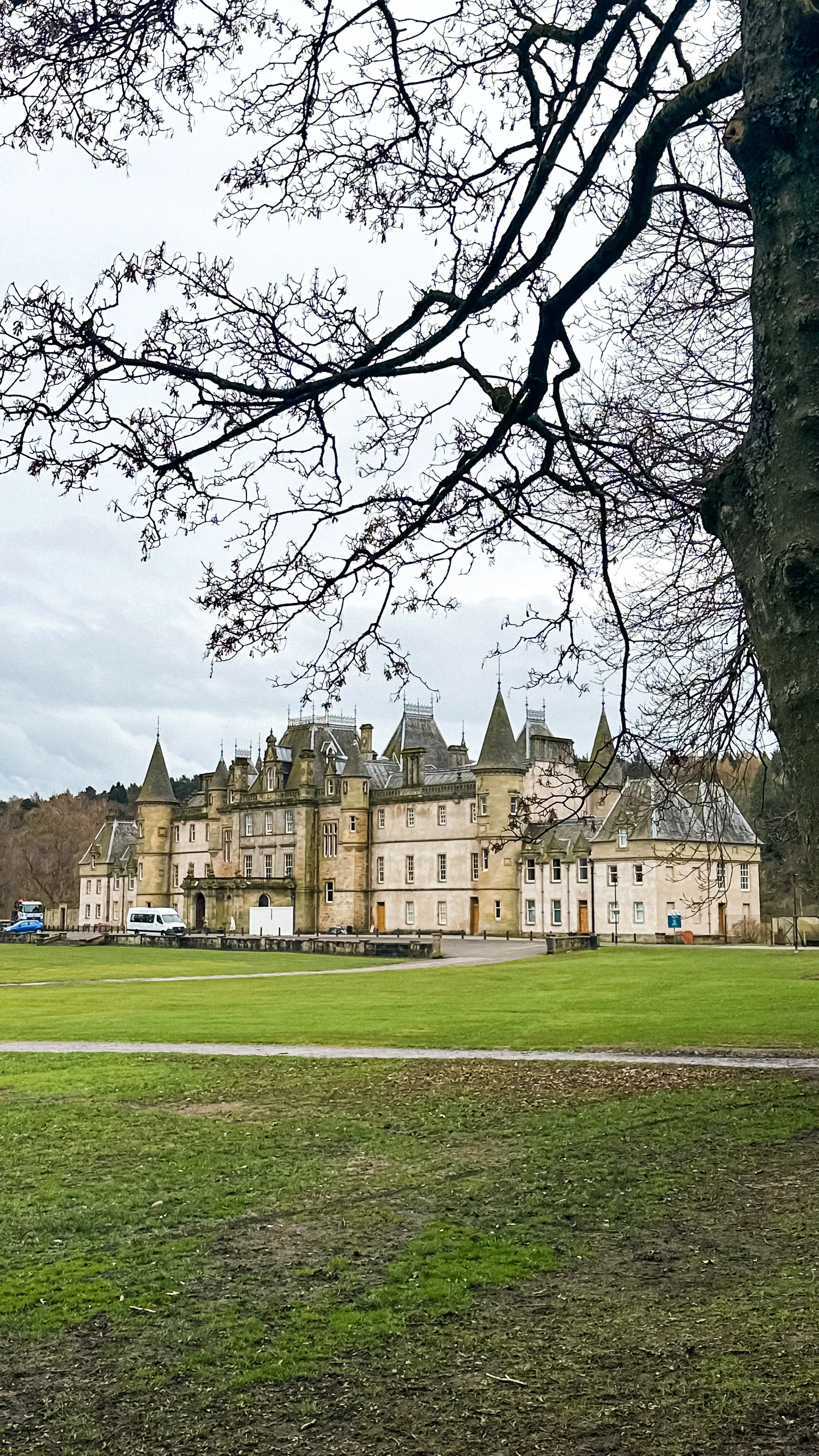
Before returning to Edinburgh, we stopped at Doune Castle, known for its cinematic appearances, and Callendar House, with French chateau-inspired architecture and centuries of historical significance.
The Highlands are not a destination. They are an emotional experience.
A place where nature speaks louder than words, where history echoes through mountains and where every traveller becomes part of a living legend. The journey lingers not only in photographs but in the quiet that remains within.
Practical Tips
Best time to go
Spring and early autumn offer the most pleasant balance of weather daylight and fewer crowds. March to May brings fresh green landscapes while September and October offer golden hills and calmer roads. Summer has long days but more visitors.
Weather
Highlands weather changes quickly. Rain sun fog and even snow can happen on the same day. Dress in layers bring waterproof clothing and always keep a warm fleece in the car. Good hiking shoes are essential.
Driving
Distances look short on the map but roads are narrow and winding especially on Skye. Drive slowly respect passing places and avoid driving in the dark whenever possible. Renting an SUV makes the journey easier on rural or muddy roads.
Gas and supplies
Fuel stations can be far apart. Refill when you can. Many small towns close early so buy snacks water and essentials before long drives.
Phone signal
Service varies widely. Download offline maps for all regions especially Skye and the northern parts of the Highlands.
Hiking safety
Trails can be steep muddy or exposed to wind. Check the weather before hiking and bring water and a light backpack. For Old Man of Storr and Quiraing expect long climbs and unstable terrain.
Wildlife
You will see many sheep close to the road. Drive carefully especially at night and after rain. In rural areas deer may also cross suddenly.
Reservations
Book accommodations and restaurants ahead especially in Skye where demand is high and options are limited. Ferries and distillery tours also need advance booking.
Glenfinnan Viaduct
If you want to see the Jacobite Steam Train (the Harry Potter train) check schedules beforehand. It usually runs from April to October.
Clothing
Waterproof jacket. Layers. Gloves. Comfortable hiking shoes. A quick-dry towel if visiting Fairy Pools or thermal areas.