
Seoul: Immersive City Guide
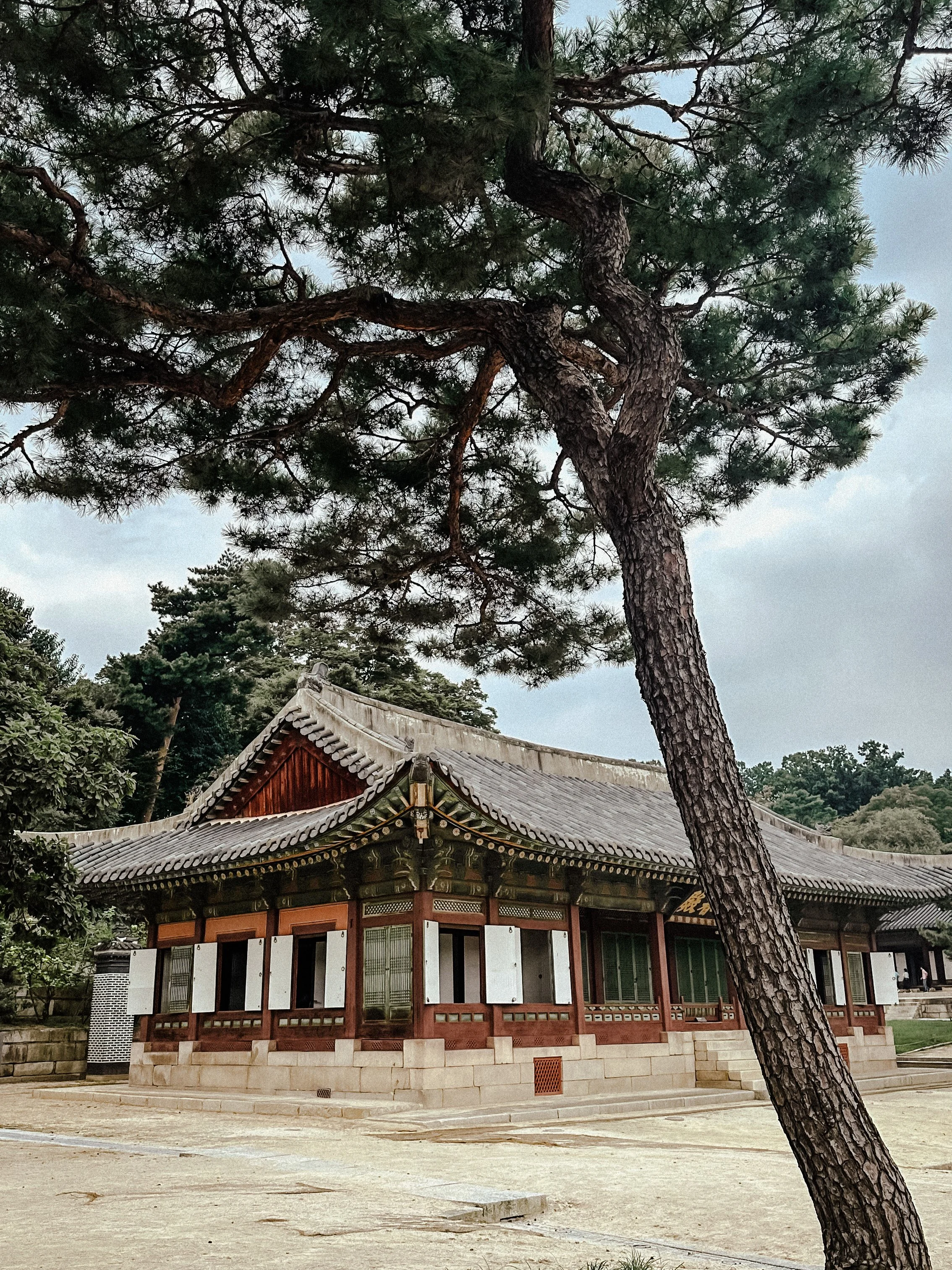
Changdeokgung Palace
Seoul is a city of contrasts that coexist naturally. Ancient palaces sit beside glass towers, quiet temples exist a few streets away from neon lit avenues, and daily rituals unfold between tradition and hyper modernity. It is a city best experienced with curiosity, time, and attention to detail.
This guide brings together the places I visited in Seoul, curated in a Wander Senses approach. Slow observation, cultural context, and practical tips to help you experience the city beyond first impressions.
Historic Seoul and Cultural Heritage
Gyeongbokgung Palace
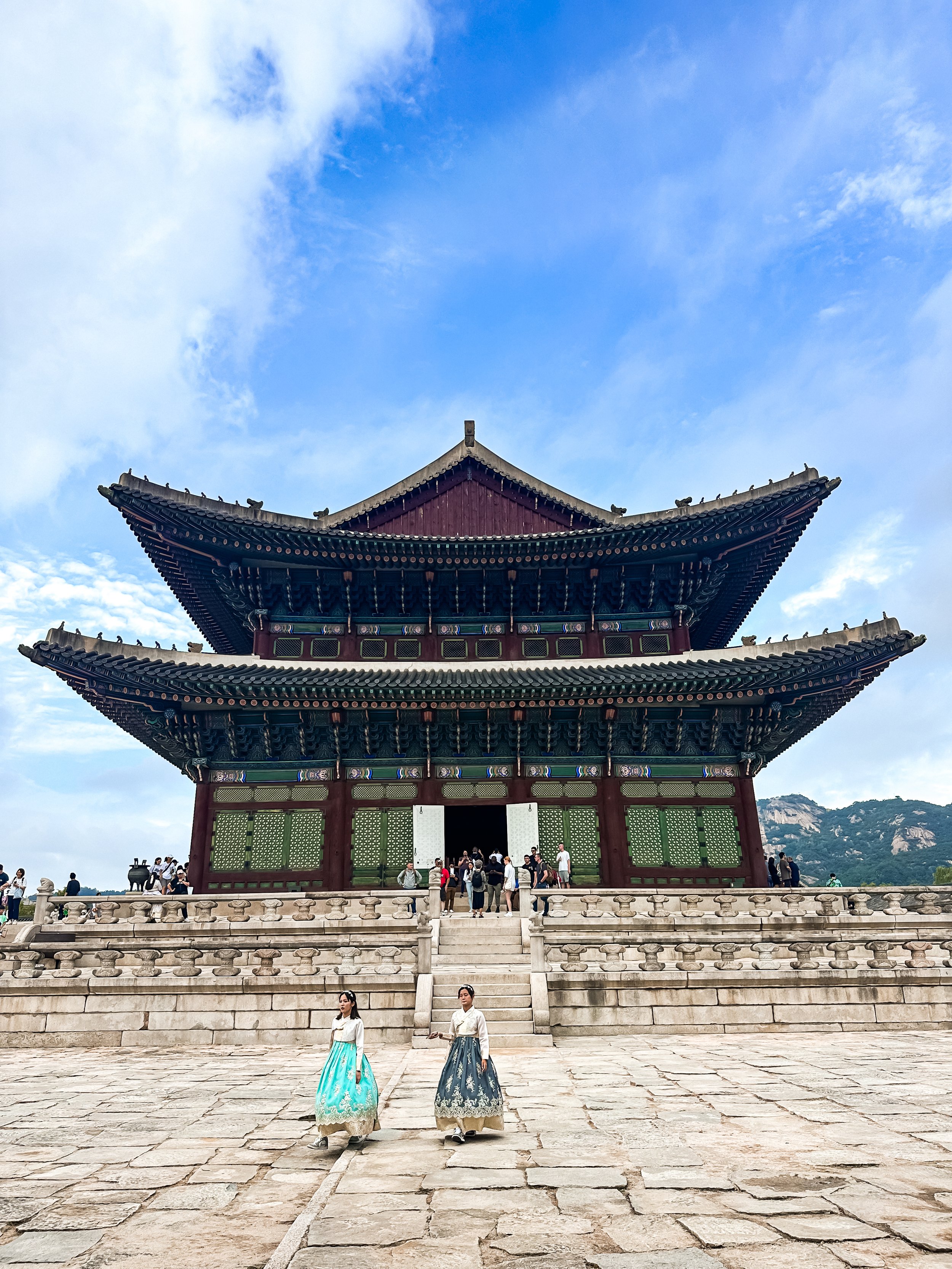
Gyeongbokgung is the largest and most emblematic royal palace of the Joseon Dynasty. Built in the 14th century, it once served as the main royal residence and political heart of Korea.
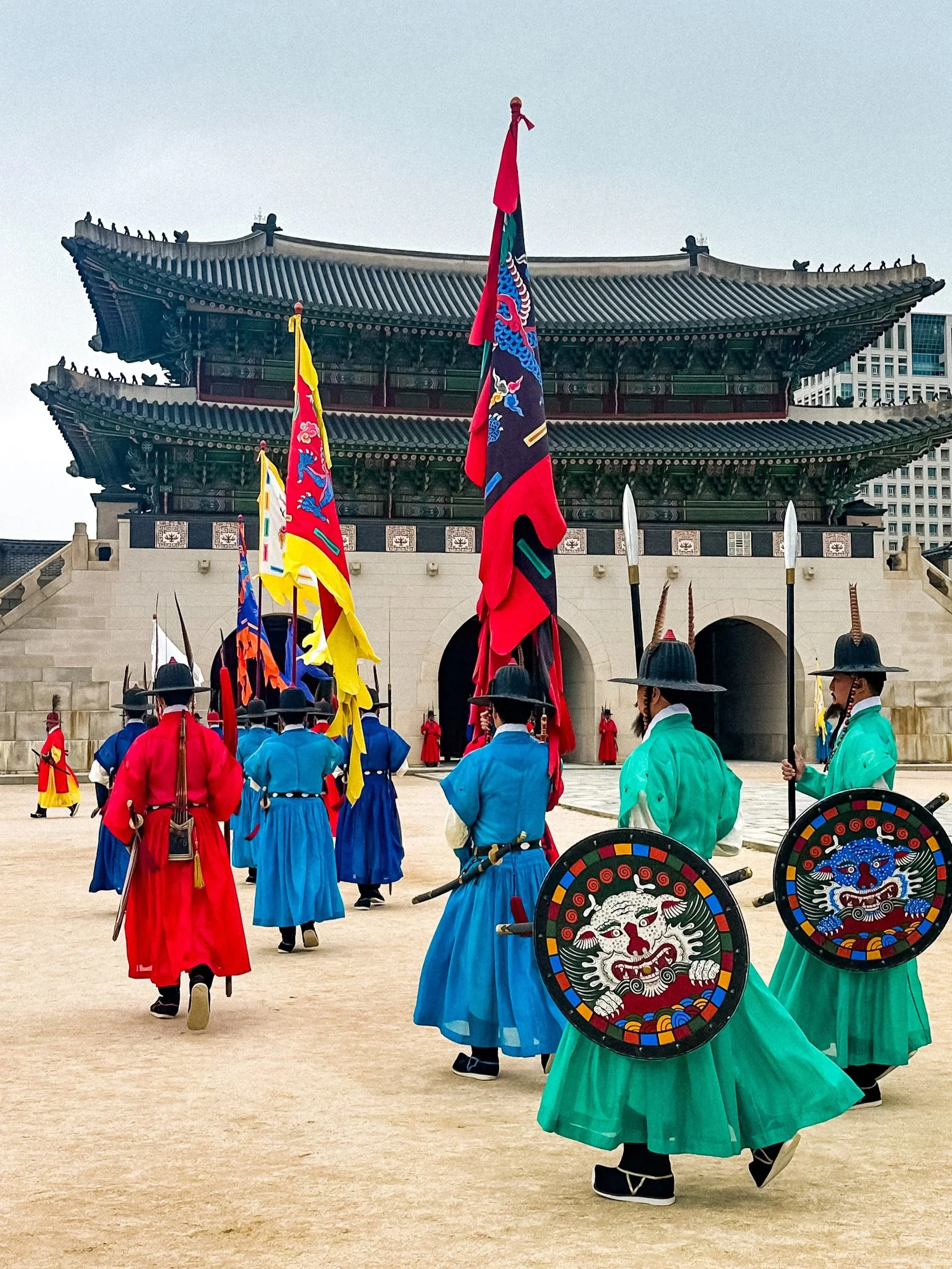
Walking through its gates reveals wide courtyards, ceremonial halls, and carefully aligned architecture set against a backdrop of mountains. Arrive early in the morning for a calmer atmosphere and softer light. If you have time, witnessing the changing of the guard adds valuable context to the visit.
Address: 161 Sajik-ro, Jongno-gu, Seoul
Infos: https://royal.khs.go.kr/
Jogyesa Temple
Jogyesa is the heart of Korean Zen Buddhism in Seoul. Despite being located in the city center, it feels calm and grounded.
Colorful lanterns, centuries old trees, and the scent of incense create a serene pause in the urban rhythm. It is a meaningful stop even for those with little knowledge of Buddhism.
Address: 55 Ujeongguk-ro, Jongno-gu, Seoul
Infos: https://www.jogyesa.kr
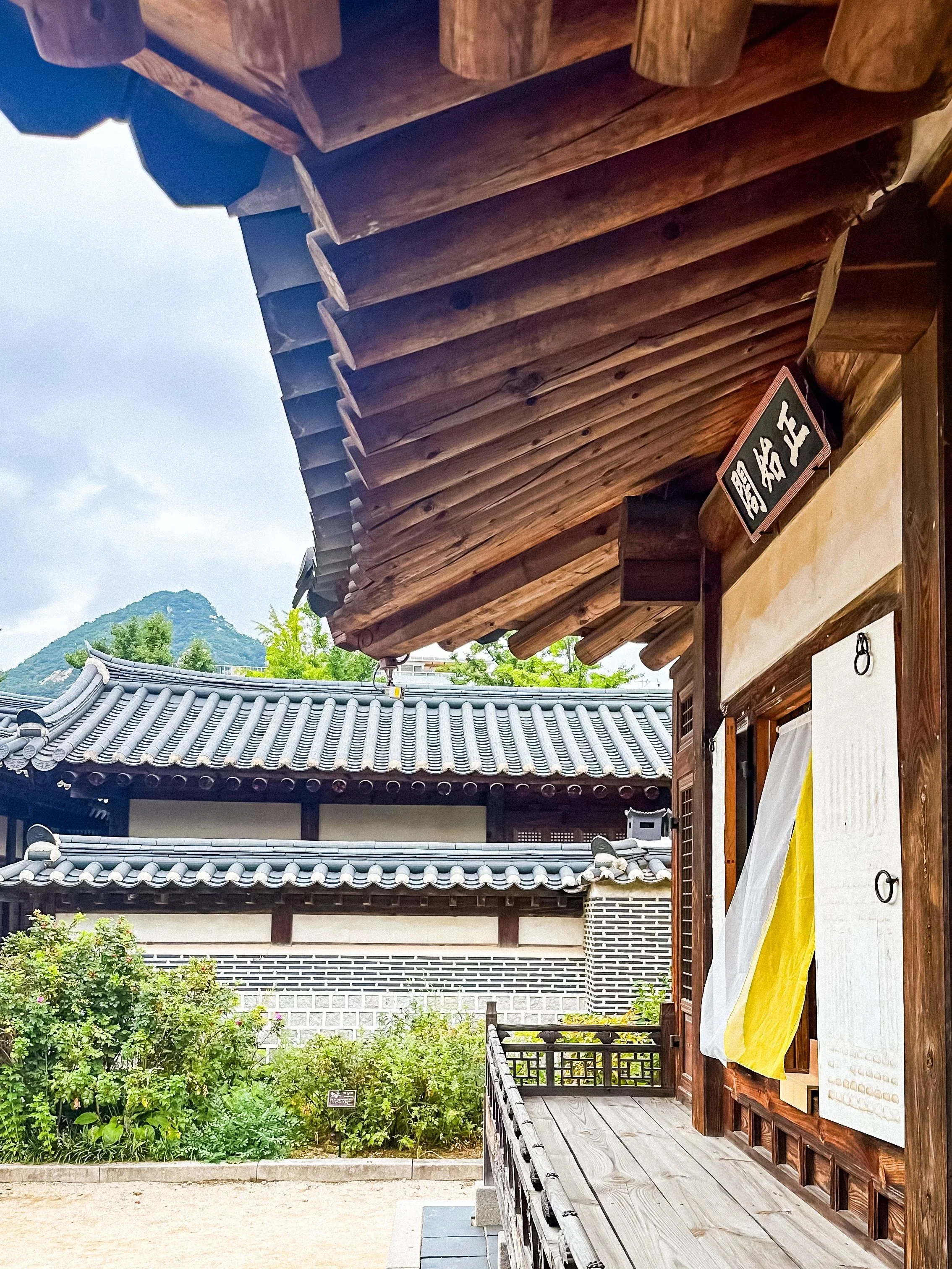
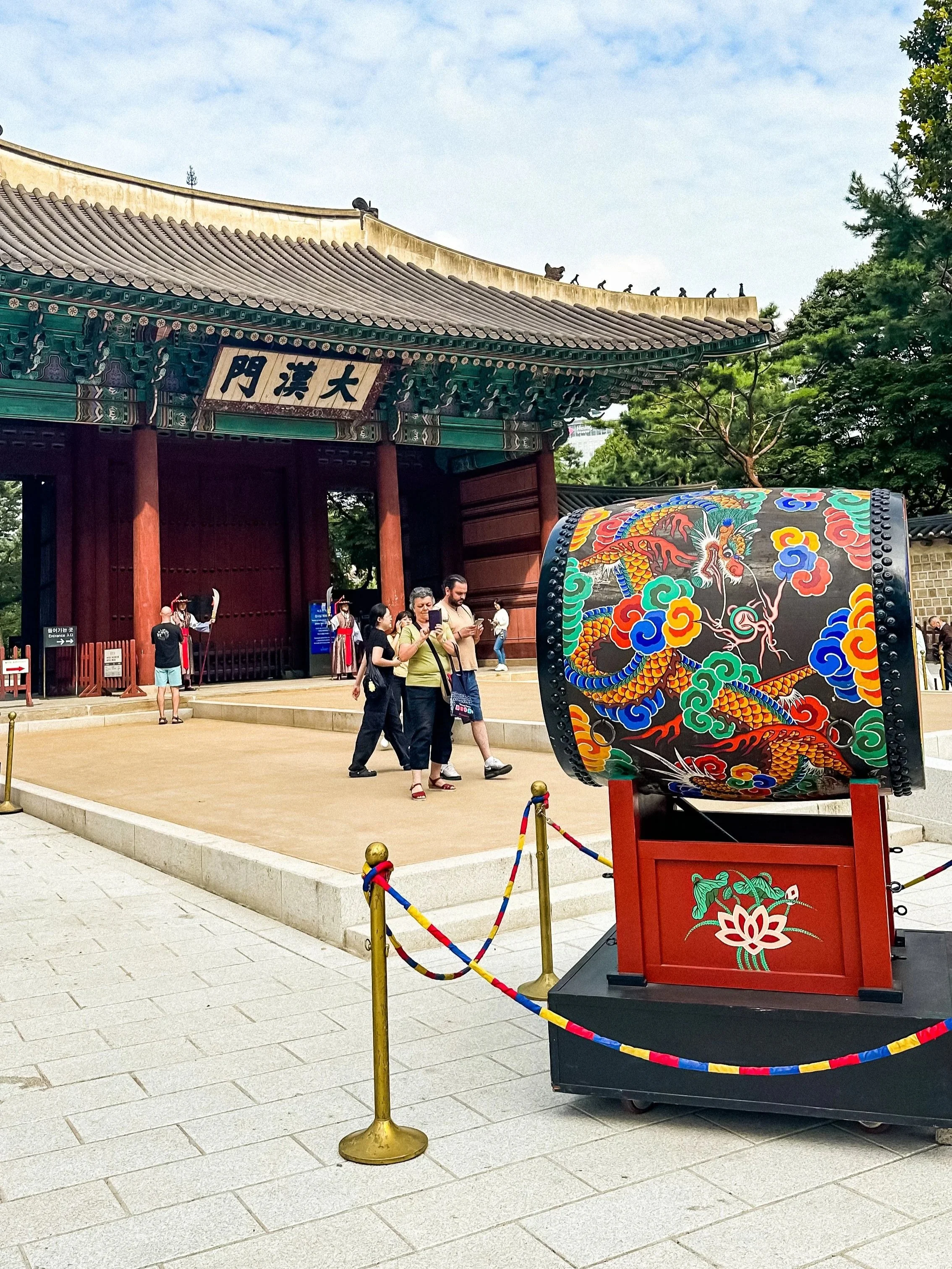
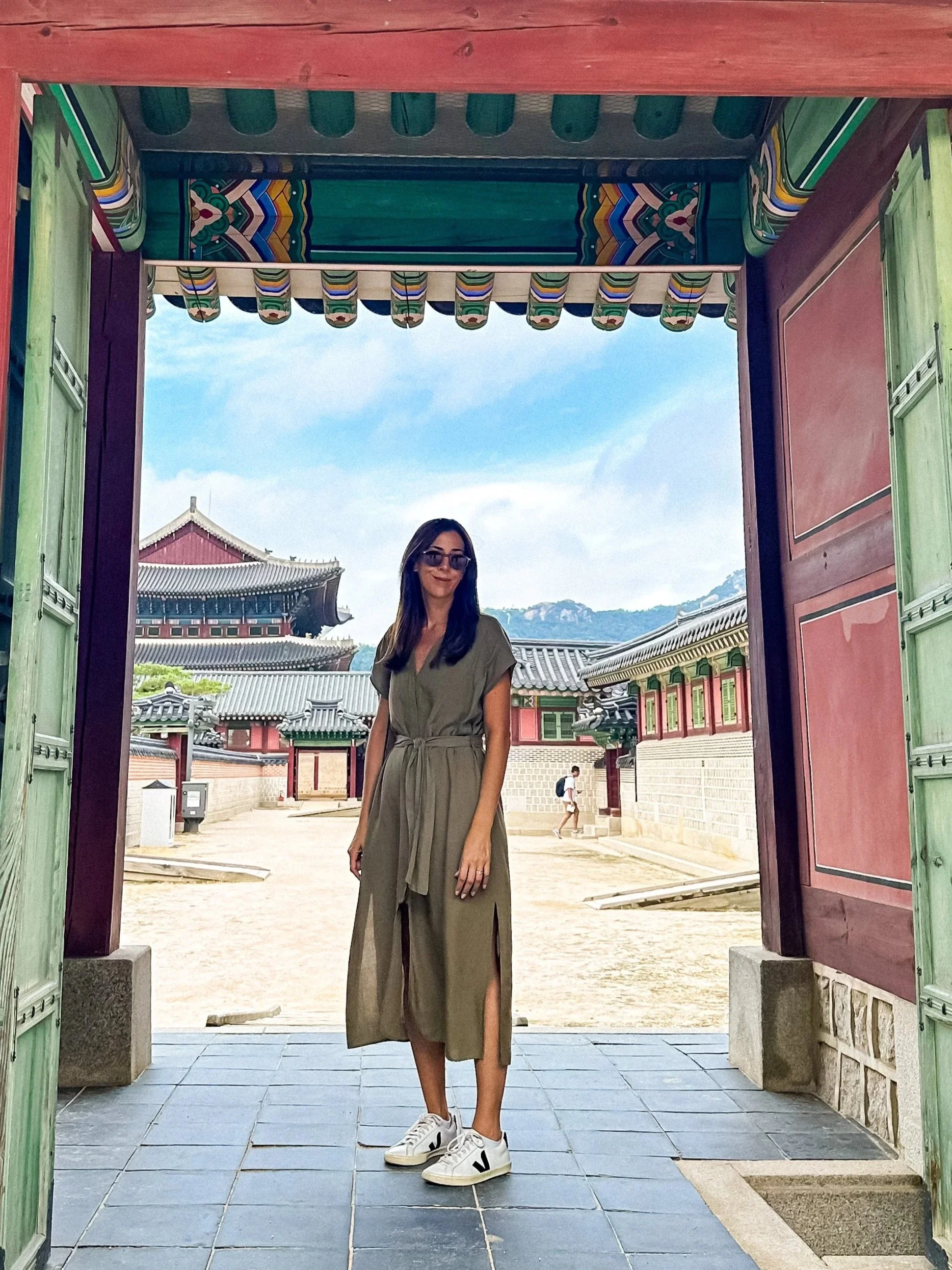
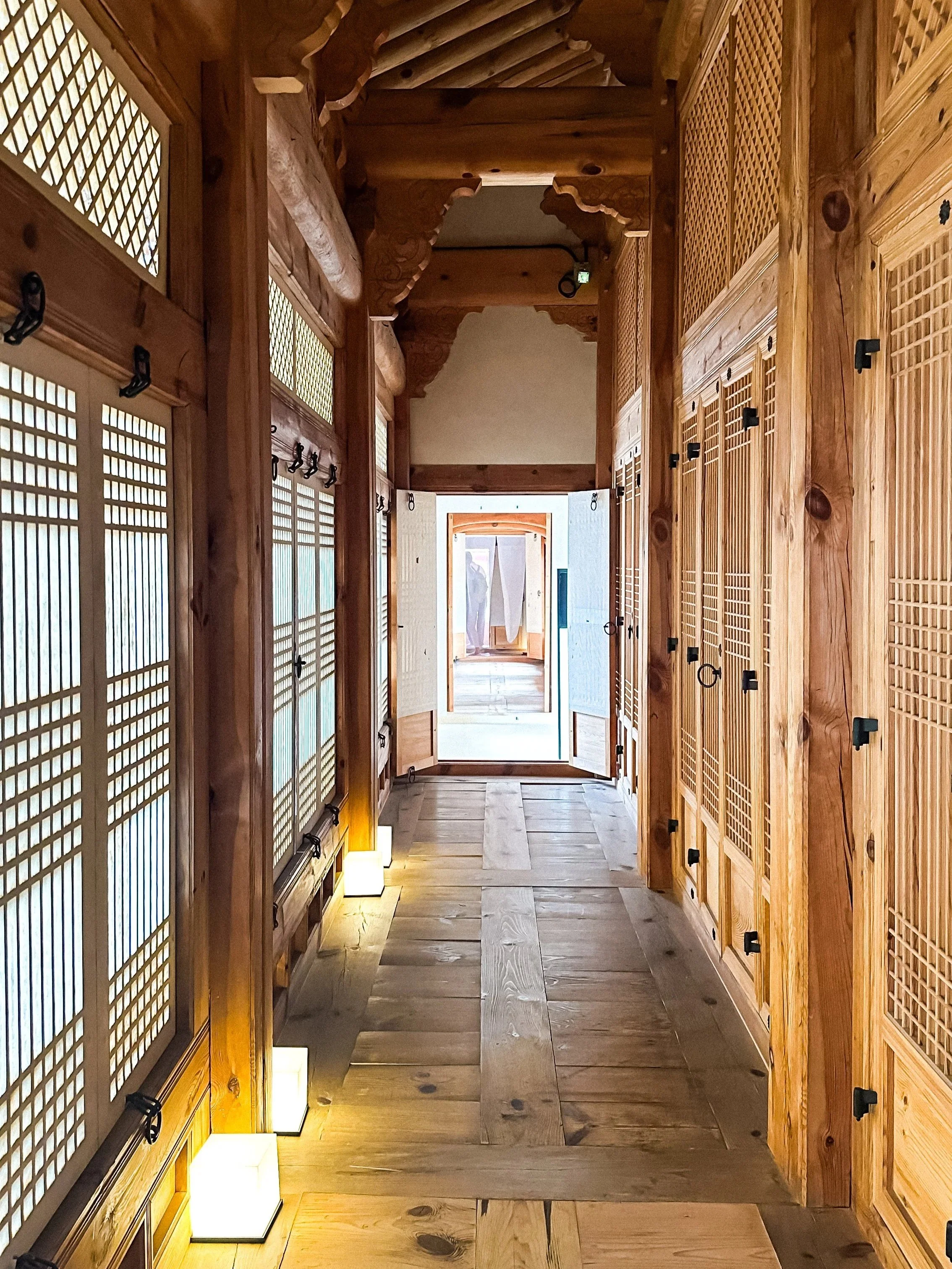
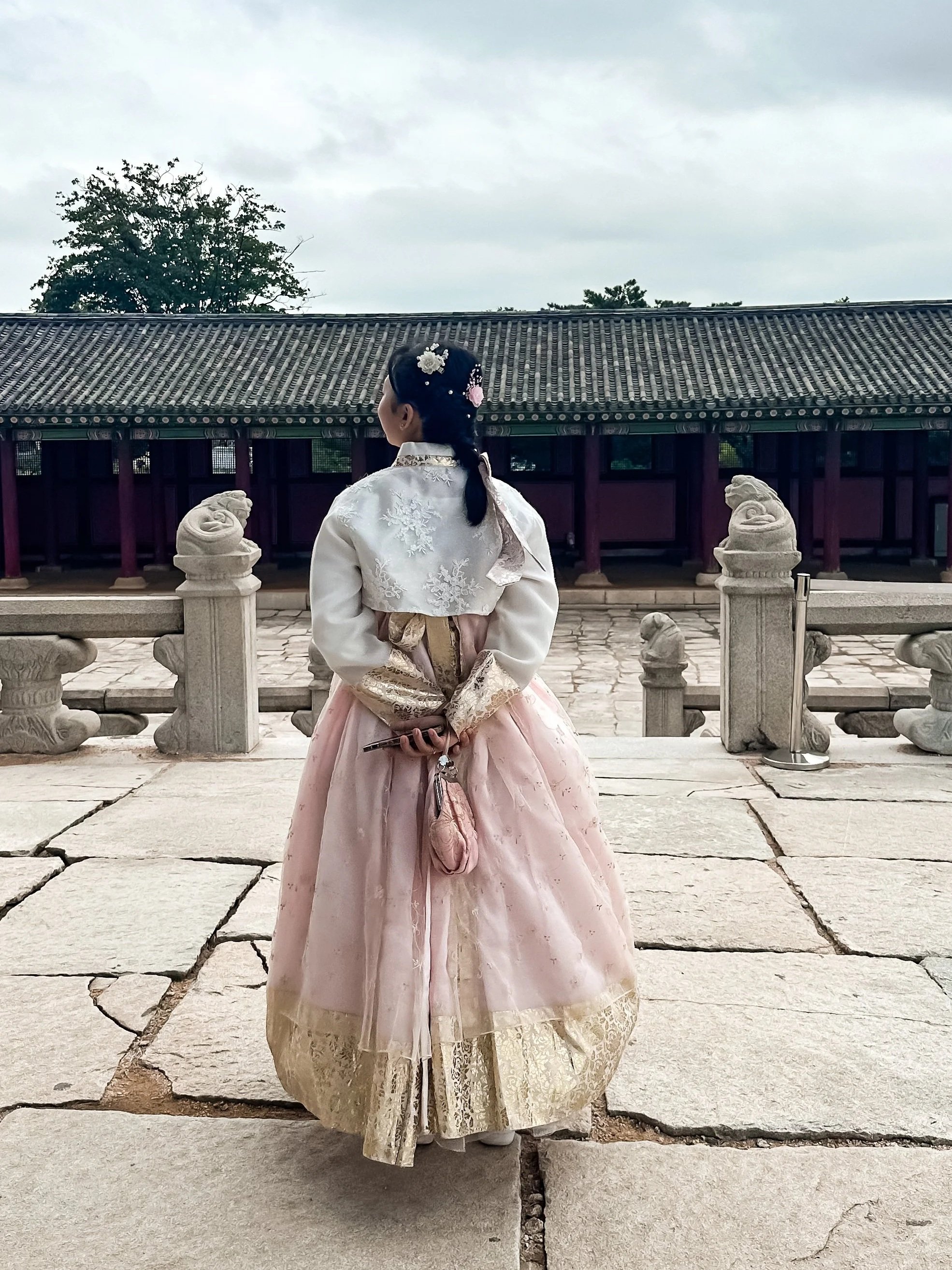
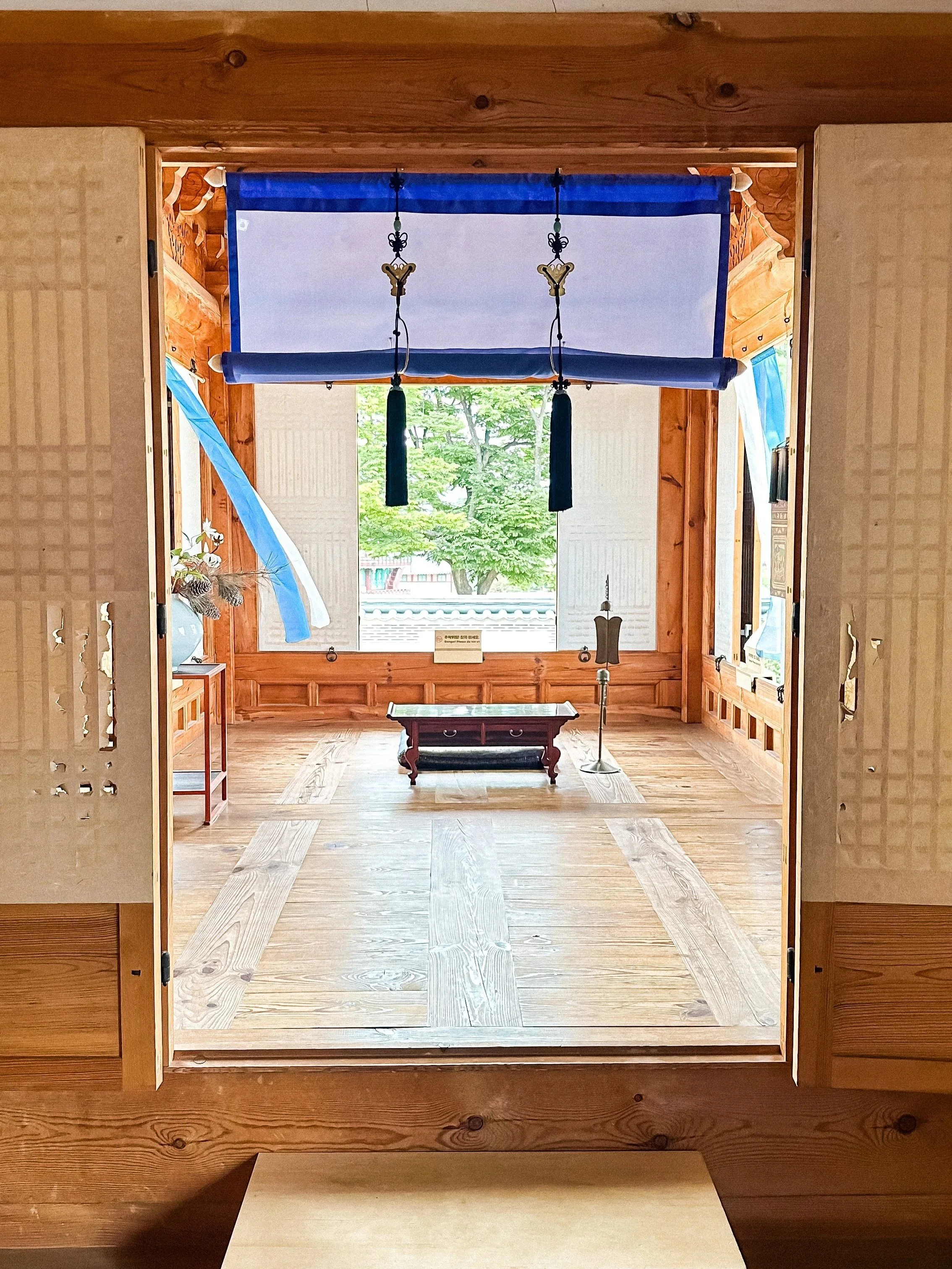
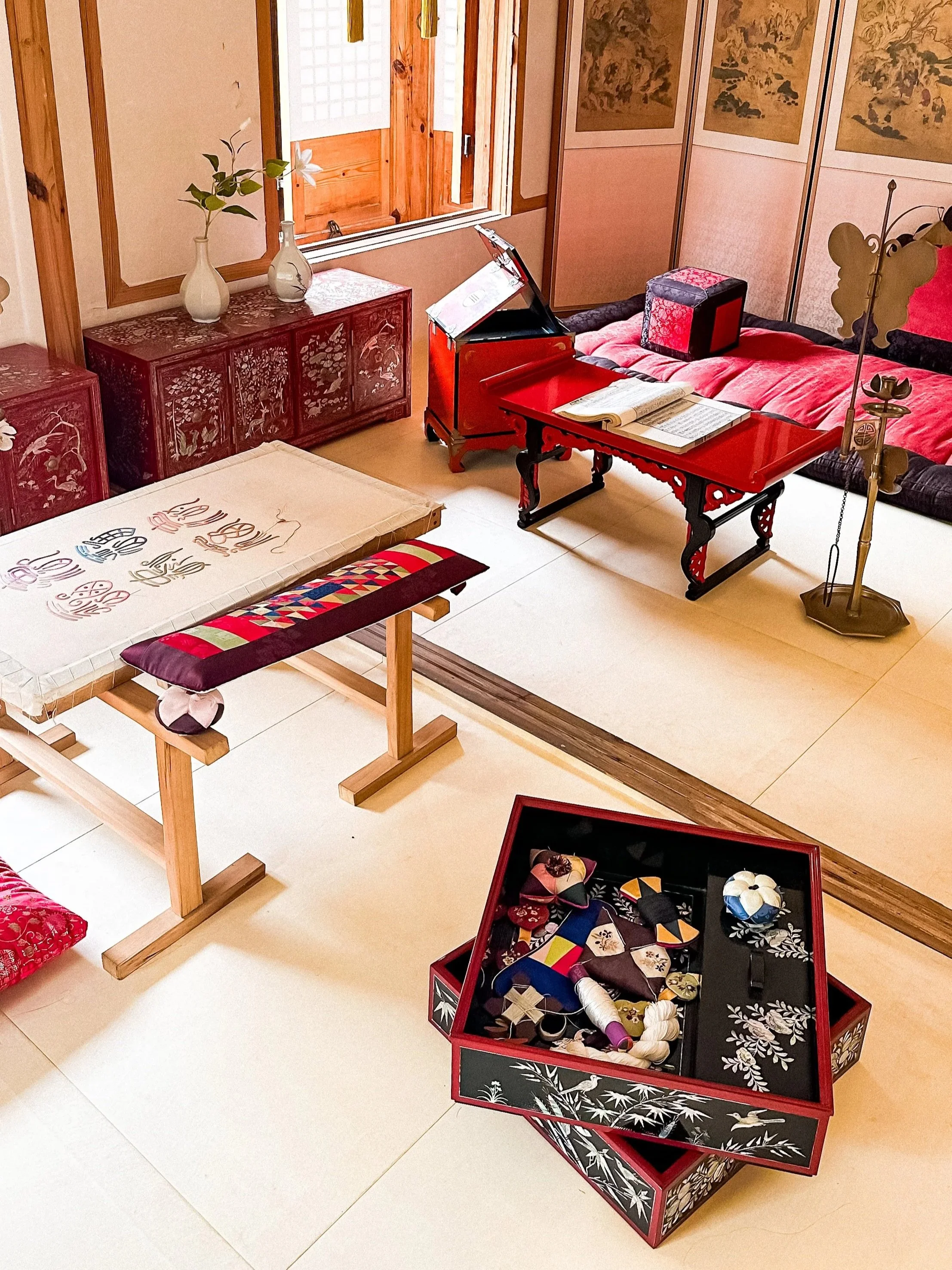
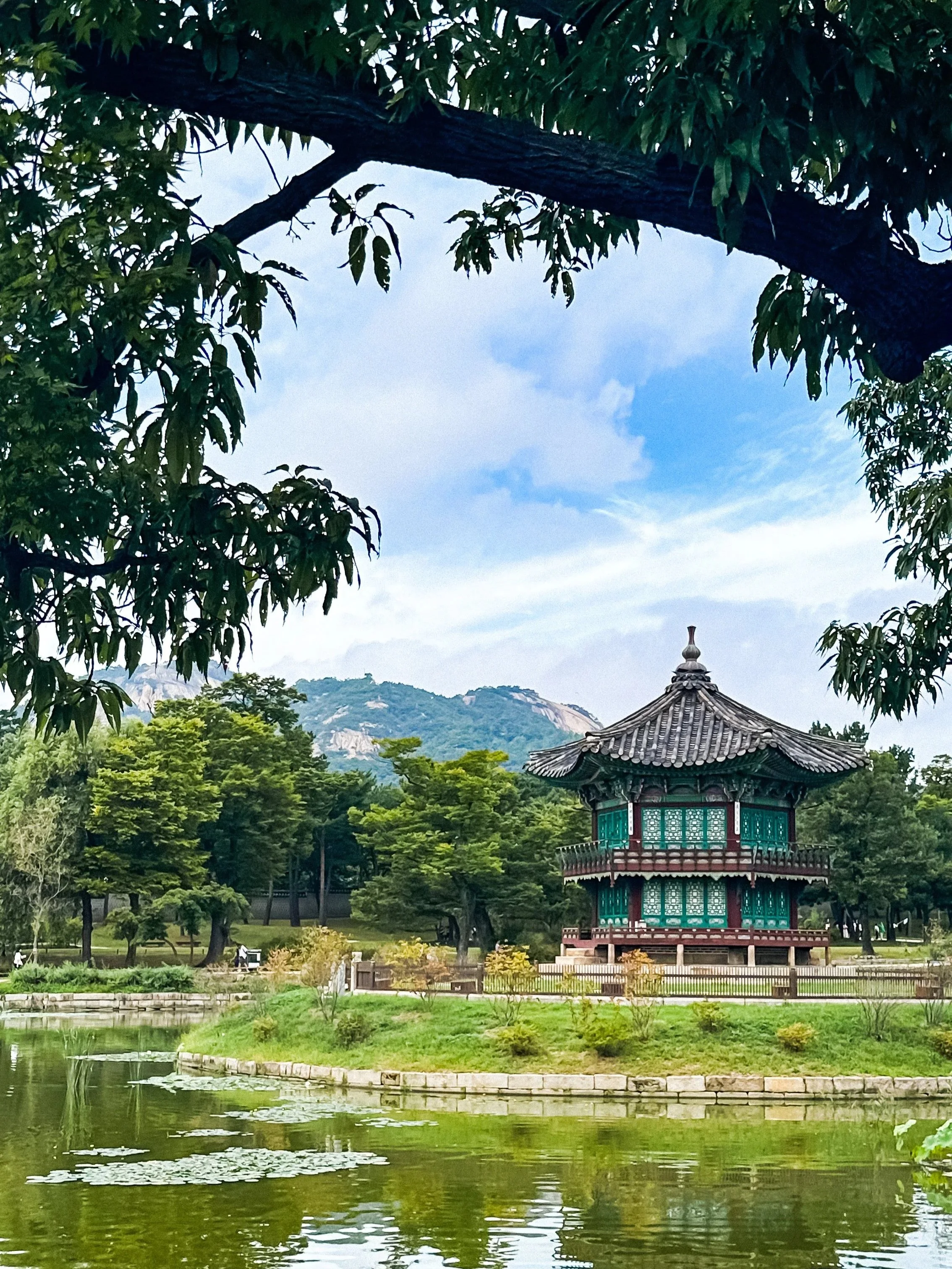
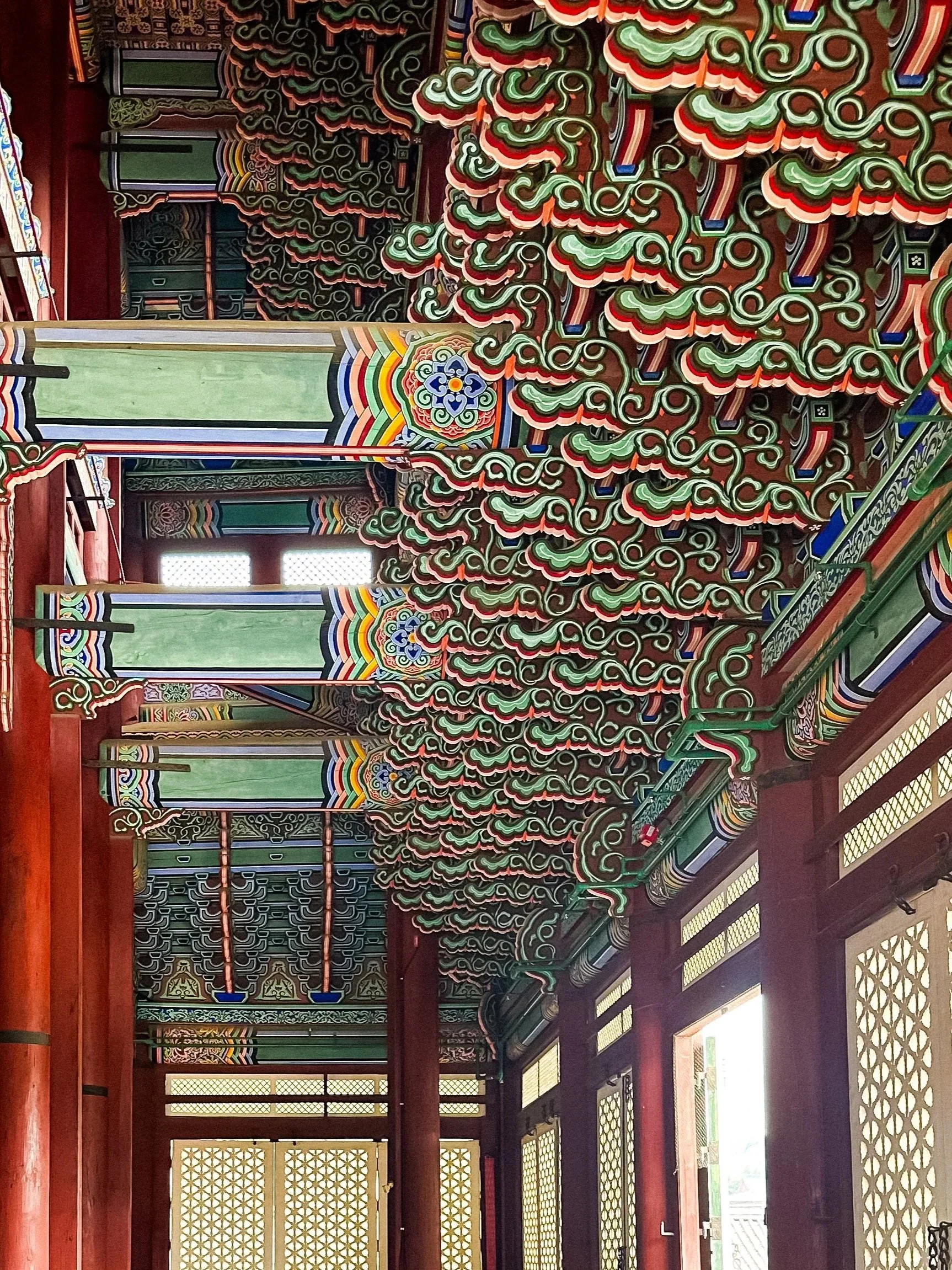
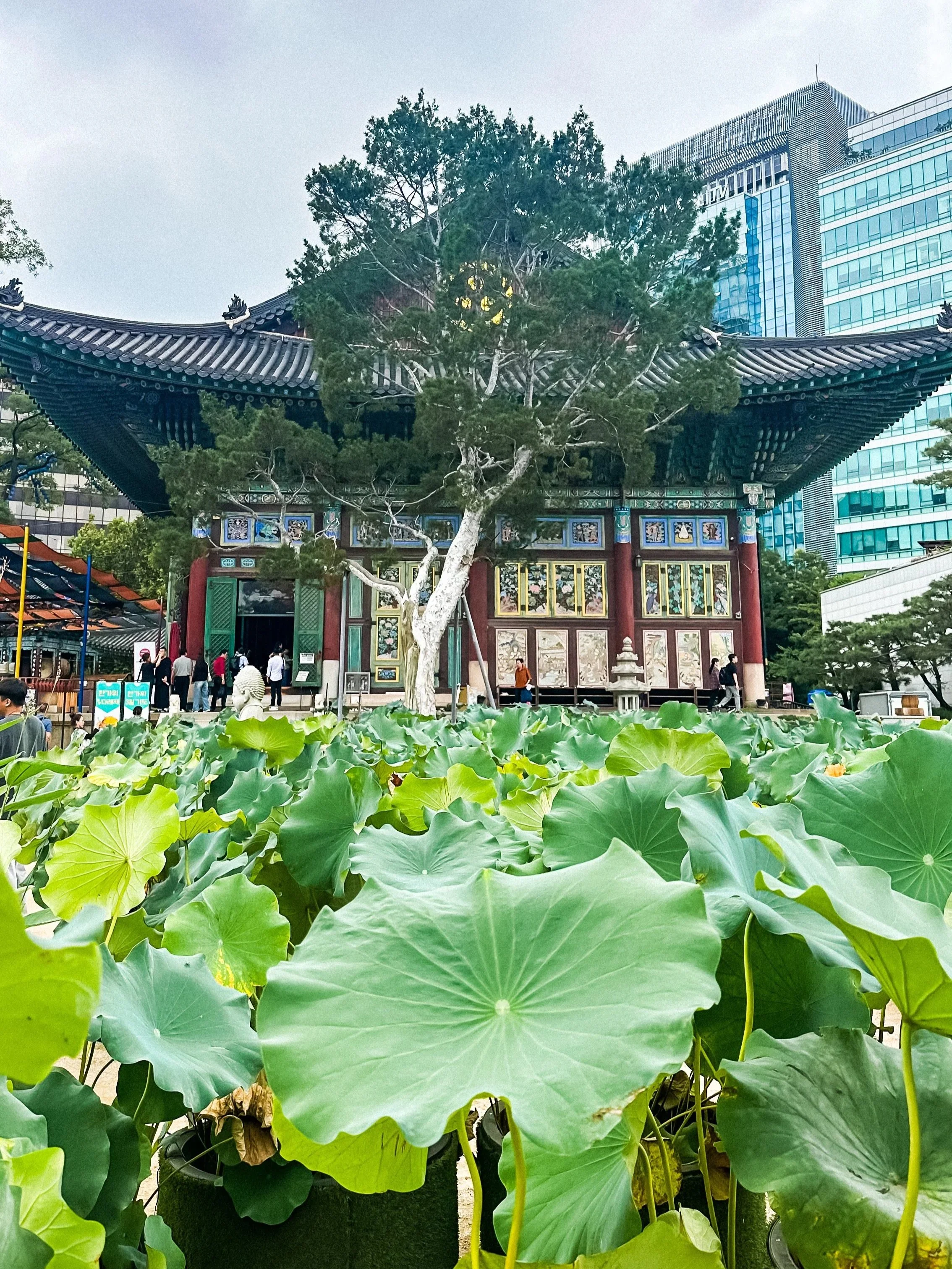
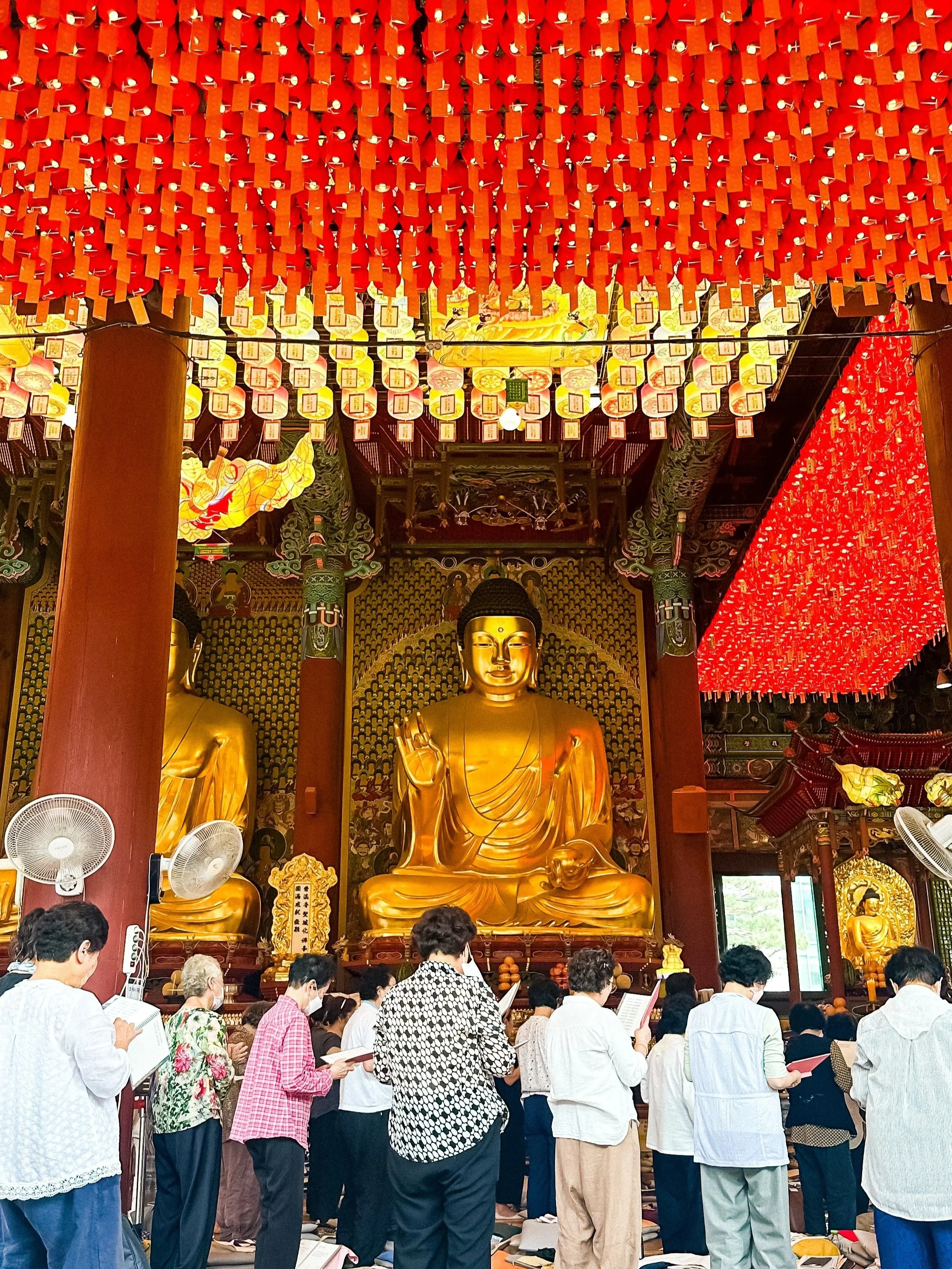
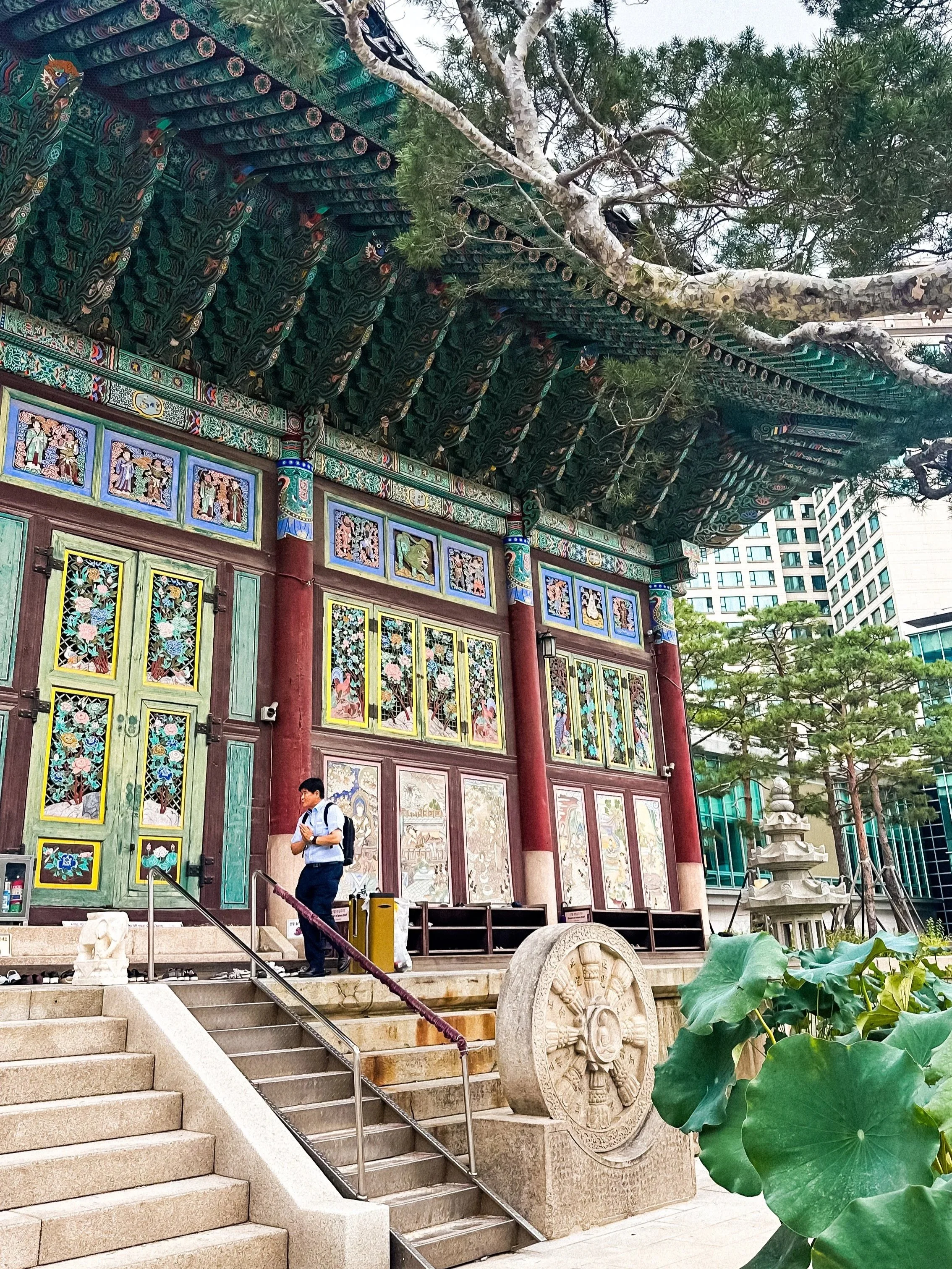
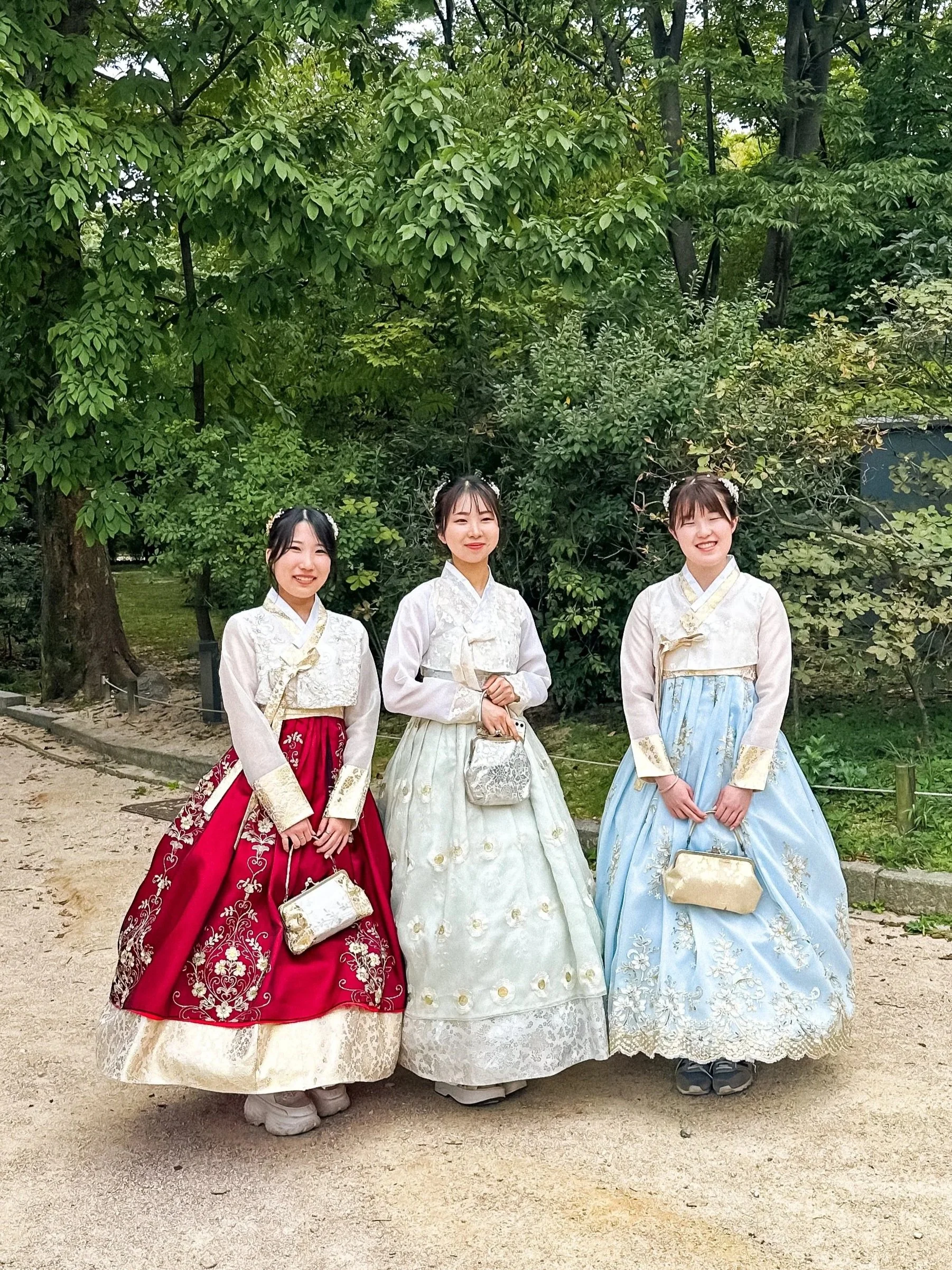
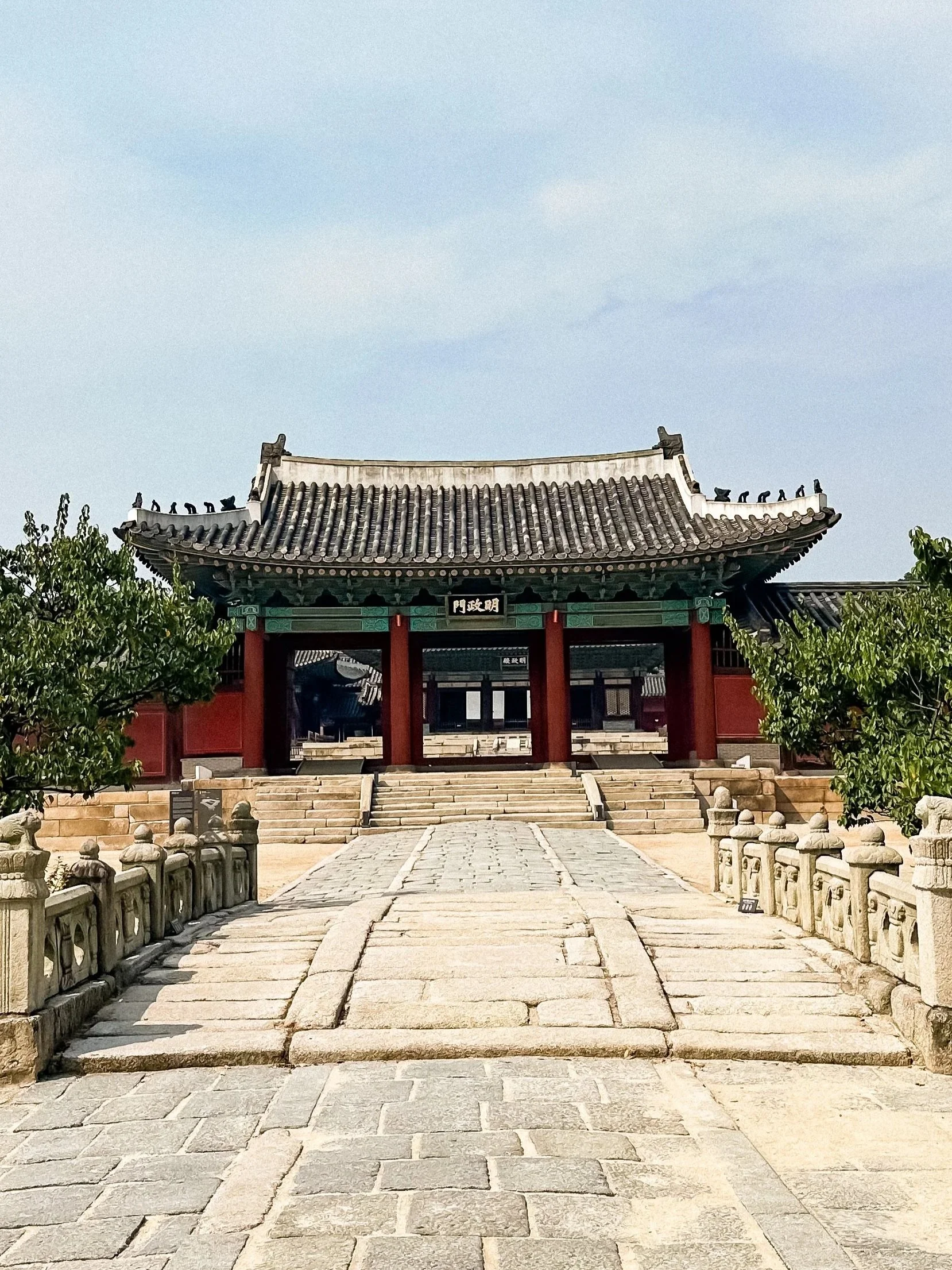
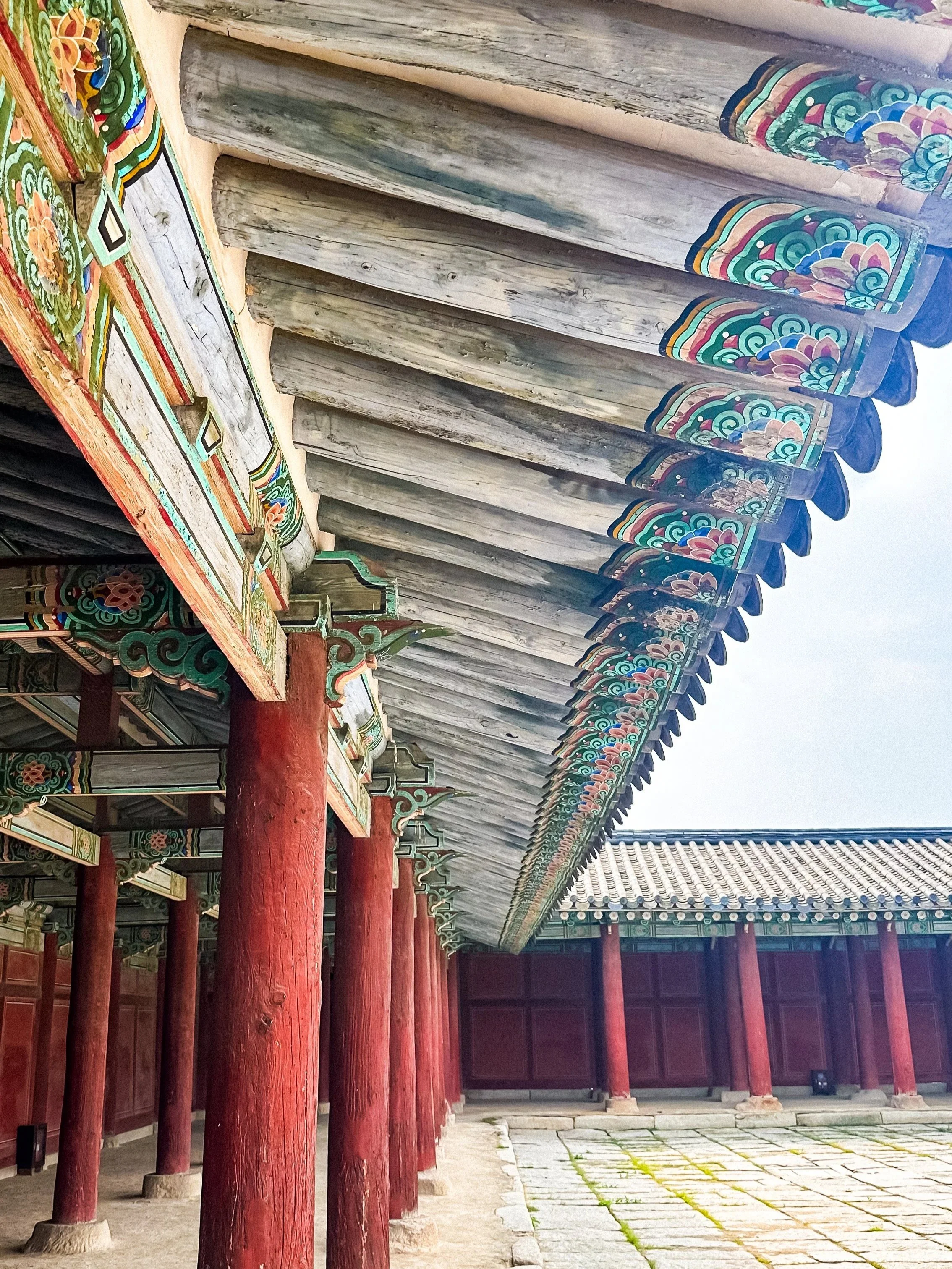
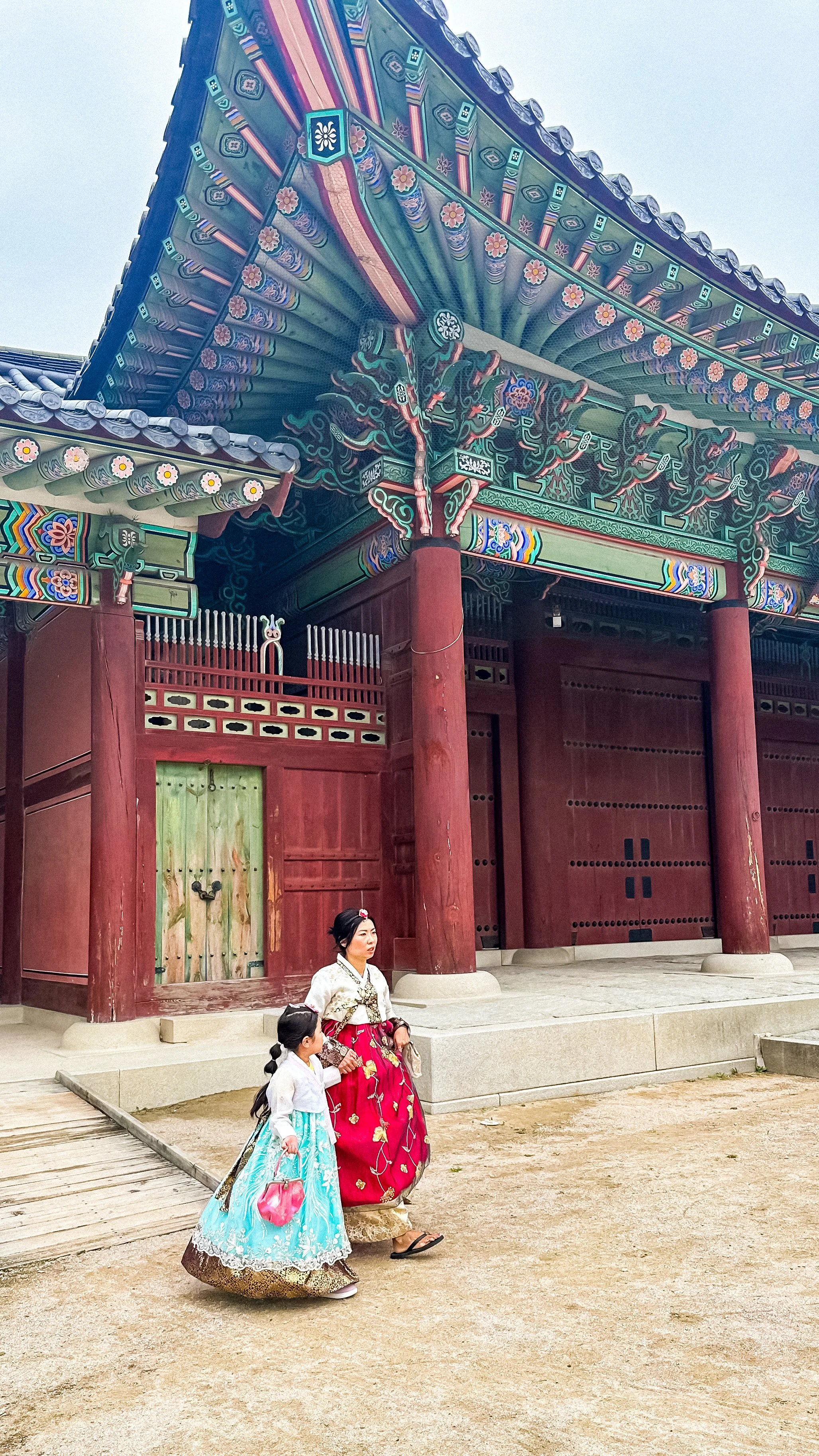
Changdeokgung Palace
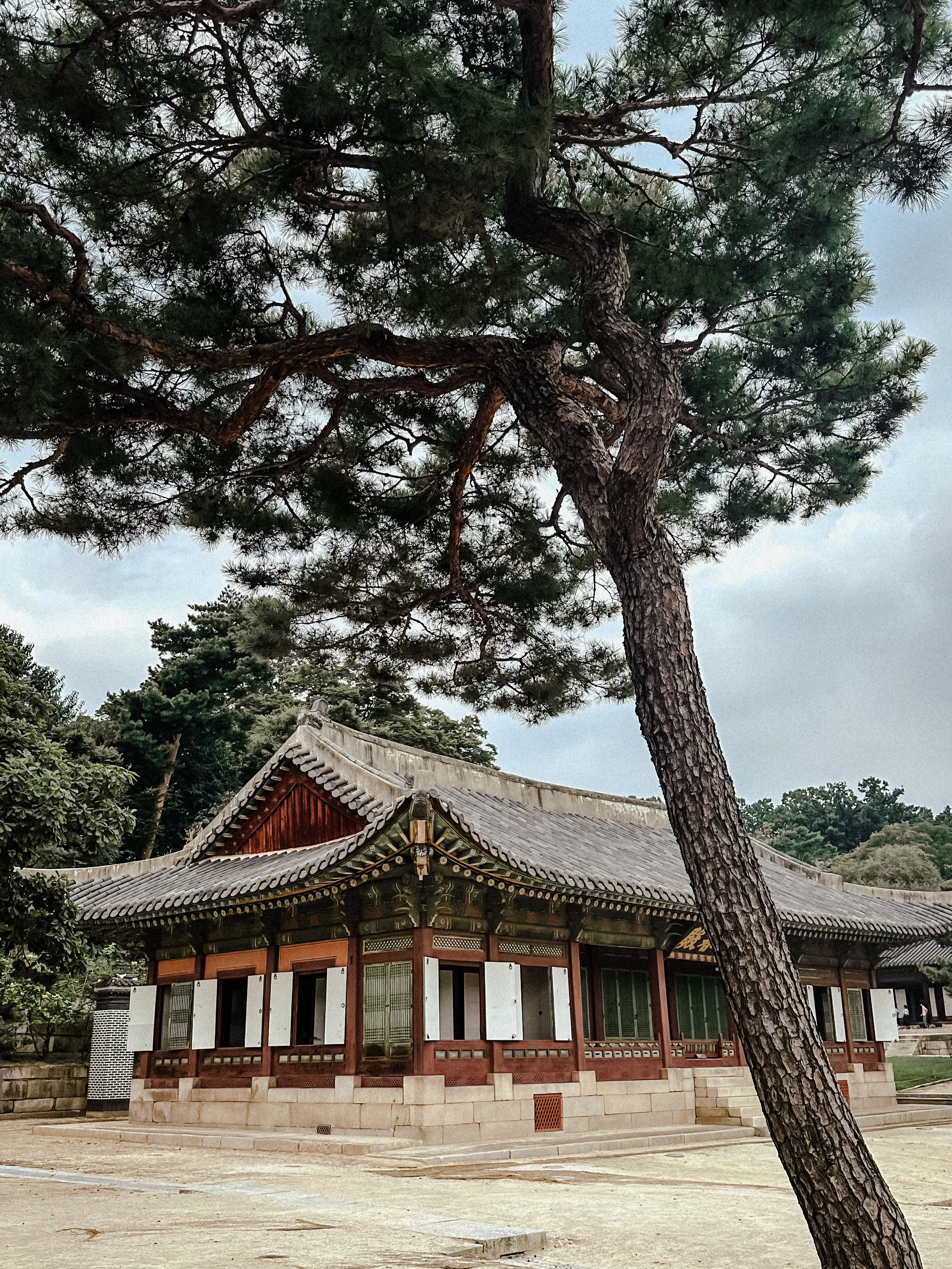
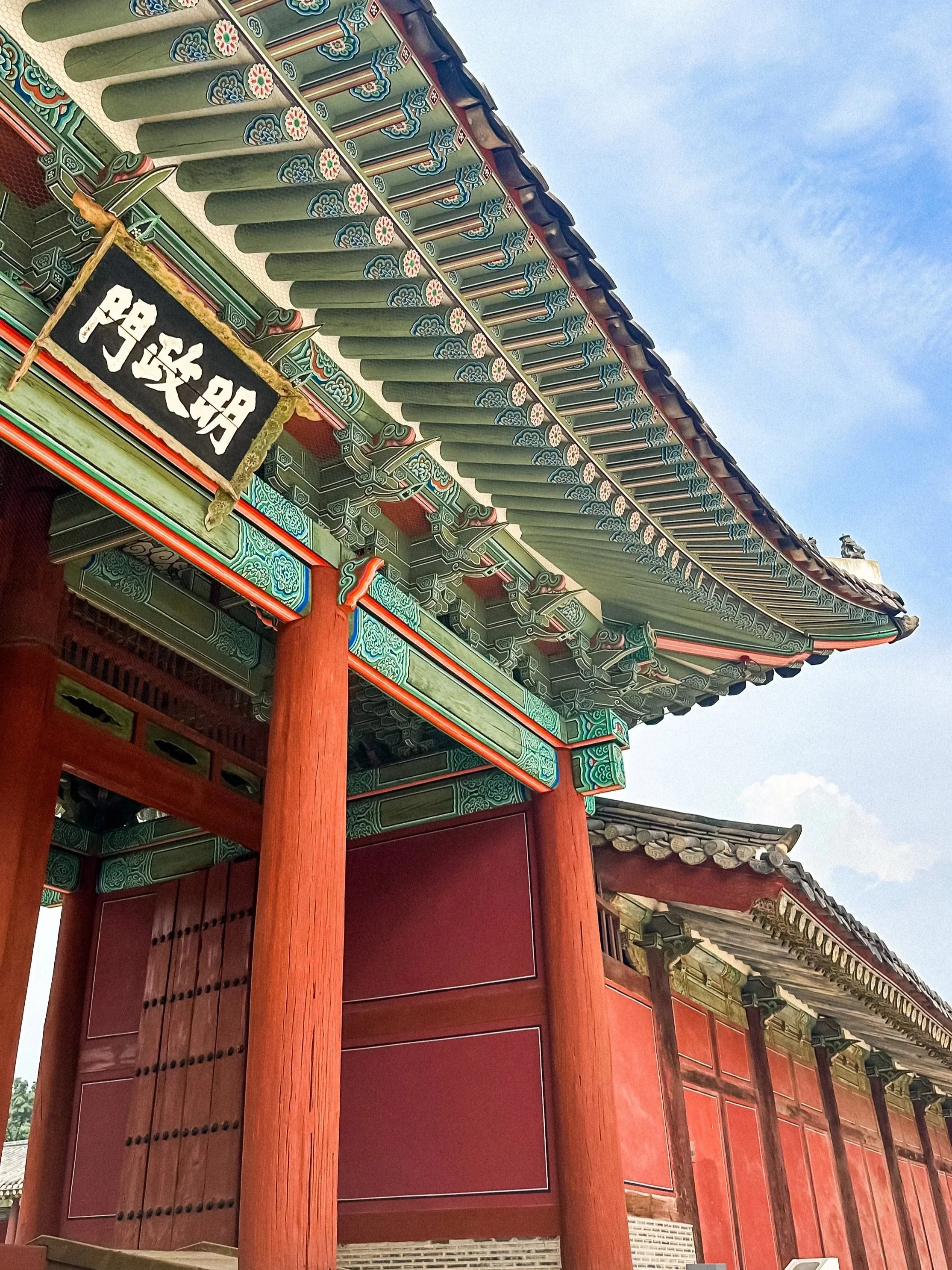
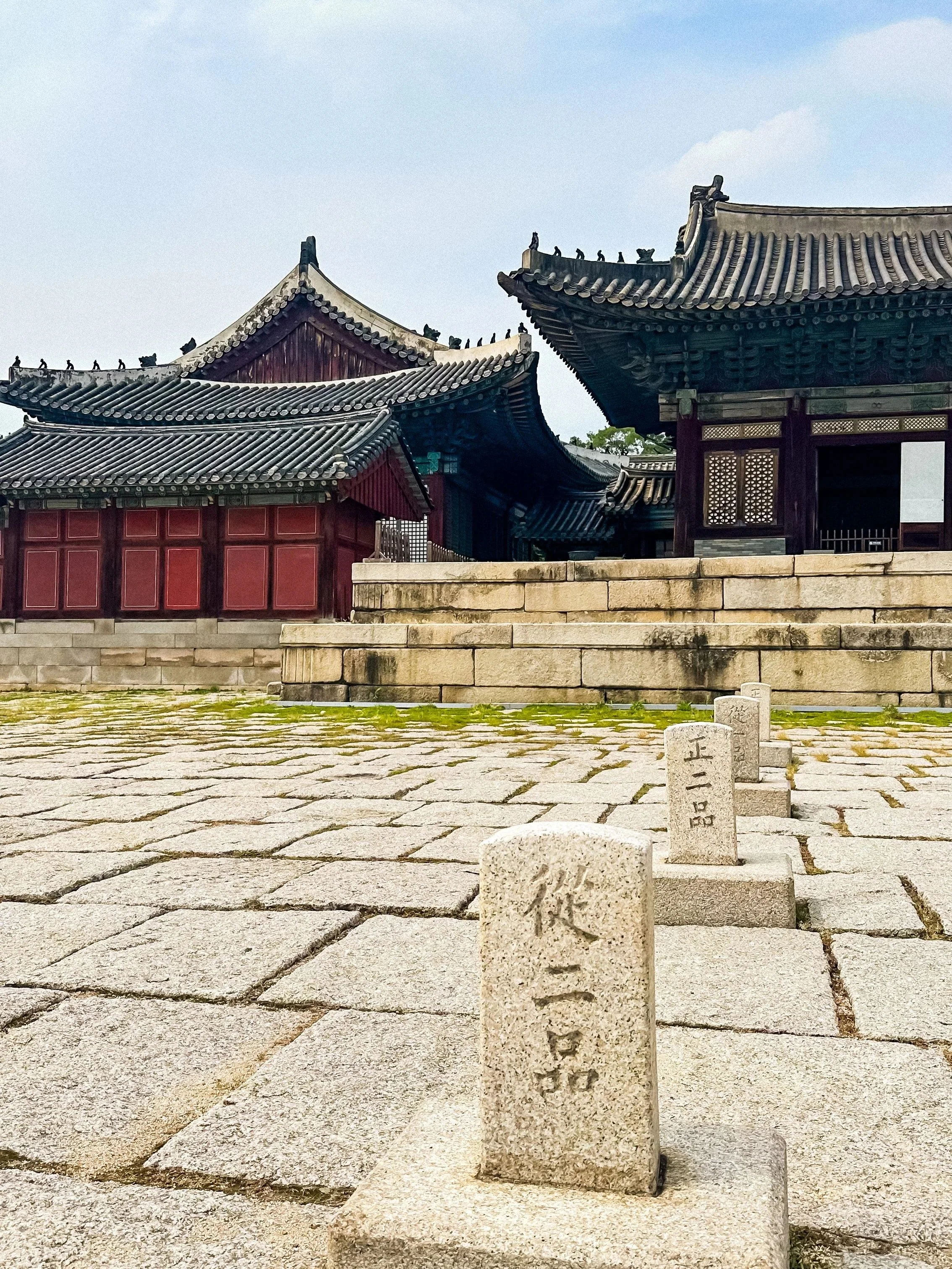
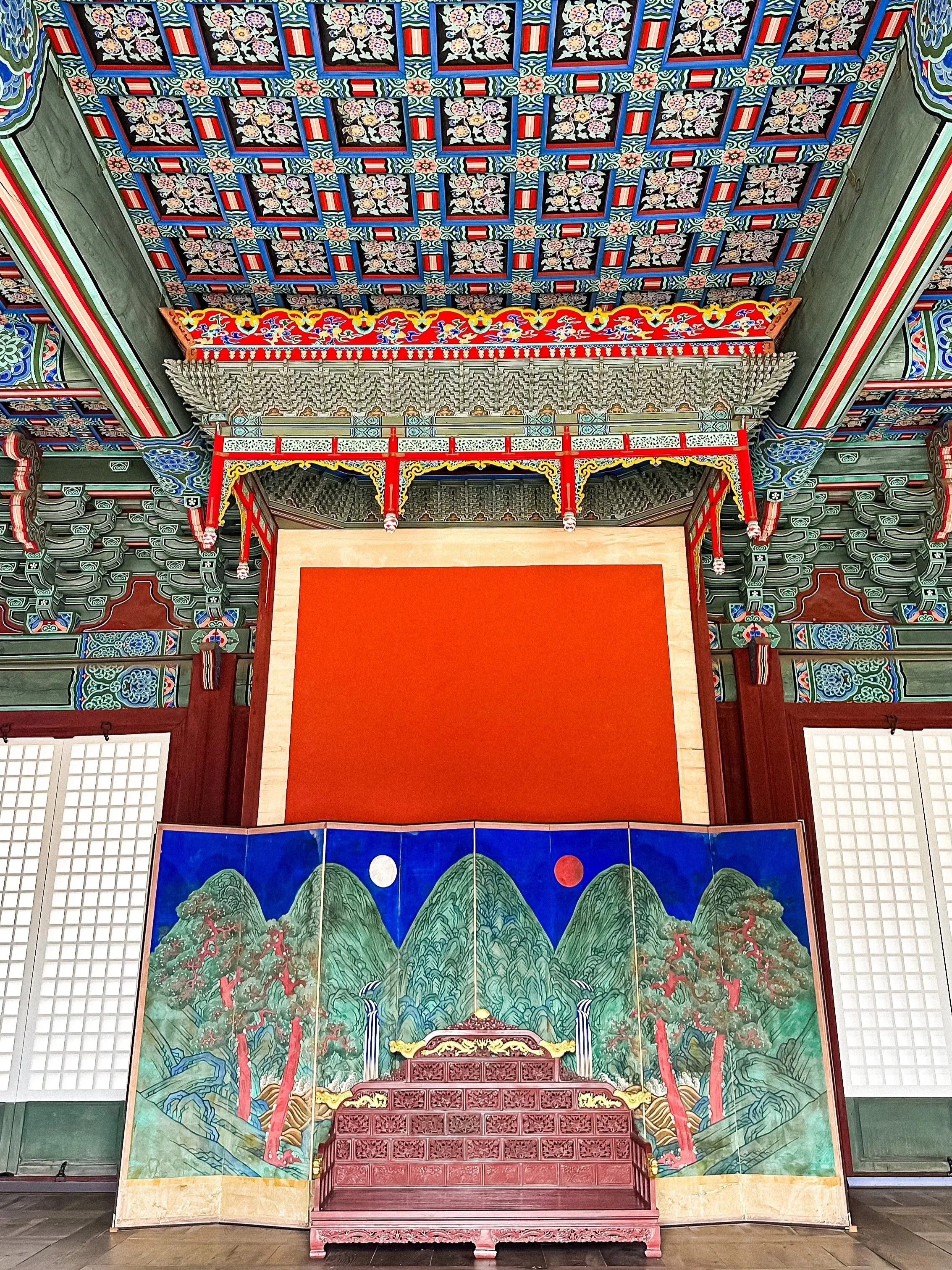
More intimate and poetic, Changdeokgung is known for its harmony with nature. Unlike the rigid symmetry of Gyeongbokgung, this palace follows the natural contours of the land.
Its Secret Garden is one of the most peaceful places in Seoul. Access is limited to guided visits, but it is worth planning ahead for the experience. This is a place to slow down and observe seasonal changes.
Bukchon Hanok Village
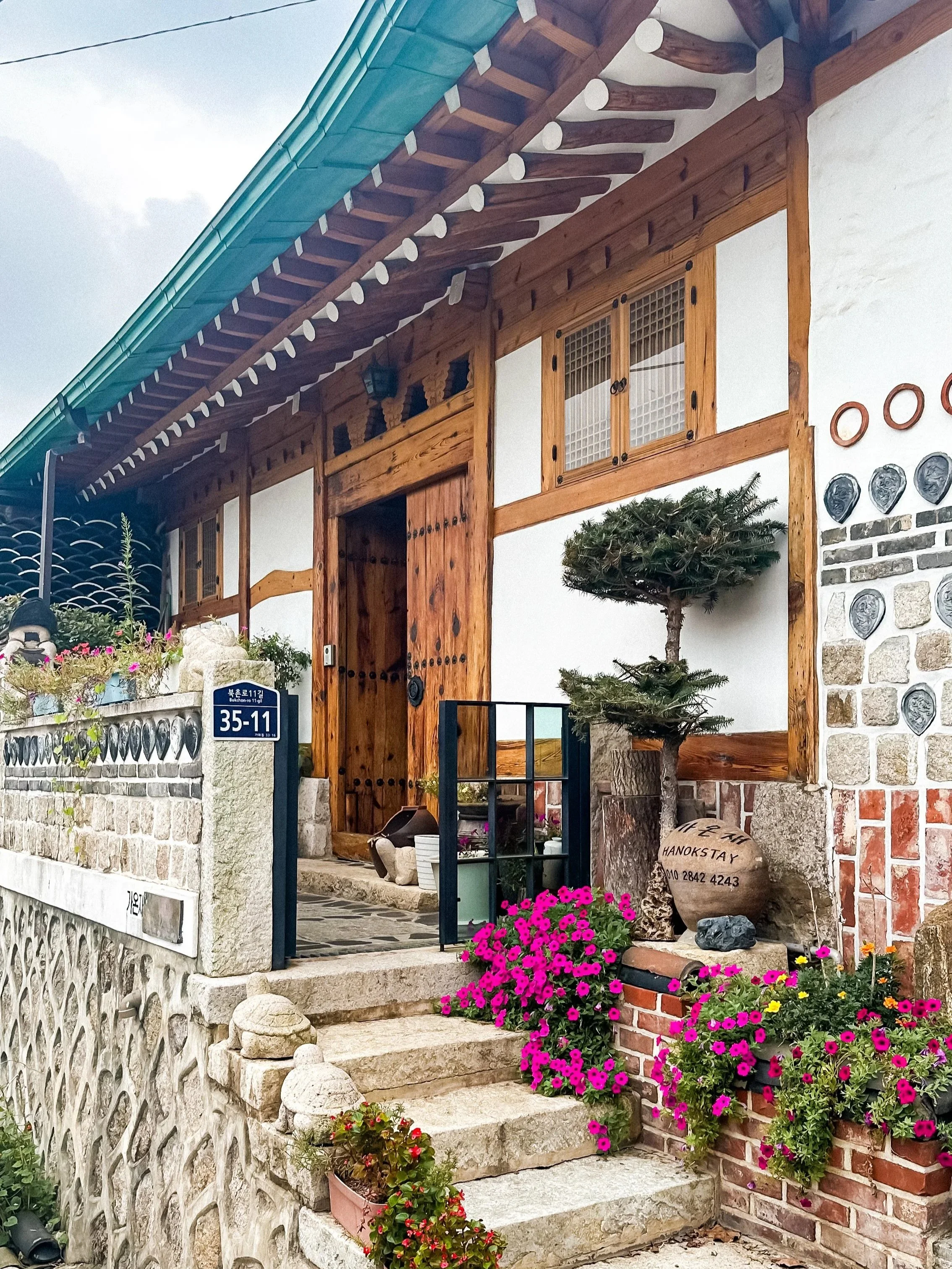
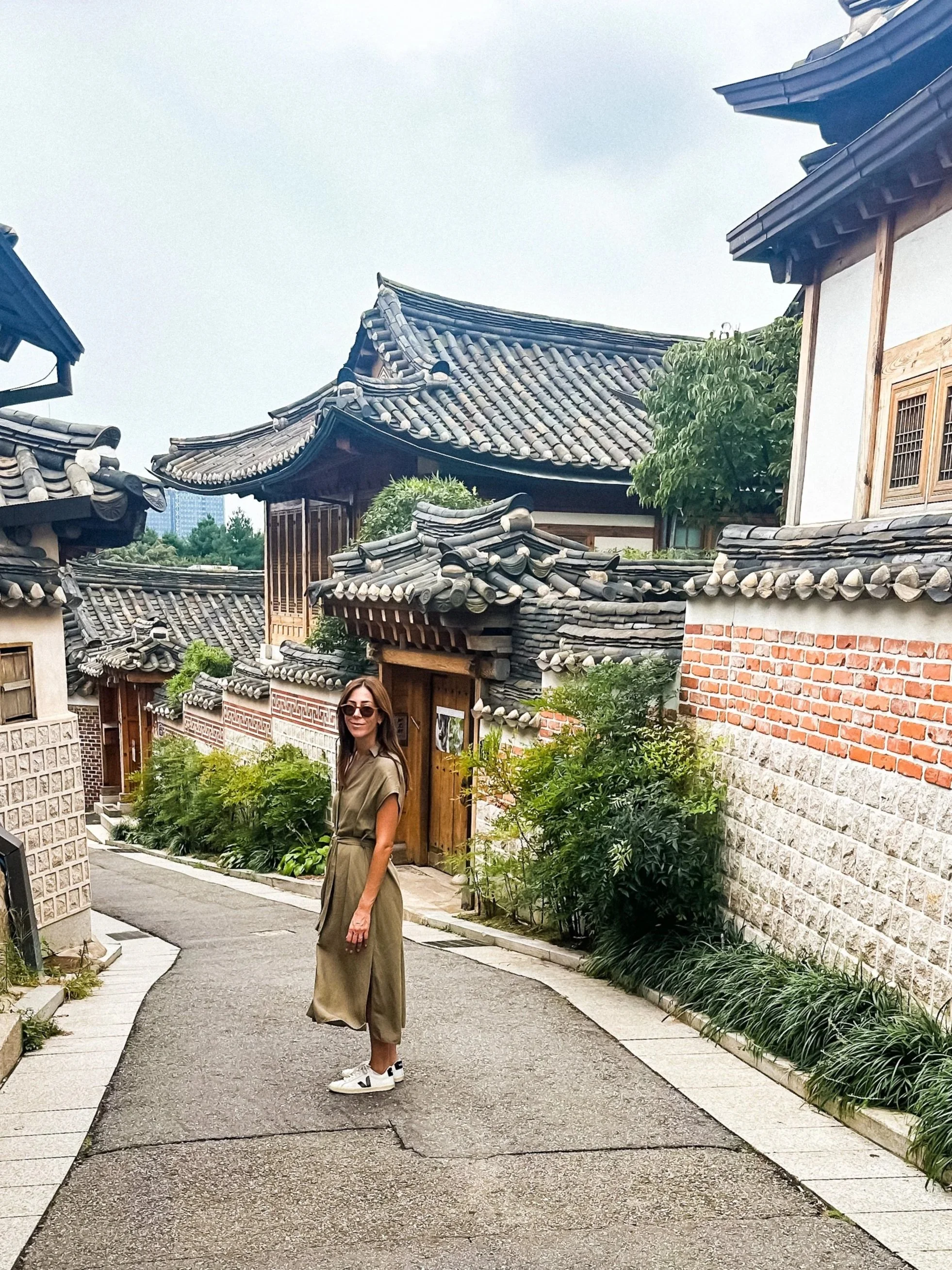
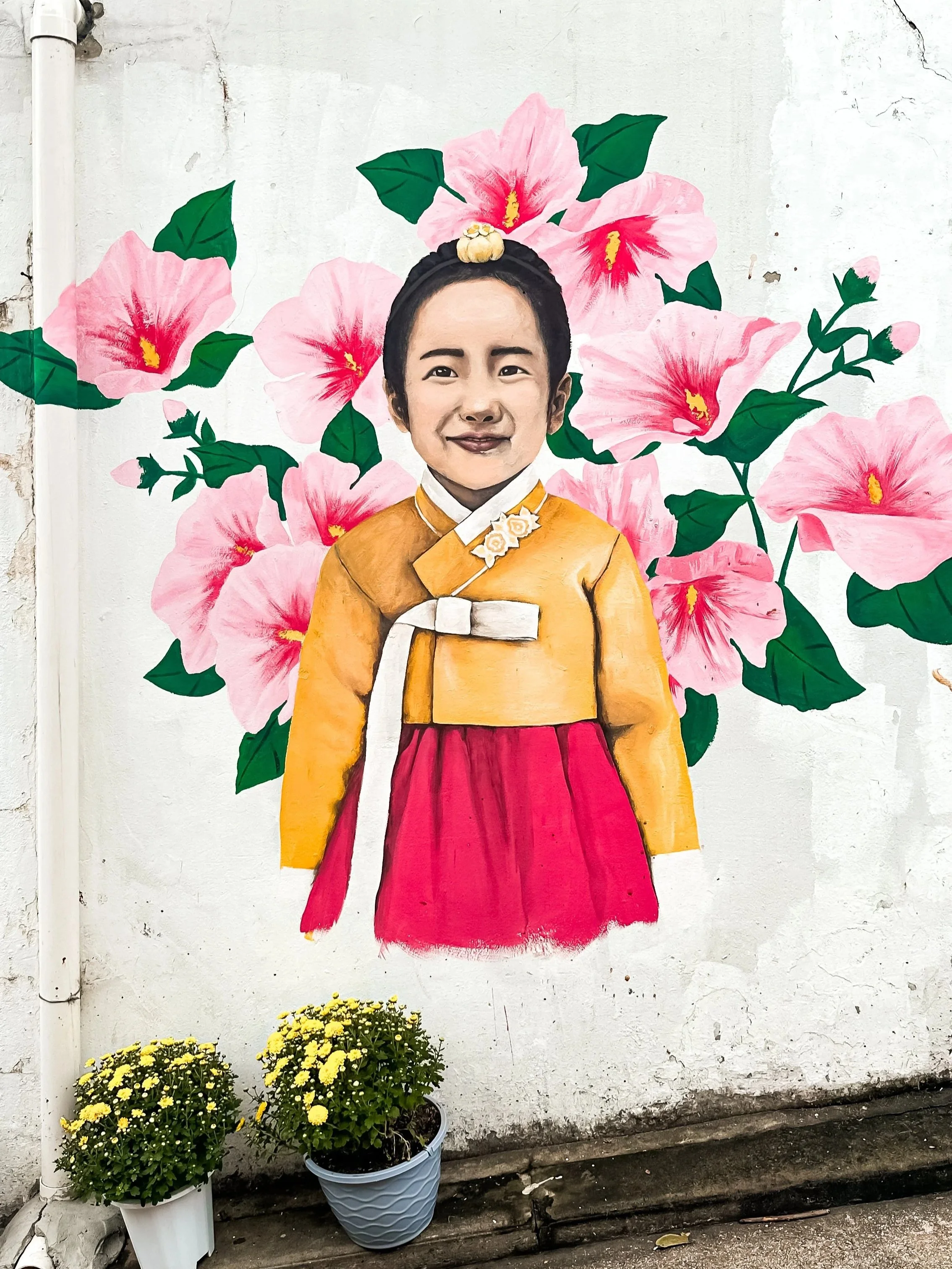
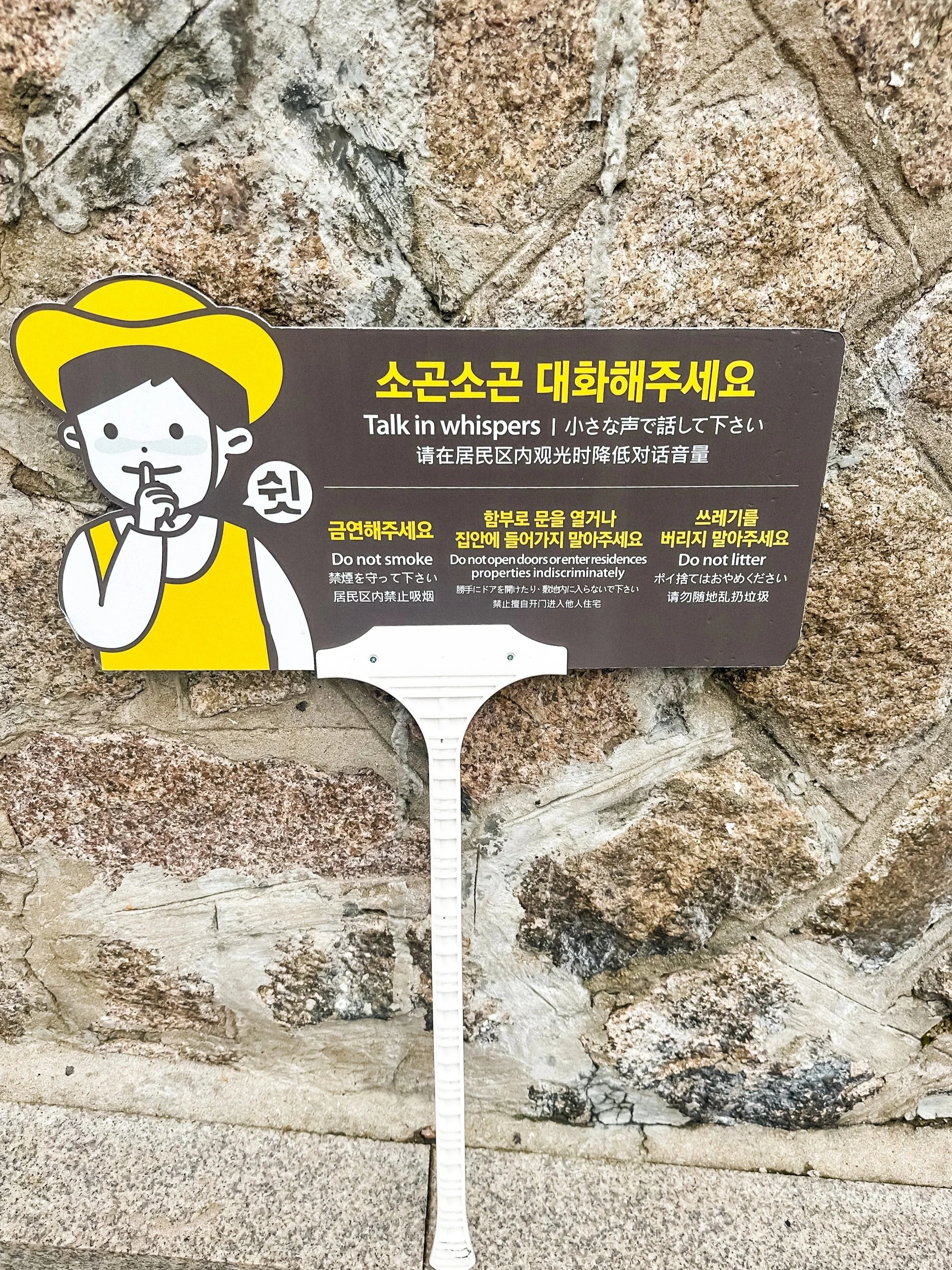
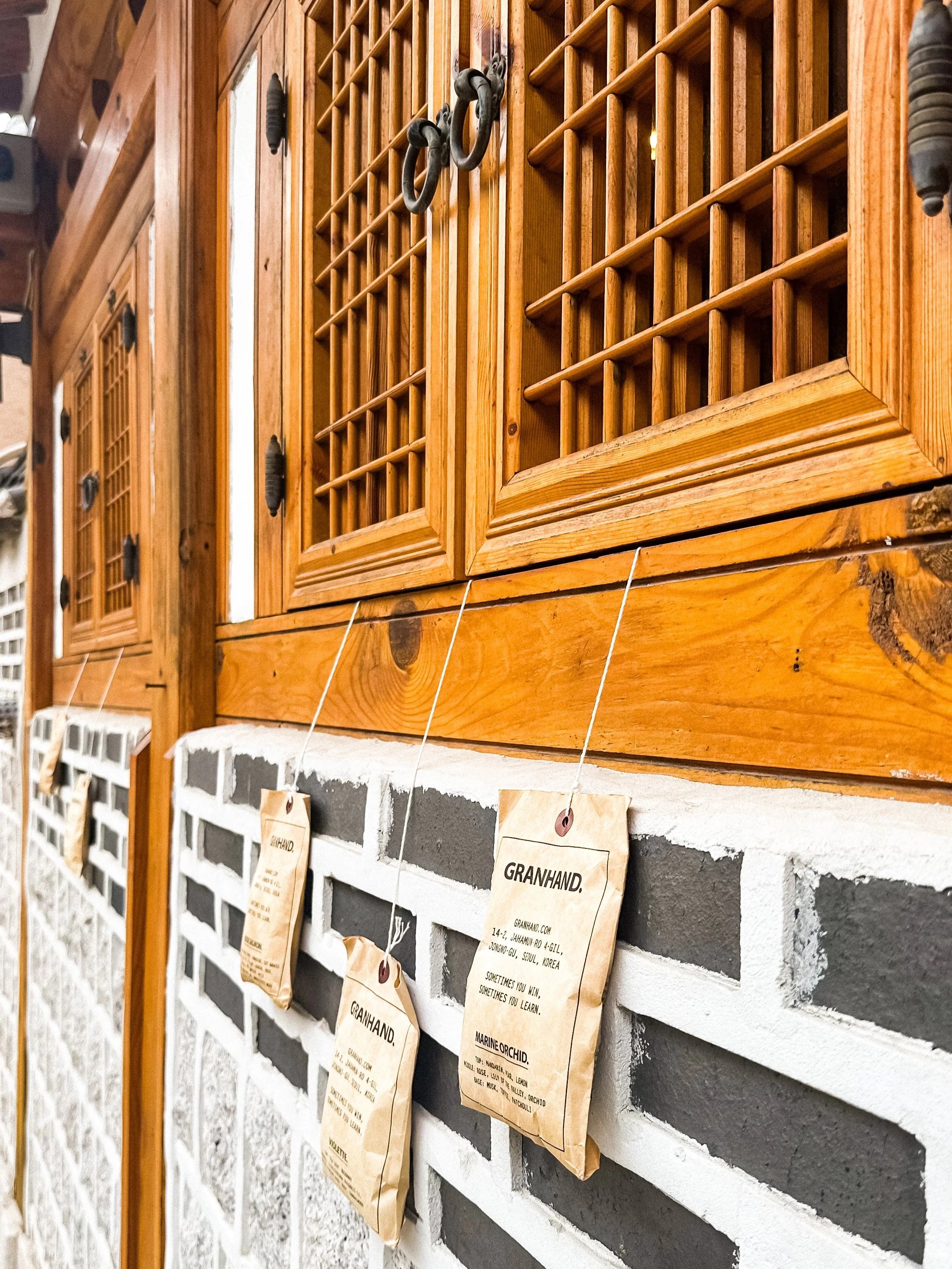
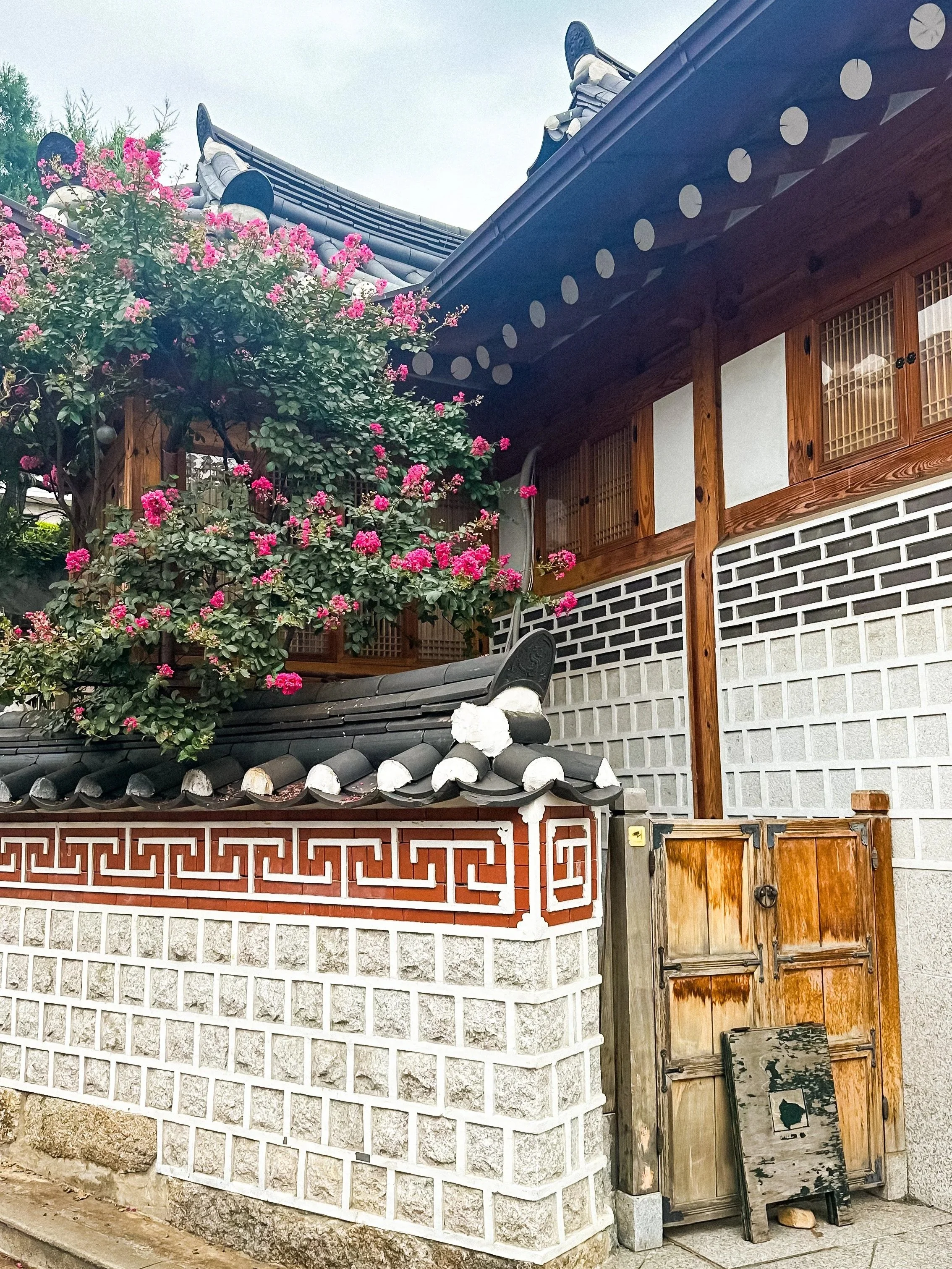
Bukchon preserves hundreds of traditional hanok houses once inhabited by noble families. Today, it remains a residential area, which calls for respectful and quiet exploration.
The neighborhood offers beautiful perspectives over tiled roofs and narrow streets. Early morning is the best time to visit, before tour groups arrive.
Address: Gyedong-gil, Jongno-gu, Seoul
Neighborhoods and Street Life
Insadong
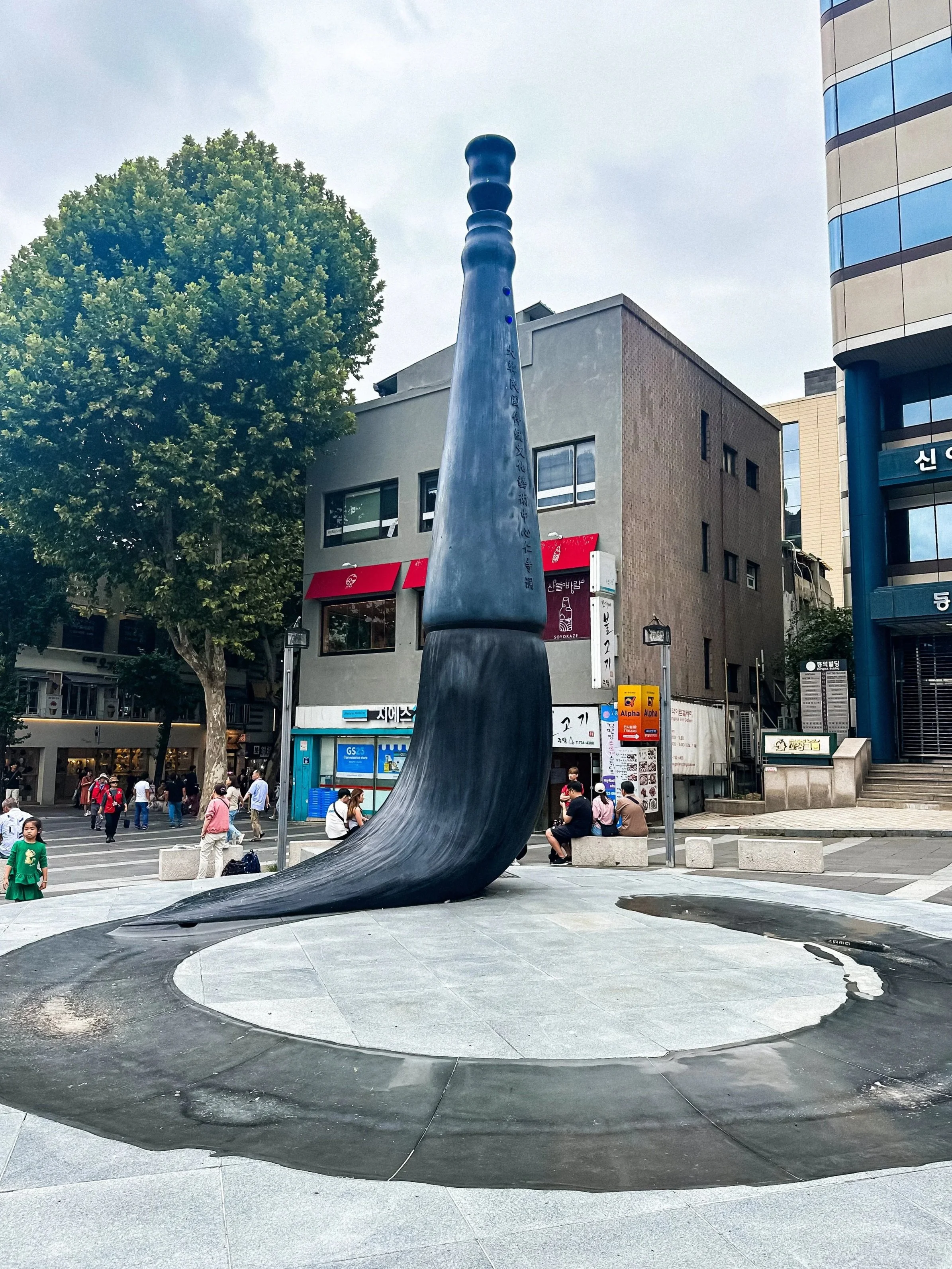
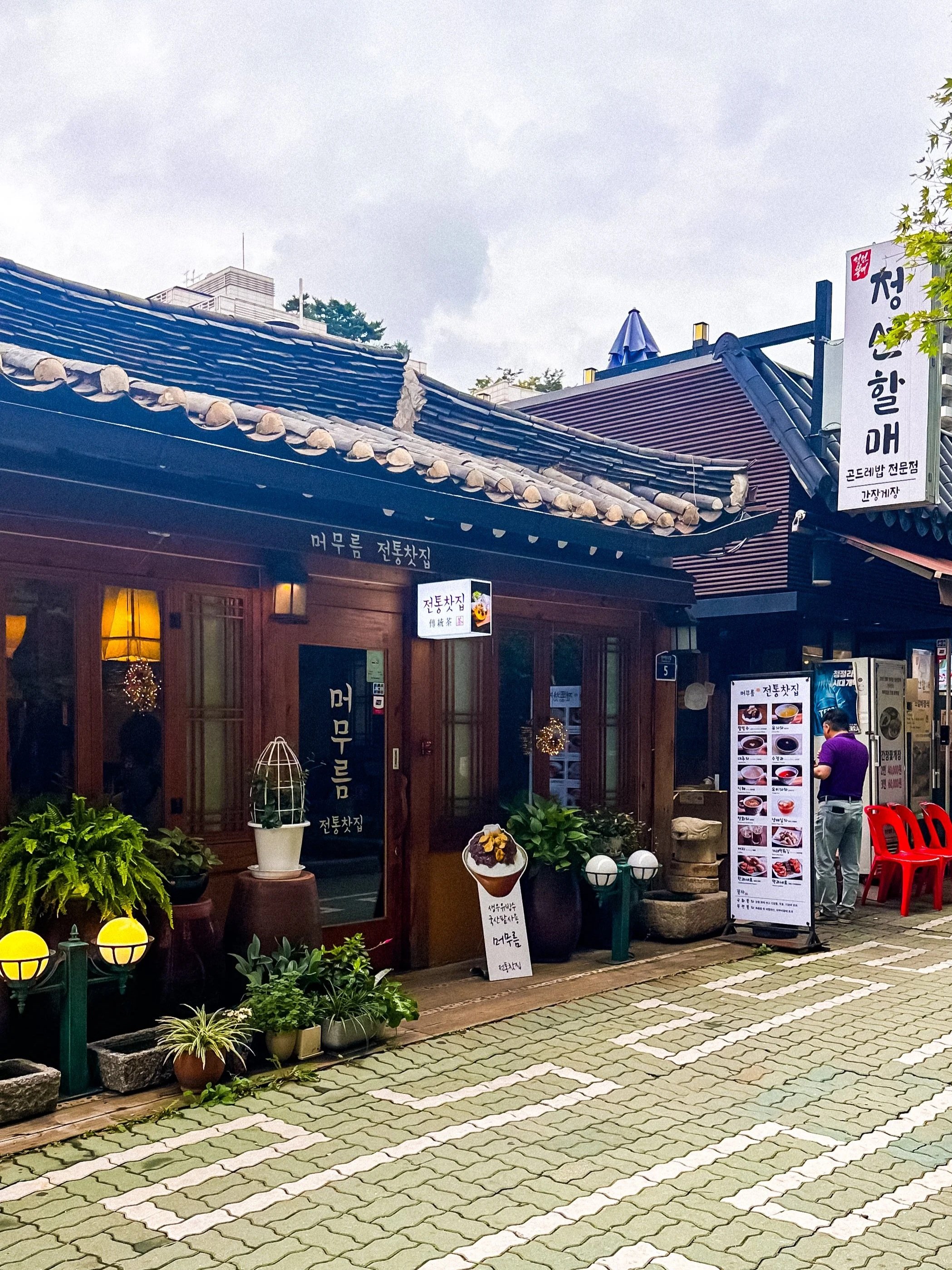
Insadong is deeply rooted in traditional culture. Antique shops, calligraphy stores, tea houses, and craft boutiques line its main street and hidden alleys.
While touristic, it remains a valuable place to understand Korean aesthetics, from ceramics to traditional paper. Step into smaller side streets for quieter discoveries.
Ikseon-dong
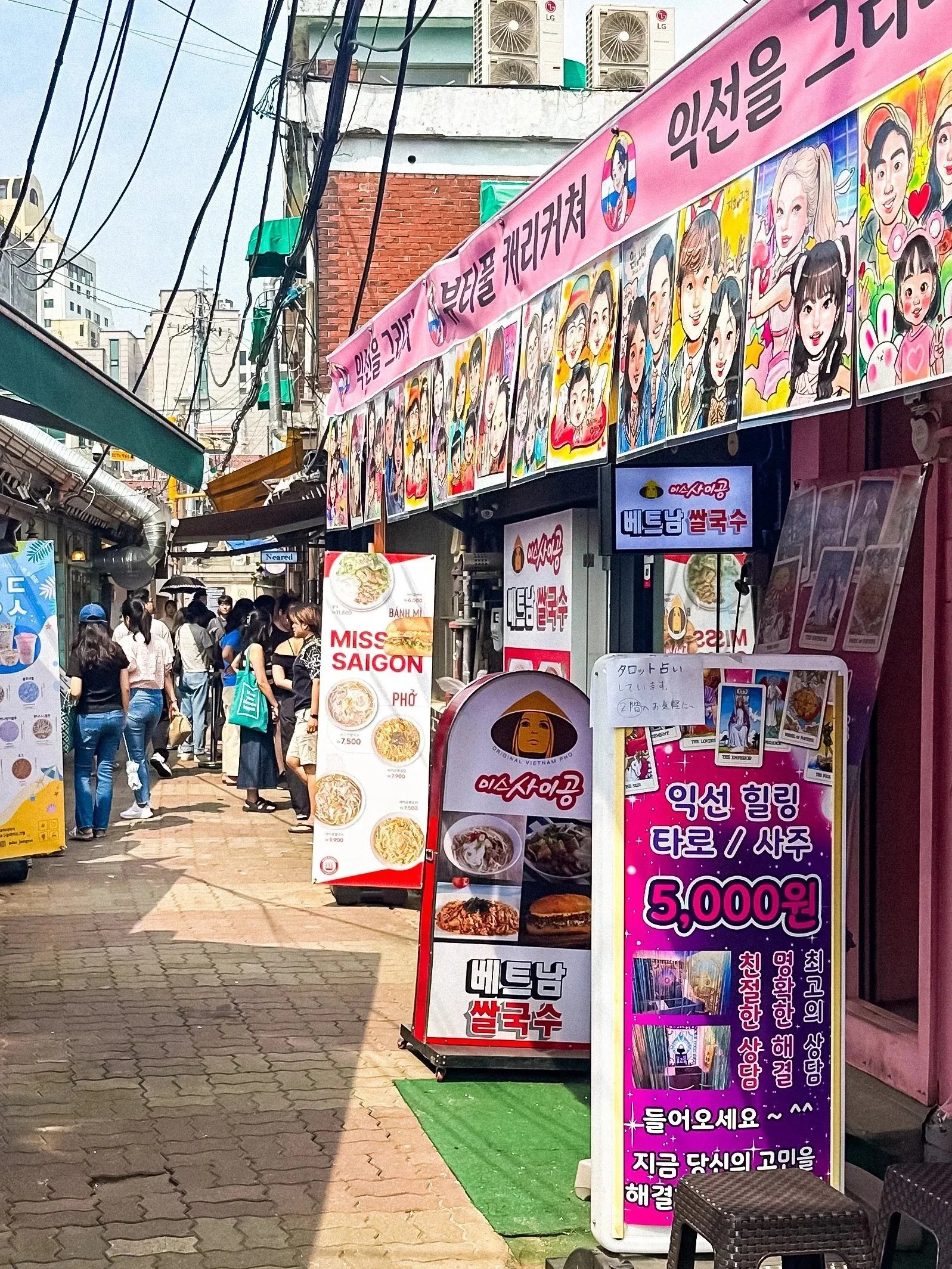
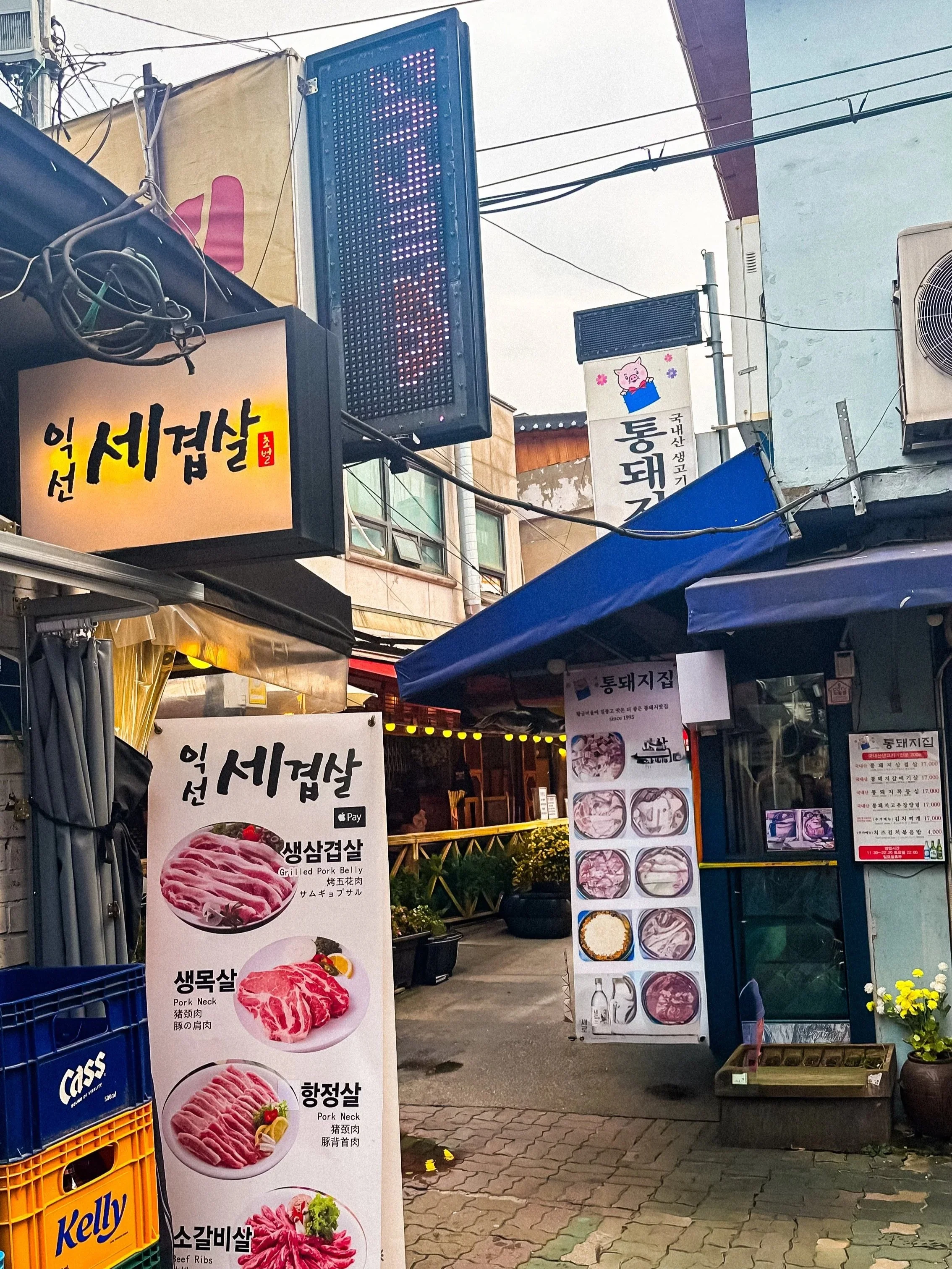
Ikseon-dong blends old and new effortlessly. Traditional houses have been transformed into cafés, restaurants, and concept stores.
It is lively yet charming, especially in the late afternoon. Expect small spaces, creative menus, and a young local crowd.
Hongdae
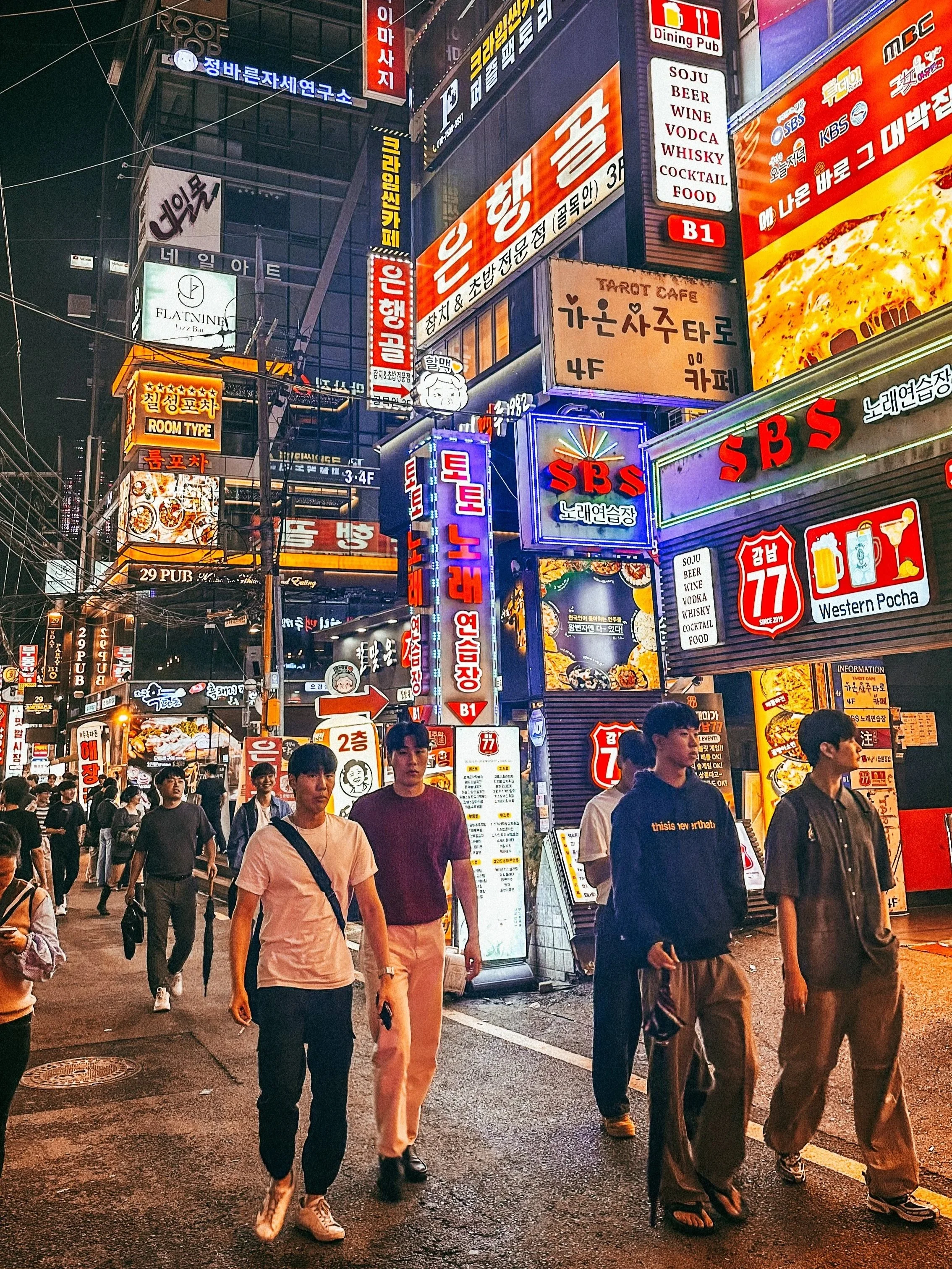
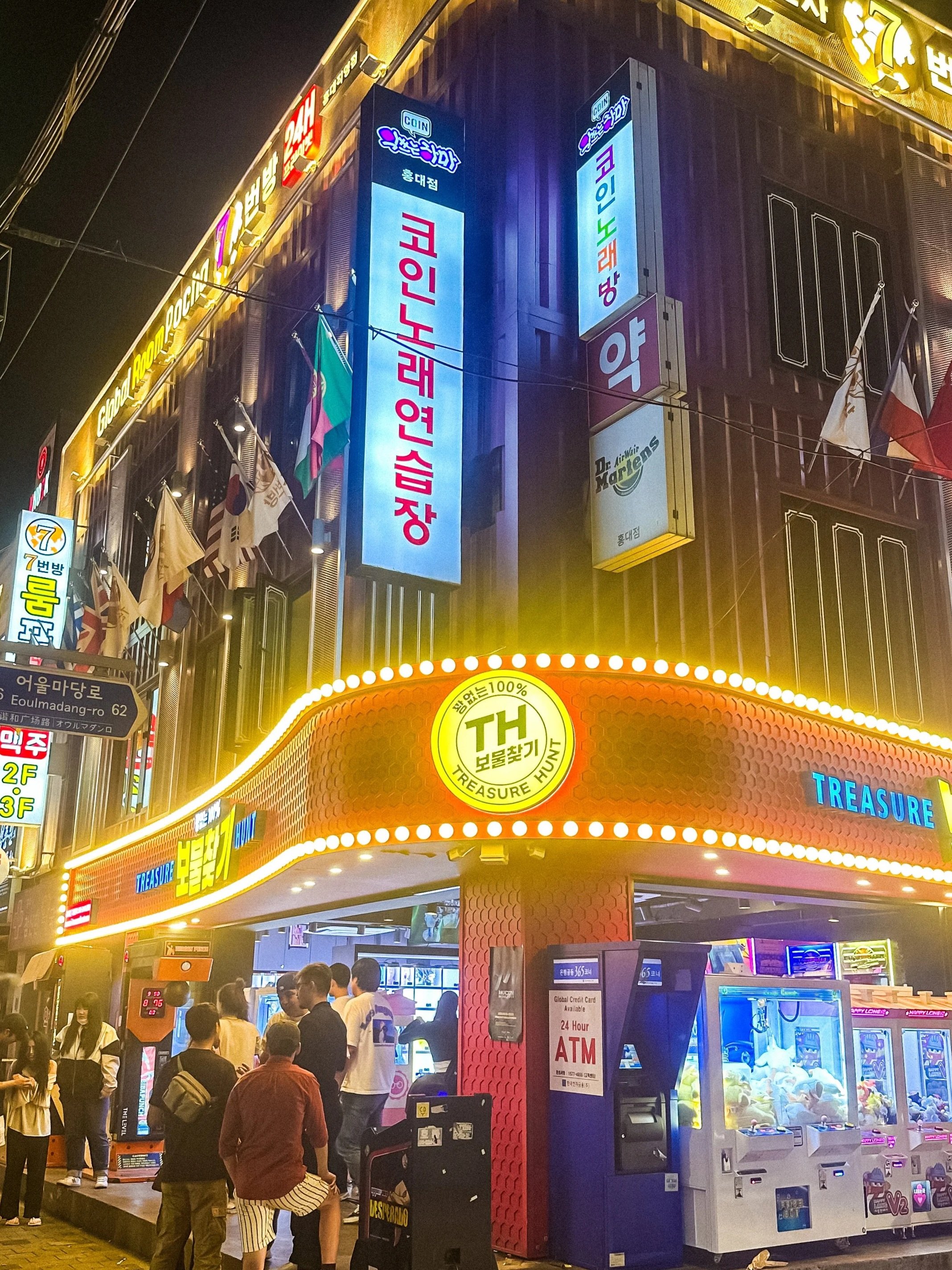
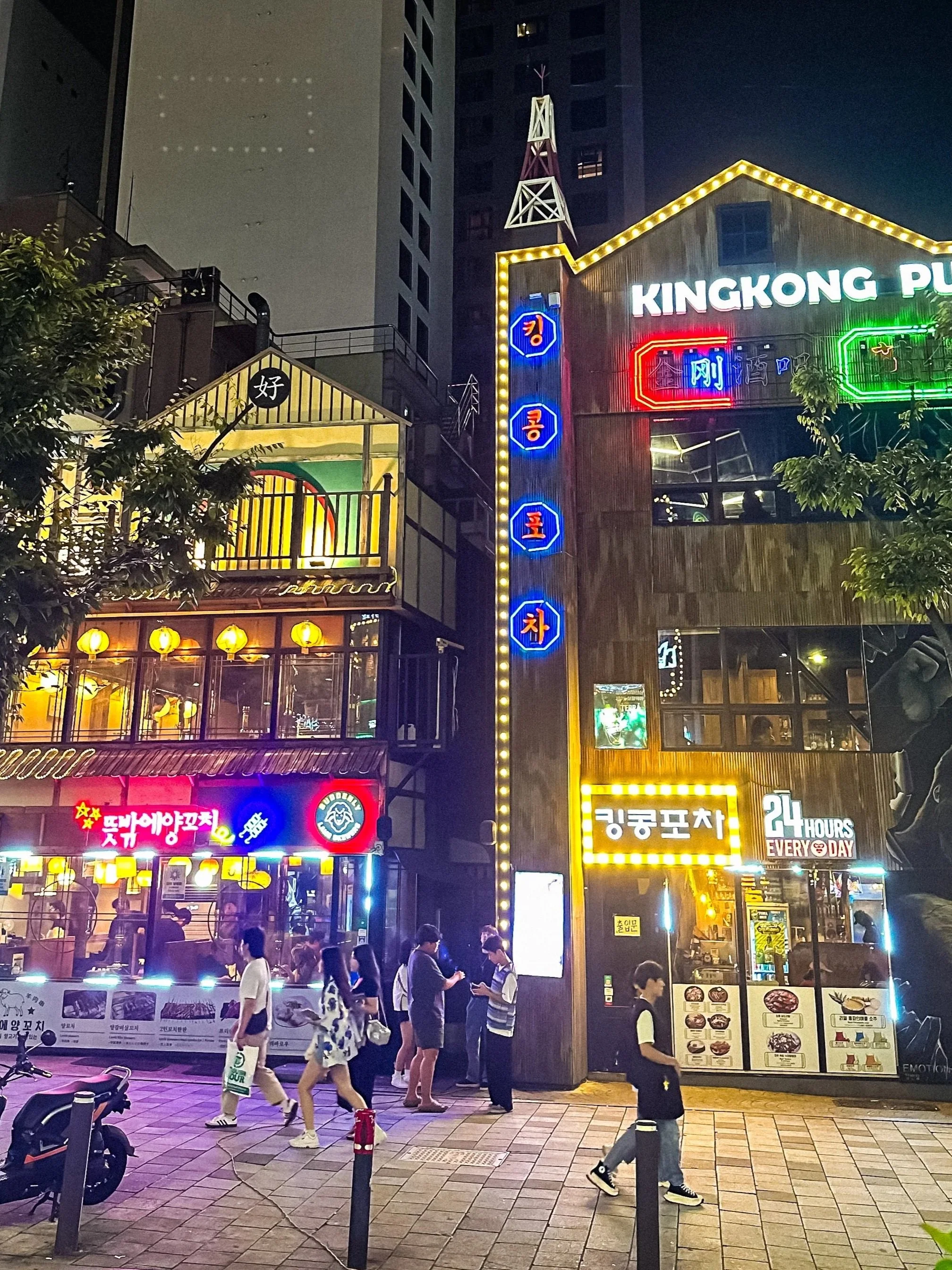
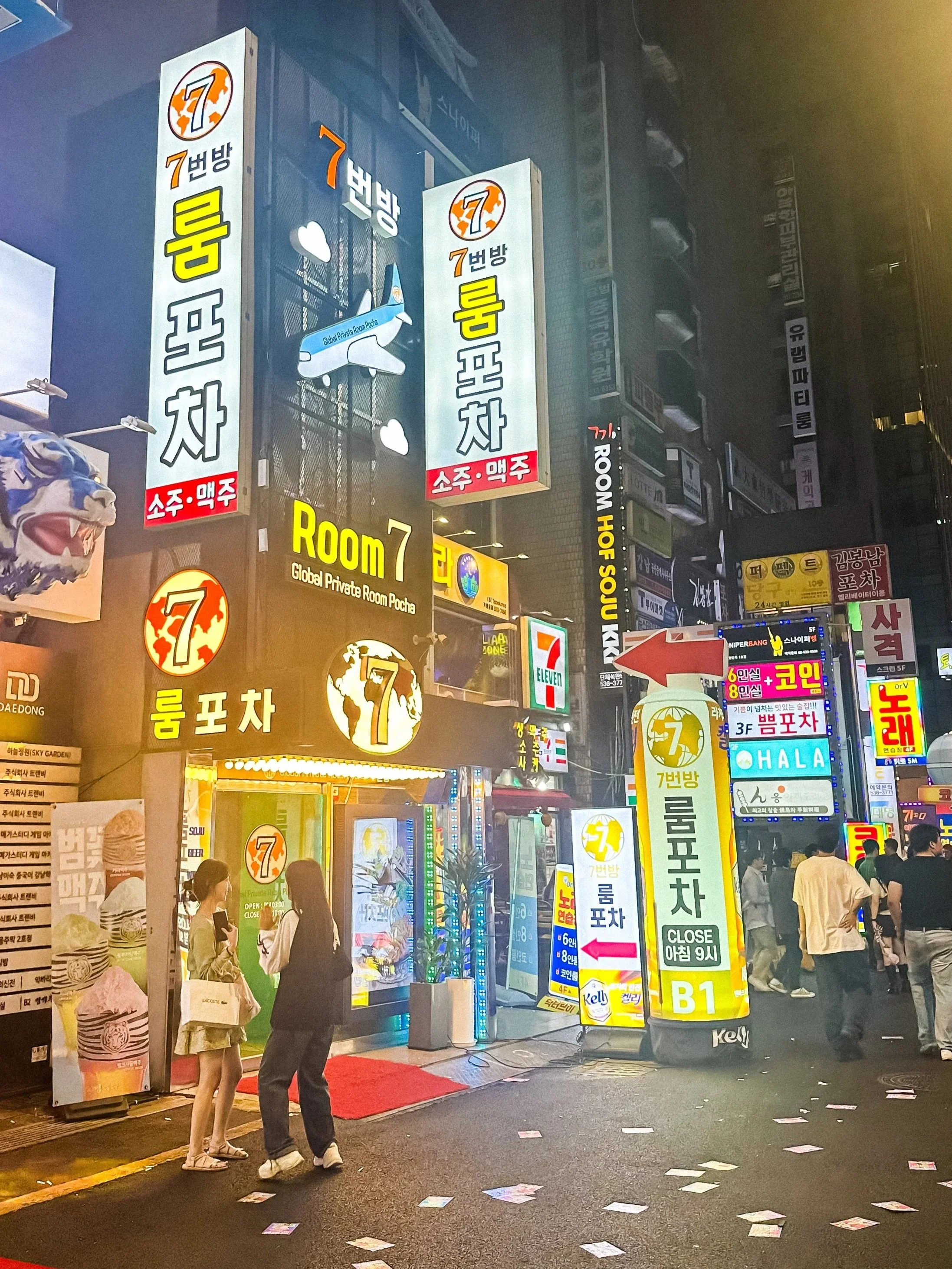
Hongdae reflects Seoul’s youthful and creative energy. Known for its art schools, street performances, vintage shops, and nightlife, it is dynamic and constantly evolving.
Visit in the afternoon to explore shops and cafés, and stay into the evening when the area truly comes alive.
Gangnam District
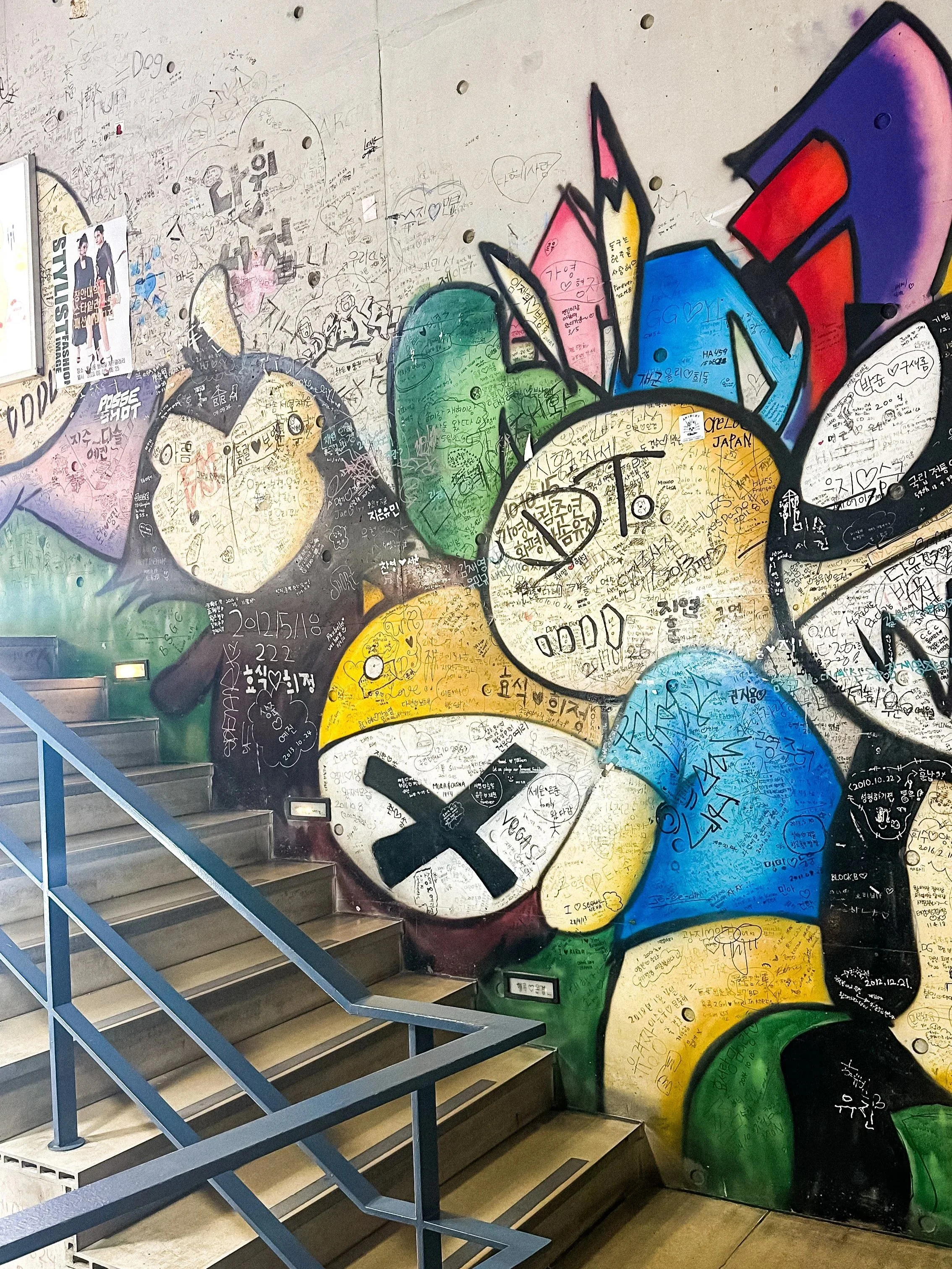
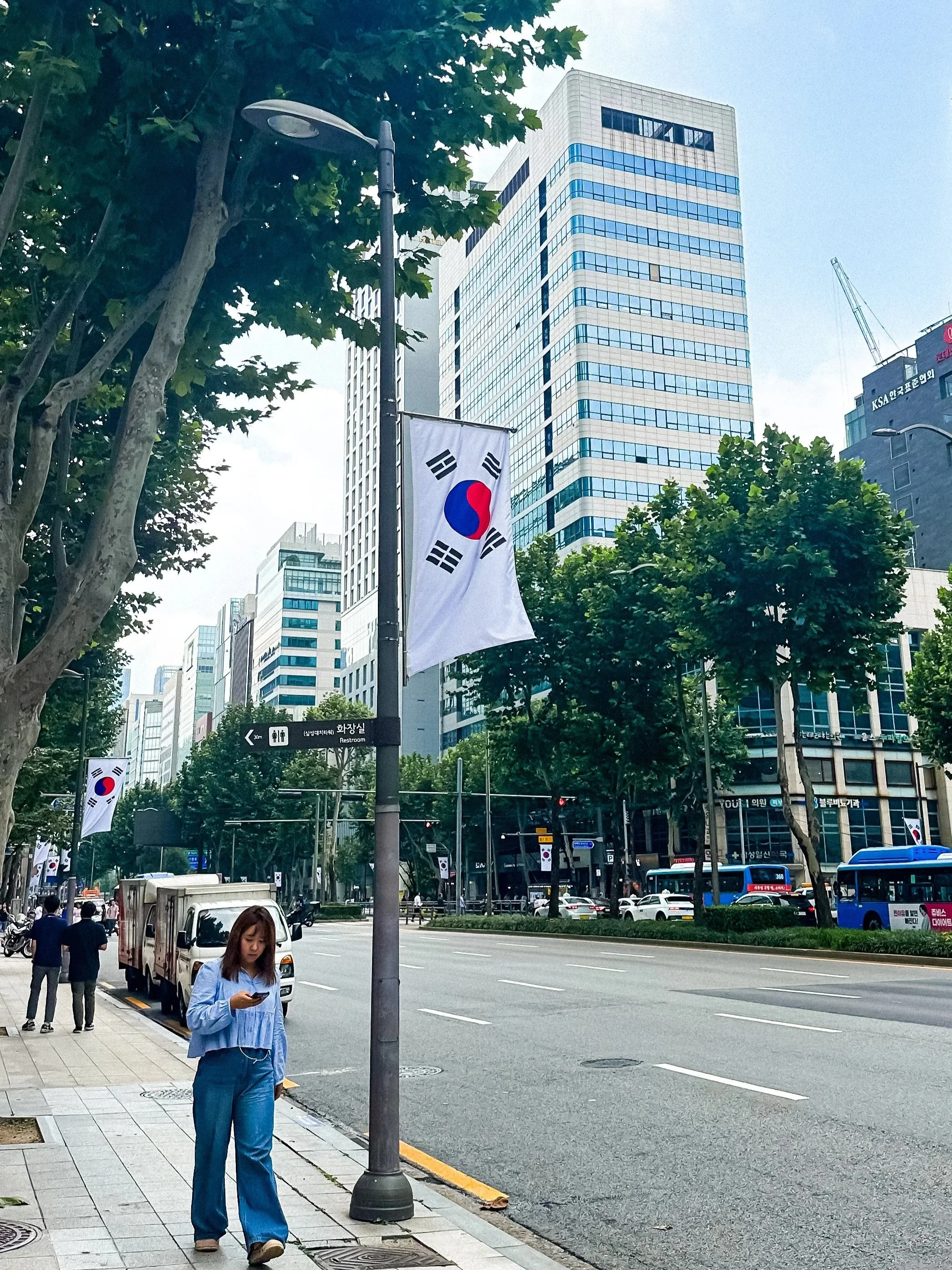
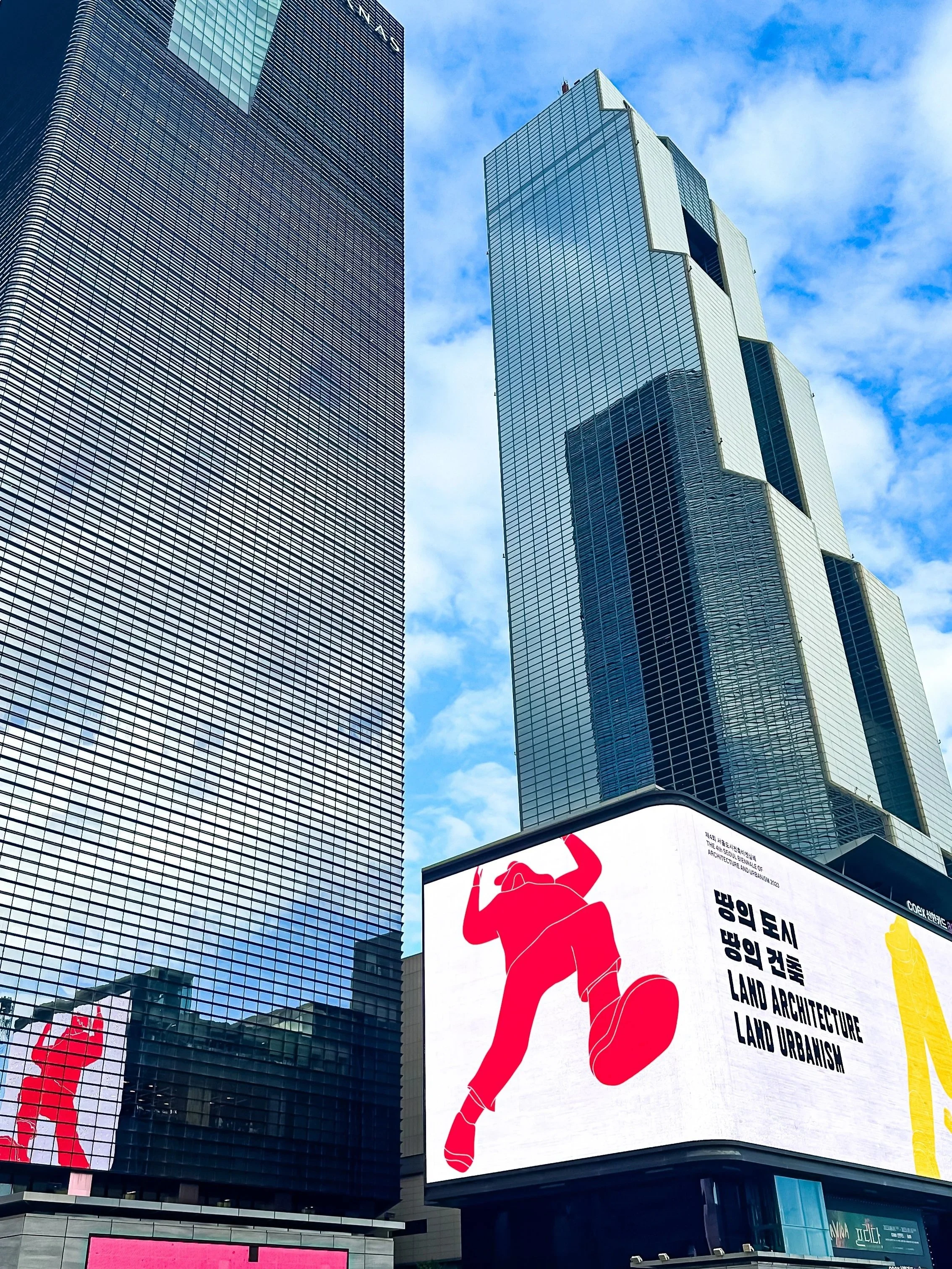
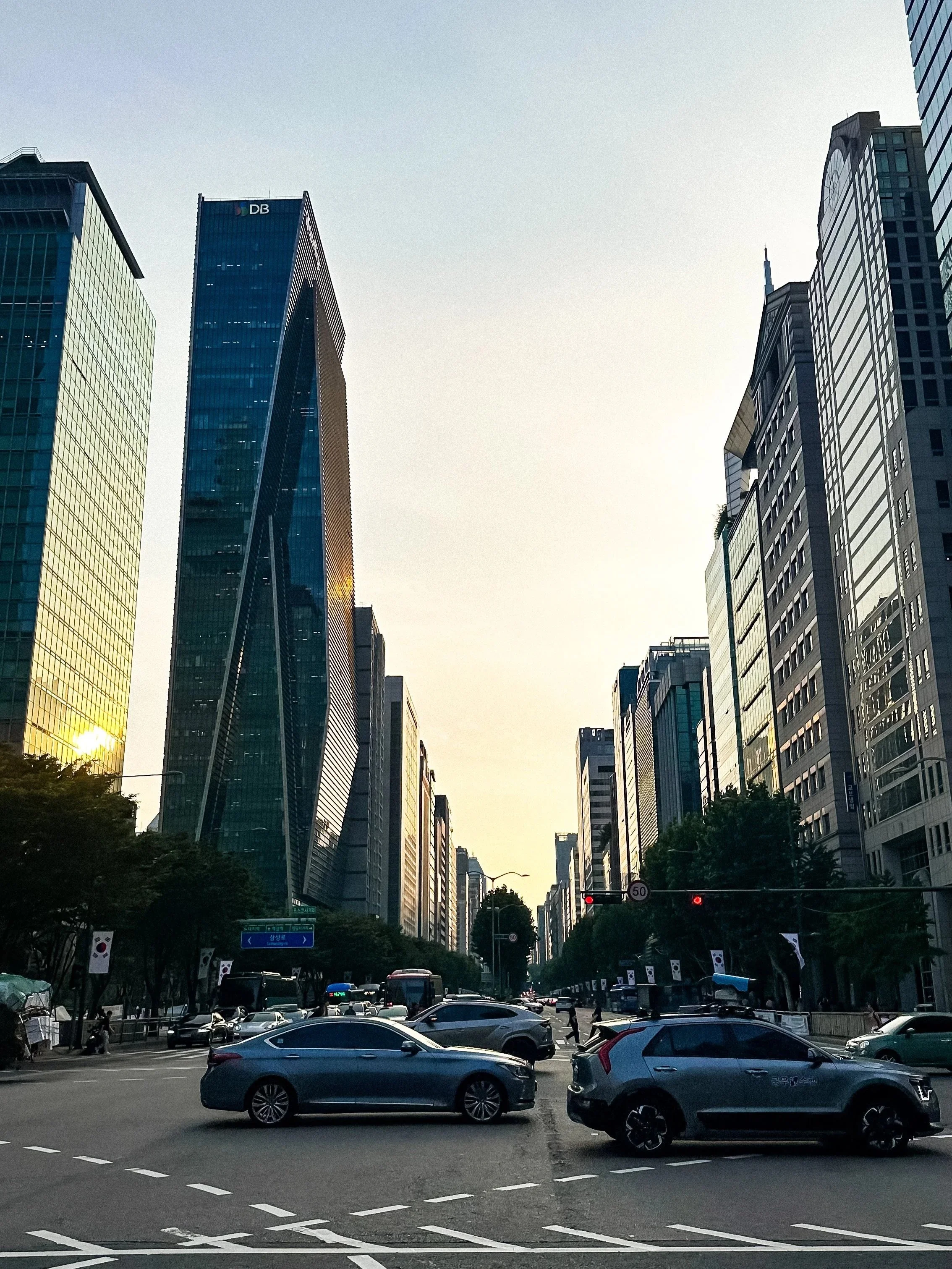
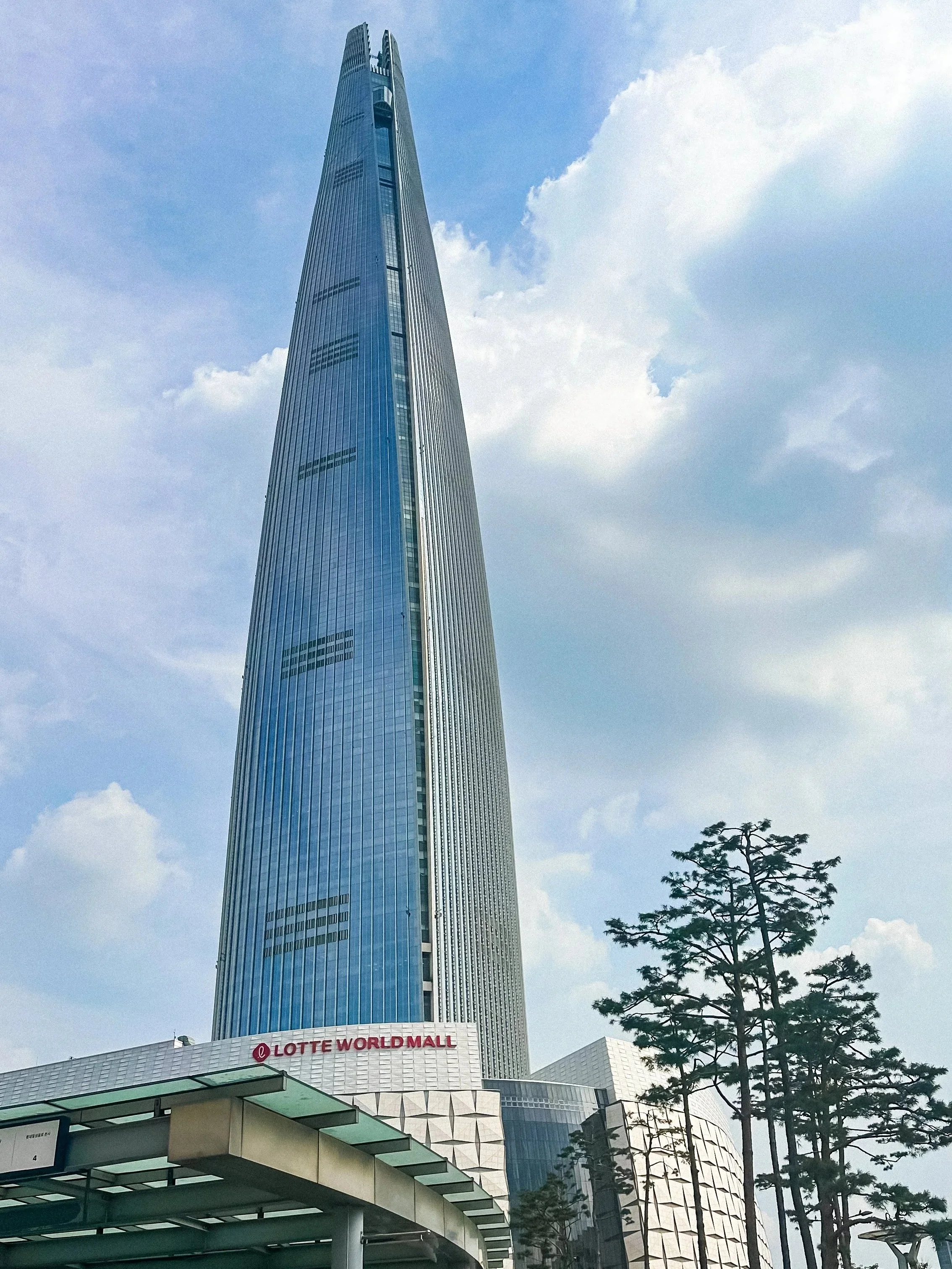
Gangnam represents modern Seoul. Wide avenues, corporate towers, luxury boutiques, and stylish cafés define its landscape.
Beyond its polished image, the area reveals everyday routines of working life, fitness culture, and after work rituals.
Gangnam Square and K Star Road
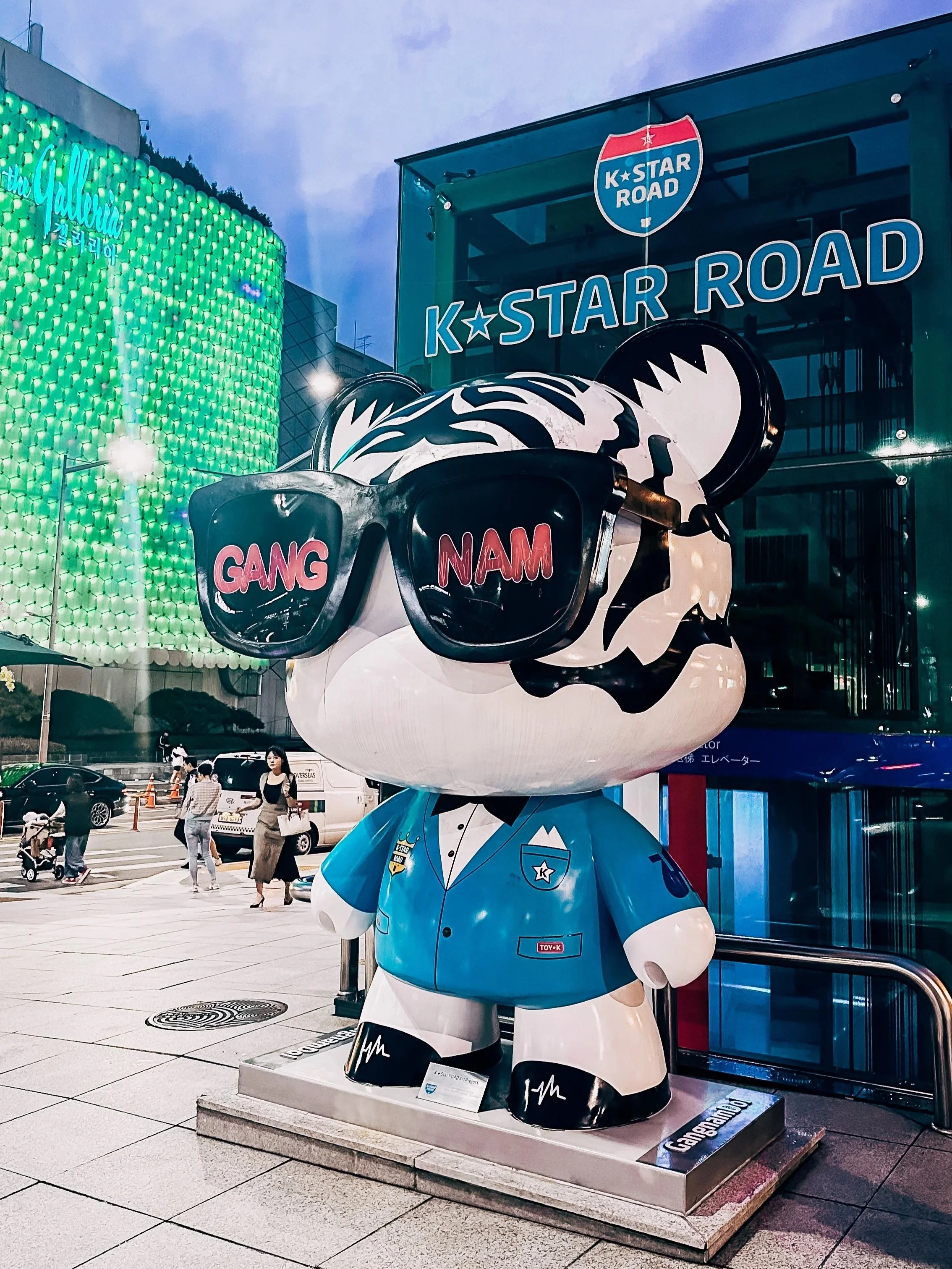
Gangnam Square and K Star Road celebrate South Korea’s global pop culture influence. Sculptures, themed installations, and branded experiences line the streets.
Even for those less interested in K Pop, it offers insight into how culture, branding, and urban space intersect in Seoul.
Architecture, Design, and Contemporary Culture
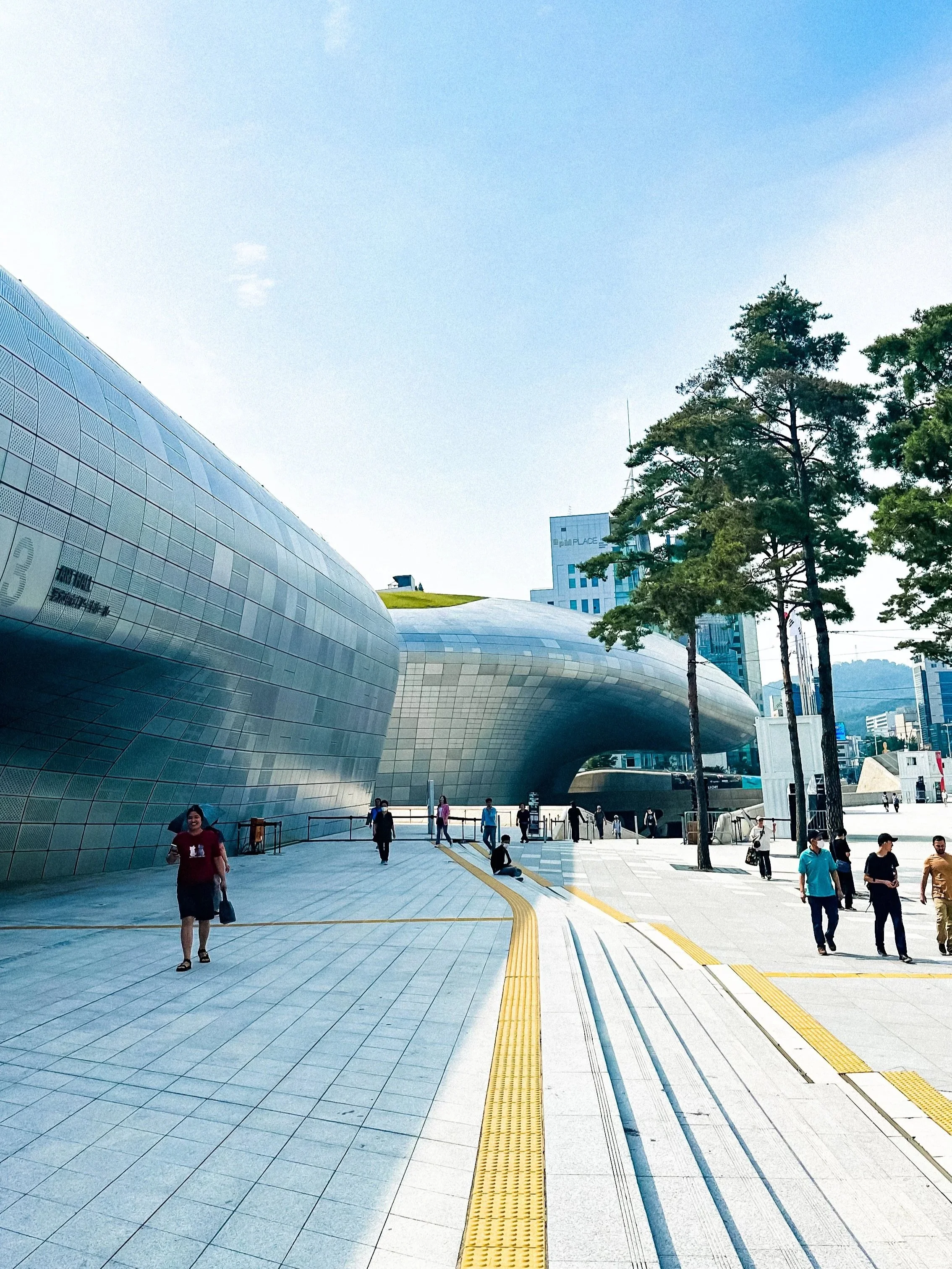
Dongdaemun Design Plaza (DDP)
Designed by Zaha Hadid, DDP is one of Seoul’s most striking architectural landmarks. Its fluid metallic structure contrasts sharply with the surrounding historic area.
Inside, exhibitions, design events, and fashion related installations reflect Seoul’s creative pulse. The building is particularly impressive at night.
Adress: 281 Eulji-ro, Jung-gu, Seoul
Infos: https://ddp.or.kr/
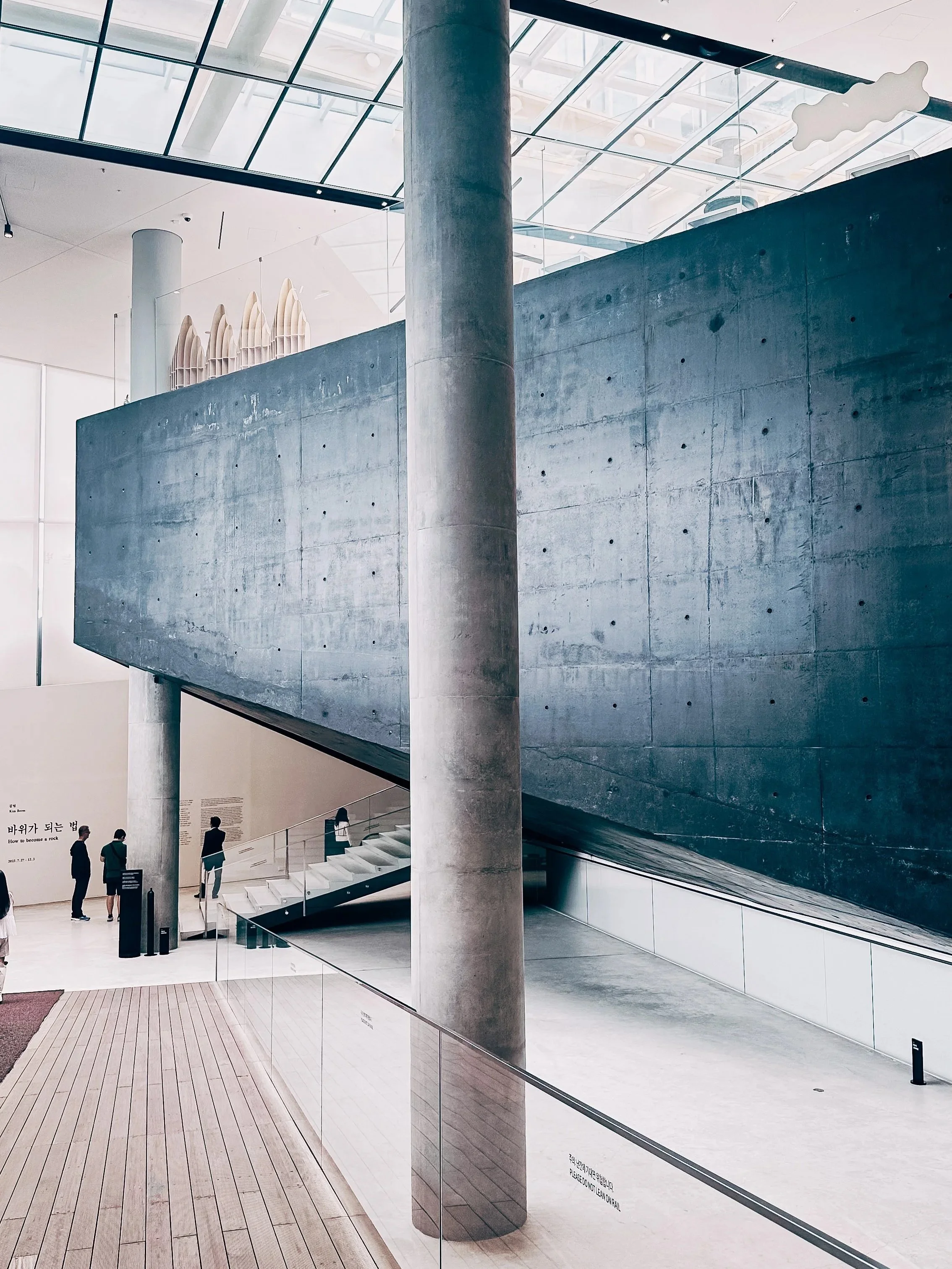
Leeum Samsung Museum of Art
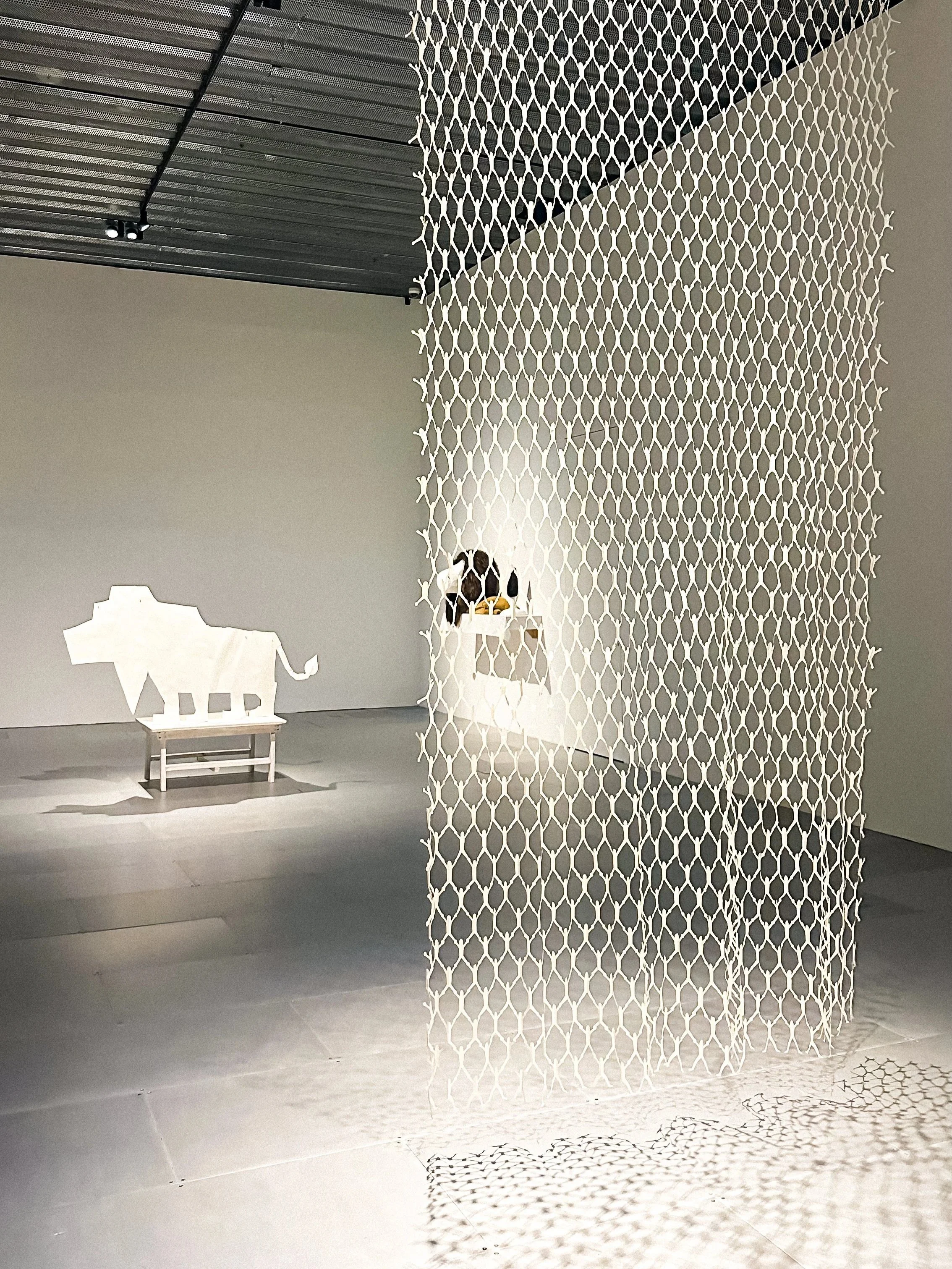
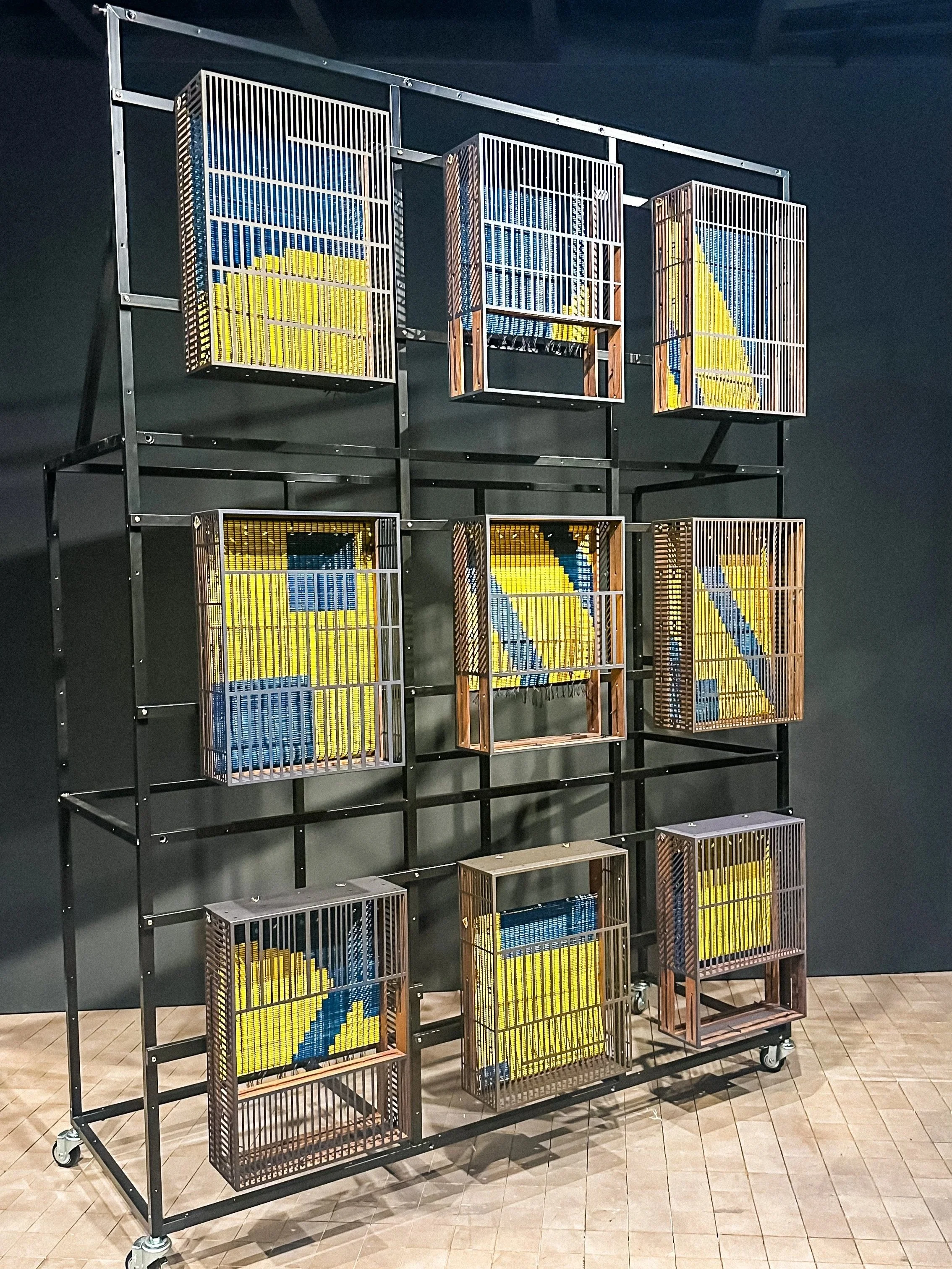
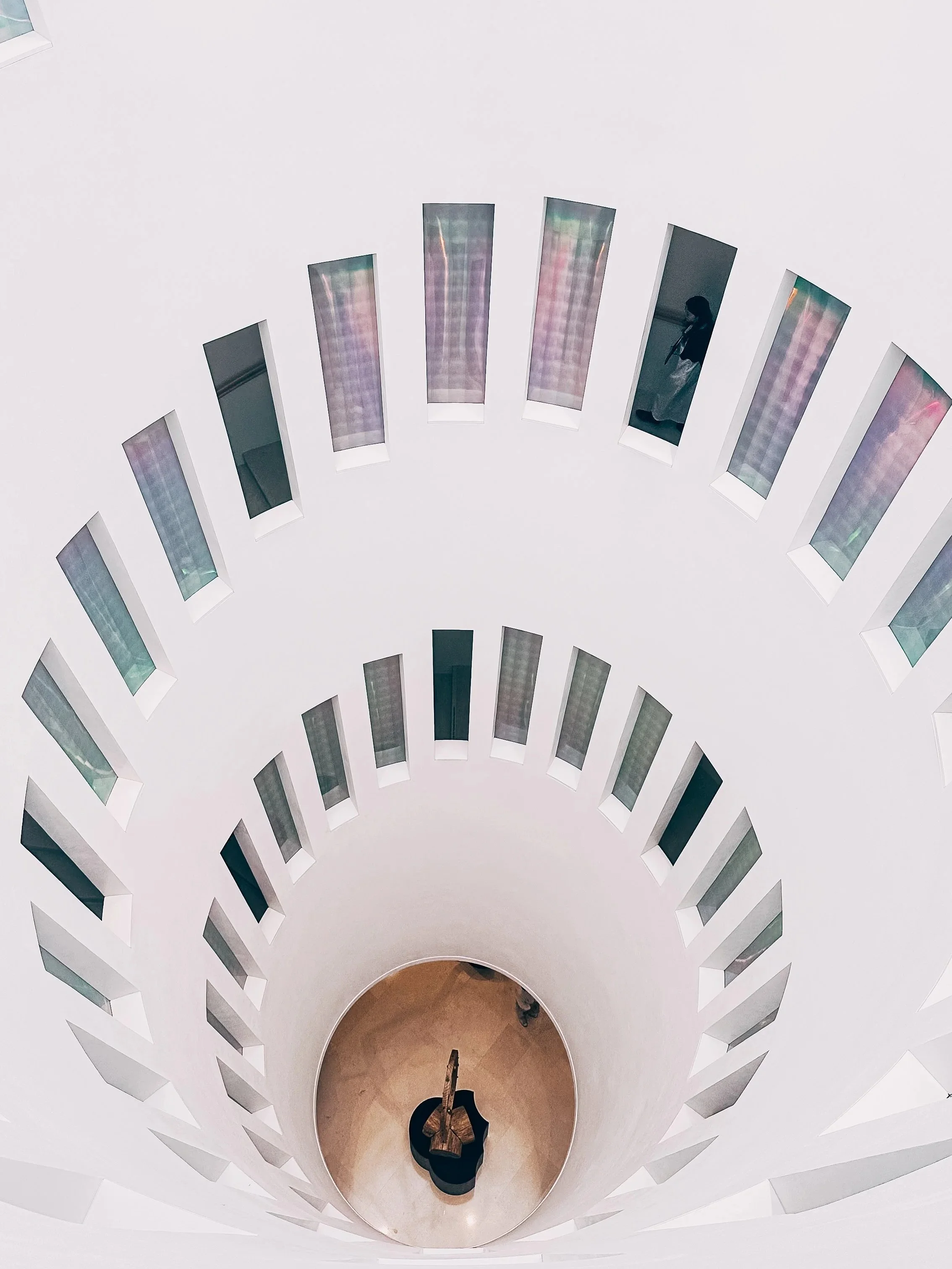
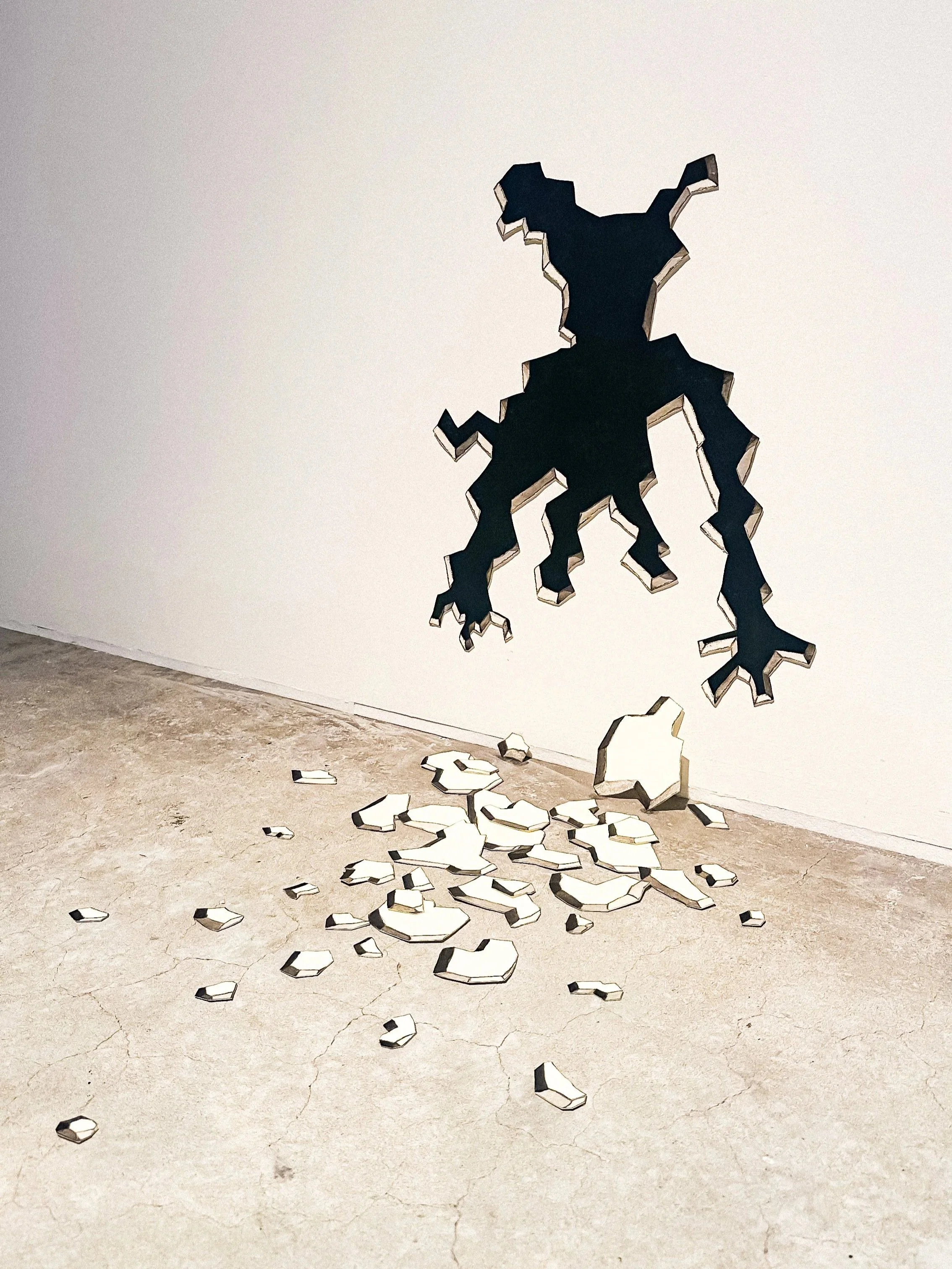
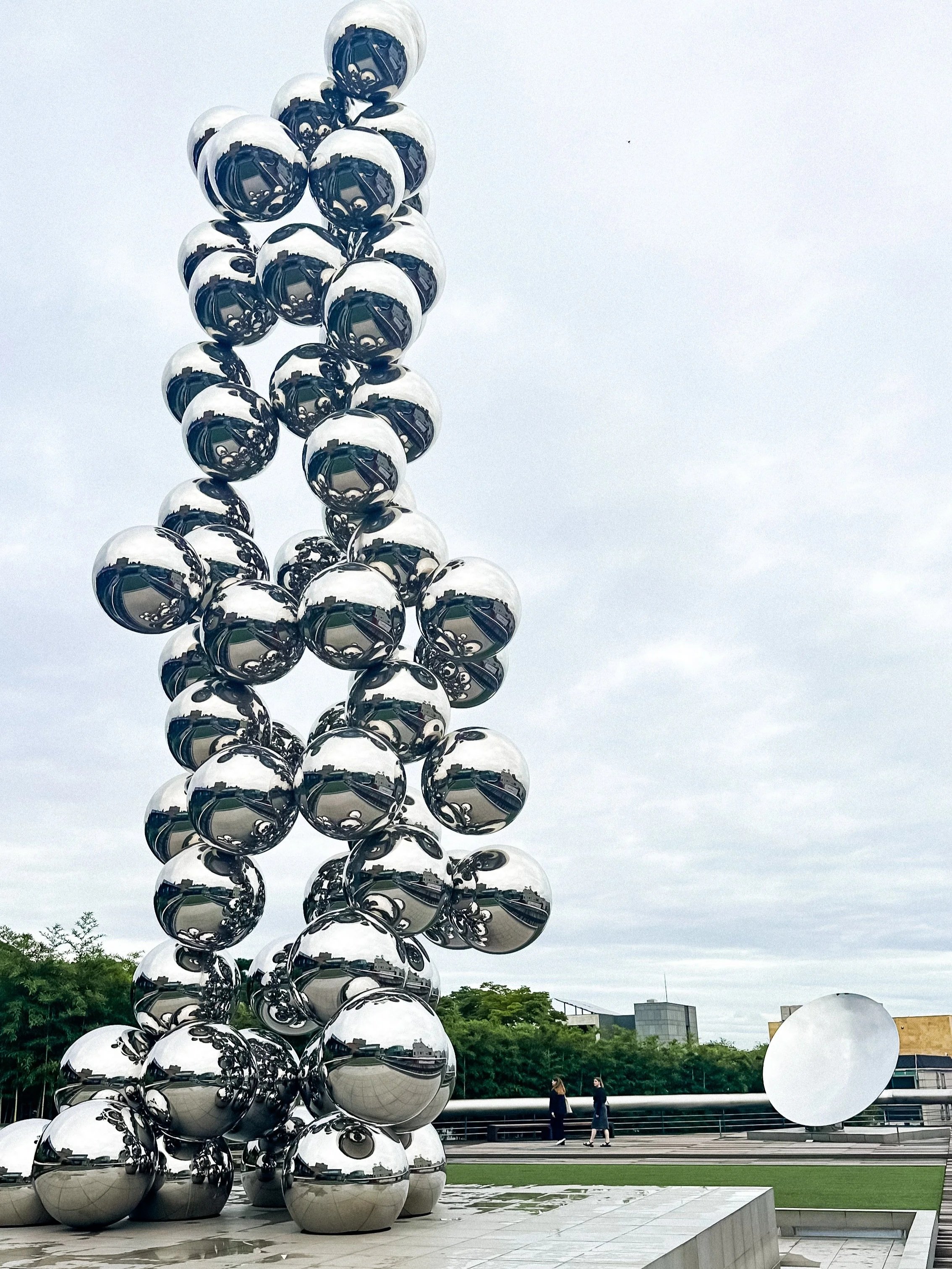
Leeum offers a refined dialogue between traditional Korean art and contemporary works. The architecture itself, designed by internationally renowned architects, is part of the experience.
It is one of the best places to understand how Korea positions its artistic heritage within a global context.
Address: 60-16 Itaewon-ro 55-gil, Yongsan-gu, Seoul
Infos: https://www.leeum.org
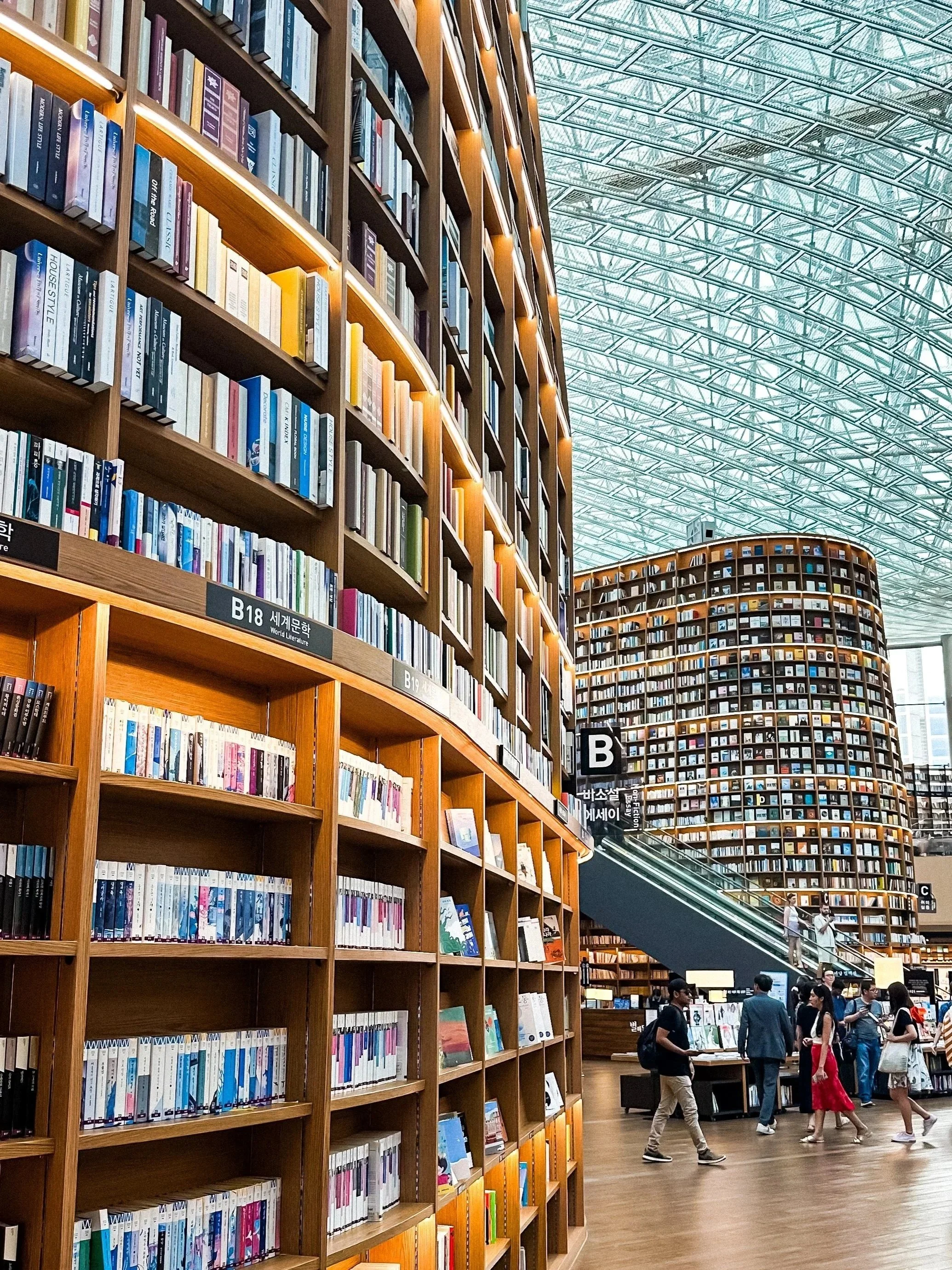
Starfield Library (COEX)
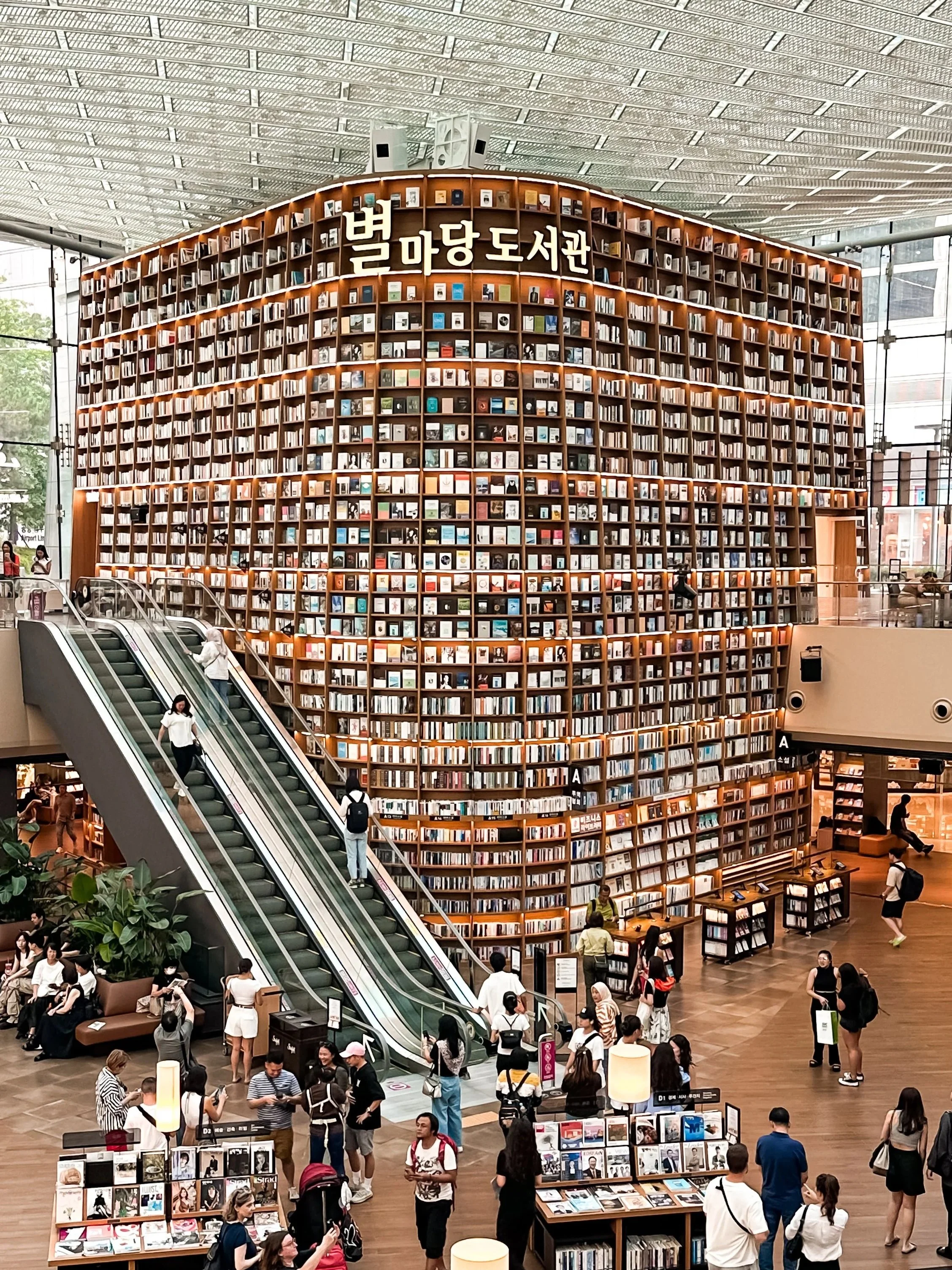
Located inside a large shopping complex, Starfield Library surprises with its monumental shelves and calm atmosphere.
It is a visual landmark and a popular stop, but also a pleasant place to pause between visits.
Address: 513 Yeongdong-daero, Gangnam-gu, Seoul
Fashion, Beauty, and Urban Icons
Gentle Monster Flagship Store
More than an eyewear store, Gentle Monster functions as an immersive art space. Each visit offers a new scenography.
It reflects Seoul’s strength in blending retail, design, and storytelling.
Gentle Monster Flagship Store (Sinsa)
Address: 23 Apgujeong-ro 10-gil, Gangnam-gu, Seoul
Infos: https://www.gentlemonster.com
Tamburins Flagship Store
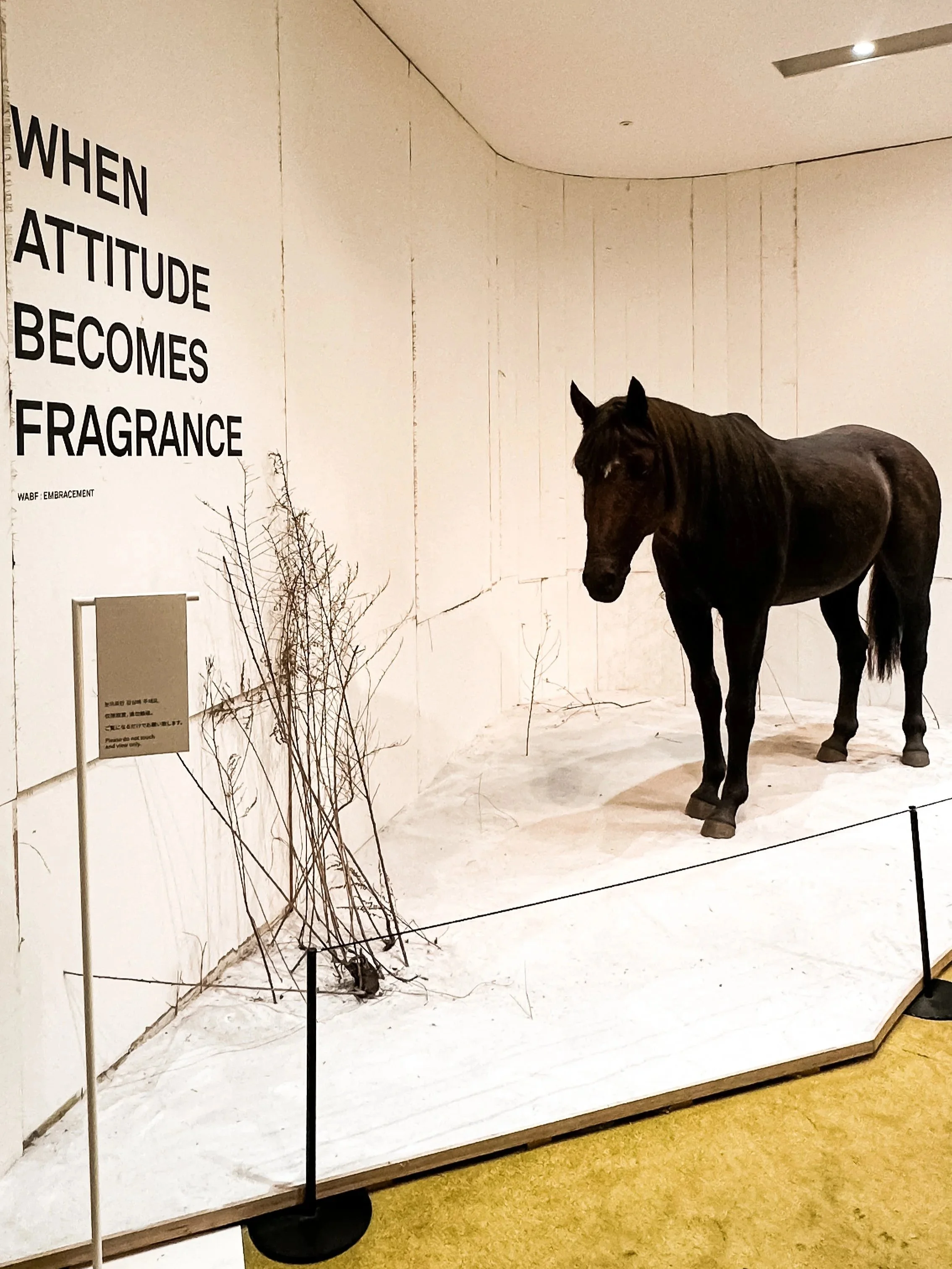
Tamburins approaches fragrance as a sensory and visual experience. Sculptural installations and minimalist design define the space.
A must visit for those interested in beauty culture and branding.
Address: 8 Yeonmujang 5-gil, Seongdong-gu, Seoul
Infos: https://www.tamburins.com
Amorepacific Flagship Store
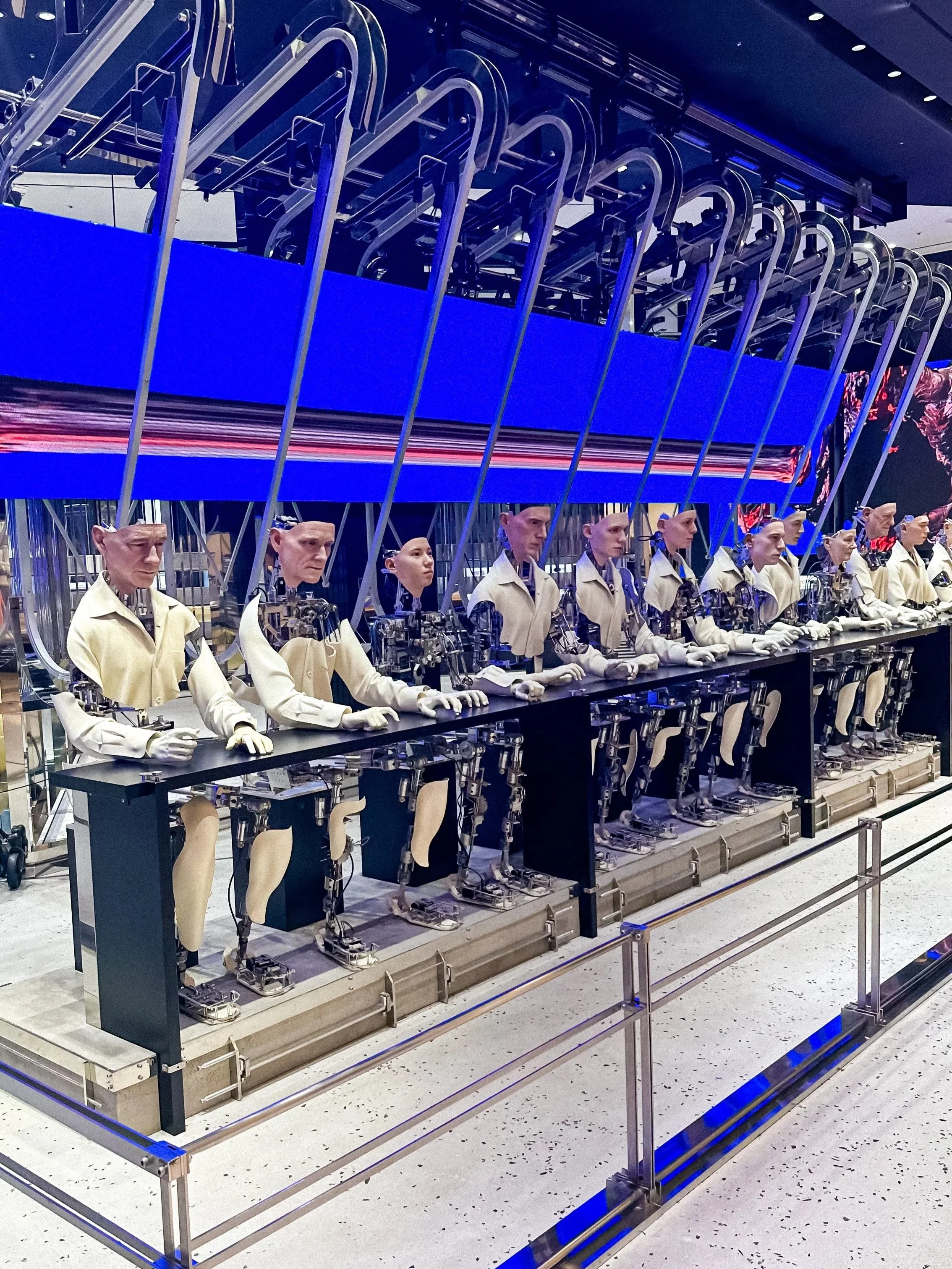
Amorepacific presents beauty as innovation and craftsmanship. The flagship brings together all brands of the group, with immersive spaces, advanced skin analysis, and personalized products including custom foundation created through robotic technology.
A must visit for anyone interested in cosmetics, technology, and beauty branding.
Address: 7 Achasan-ro 11-gil, Seongdong-gu, Seoul
Infos: https://www.amorepacific.com
Amore Pacific, beyond being a leading Korean cosmetics brand, also celebrates art and culture through its Amorepacific Museum of Art, a contemporary museum that blends traditional and modern aesthetics. The museum showcases curated exhibitions, installations, and public art projects, offering visitors a unique sensory and cultural experience alongside the brand’s beauty heritage. More details can be found here: https://apma.amorepacific.com/
Kakao Friends and K Pop Character Stores
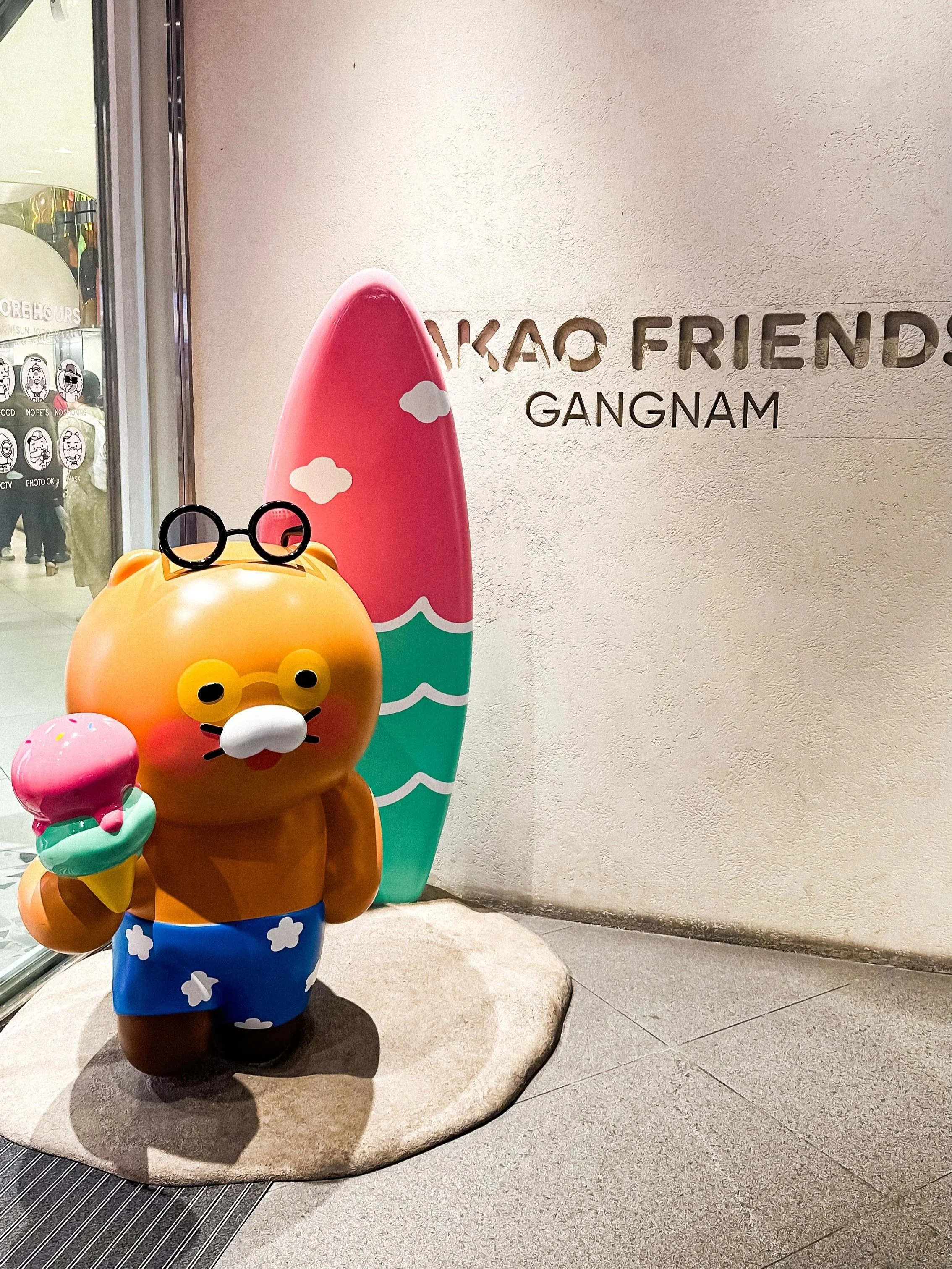
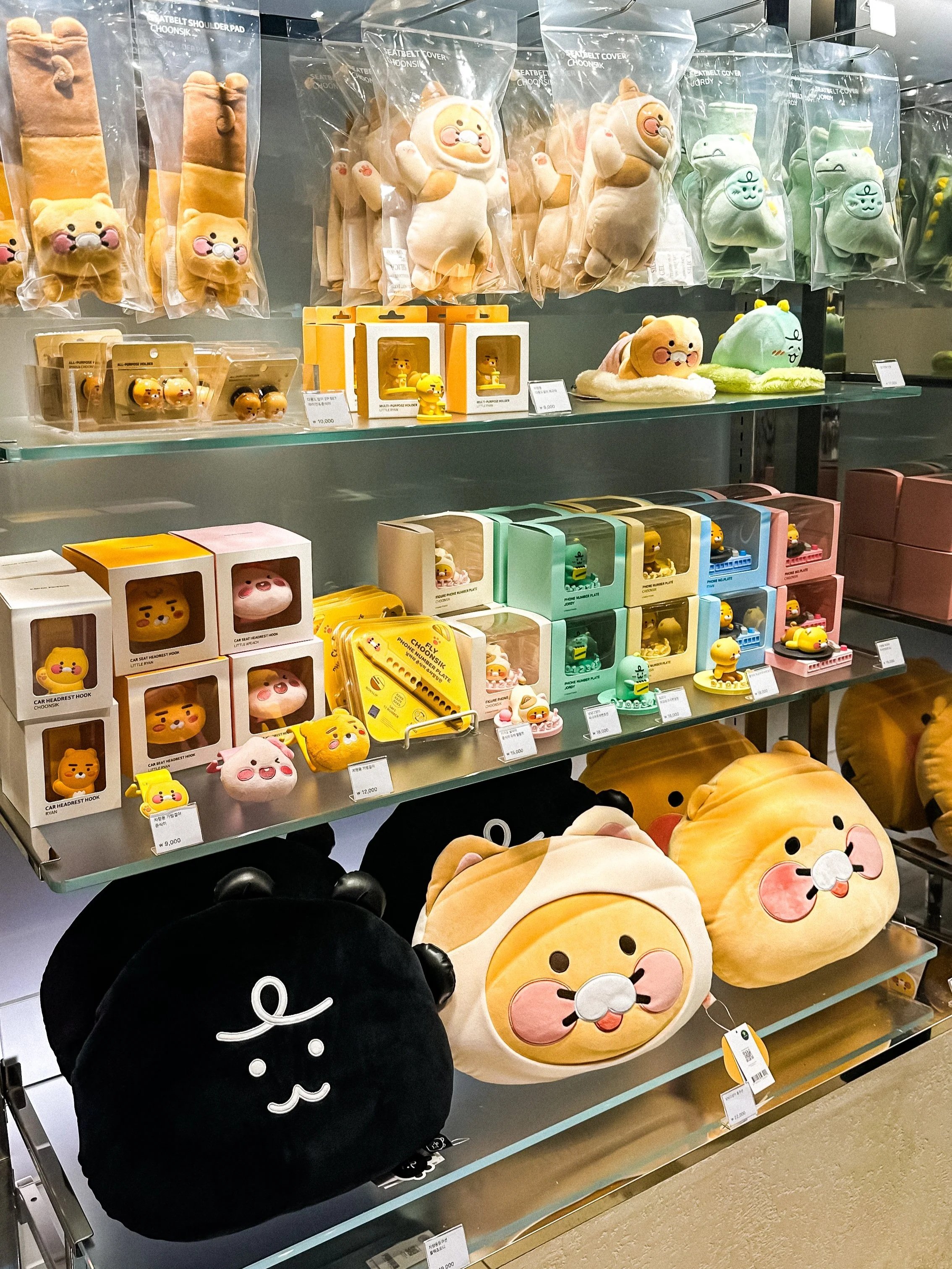
These stores reveal the softer, playful side of Korean pop culture. They are visually engaging and surprisingly well designed.
Address: 162 Yanghwa-ro, Mapo-gu, Seoul
Infos: https://www.kakaofriends.com
Local Eats and Experiences
Noryangjin Fish Market (Noryangjin-dong)
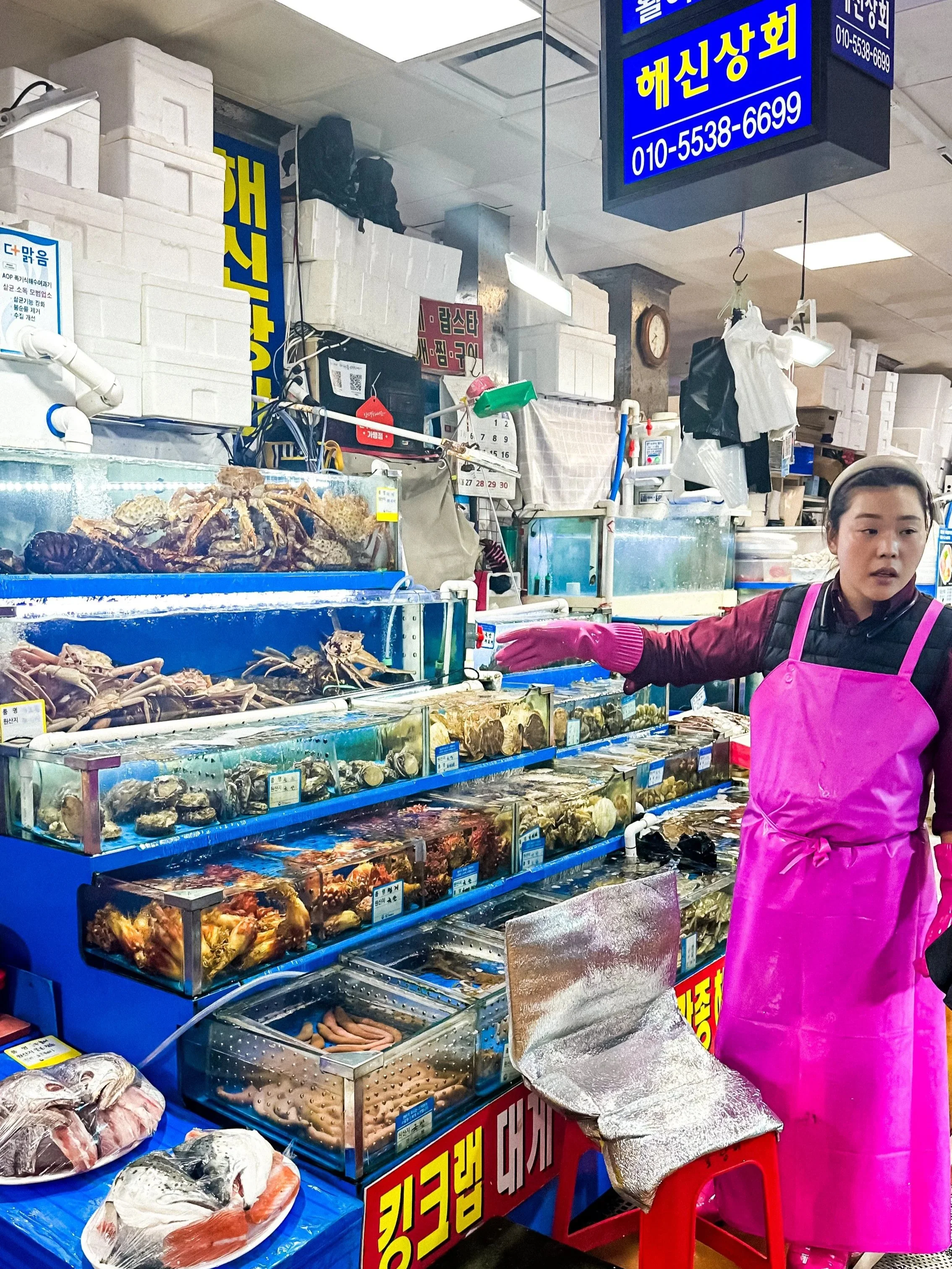
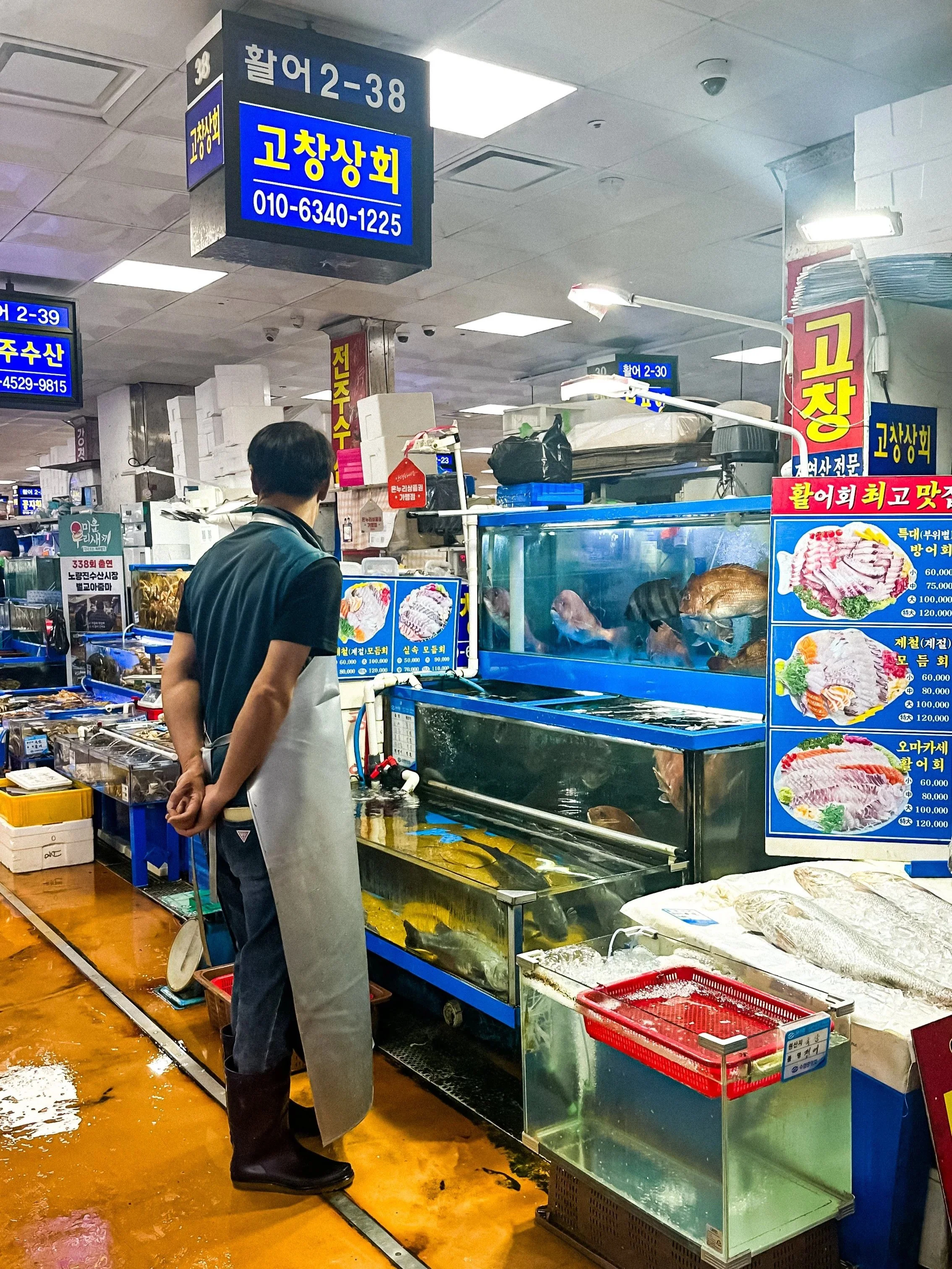
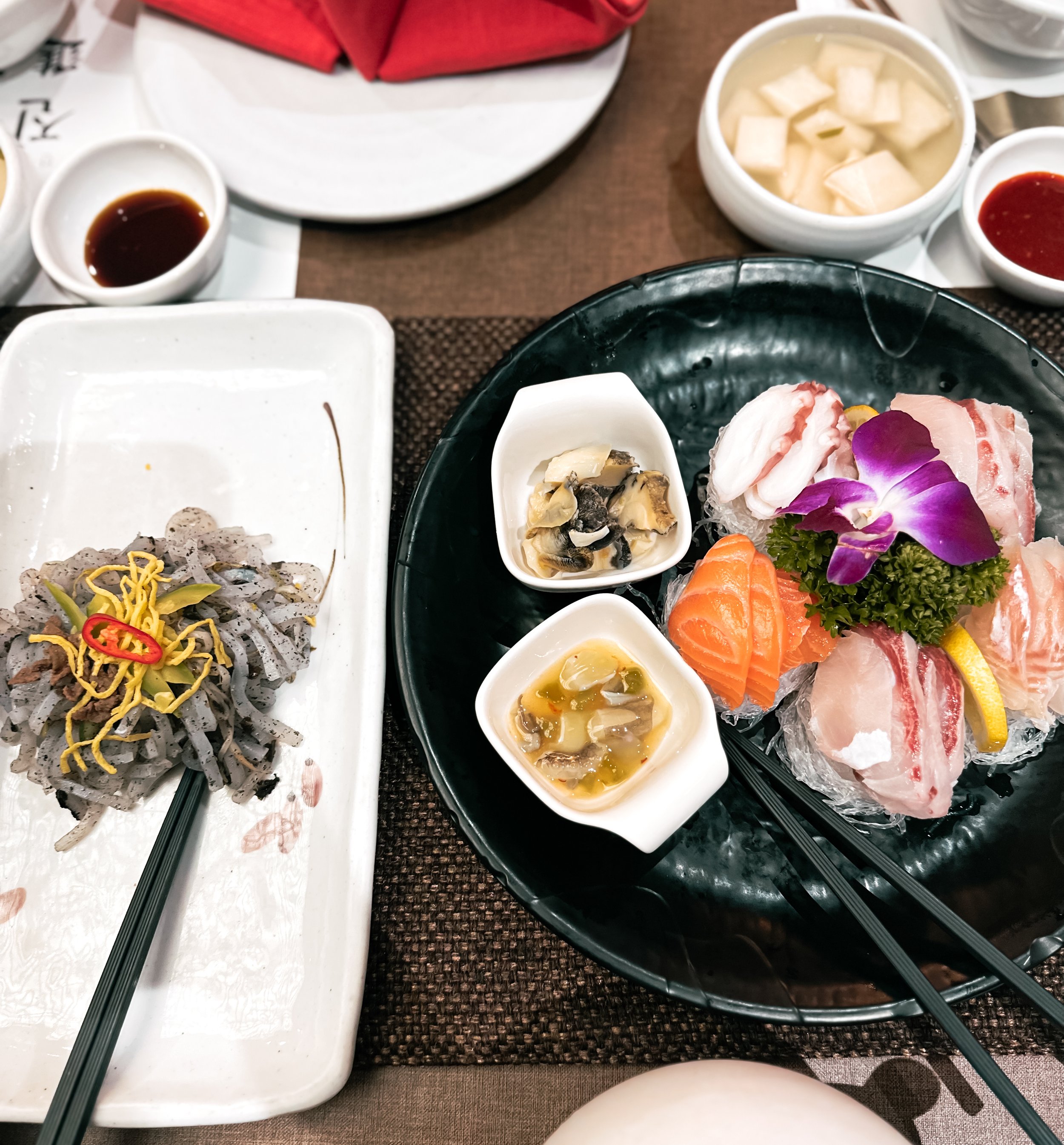
Noryangjin offers a direct glimpse into Seoul’s food culture. Seafood stalls display impressive variety and freshness.
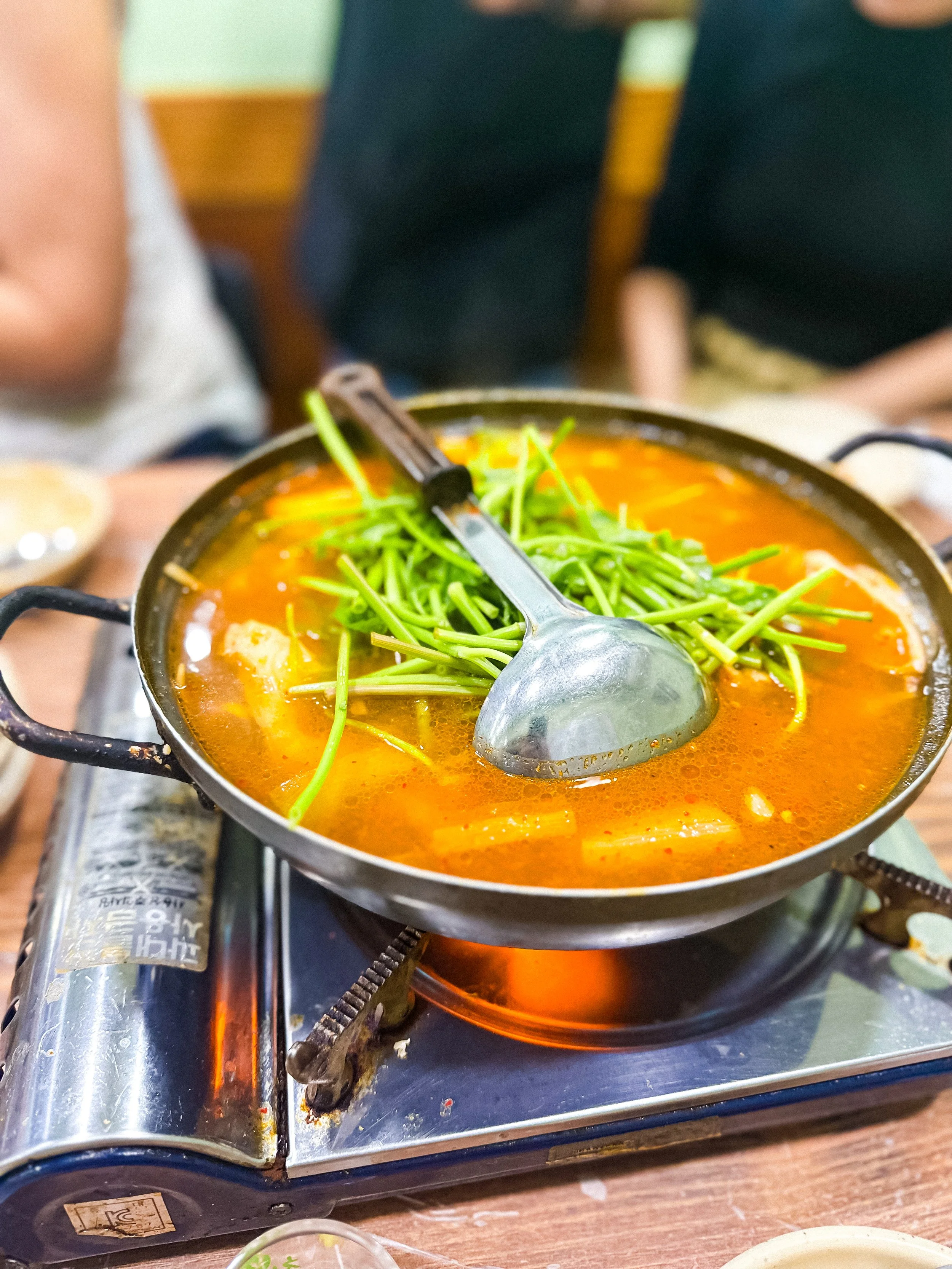
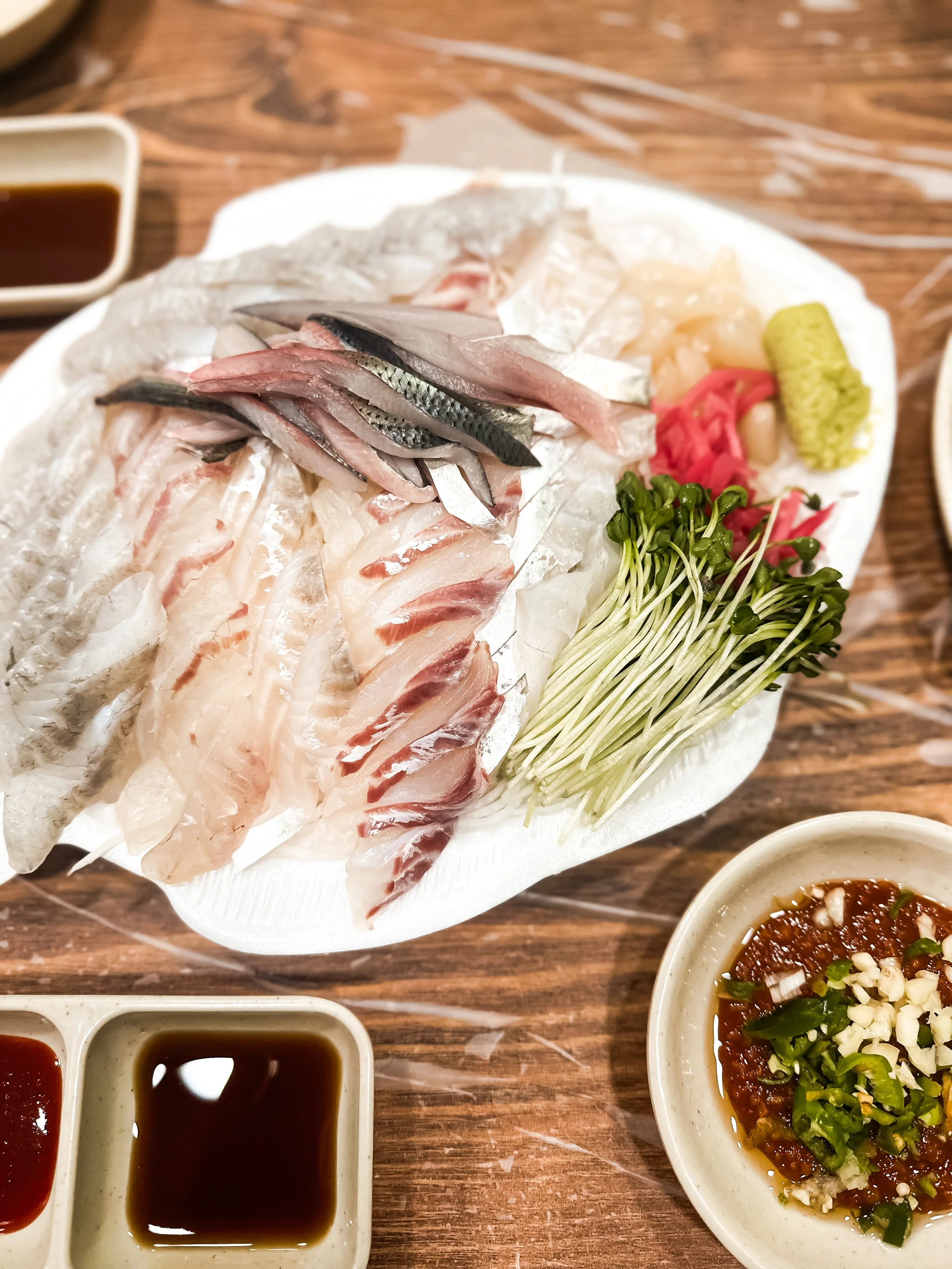
You can select seafood downstairs and have it prepared upstairs in simple restaurants. It is lively, intense, and authentic.
Address: 674 Nodeul-ro, Dongjak-gu, Seoul
Korean Barbecue : Ggupdang (Gagnam)
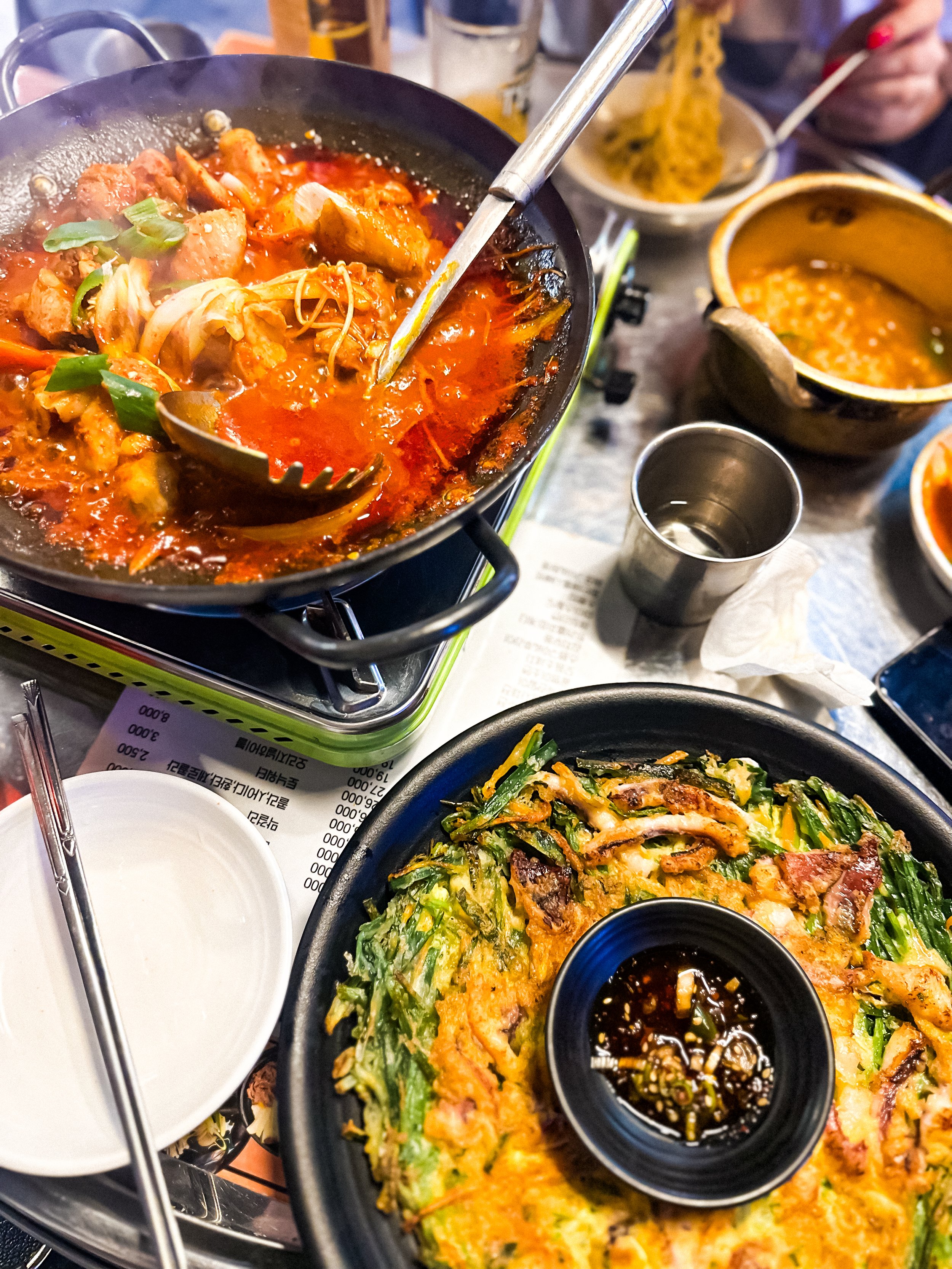
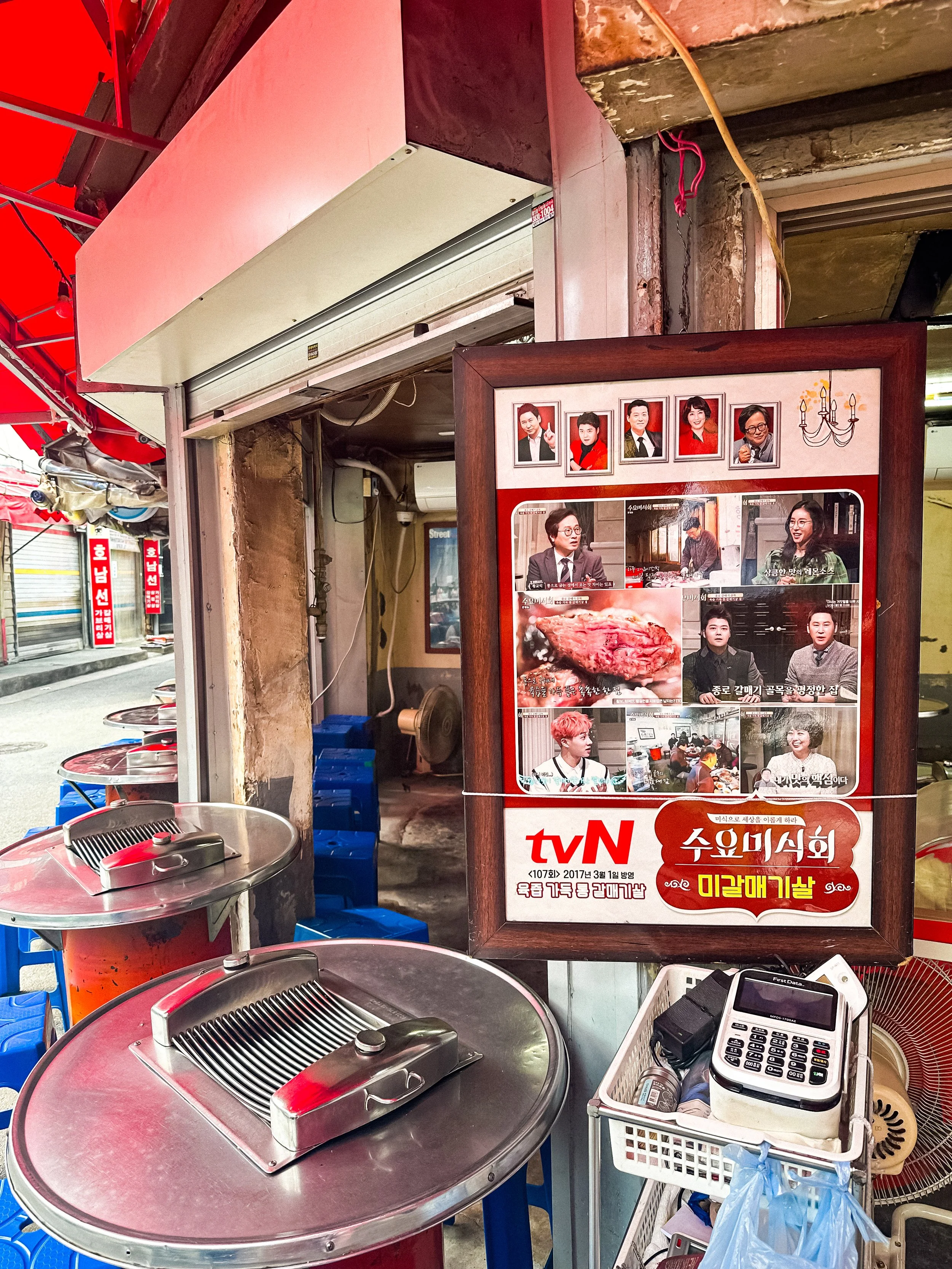
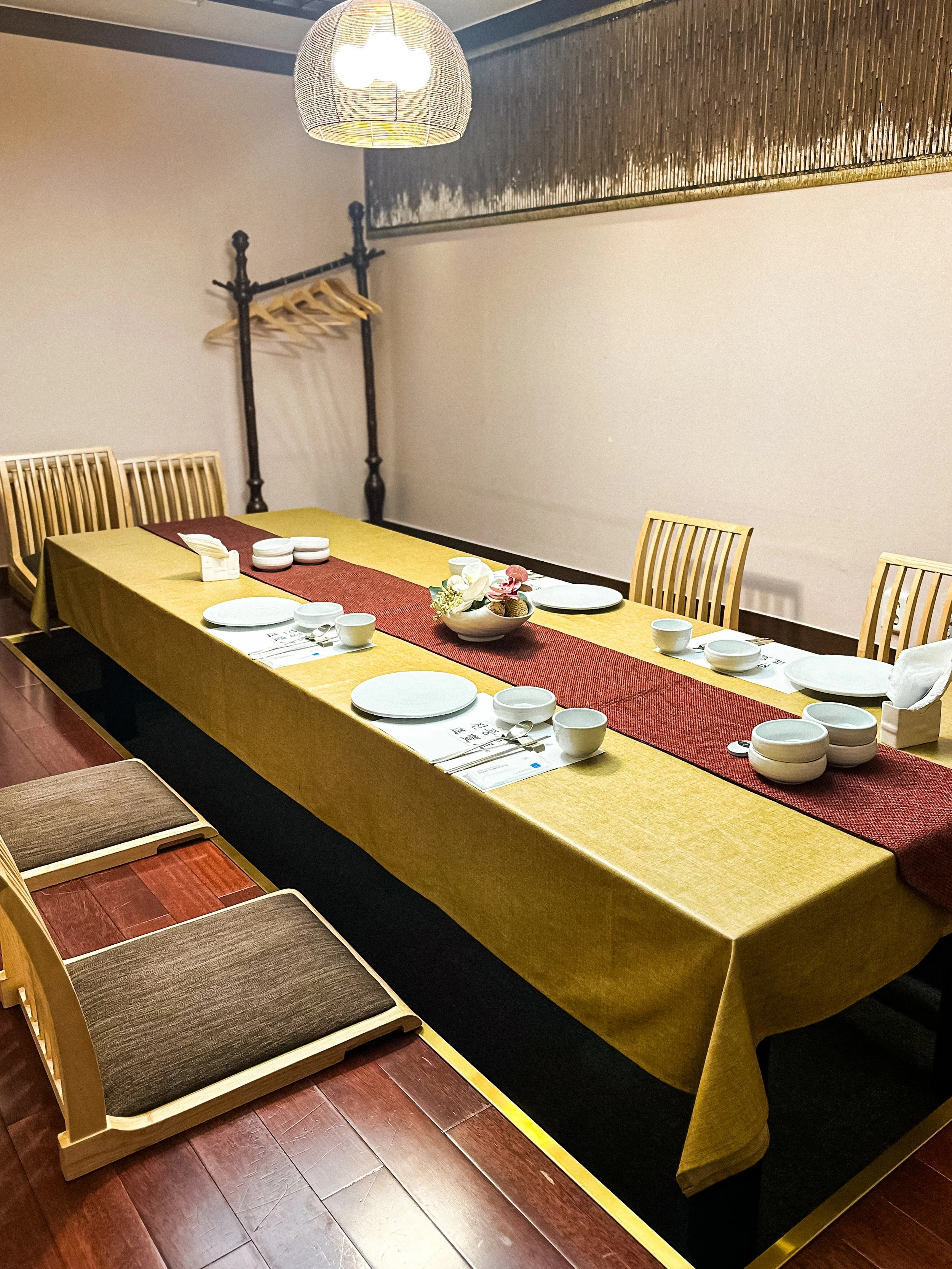
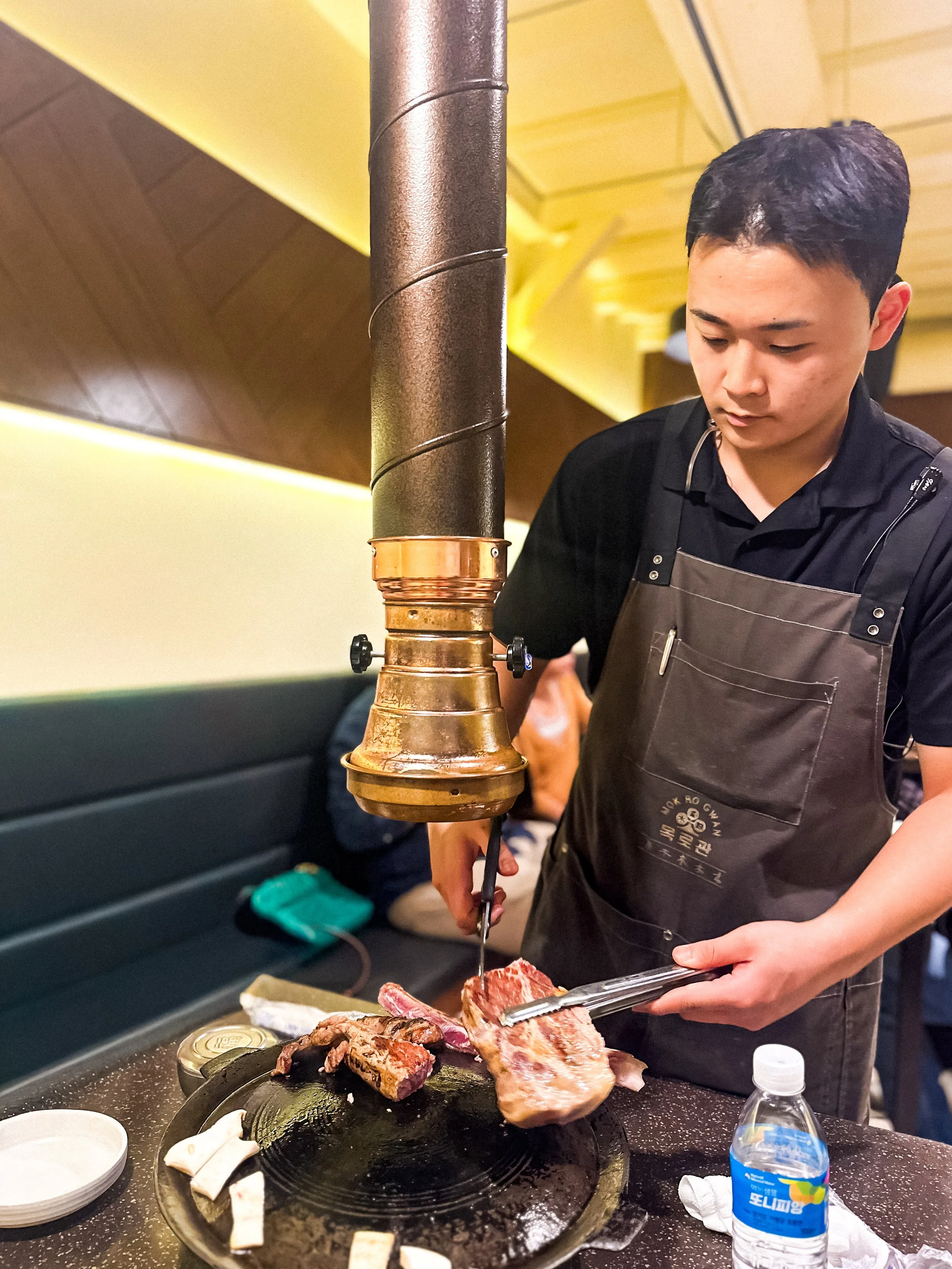
Classic Korean barbecue located in Gangnam Daero, with high-quality cuts, lively atmosphere, and a hands-on grill experience. A must for meat lovers.
Address: 148 Gangnam-daero, Gangnam-gu, Seoul
Interactive Robot Experience: Botbap
Robotic chef and servers bring your dishes, adding a playful, futuristic layer to Korean cuisine. Food is flavorful and the concept is memorable.
Address: 9 Seochojungang-ro 26-gil, Seocho-gu, Seoul
Infos: https://www.botbap.com
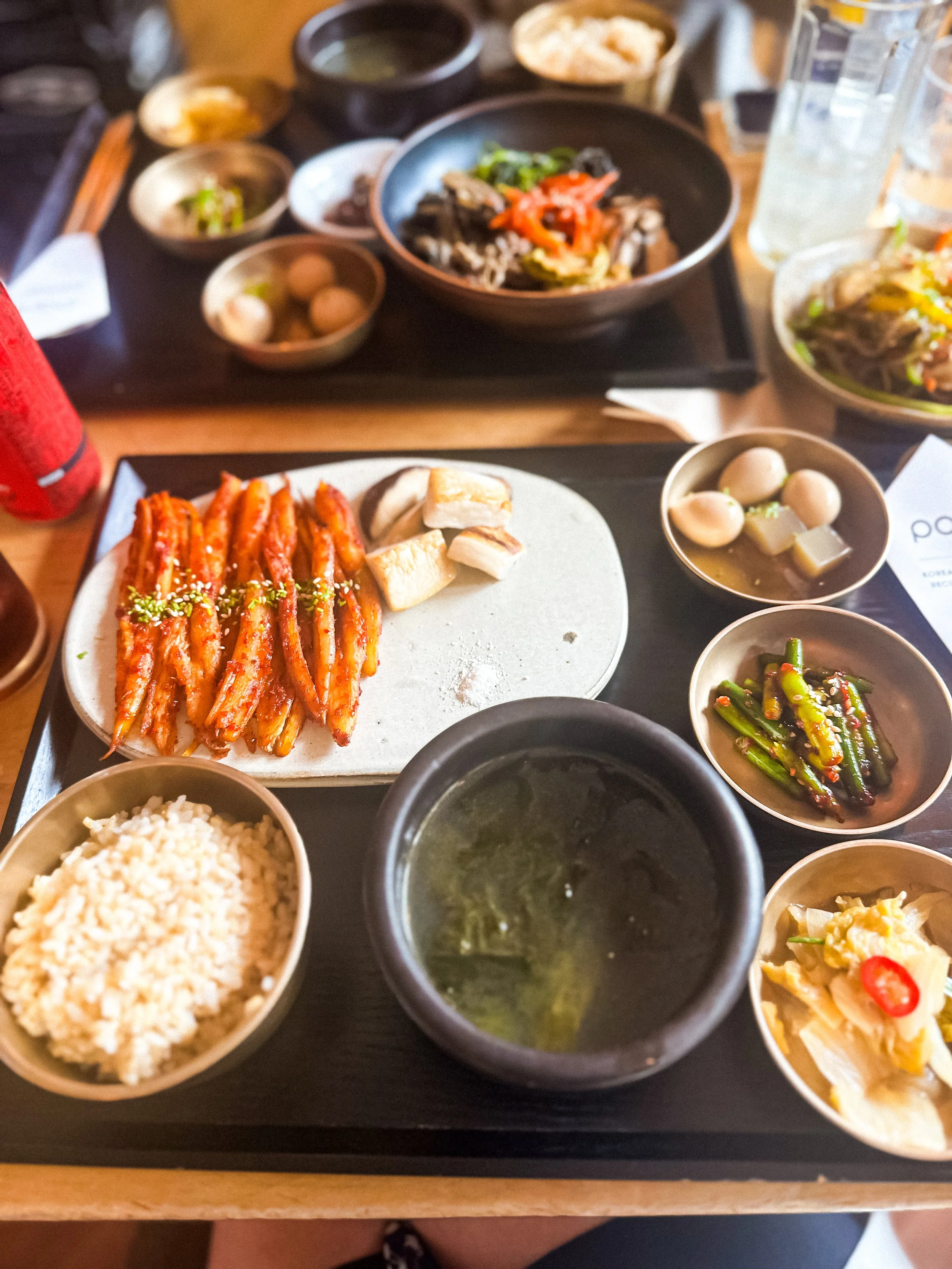
Parkre (Itaewon)
A stylish restaurant adjacent to the Leeum Samsung Museum of Art. Great for refined contemporary dishes after museum time.
Address: 26 Itaewon-ro 54-gil, Yongsan-gu, Seoul
Infos: https://www.parkre.co.kr
Jinpoongjeong (Near Hongdae / Mapo)
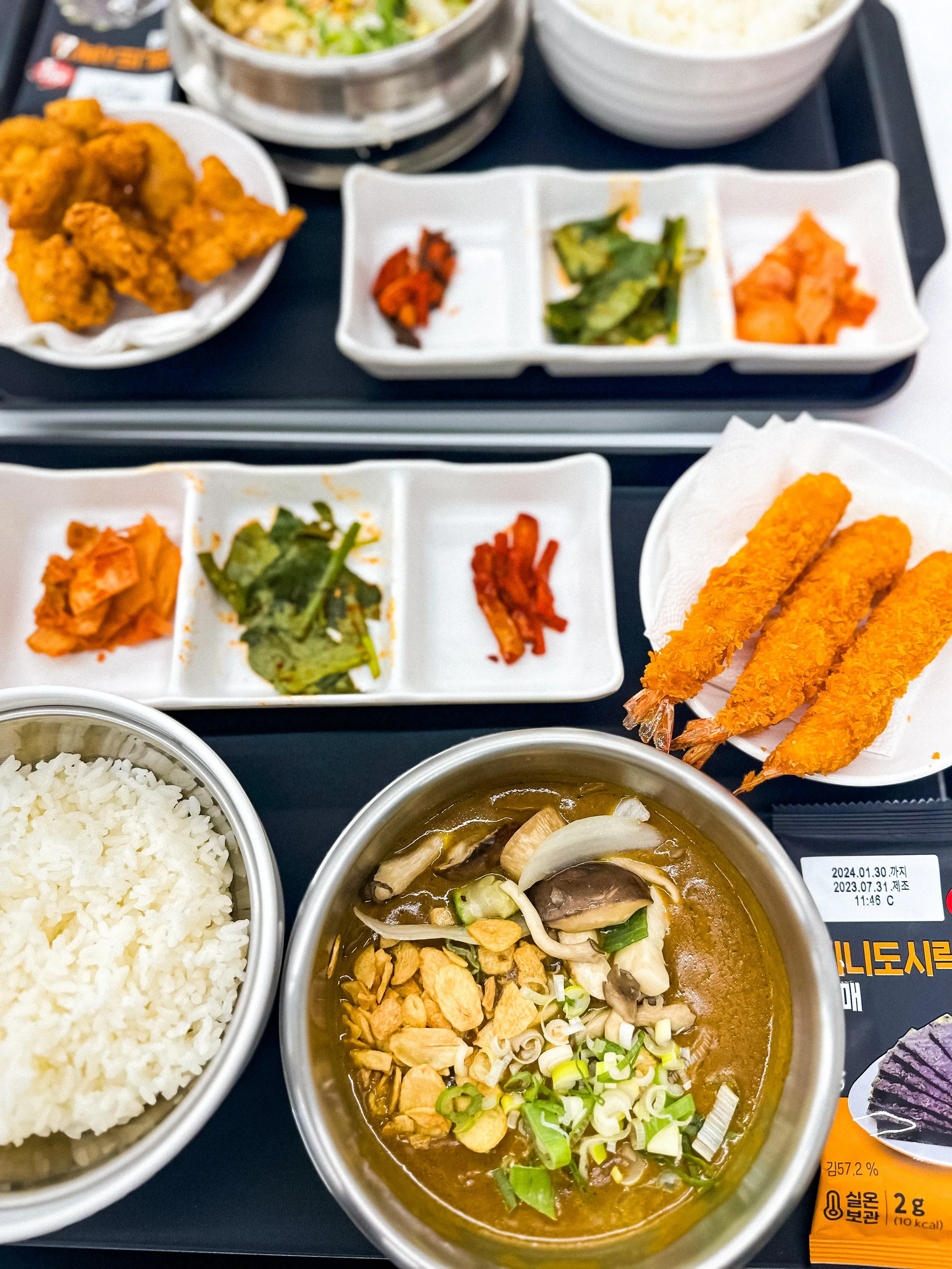
Traditional Korean restaurant with authentic flavors, perfect for those who want everyday Korean comfort food.
Address: 19 Donggyo-ro 38-gil, Mapo-gu, Seoul
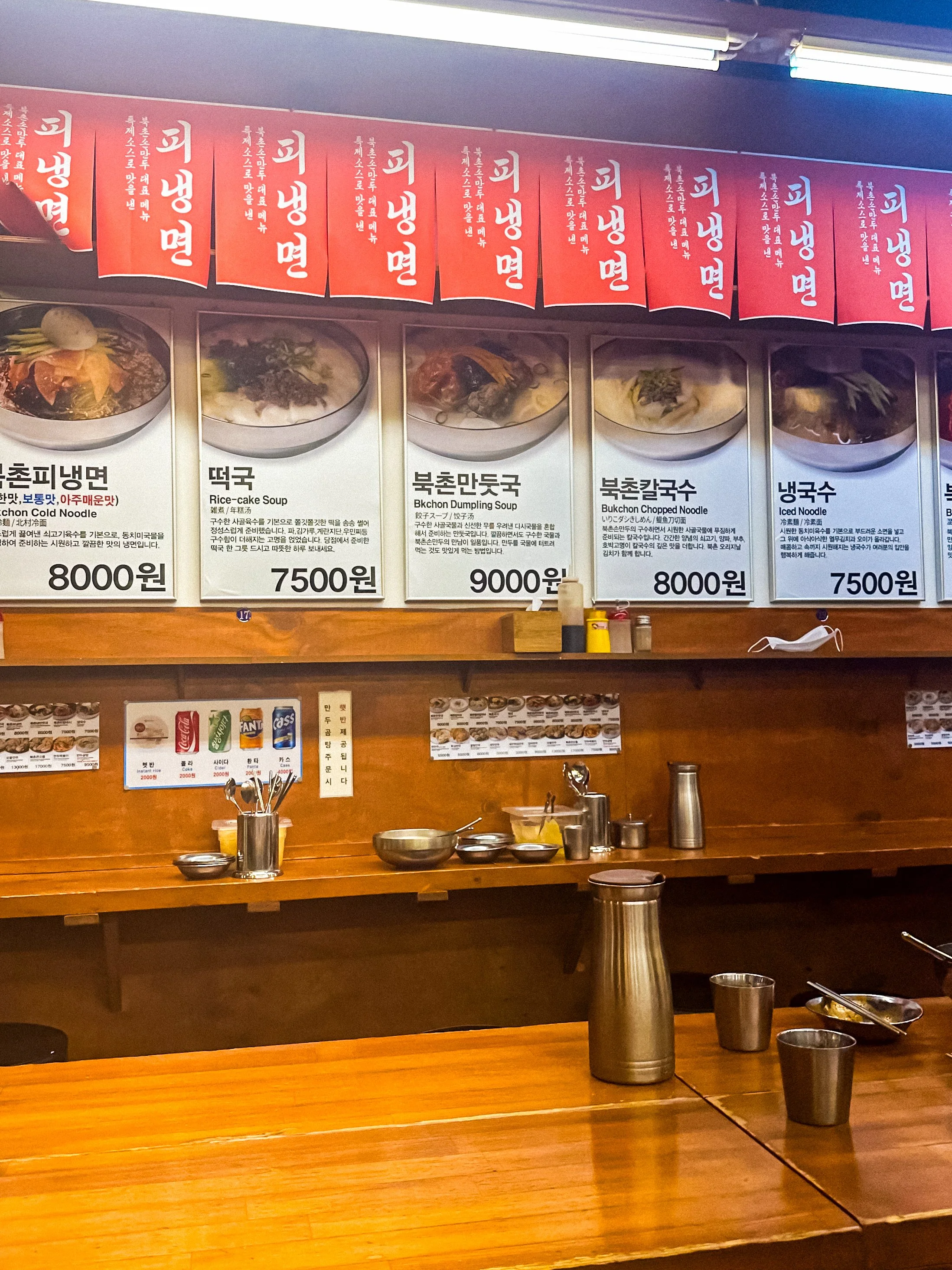
Bukchon Sonmandu (Dongdaemun)
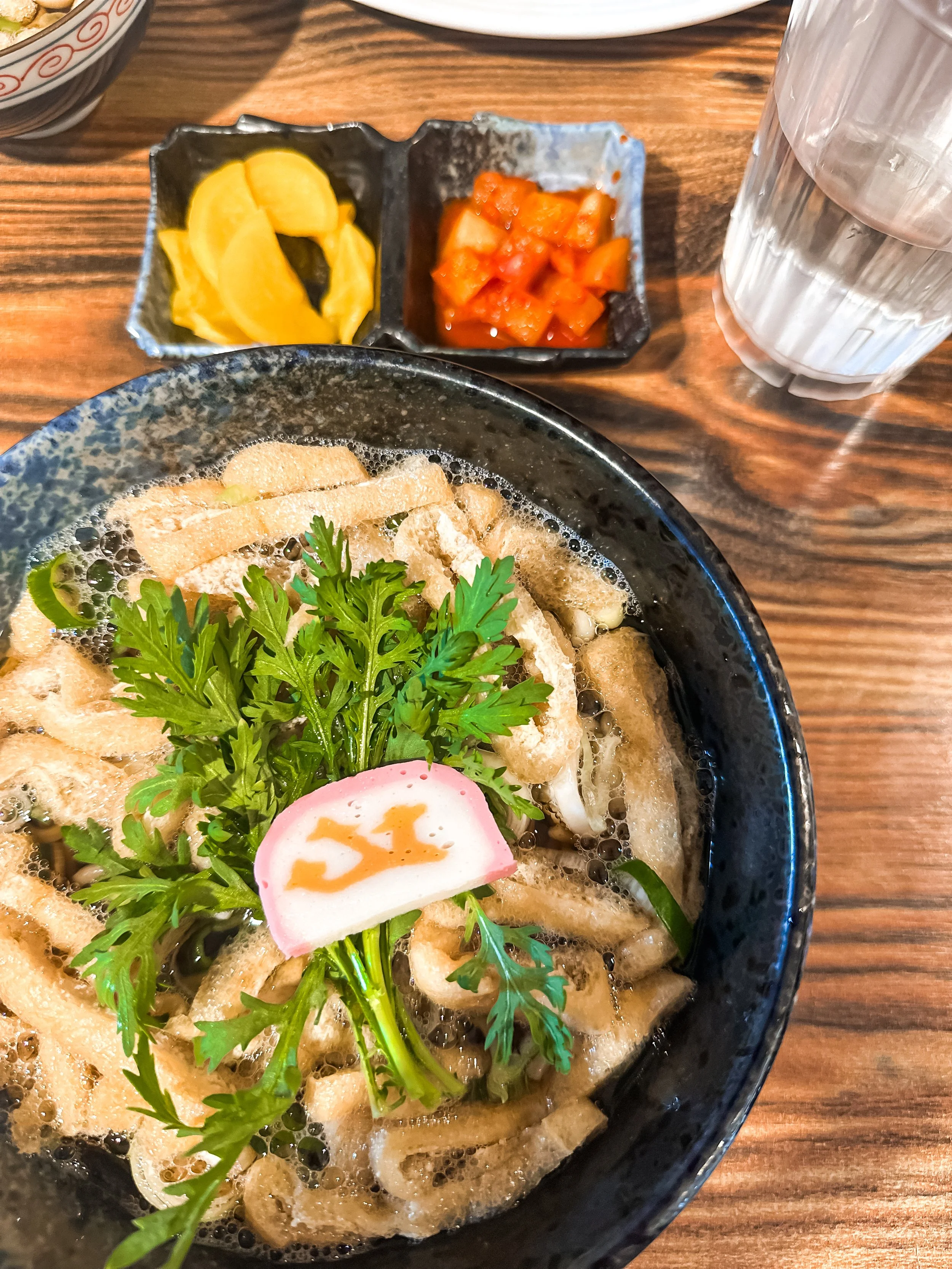
Simple, delicious dumplings and handmade noodles. Casual and satisfying — ideal between neighborhood strolls.
Address: 4 Jongno 46-gil, Jongno-gu, Seoul
Infos: https://www.sonmandu.co.kr
Cool Bars & Nightlife
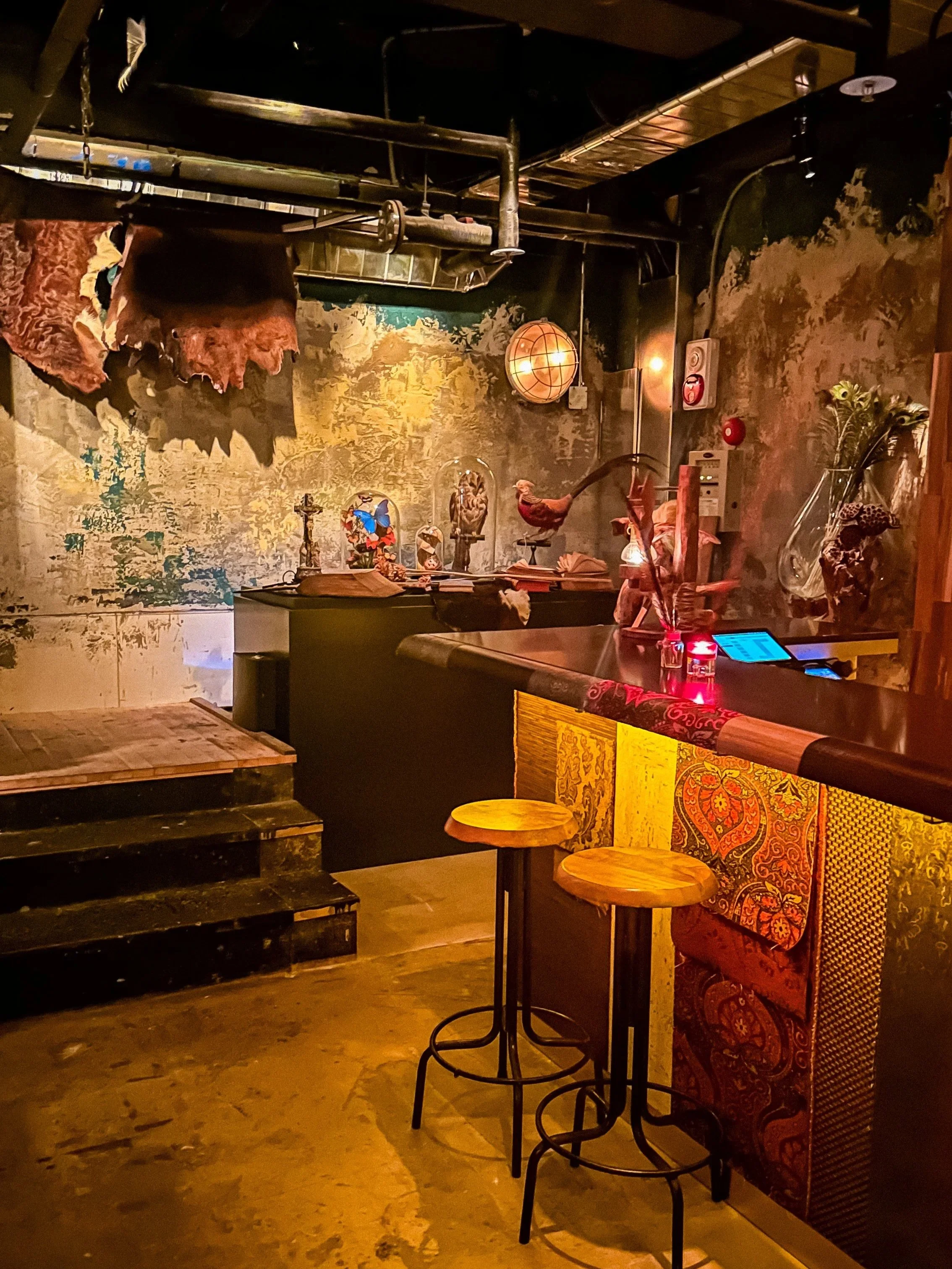
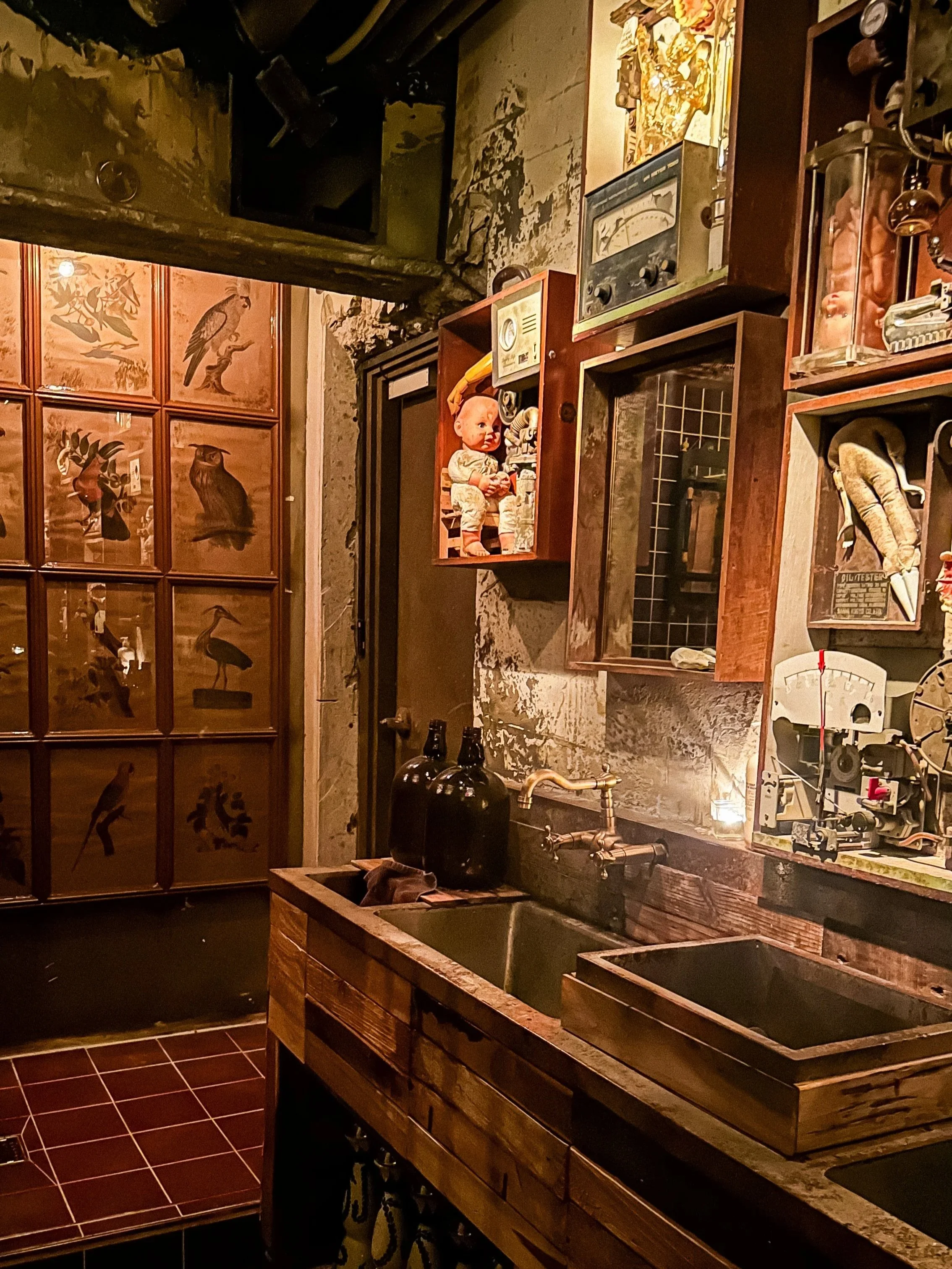
Birdman – Sinsa-dong, Gangnam-gu
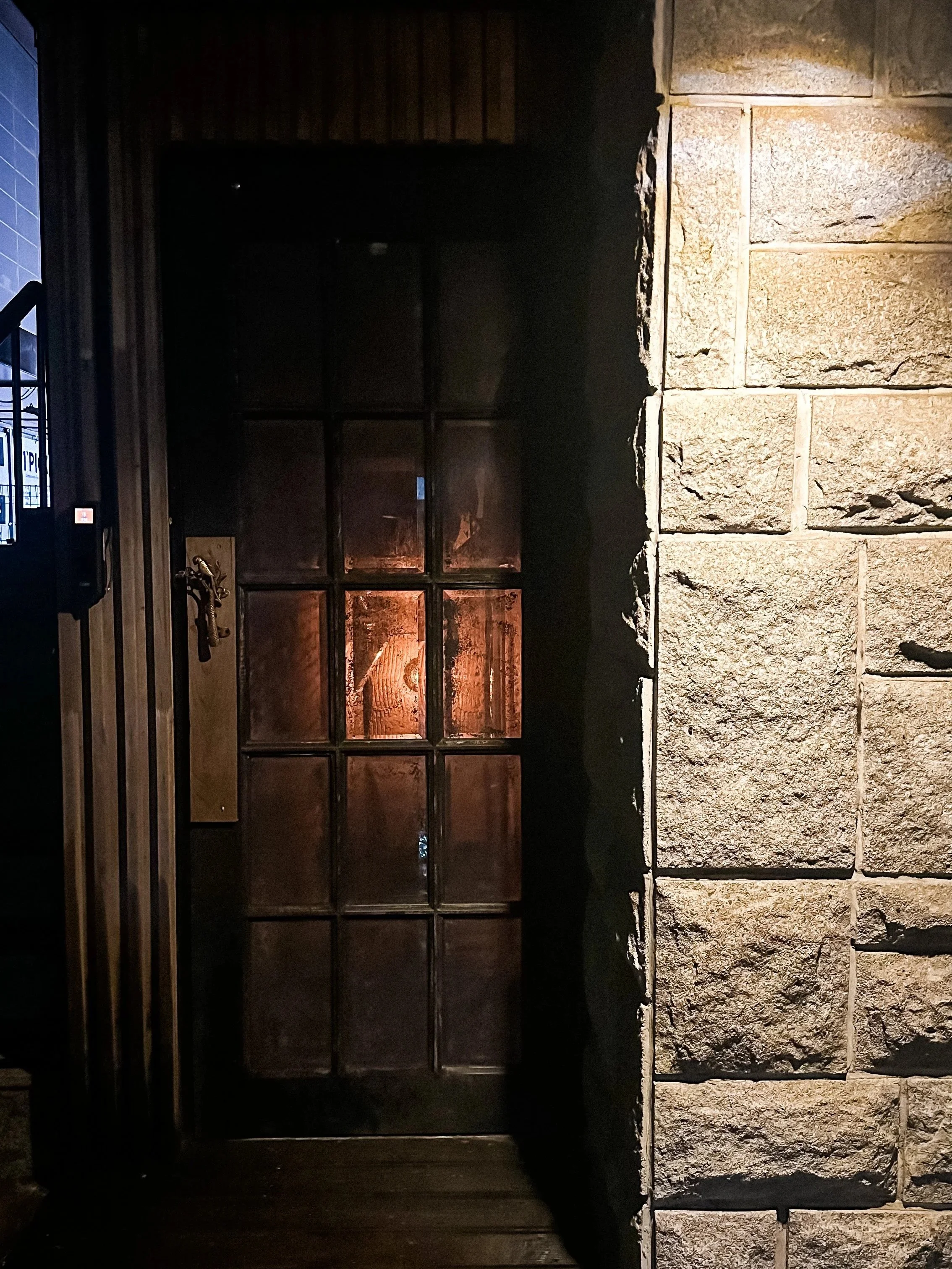
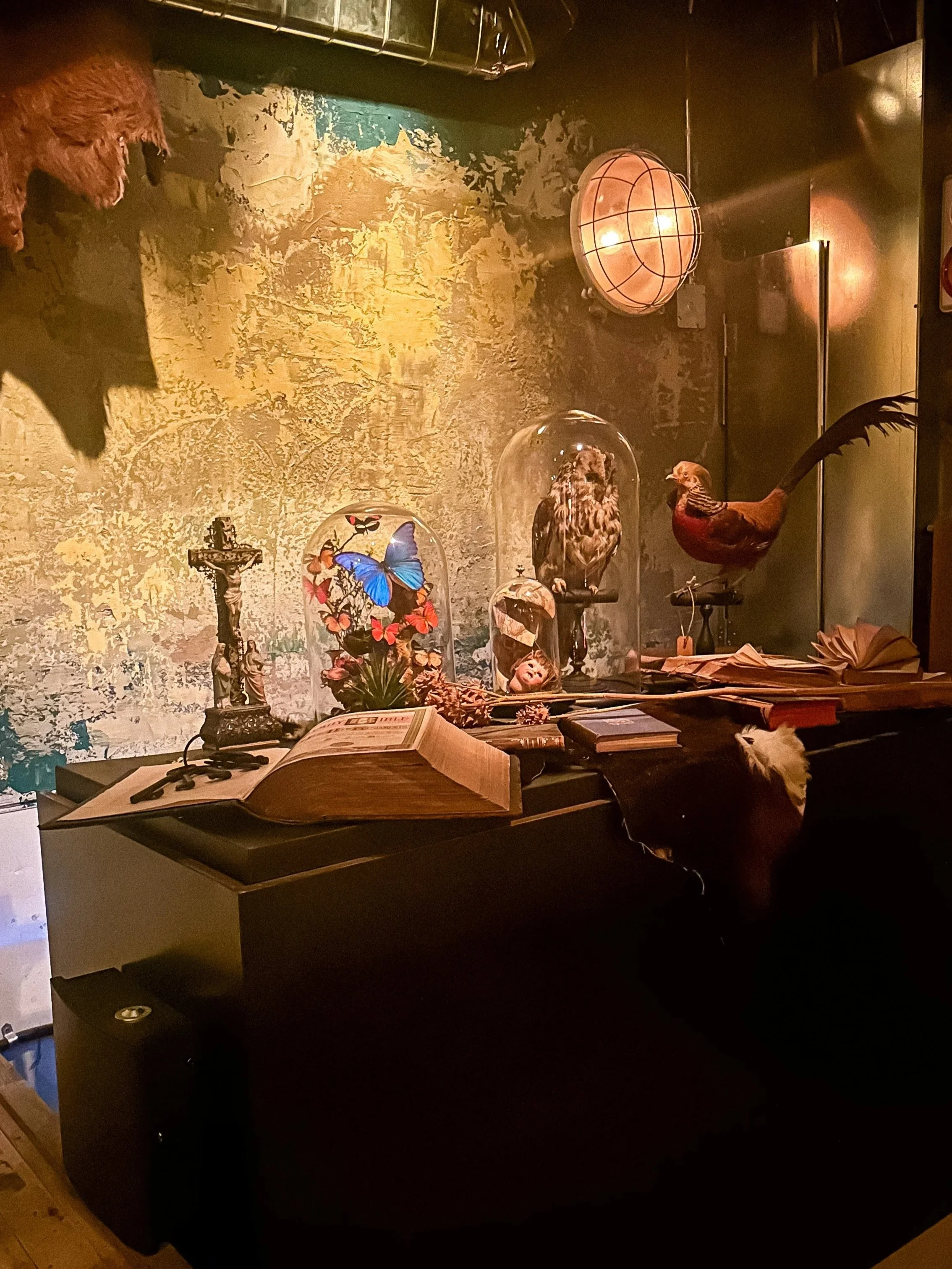
Hidden speakeasy vibe in Gangnam. Innovative cocktails in a low-key interior make it ideal for an evening wind-down.
Address: 46 Dosan-daero 15-gil, Gangnam-gu, Seoul
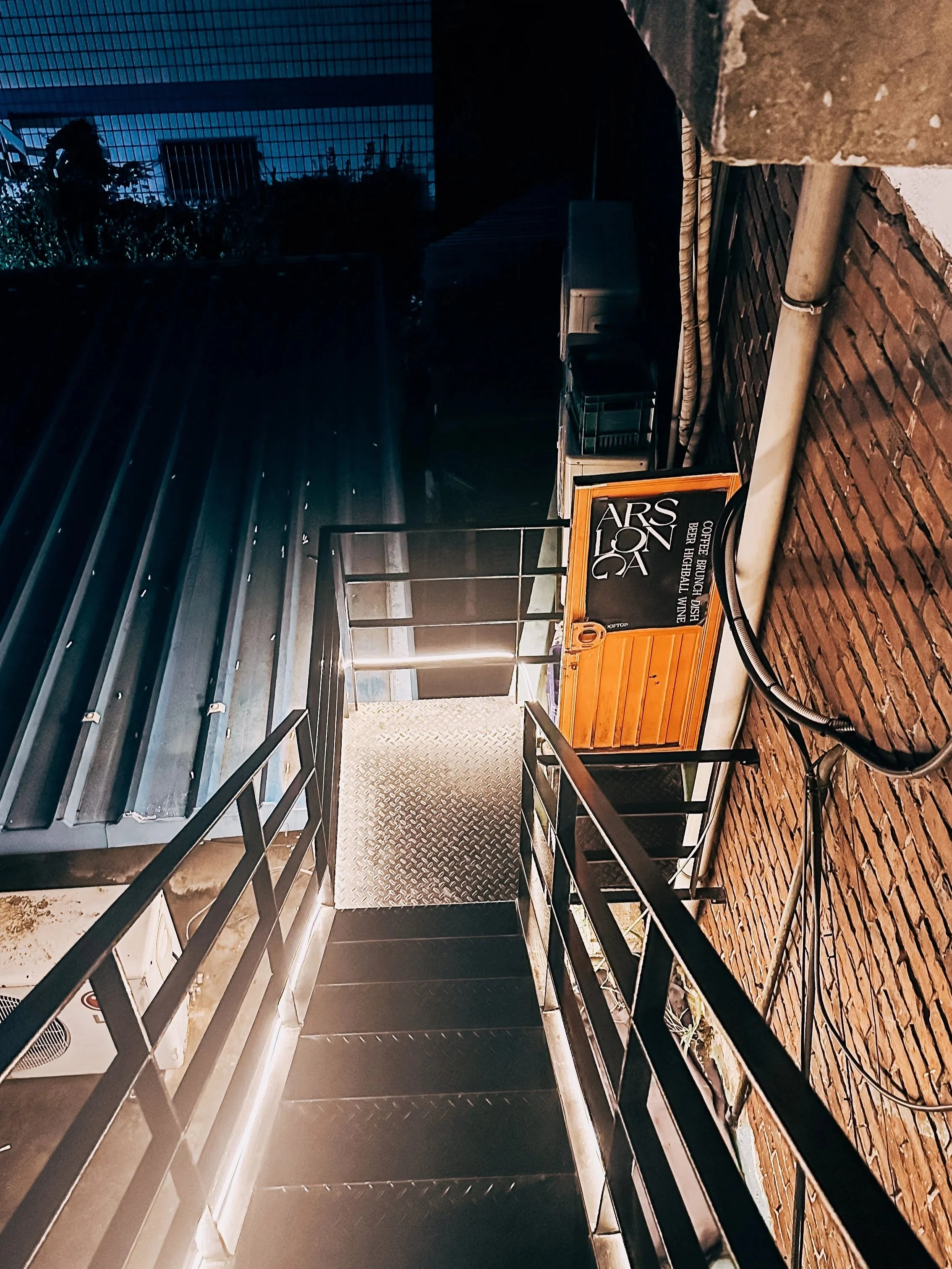
Asronga Wine Bar – Dongdaemun
A city favorite with a great wine list and rooftop seating. Perfect for wine lovers and those who enjoy a lively yet relaxed atmosphere.
Address: 23 Eulji-ro 43-gil, Jung-gu, Seoul
Infos: https://www.instagram.com/asronga
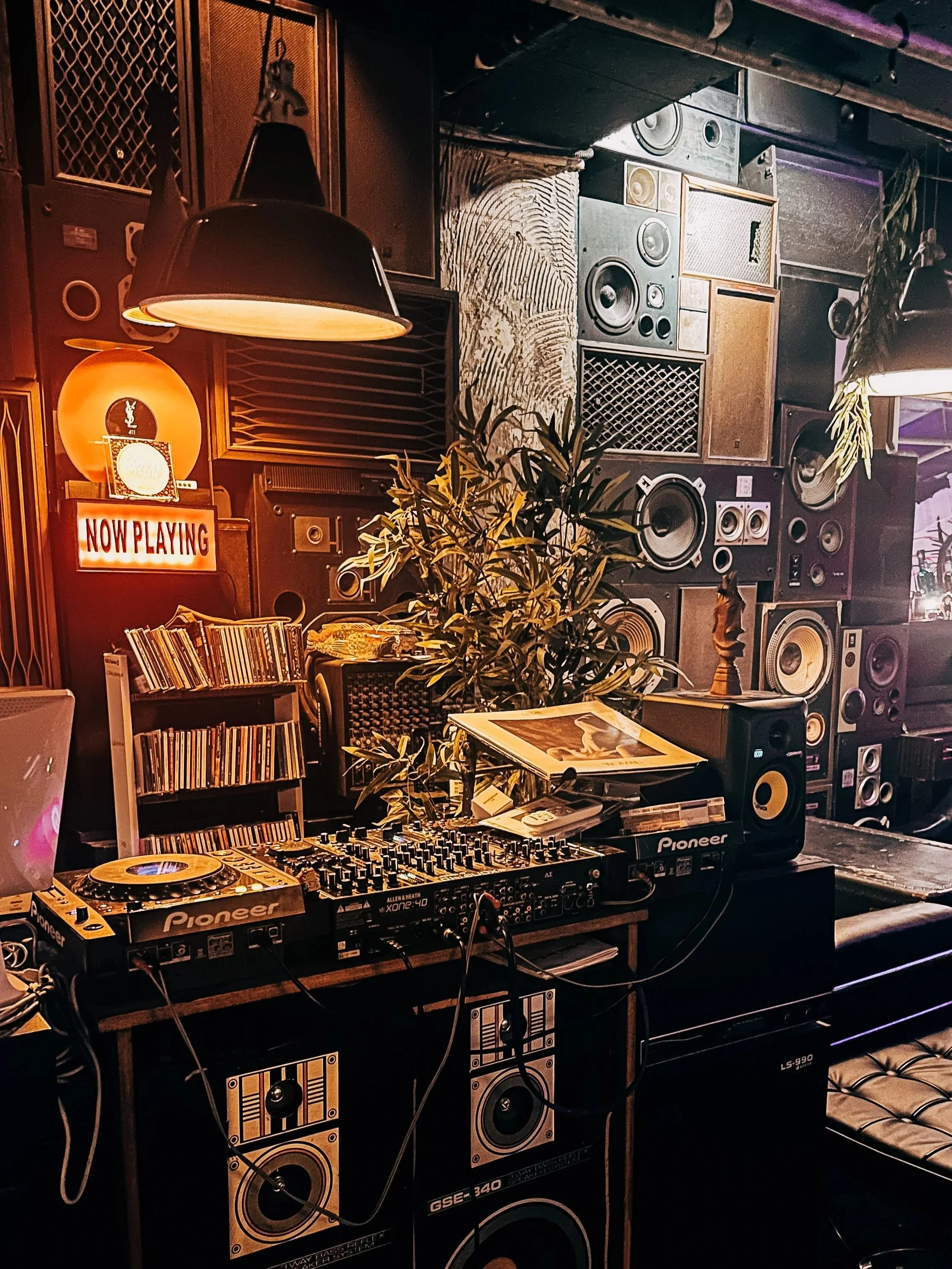
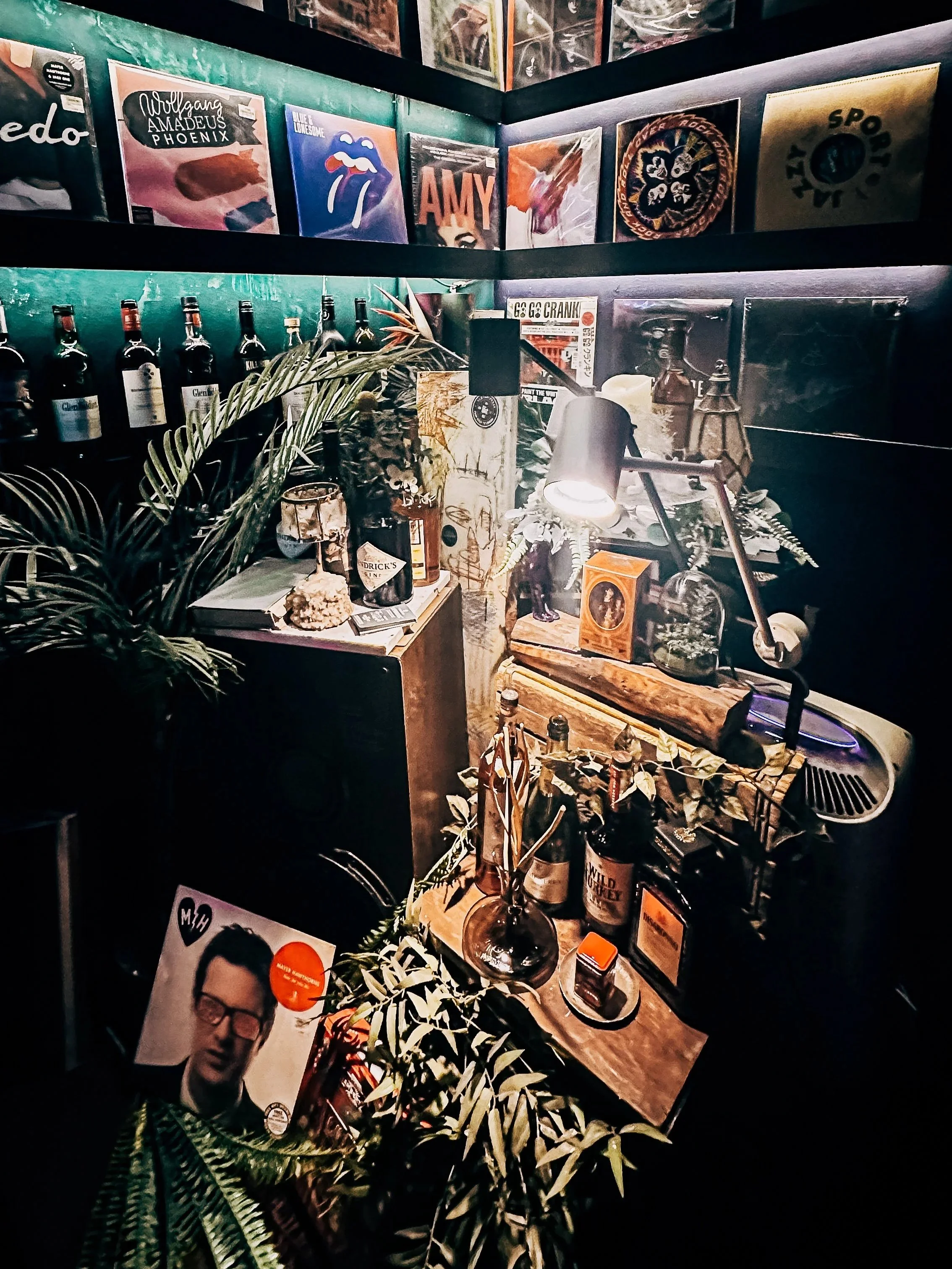
Collection Lounge – Garosu-gil
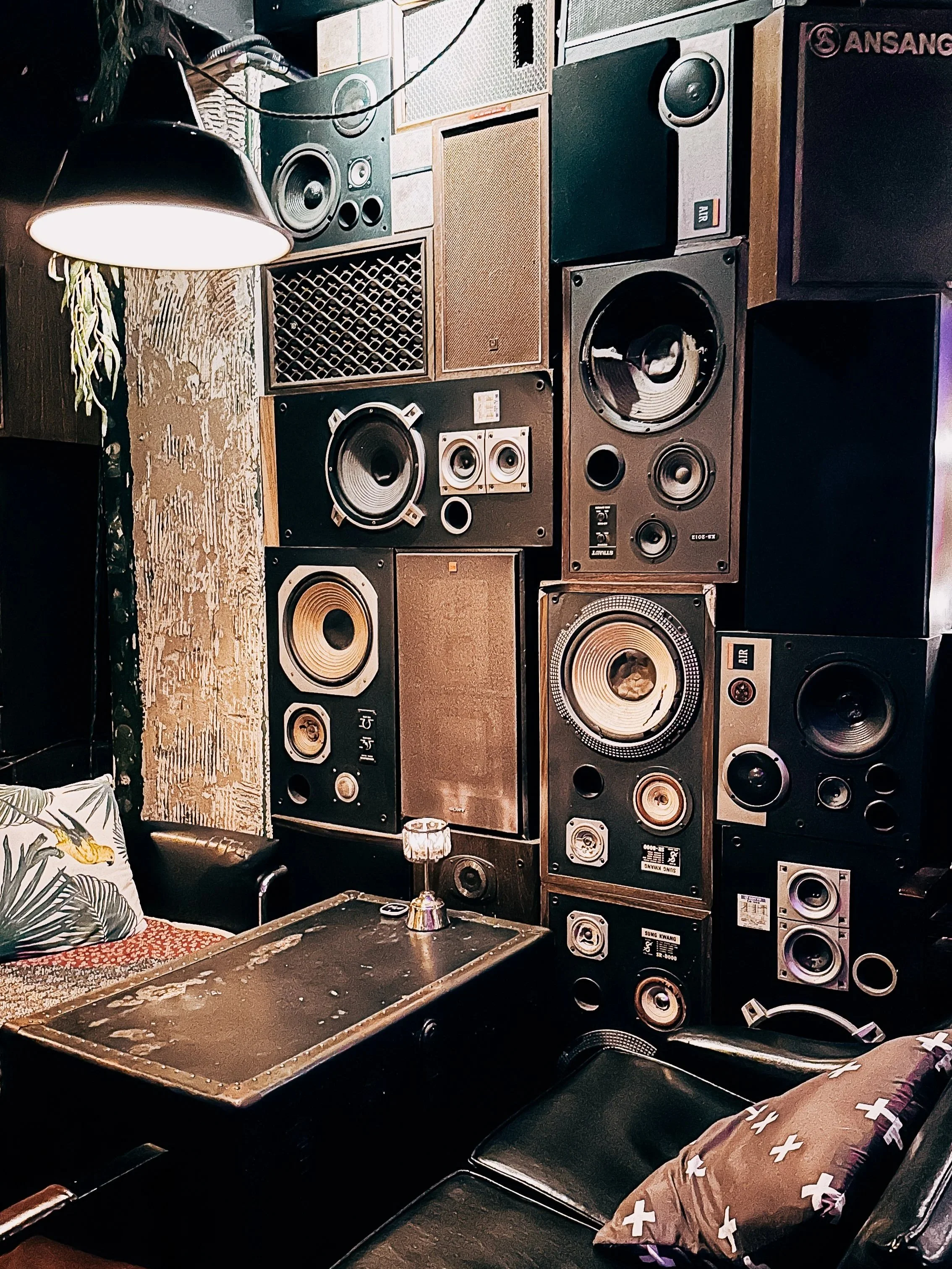
A lively bar with music, vinyl, and eclectic drinks. Great for a late-night drink with local energy and a creative crowd.
Address: 22 Dosan-daero 11-gil, Gangnam-gu, Seoul
Quick Notes on the Seoul Food Scene
• Many restaurants don’t take reservations through international apps. Try making reservations via KakaoTalk or ask your hotel concierge to help.
• In busy areas like Gangnam, Itaewon, and Hongdae, early dinner (around 18h00–19h00) is a good idea to avoid crowds.
• Tipping isn’t customary, but great service is always appreciated with a smile.
Seoul may feel complex at first, but once its systems are understood, the city becomes incredibly fluid. A little preparation allows you to focus less on logistics and more on observing, walking, and experiencing the city’s contrasts.
Practical Tips for Navigating Seoul
Seoul operates with its own digital and cultural ecosystem, and understanding this early makes the experience significantly smoother.
Digital Life and Apps
South Korea does not rely on Google services in the same way as many other countries. Google Maps is limited and often unreliable for directions. Instead, locals use KakaoMap and Naver Map, which provide accurate routes, metro exits, walking paths, and real time transport information.
Communication is also different. WhatsApp is rarely used. The most common messaging apps are KakaoTalk and, in some professional contexts, Naver services. Installing KakaoTalk is useful even for basic interactions, reservations, and local contacts.
Language
English is not widely spoken outside tourist-focused areas, hotels, and museums. Signage is often bilingual in central districts, but daily interactions may require patience. Simple phrases, translation apps, and visual communication go a long way.
Transportation and Getting Around
Seoul’s traffic can be very heavy, especially during rush hours. For this reason, the metro is the most efficient and reliable way to move around the city. It is clean, intuitive, well-connected, and reaches almost every neighborhood mentioned in this guide. Using a transport card such as T money simplifies everything, from metro rides to buses and even some convenience stores.
When taking taxis, note an important local detail:
A red light means the taxi is available, while a green light means it is occupied, which is the opposite of what many travelers expect.