
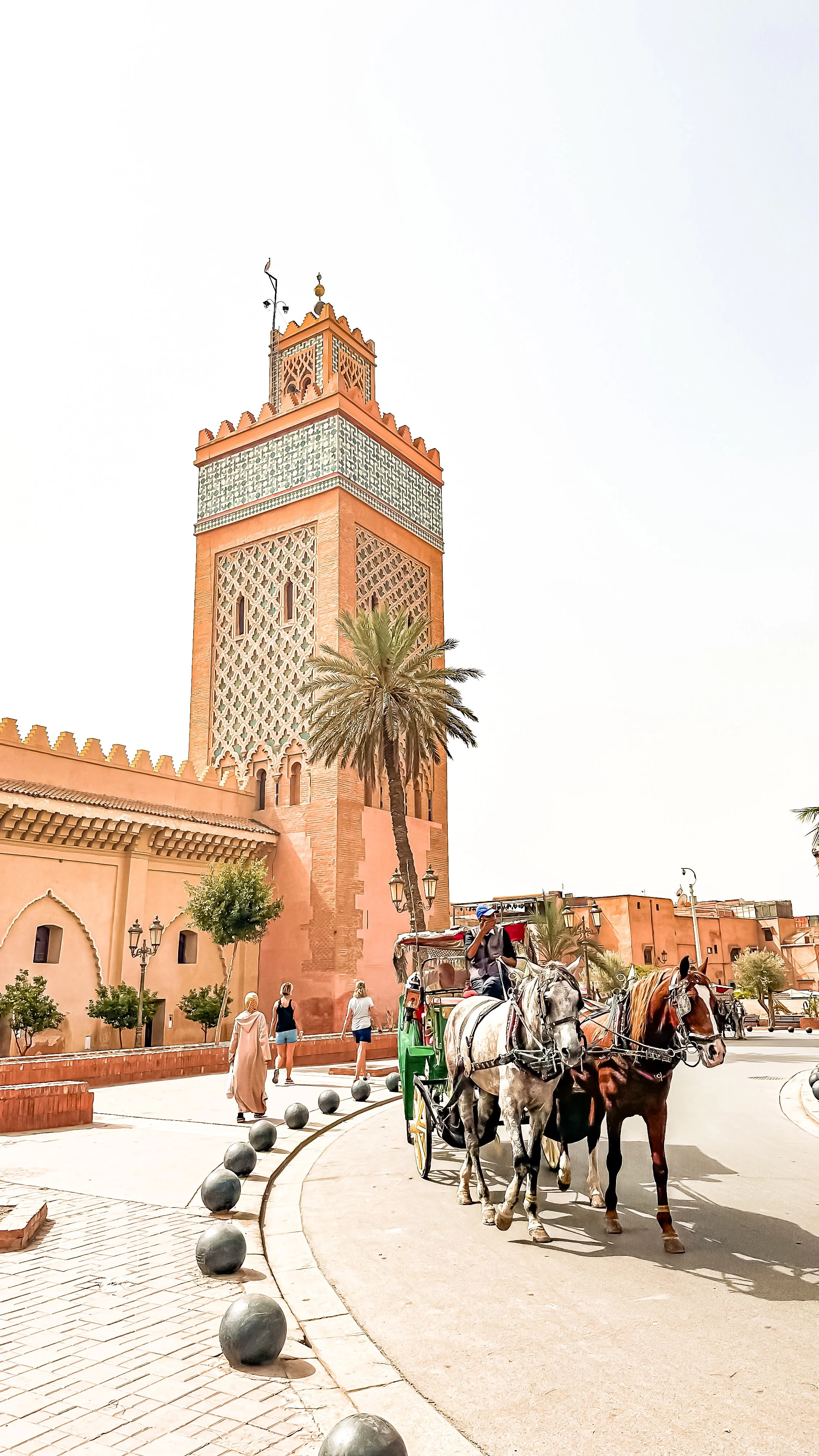
Koutoubia Mosquee
If you’re planning a trip to Marrakech, it’s a destination that engages all your senses at once.
The colors, the sounds, the scents, the pace. It can feel intense at first, but once you find your rhythm, it becomes incredibly rich and inspiring.
This guide brings together the places that are truly worth your time, with a mix of history, atmosphere, and practical tips.
Inside the Medina: Jemaa el-Fna & the souks
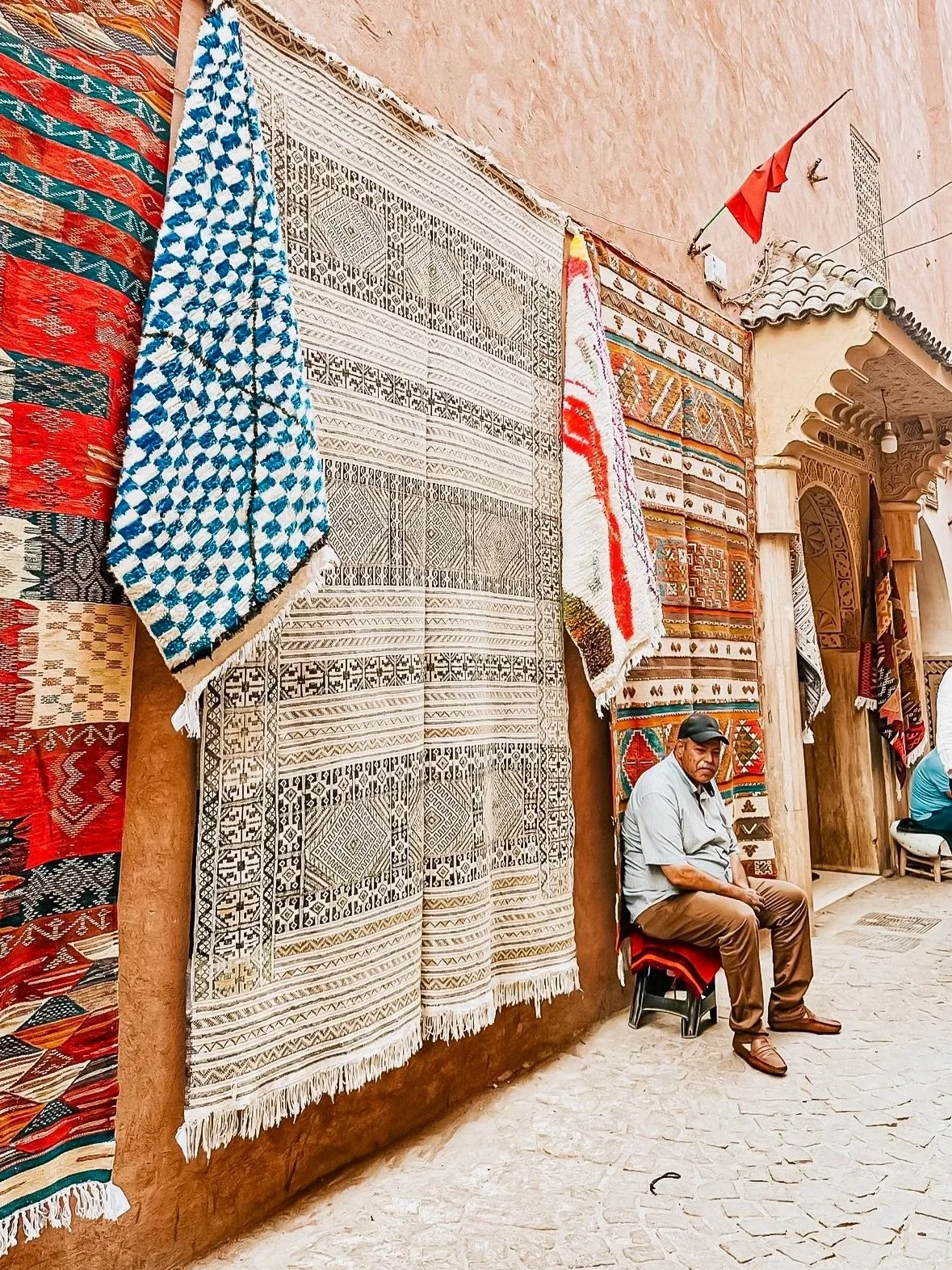
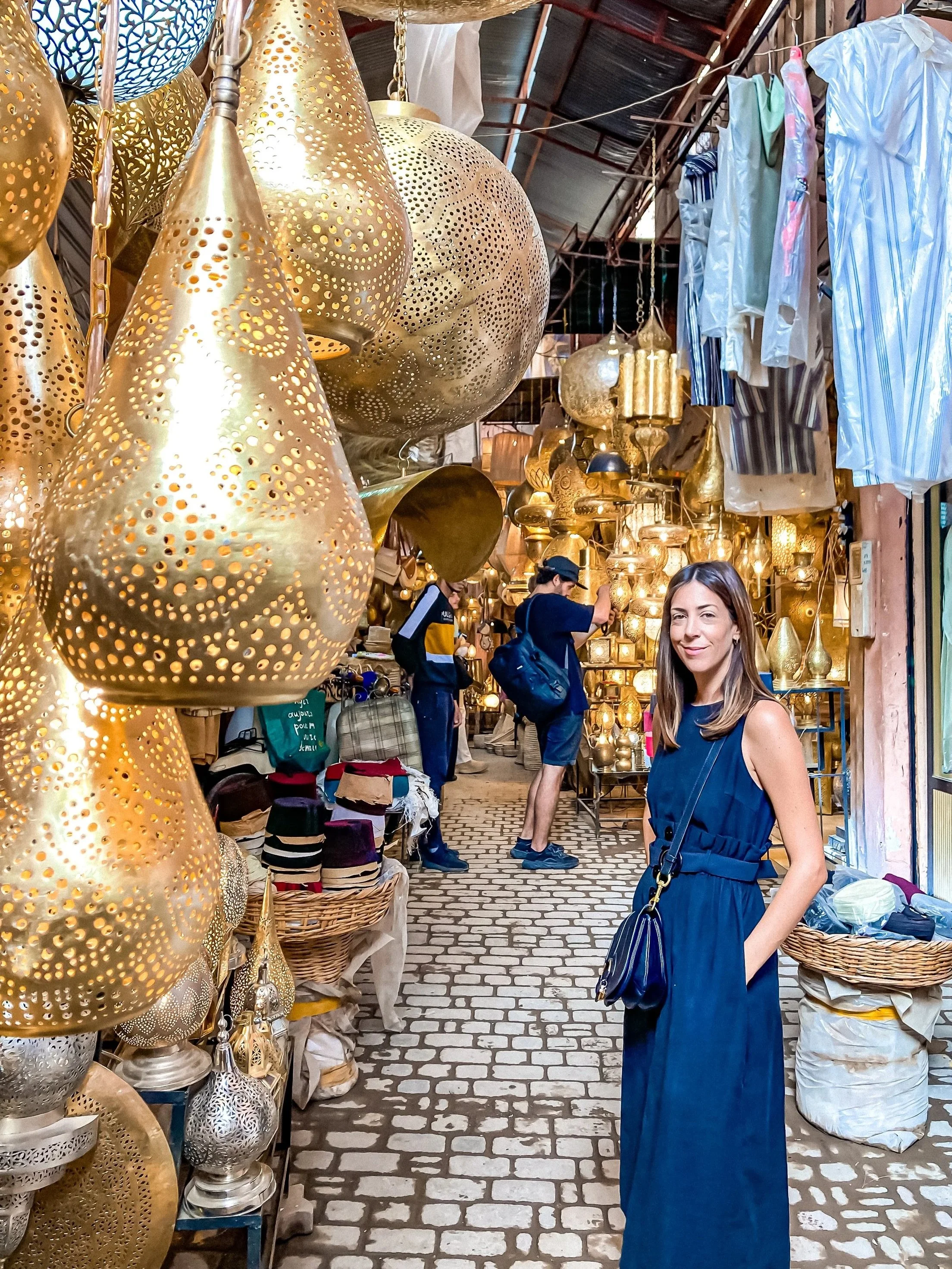
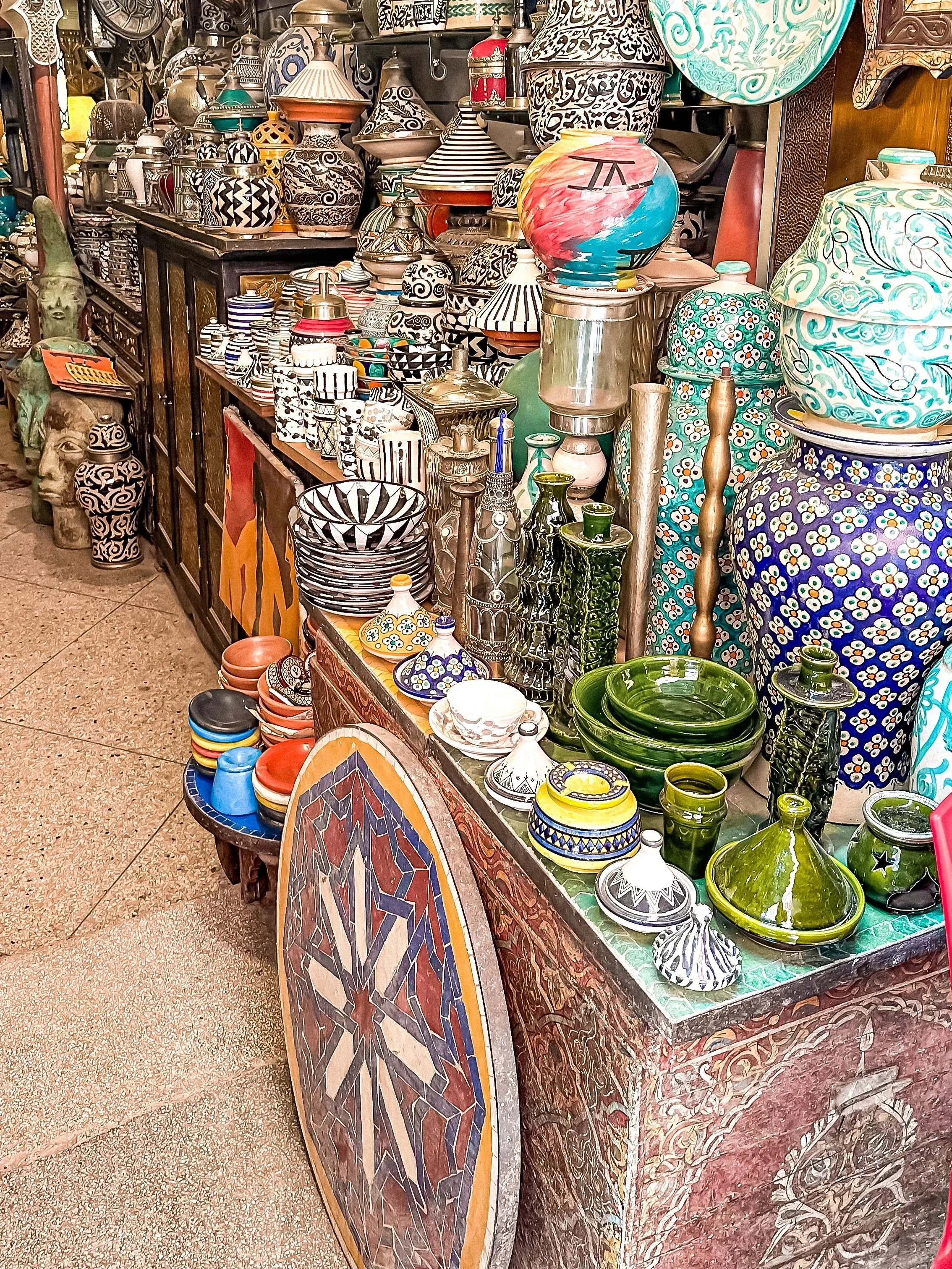
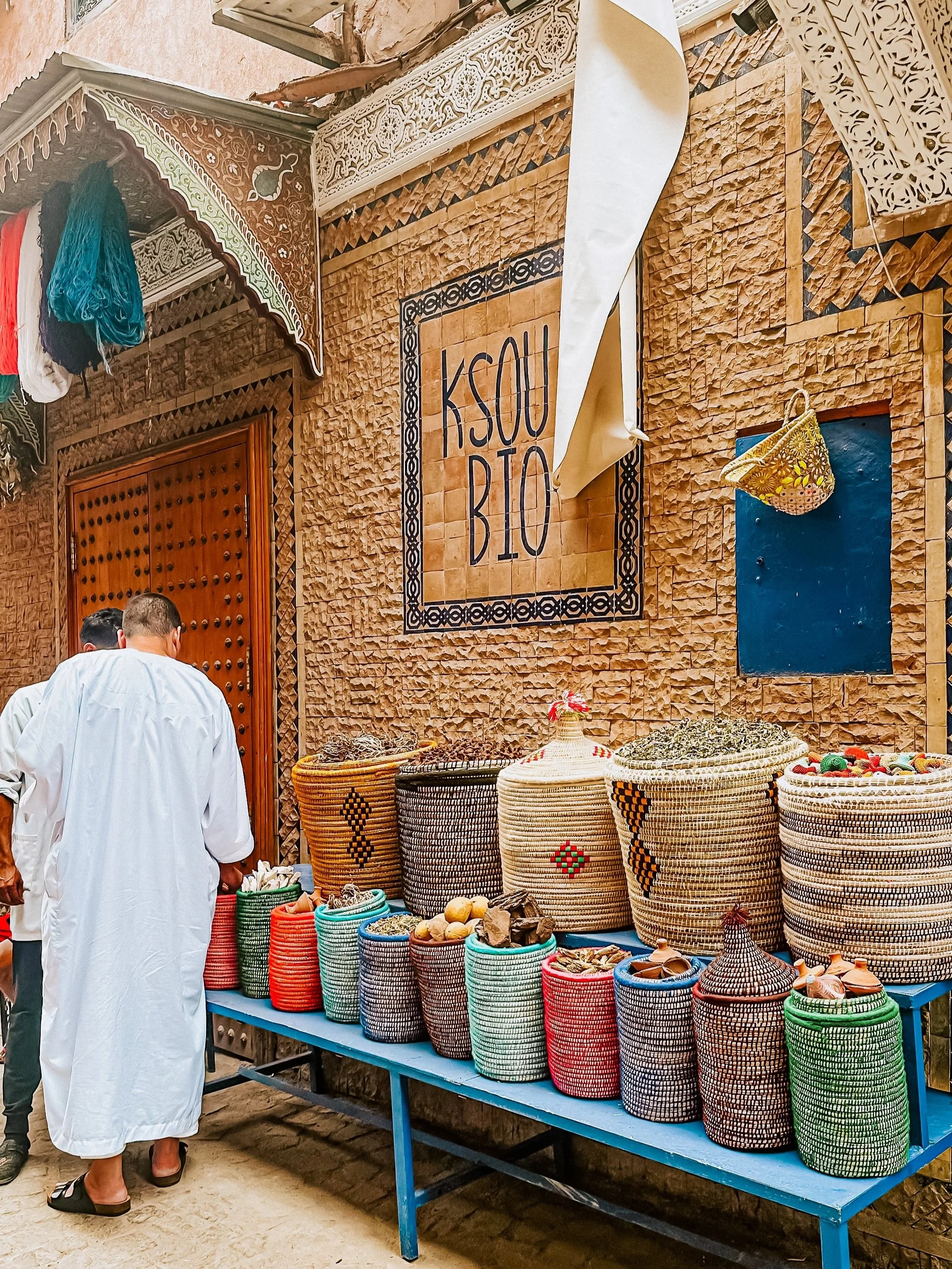
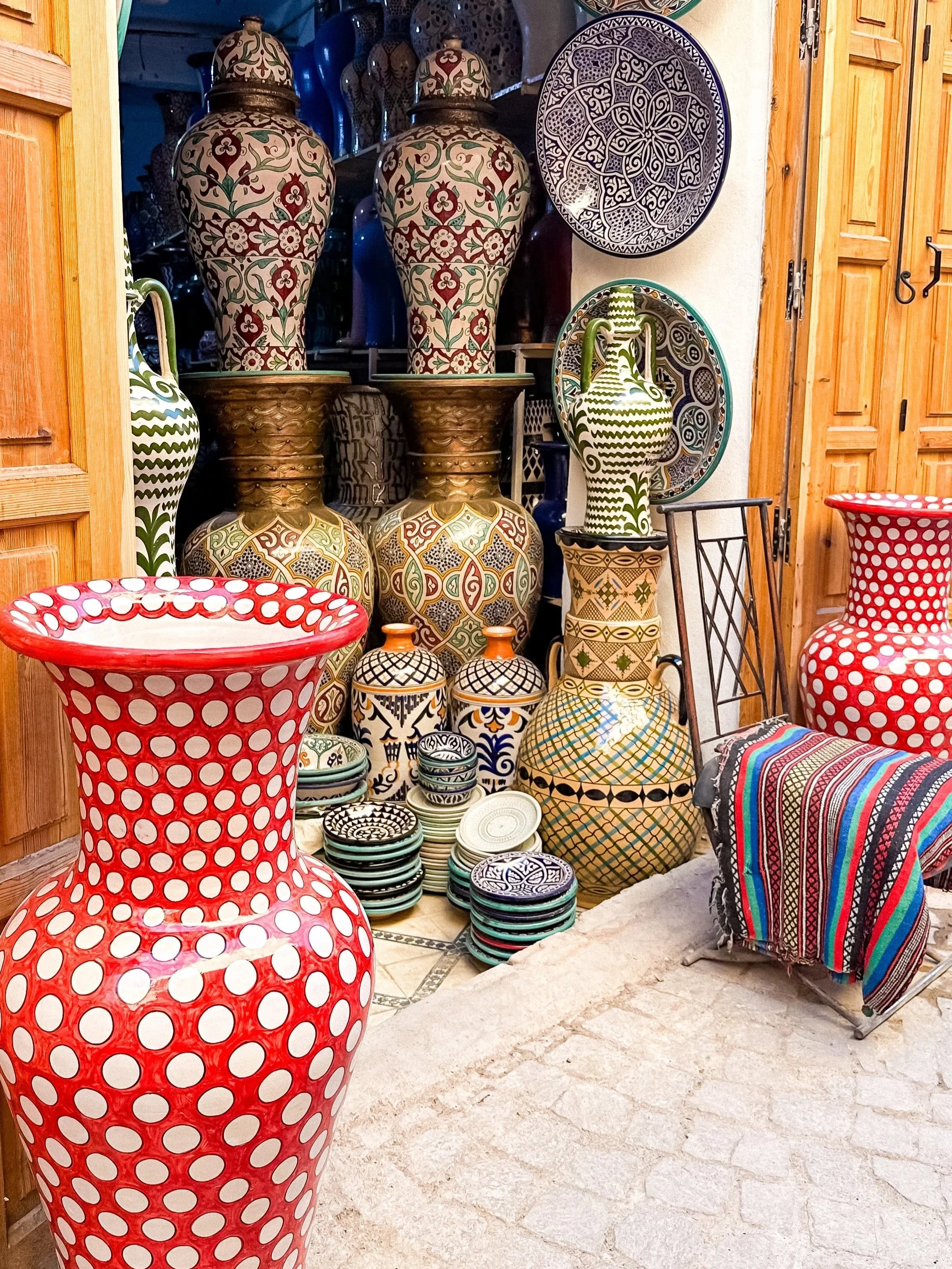
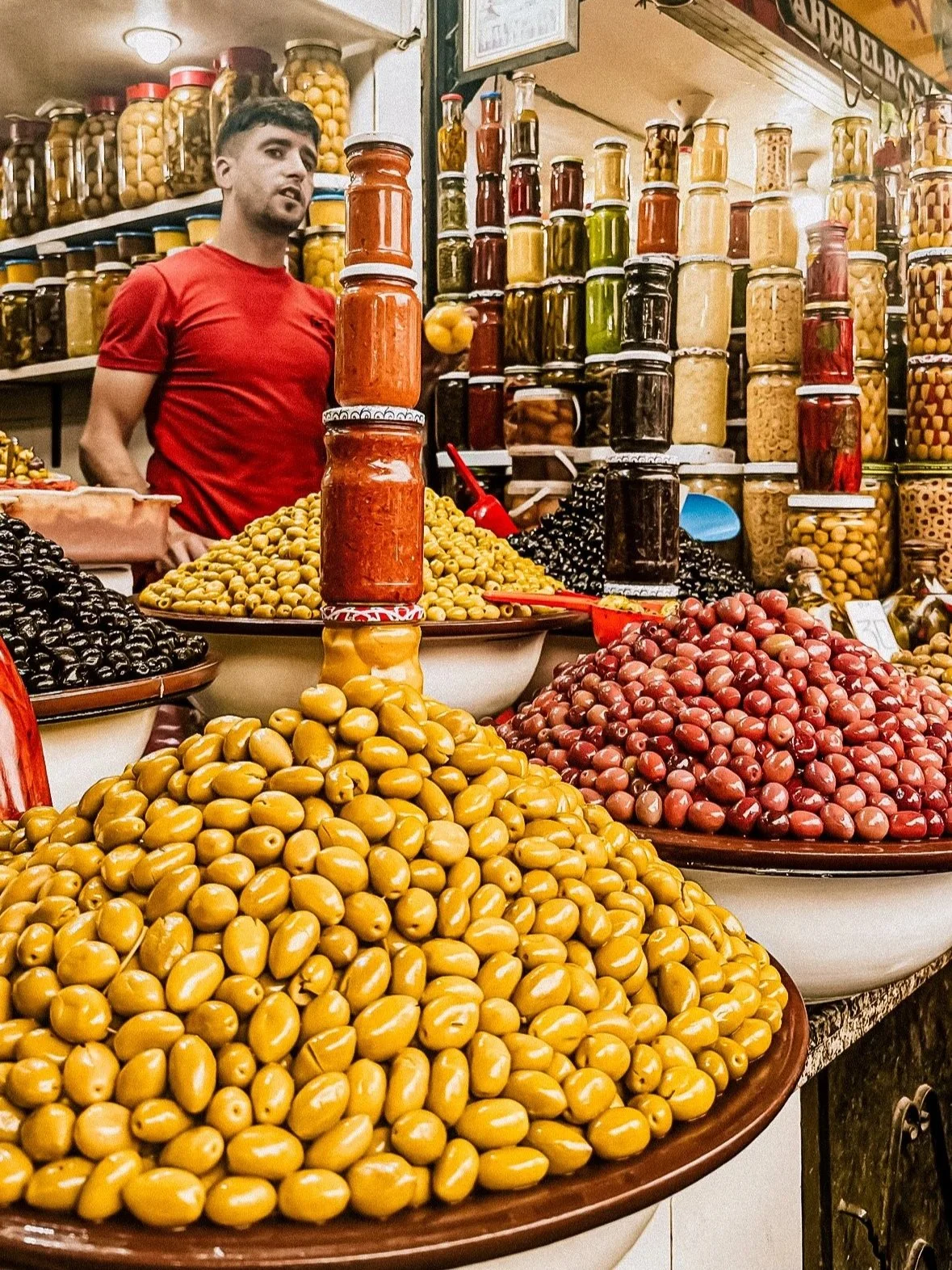
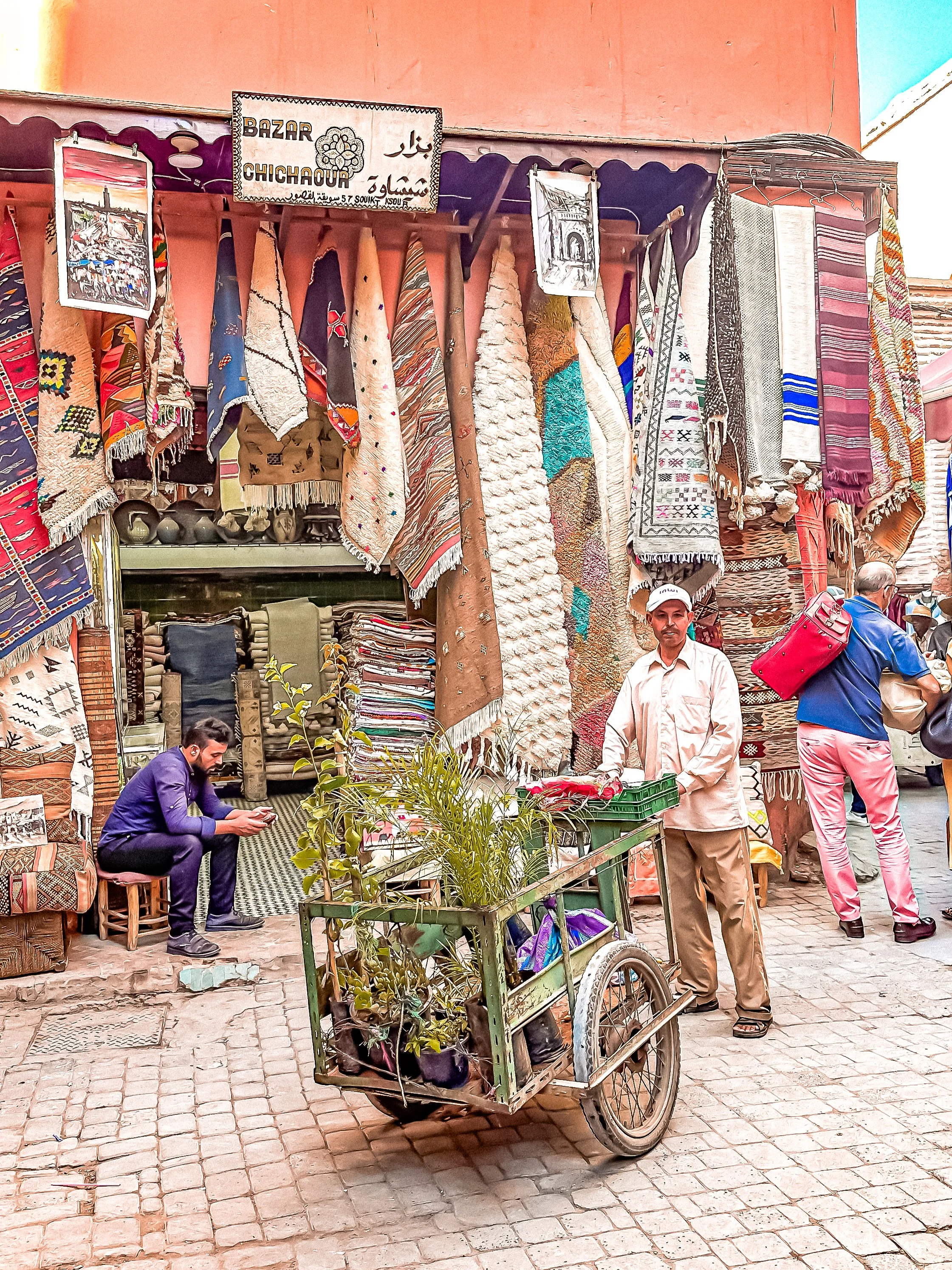
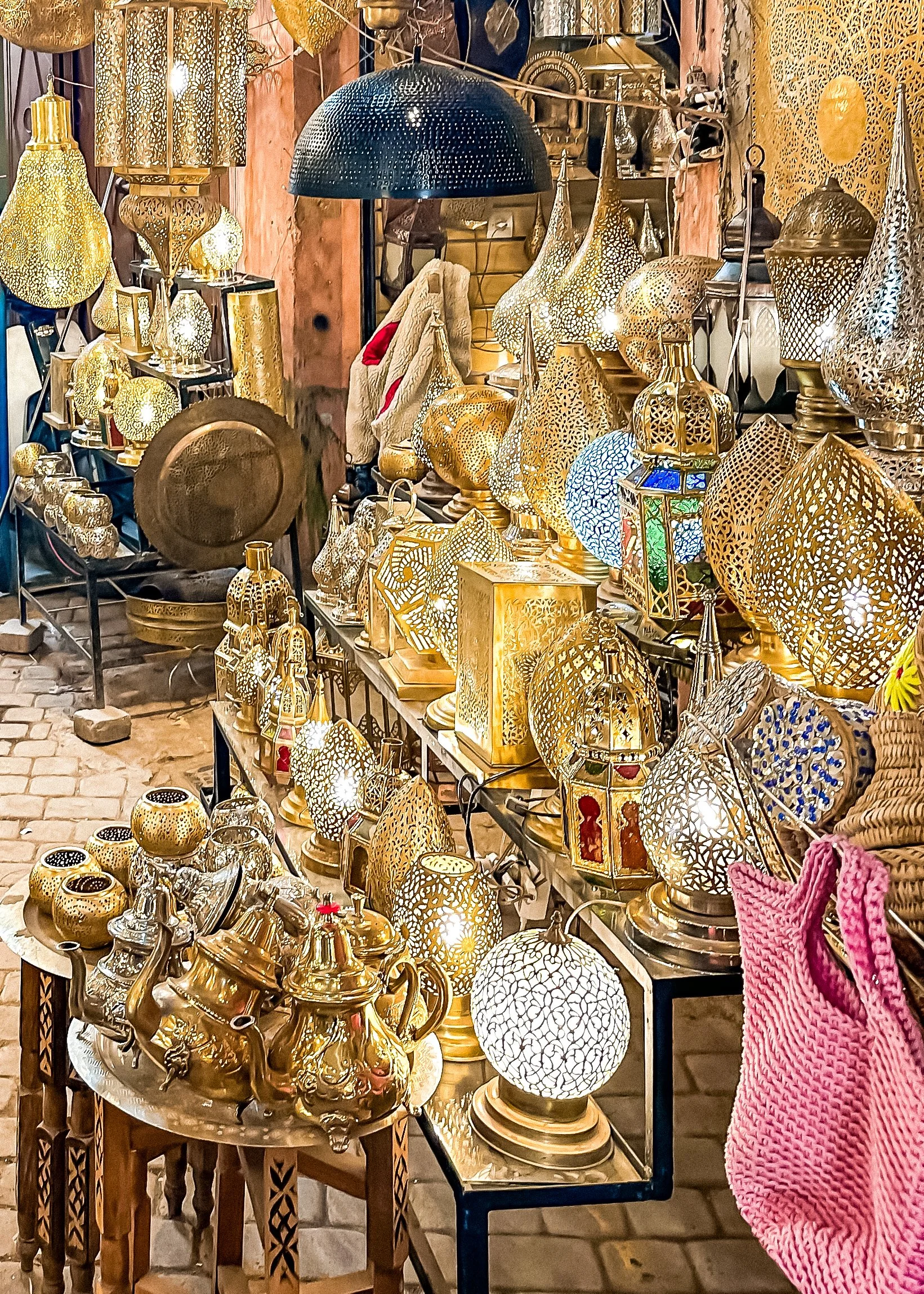
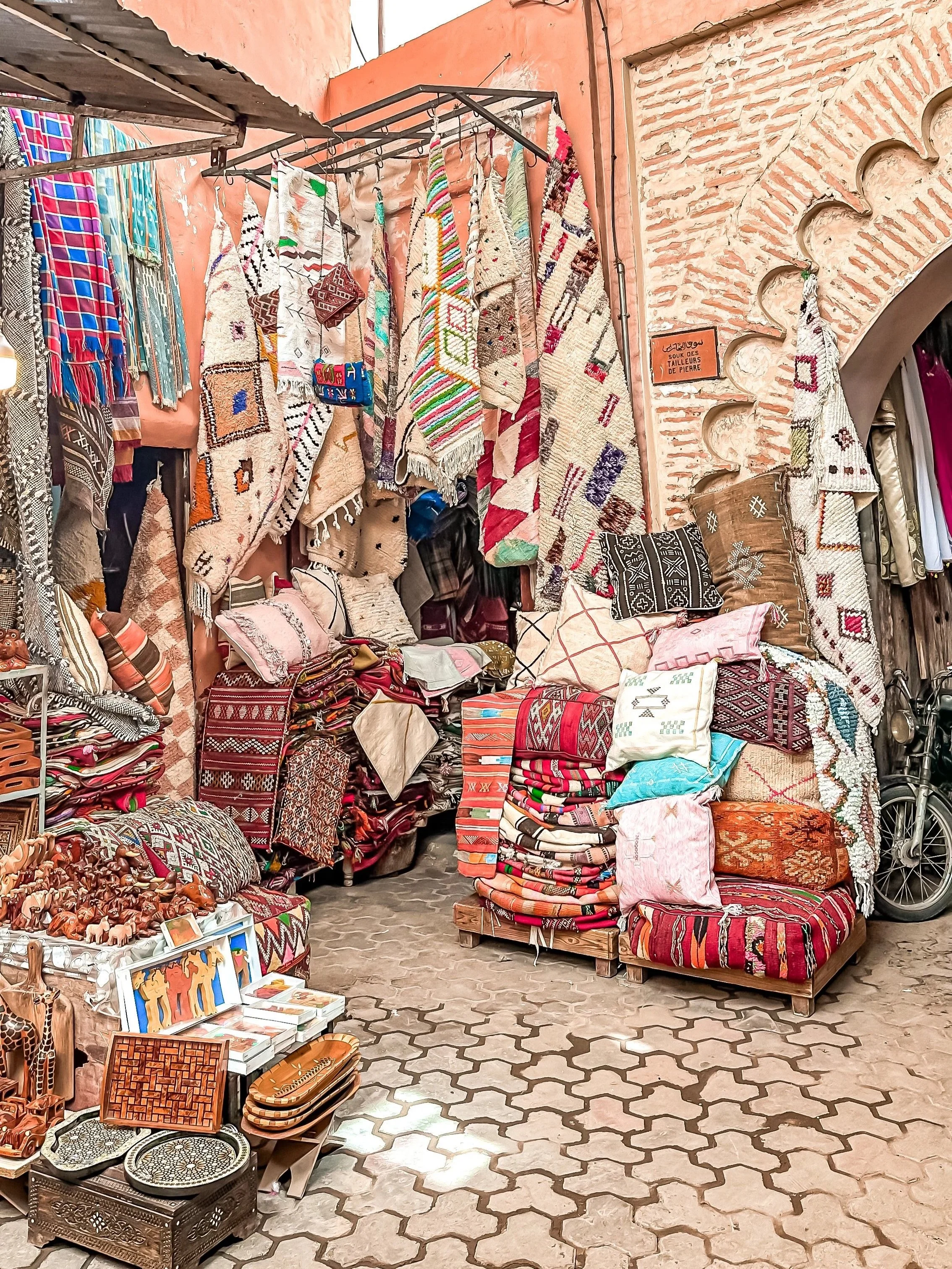
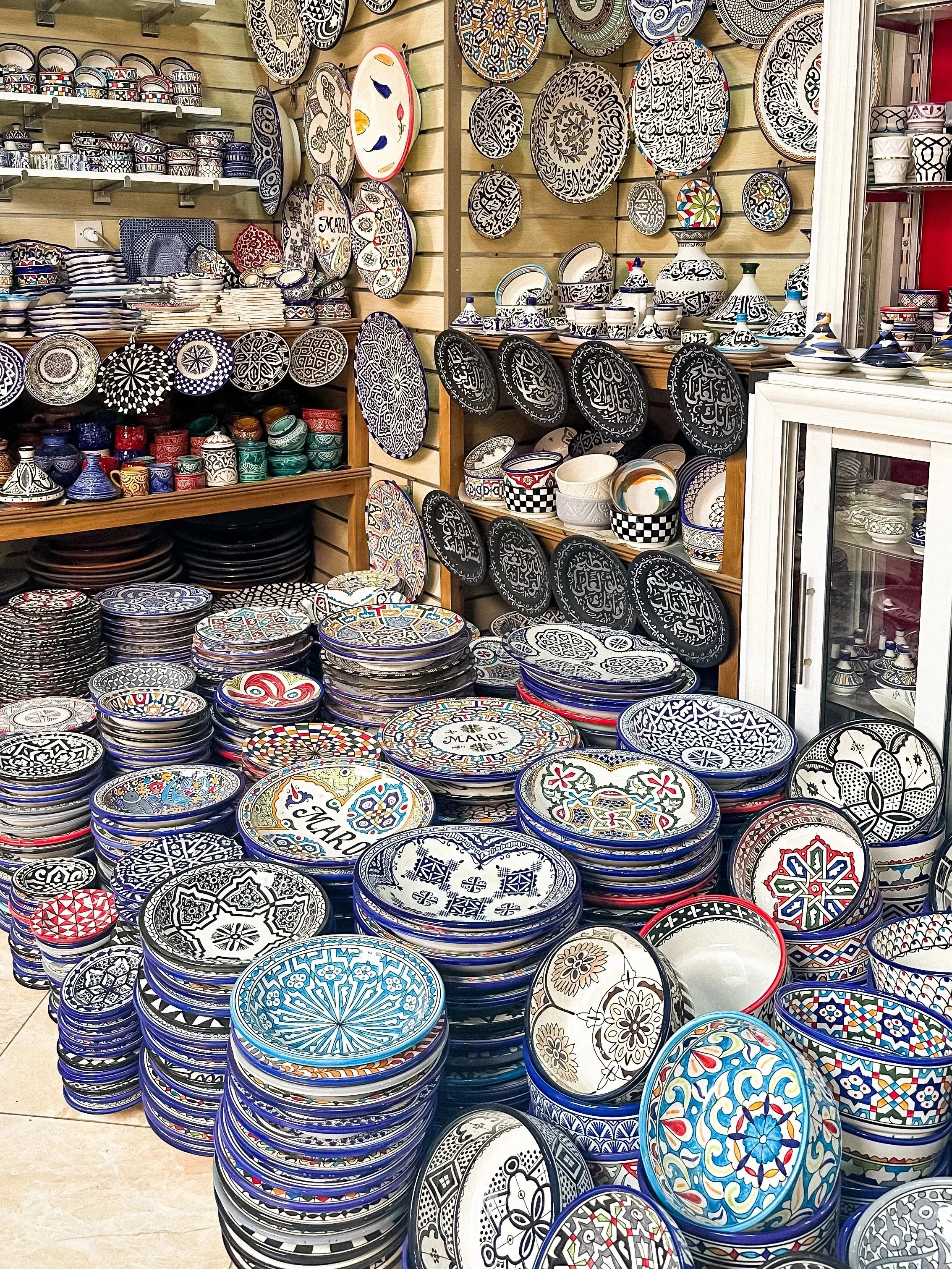
At the heart of the medina, Jemaa el-Fna is the main entry point into Marrakech’s energy.
By day, you’ll find juice stands, snake charmers, and a constant flow of movement. By night, it transforms into a large open-air dining space with food stalls and live performances.
From here, you enter the souks, a dense network of narrow streets organized by craft. Some areas focus on leather, others on textiles, ceramics, or spices.
Practical info
Open: all day, best experienced late afternoon and evening
Tip: expect to get lost, it’s part of the experience. Offline maps help.
Koutoubia Mosque
Koutoubia Mosque is the most important religious landmark in Marrakech. You can’t enter if you’re not Muslim, but it’s still worth seeing from the outside, especially at sunset.
It also helps orient yourself in the city, as the minaret is visible from many places.
Ben Youssef Medersa
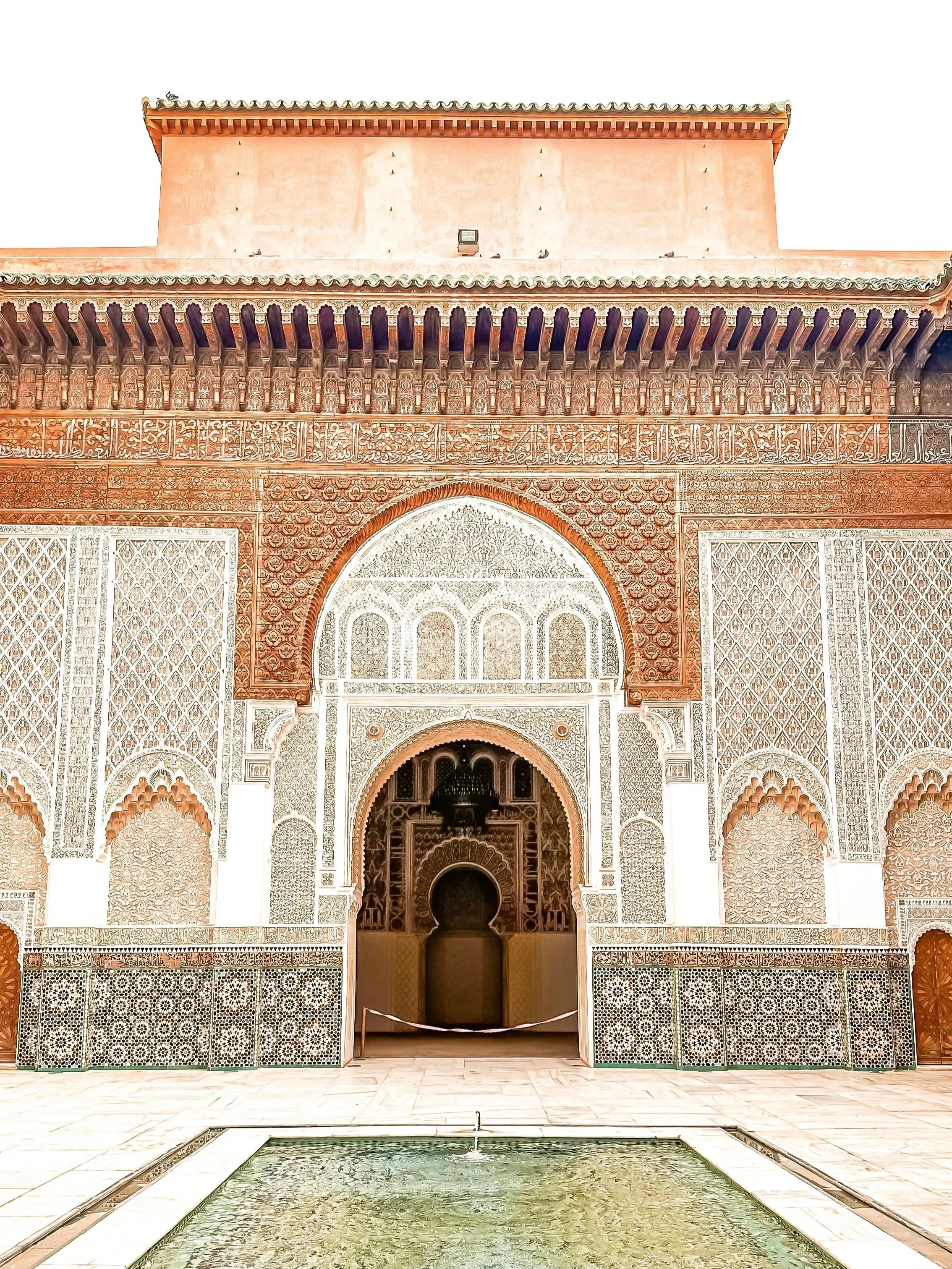
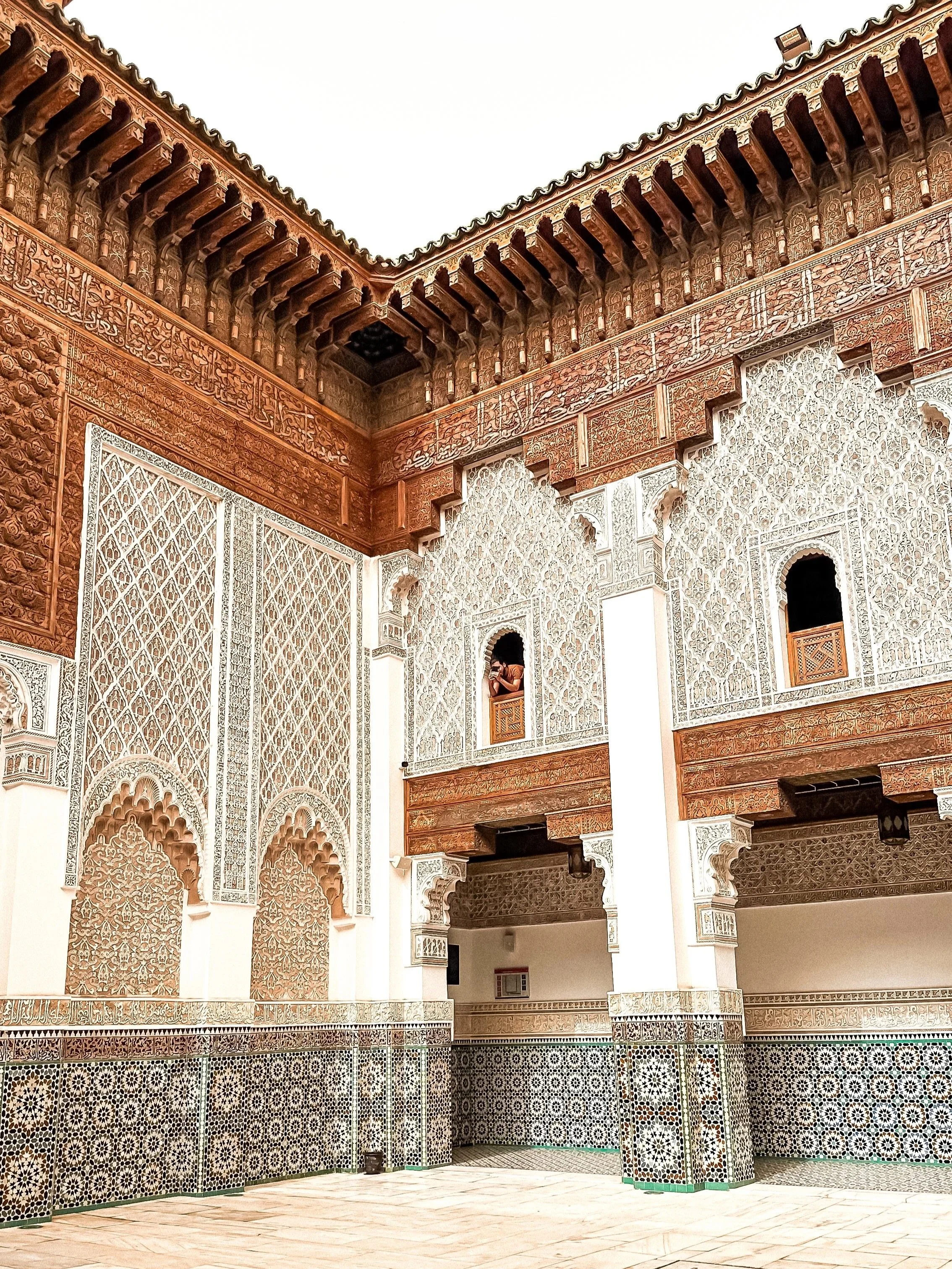
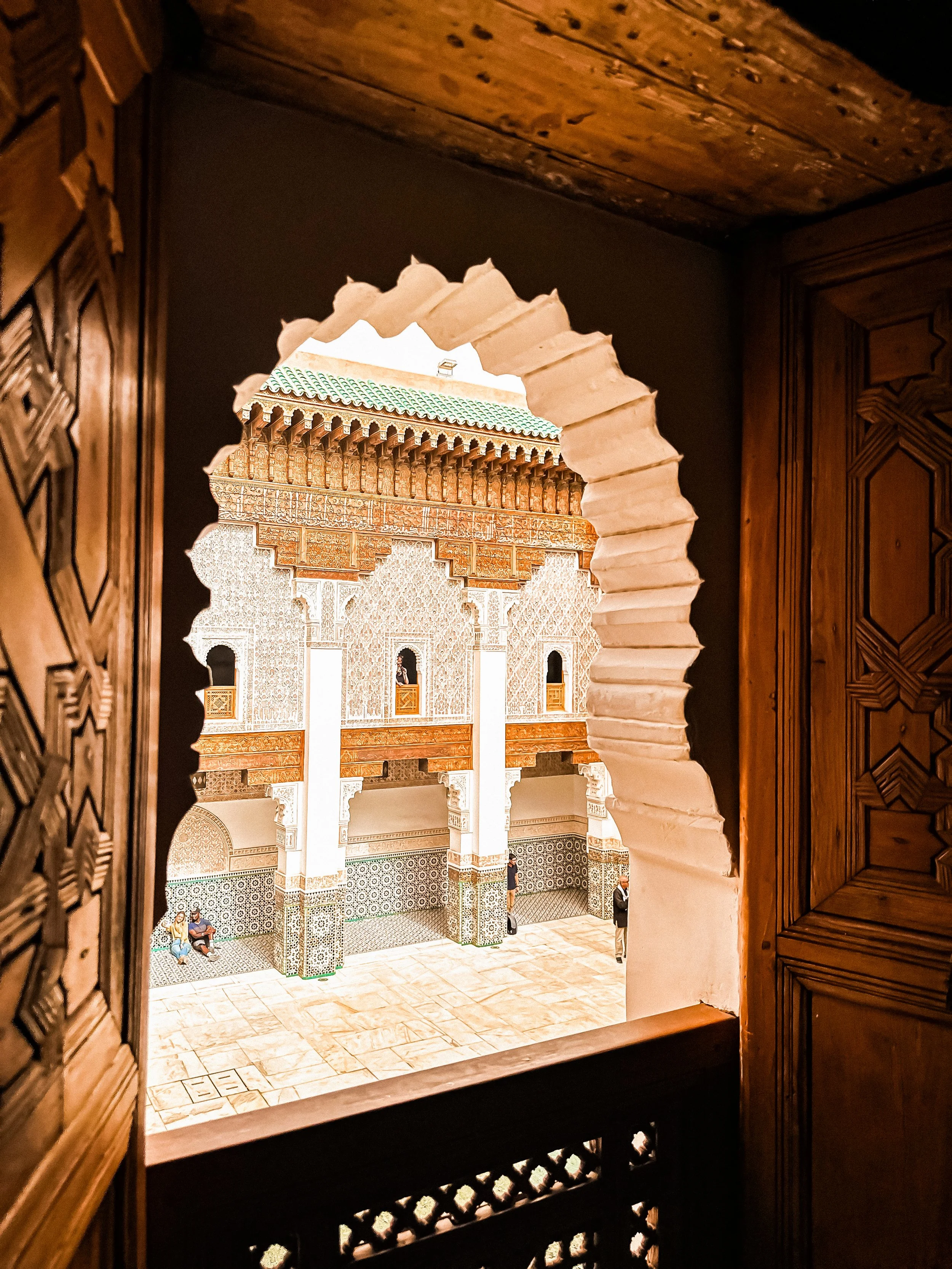
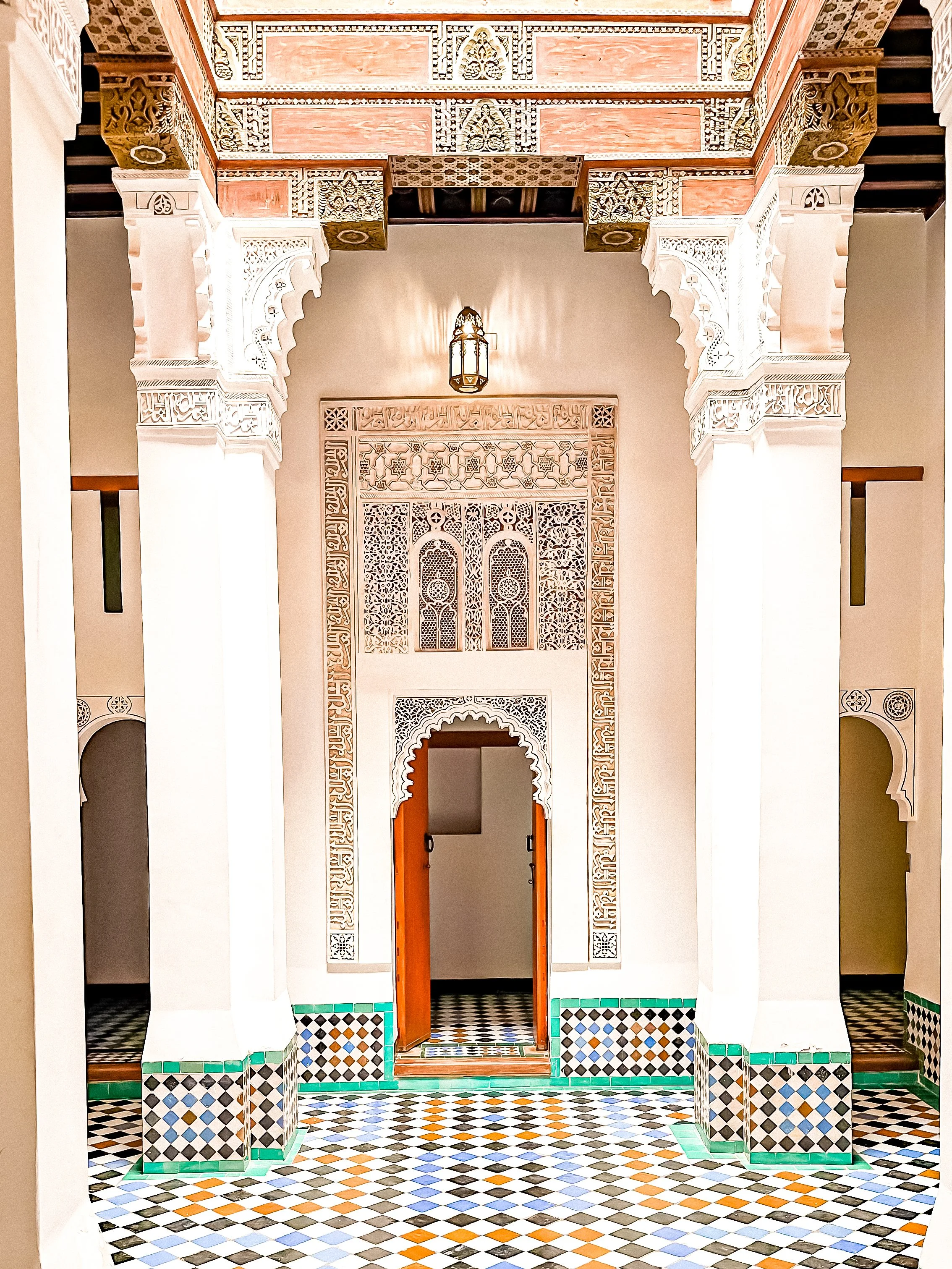
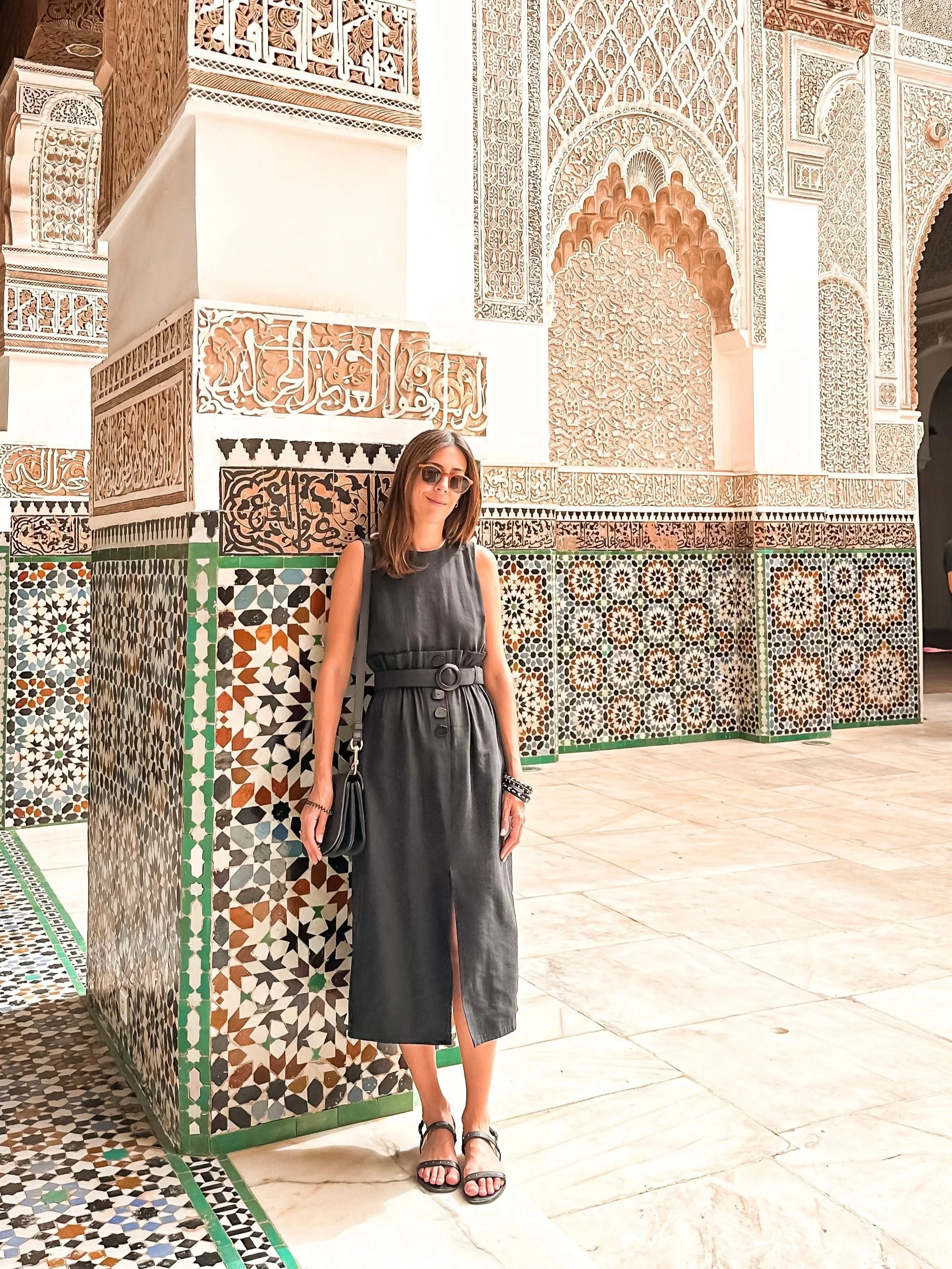
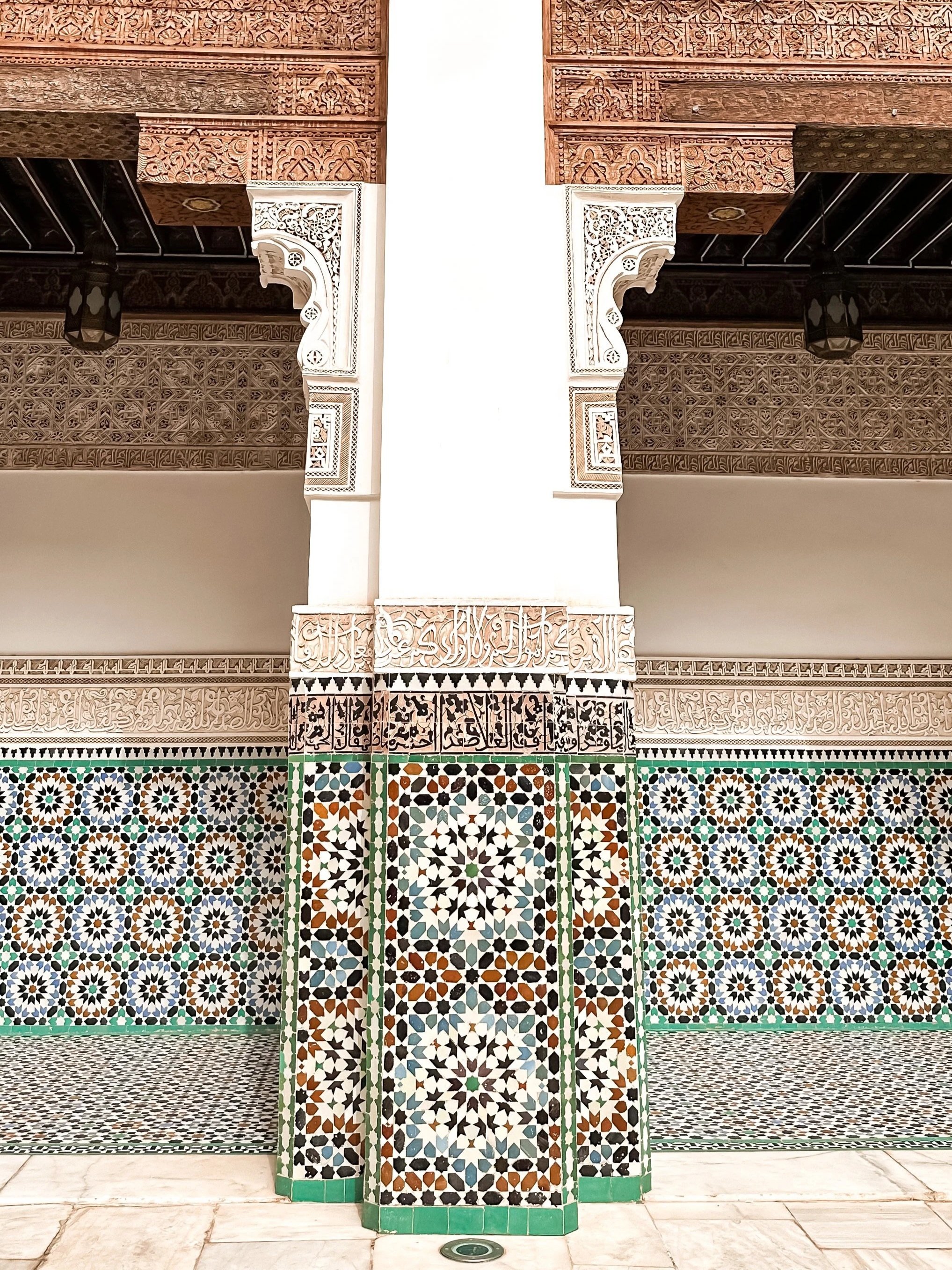
Ben Youssef Madrasa is one of the most impressive architectural sites in the city.
Founded in the 14th century and rebuilt in the 16th, it was once the largest Islamic school in Morocco, hosting up to 800 students.
The central courtyard is perfectly symmetrical, surrounded by the ancient student rooms and decorated with intricate zellige tiles, stucco, and cedar wood carvings.
Practical info
Open: usually 9:00am–7:00pm
Website: official Marrakech heritage site
Tip: go early to avoid crowds and fully enjoy the details
Bahia Palace
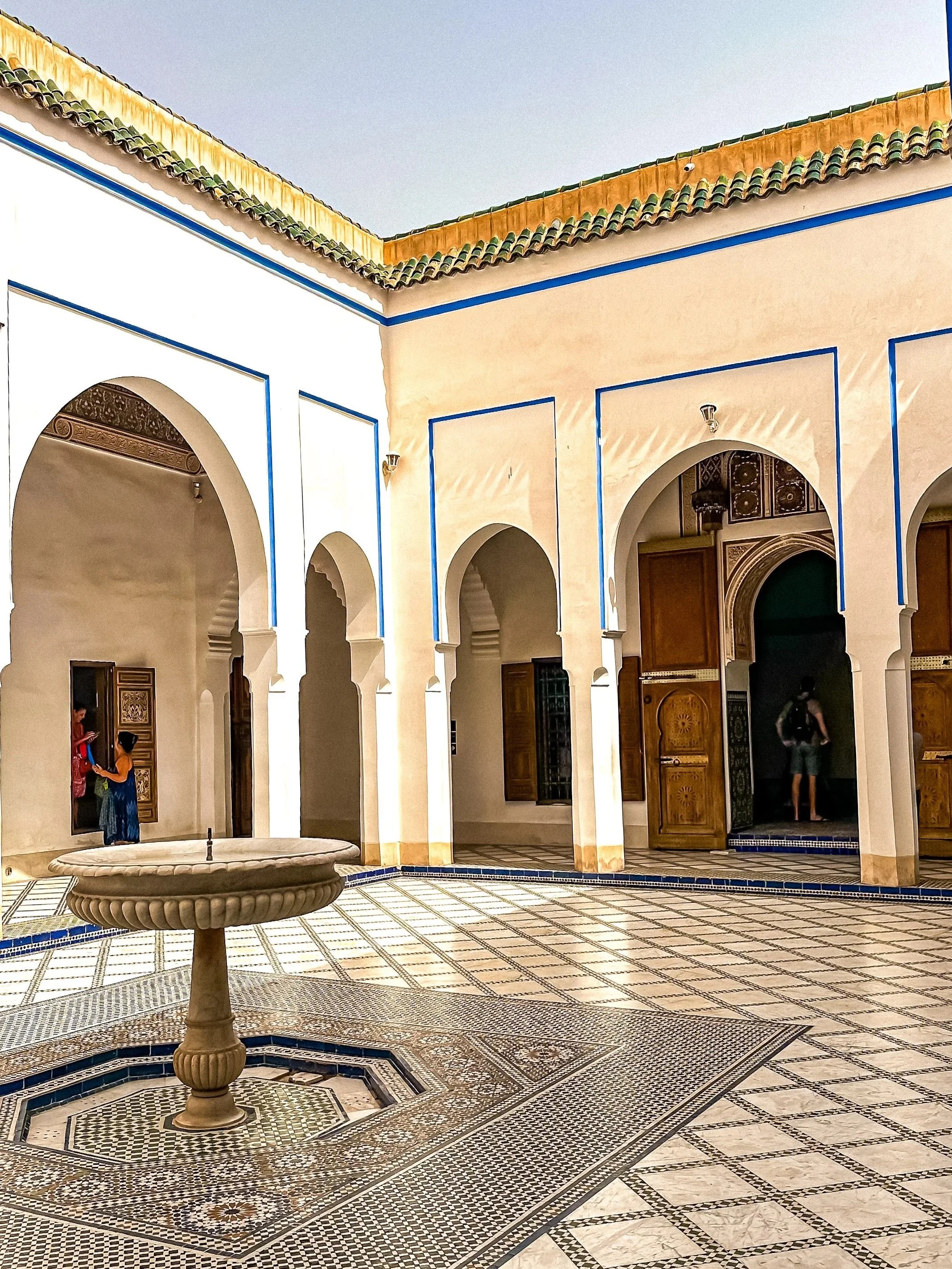
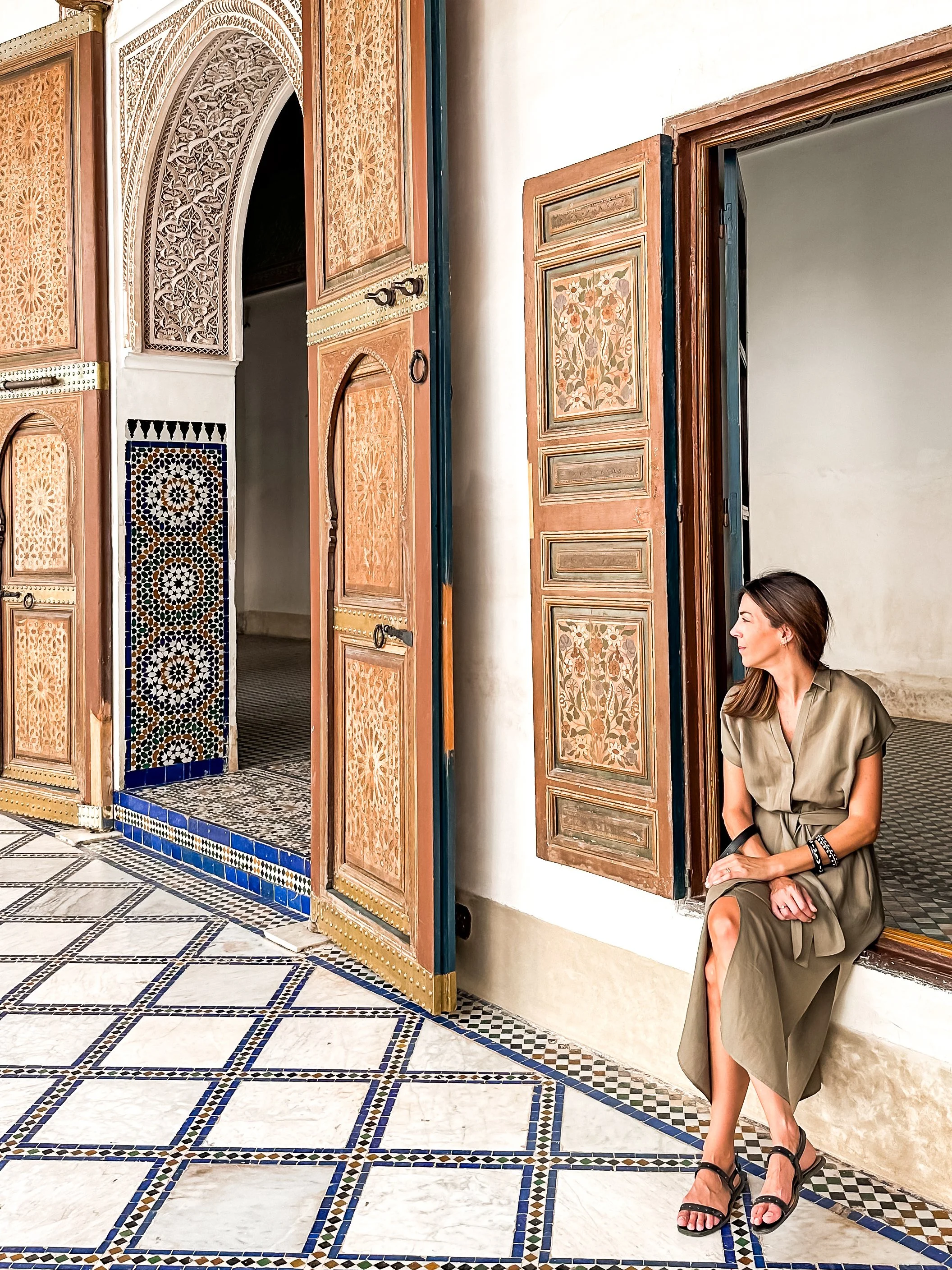
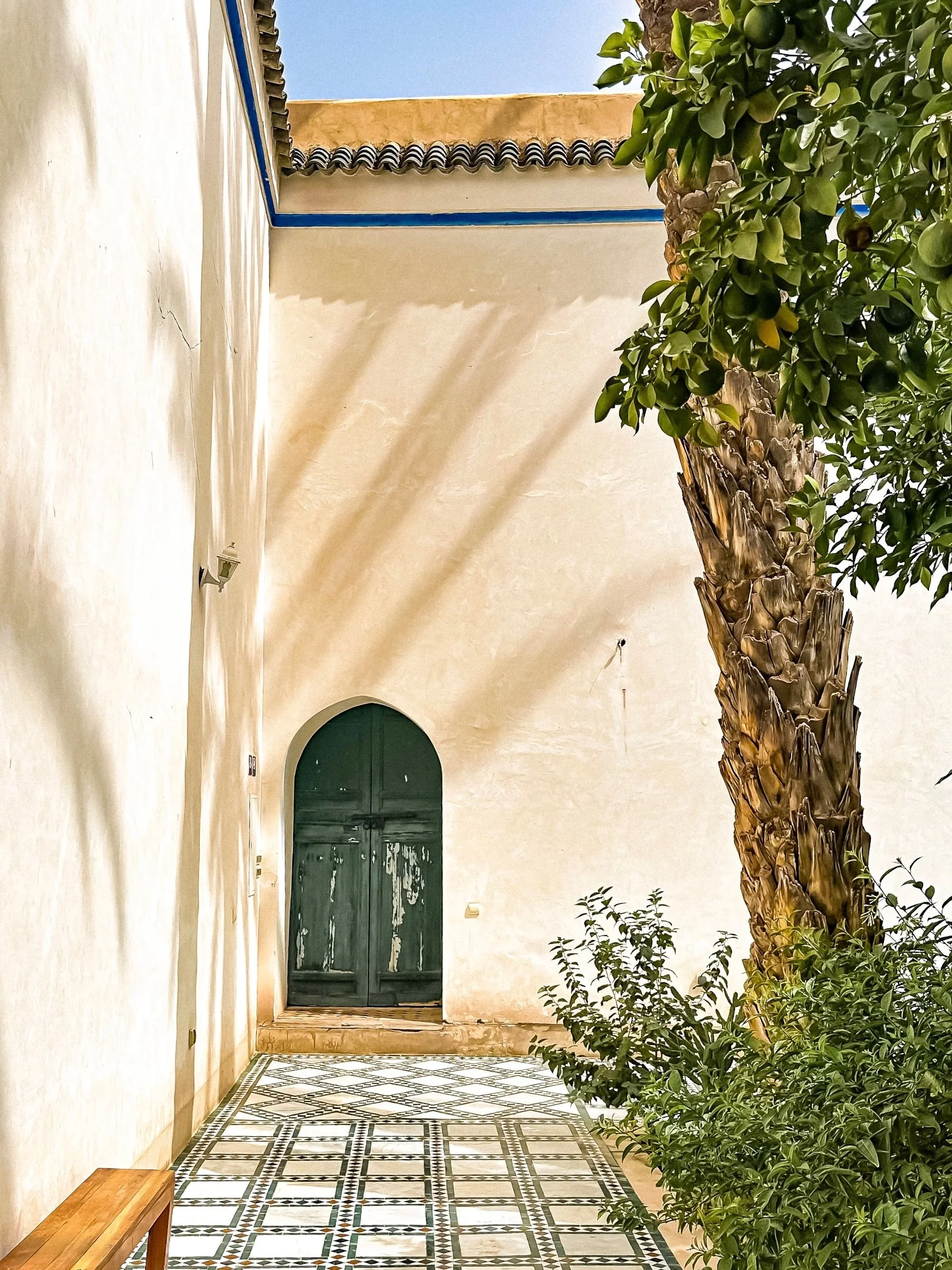
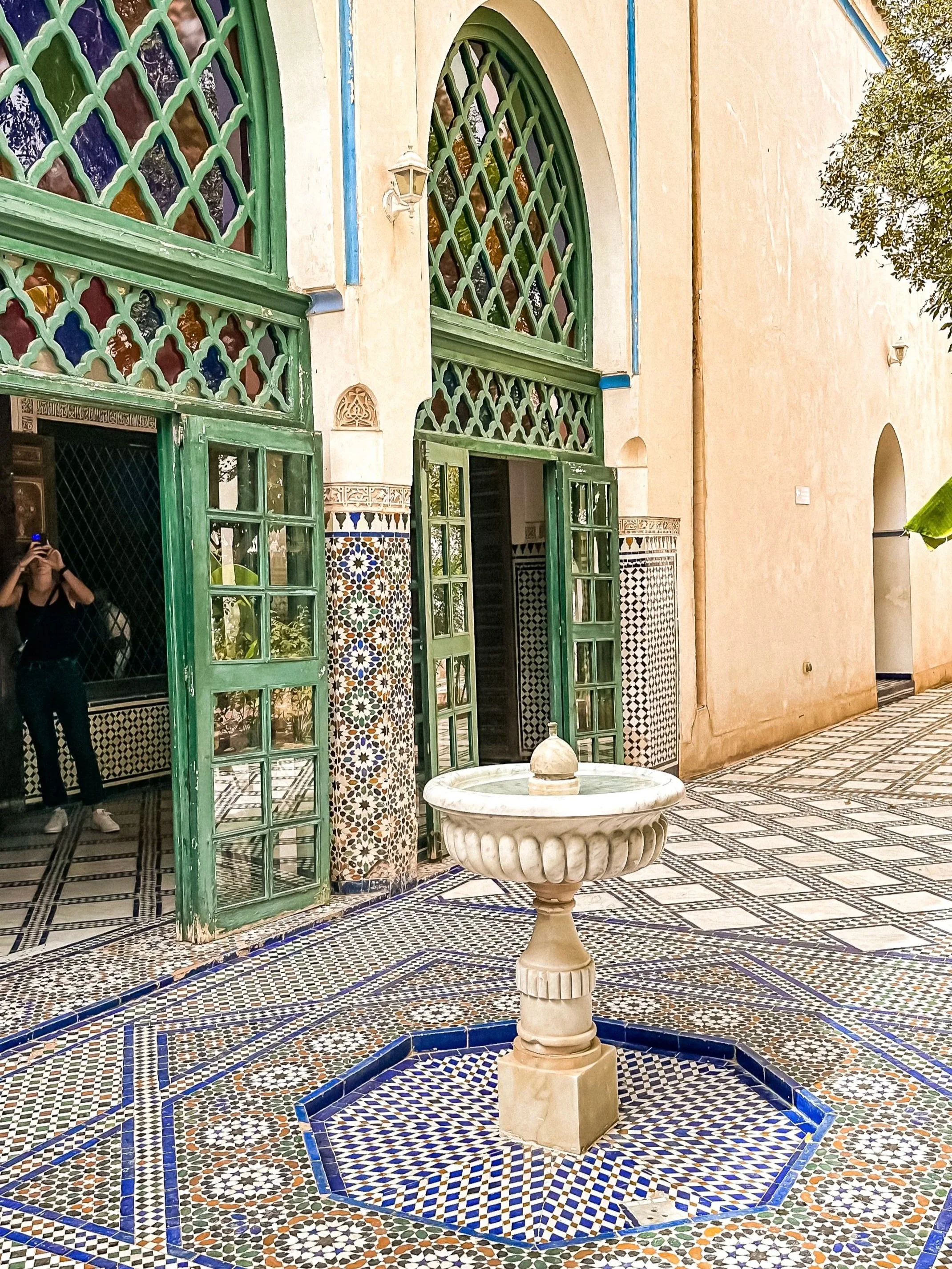
Bahia Palace was built in the late 19th century for Si Moussa, a powerful grand vizier, and later expanded by his son.
The name “Bahia” means brilliance, and the palace was designed to reflect wealth and refinement.
It’s less about furniture and more about space, light, and craftsmanship. Ceilings, doors, and courtyards are the highlight here.
Practical info
Open: around 9:00am–5:00pm
Tip: visit mid-morning for better light in the courtyards
Le Jardin Secret
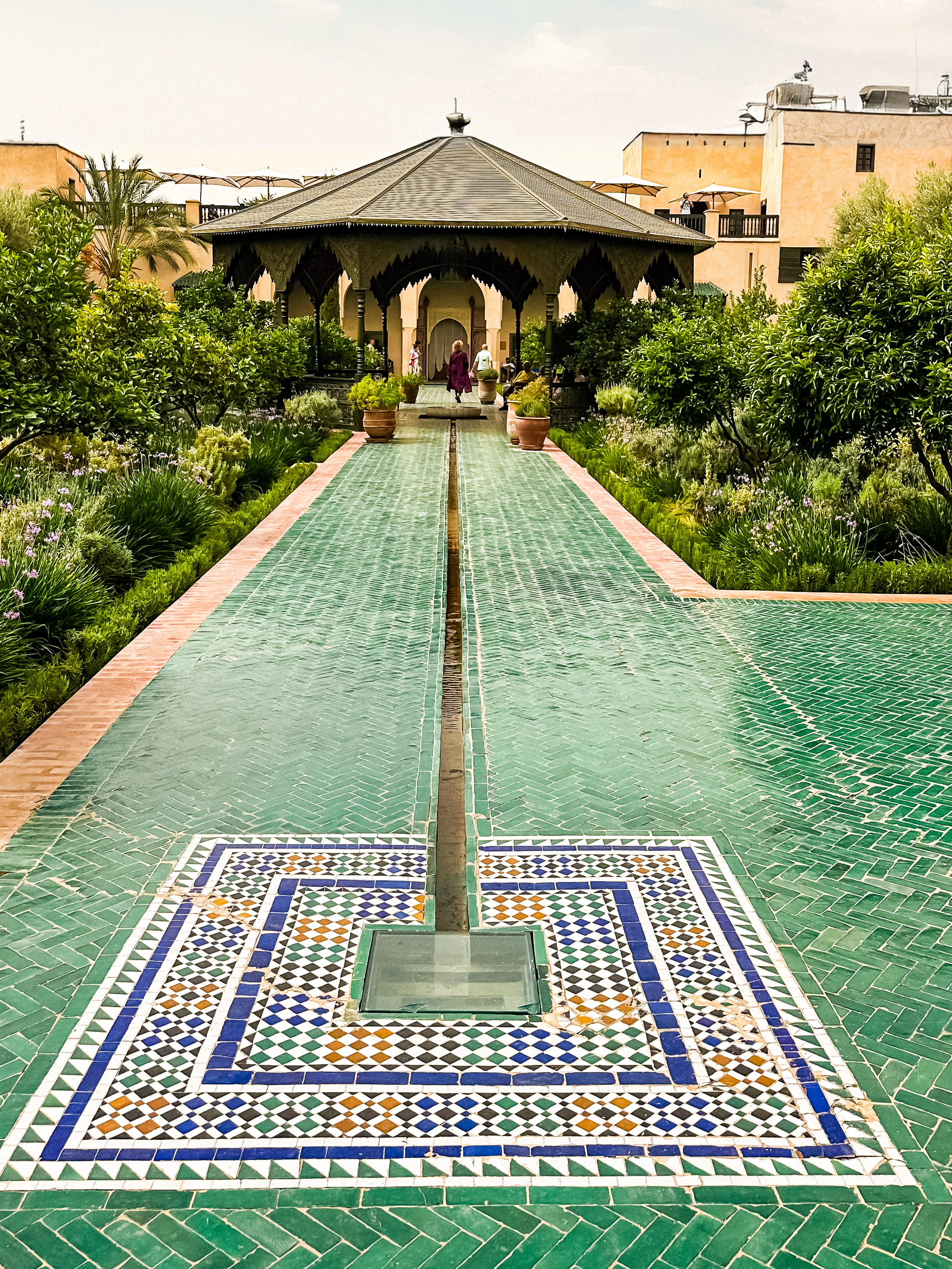
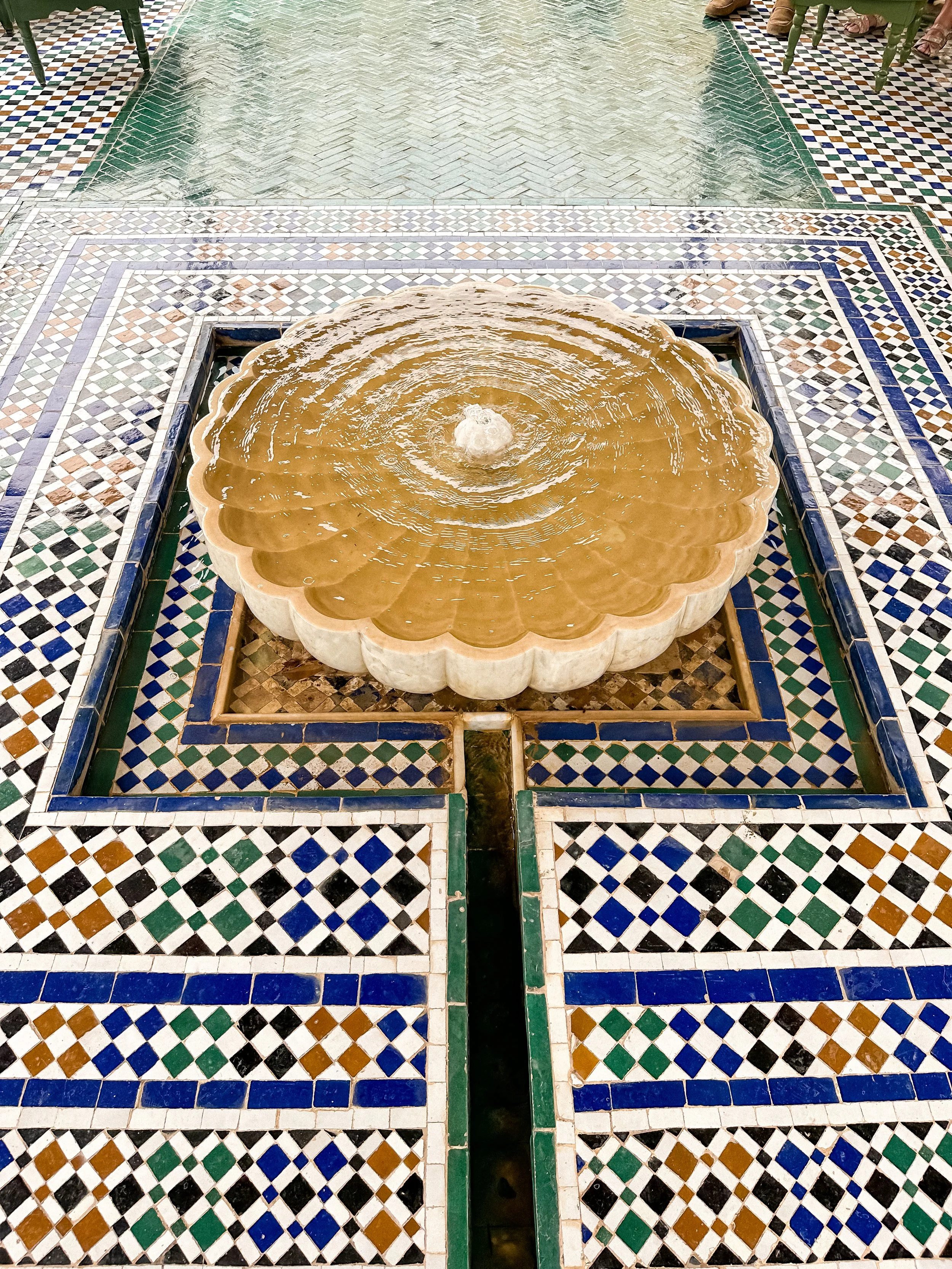
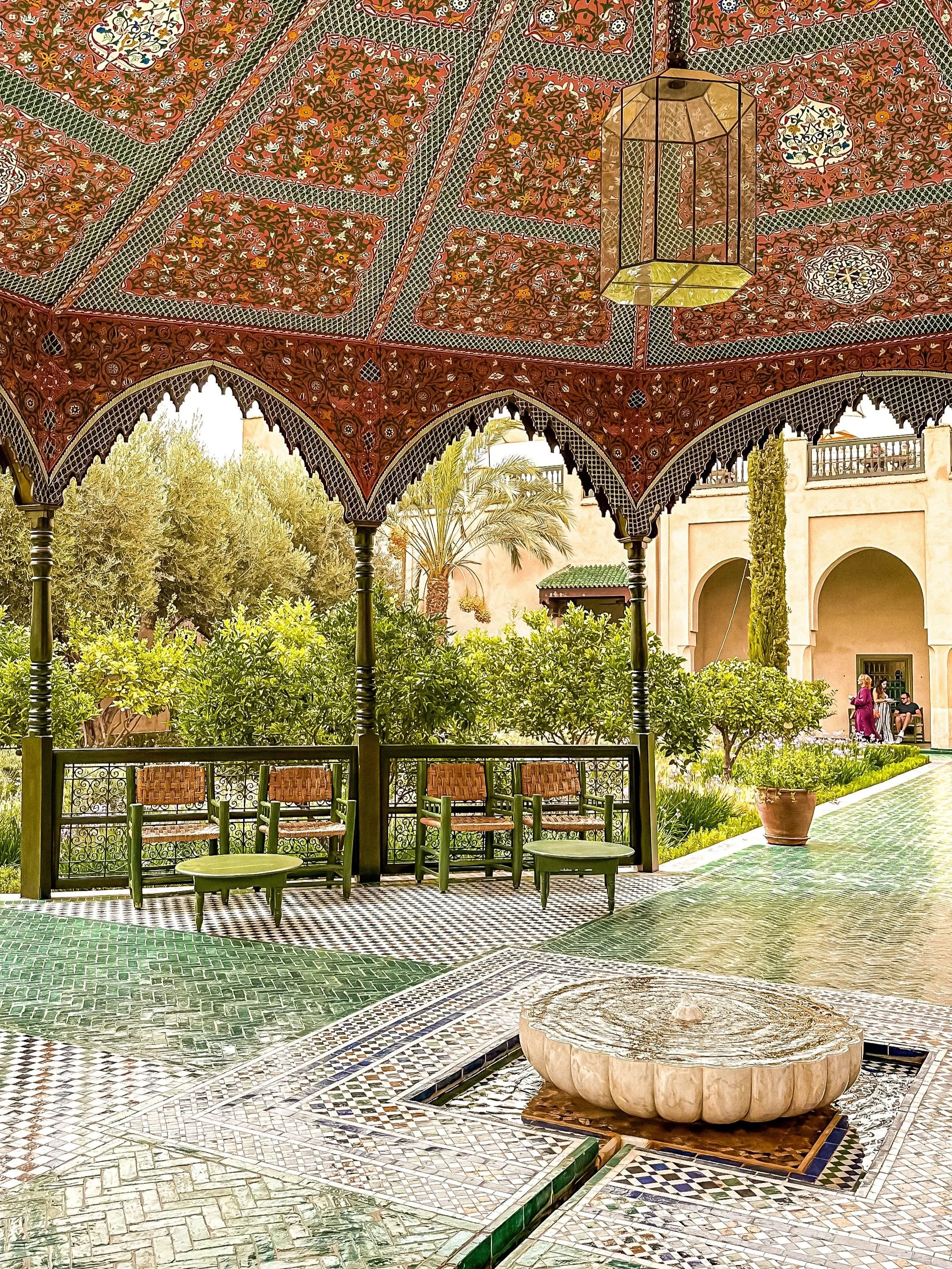
Hidden within the medina, Le Jardin Secret dates back over 400 years and was recently restored.
It represents traditional Islamic garden design, divided into sections symbolizing paradise, with water channels and geometric layouts.
You can also climb the tower for a view over the medina.
Practical info
Open: 9:30am–6:00pm (varies by season)
Tip: a good place to take a break from the intensity of the souks
El Badi Palace
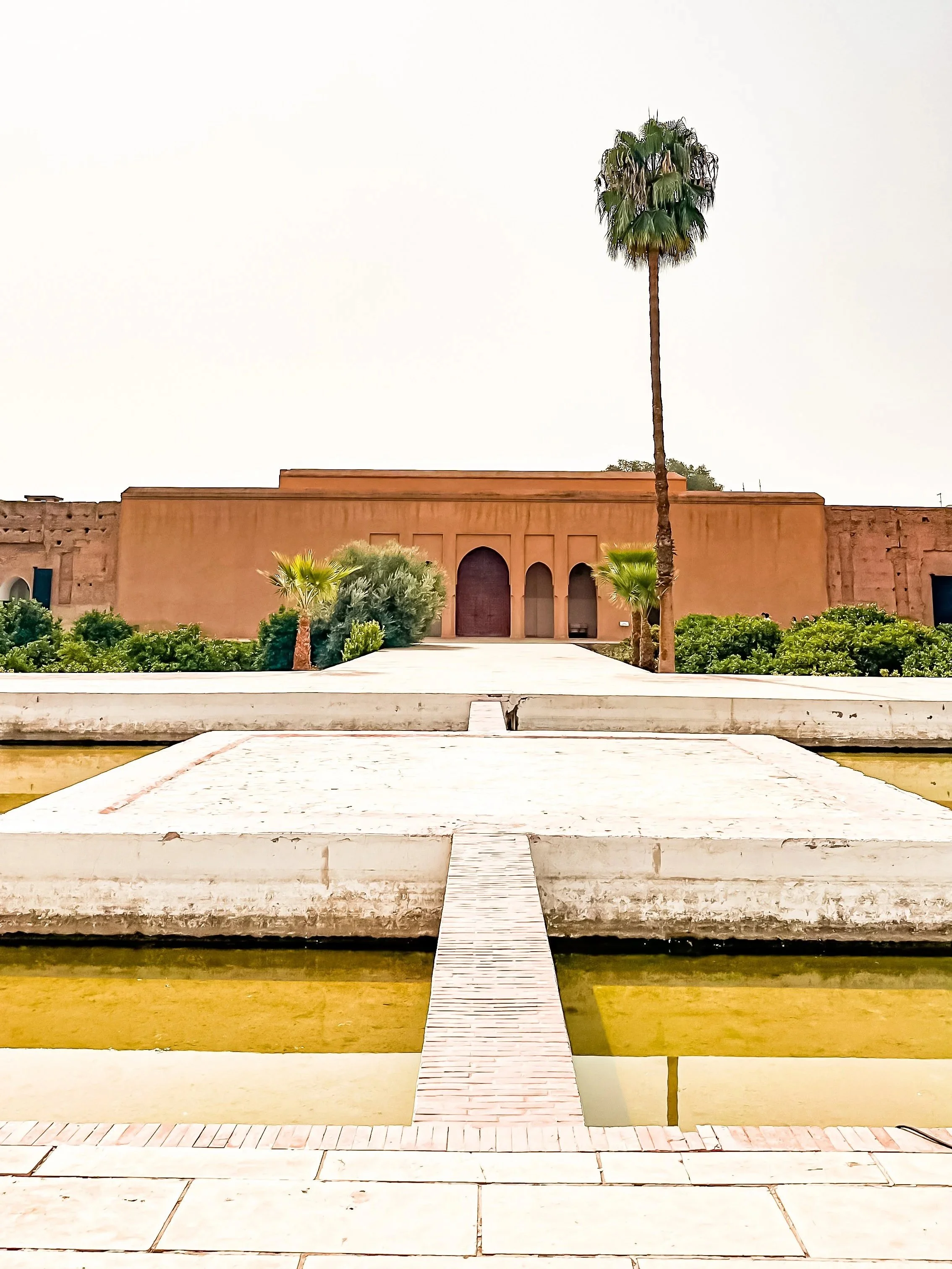
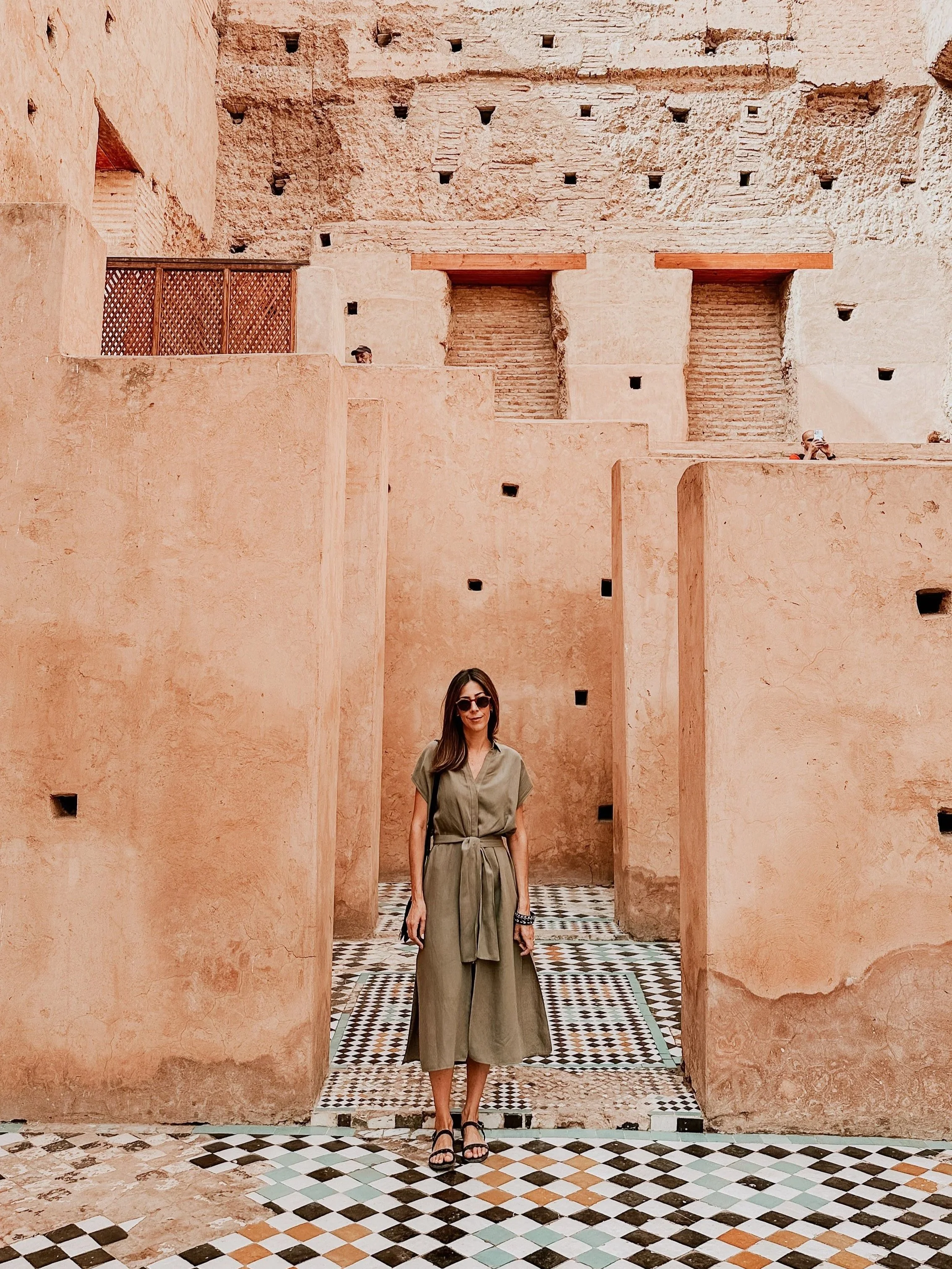
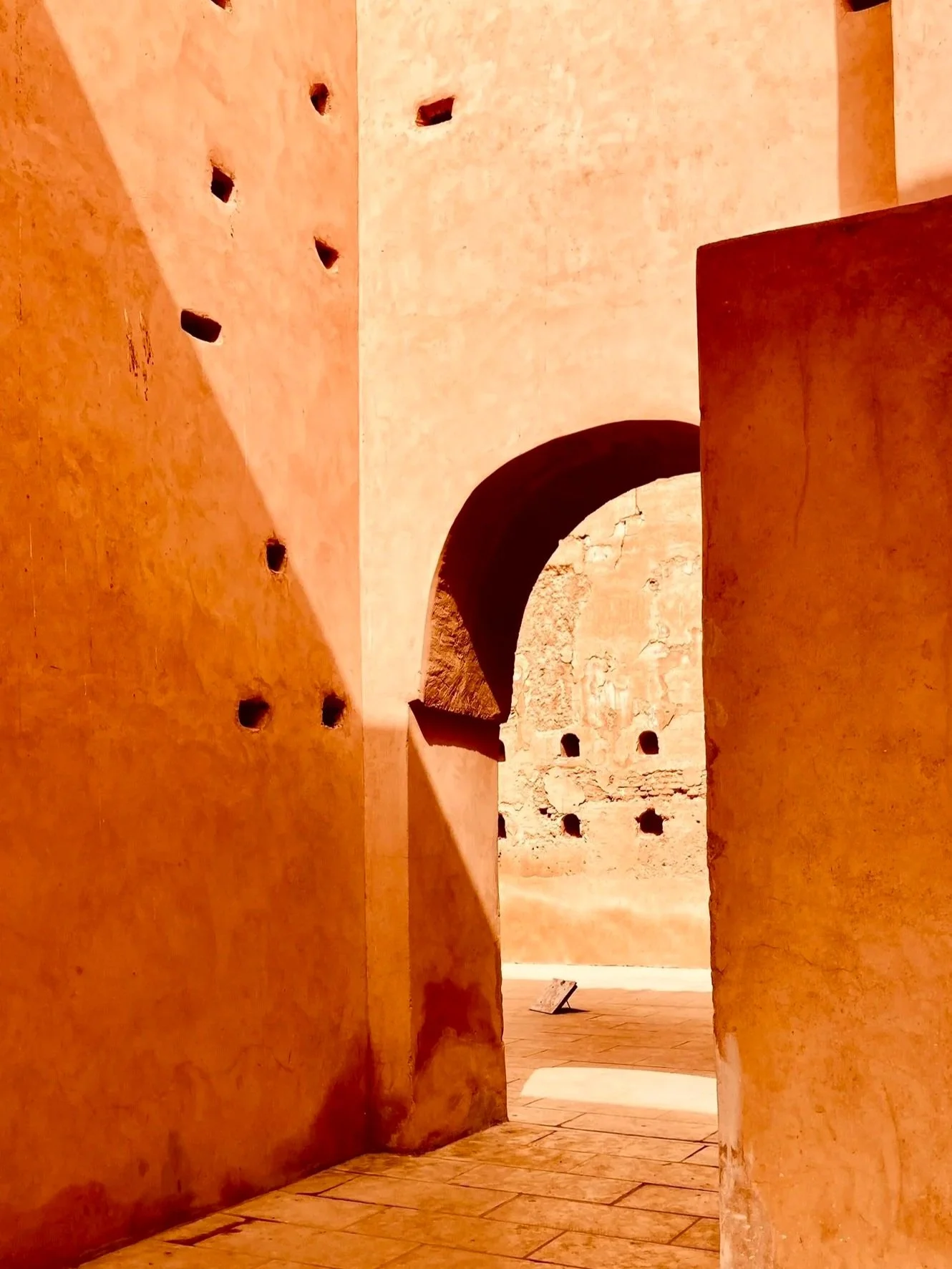
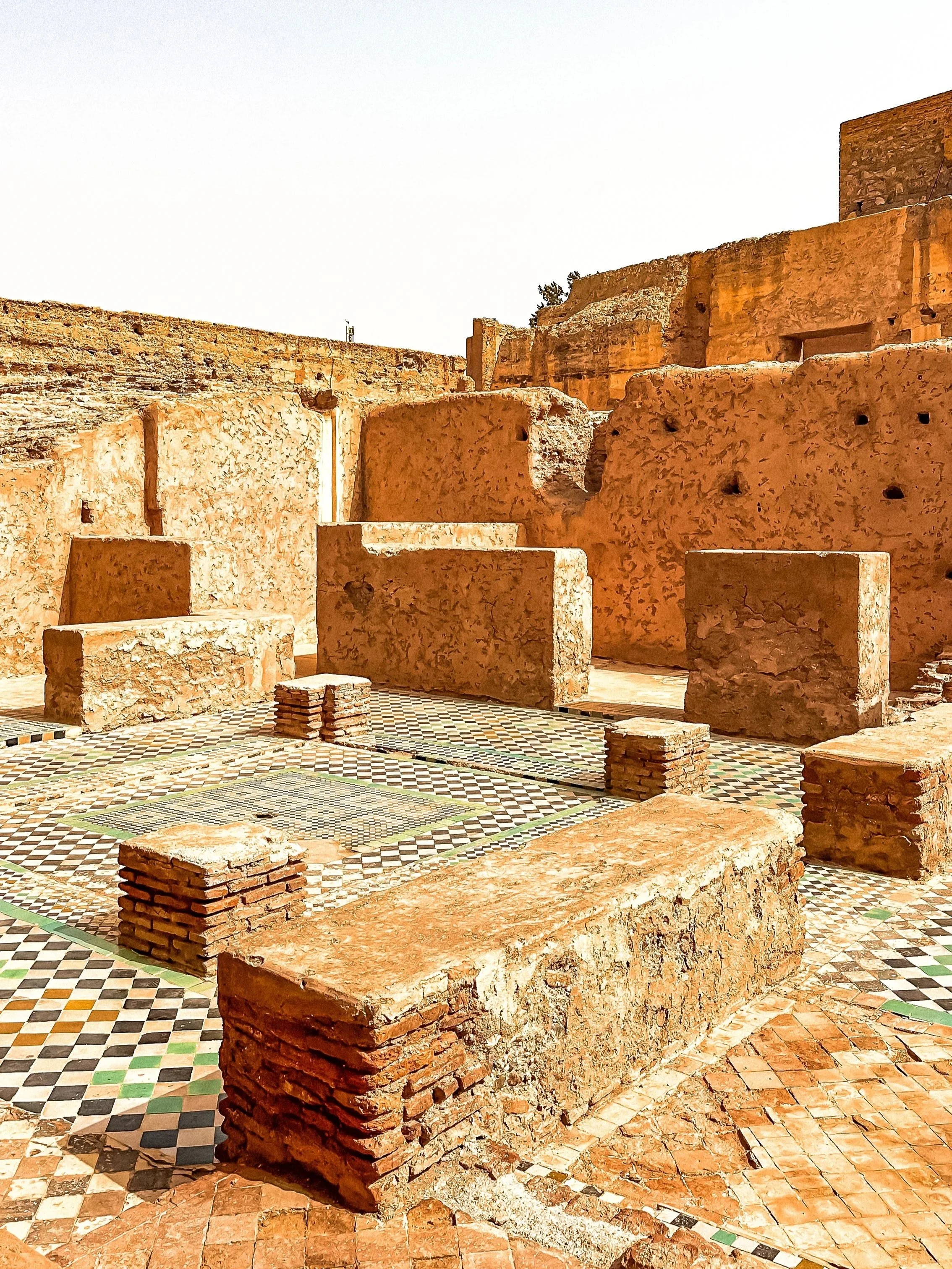
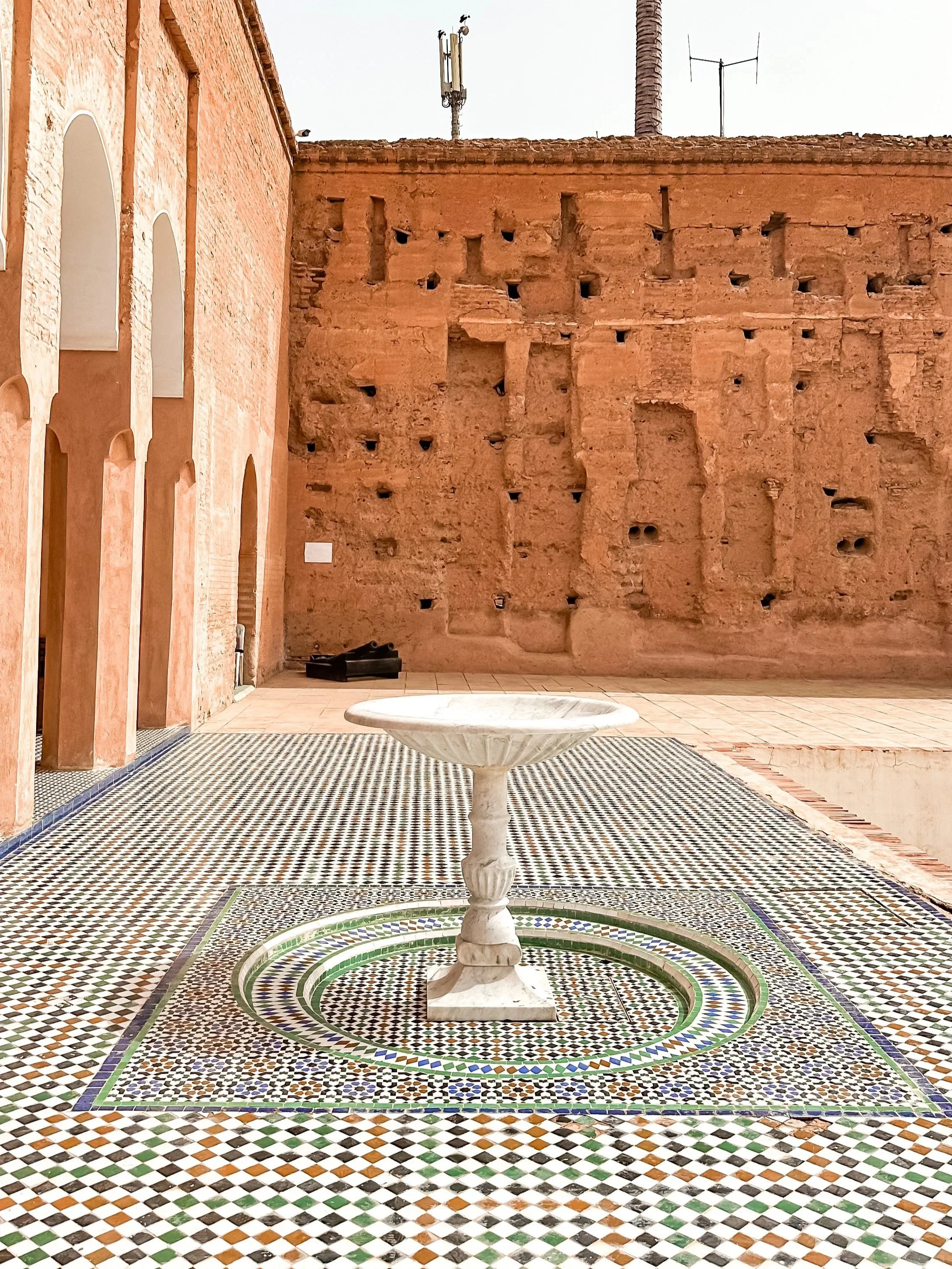
El Badi Palace was built in the 16th century by Sultan Ahmed al-Mansur to celebrate a major victory.
It was once richly decorated with gold, marble, and precious materials, many of which were later removed.
Today, what remains is the scale. Large empty courtyards, reflecting pools, and storks nesting on the walls.
Practical info
Open: around 9:00am–5:00pm
Tip: great for photos and a different, more minimal atmosphere
Saadian Tombs
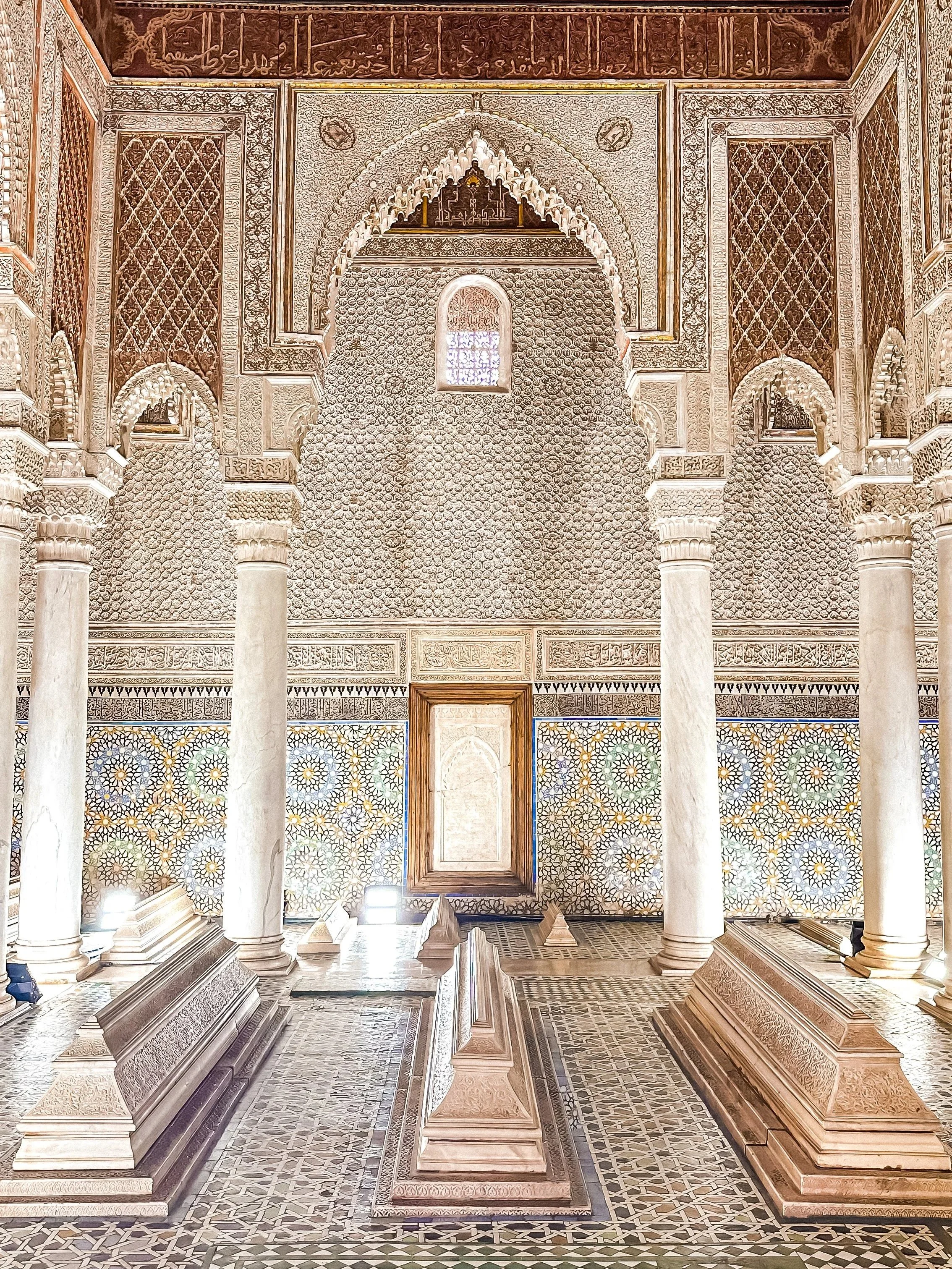
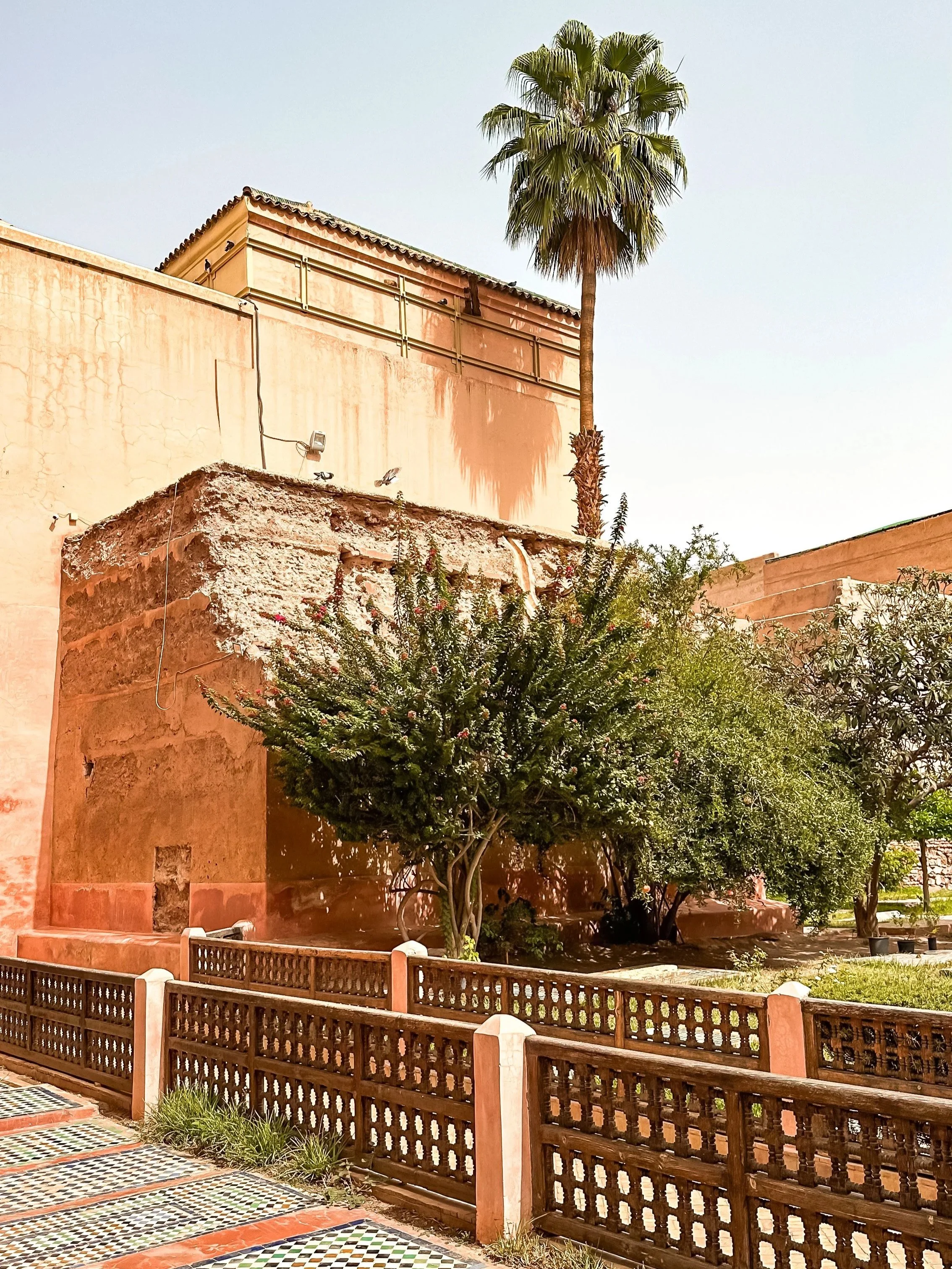
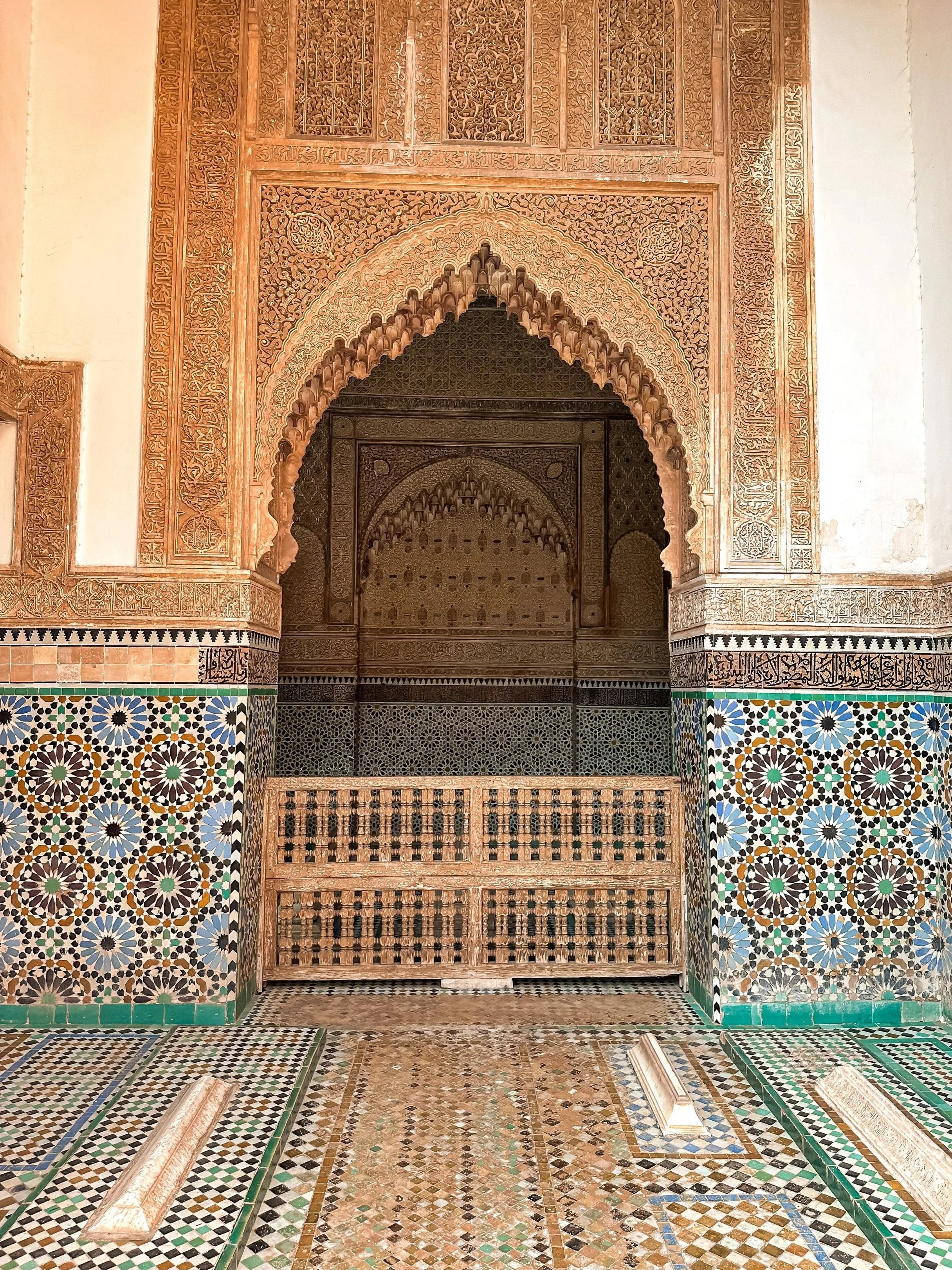
Saadian Tombs date from the 16th century and were hidden for centuries before being rediscovered in 1917.
They are considered one of the finest examples of Moroccan decorative art, especially the Chamber of the Twelve Columns.
Practical info
Open: 9:00am–5:00pm
Tip: can get crowded, best early morning
Dar el Bacha
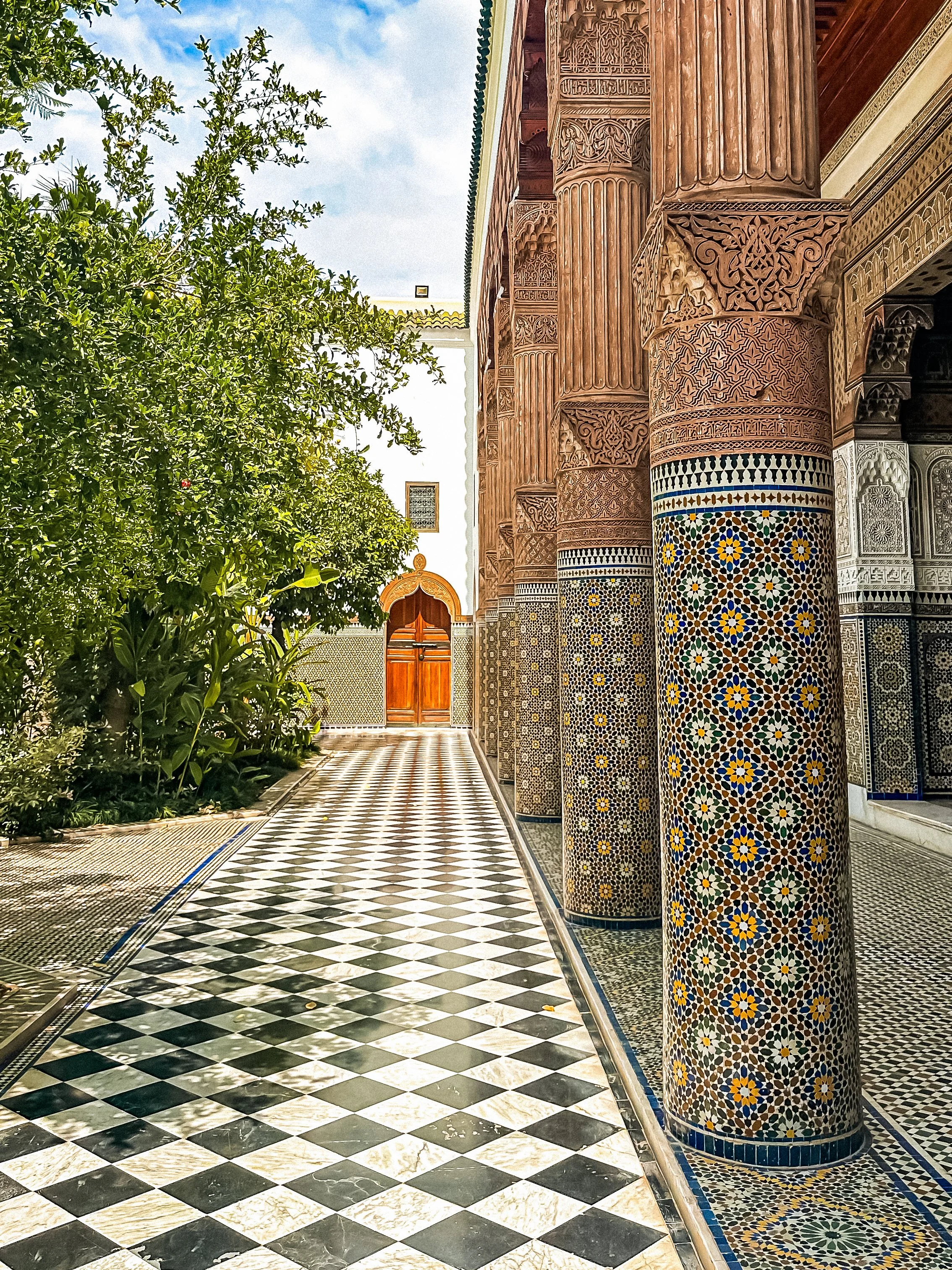
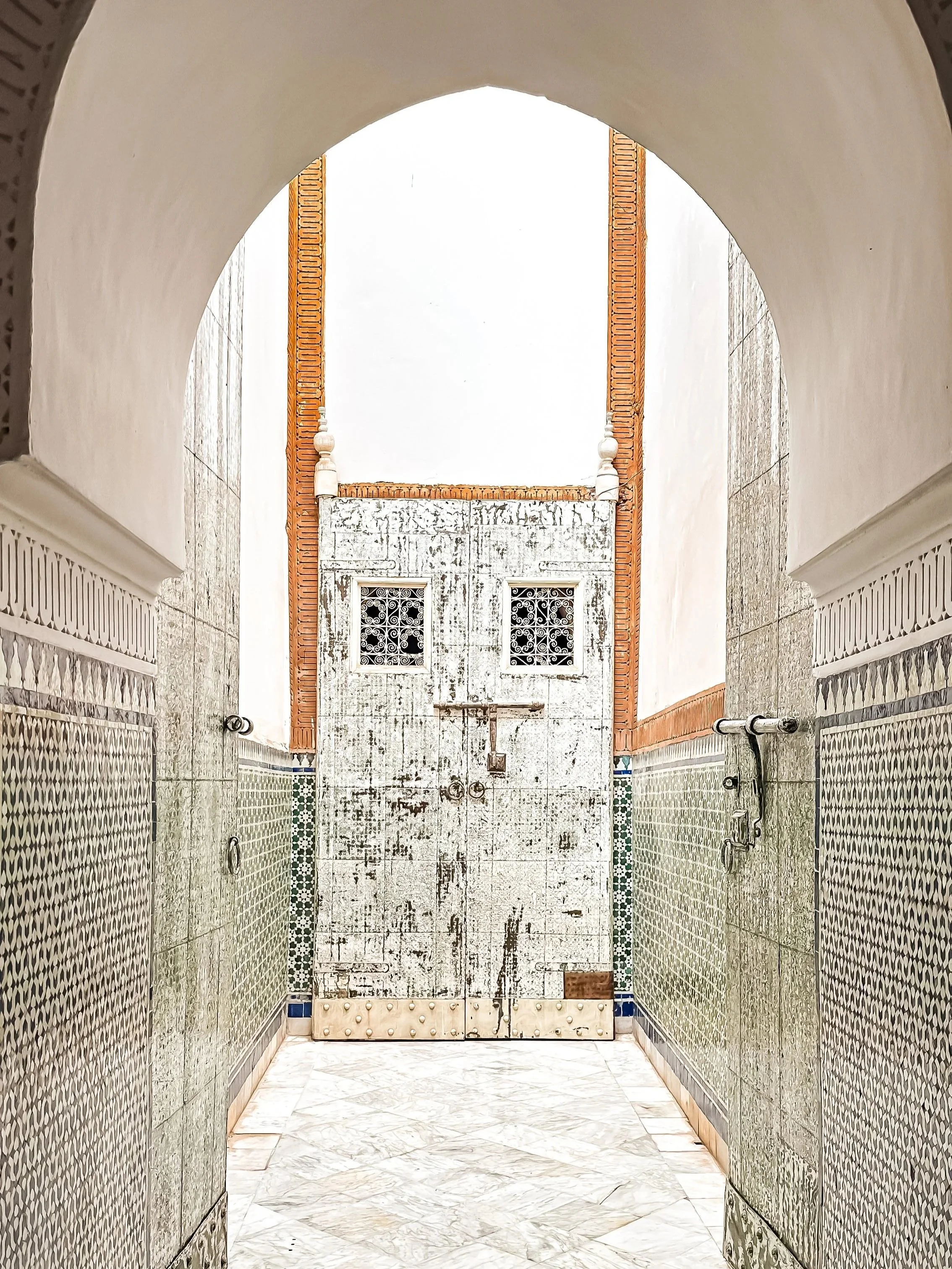
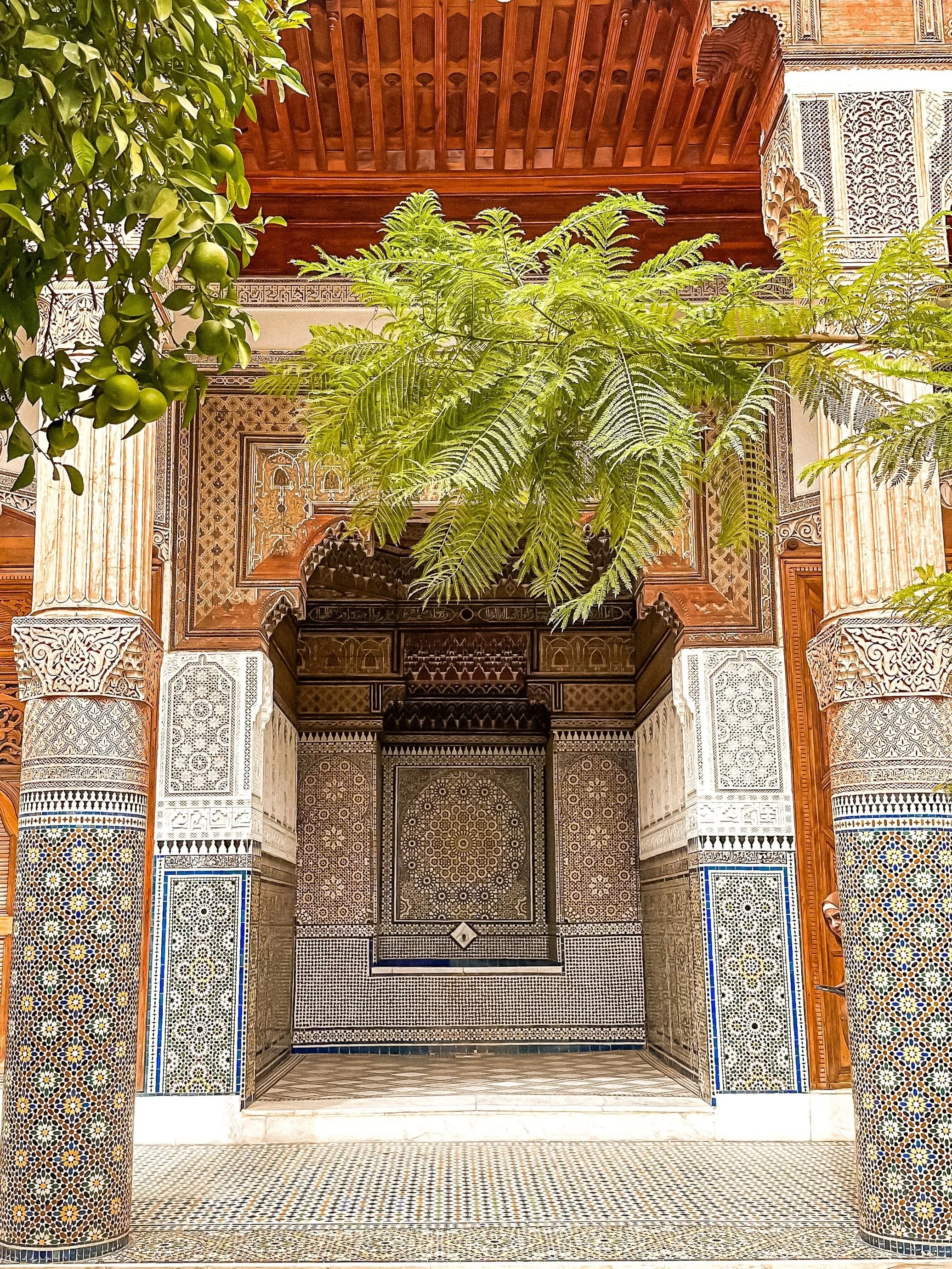
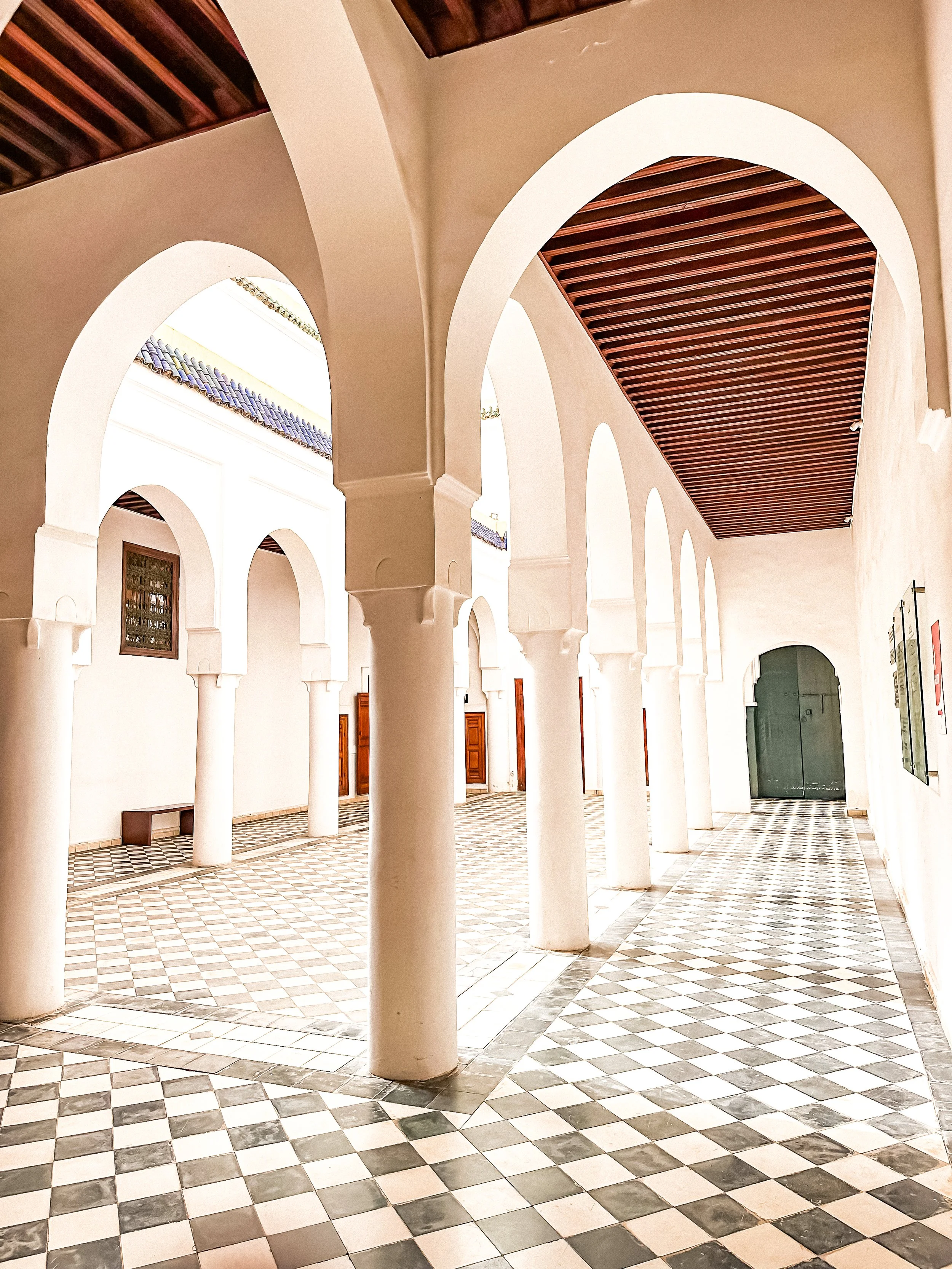
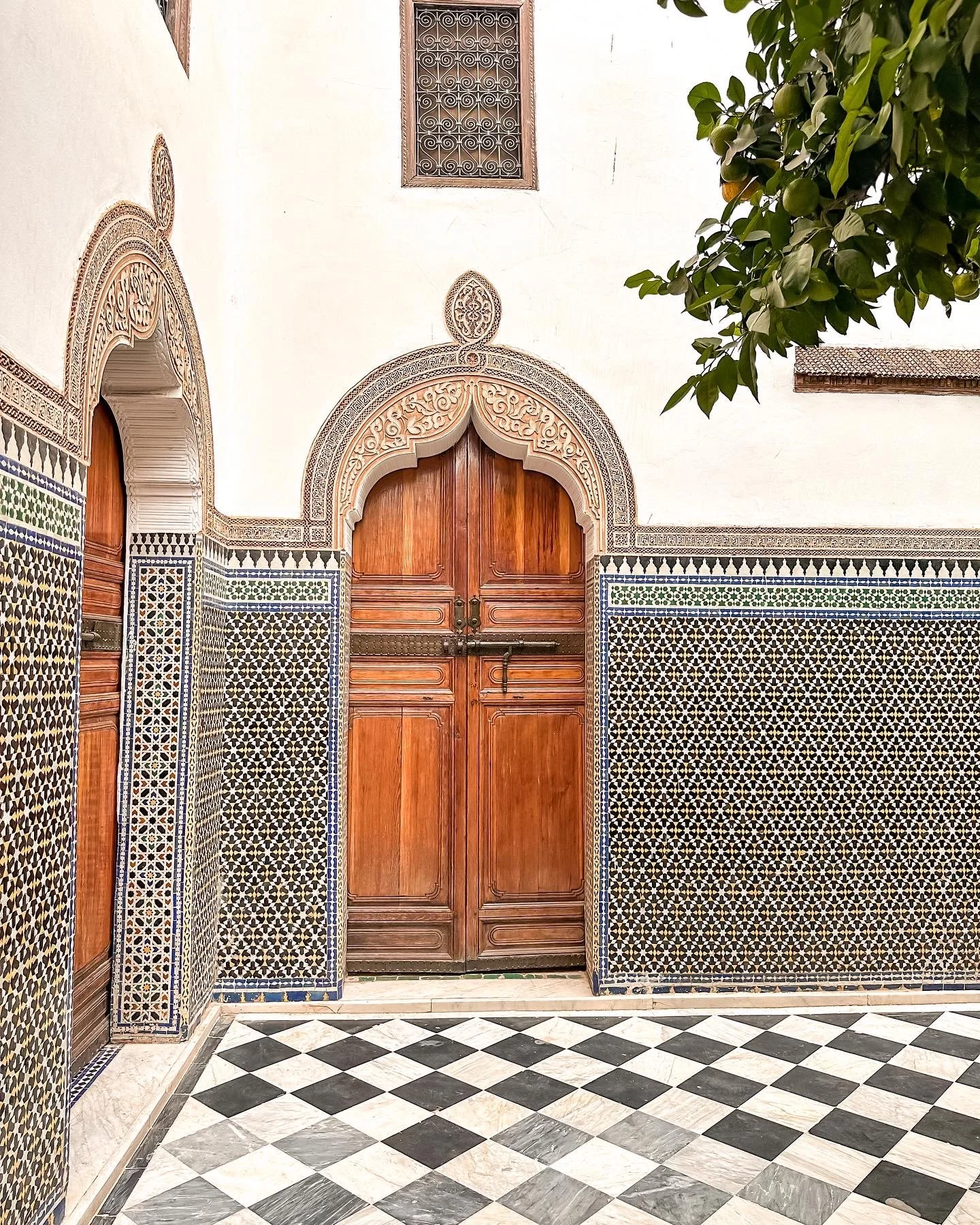
Located within the medina of Marrakech, Dar el Bacha is one of the most refined places to visit in the city.
Built in the early 20th century, it was the residence of Thami El Glaoui, one of the most powerful figures in Morocco at the time, known as the Pasha of Marrakech.
The palace was designed to host important guests, including political figures and international visitors, which explains its scale and attention to detail.
Today, it has been carefully restored and opened to the public as a museum space, offering a quieter and more elegant experience compared to many other sites in the medina.
Bacha Coffee – Dar El Bacha
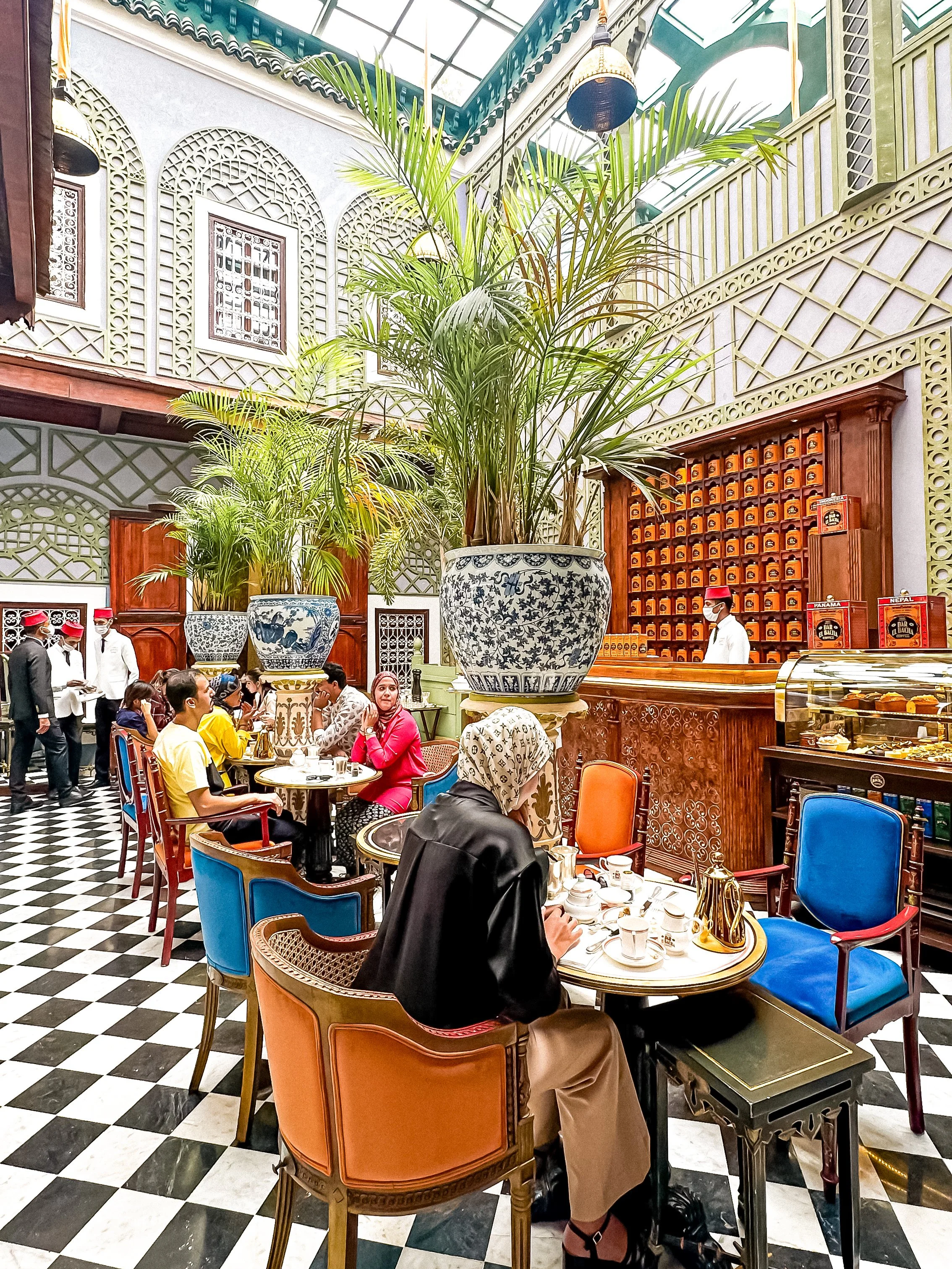
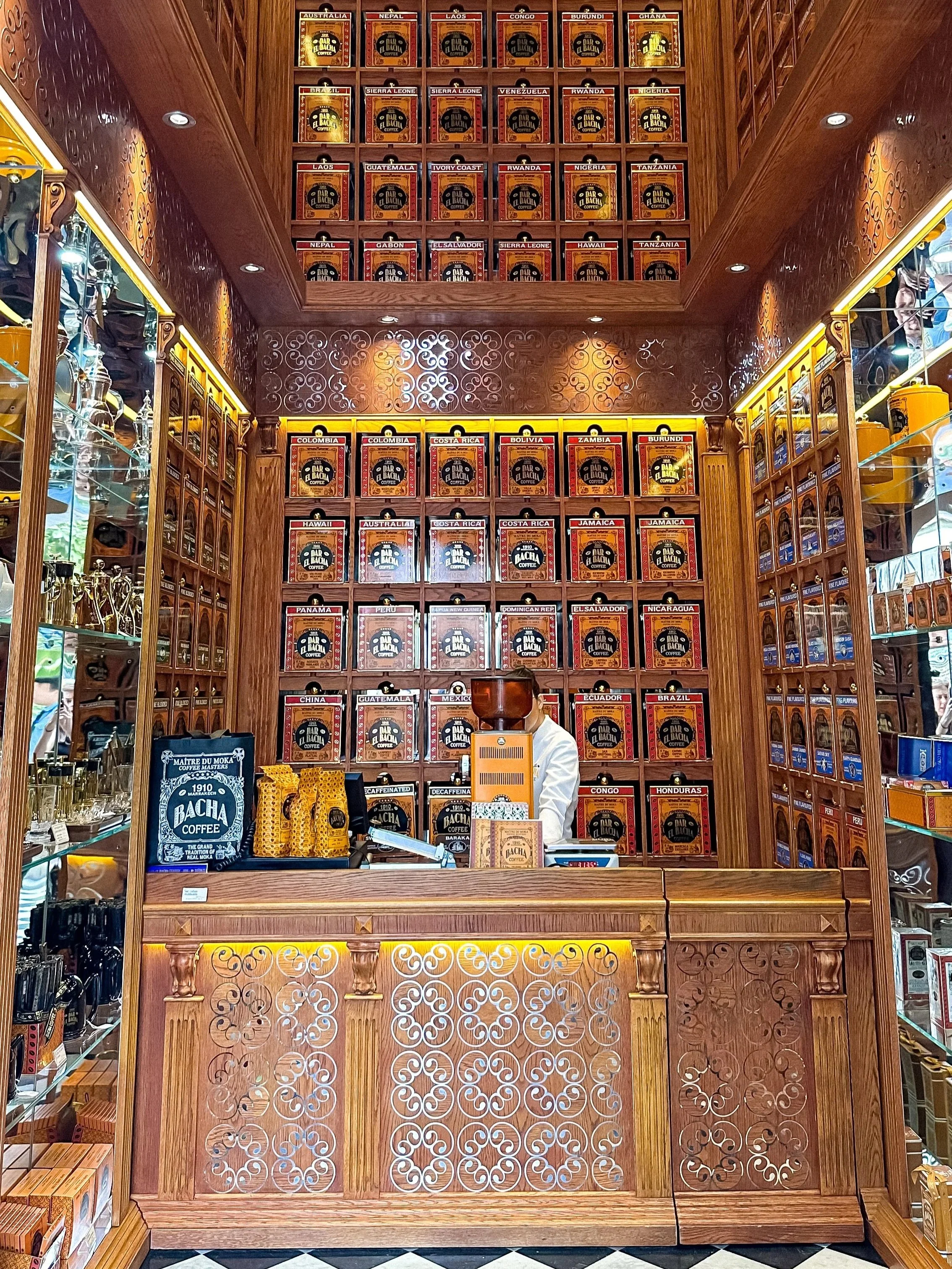
Located inside Dar el Bacha, Bacha Coffee Marrakech is one of the most refined cafés in the city. It combines history with a very curated coffee experience, with hundreds of varieties.
Practical info
Open: around 10:00am–7:00pm
Tip: expect a wait, especially in the afternoon
Outside the Medina : Jardin Majorelle & Musée Yves Saint Laurent
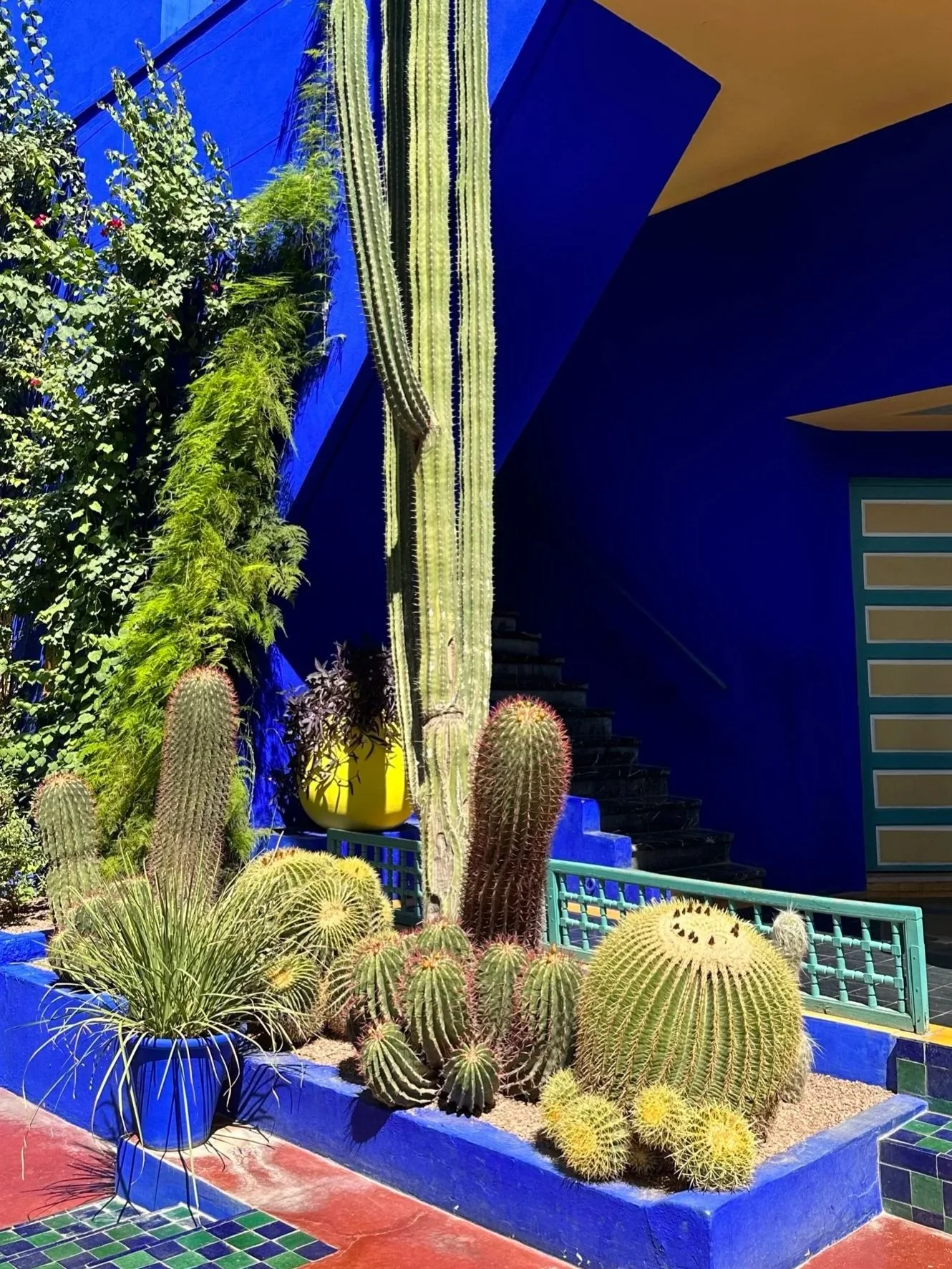
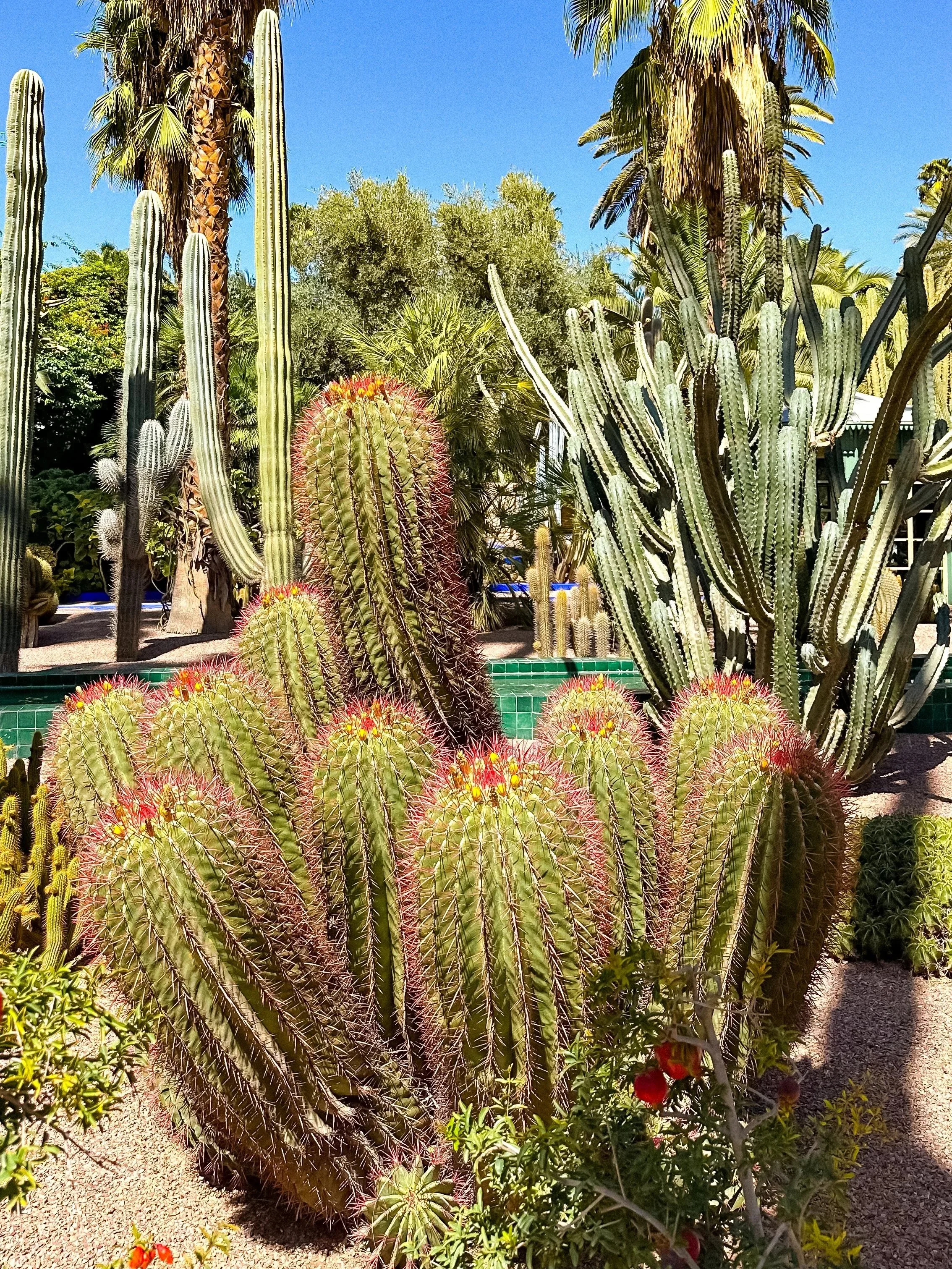
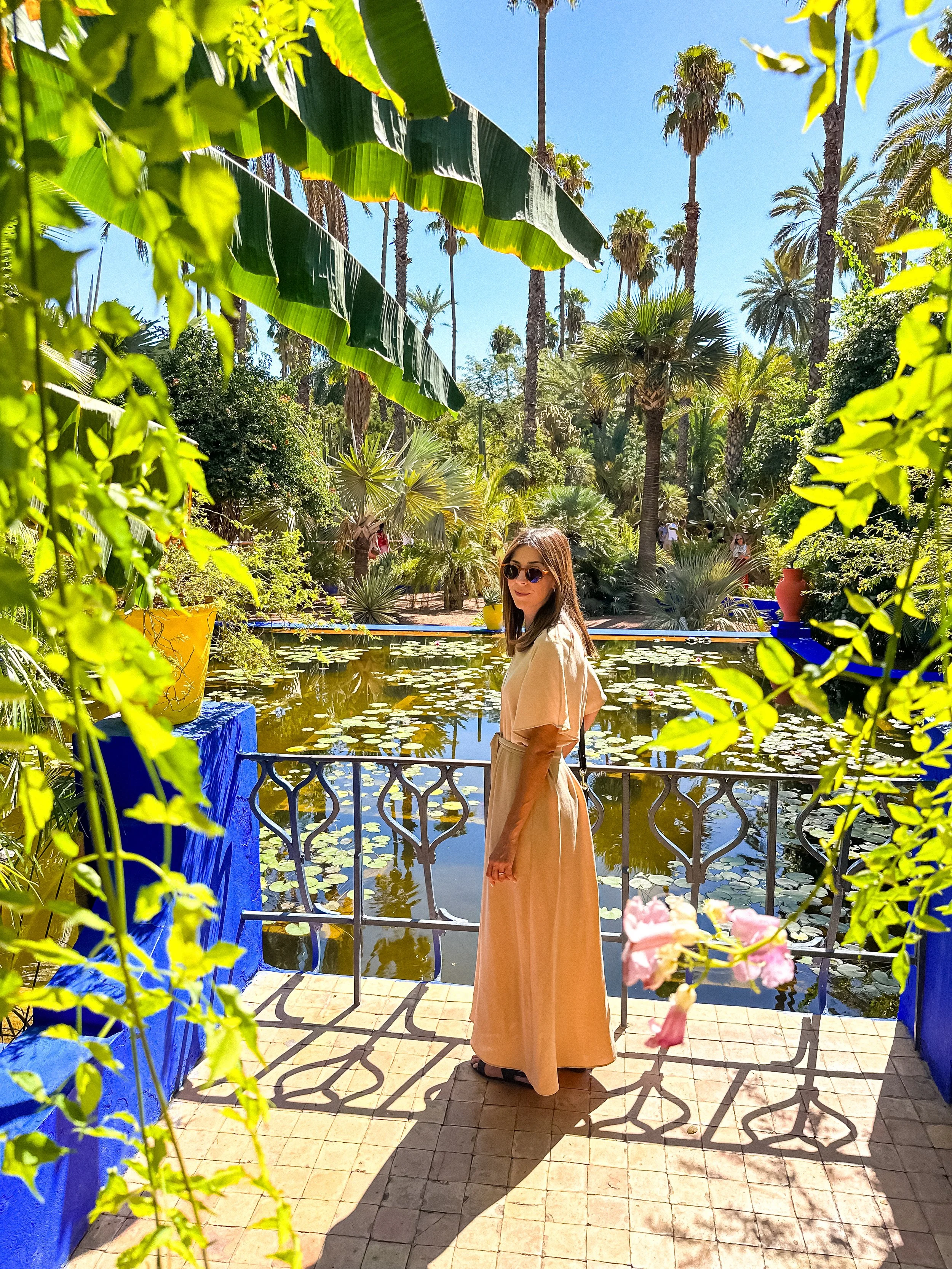
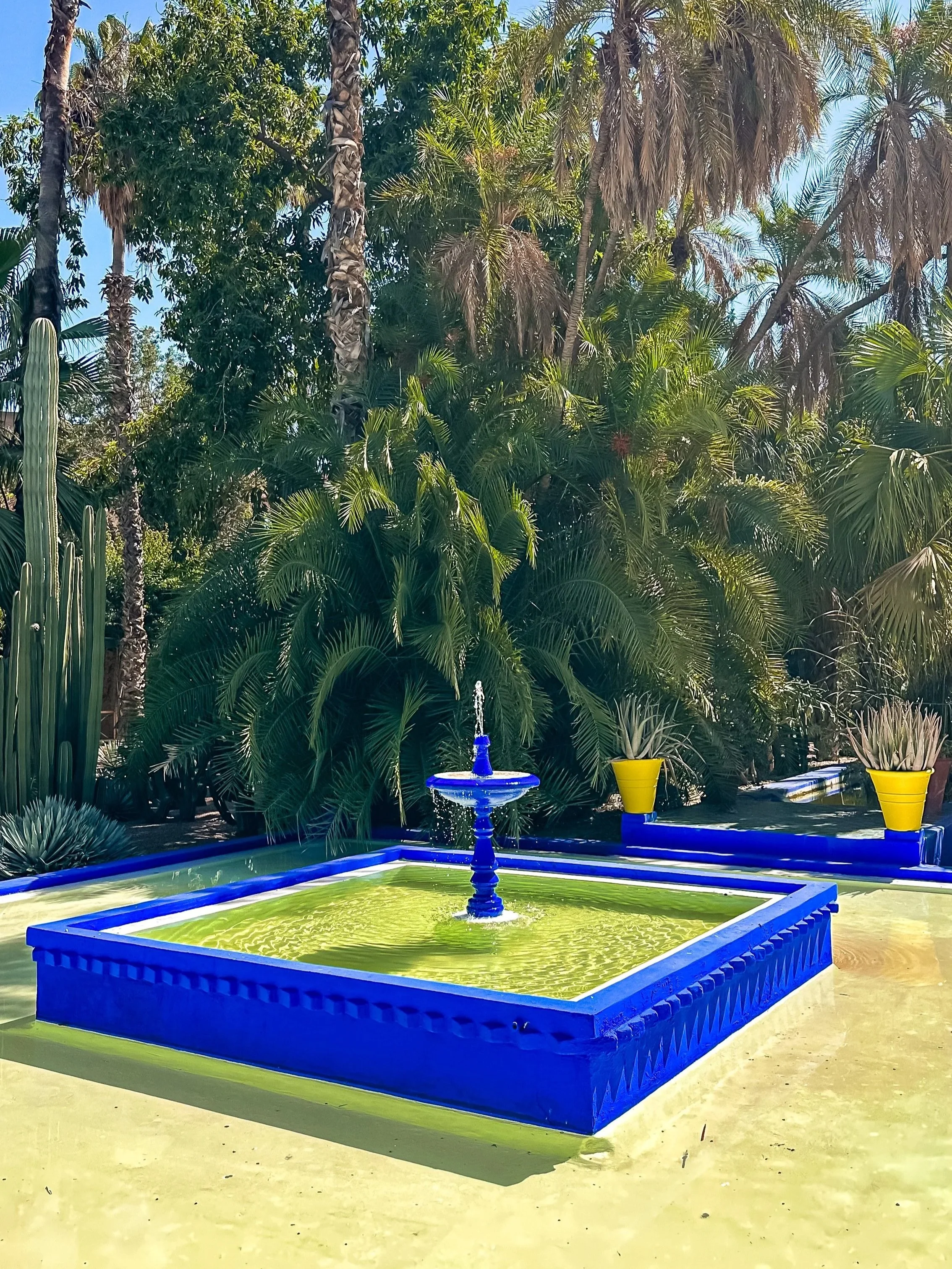
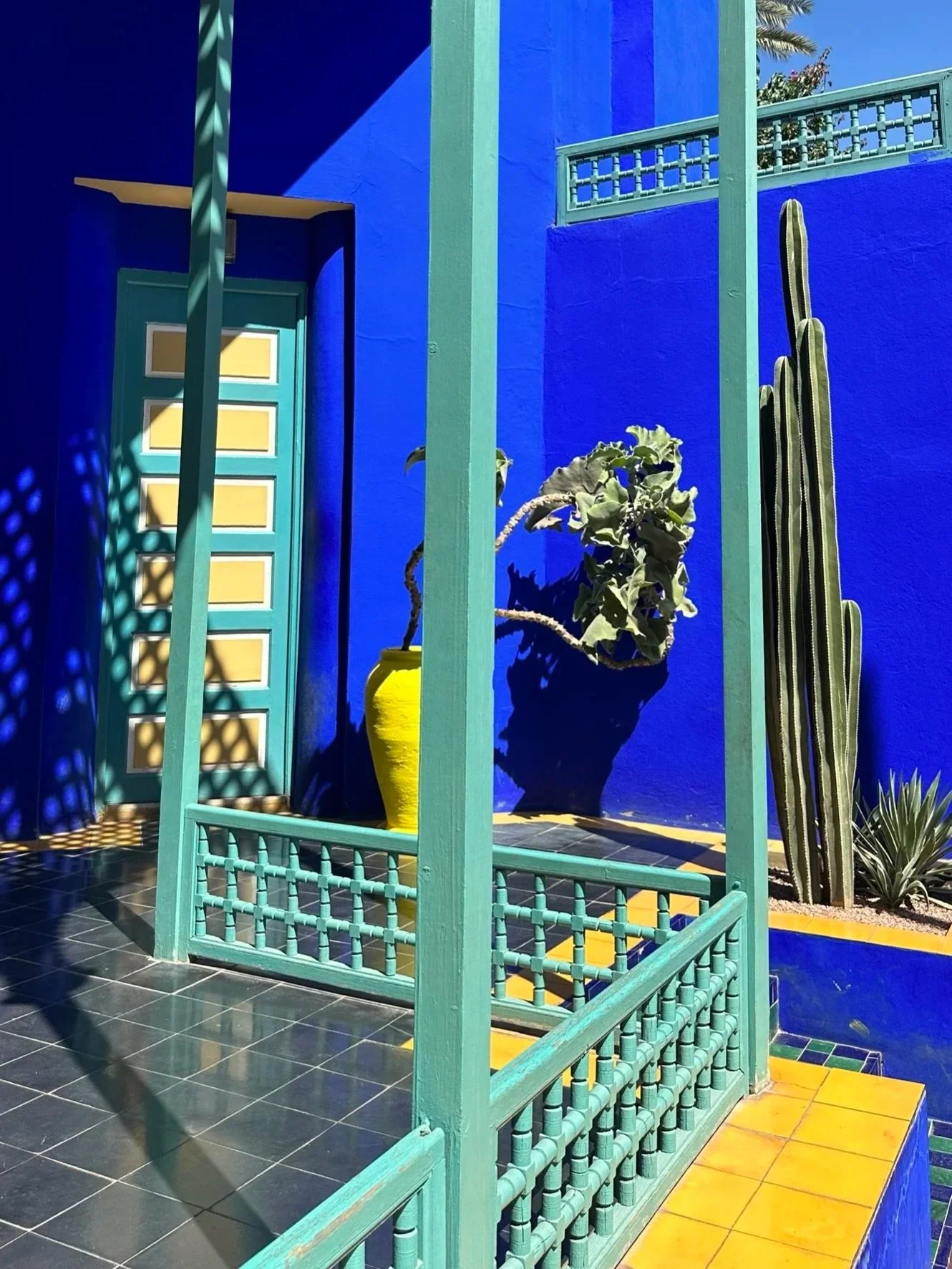
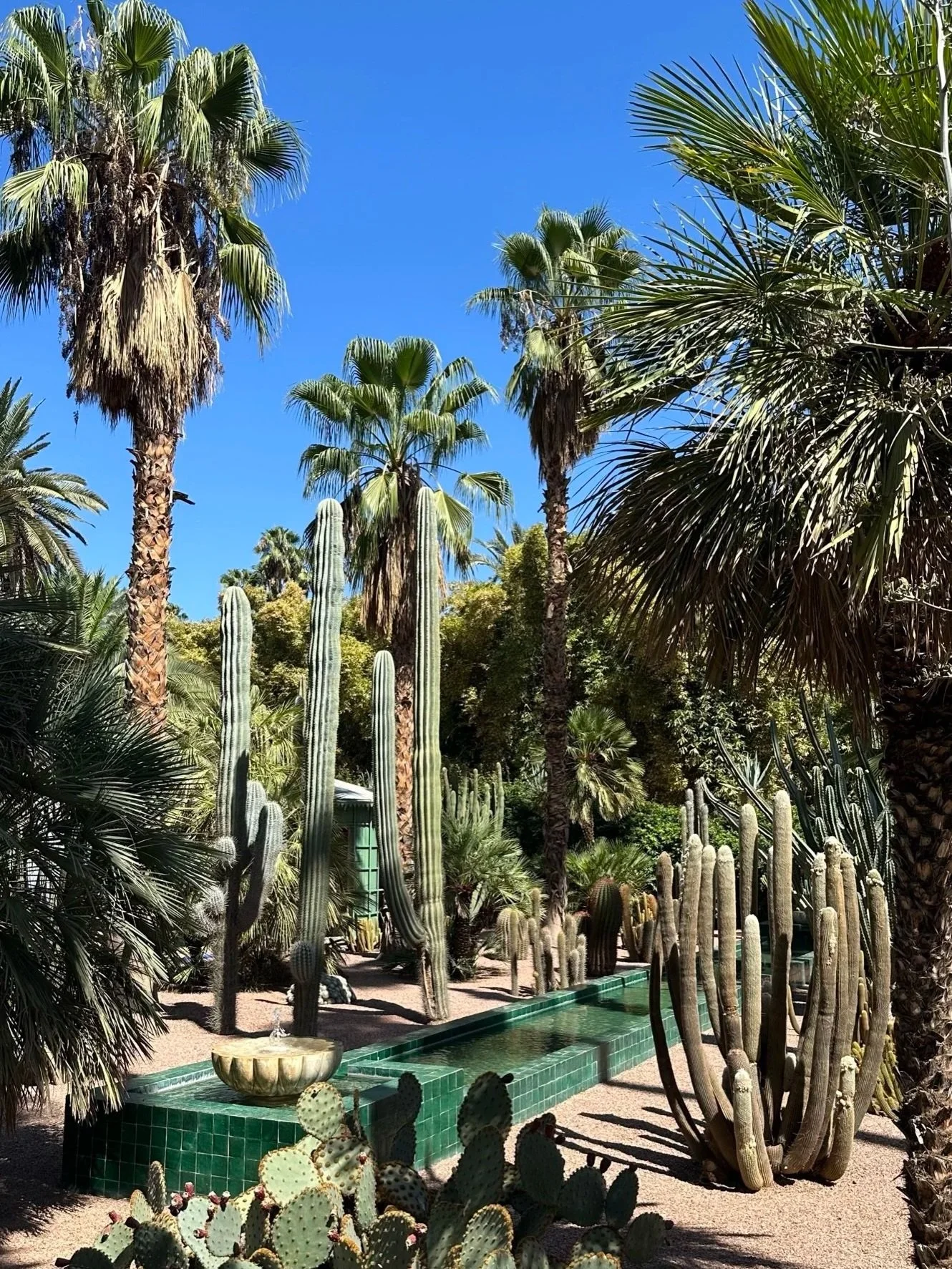
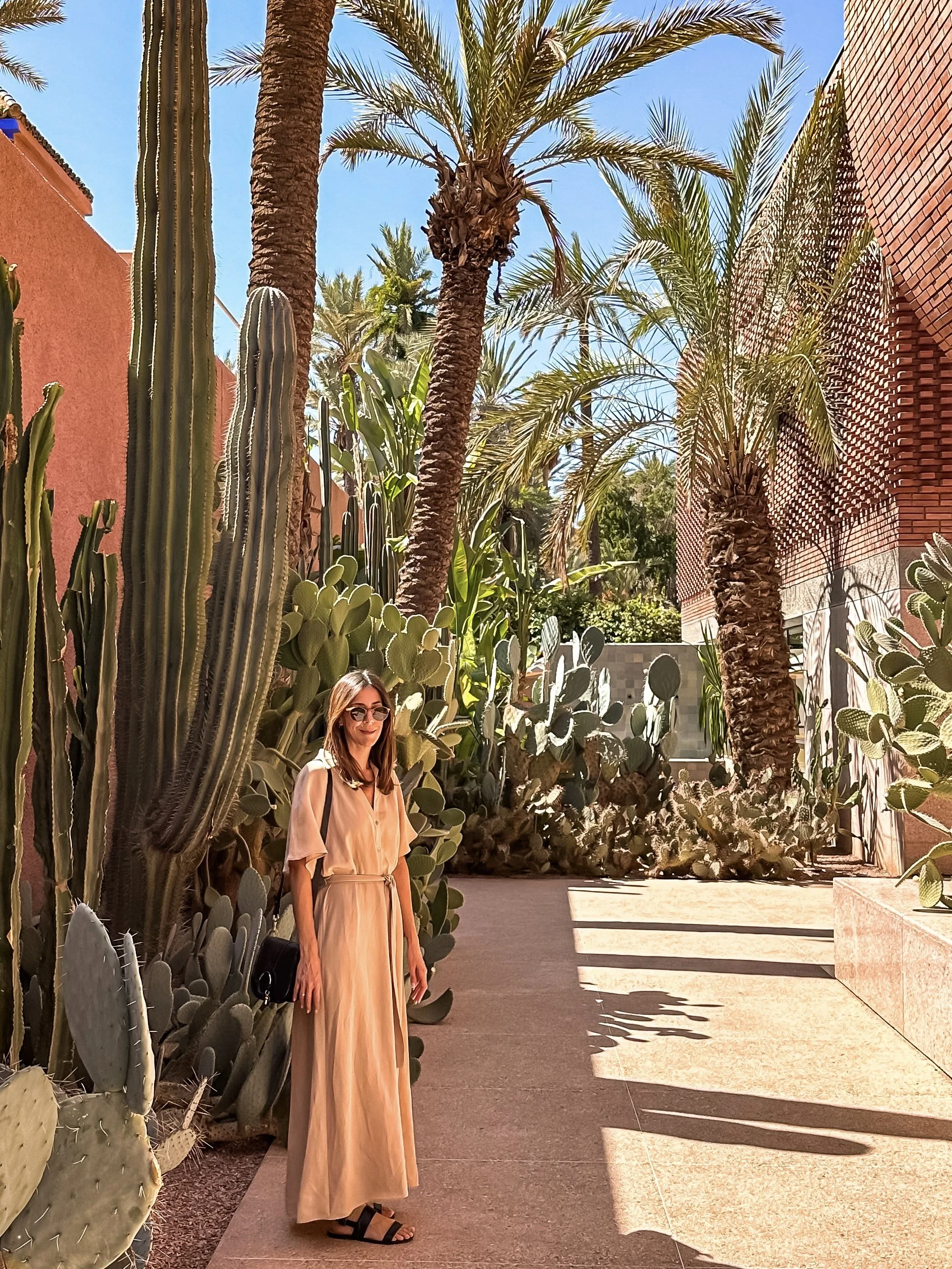
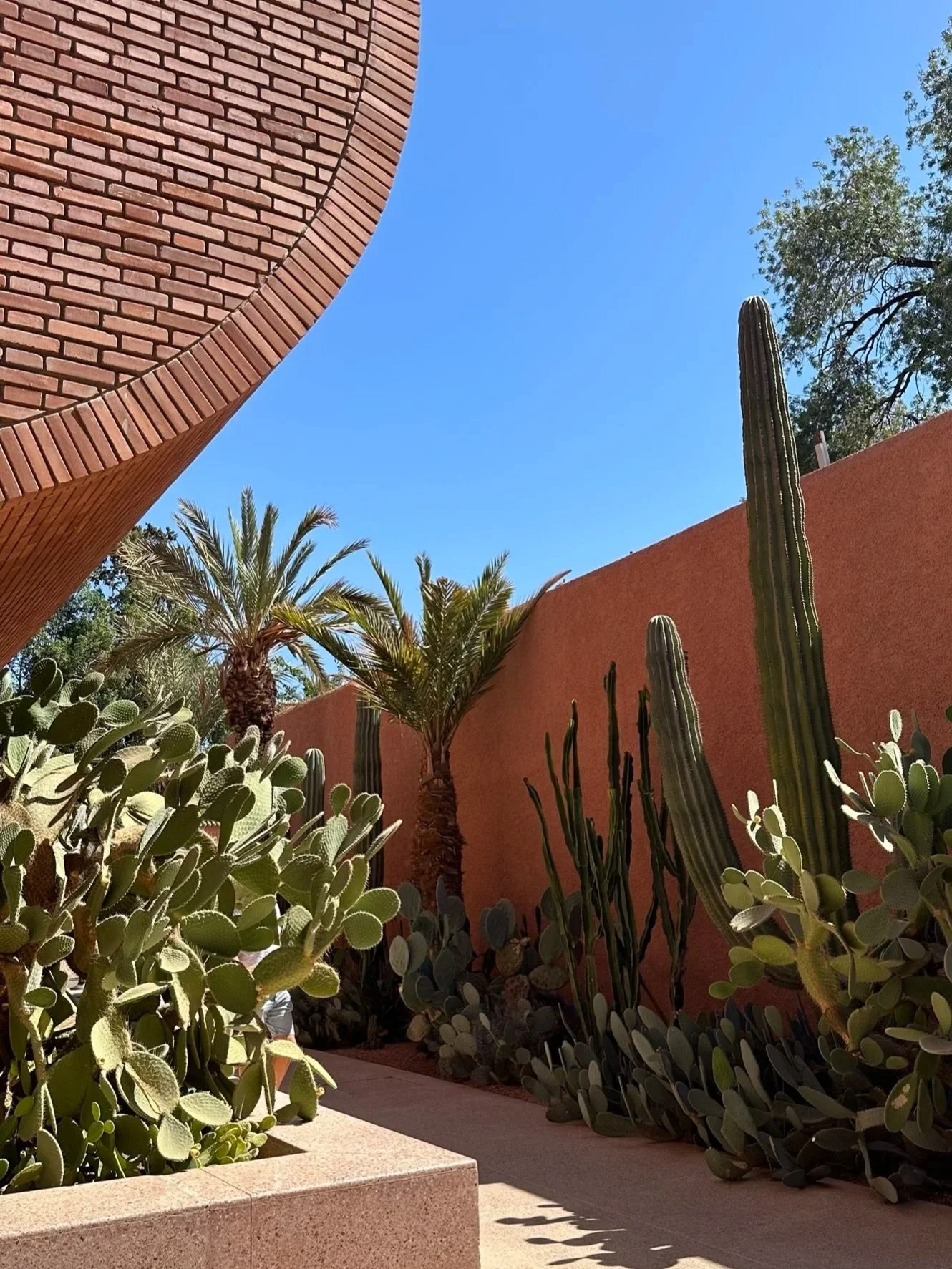
Jardin Majorelle was created in the 1920s by Jacques Majorelle and later restored by Yves Saint Laurent and Pierre Bergé.
It’s known for its intense blue color, often called “Majorelle blue”, its collection of cacti and exotic plants, and the way each space feels carefully composed.
It’s one of the most visually striking places in Marrakech, but also one of the busiest, so it’s worth going early.
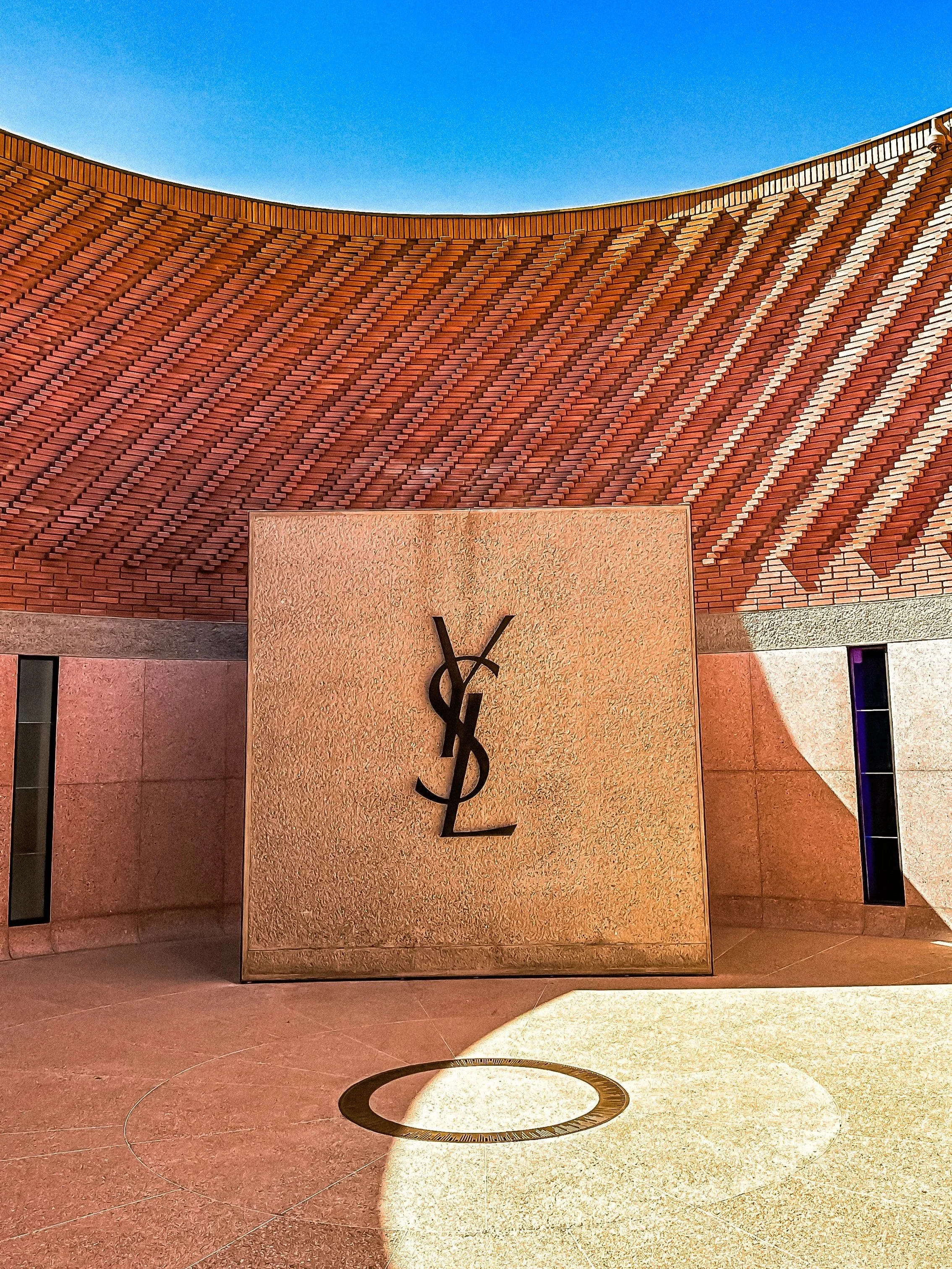
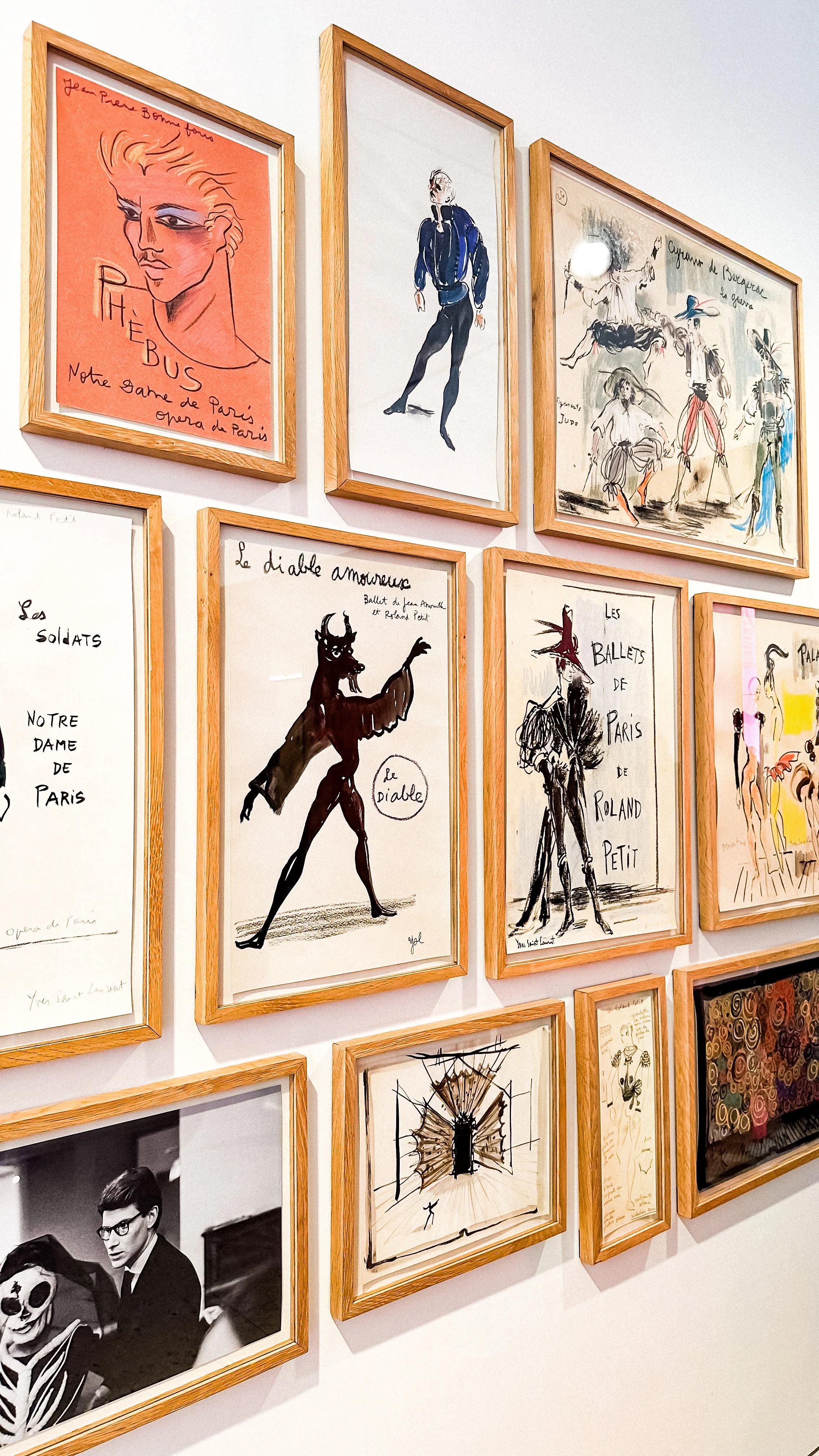
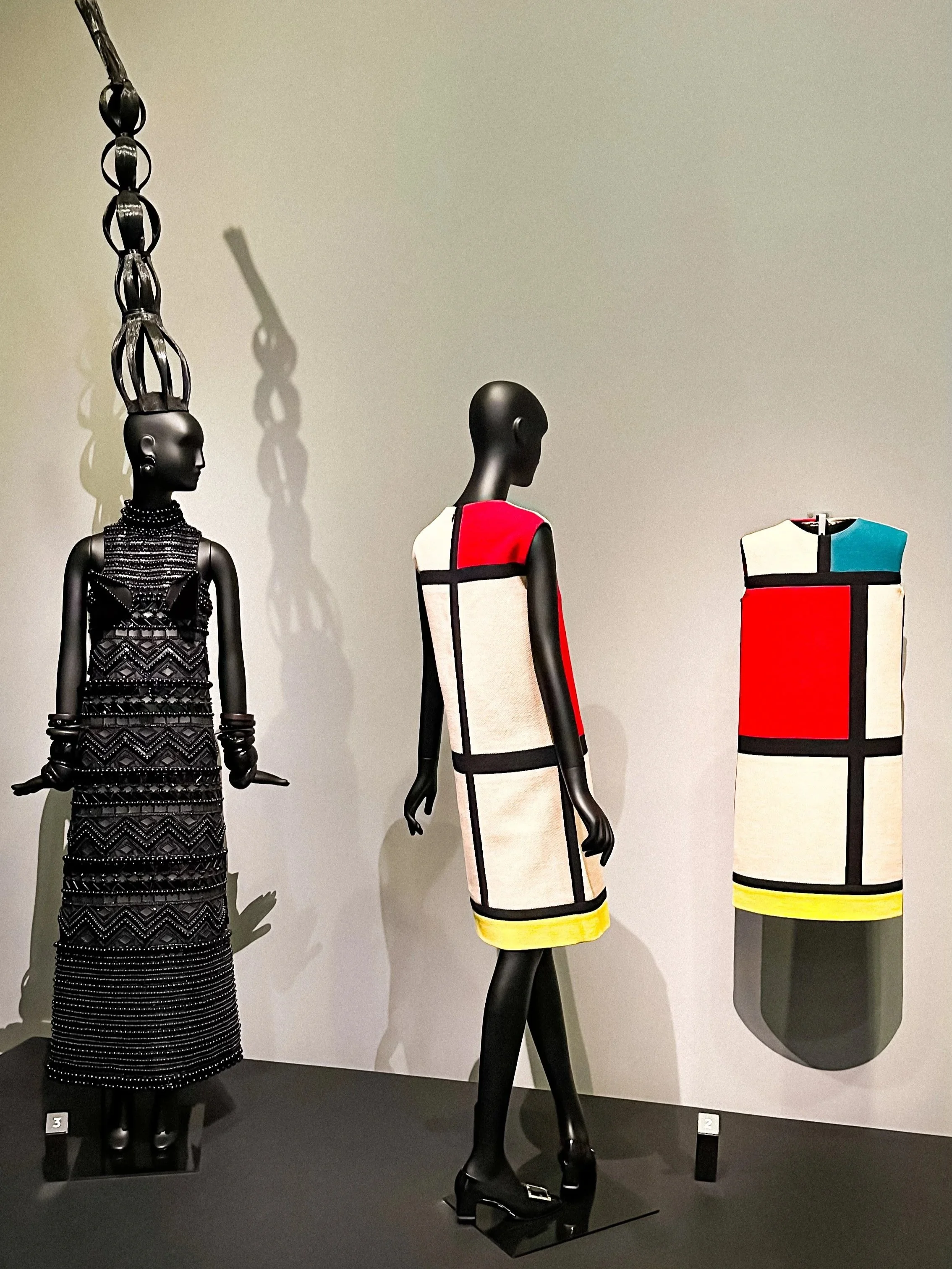
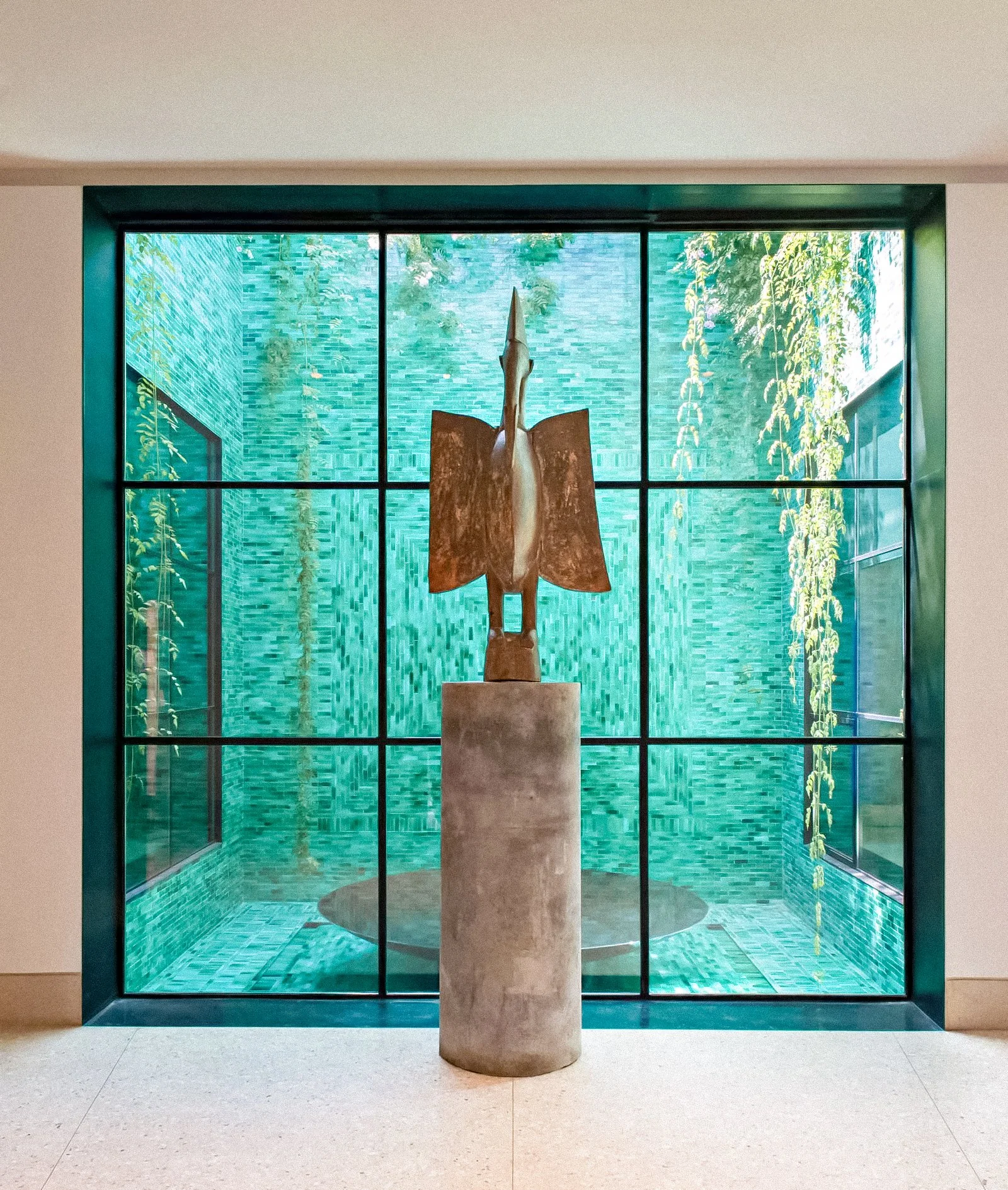
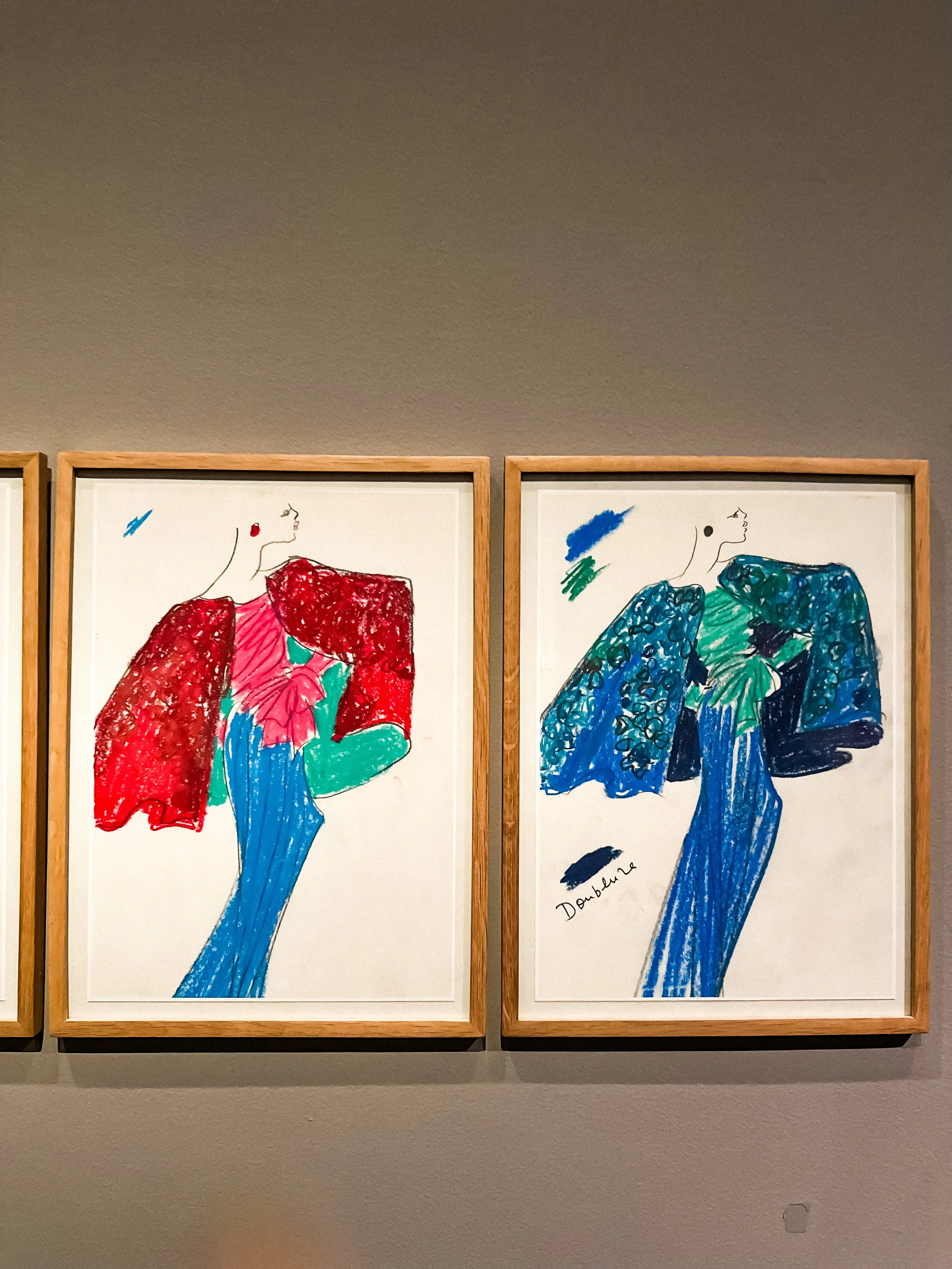
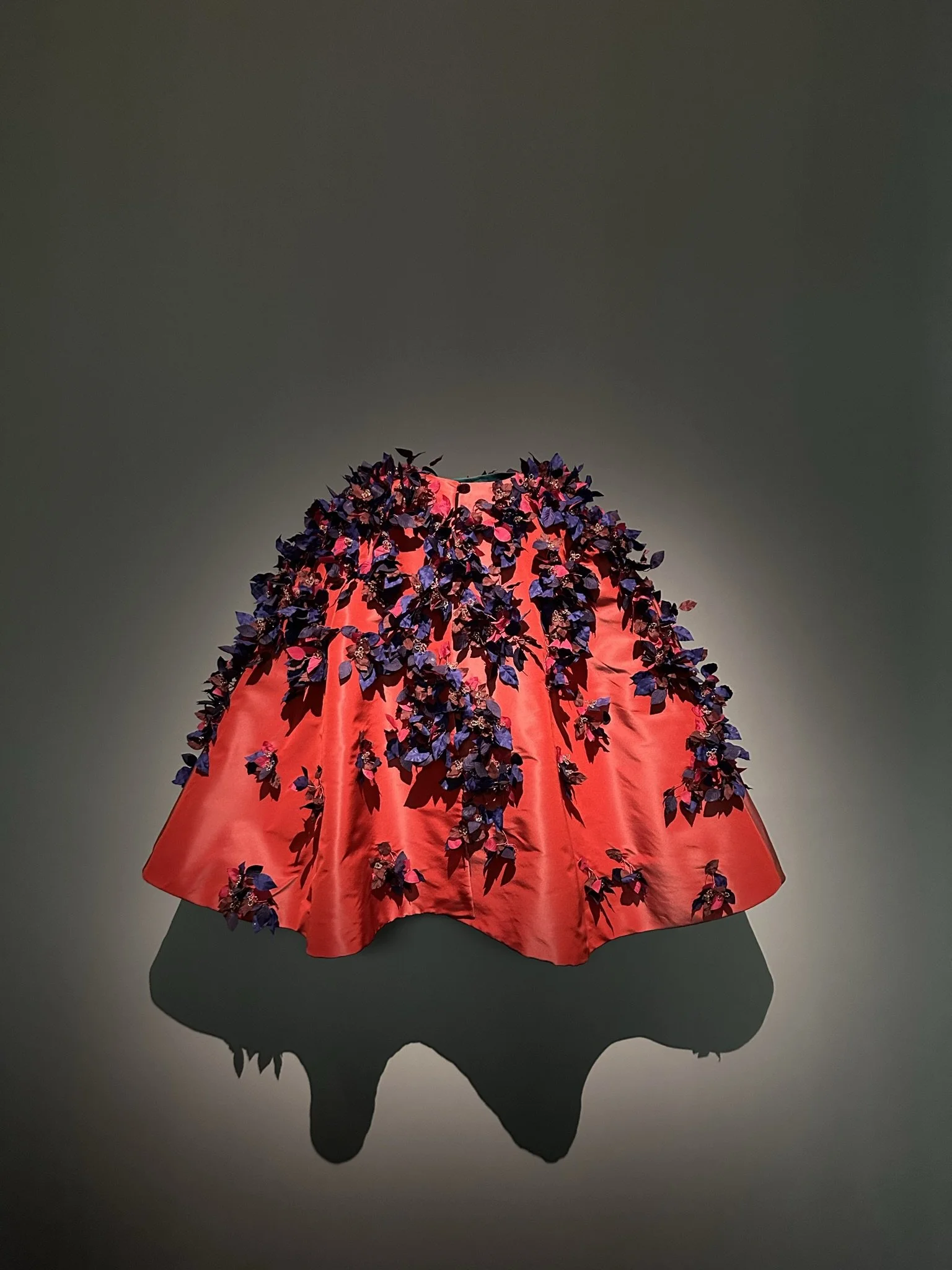
Just next door, the Musée Yves Saint Laurent Marrakech offers a deeper look into his work and his connection to the city. Marrakech was a major source of inspiration for Yves Saint Laurent, especially in his use of color, light, and contrast. The museum reflects that, with a very curated scenography, rotating exhibitions, and a permanent collection of some of his most iconic pieces.
The architecture itself is also worth noting, designed as a modern interpretation of texture and fabric, inspired by couture.
Practical info
Open: usually 8:00am–6:30pm
Tip: book tickets in advance and arrive early
Day trips : Agafay Desert
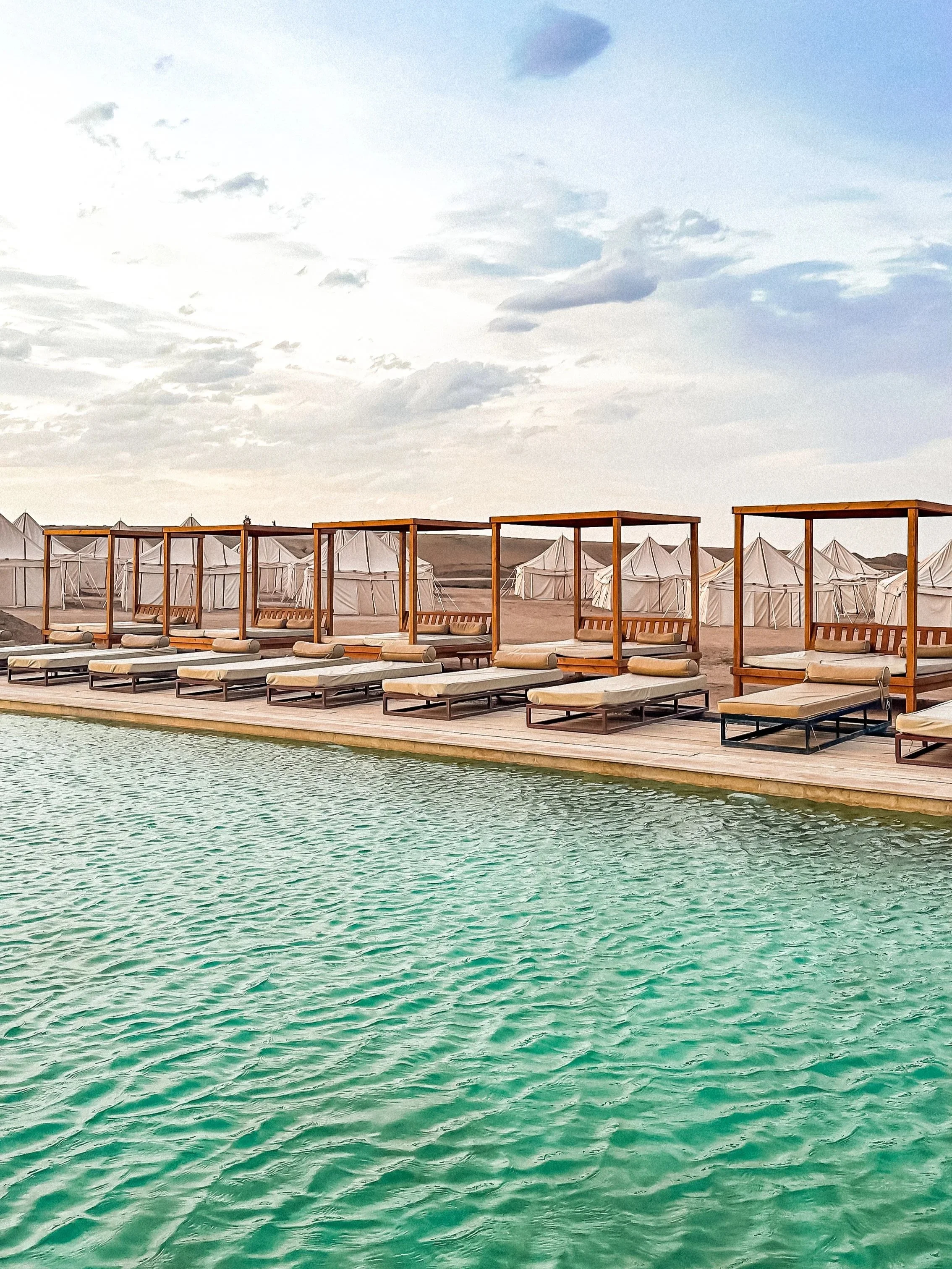
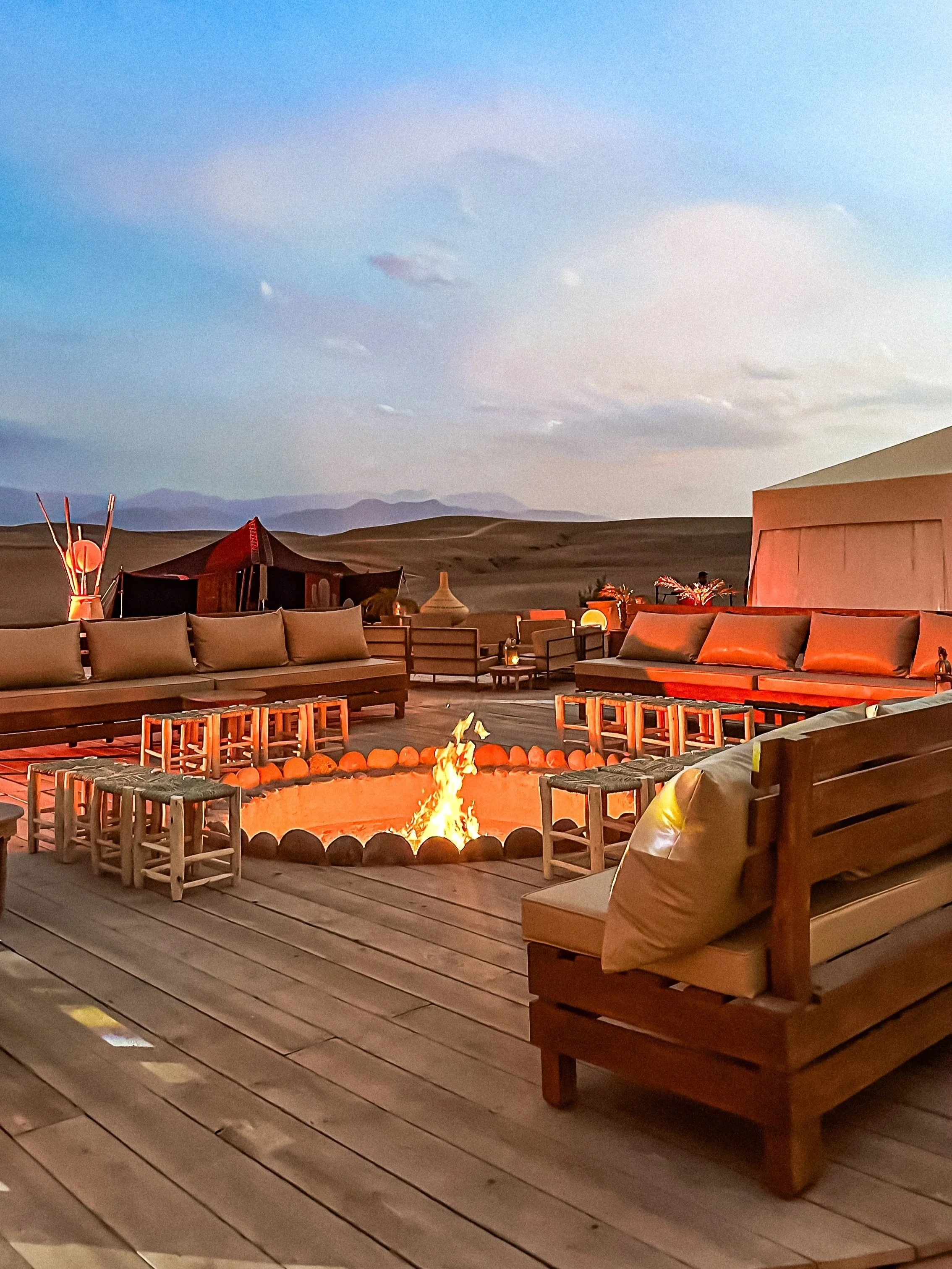
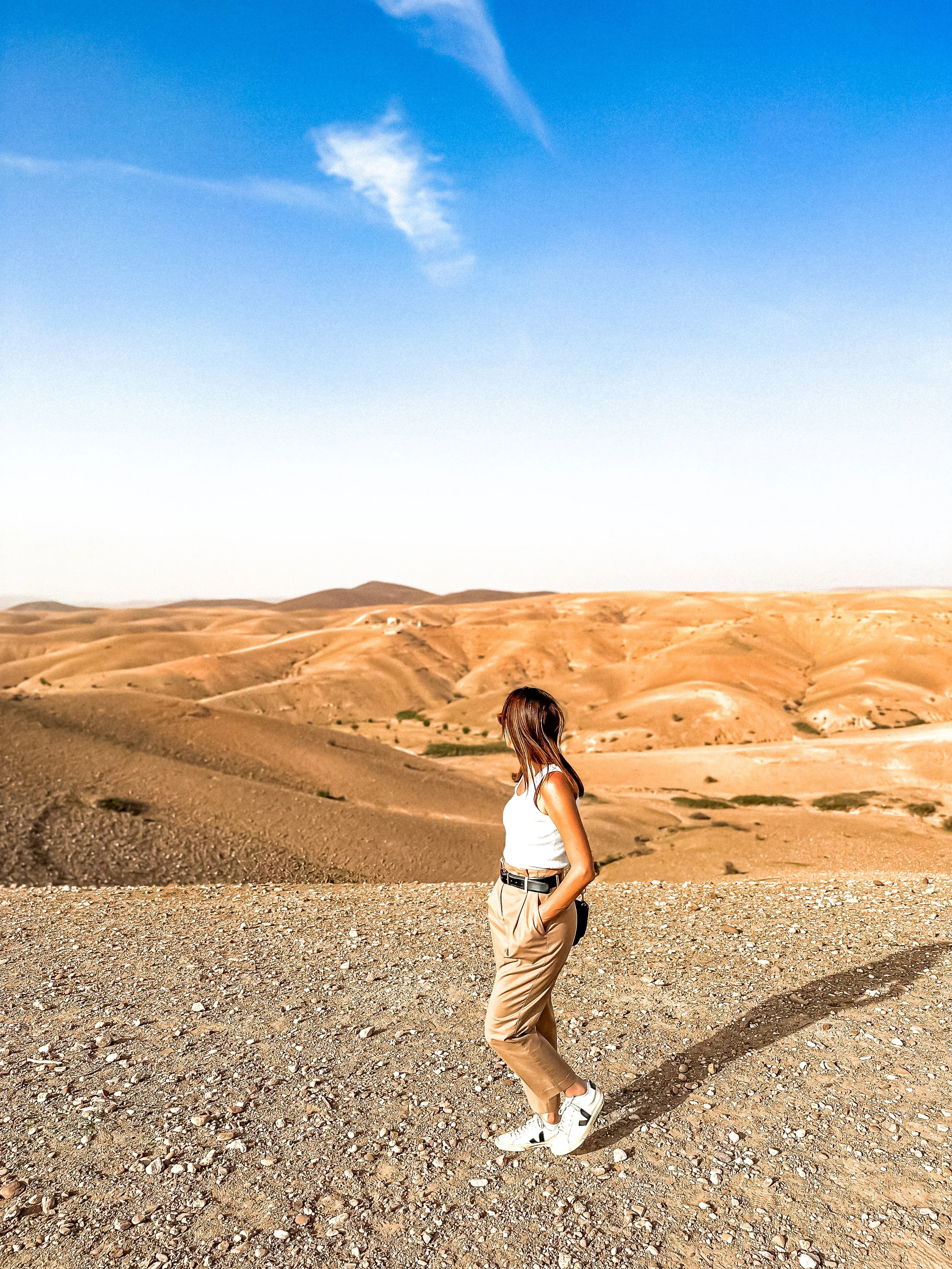
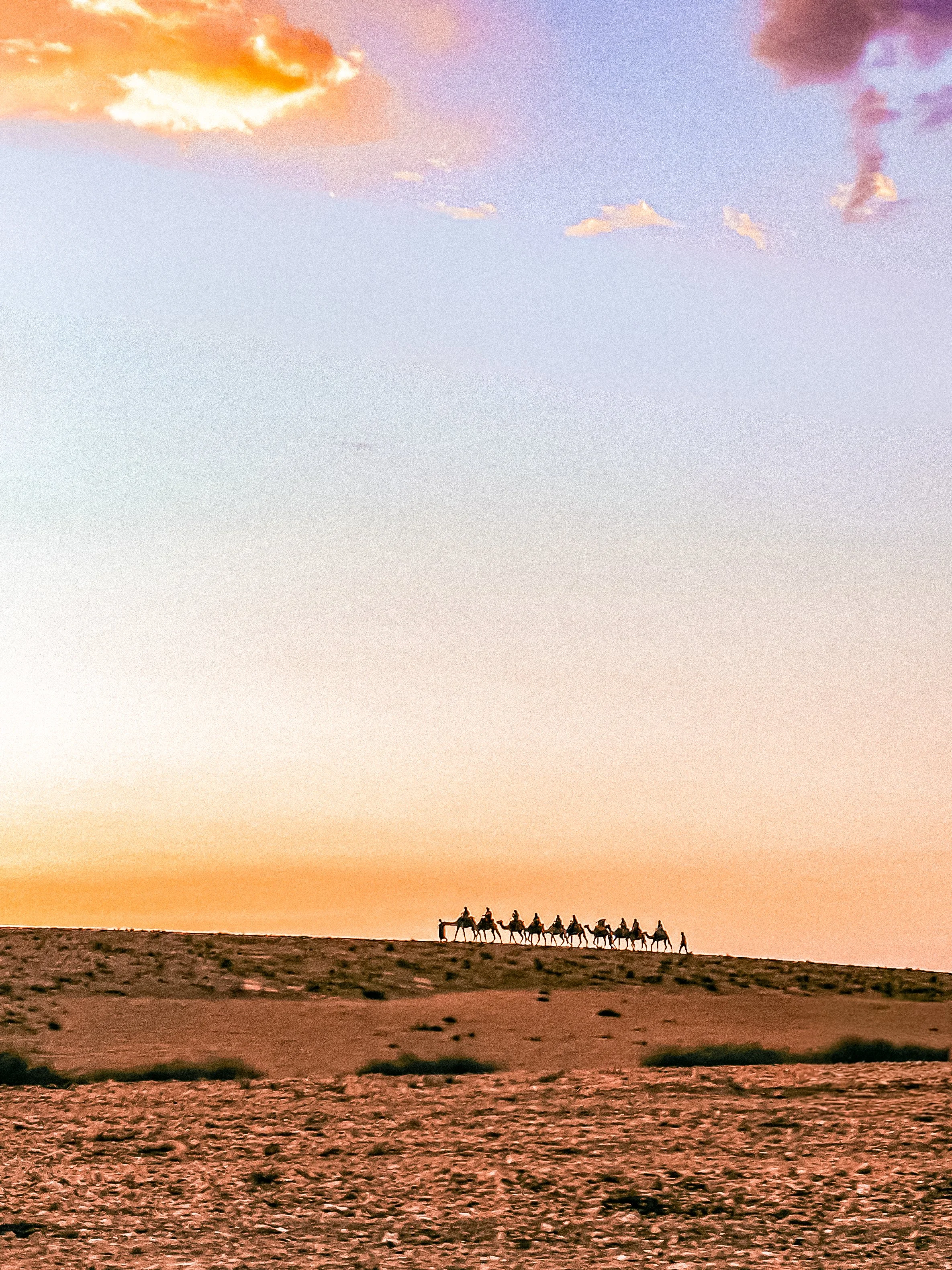
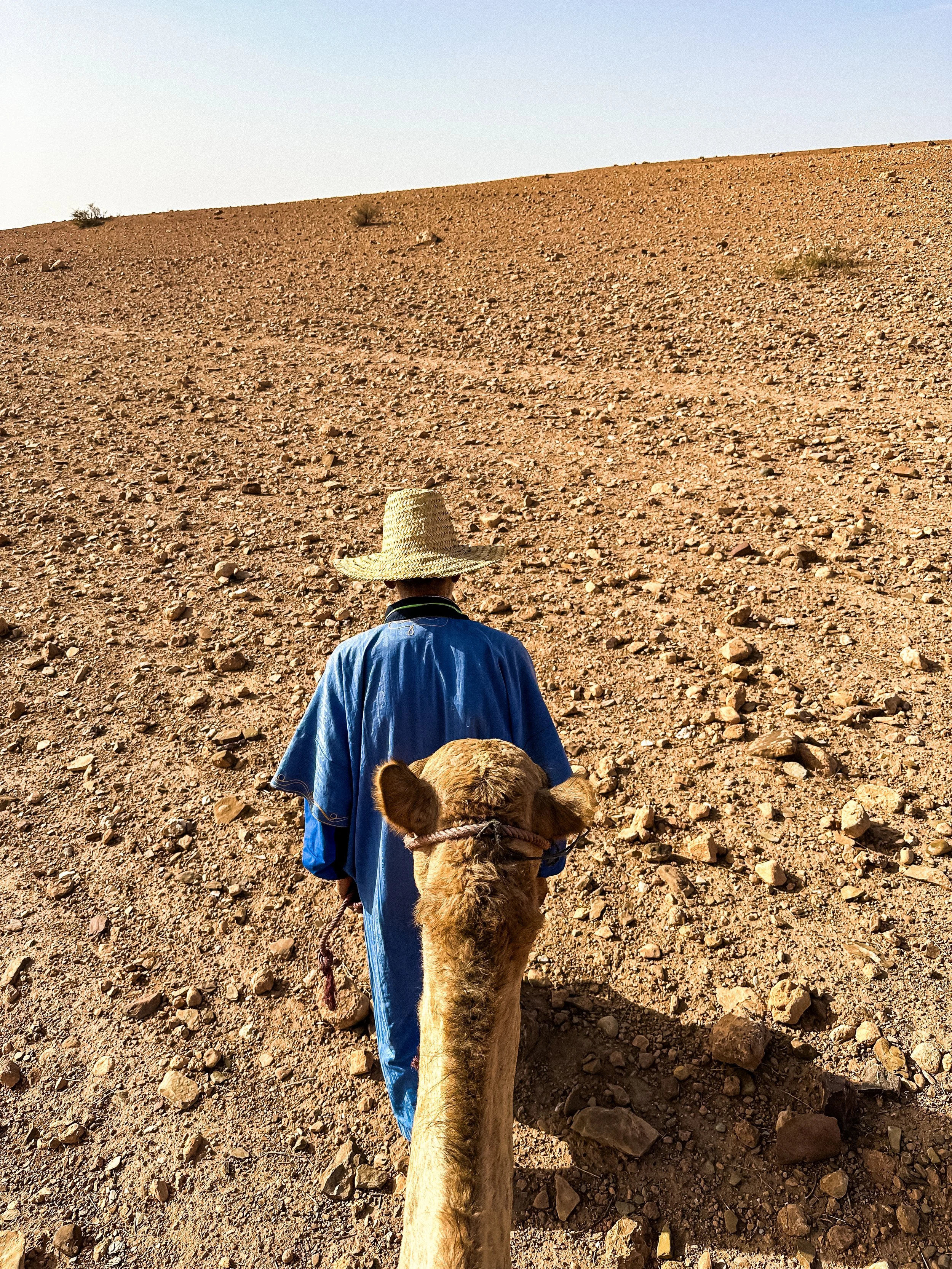
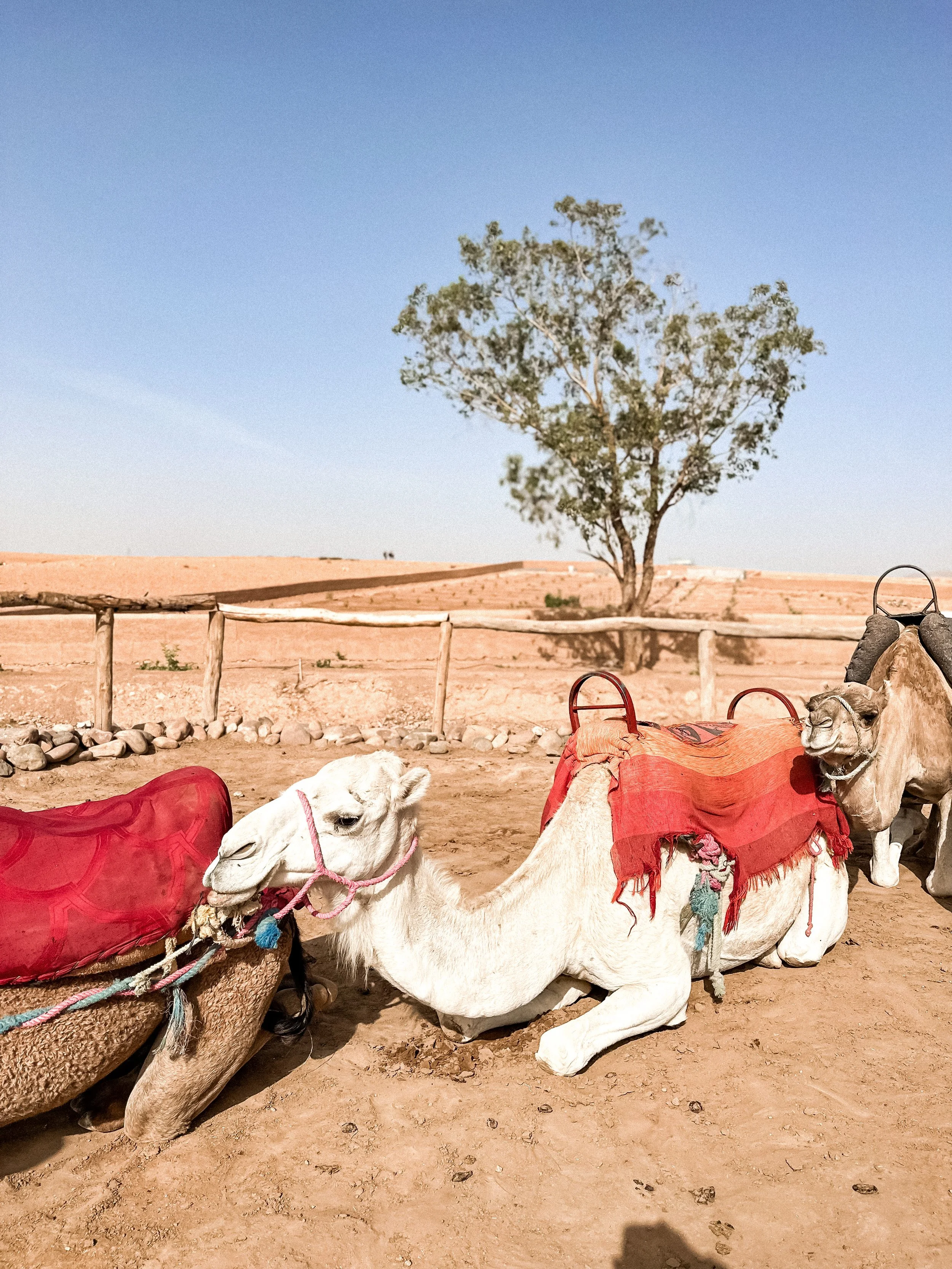
Agafay Desert is located about 40 minutes from Marrakech and offers a desert experience without the need to travel far.
Unlike the Sahara, Agafay is a rocky desert, with soft hills and a more minimal, almost lunar landscape. The light here, especially at the end of the day, is what makes it so special.
At Les Terrasses d’Agafay, you can come for lunch, spend the afternoon by the pool, stay for sunset, or book a dinner experience under the stars. Some choose to stay overnight in one of the desert camps.
It’s less about activities and more about the atmosphere, quiet, open space, and a slower rhythm compared to the city.
Practical info
Best time: late afternoon to sunset
Access: easiest with a driver or organized transfer
Tip: book in advance, especially for sunset or dinner experiences
Extra: evenings can get cooler, even in warmer months
Day trips : Imlil & Atlas Mountains
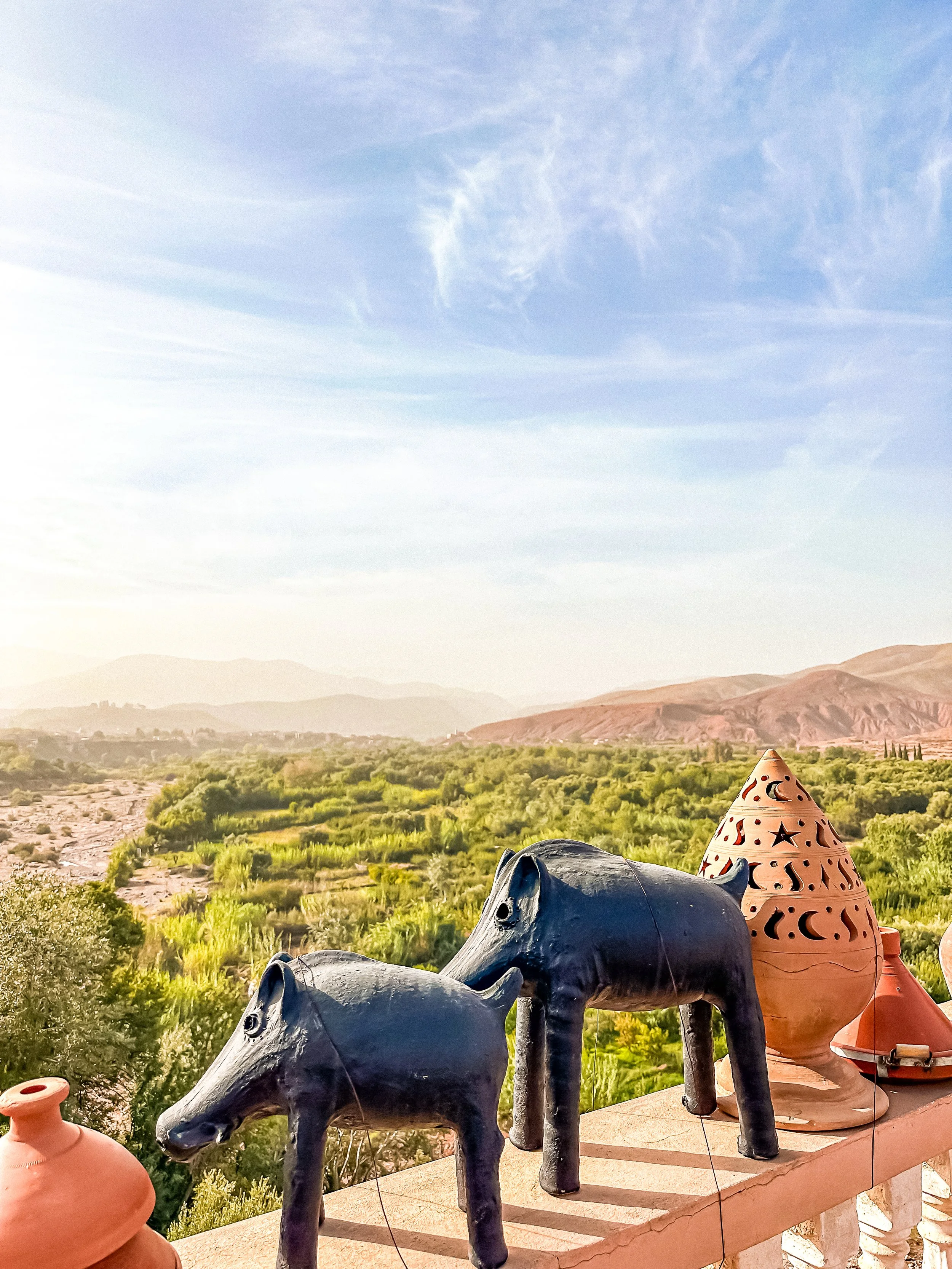
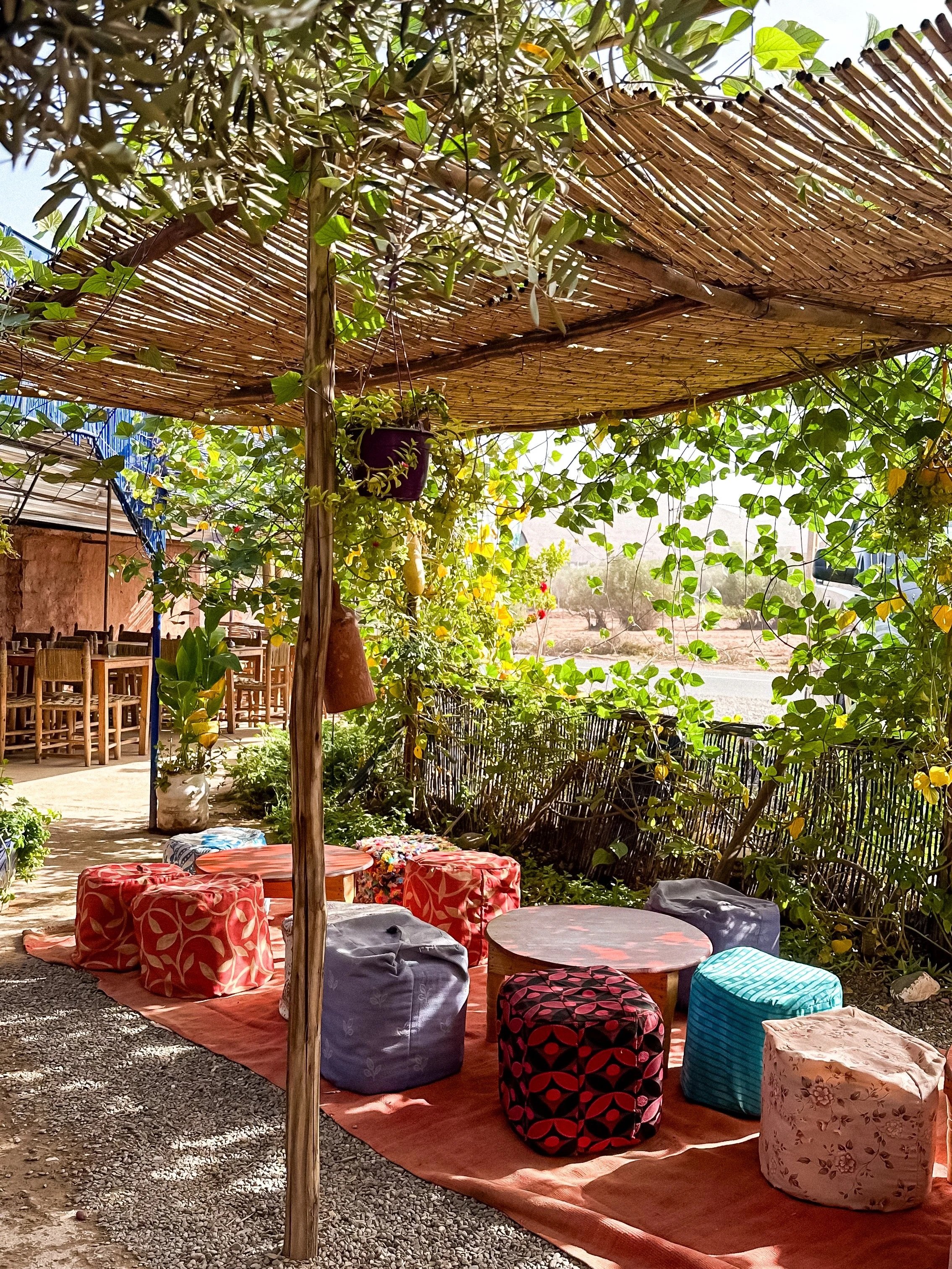
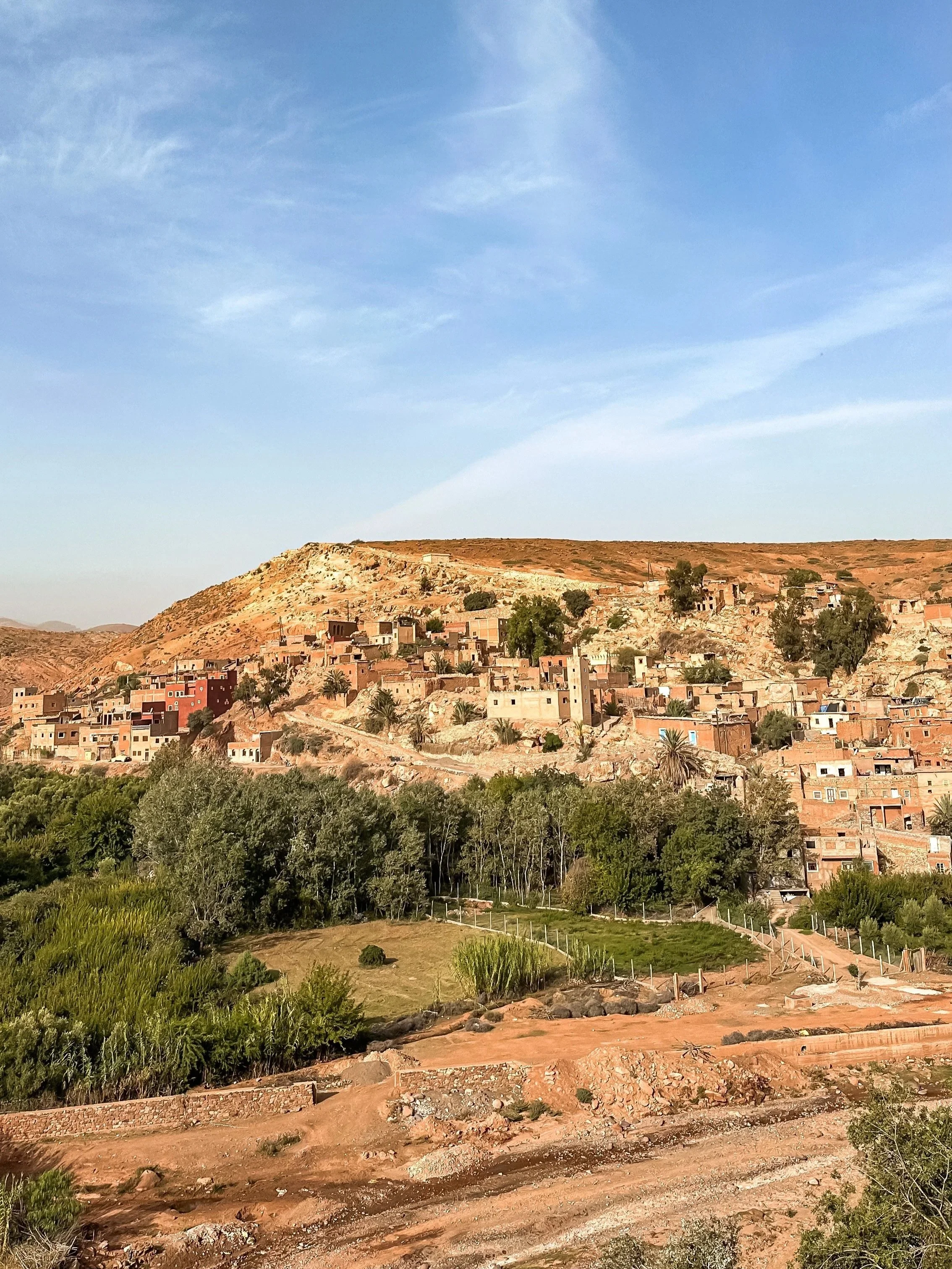
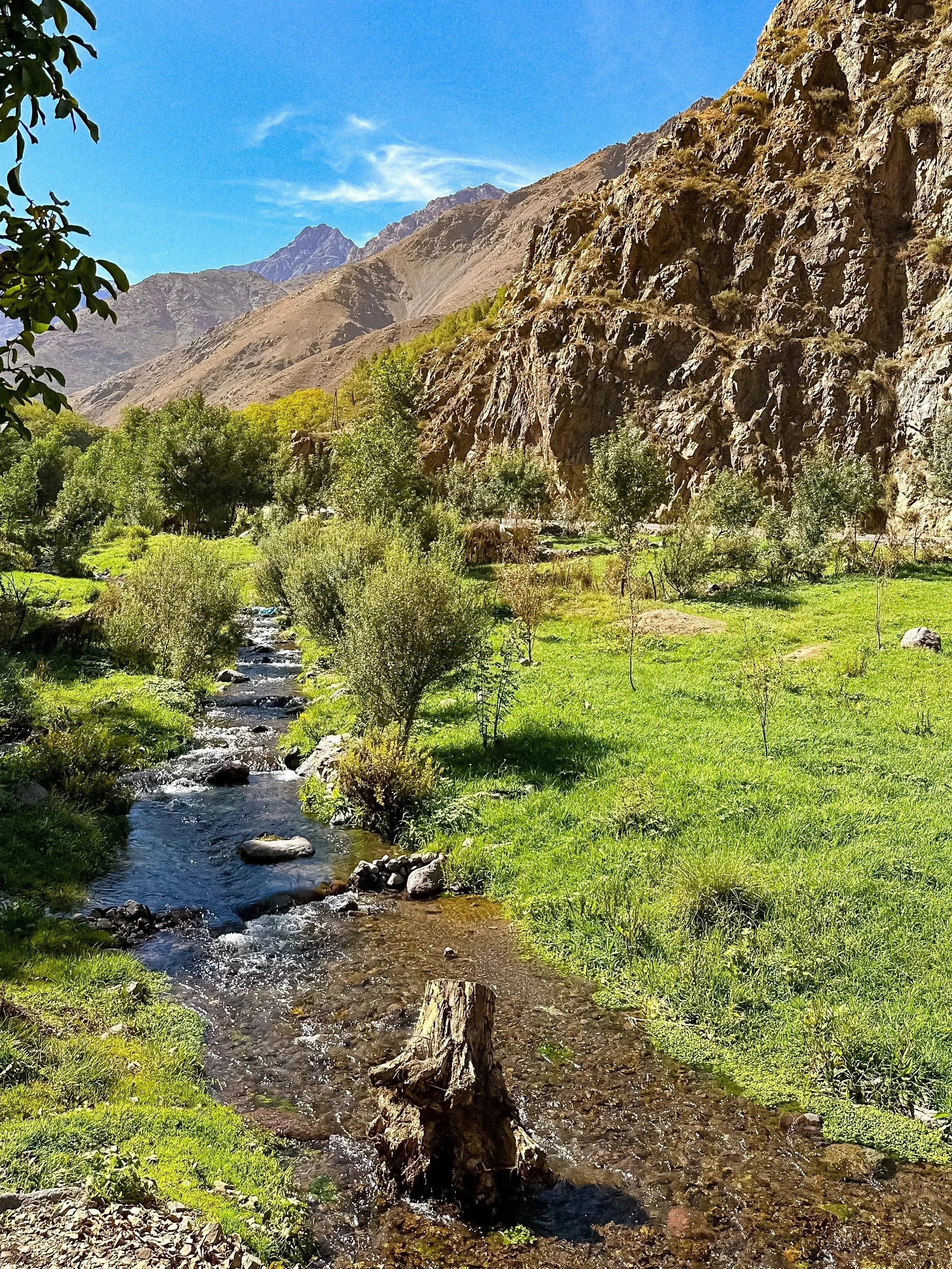
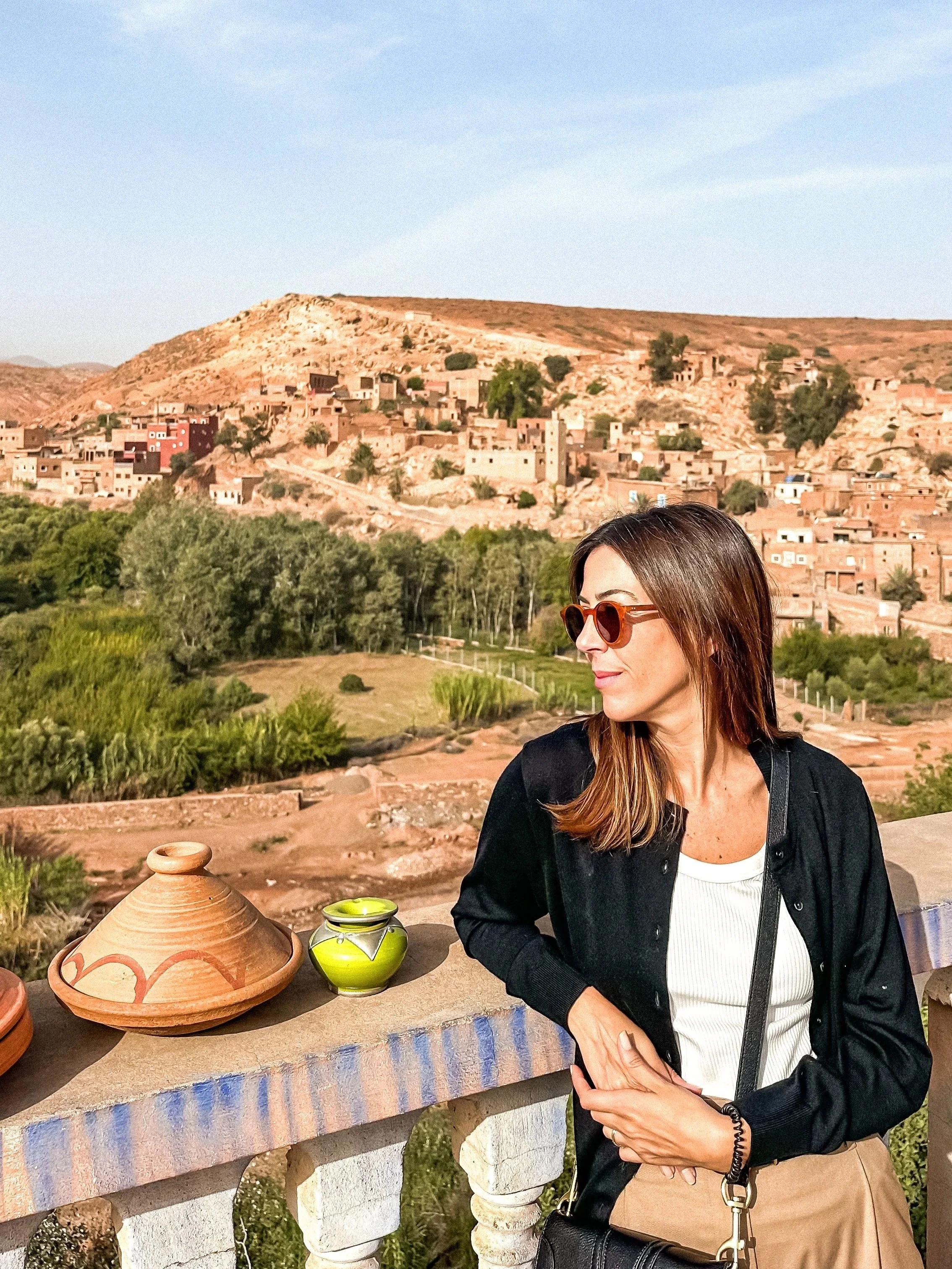
Around 1h30 from Marrakech, Imlil is the gateway to the Atlas Mountains.
It offers a completely different landscape, cooler air, green valleys, and traditional Berber villages.
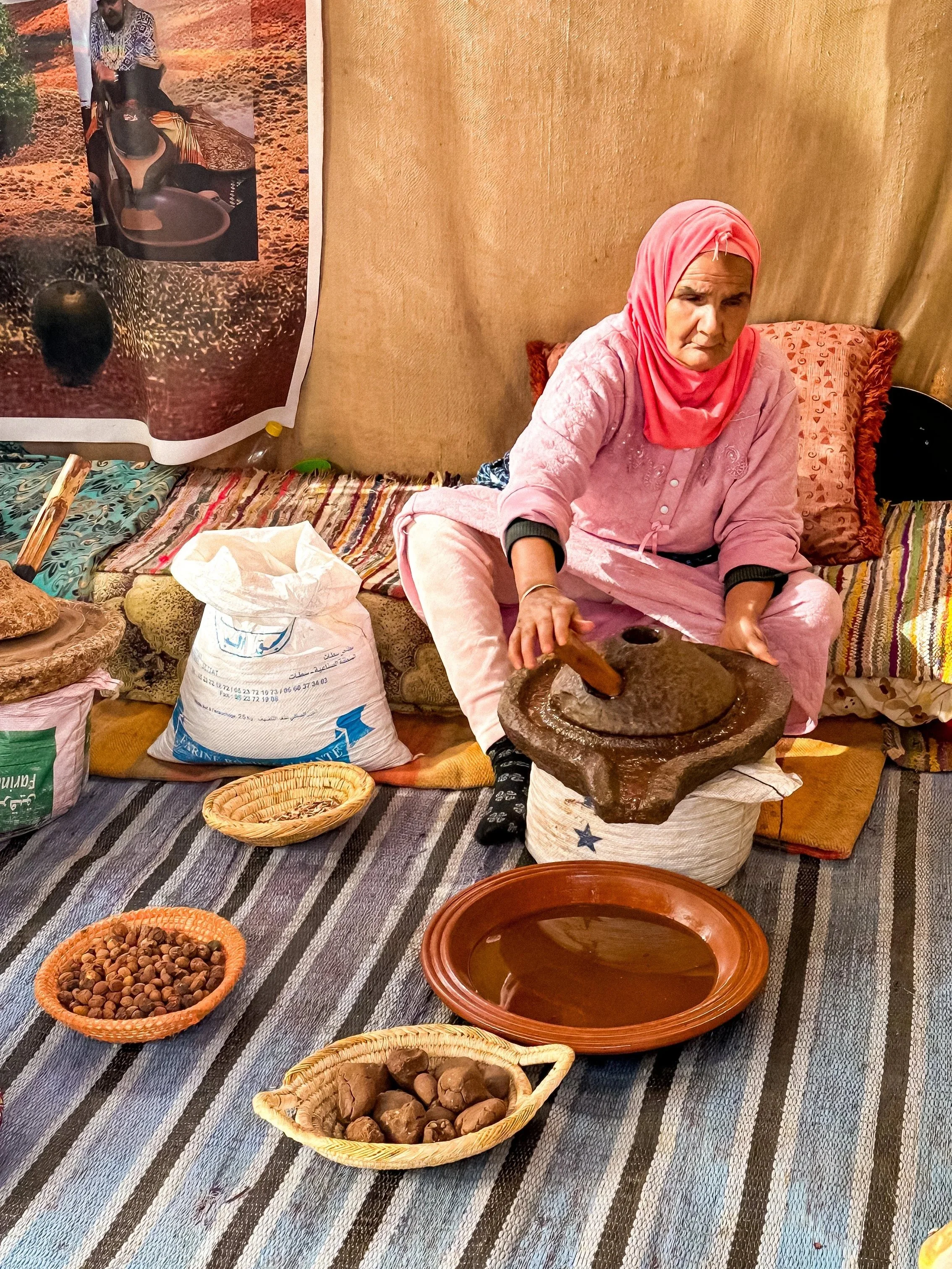
On the way, you’ll often stop at argan oil cooperatives, where women produce oil using traditional methods.
Practical info
Best as a day trip with a driver or guide
Tip: bring comfortable shoes for short hikes
Where to eat
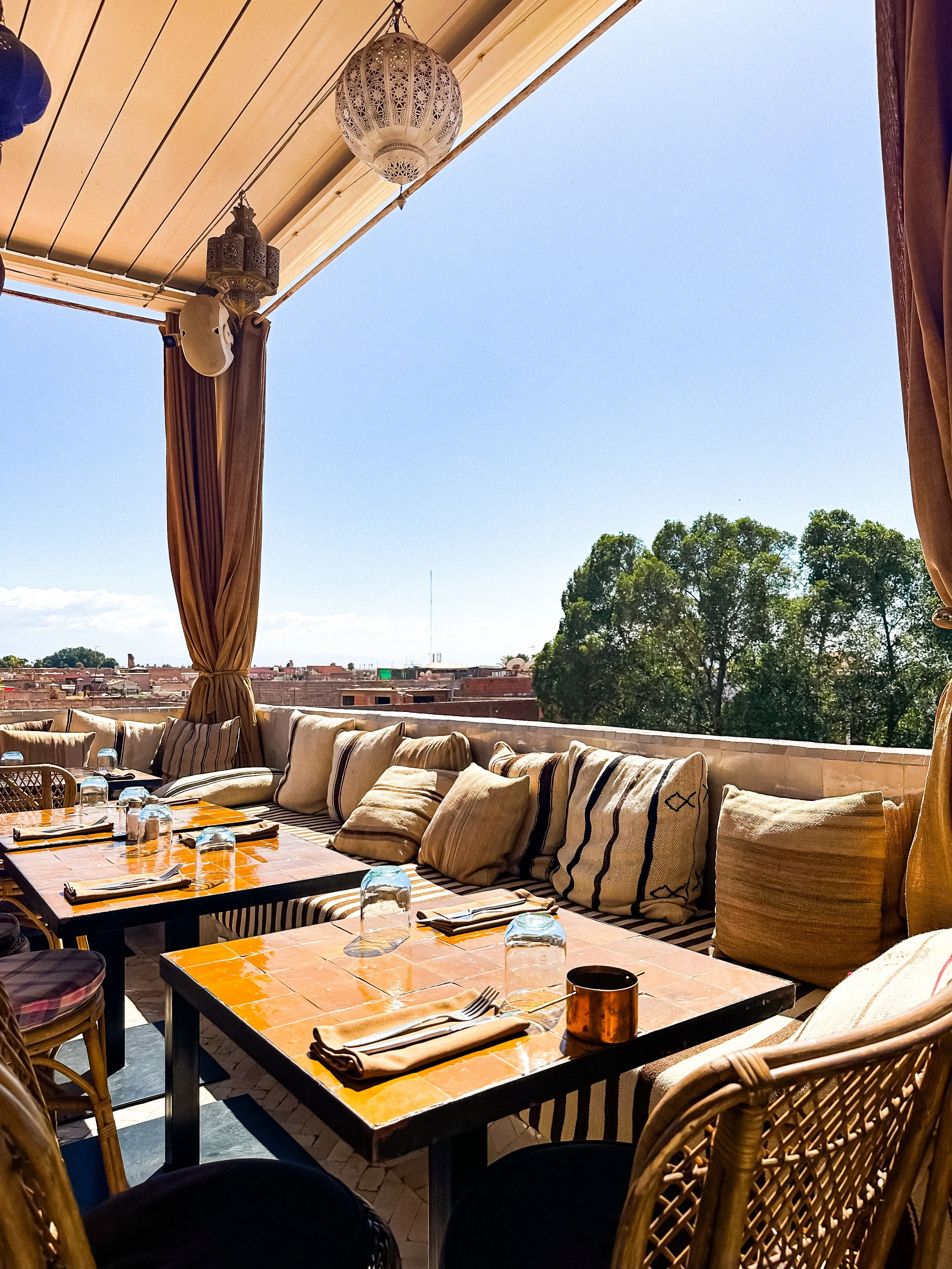
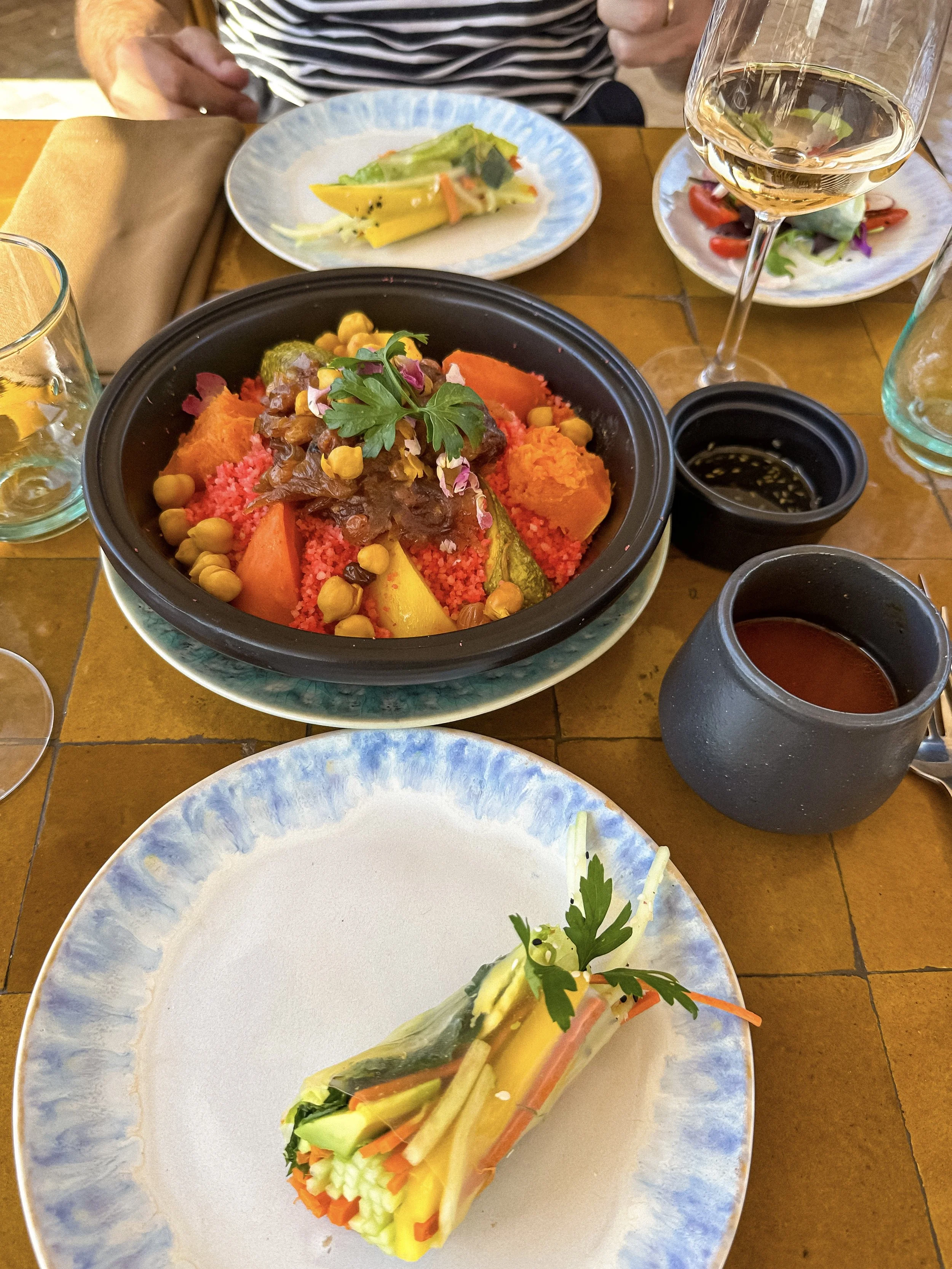
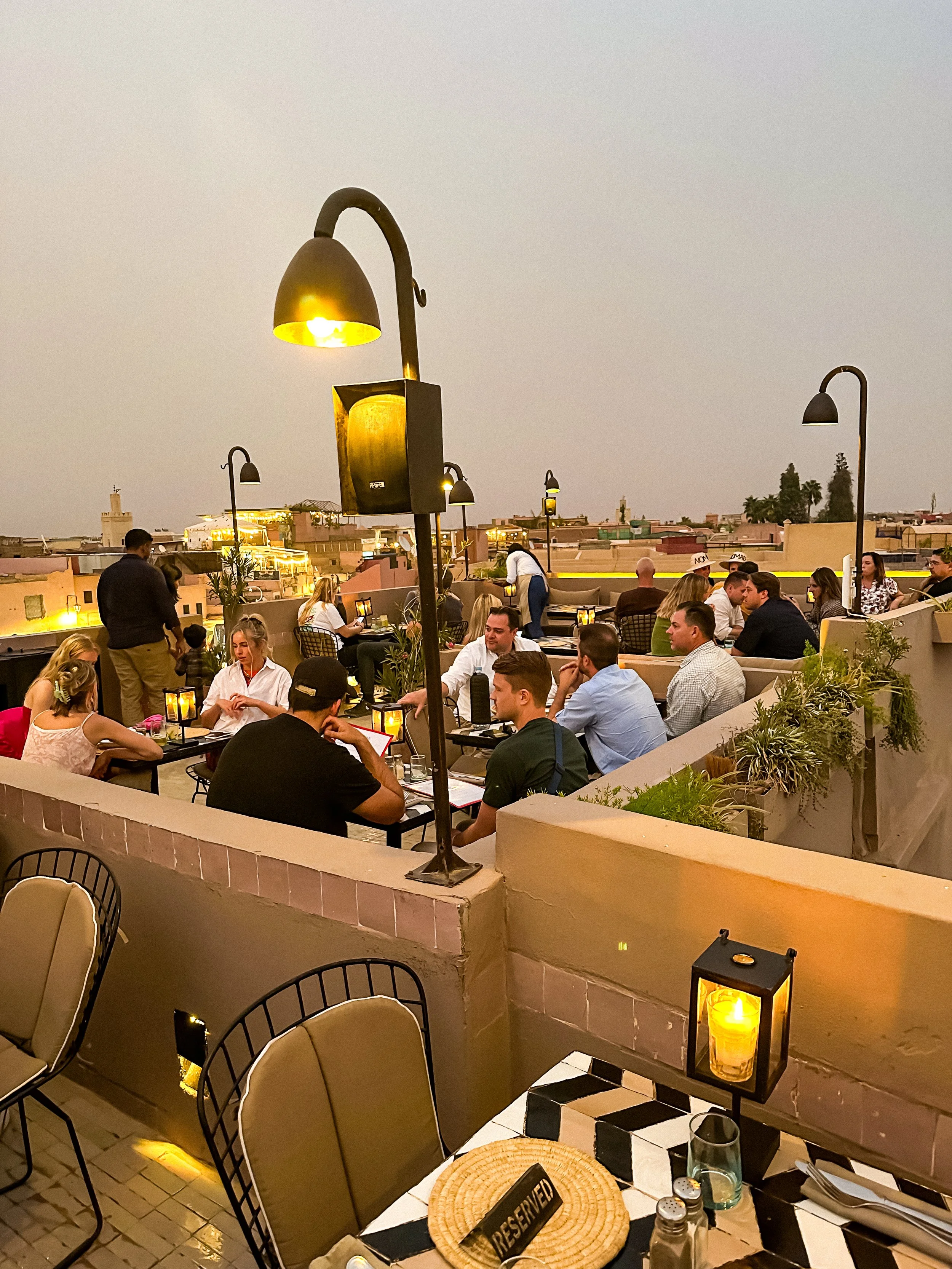
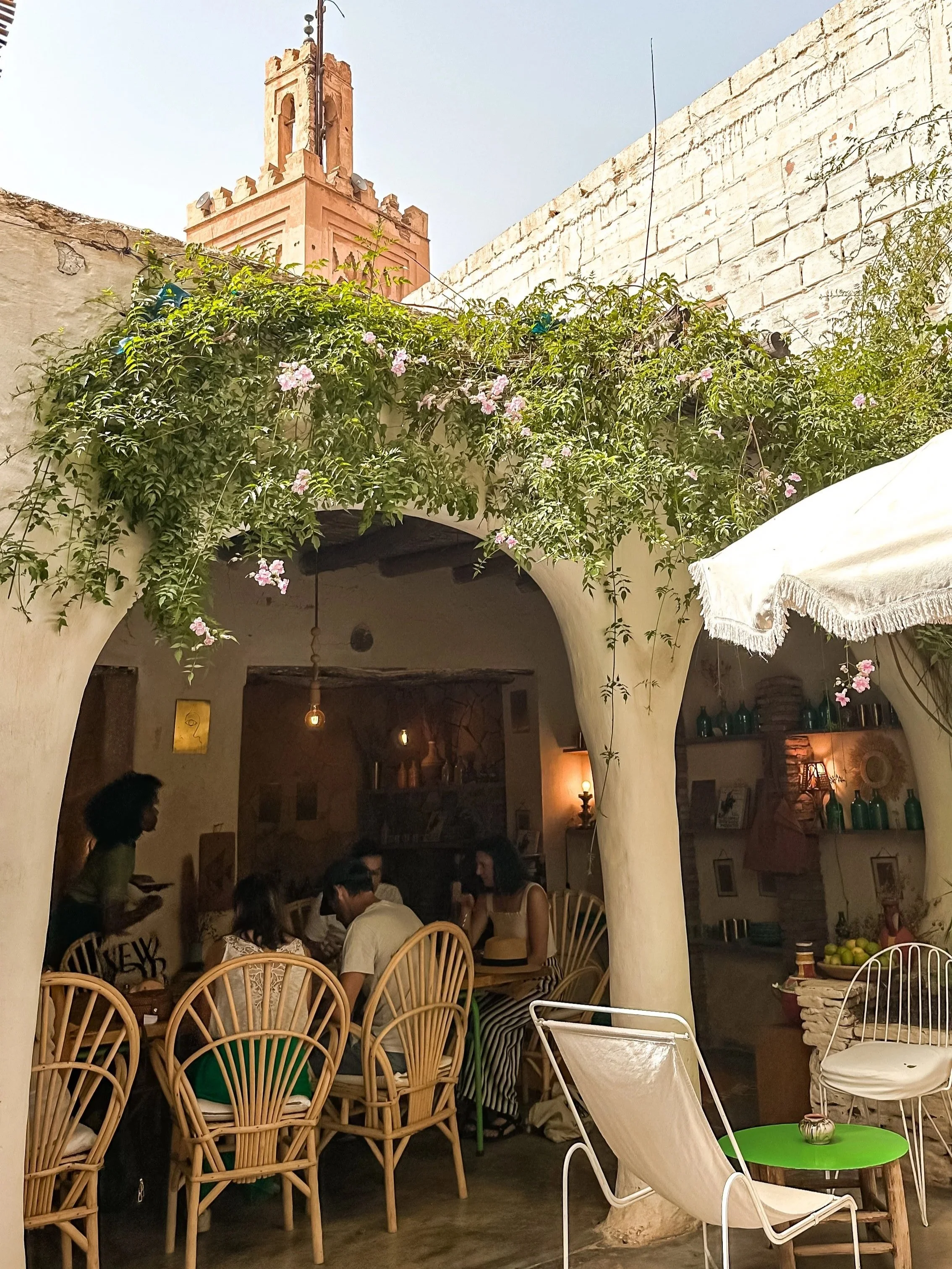
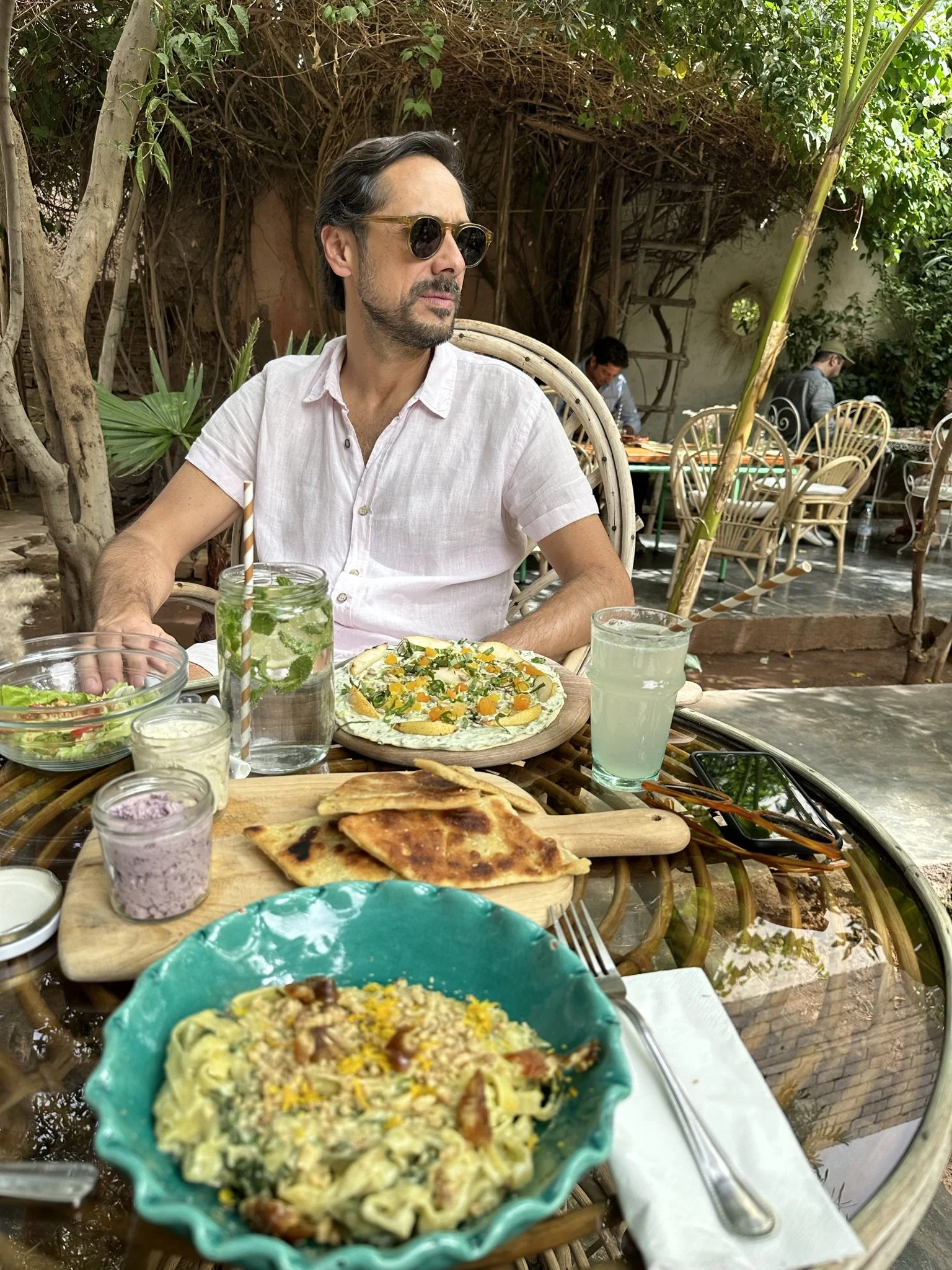
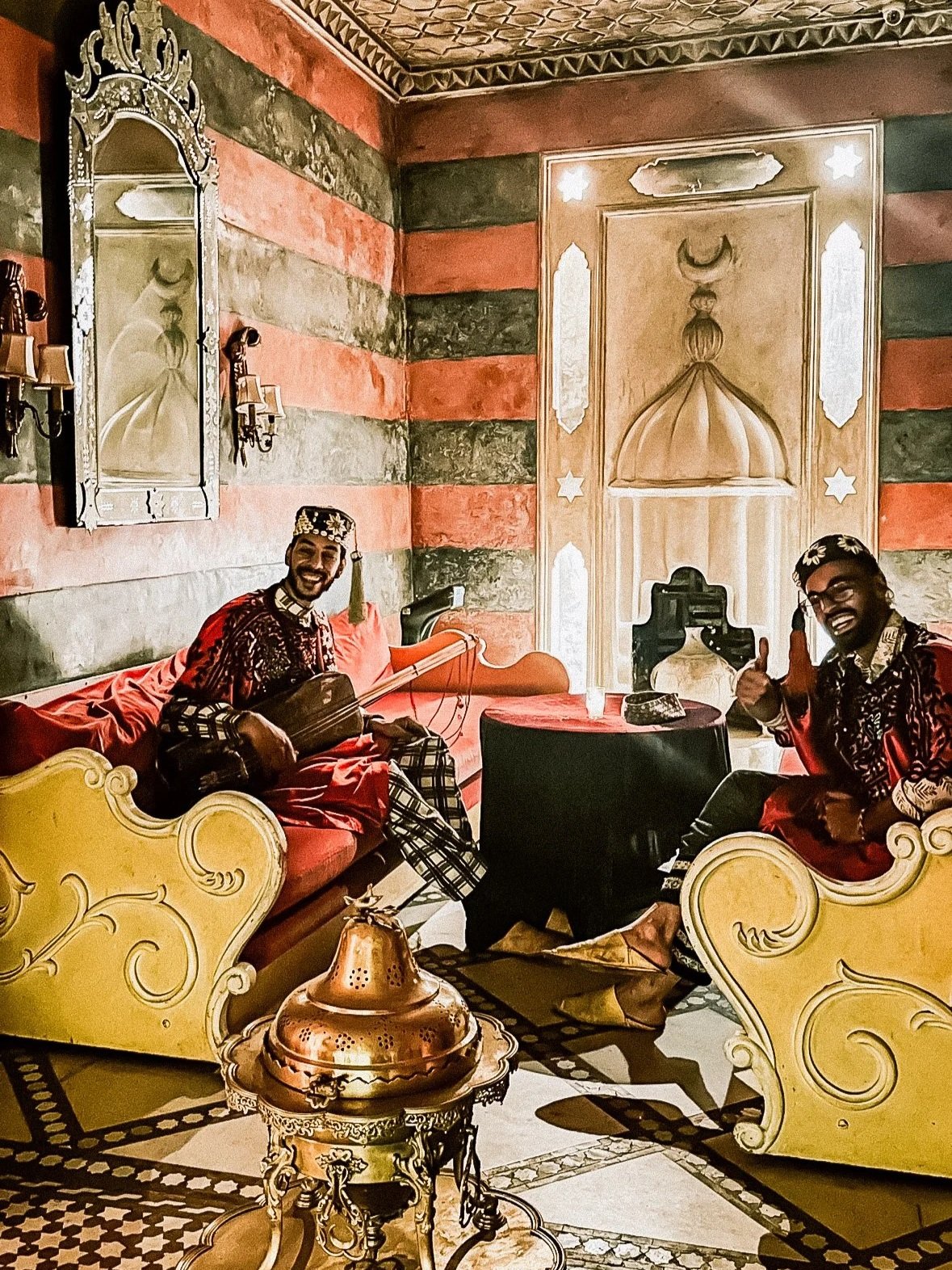
La Famille
Best for: lunch
34 Derb Jdid, Riad Zitoun Jdid, Medina, Marrakech
A hidden garden restaurant inside the medina. Very calm, vegetarian menu, and beautifully designed.
Atay Cafe Food
Best for: casual lunch / sunset
62 Rue Amsafah, Medina, Marrakech
Relaxed rooftop with views over the souks. Simple, local dishes and a laid-back atmosphere.
Nomad
Best for: lunch or dinner
1 Derb Aarjane, Rahba Lakdima, Medina, Marrakech
One of the most popular spots in the medina. Modern Moroccan cuisine with a contemporary feel.
Le Bistro Arabe
Best for: dinner
226 Arset Aouzal, Medina, Marrakech
More traditional ambiance, often with live music. A good option for a classic Moroccan evening.
El Fenn Rooftop
Best for: sunset drinks
2 Derb Moulay Abdellah Ben Hezzian, Bab El Ksour, Marrakech
One of the most aesthetic rooftops in Marrakech. Perfect for golden hour.
DarDar Rooftop
Best for: dinner / night atmosphere
4 Rue Riad Zitoun el Kdim, Medina, Marrakech
More lively and festive, with music and a great view over the city.
Shatto
Best for: dinner
Avenue Echouhada, Hivernage, Marrakech
More contemporary and refined, slightly outside the medina.
Where to stay
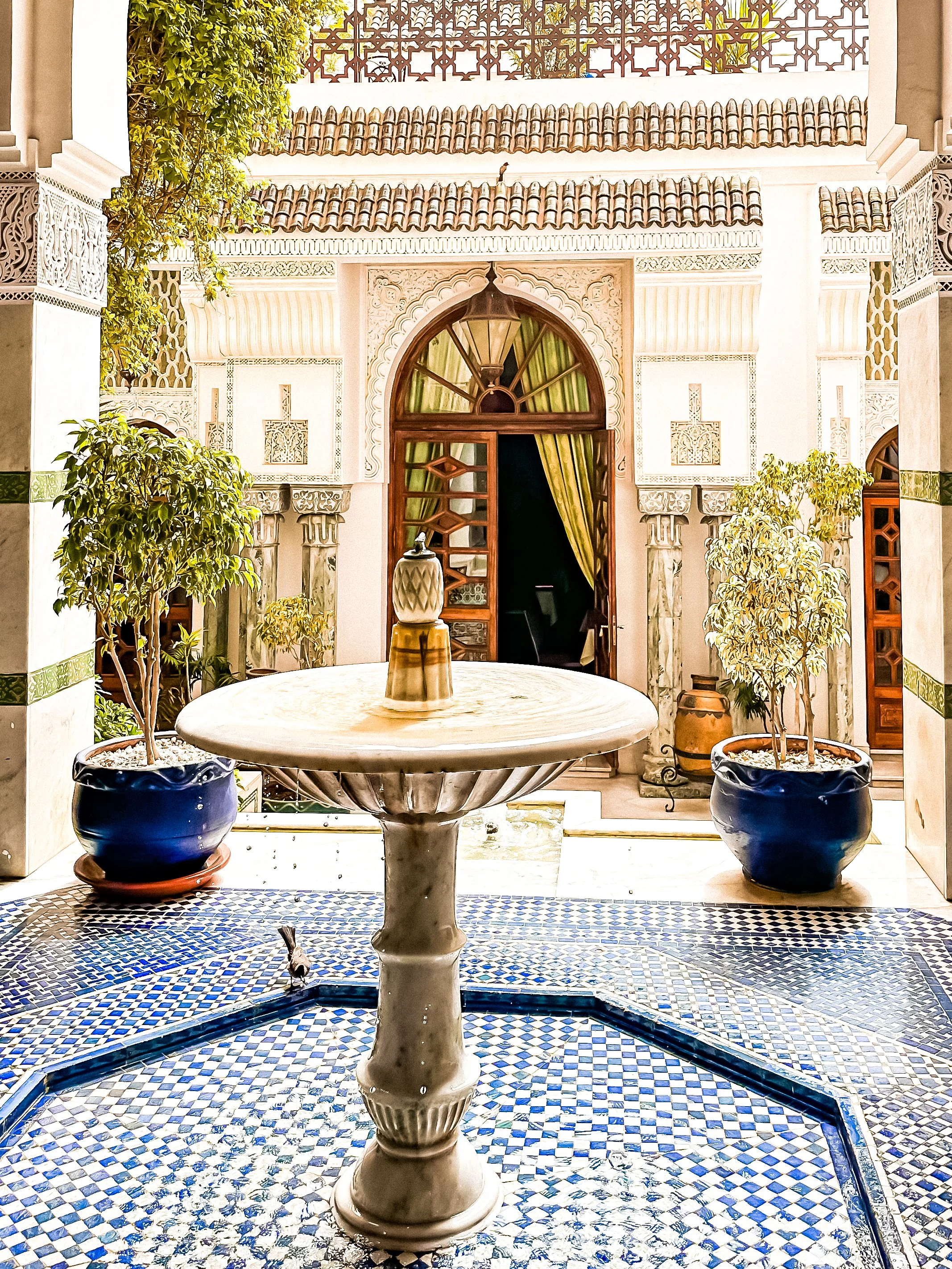
In my opinion a riad in the medina is the most immersive option.
Riad Yasmine
One of the most iconic riads in Marrakech, known for its green tiles and central pool.
Very aesthetic, intimate, and well curated.
El Fenn
A more vibrant and design-led riad, with bold colors, art, and one of the best rooftops in the city.
Perfect if you want something lively but still refined.
Riad BE Marrakech
More minimal and calming, with a soft, neutral aesthetic.
A good option if you’re looking for a quieter, more relaxed stay.
Les Deux Tours
Located just outside the medina, surrounded by gardens.
More space, more privacy, and a different rhythm compared to staying inside the city.
Practical Tips
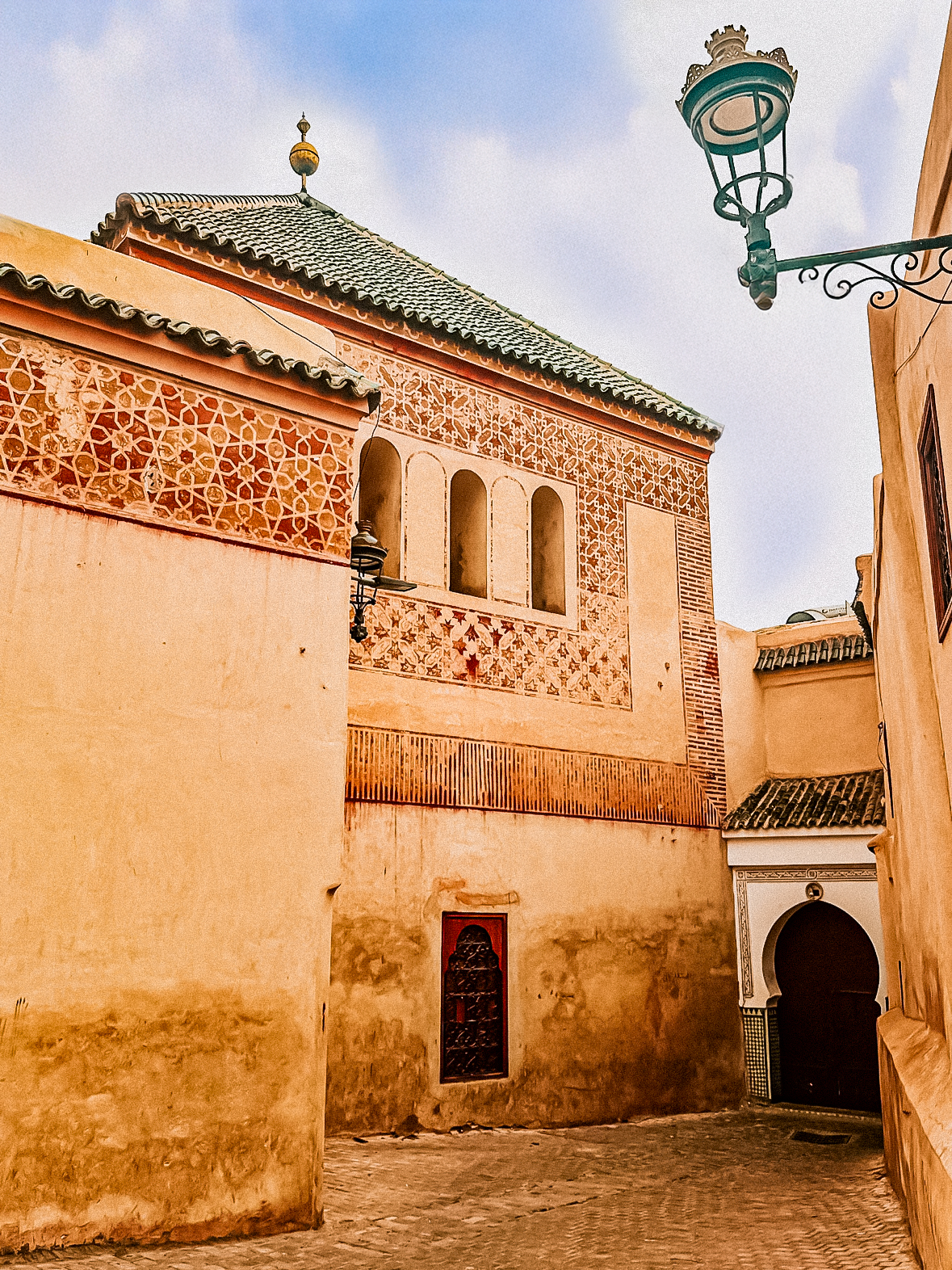
Getting around
Inside the medina, everything is done on foot. Streets are narrow, often crowded, and not accessible by car.
Be aware that GPS doesn’t always work well inside the souks. Signal can be weak, and even Google Maps can get confused. It’s normal to feel a bit lost, just take your time and don’t stress too much about it.
For longer distances, taxis are the easiest option. They are inexpensive, but always agree on the price before getting in, as meters are not always used.
Short rides are usually around 20–50 MAD depending on distance.
Walking in the souks
The souks can feel intense at first. Vendors may call you, offer directions, or try to guide you. A simple “no thank you” and continuing to walk is enough.
Also keep in mind that some passages and gates close at night, and certain areas can become very quiet.
It’s best to avoid walking deep inside the souks late at night (after around 9–10pm), especially if you’re alone.
Negotiating
Negotiation is part of the culture in the souks. Prices are rarely fixed, so take your time, stay calm, and don’t feel pressured.
A good approach is to start at around 30–40% of the initial price and meet somewhere in the middle.
And if it doesn’t feel right, it’s always okay to walk away.
Photos & animals in Jemaa el-Fna
In Jemaa el-Fna, be careful with photos. If you take pictures of performers, snake charmers, or animals, you will likely be asked to pay.
It’s best to avoid taking photos unless you’re comfortable with that. Also, be mindful of animal welfare, especially with monkeys and snakes.
Money & payments
Cash is essential in Marrakech, especially in the medina.You can exchange money at the airport, which is convenient, or at exchange offices in the city, often with similar rates.
ATMs are widely available if you prefer to withdraw cash.
Cards are accepted in restaurants and riads, but less in markets and smaller shops.
SIM cards & internet
It’s very easy to buy a local SIM card at the airport when you arrive. Providers like Orange, Maroc Telecom, or Inwi offer affordable data packages, which is useful for navigation and communication.
Safety & general mindset
Marrakech is generally safe, but like any busy destination, stay aware of your surroundings.
Avoid isolated areas at night and keep your belongings secure in crowded places.
The city can feel overwhelming at first, but once you slow down and accept the rhythm, it becomes much more enjoyable.
The key here is patience, curiosity, and taking your time.