
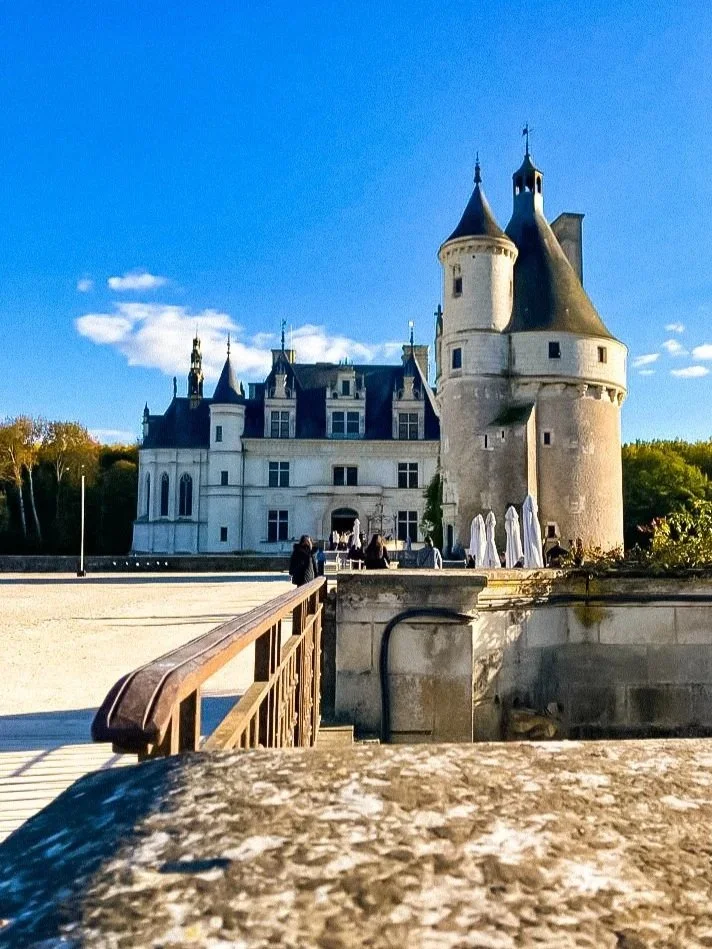
Chateau de Chenonceau
The Loire Valley is often called the “Garden of France”, and once you’re there, it makes sense.
This region was a favorite of French kings during the Renaissance, which explains the concentration of châteaux, each with its own story, architecture, and atmosphere.
Here are my favorite ones, with a mix of iconic landmarks and more discreet discoveries.
Château de Chaumont-sur-Loire
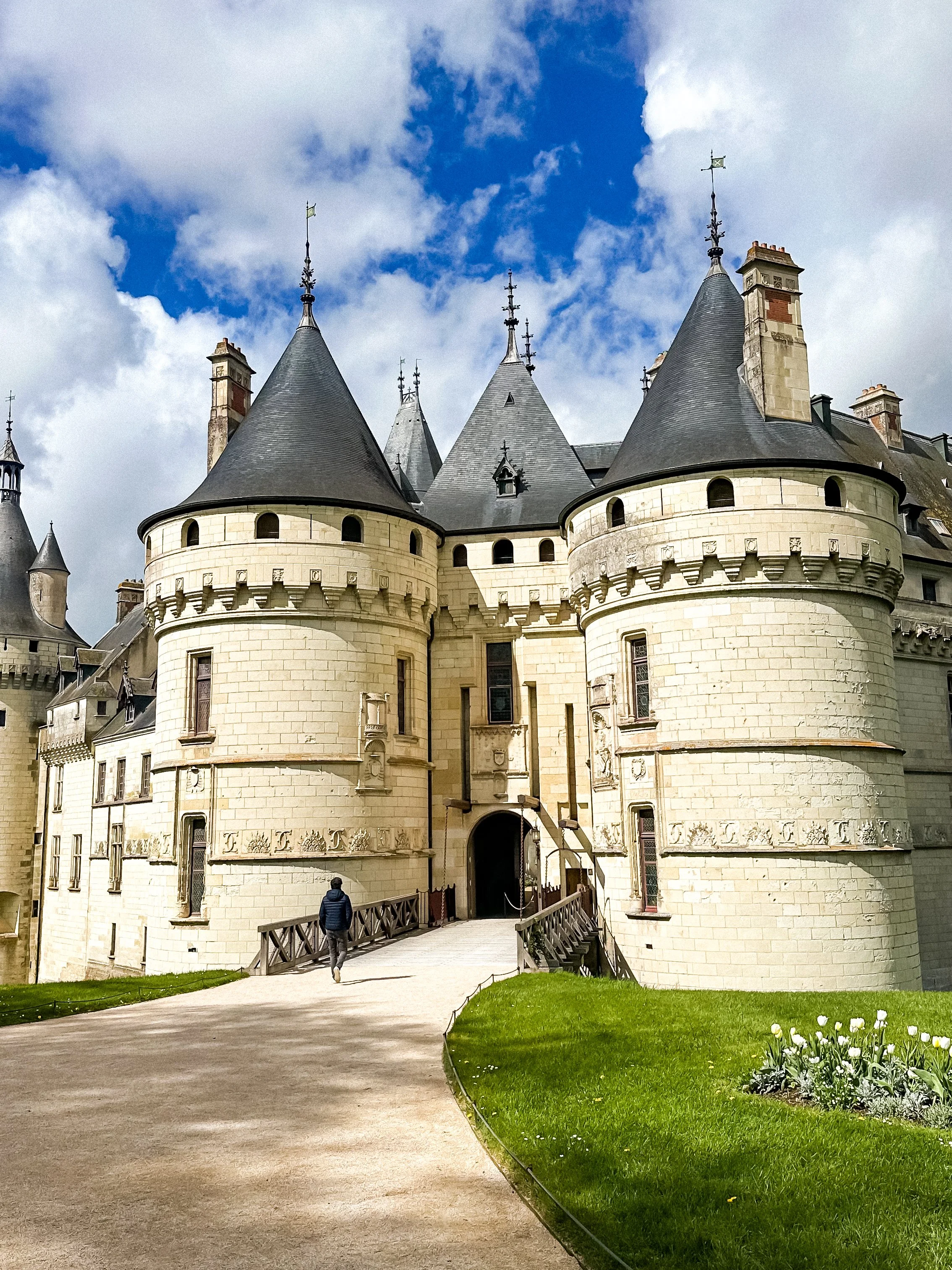
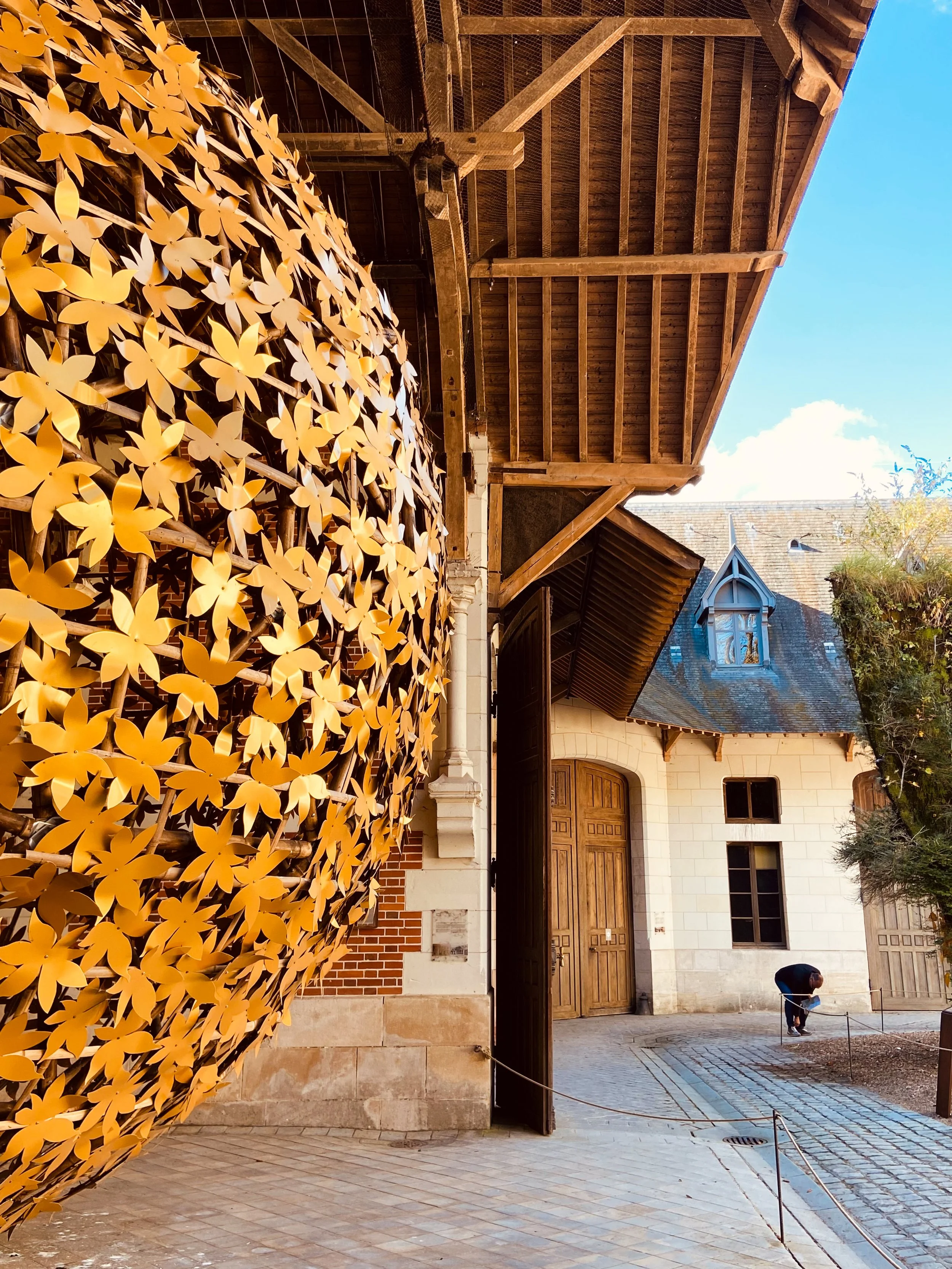
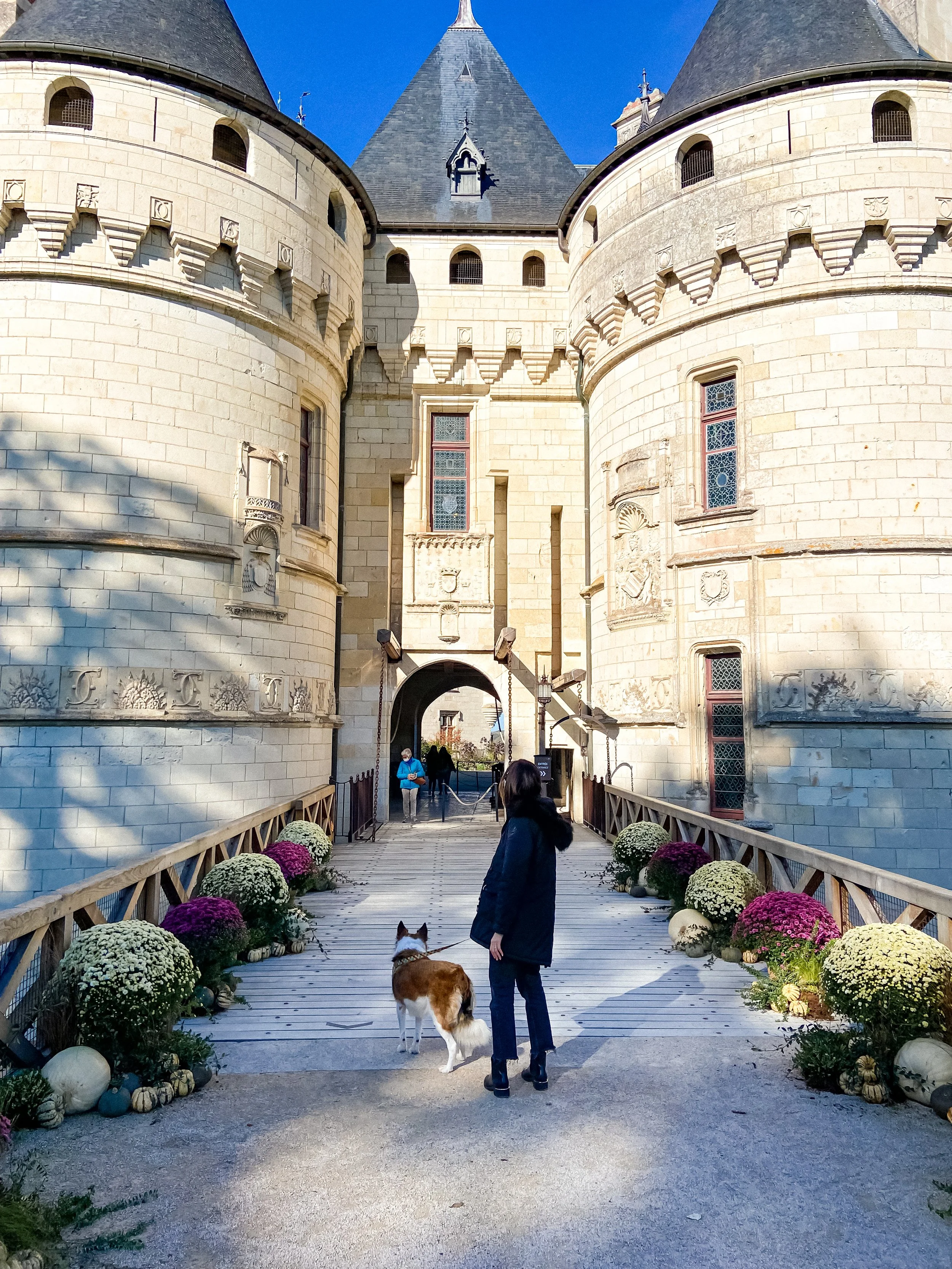
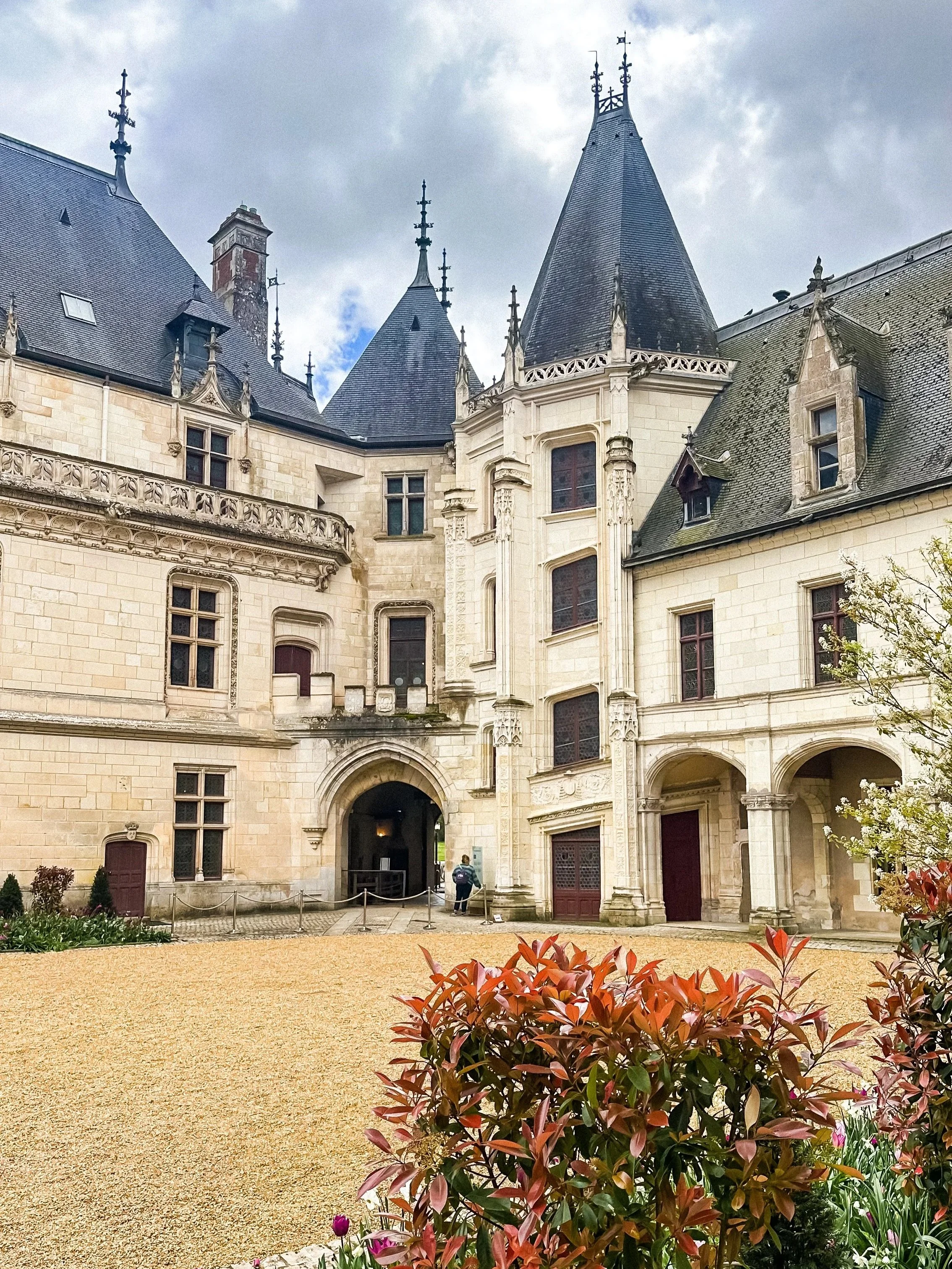
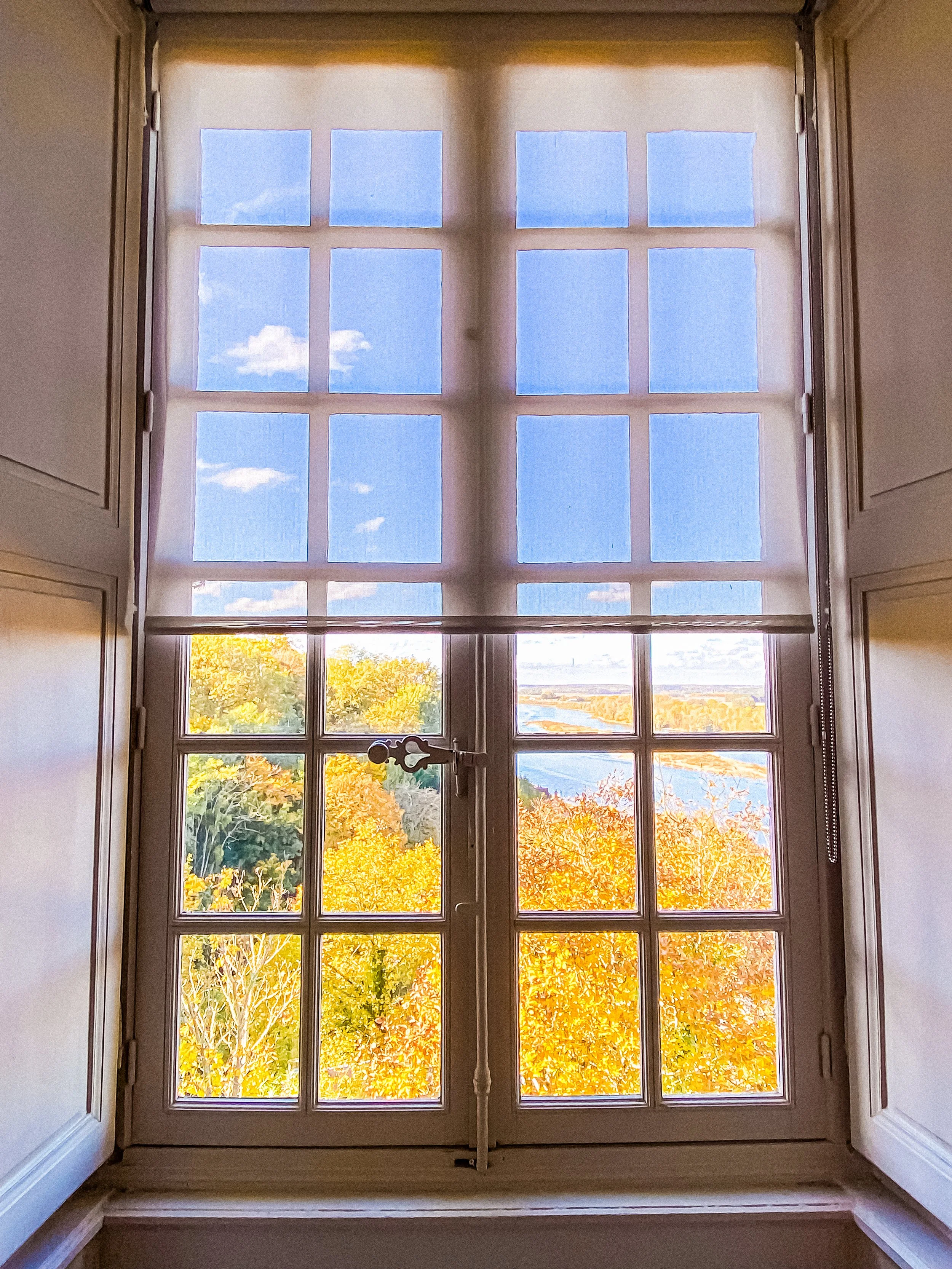
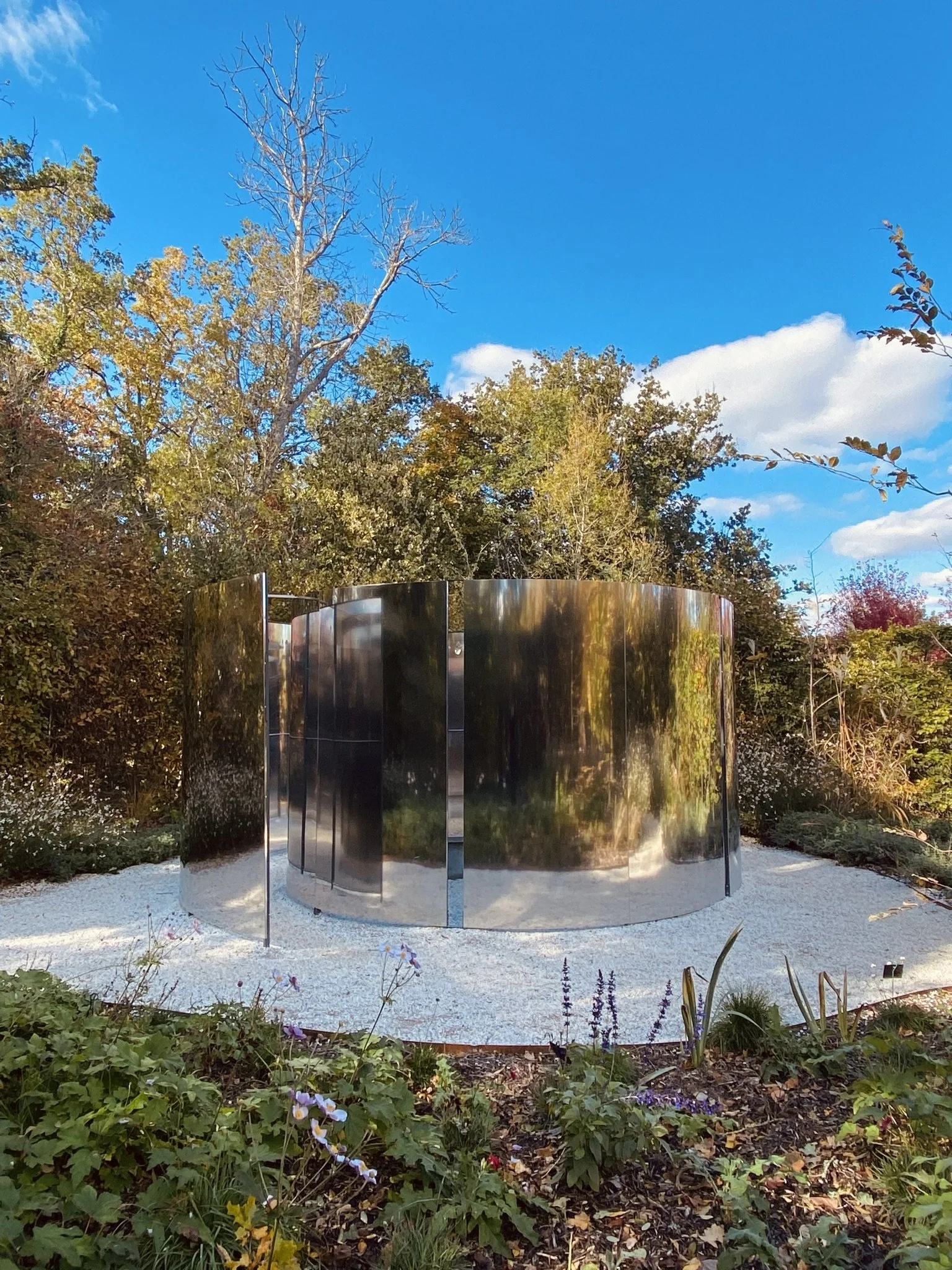
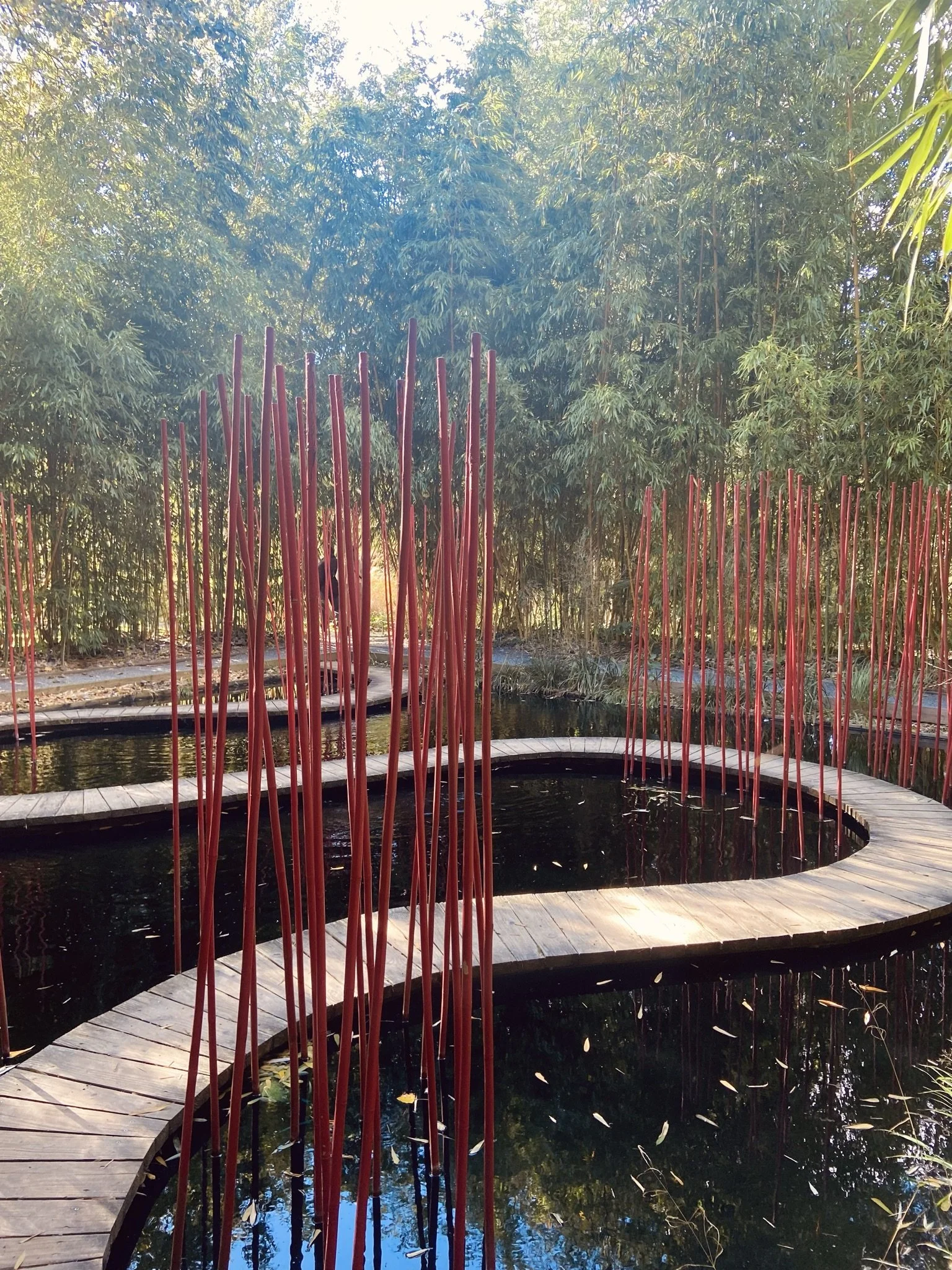
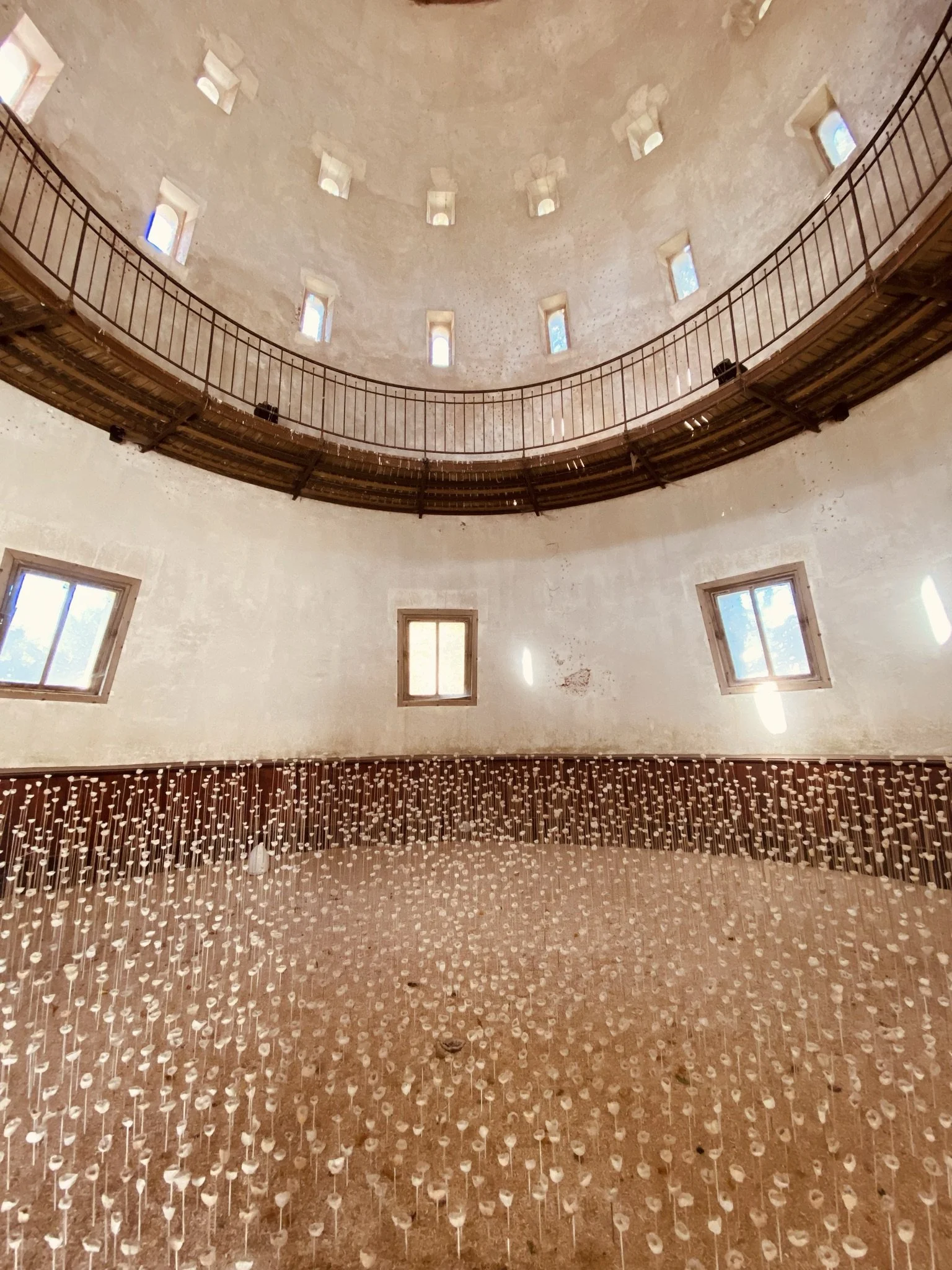
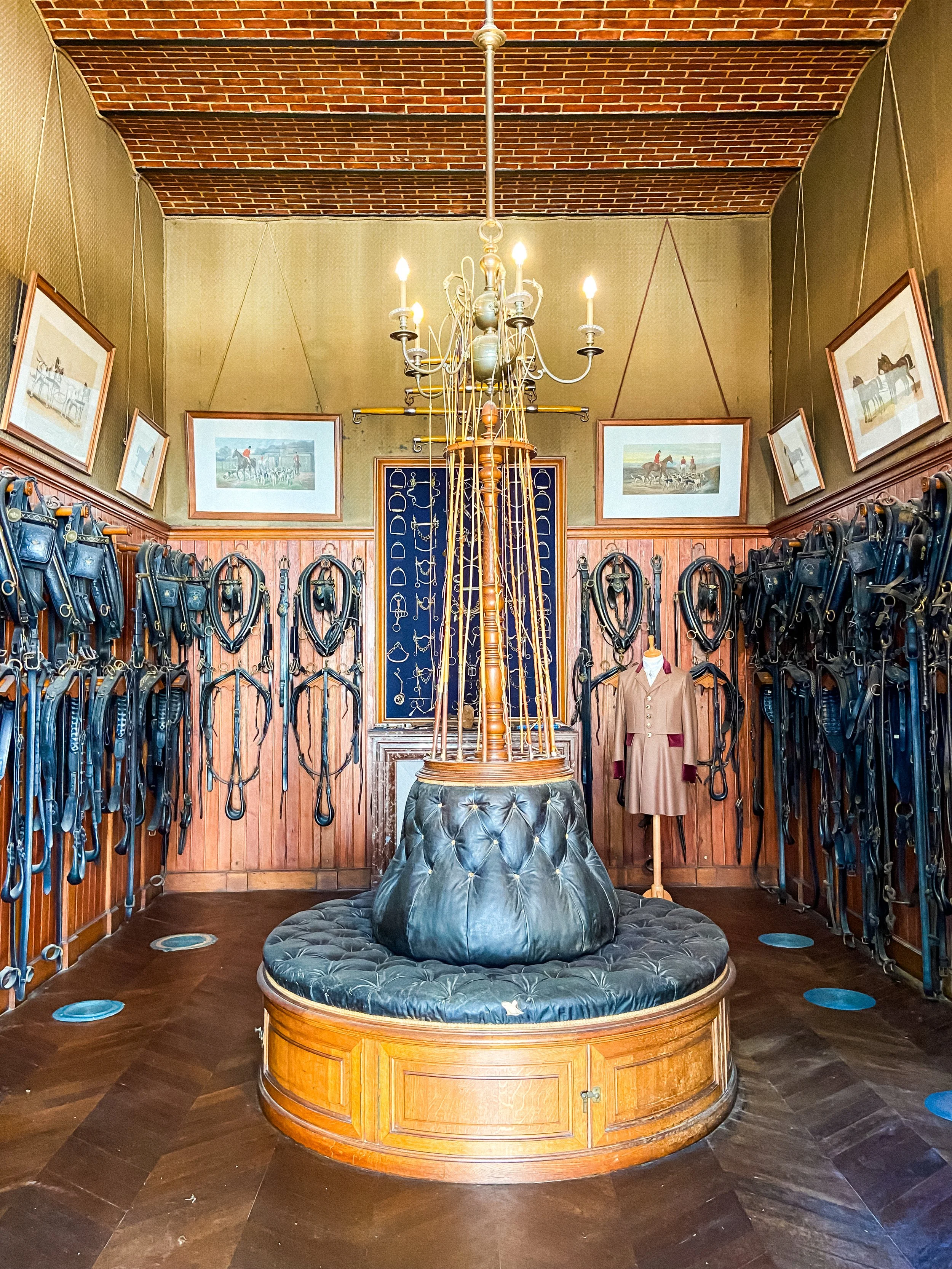
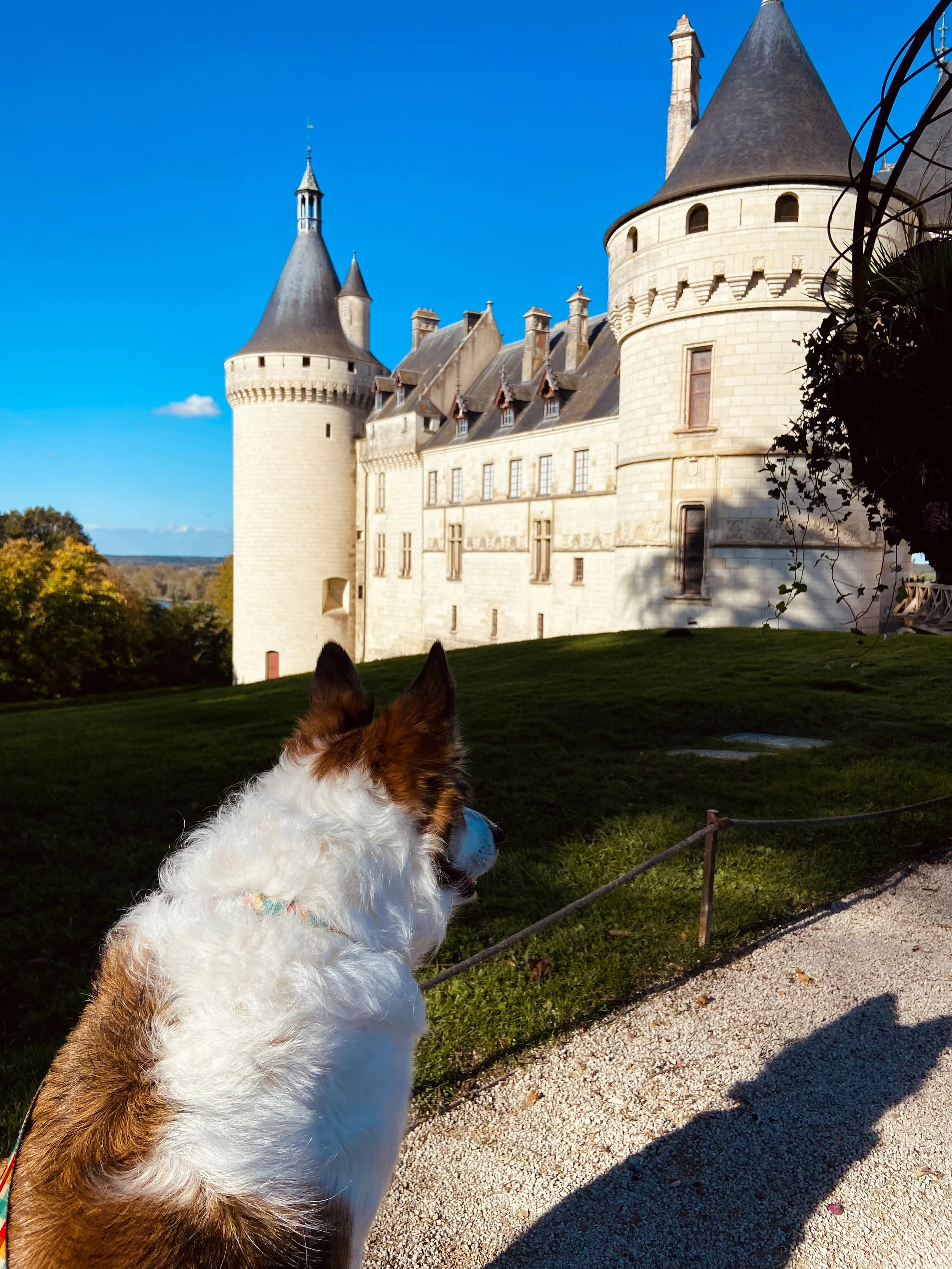
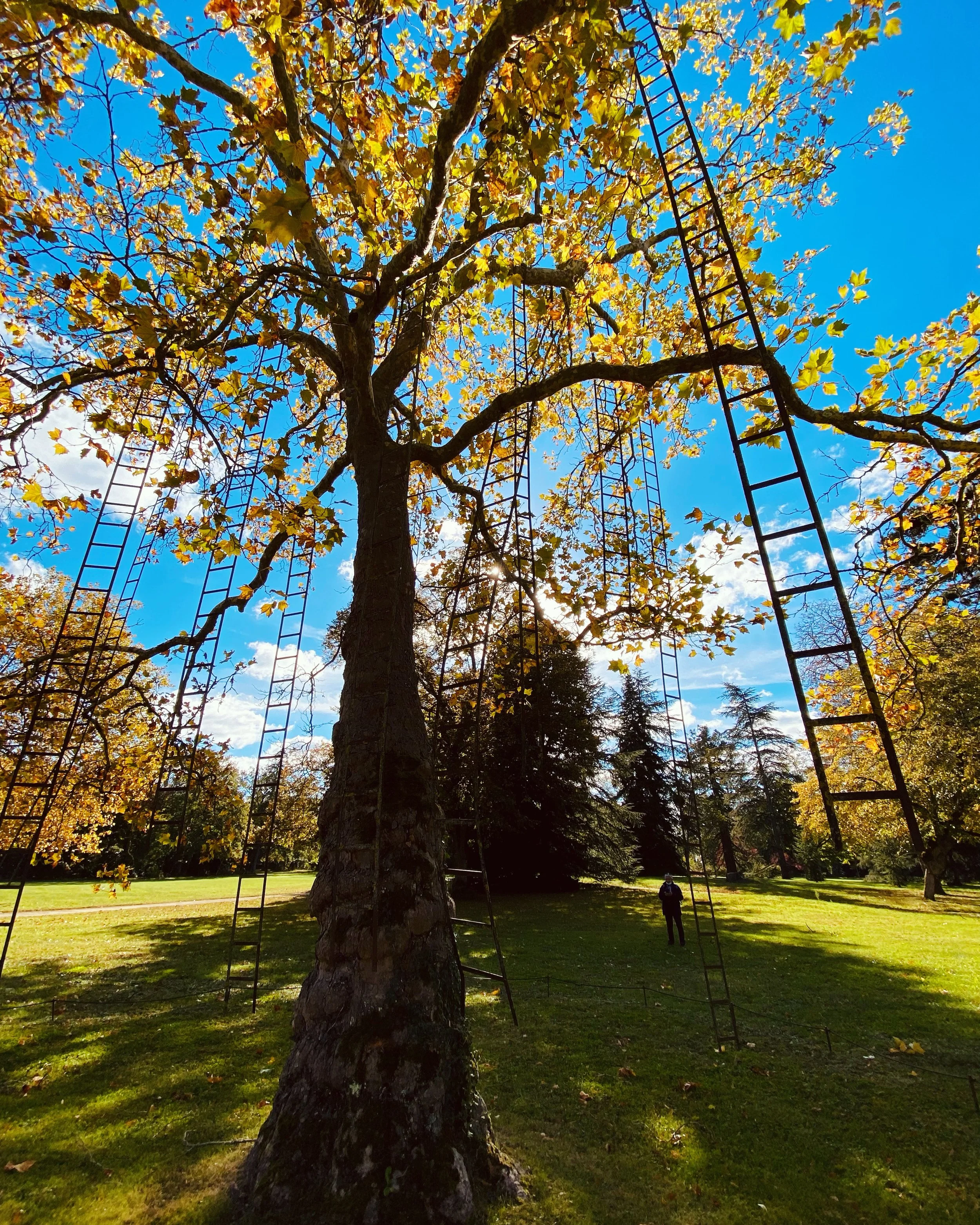
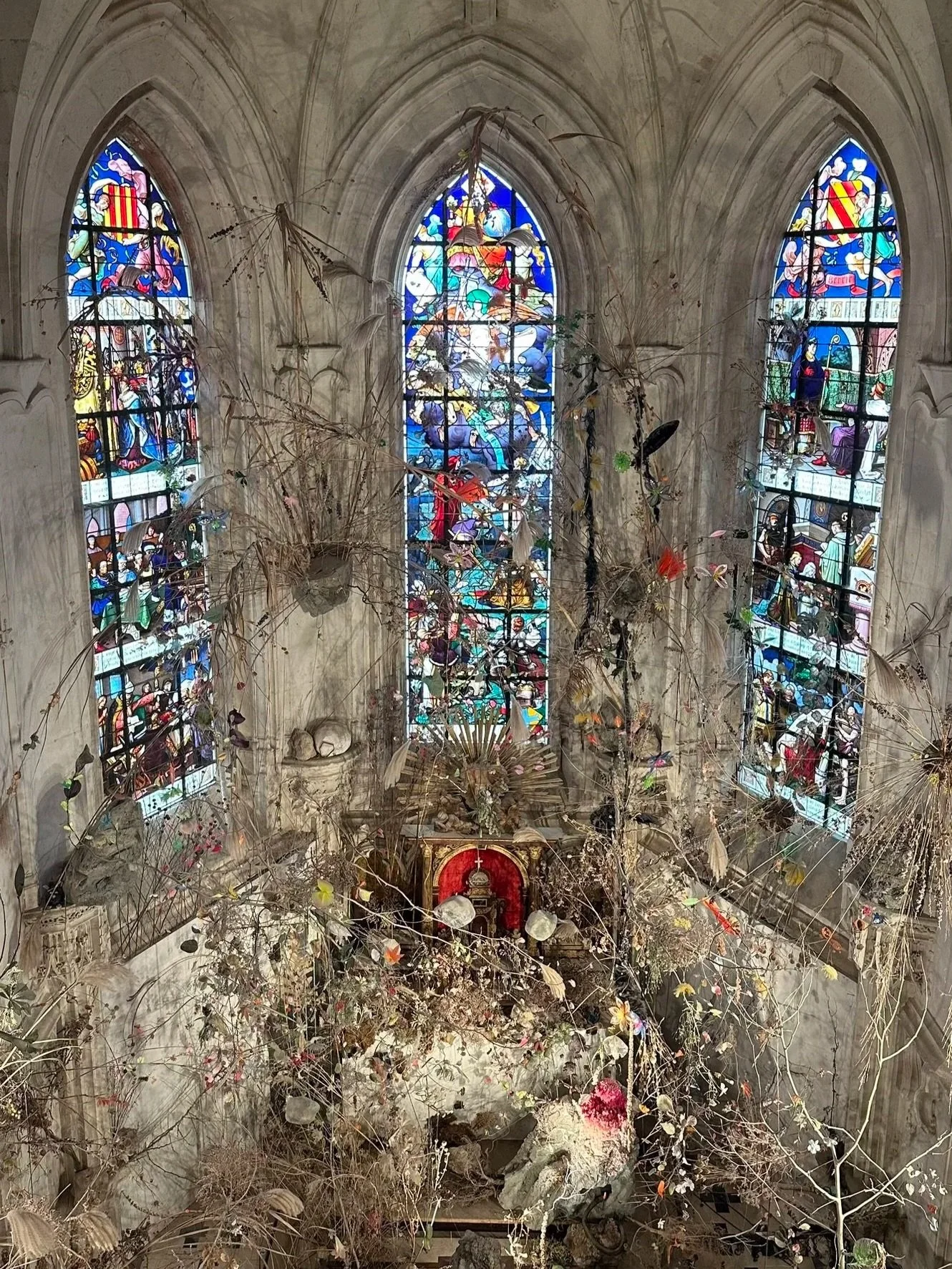
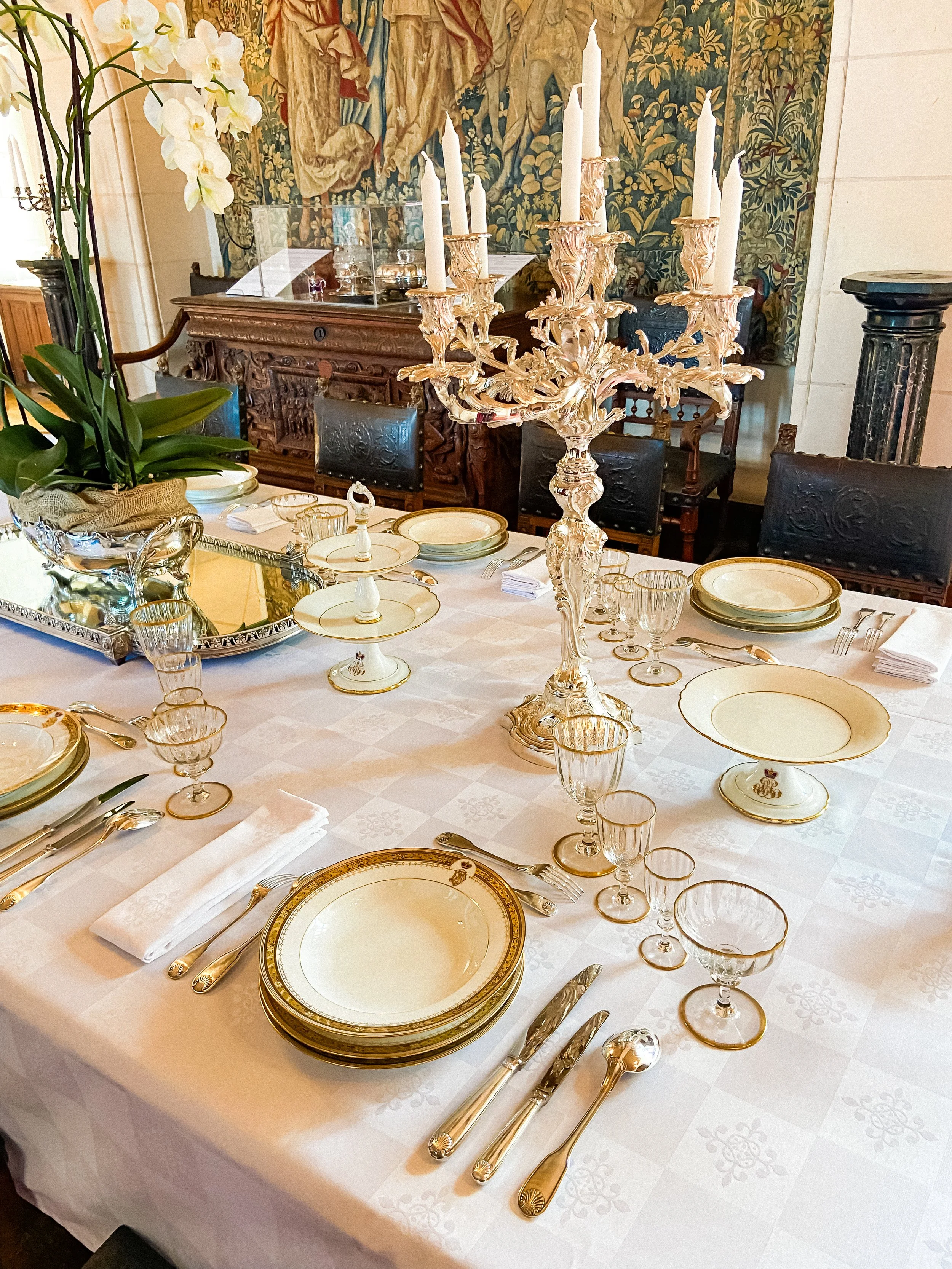
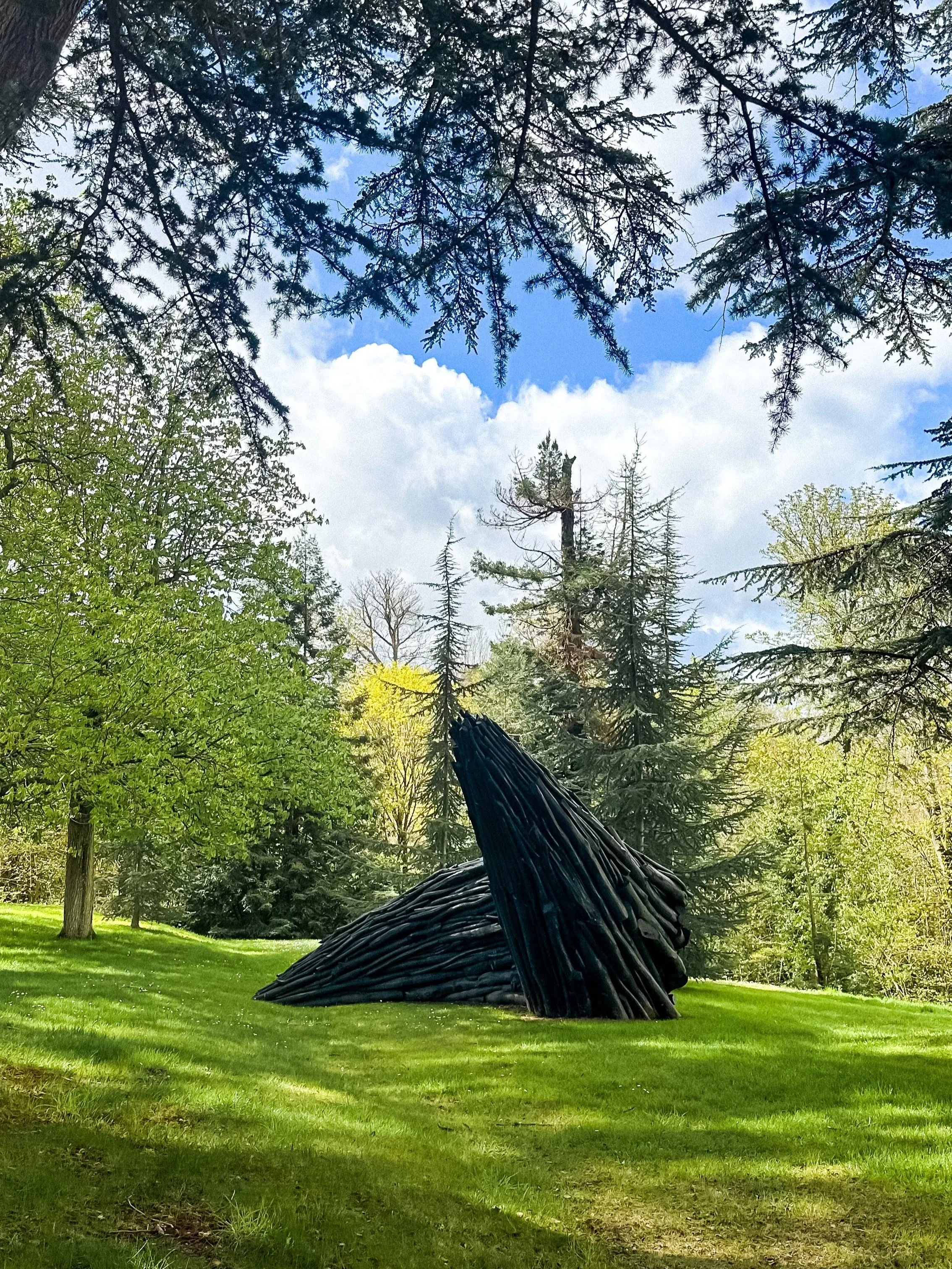
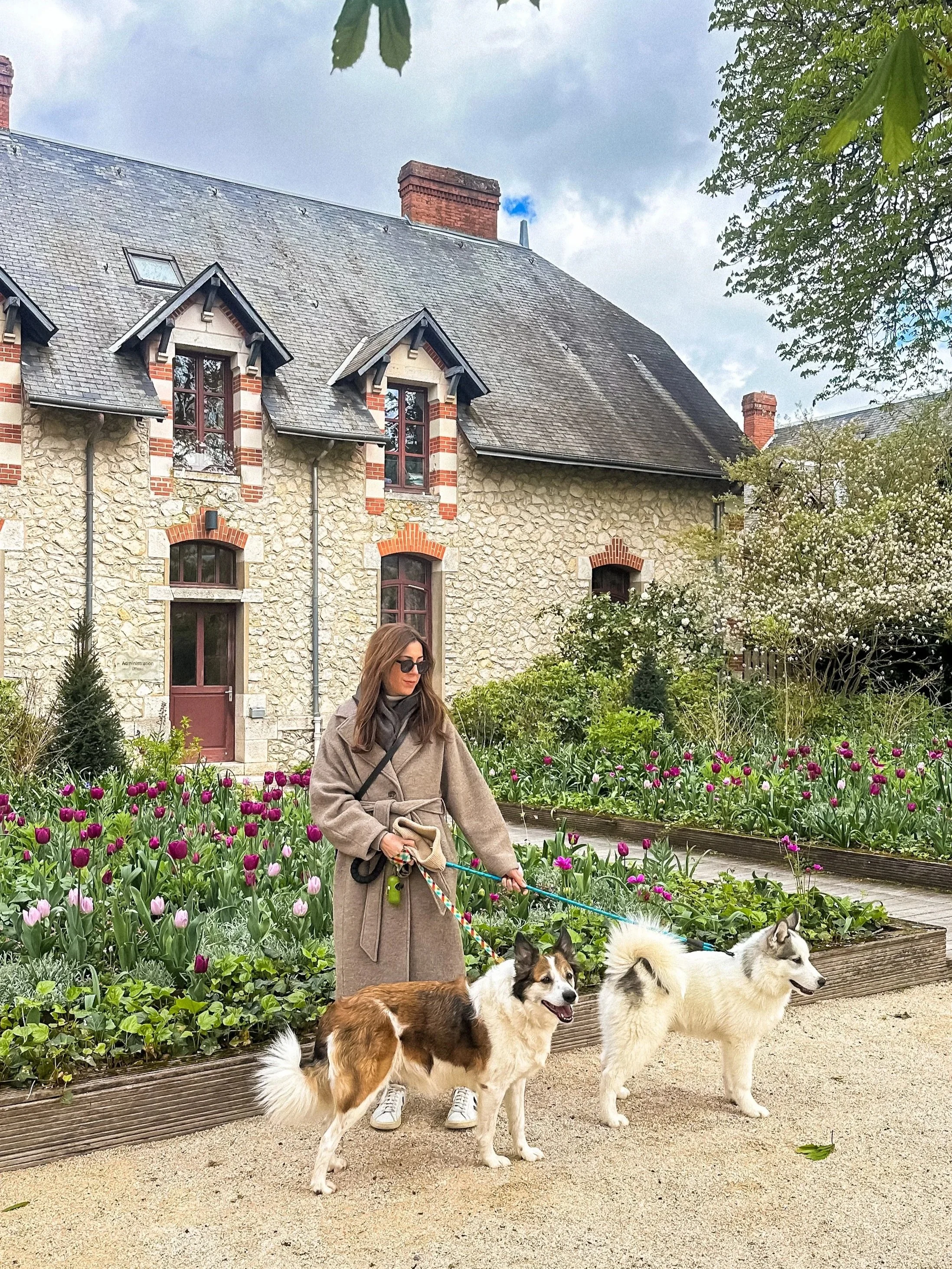
Château de Chaumont-sur-Loire overlooks the Loire River and has a long history linked to royal power struggles.
In the 16th century, it was owned by Catherine de Medici, who later forced Diane de Poitiers to exchange it for Chenonceau.
Today, what makes it unique is its transformation into a center for contemporary art and landscape design. The International Garden Festival, held every year from spring to autumn, brings together designers from around the world to create experimental garden spaces.
It’s one of the most creative château experiences in the region.
Practical info
Open: year-round
Festival: April–November
Website: domaine-chaumont.fr
Time to visit: 2–3 hours
Best for: gardens, art, photography
Château de Chenonceau
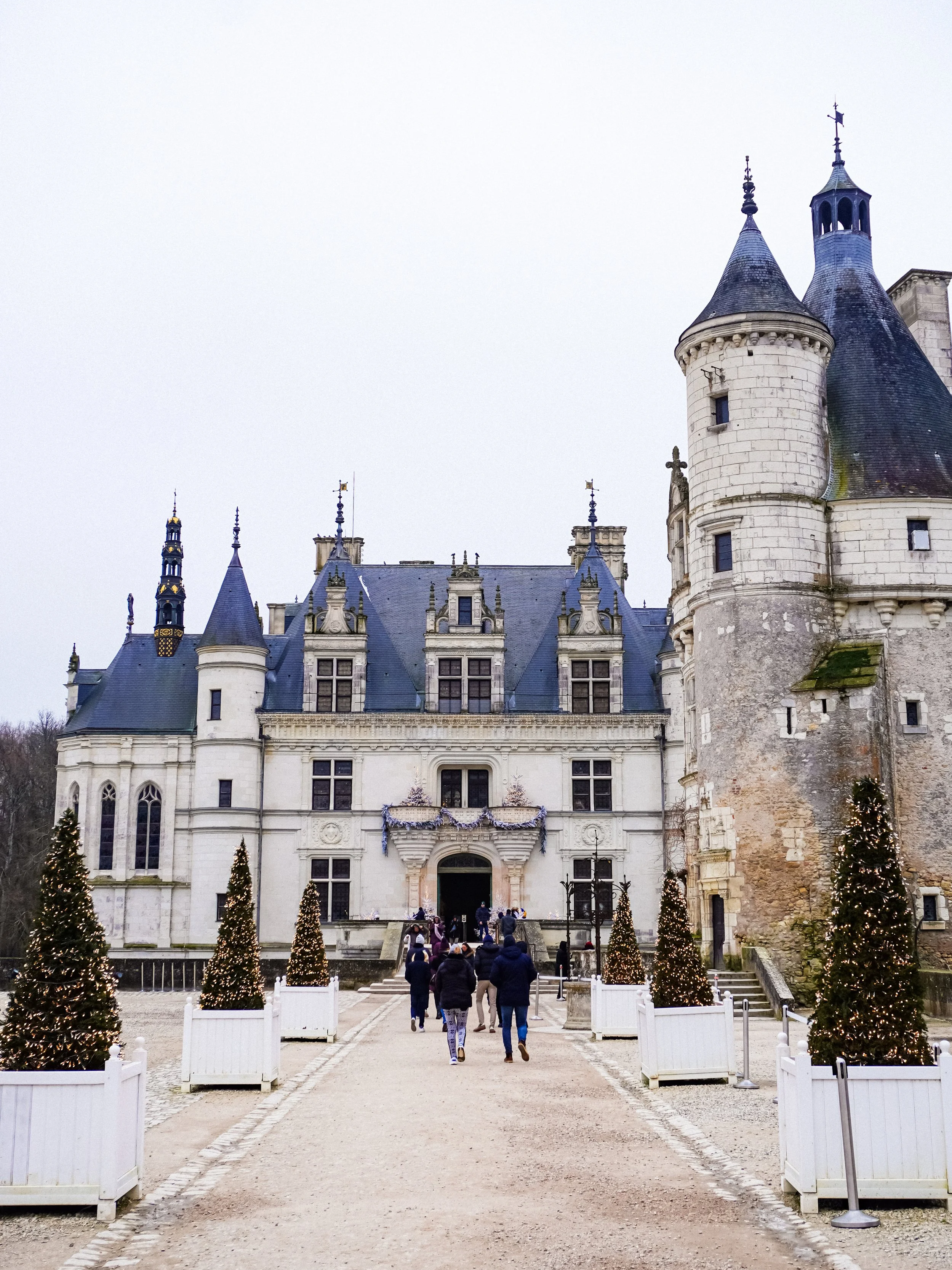
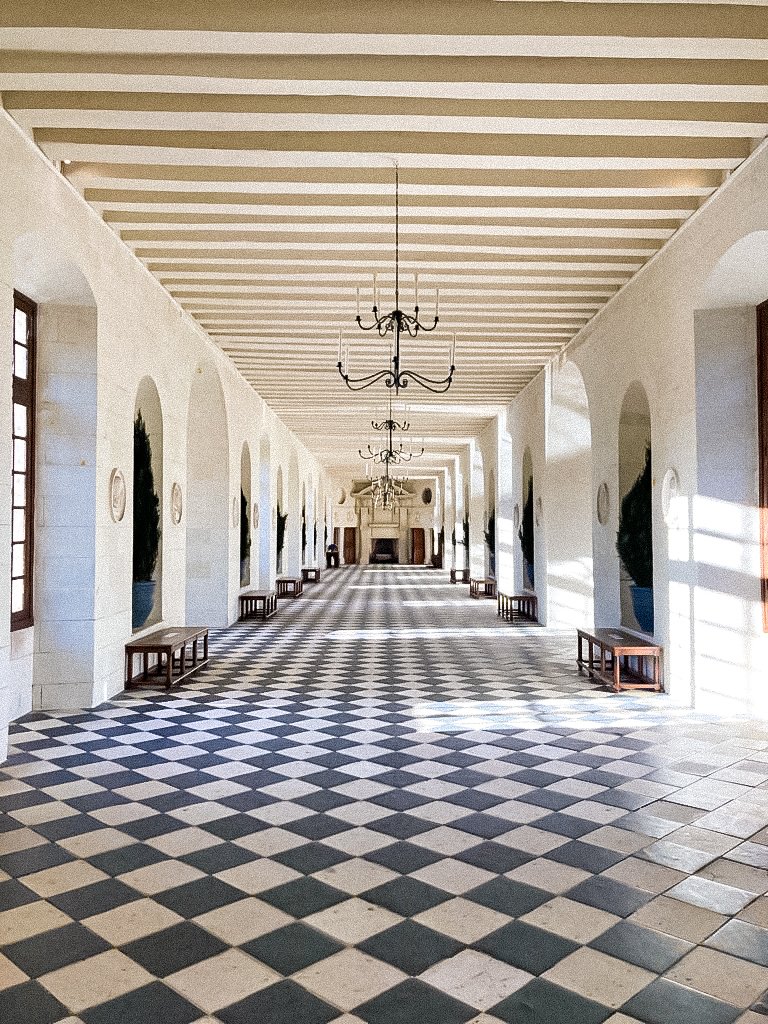
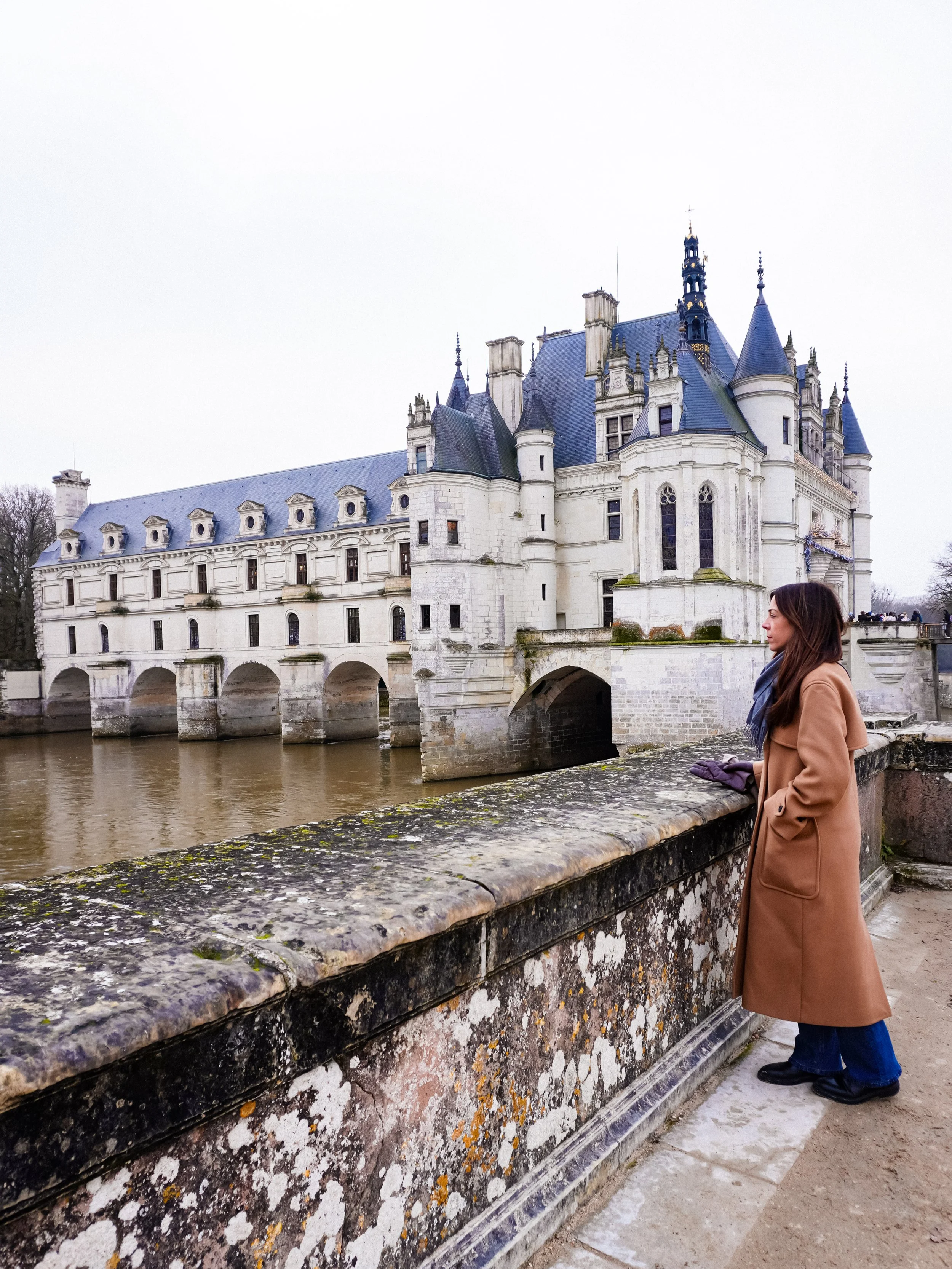
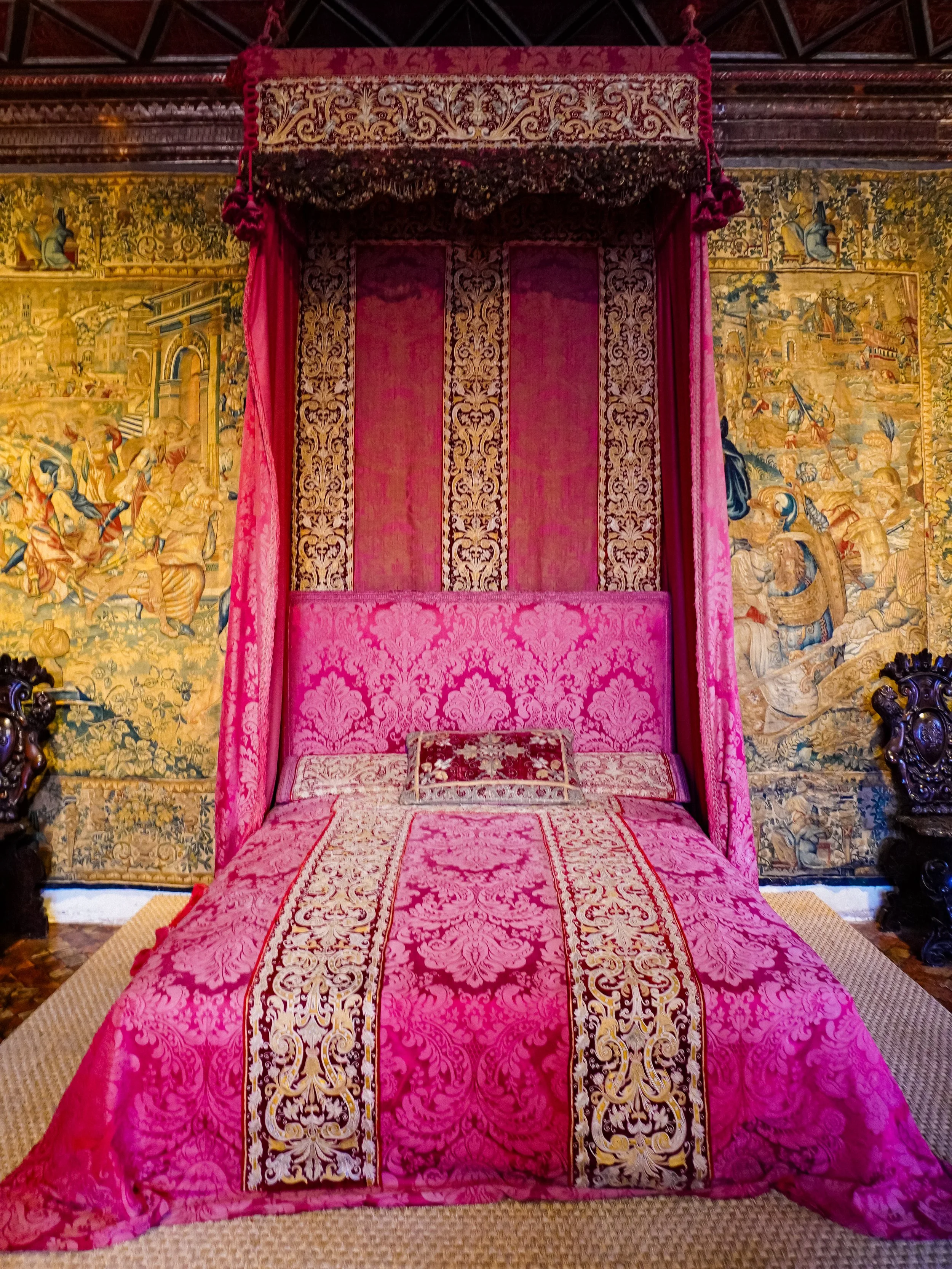
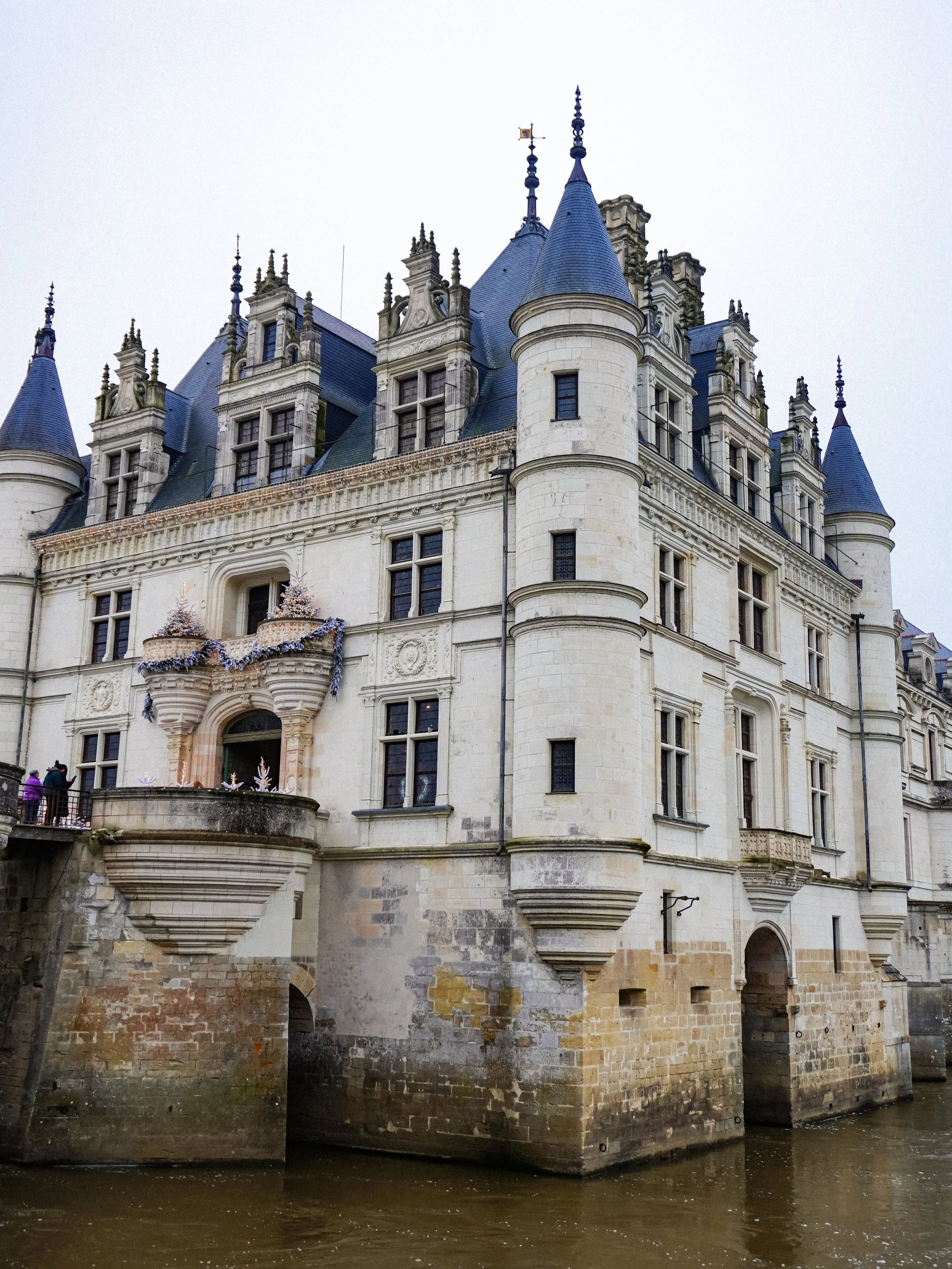
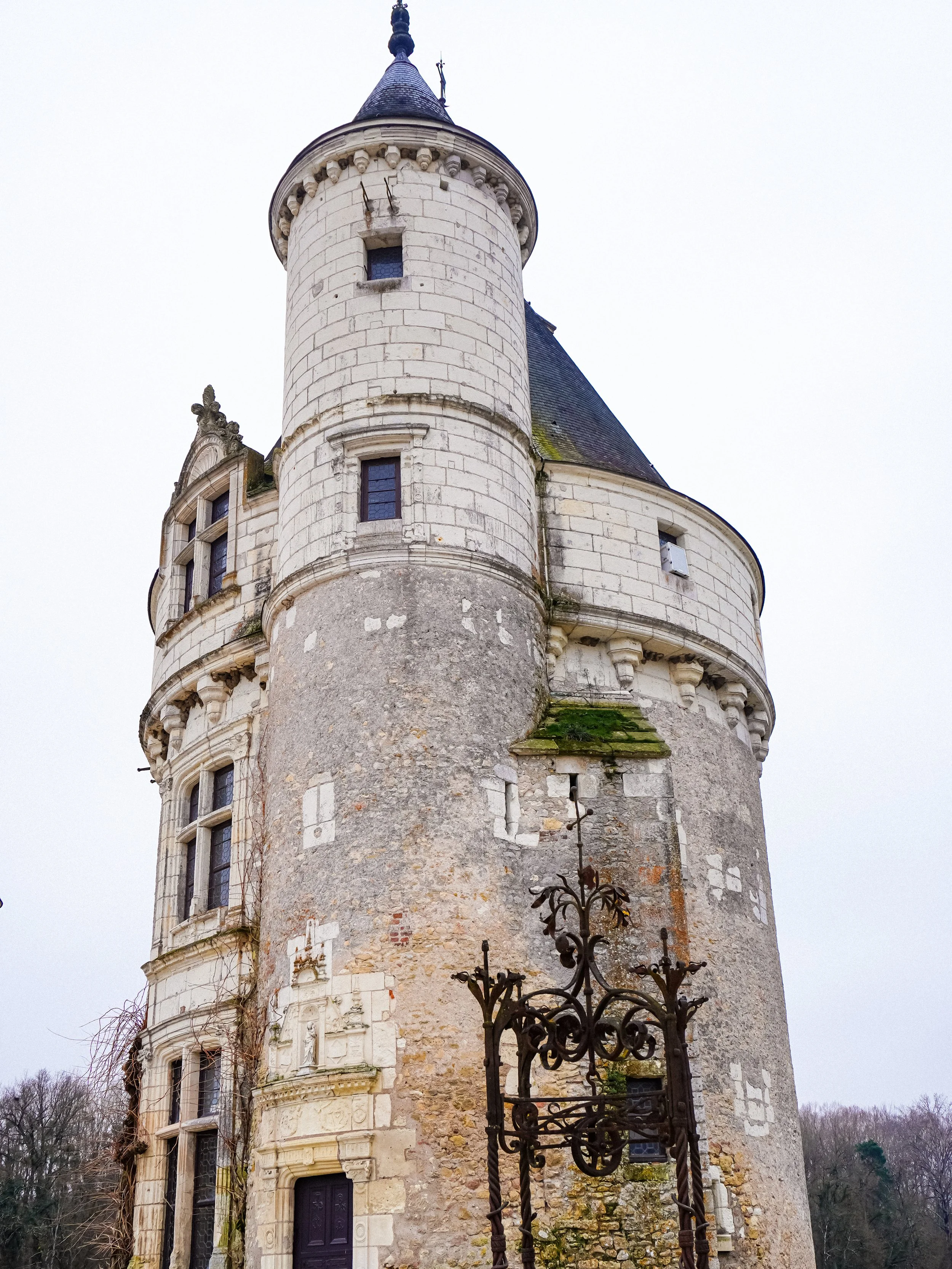
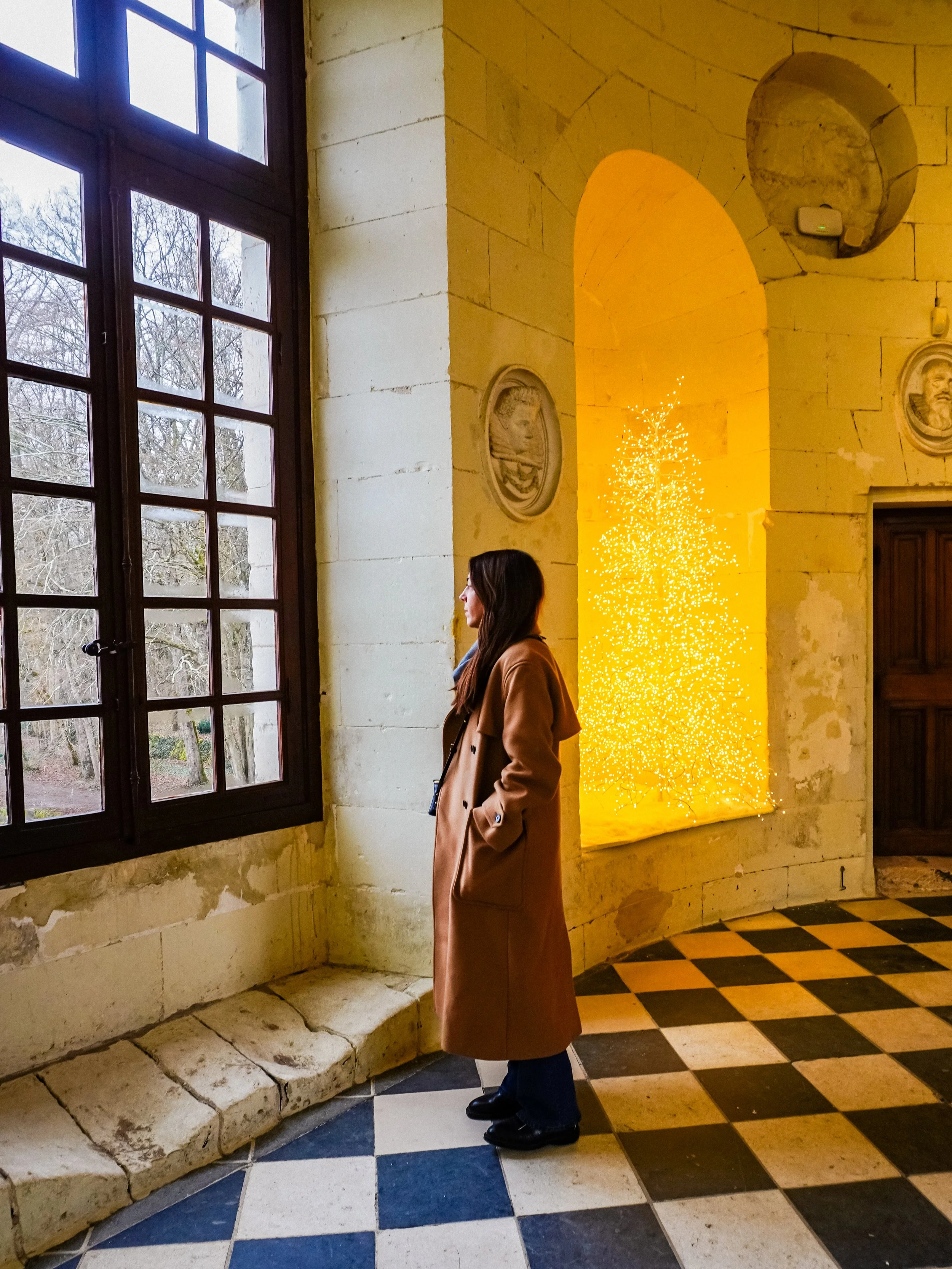
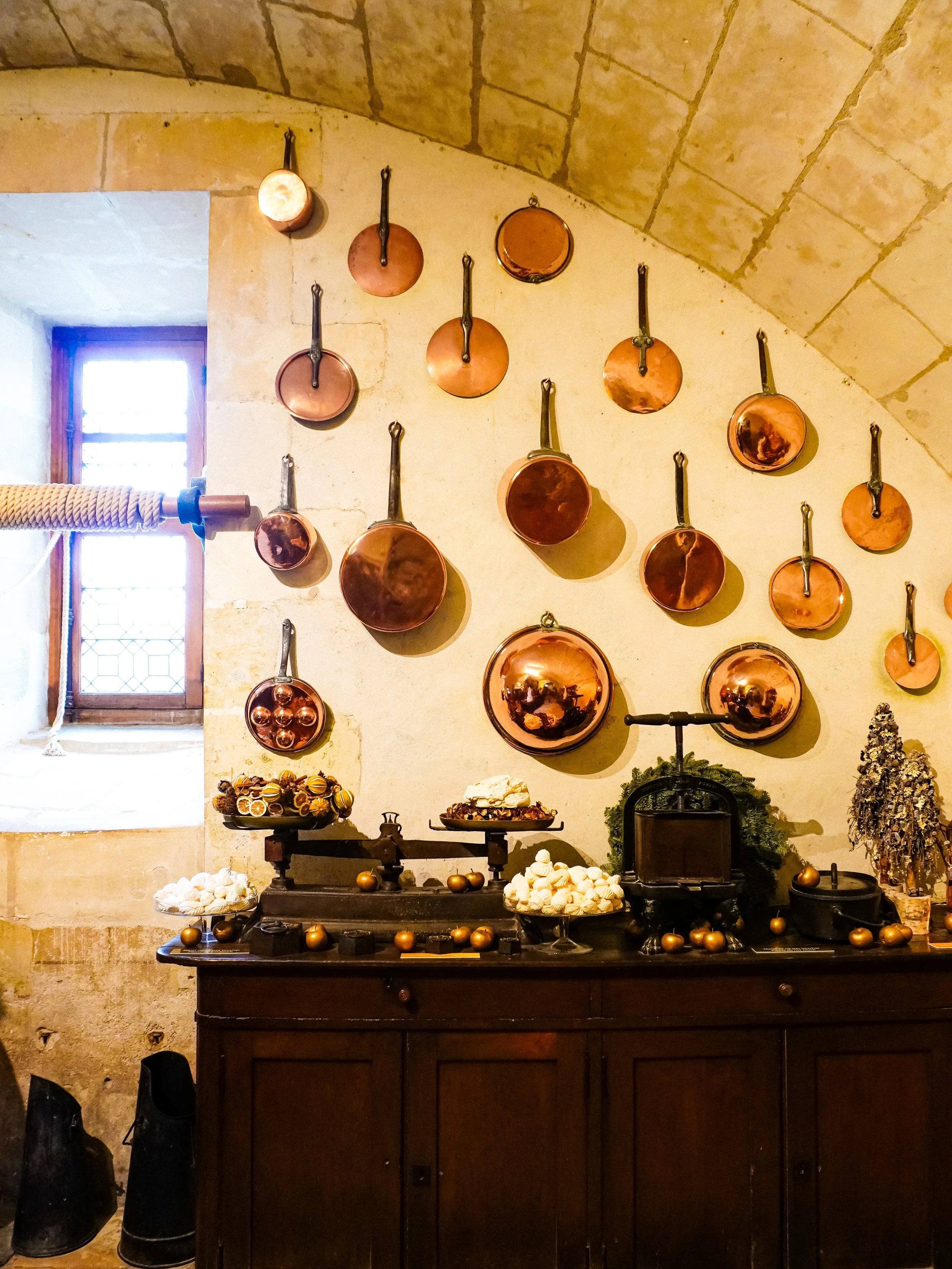
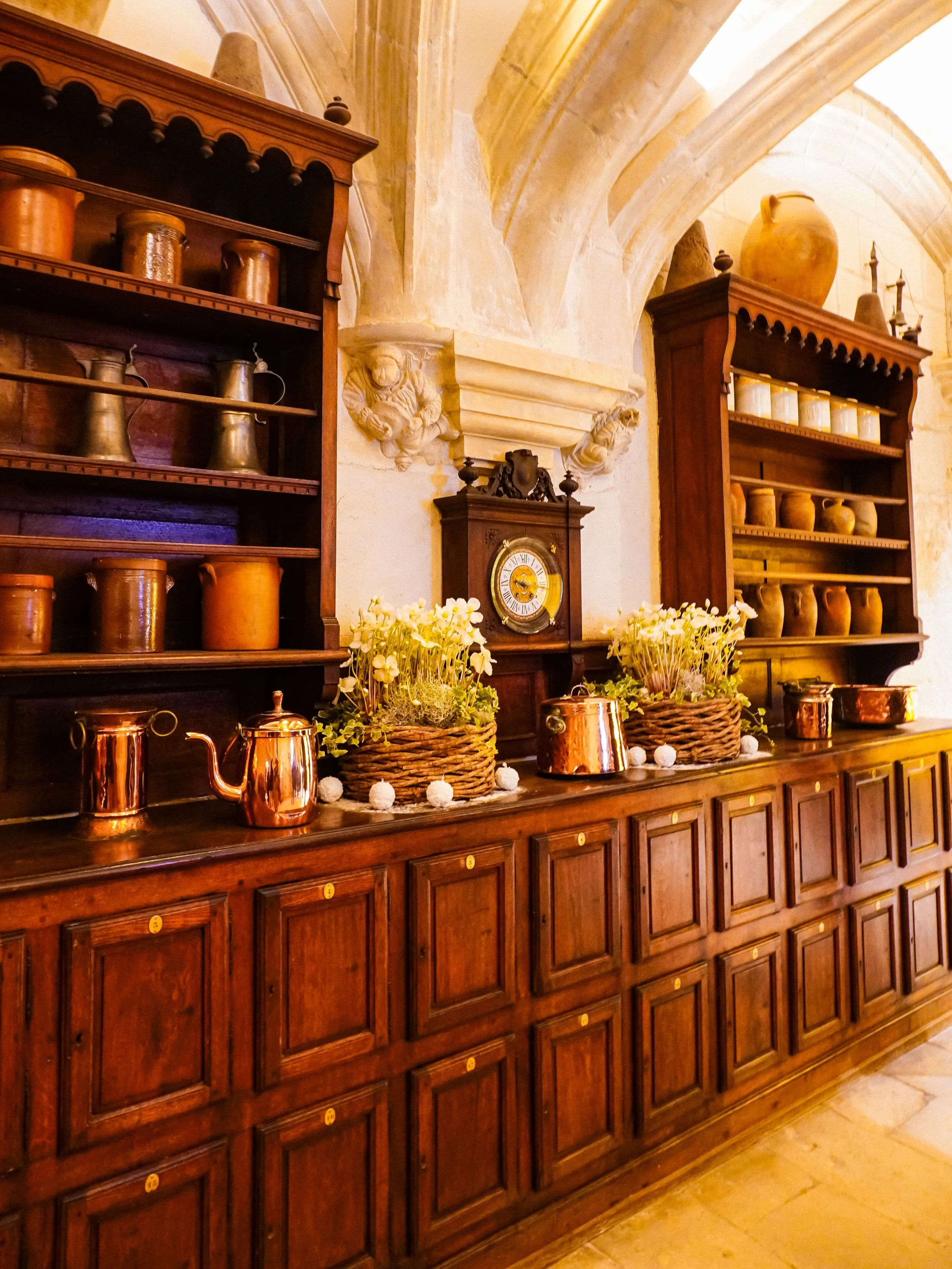
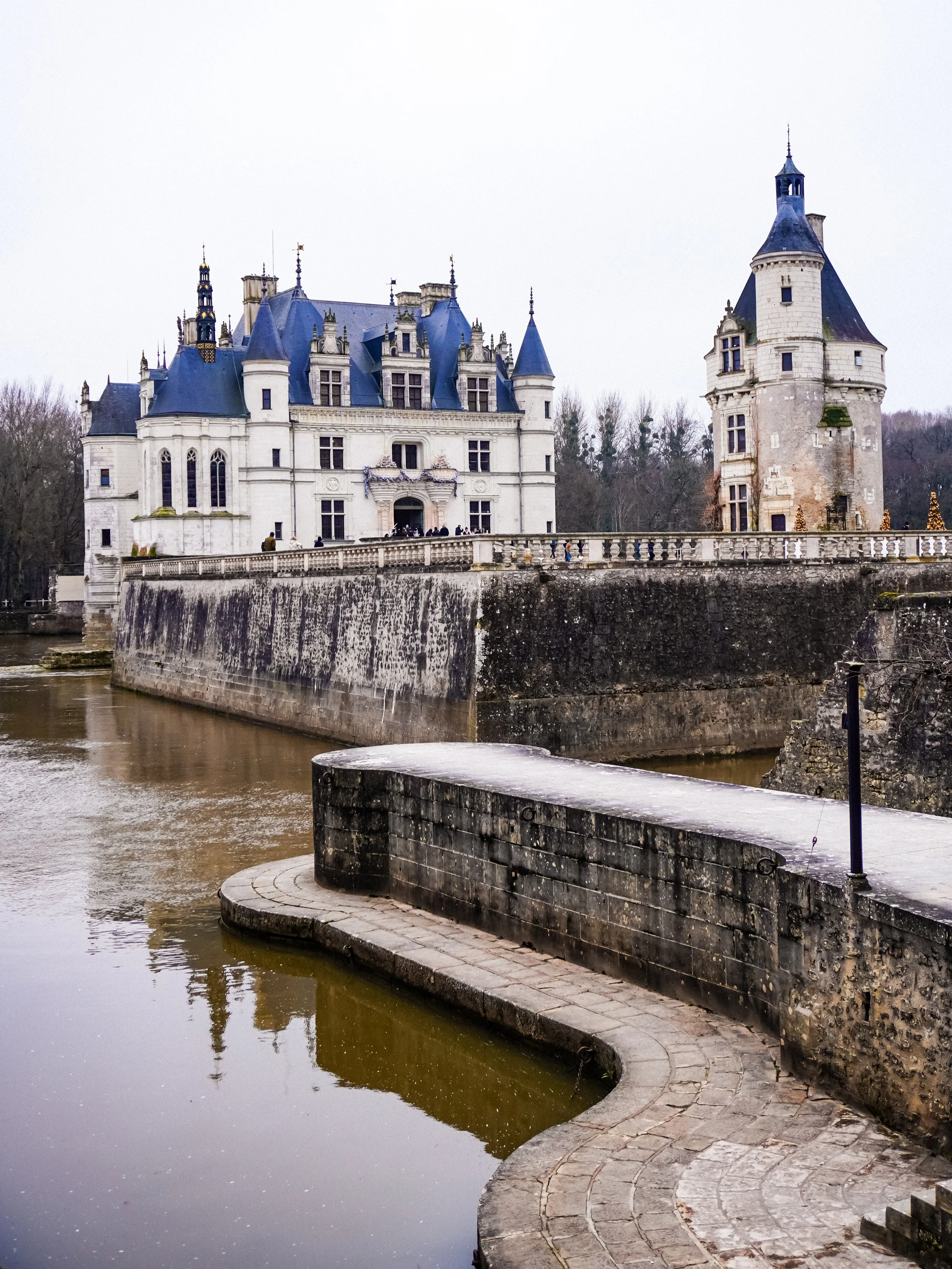
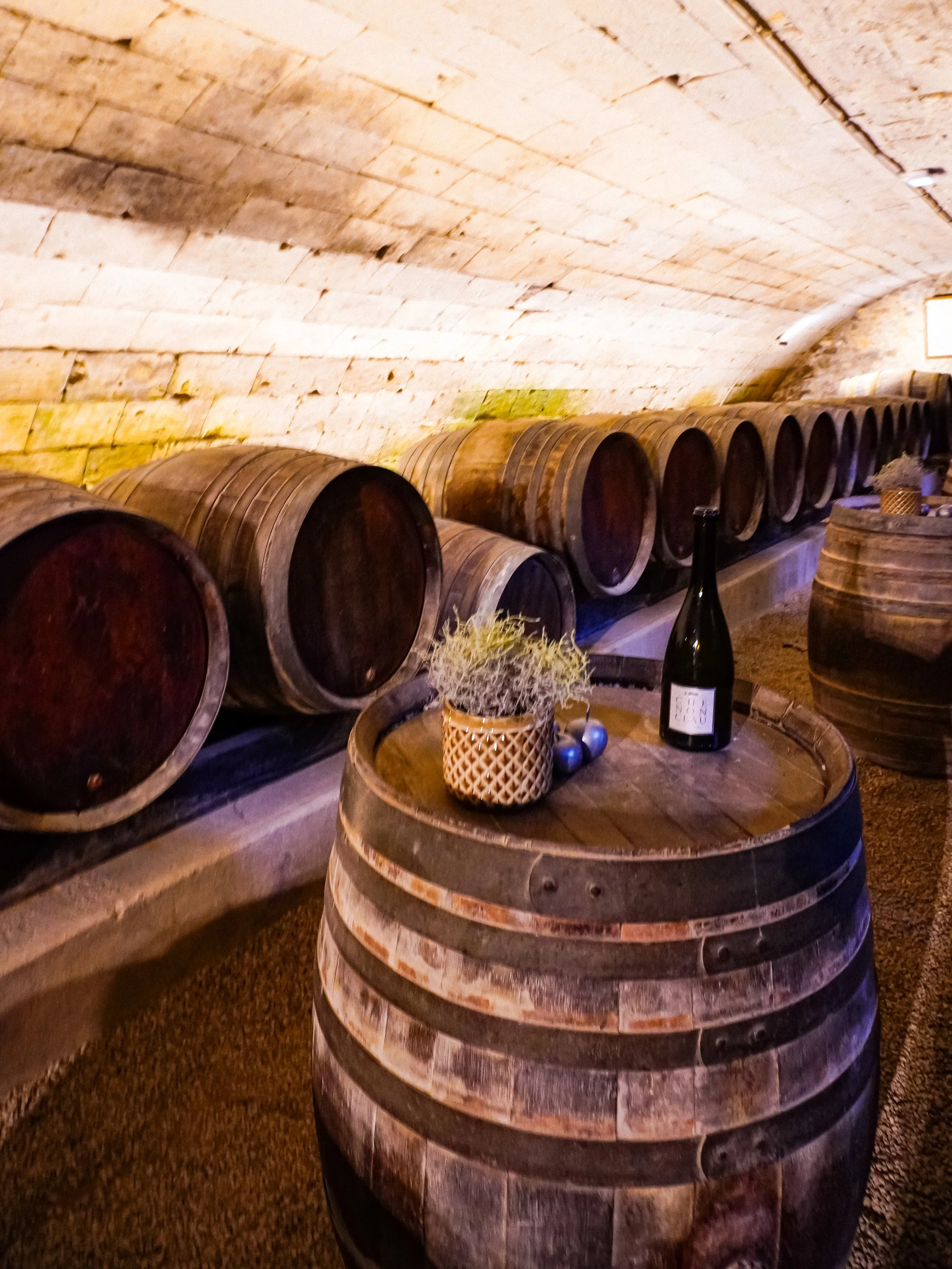
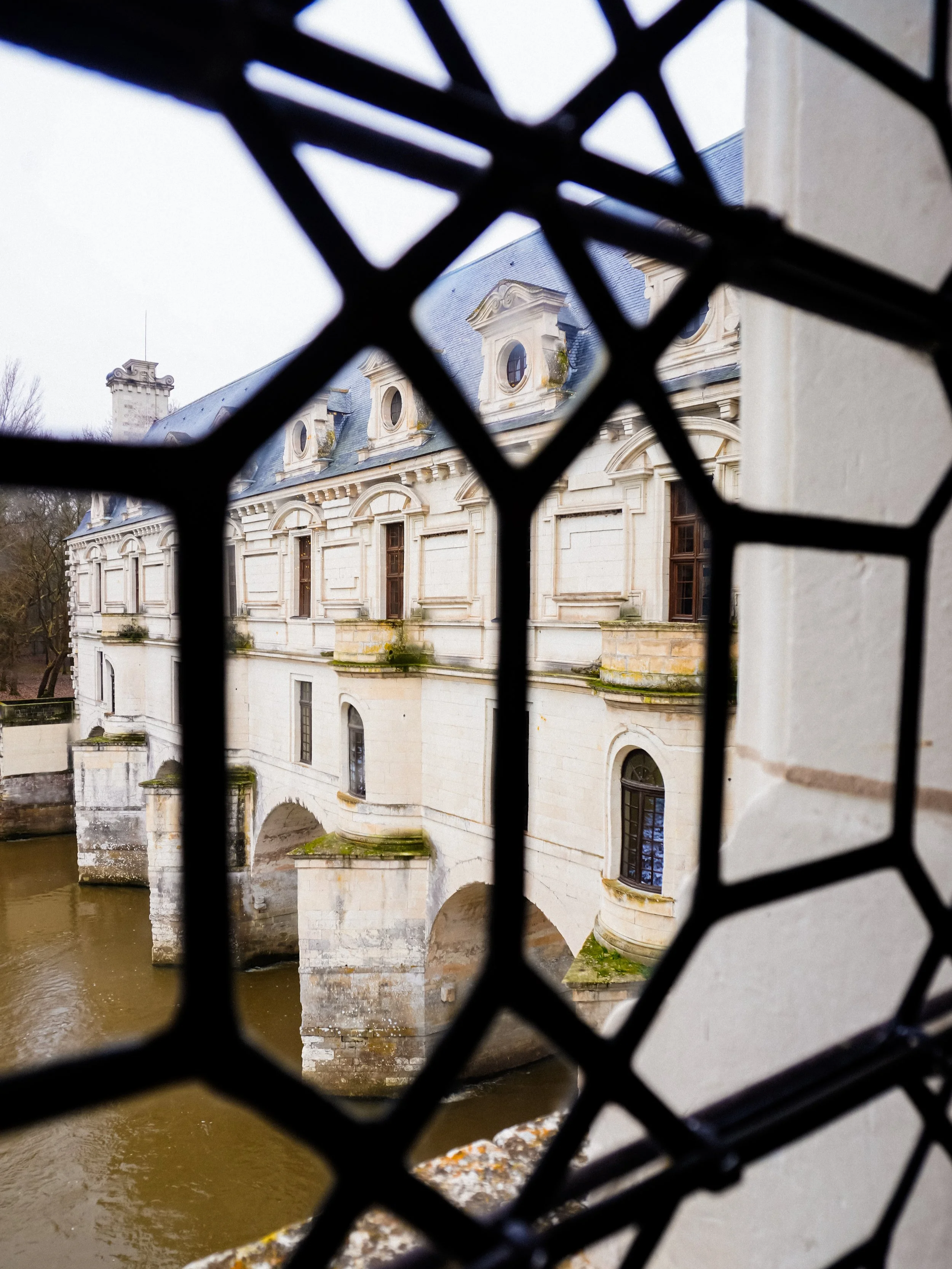
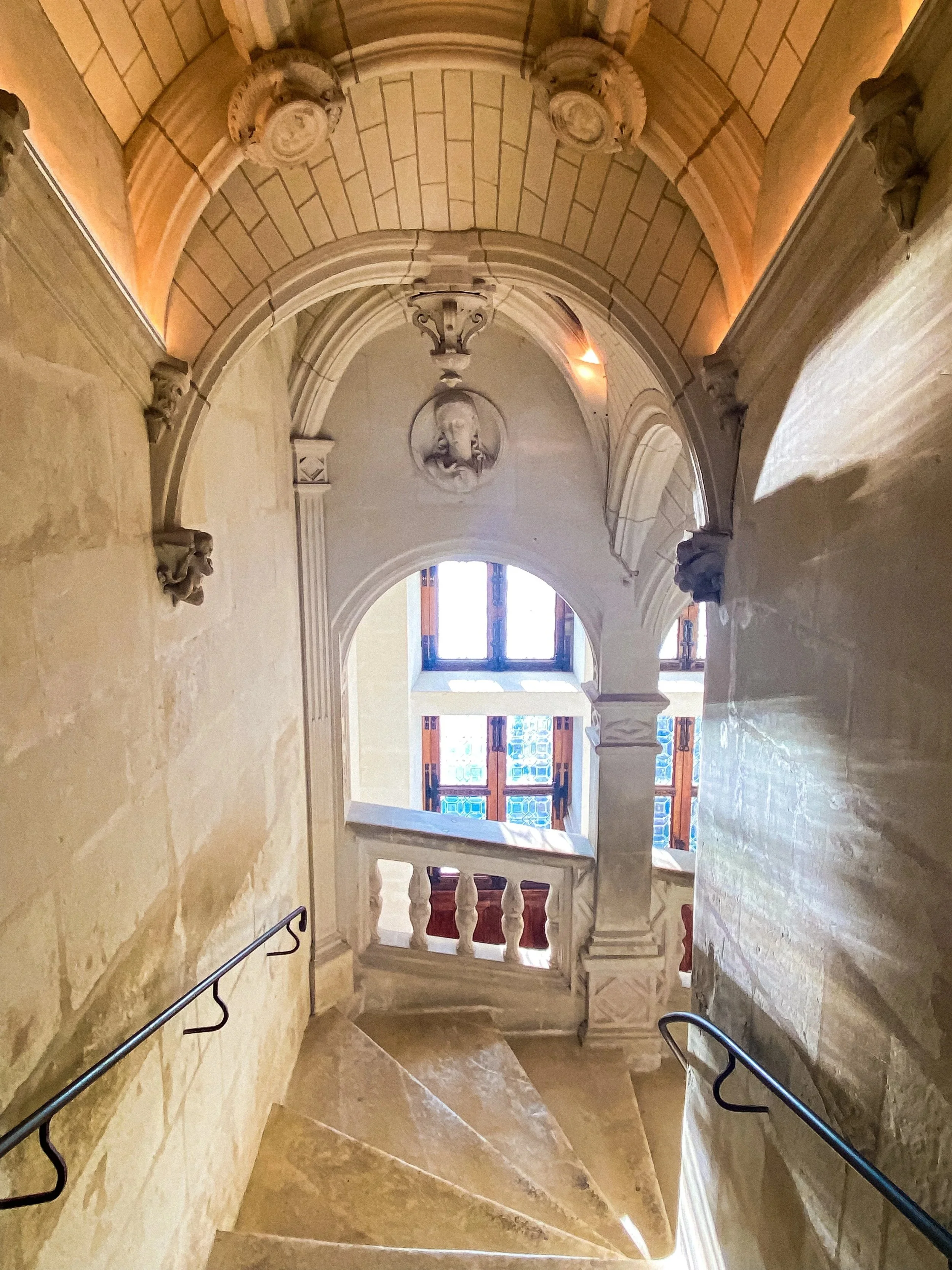
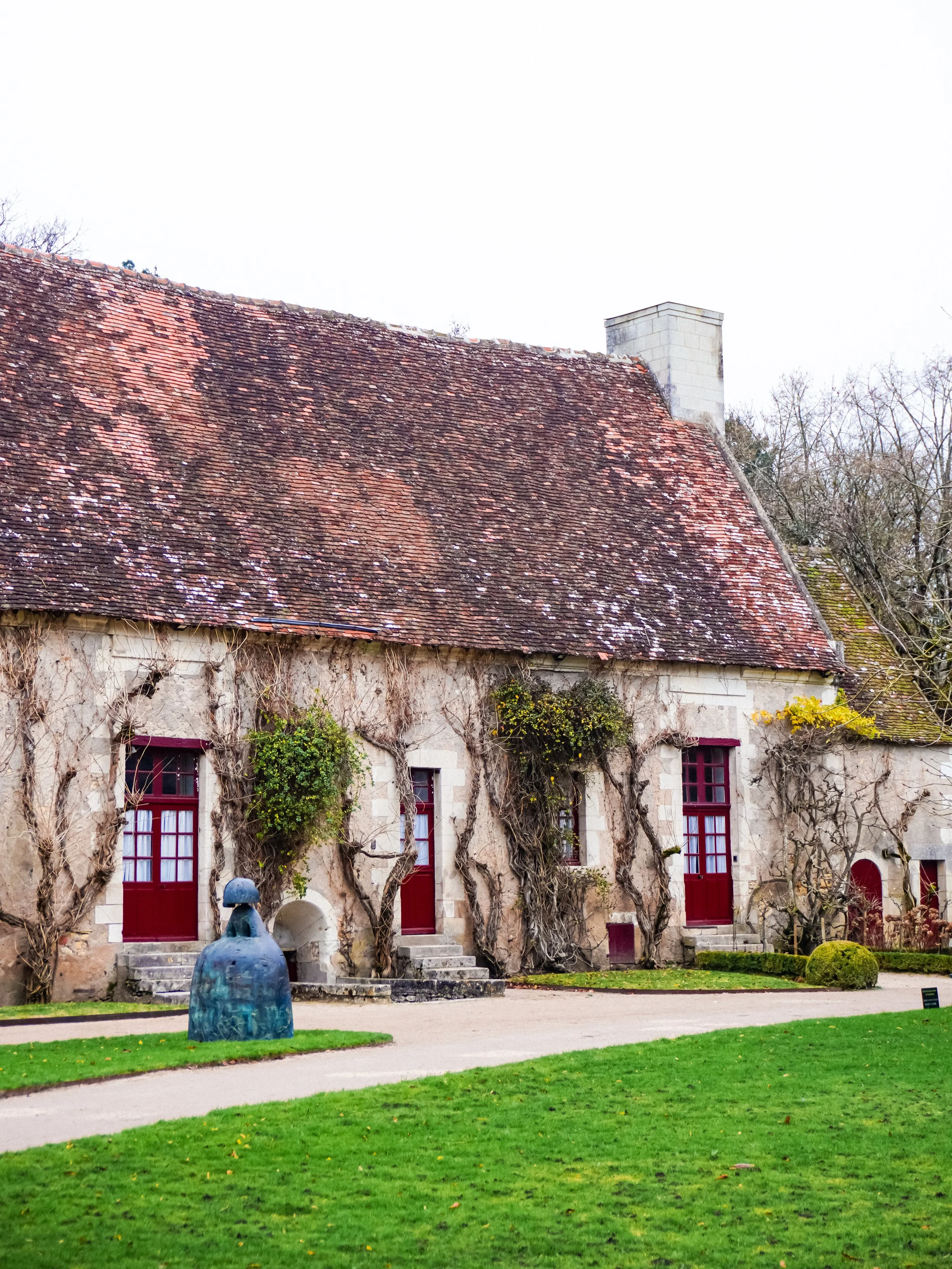

Château de Chenonceau is one of the most elegant châteaux in France.
Built in the 16th century over the River Cher, it is known as the “Ladies’ Château” because it was shaped by powerful women, including Diane de Poitiers and Catherine de Medici.
The long gallery stretching over the river is its most iconic feature and was even used as a hospital during World War I.
The gardens, designed in formal French style, are also a highlight.
Practical info
Open: daily, ~9:00am–6:00pm (seasonal variation)
Website: chenonceau.com
Time to visit: 2 hours
Tip: early morning or late afternoon for fewer crowds
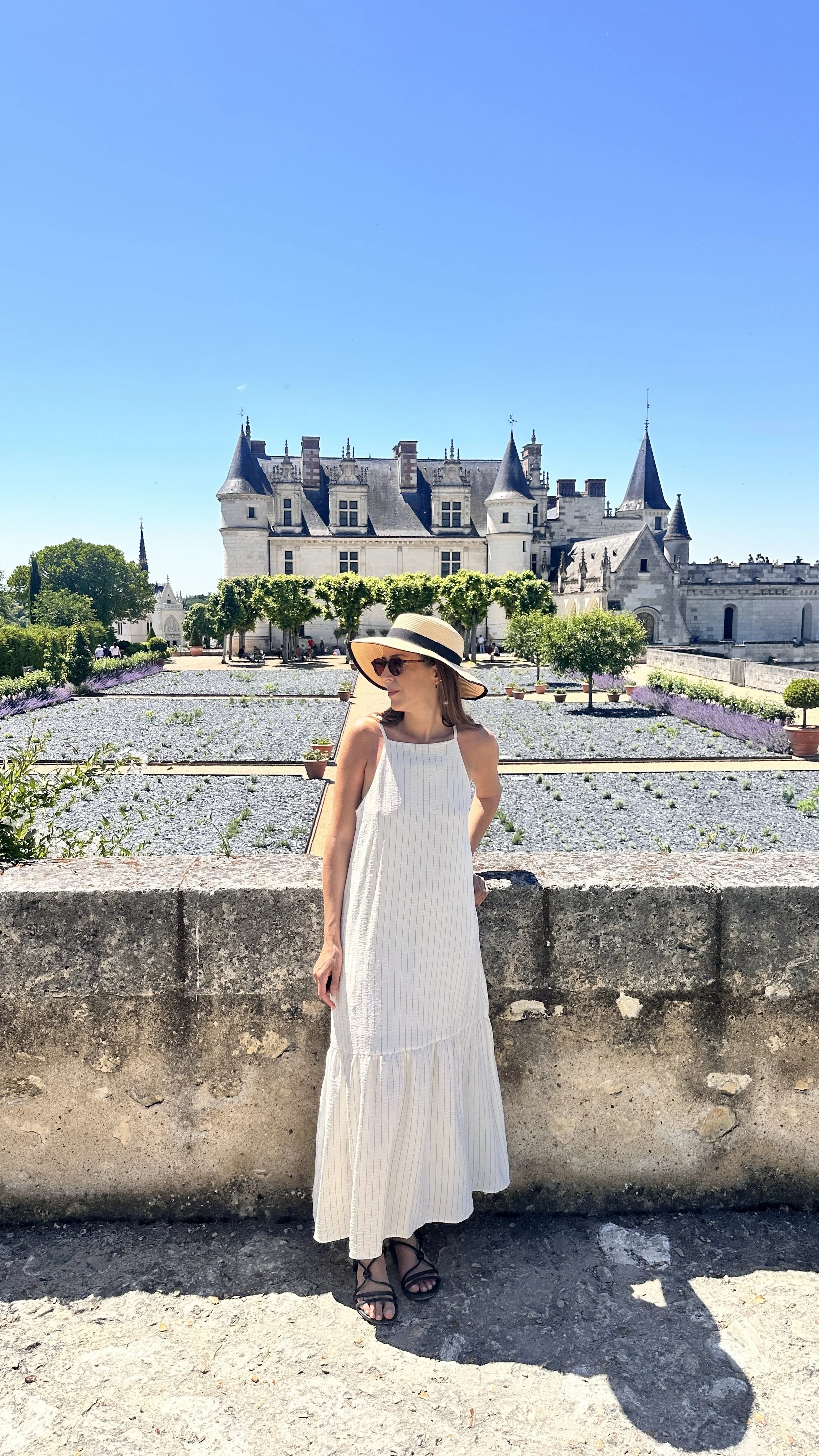
Château Royal d’Amboise
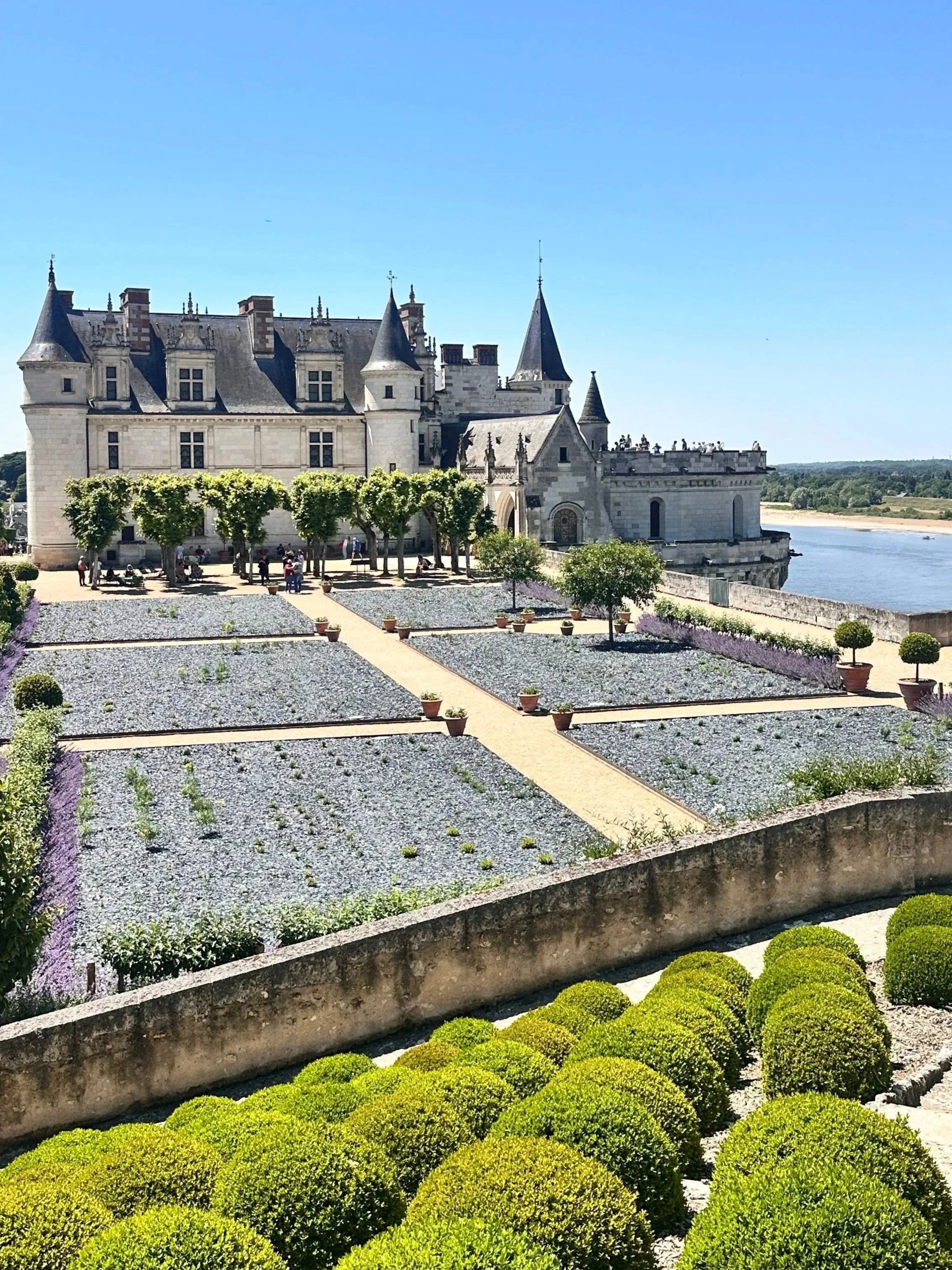
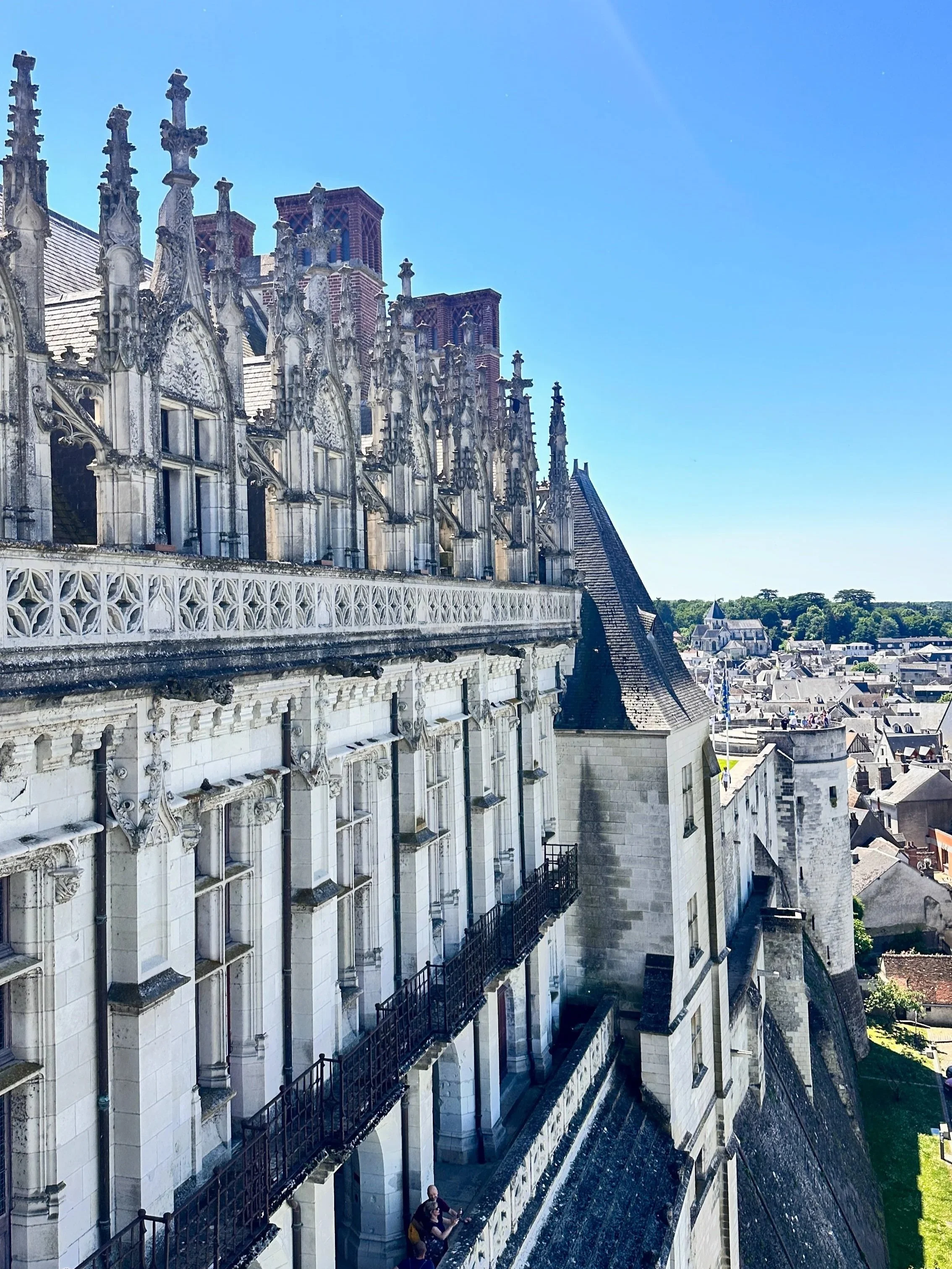
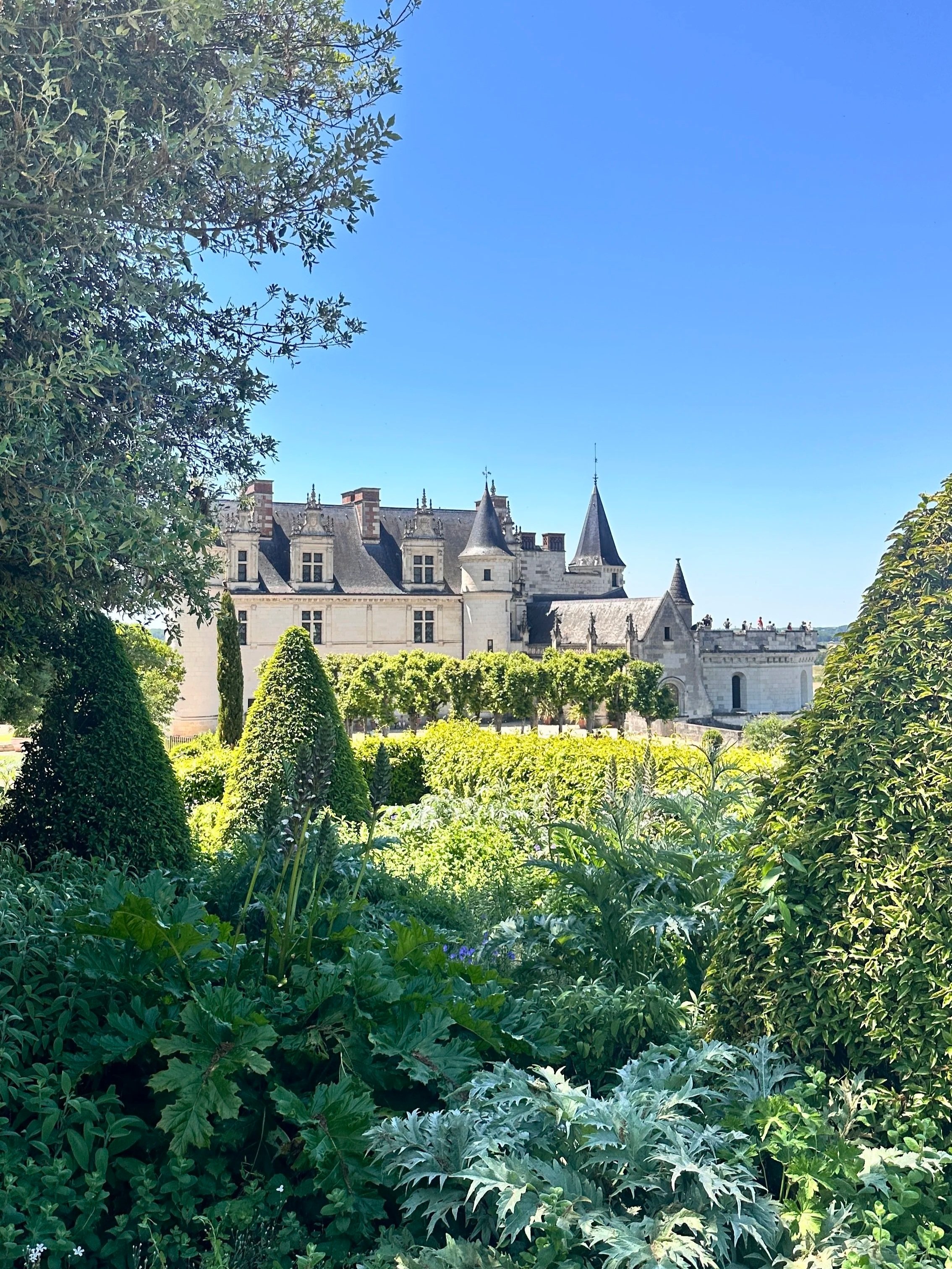
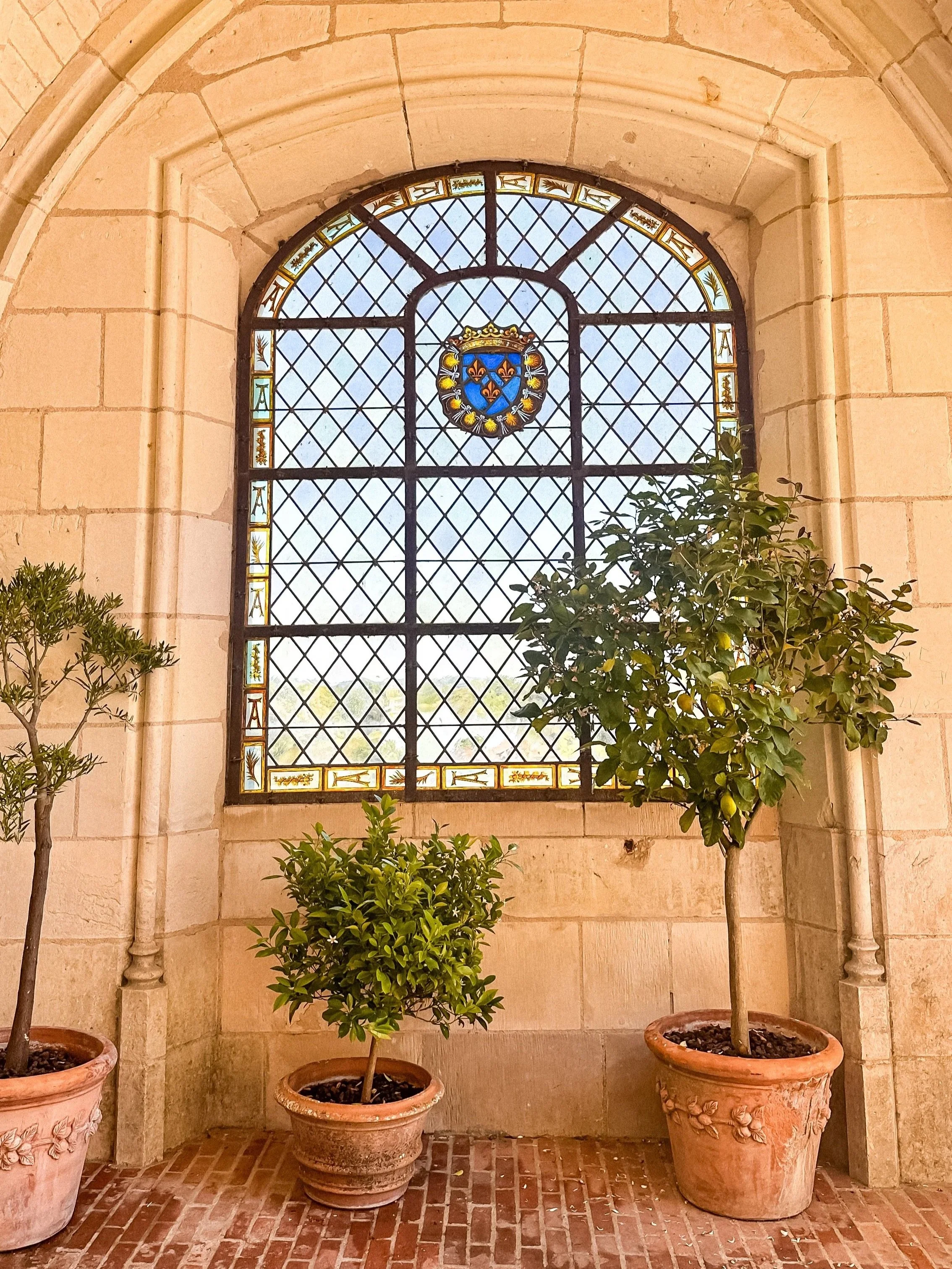
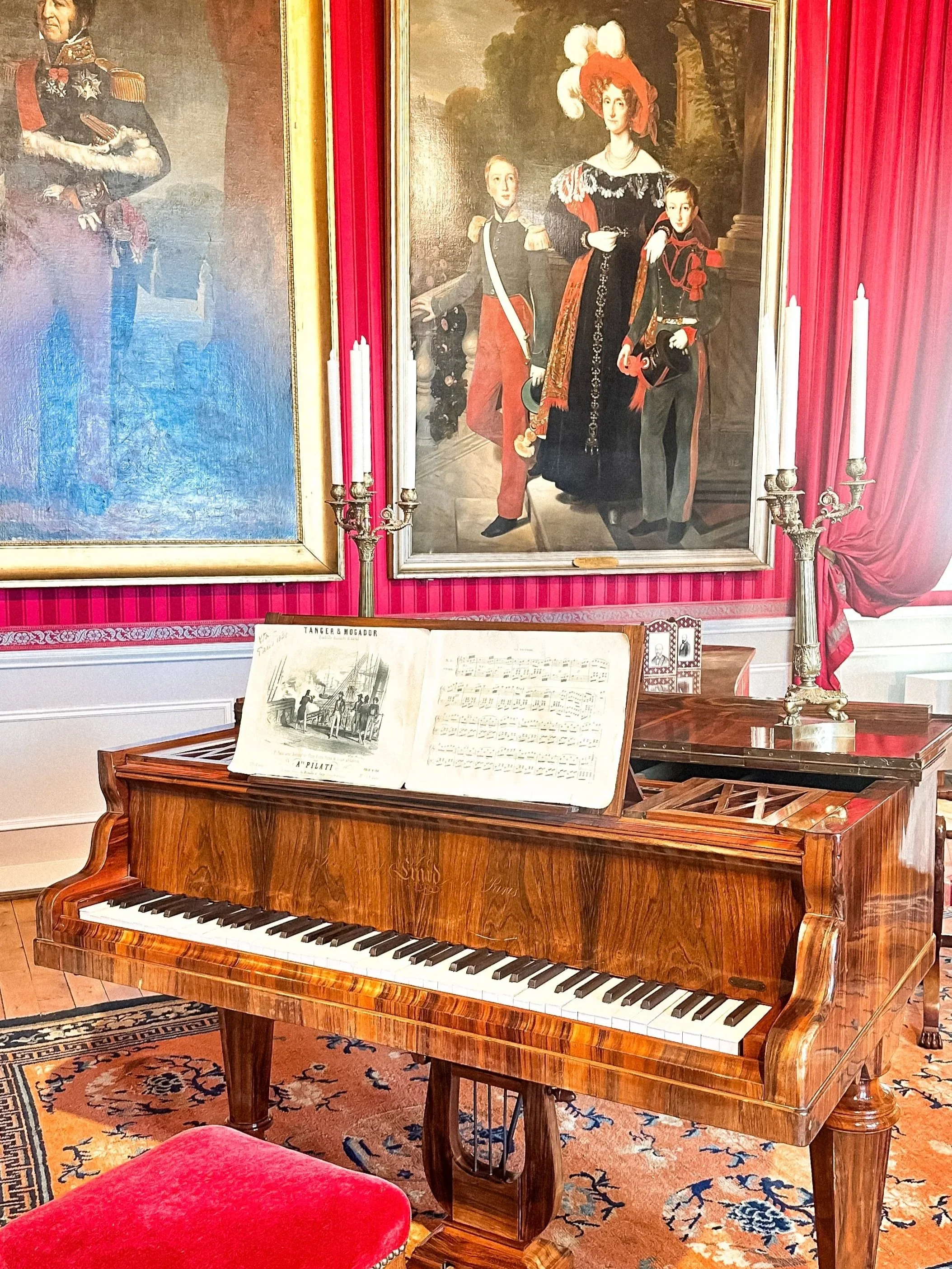
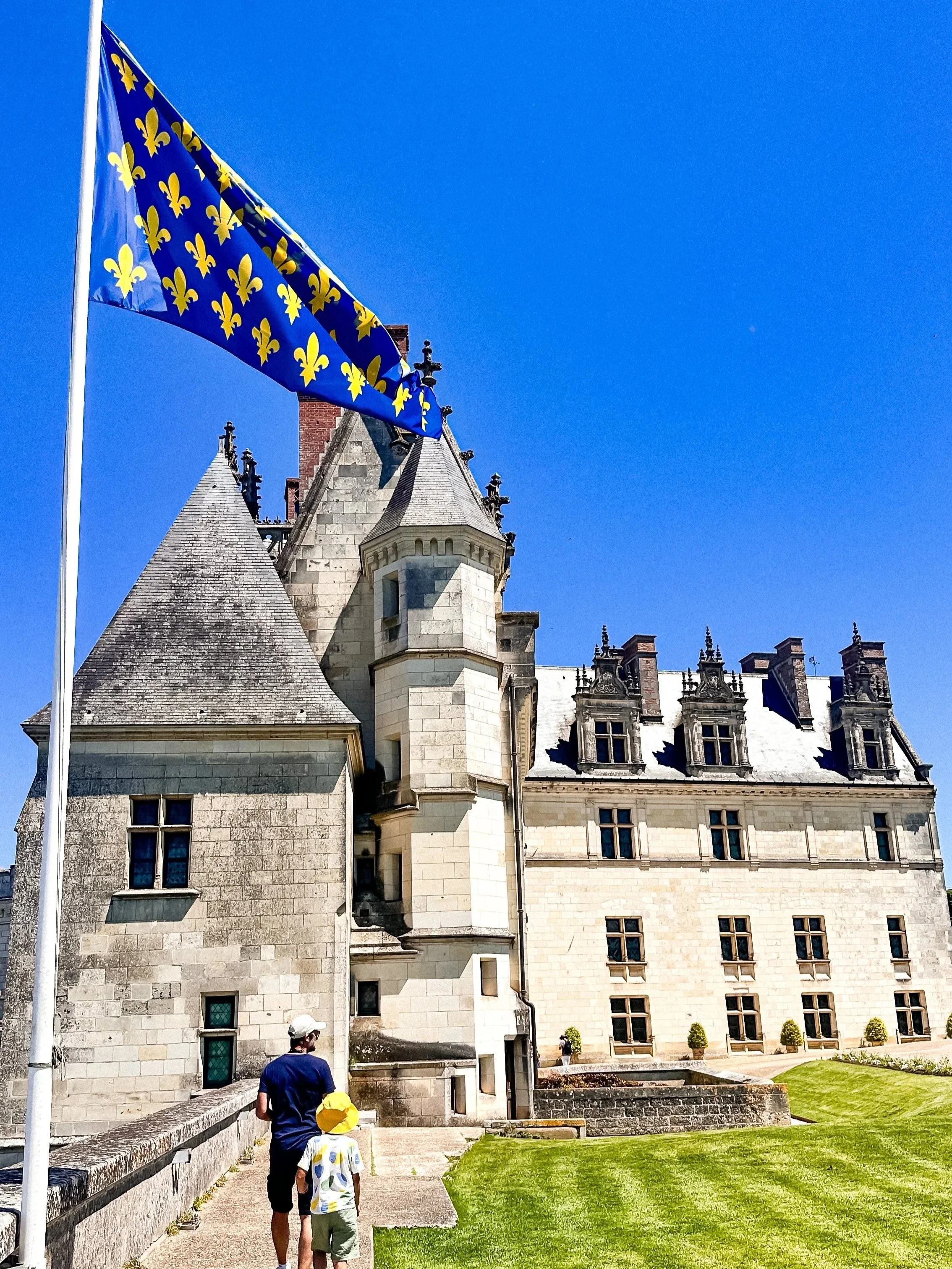
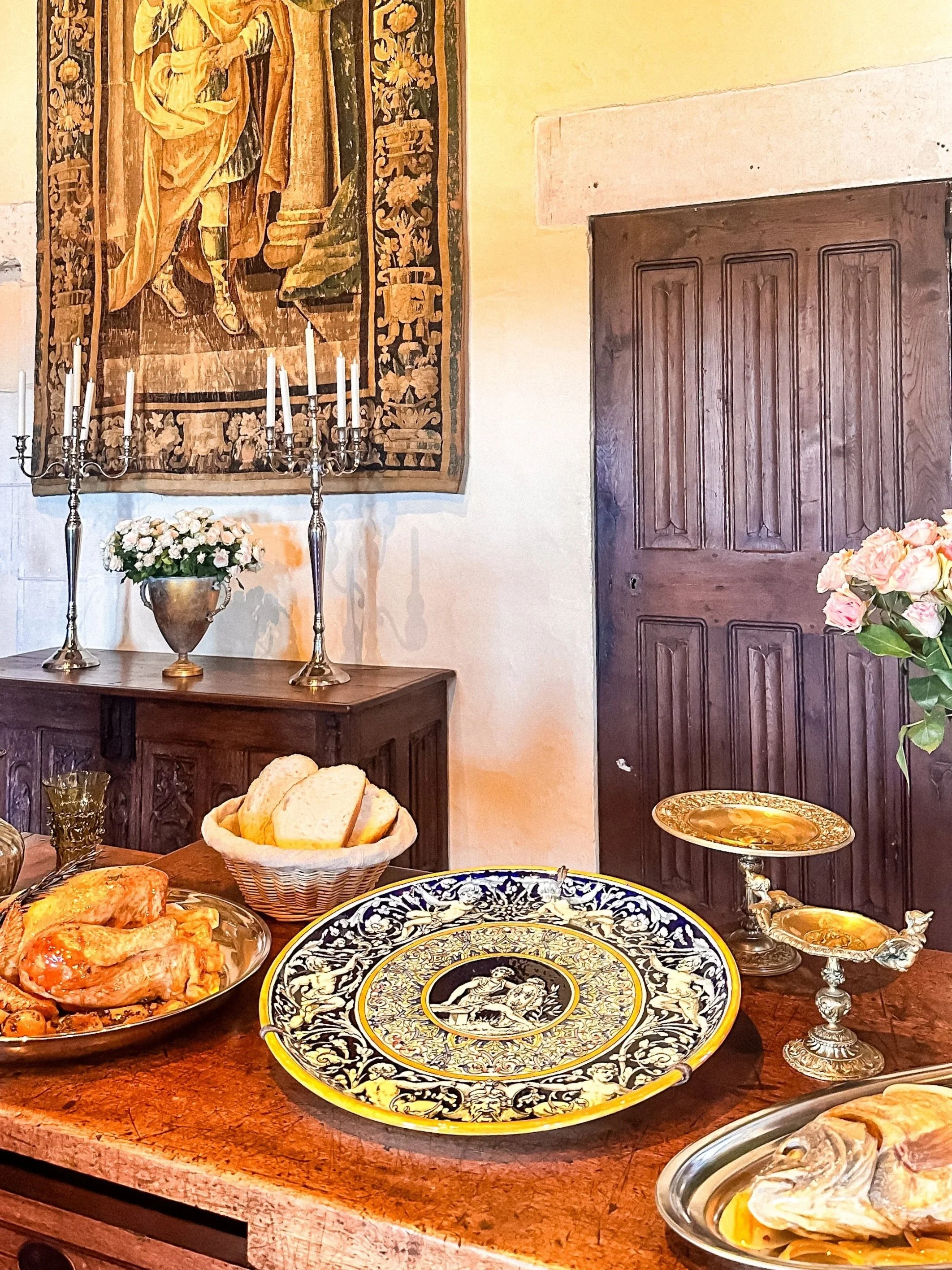
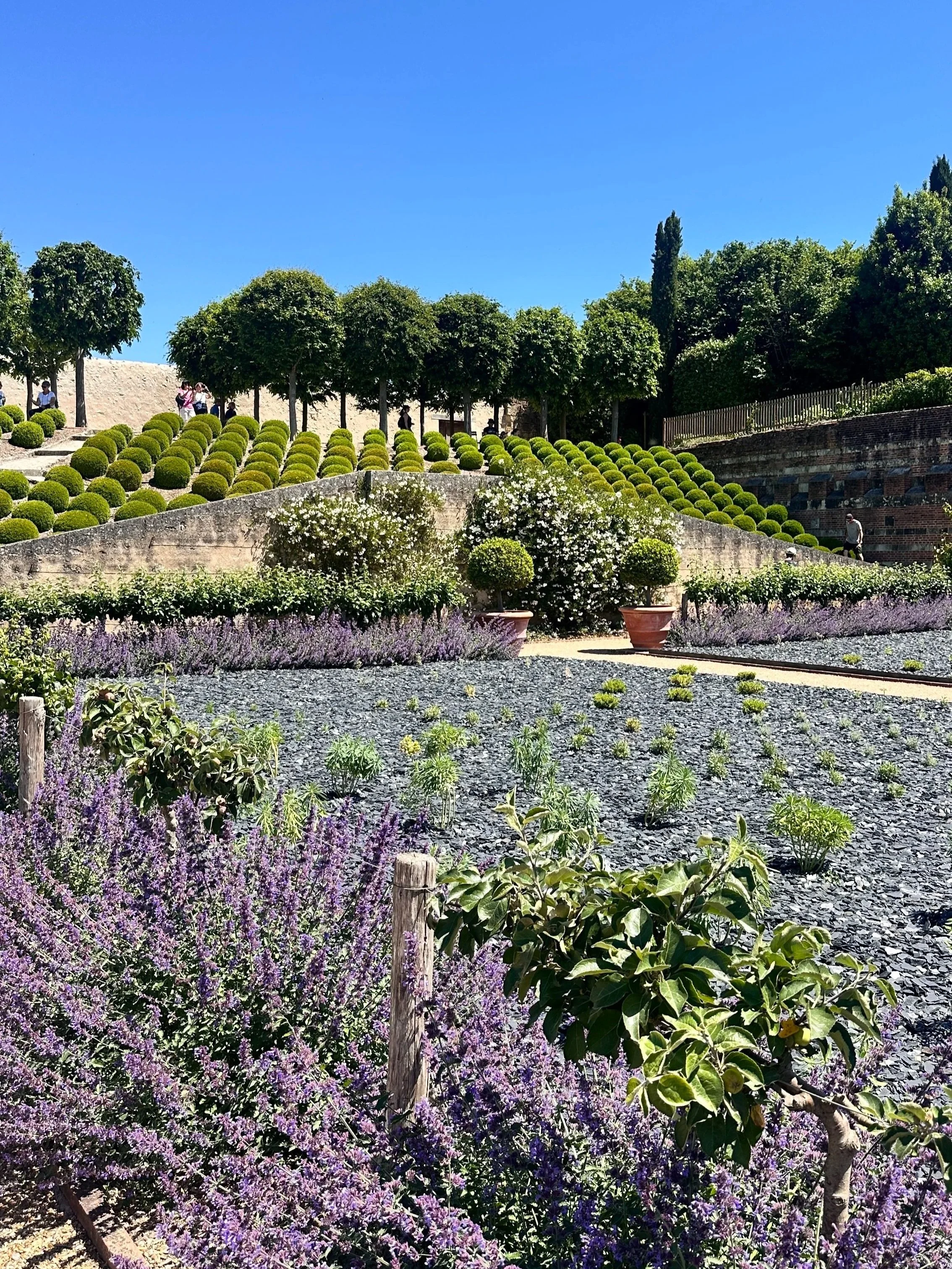
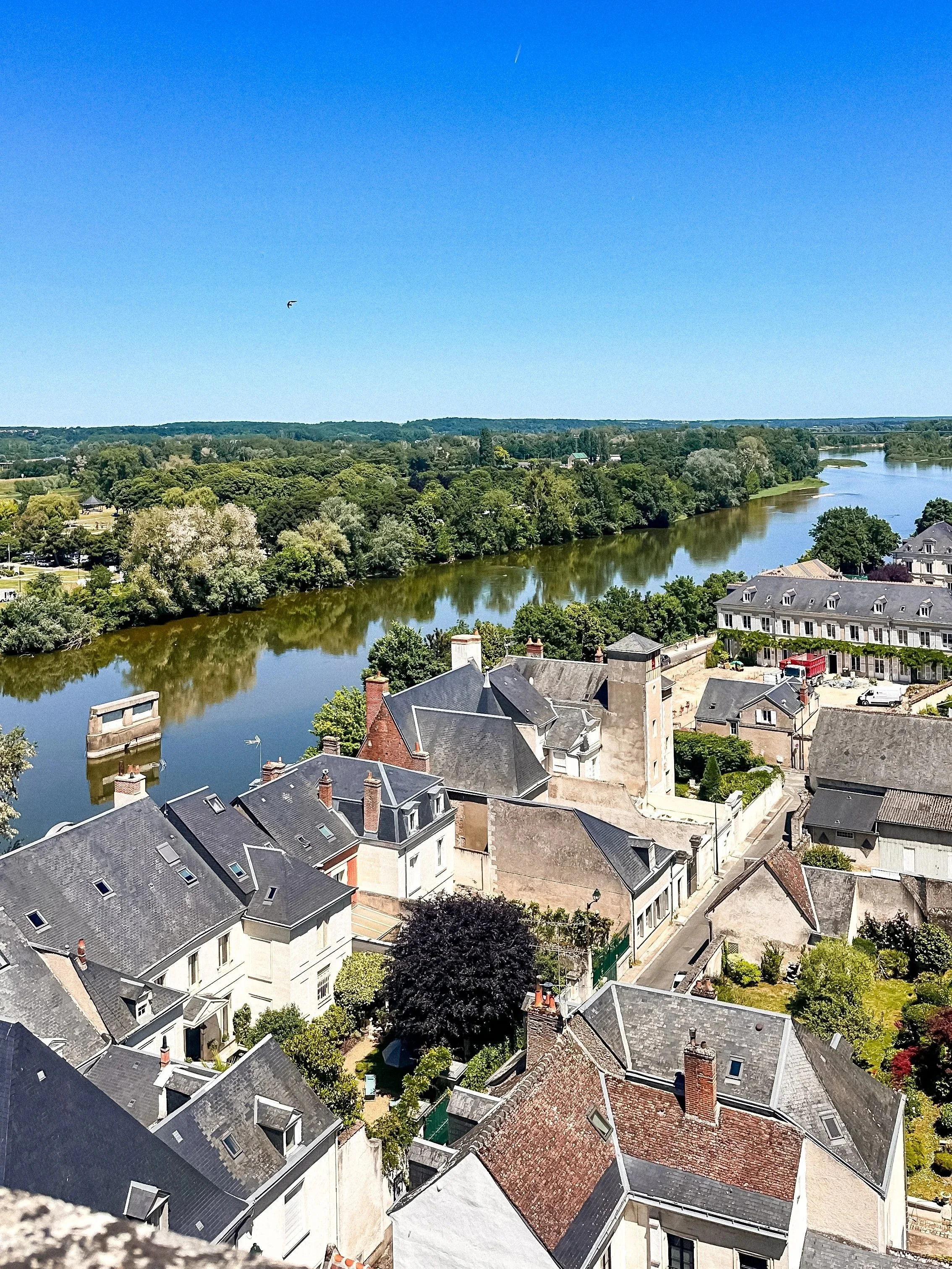
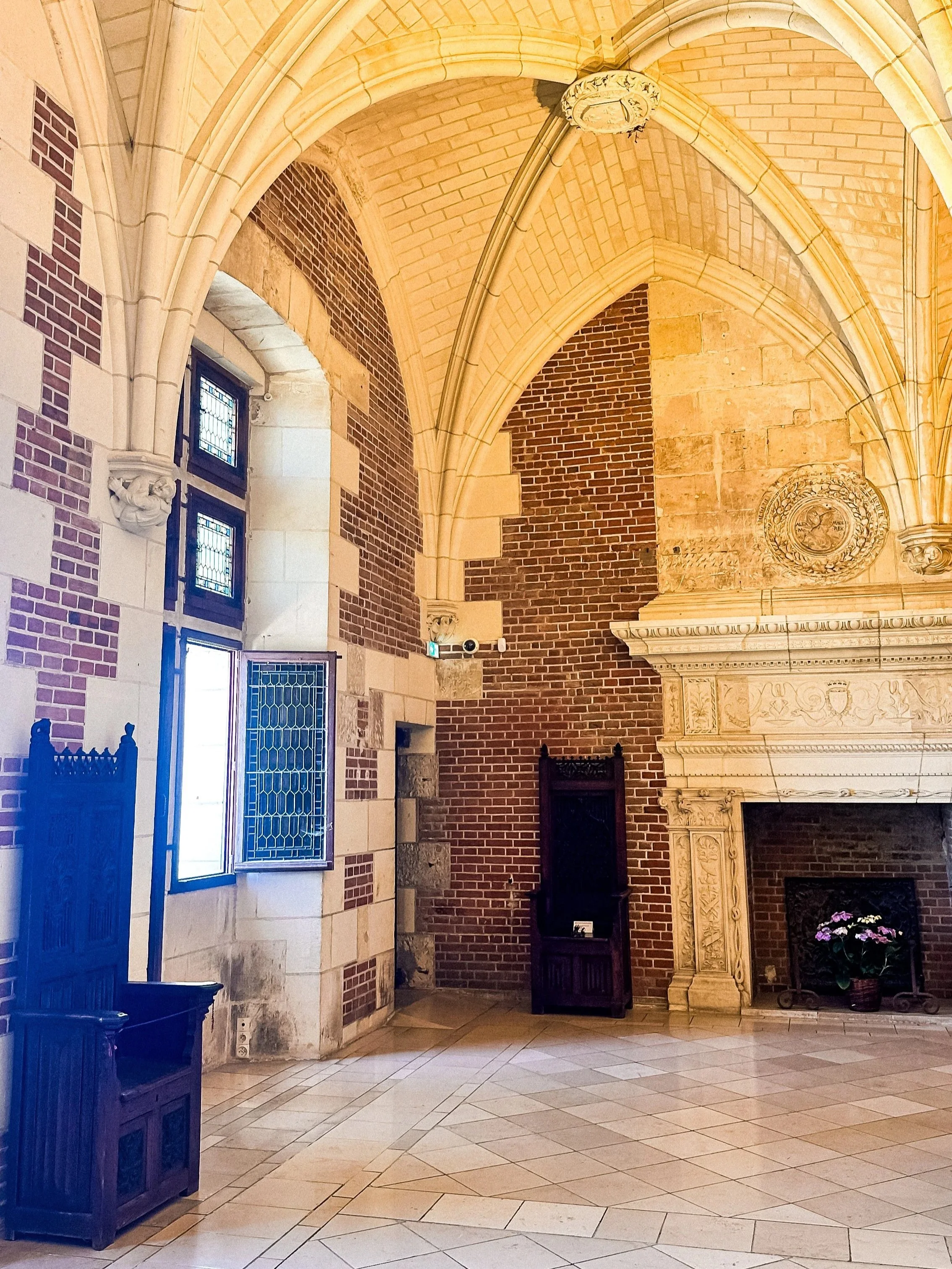
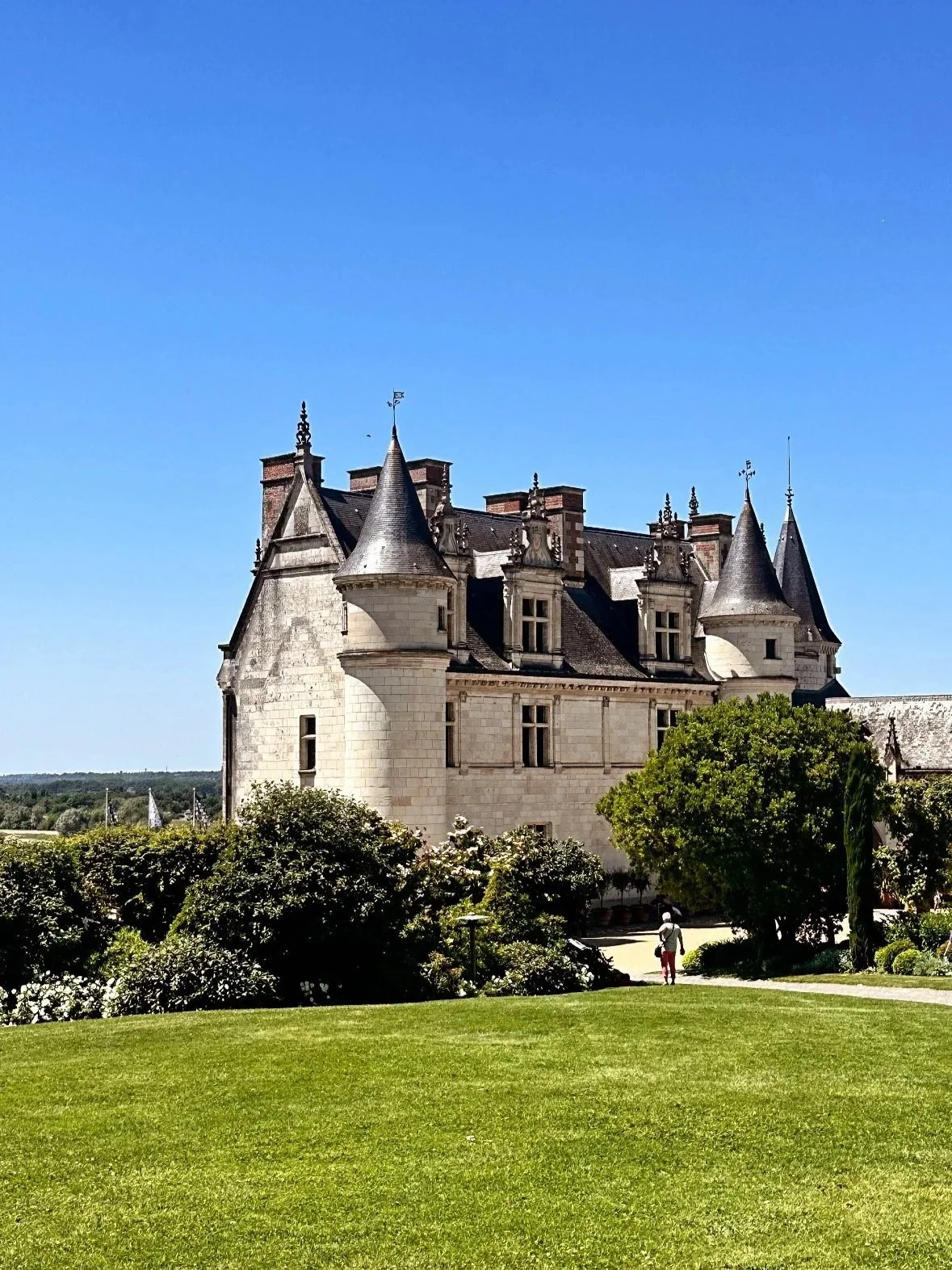
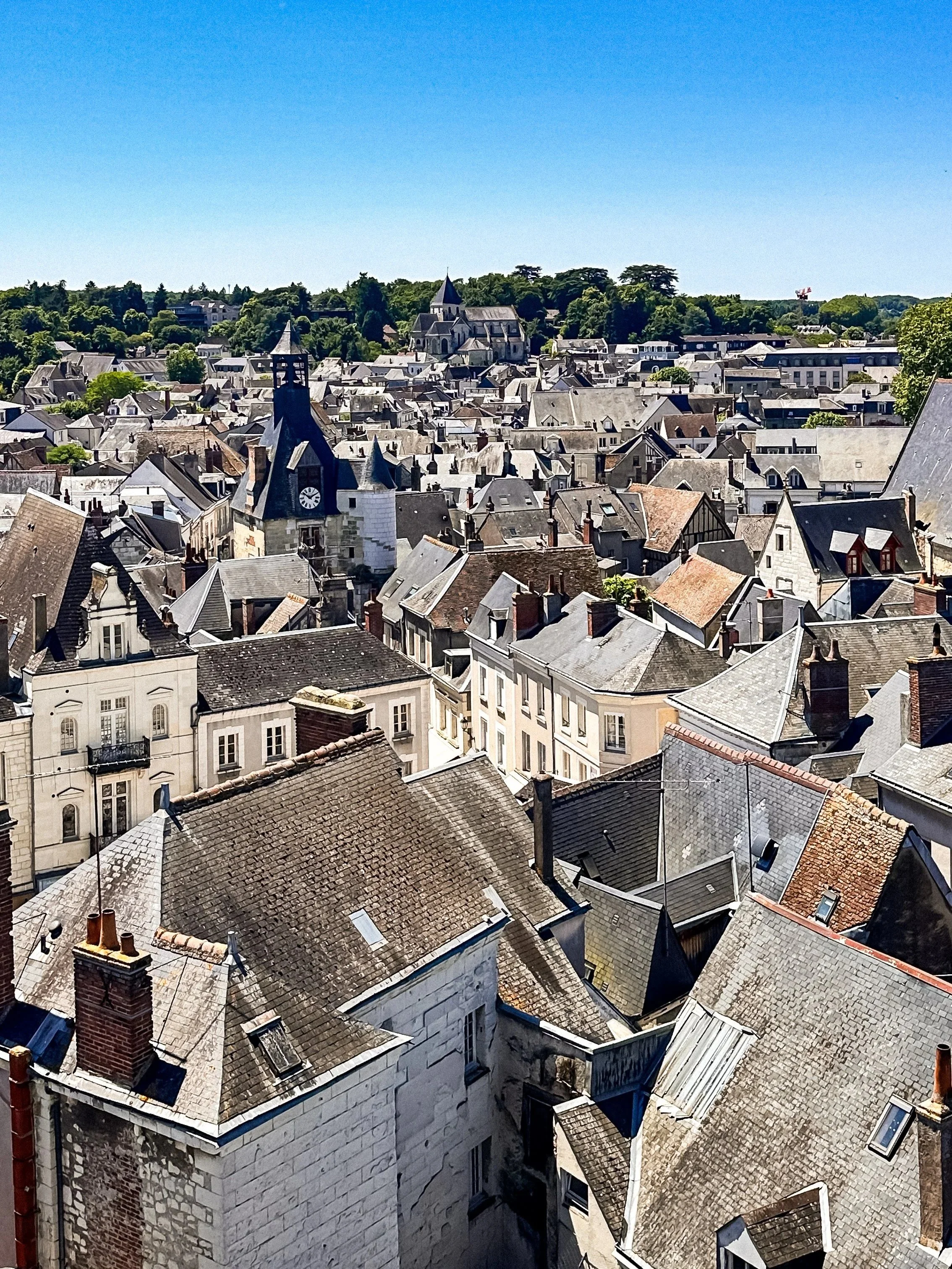
Château d'Amboise was a major royal residence during the Renaissance.
Kings Charles VIII and Francis I transformed it into an important political and cultural center.
It’s also closely linked to Leonardo da Vinci, who spent his final years nearby and is buried in the château’s chapel.
The terraces offer one of the best views over the Loire and the town of Amboise.
Practical info
Open: ~9:00am–6:00pm
Website: chateau-amboise.com
Time to visit: 1.5–2 hours
Extra: Clos Lucé
A short walk from Amboise chateau, Clos Lucé is where Leonardo da Vinci lived from 1516 until his death. Gifted to him by King Francis I, the house is now dedicated to his life and work.
Inside, you’ll find models of his inventions based on his drawings. Outside, the gardens feature large-scale installations inspired by his ideas.
Practical info
Open: daily, ~9:00am–6:00pm
Website: closluce.com
Time to visit: 2–3 hours
Tip: ideal combined with Amboise
Château de Villandry
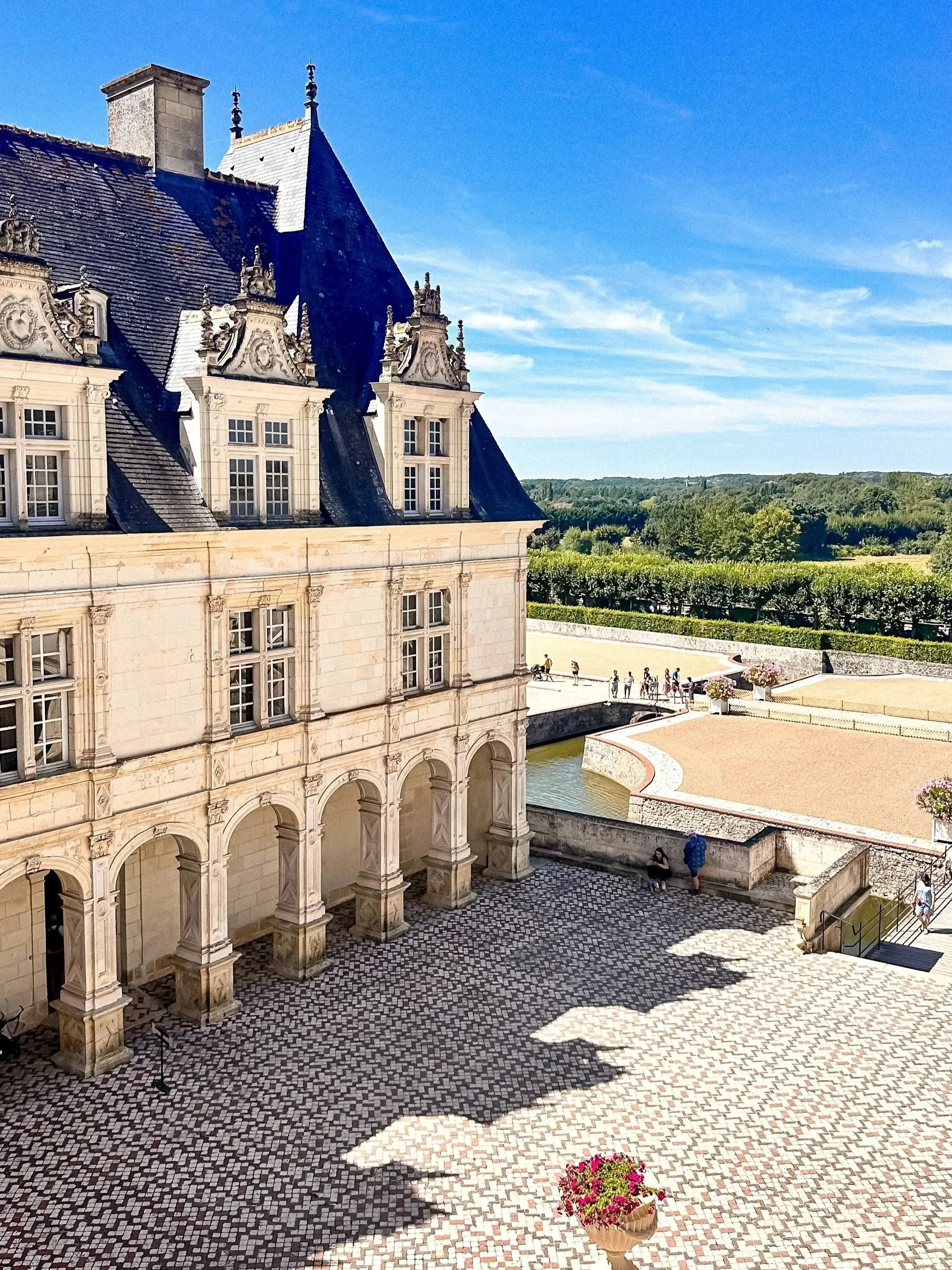
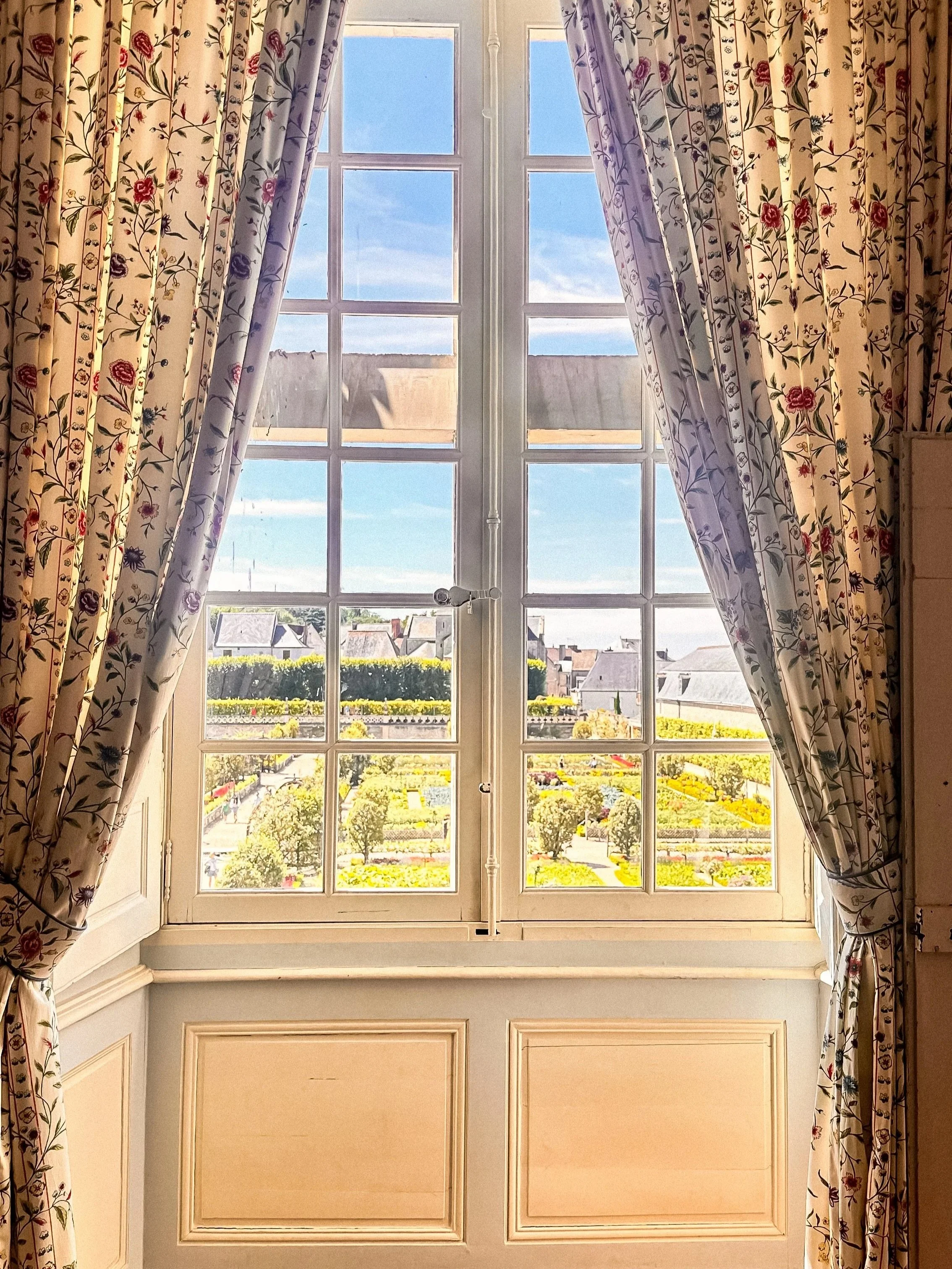
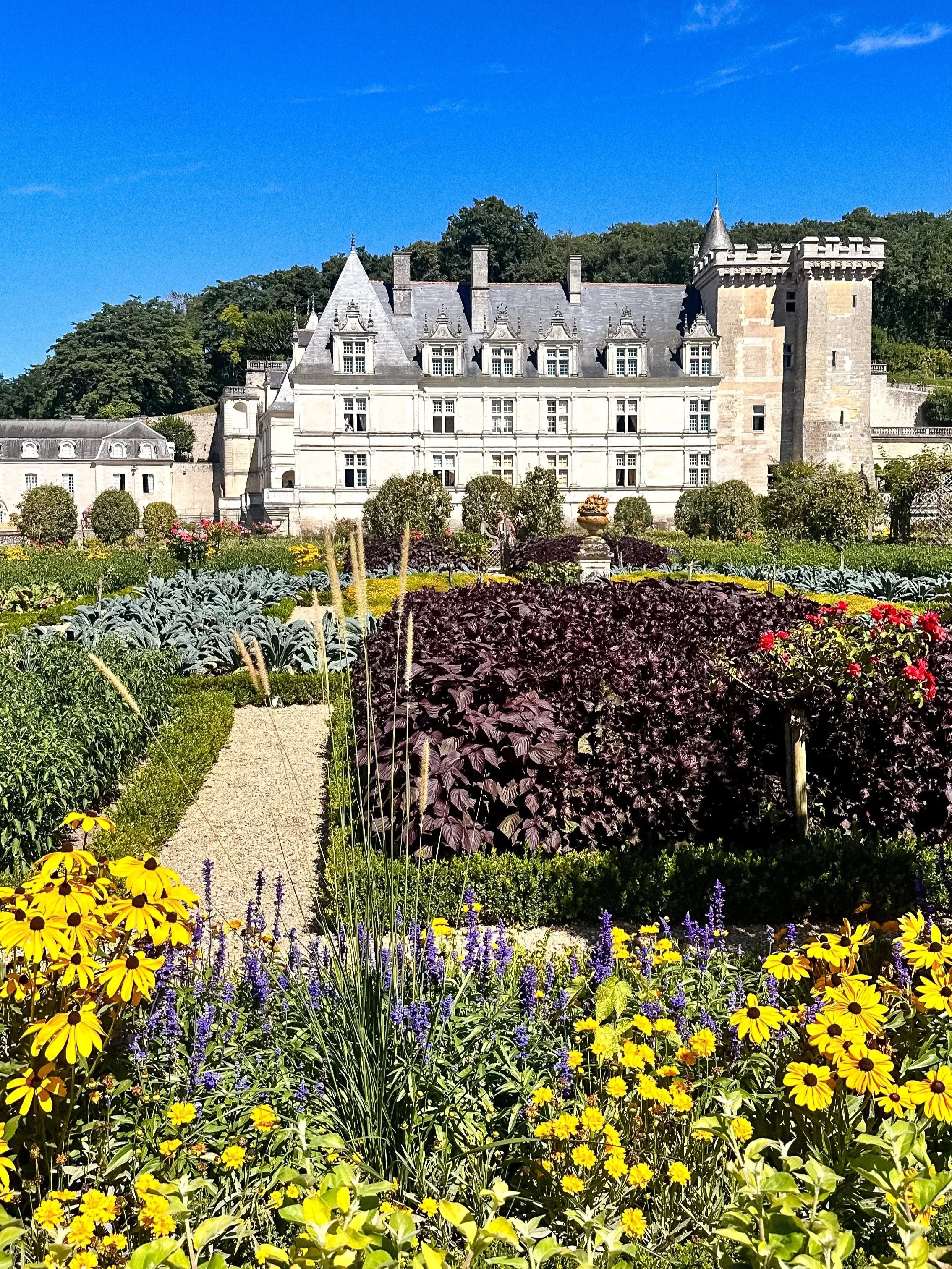
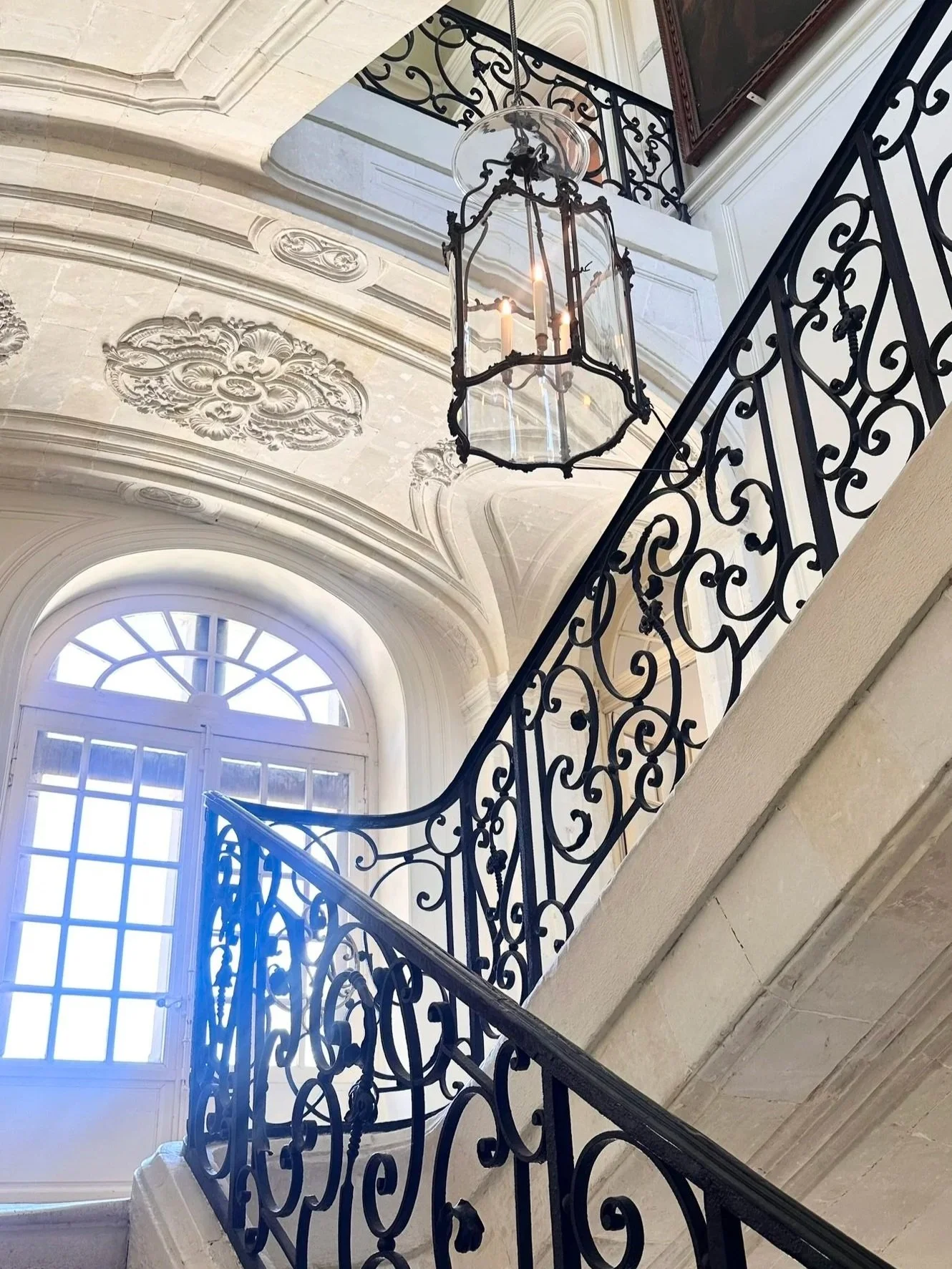
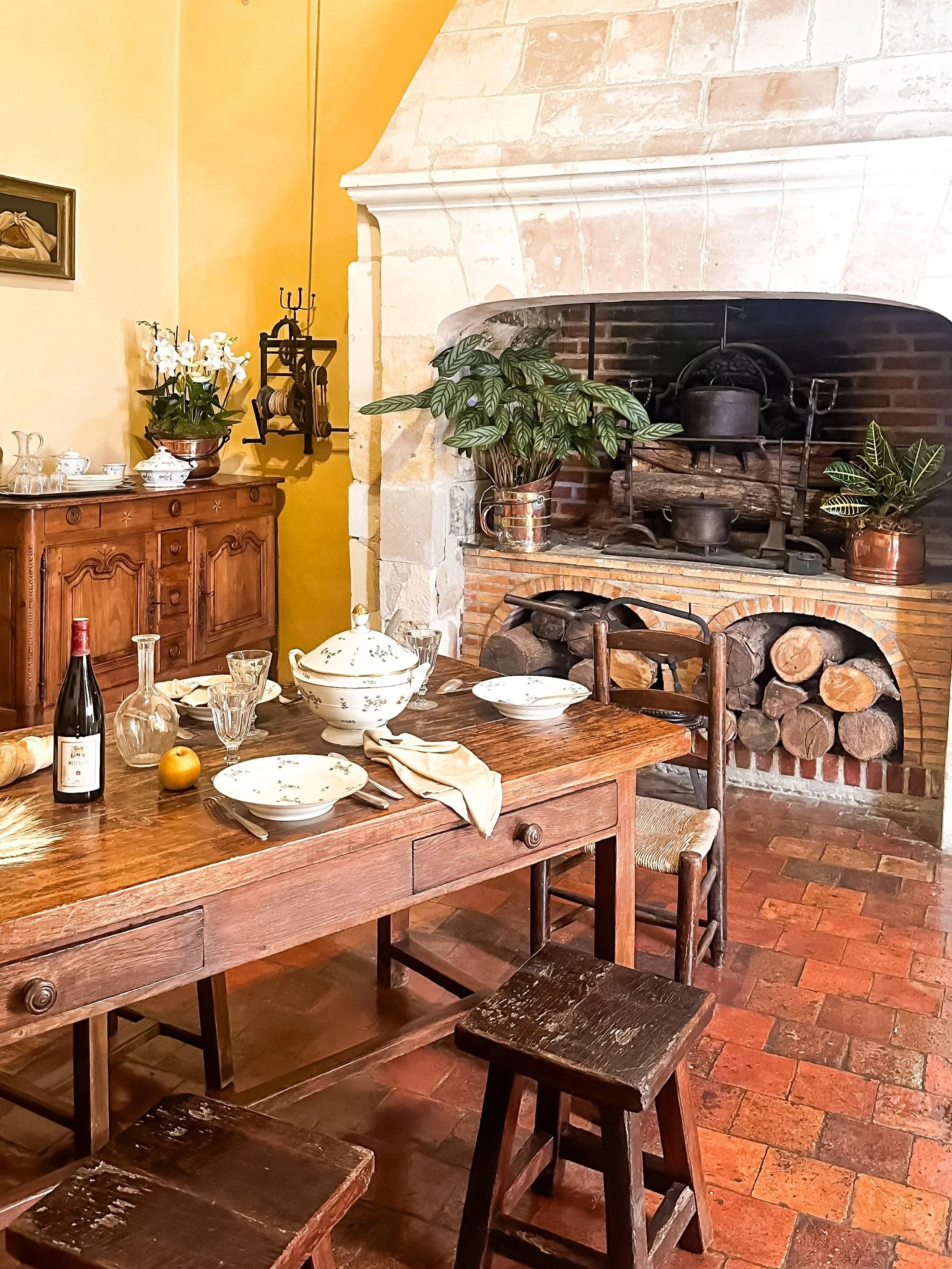
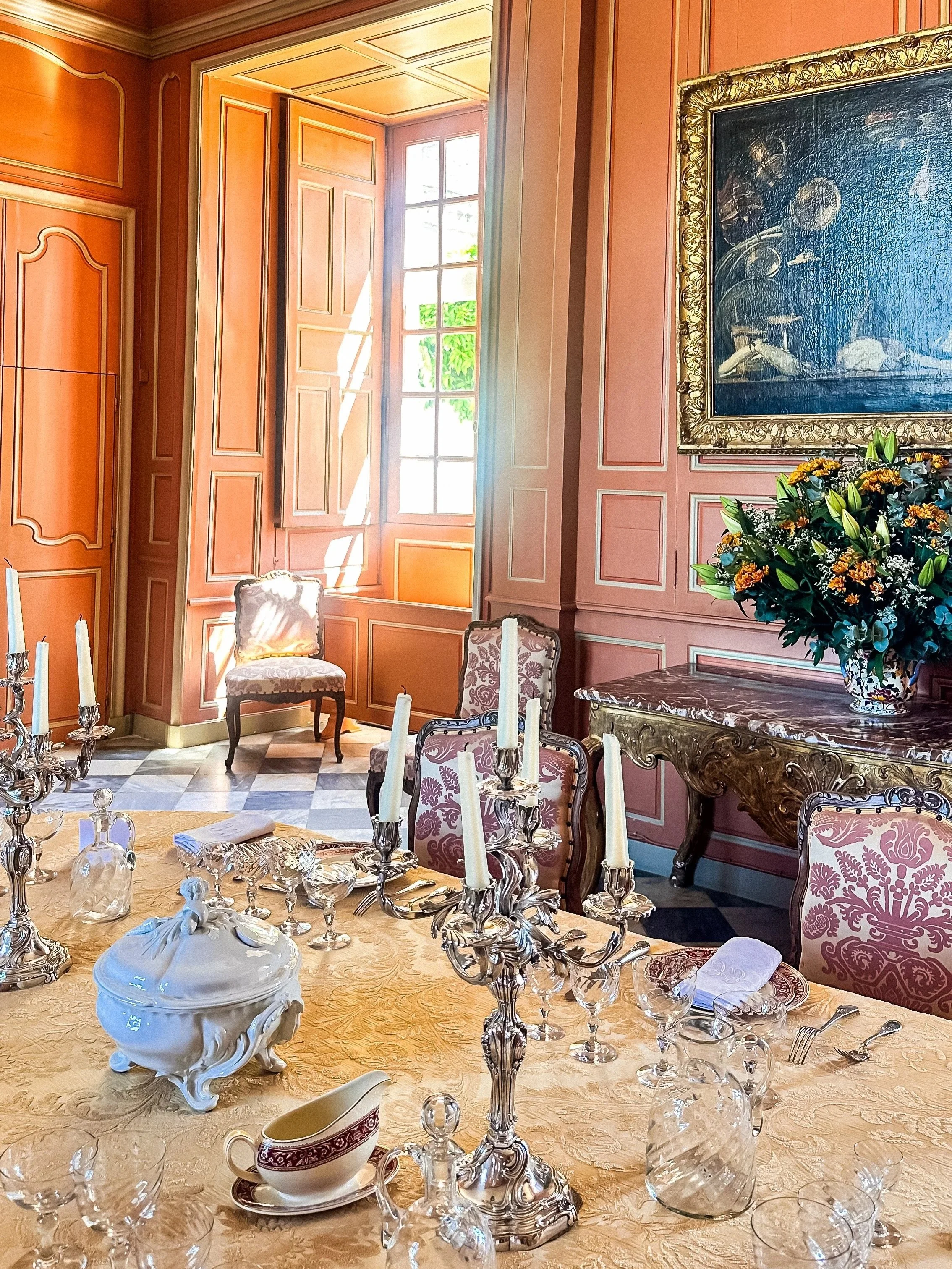
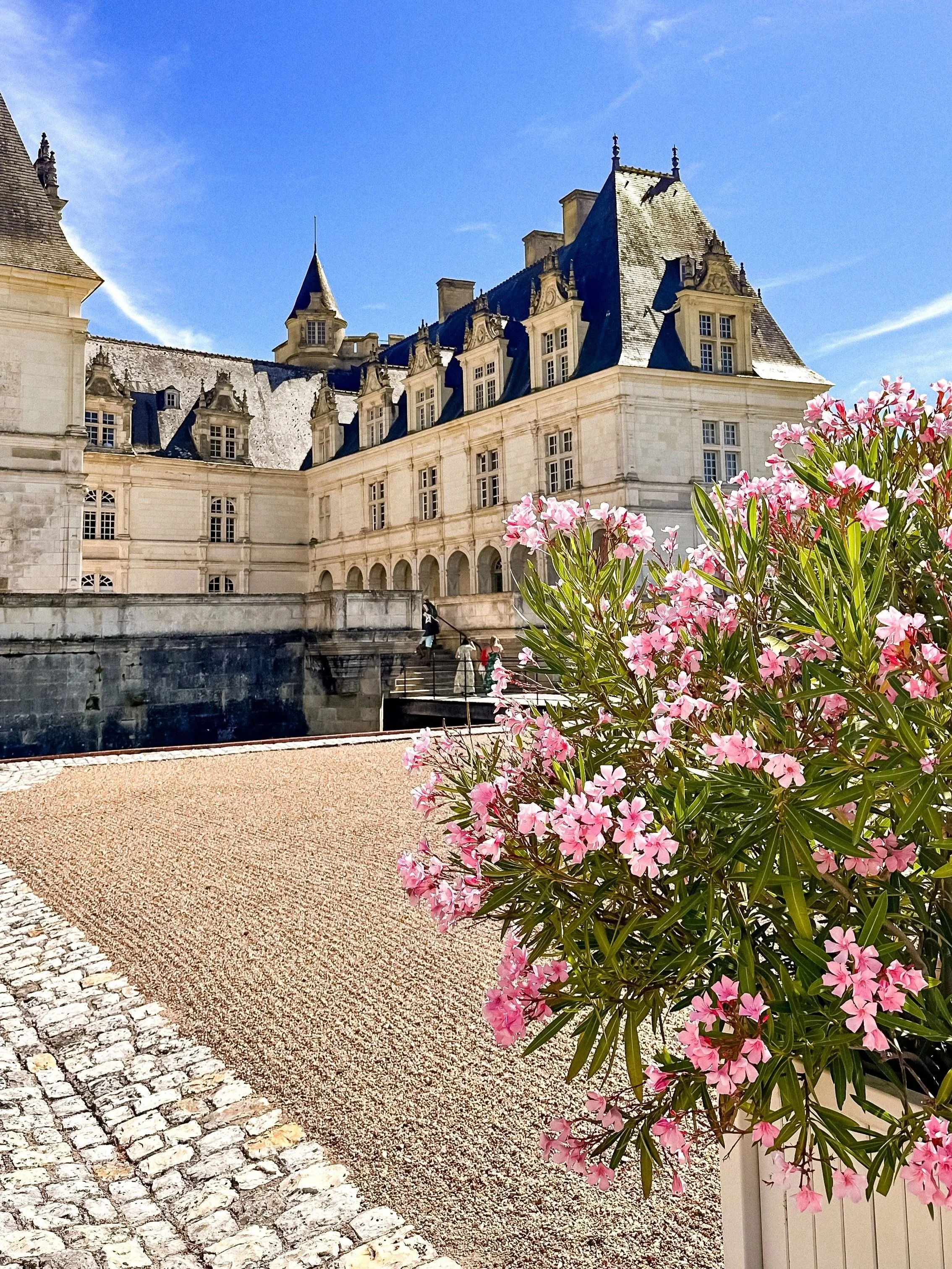
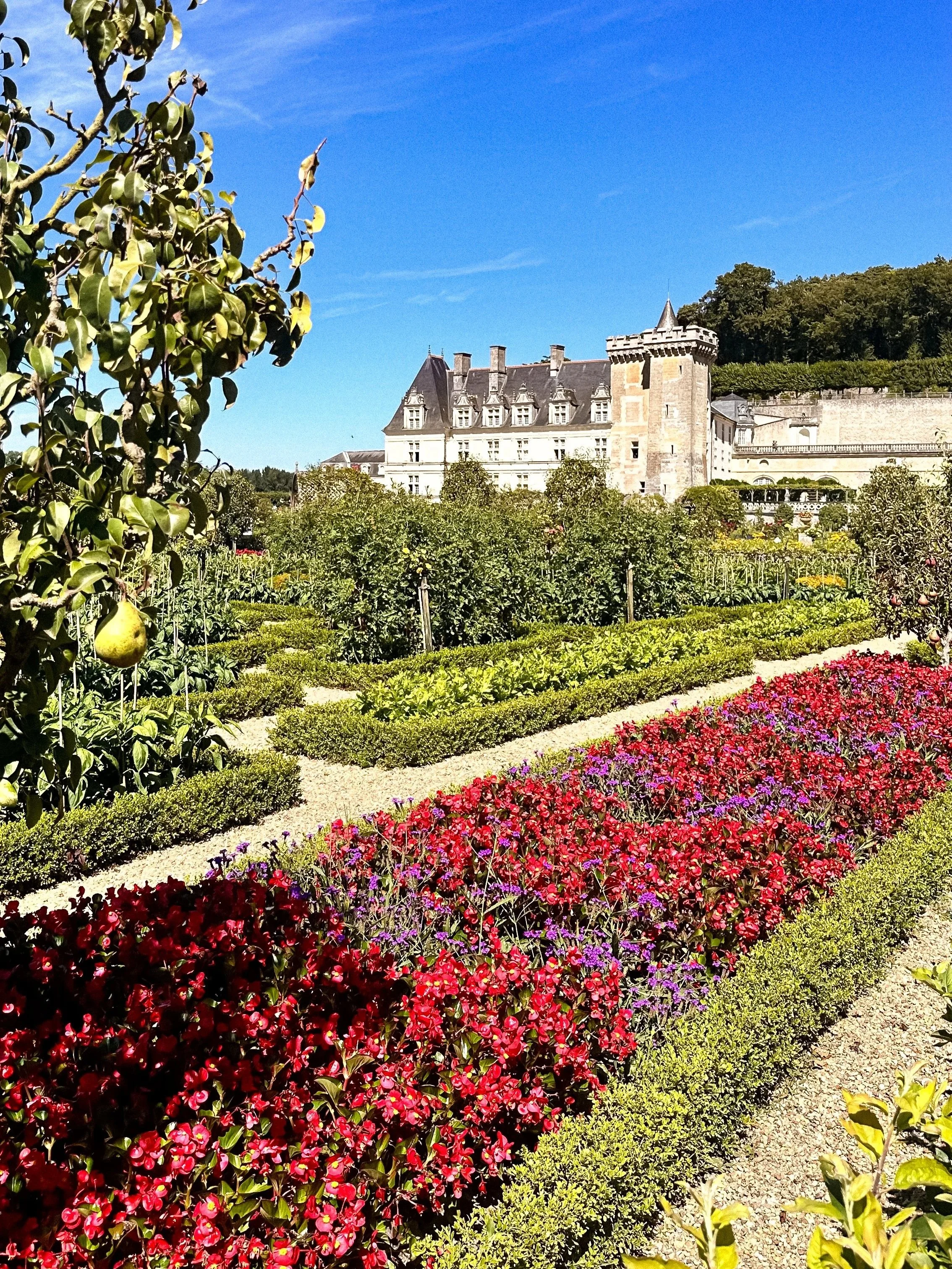
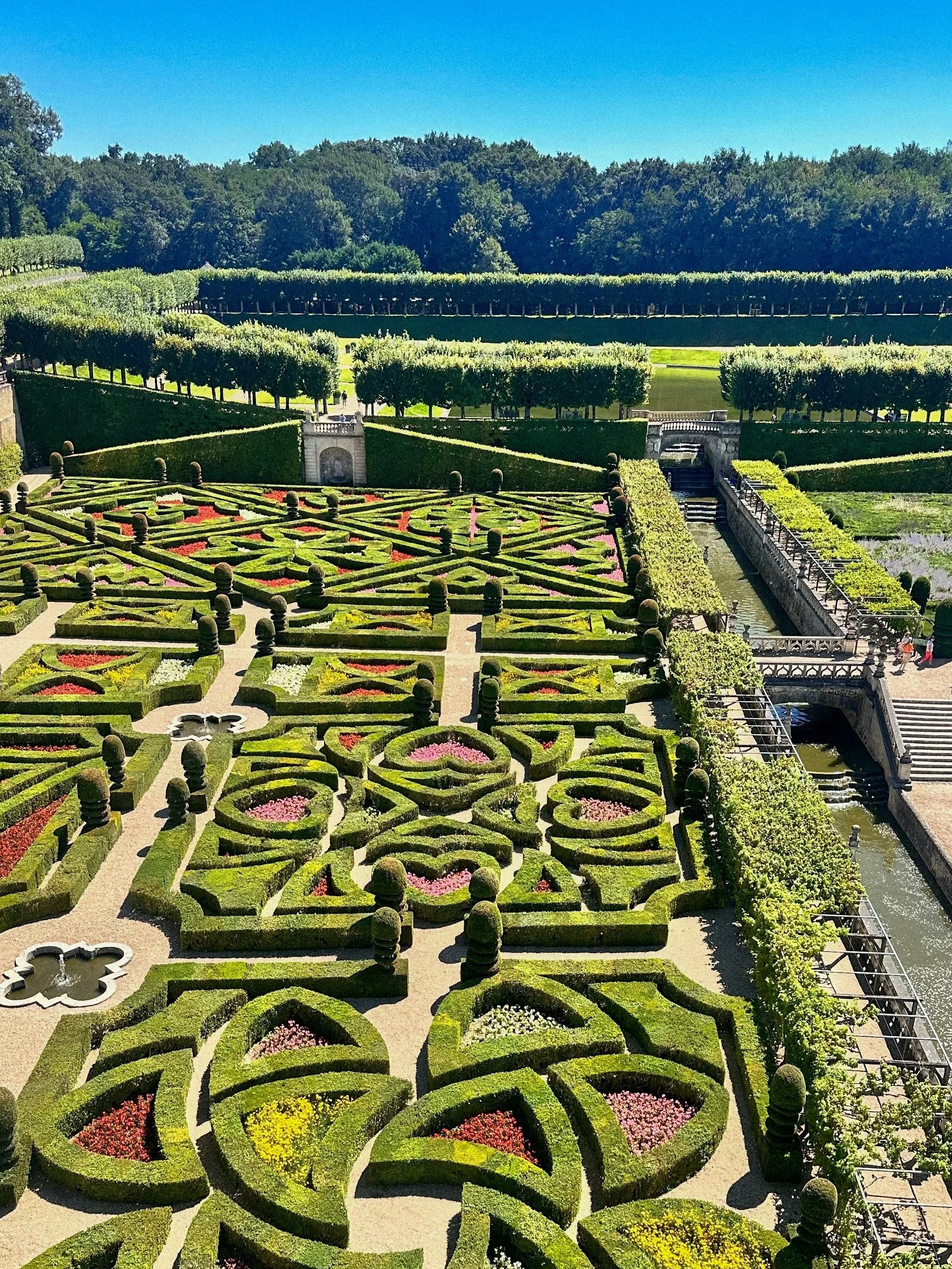
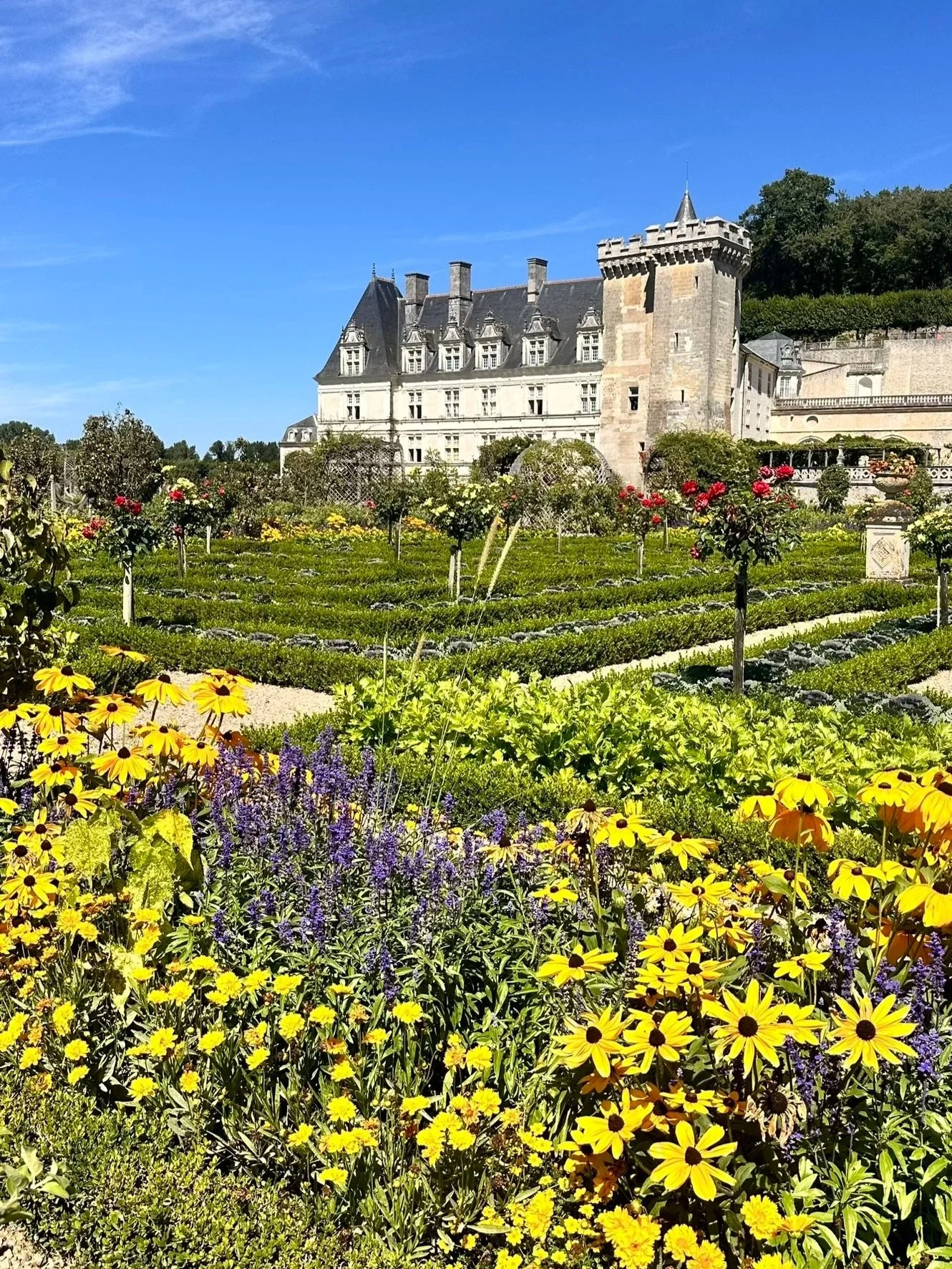
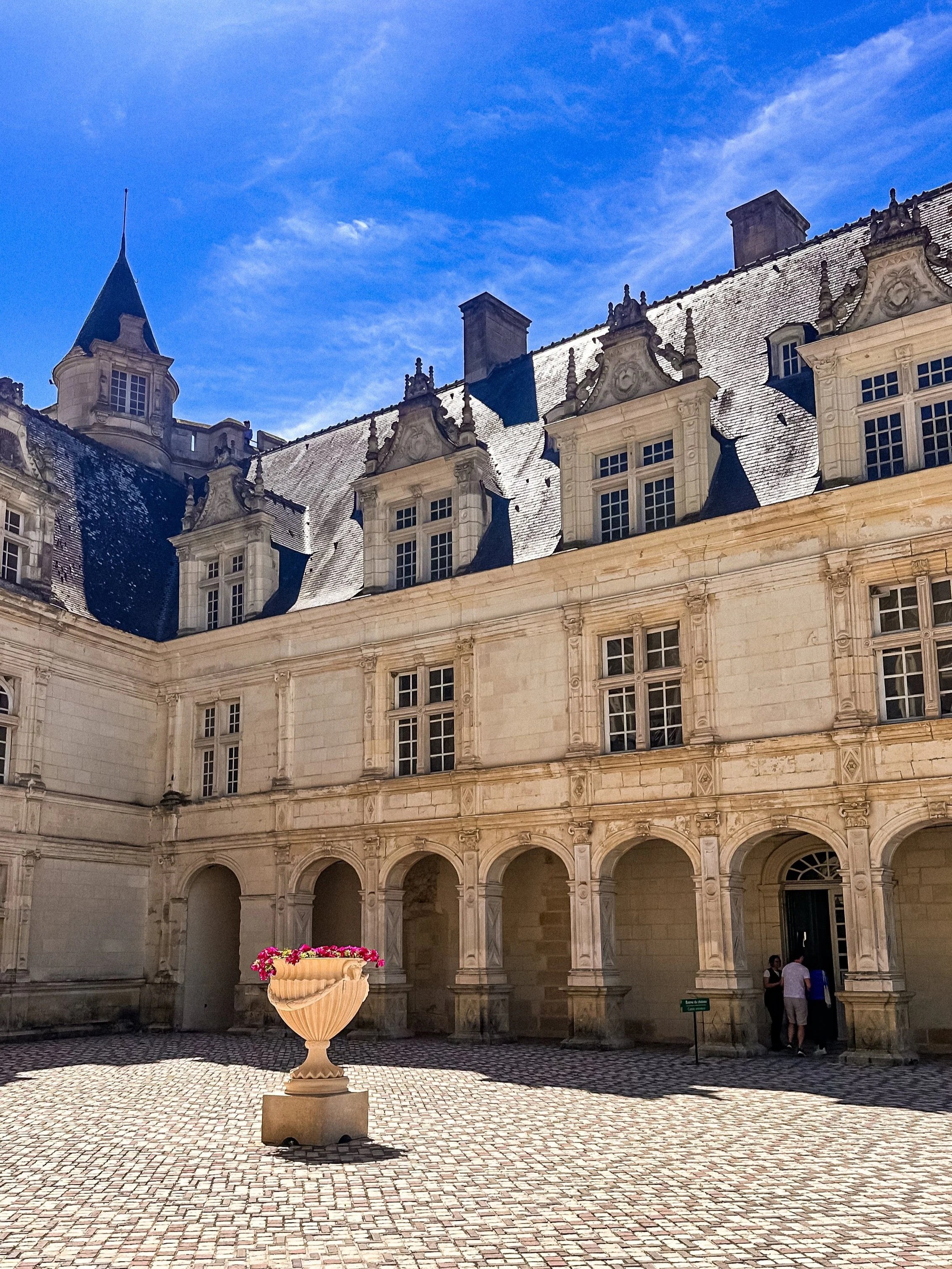
Château de Villandry is famous for its Renaissance gardens.
Rebuilt in the 16th century, the château itself is elegant, but the gardens are the main attraction.
They are arranged in terraces, each with a different theme, ornamental gardens, water gardens, and a decorative vegetable garden designed like a pattern.
Practical info
Open: ~9:00am–6:30pm
Website: chateauvillandry.fr
Time to visit: 2 hours
Tip: best viewed from above (terrace)
Château de Chambord
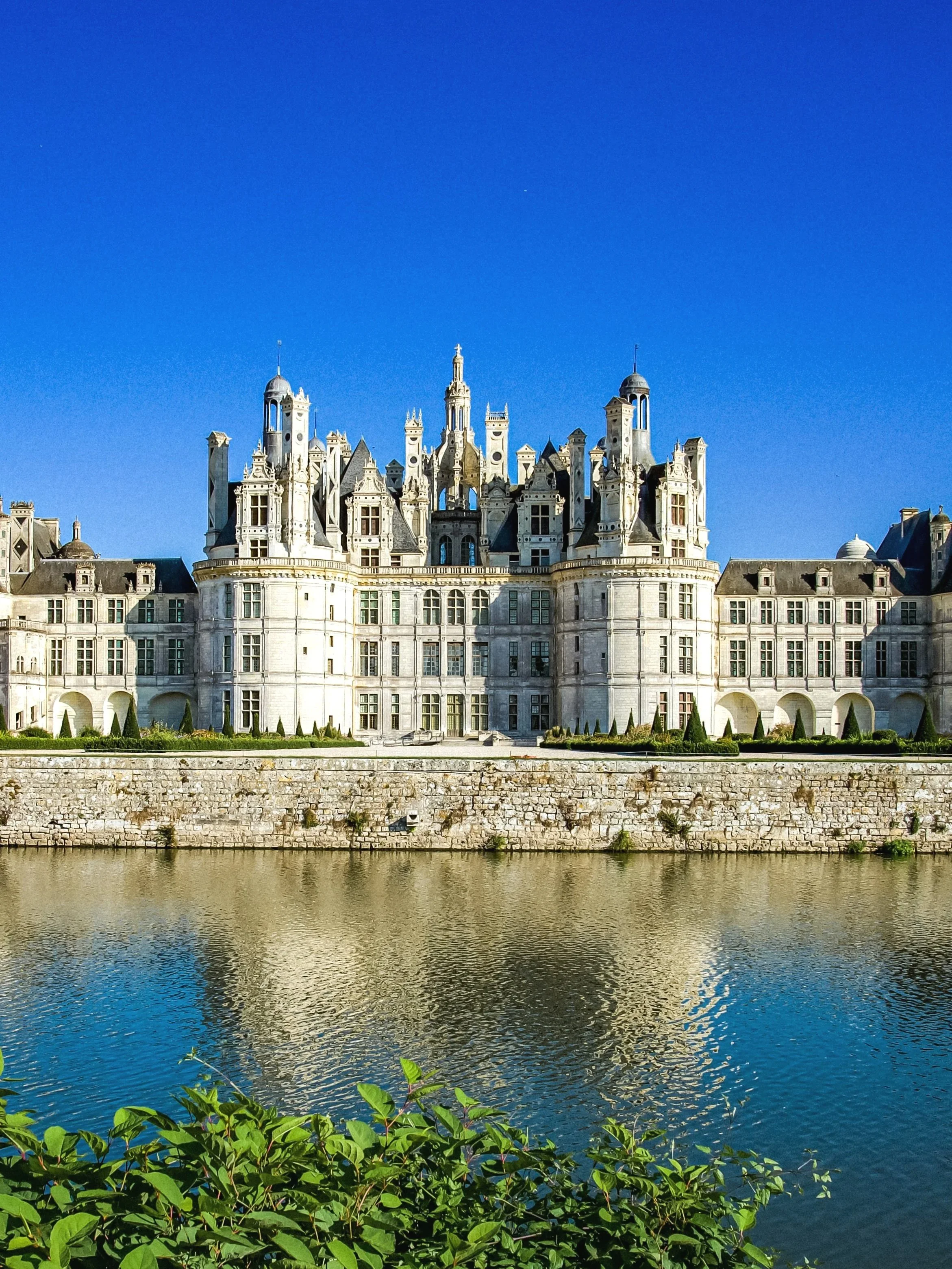
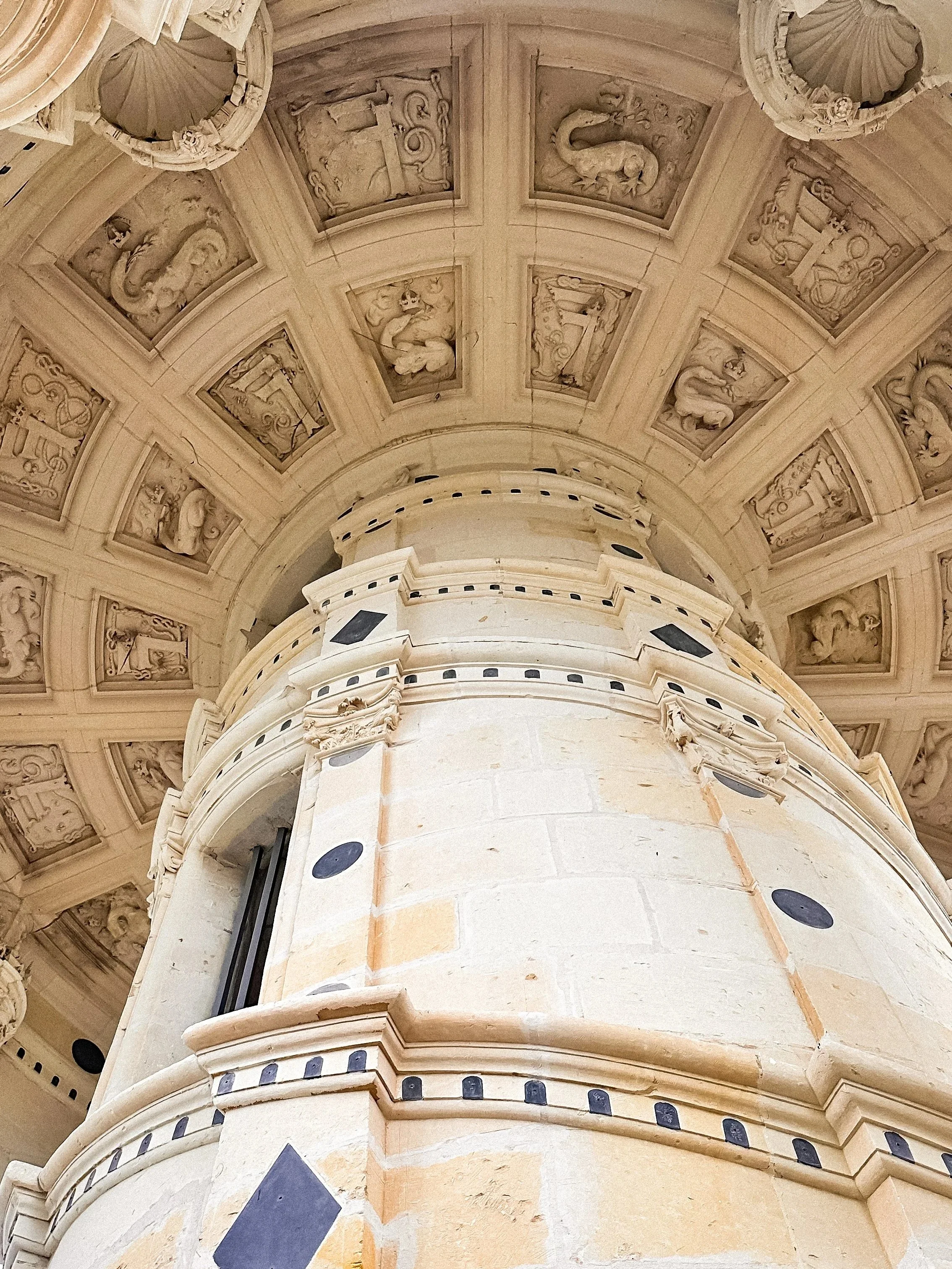
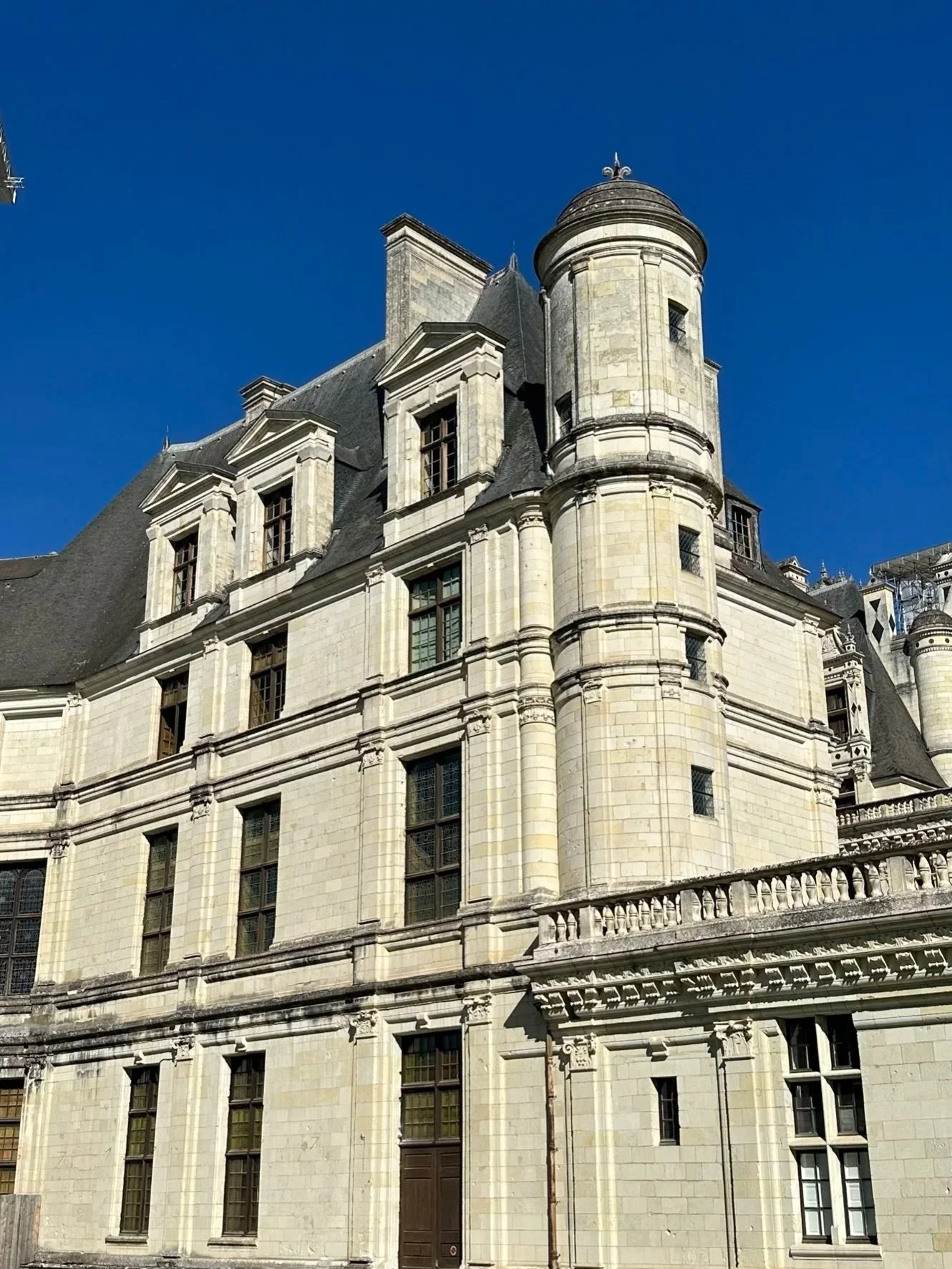
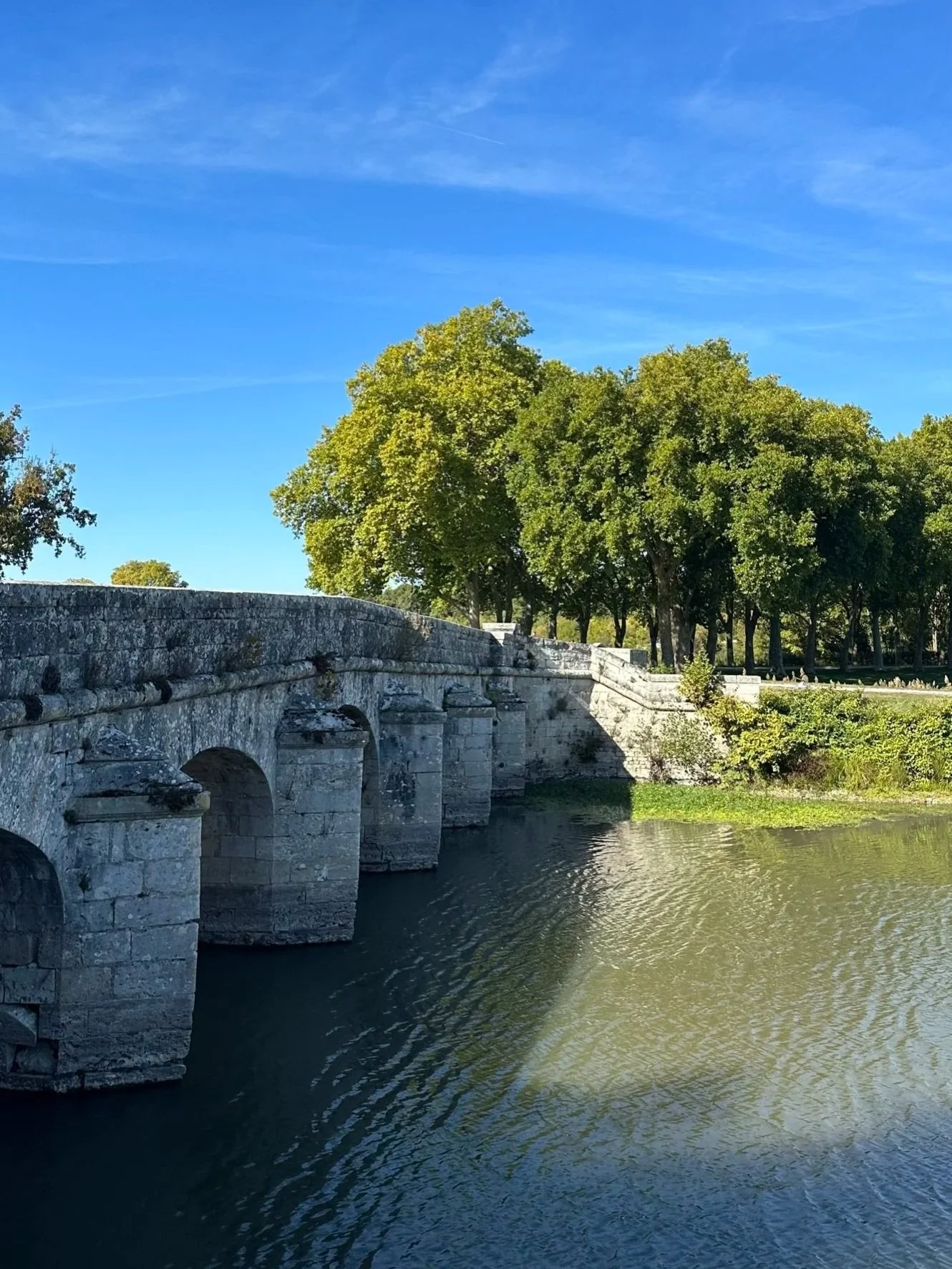
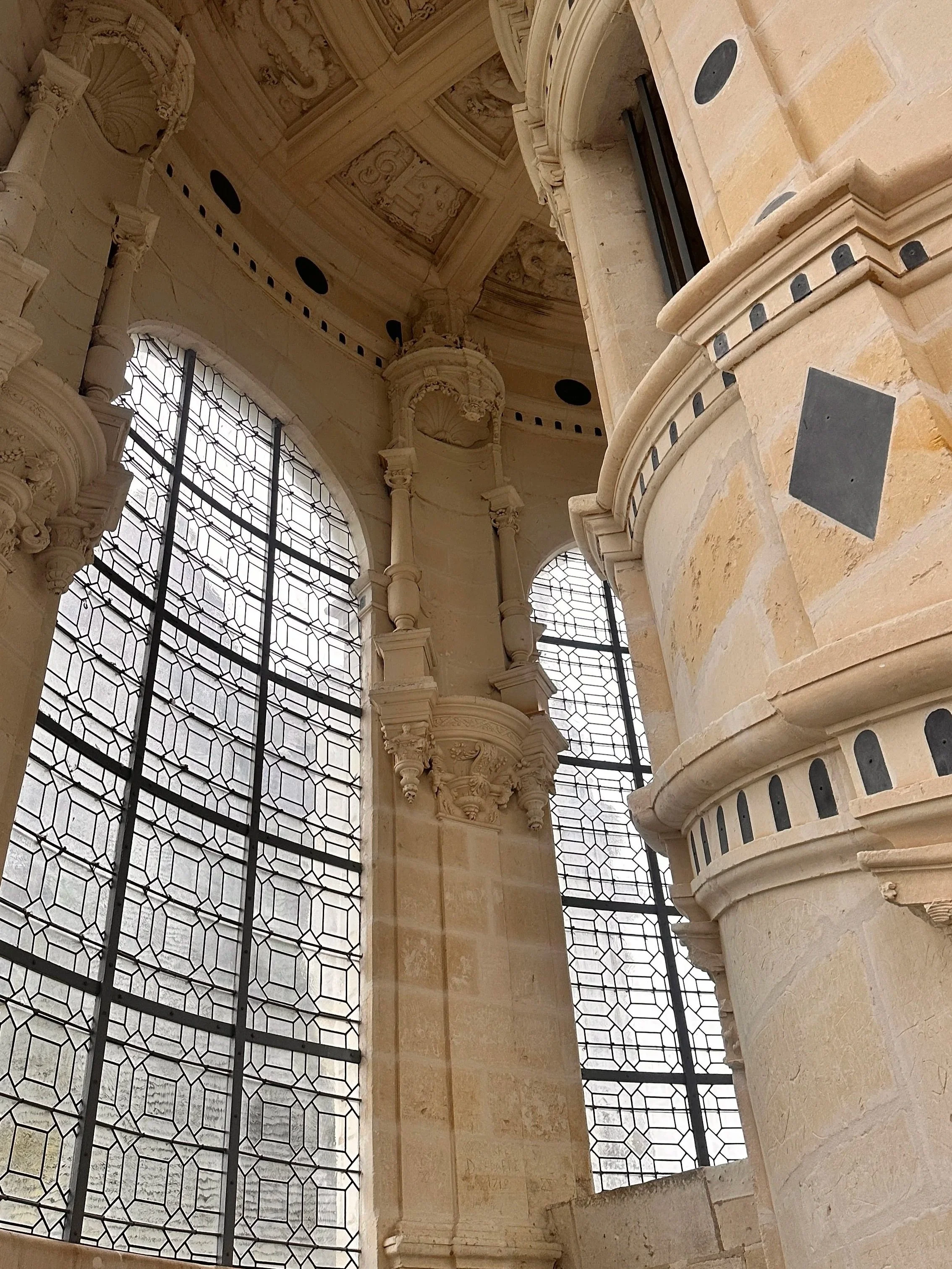
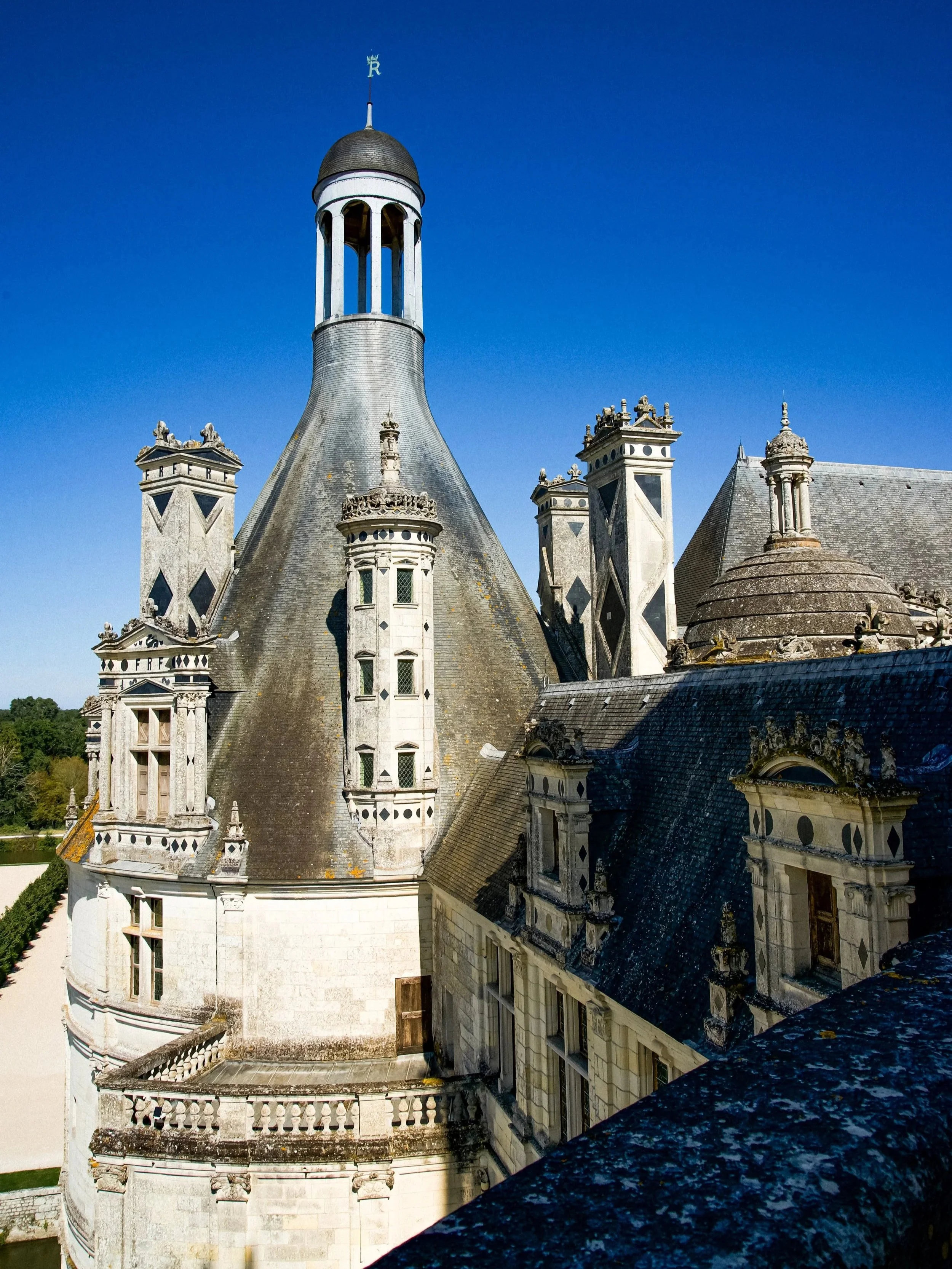
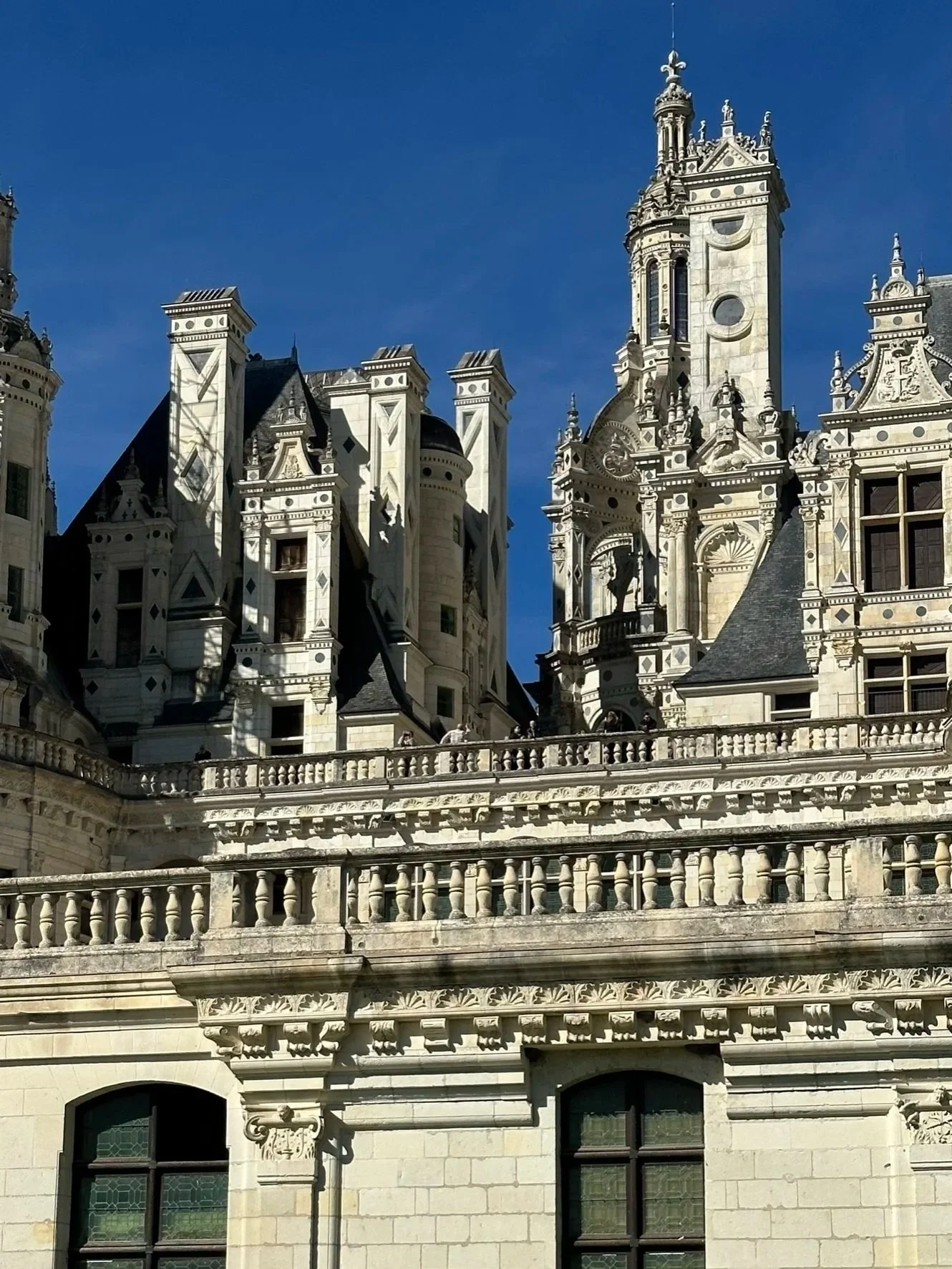
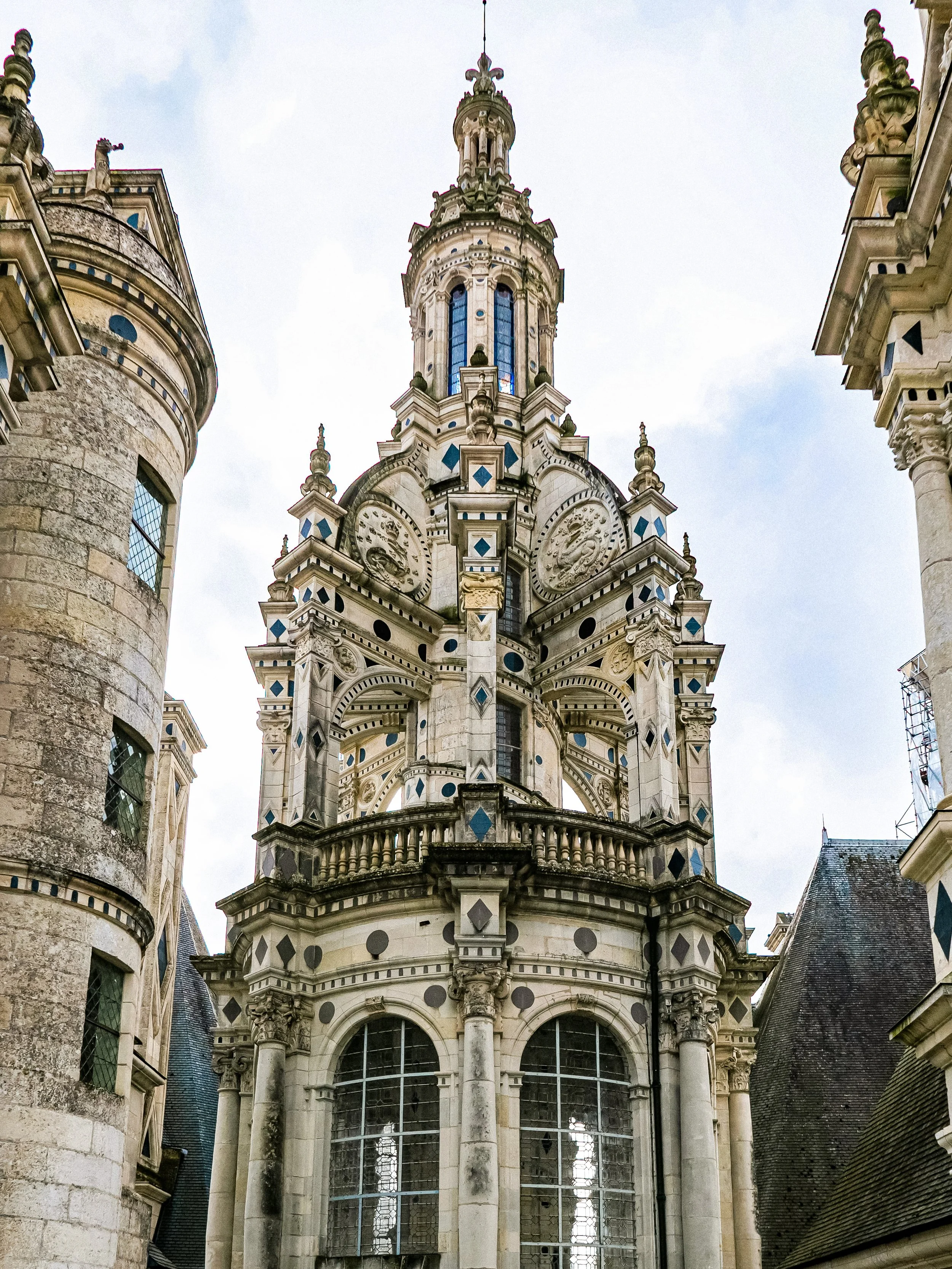
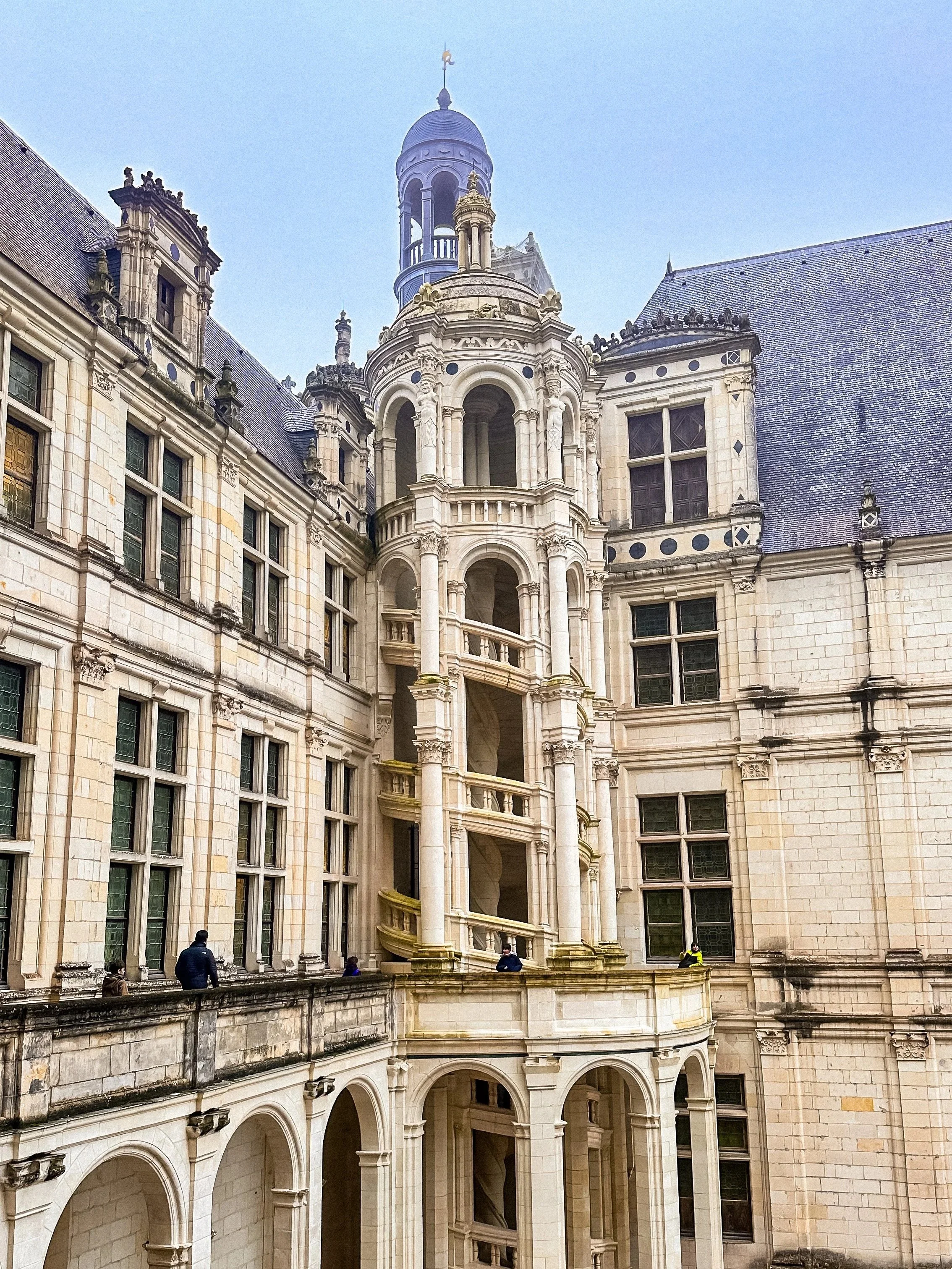
Château de Chambord is the largest château in the Loire Valley and one of the most ambitious architectural projects of the French Renaissance.
Commissioned by King Francis I in the 16th century, it was designed as a hunting lodge but became a symbol of royal power.
Its most famous feature is the double-helix staircase, often attributed to Leonardo da Vinci.
The surrounding estate is also vast, including forests and wildlife.
Practical info
Open: ~9:00am–6:00pm
Website: chambord.org
Time to visit: 2–3 hours
Tip: explore both interior and grounds
Château de Meung-sur-Loire
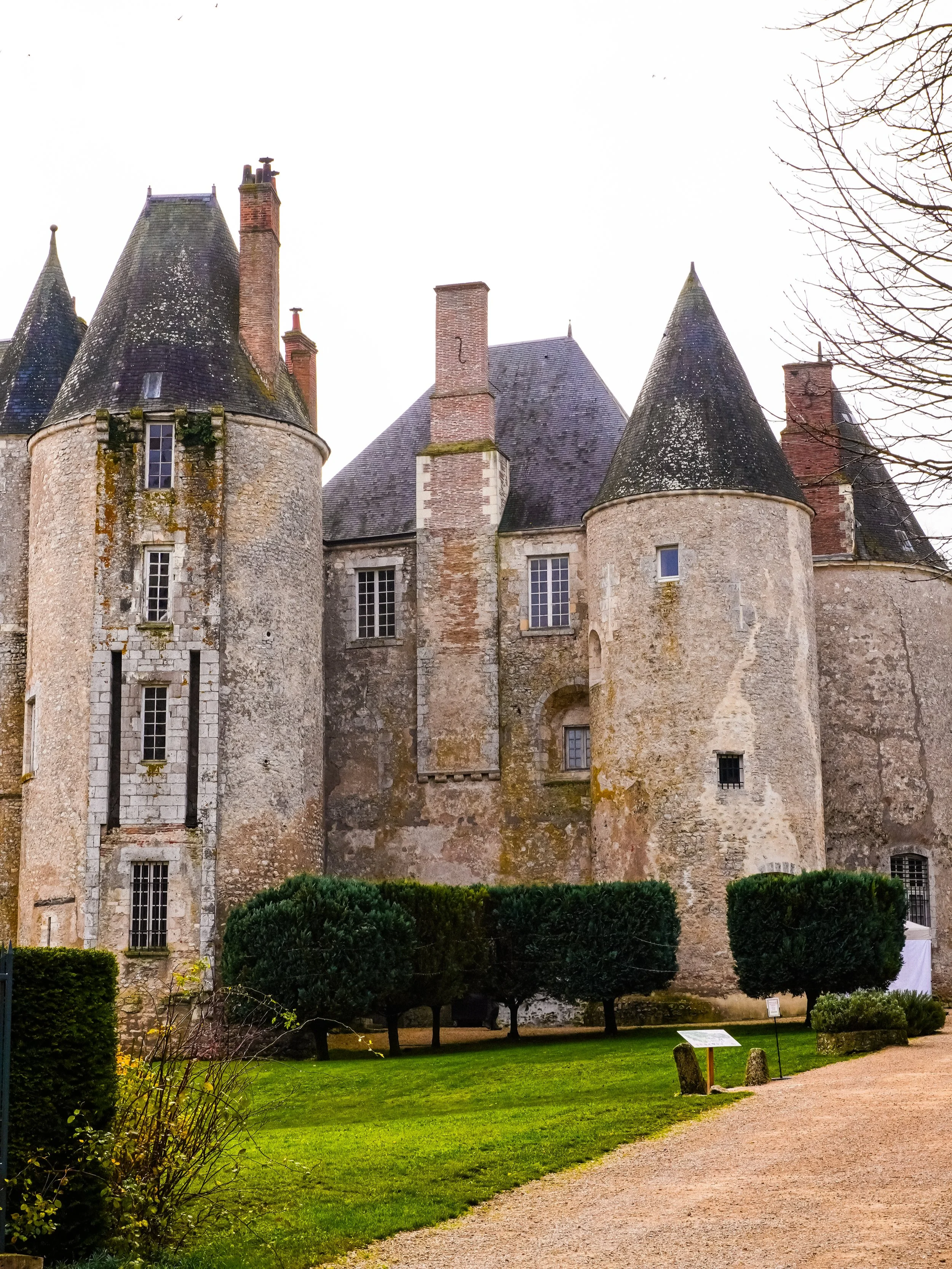
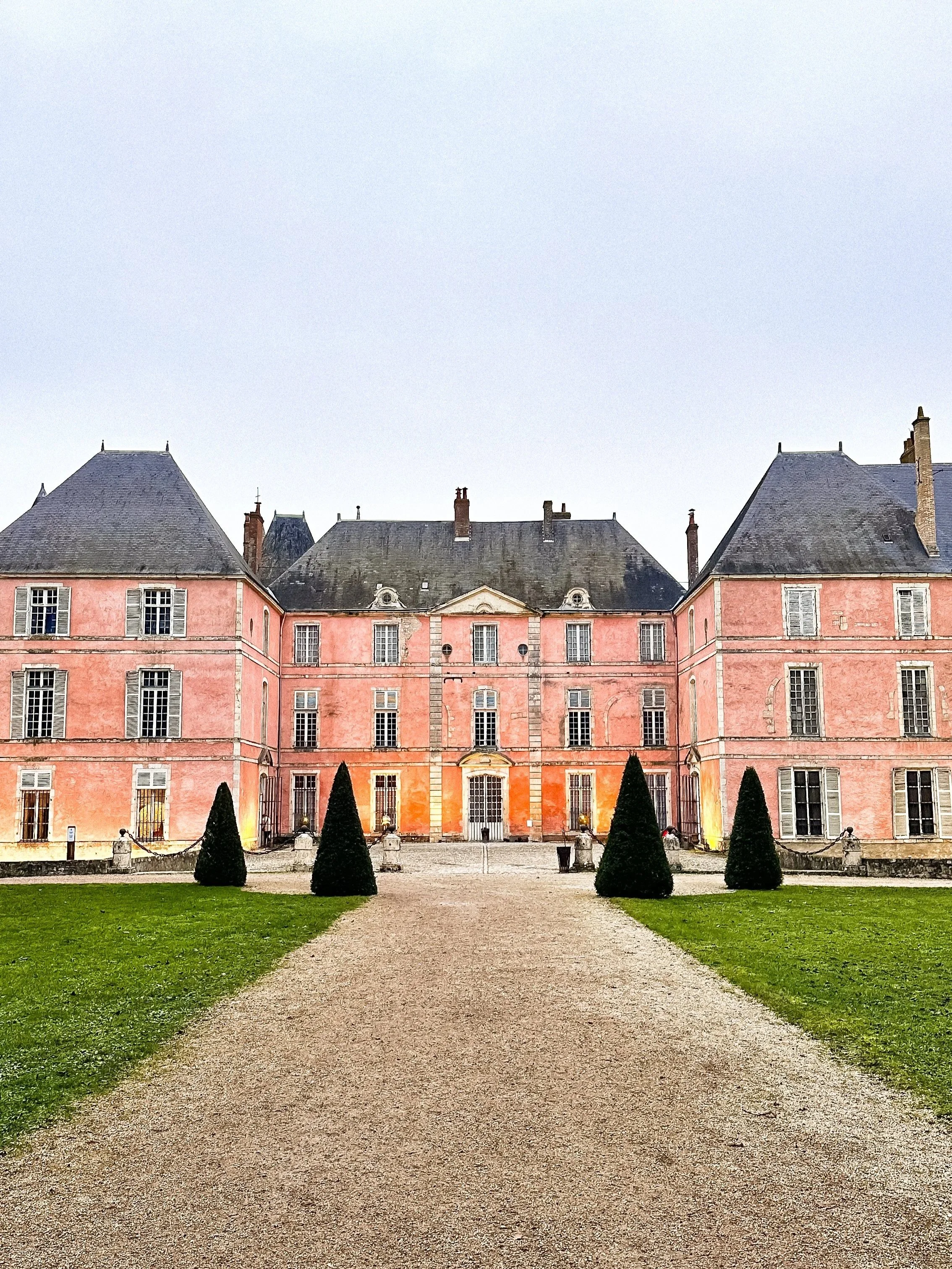
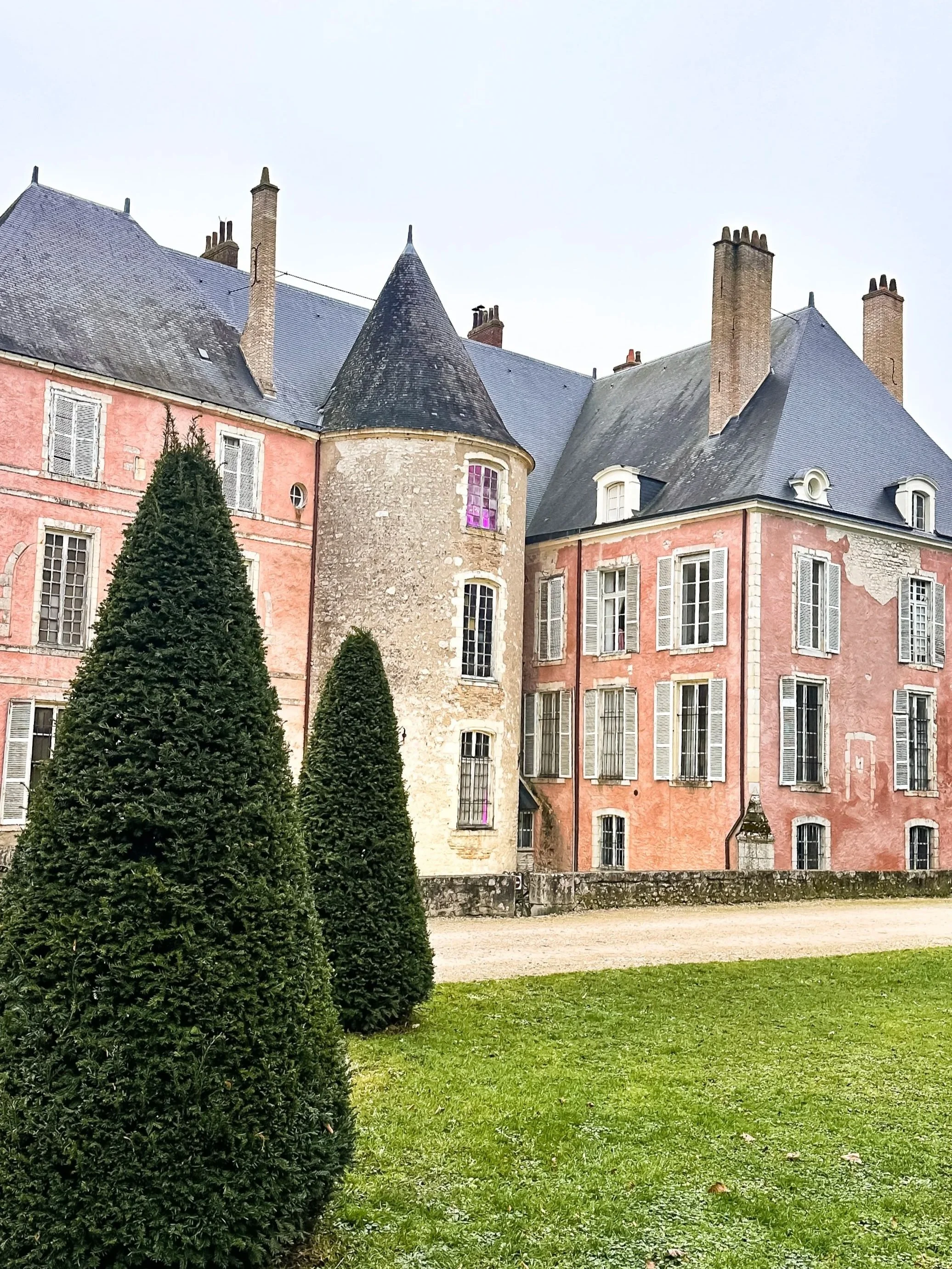
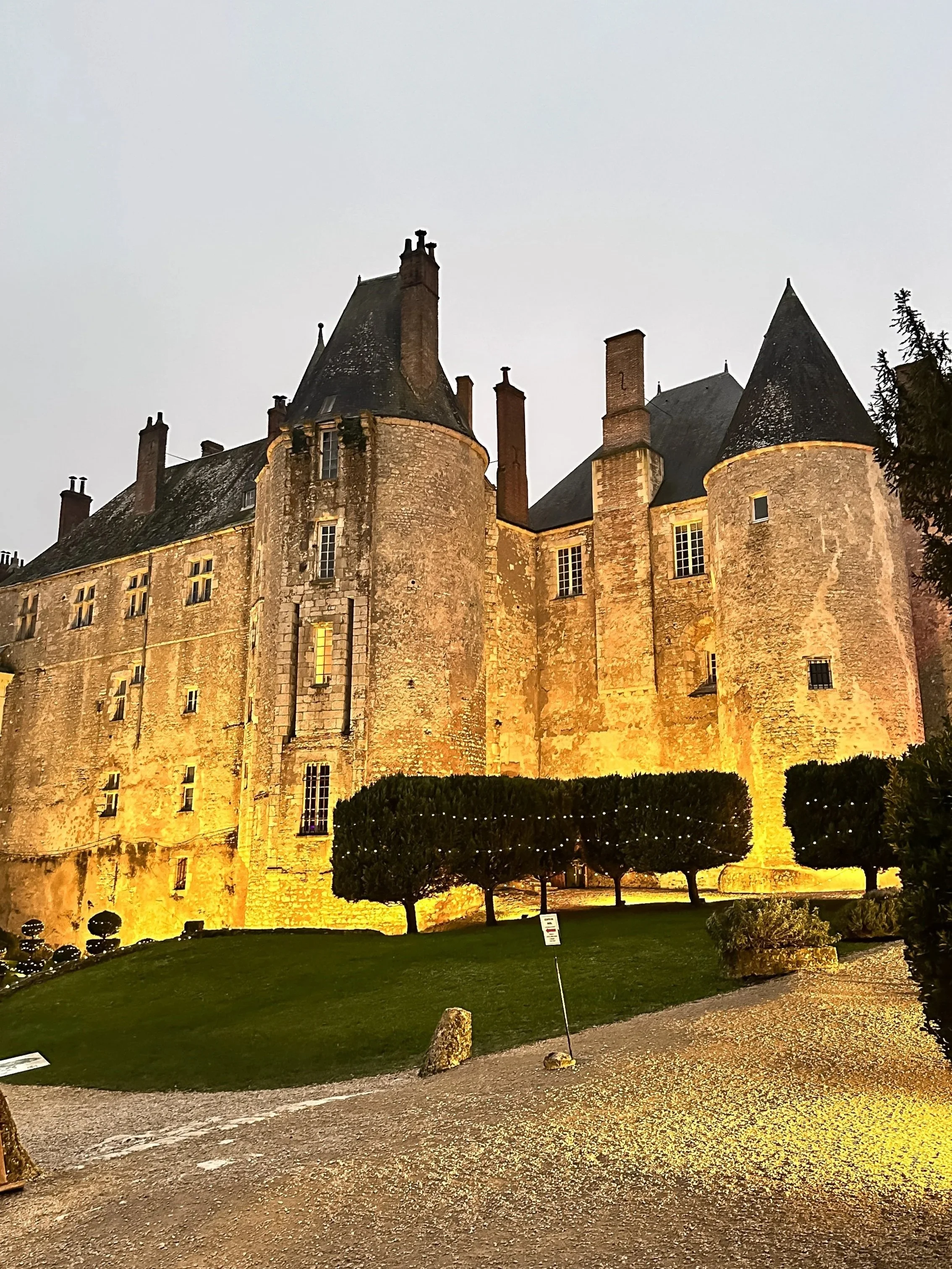
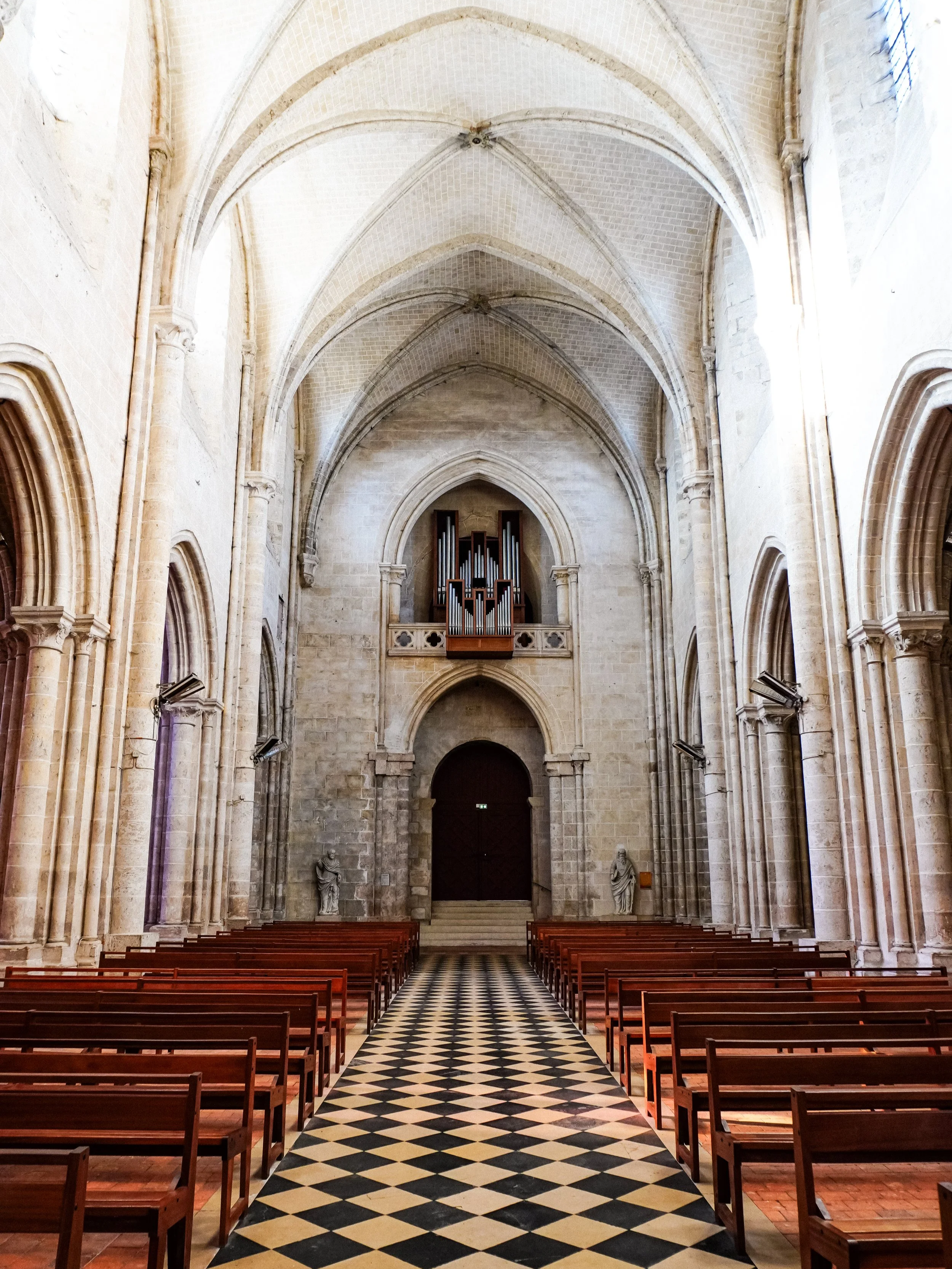
More discreet, Château de Meung-sur-Loire offers a different experience.
It was originally a medieval bishop’s residence, later transformed into a more classical château.
Unlike many others, it still has furnished interiors, giving a better sense of daily life in different periods.
It’s also less crowded, which makes the visit more relaxed.
Practical info
Open: seasonal (generally spring–autumn)
Website: chateau-de-meung.com
Time to visit: 1.5–2 hours
Practical Tips
Getting there
From Paris, you can take a train to Tours or Amboise (about 1–1.5h), then rent a car.
Getting around
A car is highly recommended. The châteaux are spread out, and public transport is limited.
How many per day
2 châteaux per day is ideal. It allows time to enjoy both interiors and gardens without rushing.
When to go
Spring and early autumn are the best periods.
Summer is beautiful but busier.
Where to stay
Amboise is one of the best bases. Central, charming, and well-located.
A small mindset tip
Don’t try to see everything. Choose a few châteaux, take your time, and enjoy the landscapes in between.