
Barcelona is one of those cities that rewards wandering without too much of a plan. Beyond the landmarks, much of what makes the city memorable happens at street level: Modernist façades, tiled entrances, tiny bodegas, neighbourhood markets, café terraces and streets that suddenly open onto quiet squares.
The best way to experience it is neighbourhood by neighbourhood. Each part of the city has its own rhythm: the medieval lanes of the Barri Gòtic feel completely different from the ordered avenues of Eixample, while Gràcia still carries the rhythm of a smaller town and Barceloneta turns towards the Mediterranean.
This guide brings together the places I would return to, from Gaudí's architecture and contemporary art to old-school tapas bars, natural wine spots and some of my favourite corners to simply walk.
/// Barri Gòtic
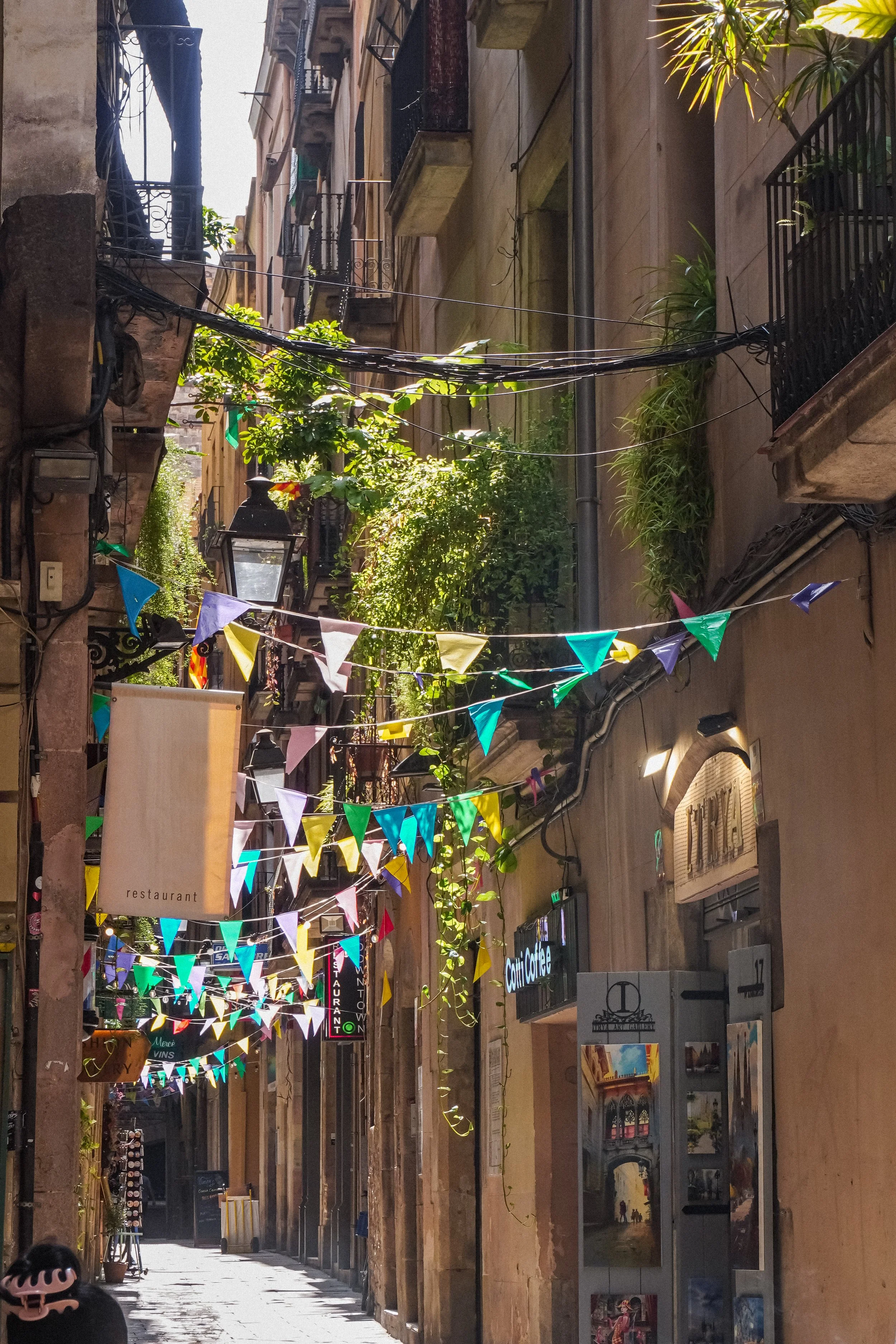
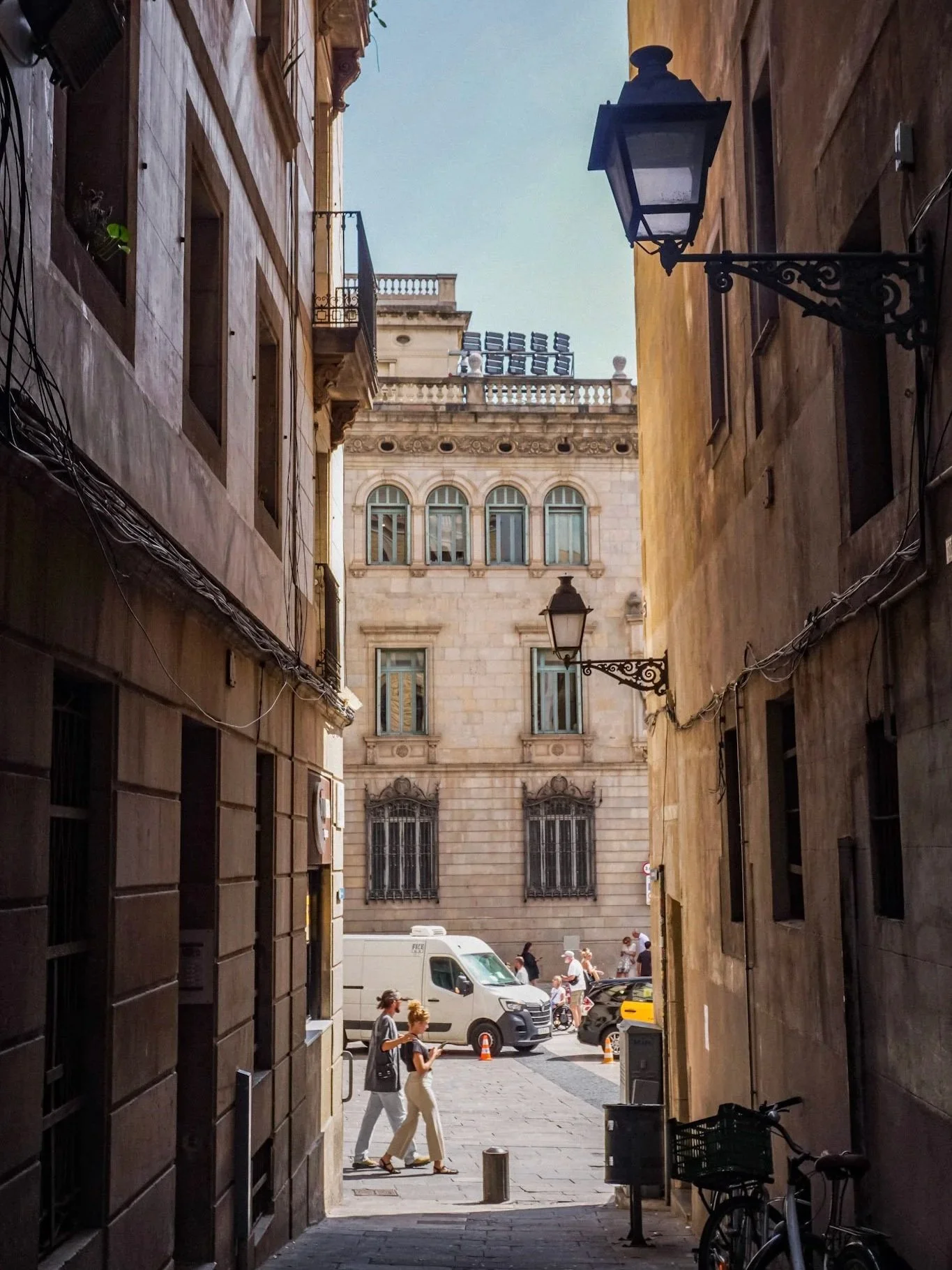
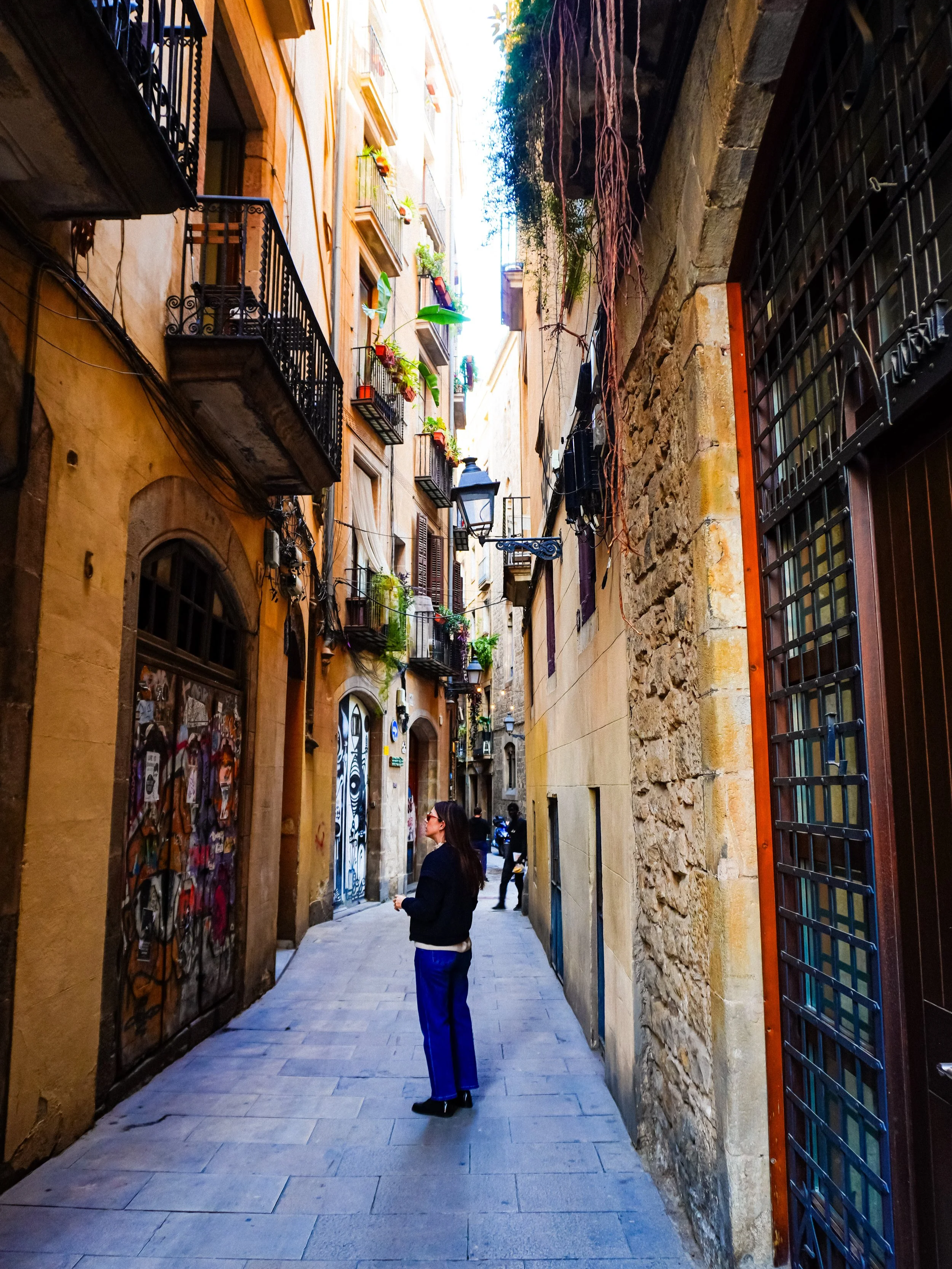
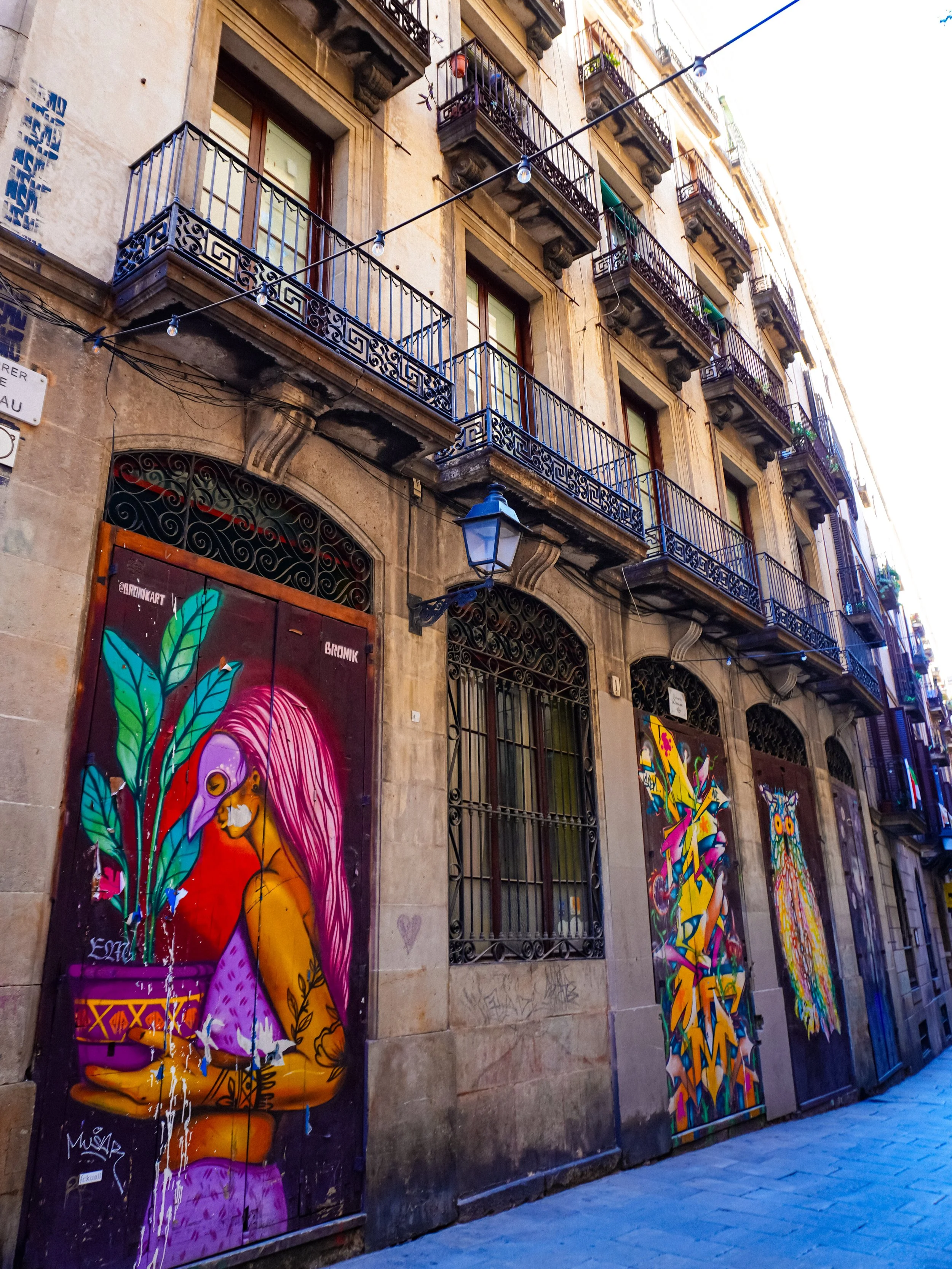
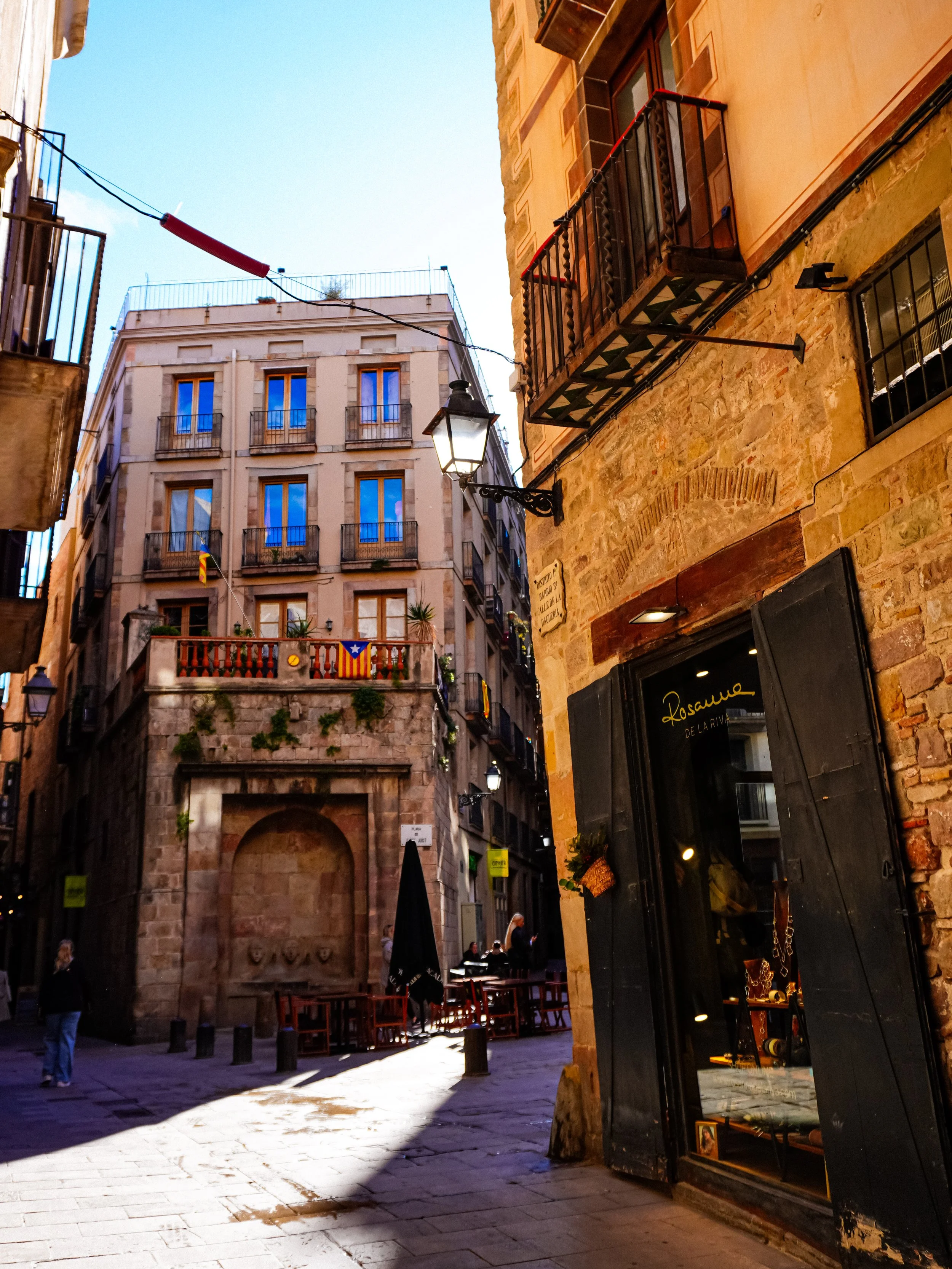
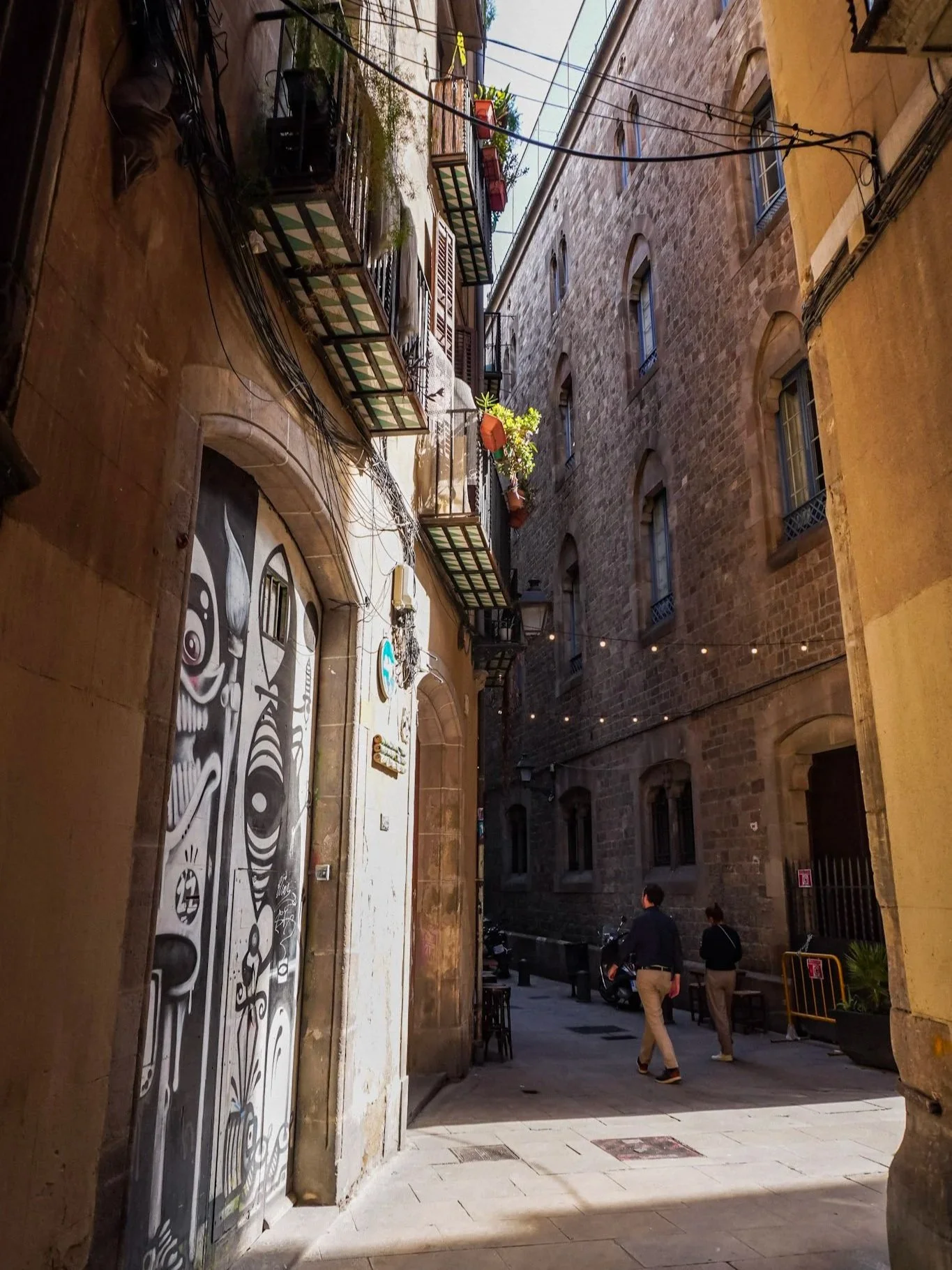
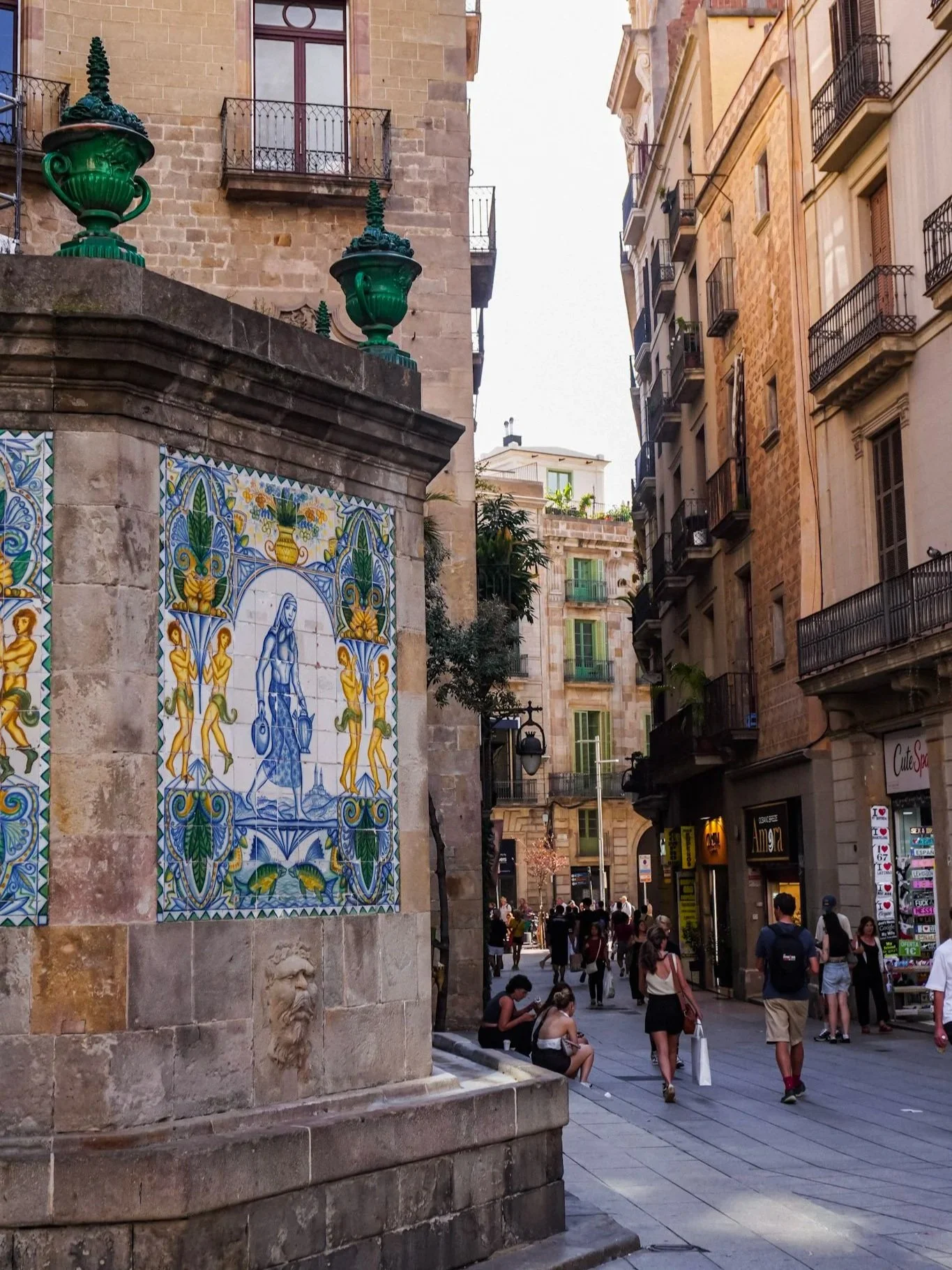
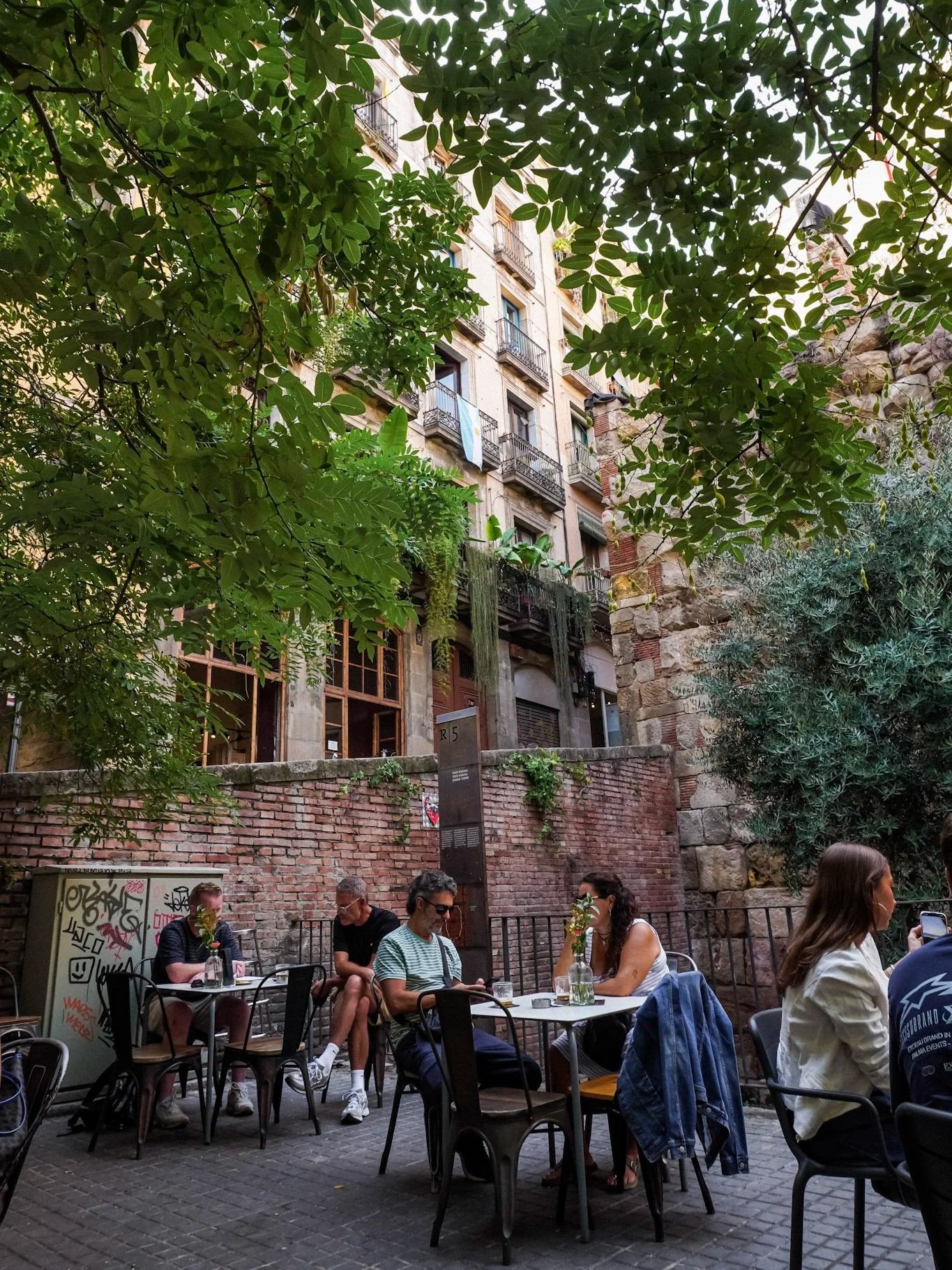
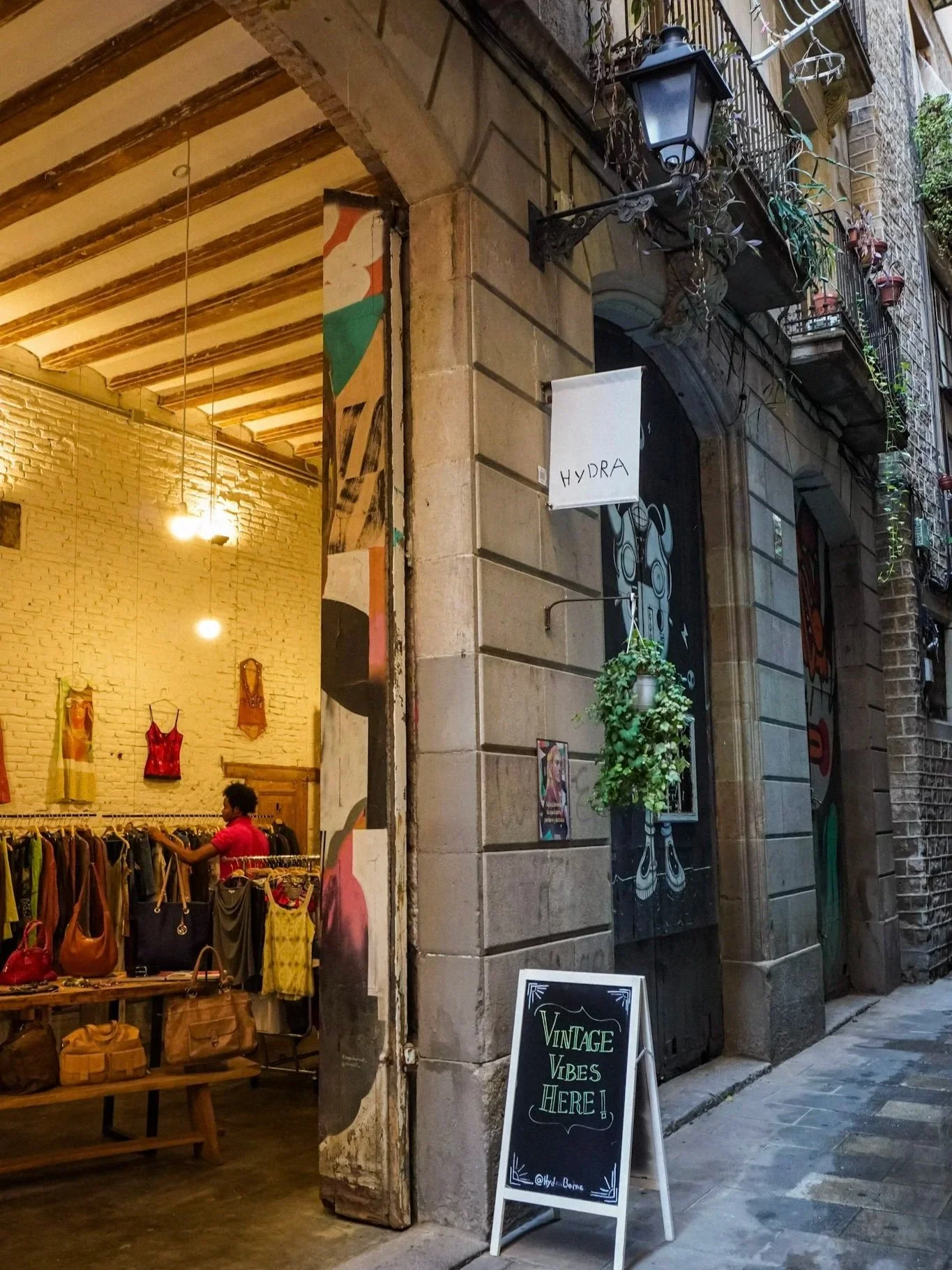
The oldest part of Barcelona is also one of the easiest places to get lost. The Barri Gòtic grew around the Roman and medieval heart of the city, and traces of both are still visible between its narrow streets, stone buildings and small squares.
The main streets can become extremely busy, so this is a neighbourhood worth exploring early in the morning or by deliberately stepping away from the busiest routes.
What to See
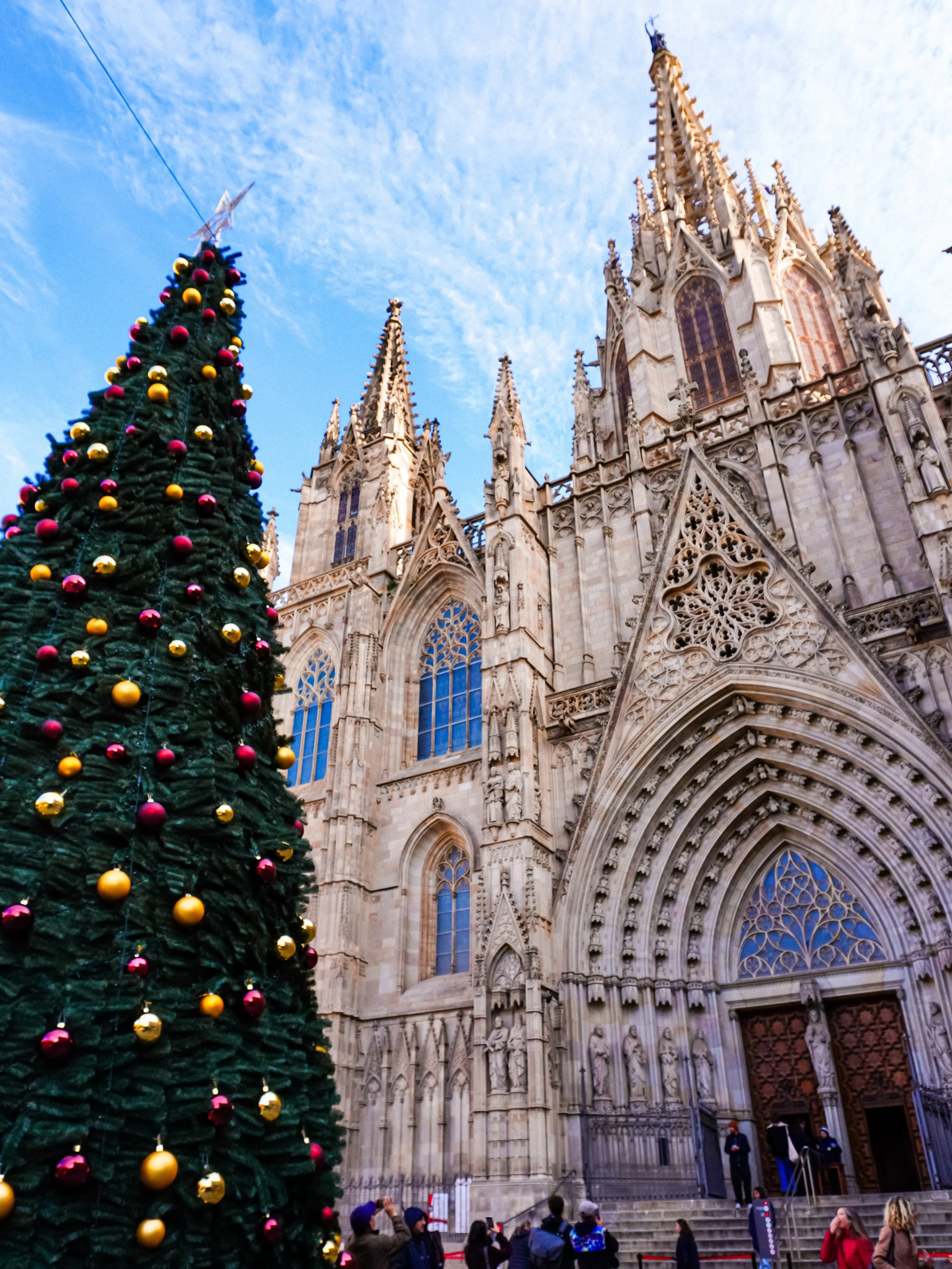
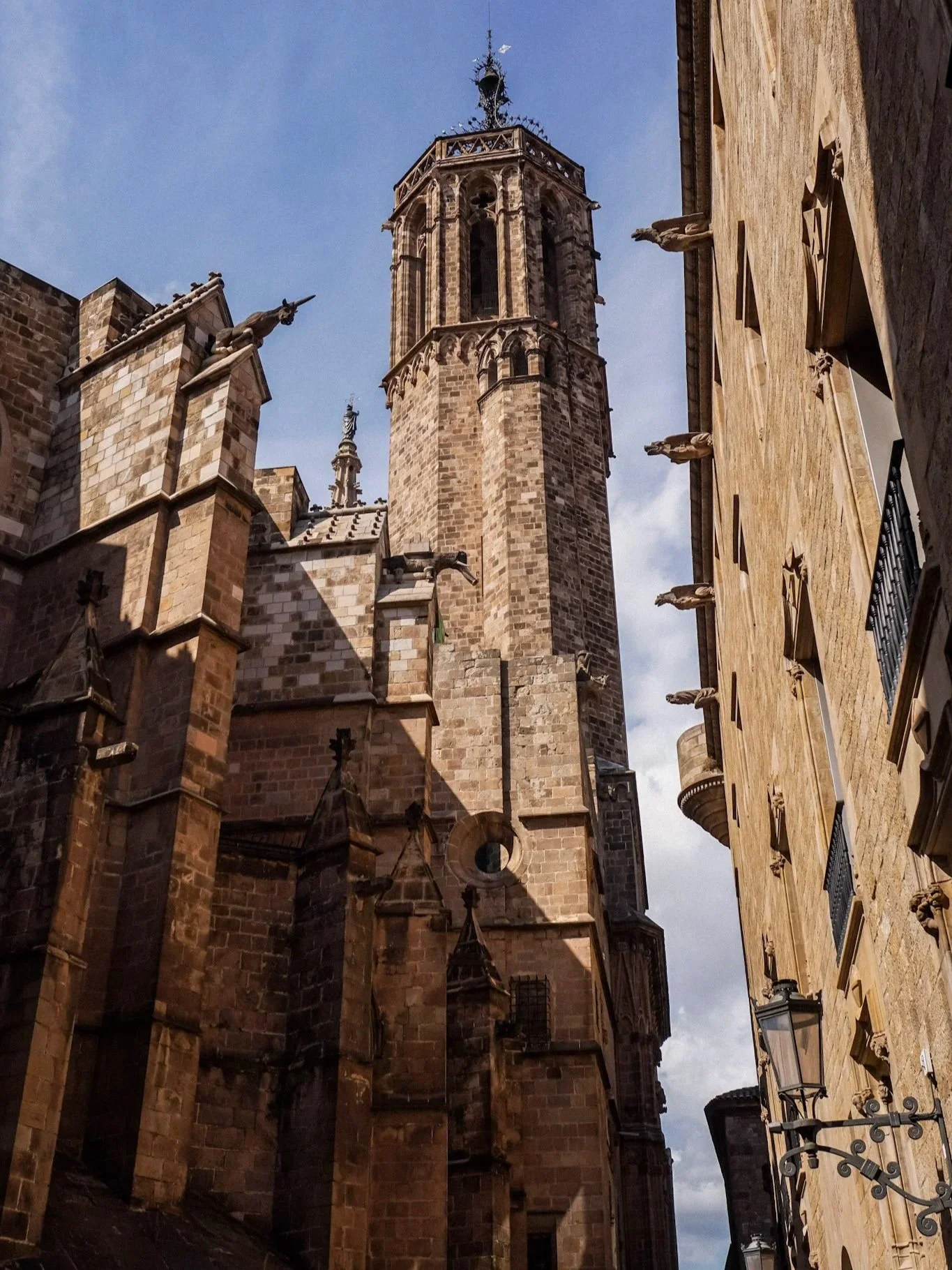
Barcelona Cathedral
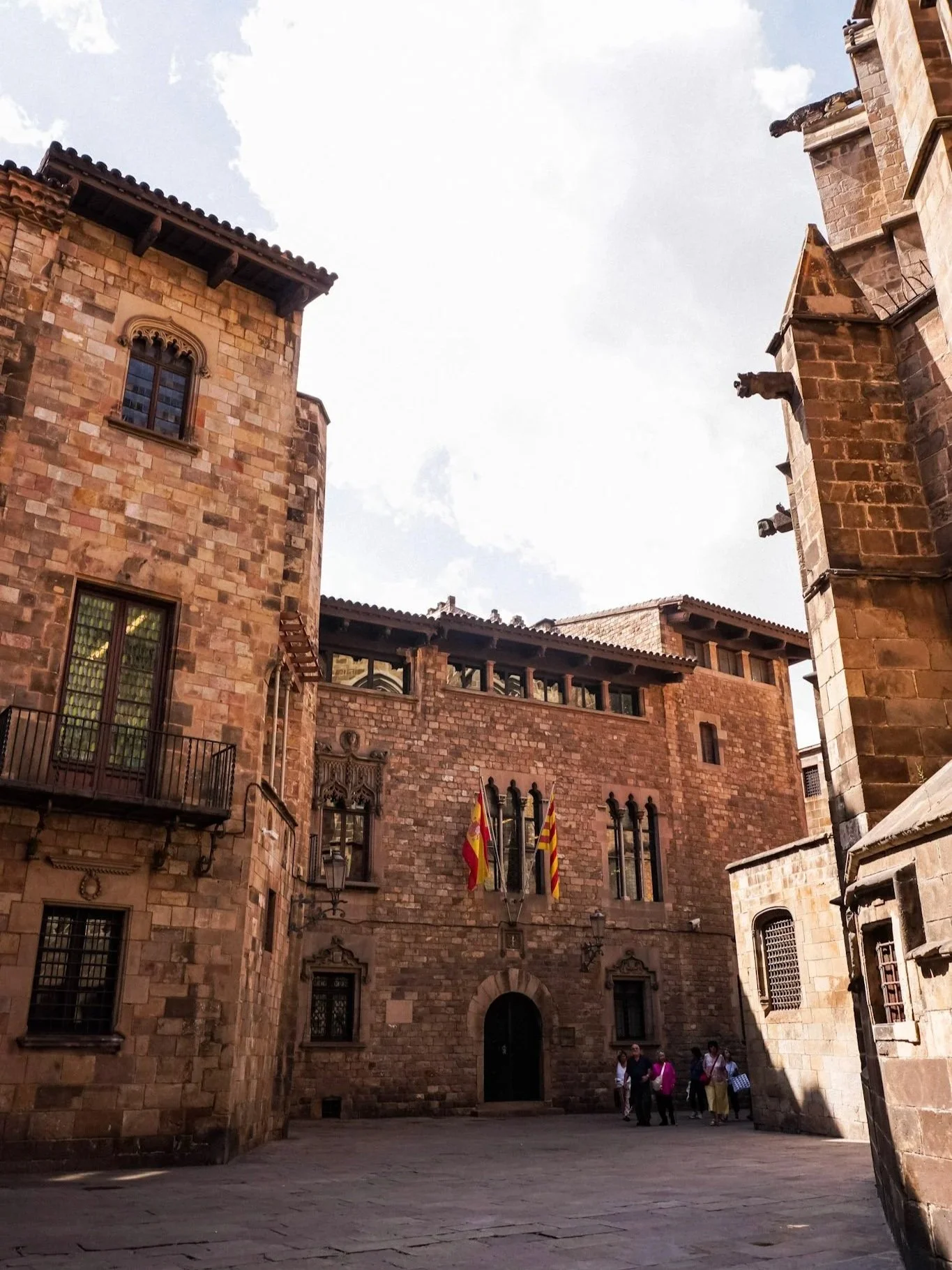
The Gothic cathedral dominates the historic centre, but don't stop at the façade. Walk around the surrounding lanes and cloister, where this part of the city becomes much quieter.
Plaça Sant Jaume
Barcelona's historic civic centre, framed by the City Hall and Palau de la Generalitat. It is also a useful starting point for wandering deeper into the Gòtic.
Plaça del Rei
One of the best-preserved medieval ensembles in Barcelona, surrounded by buildings connected to the former royal palace. Beneath the square are archaeological remains of Roman Barcino.
Plaça Sant Felip Neri
A tiny, secluded square behind the Cathedral, centred around a fountain and Baroque church. Look closely at the church façade and you will see the scars left by the 1938 bombing that killed 42 people during the Spanish Civil War.
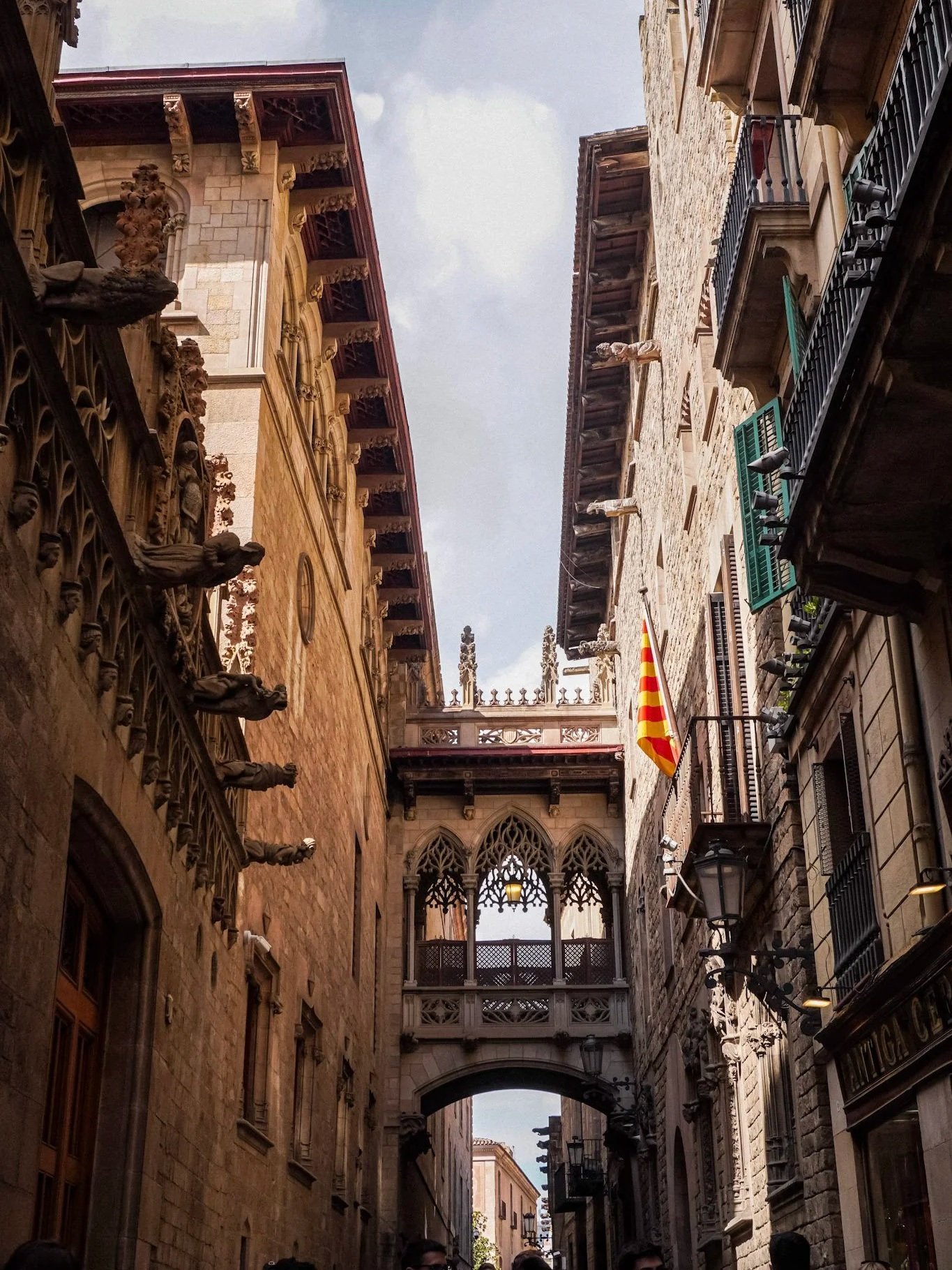
Carrer del Bisbe
One of the Gòtic's most photographed streets, connecting Plaça Nova and Plaça Sant Jaume. Go early if you want to appreciate the architecture without the crowds.
Temple d'August
Hidden inside a medieval courtyard on Carrer Paradís are four surviving columns from Barcelona's Roman Temple of Augustus, more than 2,000 years old. It is one of those places you could easily walk past without knowing what is inside.
Plaça Reial
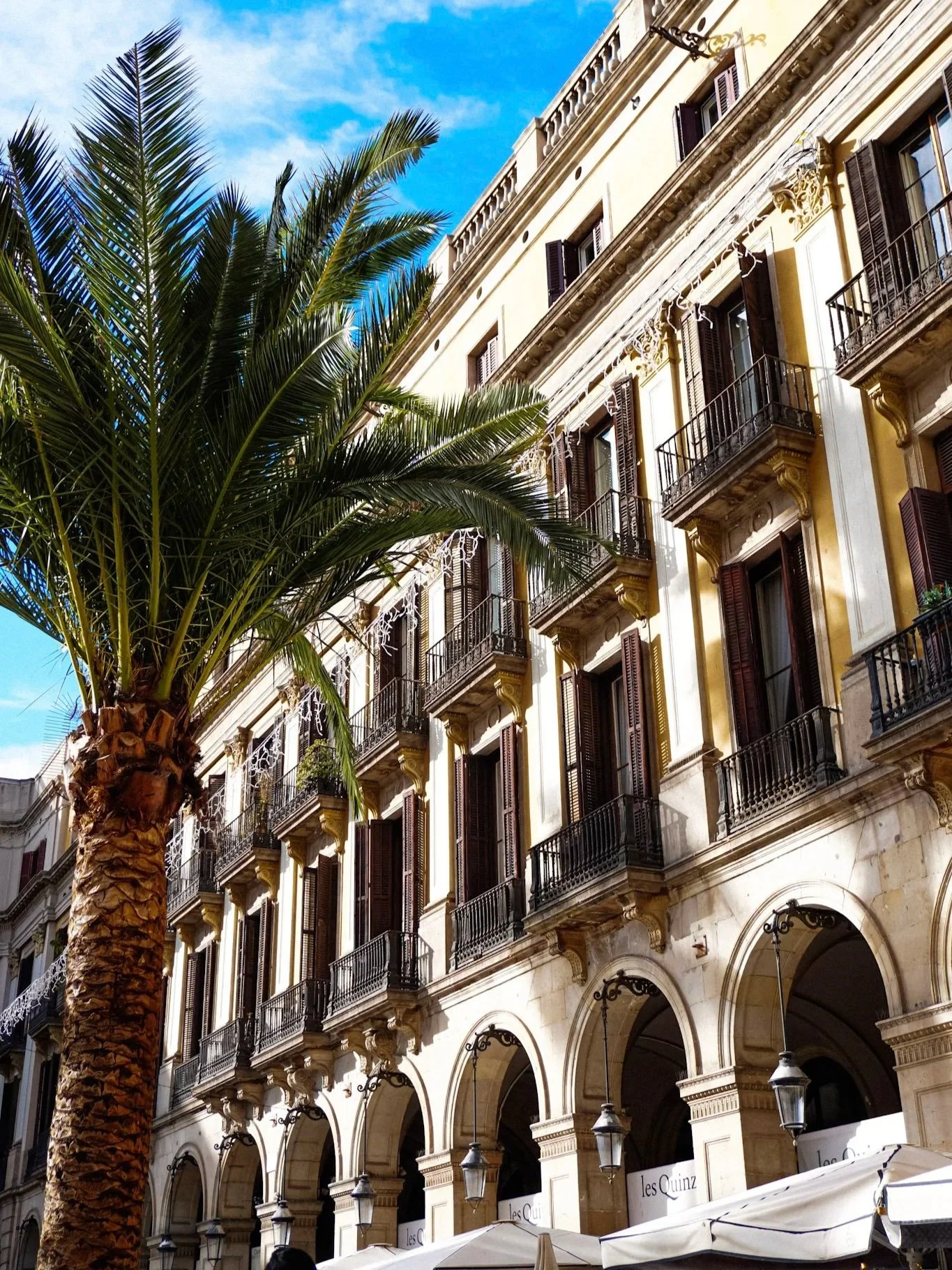
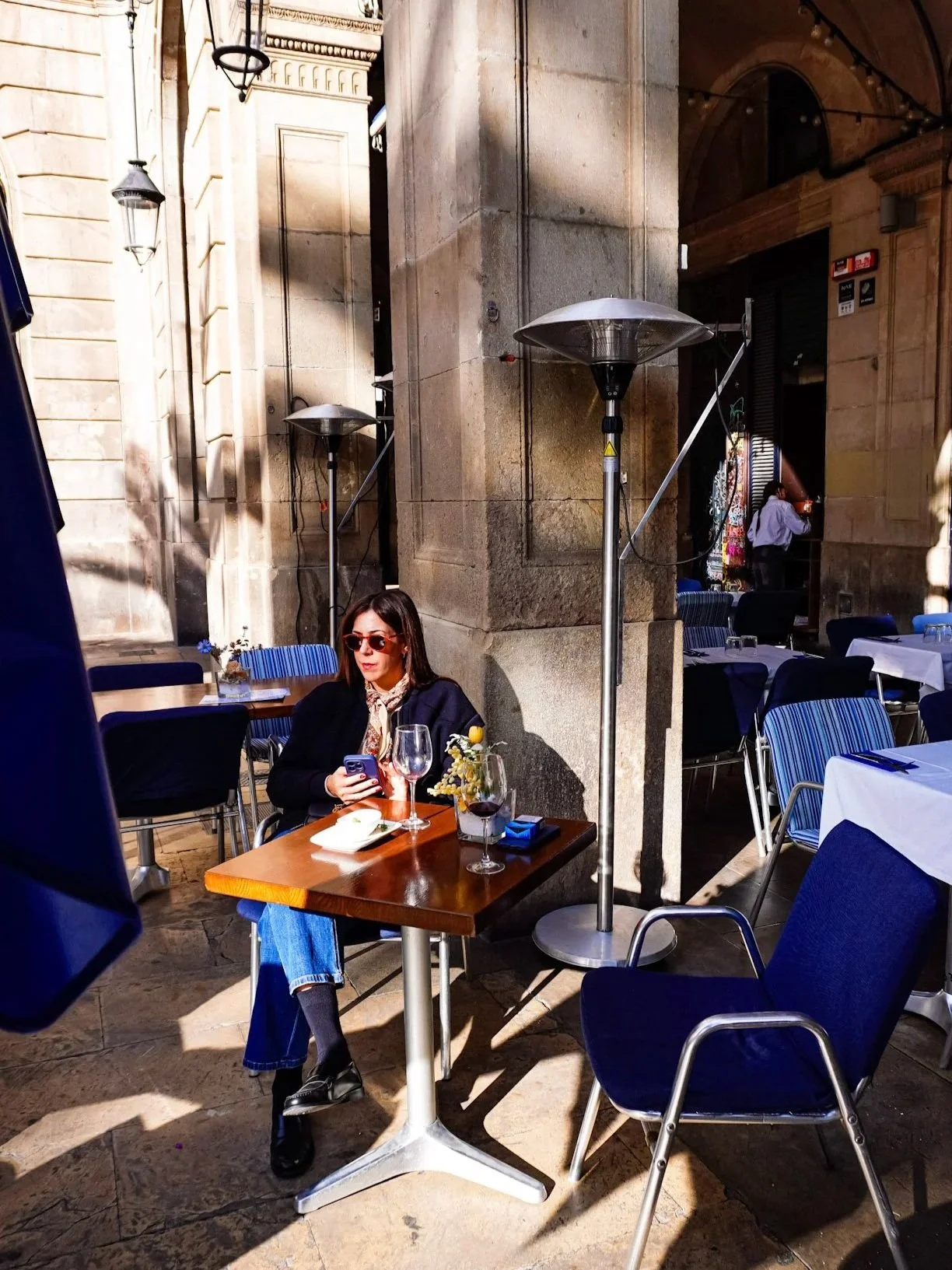
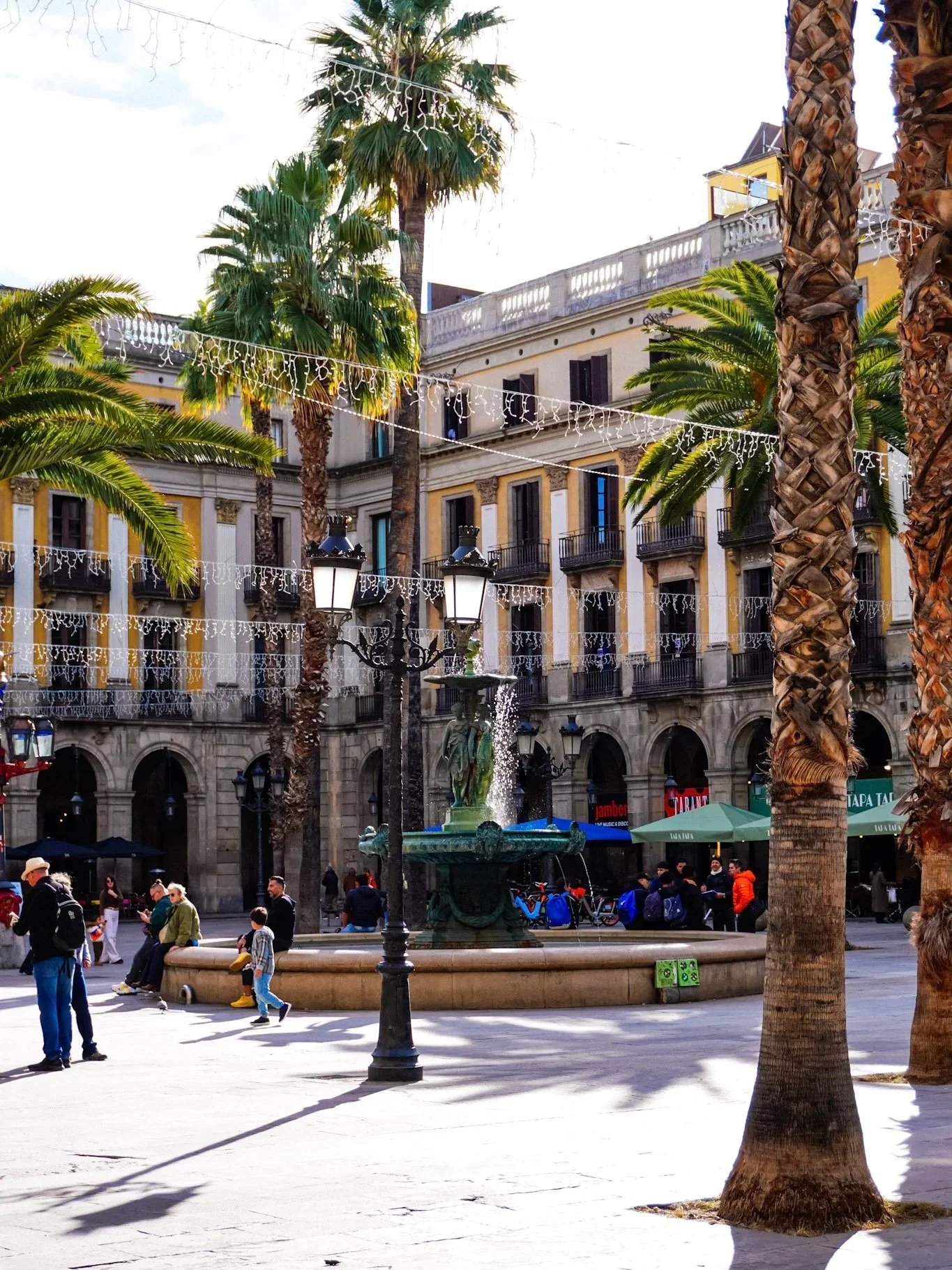
Arcades, palm trees and terraces just off La Rambla. It is busier and more touristy than the smaller squares above, but still worth seeing for its architecture.
Eat & Drink in Barri Gòtic
Capet
An intimate restaurant tucked into one of the Gòtic's narrow streets, with contemporary cooking centred around seasonal produce. Address: Carrer del Cometa, 5 · Website
Bellafila
A stylish neighbourhood table with a contemporary Mediterranean approach and a particularly beautiful setting in the old city. Address: Carrer de Bellafila, 5 · Website
Contraban
Inside Hotel Wittmore, a good option for a more polished dinner or drinks away from the busiest streets. Address: Carrer de Riudarenes, 7 · Website
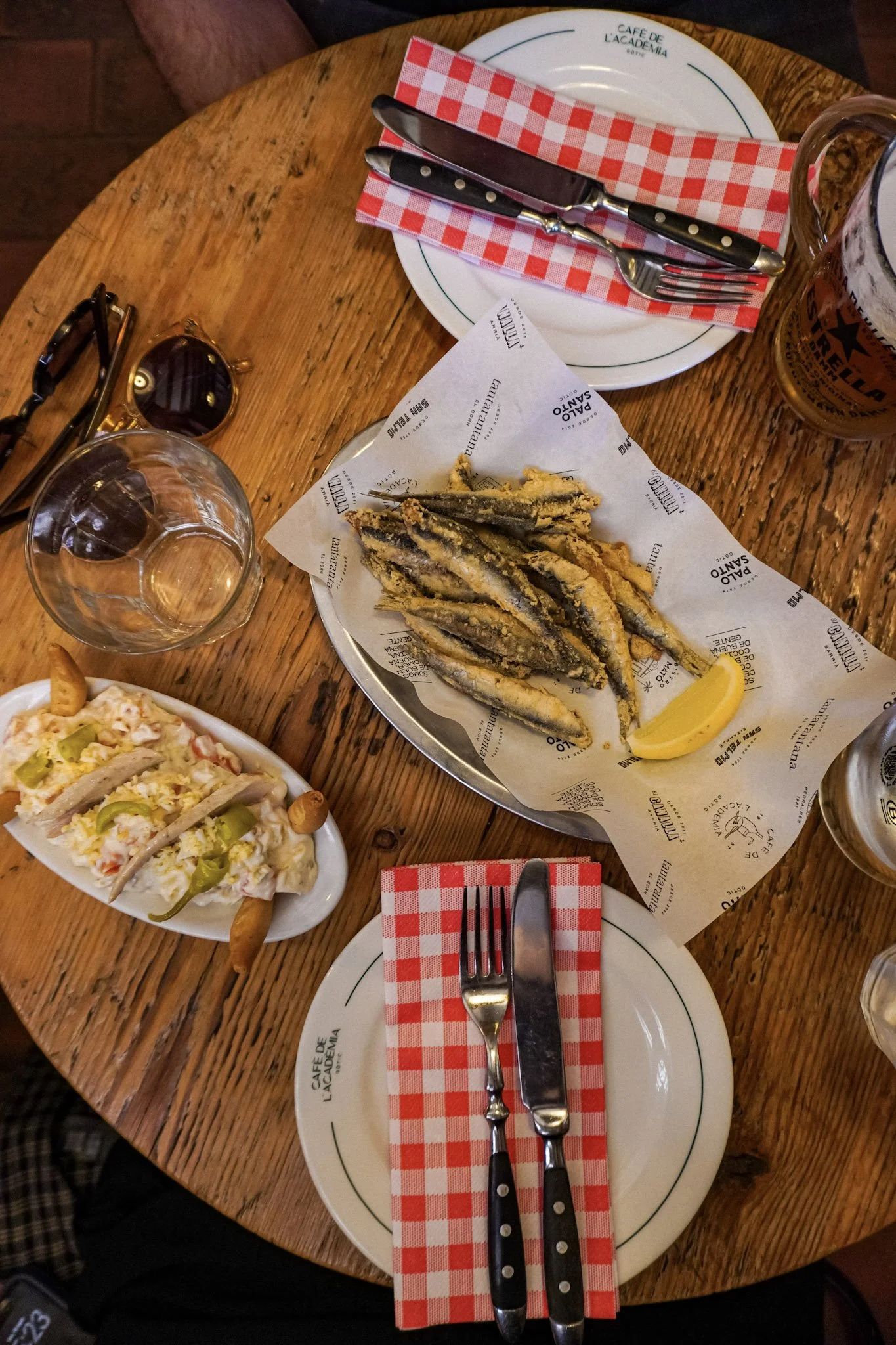
Cafè de L'Acadèmia
A long-standing Catalan address hidden near Plaça Sant Jaume, particularly lovely for dinner outside on the small square. Address: Carrer dels Lledó, 1 · Website
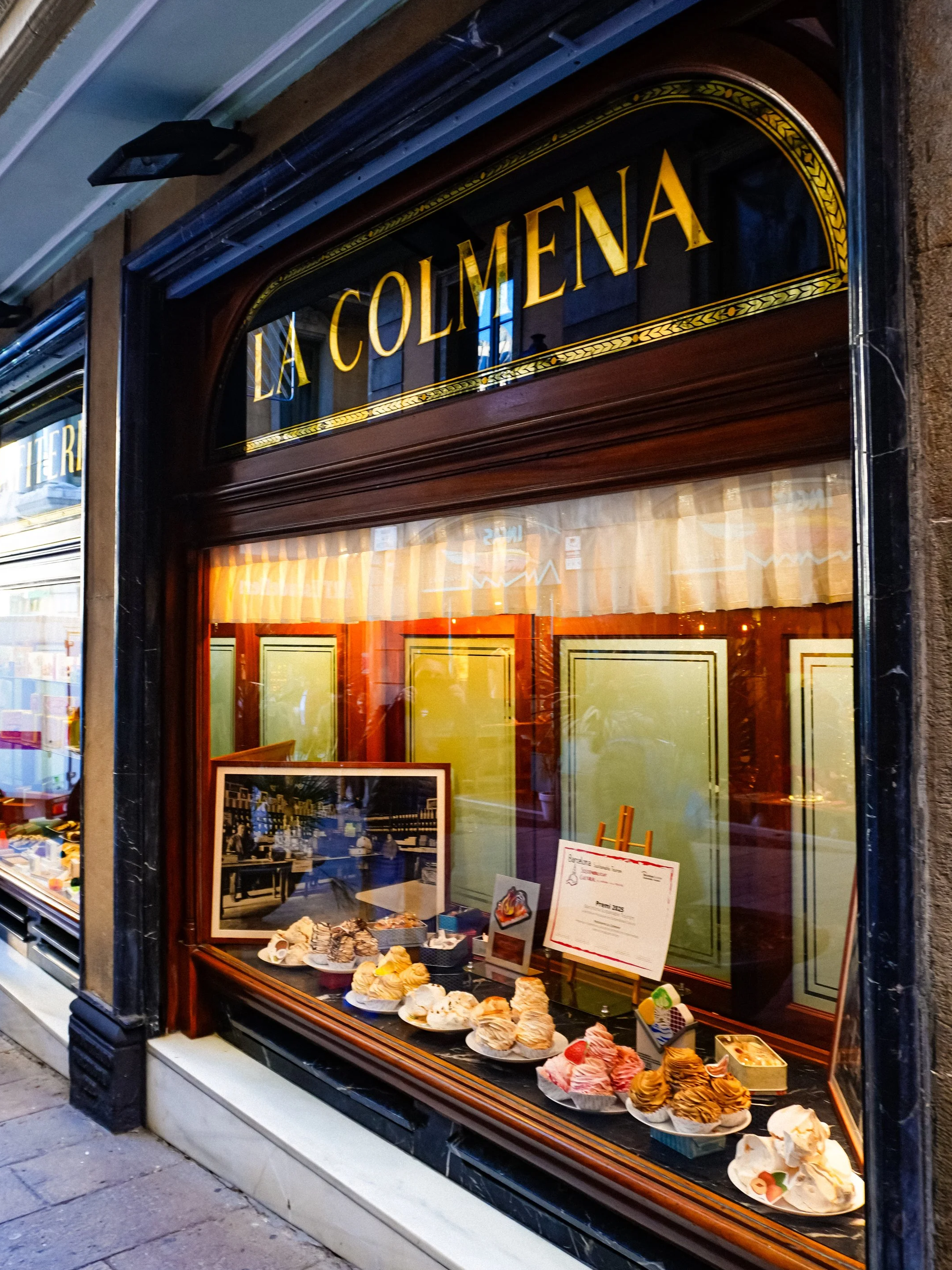
La Colmena
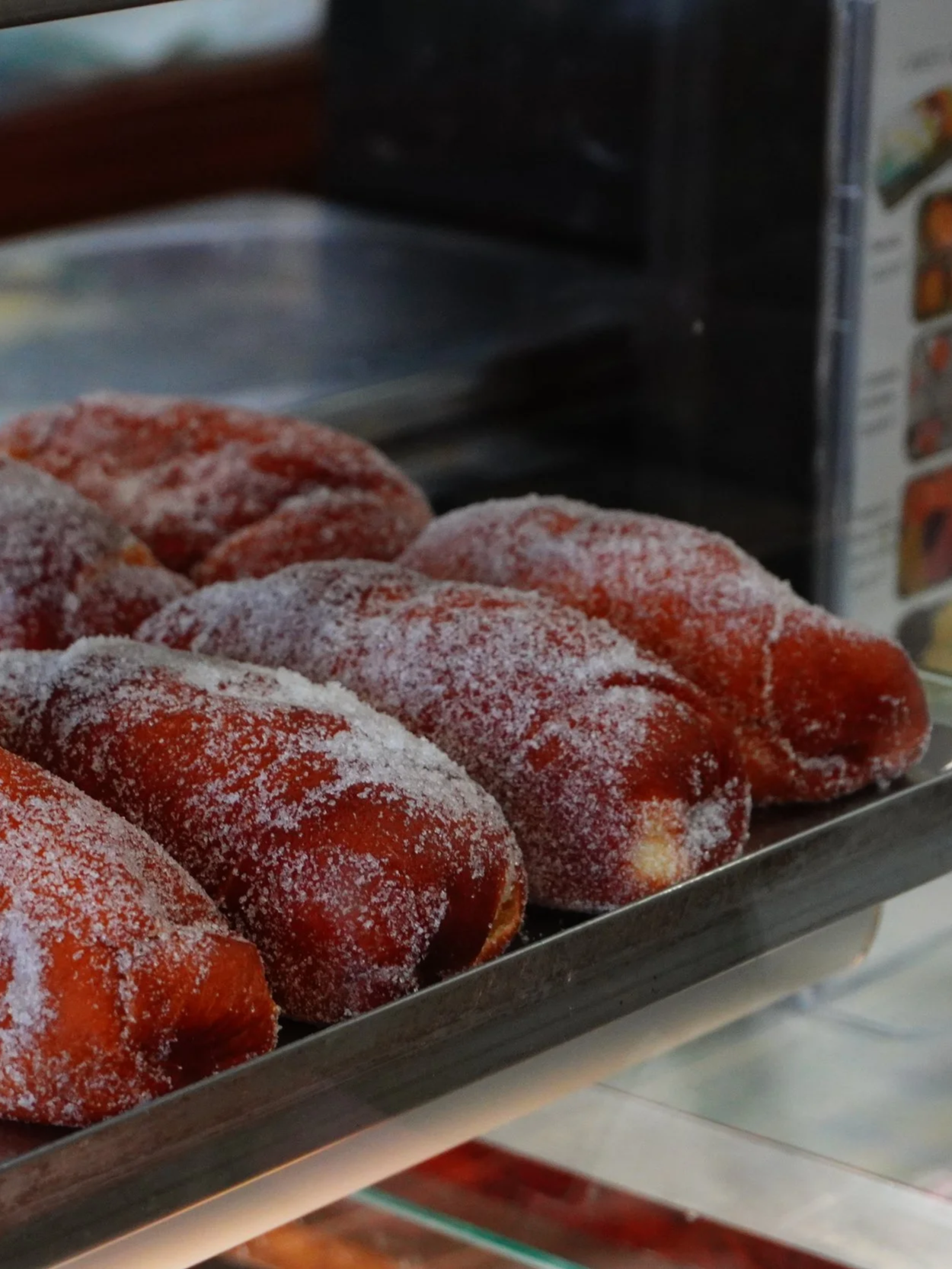
One of the city's historic pastry shops. Stop for traditional Catalan sweets. Address: Plaça de l’Àngel, 12
/// El Born
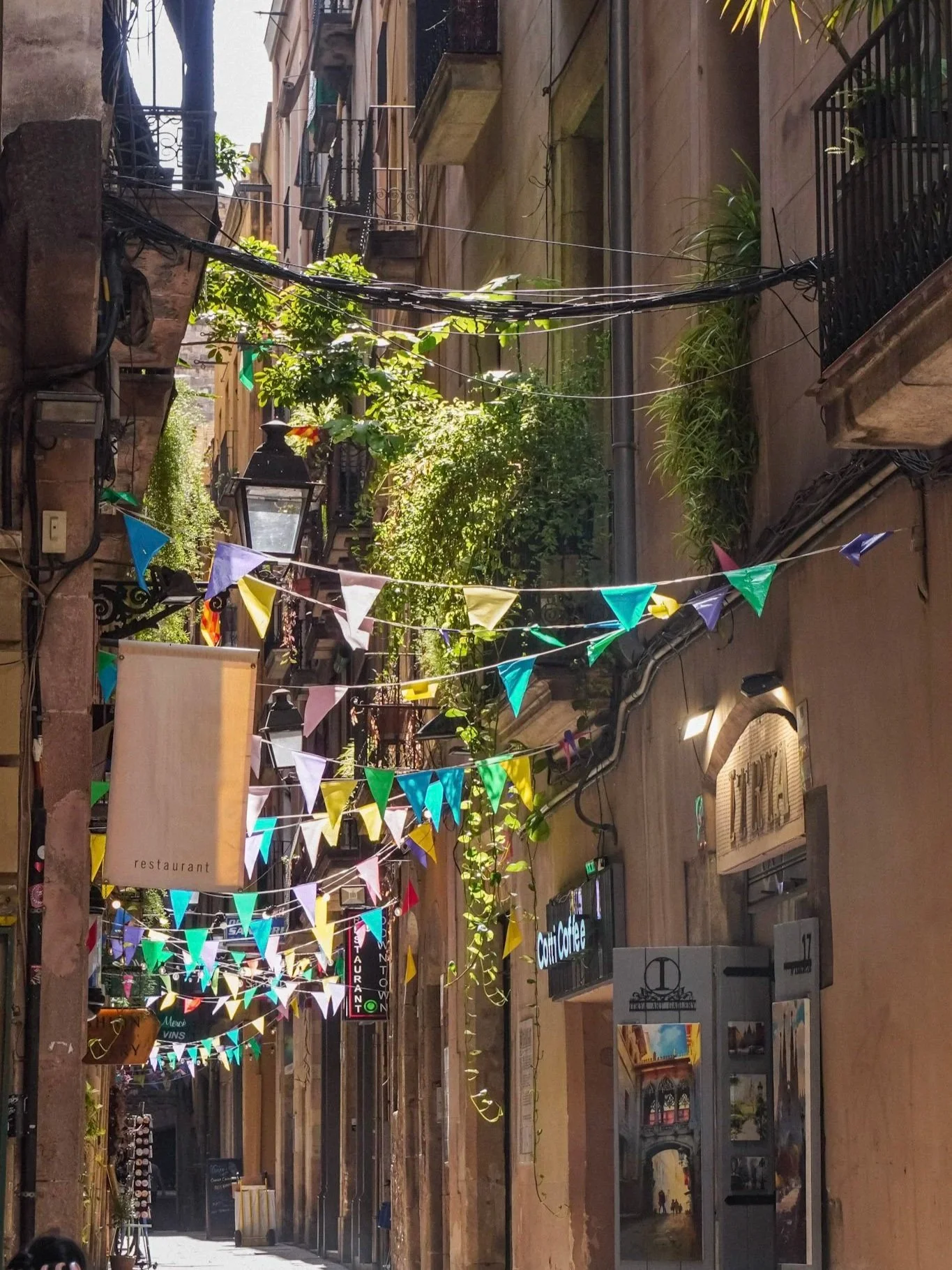
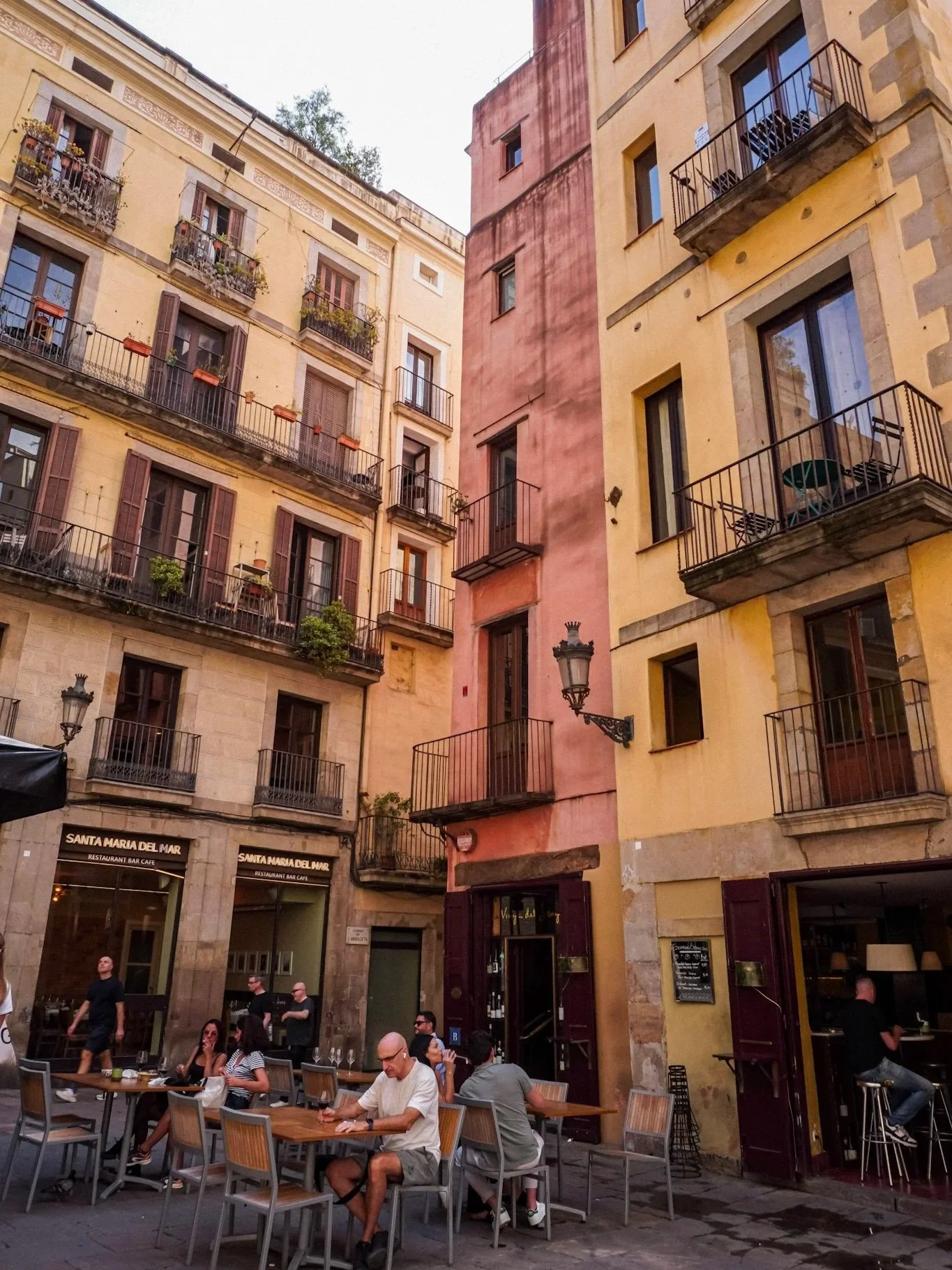
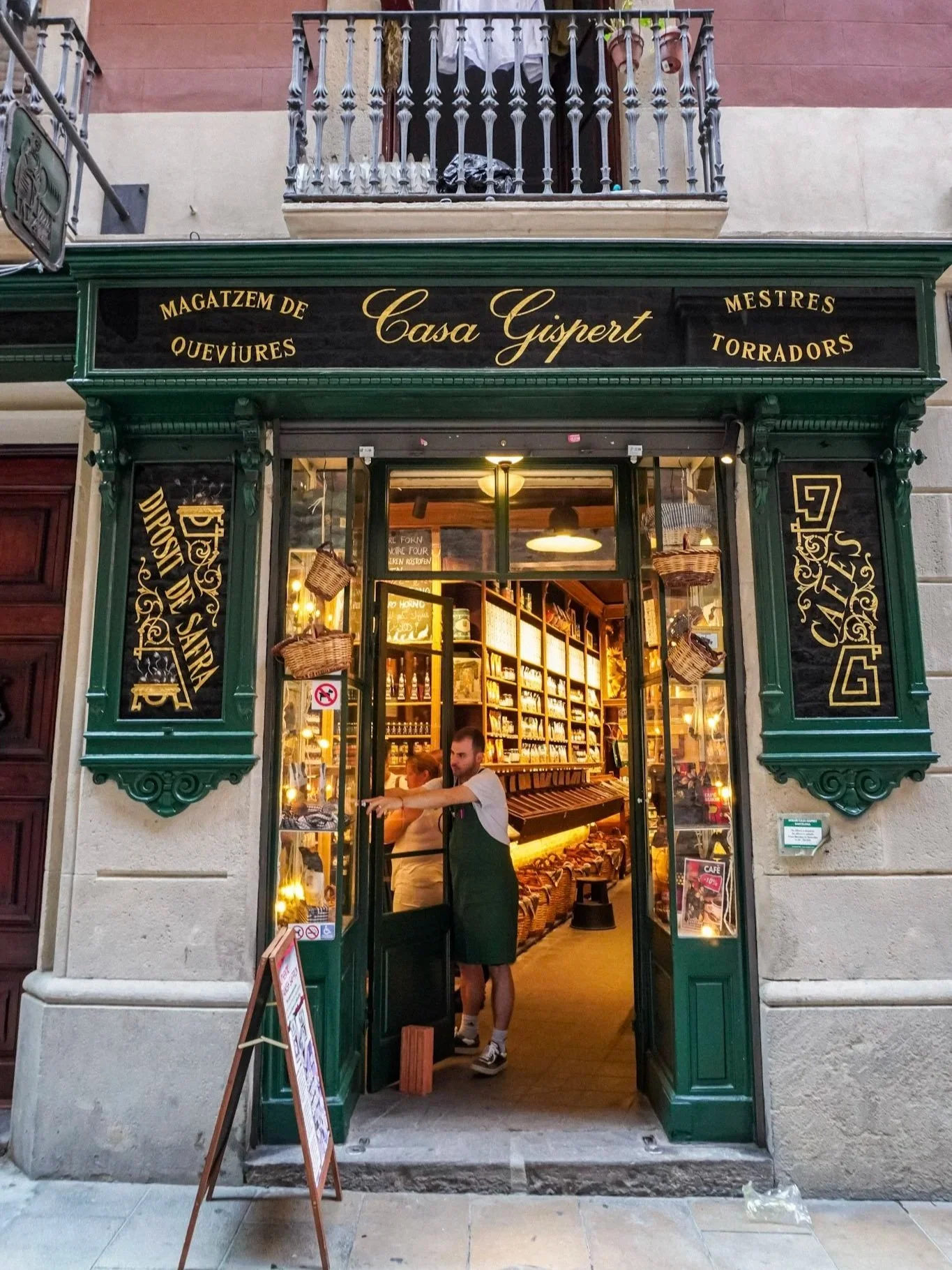
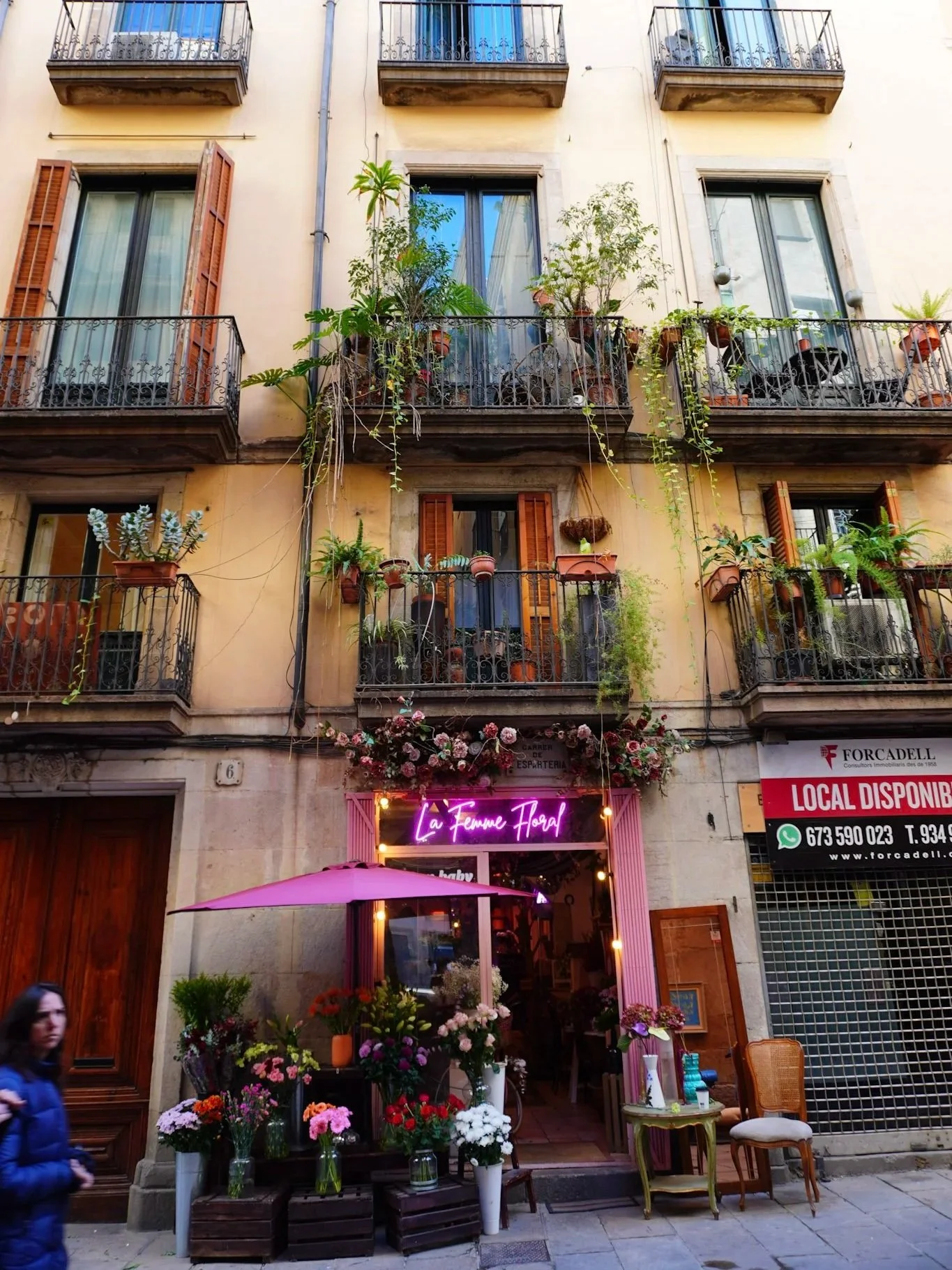
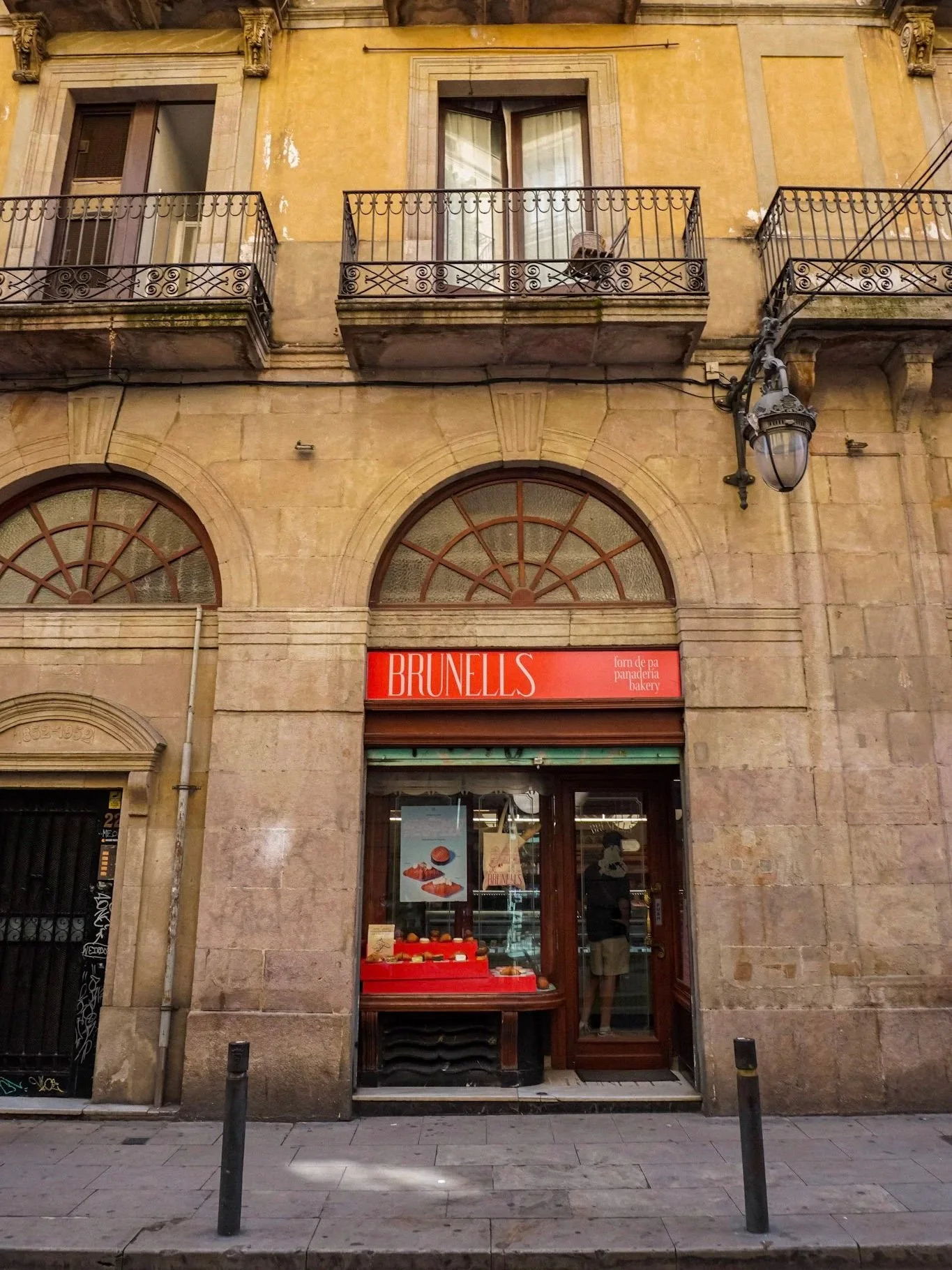
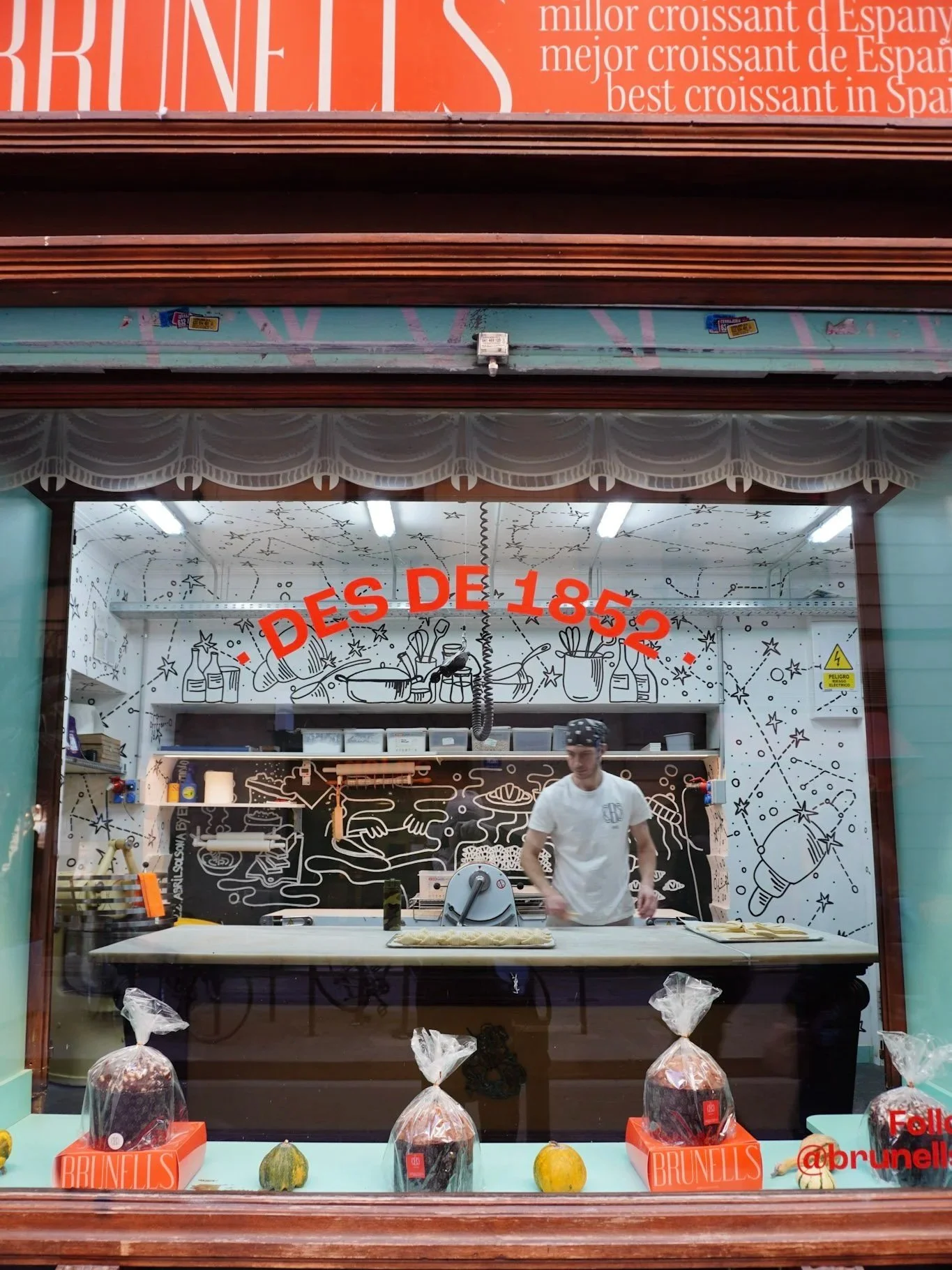
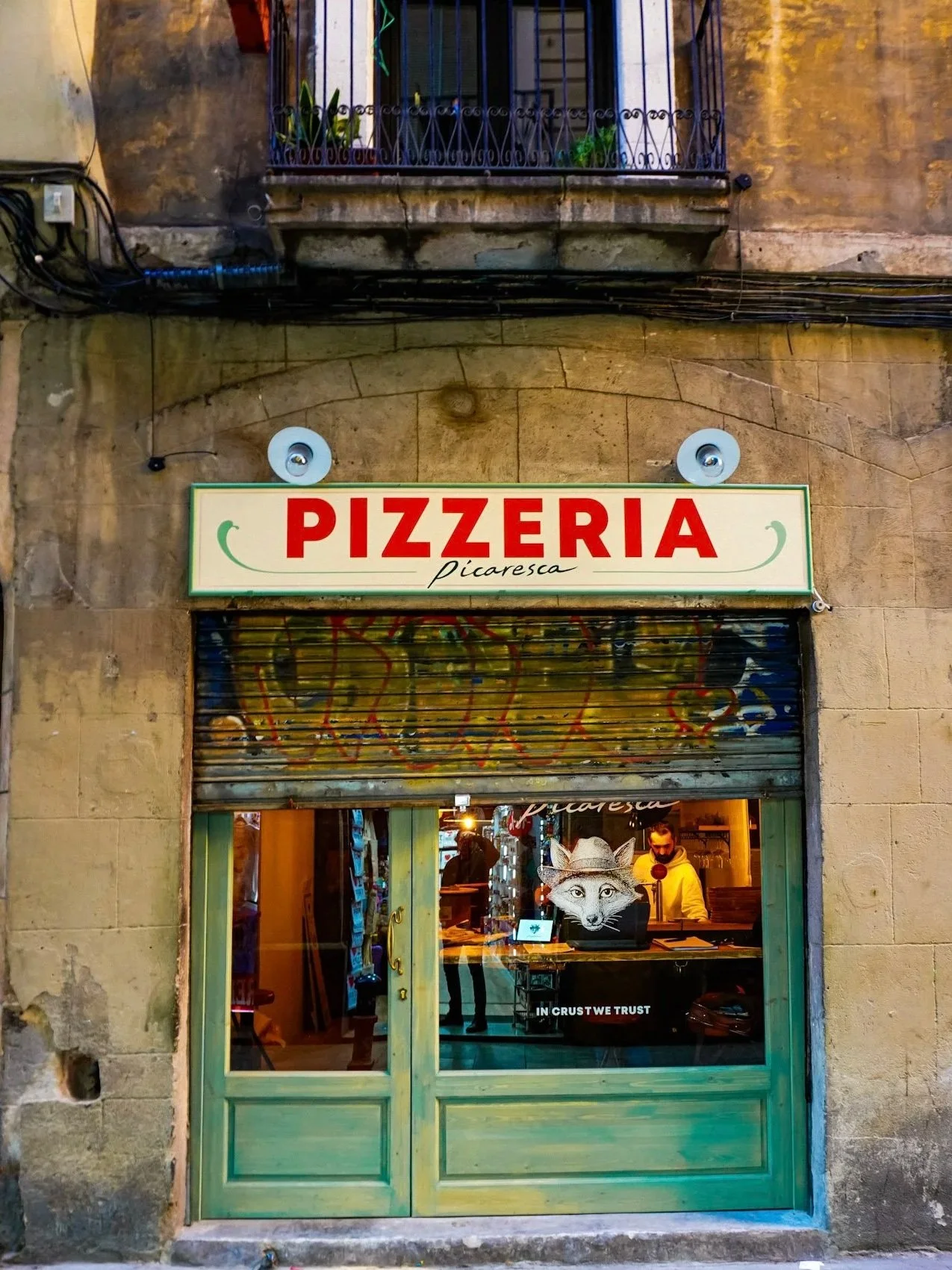
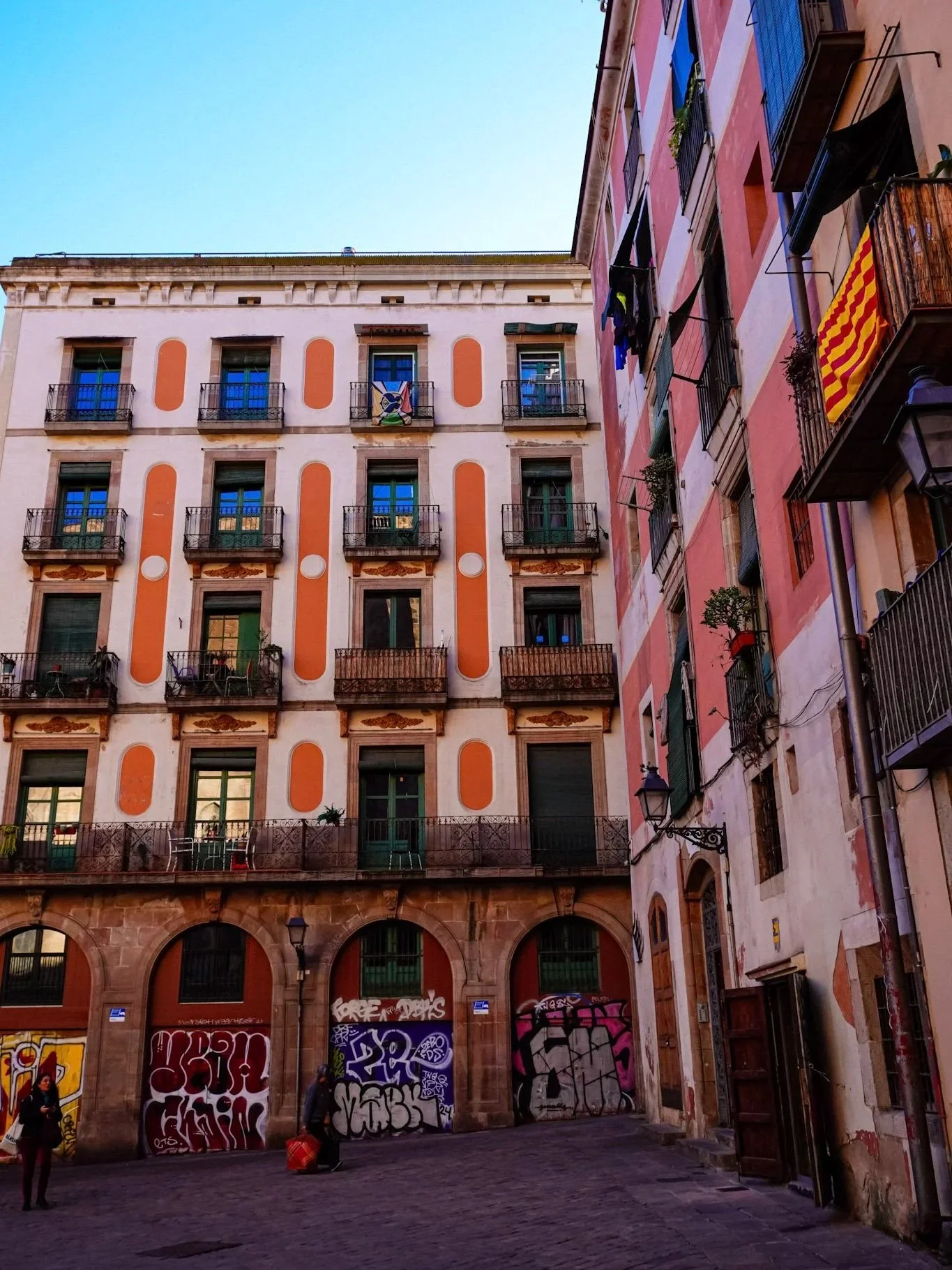
Born is one of the neighbourhoods I enjoy most simply walking through. Medieval streets lead to independent shops, wine bars, galleries and some of Barcelona's most important cultural landmarks, while Passeig del Born opens the neighbourhood towards Santa Maria del Mar and Ciutadella.
It is busy, but moving just a few streets away from the main routes can completely change the atmosphere.
What to See
What to See
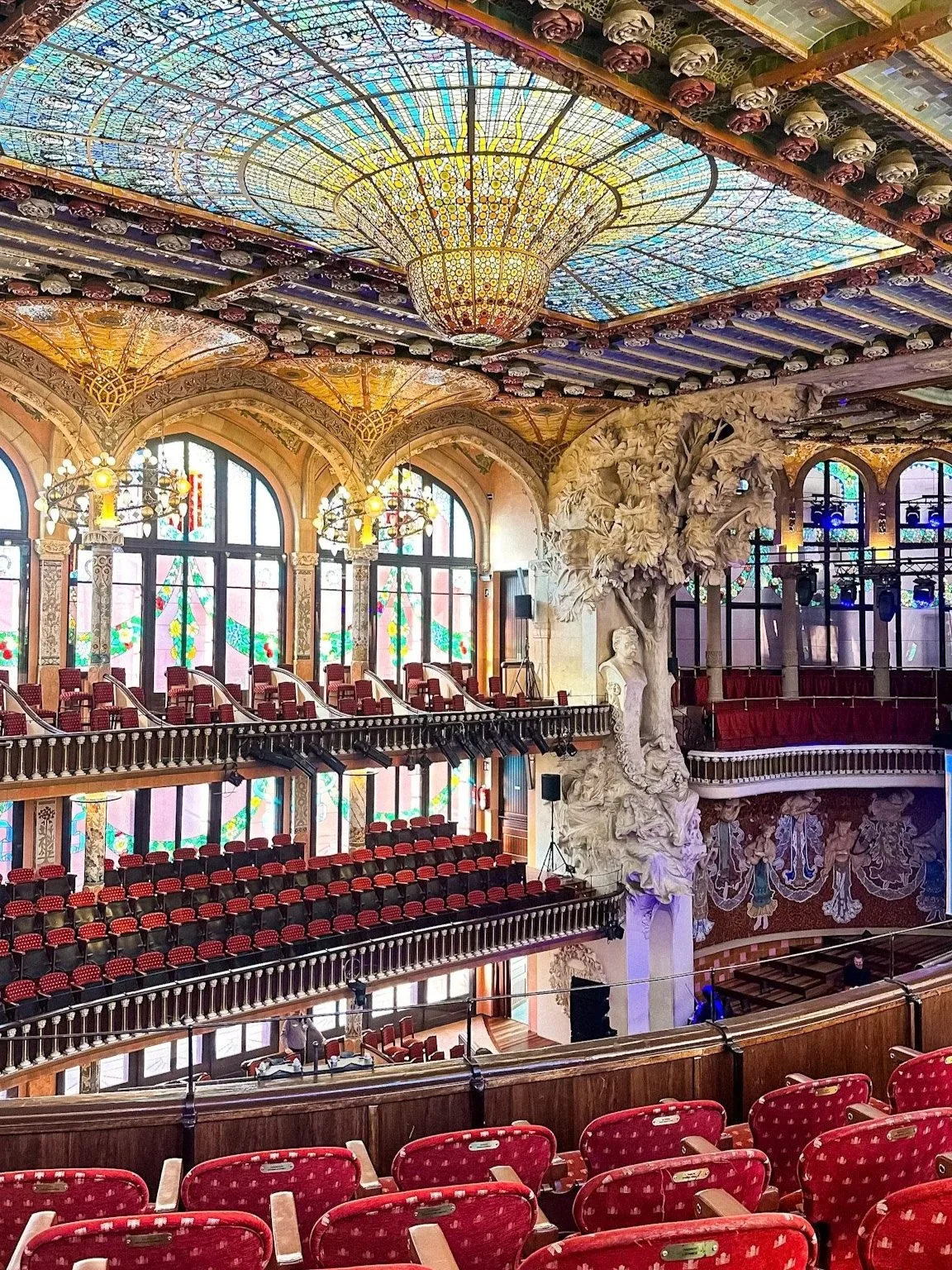
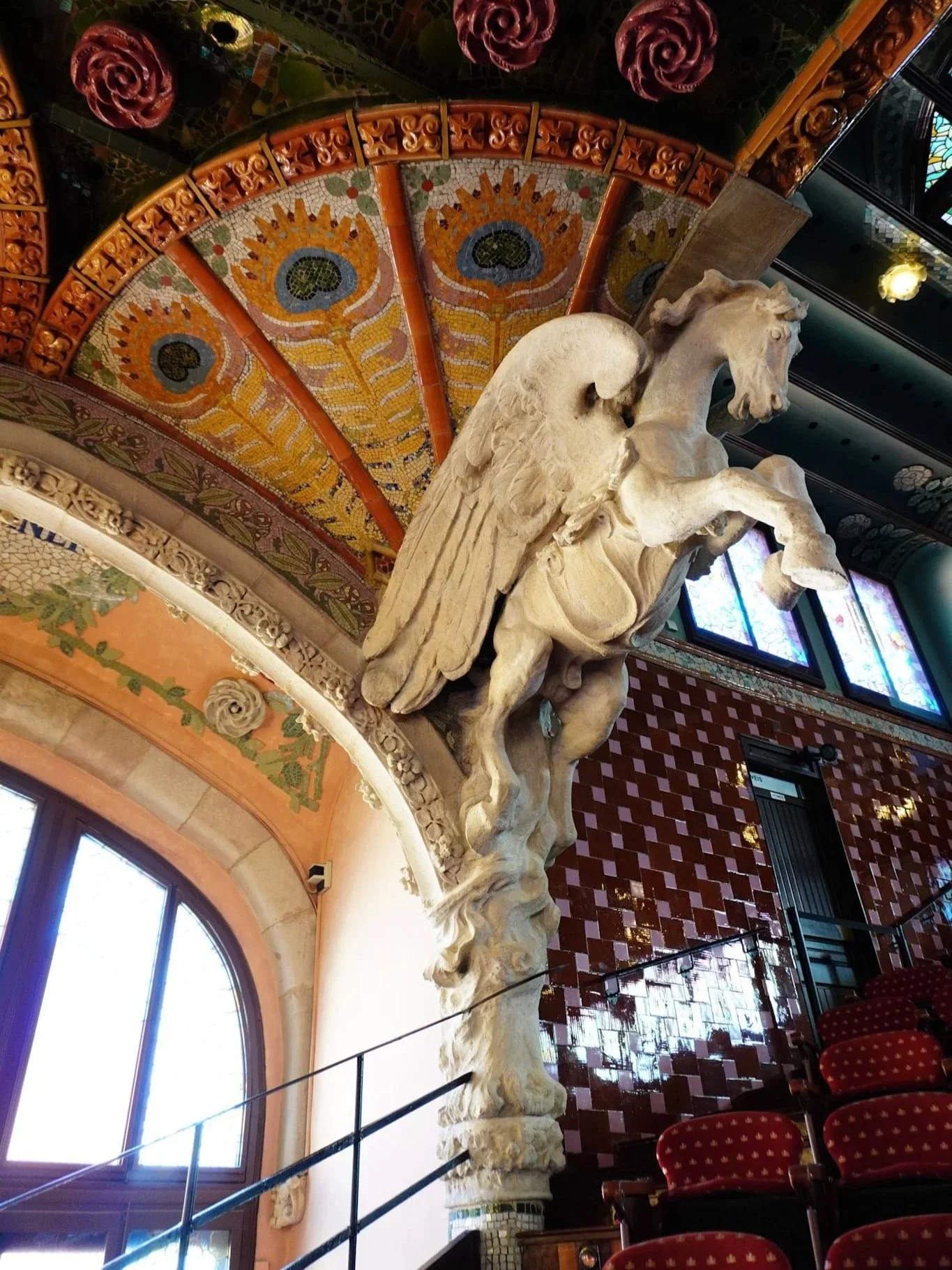
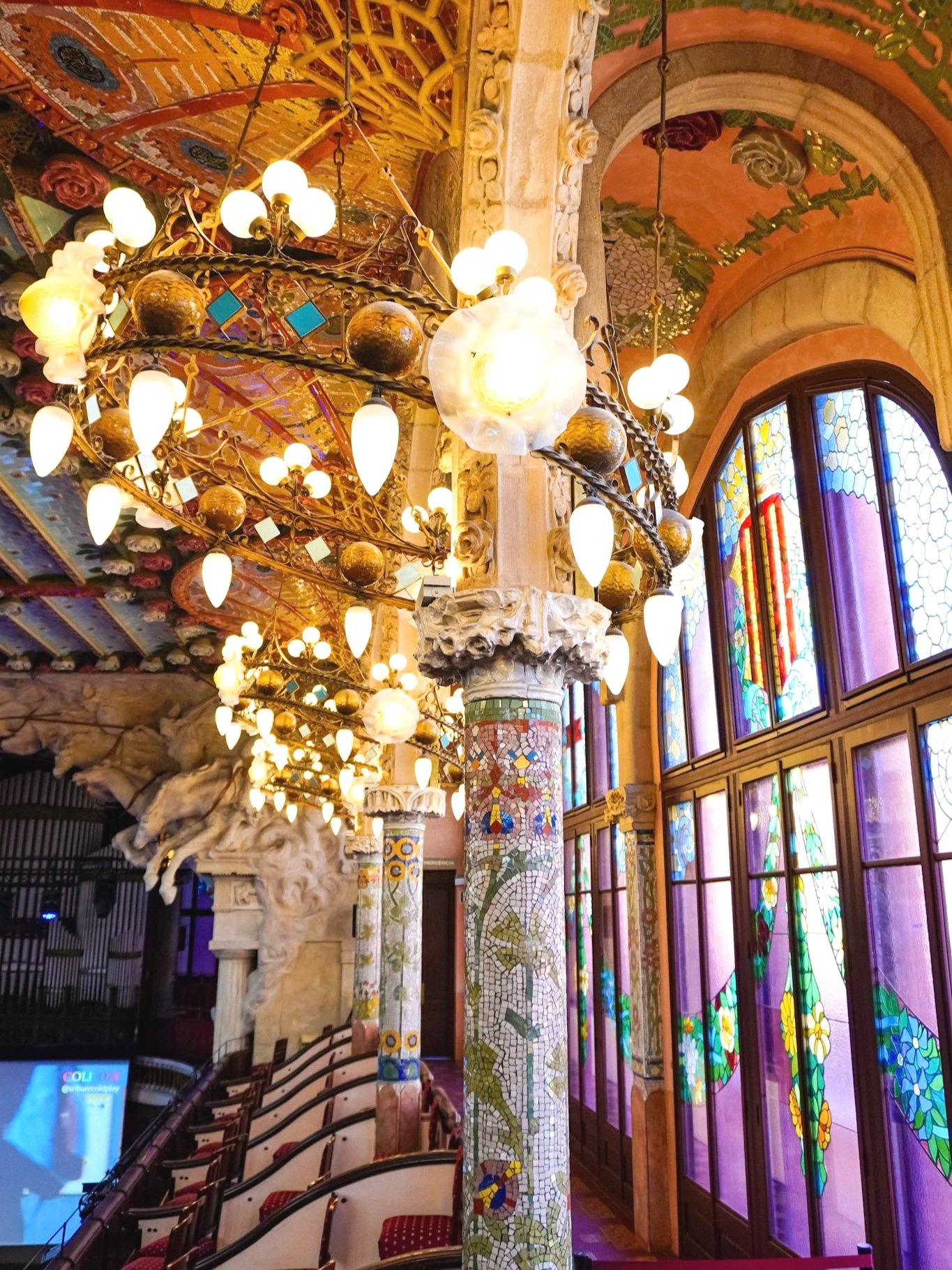
Palau de la Música Catalana
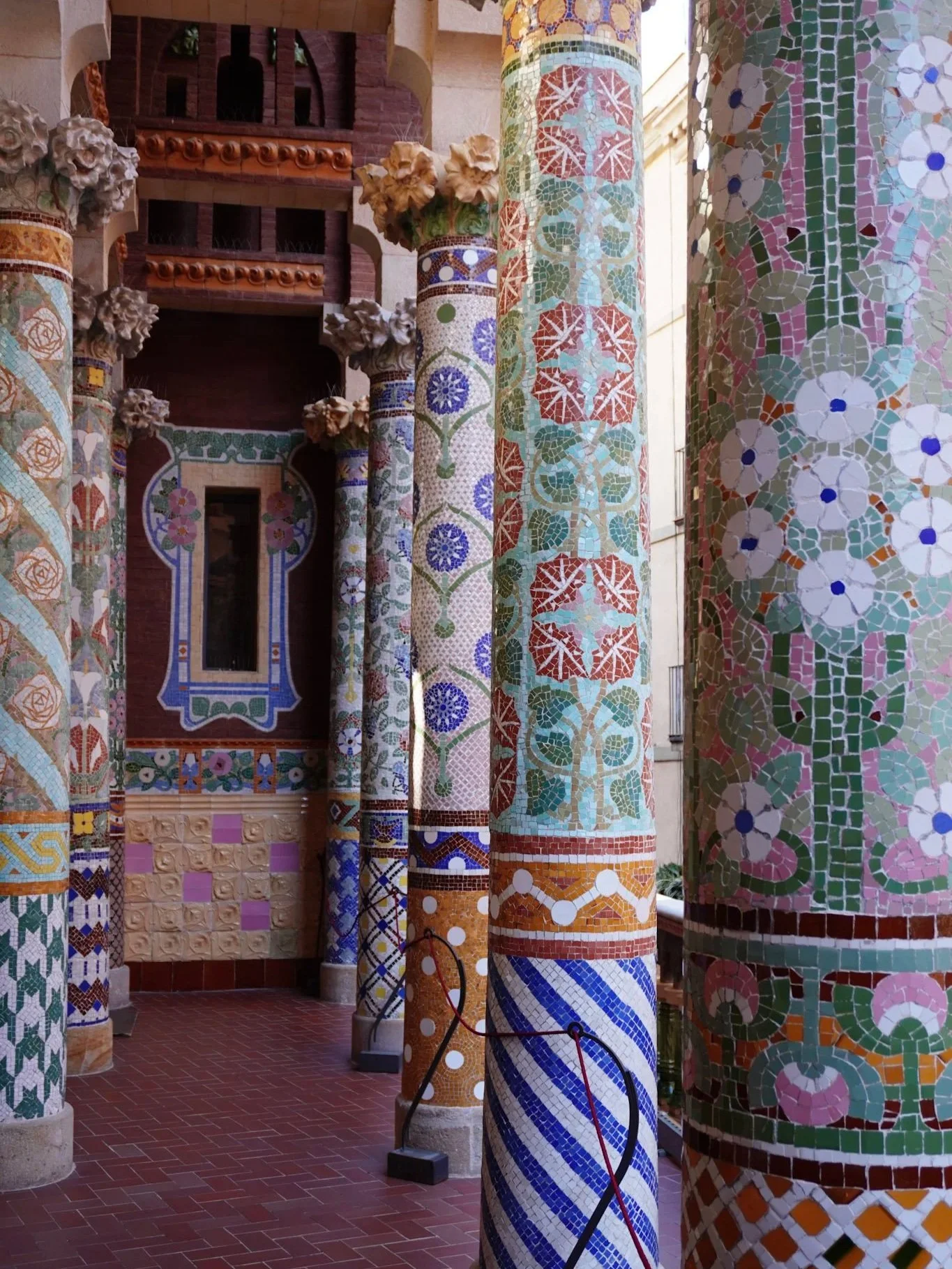
One of Barcelona's great Modernista interiors. Designed by Lluís Domènech i Montaner, its stained glass, mosaics and sculptural details make it worth seeing even if you aren't attending a concert.
Basílica de Santa Maria del Mar
A landmark of Catalan Gothic architecture and one of the buildings most associated with the history of La Ribera.
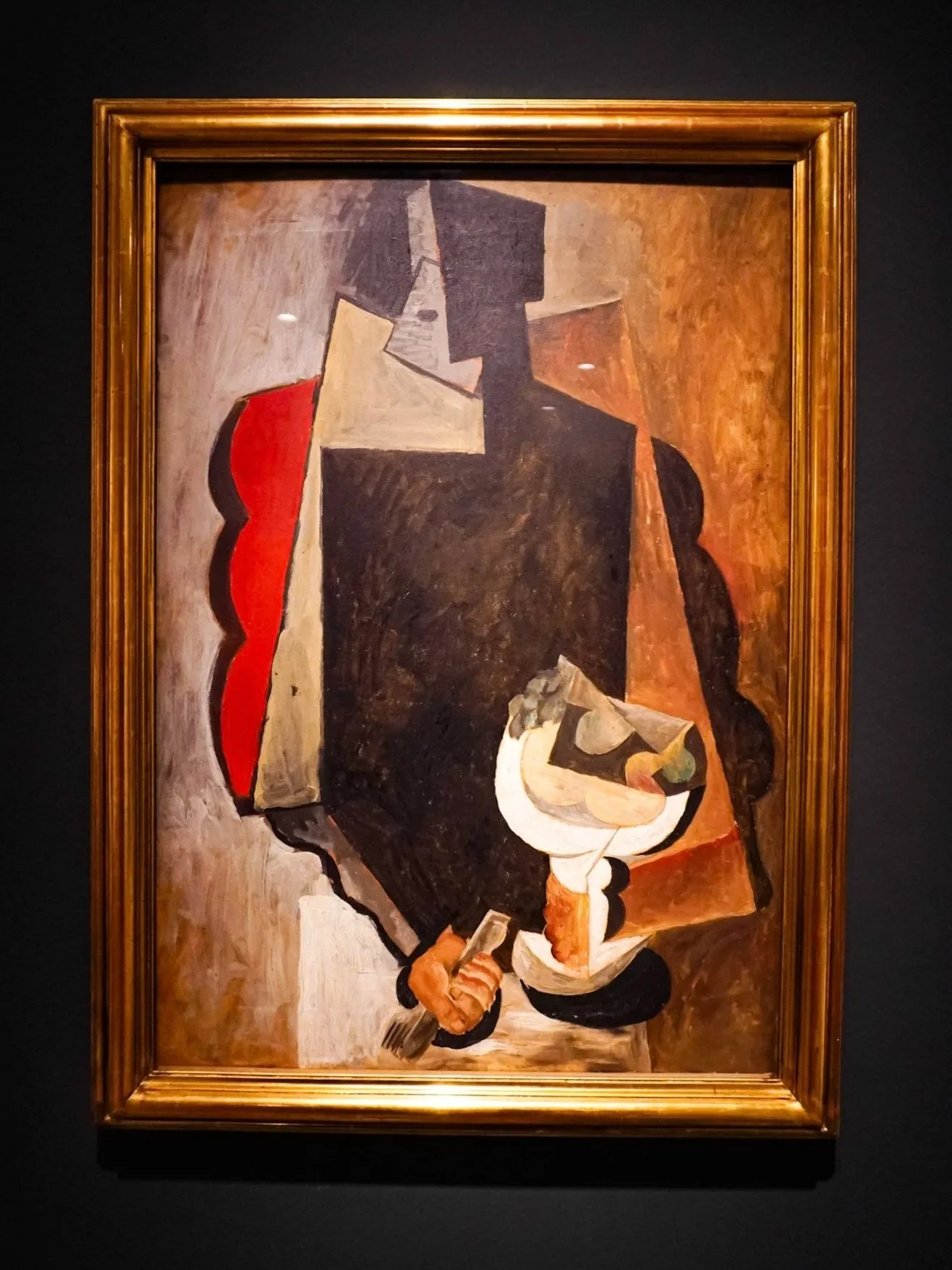
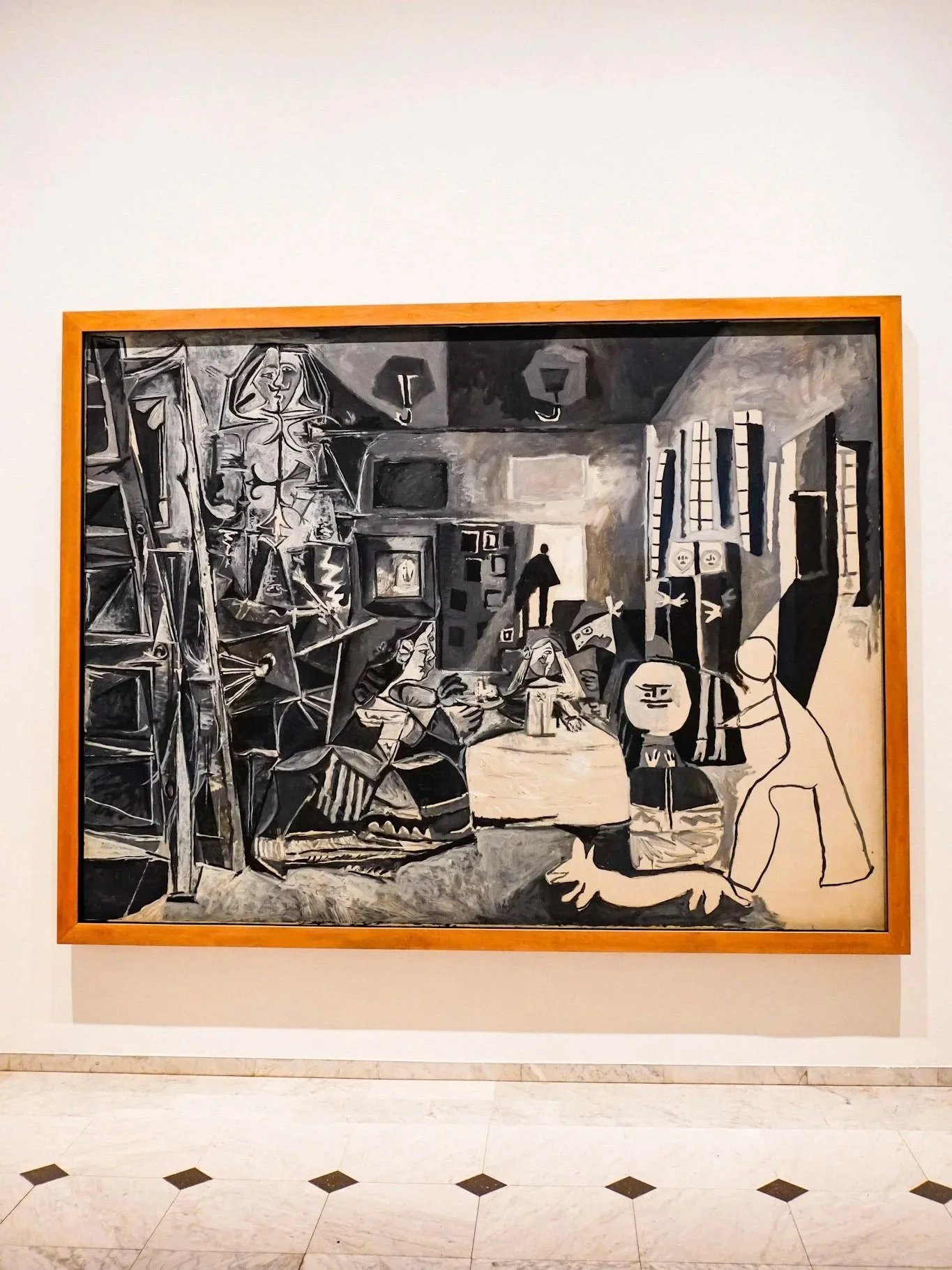
Picasso Museum Barcelona
Set across a series of medieval palaces, the museum is particularly interesting for understanding Picasso's formative years and his relationship with Barcelona.
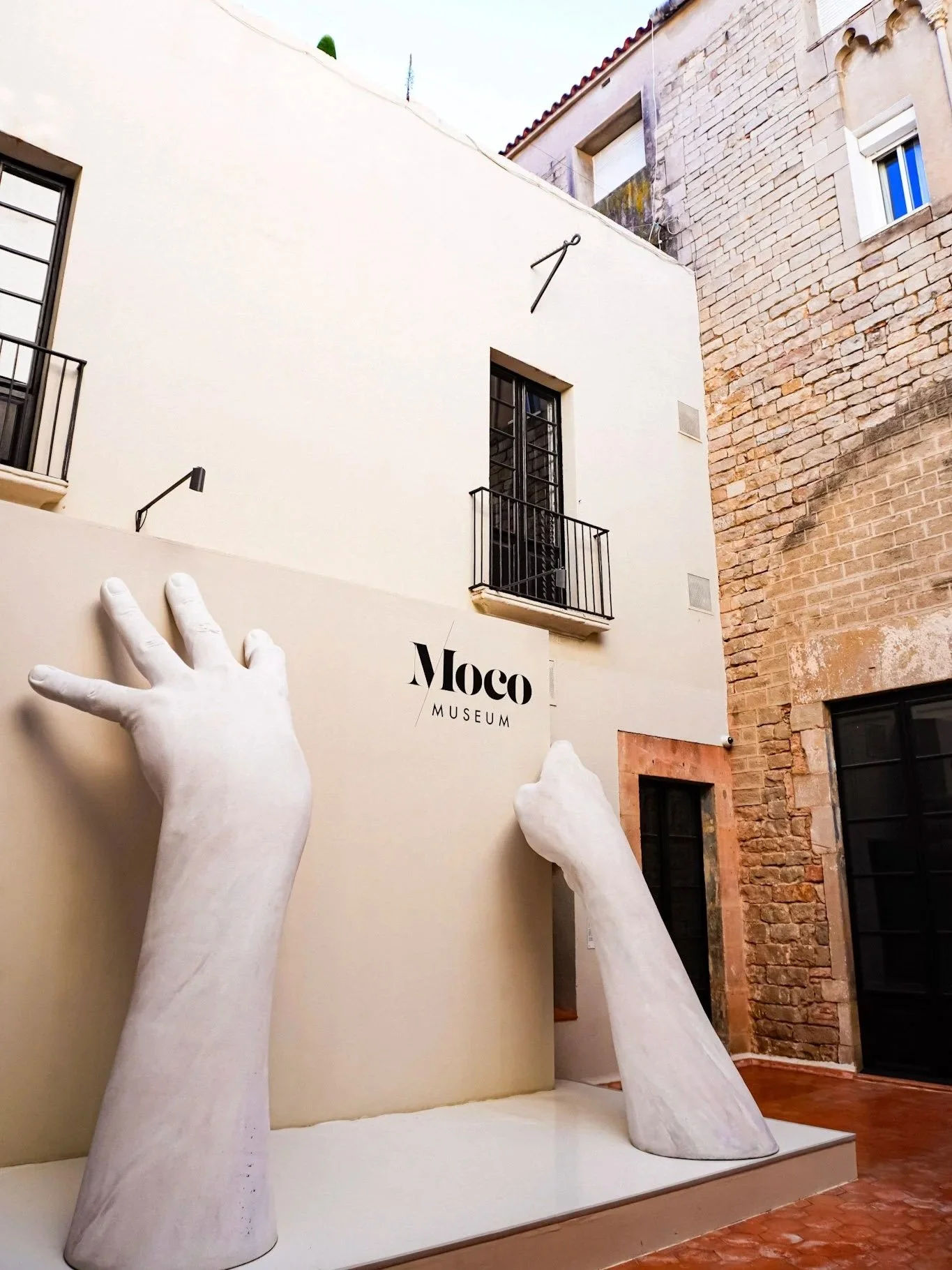
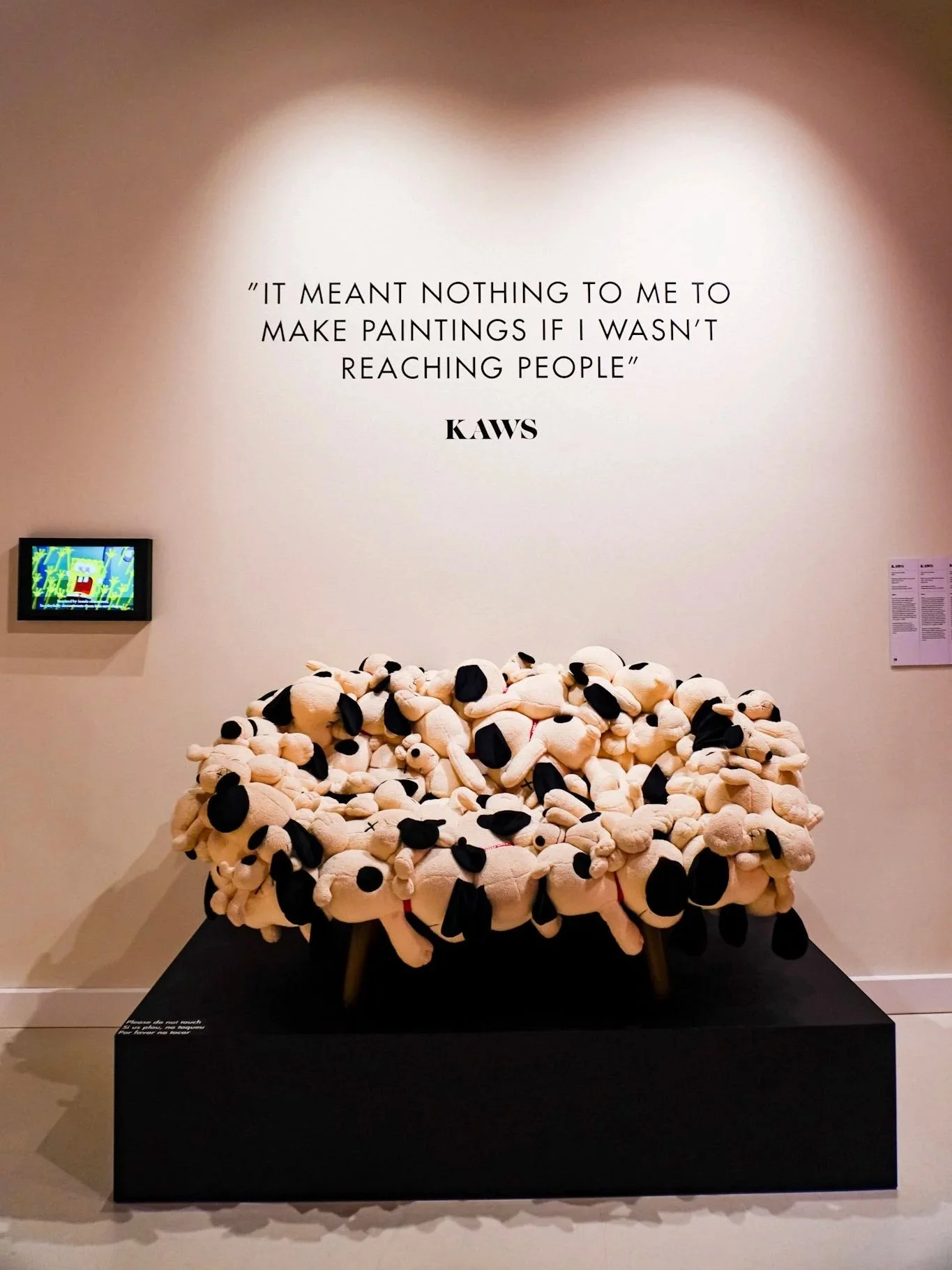
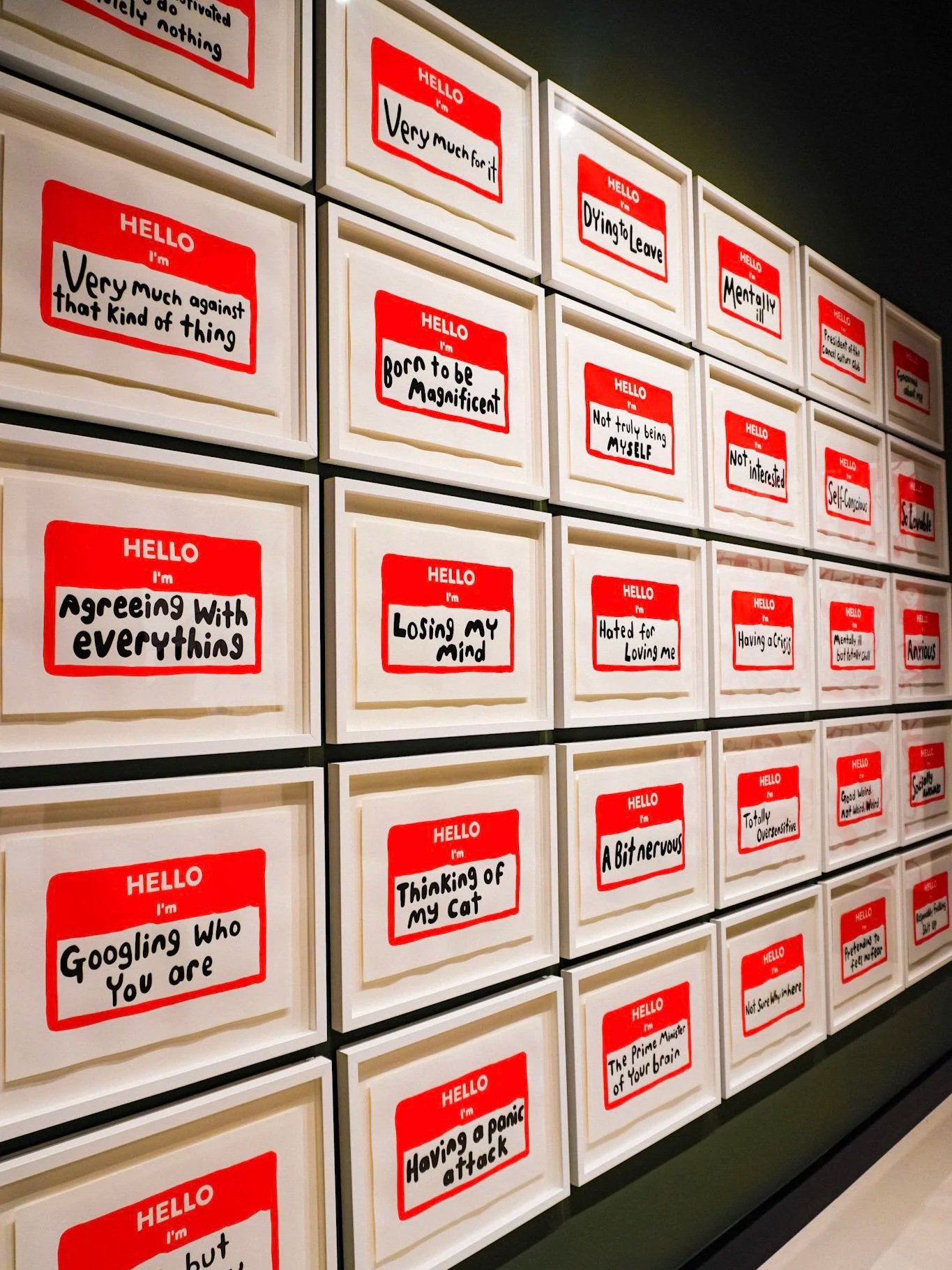
Moco Museum Barcelona
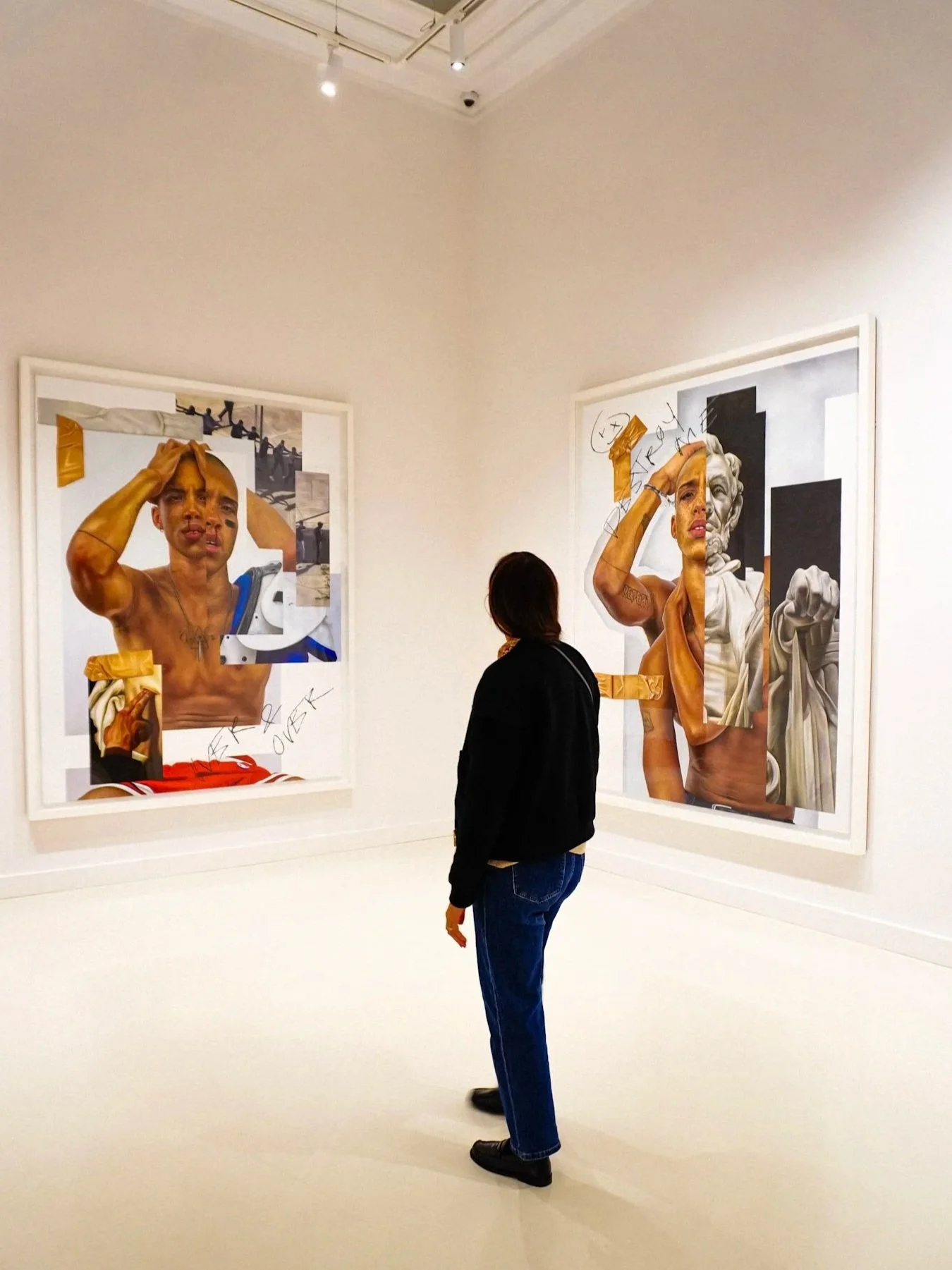
A contemporary counterpoint to the historic surroundings, with a collection focused on modern and contemporary artists.
El Born Centre de Cultura i Memòria
The former 19th-century market building now reveals archaeological remains of the neighbourhood destroyed following the War of the Spanish Succession.
Passeig del Born
Less an attraction than a street to experience. Walk it slowly, then continue into the smaller streets surrounding Santa Maria del Mar.
Ciutadella Park
The city's central green space and an easy break after exploring the dense streets of Born.
Eat & Drink
Cal Pep
A Barcelona classic for seafood, tapas and dishes cooked in front of you at the counter. Address: Plaça de les Olles, 8 · Website
Bar del Pla
Traditional tapas interpreted with a more contemporary touch, in a casual setting close to the Picasso Museum. Address: Carrer de Montcada, 2 · Website
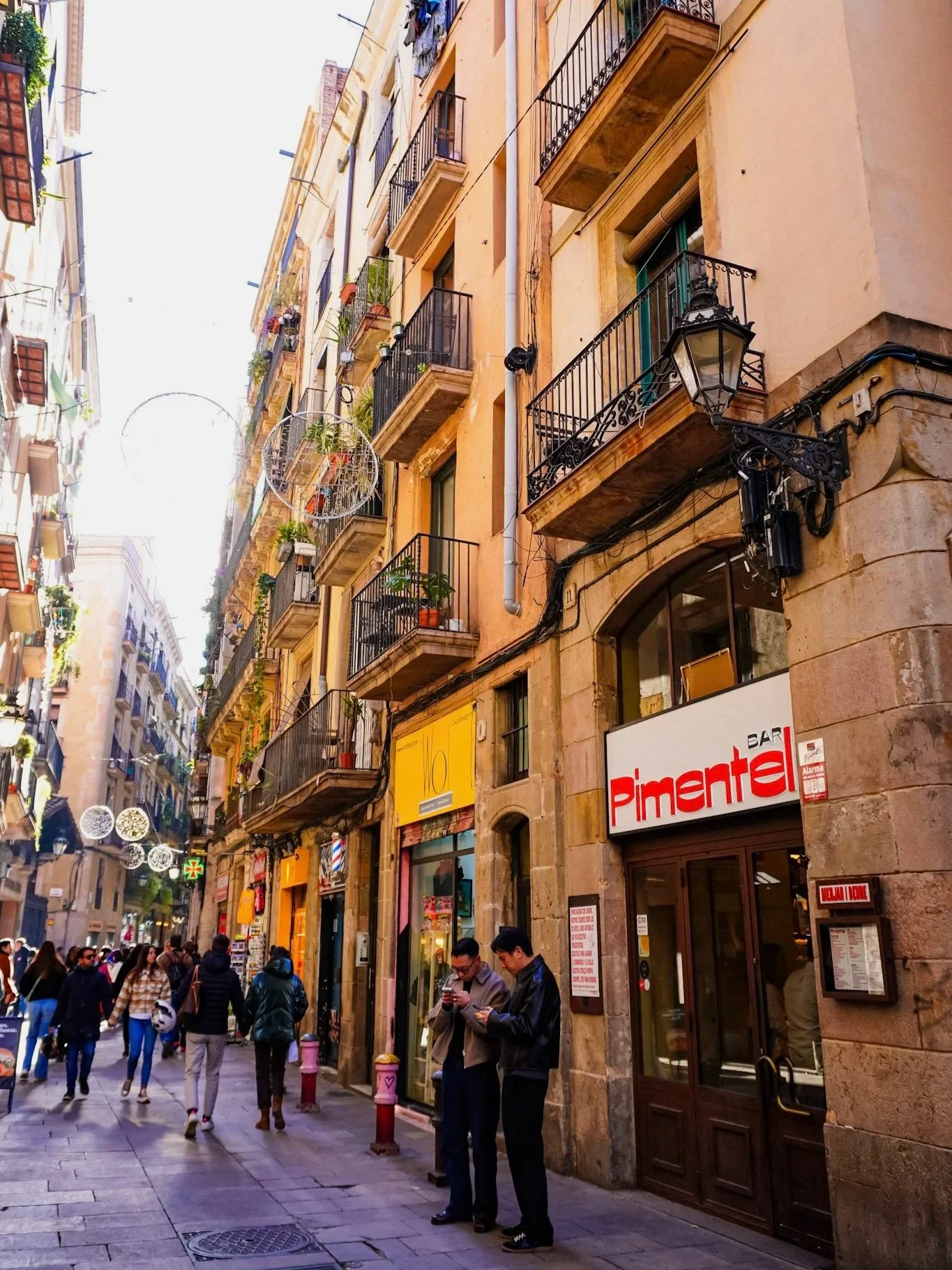
Bar Pimentel
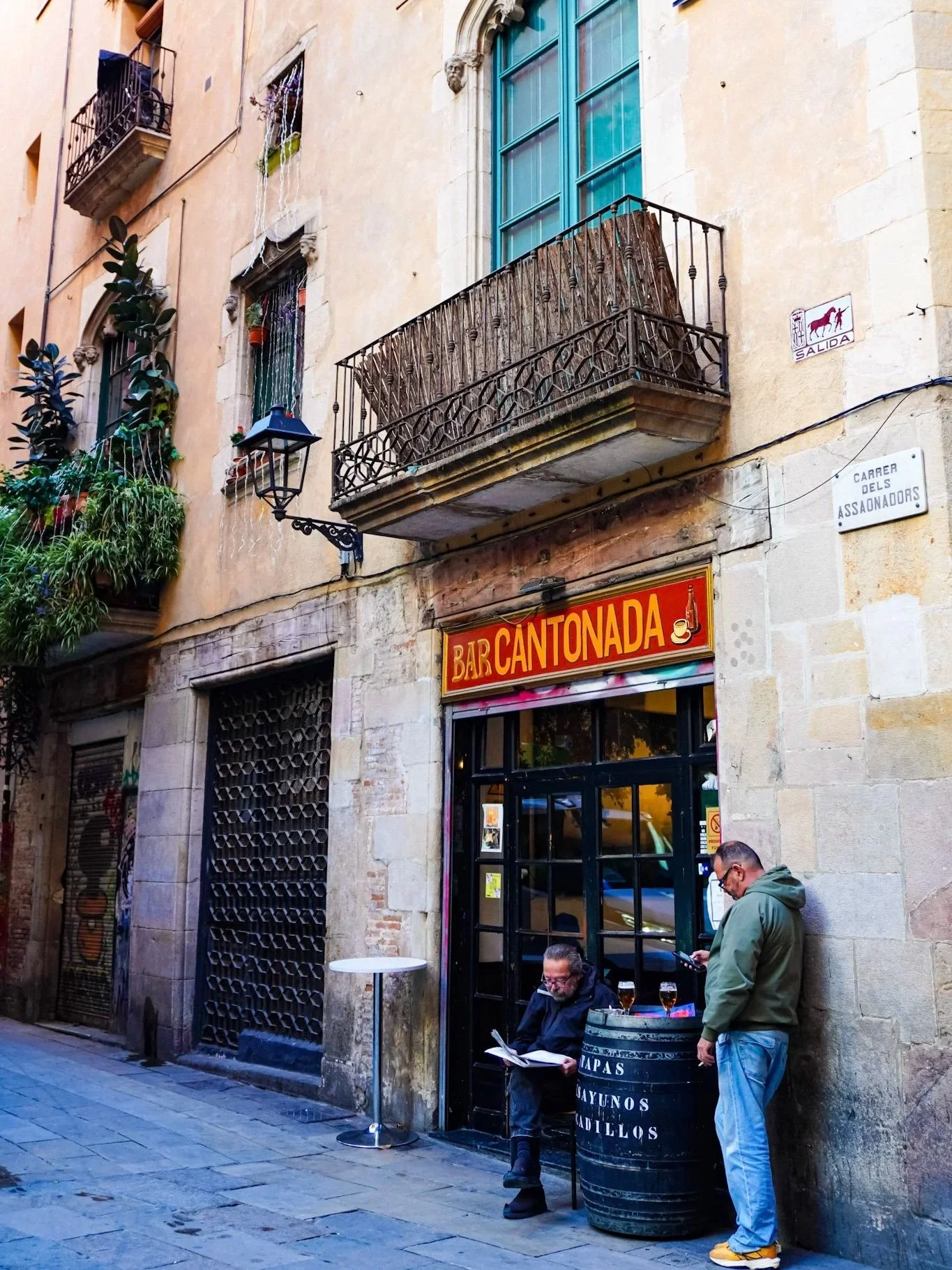
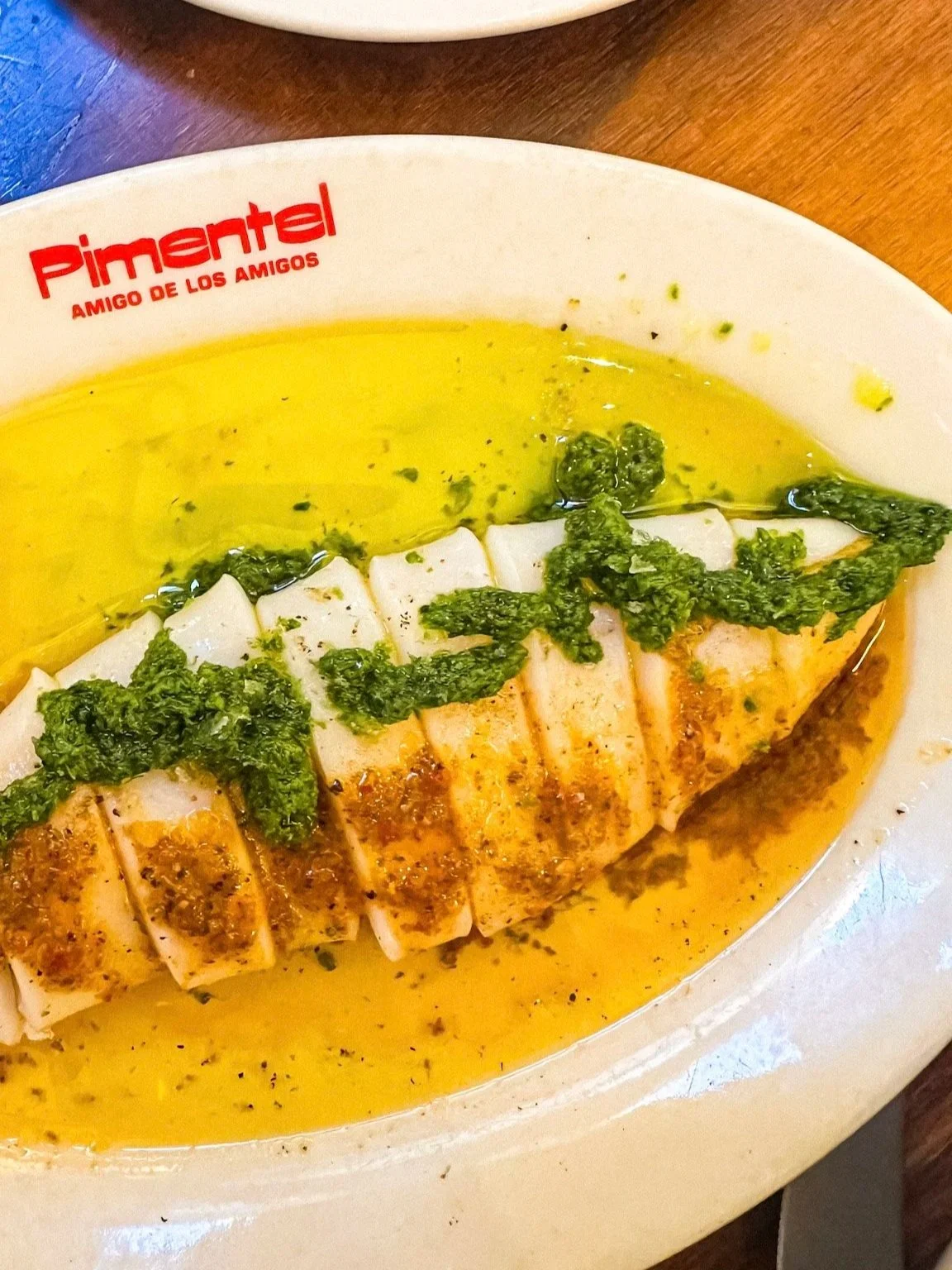
A tiny, characterful bar for tapas and vermouth on Carrer dels Carders. Address: Carrer dels Carders, 11 · Website
Bar Brutal
One of Barcelona's best-known natural wine addresses, pairing an extensive bottle selection with creative small plates. Address: Carrer de la Princesa, 14 · Website
El Xampanyet
An institution beside the Picasso Museum for cava, anchovies, conservas and classic tapas. Come outside peak hours if you can. Address: Carrer de Montcada, 22 · Website
Bornet
An easy neighbourhood stop for coffee or a drink while wandering the smaller streets of Born. Address: Carrer de la Barra de Ferro, 3
/// Eixample
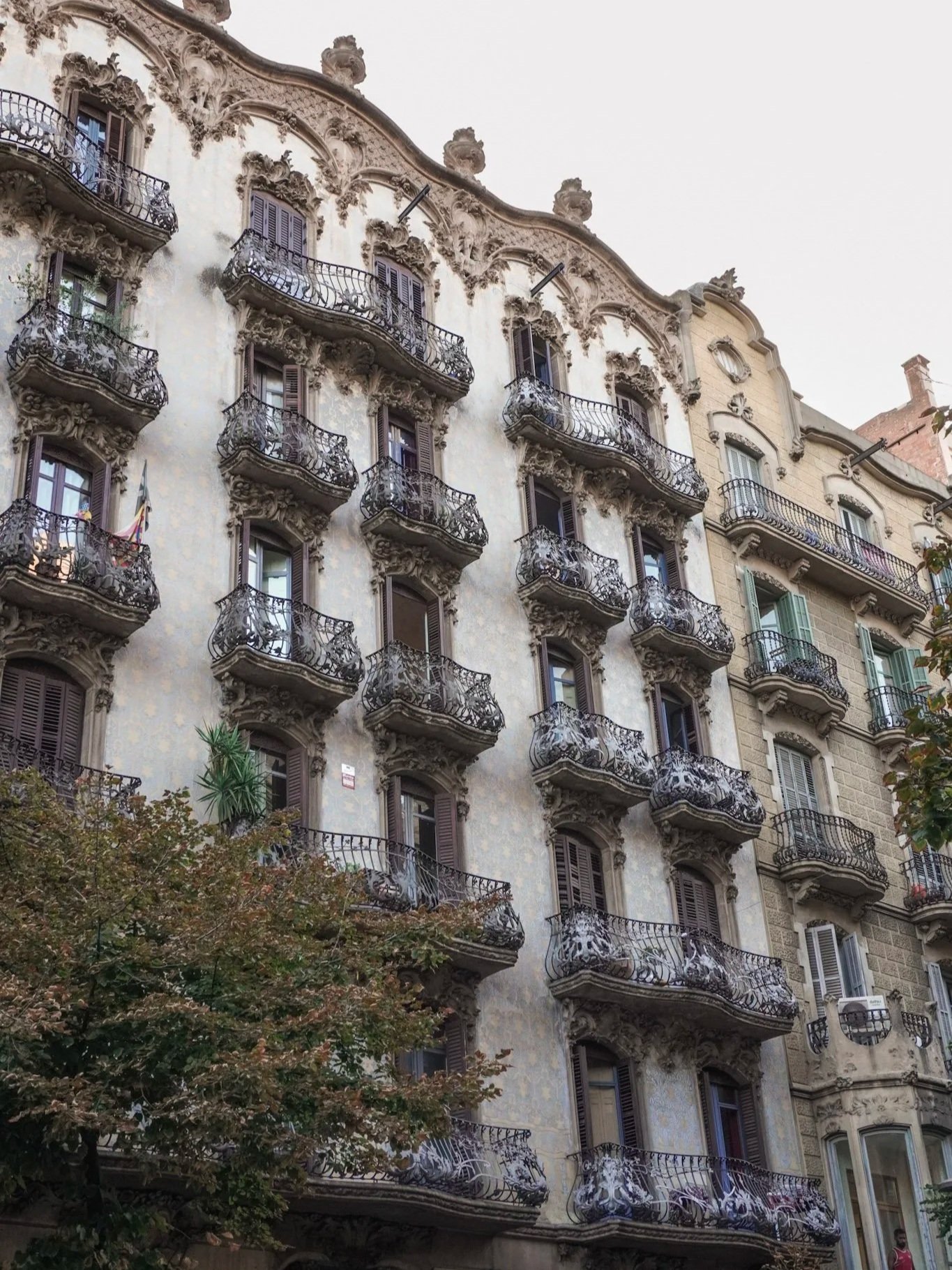
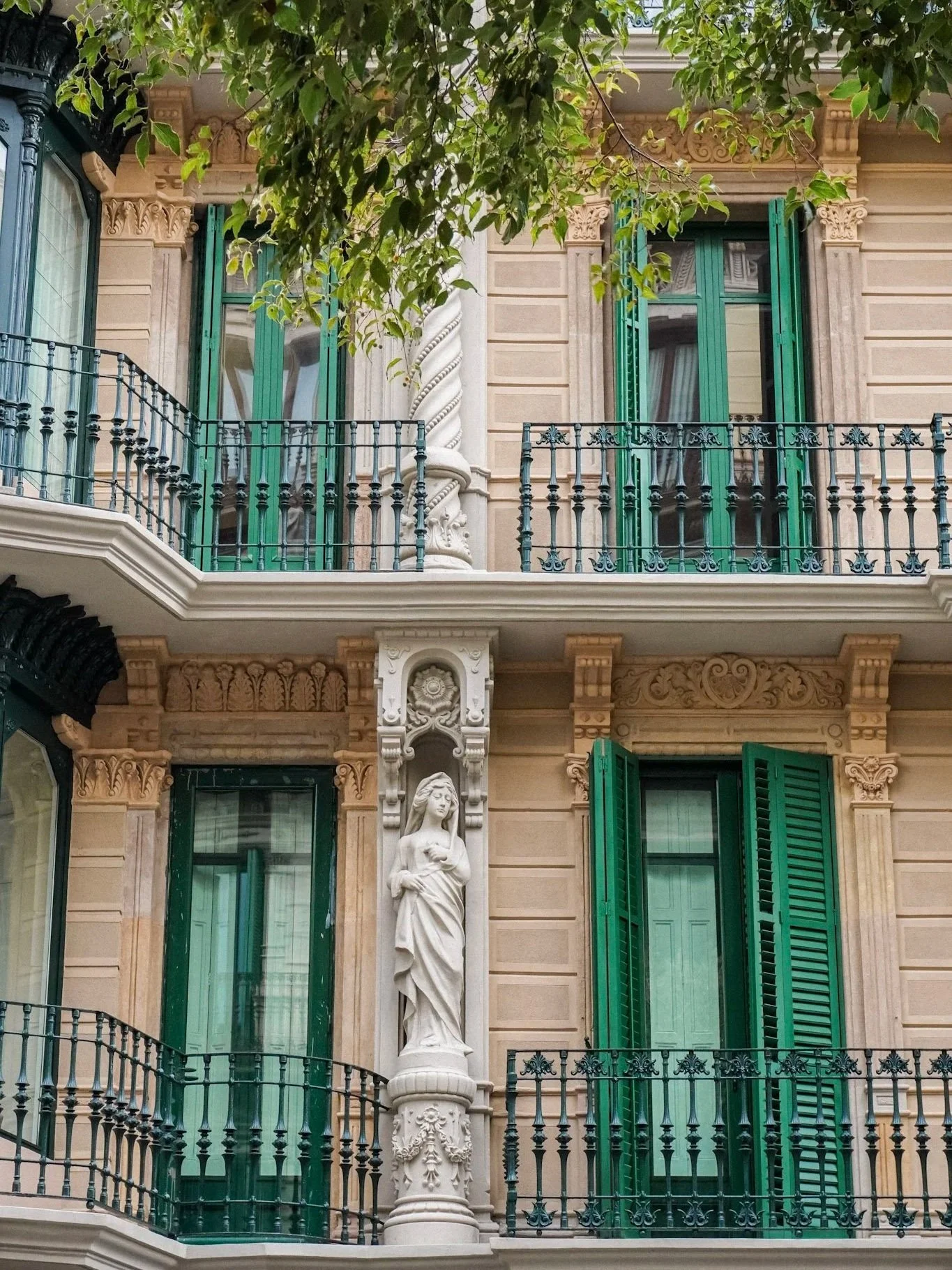
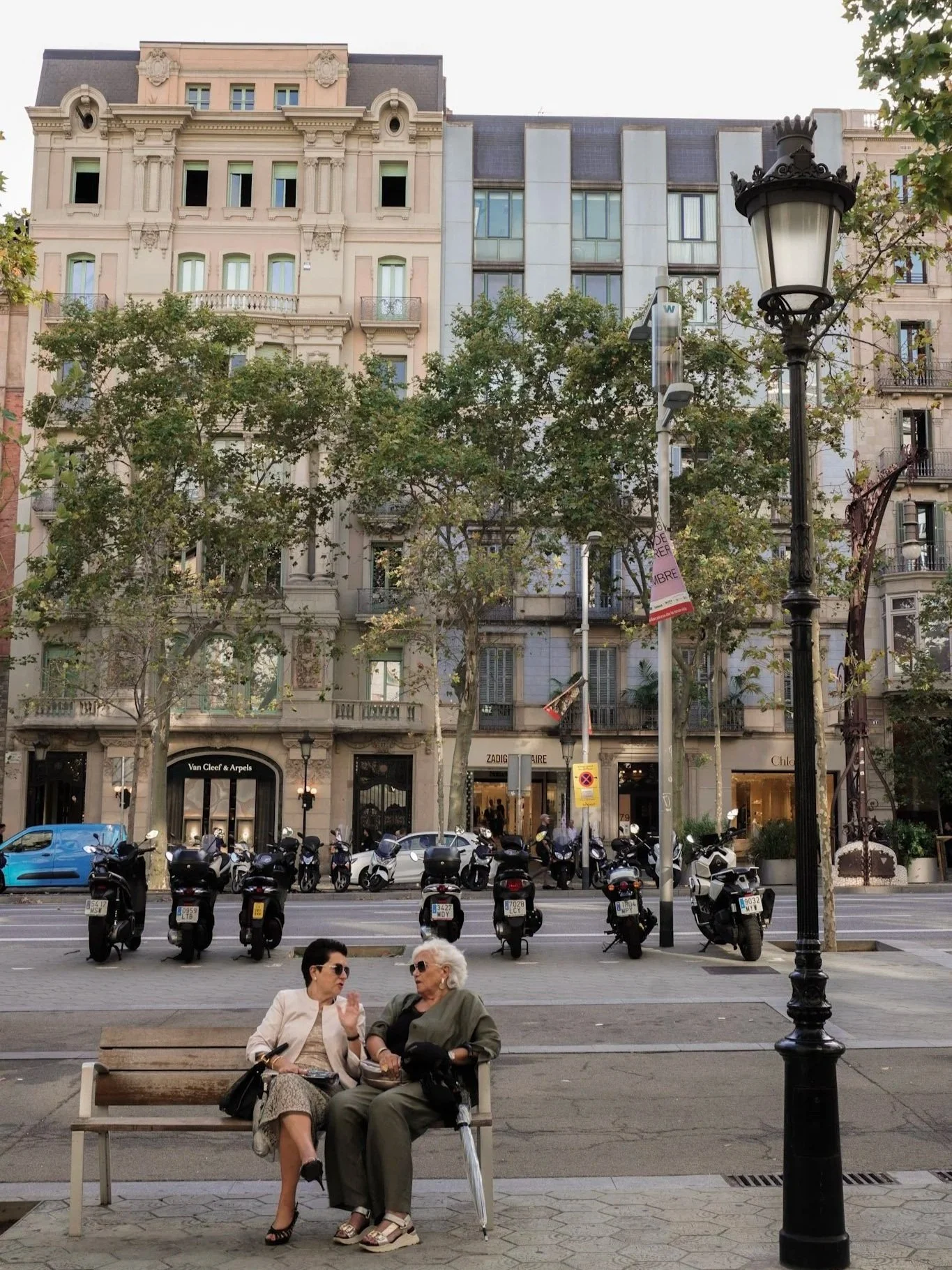
Eixample offers a completely different Barcelona. The medieval maze disappears and is replaced by wide avenues, chamfered corners and the distinctive grid conceived by Ildefons Cerdà in the 19th century.
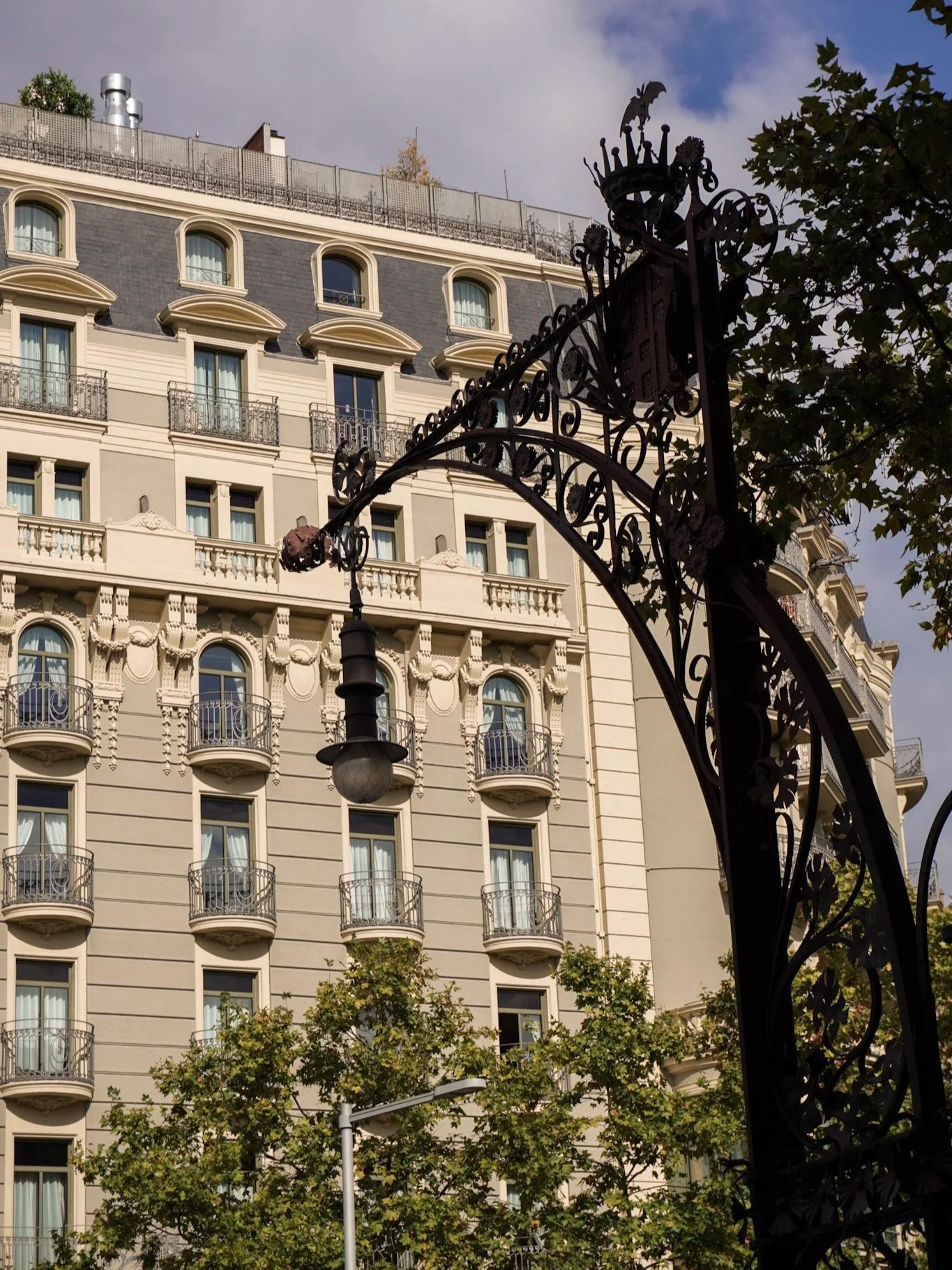
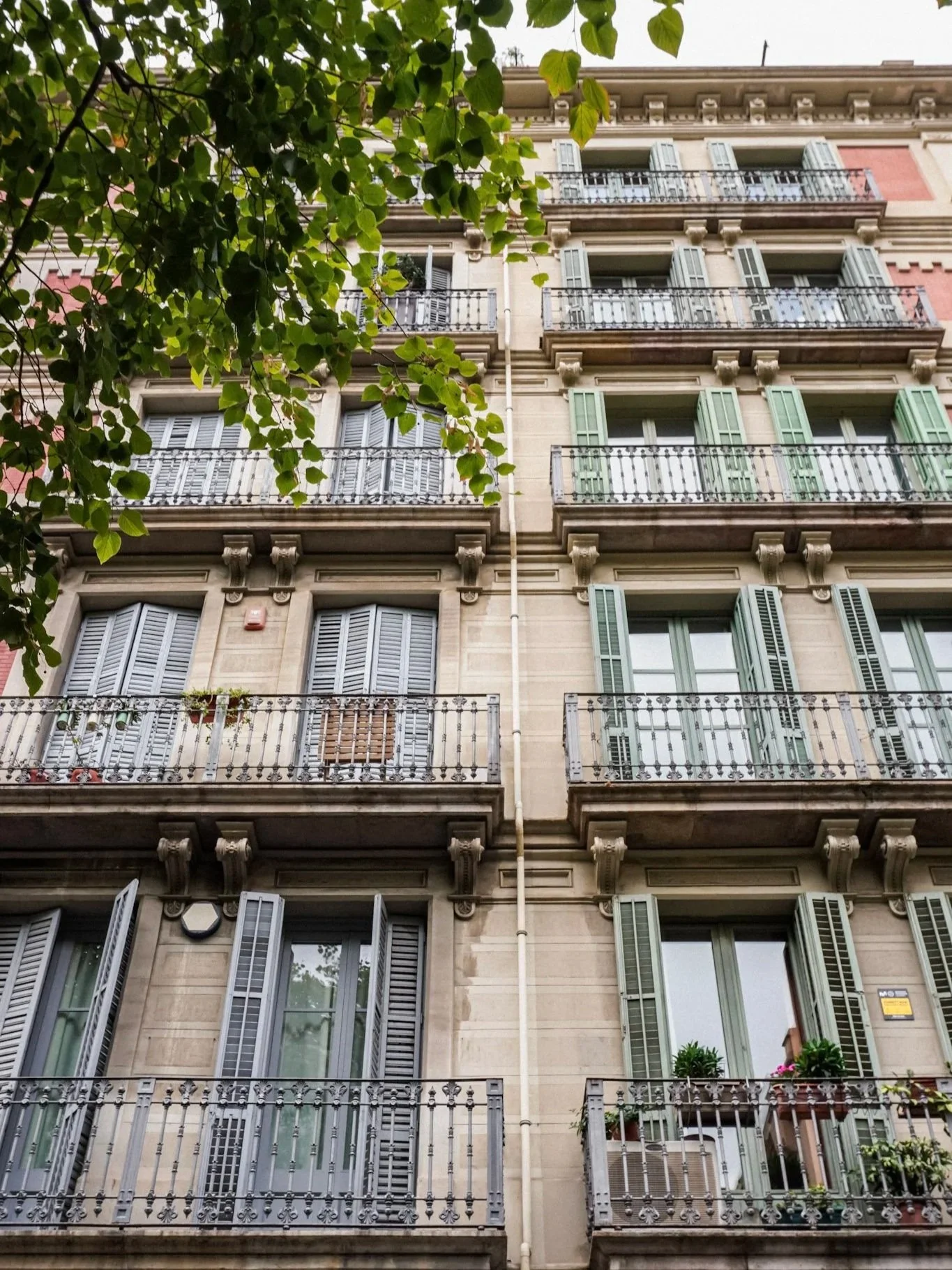
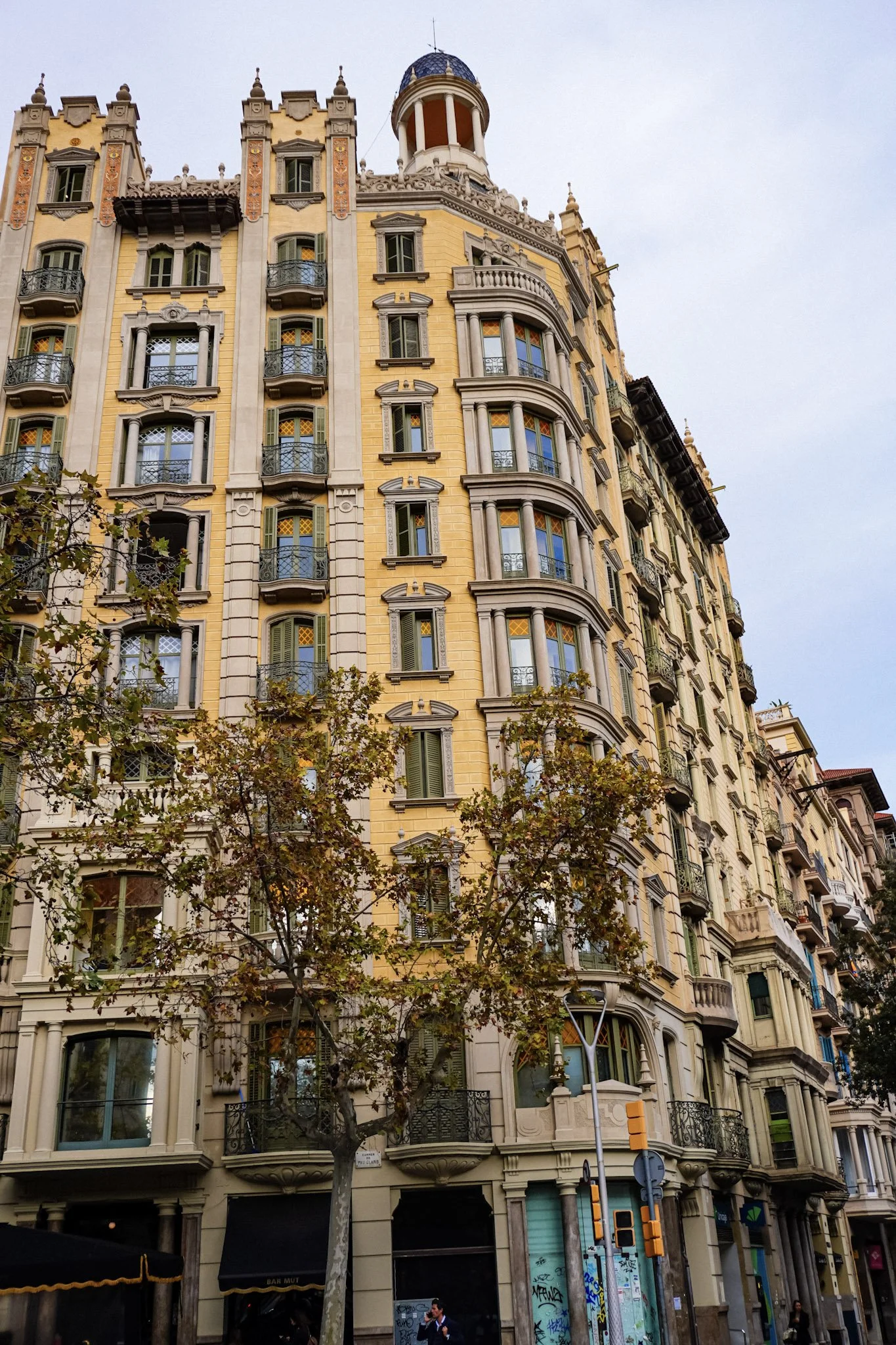
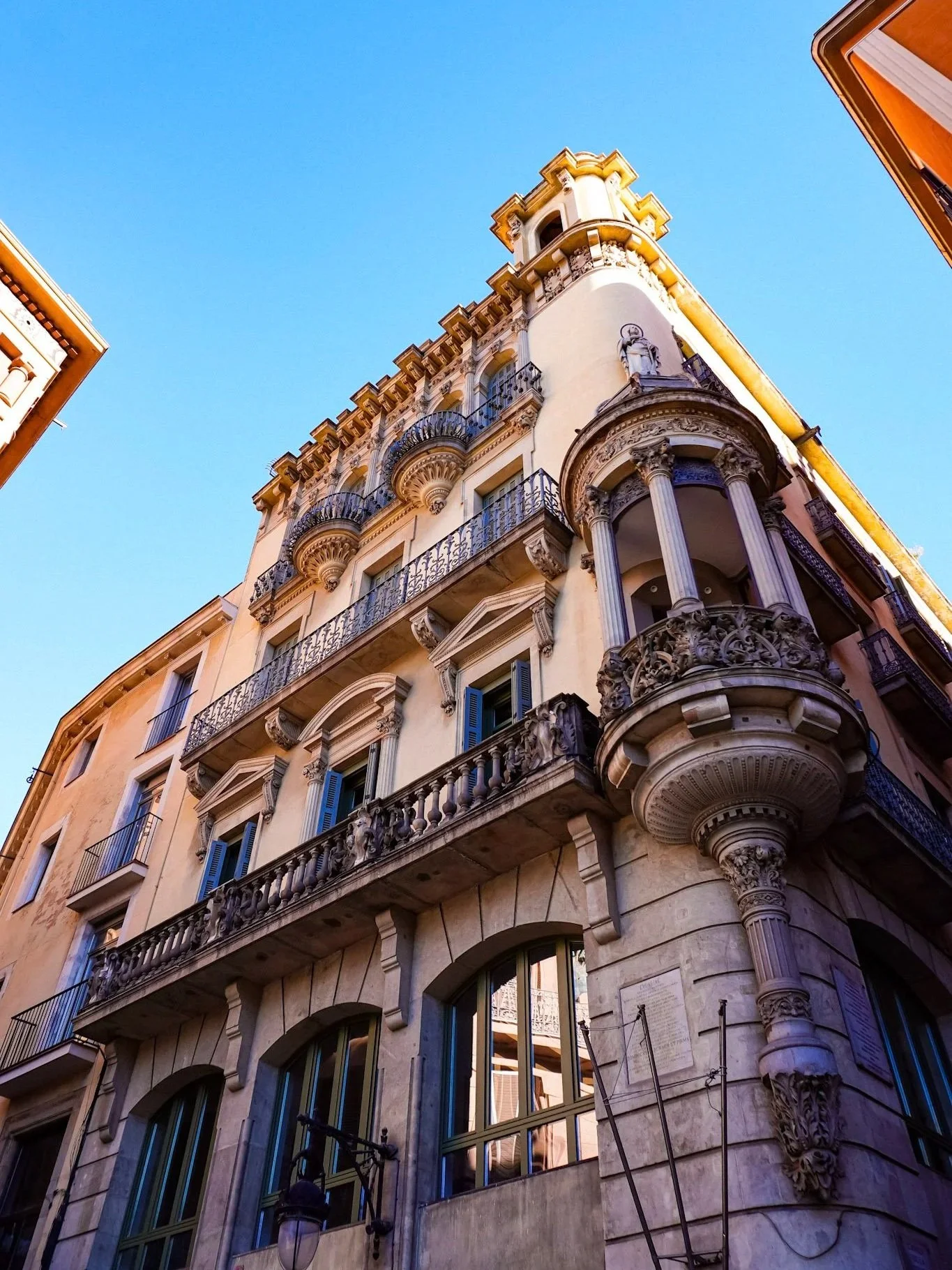
This is where some of the city's greatest Modernista architecture is concentrated, but I also love looking beyond the famous façades. Ornate balconies, carved doors, ceramic details and extraordinary entrance halls appear almost everywhere.
Casa Batlló
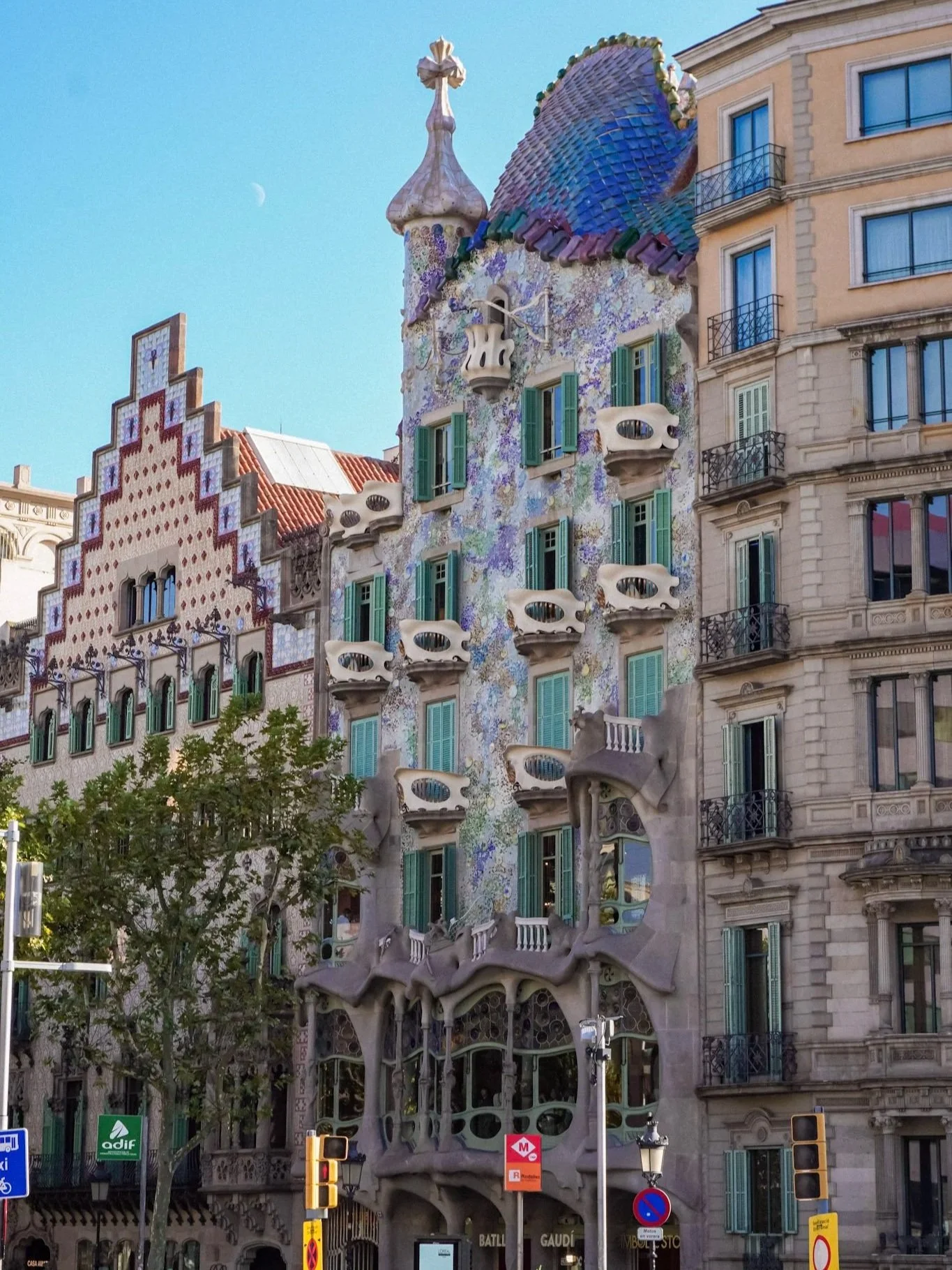
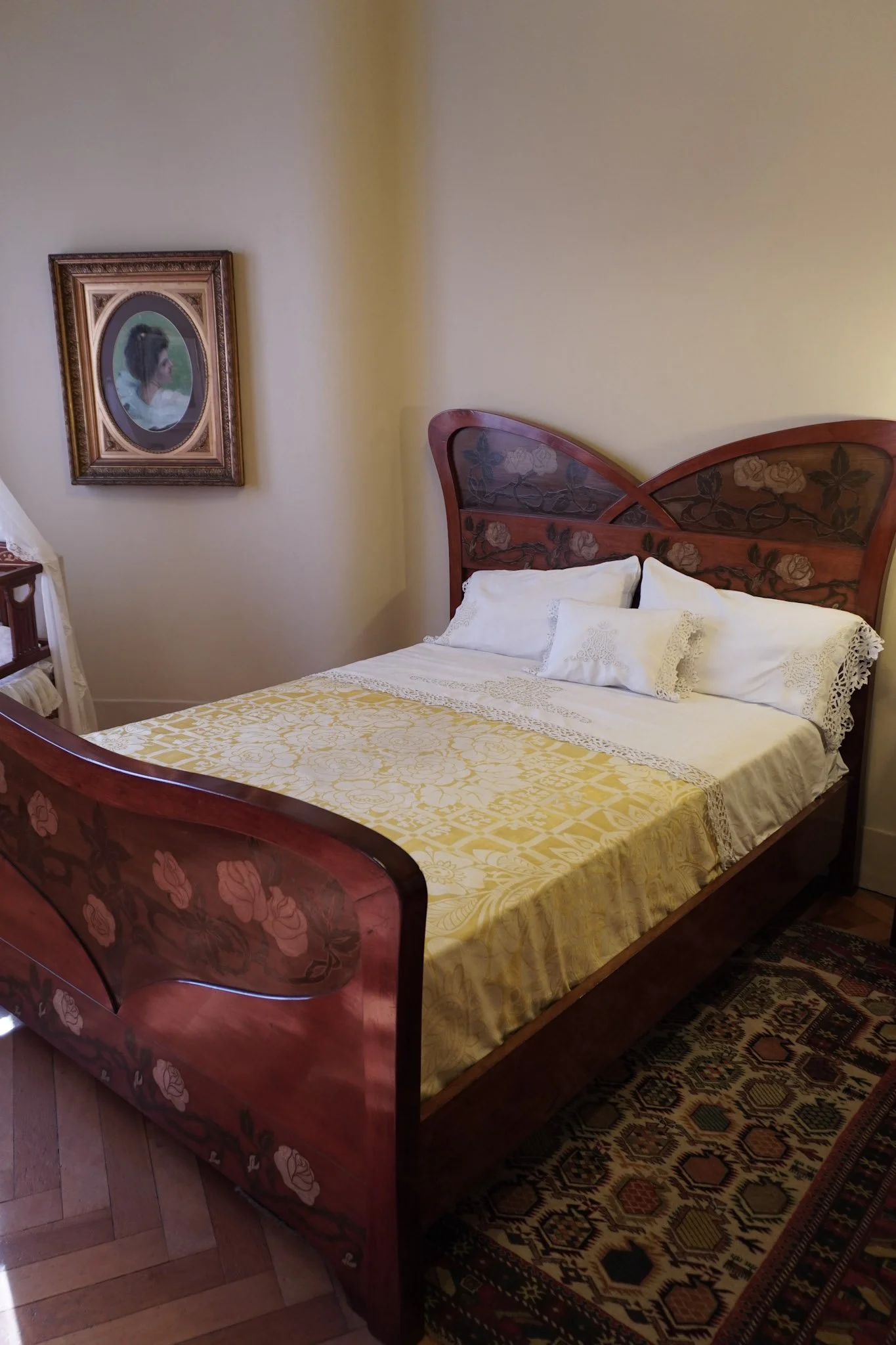
One of Gaudí's most imaginative buildings, with an undulating façade, coloured glass, ceramics and almost no straight lines. If you want to visit the interior, booking ahead is essential.
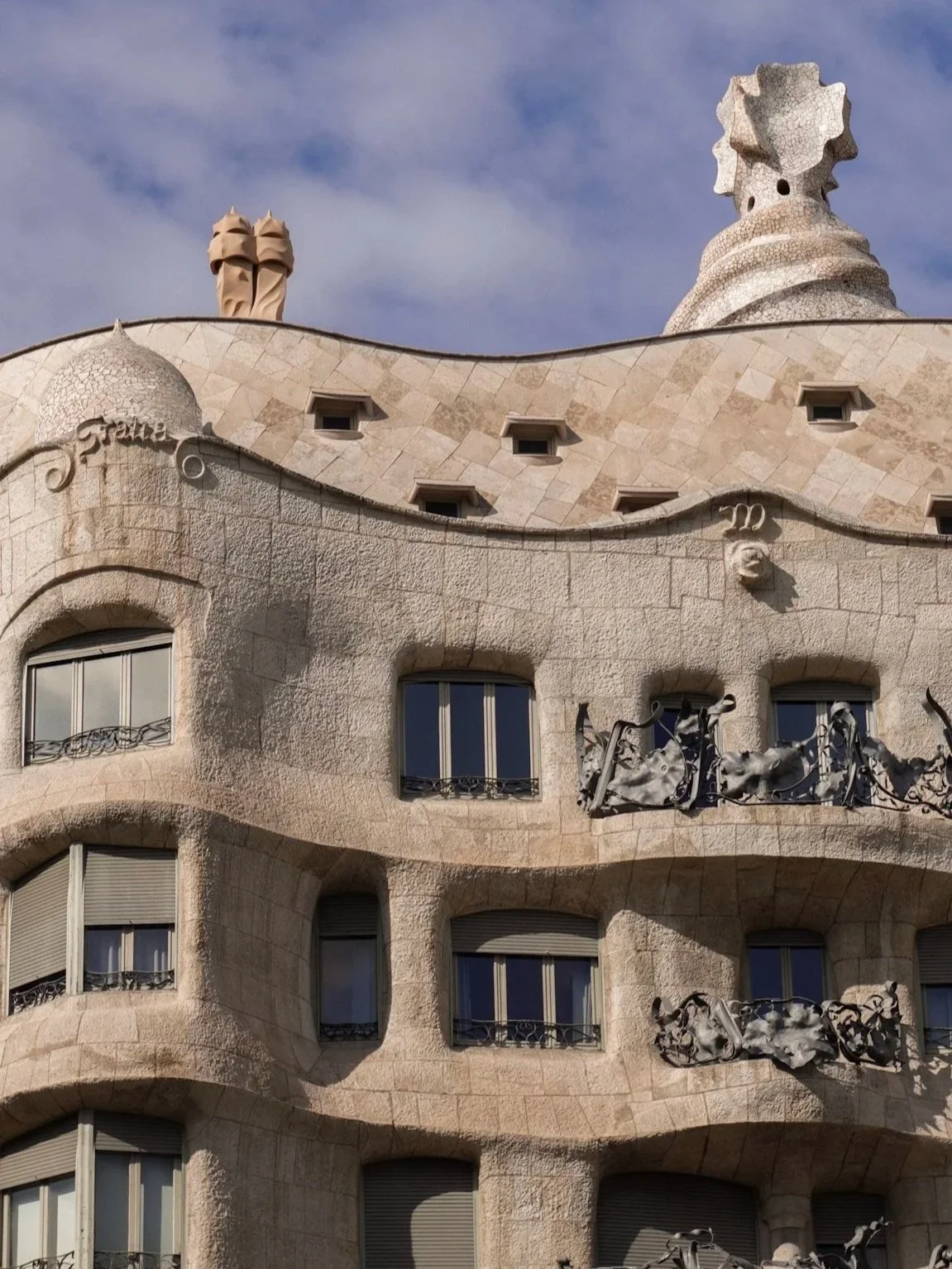
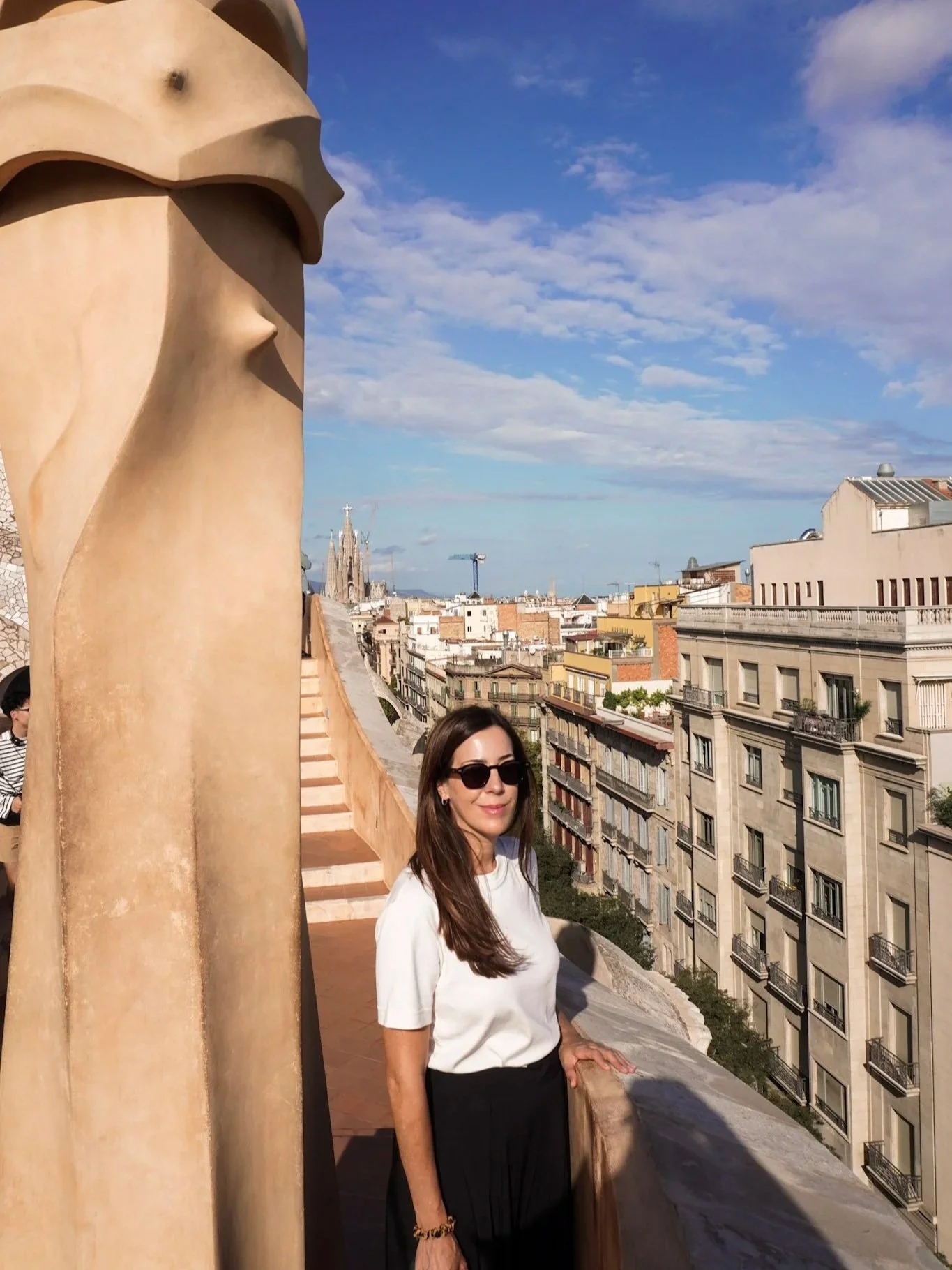
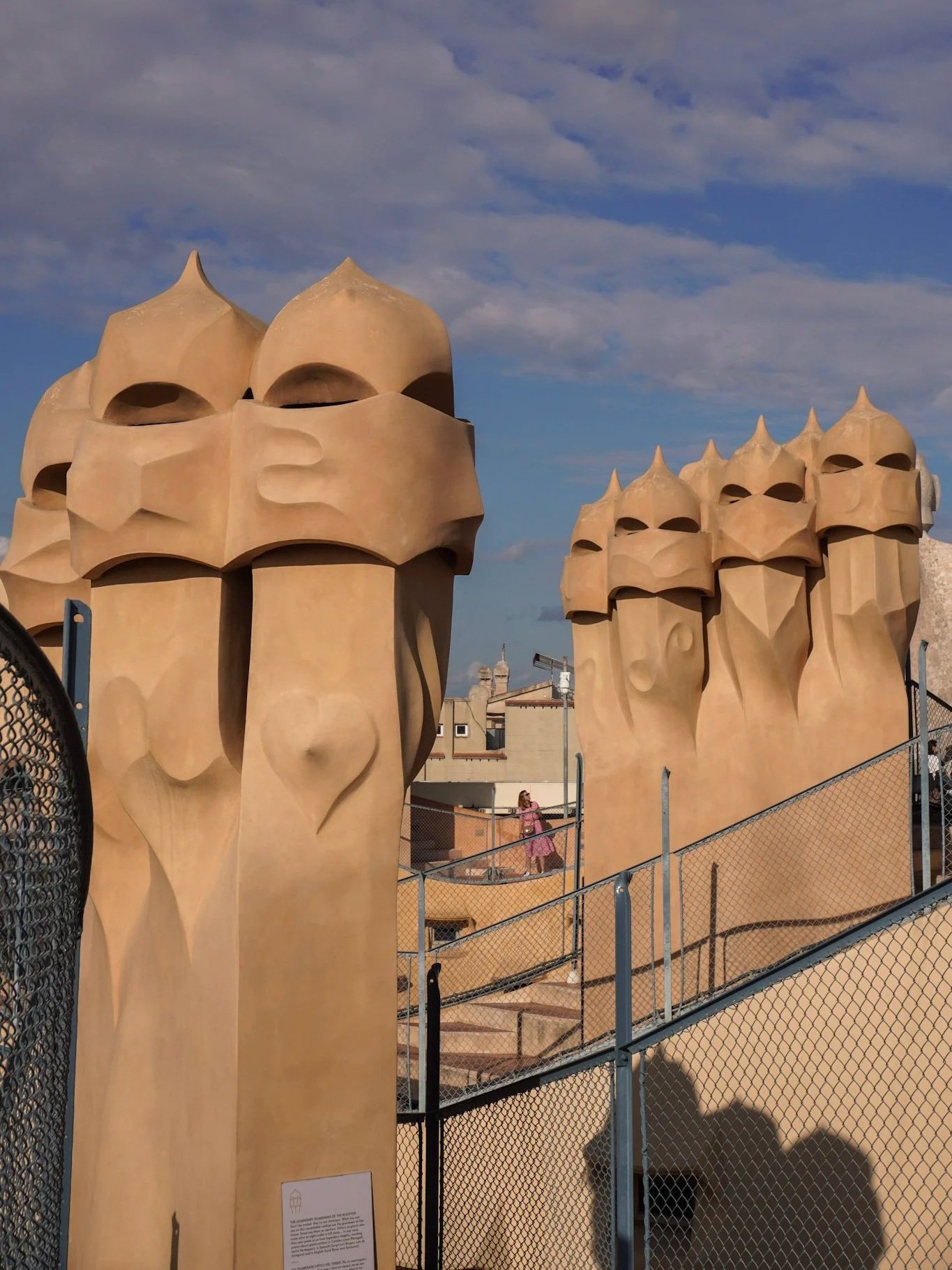
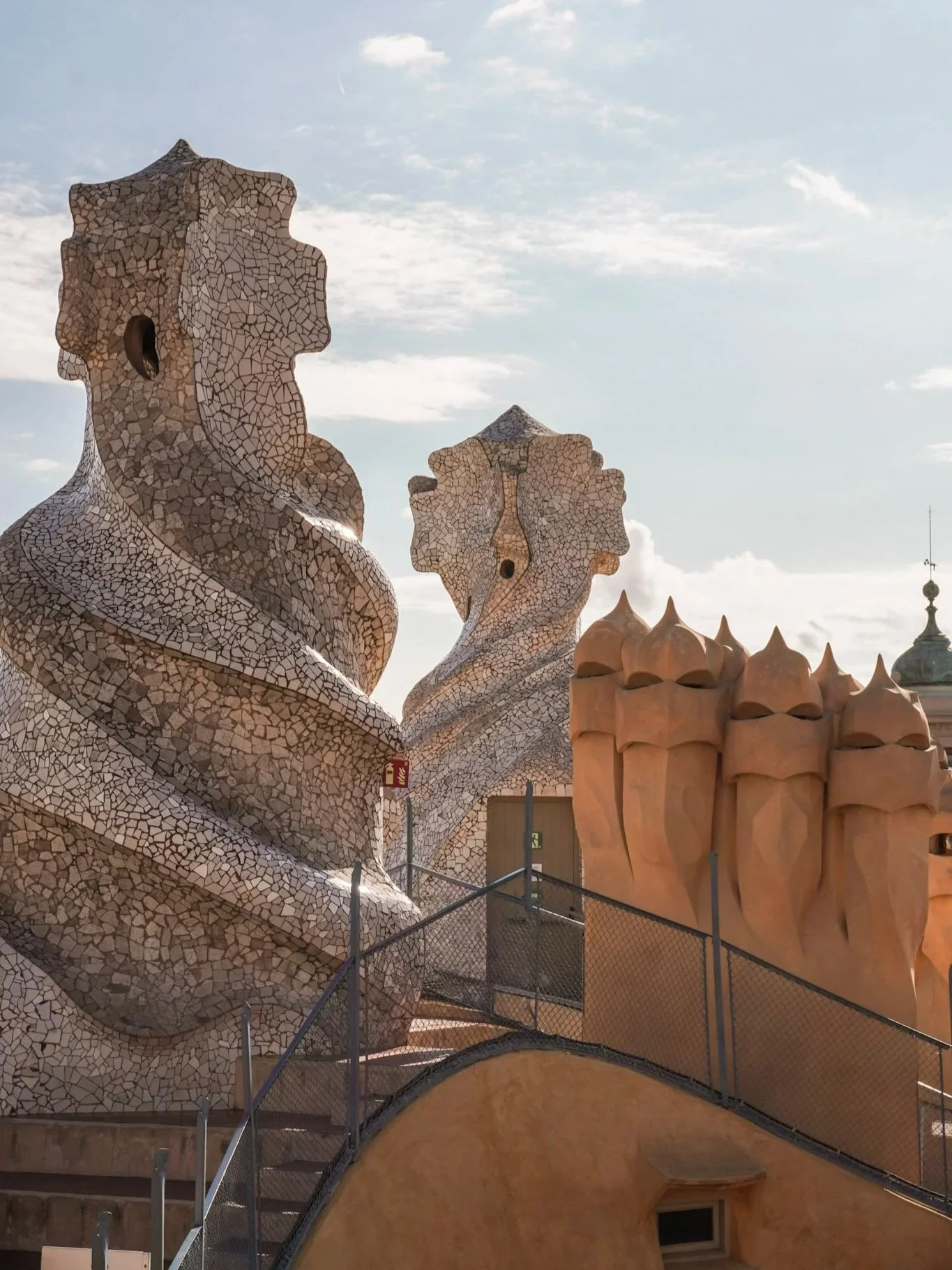
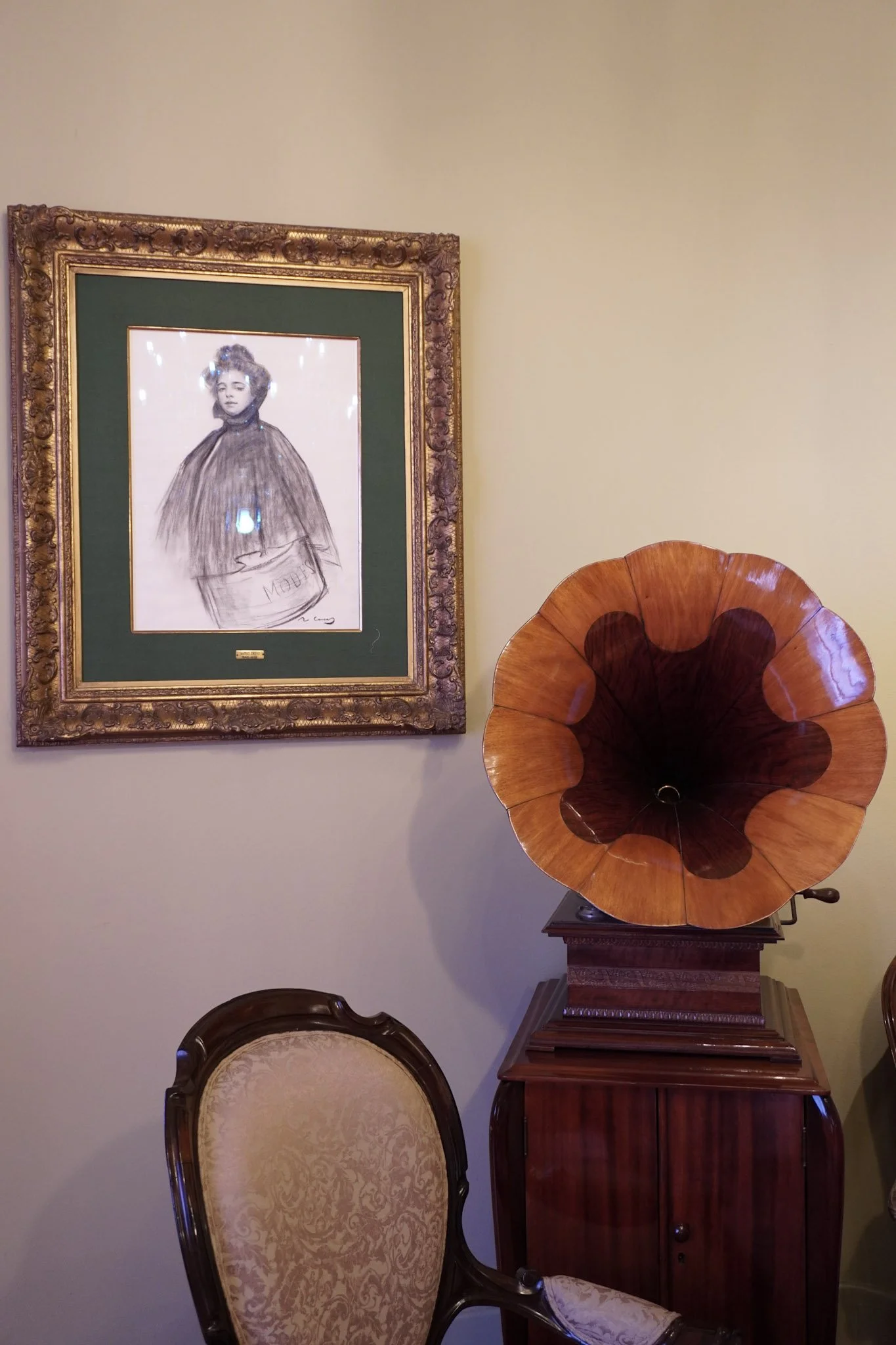
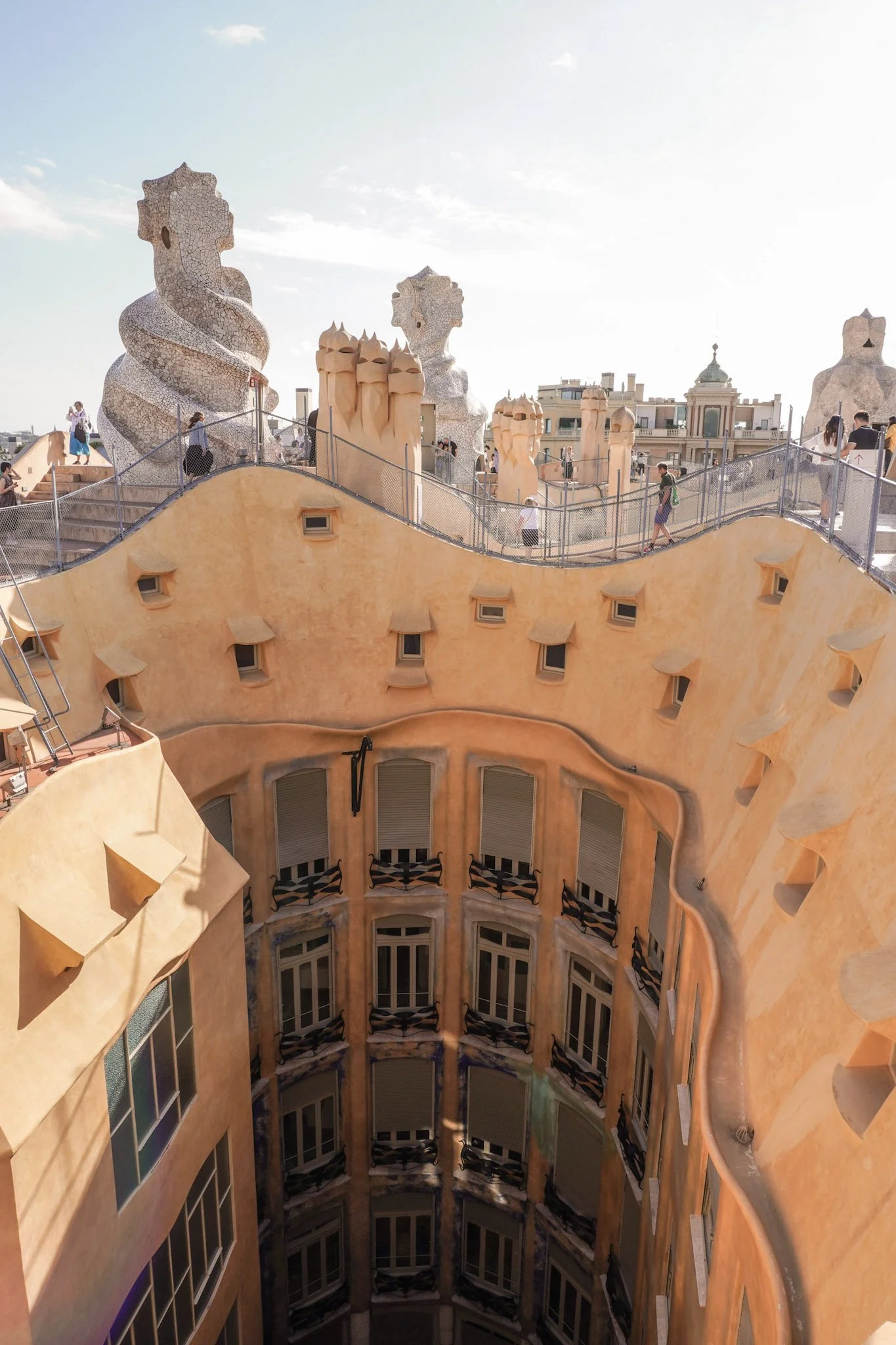
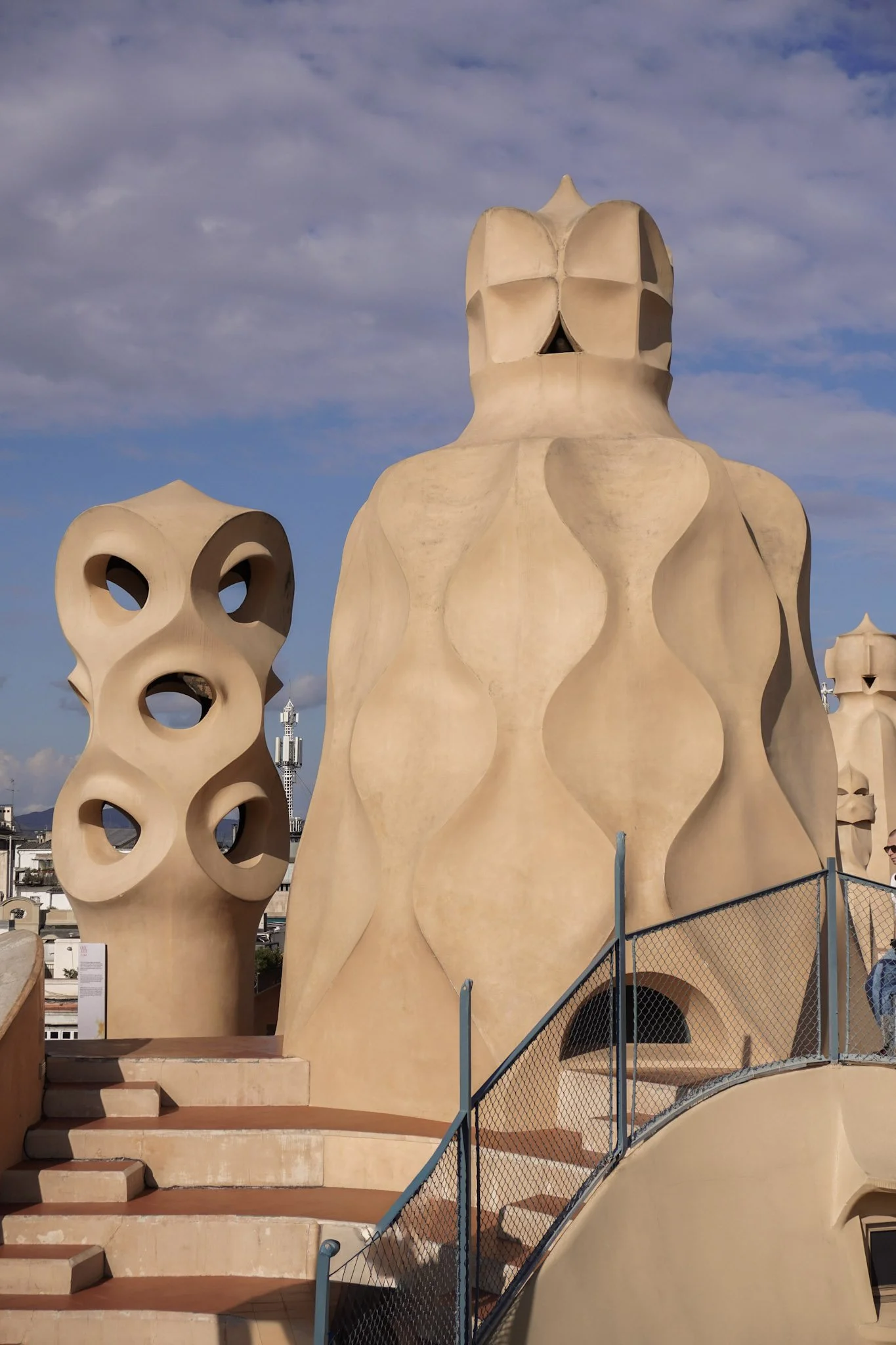
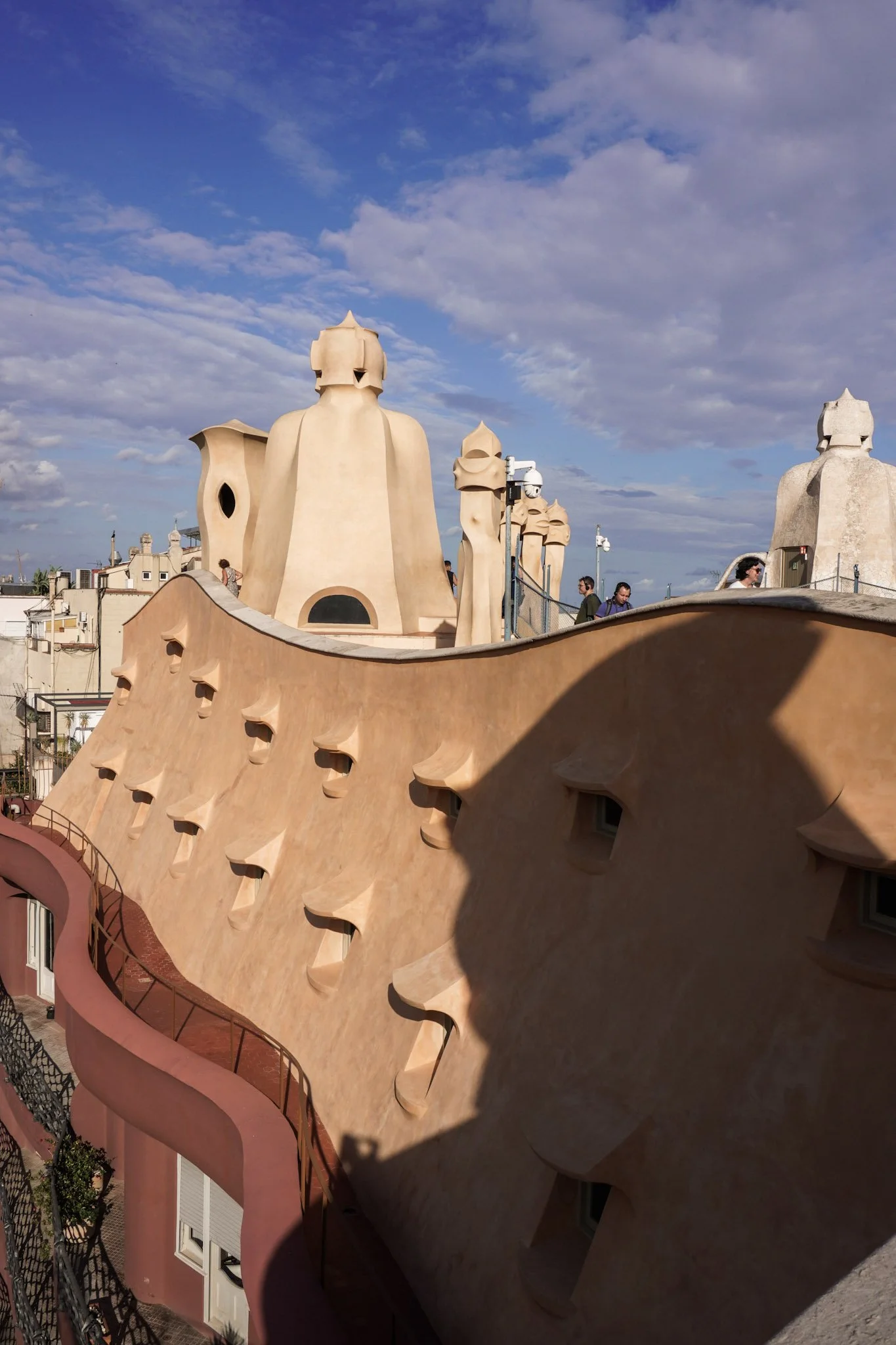
La Pedrera – Casa Milà
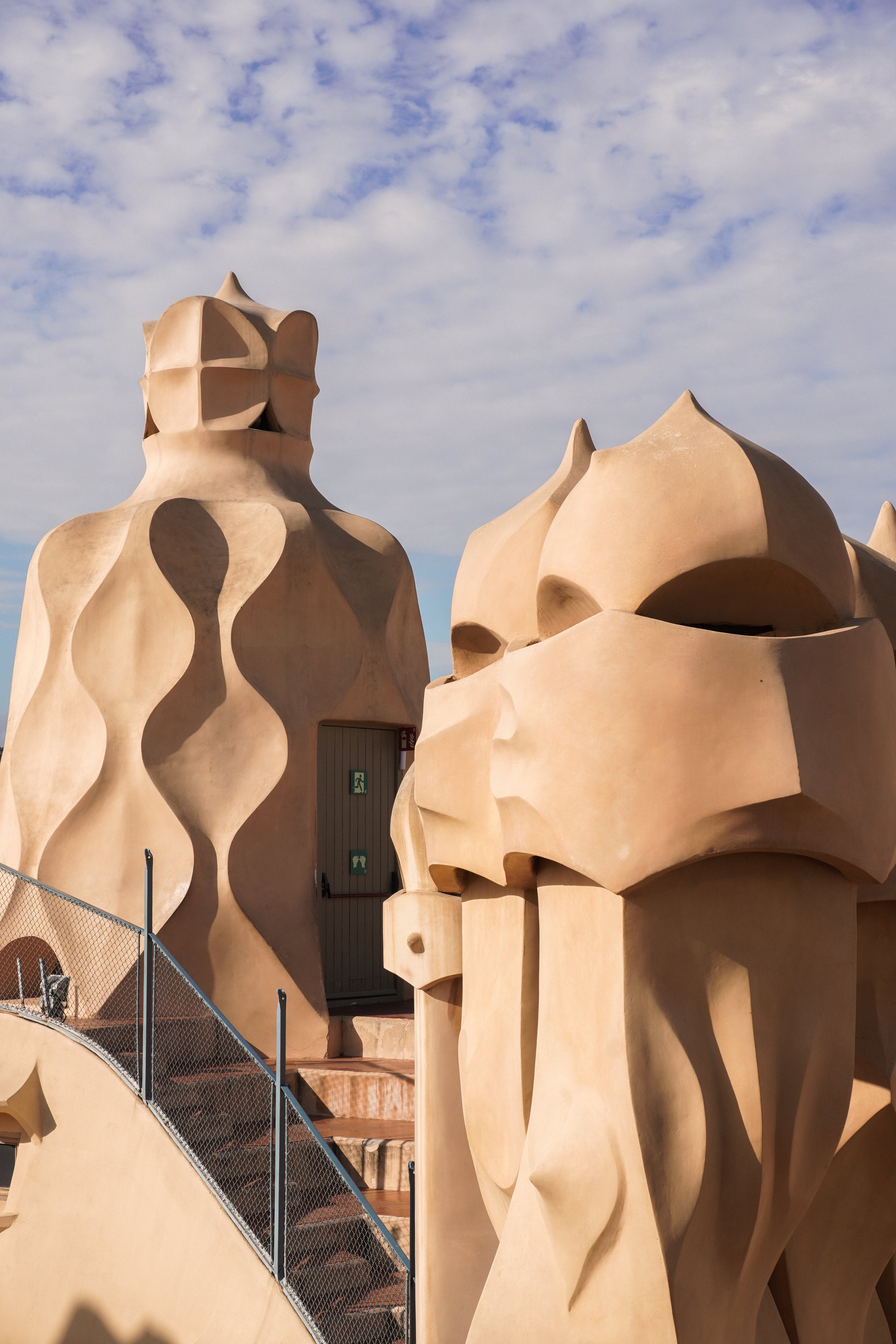
Very different from Casa Batlló. Its sculptural stone façade is striking from the street, but the rooftop, with its surreal chimneys and views across Barcelona, is the highlight.
Museu Tàpies
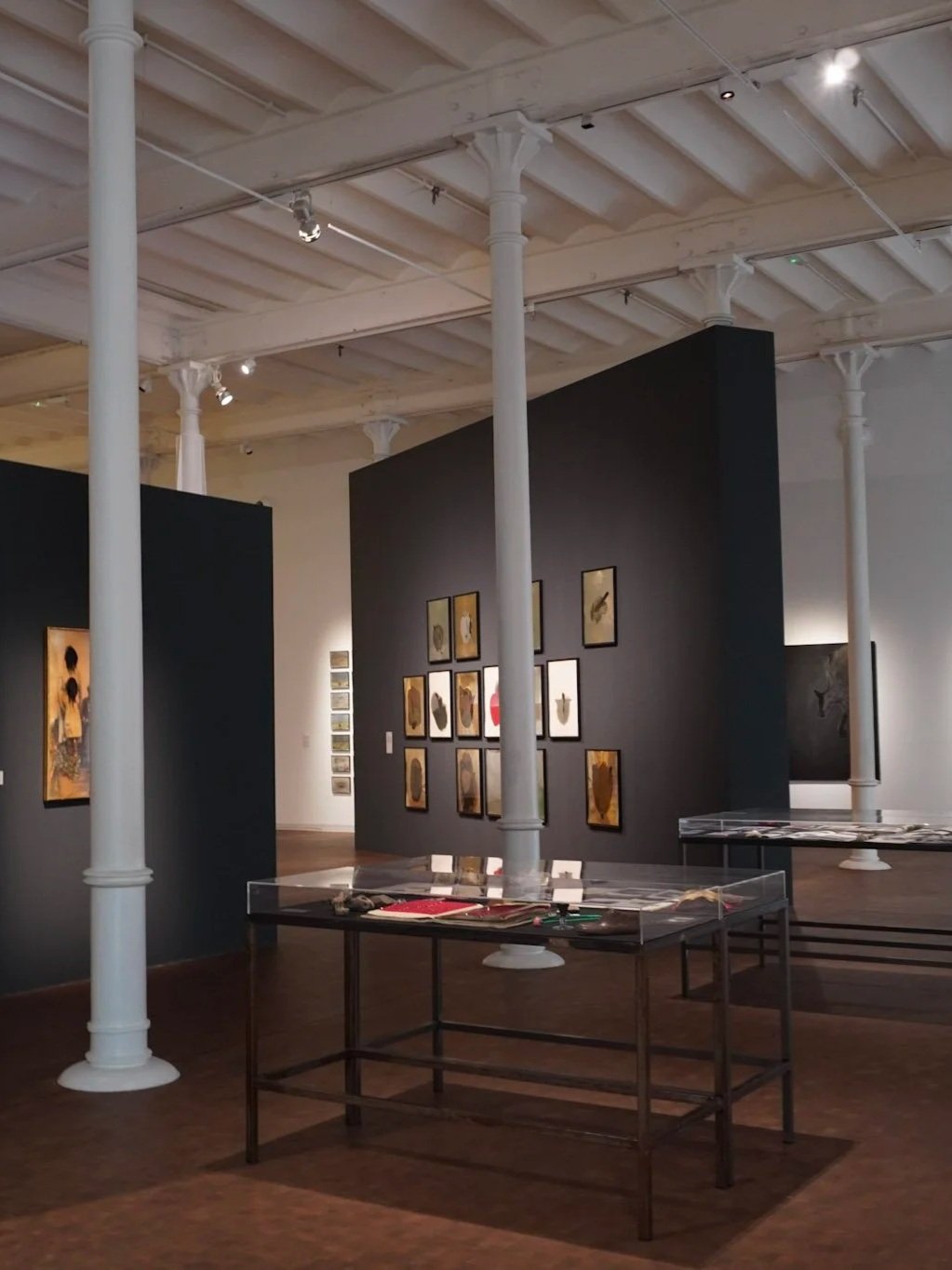
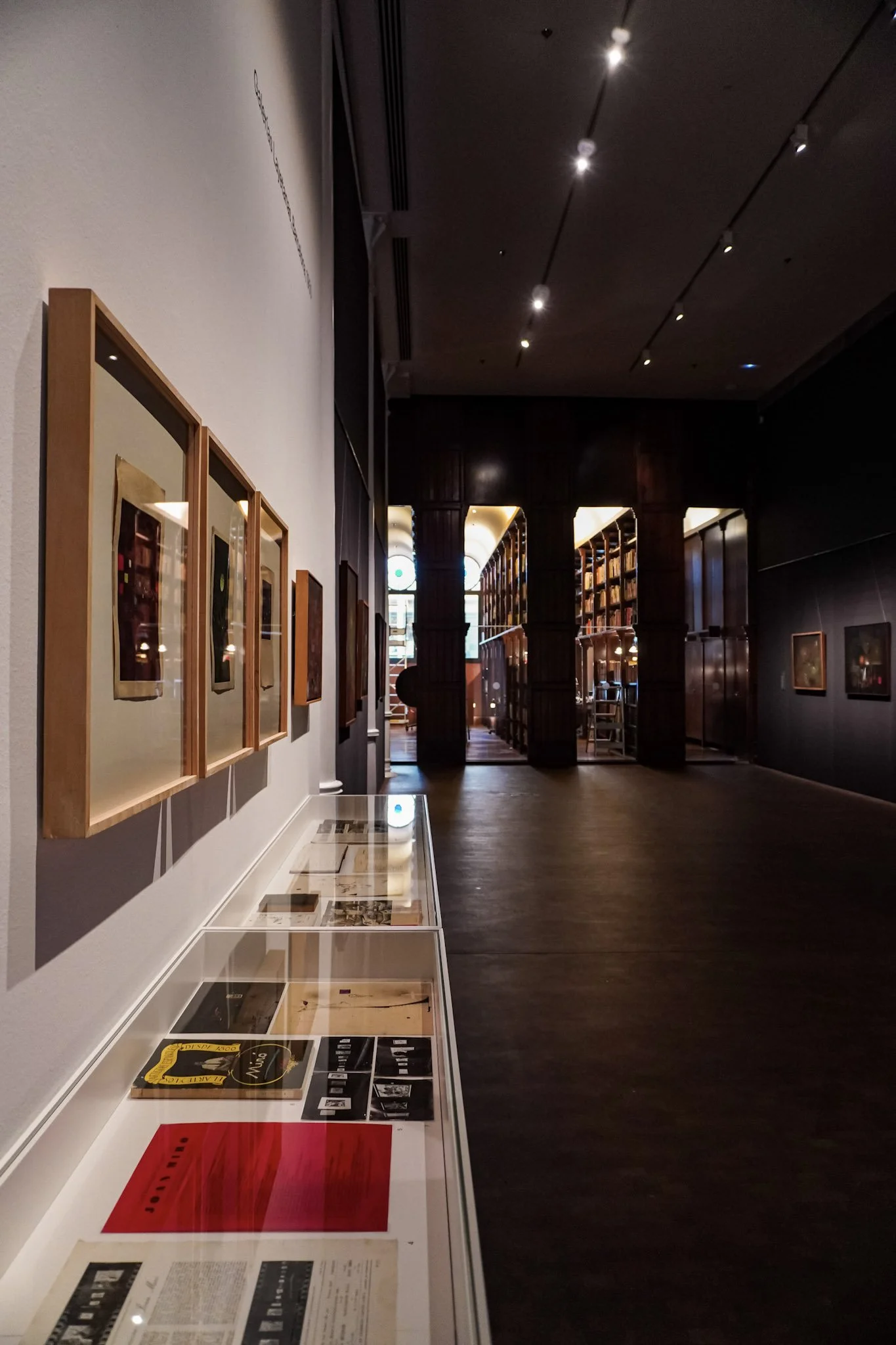
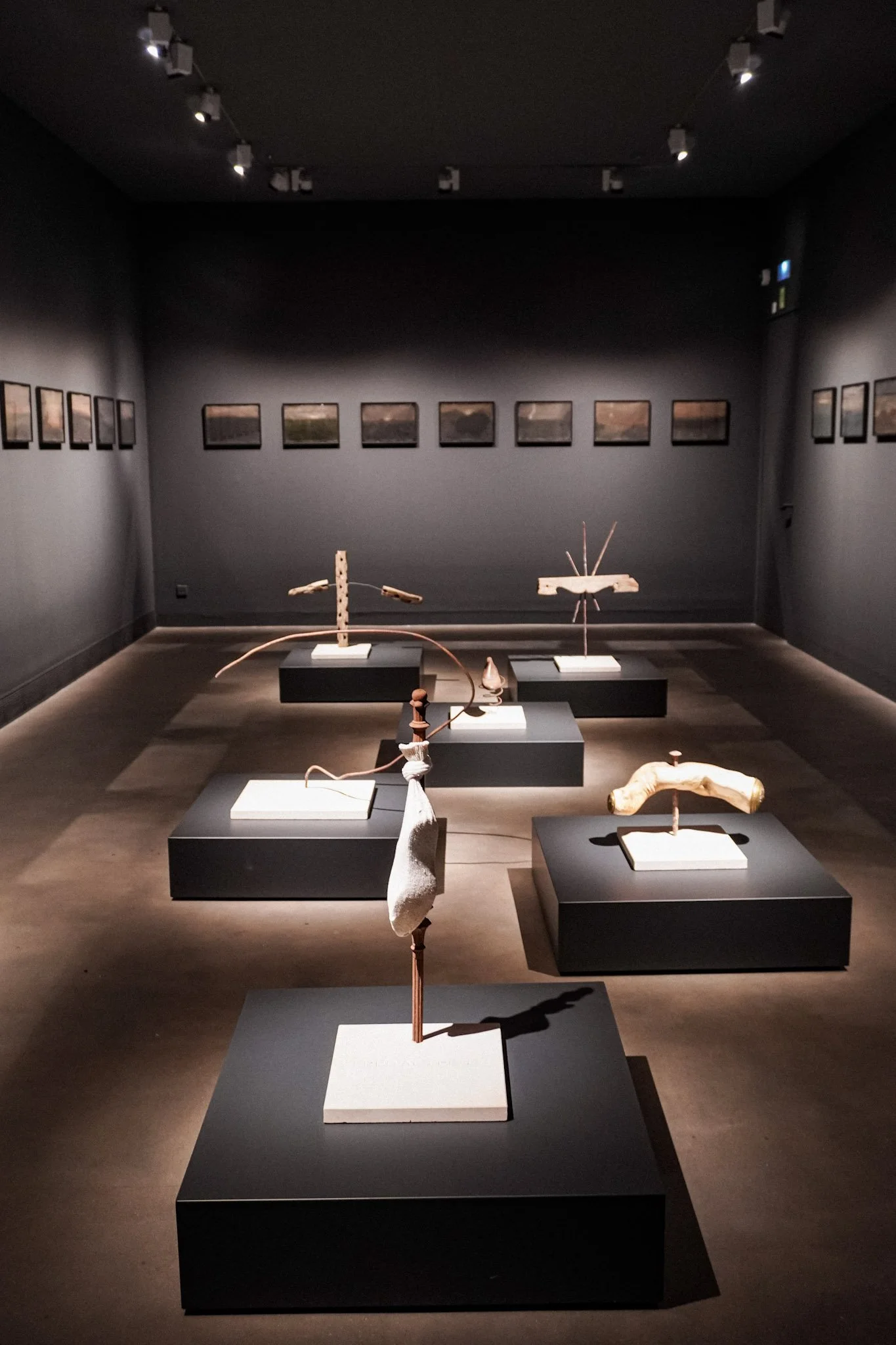
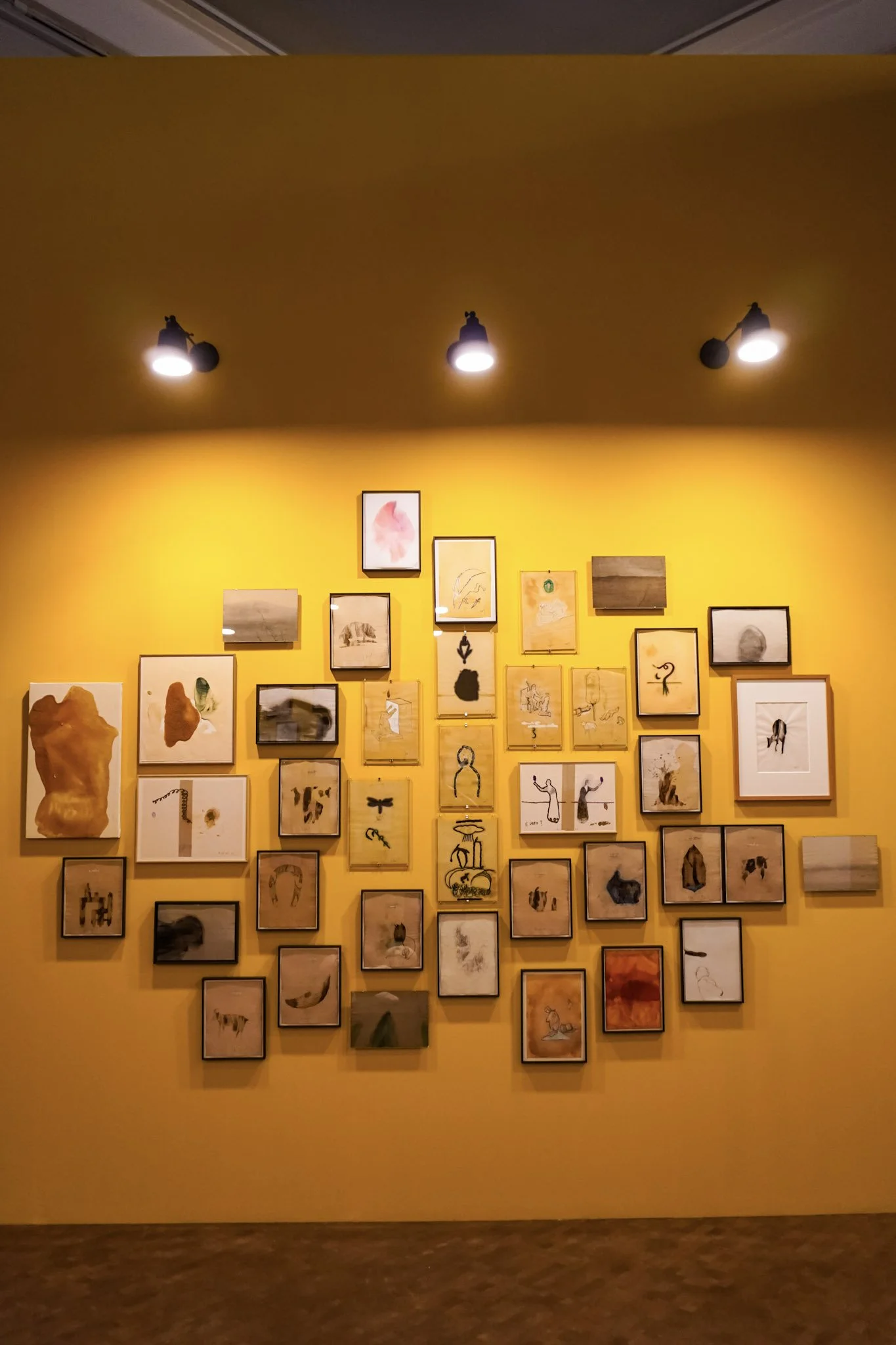
Dedicated to Catalan artist Antoni Tàpies and housed in an early Modernista building by Lluís Domènech i Montaner. A good contemporary-art pause between the architectural landmarks.
Passeig de Gràcia
Walk rather than simply moving from Casa Batlló to La Pedrera. Some of Eixample's most beautiful façades are the buildings you weren't planning to see.
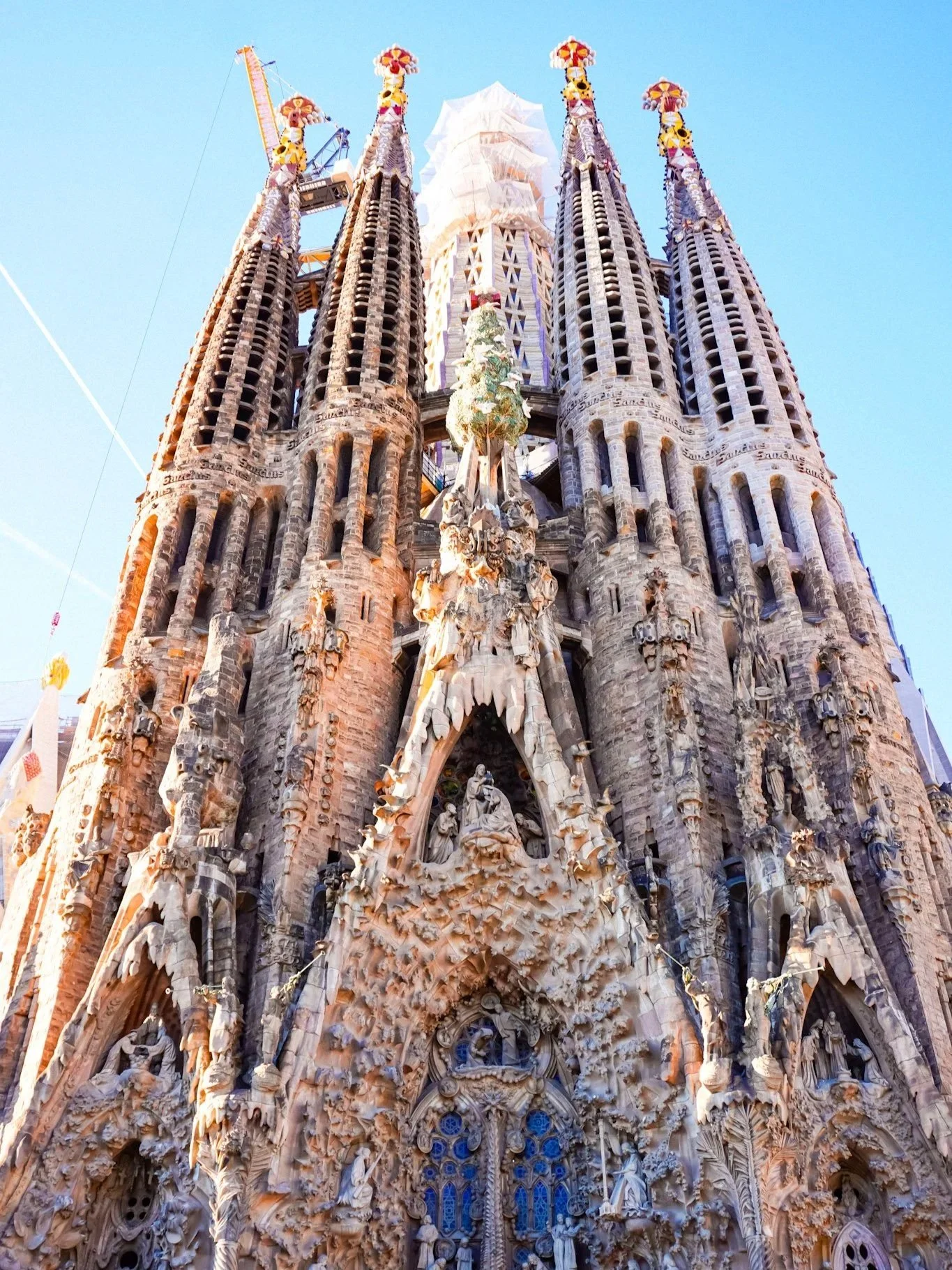
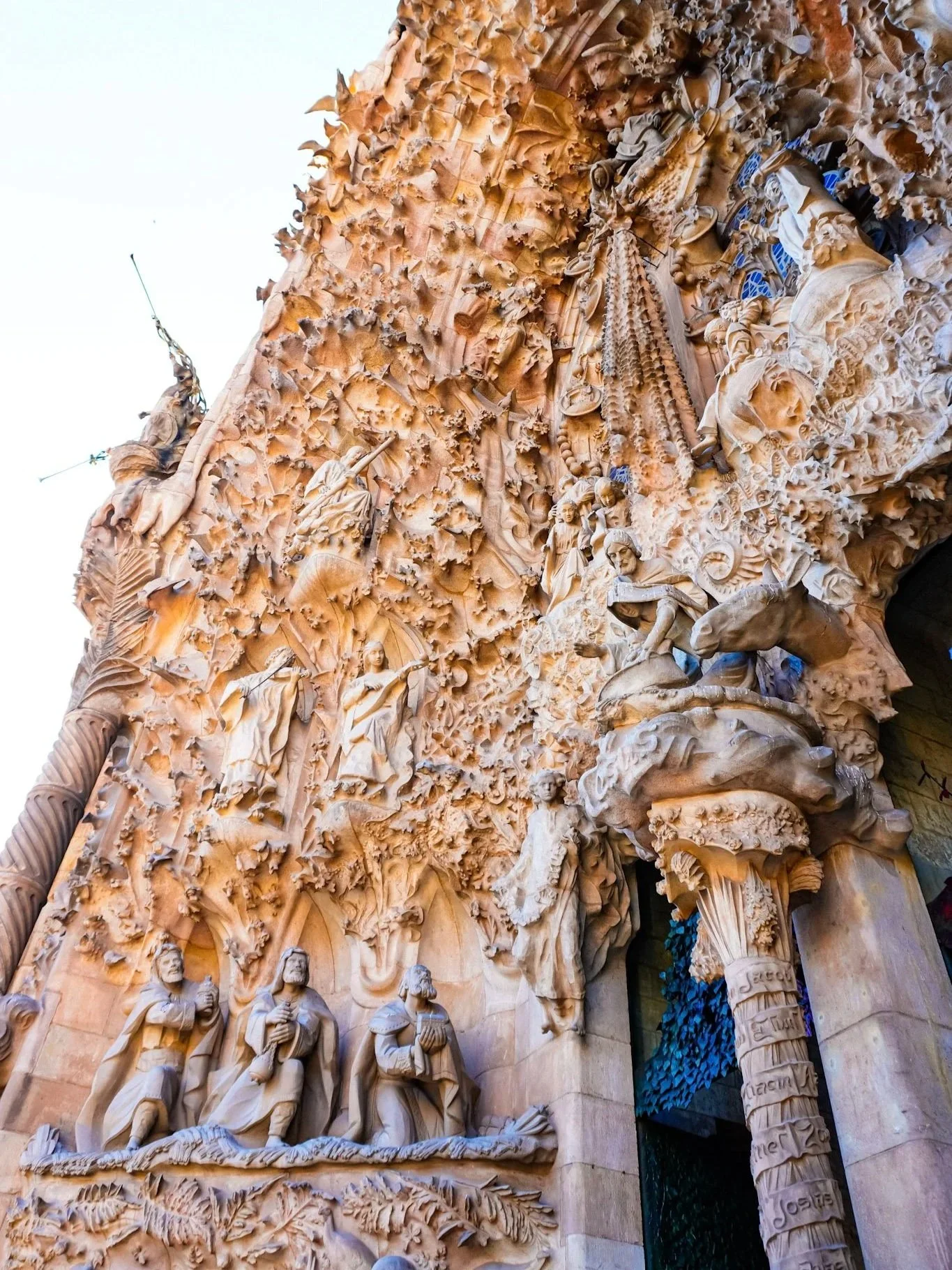
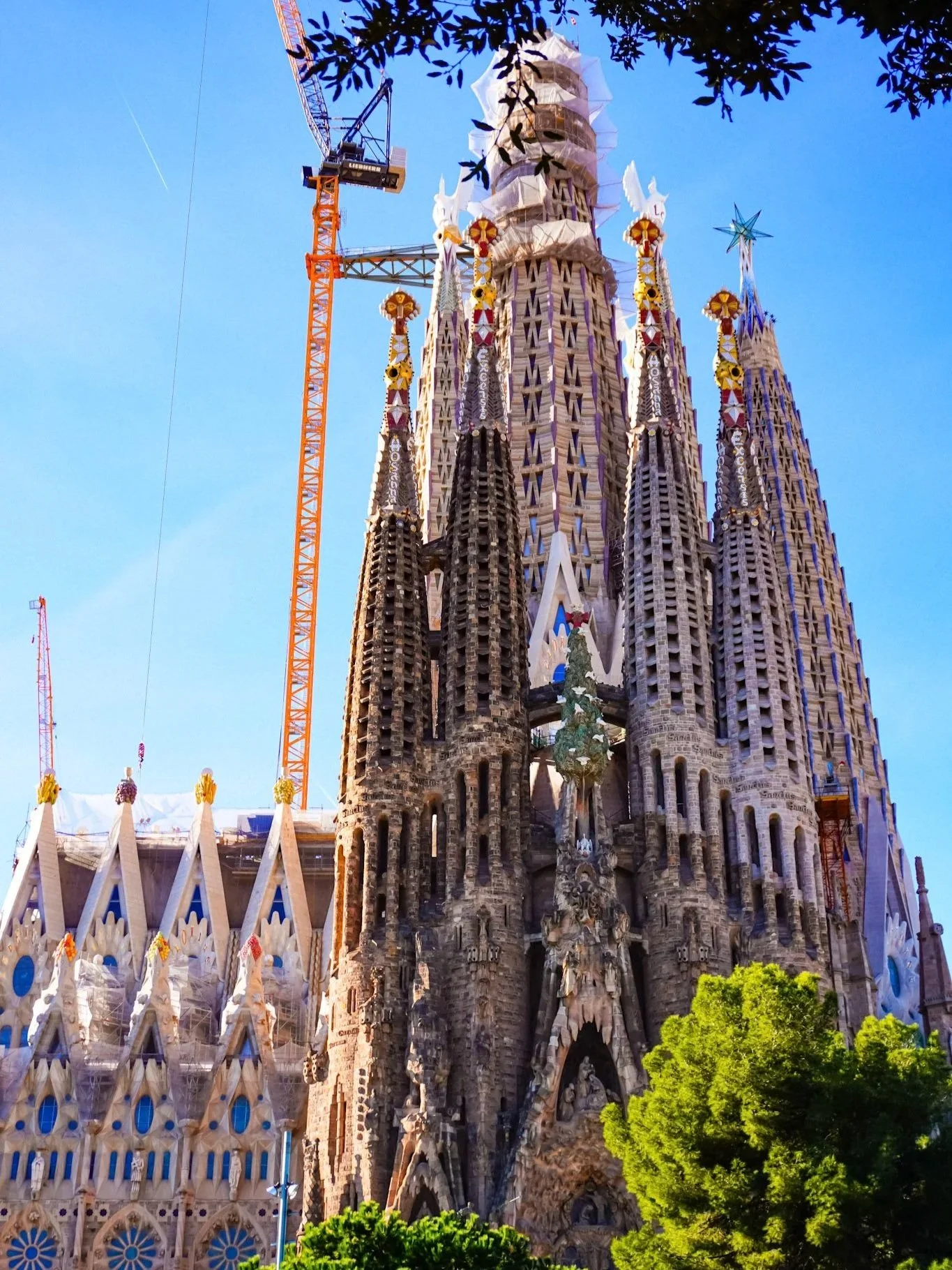
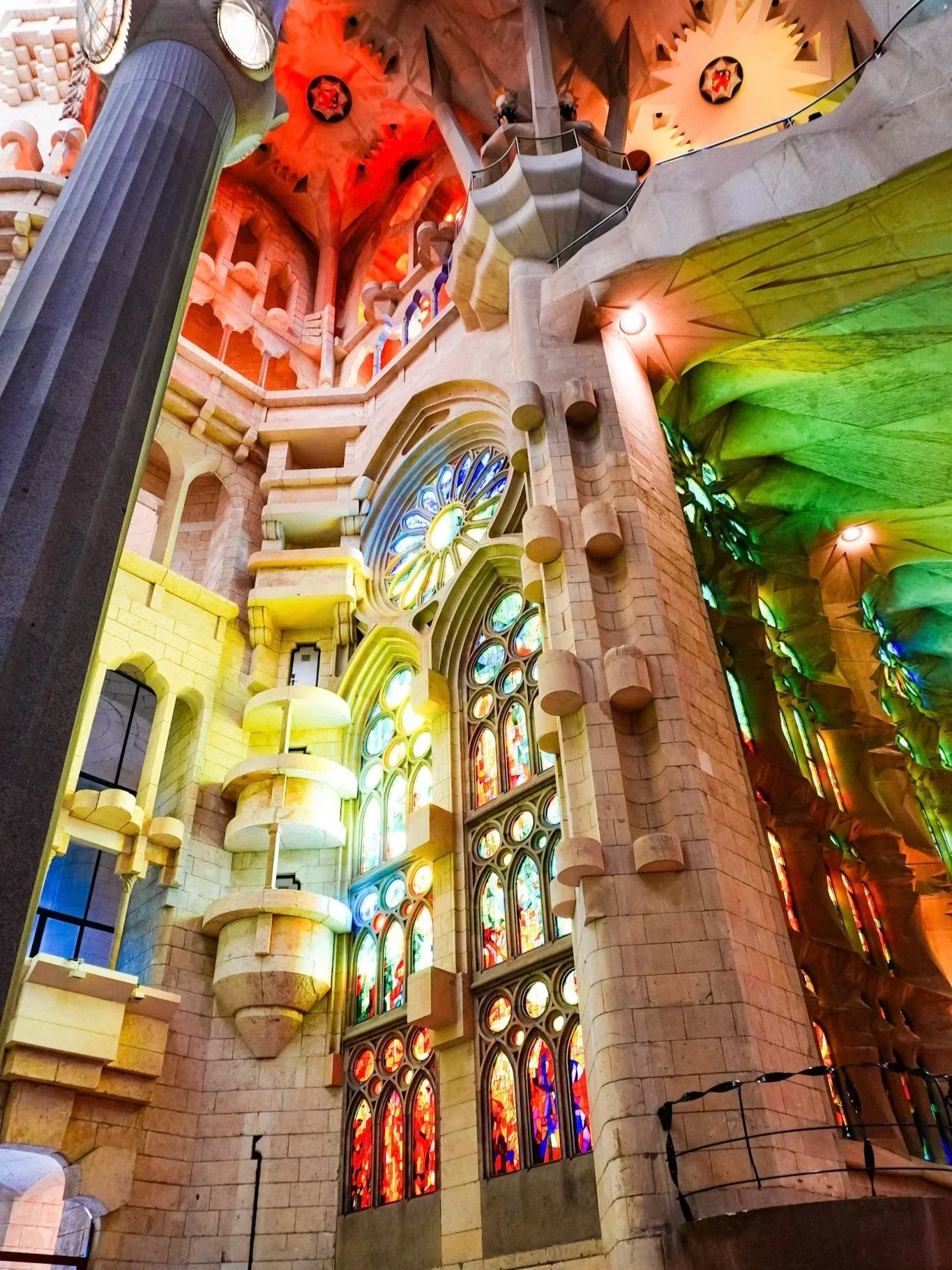
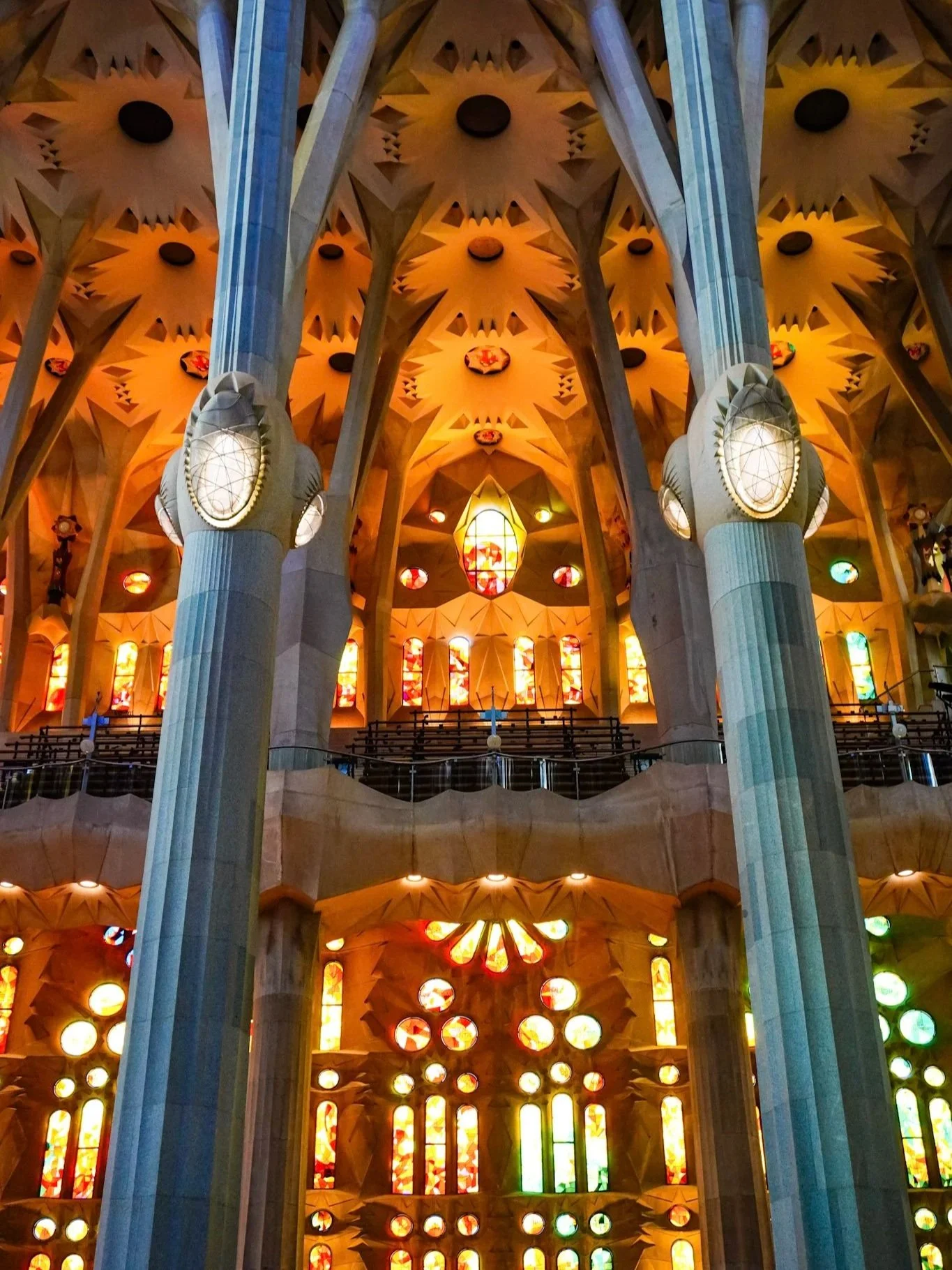
Sagrada Família
Barcelona's defining landmark and Gaudí's most ambitious work. The exterior alone rewards time, but the light and structure inside make the interior worth booking at least once.
Recinte Modernista de Sant Pau
Often overlooked beside Gaudí's better-known buildings, this former hospital complex by Domènech i Montaner is one of the city's great Modernista ensembles.
Eat & Drink
ABANIC
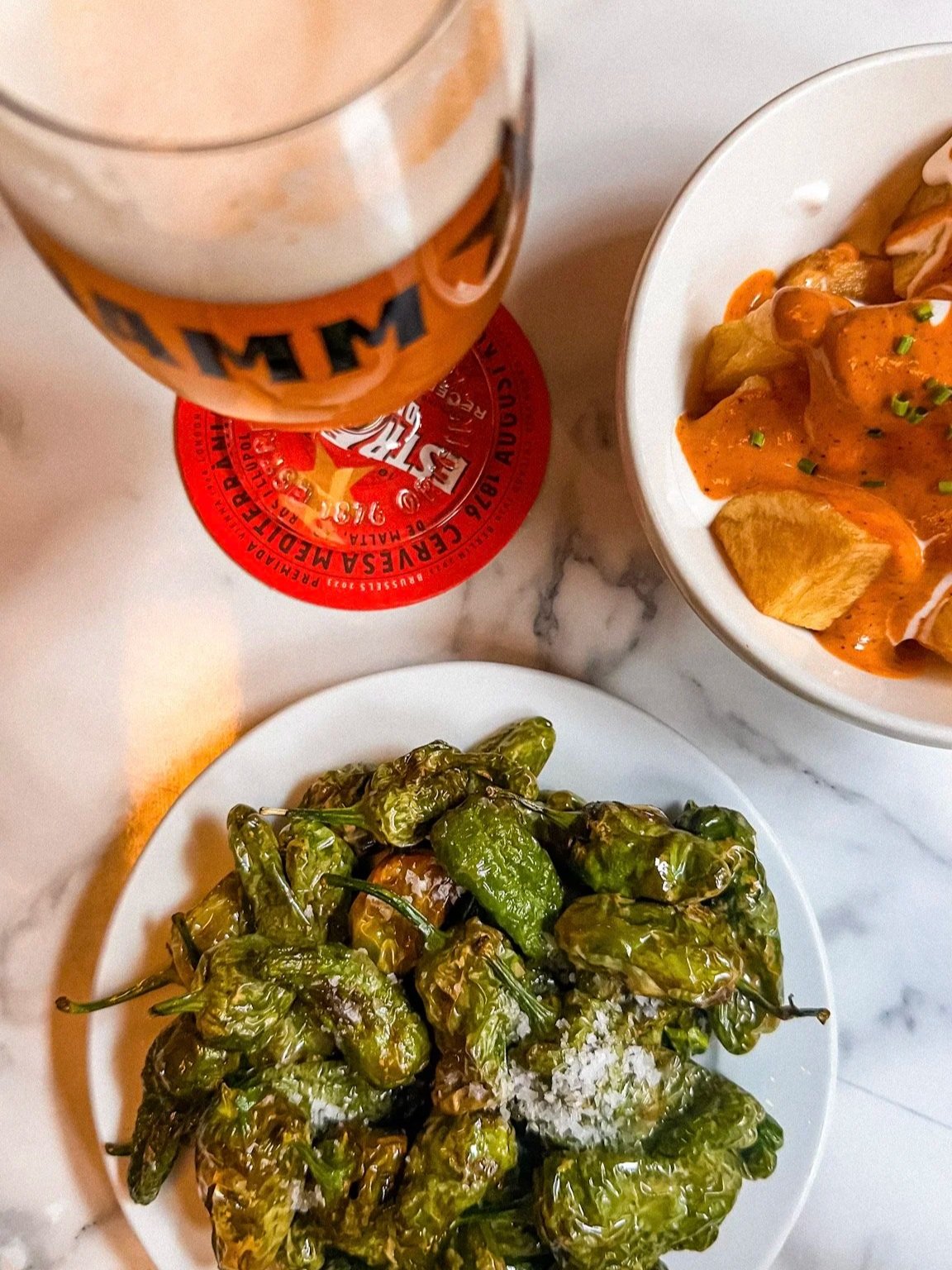
A lively address for contemporary Spanish and Mediterranean cooking, ideal for sharing. Address: Carrer de Còrsega, 200
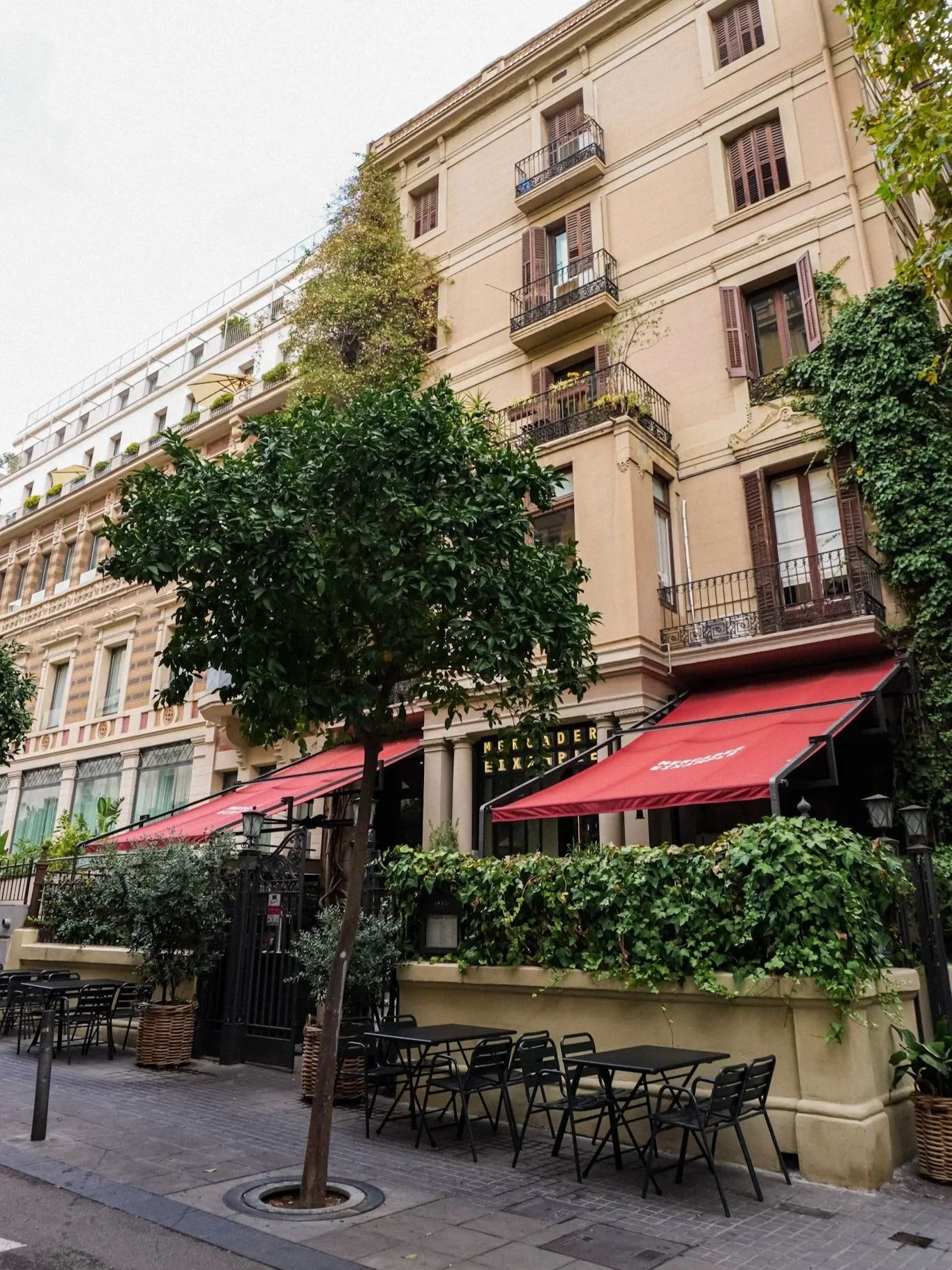
Mercader Eixample
Seasonal Catalan cooking in an elegant passage just off Rambla de Catalunya. Address: Passatge de Mercader, 17 · Website
La Bodegueta Provença
An old-school Barcelona bodega for vermouth, tapas and simple plates in a wonderfully unfussy setting. Address: Carrer de Provença, 233 · Website
LAMALVA
Contemporary Mediterranean cooking with a polished but relaxed feel. Address: Carrer de València, 199 · Website
Raw Studio Eixample
A small coffee stop in Passatge de Mercader, with speciality coffee and a simple menu based around seasonal ingredients. Address: Passatge de Mercader, 16 · Website
/// Gràcia
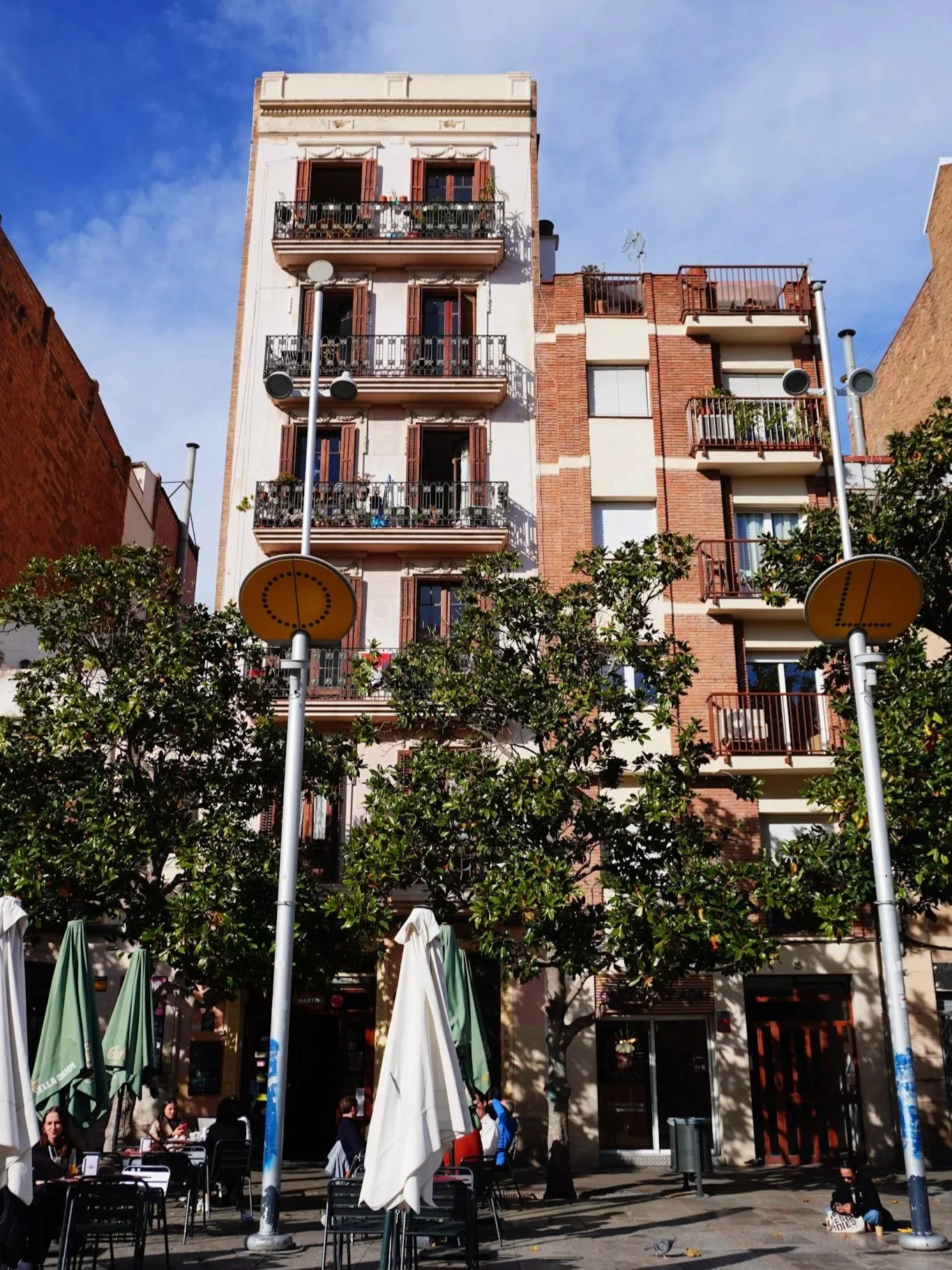
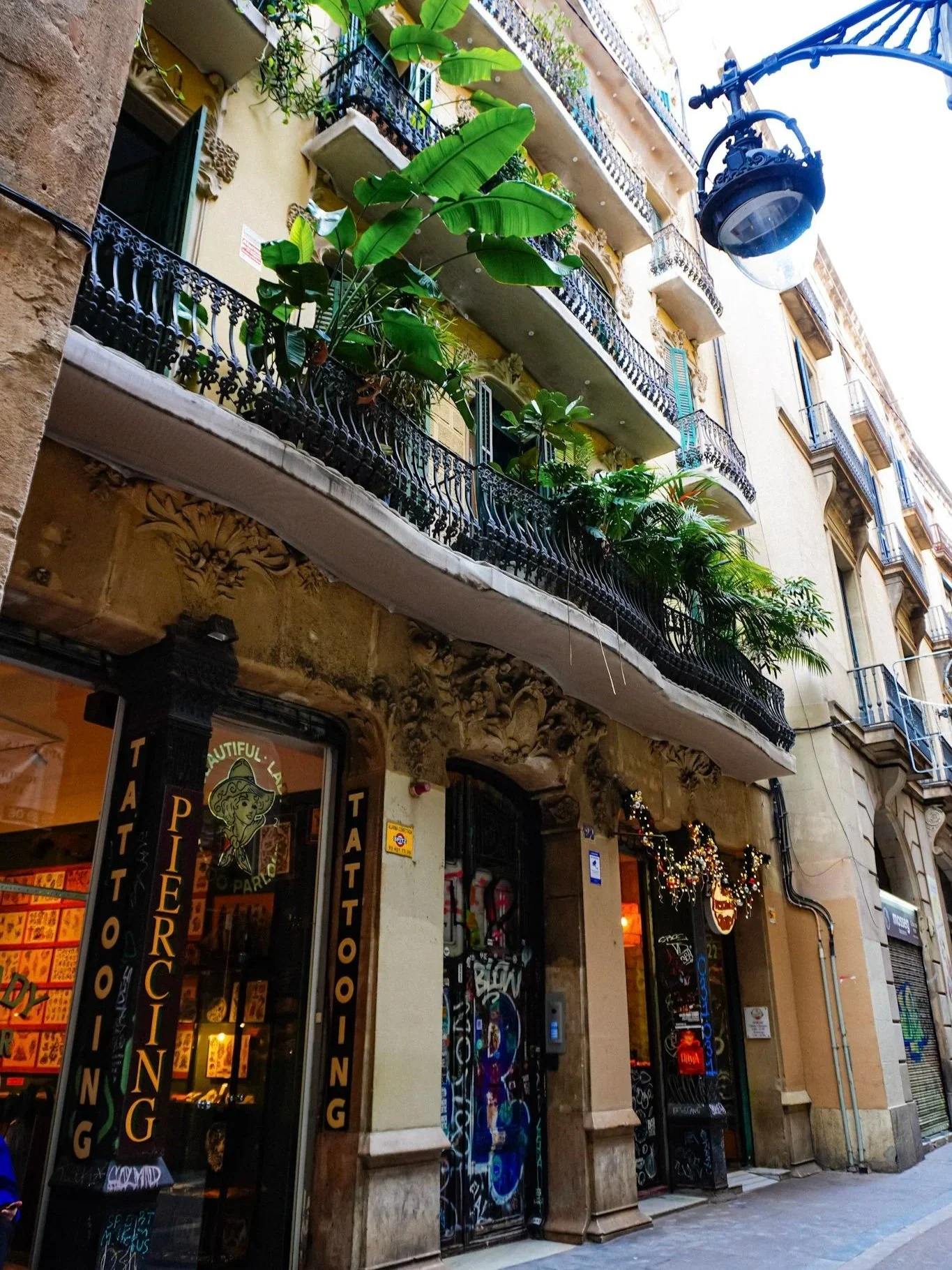
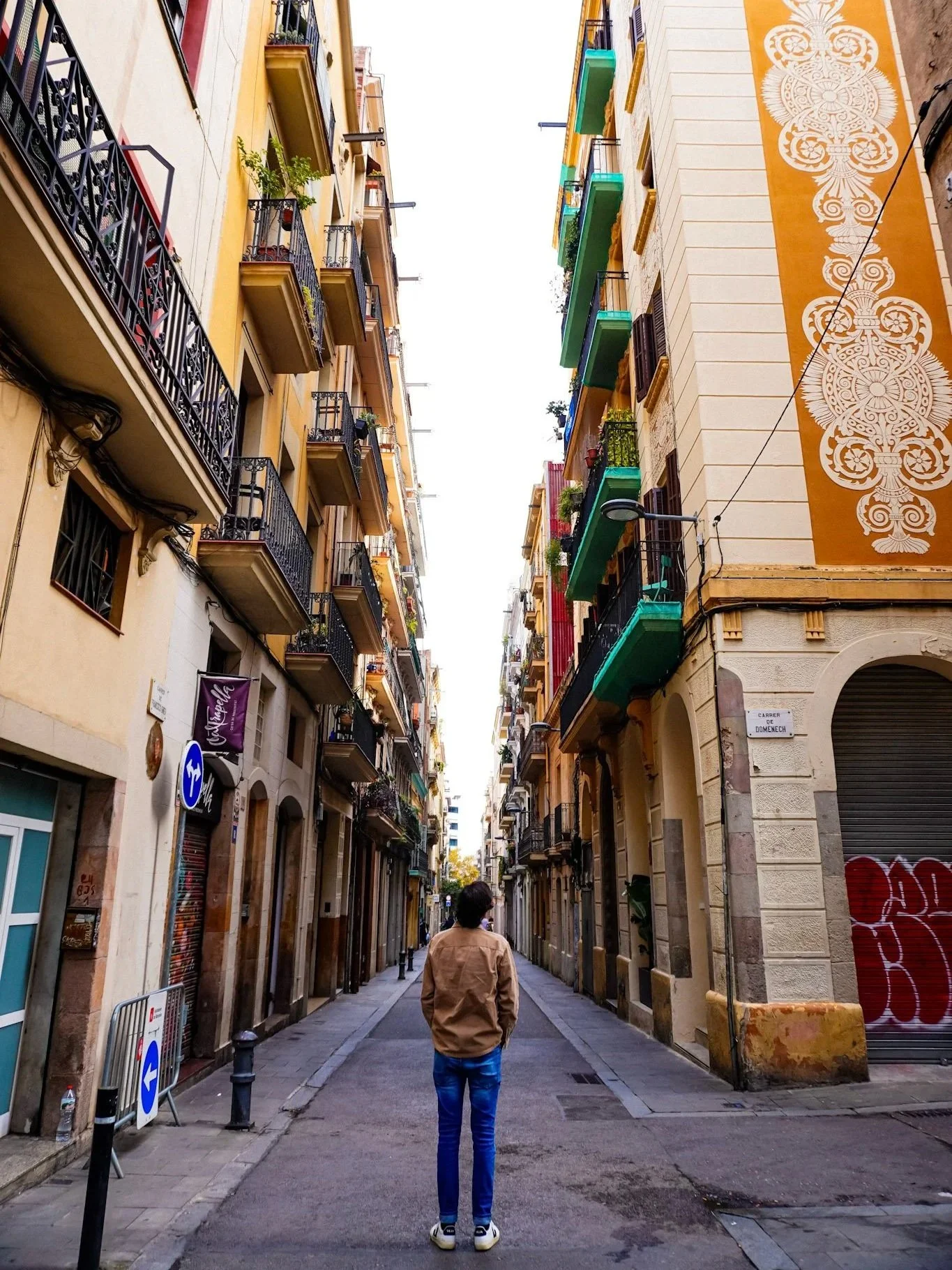
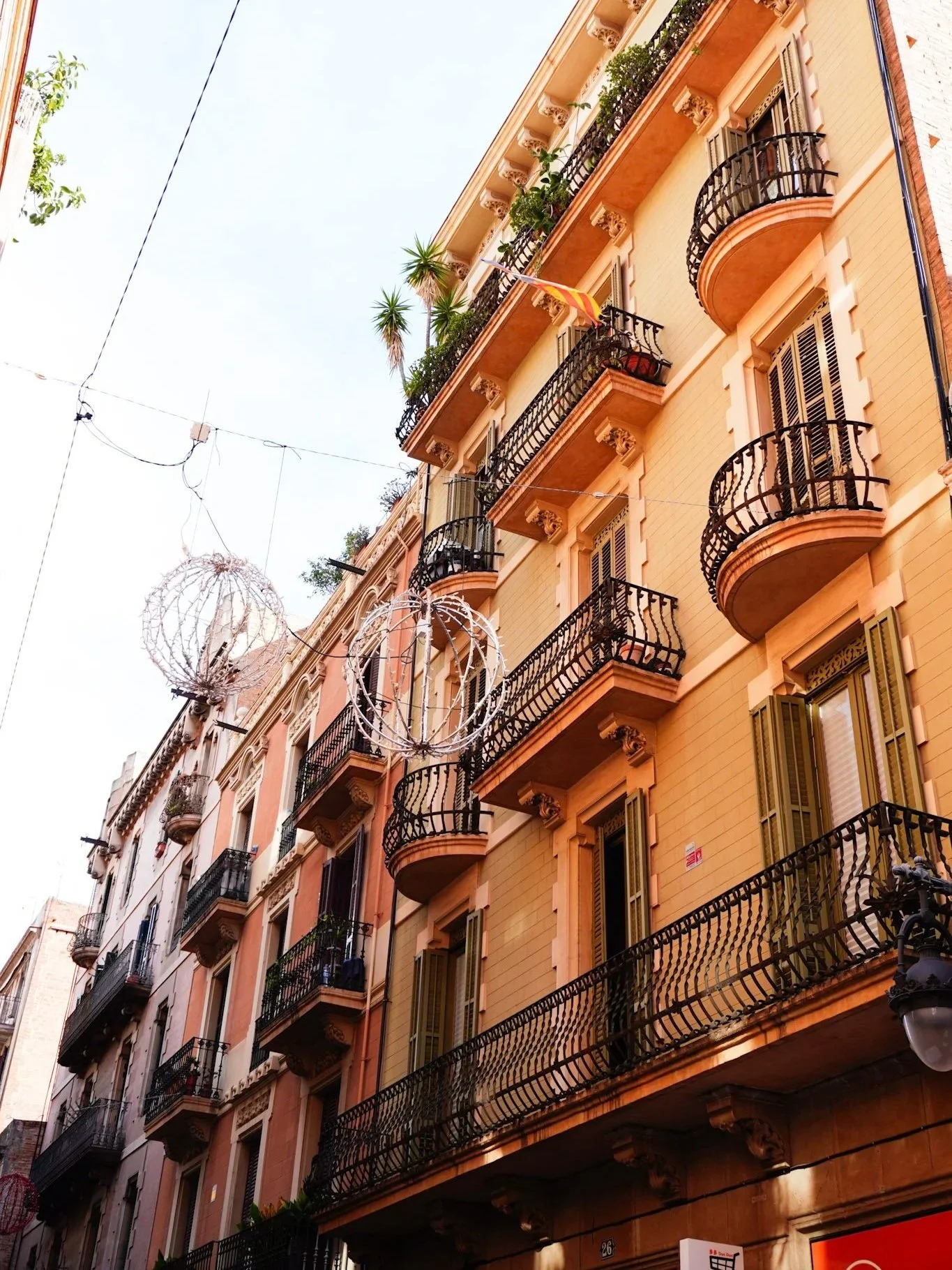
Gràcia still has a neighbourhood identity that feels distinct from central Barcelona. Before becoming part of the city, it was an independent town, and its network of smaller streets and plazas still gives it a noticeably different rhythm.
This is less about ticking off monuments and more about wandering, stopping for coffee or vermouth and seeing where the streets take you.
What to See
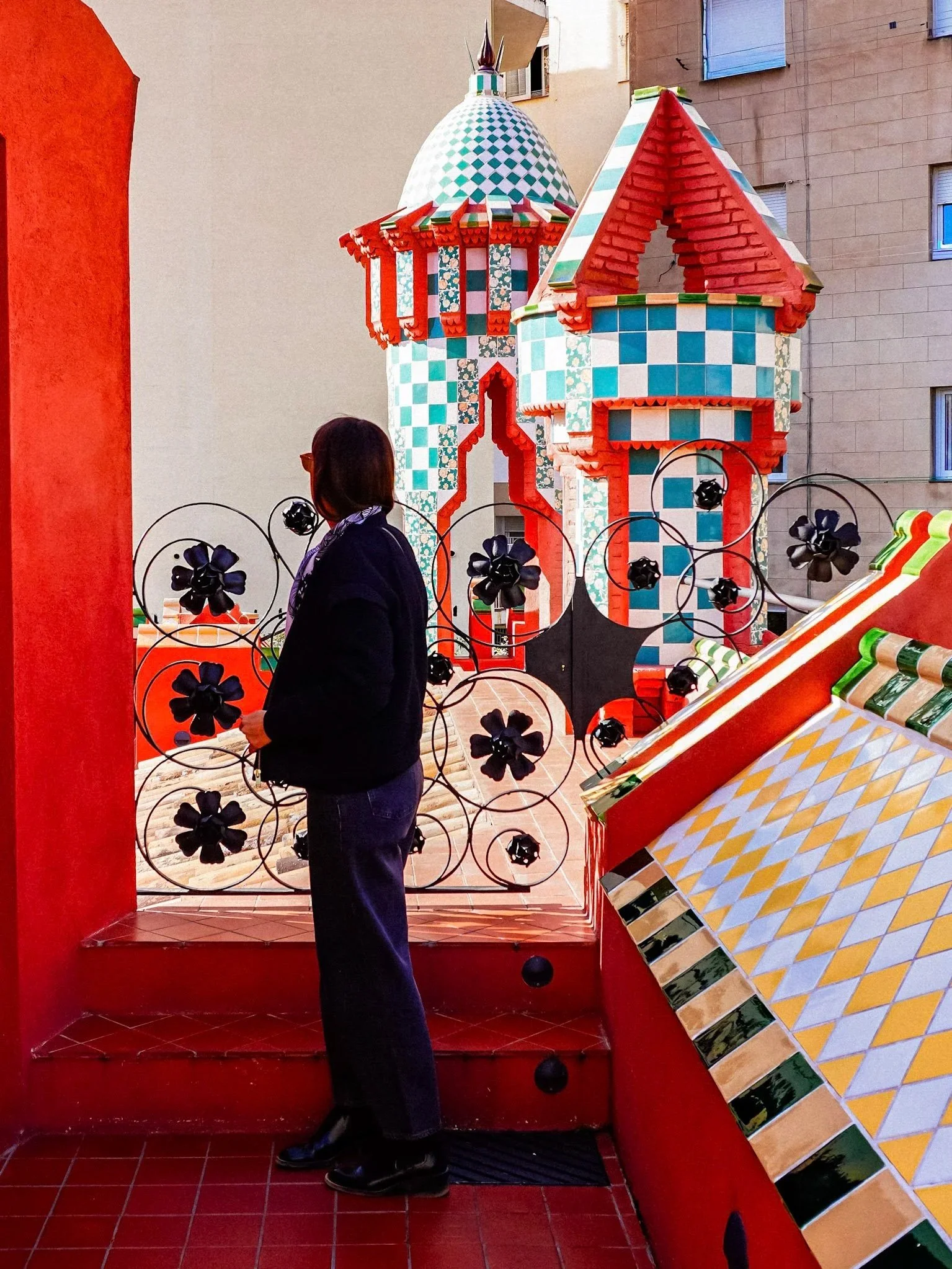
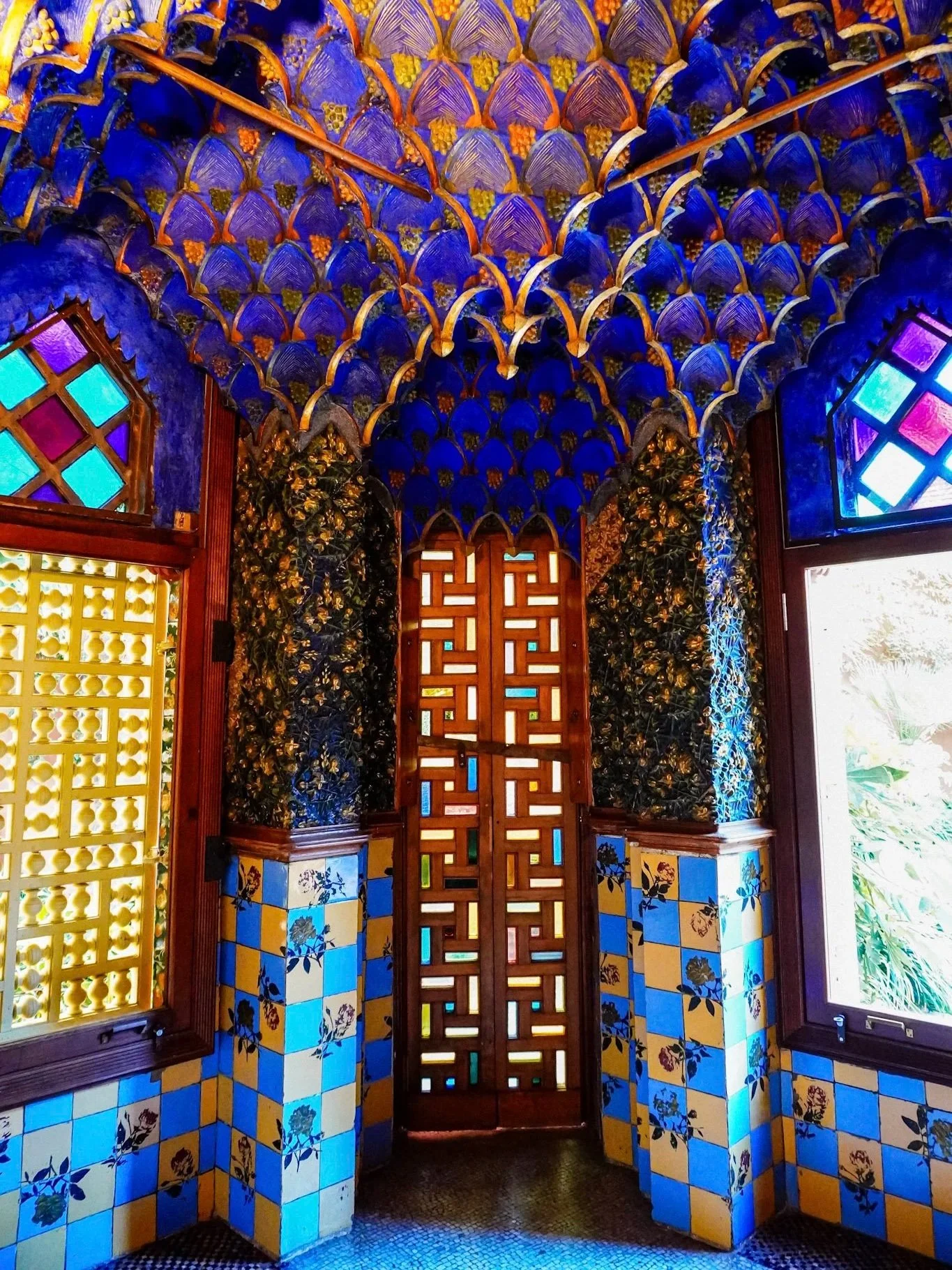
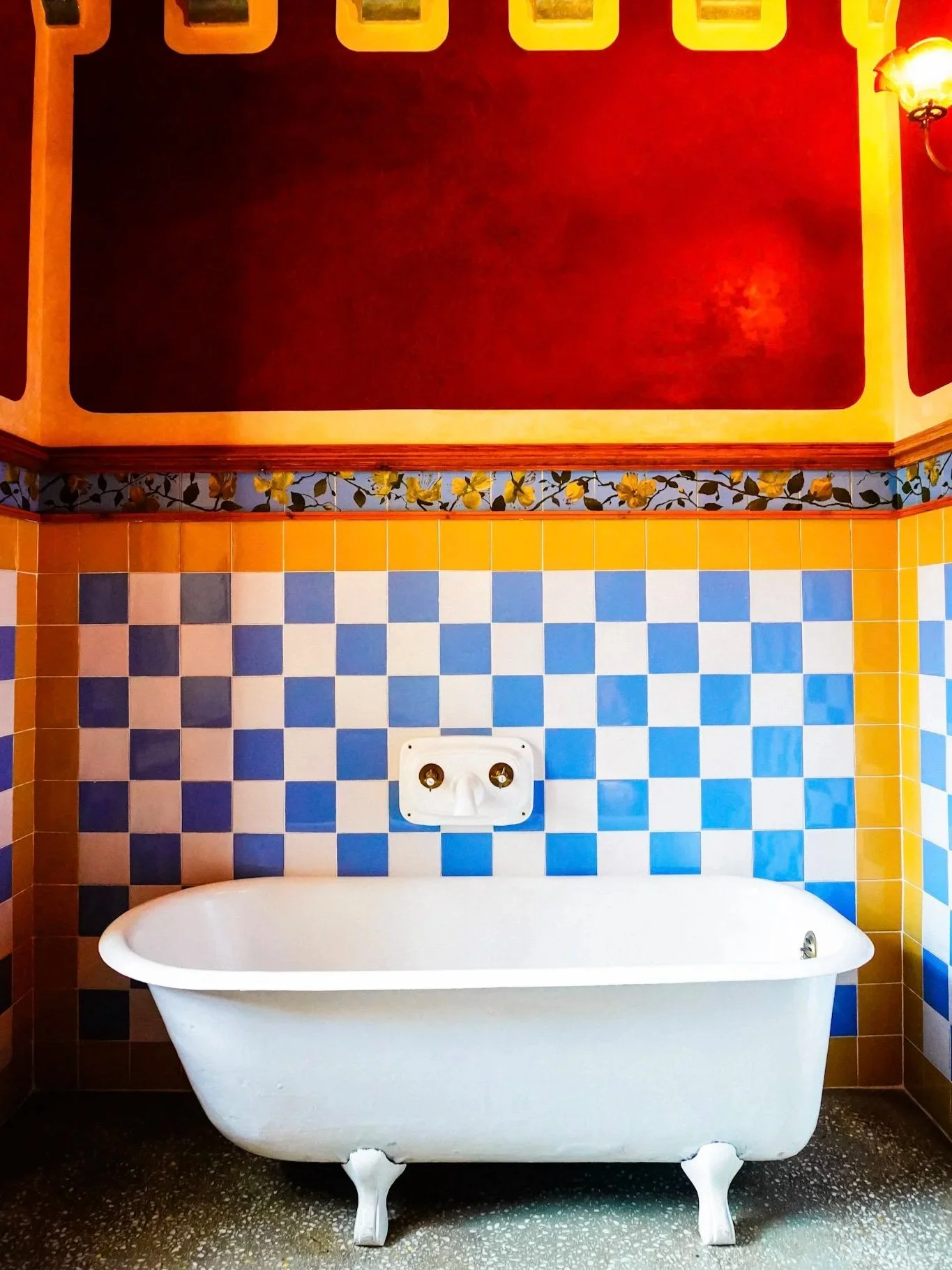
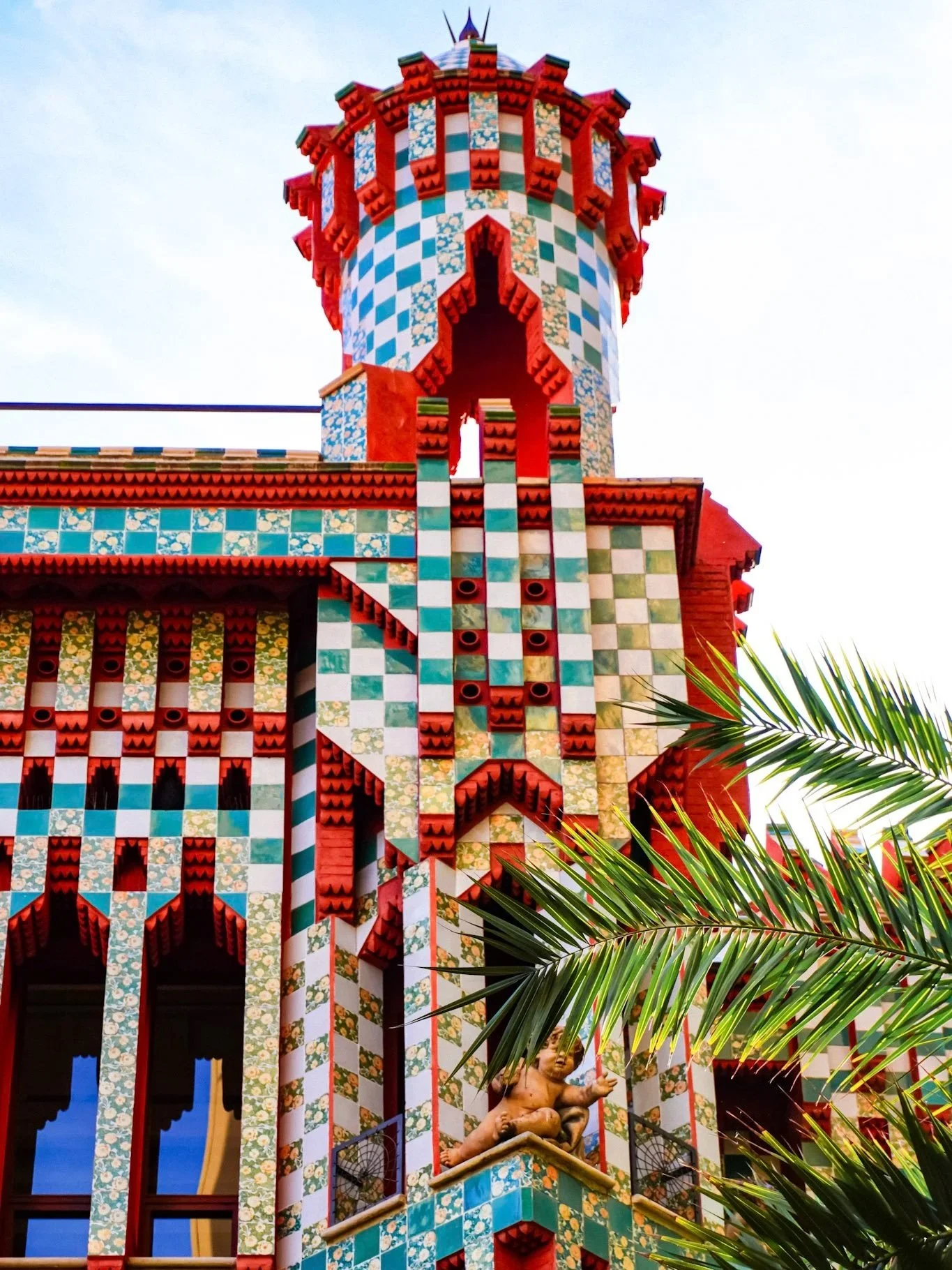
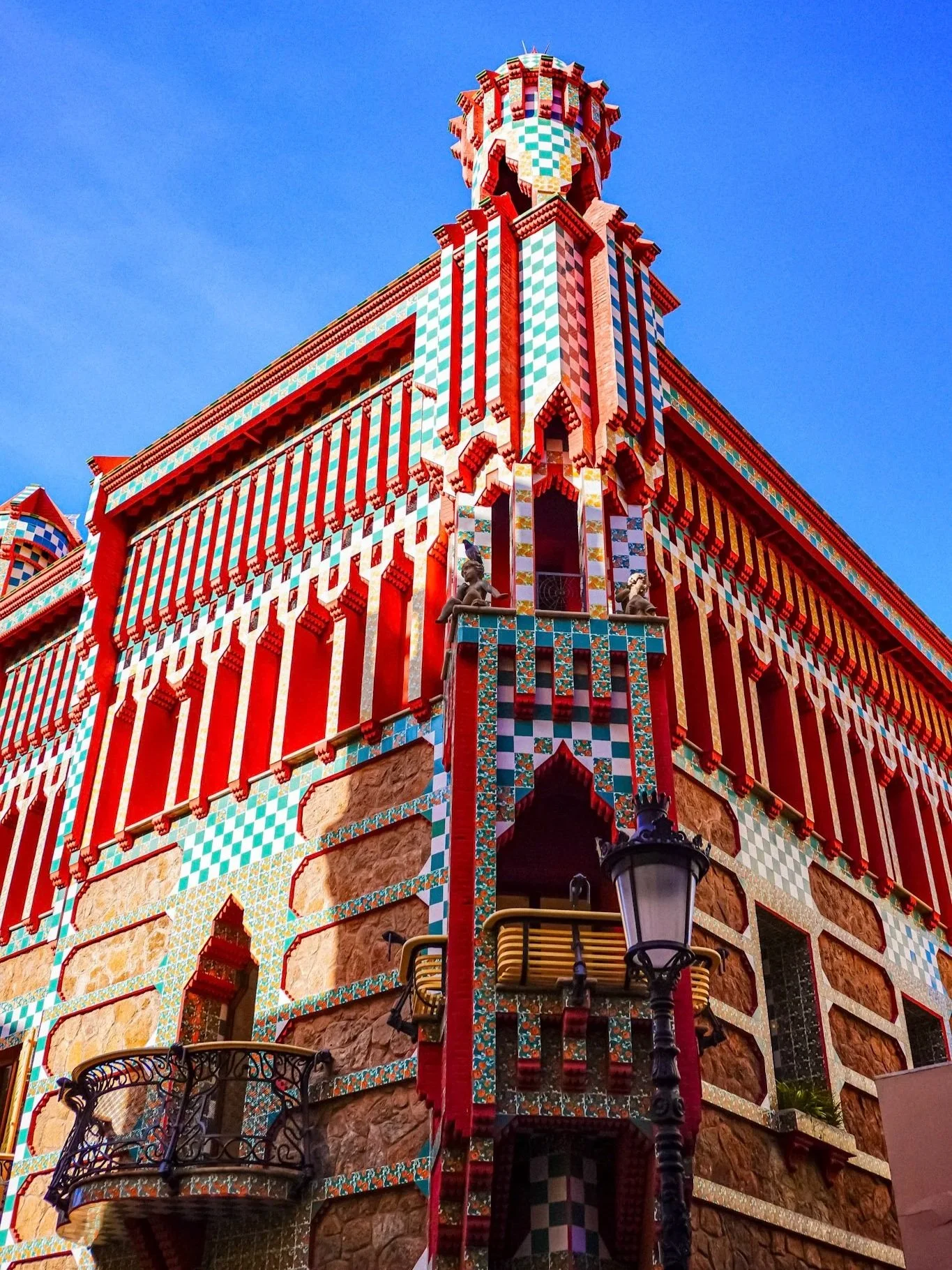
Casa Vicens
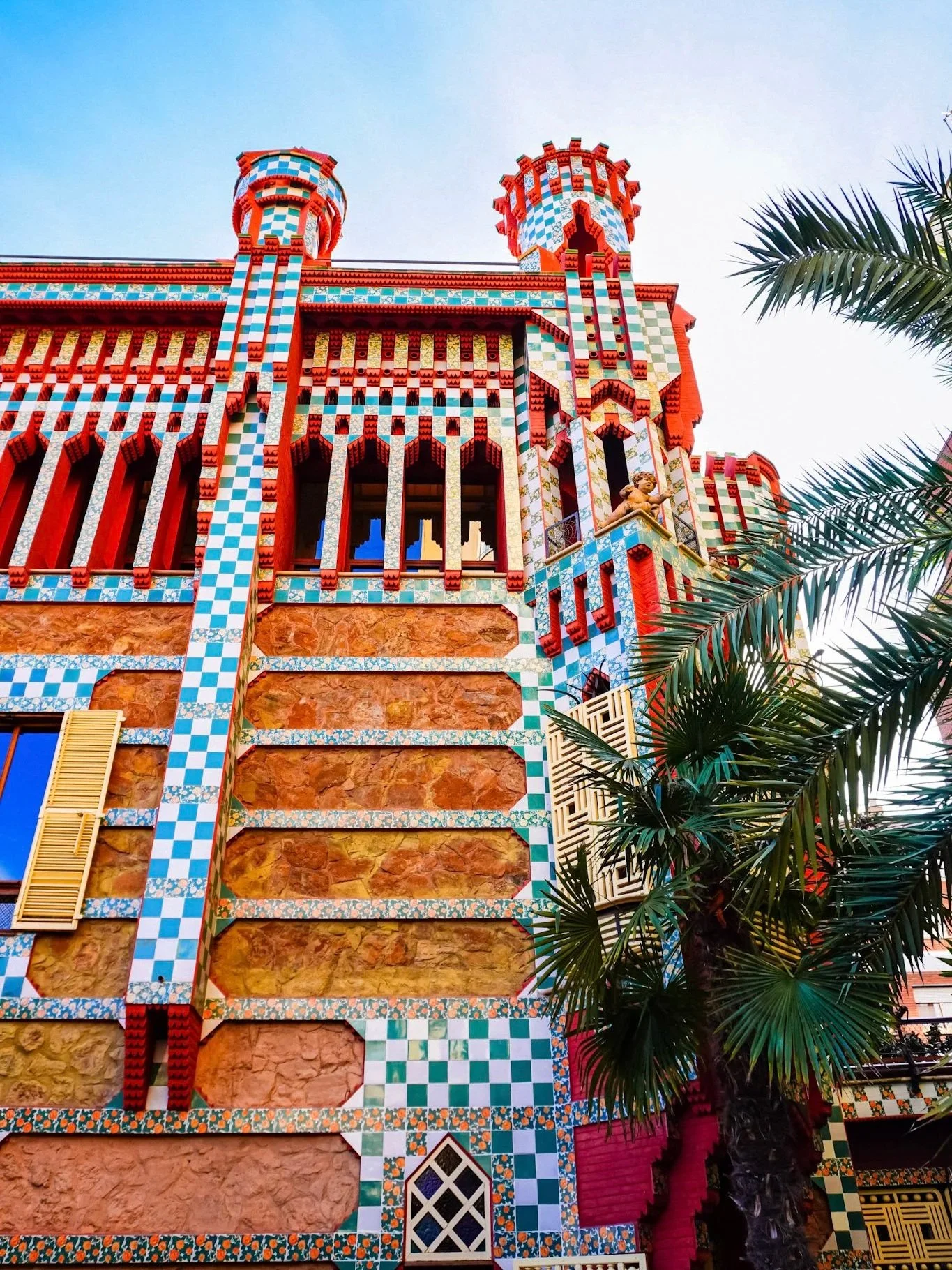
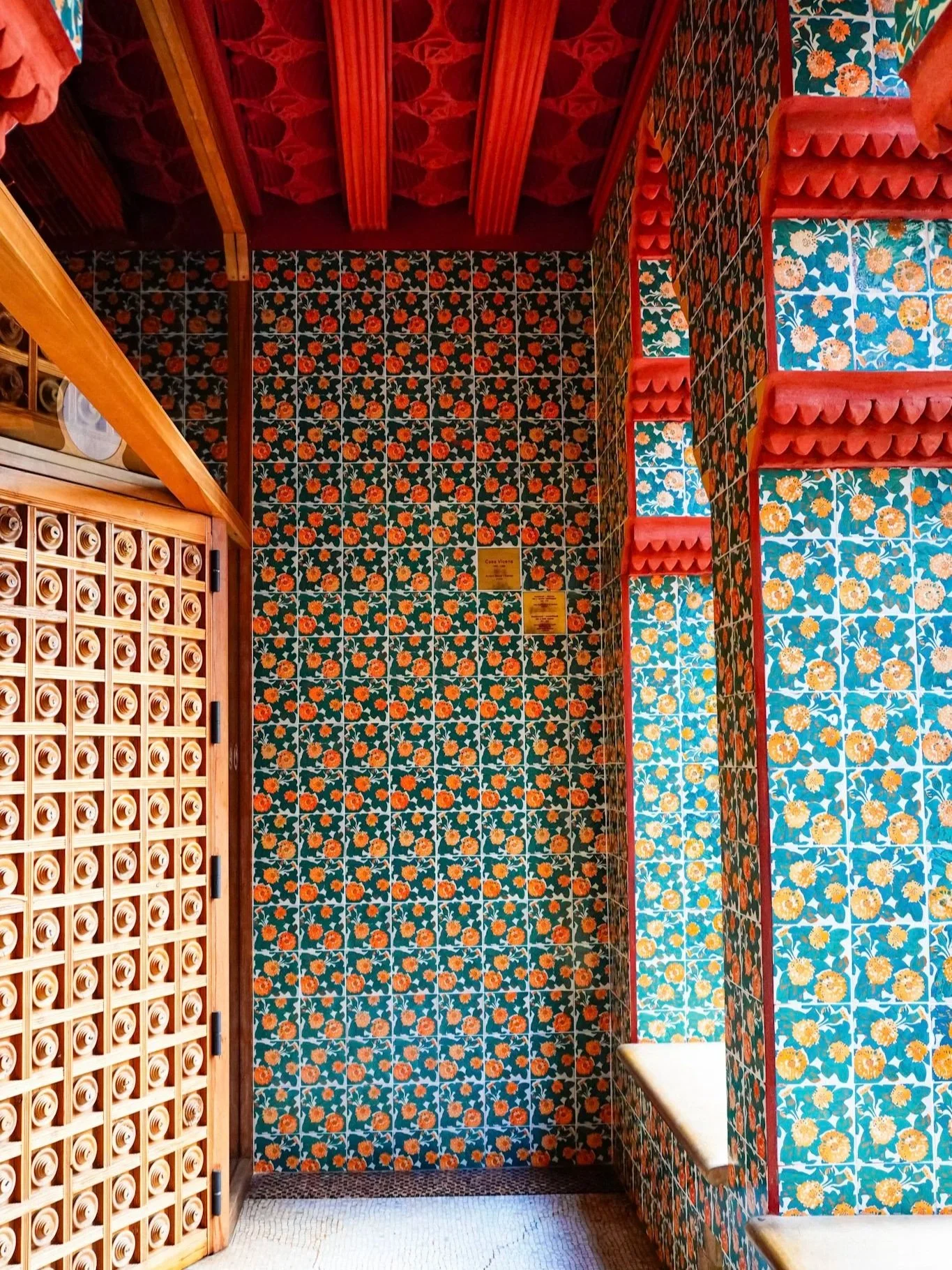
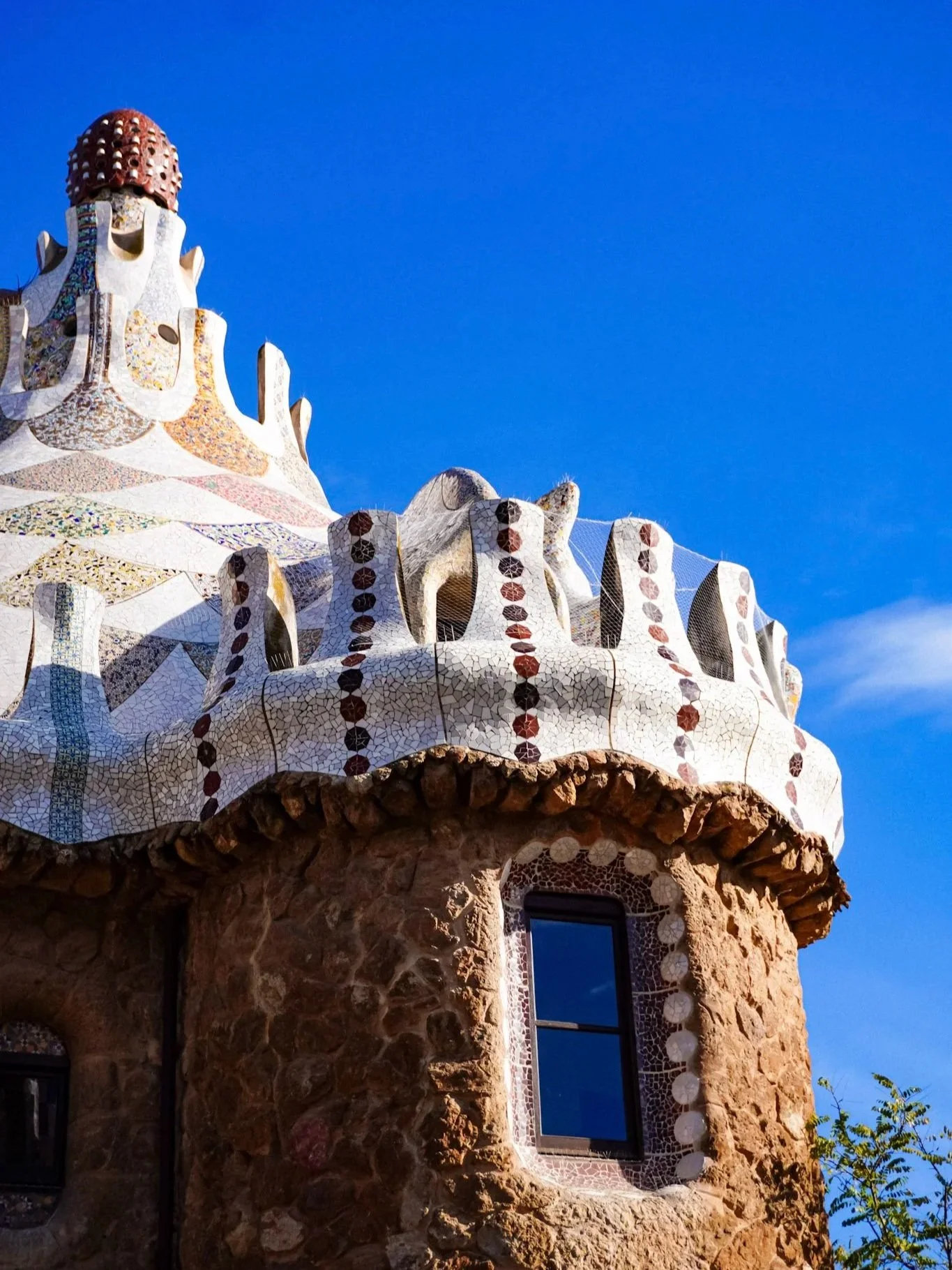
Gaudí's first major residential commission and one of my favourite buildings in Barcelona. The colourful tiles, geometric patterns and influences from nature already reveal ideas that would later become central to his work.
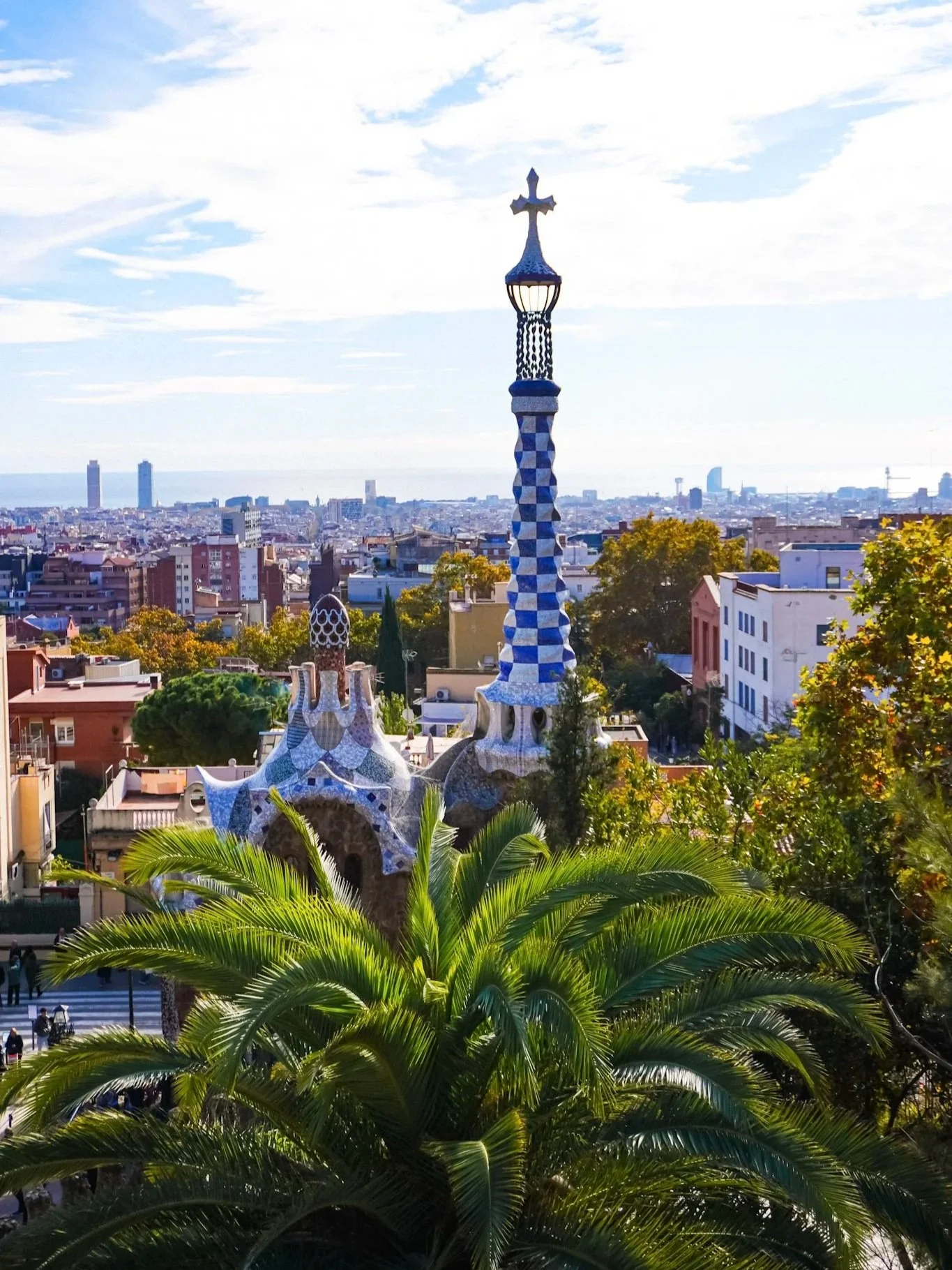
Park Güell
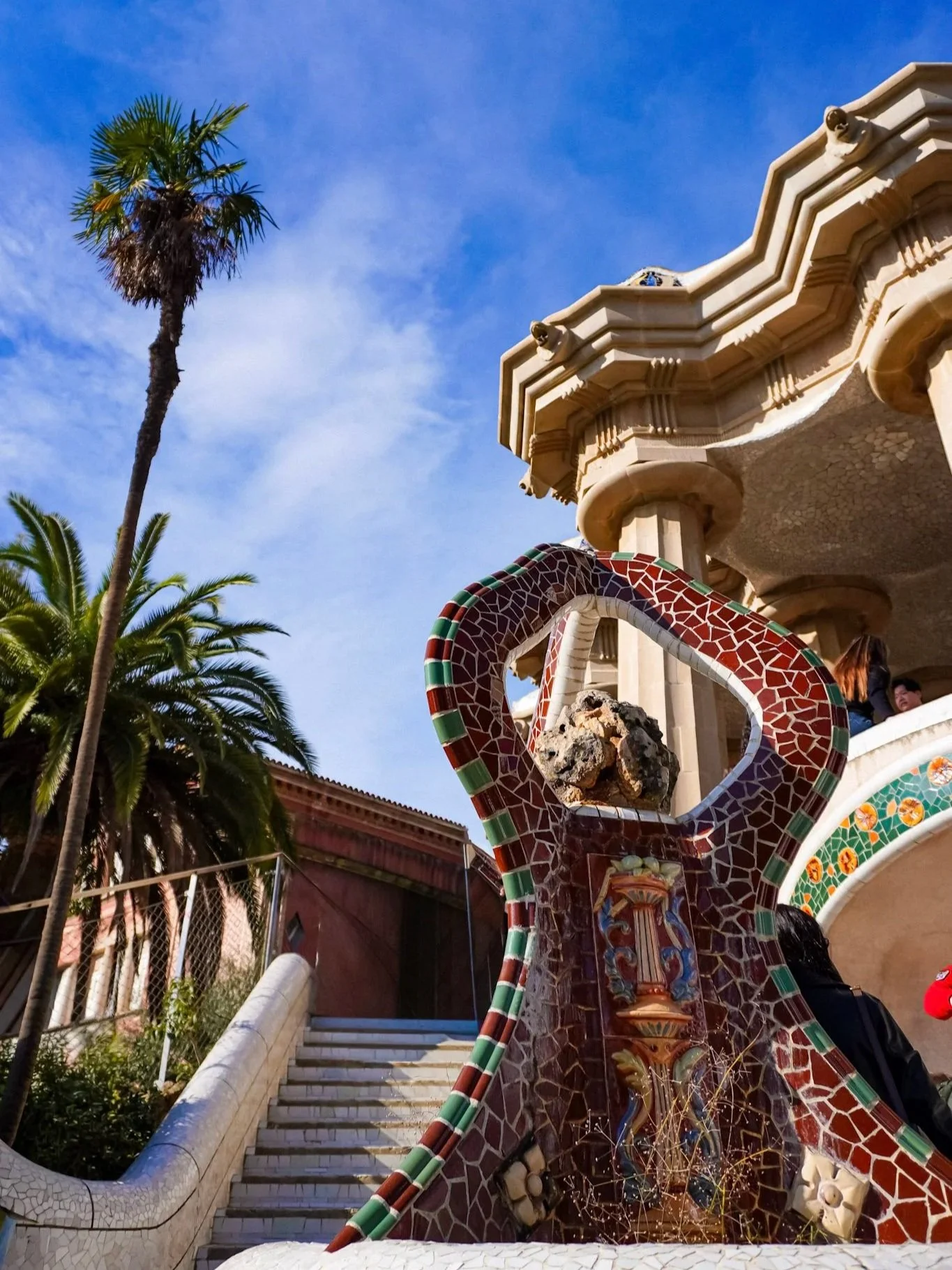
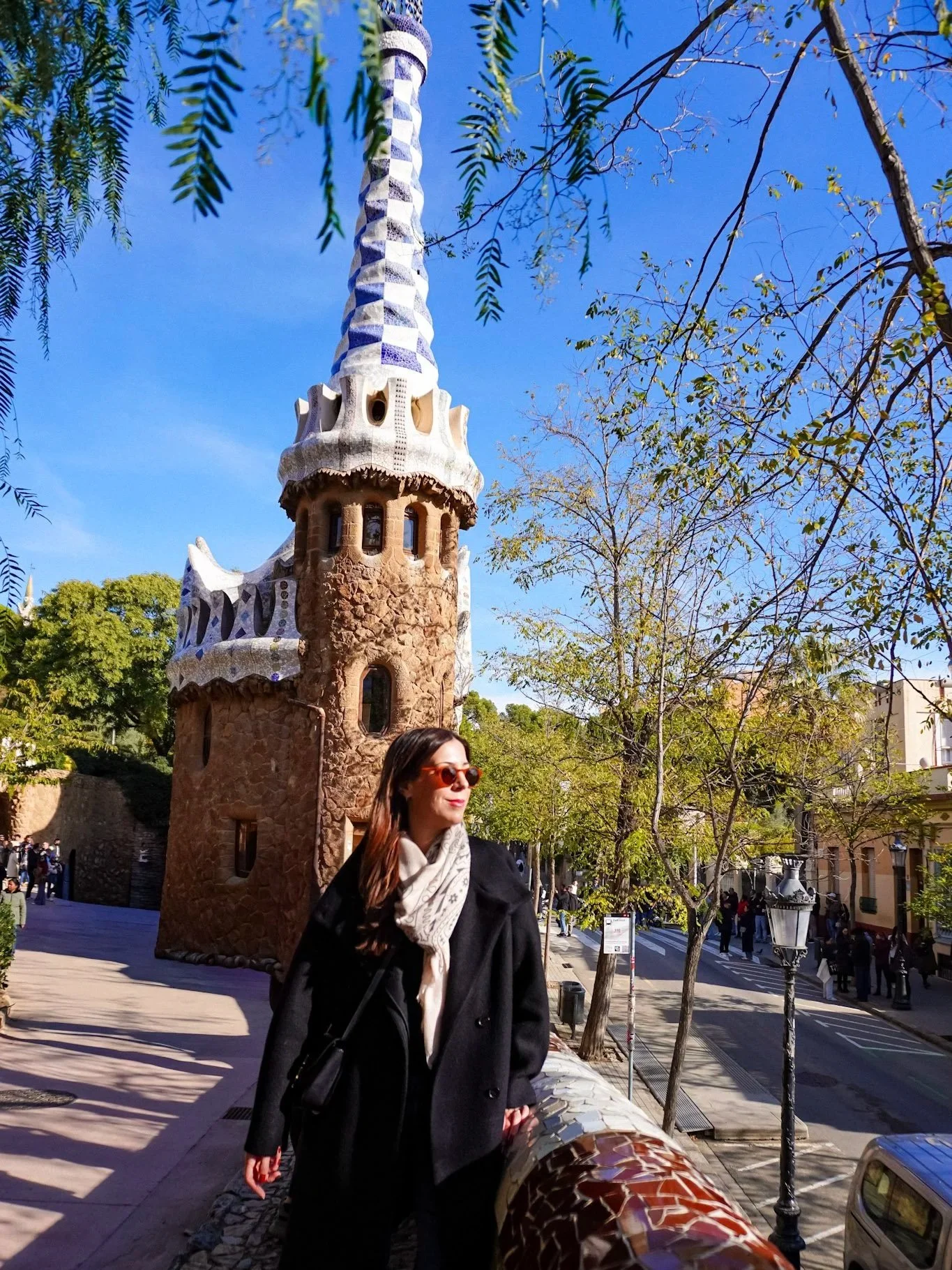
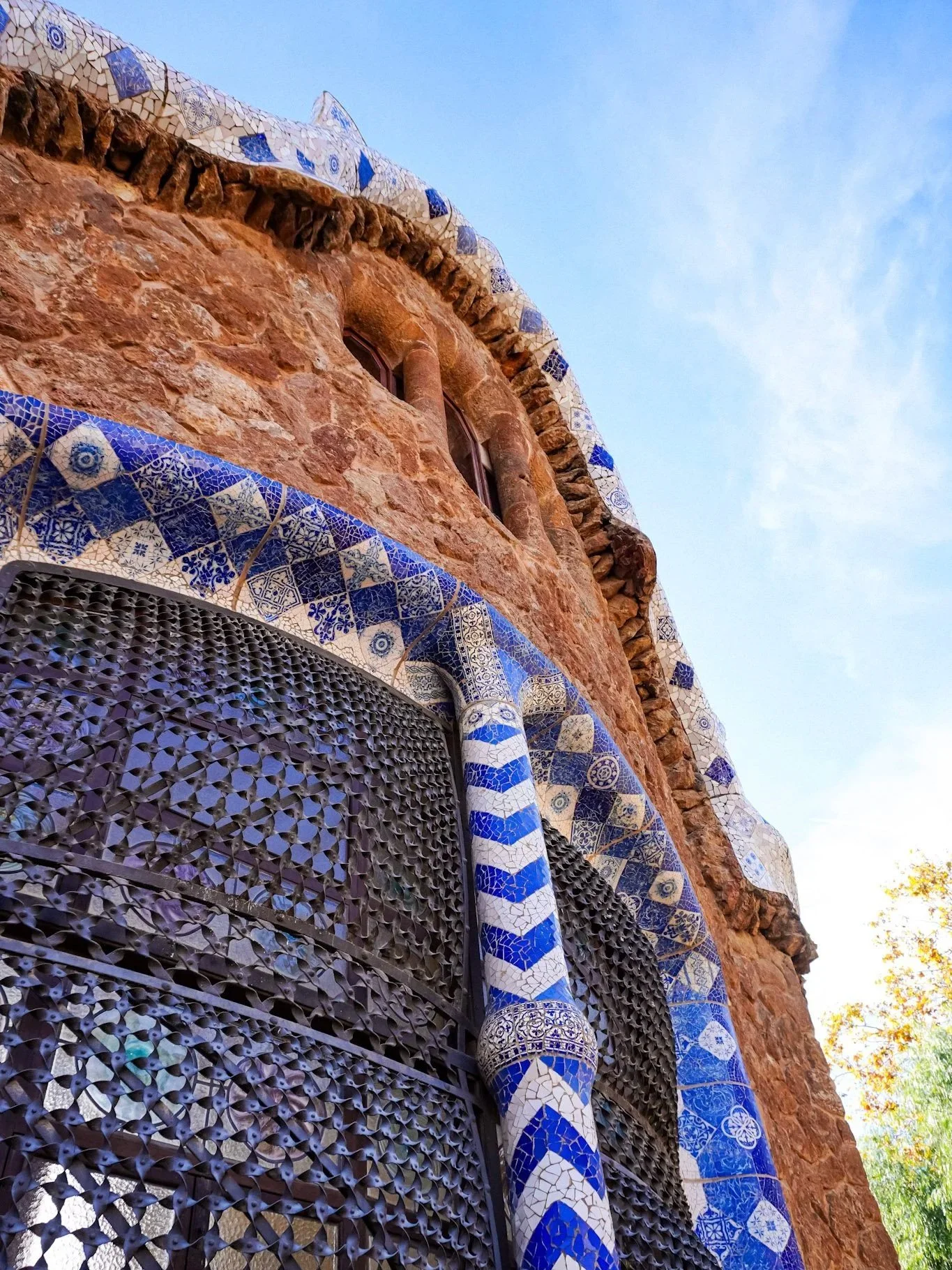
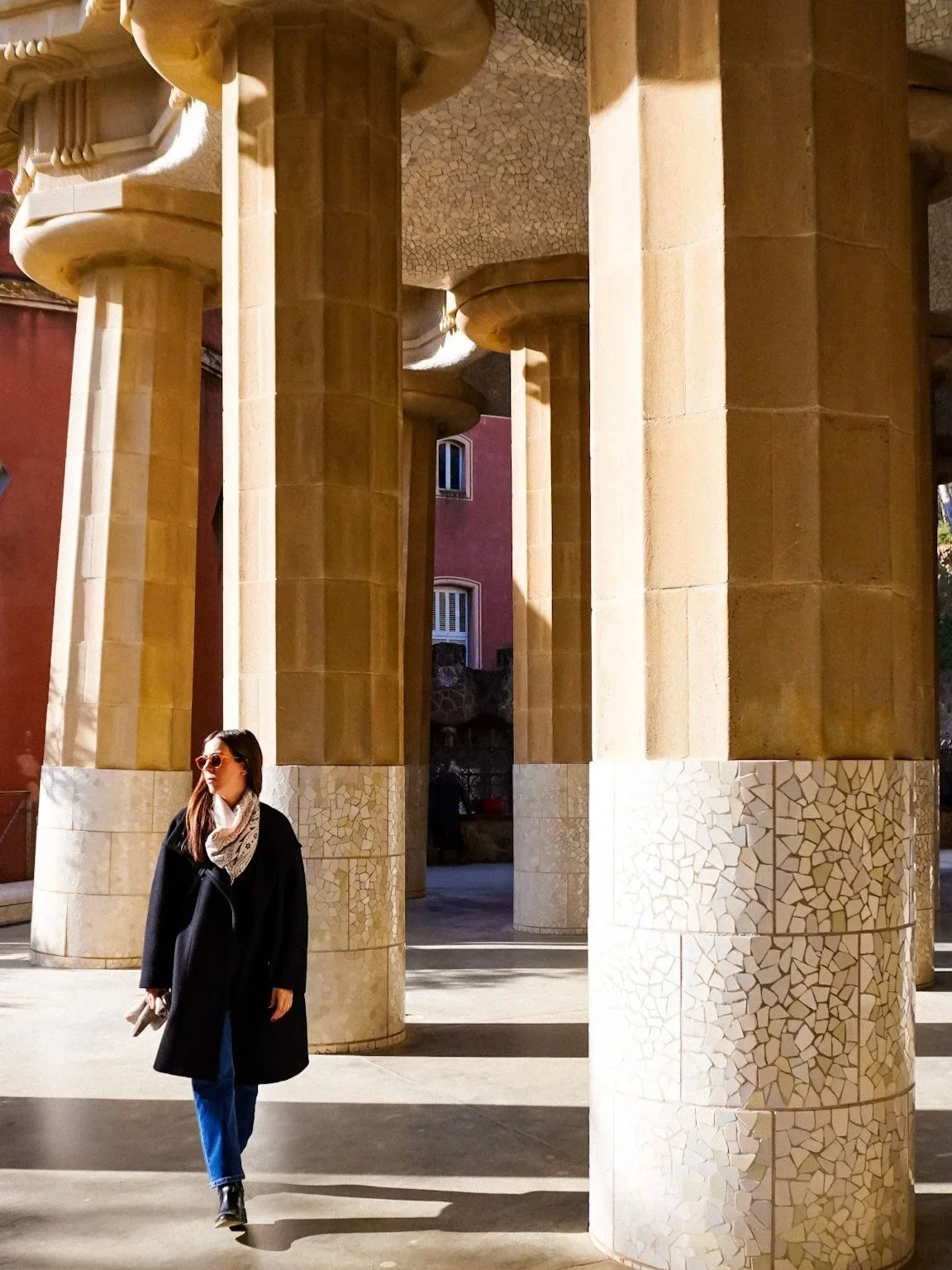
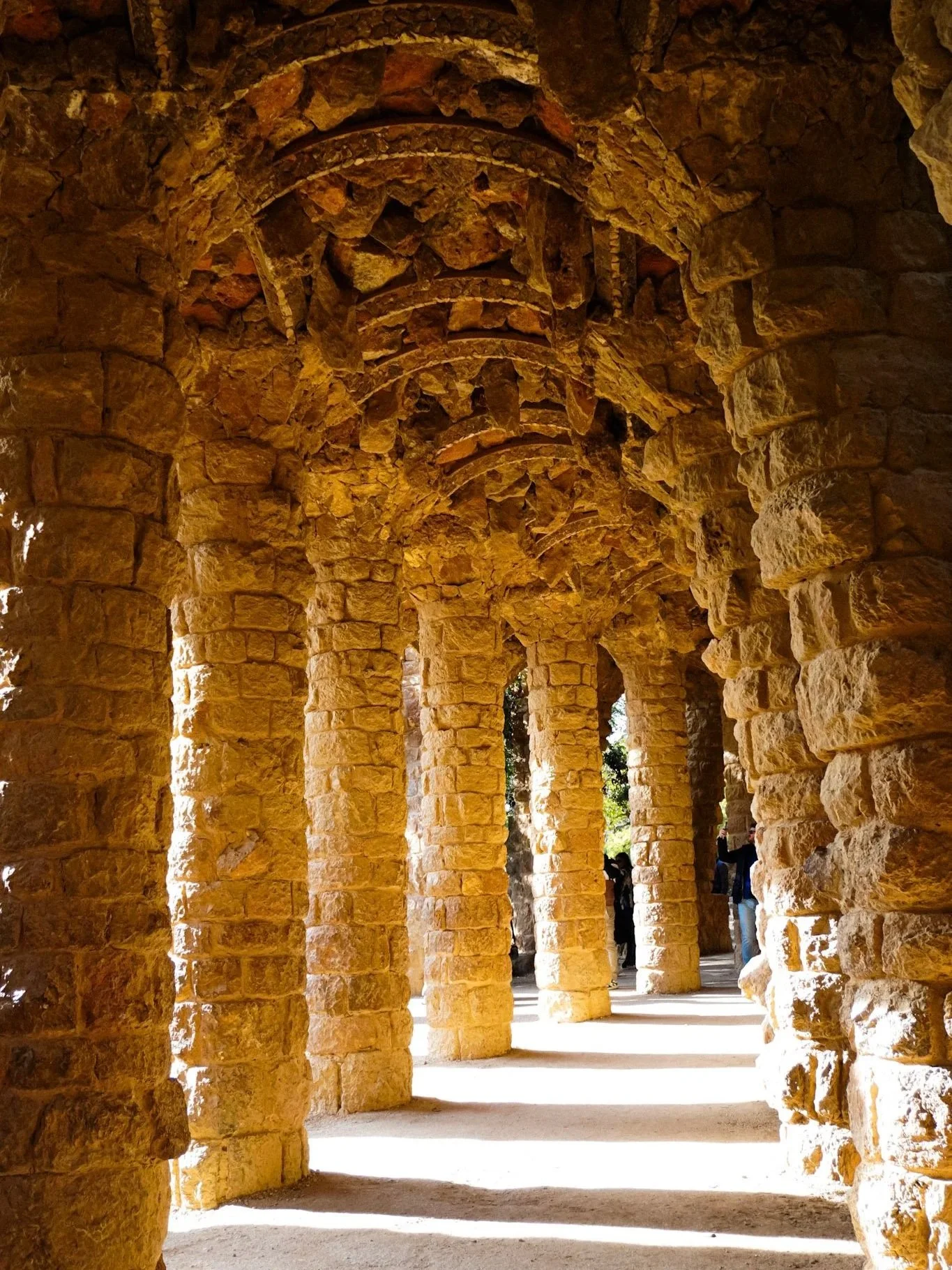
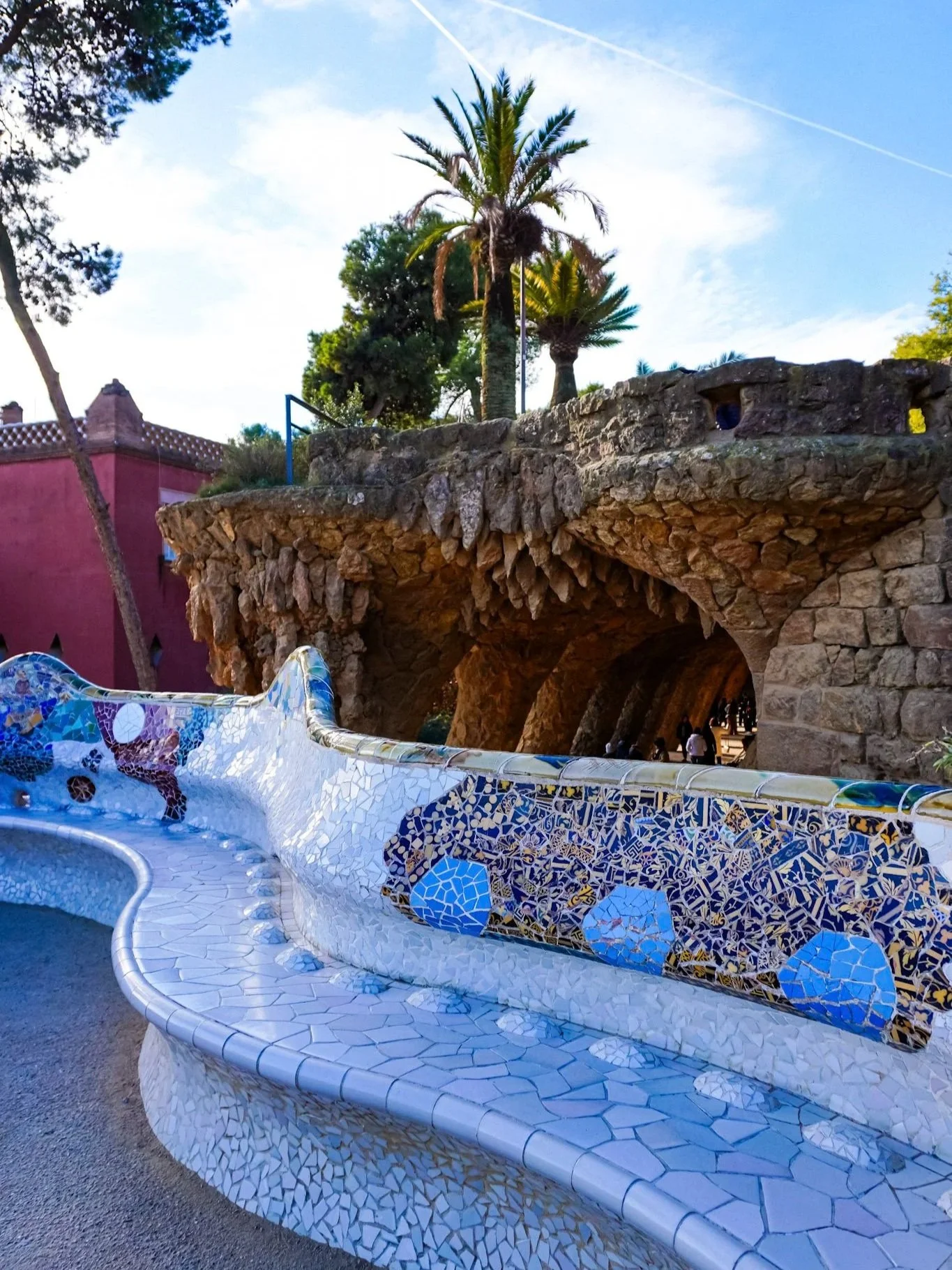
Another essential Gaudí work, although geographically removed from the heart of Vila de Gràcia. Go early if possible and allow time to explore beyond the famous tiled terrace.
Plaça de la Vila de Gràcia
One of the neighbourhood's characteristic squares, centred around its 19th-century clock tower.
Plaça del Sol
A lively local square surrounded by bars and terraces. More than something to "see", it is part of experiencing Gràcia itself.
Eat & Drink
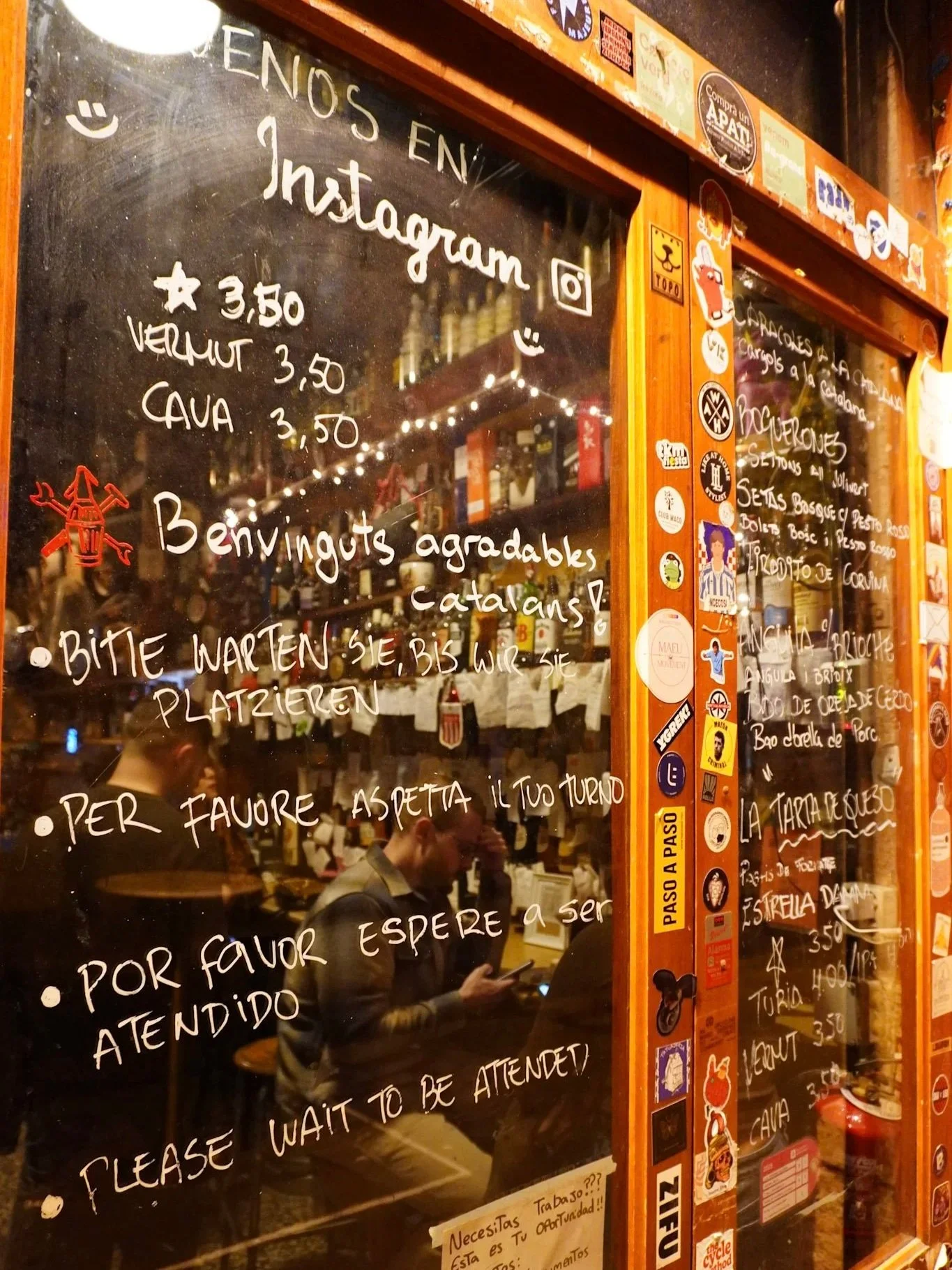
Bodega Solera
A classic neighbourhood bodega for vermouth, wine and tapas. Address: Carrer de Còrsega, 339 · Website
Pompa
A small contemporary restaurant with a more refined approach to seasonal cooking. Address: Carrer de Sèneca, 25 · Website
PimplaVins
A relaxed natural-wine spot combining interesting bottles with thoughtful small plates. Address: Carrer de l’Encarnació, 21
Nou Candanchú
A traditional Gràcia address overlooking Plaça de la Vila, good for tapas and a casual stop. Address: Plaça de la Vila de Gràcia, 9
Contracorrent Bistró Gràcia
A small neighbourhood bistro with seasonal cooking and a concise, changing menu. Address: Carrer de Sant Domènec, 16 · Website
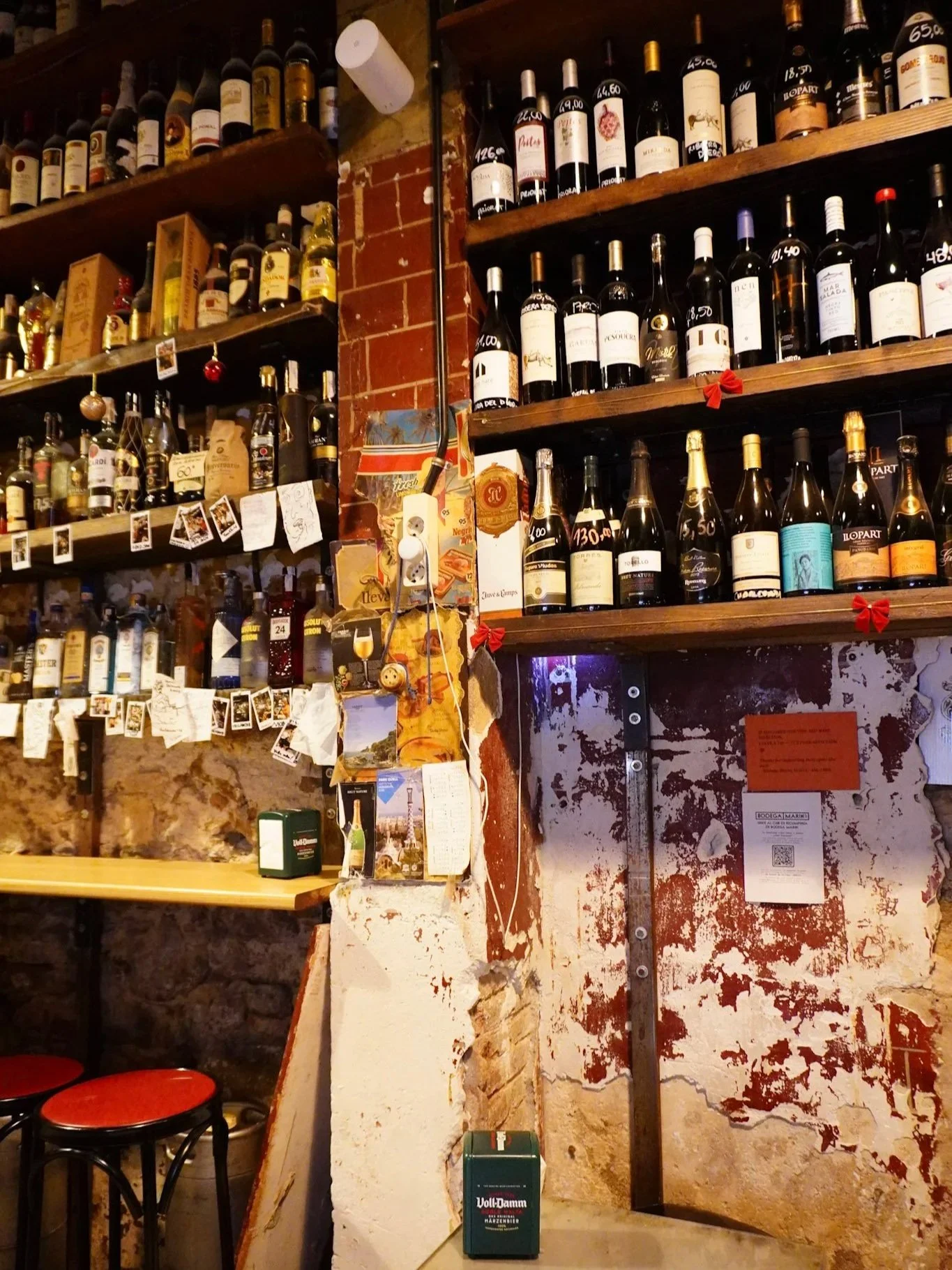
Bodega Marín
One of those addresses that still feels rooted in the everyday life of the neighbourhood, particularly good for tapas and vermouth. Address: Carrer de Milà i Fontanals, 72 · Website
COMPÀ Gràcia
A casual stop specialising in Calabrian-style panini, useful when you want something quick rather than another long meal. Address: Carrer de l’Escorial, 47 · Website
Oníric Restaurant
A more contemporary dining option tucked into the quieter streets of Gràcia. Address: Carrer de Rabassa, 37 · Website
/// EL RAVAL & SANT ANTONI
Raval and neighbouring Sant Antoni show a more eclectic side of central Barcelona. Contemporary art, historic markets, independent restaurants and traditional bars sit within a few streets of one another.
Raval can change dramatically from one block to the next, while Sant Antoni has a more residential feel and has become one of the city's most interesting areas for eating and drinking.
What to See
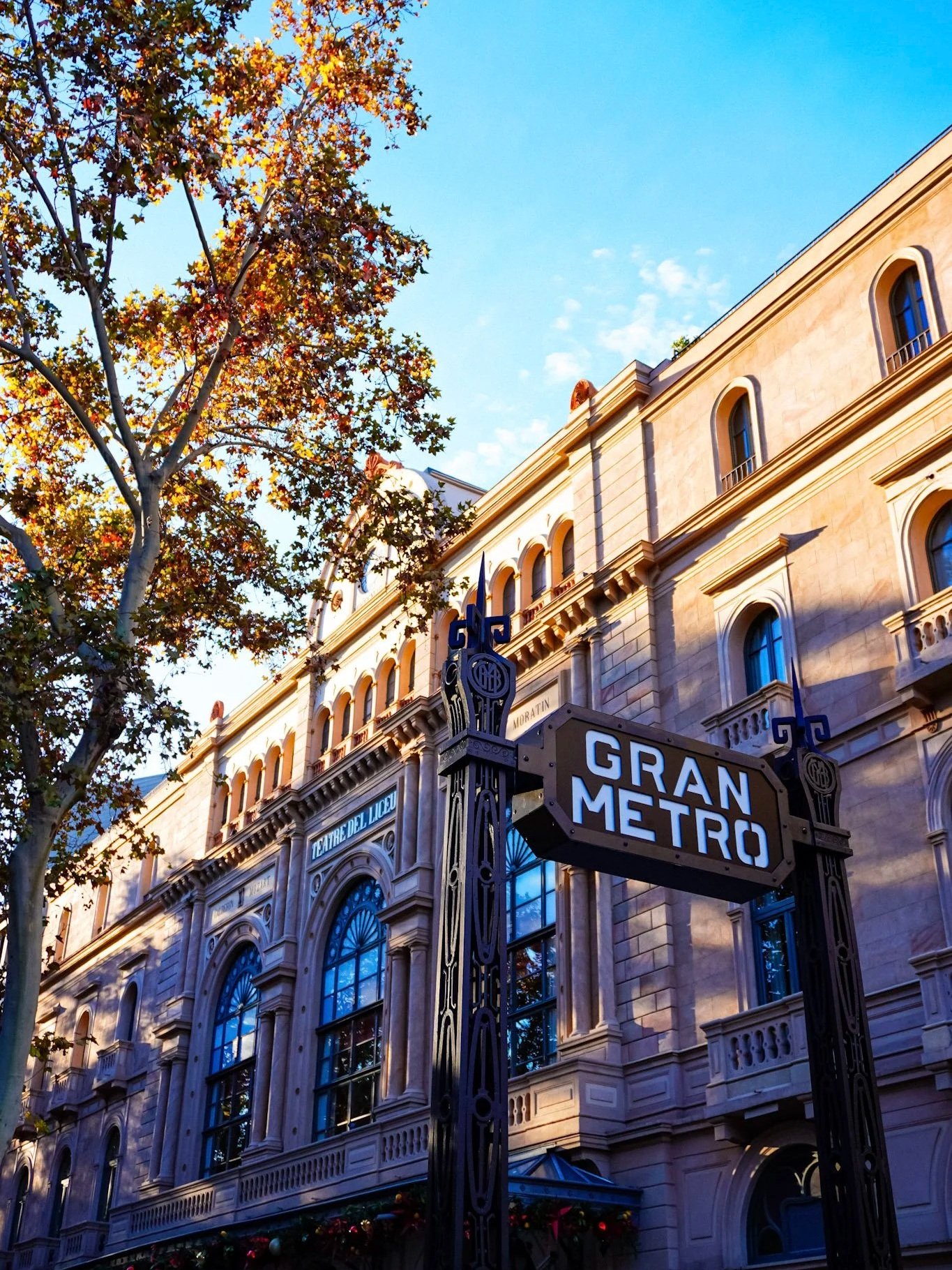
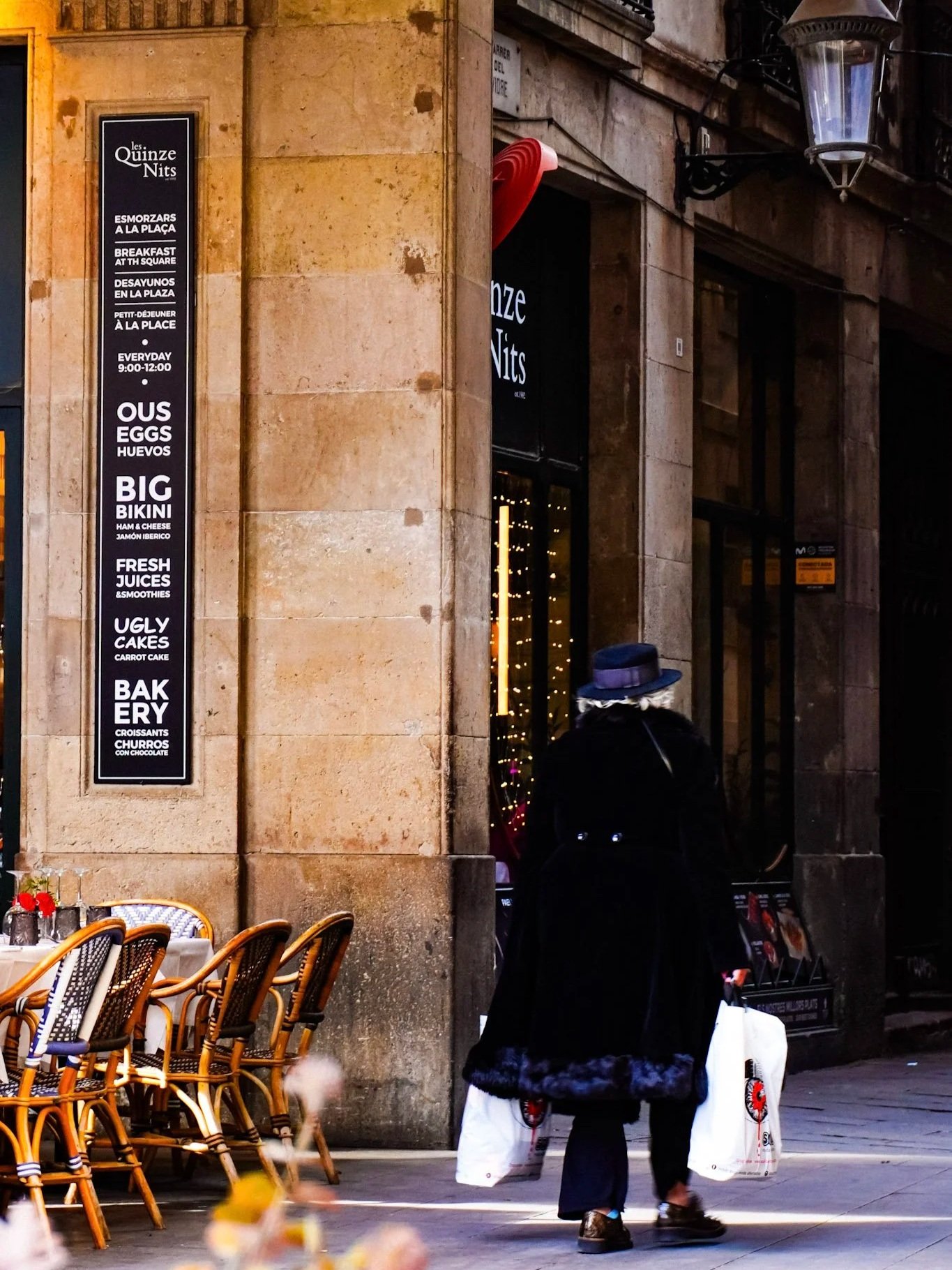
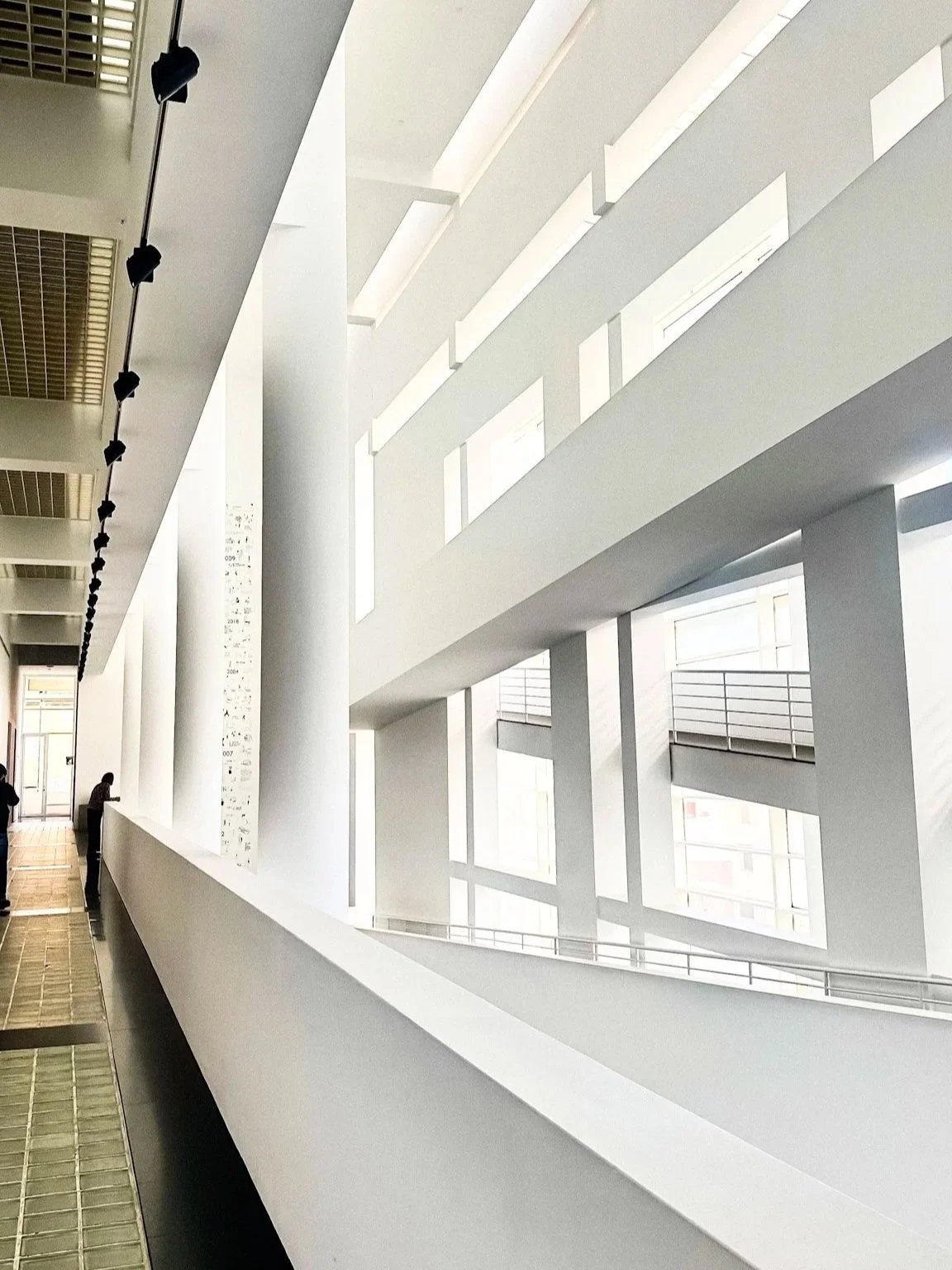
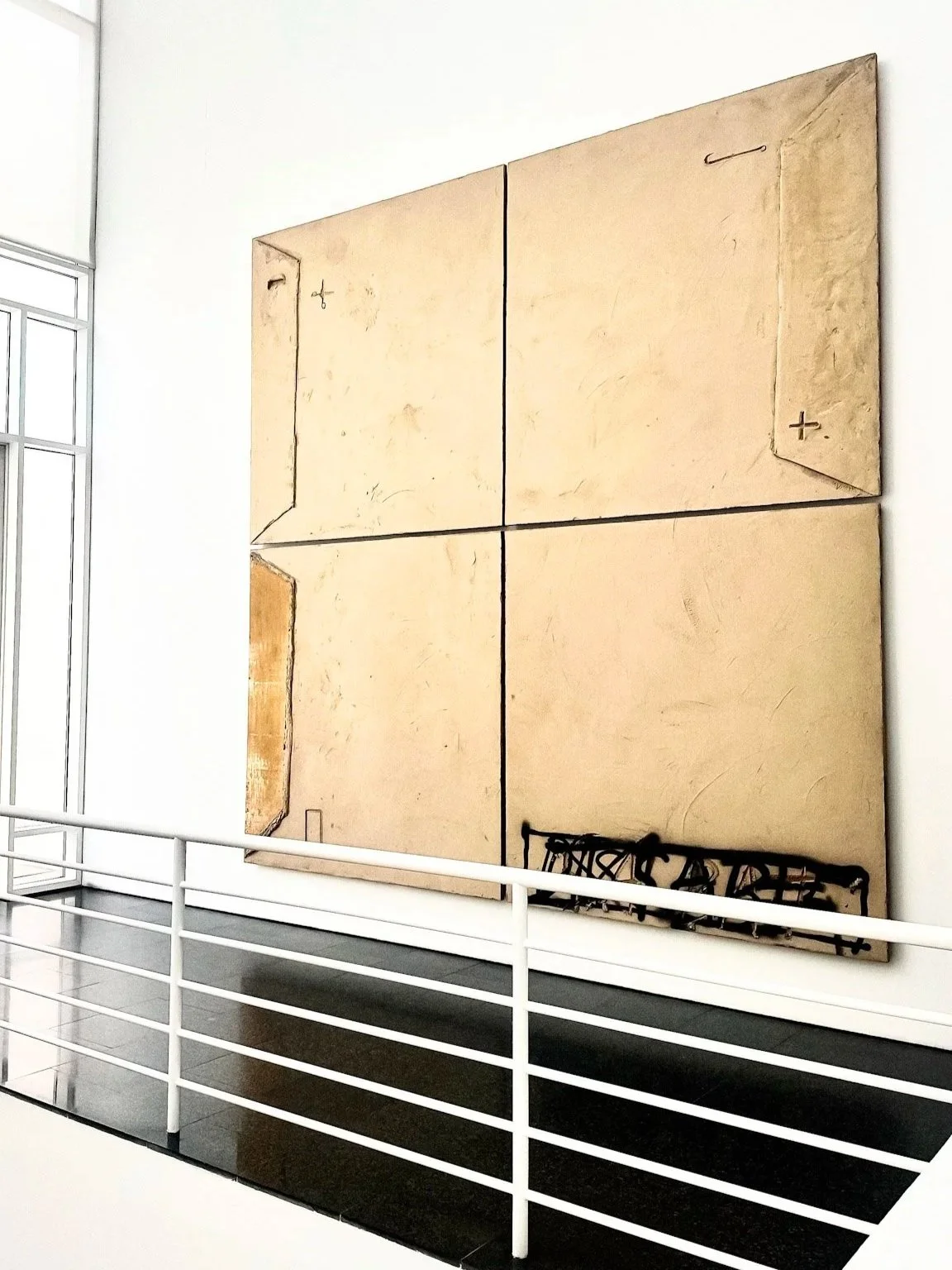
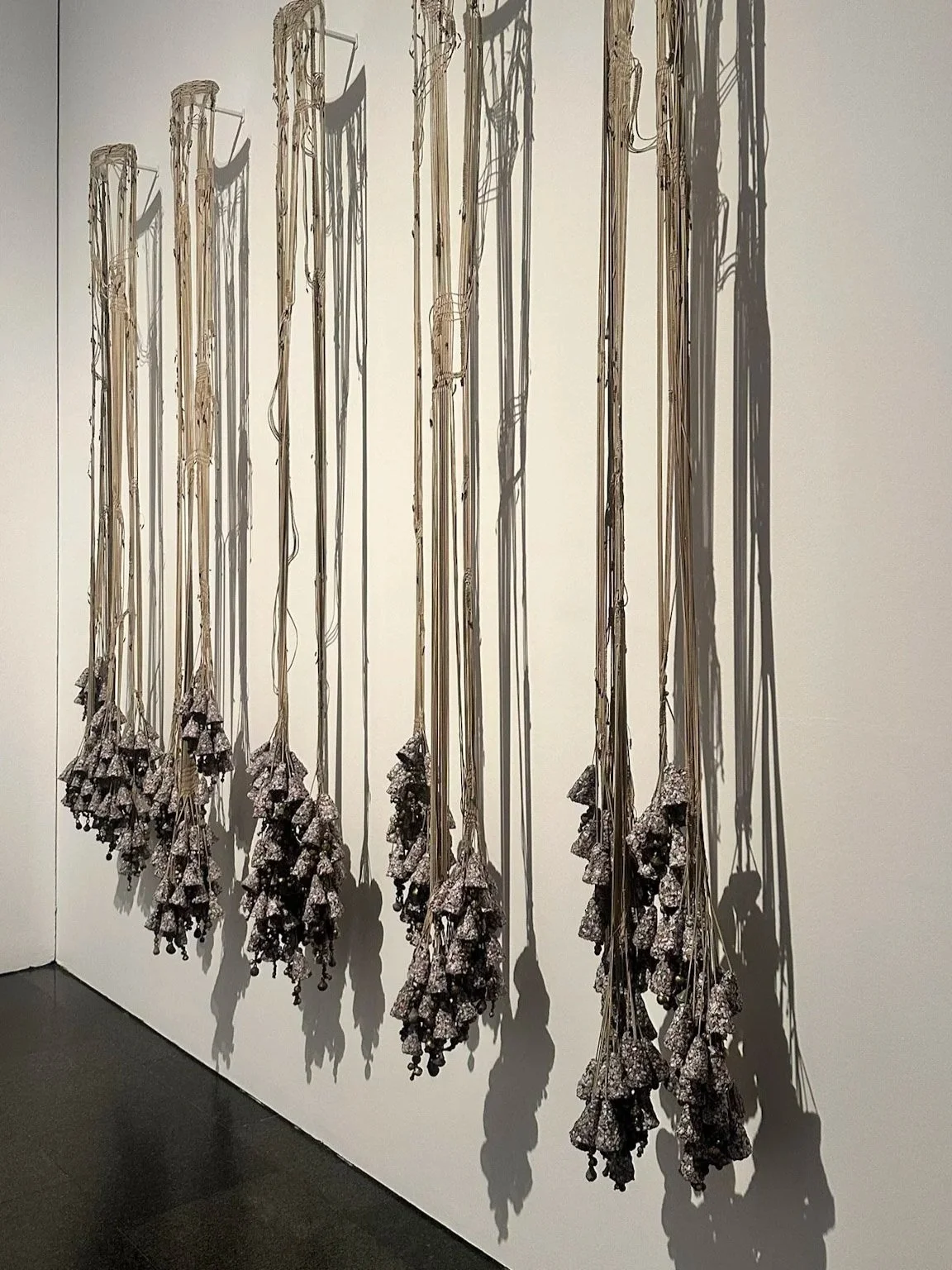
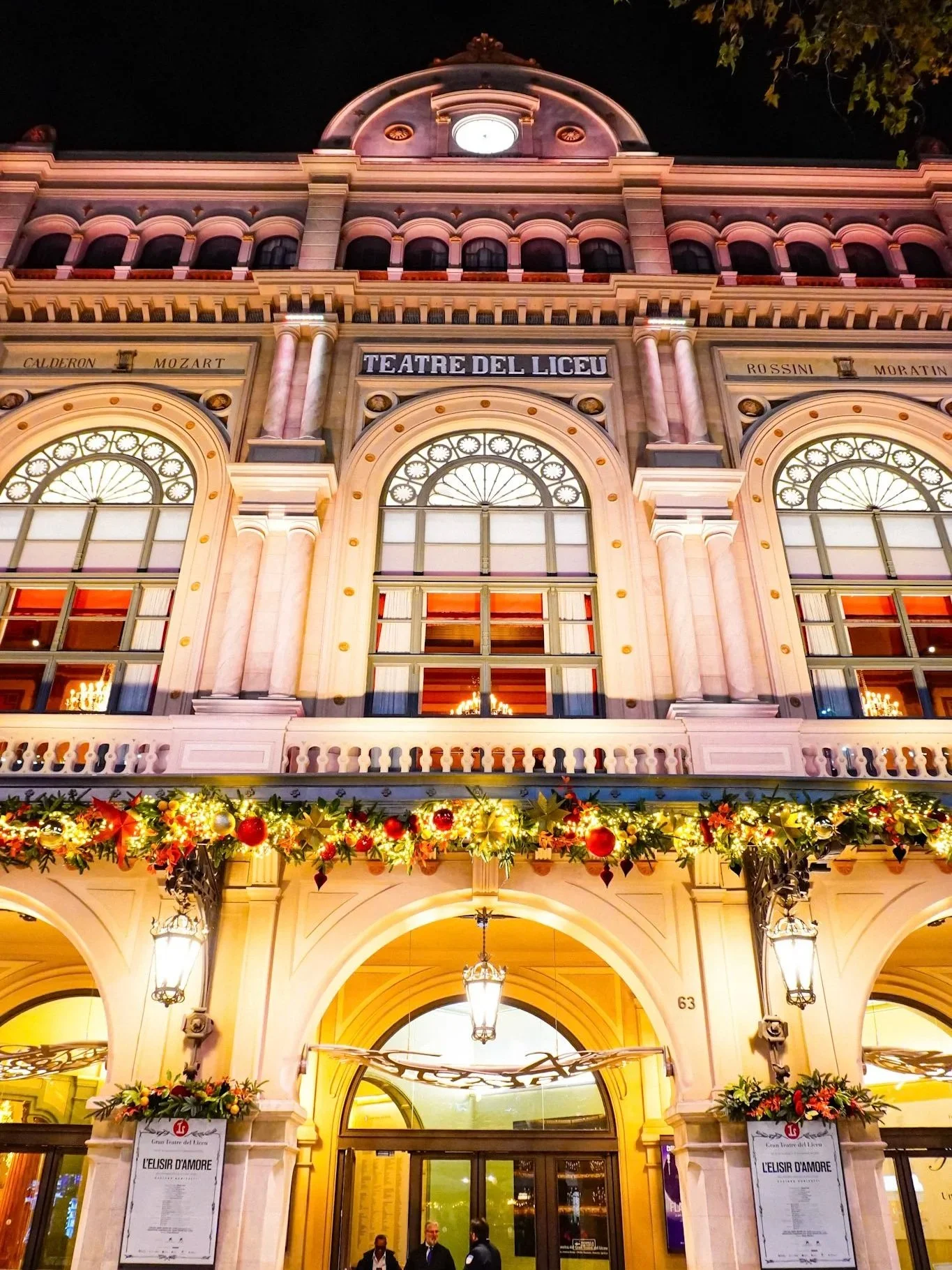
MACBA – Museu d'Art Contemporani de Barcelona
Richard Meier's striking white building is as much part of the experience as the contemporary collection inside.
CCCB – Centre de Cultura Contemporània de Barcelona
Next door to MACBA, with exhibitions exploring contemporary culture, cities, photography and society.
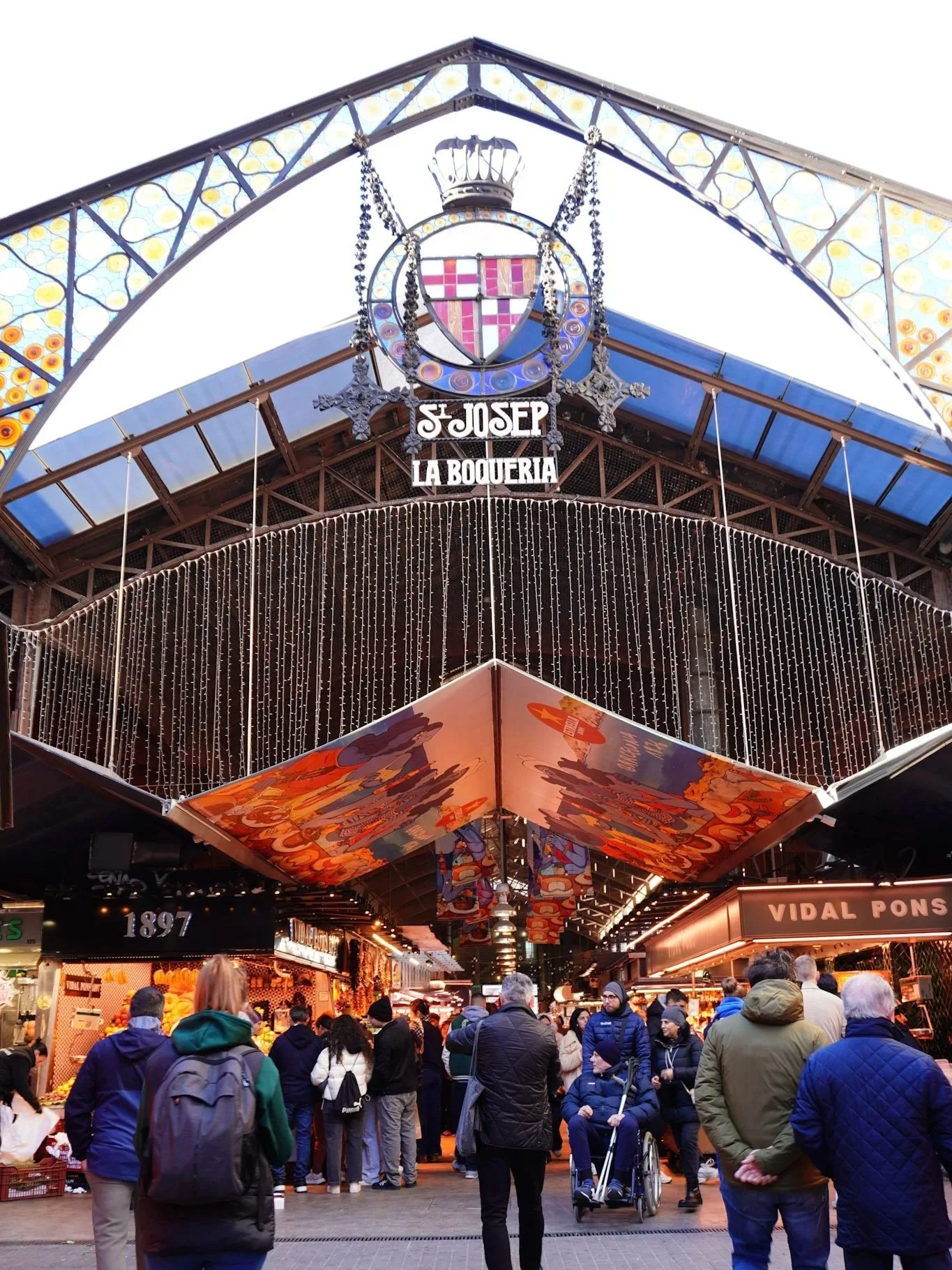
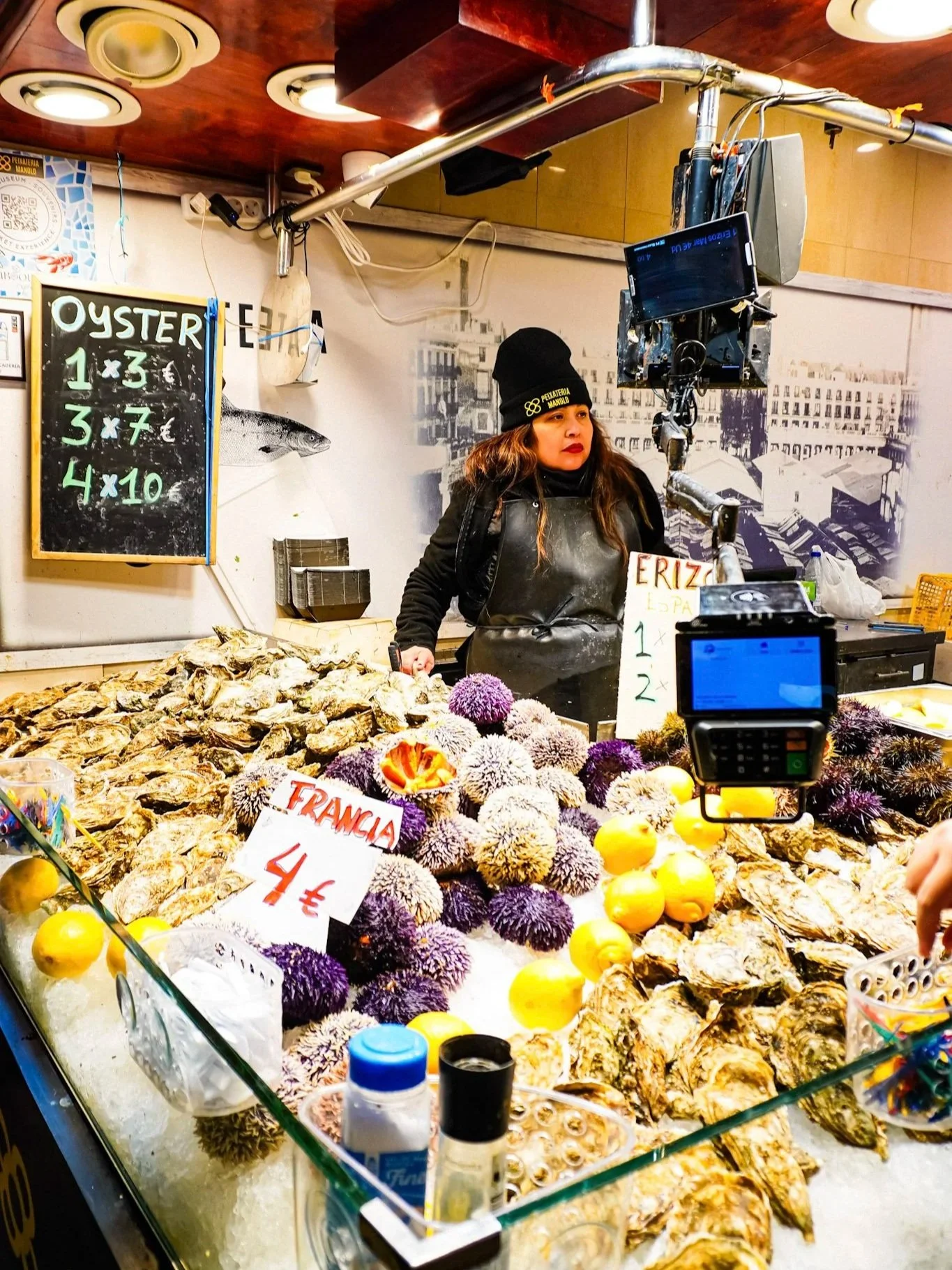
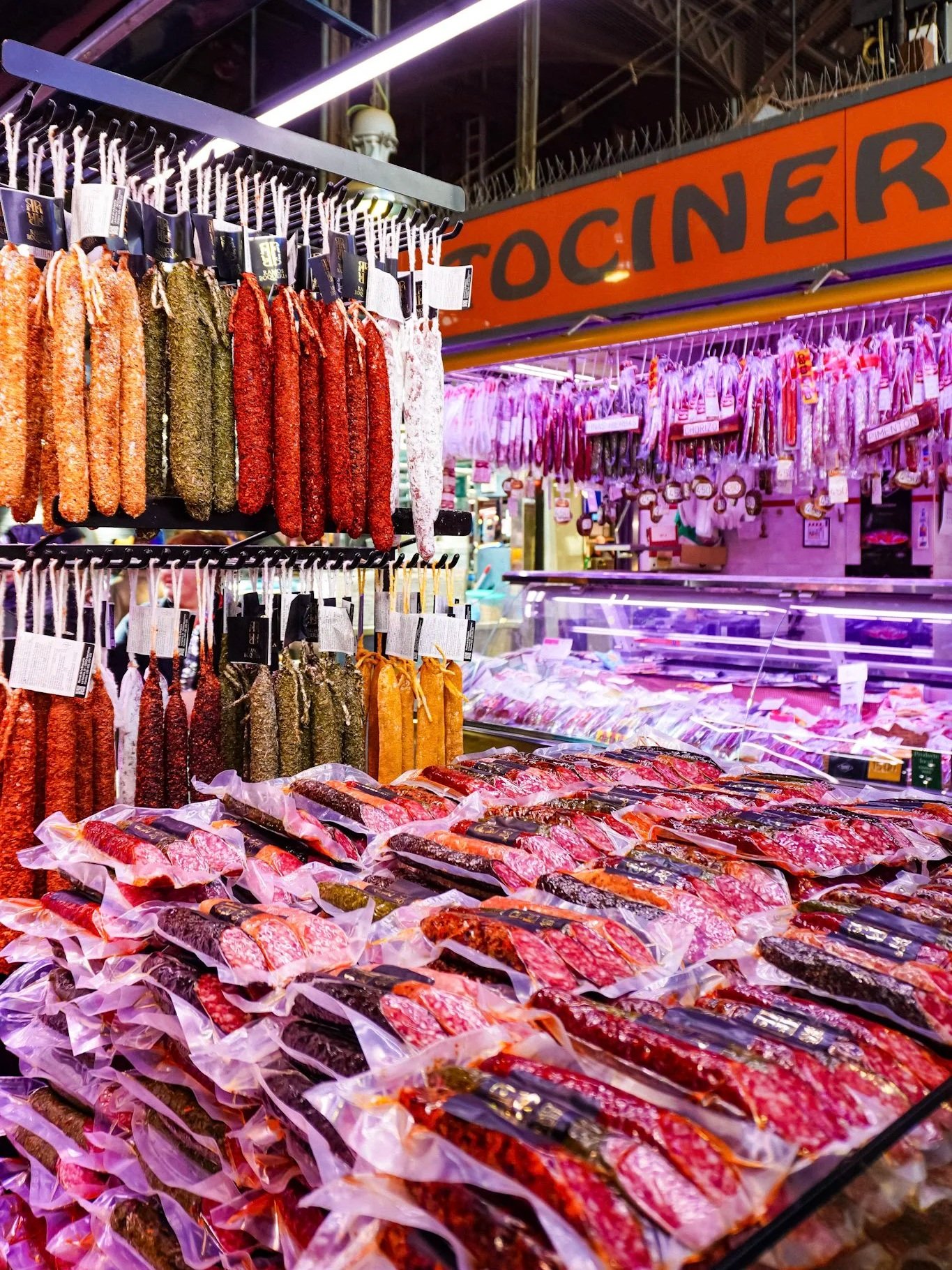
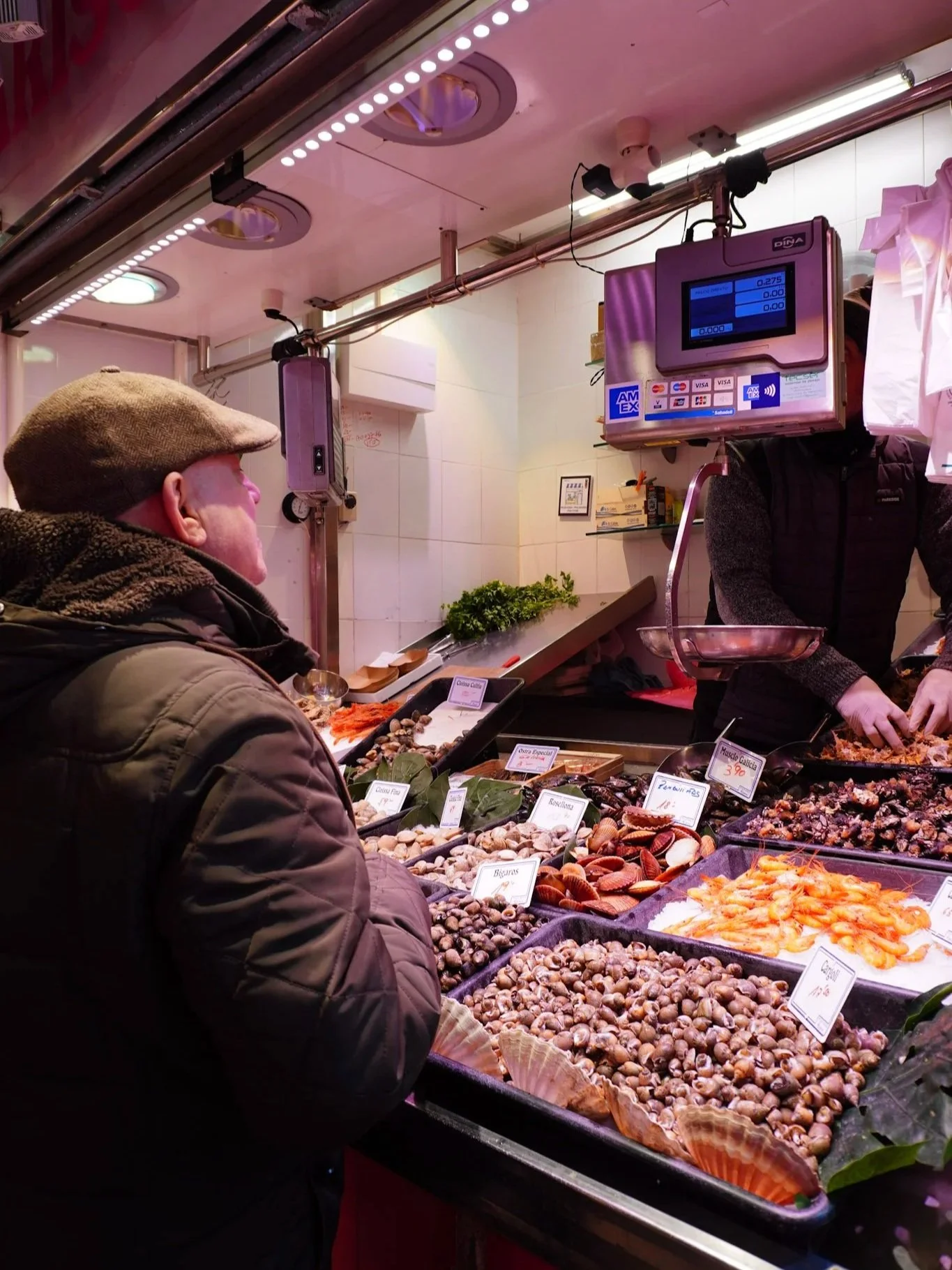
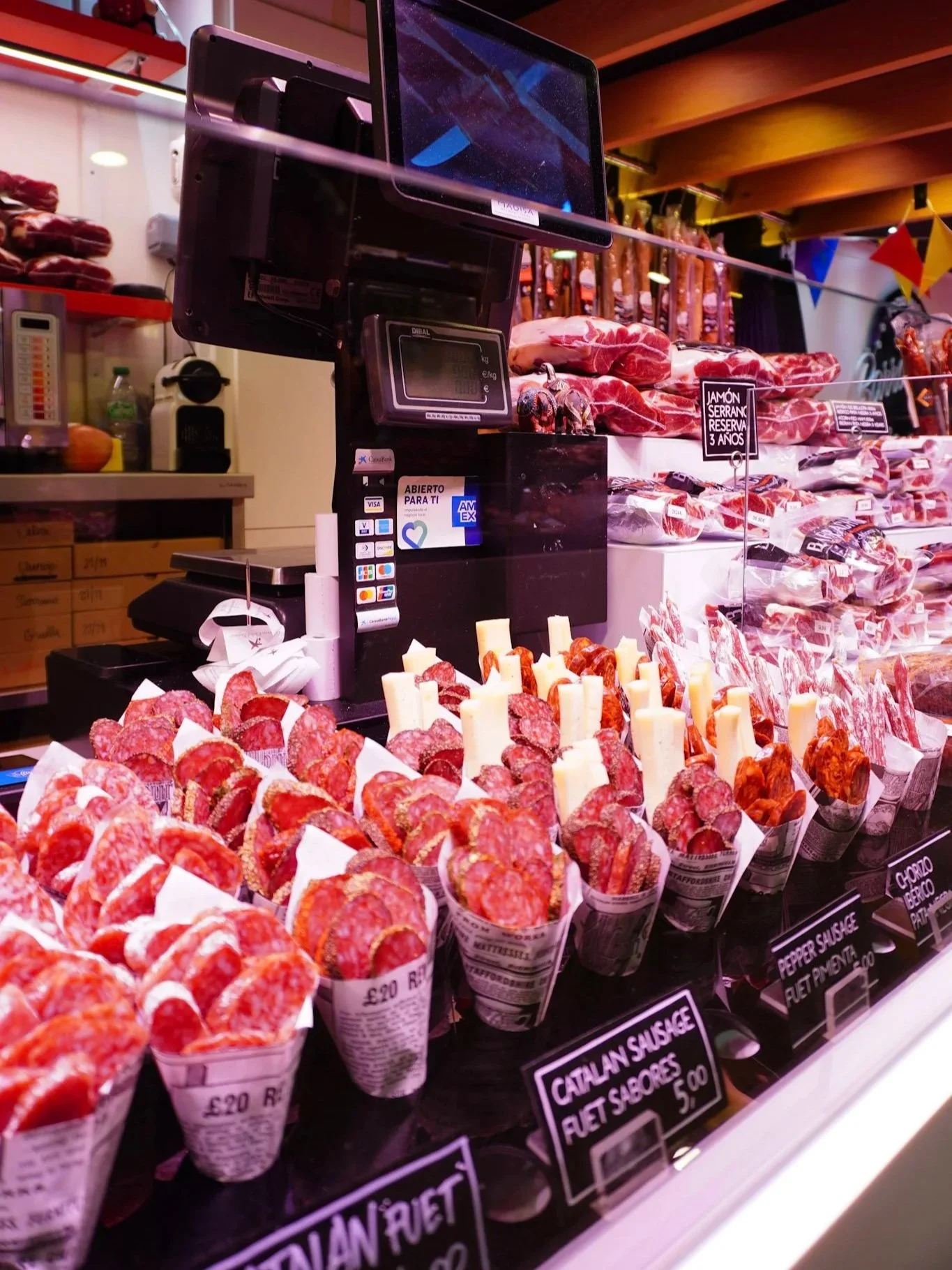
Mercat de la Boqueria
Barcelona's most famous market. It gets exceptionally busy, so go early and look beyond the fruit cups and stalls closest to La Rambla.
Rambla del Raval & El Gat de Botero
Fernando Botero's enormous bronze cat has become one of Raval's most recognisable landmarks.
Mercat de Sant Antoni
A beautiful iron market restored after a major renovation, surrounded by one of Barcelona's best areas for neighbourhood food and drink.
Eat & Drink
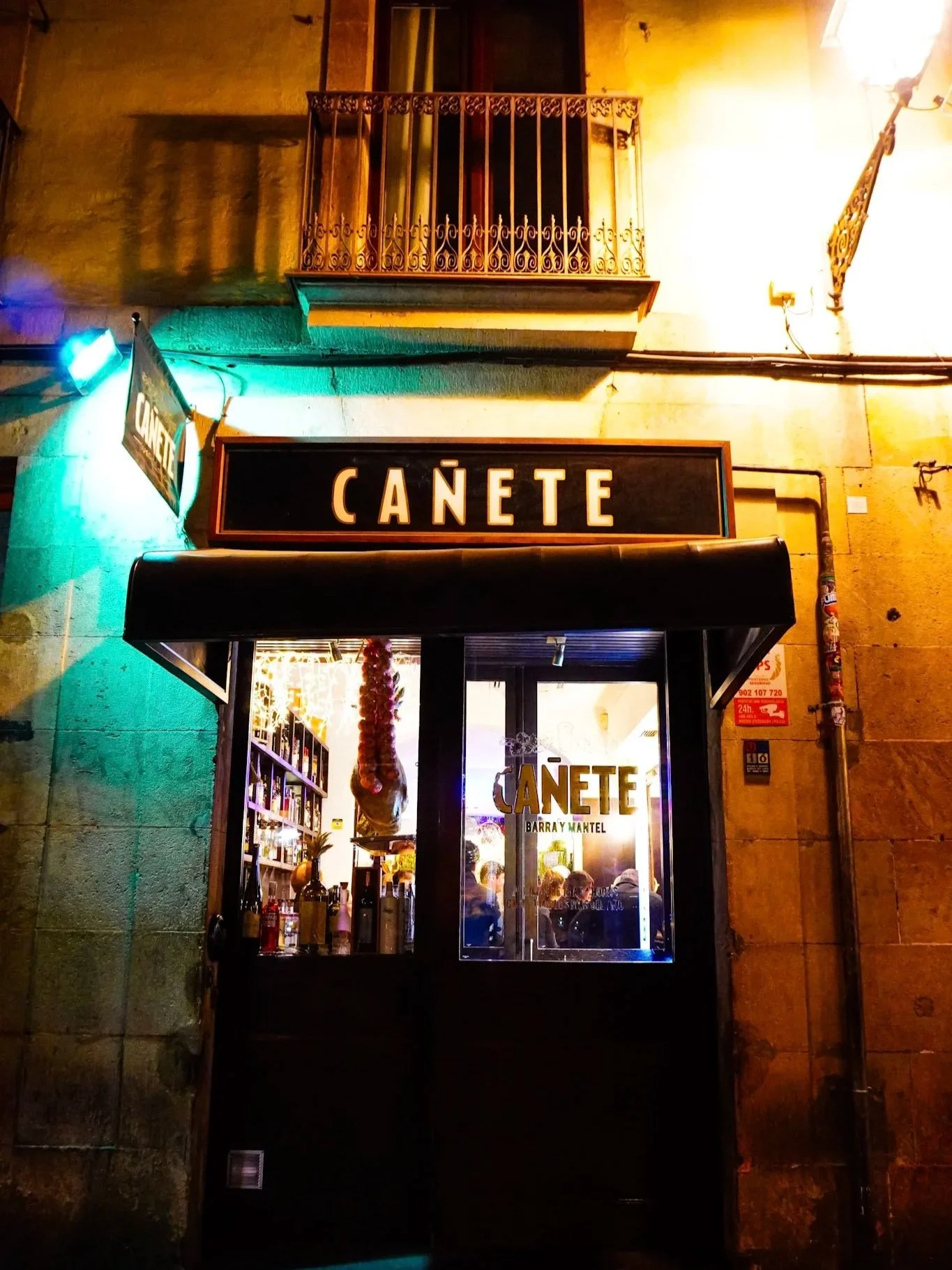
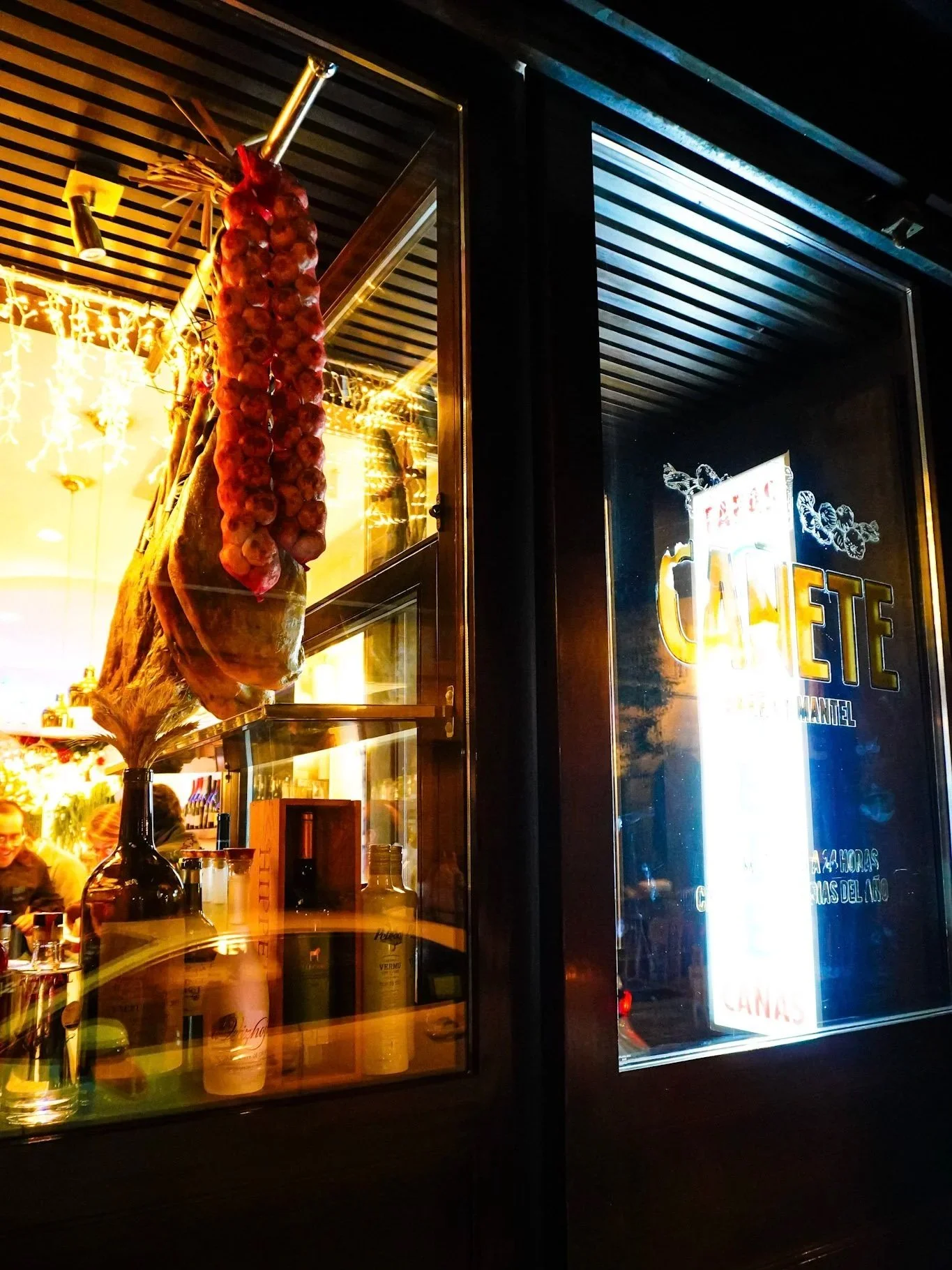
Bar Cañete
One of the addresses I would book ahead. Excellent seafood, tapas and Catalan cooking served in a bustling, classic Barcelona setting. Address: Carrer de la Unió, 17 · Website
Bacaro
A little slice of Venice hidden behind La Boqueria, with handmade pasta and a lively, informal atmosphere. Address: Carrer de Jerusalem, 6 · Website
Gatblau
Seasonal Mediterranean cooking in Sant Antoni with an emphasis on carefully sourced ingredients. Address: Carrer del Comte Borrell, 122 · Website
Bar Canyí
A modern neighbourhood bar centred around grilled dishes, wine and seasonal ingredients. Address: Carrer de Sepúlveda, 107
El Rectangle
A contemporary Sant Antoni table with a relaxed approach to Mediterranean cooking. Address: Carrer de Sepúlveda, 23 · Website
/// MONTJUÏC & POBLE-SEC
Montjuïc gives Barcelona room to breathe. The hill rises above the port and combines museums, gardens, architecture and viewpoints, while Poble-sec at its base is where I would head afterwards for tapas and drinks.
It is worth allowing at least half a day rather than trying to squeeze Montjuïc between other neighbourhoods.
What to See
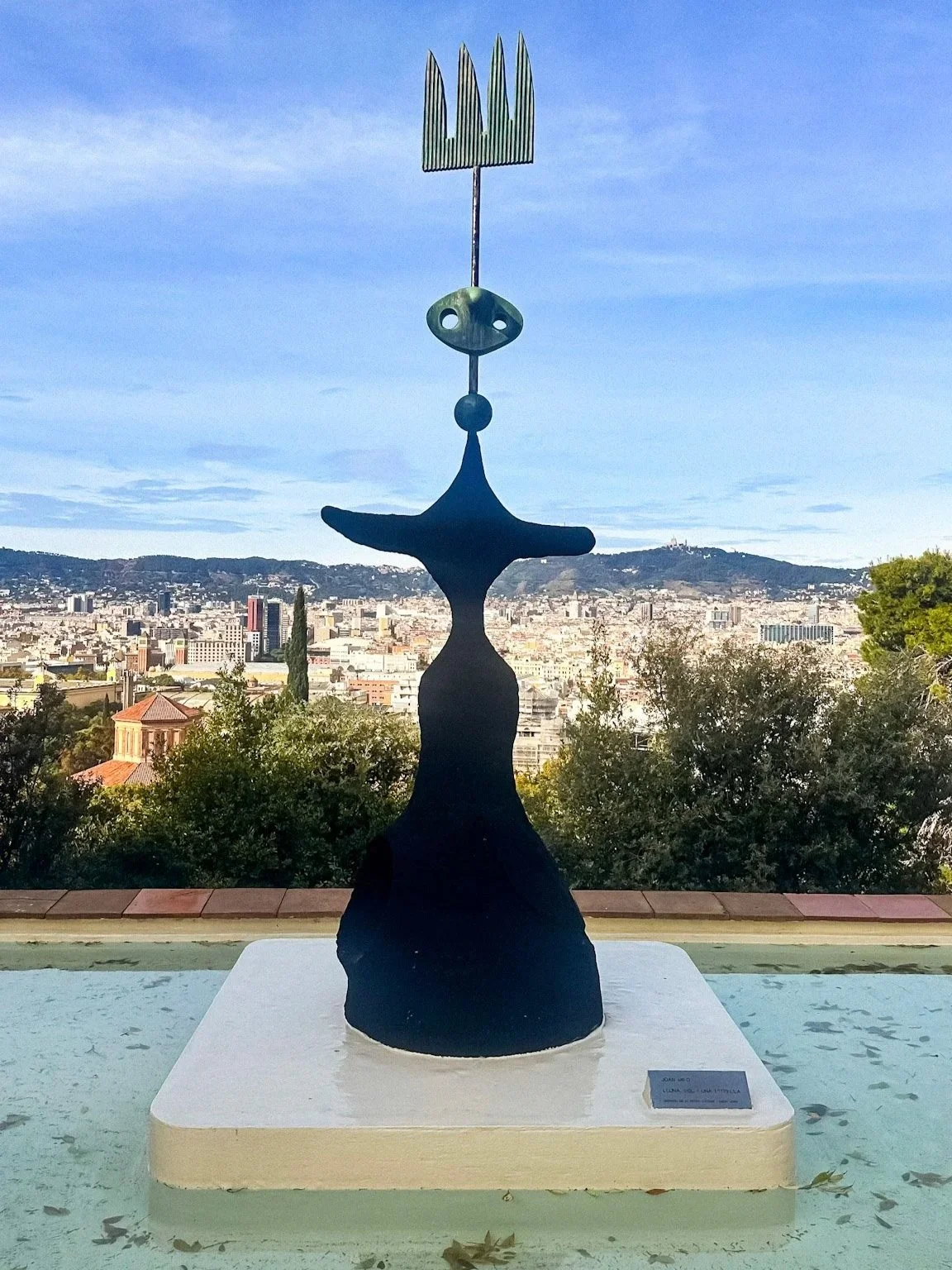
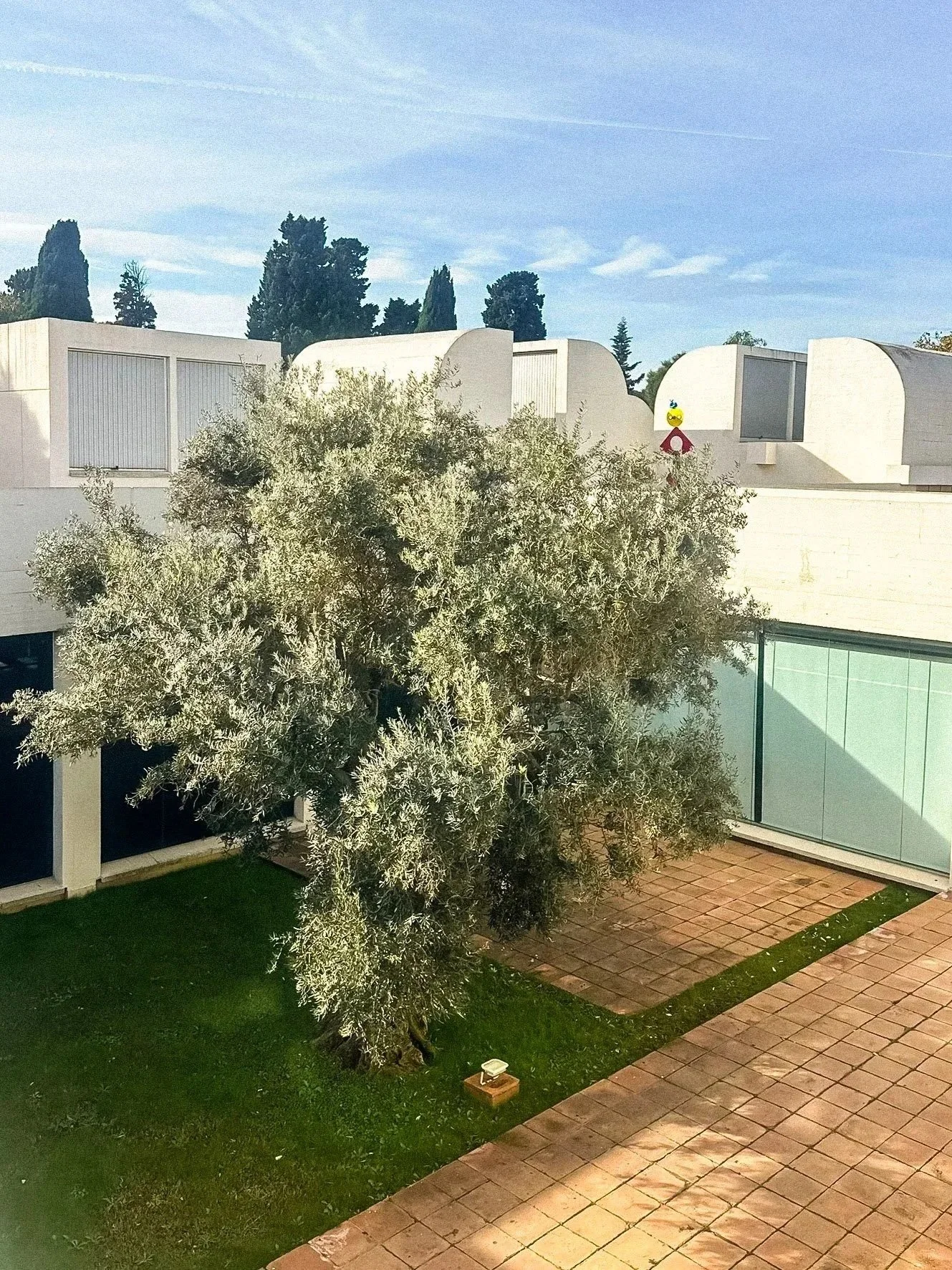
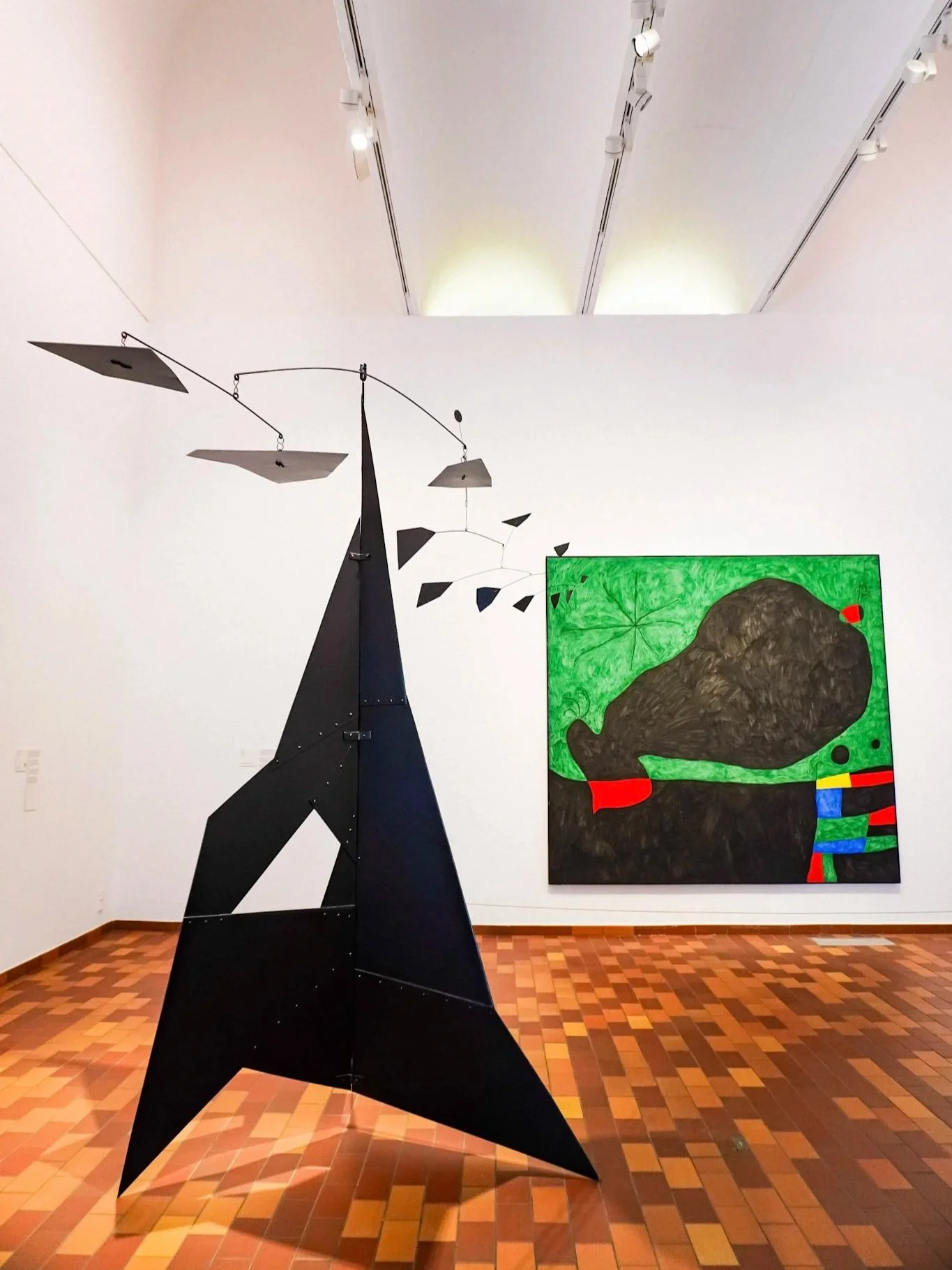
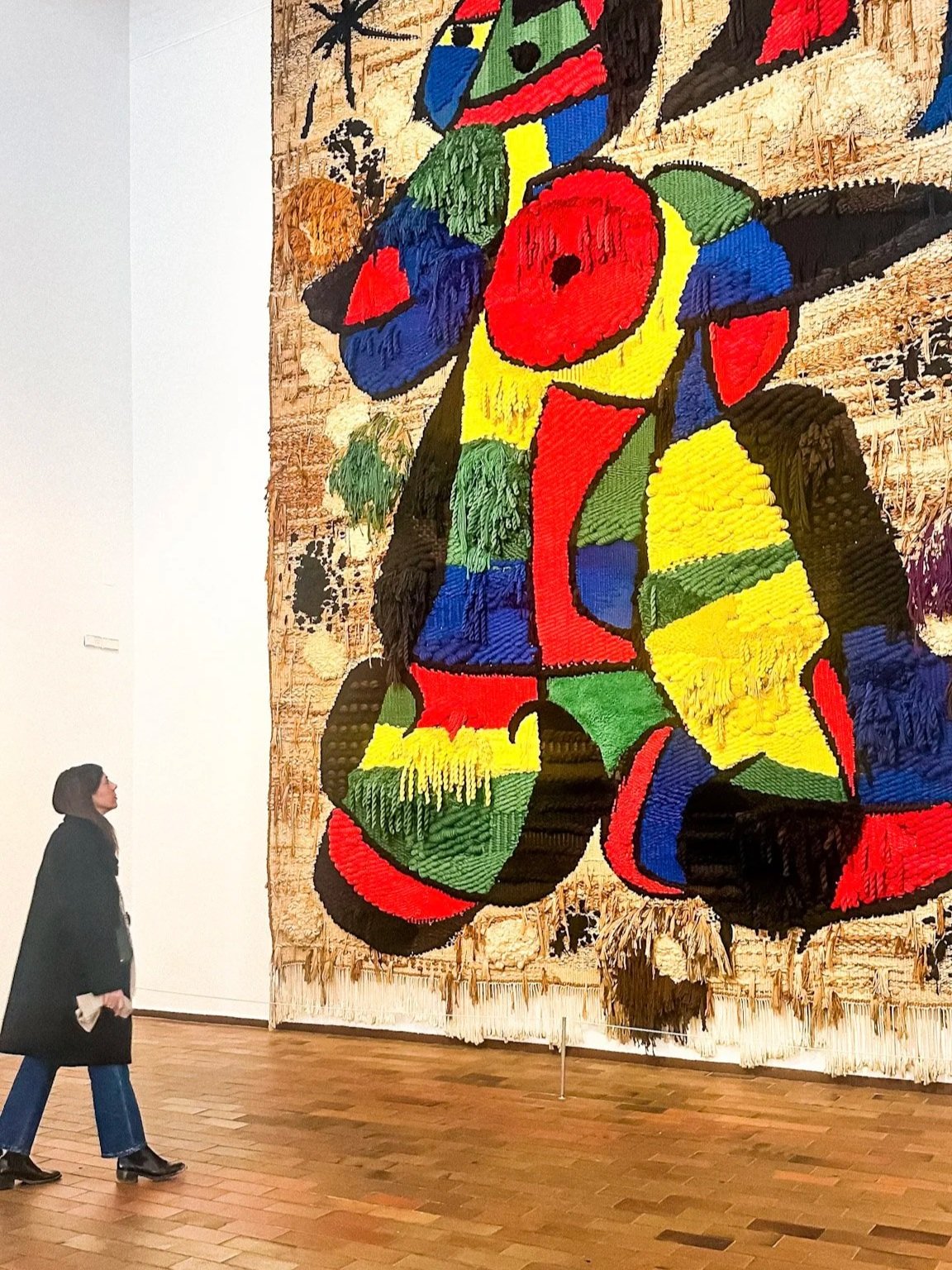
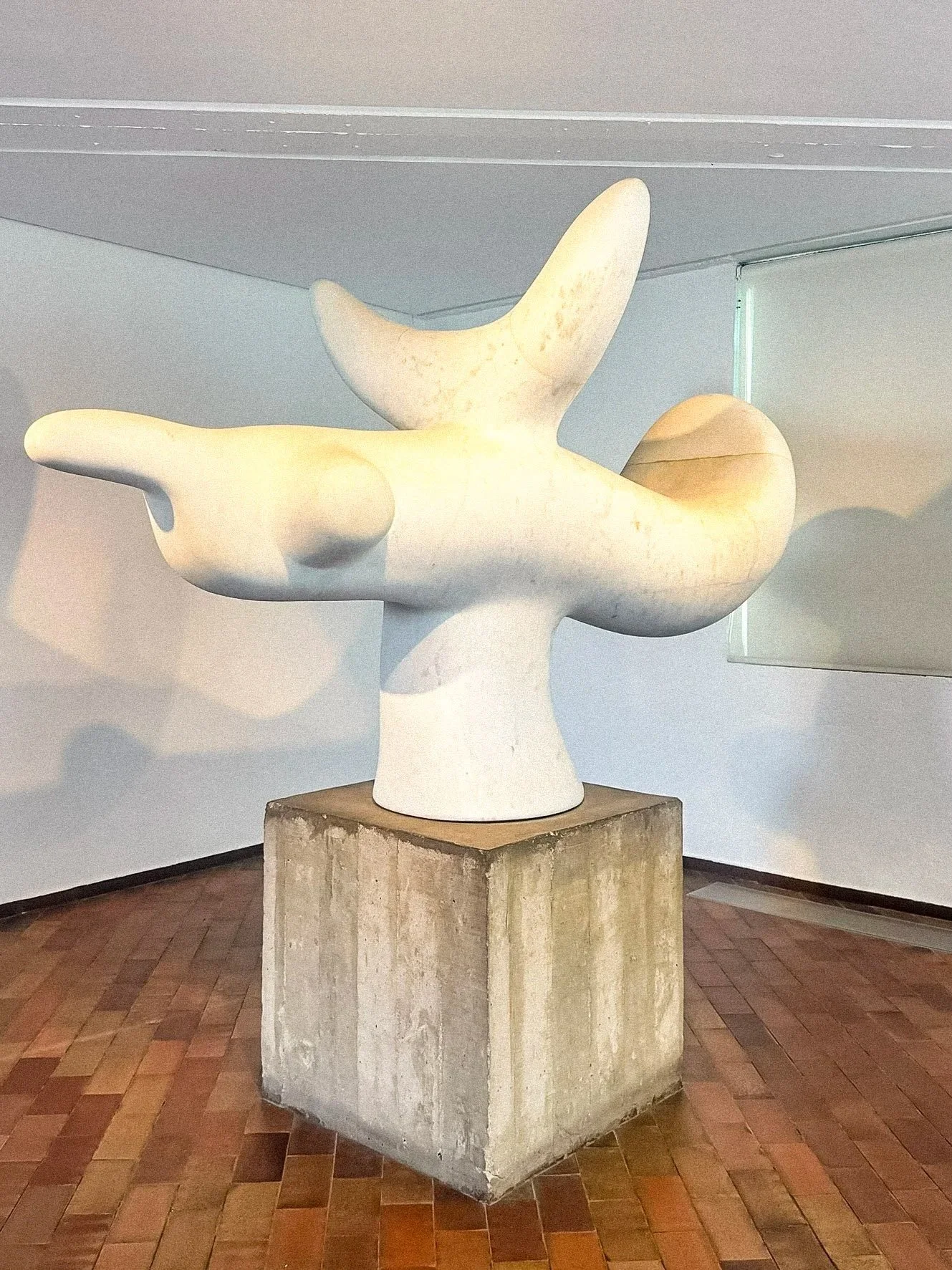
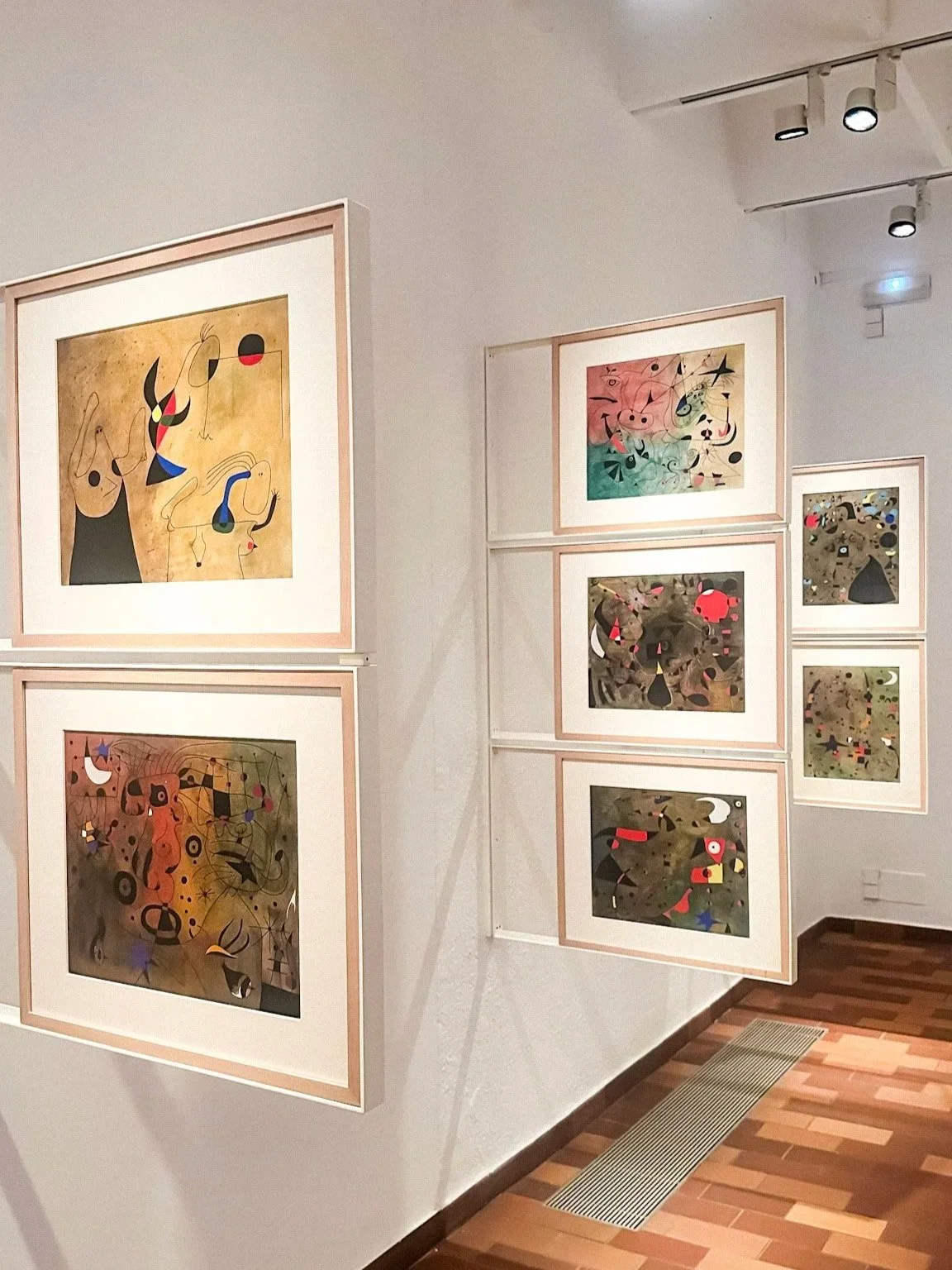
Fundació Joan Miró
One of Barcelona's most rewarding museum experiences, bringing together Miró's work and Josep Lluís Sert's light-filled architecture.
Pavelló Mies van der Rohe
Originally designed by Ludwig Mies van der Rohe and Lilly Reich for the 1929 International Exhibition, the pavilion is a masterclass in modern architecture: marble, glass, water and beautifully controlled proportions.
Montjuïc Castle
At the top of the hill, the former military fortress offers sweeping views over Barcelona, the port and Mediterranean.
Eat & Drink
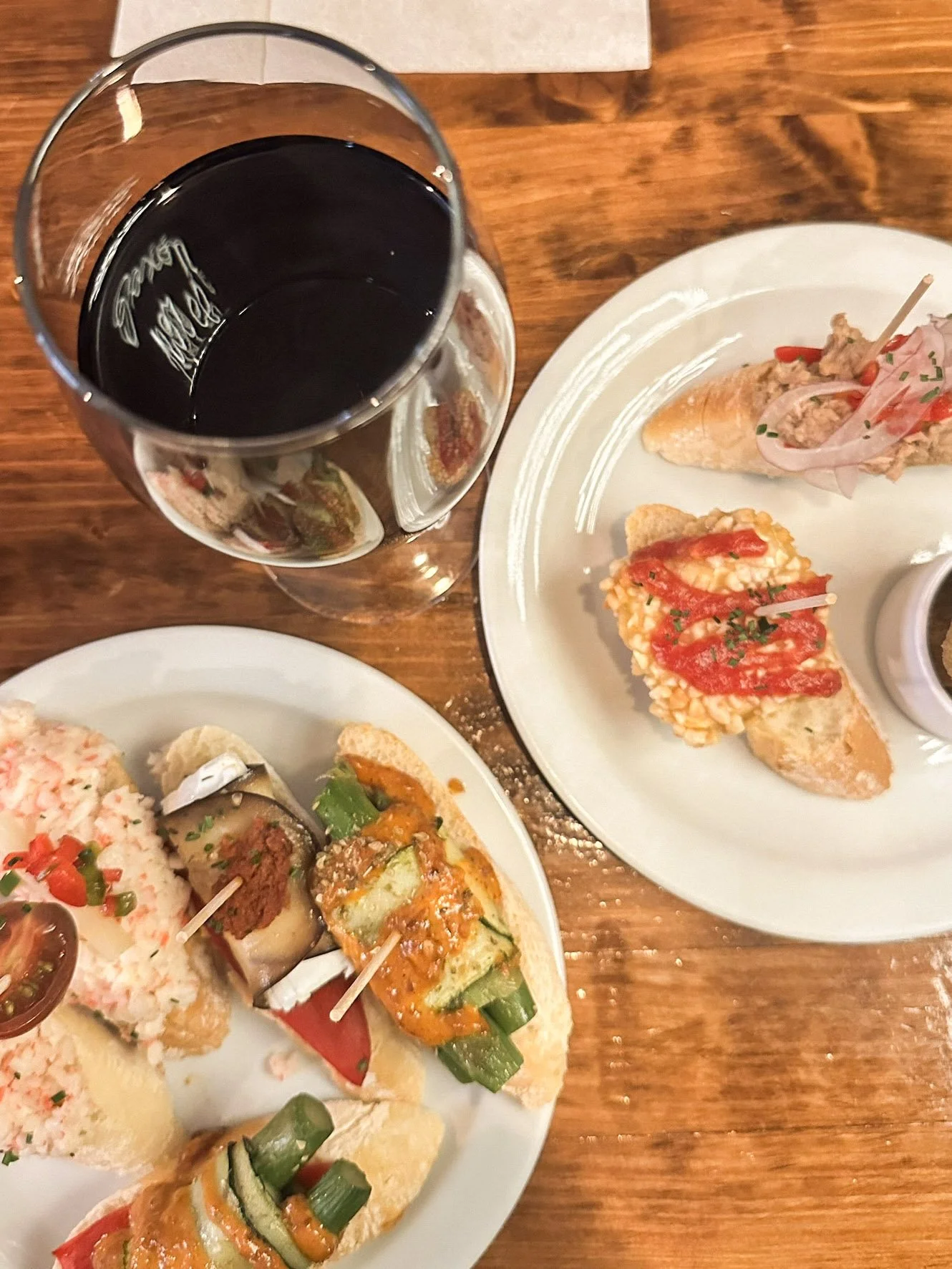
Quimet & Quimet
Tiny, standing-room-only and one of Poble-sec's institutions. Come for montaditos, conservas and vermouth rather than a conventional sit-down meal. Address: Carrer del Poeta Cabanyes, 25 · Website
Denassus
A contemporary wine bar and restaurant on Carrer de Blai, with a strong wine list and creative small plates. Address: Carrer de Blai, 53
La Esquinita de Blai
A casual option for tapas and pintxos when you want something easy after exploring Montjuïc. Address: Carrer de Blai, 17
/// BARCELONETA
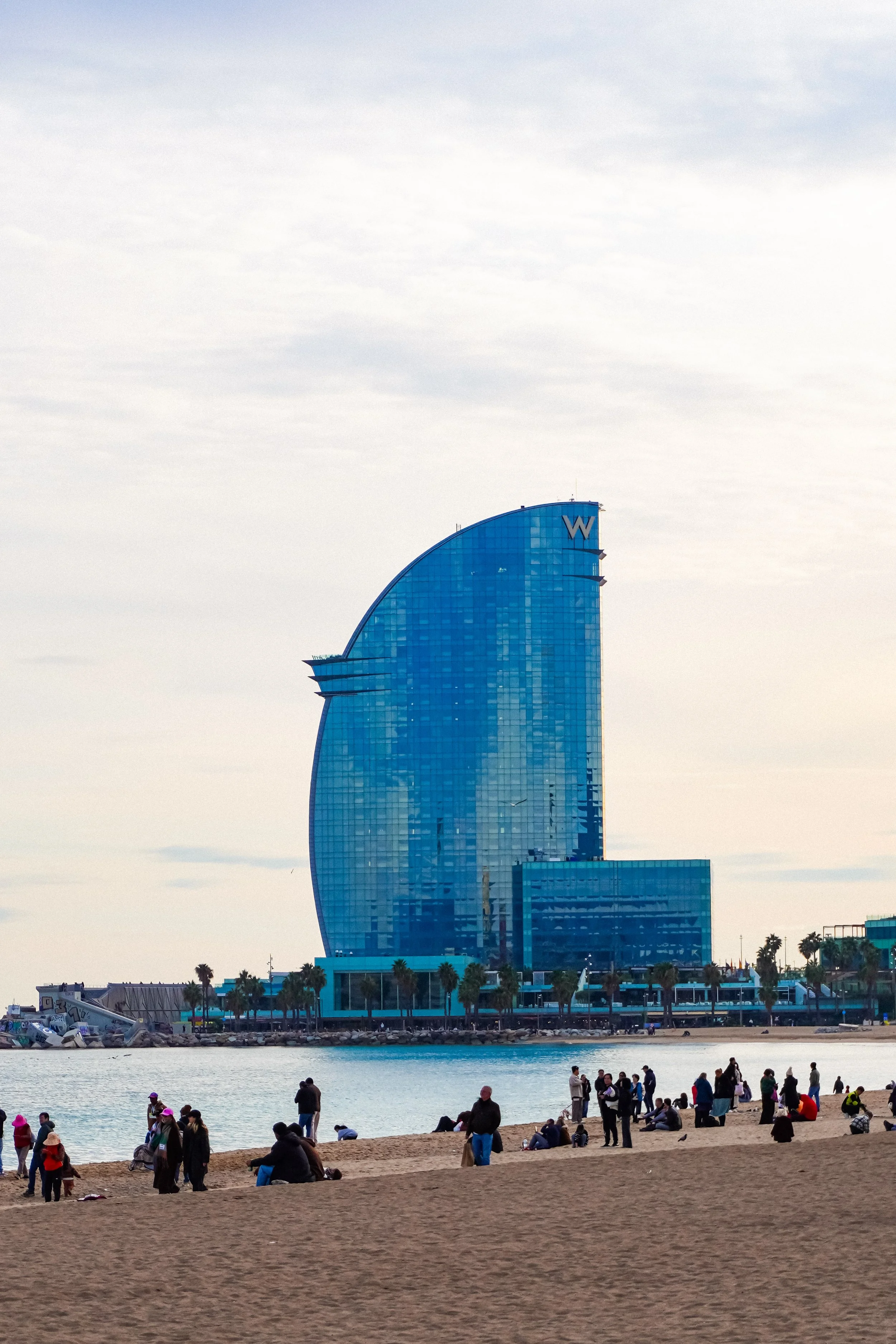
Barcelona turns completely towards the sea in Barceloneta. Built in the 18th century and historically associated with fishermen and maritime trades, the neighbourhood still has its characteristic grid of narrow streets running between Port Vell and the beach.
The waterfront can be crowded, particularly in summer, but the interior streets retain glimpses of an older Barcelona: narrow balconies, laundry drying above the street and neighbourhood bars that have been here for generations.
Eat & Drink
Can Paixano – La Xampanyeria
A Barcelona institution for cava and simple sandwiches, usually packed and unapologetically chaotic. Address: Carrer de la Reina Cristina, 7 · Website
La Cova Fumada
One of Barceloneta's old-school classics, known for seafood, tapas and the bomba, one of the neighbourhood's signature dishes. Address: Carrer del Baluard, 56
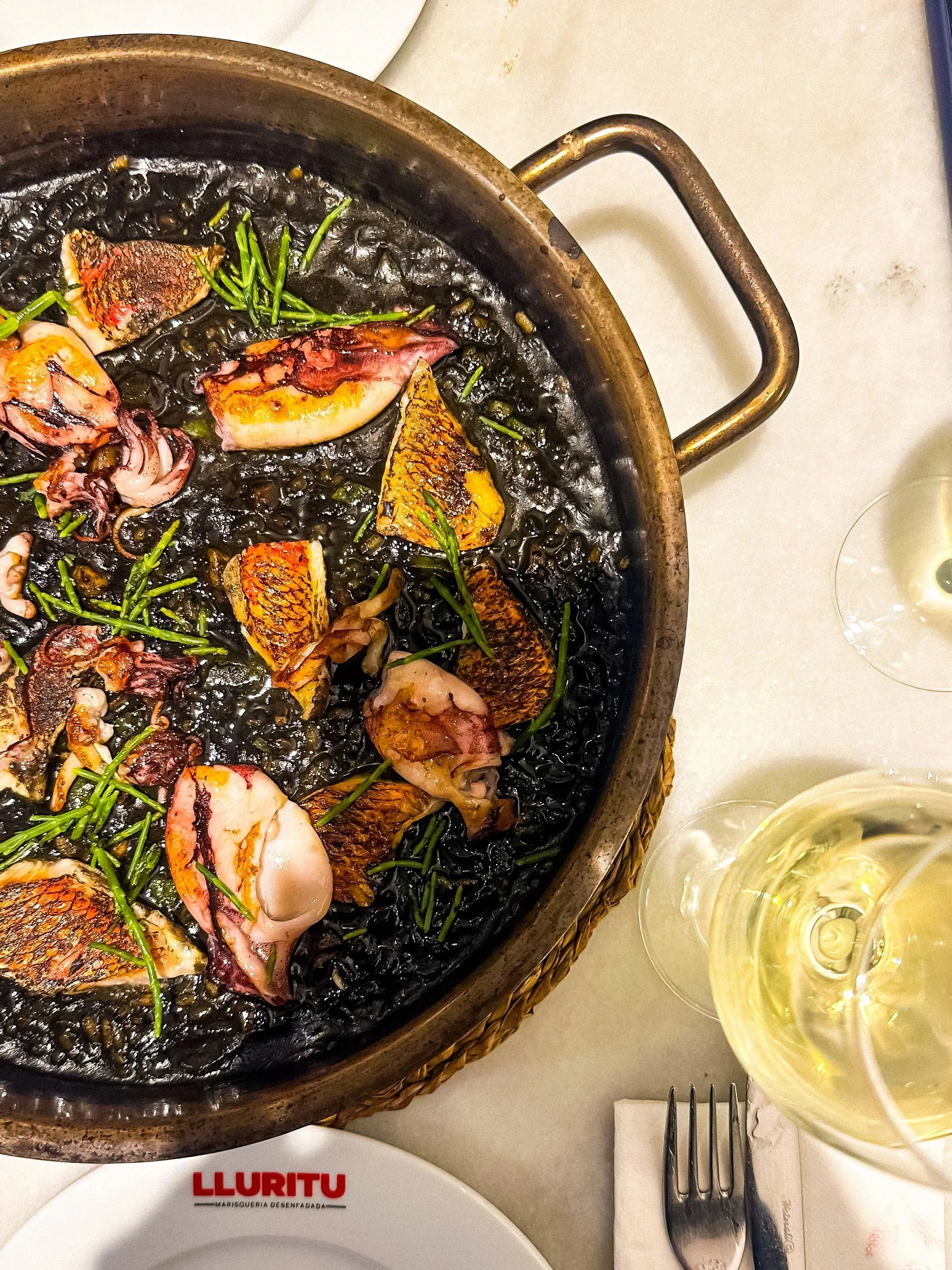
Restaurant Cheriff
A traditional choice for seafood, paella and rice dishes, particularly good when you want a proper sit-down lunch after the beach. Address: Carrer de Ginebra, 15 · Website
/// SLOW & CURATED STAYS
Barcelona has no shortage of grand hotels, but these are the addresses I would save for something with a little more personality, whether for their architecture, intimate atmosphere or particularly strong sense of place.
Hotel Neri · Barri Gòtic
Hidden beside Plaça Sant Felip Neri, Hotel Neri occupies historic buildings in the heart of the Gothic Quarter, combining centuries-old stone and original architectural details with understated contemporary interiors. Address: Carrer de Sant Sever, 5 · Website
Wittmore Hotel · Barri Gòtic
A discreet adults-only hideaway tucked into one of the narrowest streets of the Gothic Quarter. Moody interiors, a secluded courtyard and rooftop pool give it a distinctly intimate atmosphere. Address: Carrer de Riudarenes, 7 · Website
Antiga Casa Buenavista · Sant Antoni
This family-run boutique hotel grew from the restaurant and guesthouse first opened here in 1918. Its contemporary reinvention keeps plenty of personality, mixing colour, pattern and original details rather than opting for predictable hotel minimalism. Address: Ronda de Sant Antoni, 84 · Website
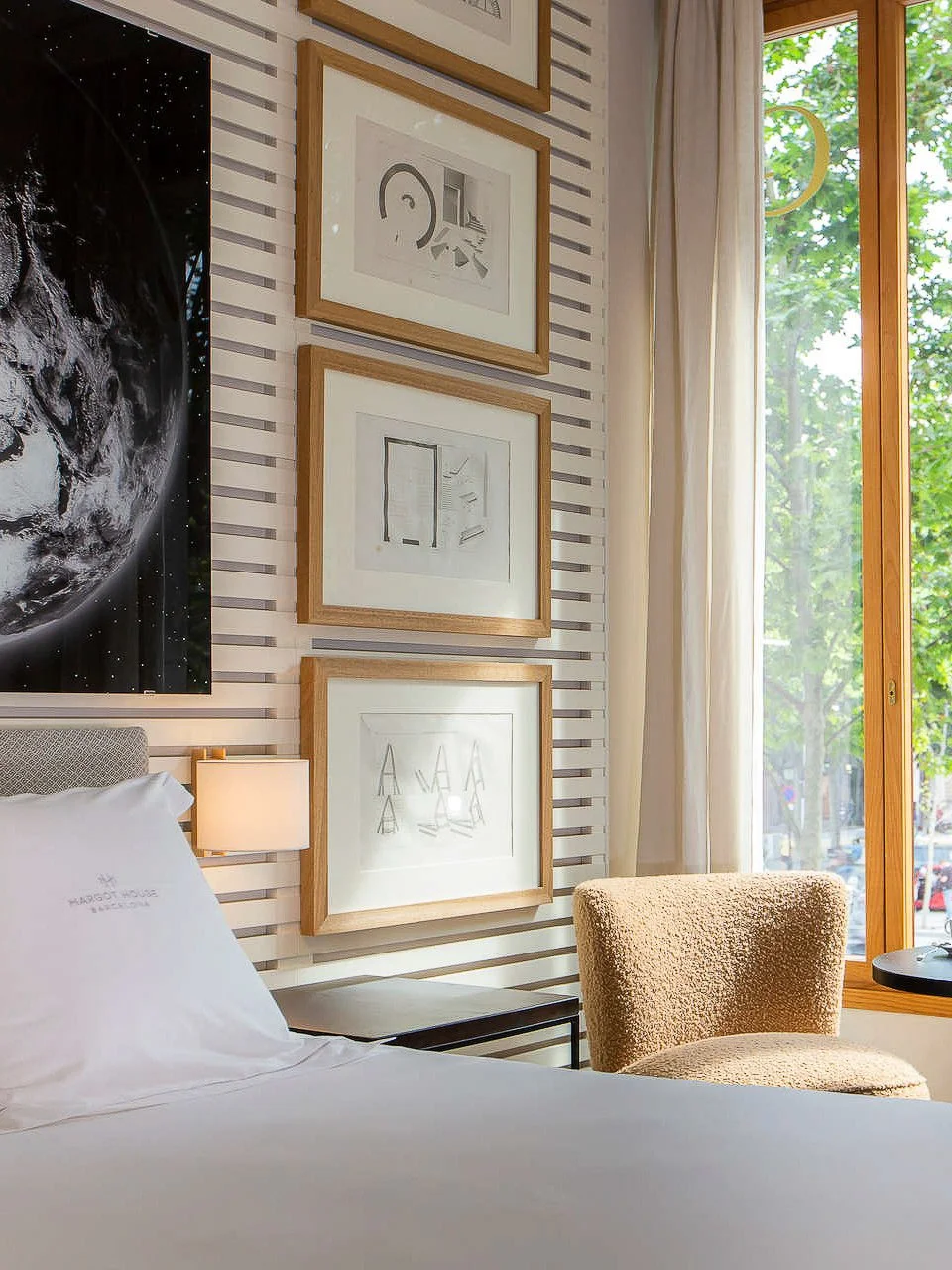
Margot House · Eixample
A tiny, discreet hotel on Passeig de Gràcia with the atmosphere of a beautifully considered private apartment. The interiors are calm and minimal, while Casa Batlló sits almost directly opposite. Address: Passeig de Gràcia, 46 · Website
Cotton House Hotel · Eixample
Set inside the former headquarters of Barcelona’s cotton manufacturers, the hotel preserves its grand staircase, ornate ceilings and elegant 19th-century rooms while introducing more contemporary interiors. Address: Gran Via de les Corts Catalanes, 670 · Website
The Barcelona EDITION · Santa Caterina / El Born
A contemporary design hotel beside Mercat de Santa Caterina, within easy walking distance of Born and the Barri Gòtic. Its rooftop terrace overlooks the dense rooftops of the old city. Address: Avinguda de Francesc Cambó, 14 · Website
/// PRACTICAL NOTES
How Many Days?
Four days is a good starting point for Barcelona, giving you enough time to explore several neighbourhoods without turning every day into a checklist. Five days allows for a more relaxed pace, particularly if you want to spend time in museums, linger over lunch and explore beyond the major landmarks.
Getting Around
Barcelona is extremely walkable within individual neighbourhoods, and that is how I would explore most of this guide. Use the metro to move between areas such as Gràcia, Sagrada Família and Montjuïc, then continue on foot.
Avoid planning the city purely according to a list of landmarks. Grouping visits by neighbourhood saves a surprising amount of time.
Book Ahead
Reserve Sagrada Família, Casa Batlló, La Pedrera and Park Güell ahead, particularly on weekends and during the warmer months.
The same applies to smaller restaurants with limited seating. Barcelona's best-known casual addresses may look spontaneous, but many fill quickly.
When to Go
Spring and early autumn are particularly good times to visit, with warm enough weather to spend most of the day outside without the peak summer heat.
Dining in Barcelona
Lunch and dinner tend to happen later than in many other European cities. Don't be surprised to find some restaurants quiet at what would normally be peak dinner time elsewhere.
For the classic bars and bodegas, I often prefer arriving slightly outside the busiest hours. It makes a noticeable difference at tiny places such as El Xampanyet, Quimet & Quimet and La Cova Fumada.
The Best Way to Explore
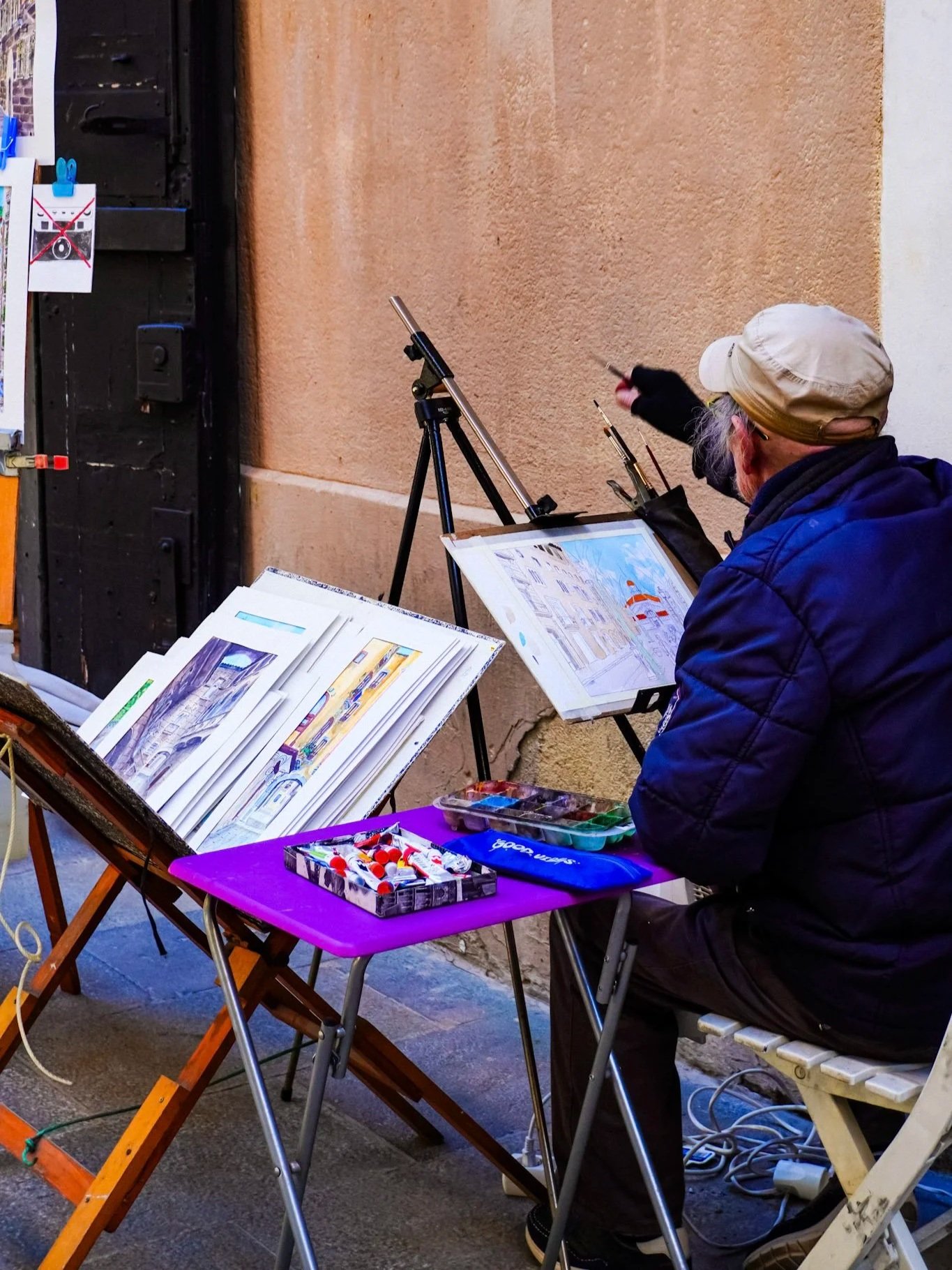
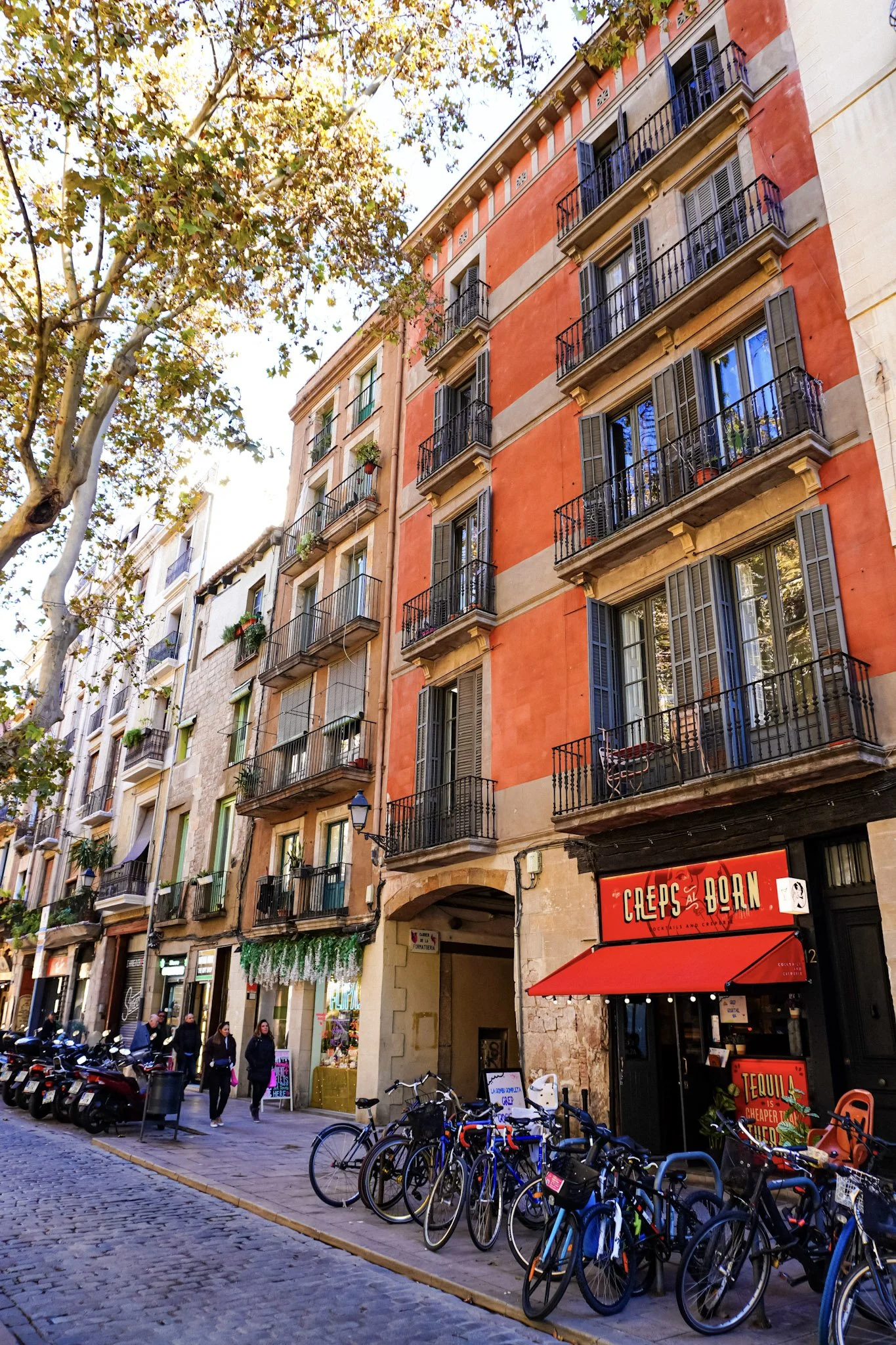
Some of Barcelona's most memorable moments happen between the places you saved on the map. Walk the smaller streets, look up at the façades, step into old bodegas and don't worry if you take the occasional wrong turn.
In Barcelona, that is often when you find the good stuff.