
Burgundy: Vineyard Trails
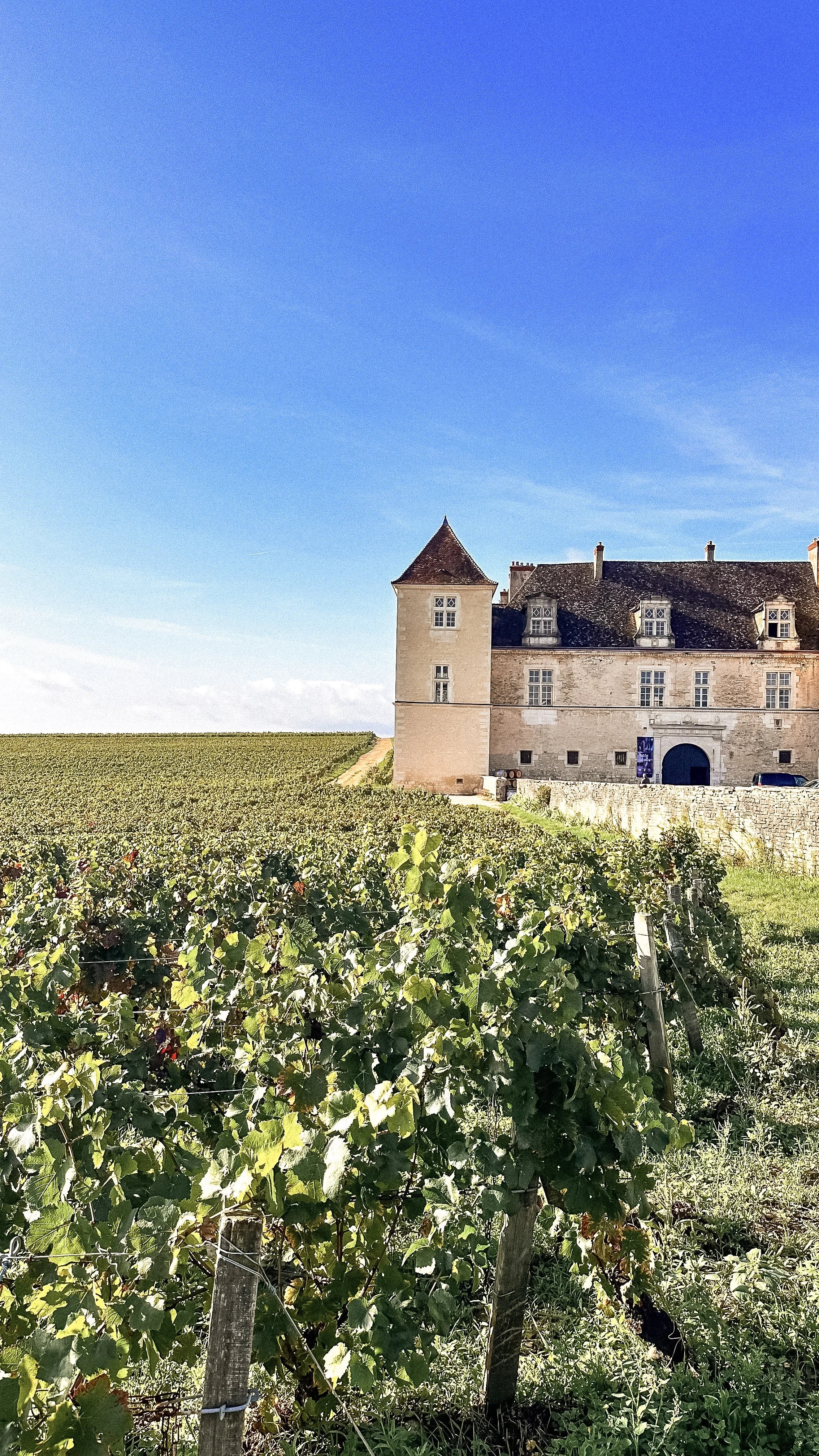
Burgundy can look relatively simple on a map. But once you begin to understand its wines, it becomes one of the most fascinating and complex wine regions in the world.
Here, a few metres can matter. Two neighbouring vineyard parcels, planted with the same grape variety and tended by the same producer, can produce wines with different identities and dramatically different values.
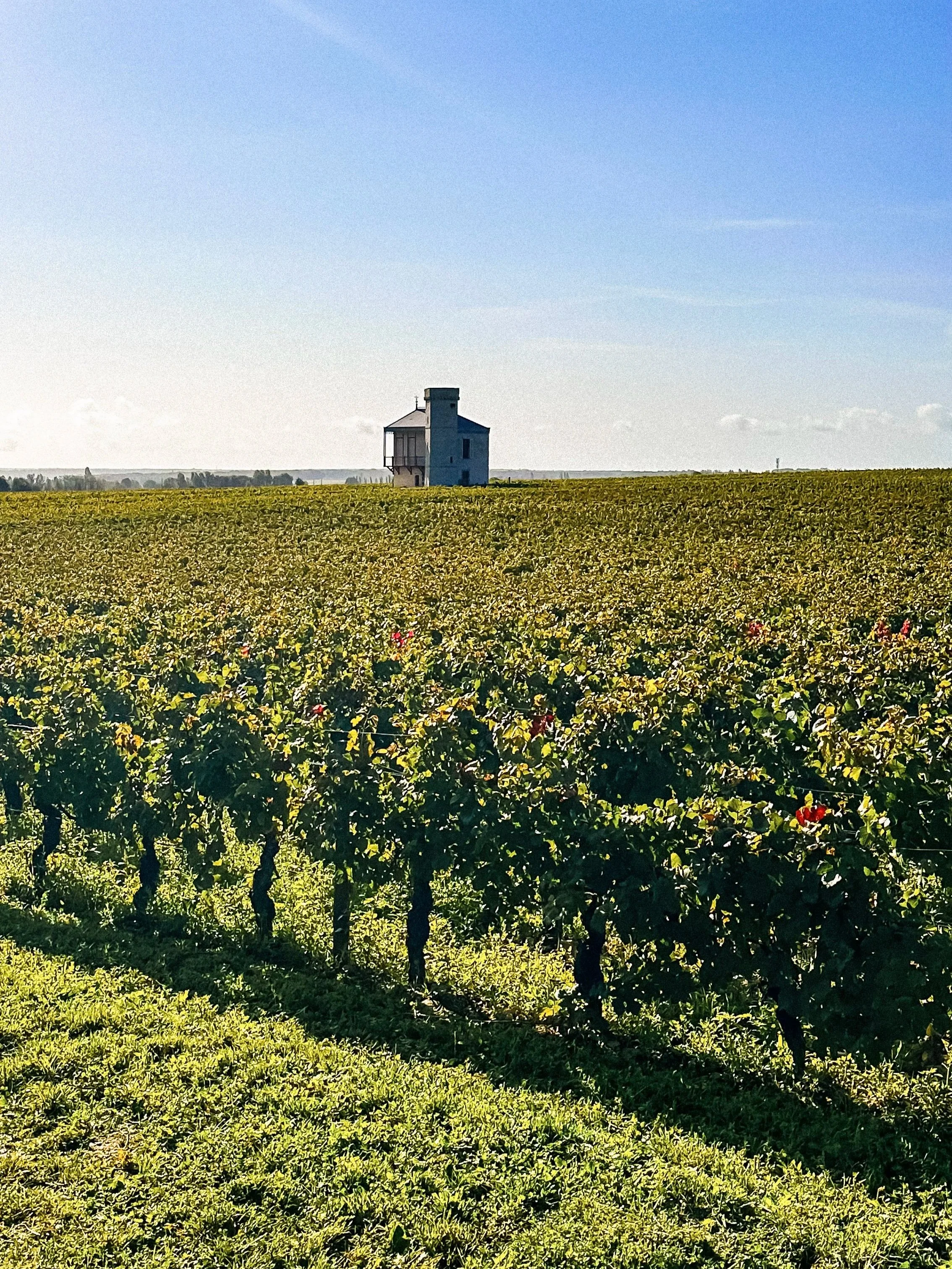
And understanding a little of this before you arrive completely changes the experience of travelling through Burgundy.
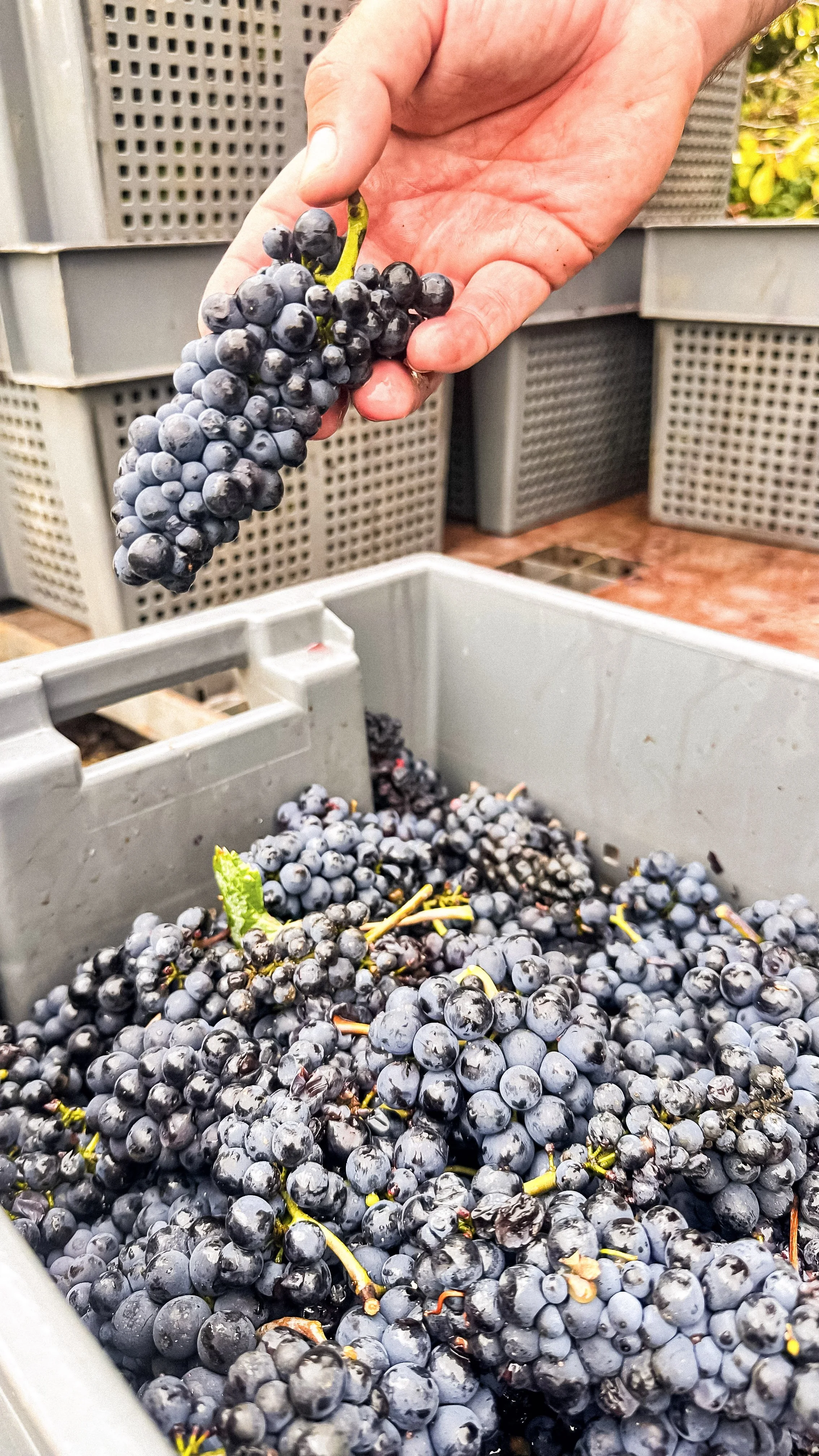
We visited towards the end of the vendanges, when the vineyards were still full of activity. Harvest dates change every year depending on the growing season, but generally fall between late August and September. Some domaines close to visitors during this period, but in return you see another side of Burgundy: pickers moving through the vines, tractors carrying grapes along tiny roads and wineries beginning the work of a new vintage.
Our trip focused on the Côte-d’Or, home to the Côte de Nuits and Côte de Beaune and many of Burgundy's most celebrated wines.
/// Understanding Burgundy
Before exploring the villages and vineyards, it helps to understand a few things about Burgundy wine.
Because once you do, those endless rows of vines suddenly become a fascinating mosaic of individual places.
What Is Terroir?
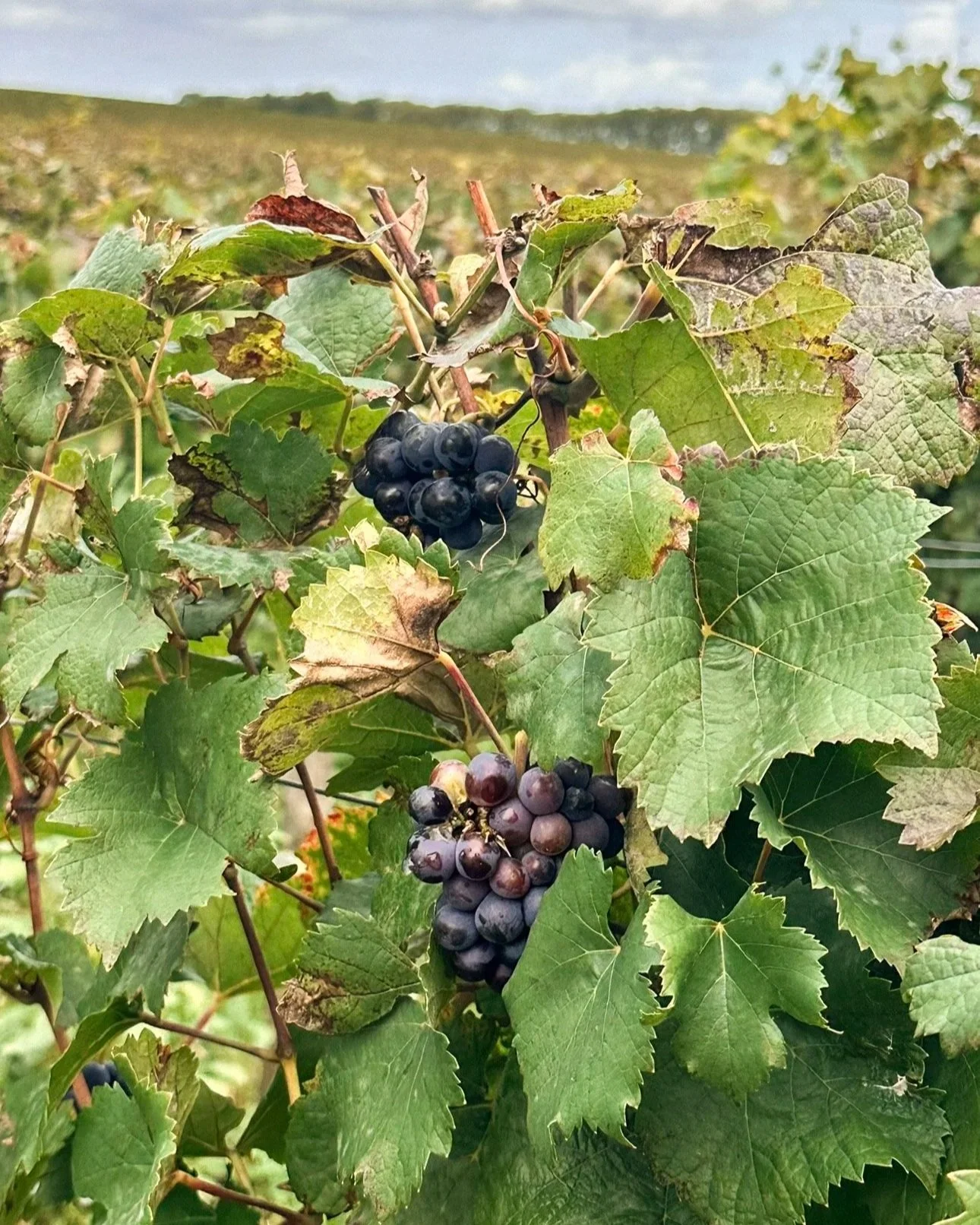
Terroir is the idea that a wine reflects the specific place where its grapes are grown. Soil and subsoil, limestone and clay, altitude, slope, drainage, exposure to sunlight and local climatic conditions can all influence the grapes growing in a particular place.
This idea exists throughout the wine world, but Burgundy takes it to an extraordinary level of precision.
Two vineyard parcels can sit side by side, planted with the same grape variety, and still produce wines with noticeably different identities.
The official Burgundy wine body currently recognises 84 AOCs (Appellations d’Origine Contrôlée), from broad regional appellations to individual Grand Cru vineyards.
Understanding the Climats
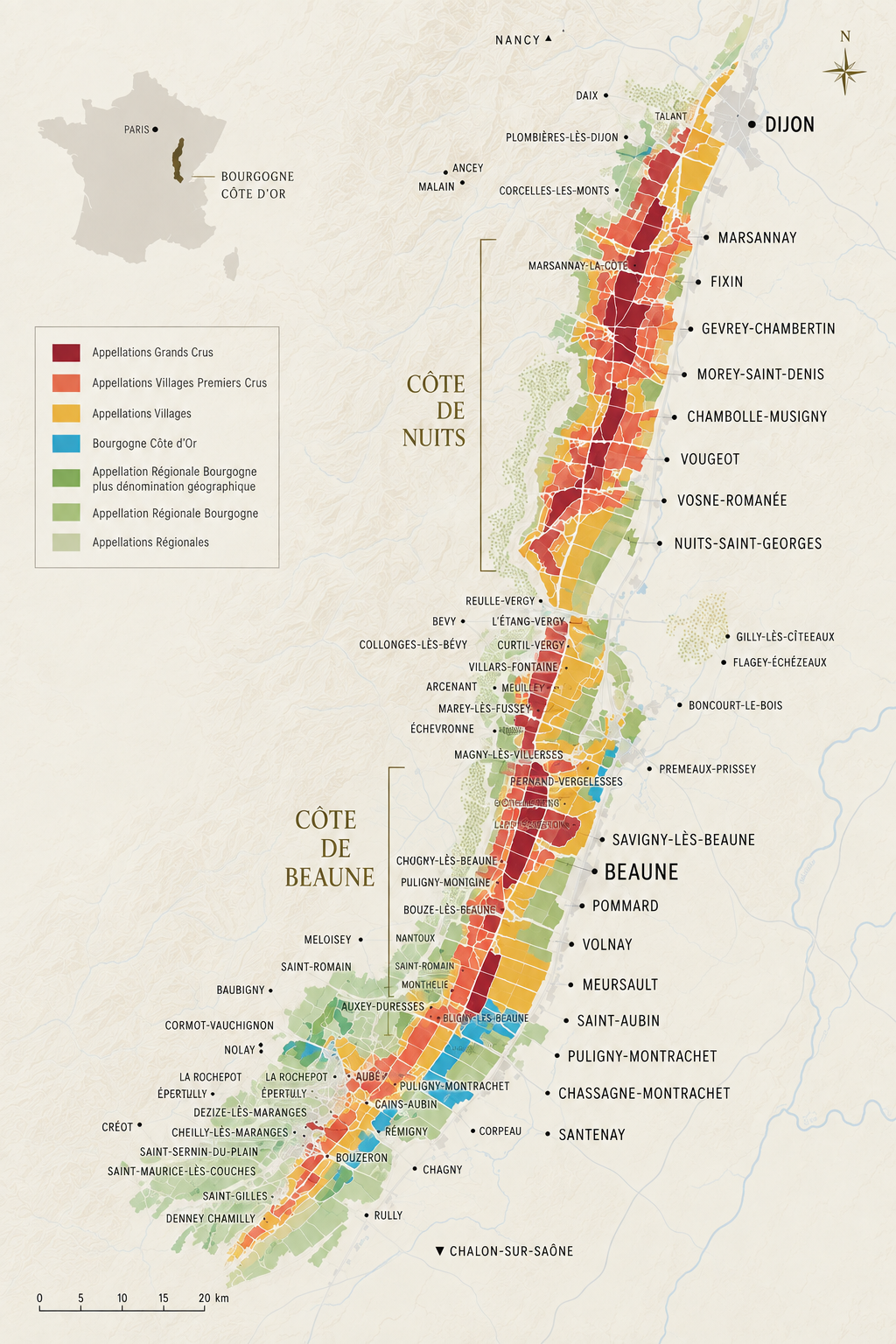
One word you'll hear constantly in Burgundy is Climat.
Despite the name, it doesn't simply mean climate. A Climat is a precisely delimited vineyard parcel whose particular geological conditions, exposure, history and human cultivation have given it a recognised identity over centuries.
Think of Burgundy as a giant mosaic. What appears from the road to be one continuous vineyard may actually contain several Climats, each with its own name and characteristics.
The Climats of the Côte de Nuits and Côte de Beaune are so culturally significant that they are recognised as a UNESCO World Heritage landscape.
This is perhaps the key to understanding Burgundy: the closer you look, the more specific the idea of place becomes.
Understanding Burgundy Wine Labels
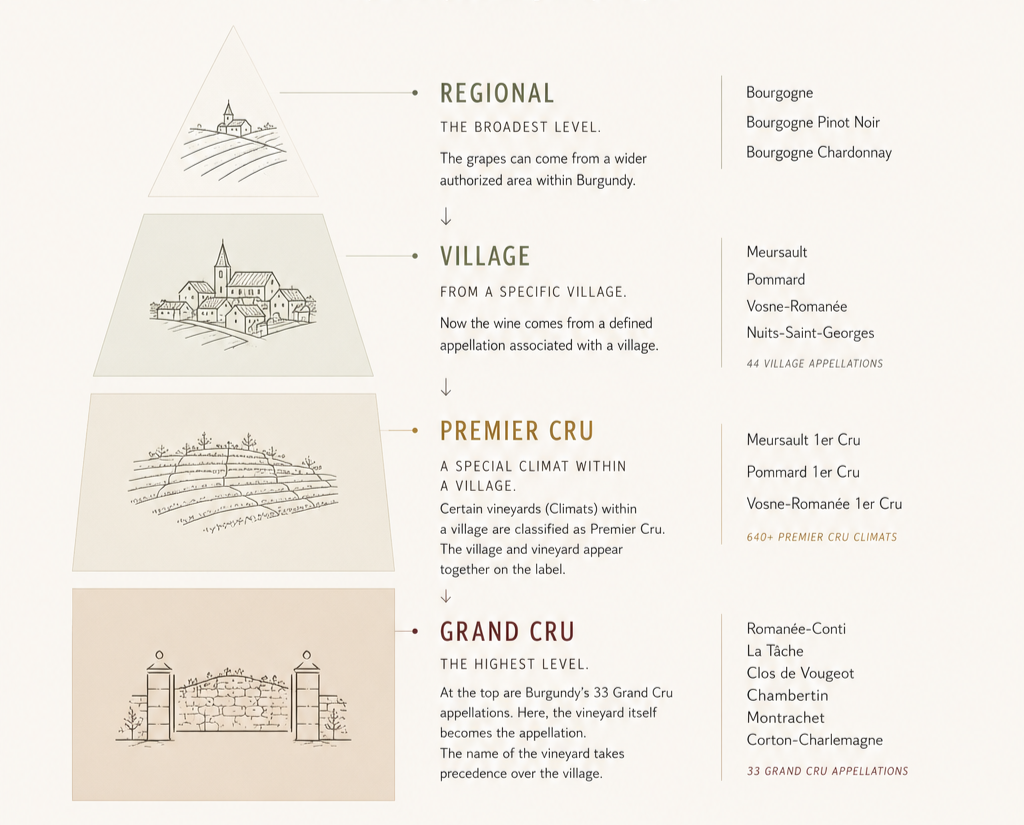
Burgundy wine labels can seem complicated at first, but they become much easier to read once you understand that they are essentially telling you where the wine comes from.
The appellation system moves from a broader regional origin to an increasingly precise sense of place: from Burgundy as a whole, to a particular village, then to specific Premier Cru and Grand Cru vineyards. In Burgundy, geography is at the heart of the label, which is why understanding the name on the bottle often tells you more about the wine than the grape variety itself.
/// The Route des Grands Crus
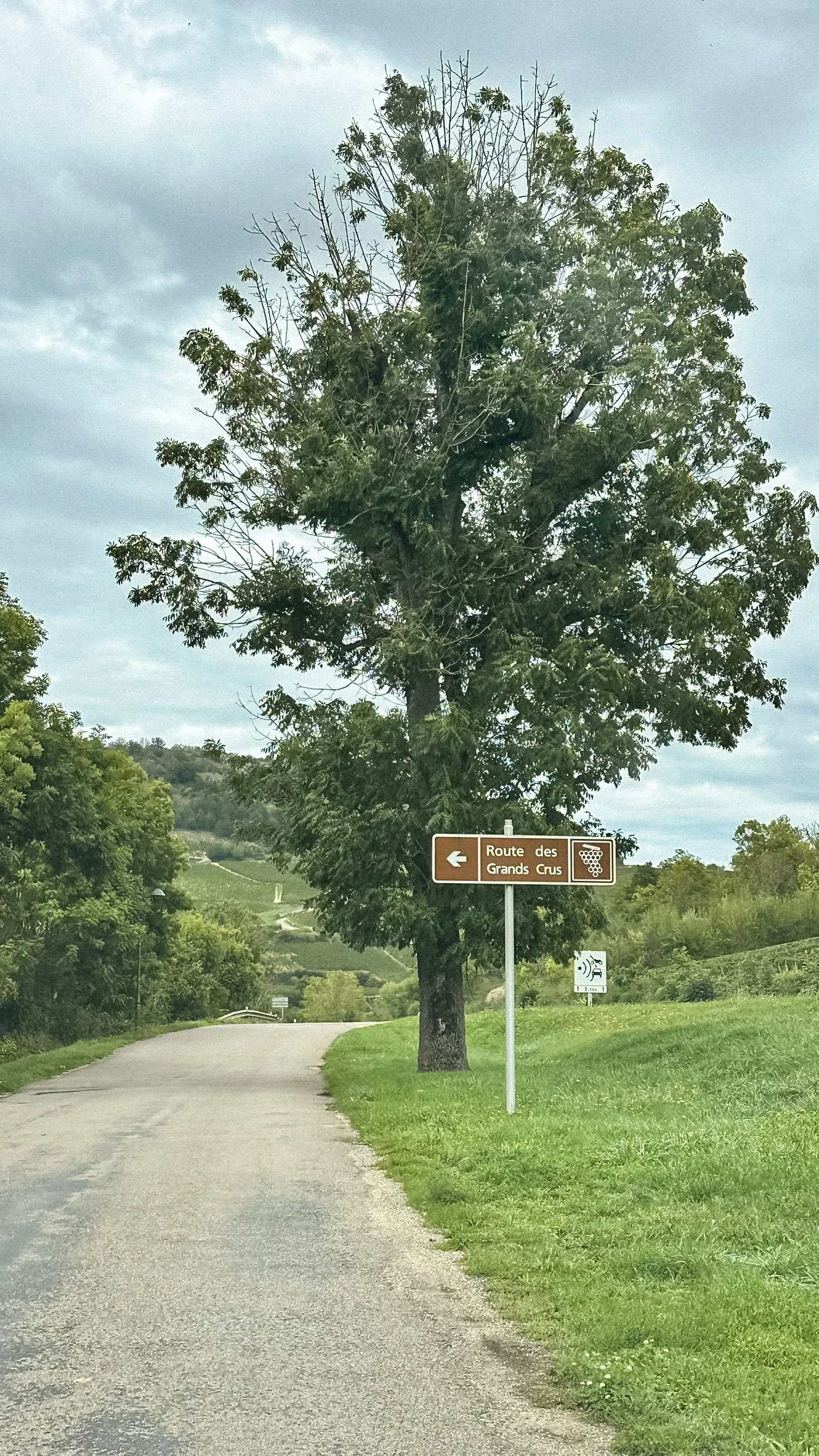
One of the best ways to experience the Côte-d'Or is simply to follow the Route des Grands Crus.
Created in 1937, the historic wine route stretches for approximately 60 kilometres through 37 wine villages between Dijon and Santenay.
The route is essentially divided into two distinct wine regions: Côte de Nuits and Côte de Beaune.
/// Côte de Nuits
North of Beaune, it contains 24 of Burgundy's 33 Grand Cru appellations, including Romanée-Conti, Clos de Vougeot, and Chambertin.
This is where some of Burgundy's most celebrated red wines are born.
Château du Clos de Vougeot
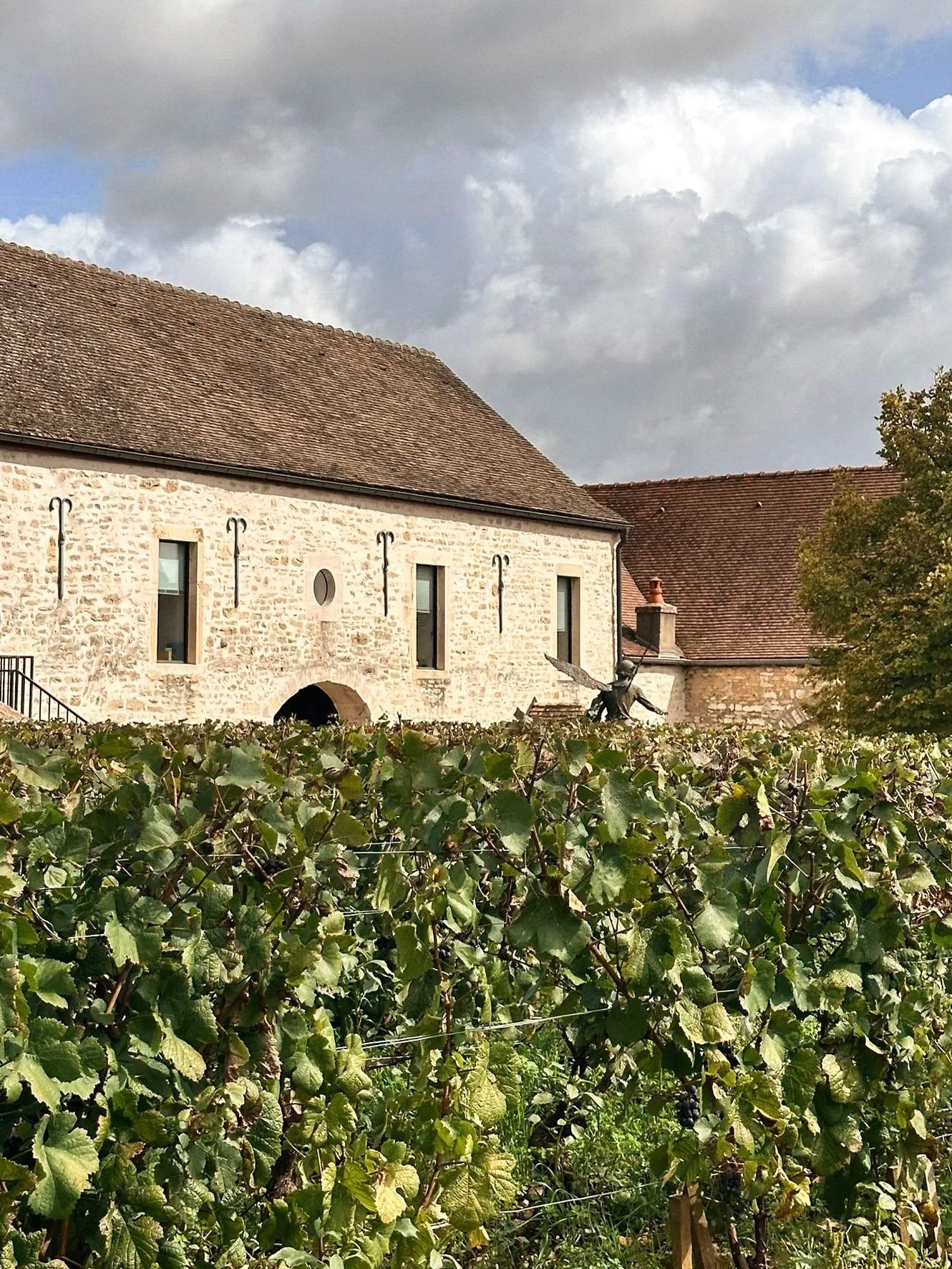
Surrounded by vineyards in the heart of the Côte de Nuits, the Château du Clos de Vougeot is one of the essential places for understanding Burgundy's wine history.
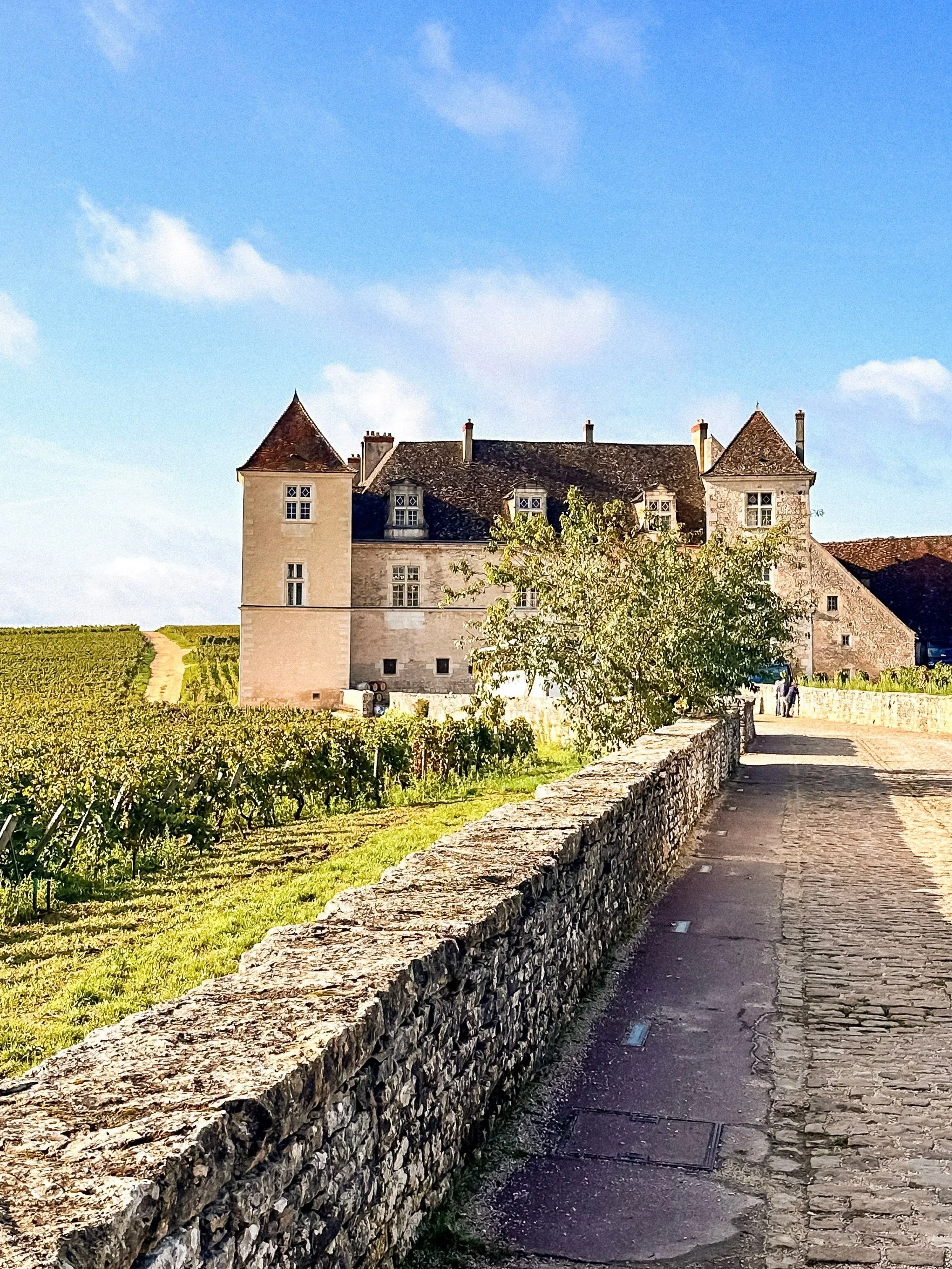
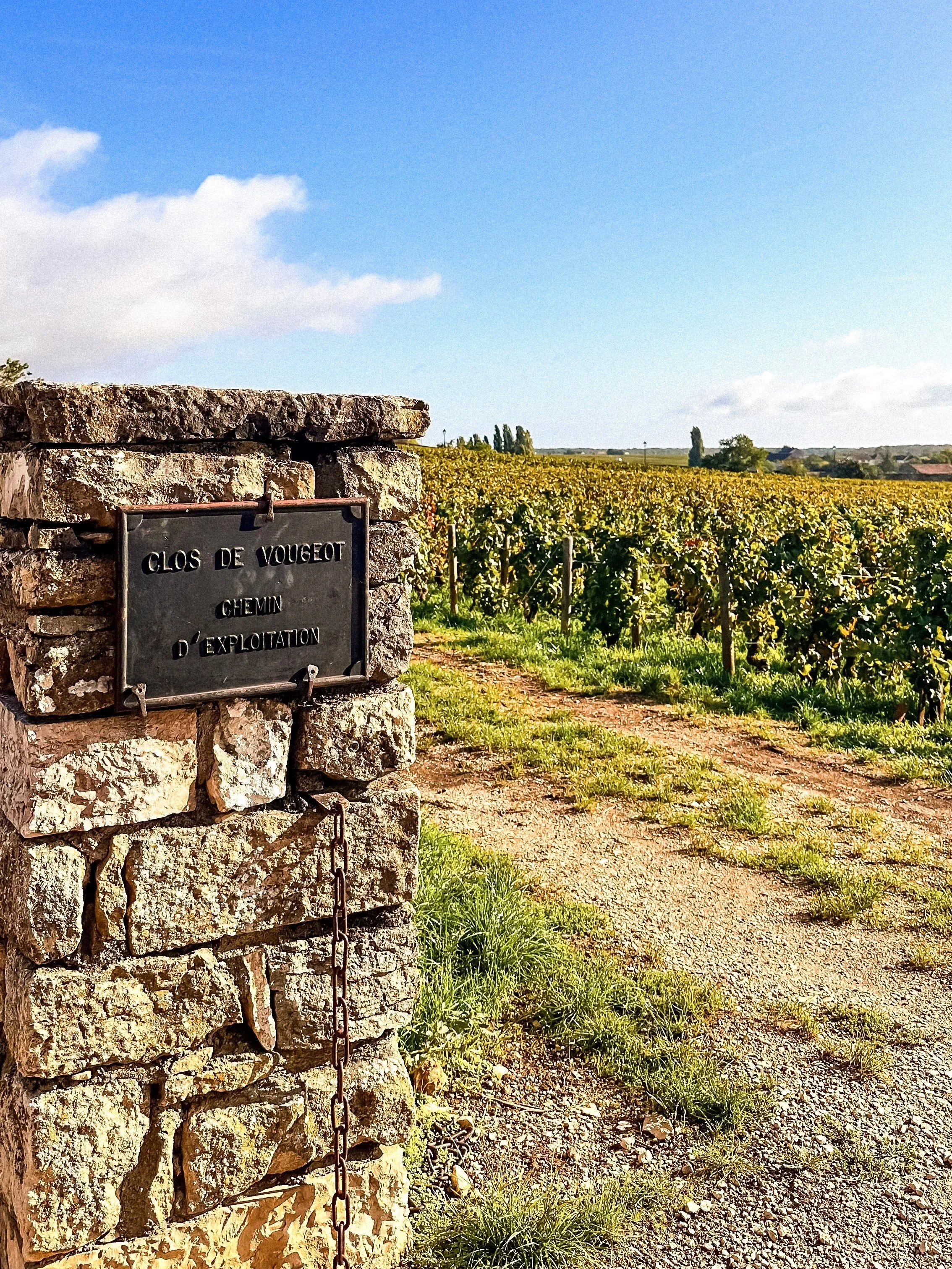
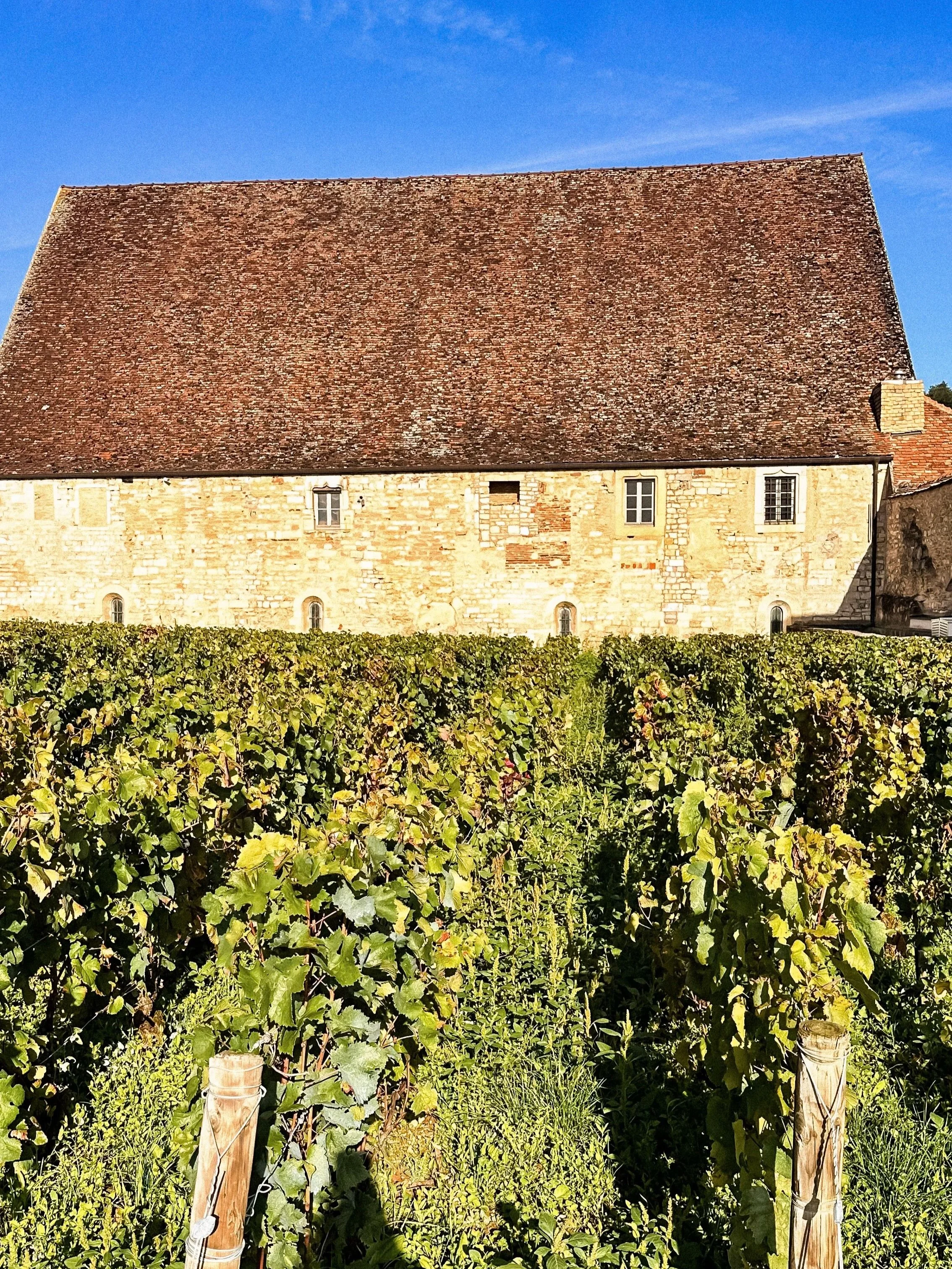
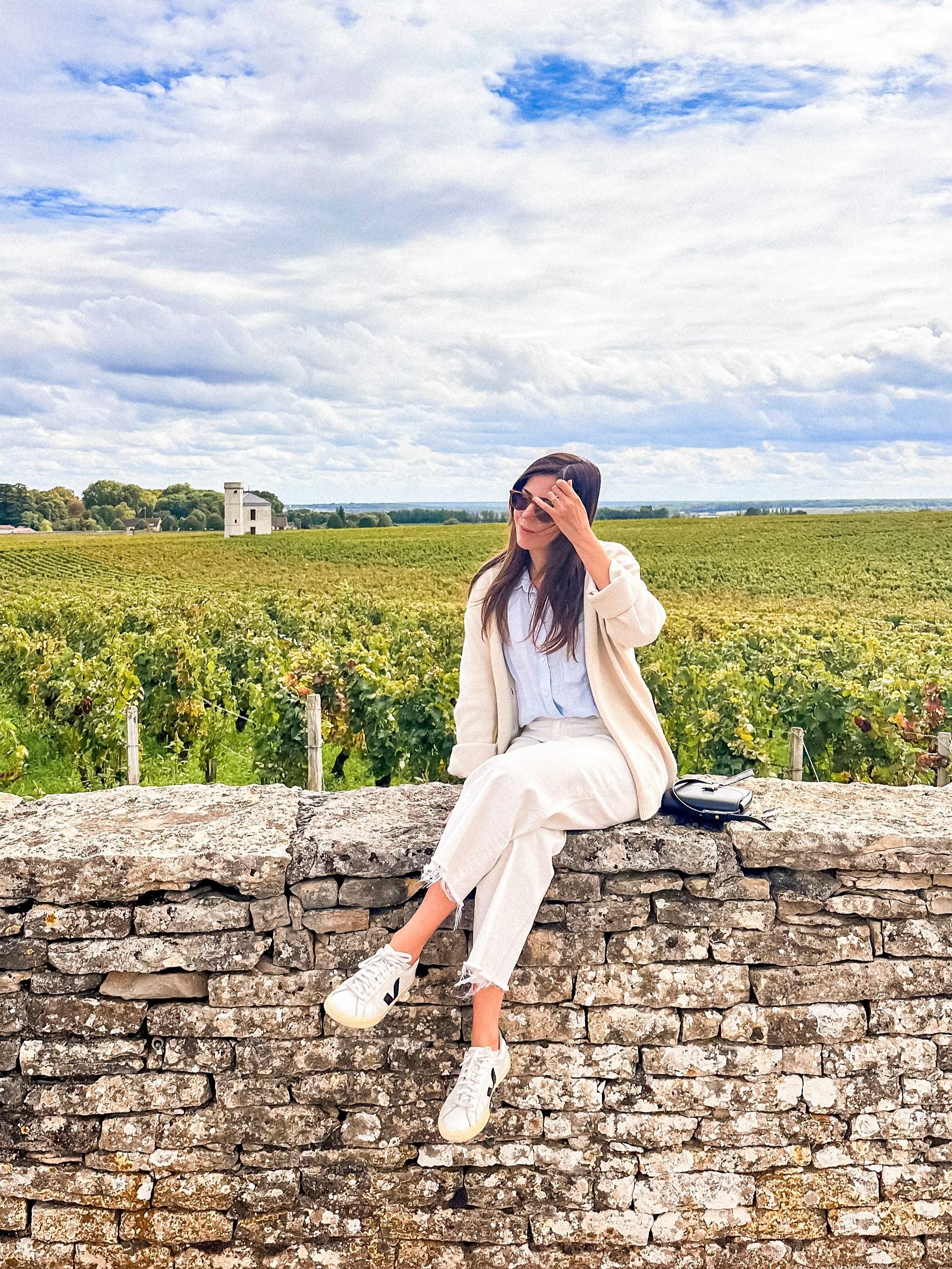
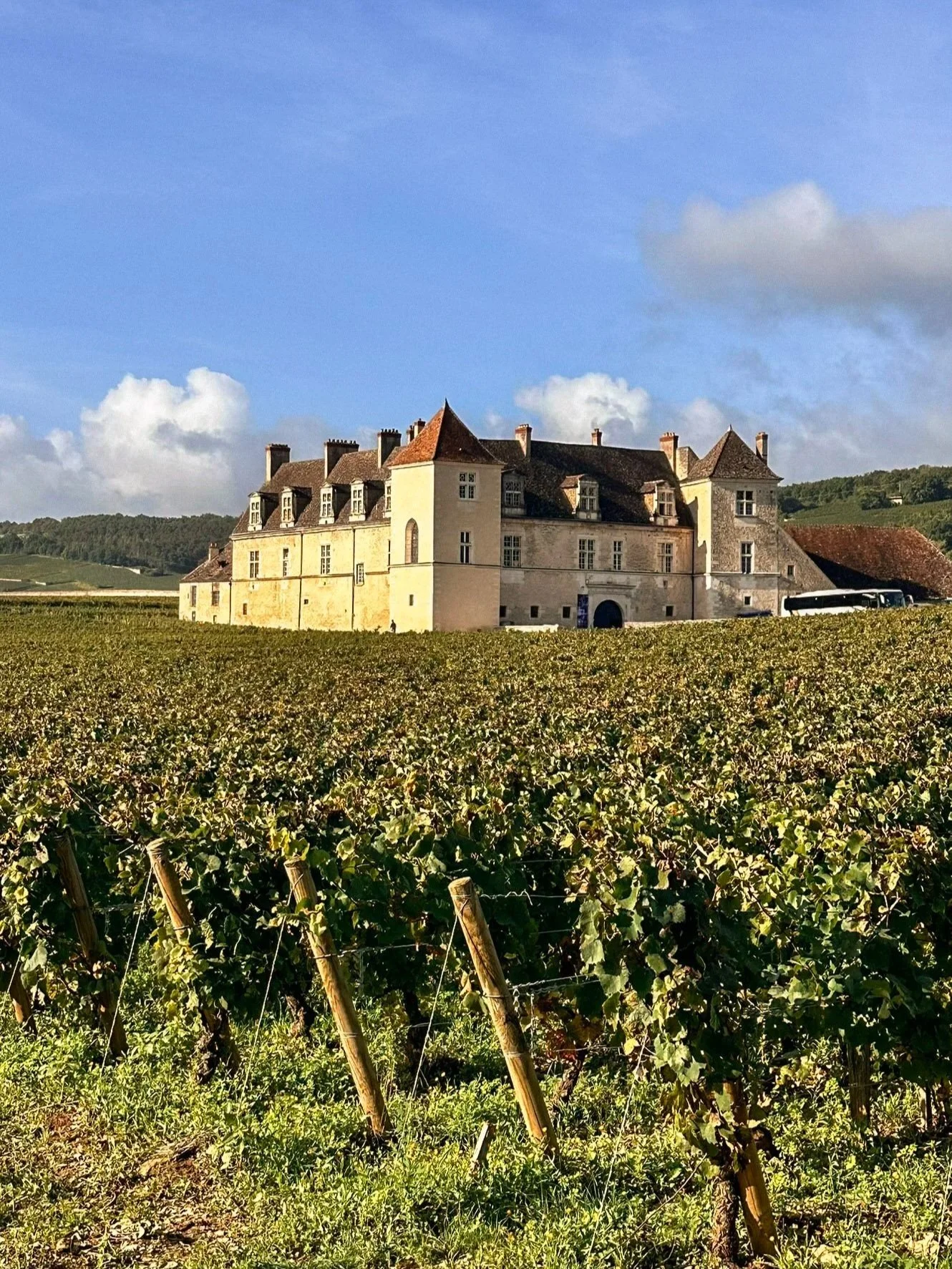
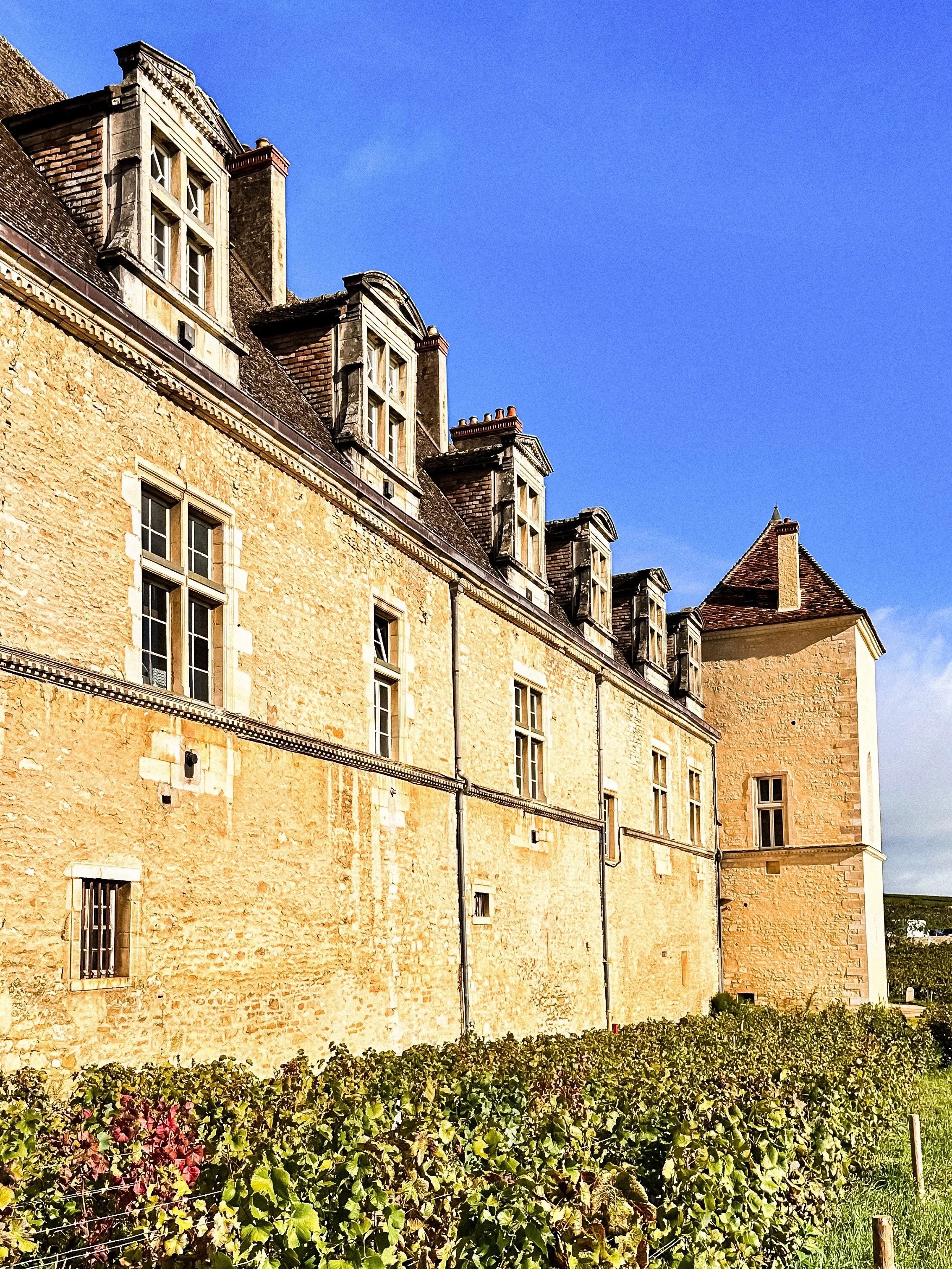
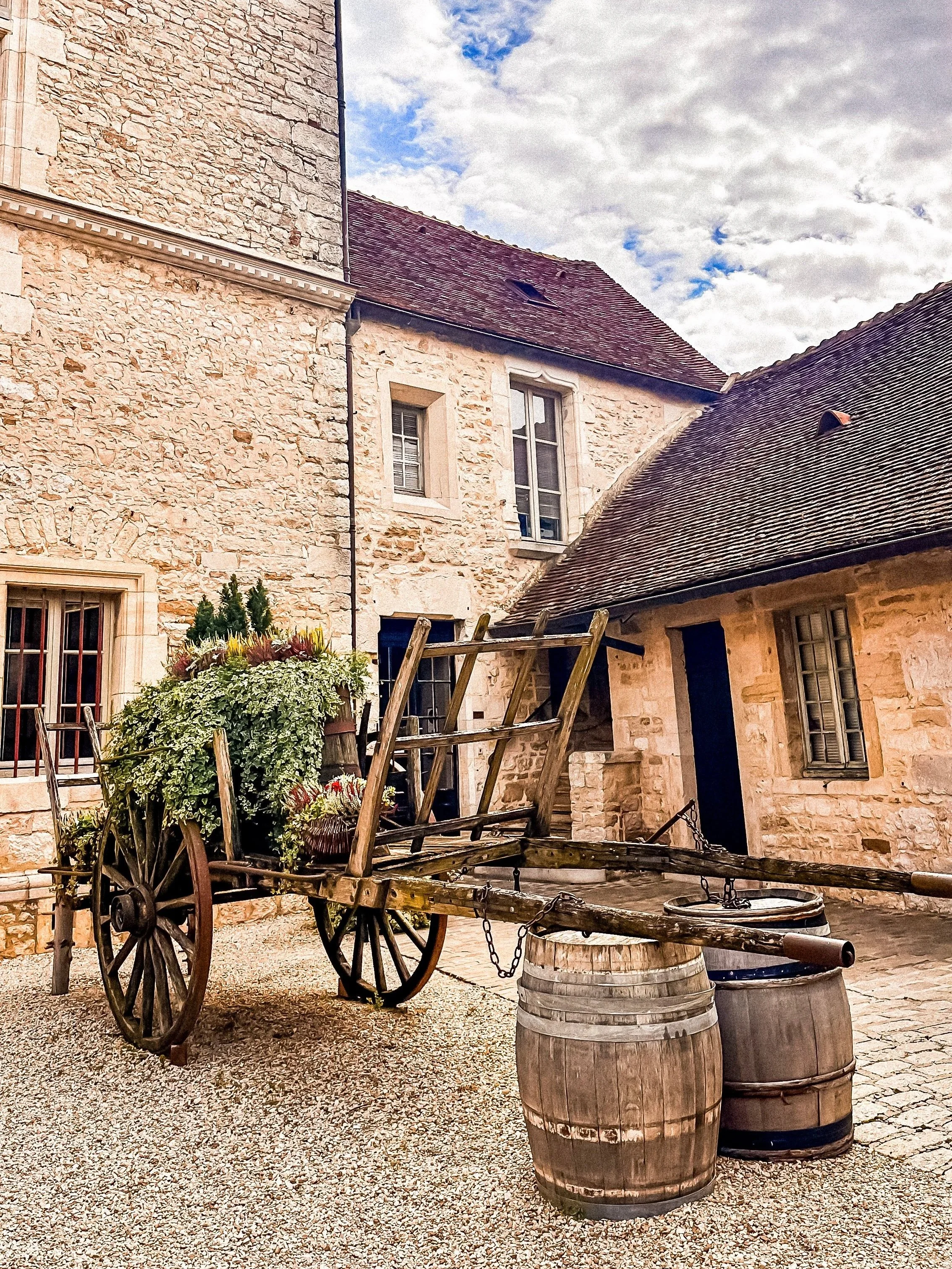
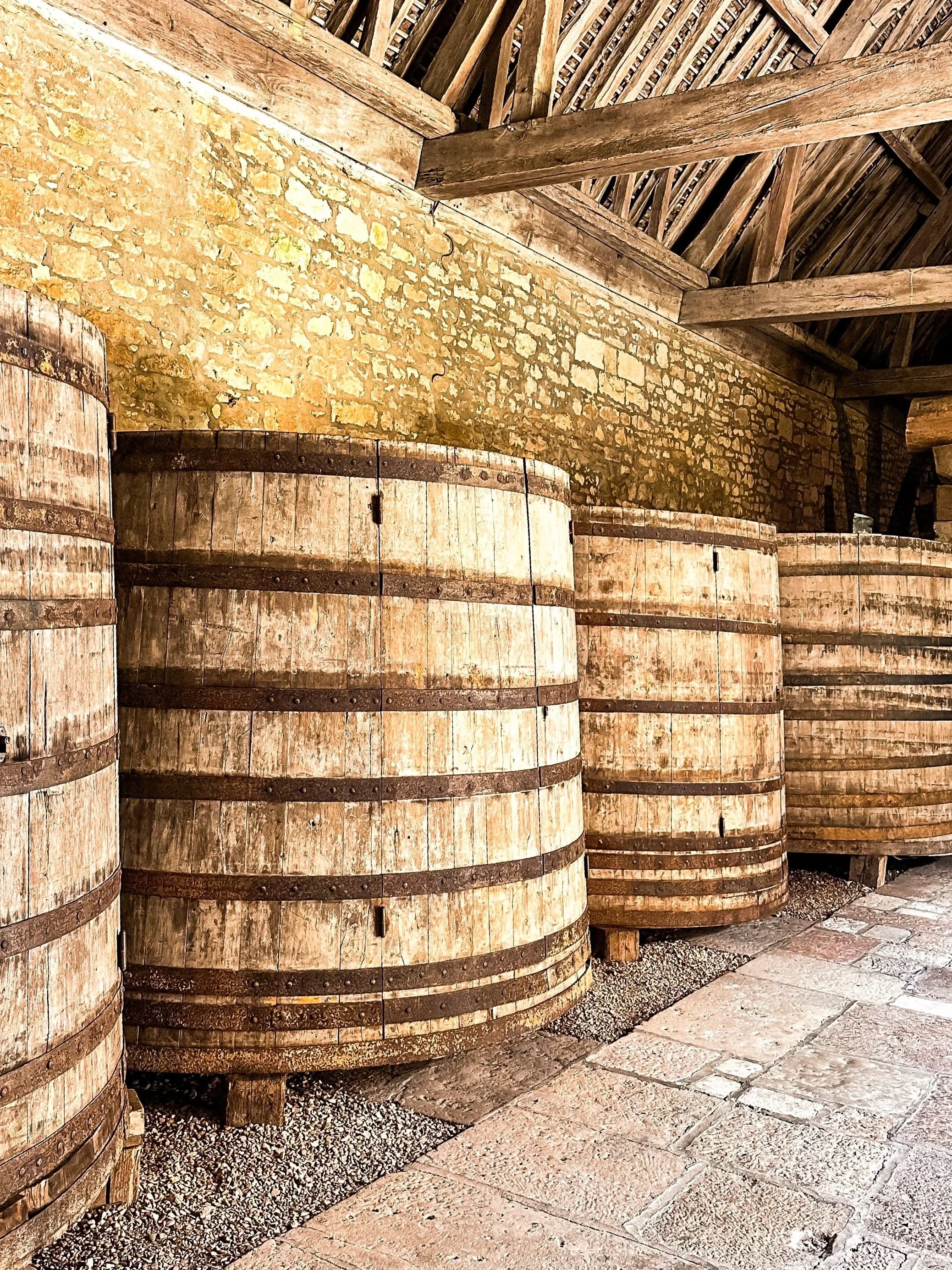
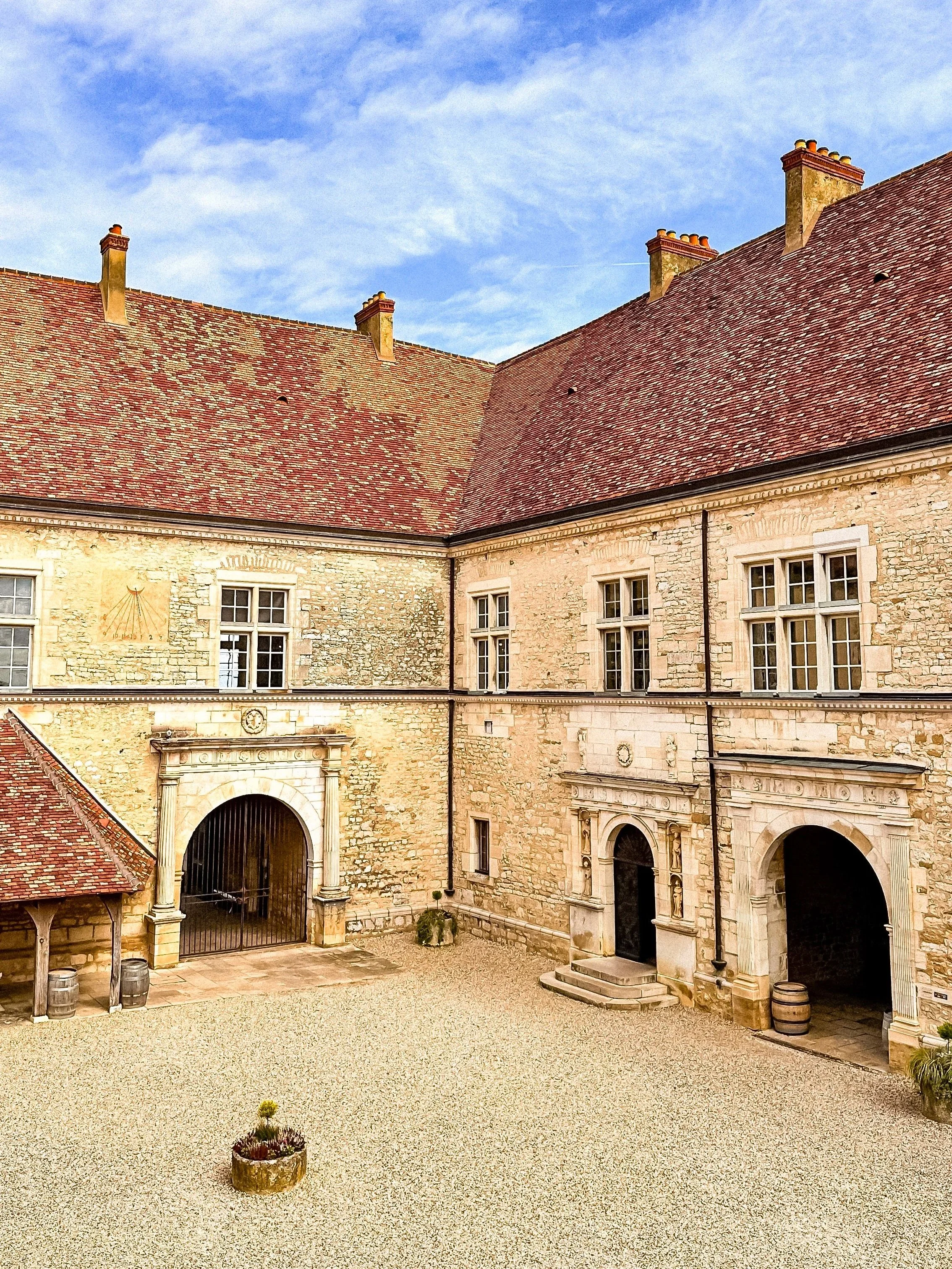
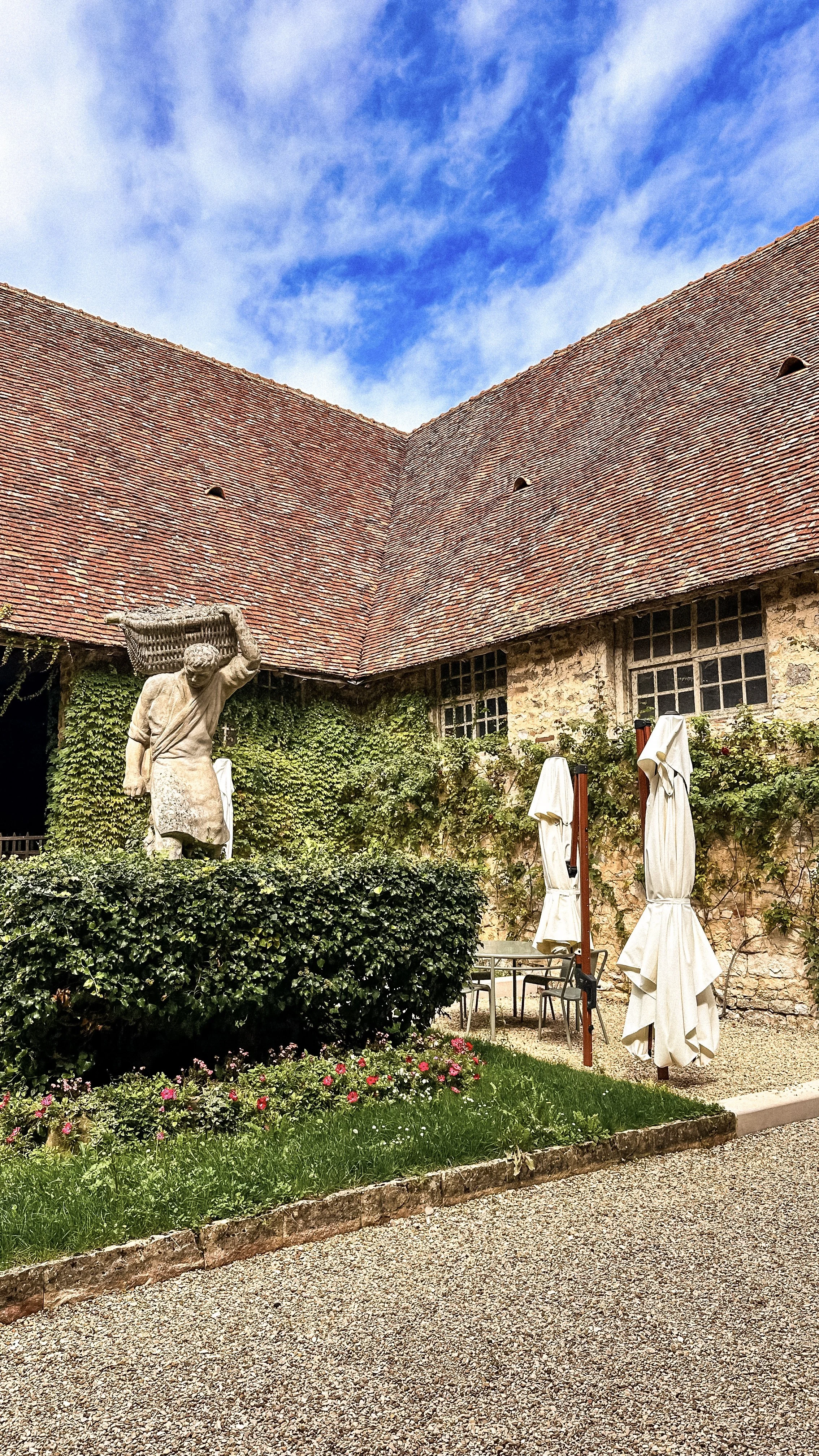
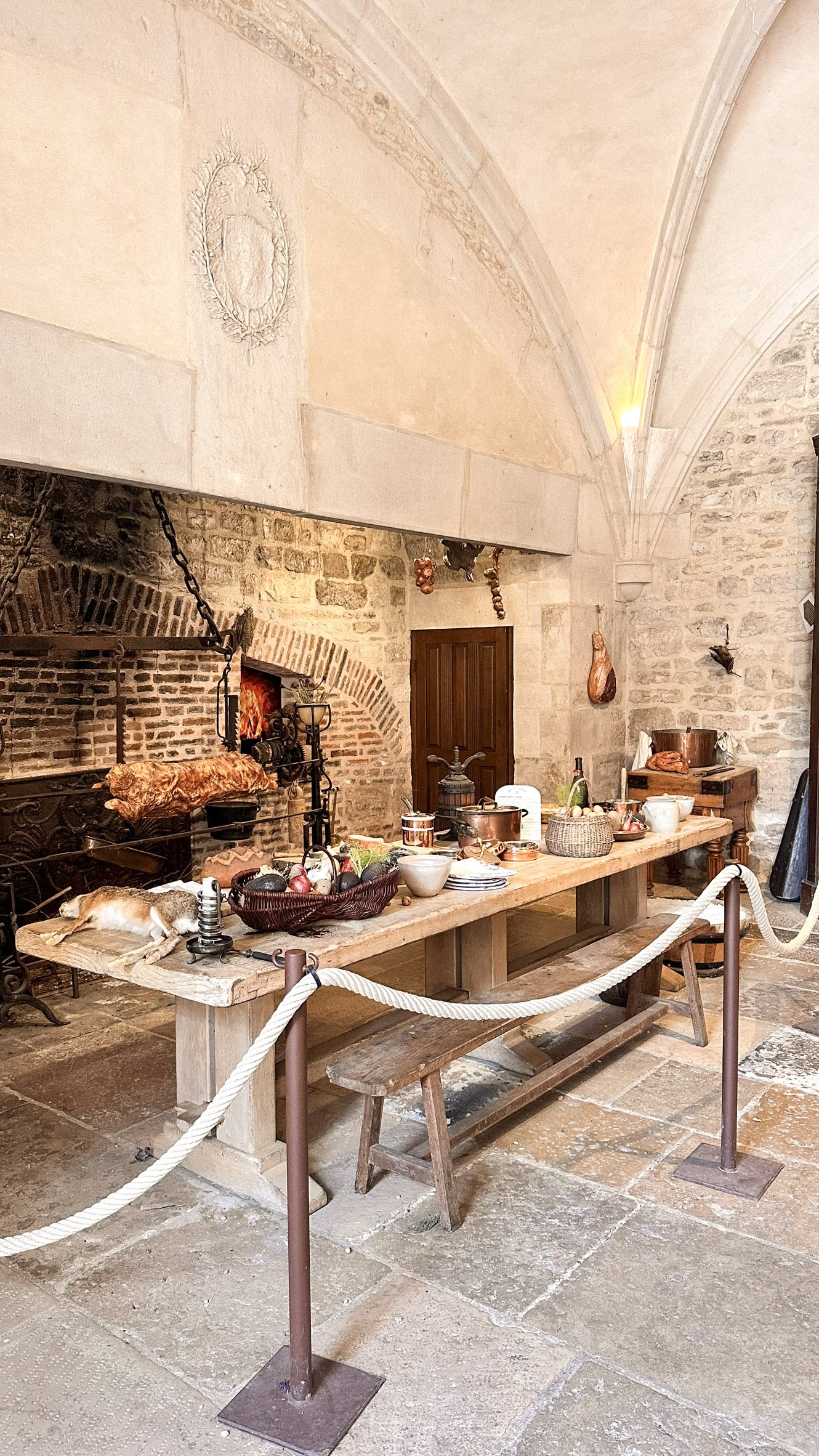
Its origins are closely connected to the Cistercian monks, who began cultivating vines here centuries ago.
Today you can walk through historic wine presses, cellars and the château while learning how Burgundy's viticultural traditions developed. The château is also home to La Table de Léonce, where seasonal menus are paired with Burgundy wines in the historic setting of the Clos.
And surrounding the building is the famous Clos de Vougeot Grand Cru, a walled vineyard divided among numerous different owners.
That alone provides a fascinating introduction to how fragmented vineyard ownership can be in Burgundy.
Vosne-Romanée & Romanée-Conti
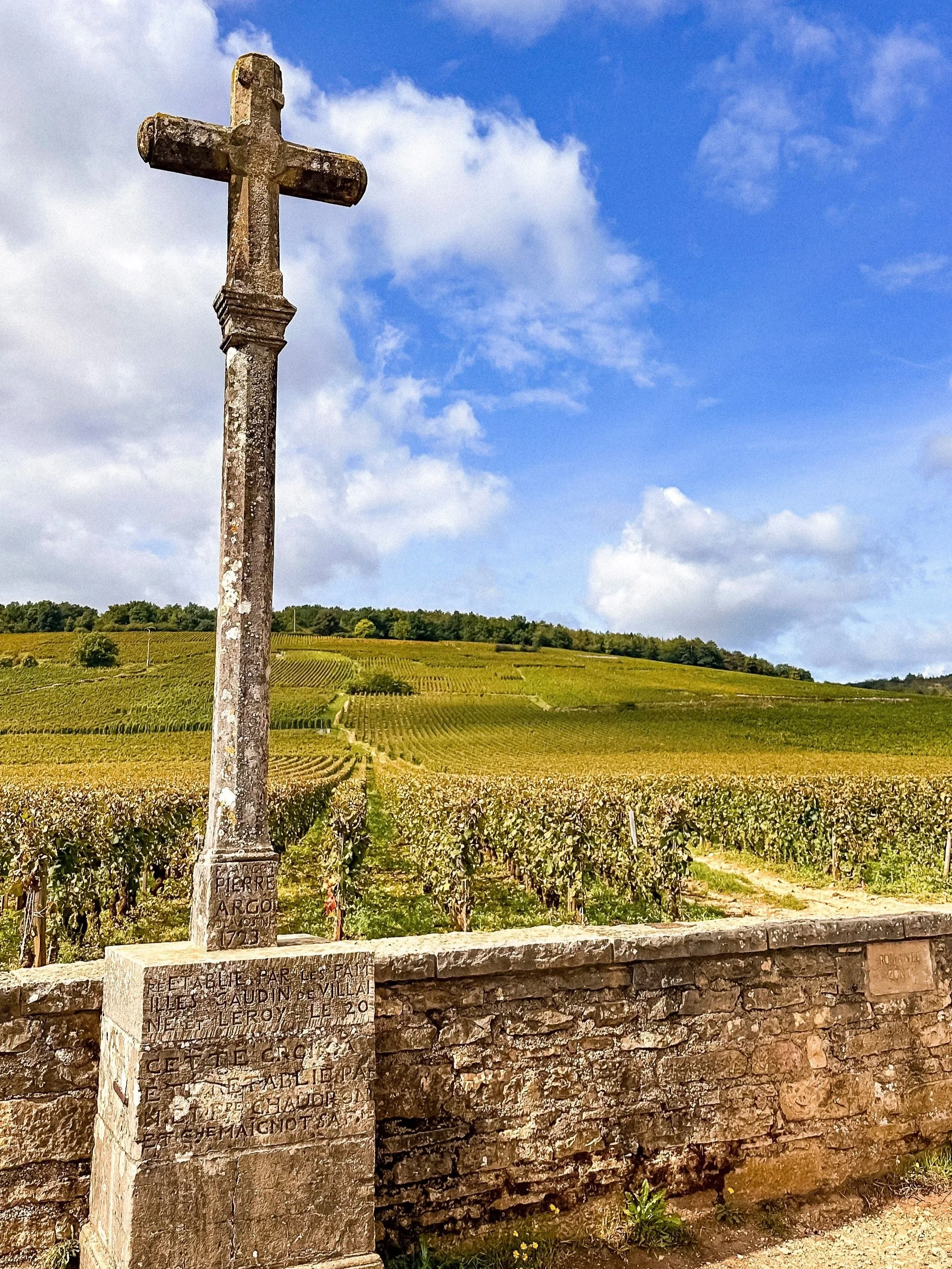
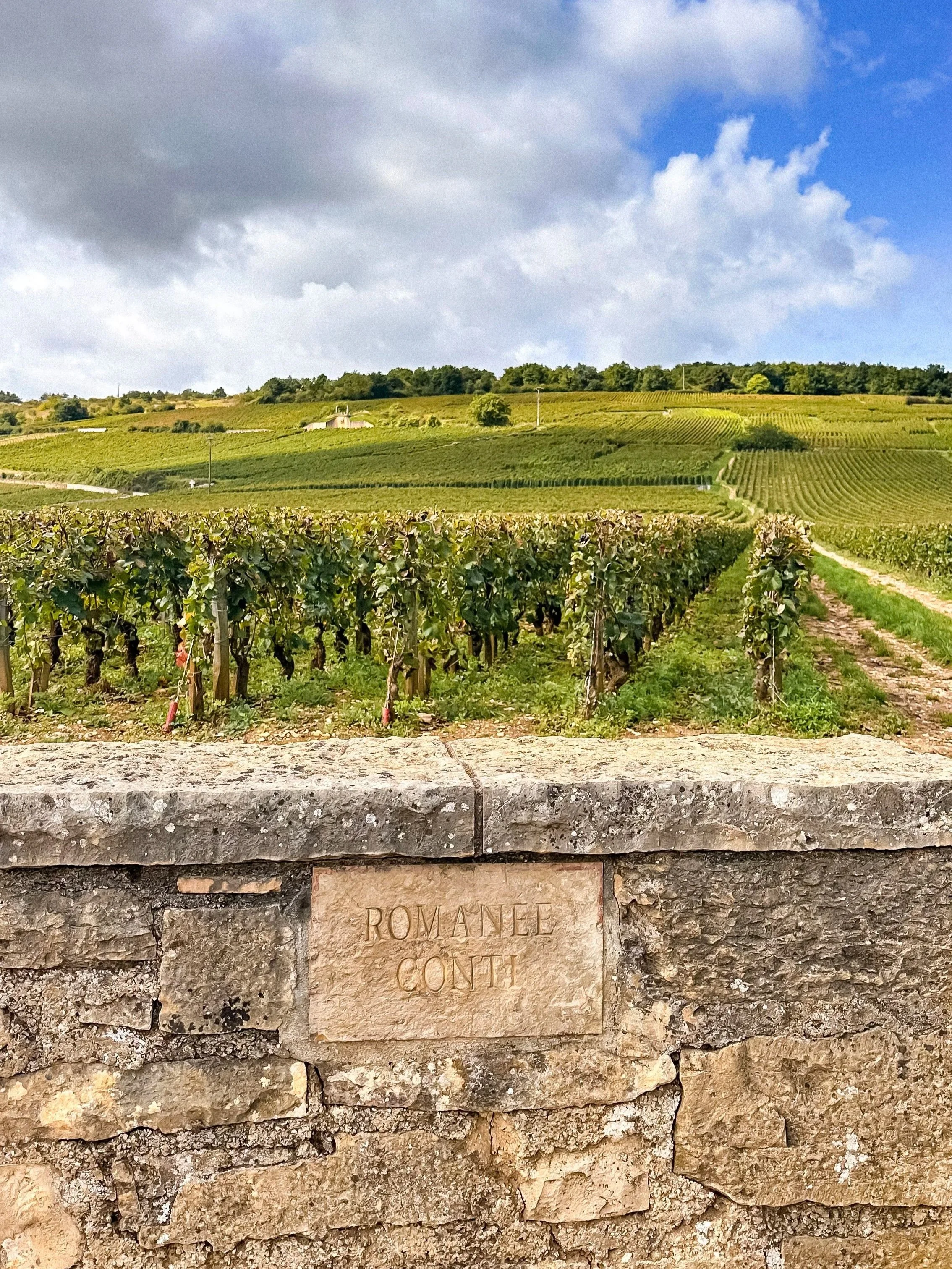
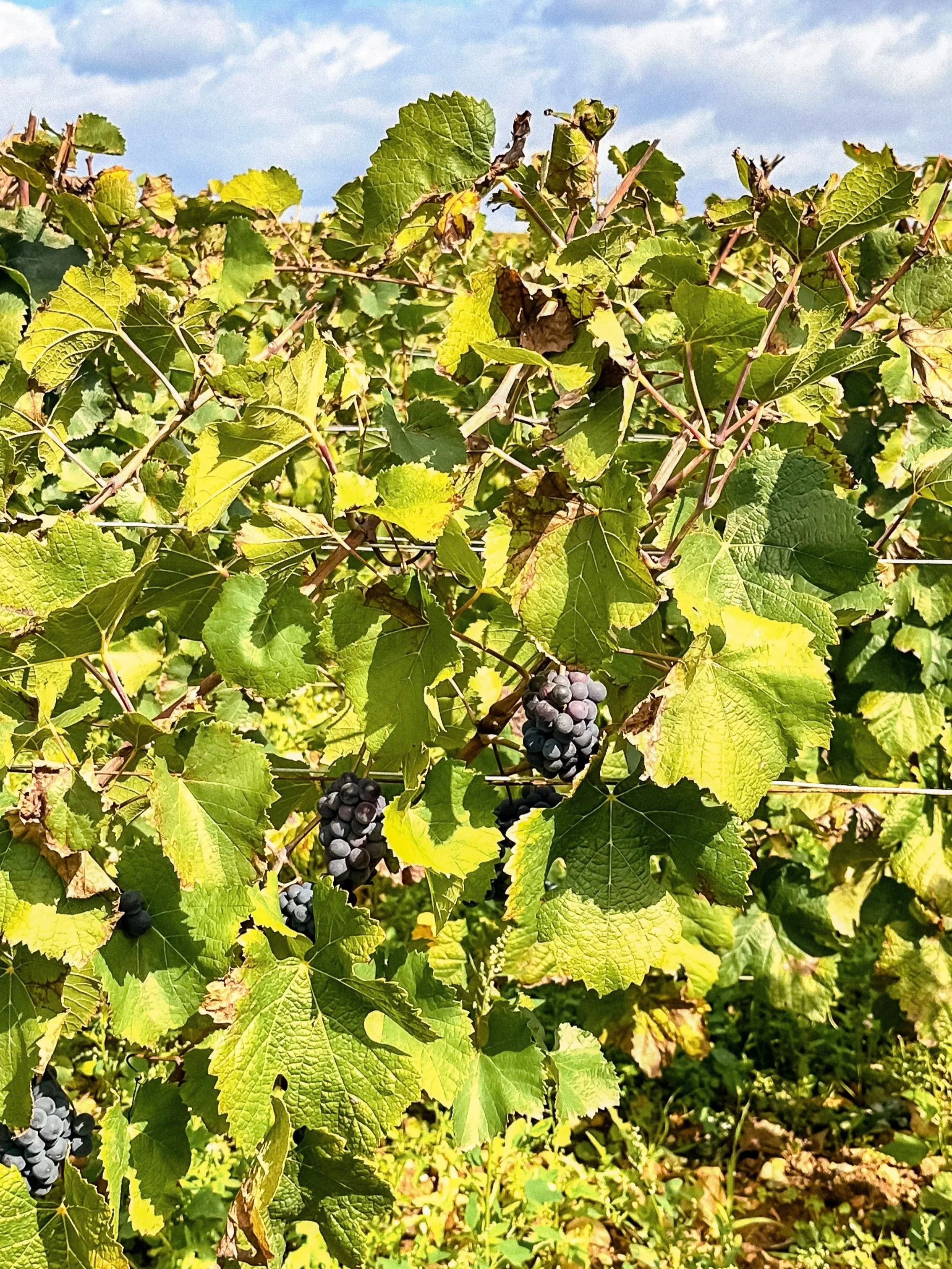
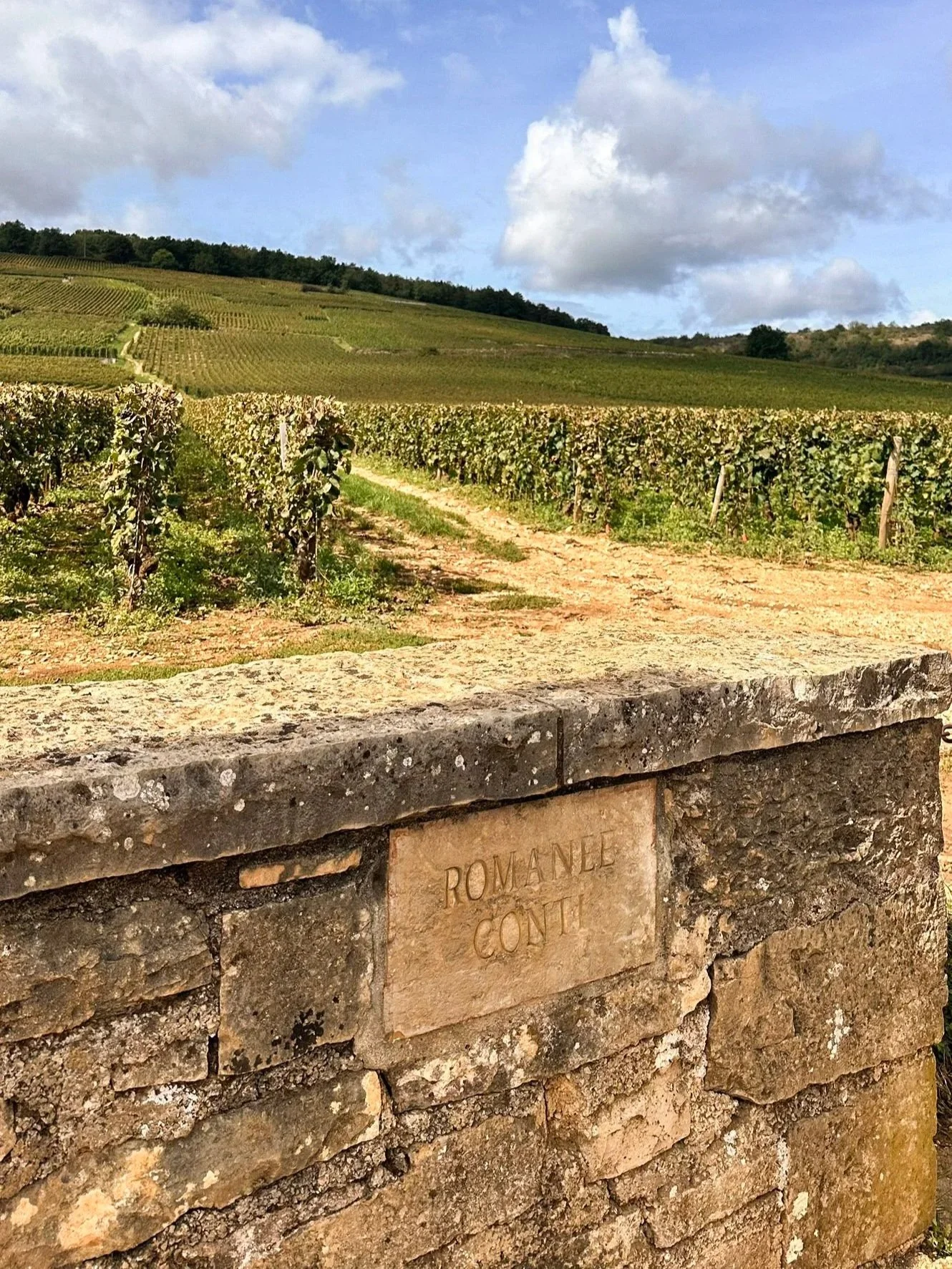
Vosne-Romanée is tiny and yet the vineyards surrounding this quiet village contain some of the most famous names in wine.
Romanée-Conti, La Tâche, Richebourg and Romanée-Saint-Vivant are all here.
There isn't necessarily much to "do" in the conventional sense. The pleasure is simply walking or driving through the vineyard roads and seeing names that normally exist only on extraordinary wine lists suddenly appear on simple stone signs.
The Romanée-Conti vineyard itself is surprisingly understated. There is no grand château or elaborate visitor centre, just vines, a stone wall and the famous cross marking one of the most celebrated vineyard parcels in the world.
Nuits-Saint-Georges
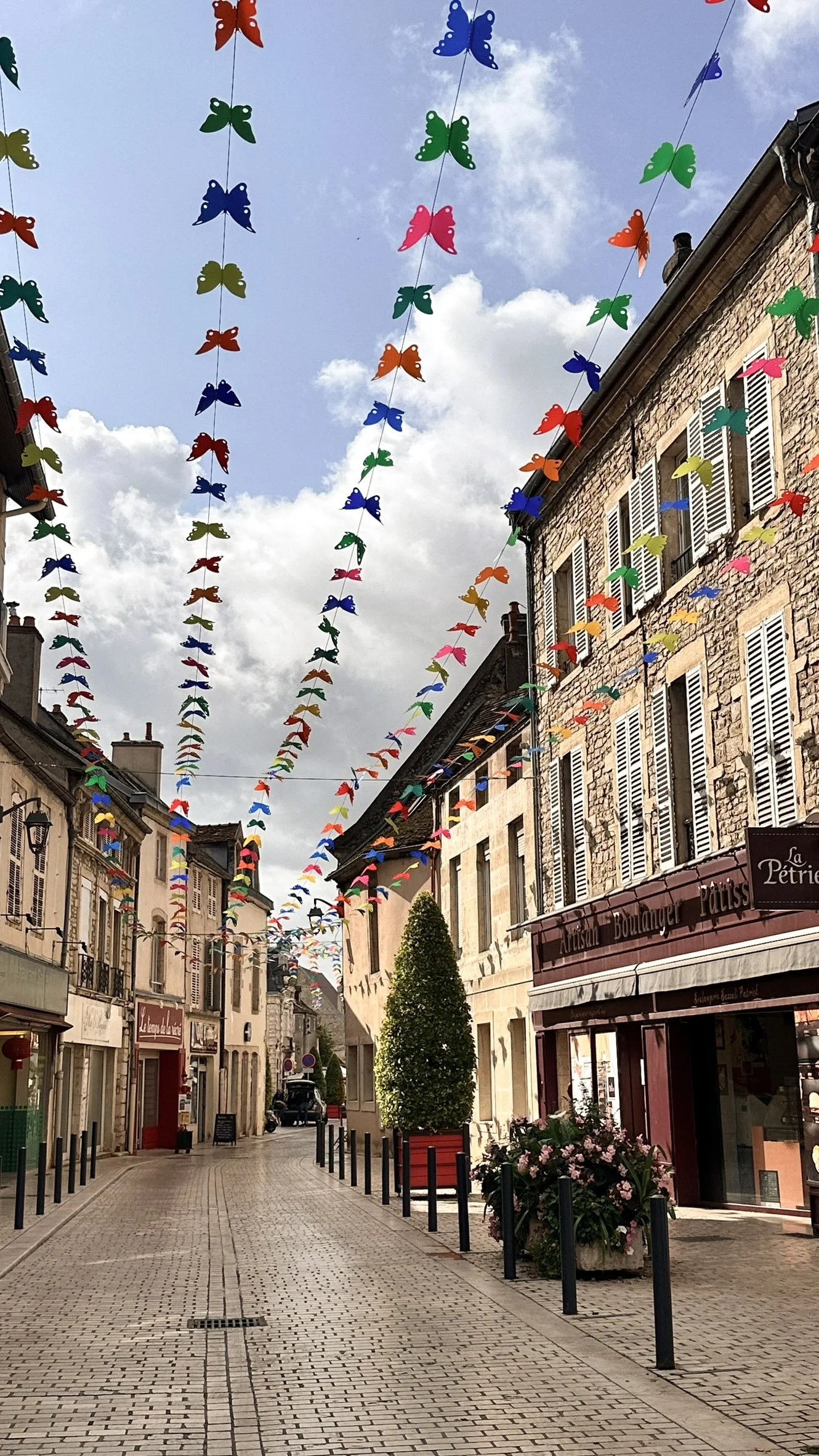
Larger and livelier than many of the surrounding wine villages, Nuits-Saint-Georges makes a useful stop along the northern part of the Route des Grands Crus.
The town gave its name to the Côte de Nuits and is surrounded by vineyards producing predominantly Pinot Noir.
It's also a good place to stop for lunch, browse wine shops or simply break up a day spent moving between smaller villages and domaines.
Jean-Claude Boisset
One of our favorite visits in Nuits-Saint-Georges. Set in a beautifully restored former convent, Jean-Claude Boisset offers a particularly insightful introduction to Burgundy wines and terroirs.
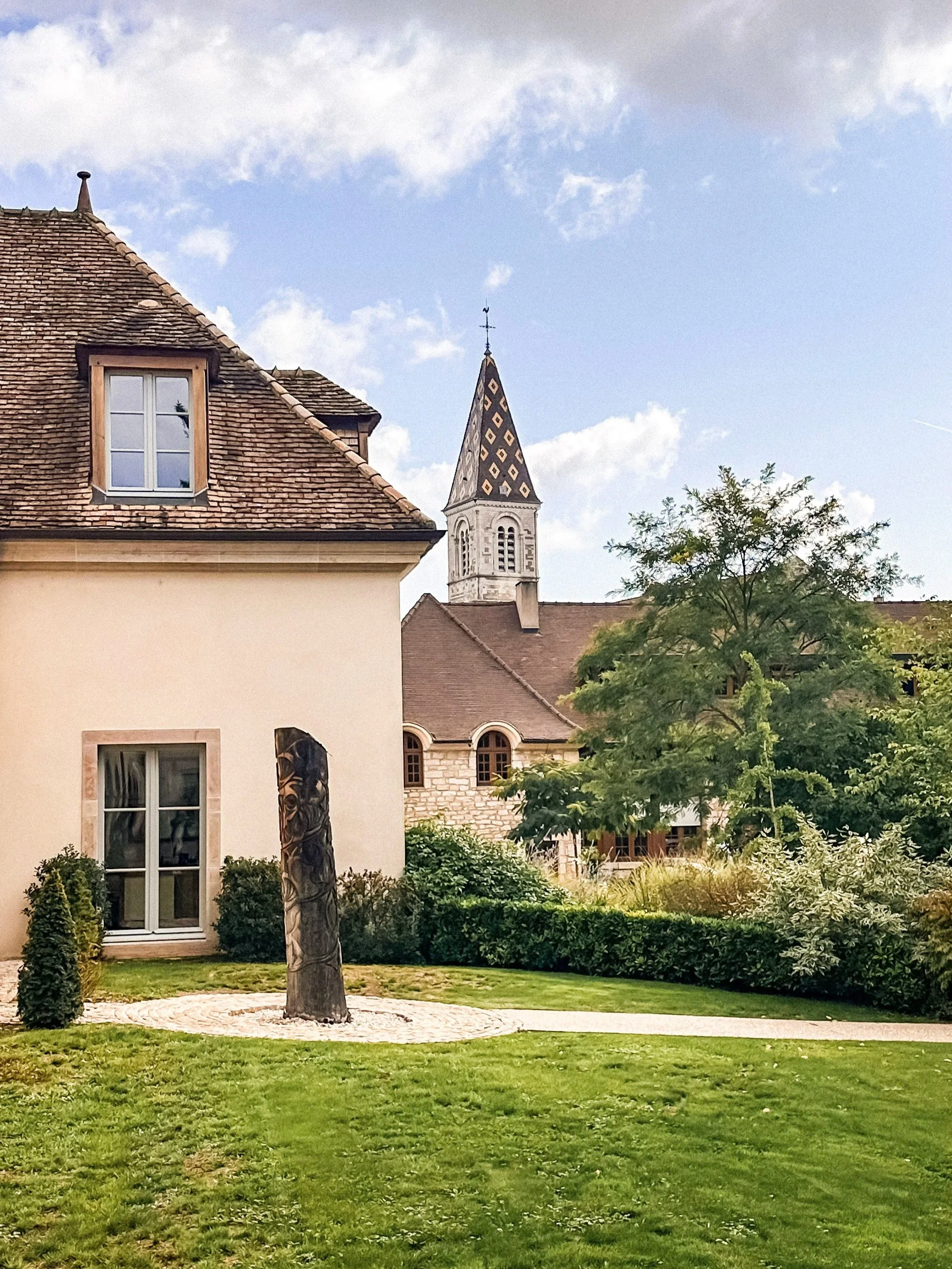
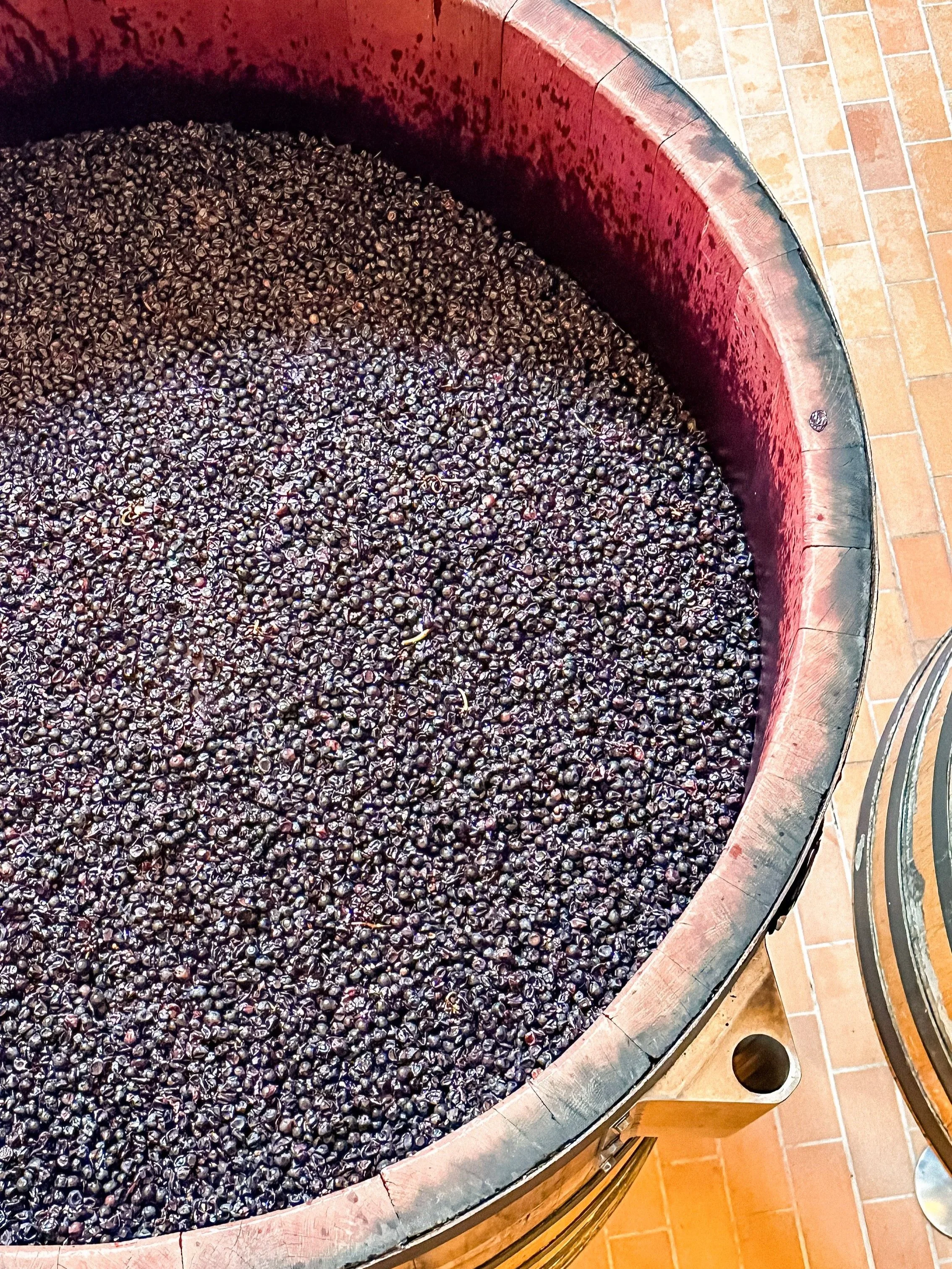
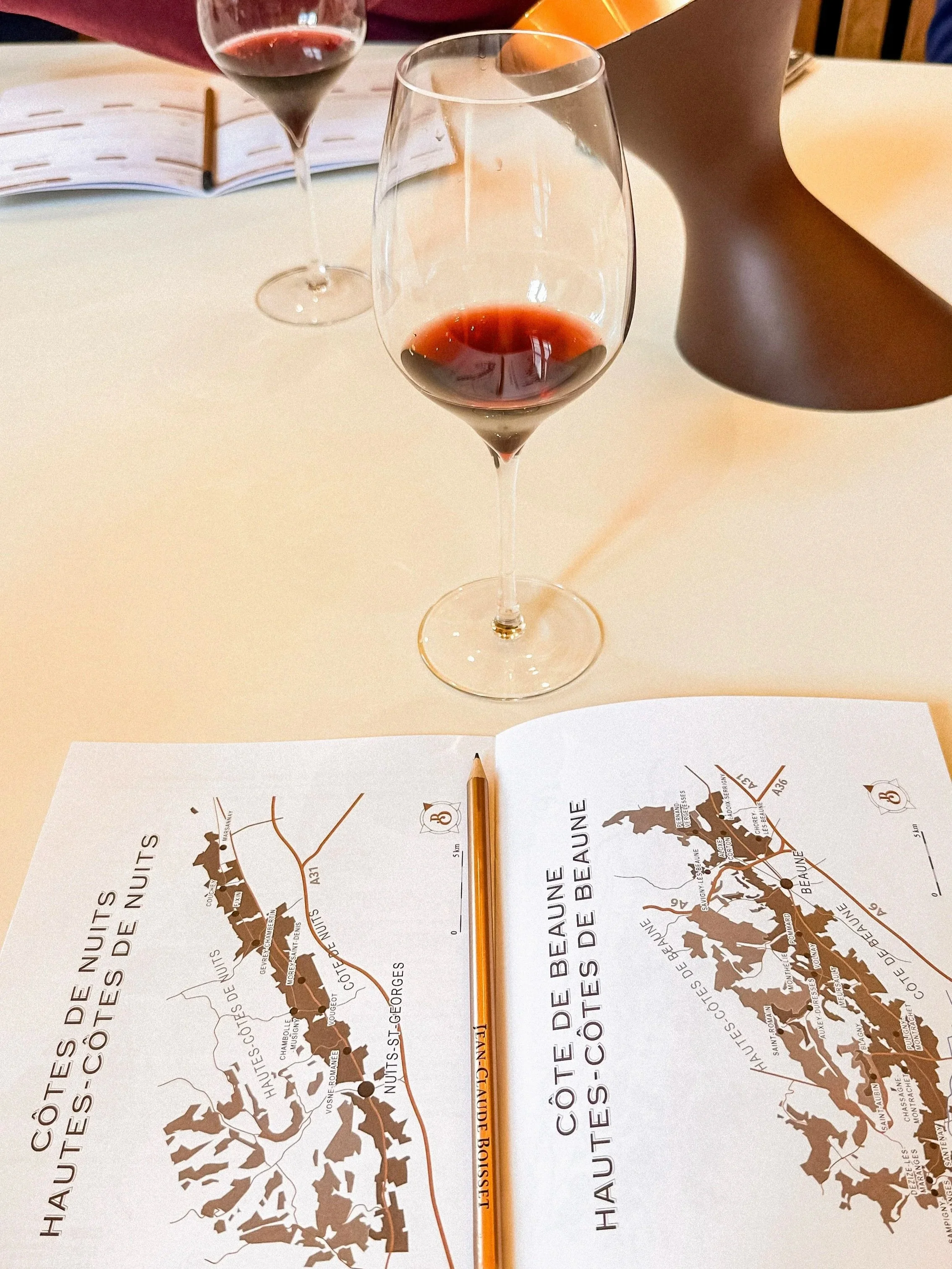
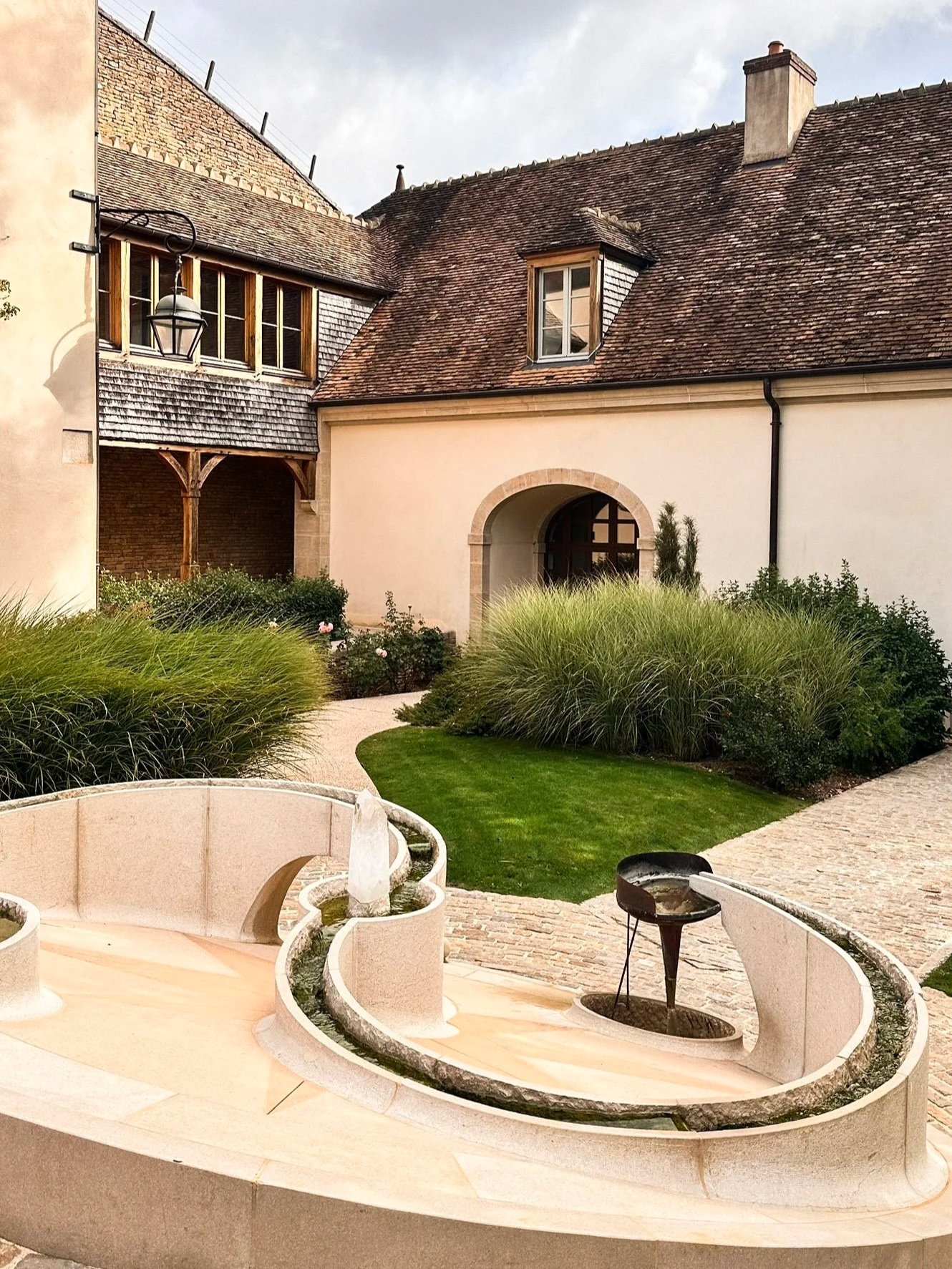
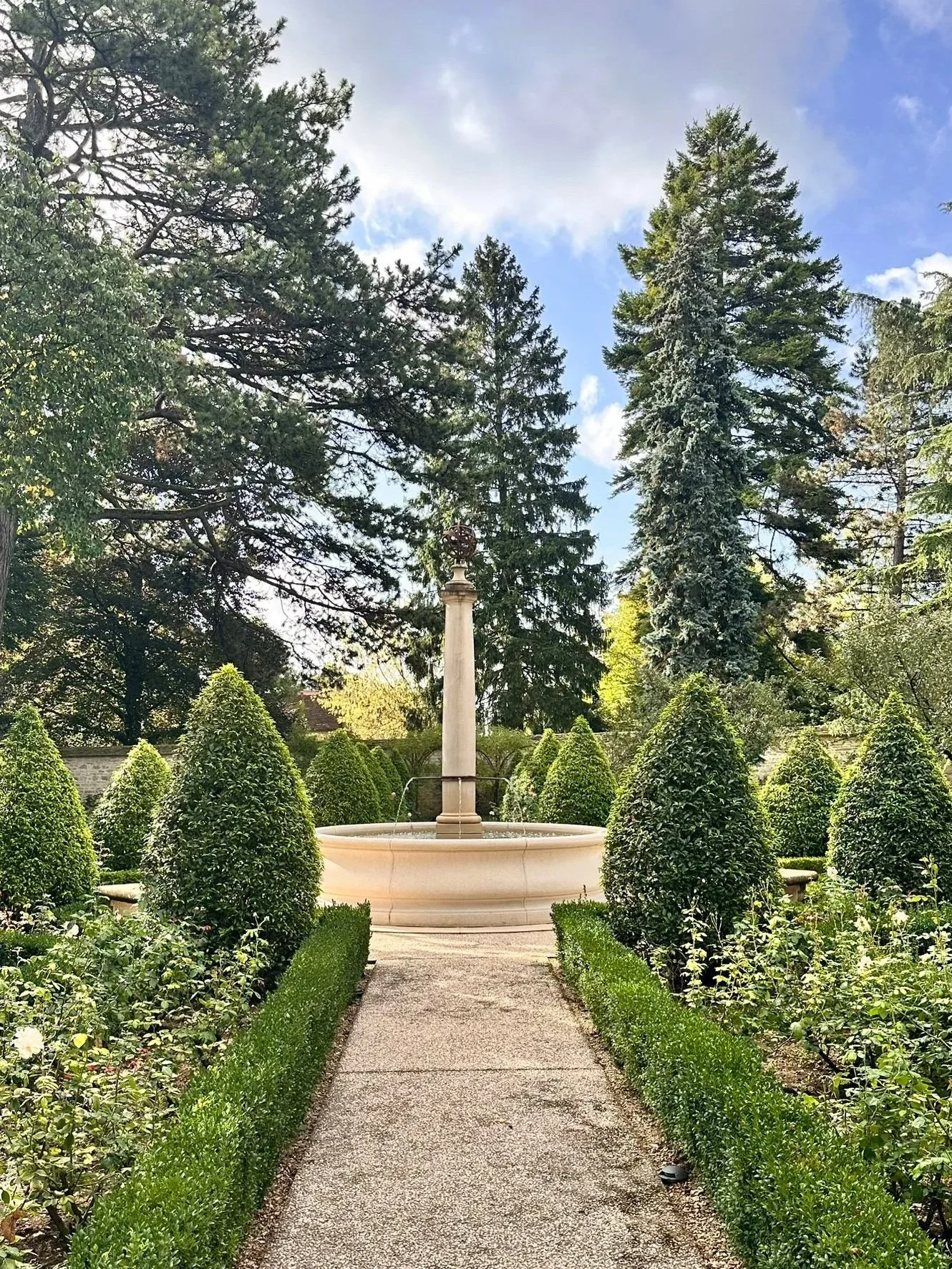
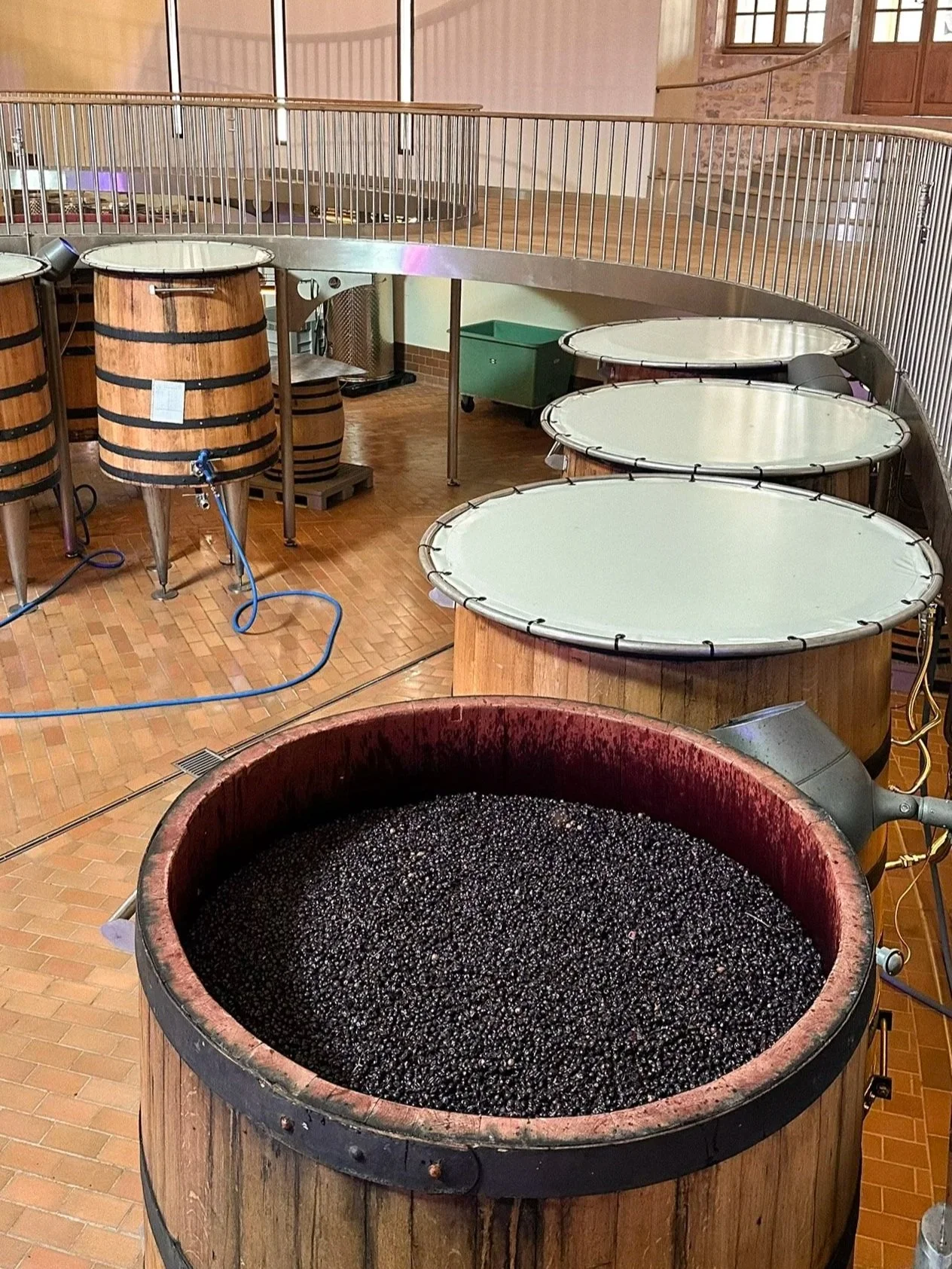
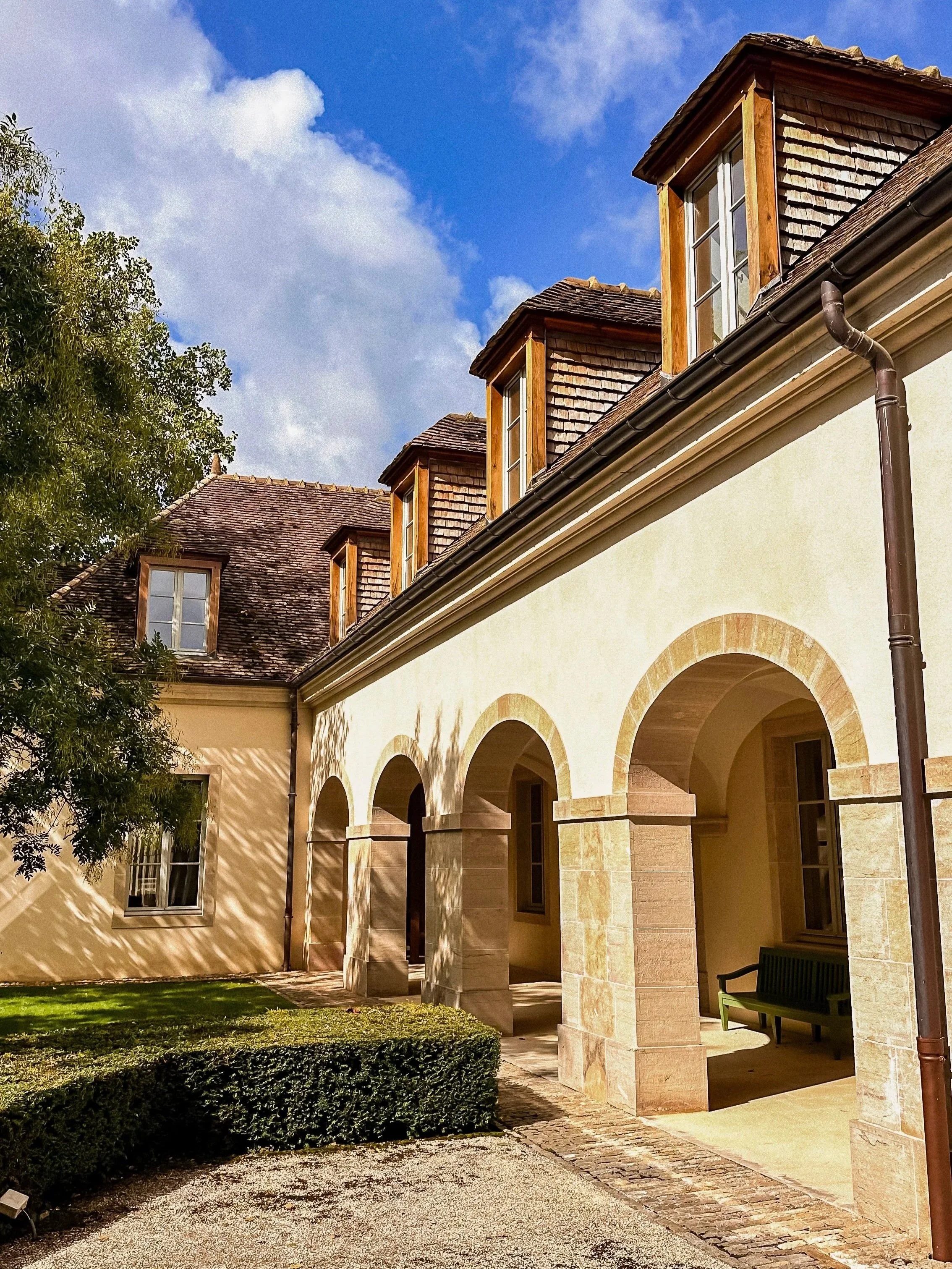
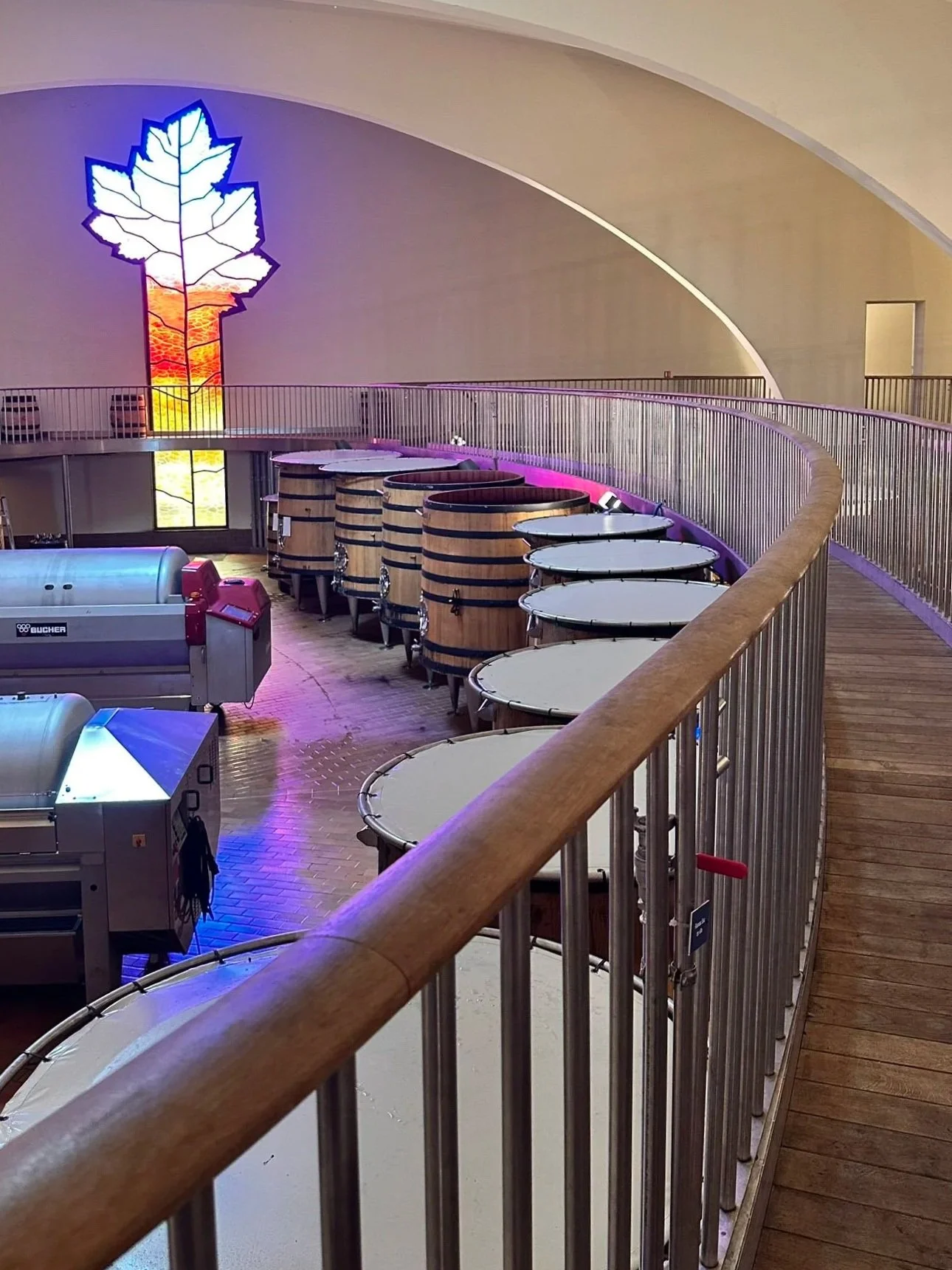
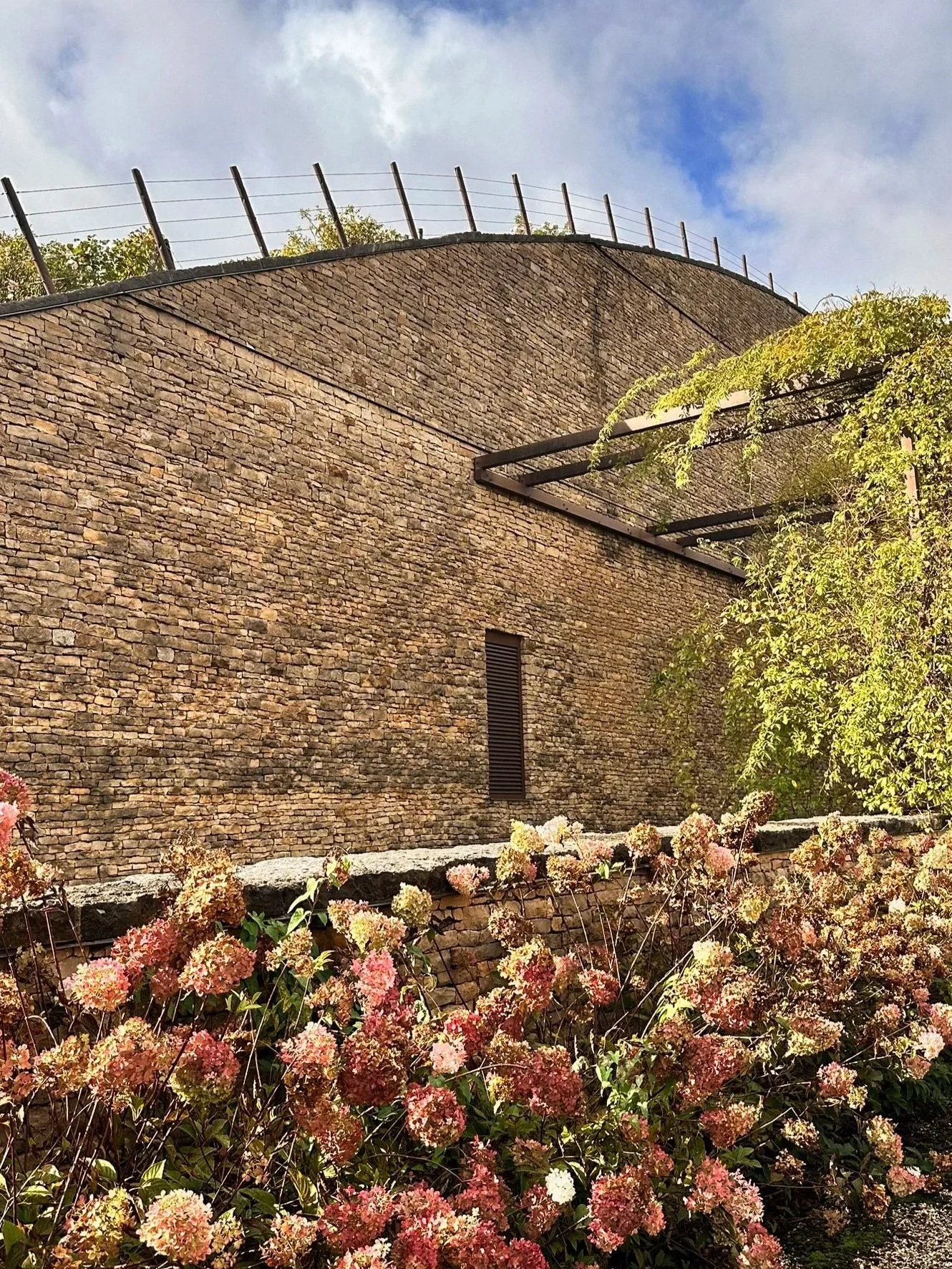
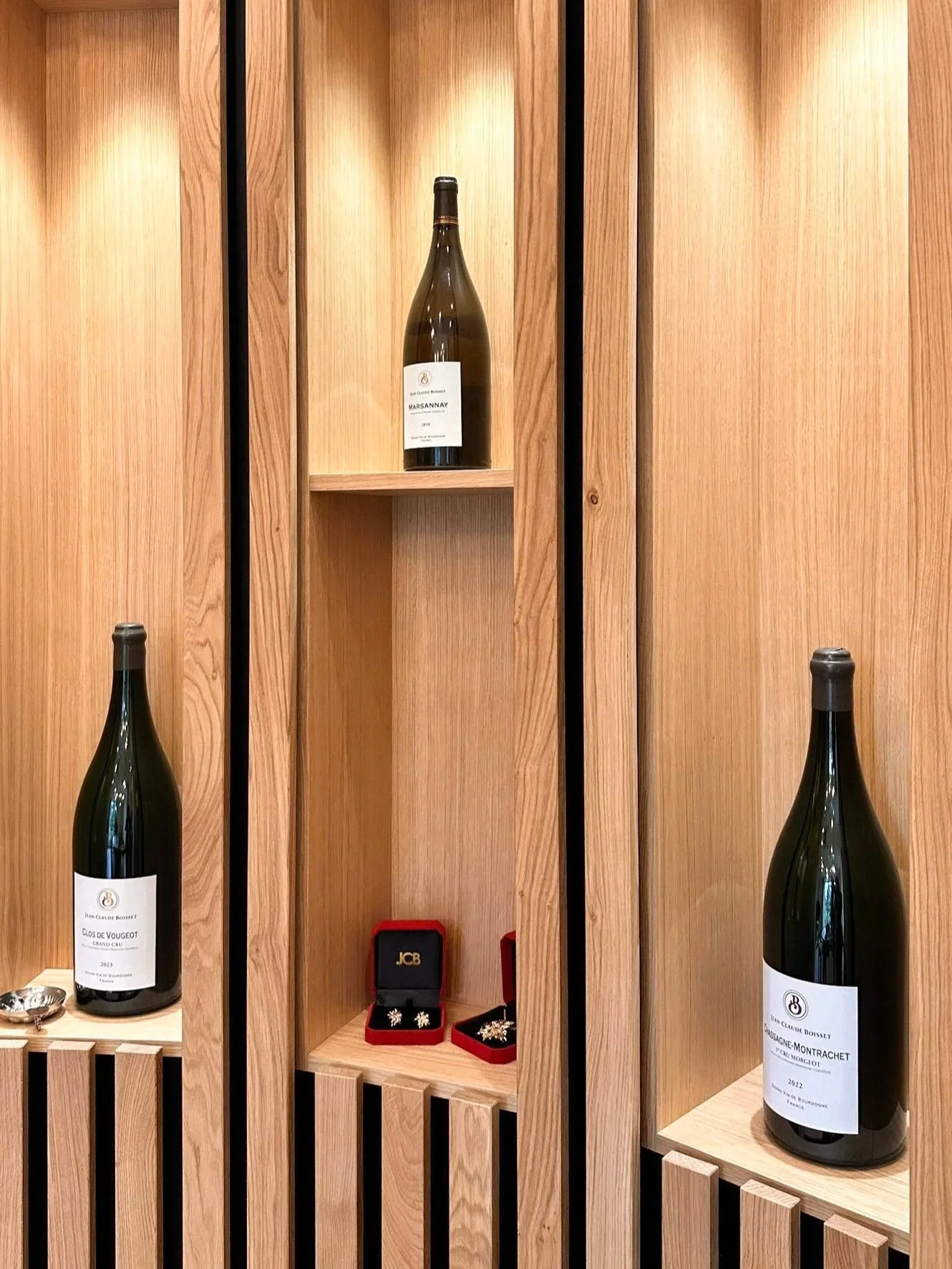
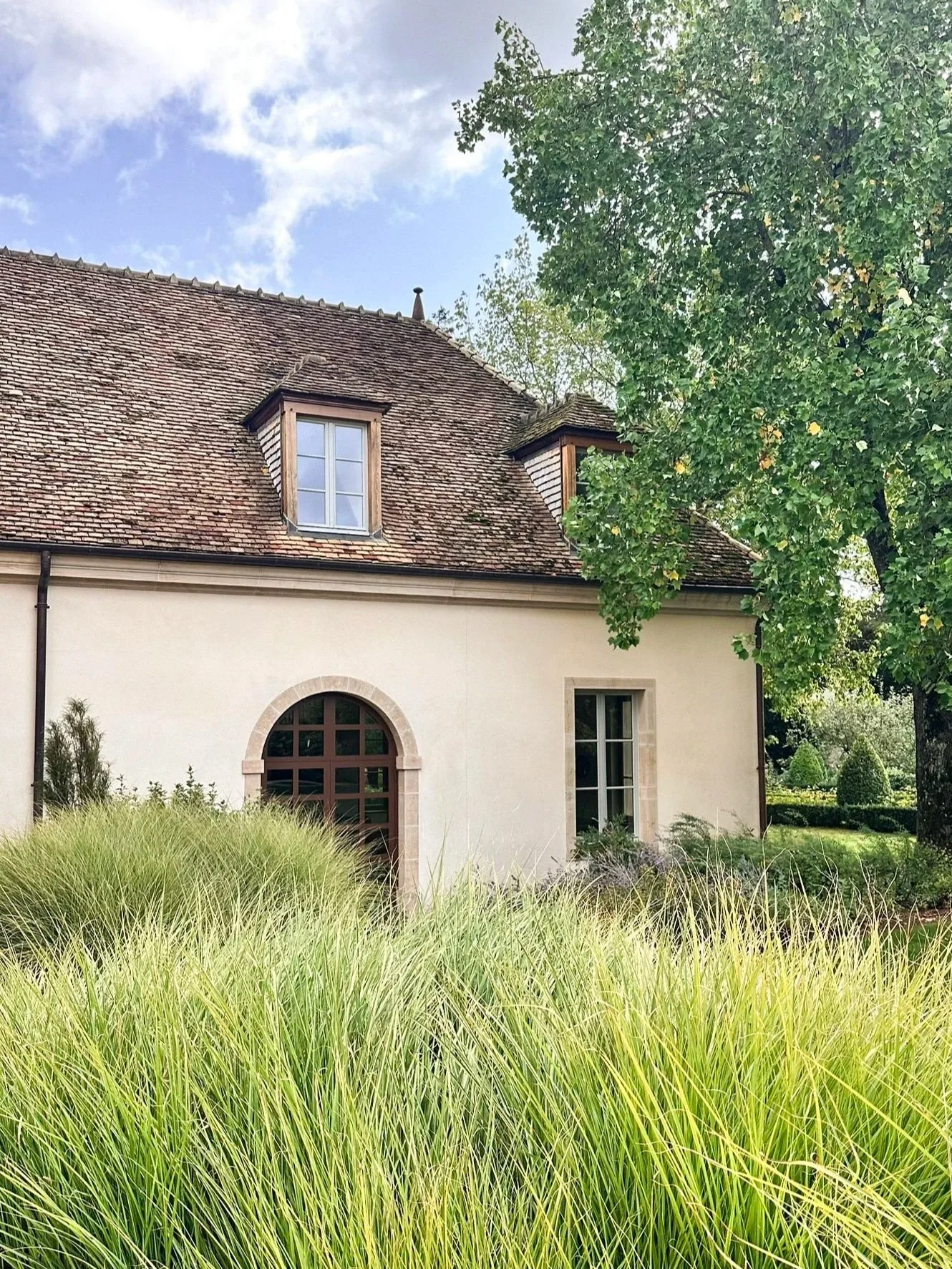
We visited during the vendanges, while the winery was in full production, and could see tanks filled with freshly harvested grapes.
The combination of the setting, excellent explanations and tasting of Pinot Noir and Chardonnay from across Burgundy made the experience particularly memorable.
Corgoloin
Domaine d'Ardhuy – Clos des Langres
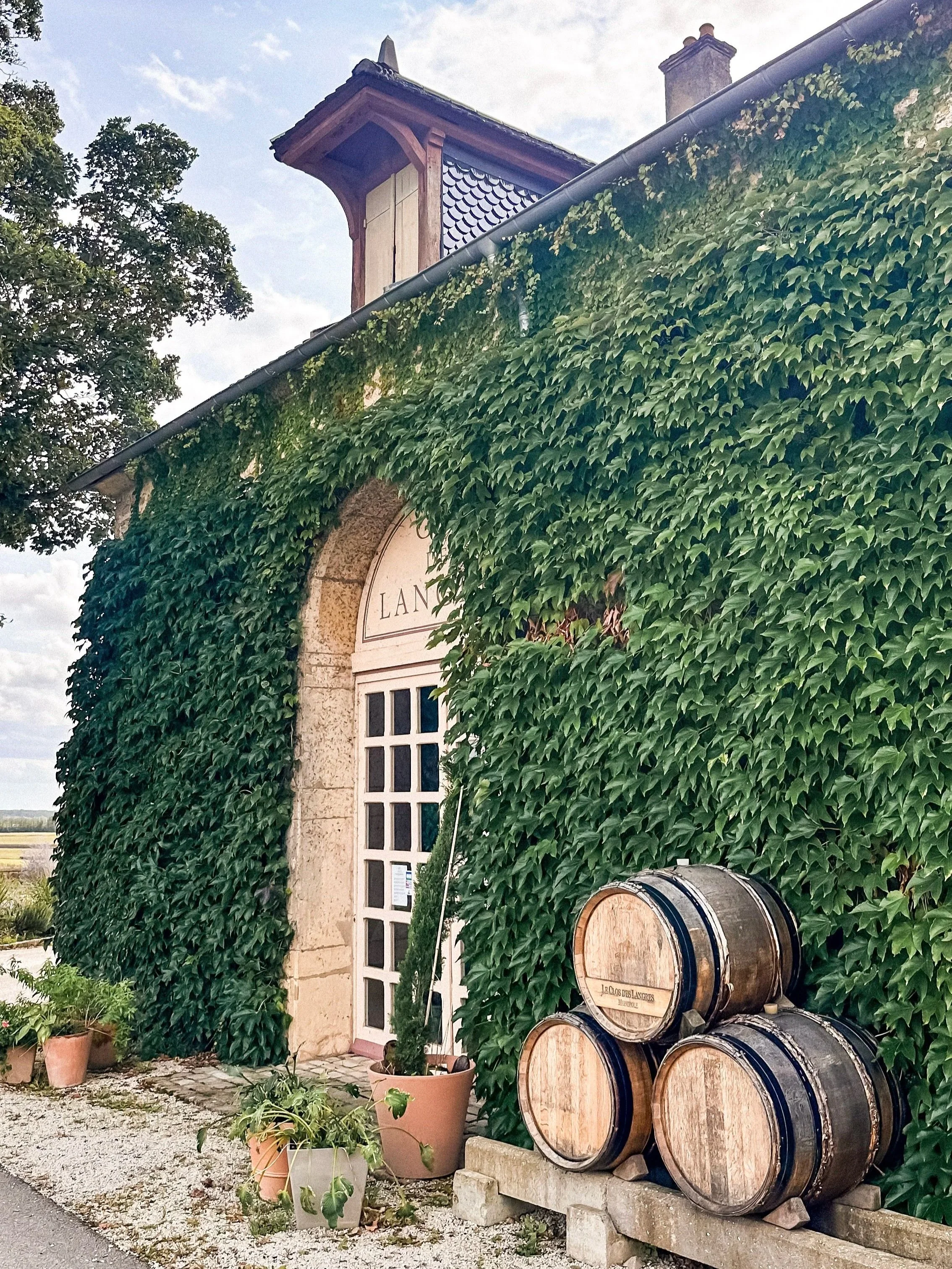
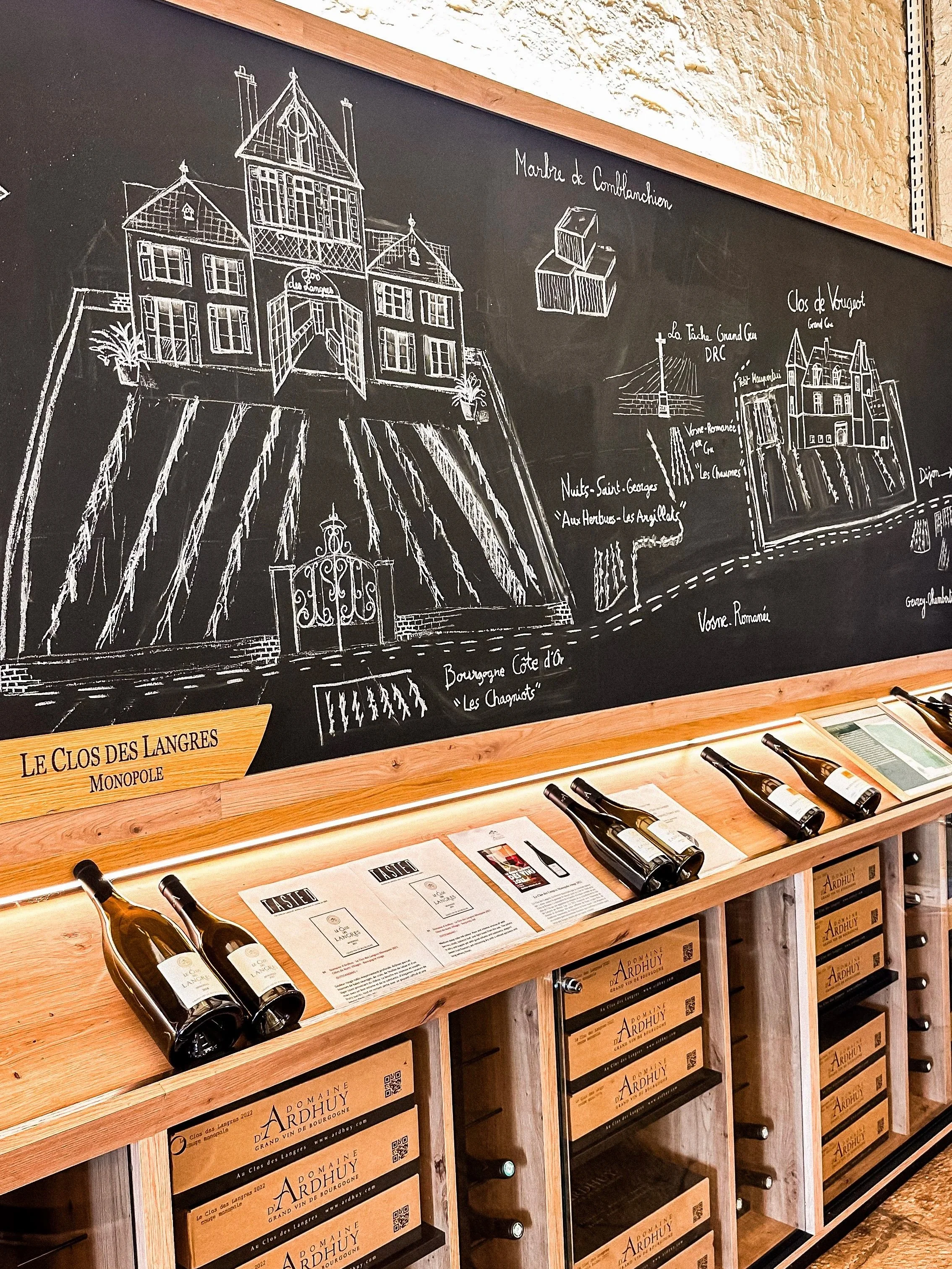
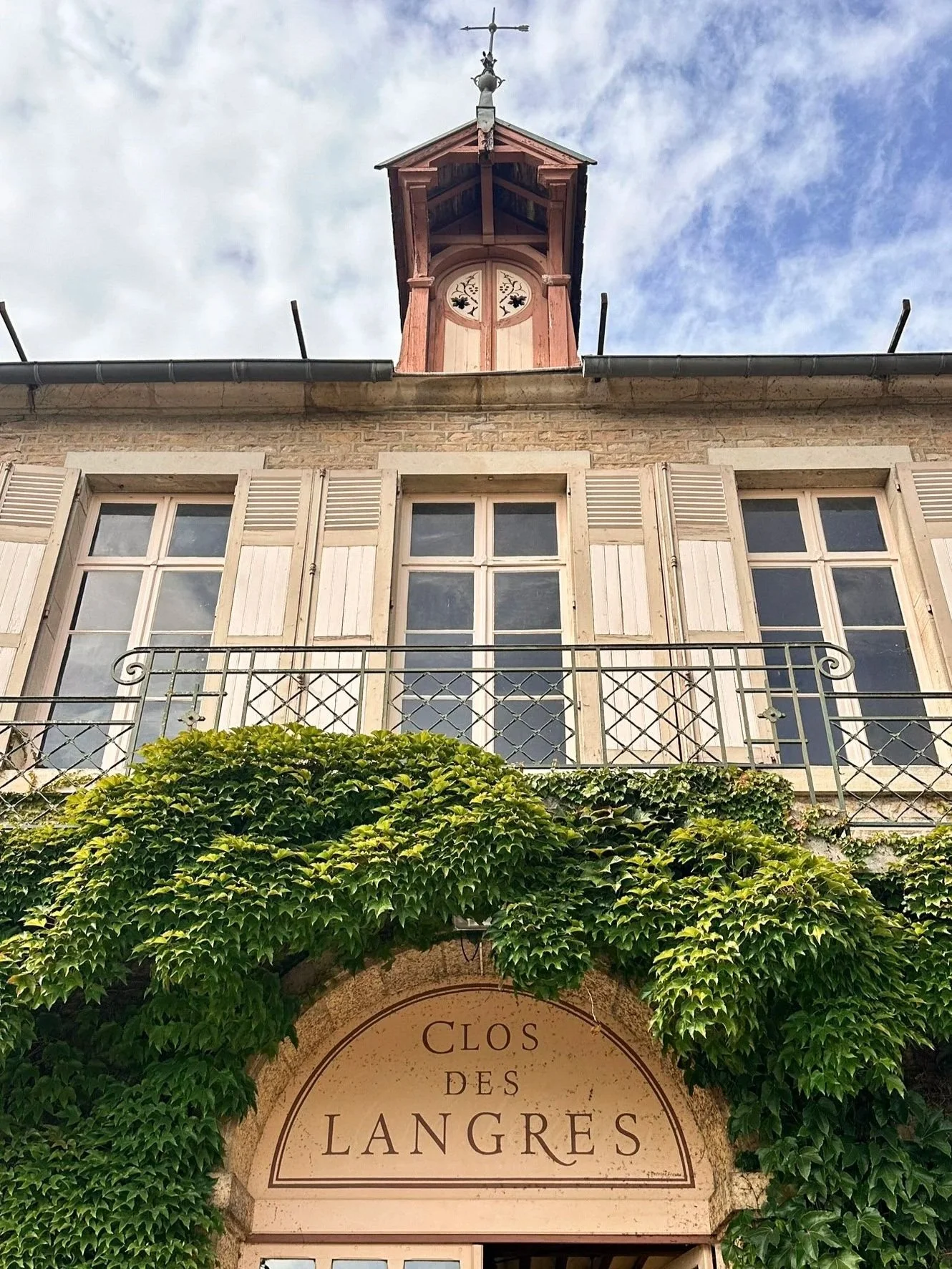
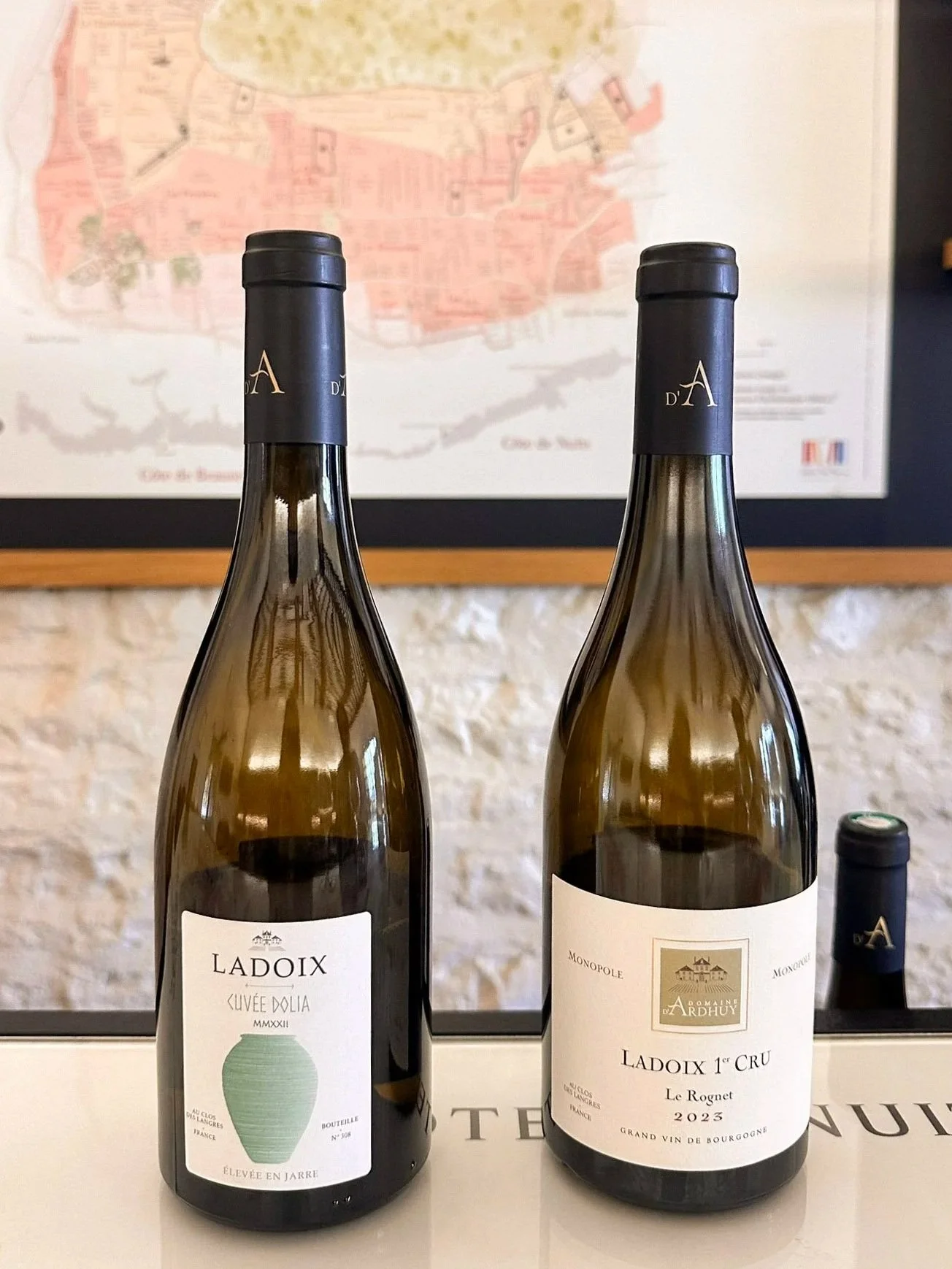
Set at the southern edge of the Côte de Nuits, the historic Clos des Langres is home to Domaine d'Ardhuy and has been cultivated since the Middle Ages. The visit takes you through historic cellars and an 18th-century wine press before a tasting of wines from the domaine's remarkably diverse vineyards across both the Côte de Nuits and Côte de Beaune.
Marsannay
At the northern gateway to the Côte de Nuits, Marsannay is an interesting contrast to the prestigious Grand Cru villages further south. The appellation produces red, white and rosé wines, making it unusually diverse for this part of Burgundy.
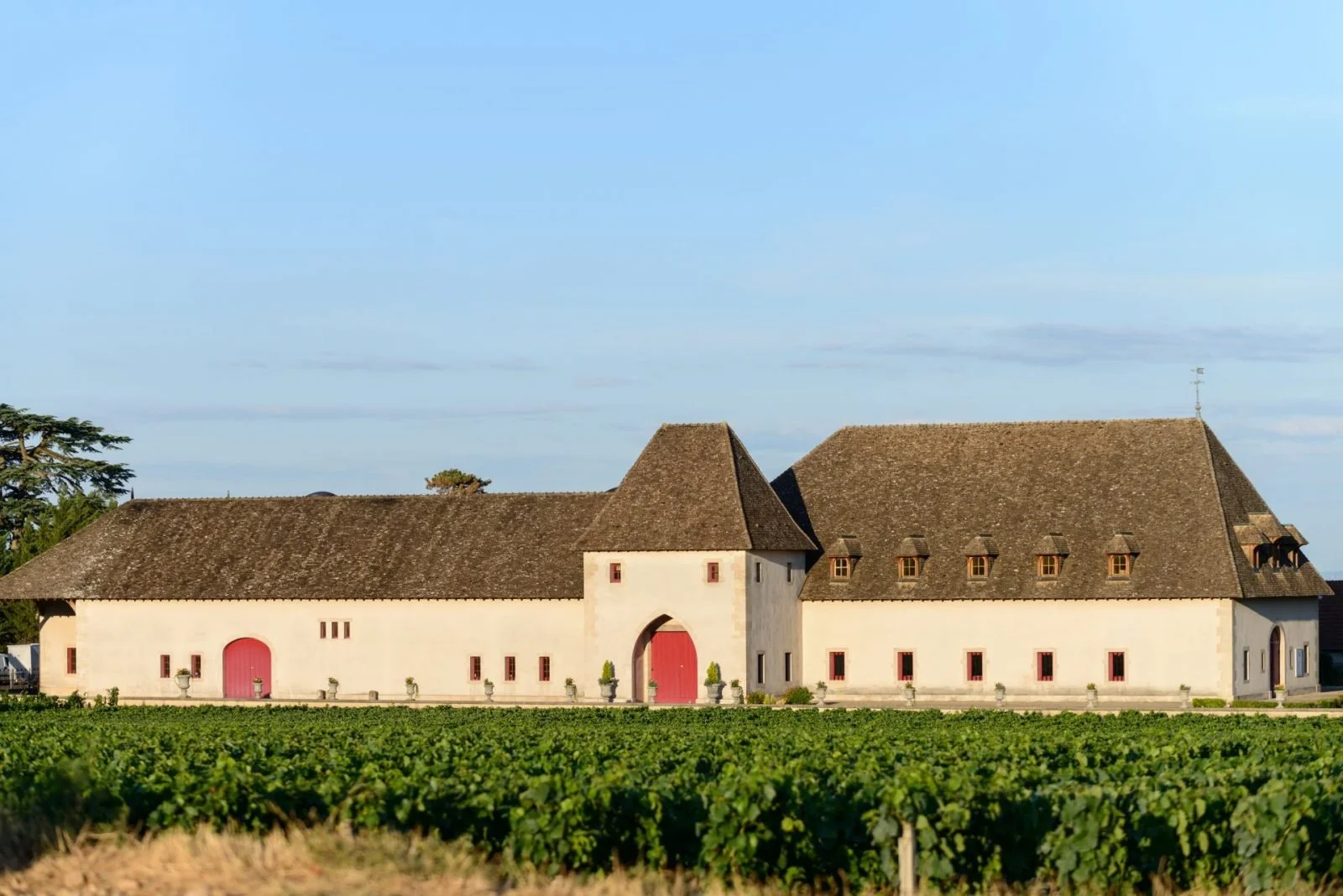
Château de Marsannay
The estate owns around 40 hectares of organically farmed vineyards and works with more than 40 individual Climats, vinifying them separately to preserve their distinct identities. Its range goes well beyond Marsannay itself, including wines from Gevrey-Chambertin, Vosne-Romanée and several prestigious Grand Cru vineyards such as Chambertin, Clos de Vougeot and Echezeaux.
///Also Worth Exploring
If you have more time along the Côte de Nuits, make some time to visit:
Gevrey-Chambertin
One of the most important wine villages of the Côte de Nuits, surrounded by some of Burgundy’s most celebrated Pinot Noir vineyards. Visit the Domaine Trapet Père & Fils, a historic family domaine with nearly two centuries of winemaking history in Gevrey-Chambertin, known for a precise, terroir-driven approach and wines that express the character of individual vineyard sites.
Morey-Saint-Denis
A small but remarkable village with an extraordinary concentration of prestigious vineyards. Visit Domaine Michel Magnien or Domaine Stéphane Magnien for a closer look at the village’s different Climats and Pinot Noir expressions.
Chambolle-Musigny
Known for some of the most elegant and refined Pinot Noir wines of the Côte de Nuits. Visit Domaine Amiot-Servelle or Domaine Boursot Père & Fils for a more intimate introduction to the appellation.
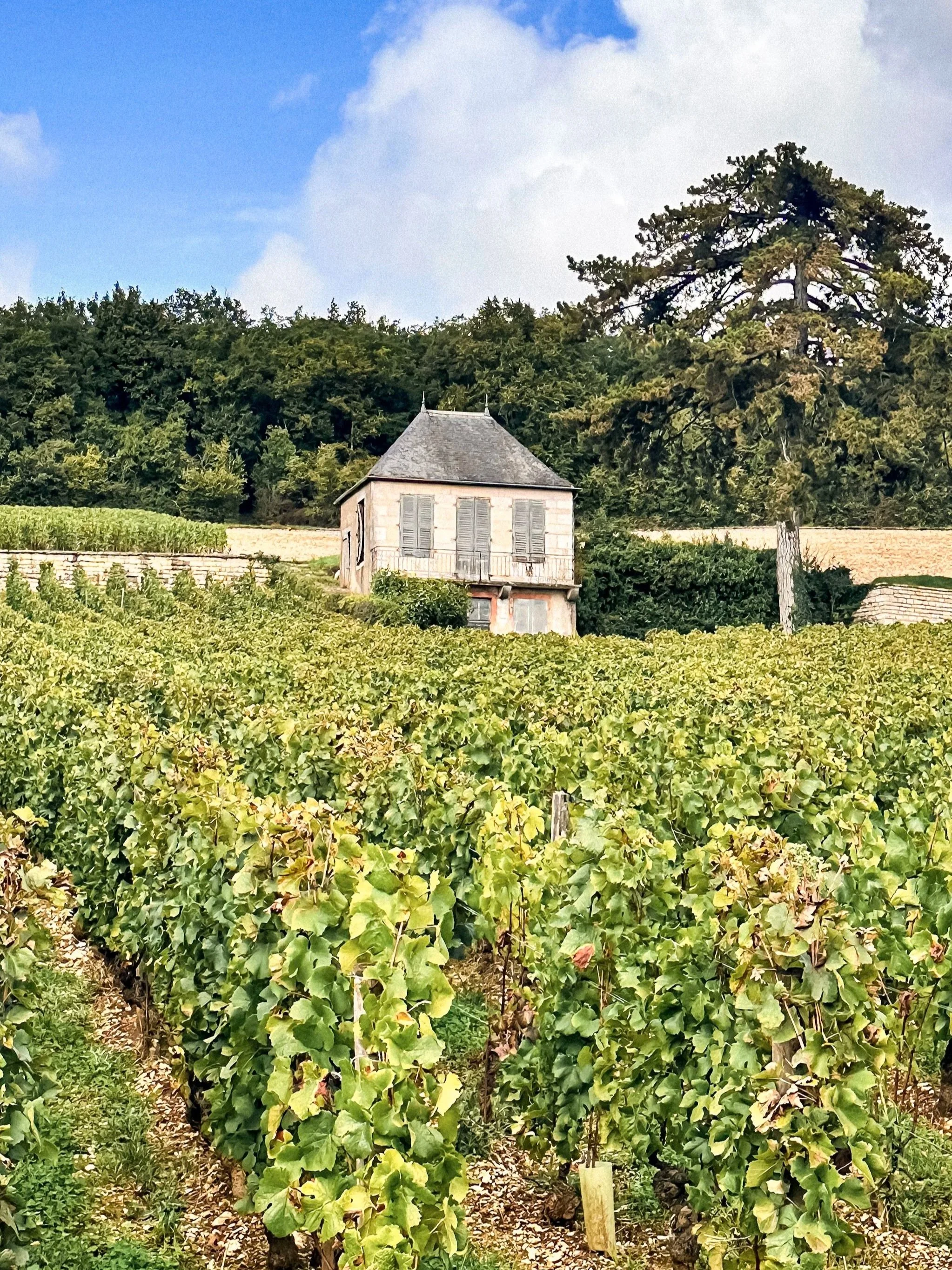
Together, these villages make the drive between Dijon and Beaune one of the most extraordinary stretches of wine country anywhere in the world.
/// Côte de Beaune
South of the Côte de Nuits, the landscape transitions into the Côte de Beaune.
Pinot Noir remains extremely important, particularly around Pommard, Volnay and Corton, but this is also the territory of some of the world's greatest Chardonnay.
Names such as Meursault, Puligny-Montrachet, Chassagne-Montrachet and Corton-Charlemagne define this part of Burgundy.
Beaune
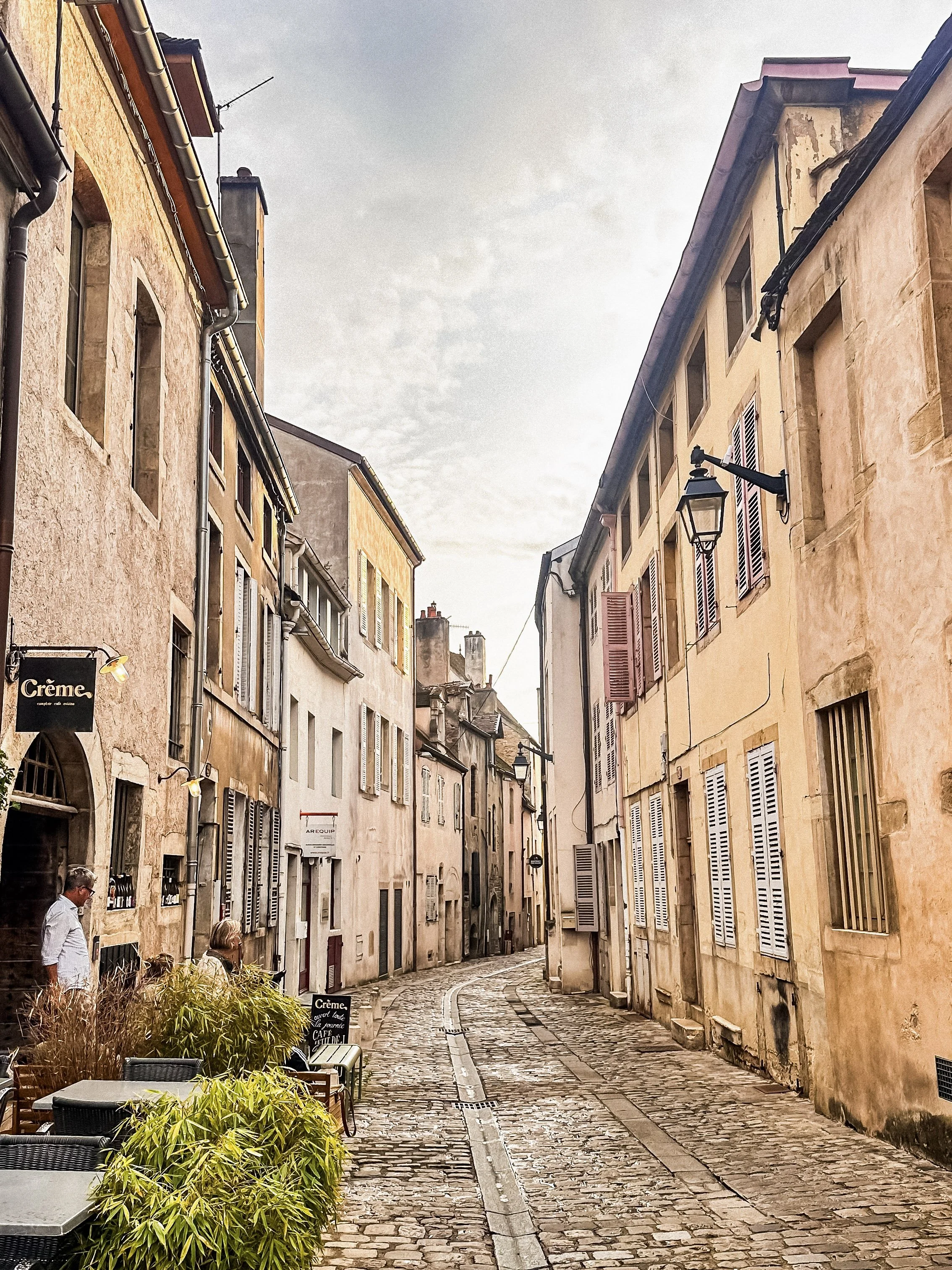
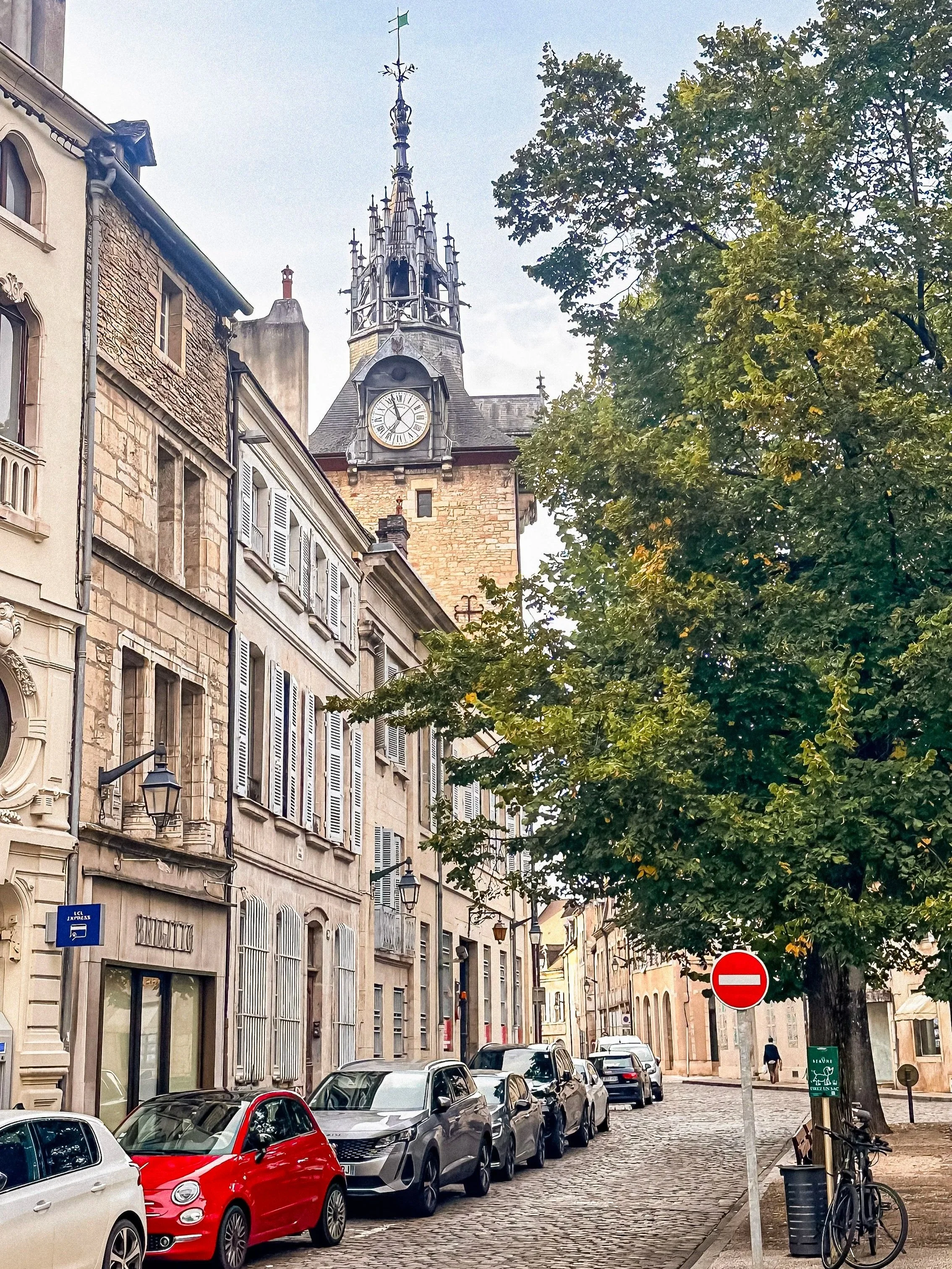
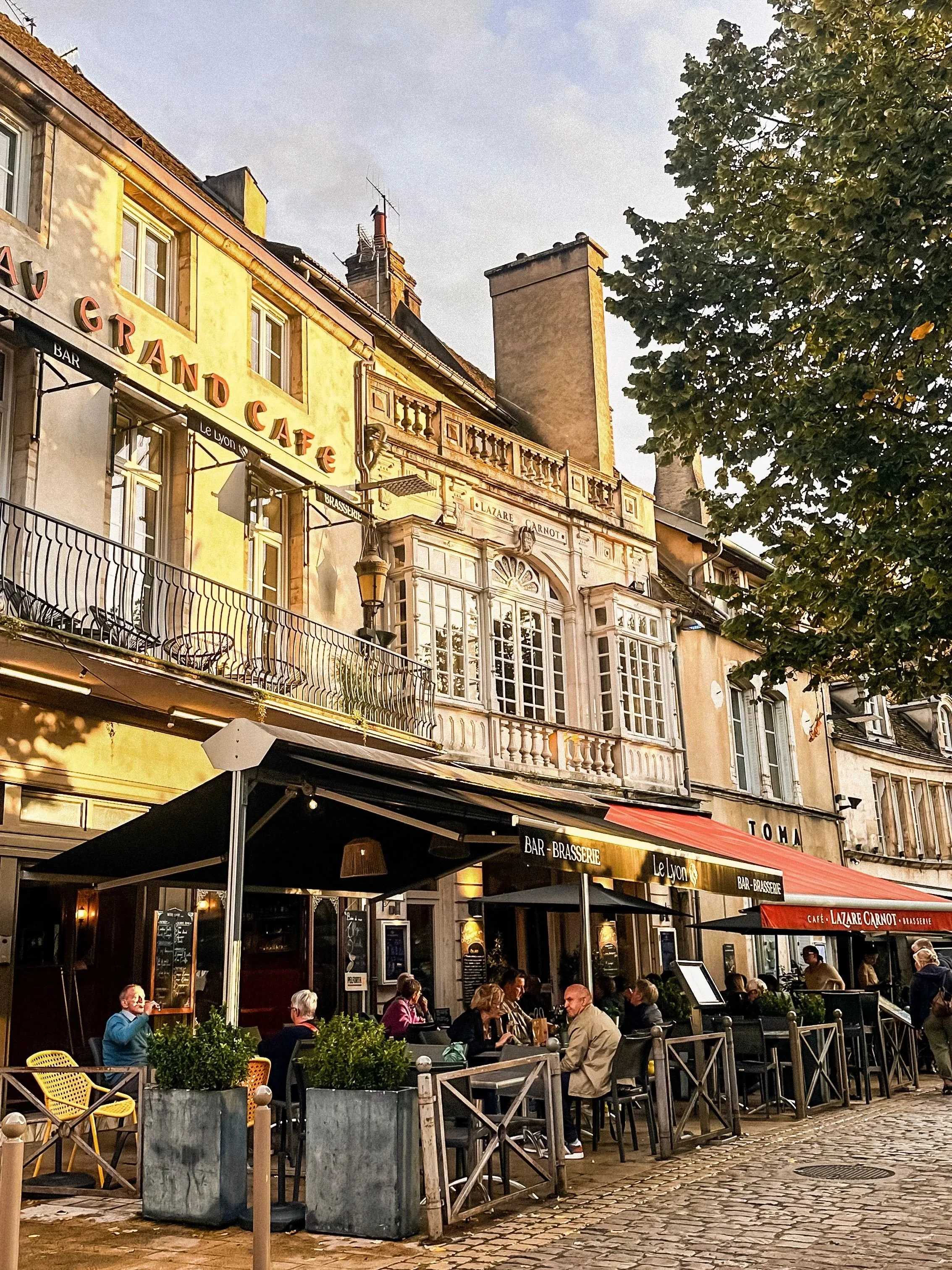
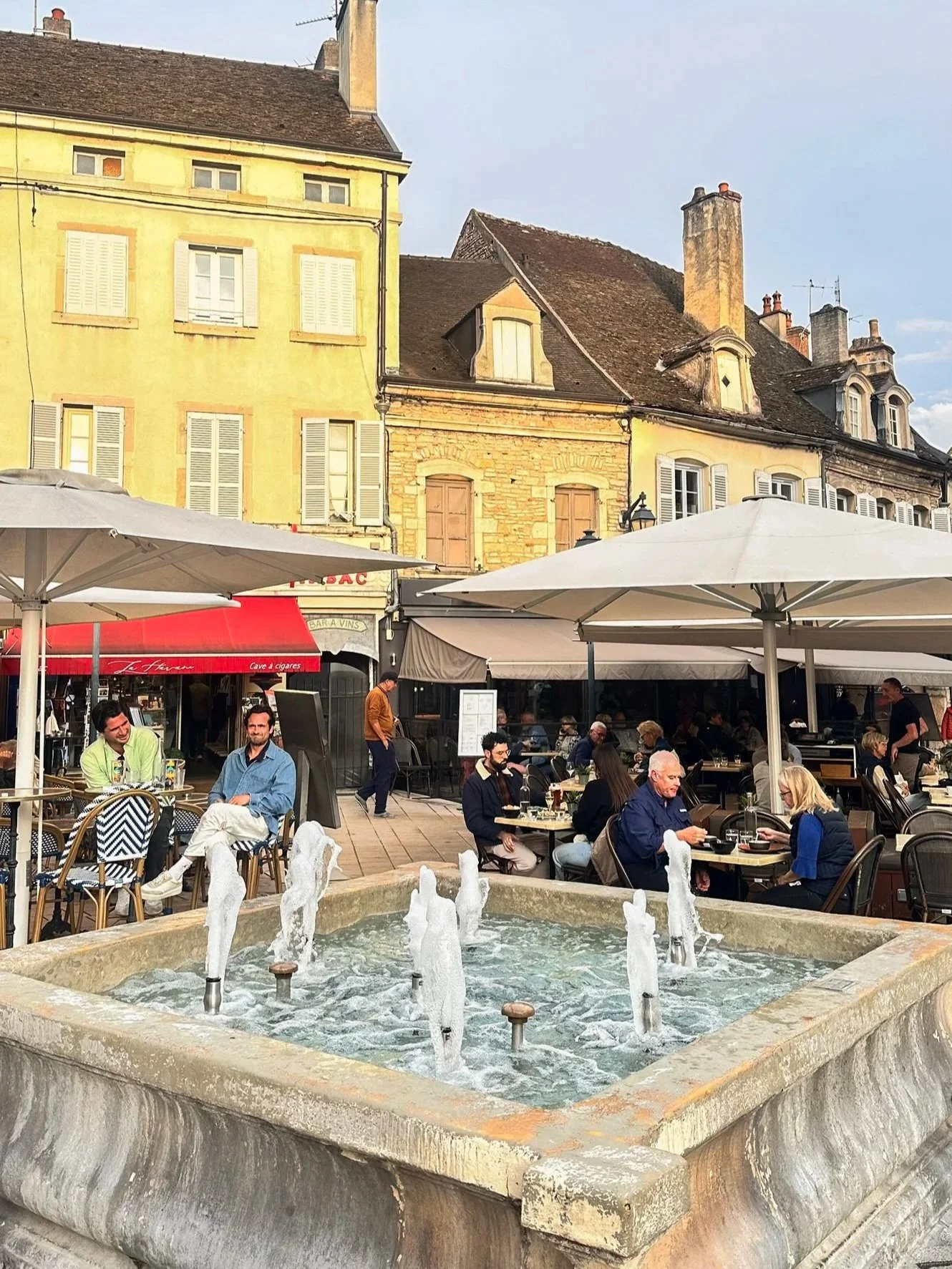
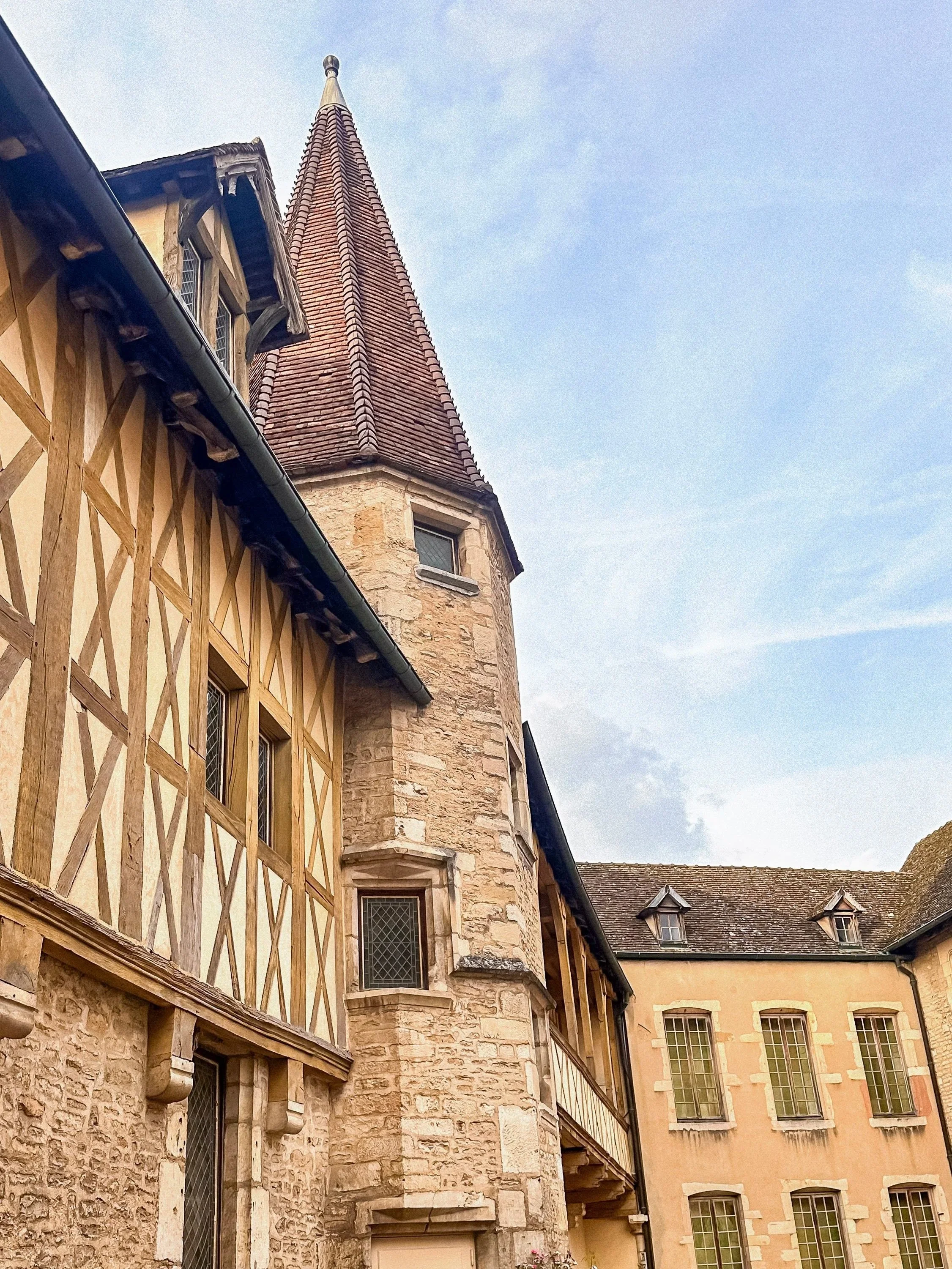
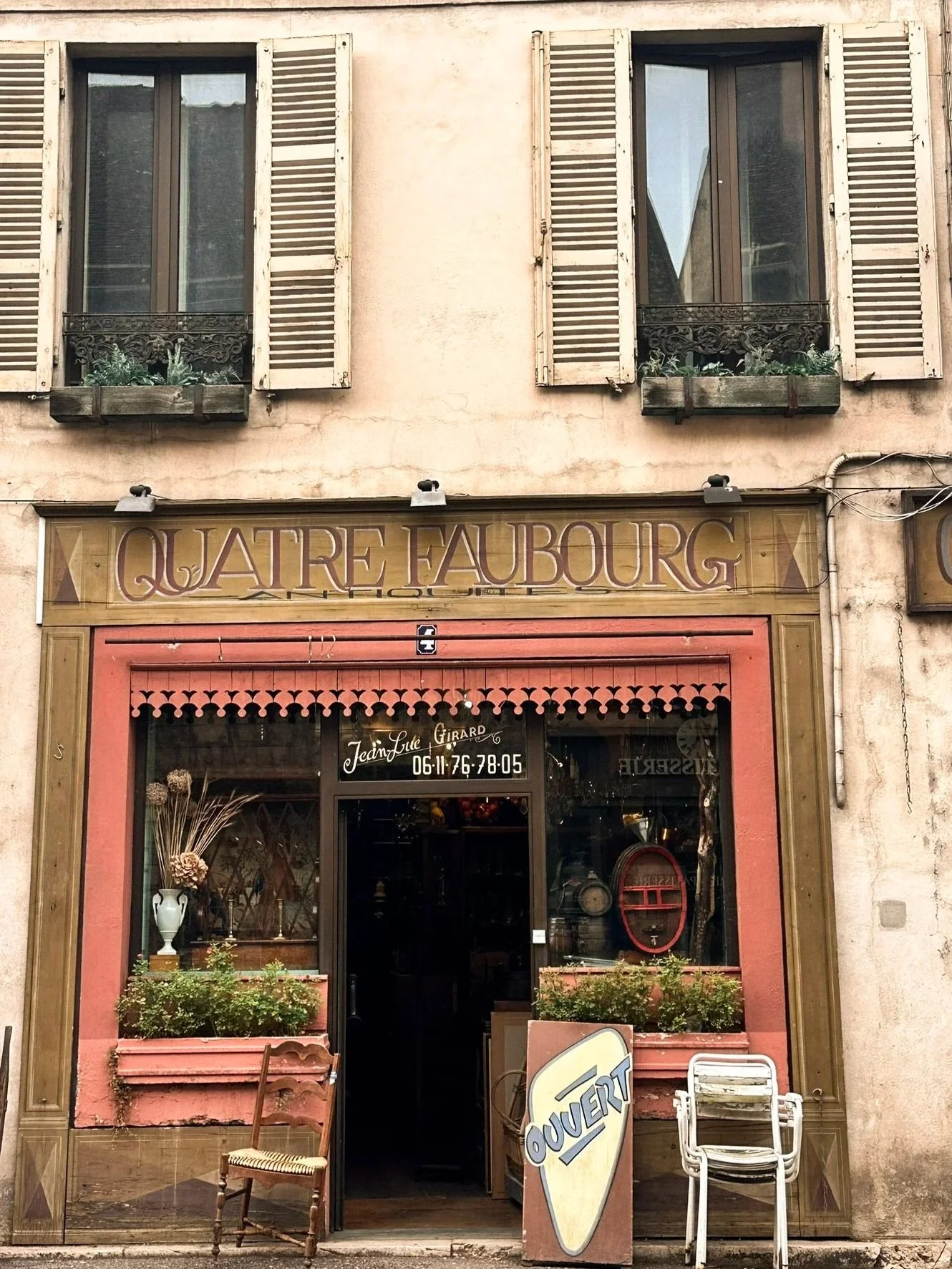
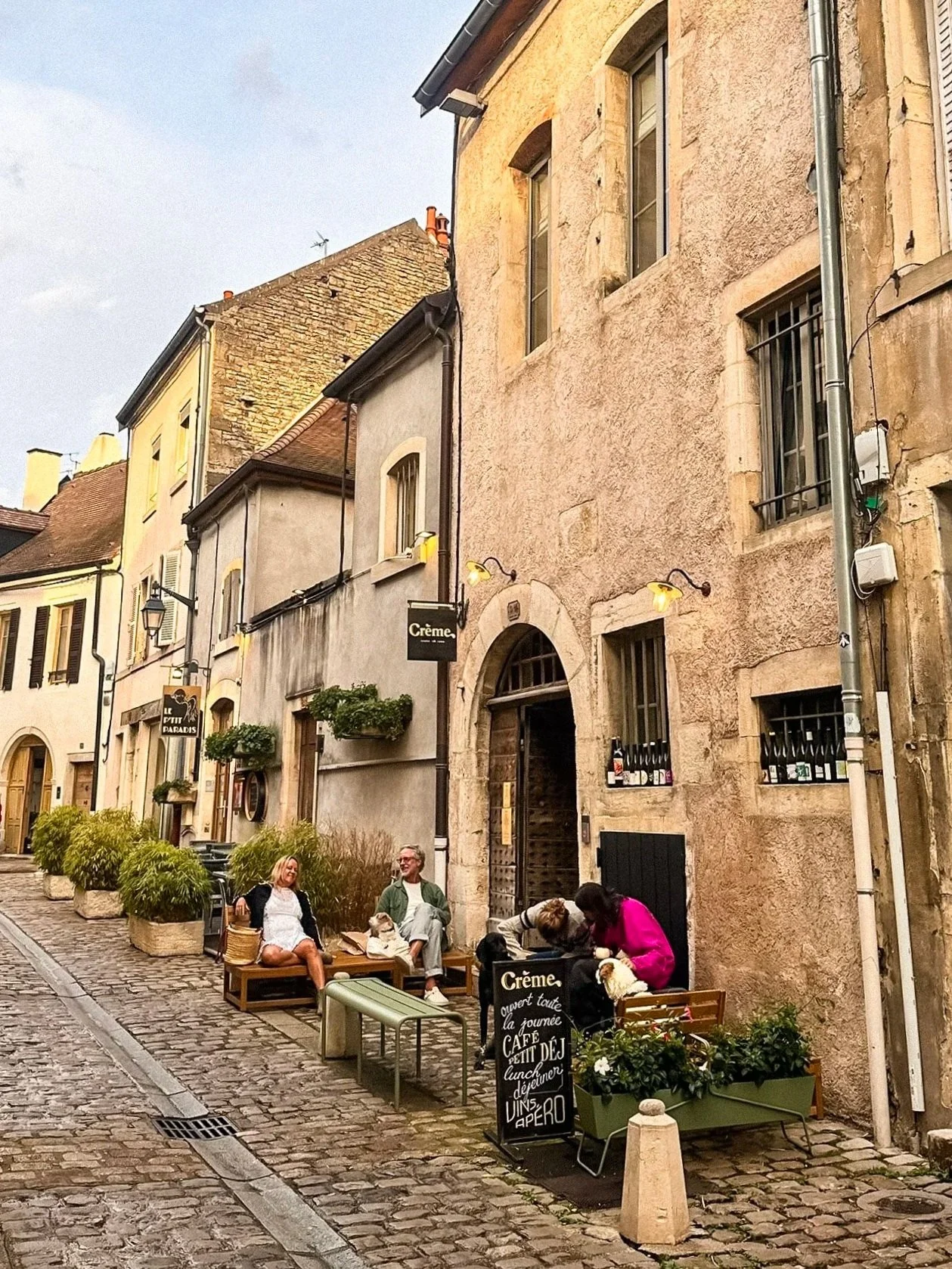
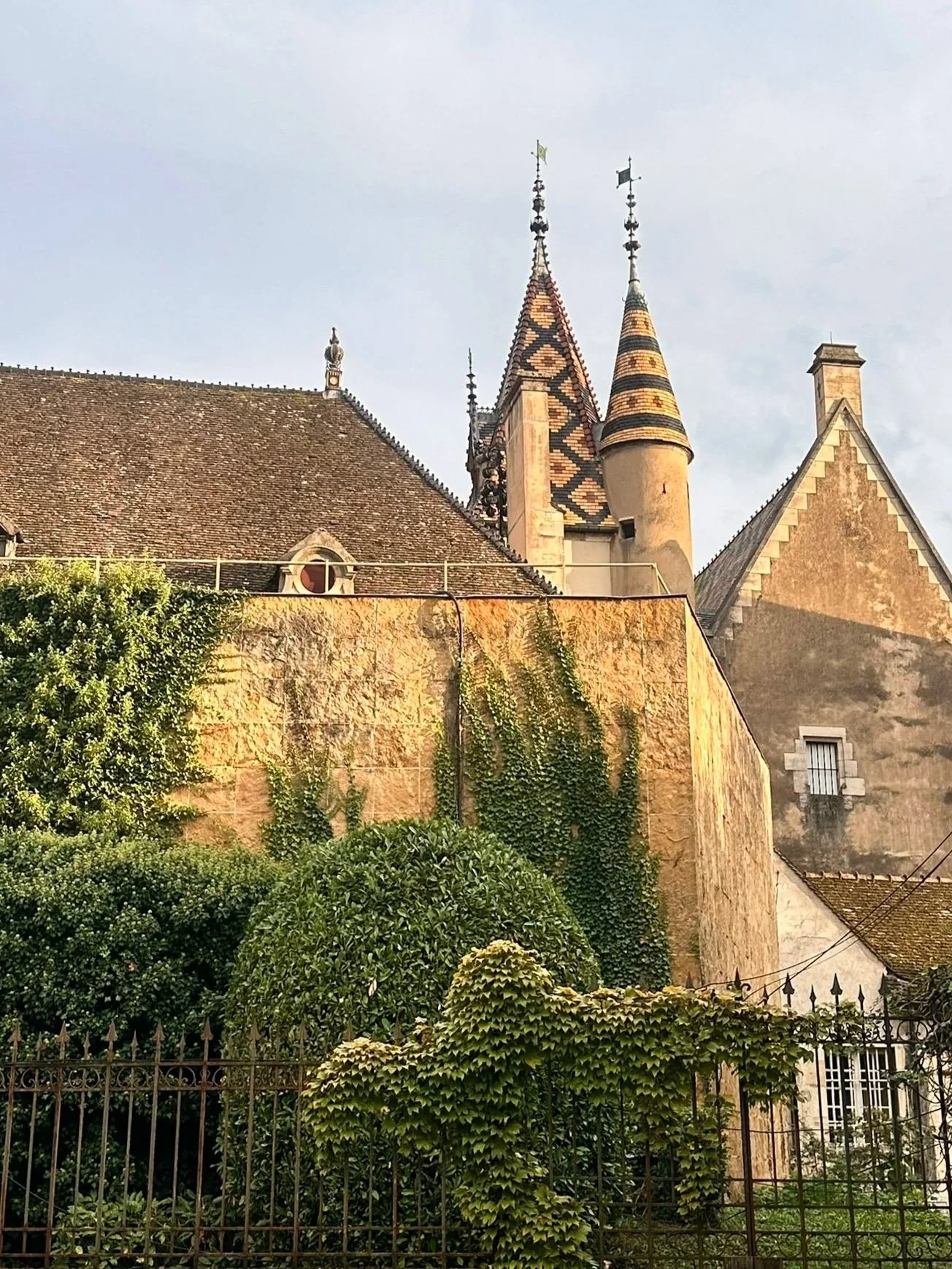
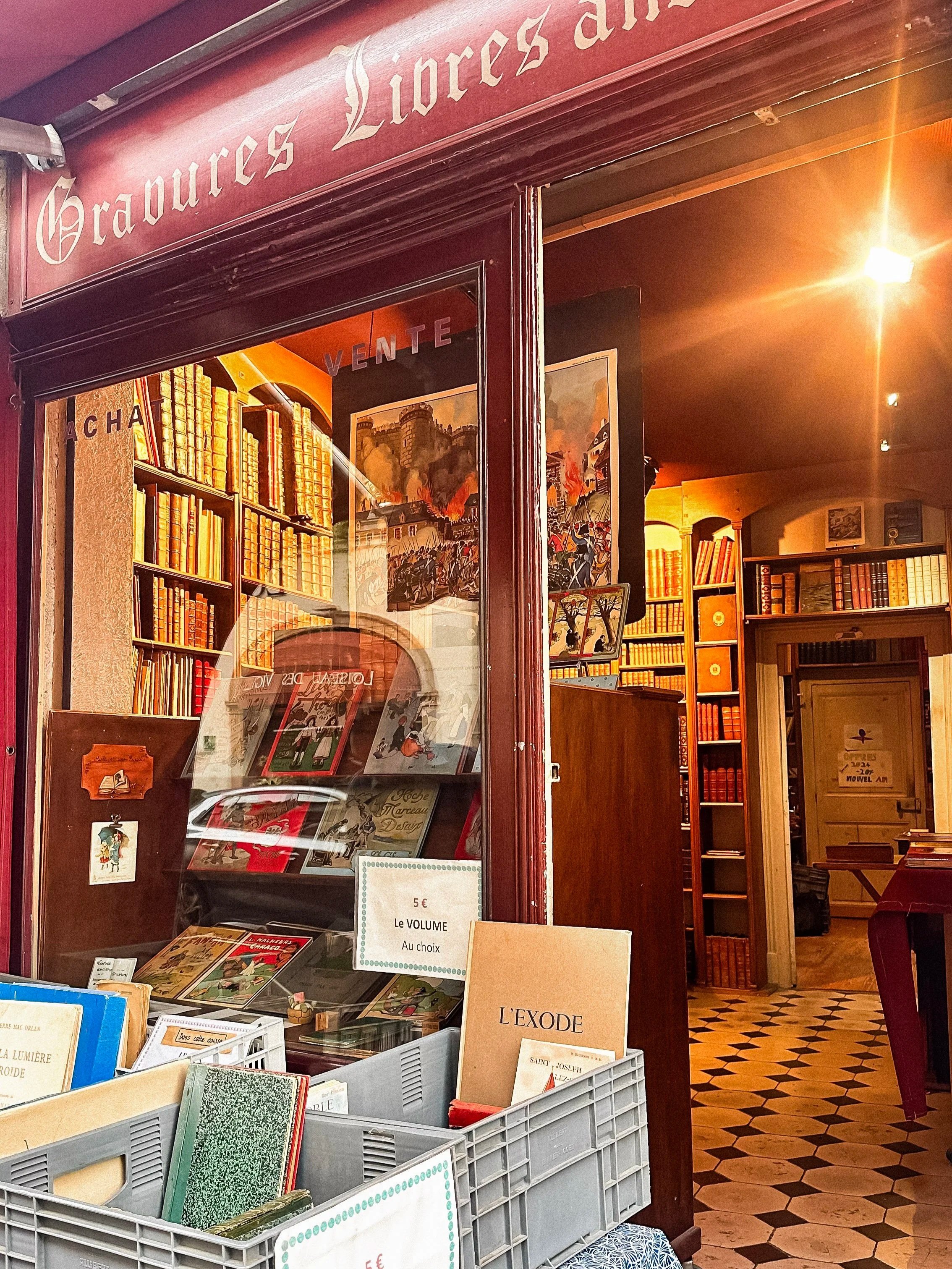
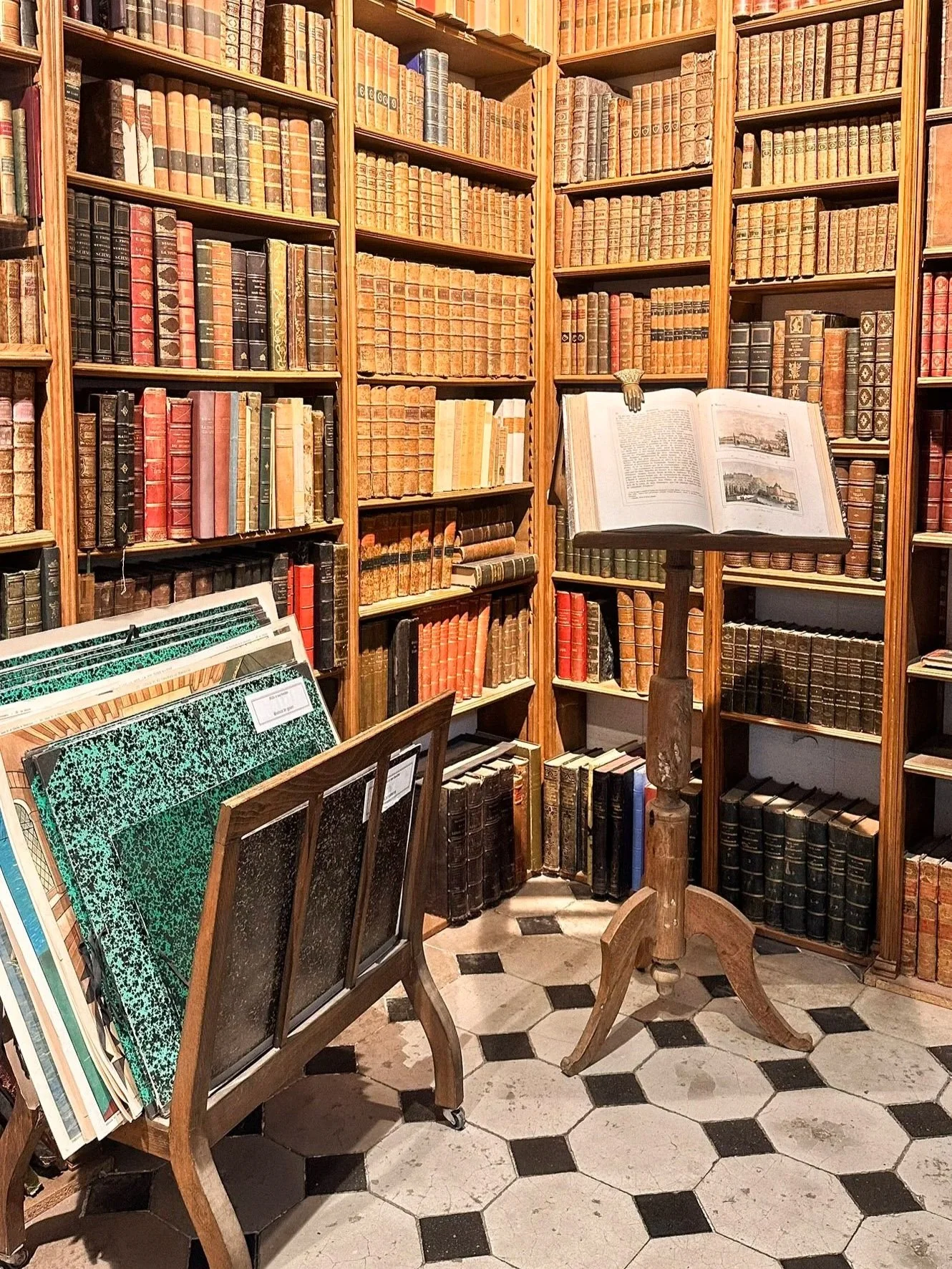
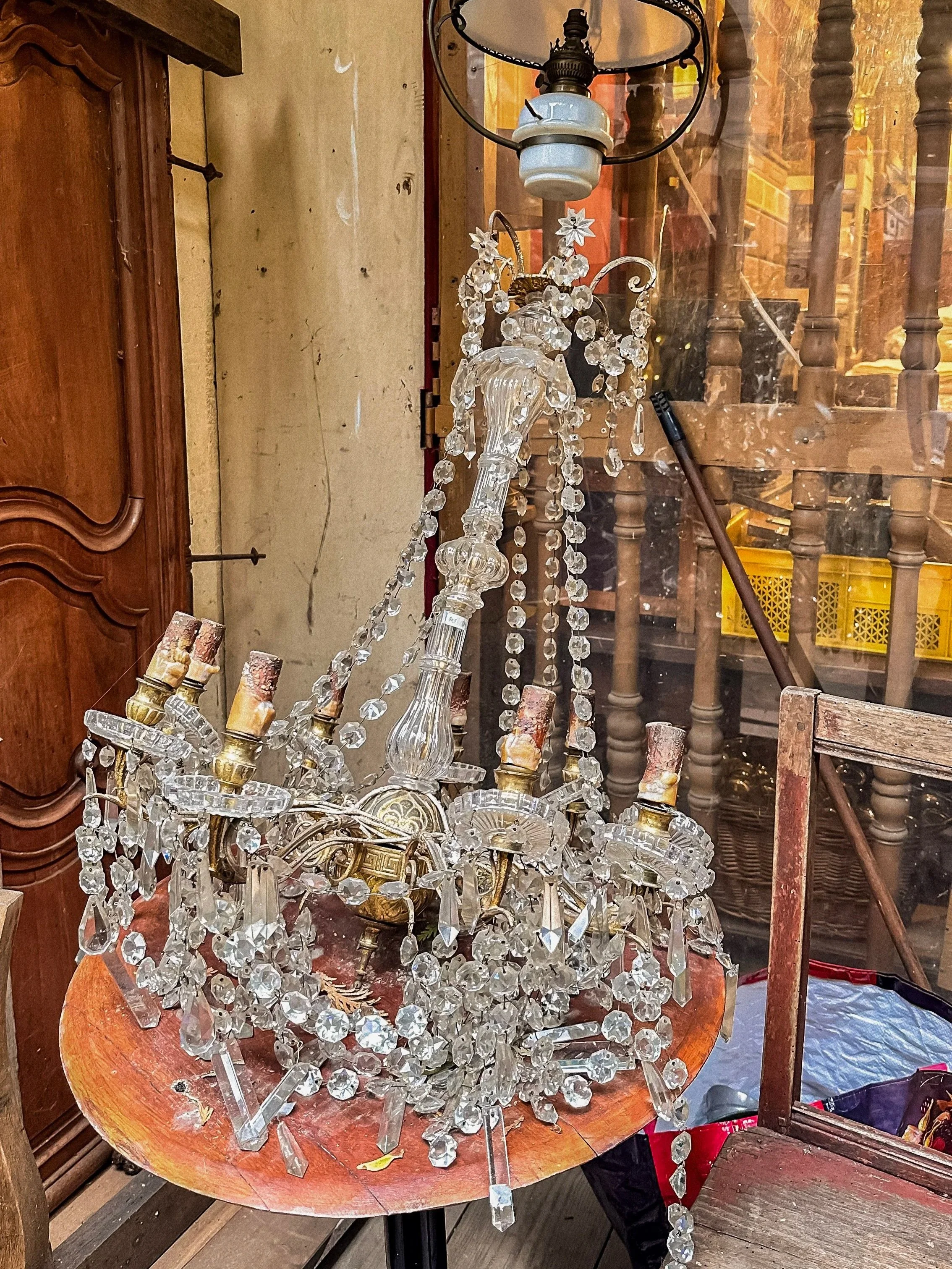
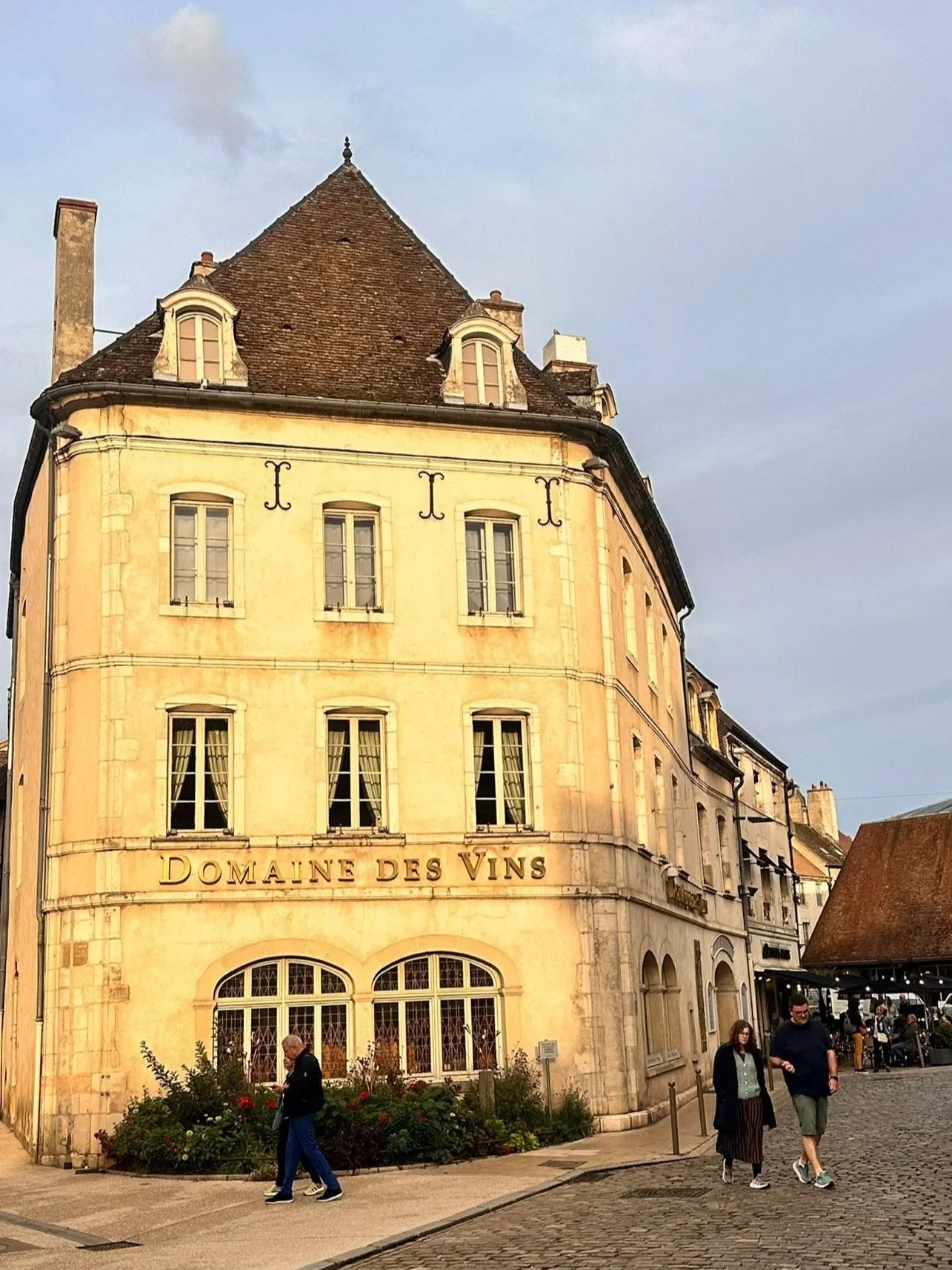
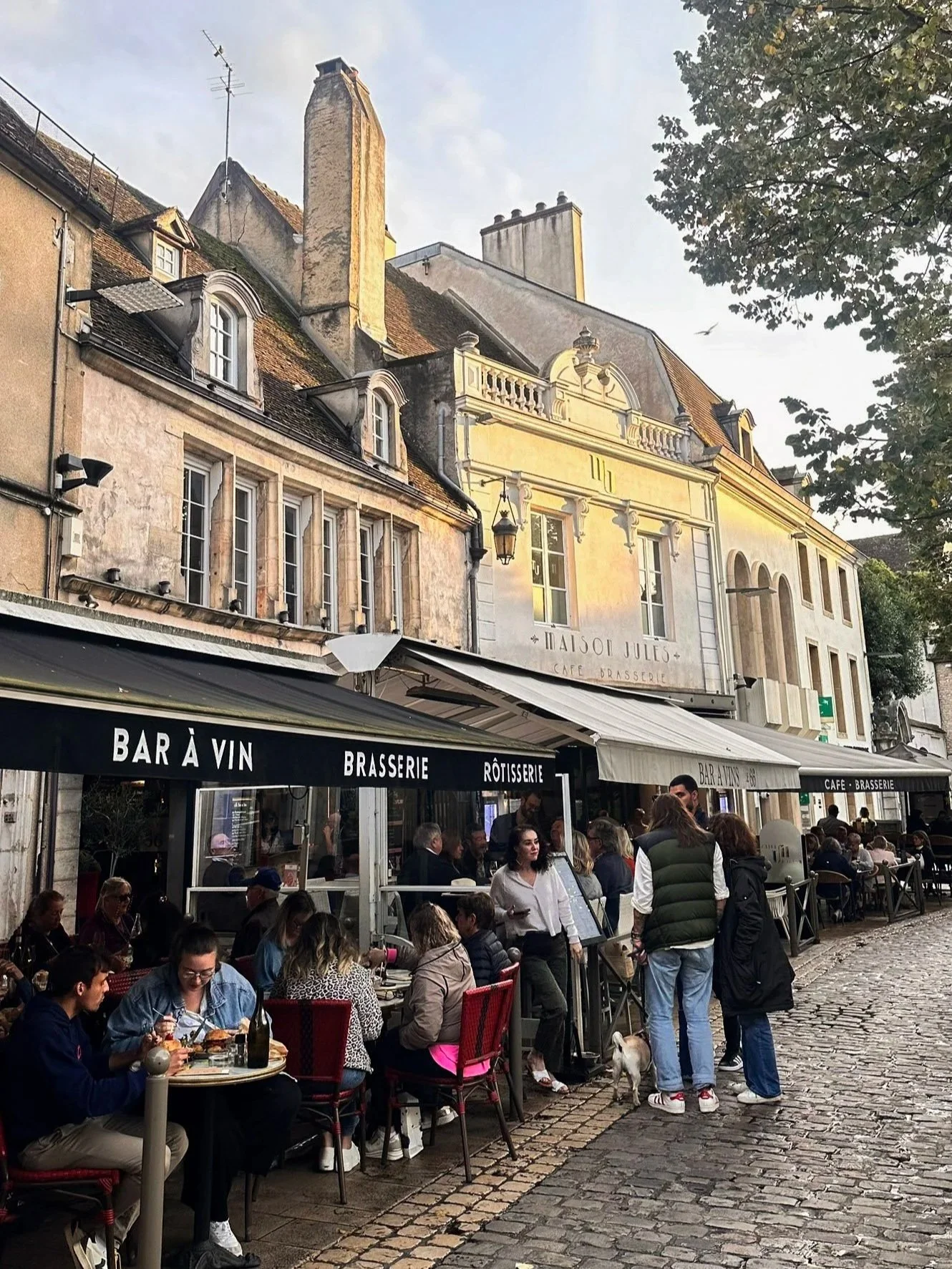
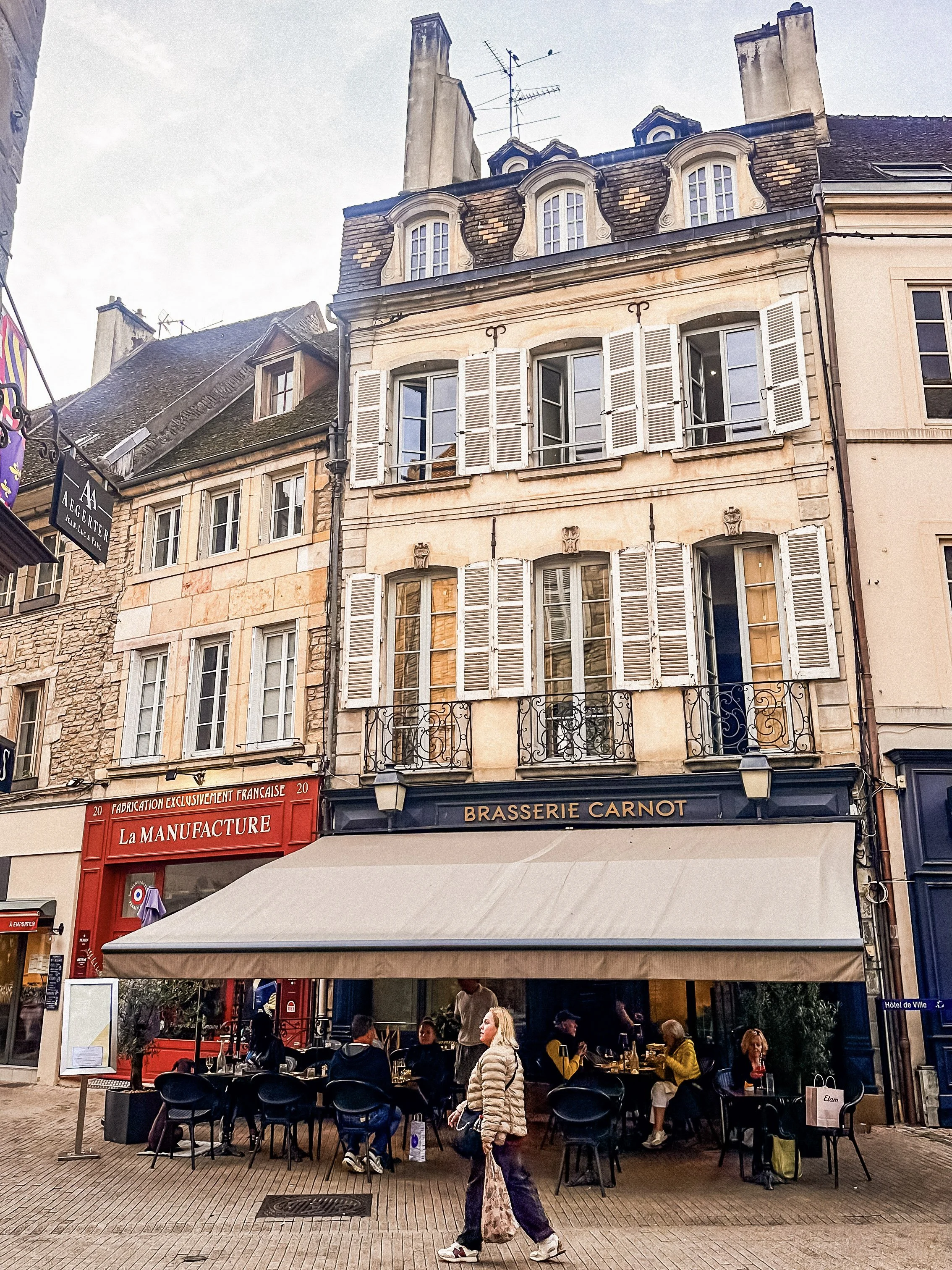
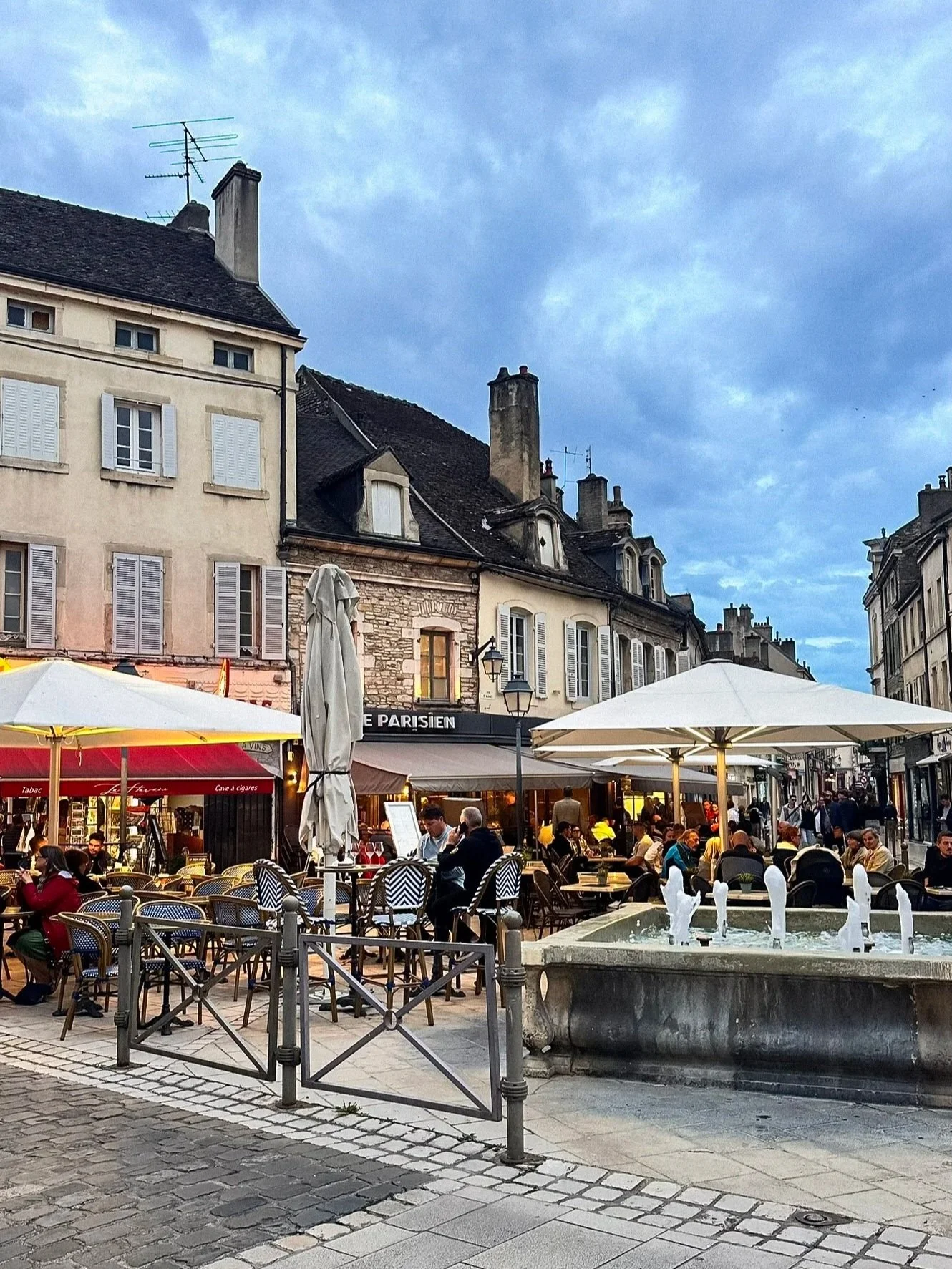
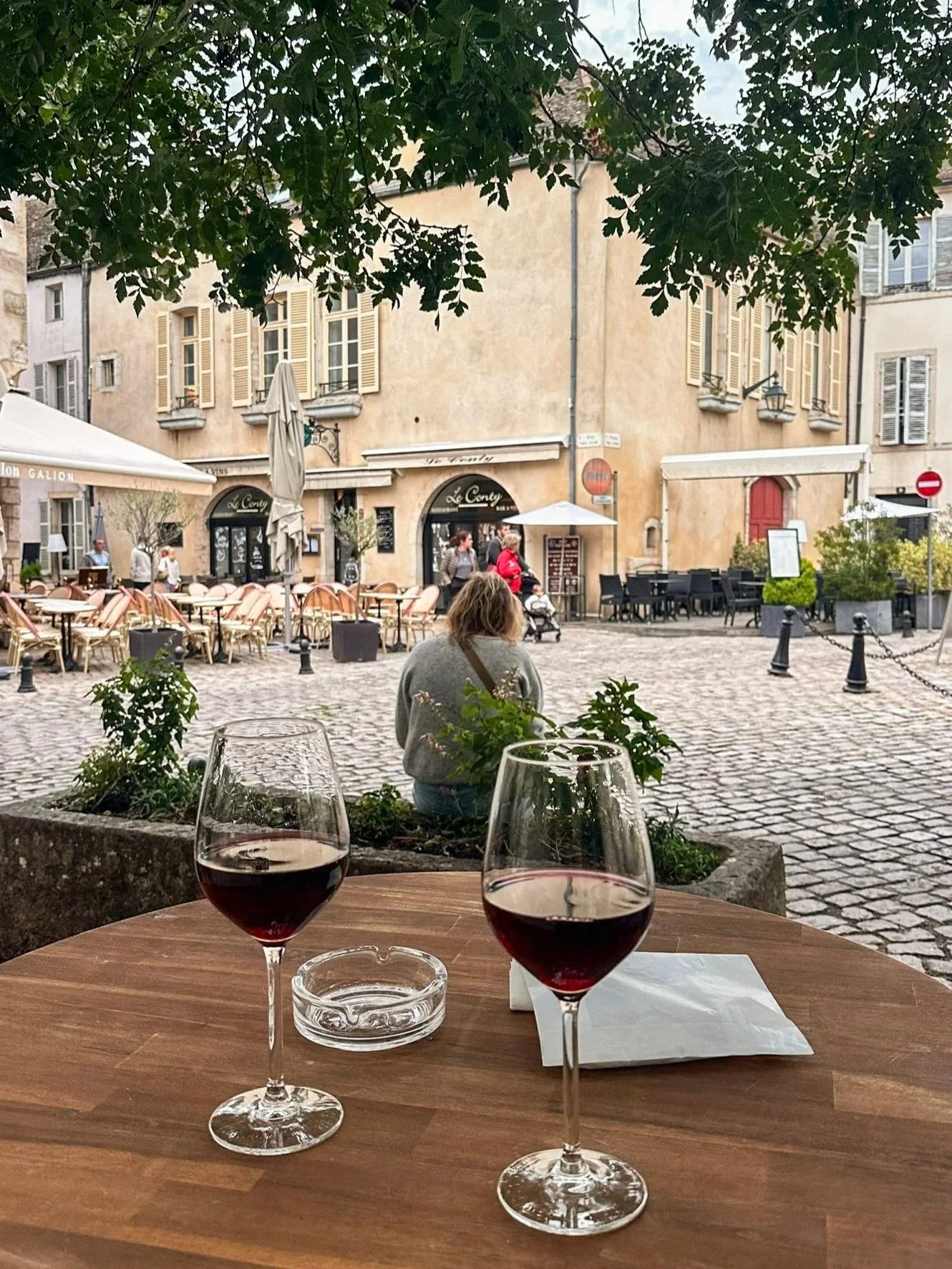
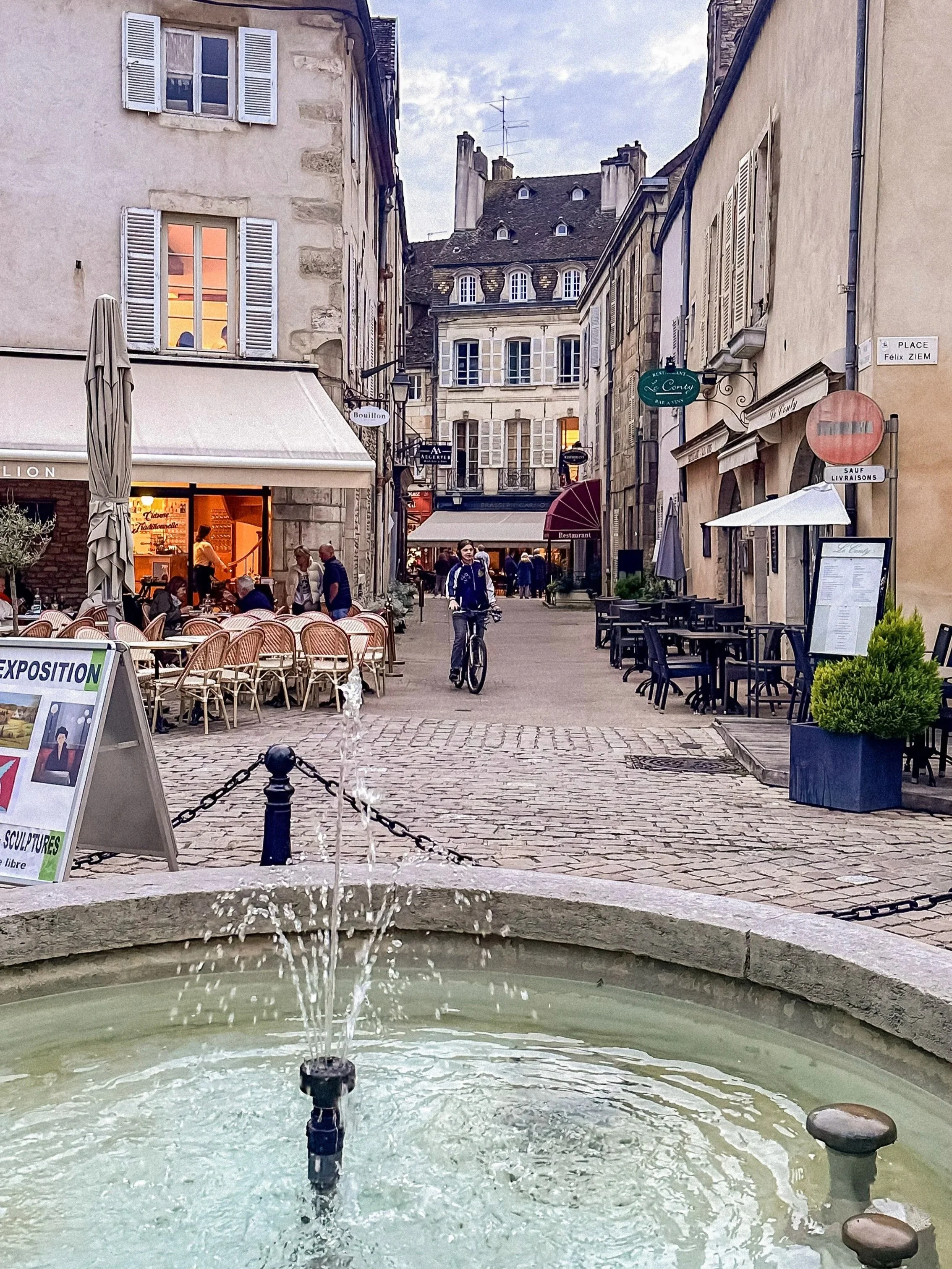
If the vineyards are the soul of the Côte-d'Or, Beaune is its natural capital.
Surrounded by medieval walls, the compact historic centre is filled with wine merchants, restaurants, cellars and centuries of wine history.
It makes an excellent base for exploring the Côte de Beaune because many of the surrounding villages are only minutes away by car.
But Beaune deserves time of its own.
Hospices de Beaune
The Hôtel-Dieu des Hospices de Beaune is impossible to miss, particularly its spectacular roof covered in colourful glazed Burgundian tiles.
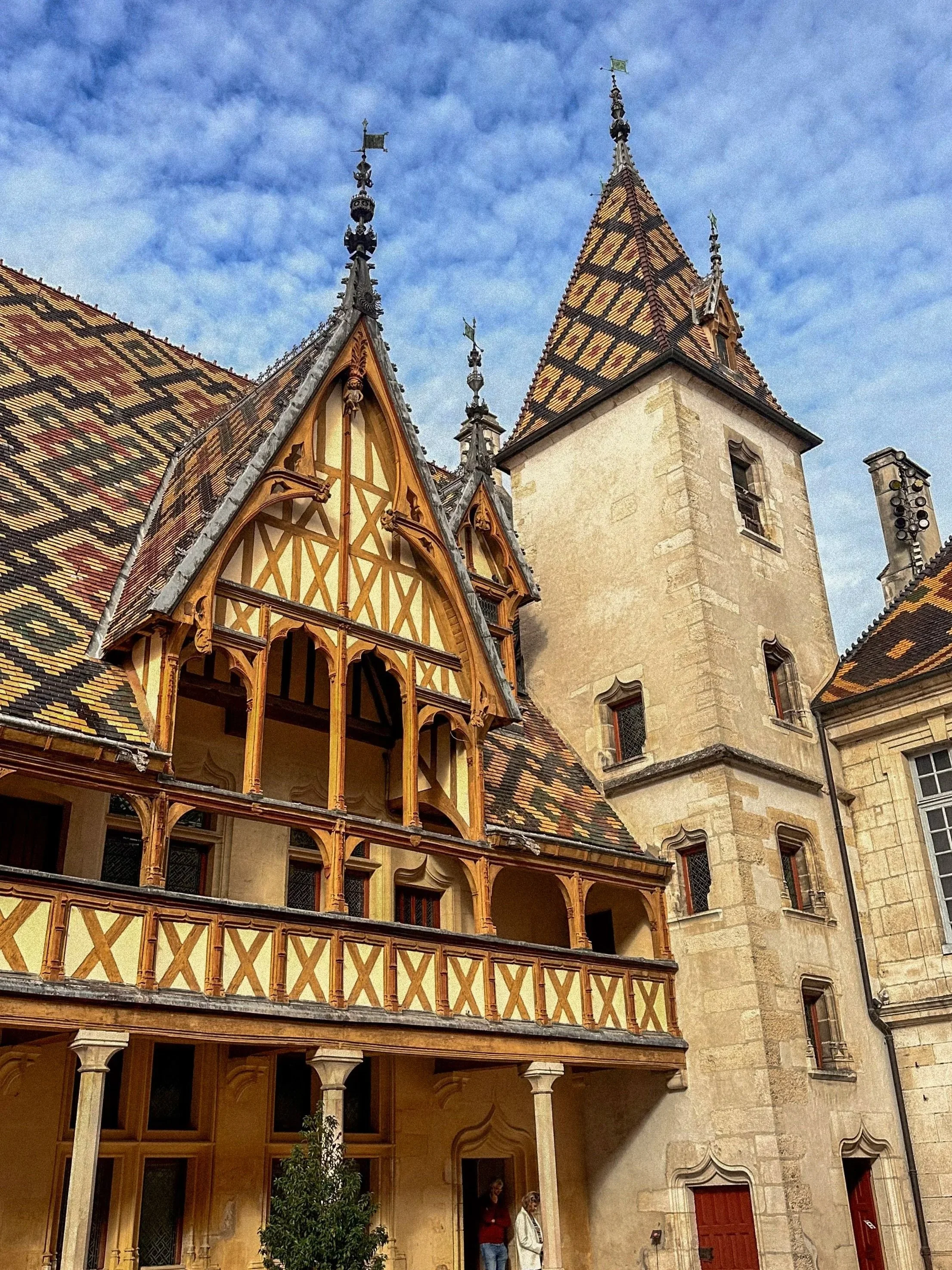
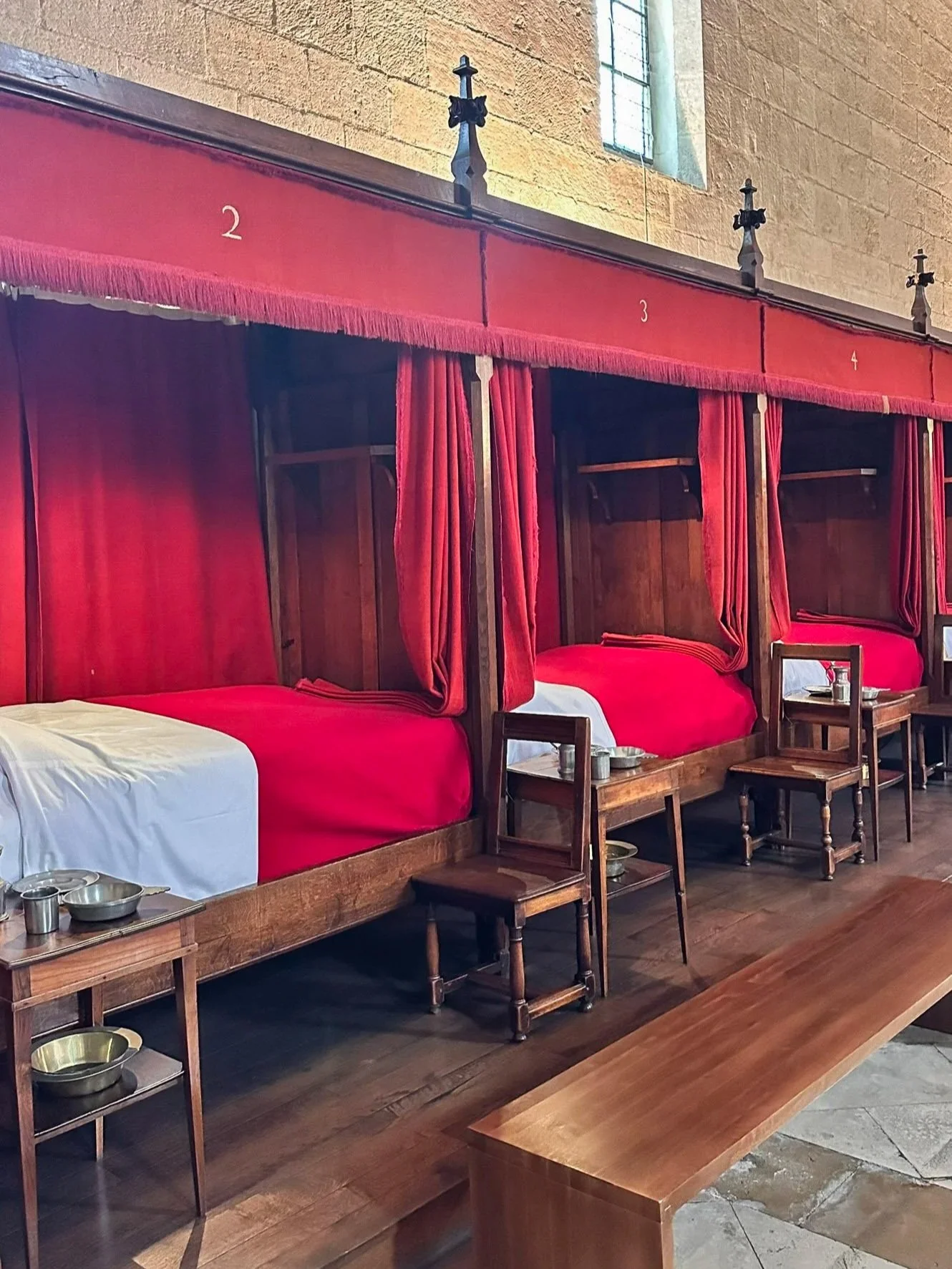
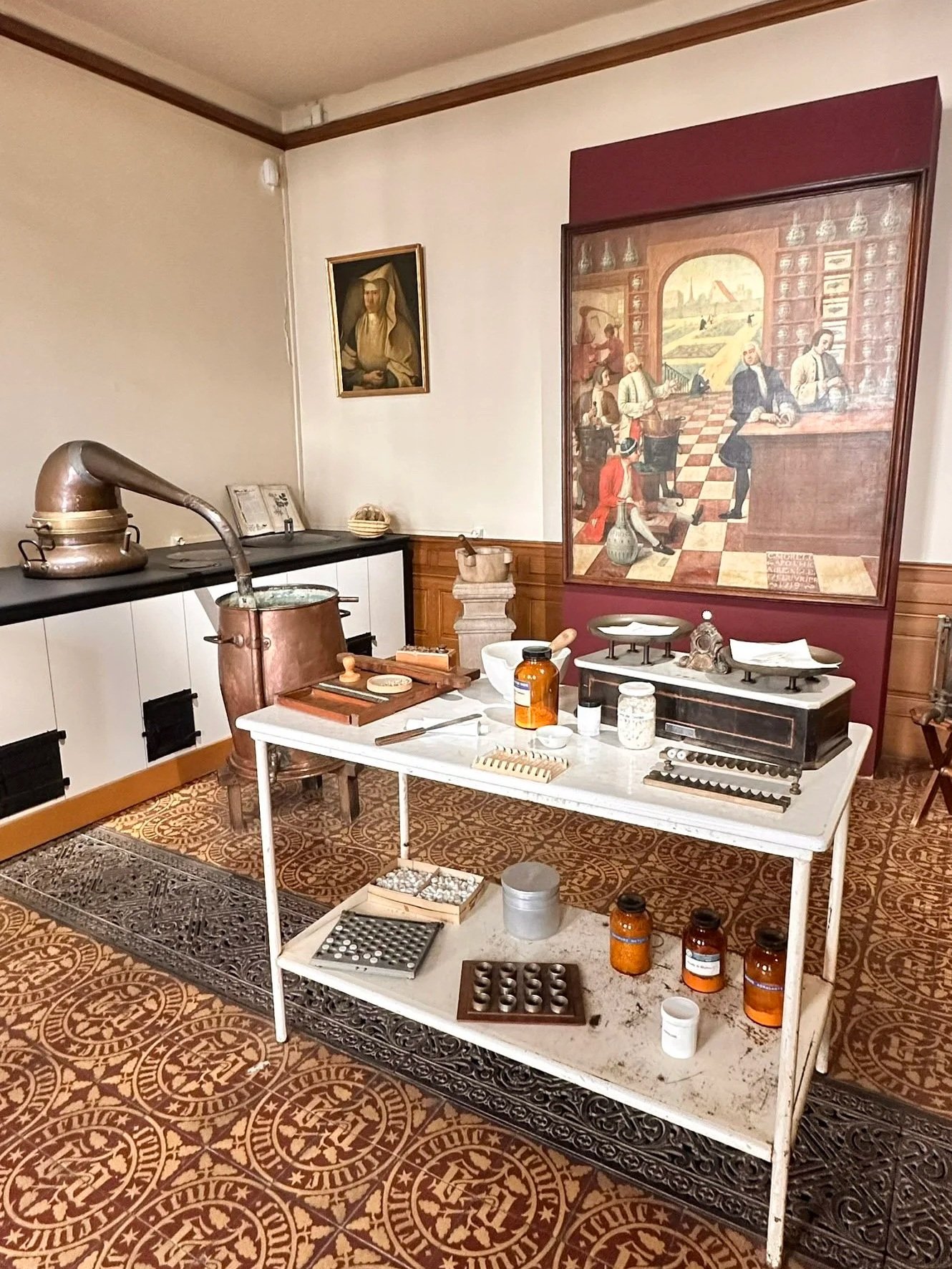
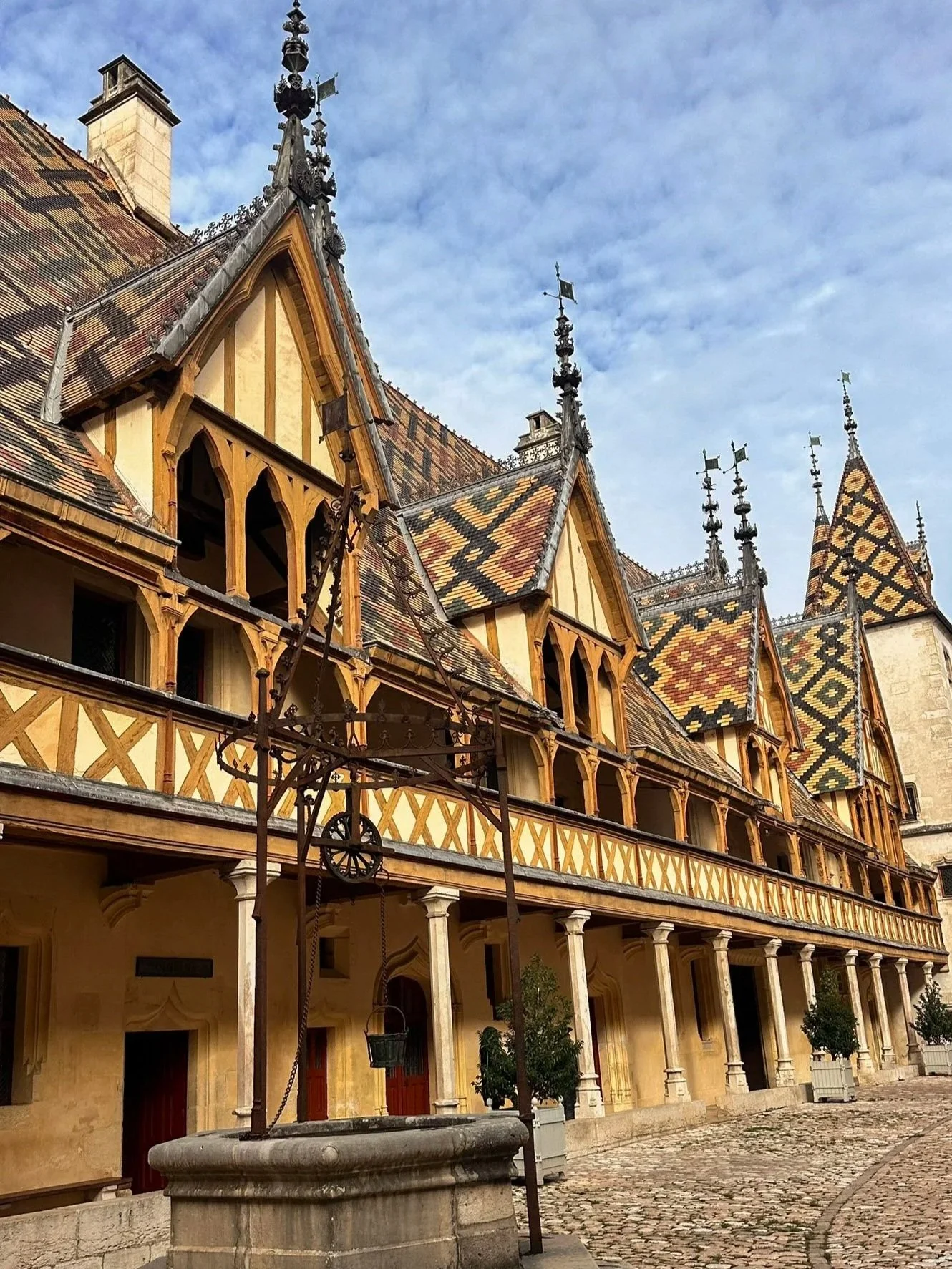
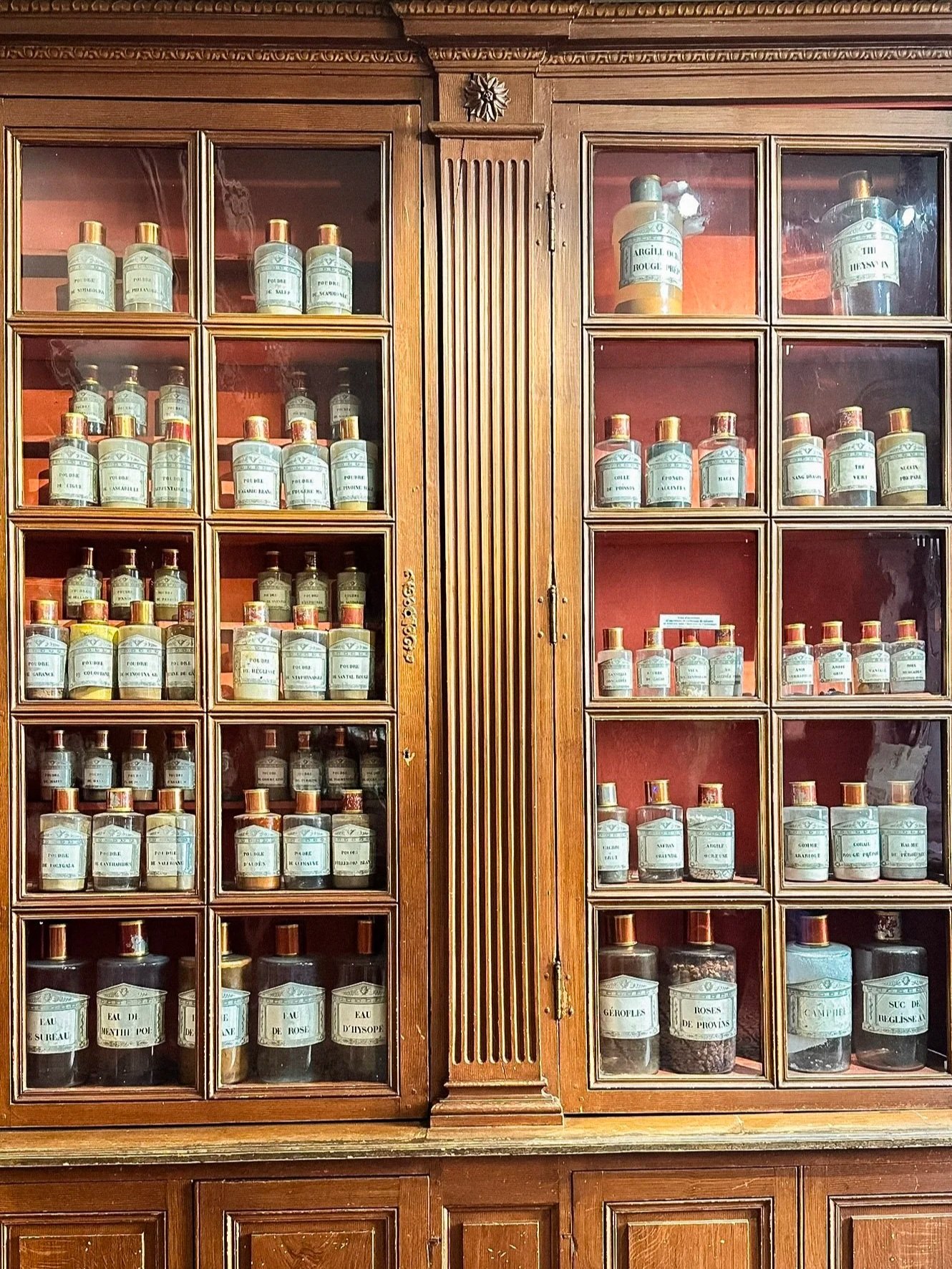
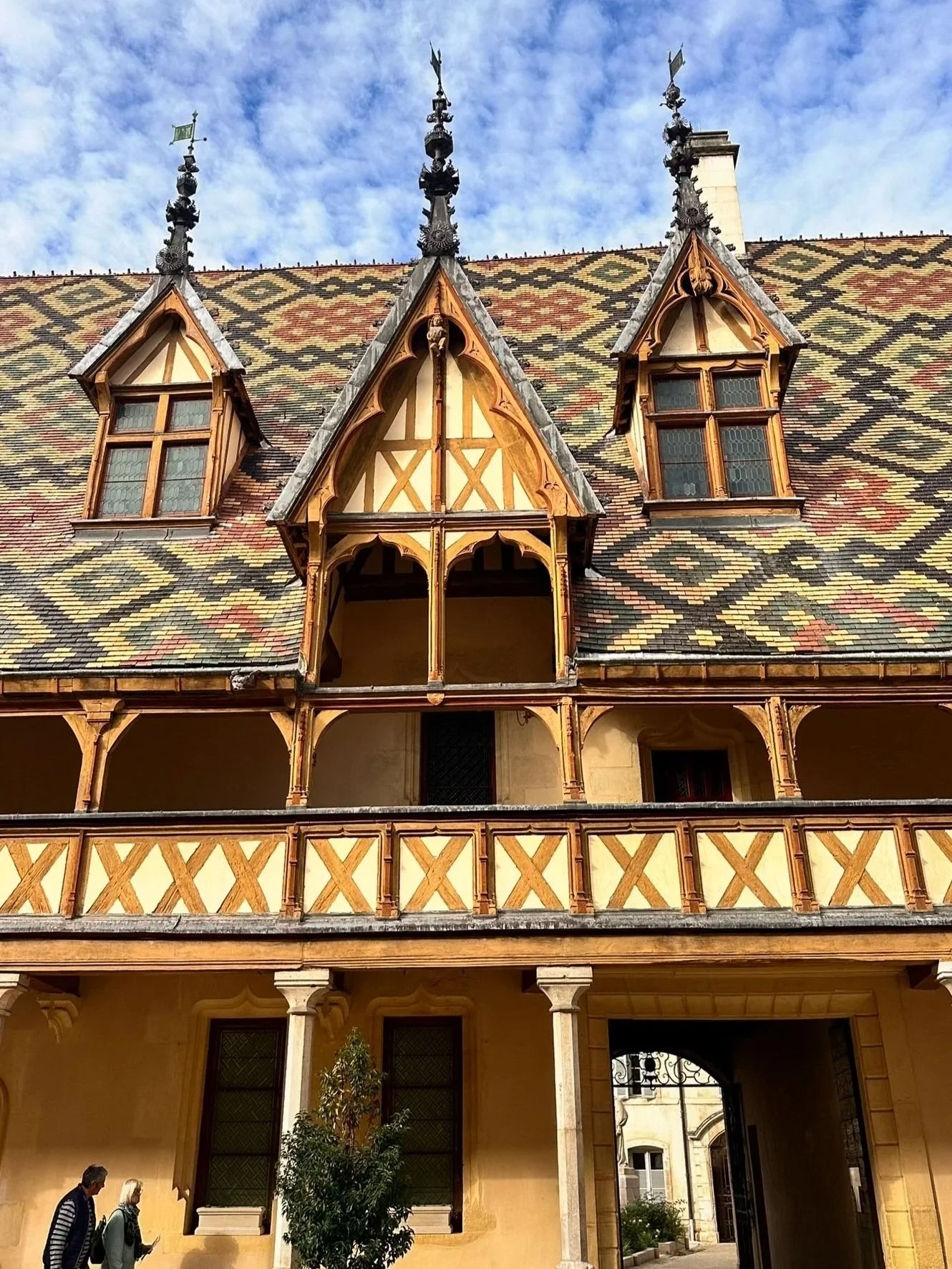
Founded in the 15th century as a charitable hospital, the building is one of Burgundy's great architectural landmarks, and its connection with wine makes it even more fascinating.
Over centuries, vineyards were donated to the Hospices, creating an extraordinary wine estate whose wines continue to be produced and sold for charity.
Every November, Beaune becomes the centre of the wine world for the famous Hospices de Beaune wine auction, a tradition dating back to 1859.
Maison Louis Jadot
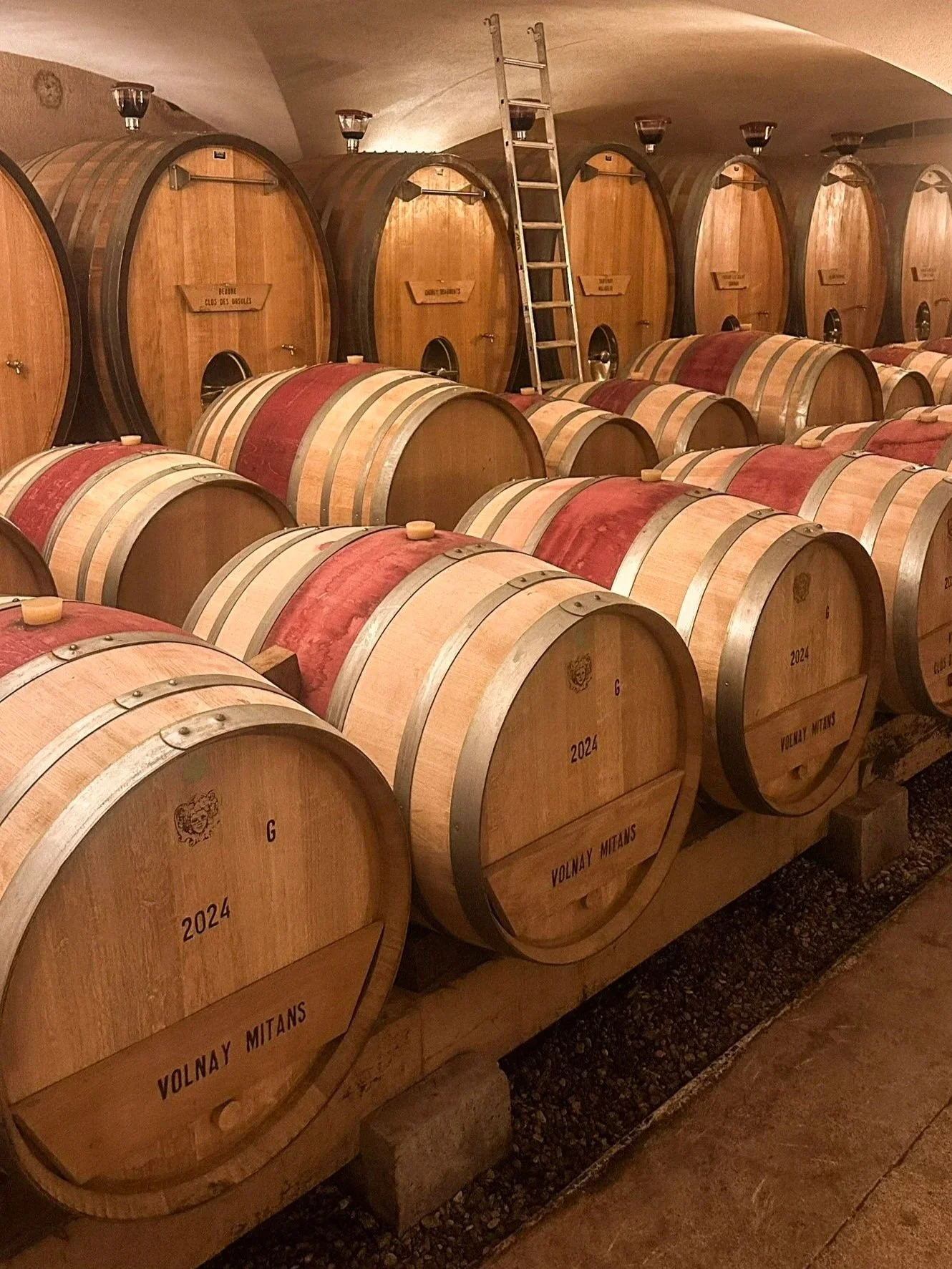
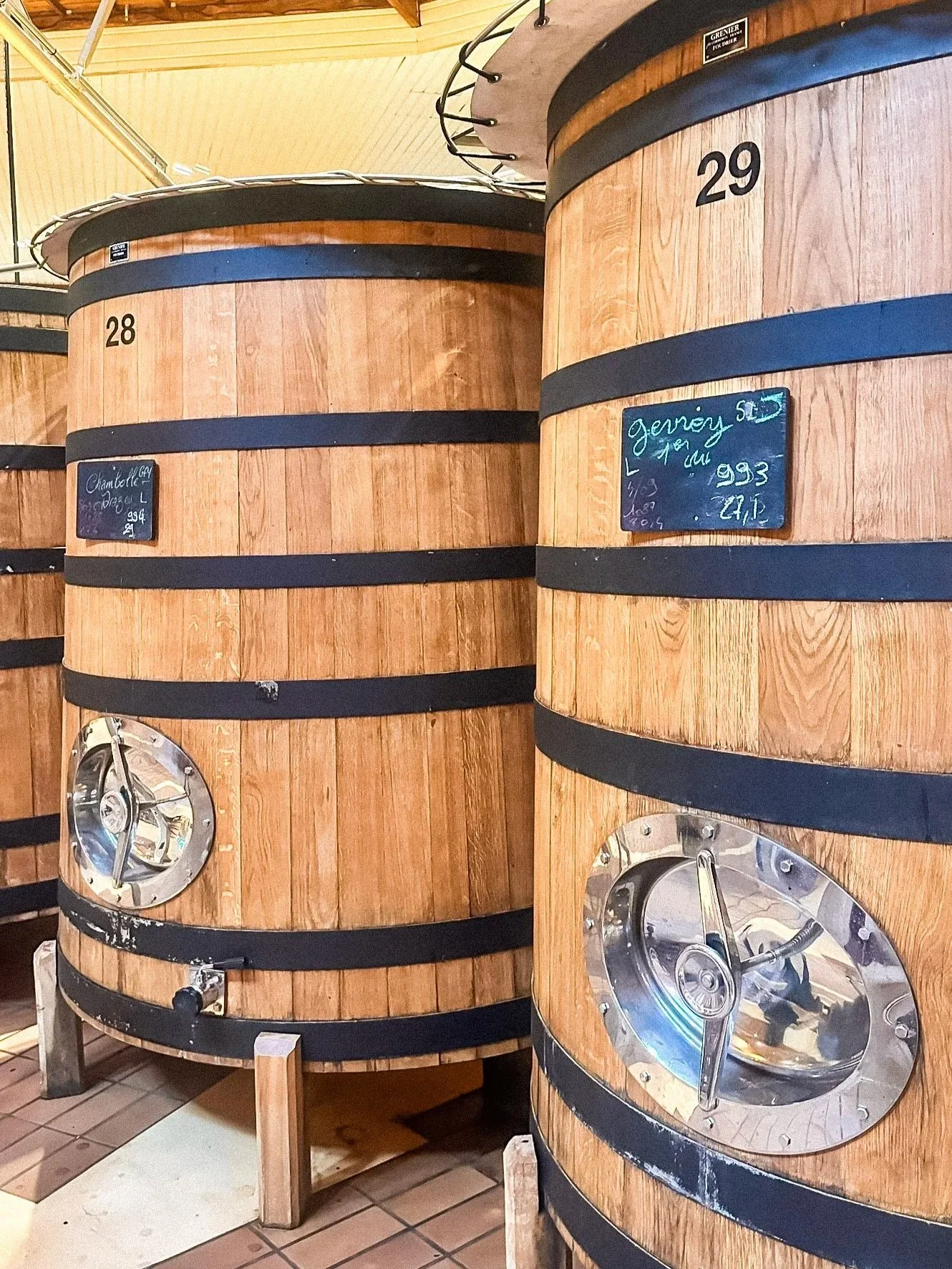
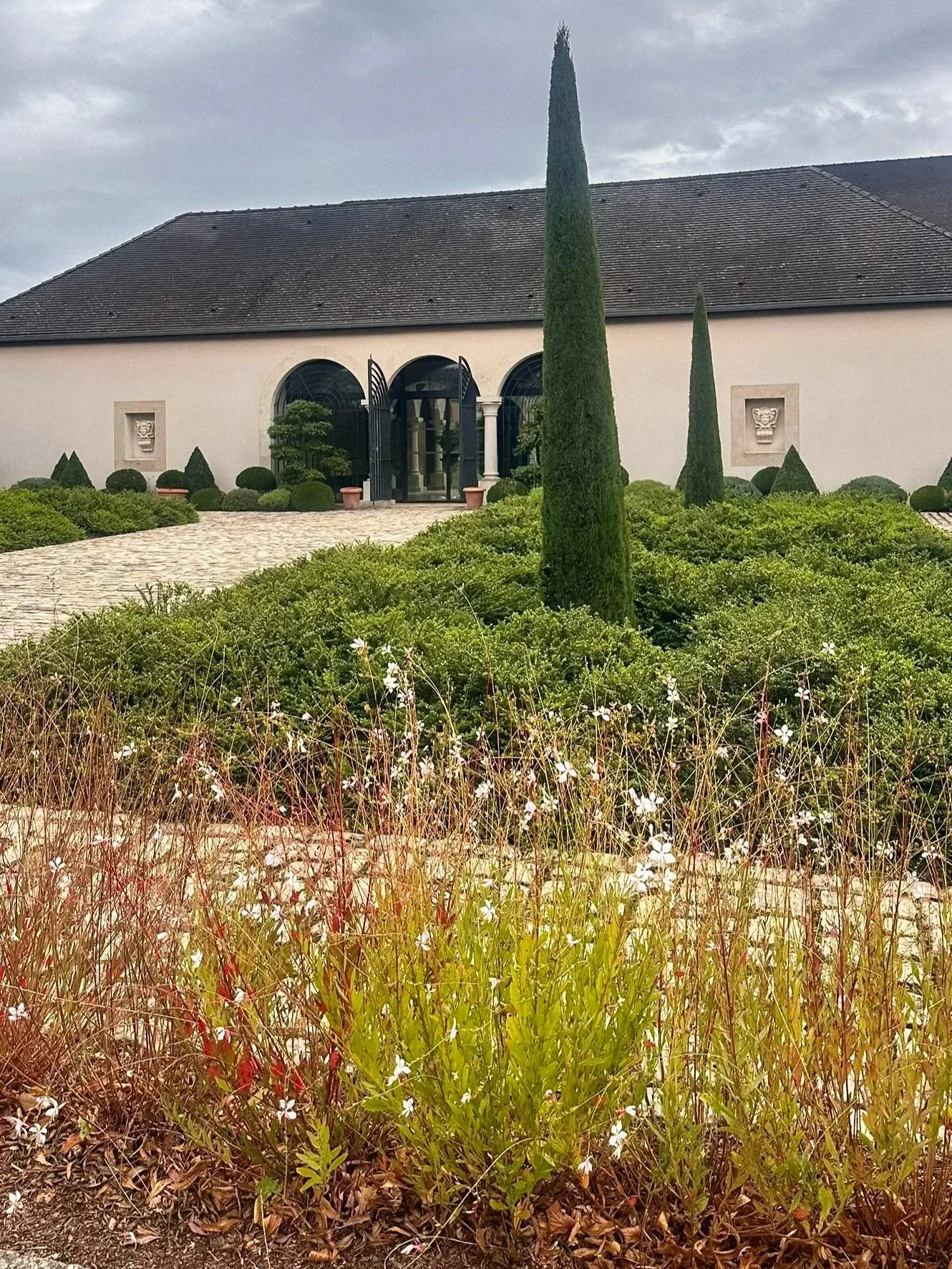
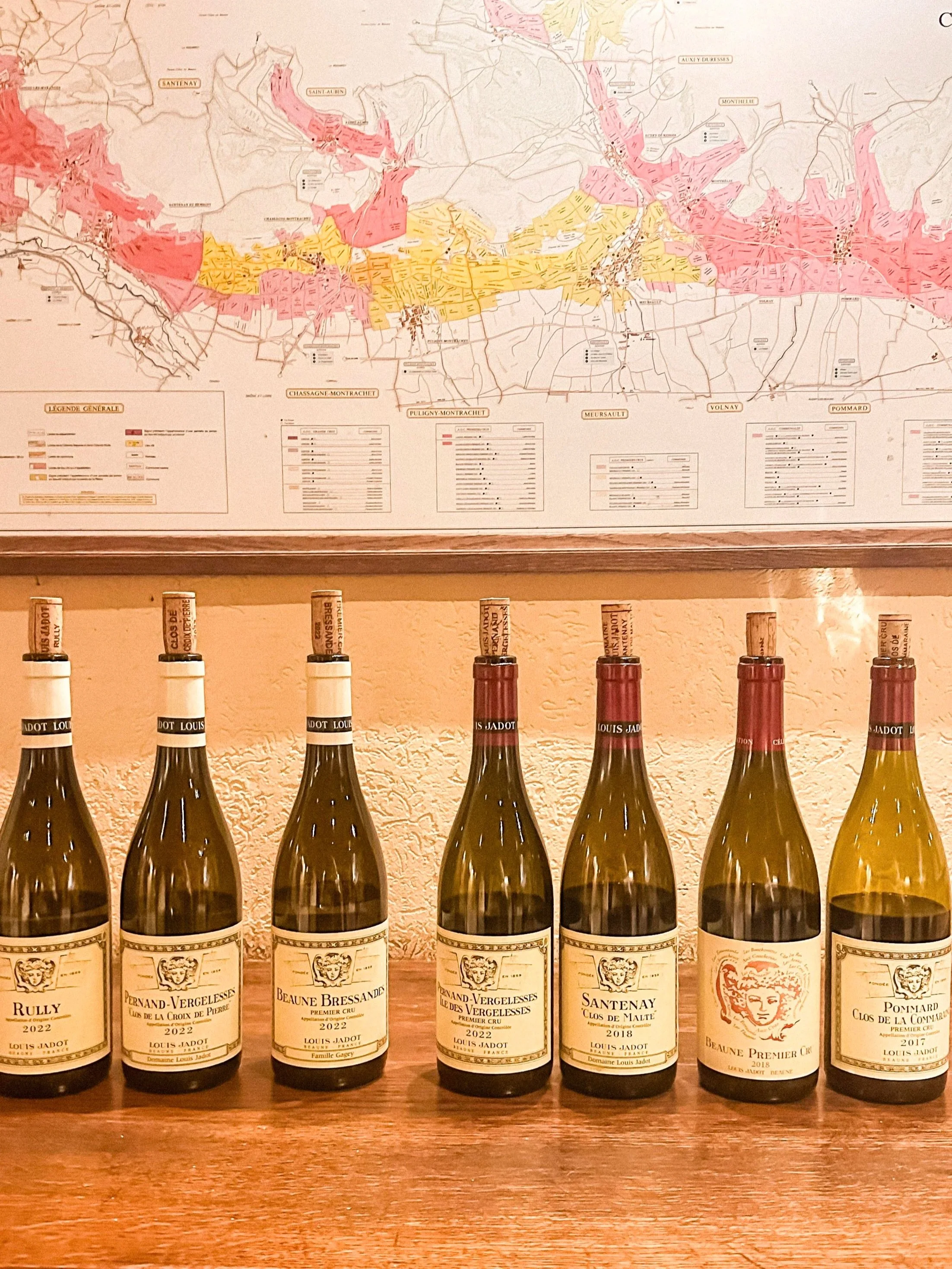
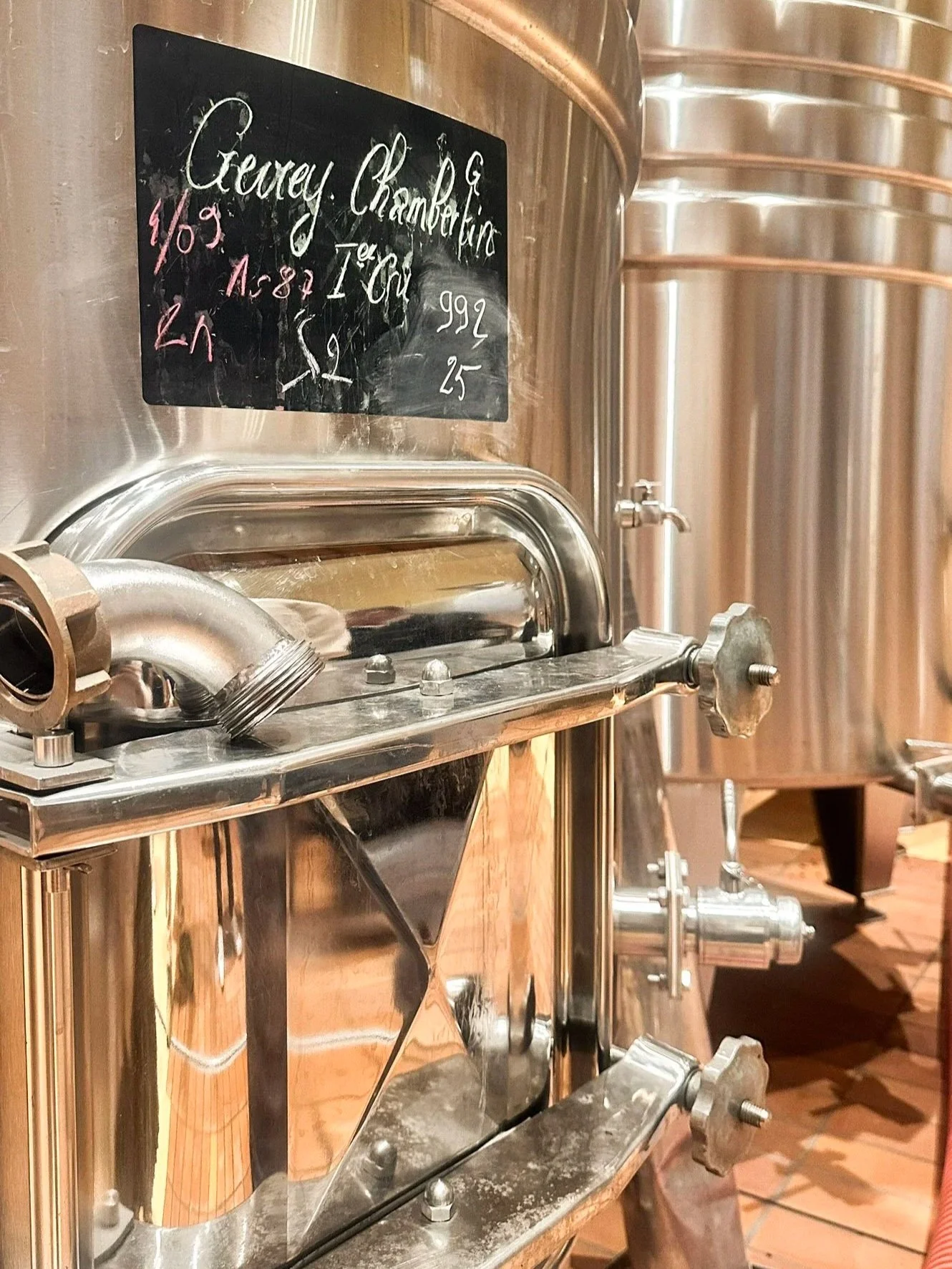
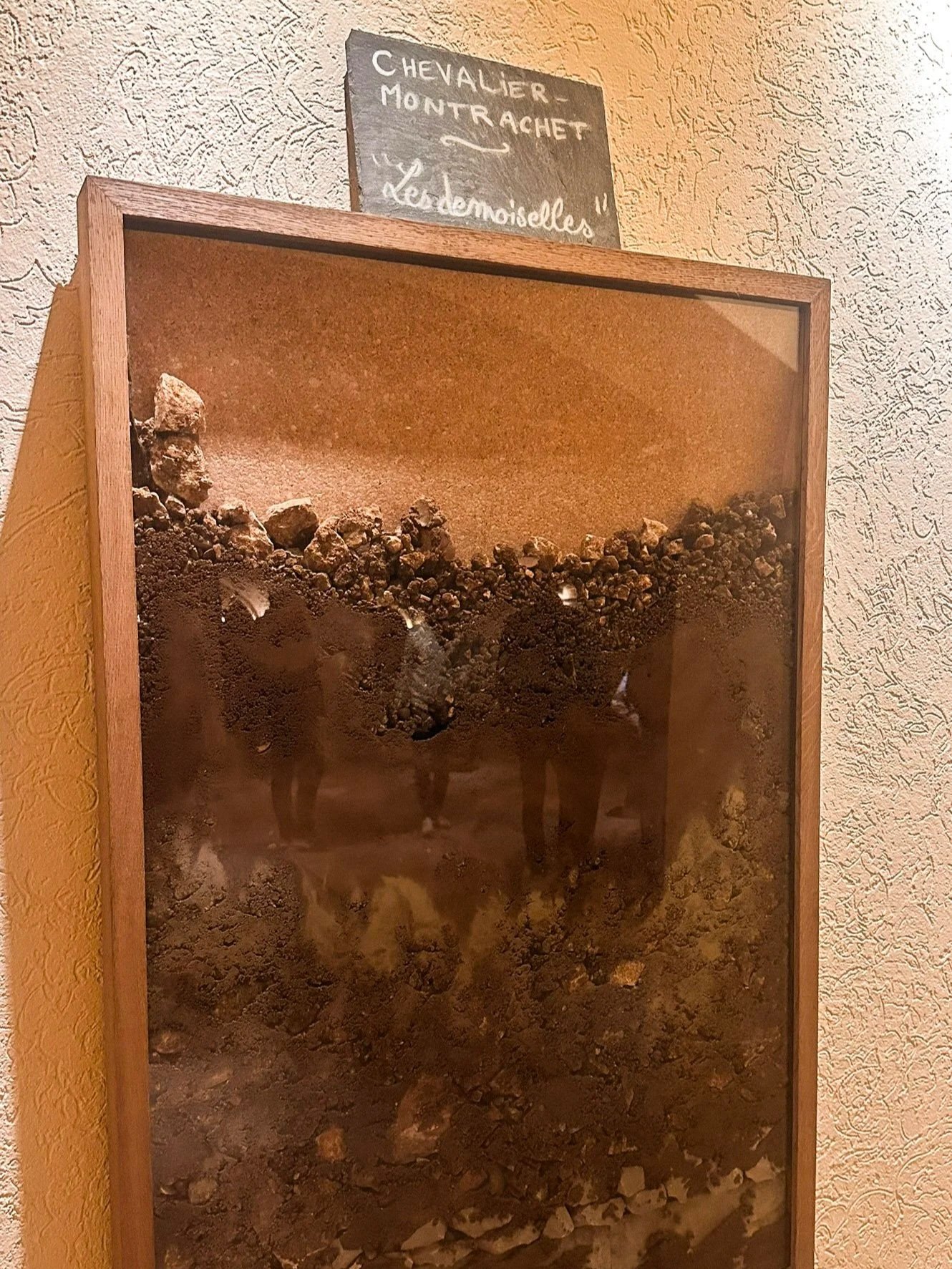
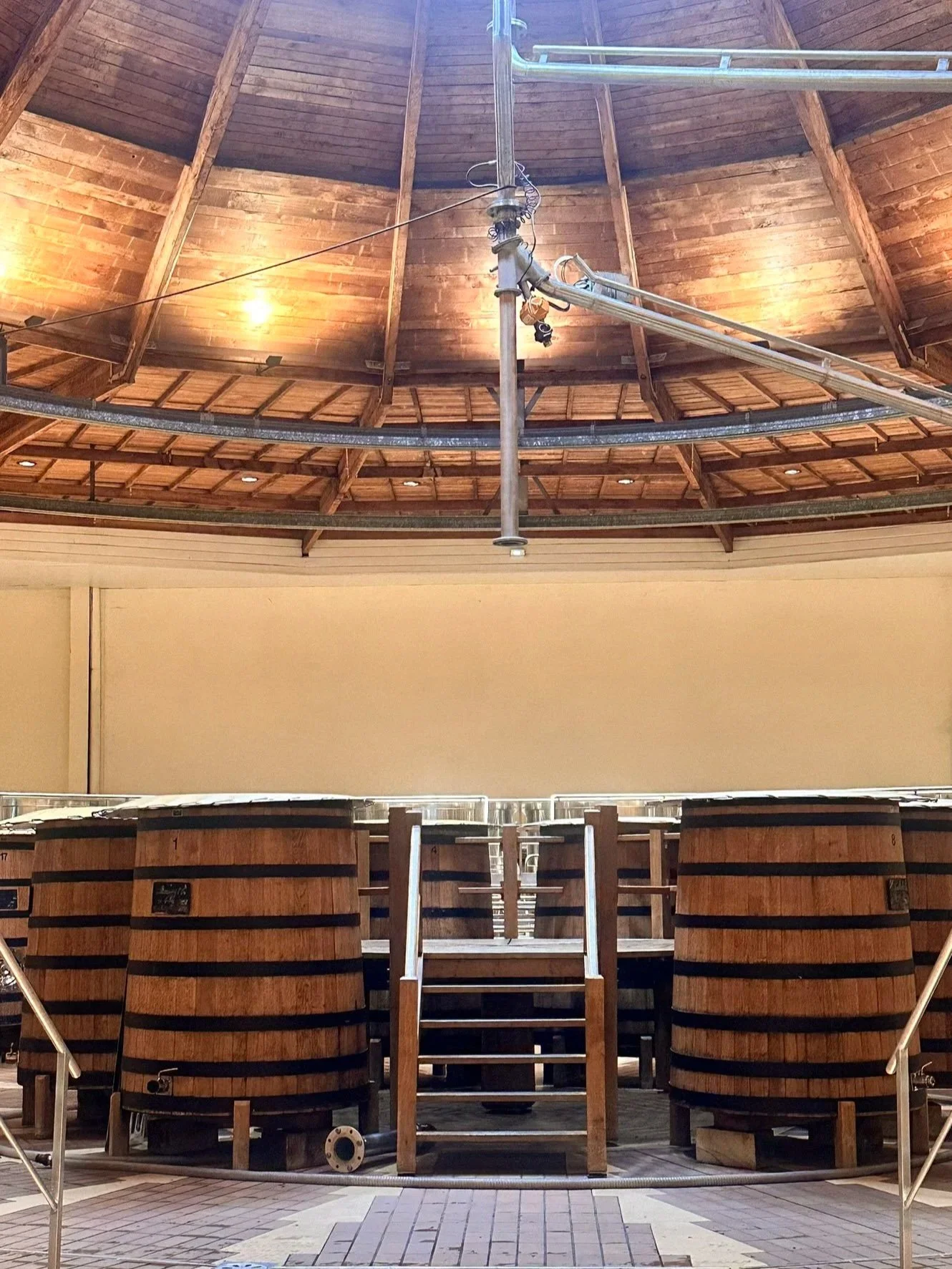
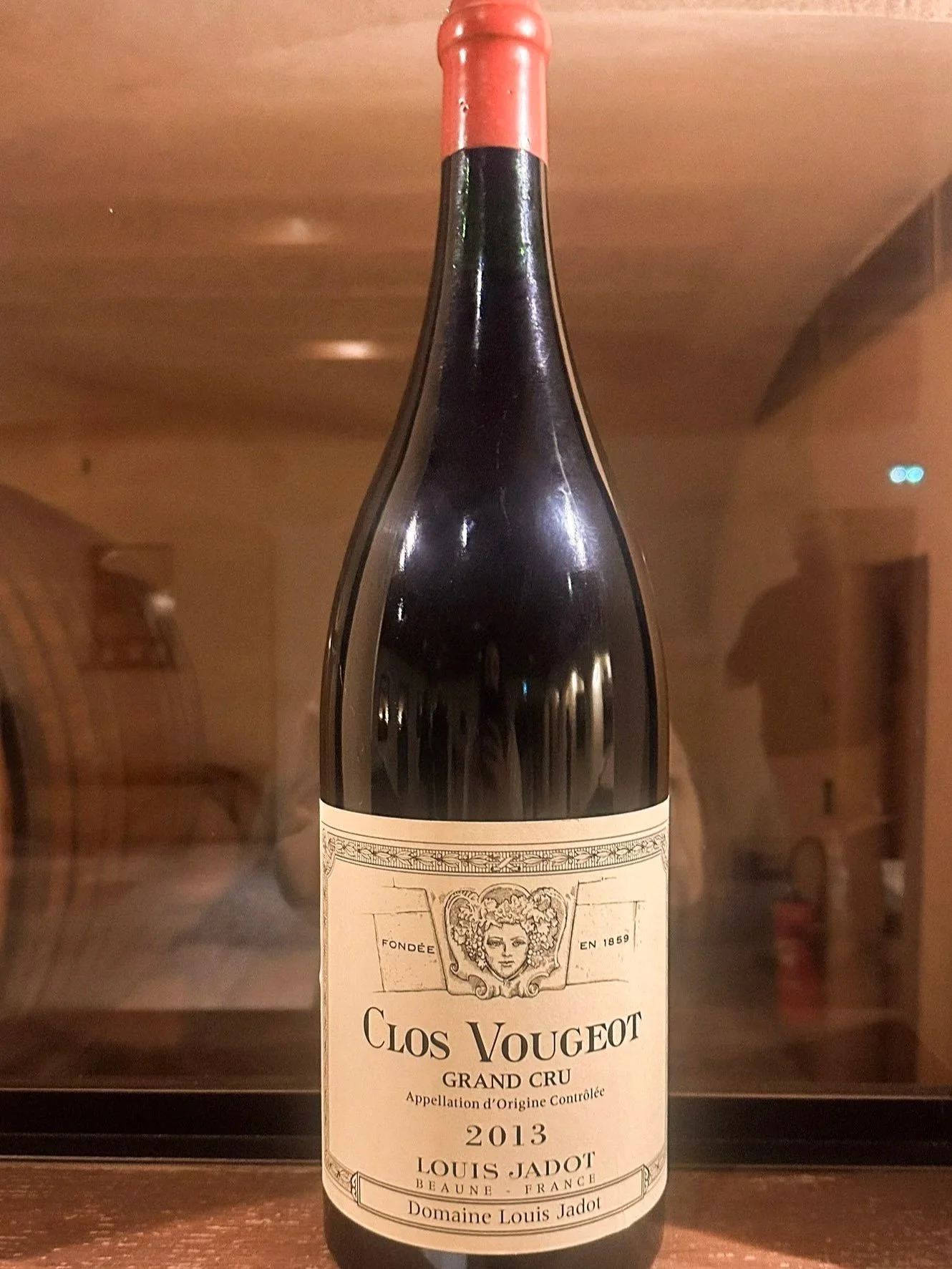
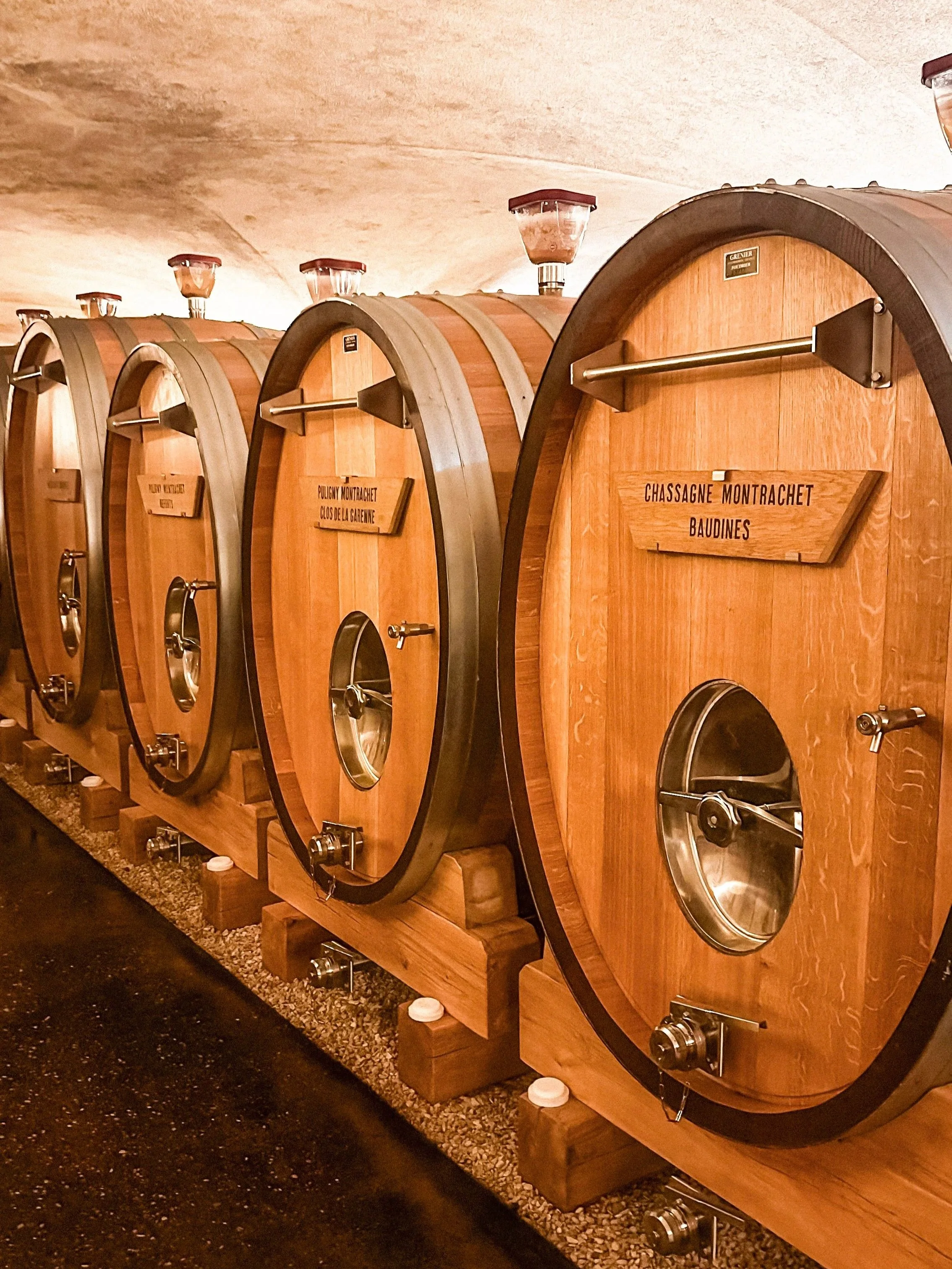
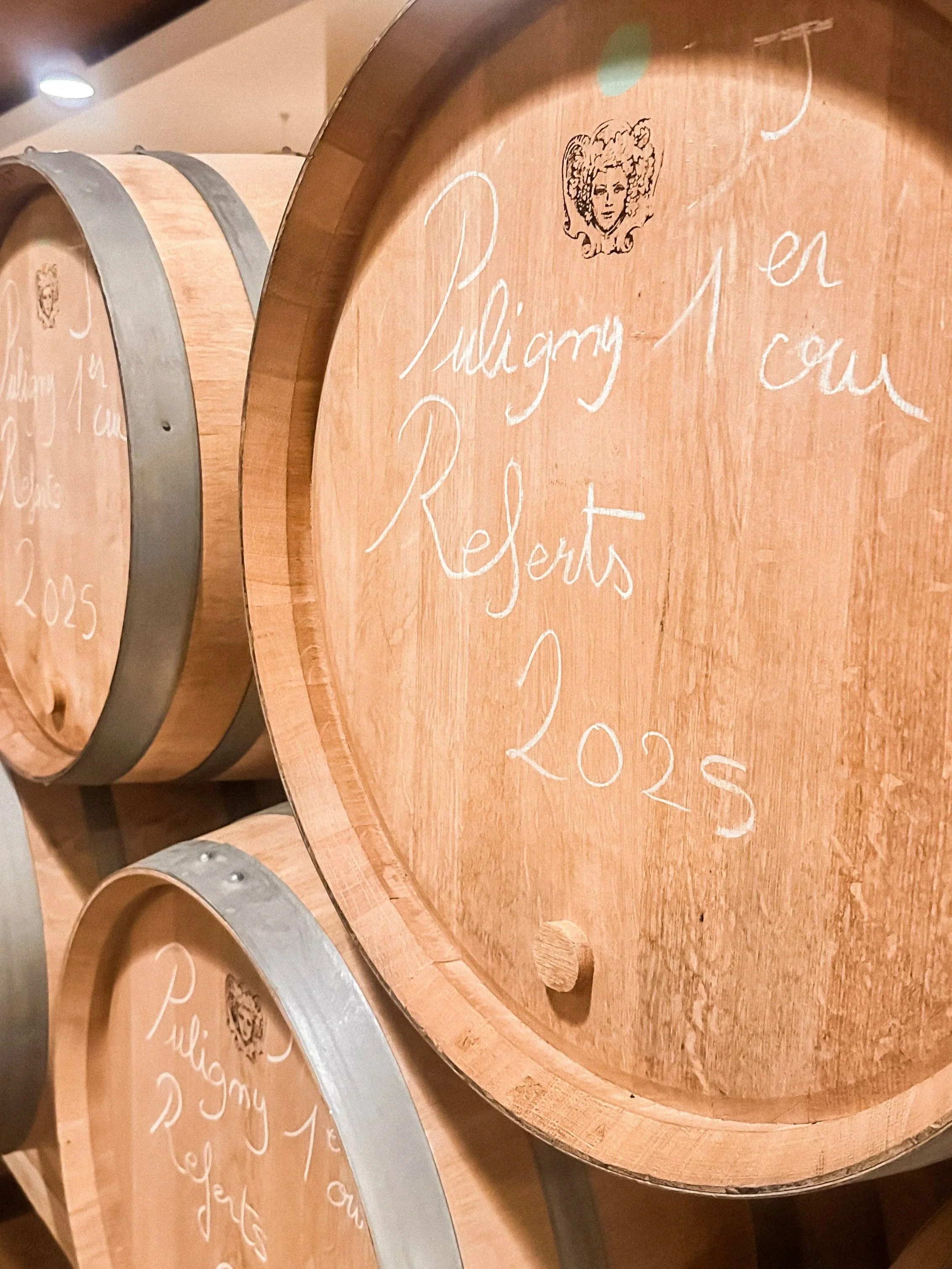
Founded in Beaune in 1859, Louis Jadot is one of Burgundy's most emblematic wine houses. The visit offers a fascinating overview of the region through Pinot Noir and Chardonnay from different appellations and terroirs, making it particularly interesting after exploring the vineyards themselves.
Pommard
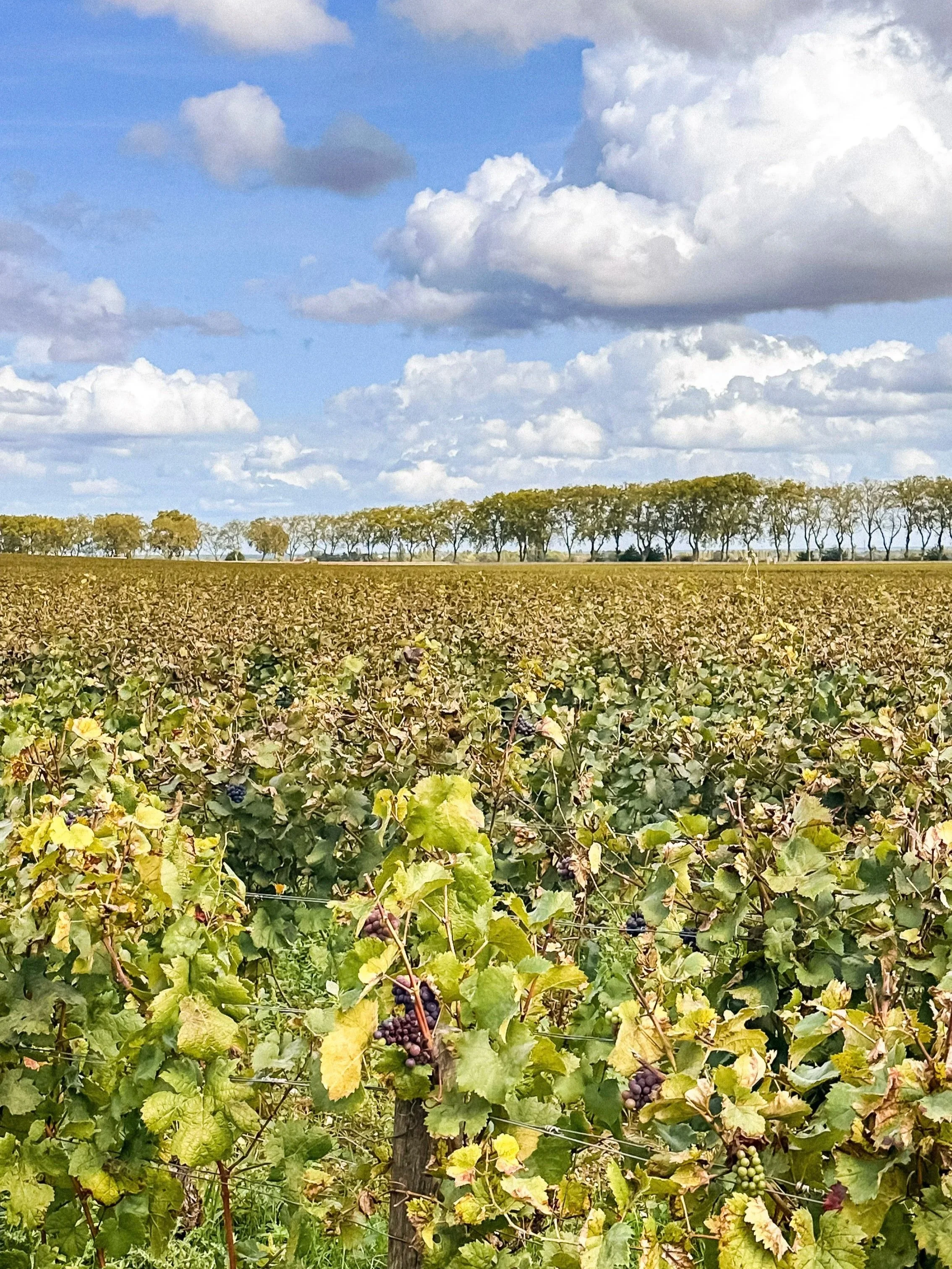
Only a few kilometres southwest of Beaune, Pommard is synonymous with Pinot Noir.
The village itself is small and surrounded almost immediately by vineyards, making it an easy stop along the Route des Grands Crus.
Château de Pommard
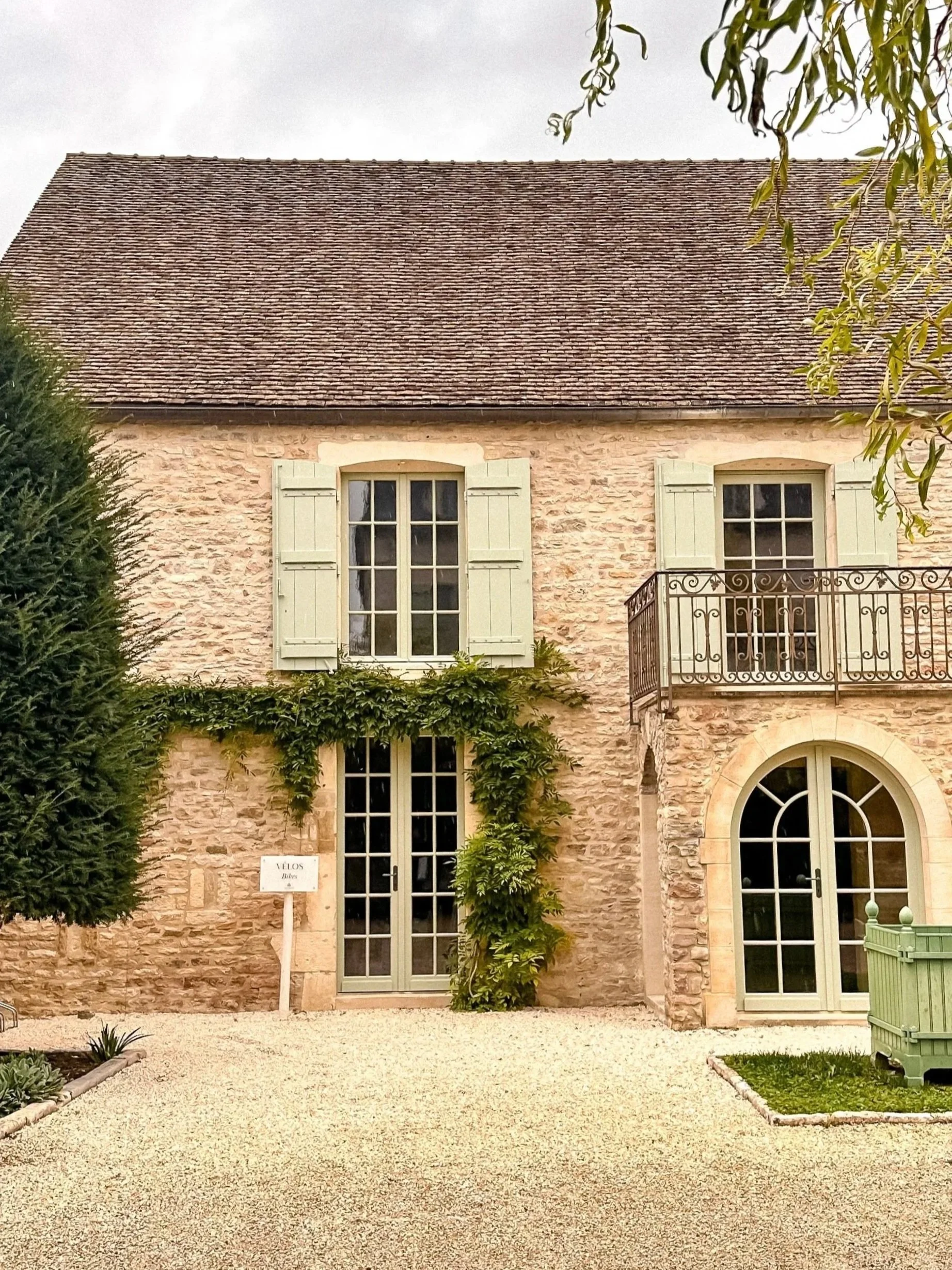
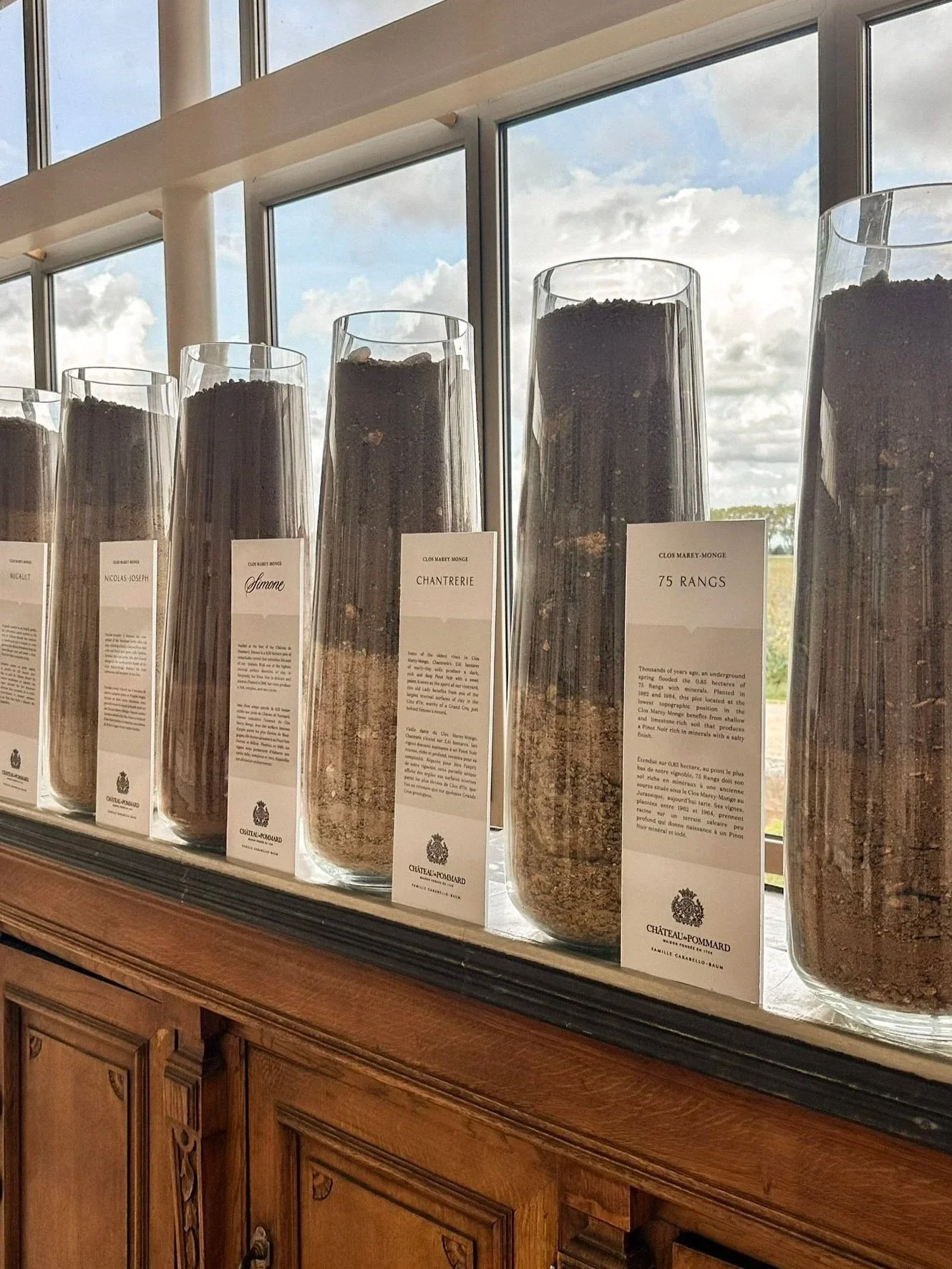
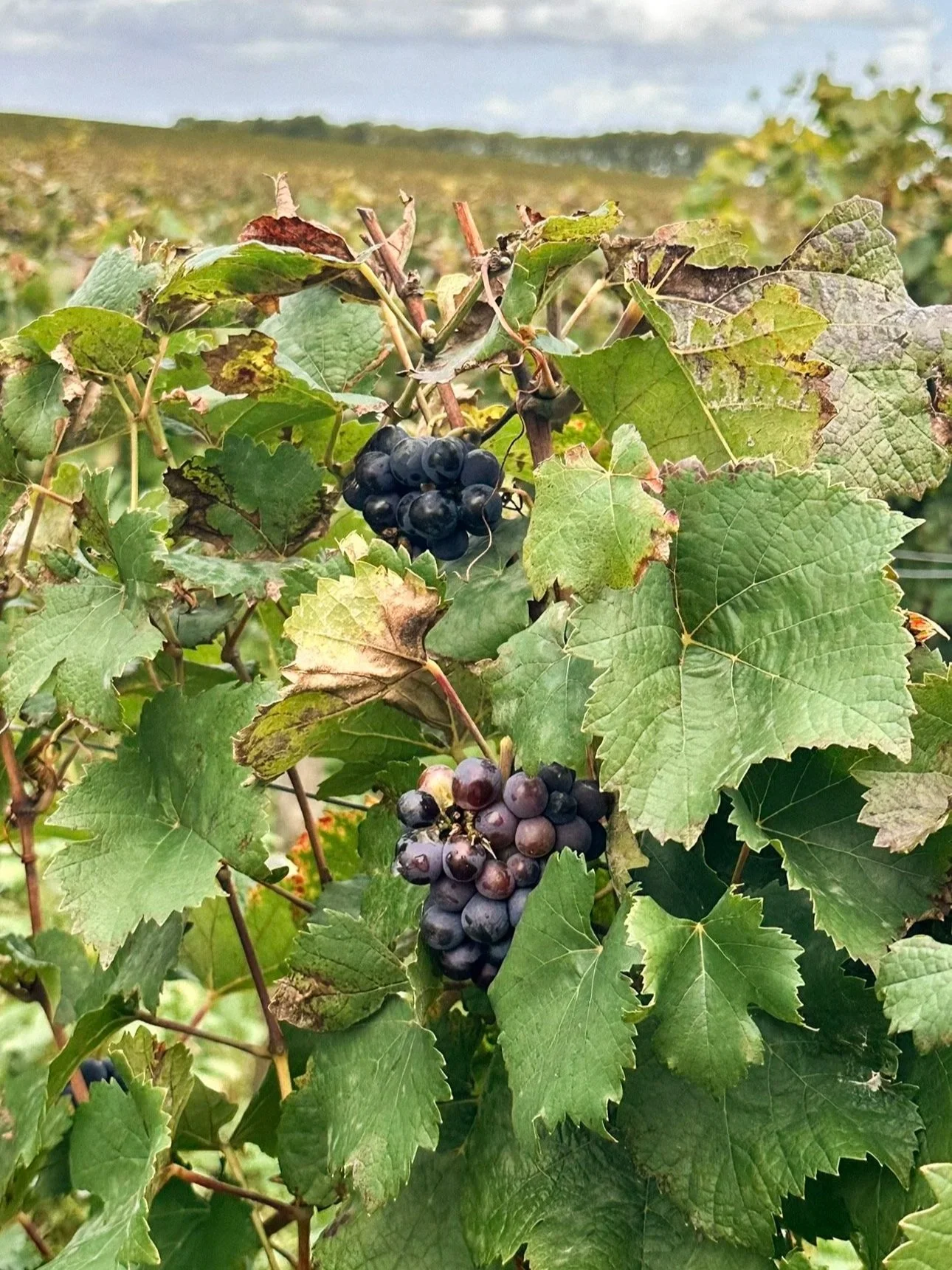
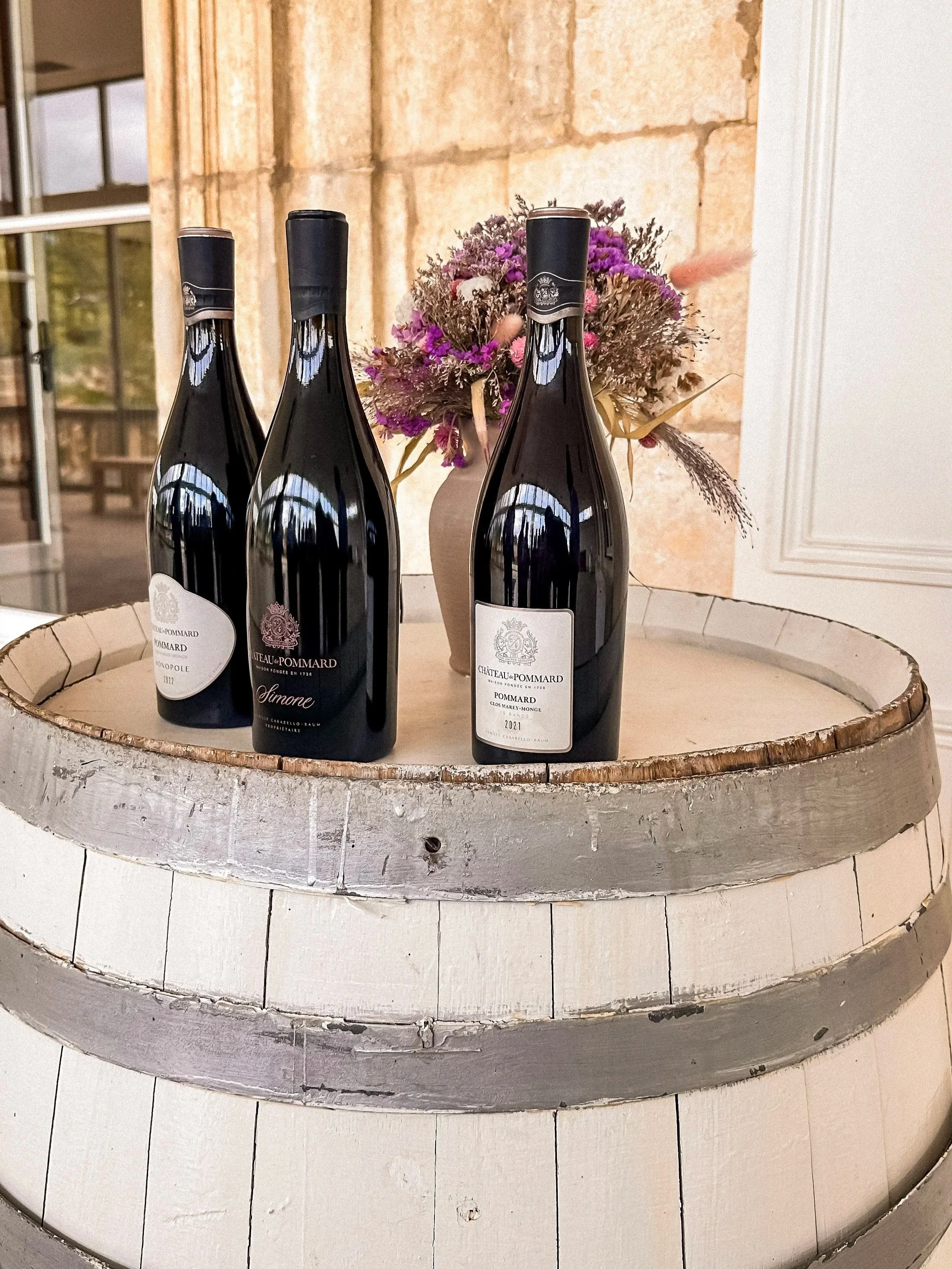
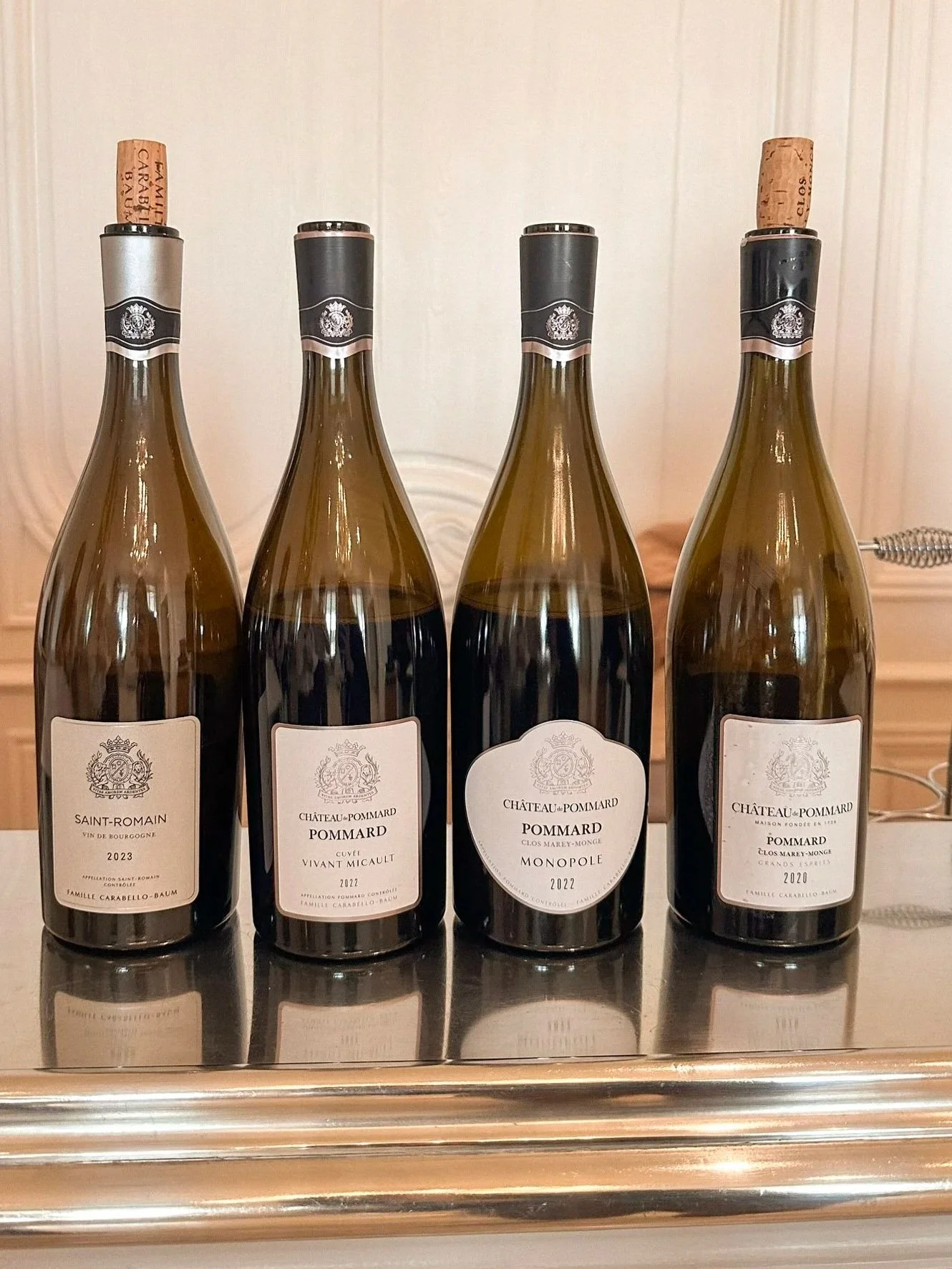
One of the more accessible wine experiences in the region, Château de Pommard offers structured tastings that introduce the concept of Burgundy terroir particularly well.
Rather than simply tasting several wines, use the visit to compare different vineyard origins side by side. Once you've learned about Climats, this is where the theory starts becoming tangible in the glass.
Savigny-lès-Beaune
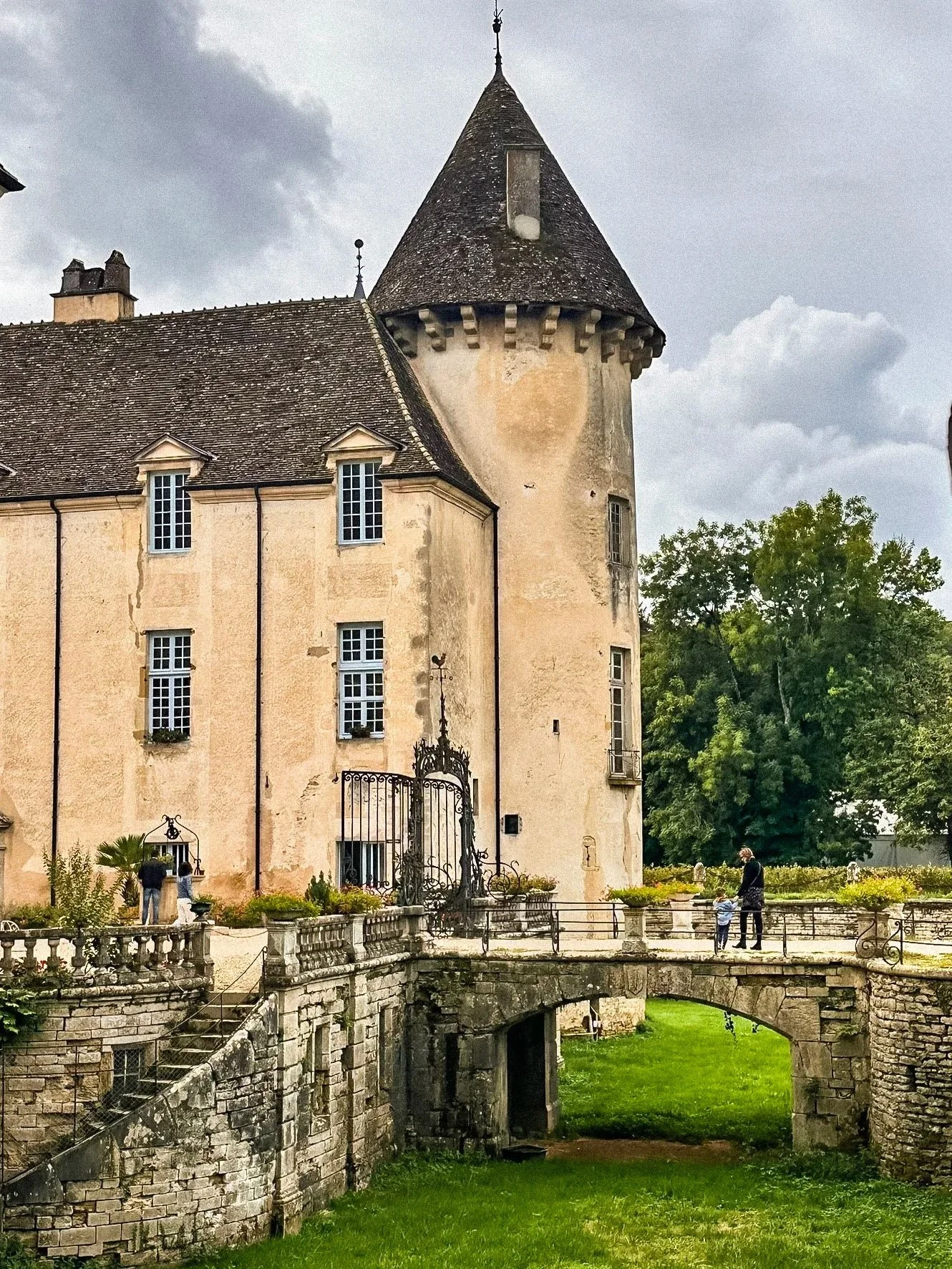
A quieter village north of Beaune, Savigny-lès-Beaune offers a nice contrast to some of the more famous appellations.
Château de Savigny-lès-Beaune
This is one of Burgundy's more unusual château visits.
Alongside the historic estate and vineyards, the property houses an unexpected collection of vintage aircraft, motorcycles and racing cars.
It's eccentric, slightly surreal and completely different from another conventional wine tasting.
Domaine Chandon de Briailles
This historic family estate practices biodynamic viticulture and produces elegant Pinot Noir and Chardonnay from vineyards in Savigny-lès-Beaune, Pernand-Vergelesses and the Corton hill, making it an excellent place to explore the diversity of the Côte de Beaune.
Meursault
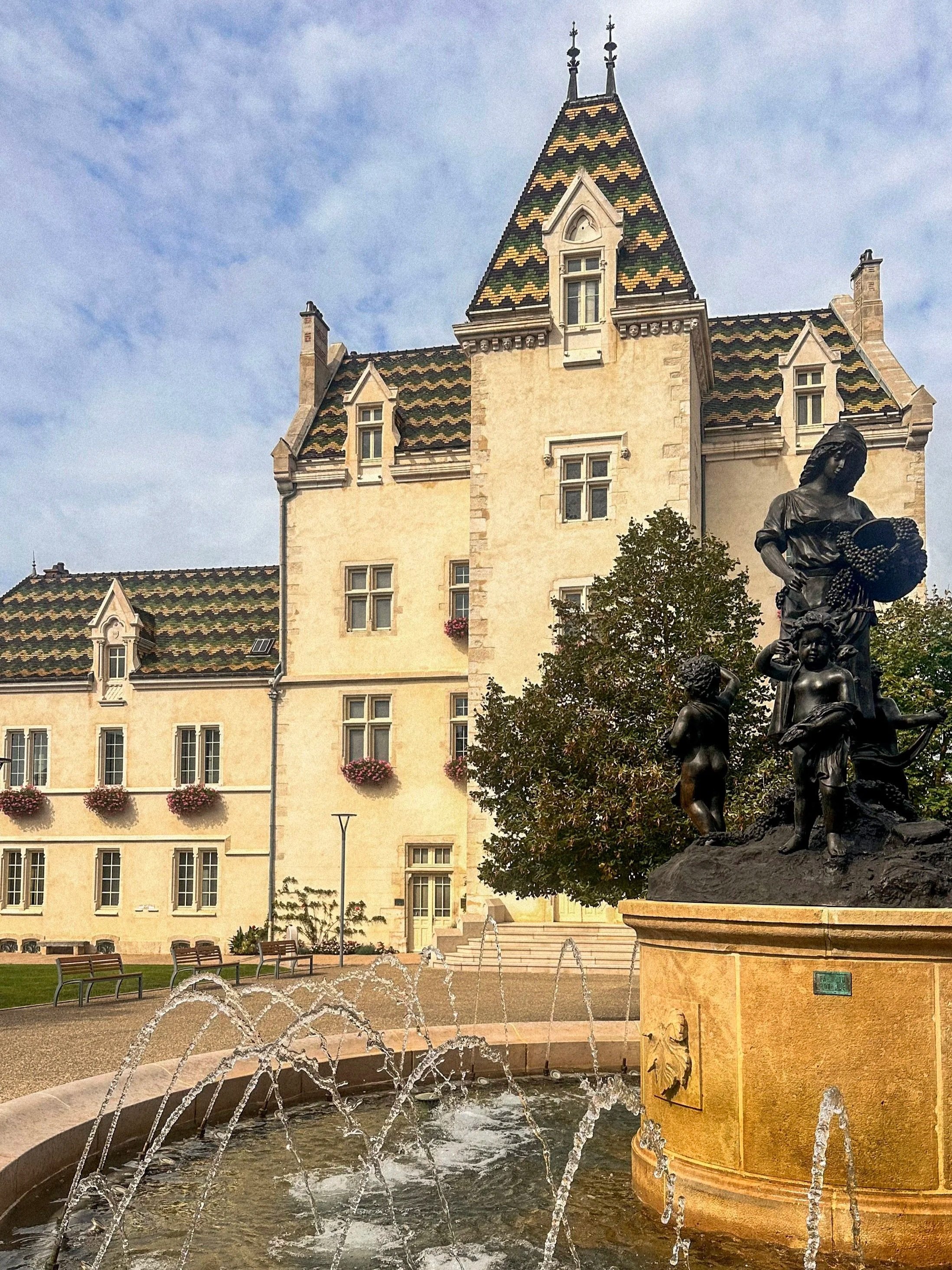
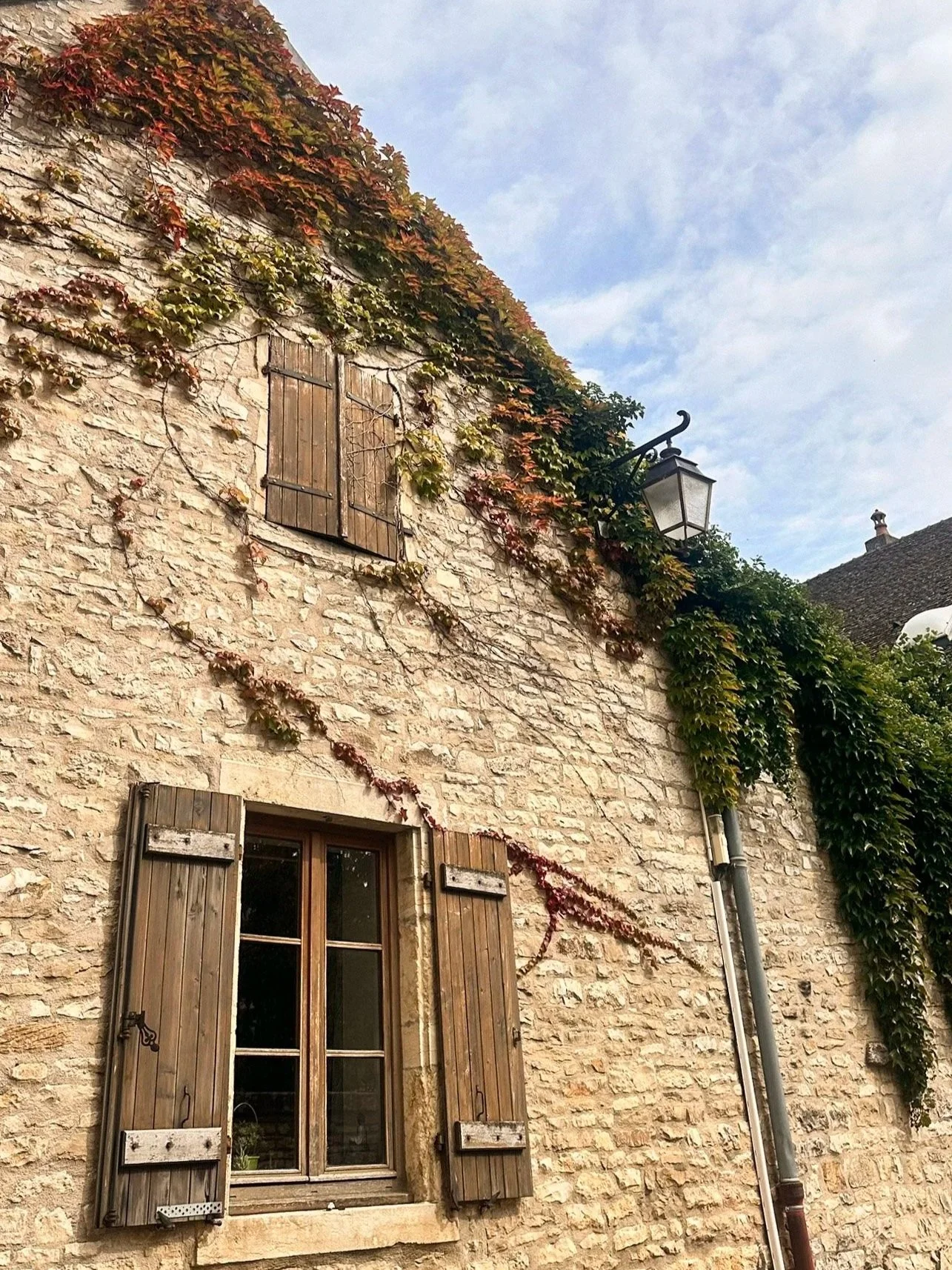
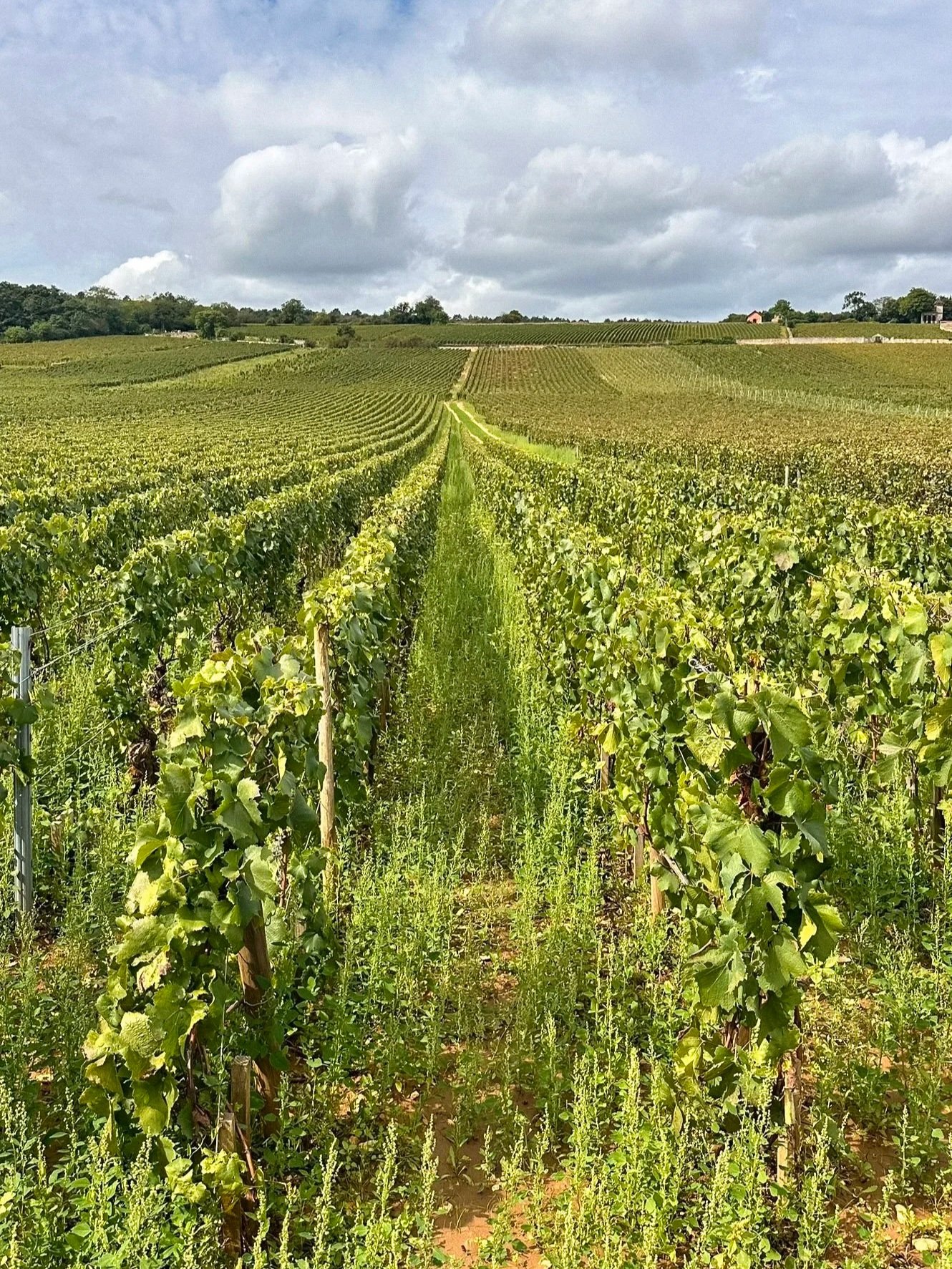
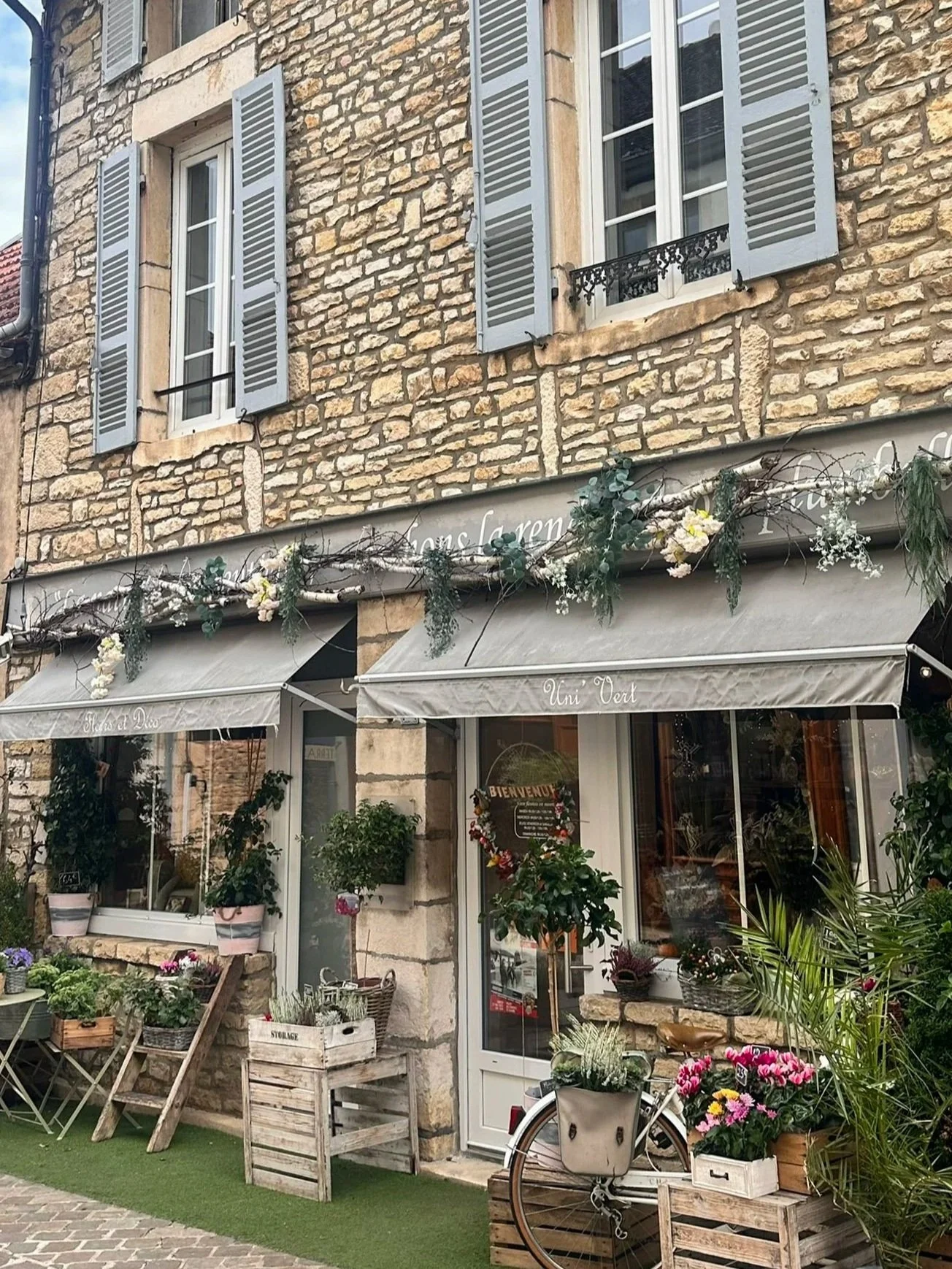
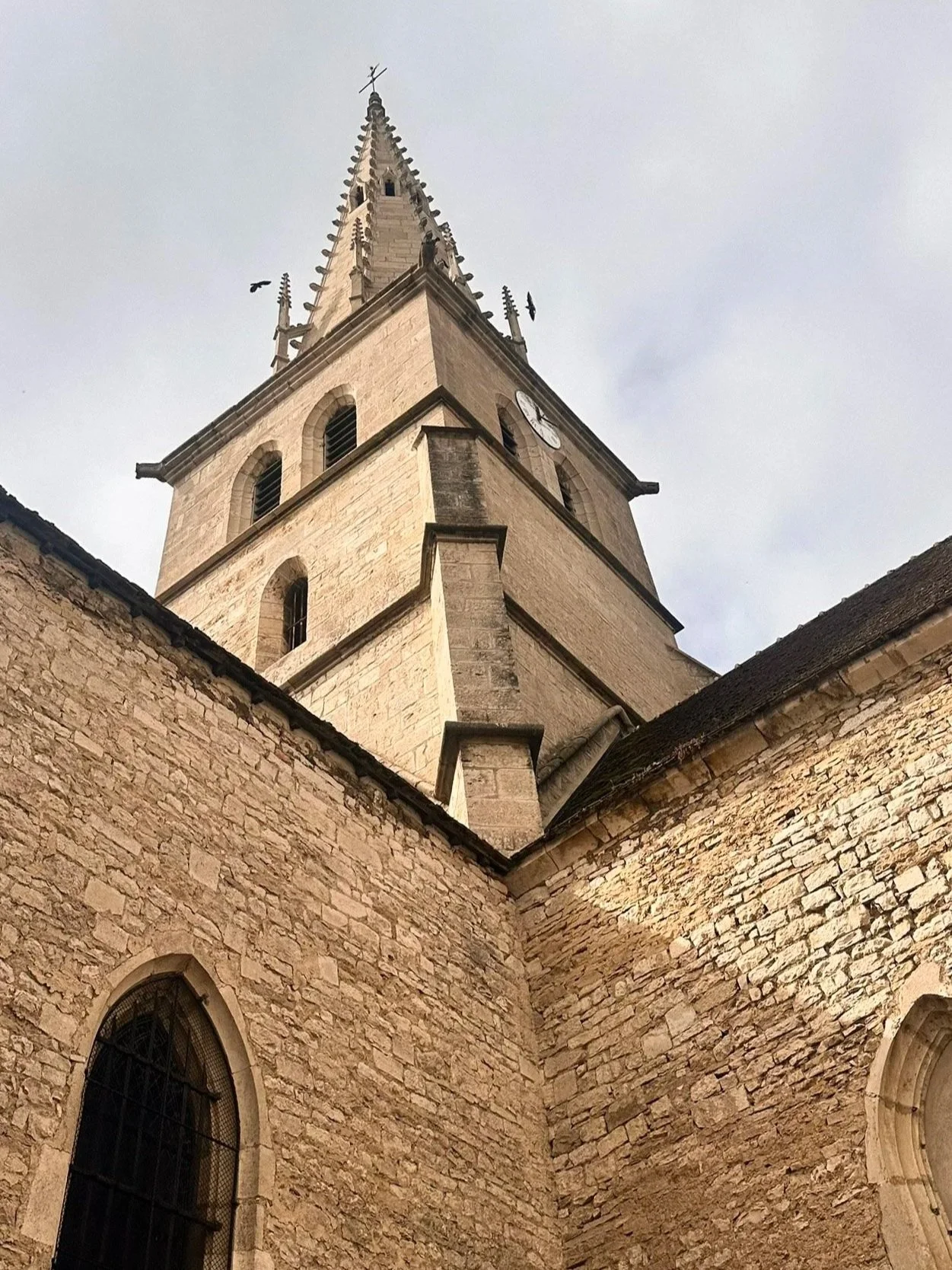
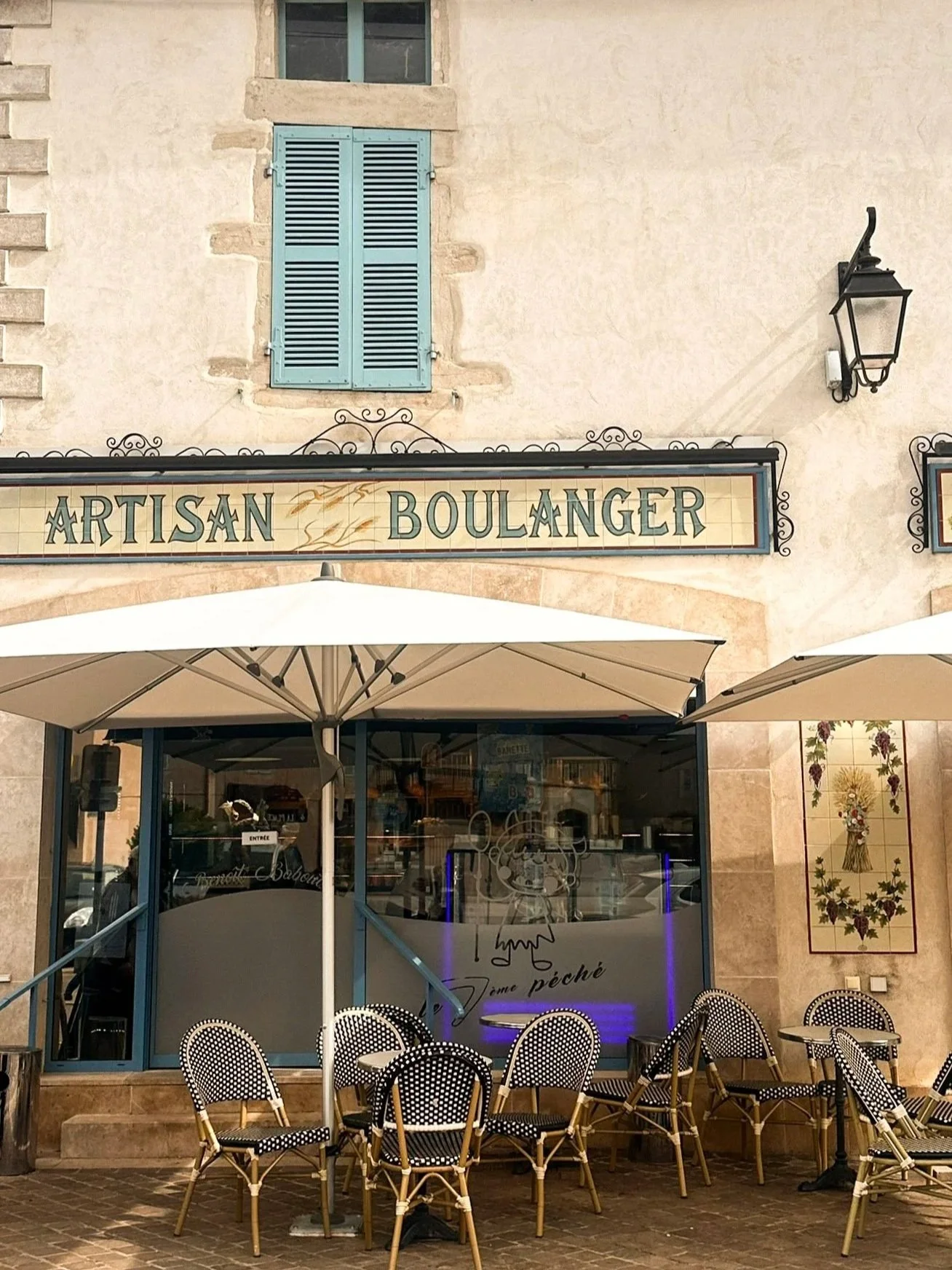
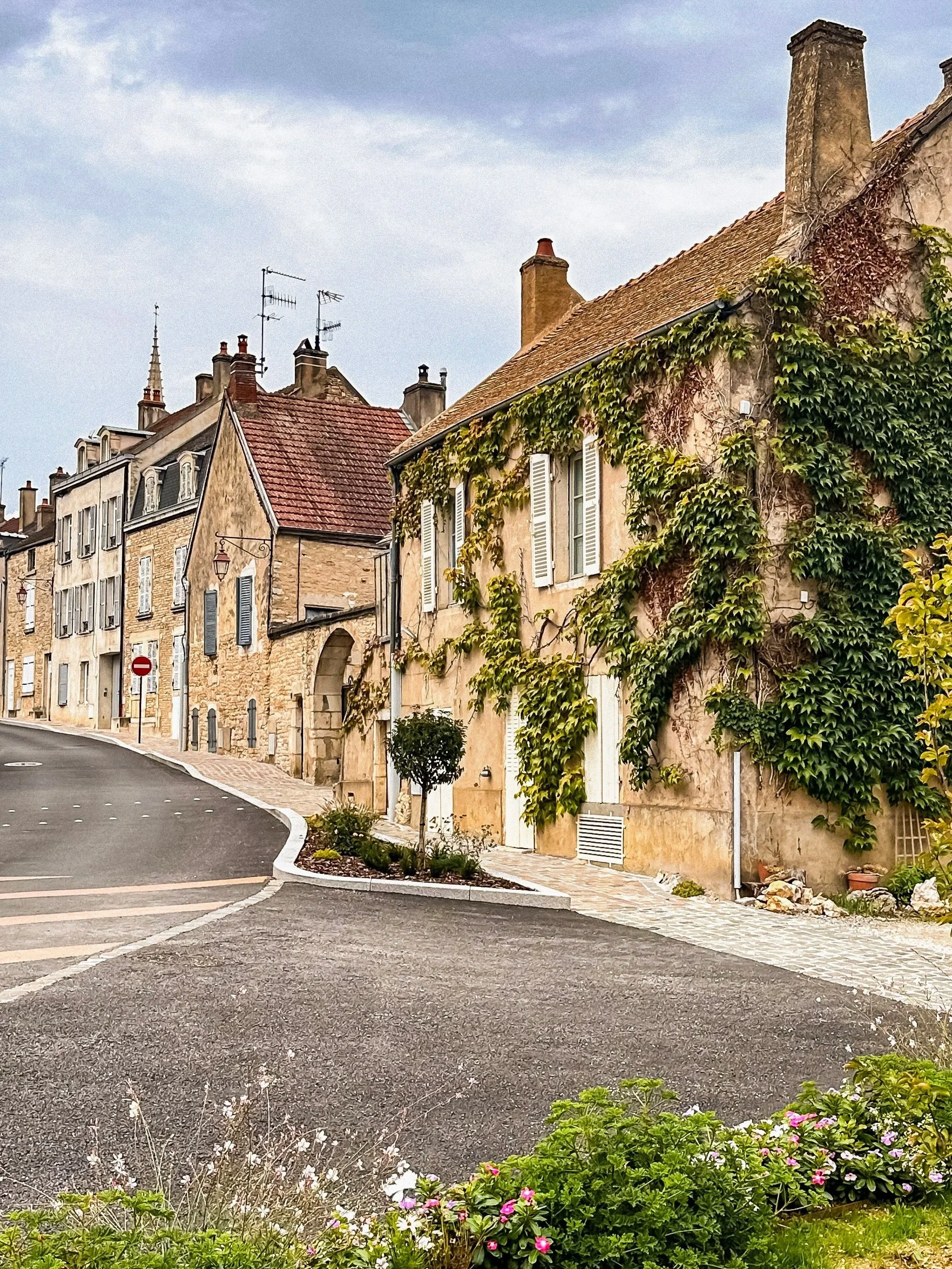
Meursault is one of the villages I would make time to wander rather than simply arrive for a tasting and leave.
Stone houses, quiet streets and vineyards surround the village almost seamlessly.
It is particularly famous for Chardonnay, and although Meursault has no Grand Cru vineyard of its own, its Premier Crus and Village wines are among Burgundy's most celebrated whites.
Château de Meursault
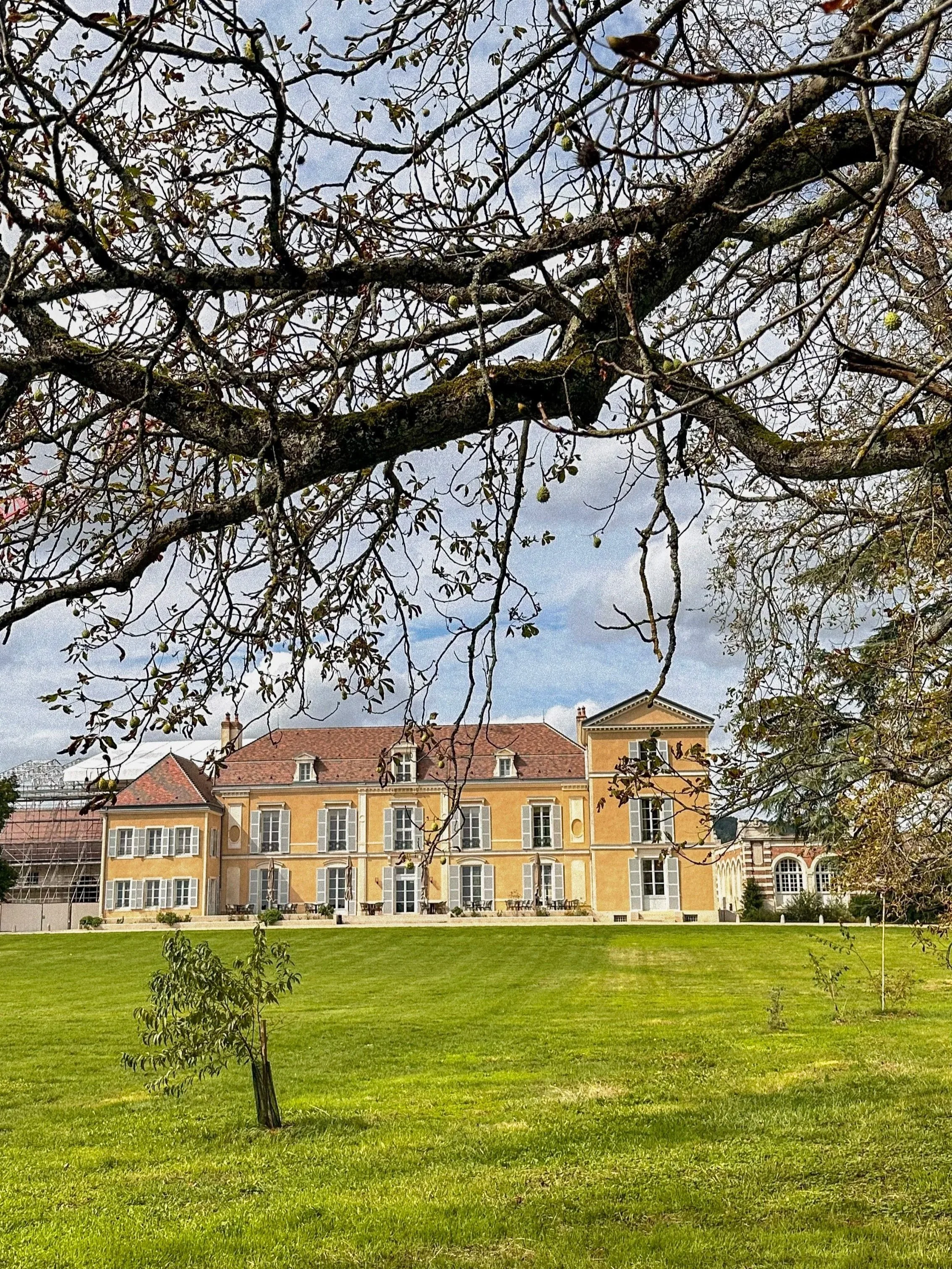
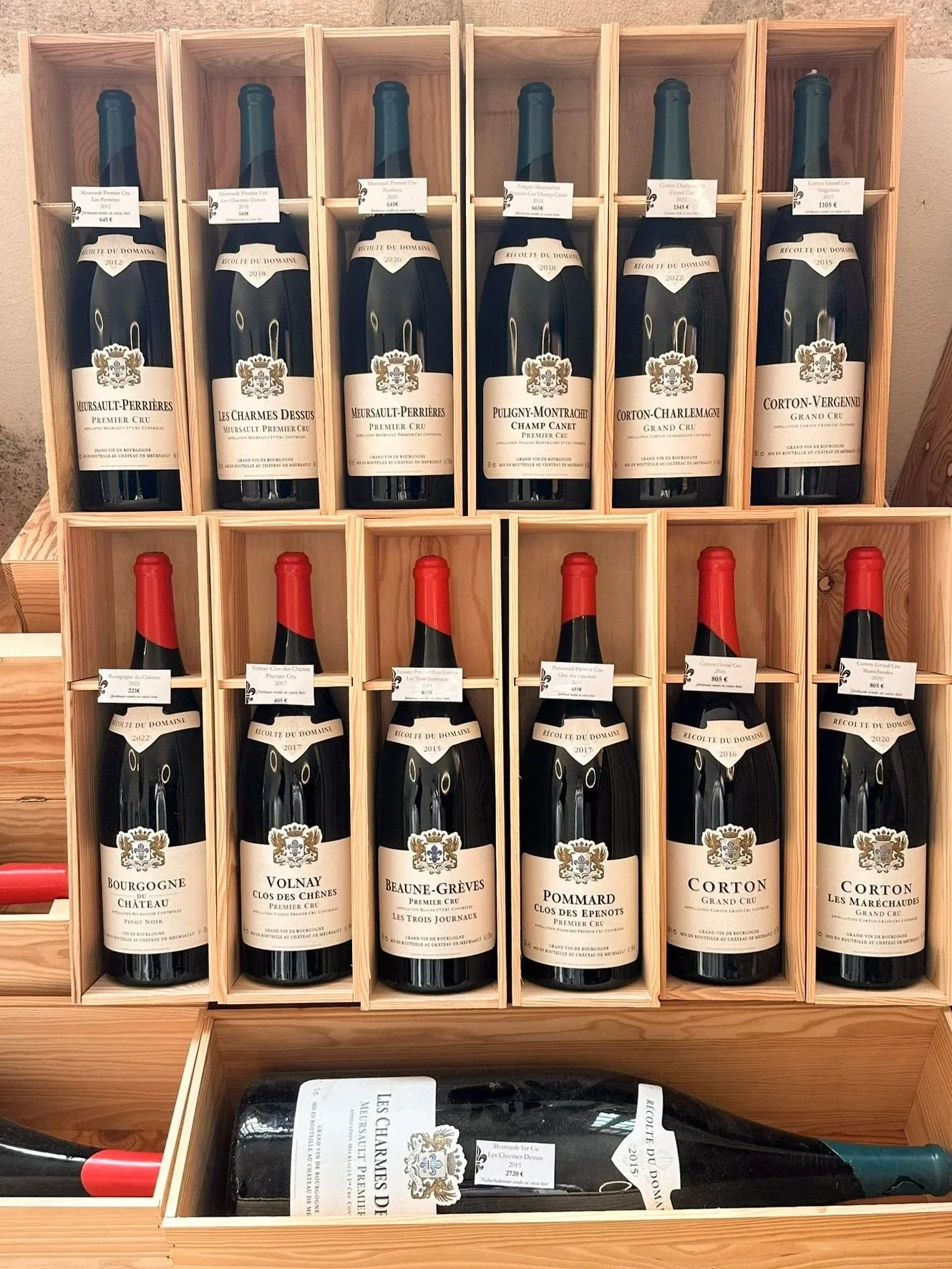
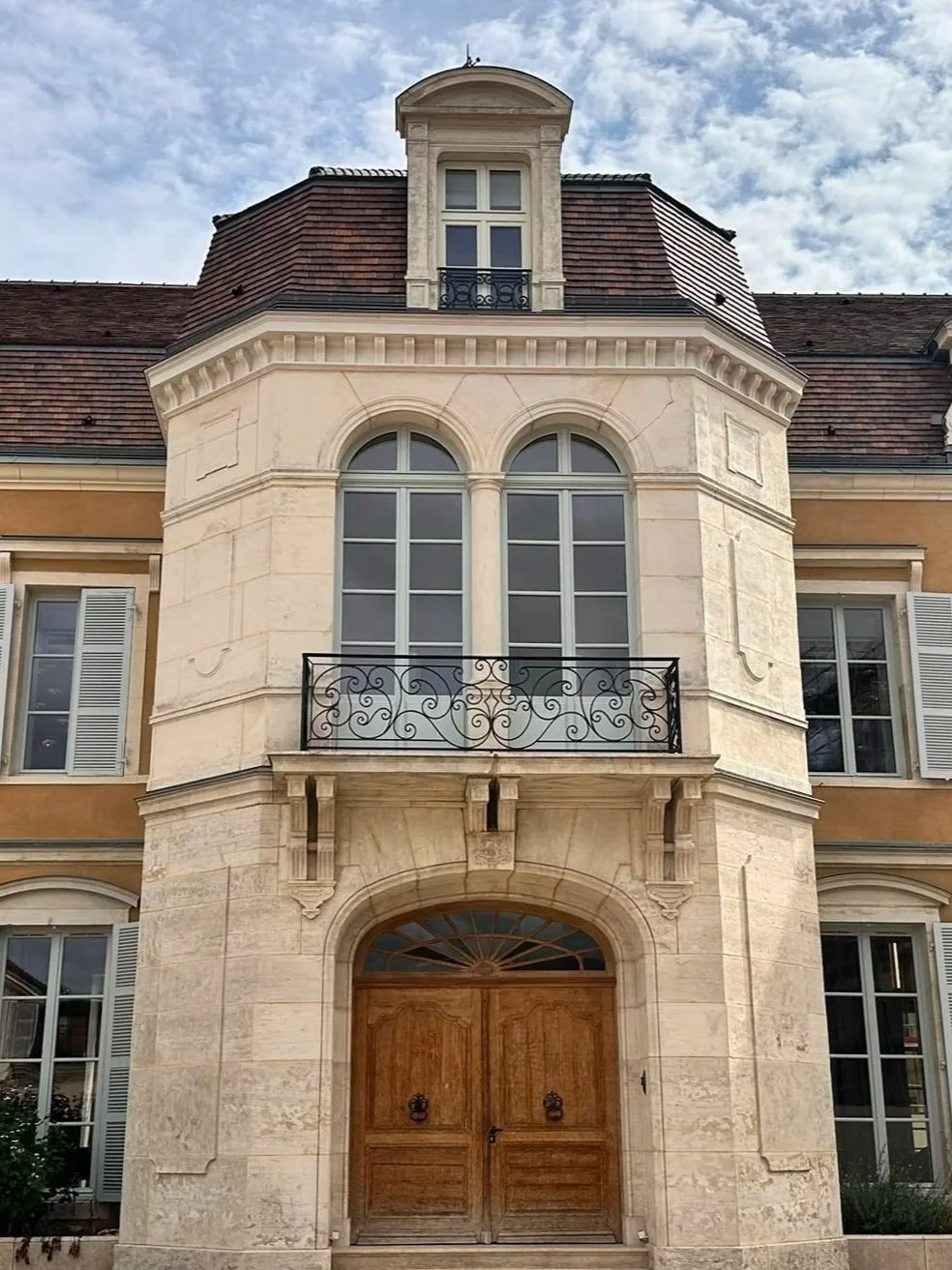
The château combines historic cellars with an extensive tasting, making it a particularly good stop if you want to understand the progression between different appellations and vineyard sites.
Saint-Aubin
A little removed from the main Route des Grands Crus, Saint-Aubin is surrounded by vineyards and sits just behind the legendary Montrachet slope.
It's quieter than Meursault or Puligny and makes an excellent detour if you want to experience another side of the Côte de Beaune.
Château de Saint-Aubin – Prosper Maufoux
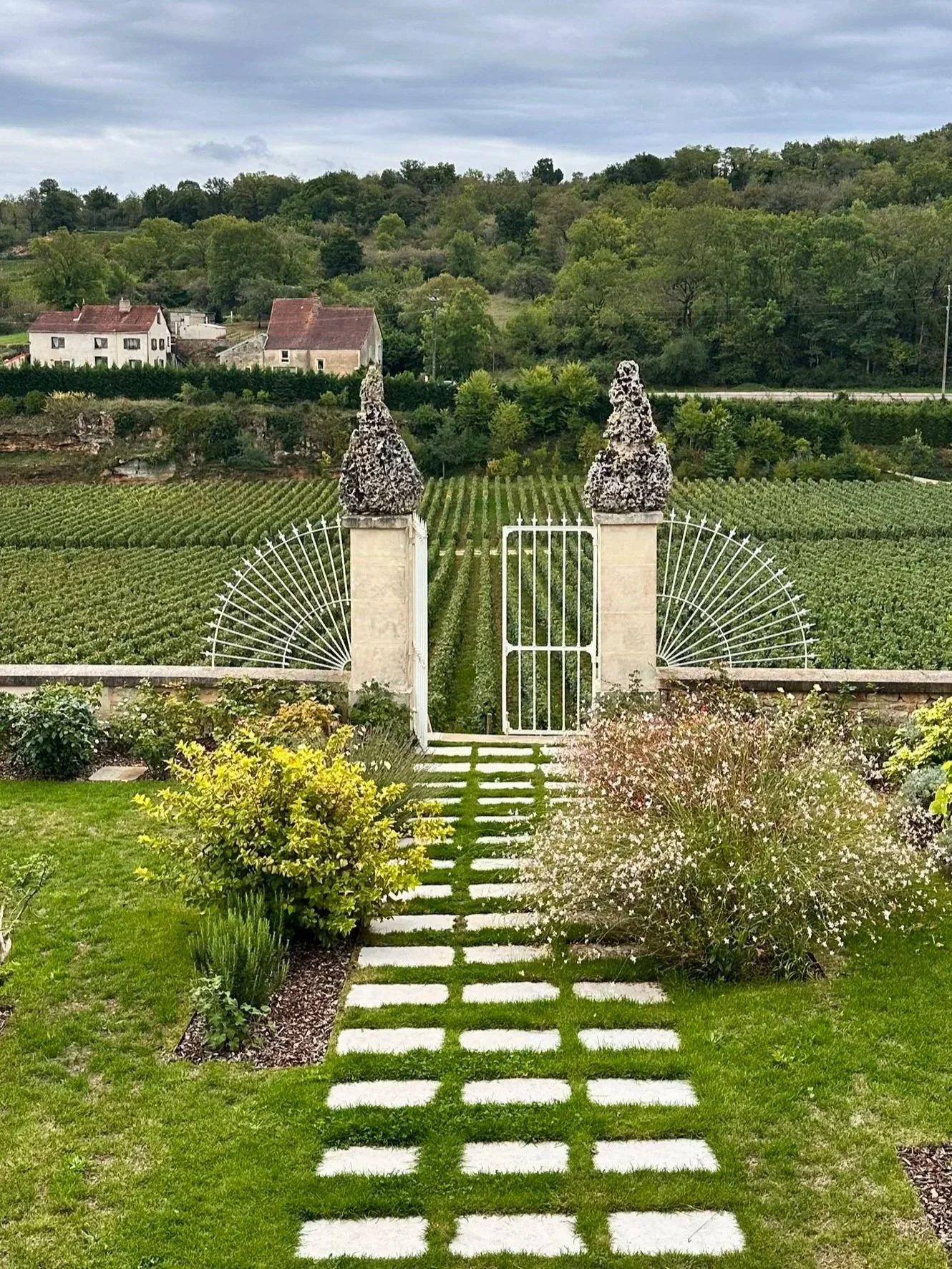
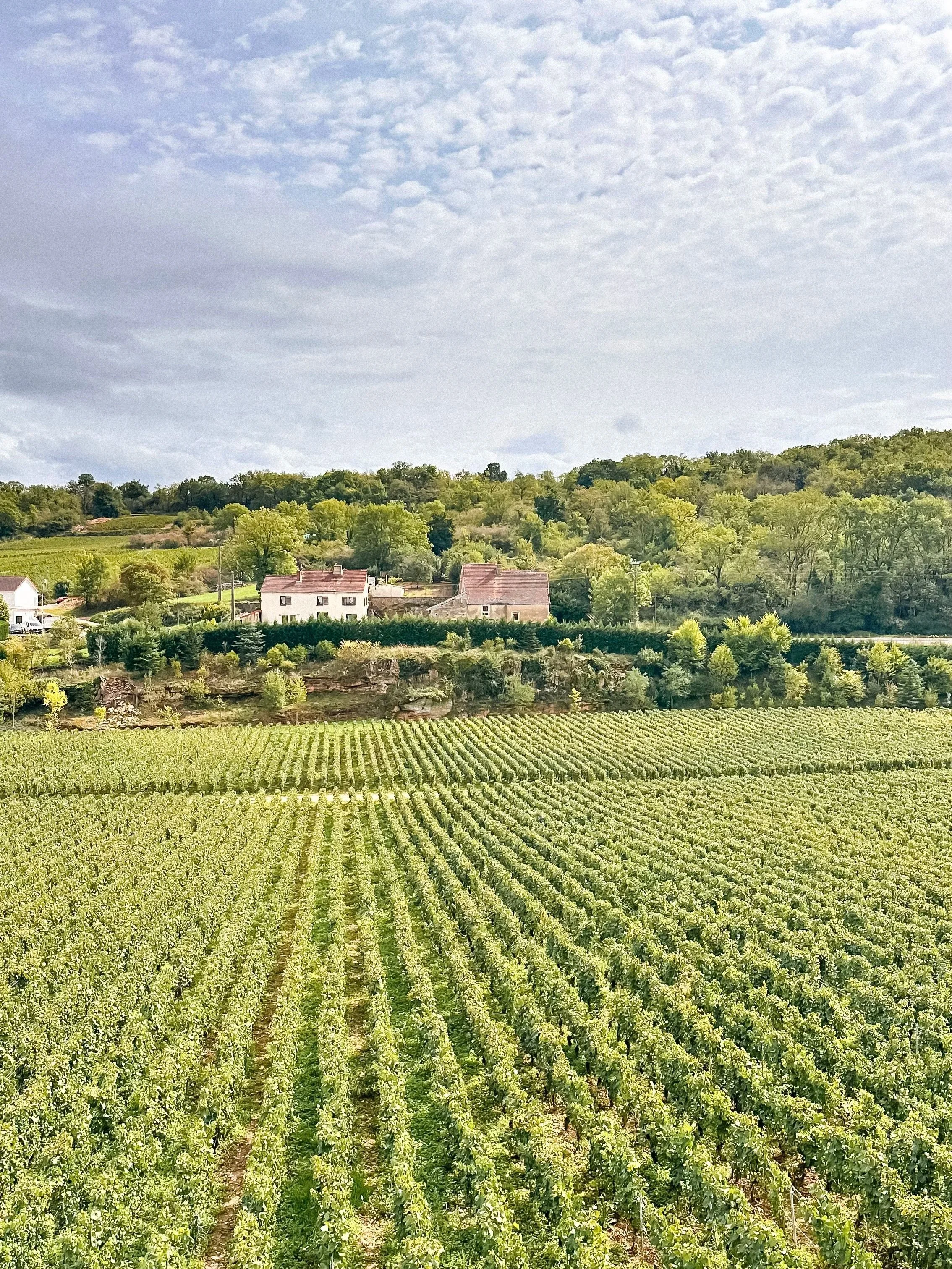
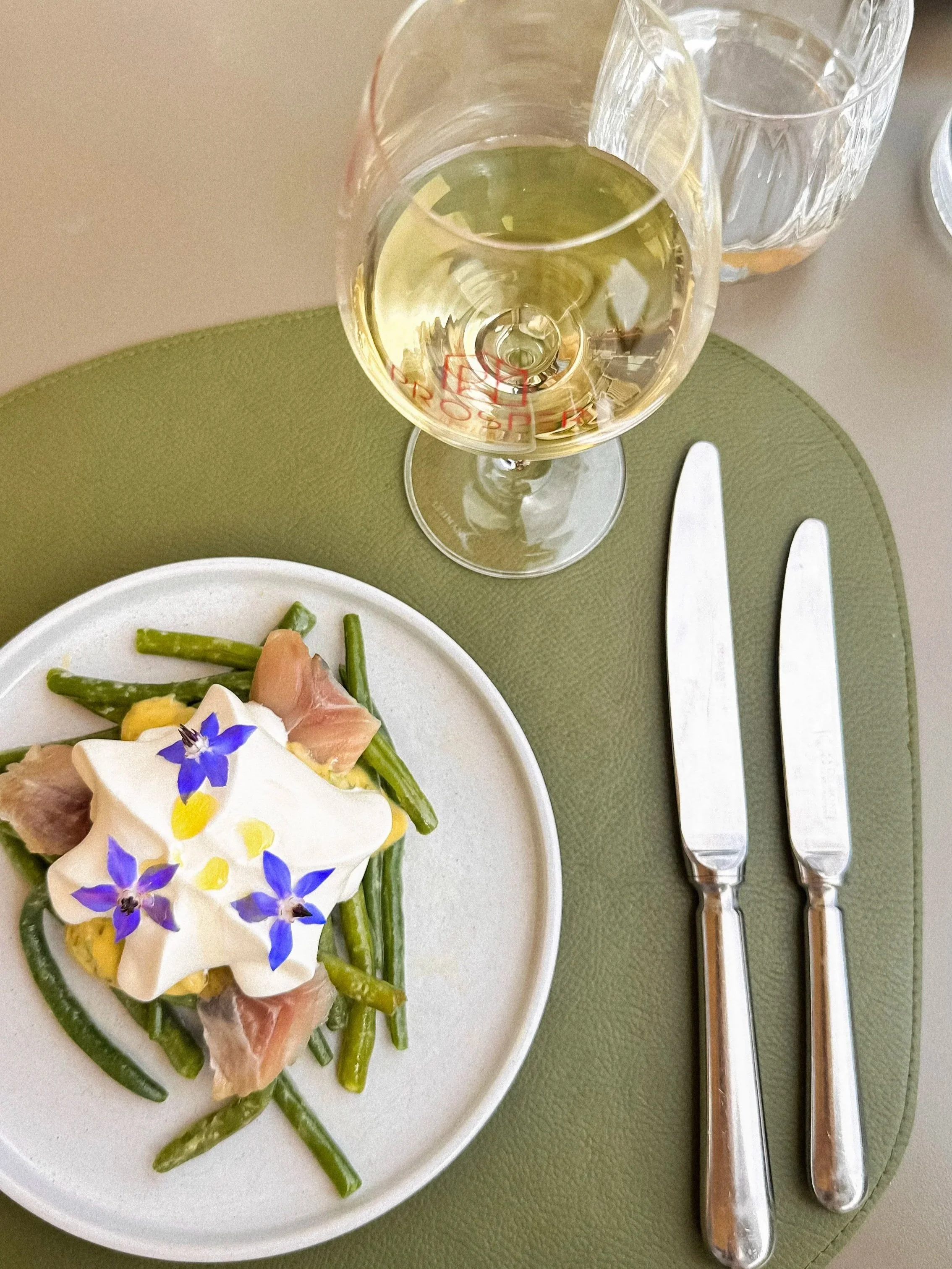
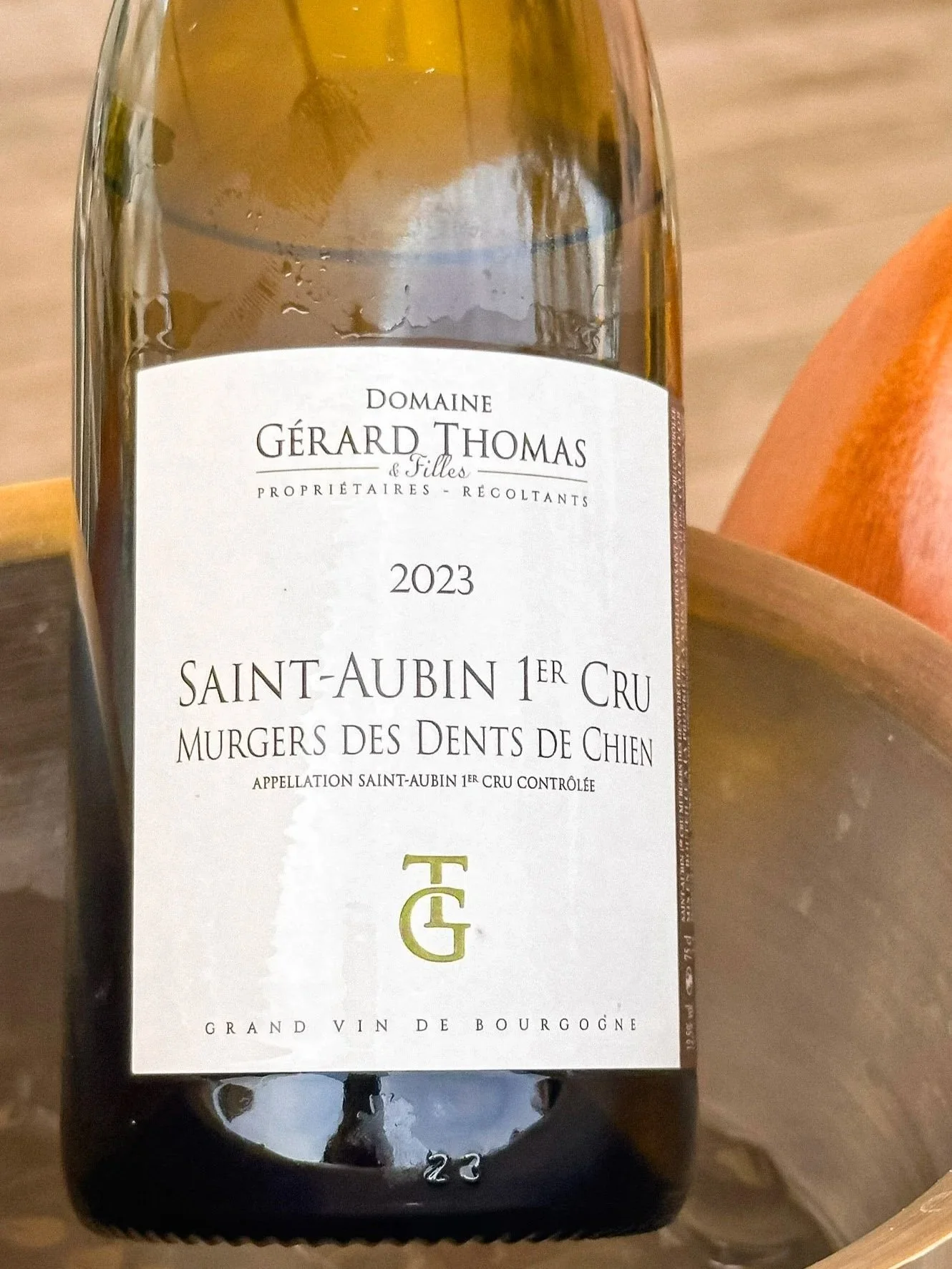
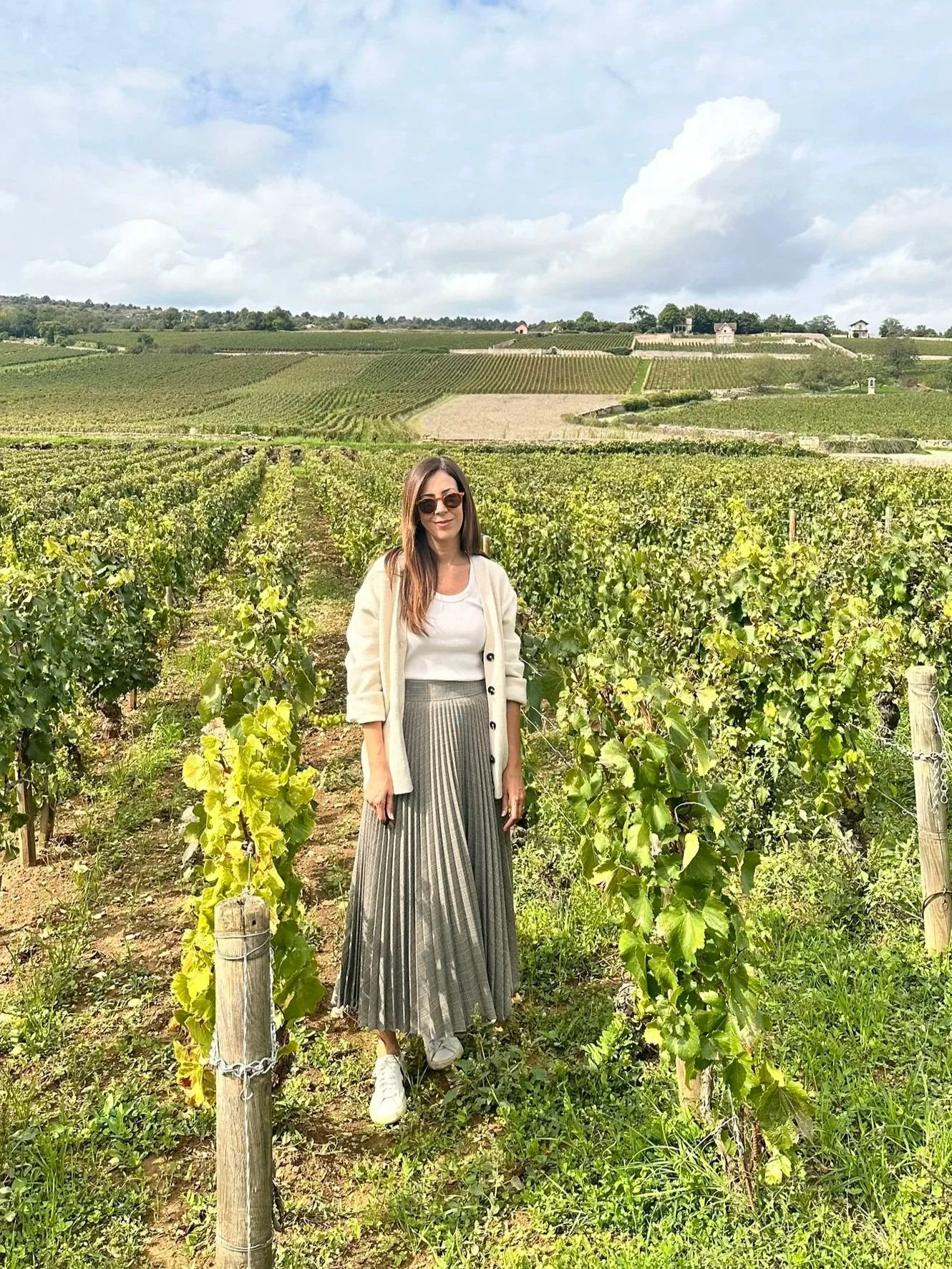
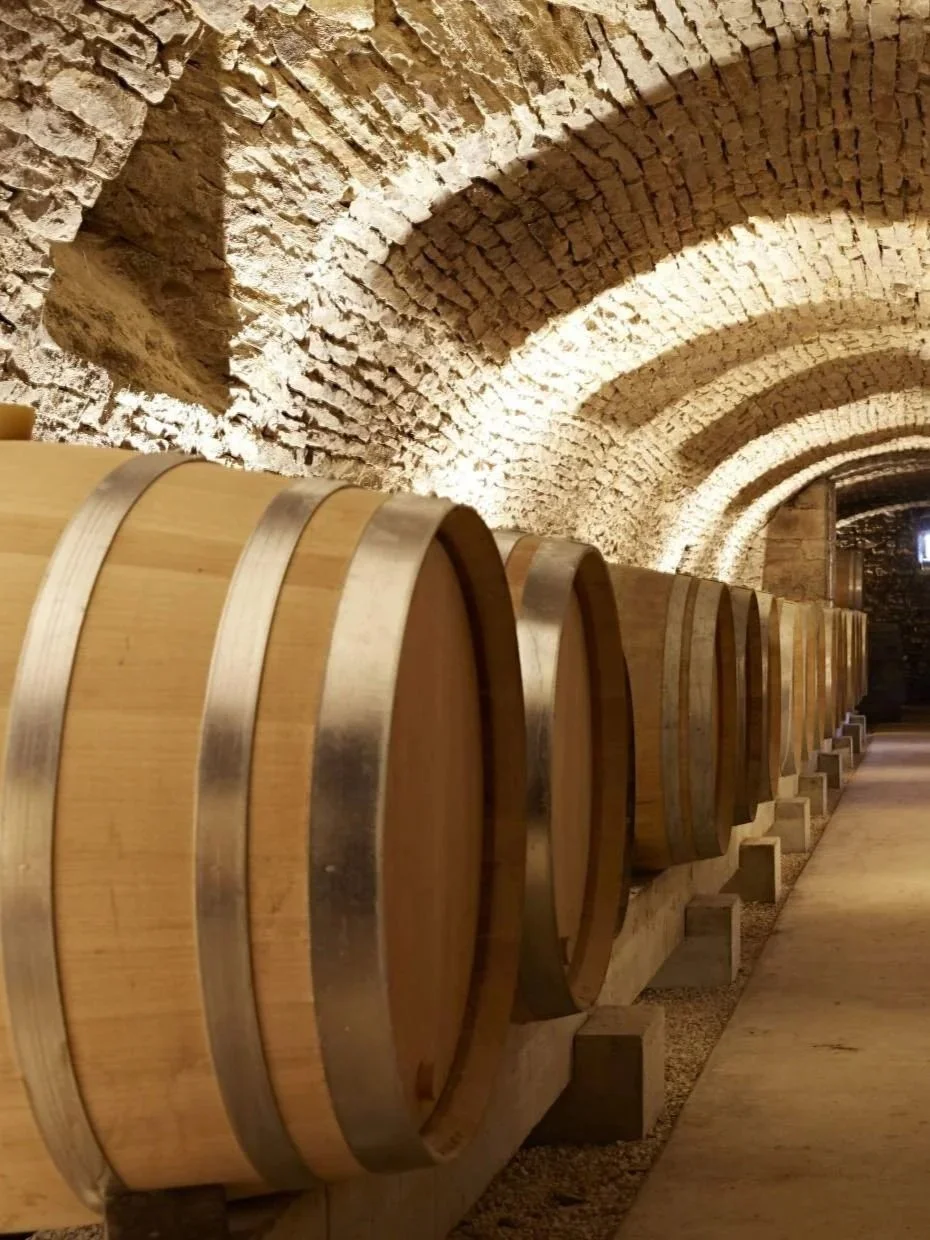
We stopped here for lunch and a tasting, which is a format I particularly recommend in Burgundy.
Rather than moving quickly from cellar to cellar, combining food and wine gives you time to understand the wines in a completely different context.
The château overlooks the vineyards and makes a beautiful pause between tastings further along the Côte de Beaune.
Montrachet
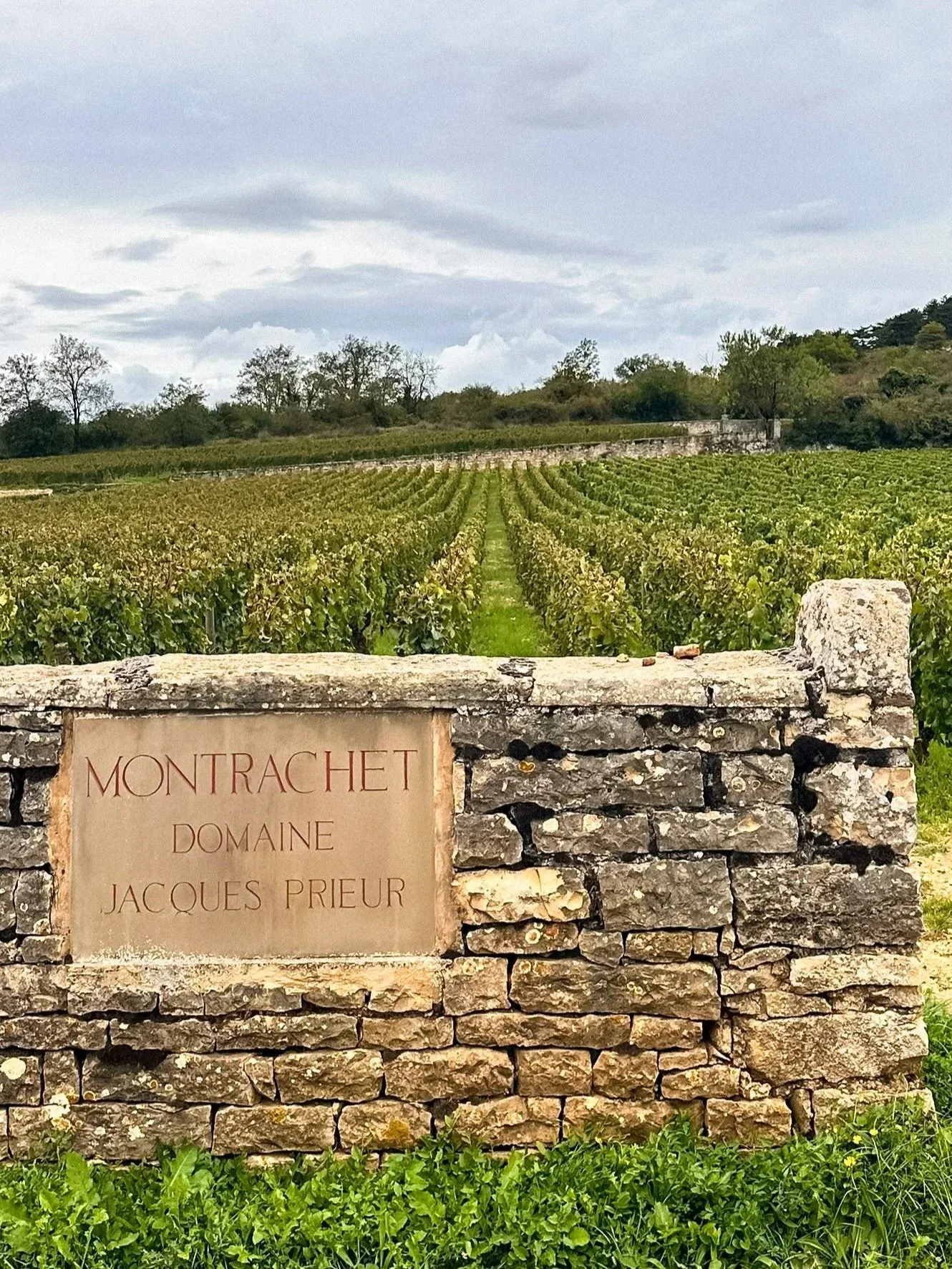
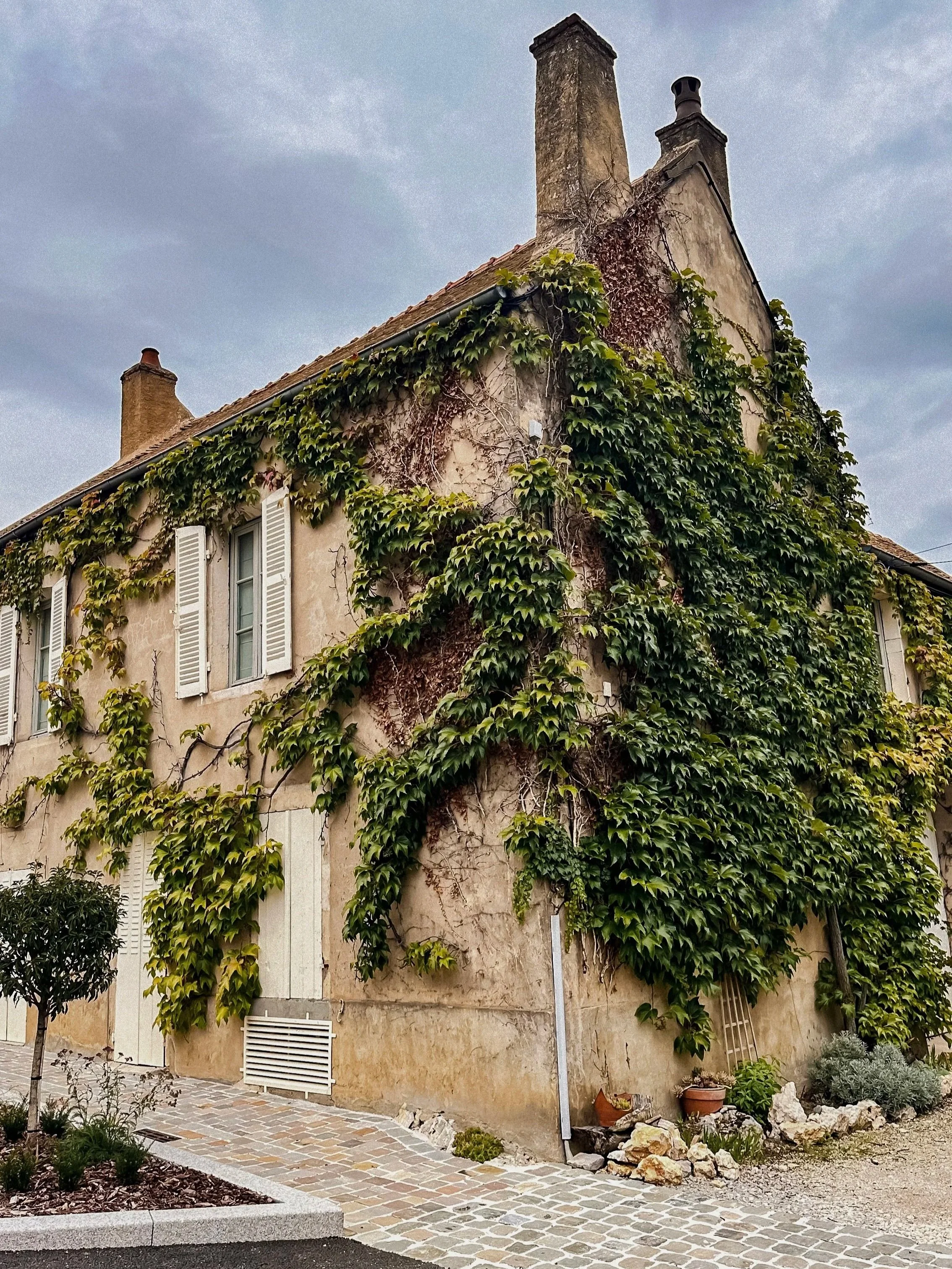
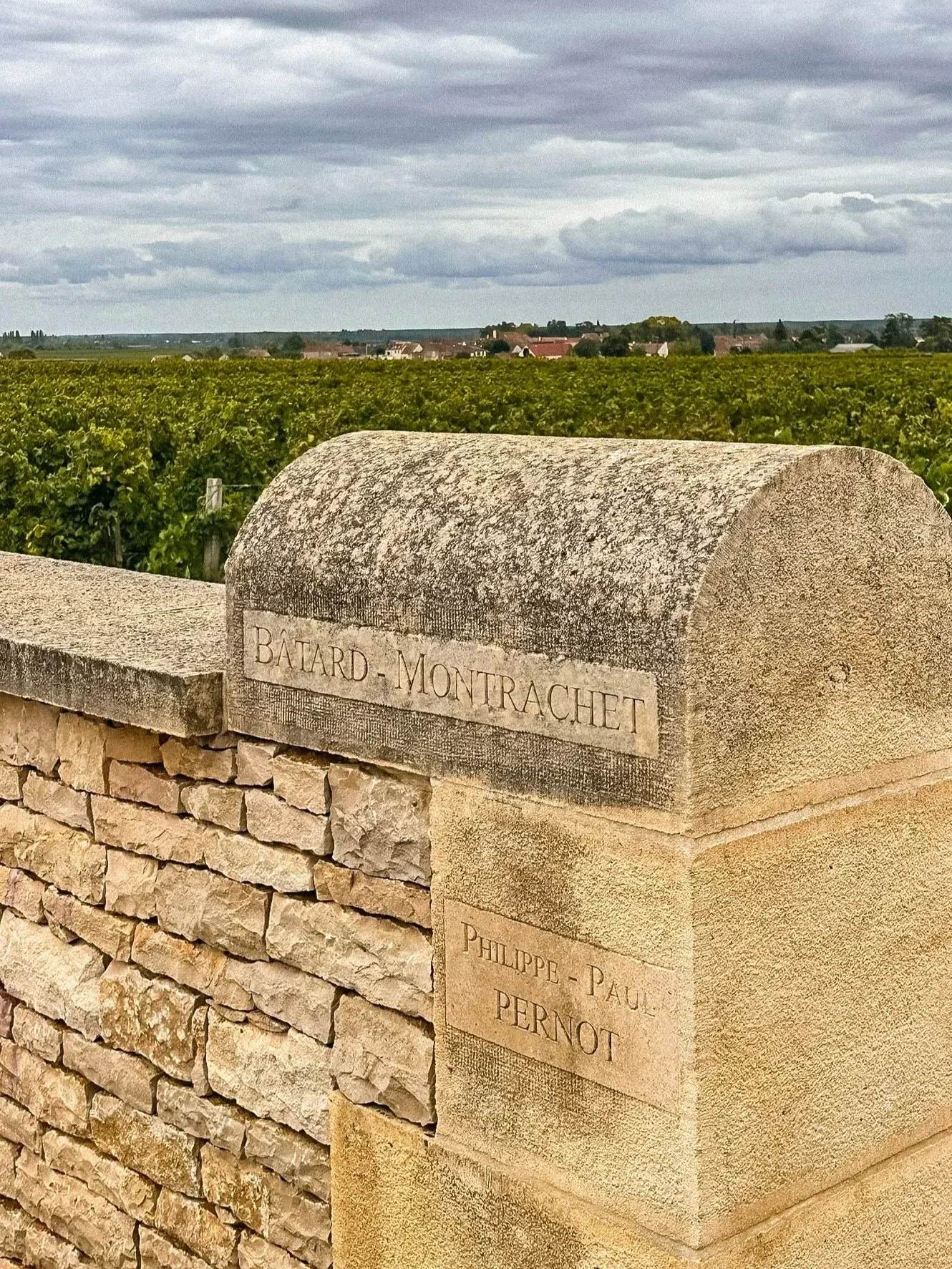
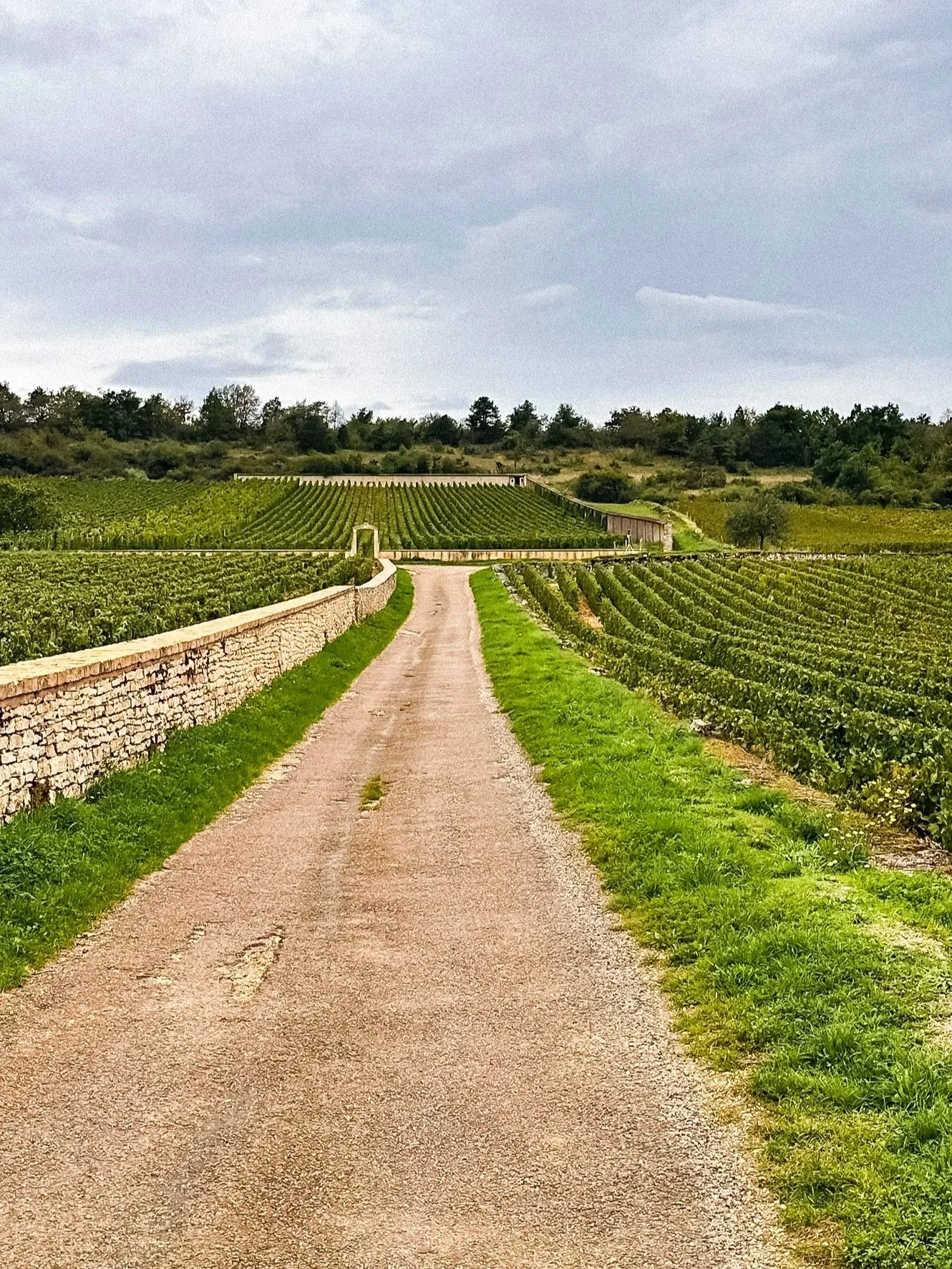
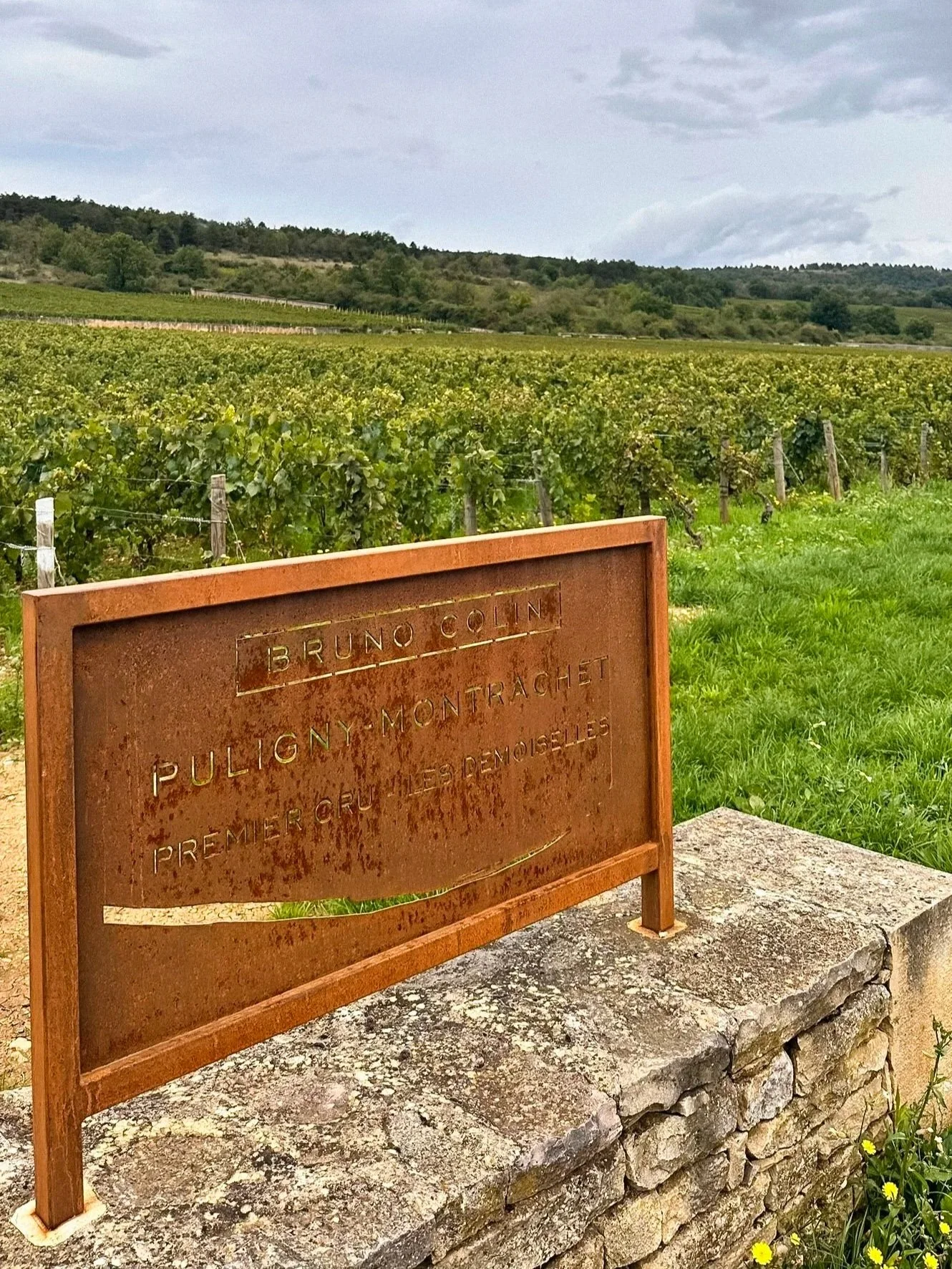
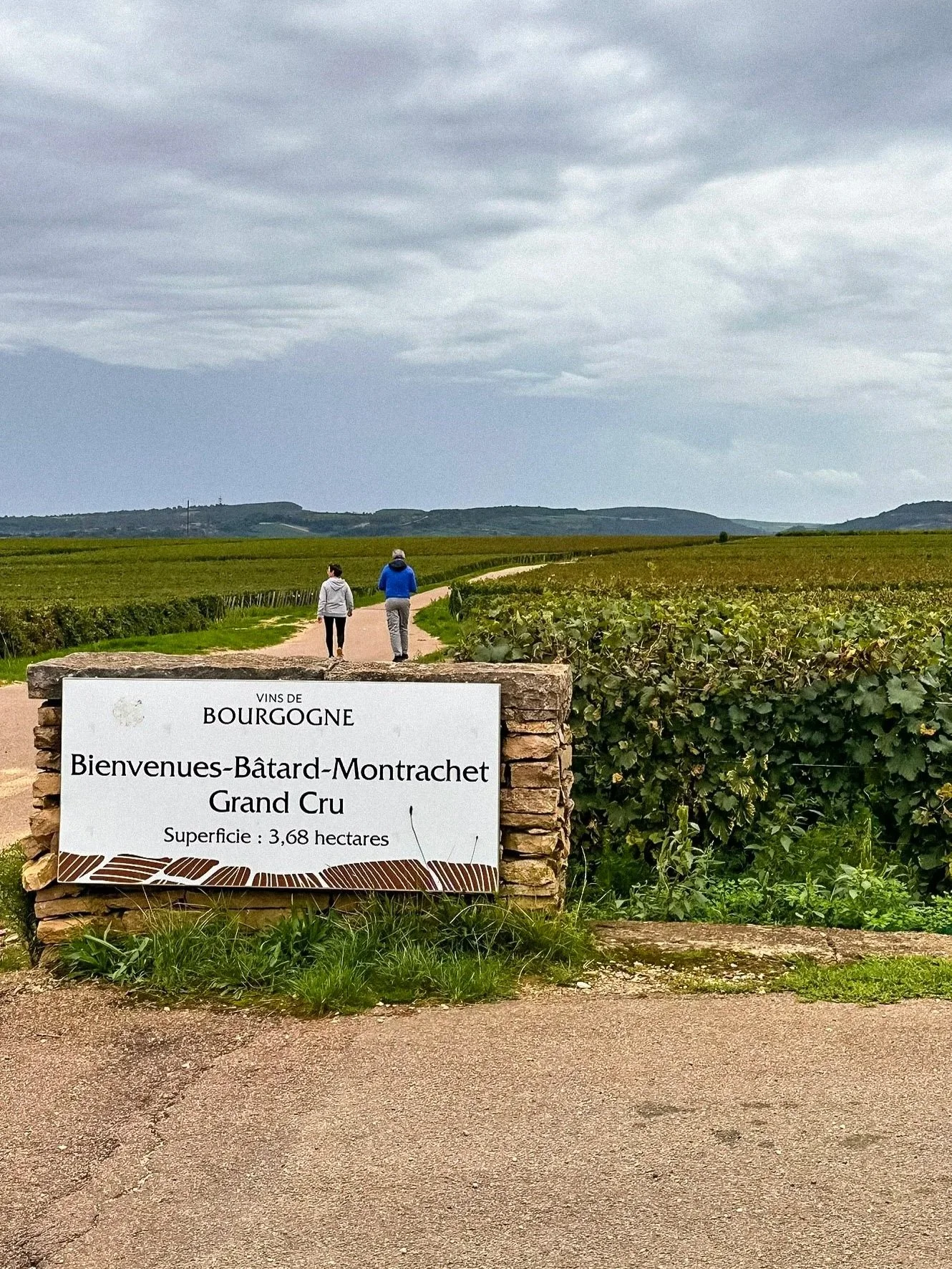
Few vineyard names carry the mythology of Montrachet.
The Grand Cru vineyard lies between Puligny-Montrachet and Chassagne-Montrachet and produces some of the world's most celebrated Chardonnay.
Like Romanée-Conti, the experience of seeing it is remarkably understated.
There isn't a monumental attraction waiting for you. You stand beside rows of vines on a Burgundian hillside and realise that tiny differences in this landscape have been studied, cultivated and debated for centuries.
After learning about terroir, that simplicity becomes fascinating.
Puligny-Montrachet & Chassagne-Montrachet
If you have additional time, continue through these two villages. Both sit among some of the most prestigious Chardonnay vineyards in Burgundy, including the cluster of Grand Crus surrounding Montrachet.
Rather than rushing between tastings, take time to explore the villages and vineyard roads. In Puligny-Montrachet, visit Domaine Jean Chartron, a historic family estate founded in 1859 and particularly renowned for its Chardonnay, with vineyards across some of the appellation’s most celebrated Premier and Grand Cru terroirs.
/// Favorite tables in the region
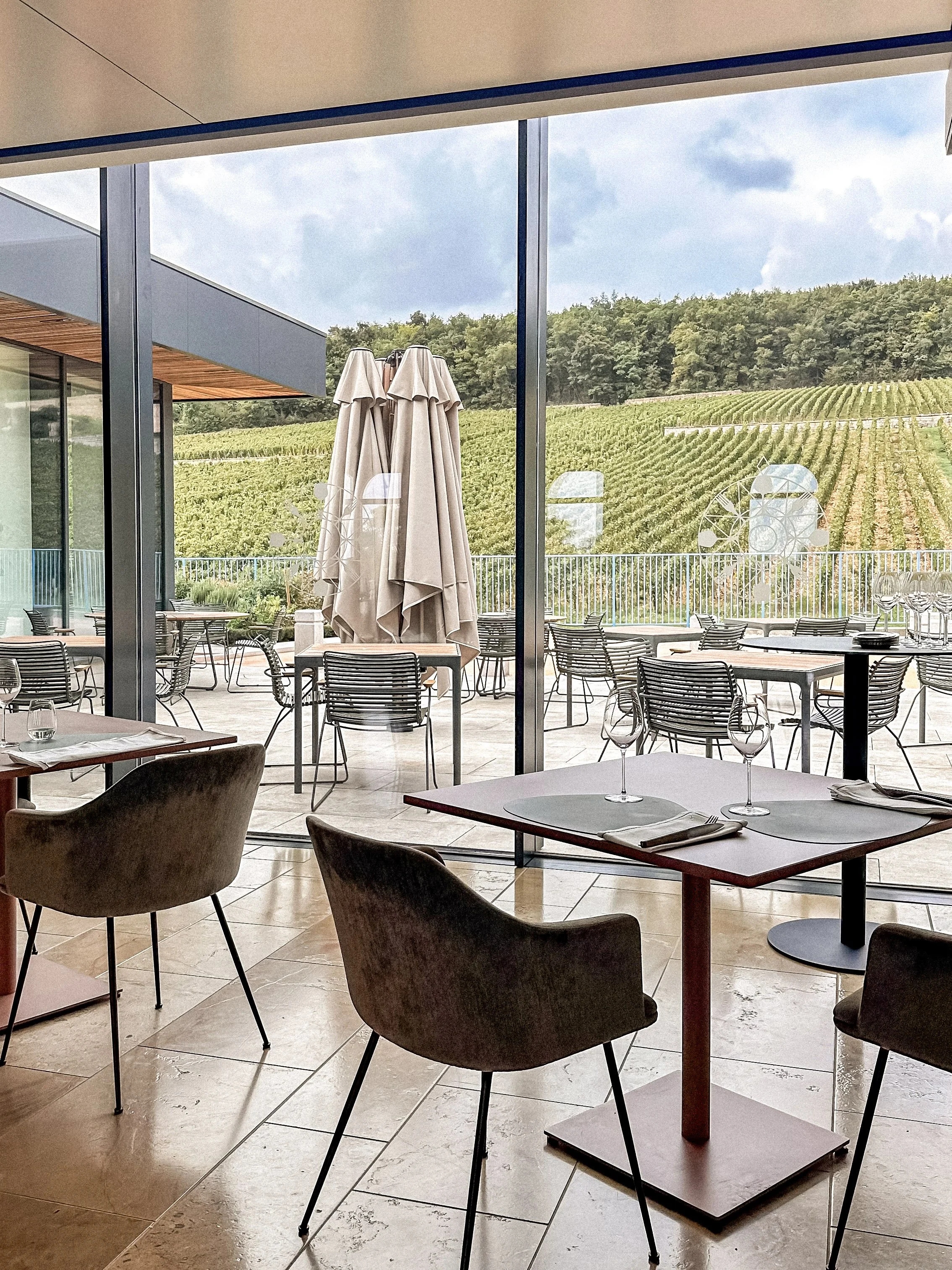
Views over the vineyards at Premnord Restaurant.
Premnord Restaurant
Set directly along the Route des Grands Crus, Premnord pairs seasonal, locally sourced cooking by chef Céline Dedinger with an impressive wine cellar and views across the vineyards.
Address: 6 RD 974 · Prémeaux-Prissey · Website
L'Agastache
A contemporary bistronomic table in the wine village of Volnay, with seasonal cooking built around carefully sourced ingredients and a concise, thoughtful approach to Burgundy.
Address: 1 Place de l'Église · Volnay · Website
La Table du Square
A relaxed neighbourhood table and wine-focused address in Beaune, known for seasonal plates, carefully sourced products and a cellar that celebrates Burgundy alongside bottles from further afield. Address: 26 Boulevard Maréchal Foch · Beaune · Website
Garum
A modern, intimate table in Beaune with creative seasonal cooking, precise flavours and a contemporary approach that offers a refreshing contrast to the region's more traditional restaurants. Address: 10 Rue du Faubourg Saint-Nicolas · Beaune · Website
L’Arche des Vins
Part wine bar, part wine shop, with an extensive selection of Burgundy bottles alongside seasonal dishes, charcuterie and local cheeses.
Address: 3 Rue Poterne · Beaune · Website
Caves Madeleine
An intimate Beaune table where carefully sourced ingredients and straightforward cooking are paired with an extensive cellar, with a strong focus on Burgundy.
Address: 8 Rue du Faubourg Madeleine · Beaune · Website
Prosper Maufoux – Château de Saint-Aubin
A memorable wine-focused lunch pairing refined Burgundy-inspired cooking with Prosper Maufoux wines in a beautiful setting overlooking the vineyards.
Address: 3 Rue des Lavières · Saint-Aubin · Website
Bistrot Lucien
A warm bistronomic table in Gevrey-Chambertin, serving modern interpretations of Burgundian classics with a strong focus on local producers and wines.
Address: 6 Rue du Chambertin · Gevrey-Chambertin · Website
/// Slow & Curated Stays
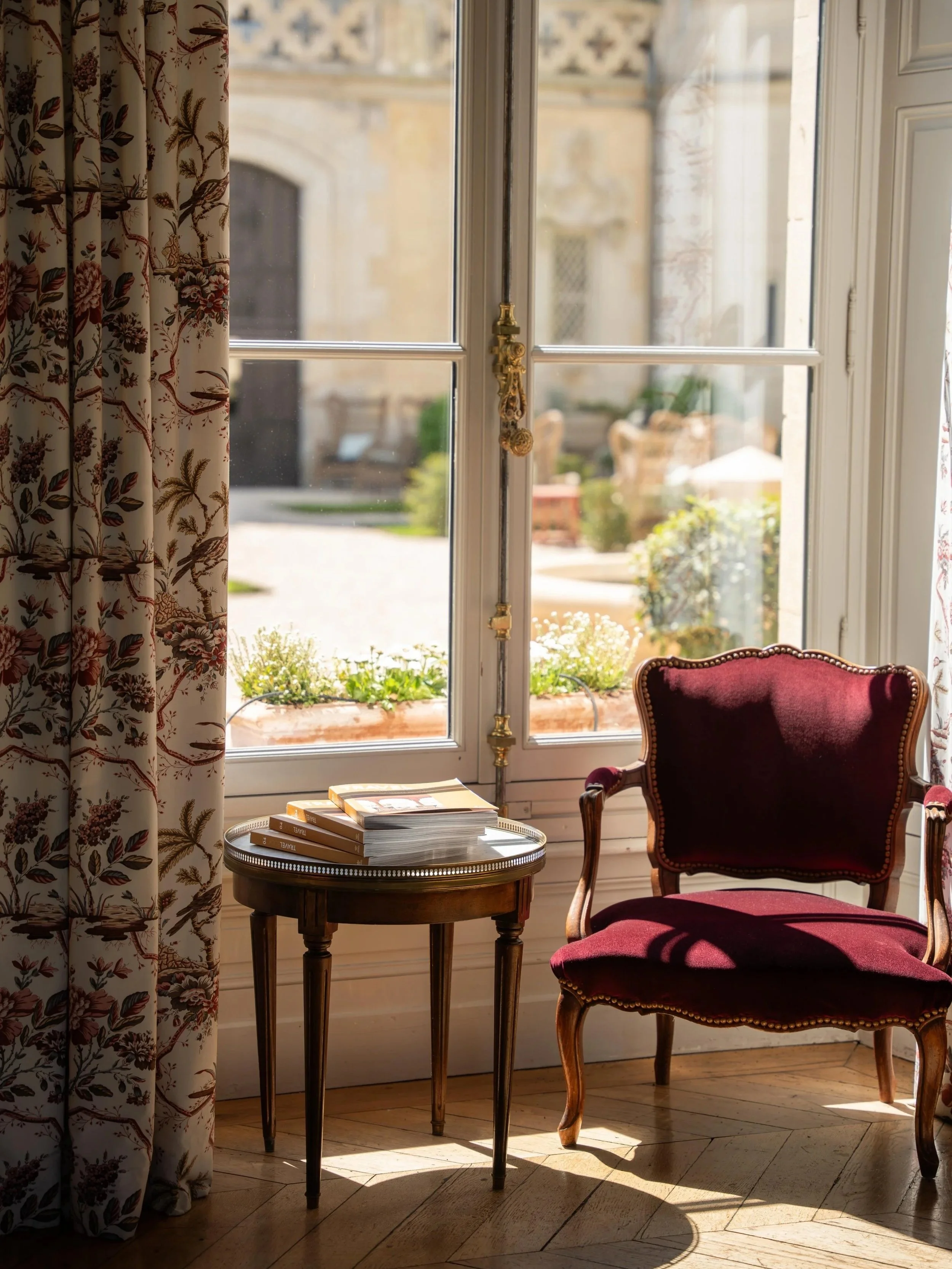
interiors of Château Sainte Sabine
COMO Le Montrachet
A refined village hotel in Puligny-Montrachet, combining contemporary interiors with historic Burgundian architecture in the heart of some of the world's most celebrated Chardonnay vineyards.
Address: 10 Place du Pasquier · Puligny-Montrachet · Website
Hostellerie Cèdre & Spa
An elegant retreat facing Beaune's historic ramparts, with a leafy garden, a Nuxe spa set inside vaulted stone cellars and the Michelin-starred Clos du Cèdre restaurant.
Address: 10 Boulevard Maréchal Foch · Beaune · Website
Maison 1896
A beautifully restored 16-room boutique hotel in the historic centre of Beaune, blending Beaux-Arts architecture with contemporary interiors and an intimate atmosphere.
Address: 2 Place Fleury · Beaune · Website
Château Sainte Sabine
A romantic 16th-century château surrounded by eight hectares of parkland, combining historic character, elegant rooms and a gastronomic restaurant in the Burgundy countryside.
Address: 8 Route de Semur · Sainte-Sabine · Website
Le Clos Sainte Marguerite
An intimate guesthouse in central Beaune, with just a handful of individually decorated rooms and an understated, residential atmosphere.
Address: 17 Rue Sainte-Marguerite · Beaune · Website
Prosper Maufoux · Château de Saint-Aubin
Just four guest rooms inside the historic Château de Saint-Aubin, combining contemporary design with vineyard views, cellar visits and the opportunity to experience a working Burgundy wine estate.
Address: 3 Rue des Lavières · Saint-Aubin · Website
Les Deux Chèvres
This intimate boutique hotel in Gevrey-Chambertin occupies a historic 19th-century property surrounded by some of the Côte de Nuits' most prestigious vineyards, with elegant rooms and a strong connection to the region's wine culture.
Address: 23 Rue de l'Église · Gevrey-Chambertin · Website
Practical Tips
How to Get There
From Paris, the easiest option is the high-speed train to Dijon. The journey takes around 1 hour 35 minutes, making Burgundy surprisingly easy to reach for a long weekend.
Beaune can also be reached by train, but if you're planning to explore the vineyards extensively, Dijon works particularly well as an arrival point before collecting a car.
Do You Need a Car?
For exploring the vineyards, yes. The Route des Grands Crus is only around 60 km long, but many domaines, vineyards and villages are difficult to explore efficiently without your own transport.
Don't Overbook Tastings
Two tastings in one day may look perfectly reasonable on a map. Visits often last between 60 and 90 minutes, sometimes longer, and one of Burgundy's pleasures is having time between appointments to wander through vineyards, stop in villages and enjoy lunch.
Book Wineries in Advance
Many Burgundy domaines are small working wineries rather than visitor attractions.
Appointments are often essential, particularly at smaller or more prestigious producers. And during harvest, some close completely.
Taste, Don't Drive
If you're driving, remember that professional tastings provide spittoons for a reason.
Alternatively, book a private wine guide or driver for a day if you want to experience several tastings without worrying about driving.
Explore the Vineyard Roads
Some of my favorite moments in Burgundy weren't inside tasting rooms at all. Driving, cycling or walking along the public roads between the vineyards gives you a completely different perspective on the landscape.
How Long to Stay
For the Côte-d'Or alone, I would recommend at least three full days, although four allows for a much more relaxed pace.
Best Time to Visit
May–June: Green vineyards, long days and generally fewer visitors.
September: Harvest atmosphere and beautiful vineyard activity, but some domaines close during the vendanges.
October: Autumn colours transform the vineyards and the harvest activity has largely finished.
November: Much quieter, except around the famous Hospices de Beaune wine auction, when accommodation and restaurants should be booked well ahead.