
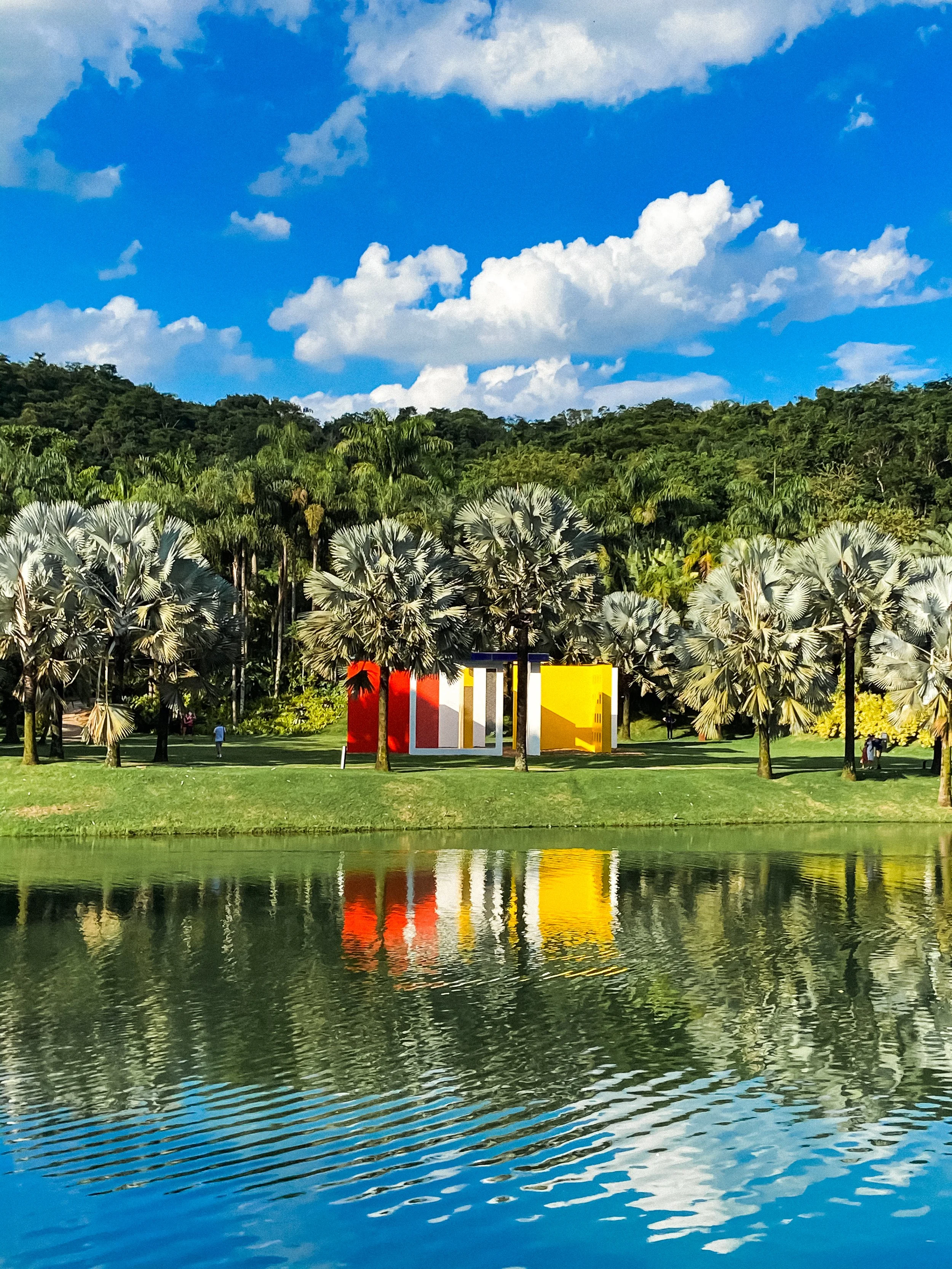
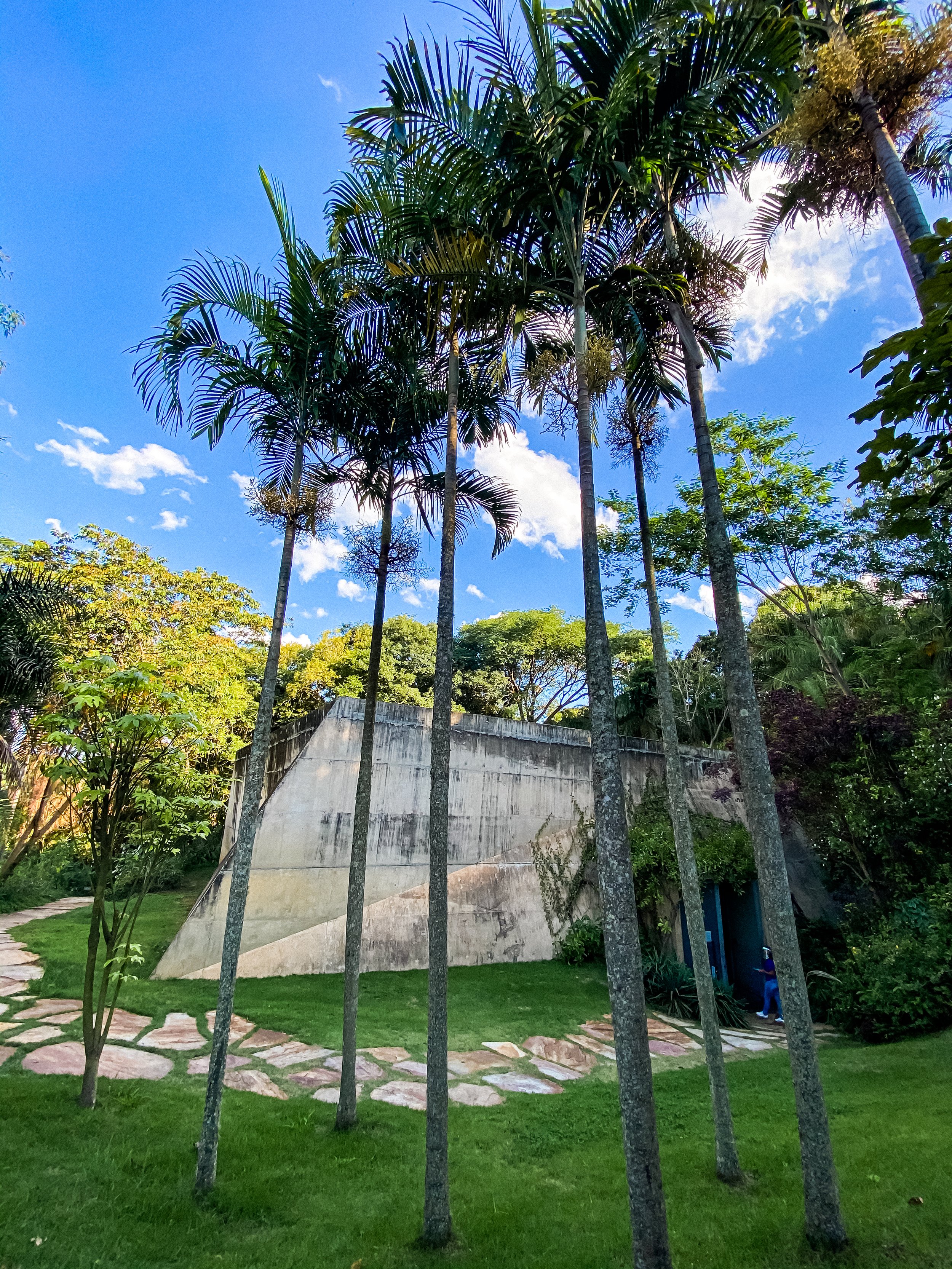
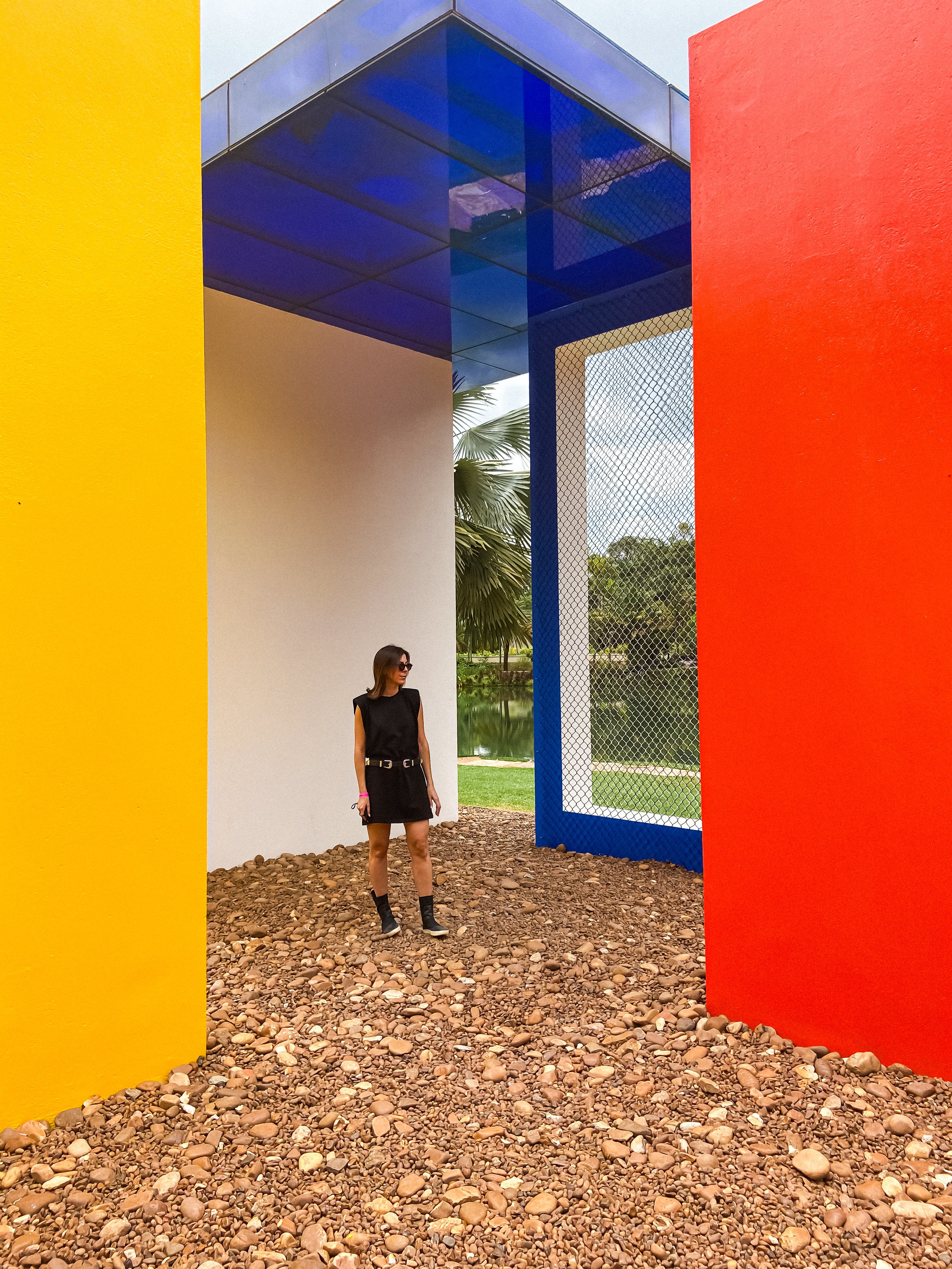
Hélio Oiticica gallery view from the gardens
Hidden among the hills of Minas Gerais, about an hour from Belo Horizonte, lies one of the most extraordinary cultural landscapes in the world.
Instituto Inhotim is often described as one of the largest open-air contemporary art museums in the world and the largest in Latin America. But once you arrive, it becomes clear that the word museum hardly captures the experience.
Inhotim is a vast landscape where contemporary art, architecture and nature exist in perfect dialogue. Monumental sculptures appear in the middle of tropical gardens. Entire pavilions are dedicated to a single artist. Lakes, forests and winding paths connect everything together, creating the feeling of walking through an immersive living exhibition.
It is not simply a place to see art. It is a place to wander.
The Origins of Inhotim
The project began in the 1980s when Brazilian businessman and collector Bernardo Paz started transforming his private estate in Brumadinho into a space dedicated to contemporary art and landscape design. Encouraged by artist Tunga, Paz began collecting large-scale works and inviting artists to create site-specific installations across the property.
What started as a personal project eventually became an ambitious cultural institution. Inhotim officially opened to the public in 2006 and quickly gained international attention for its unique model: a museum where art is not confined to galleries but integrated into the landscape itself.
Today the collection includes more than a thousand works by artists from dozens of countries, with around 500 pieces currently on display across outdoor installations and architectural pavilions.
The Botanical Garden
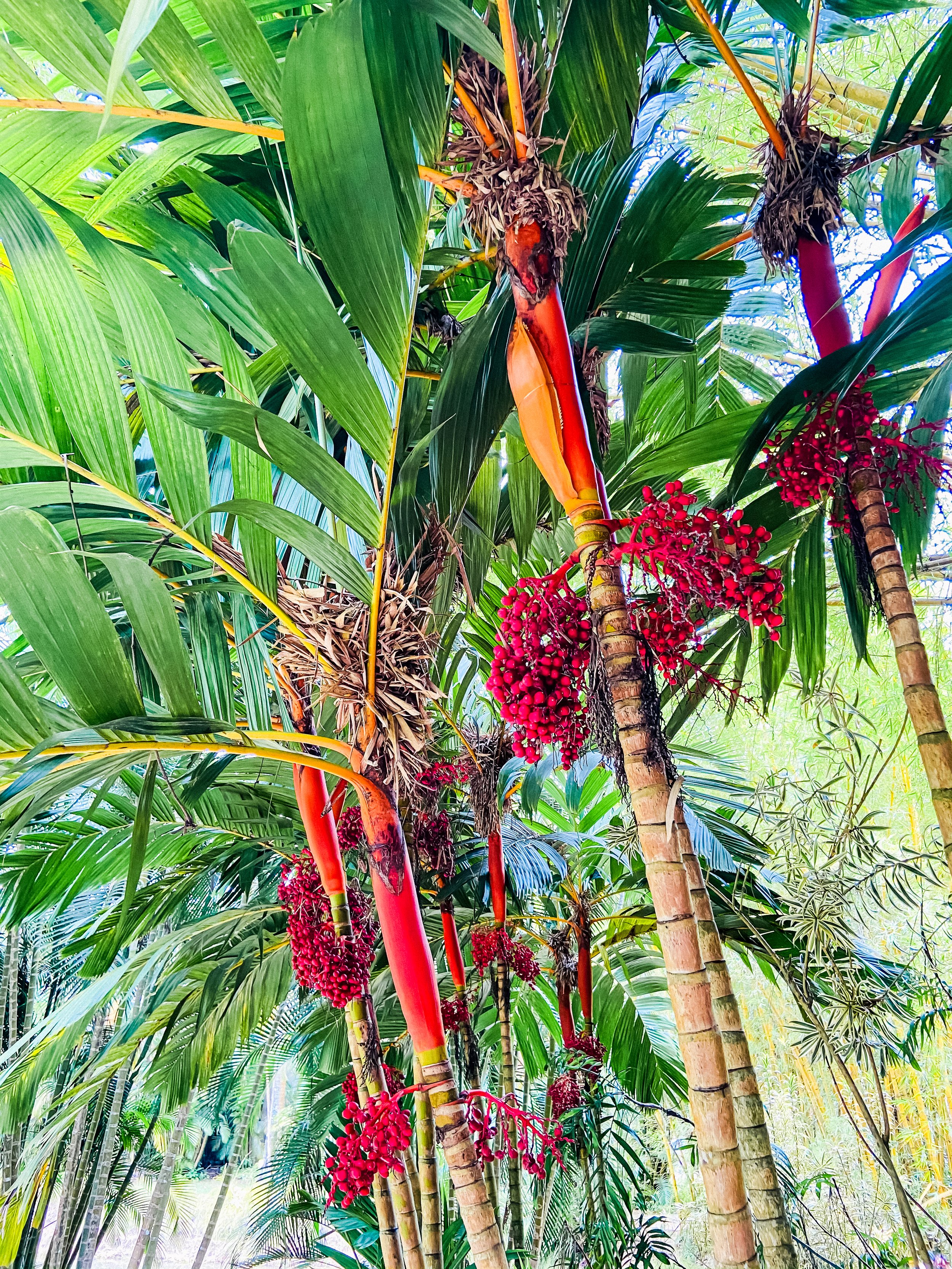
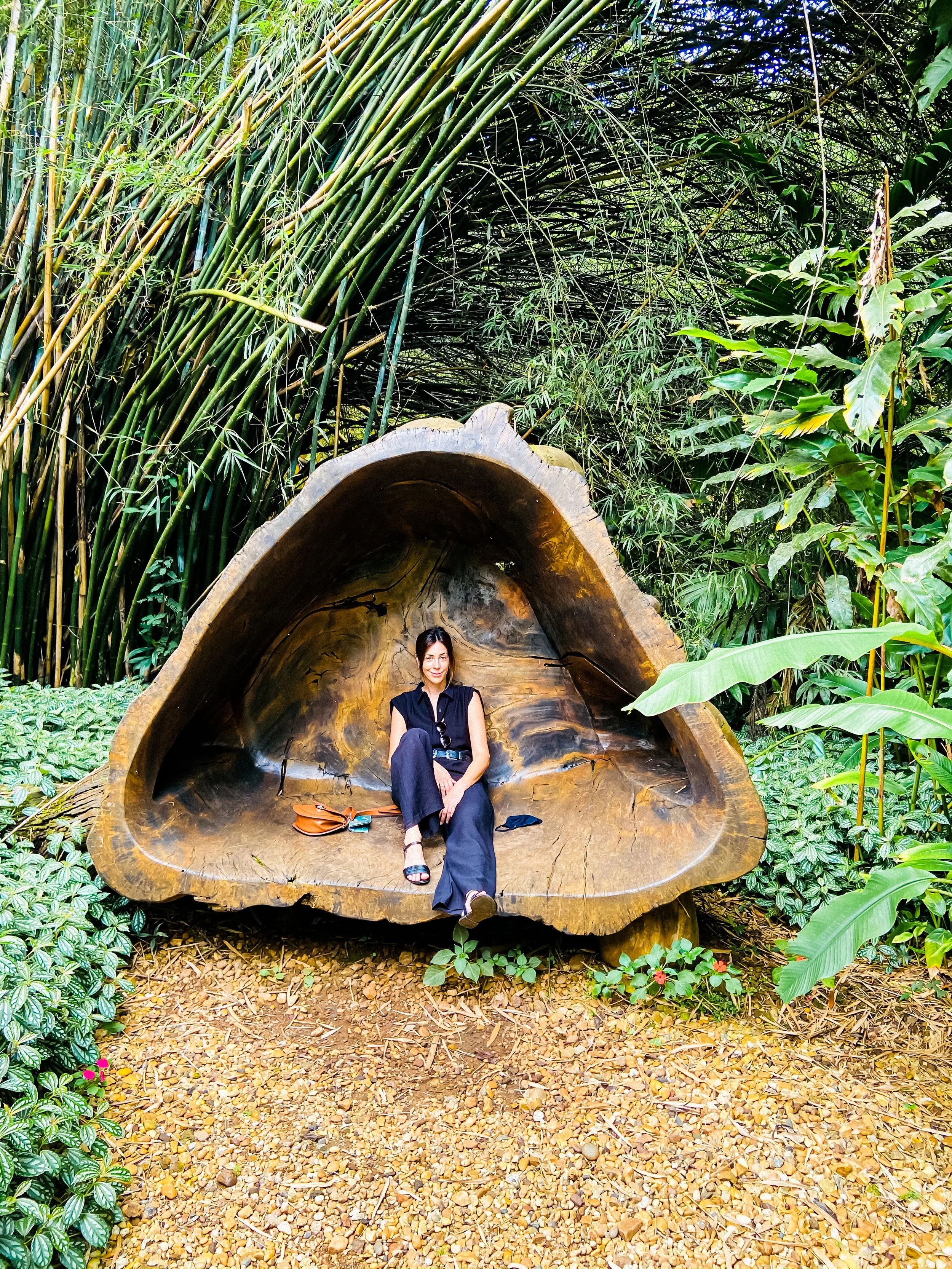
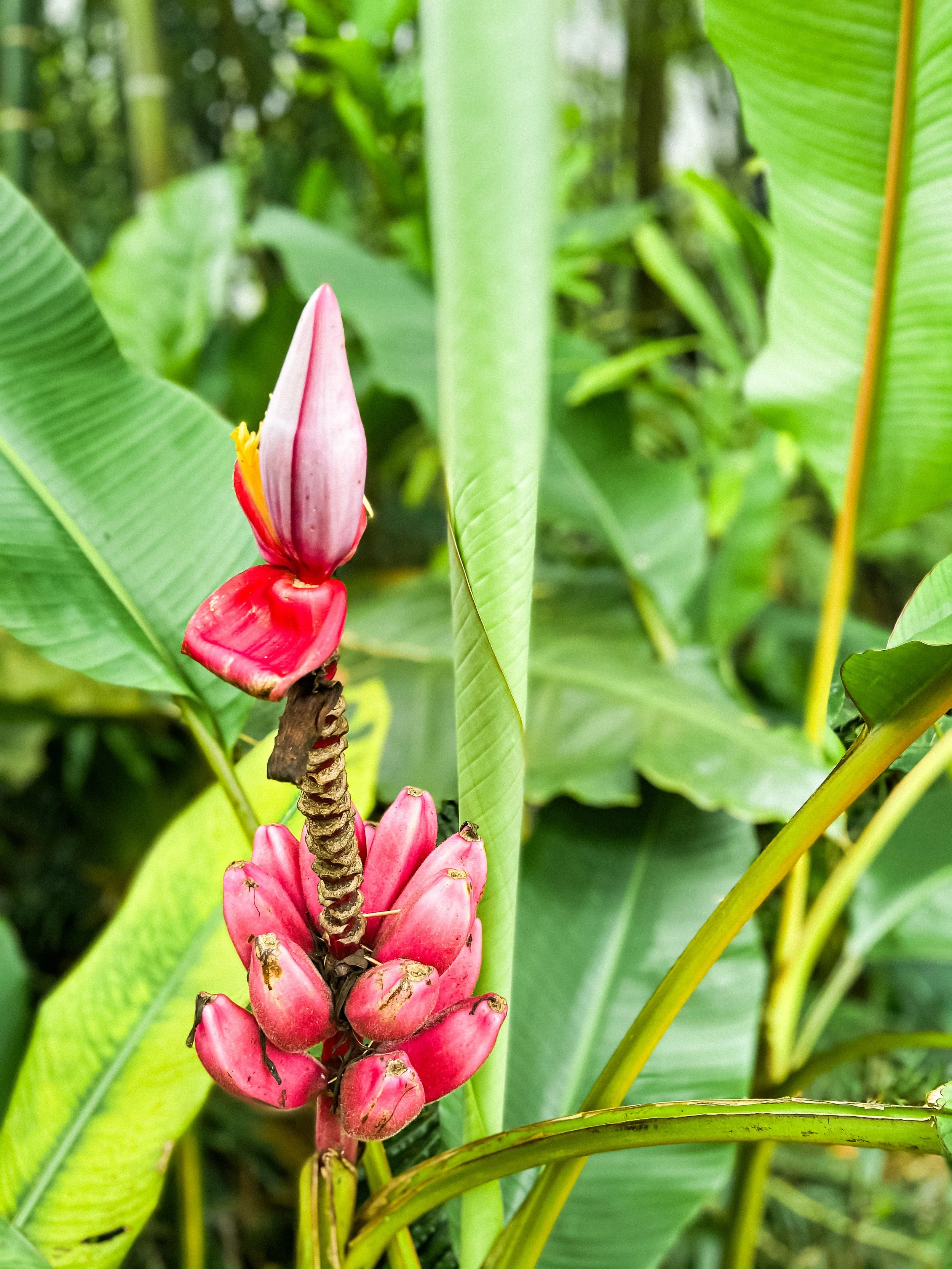
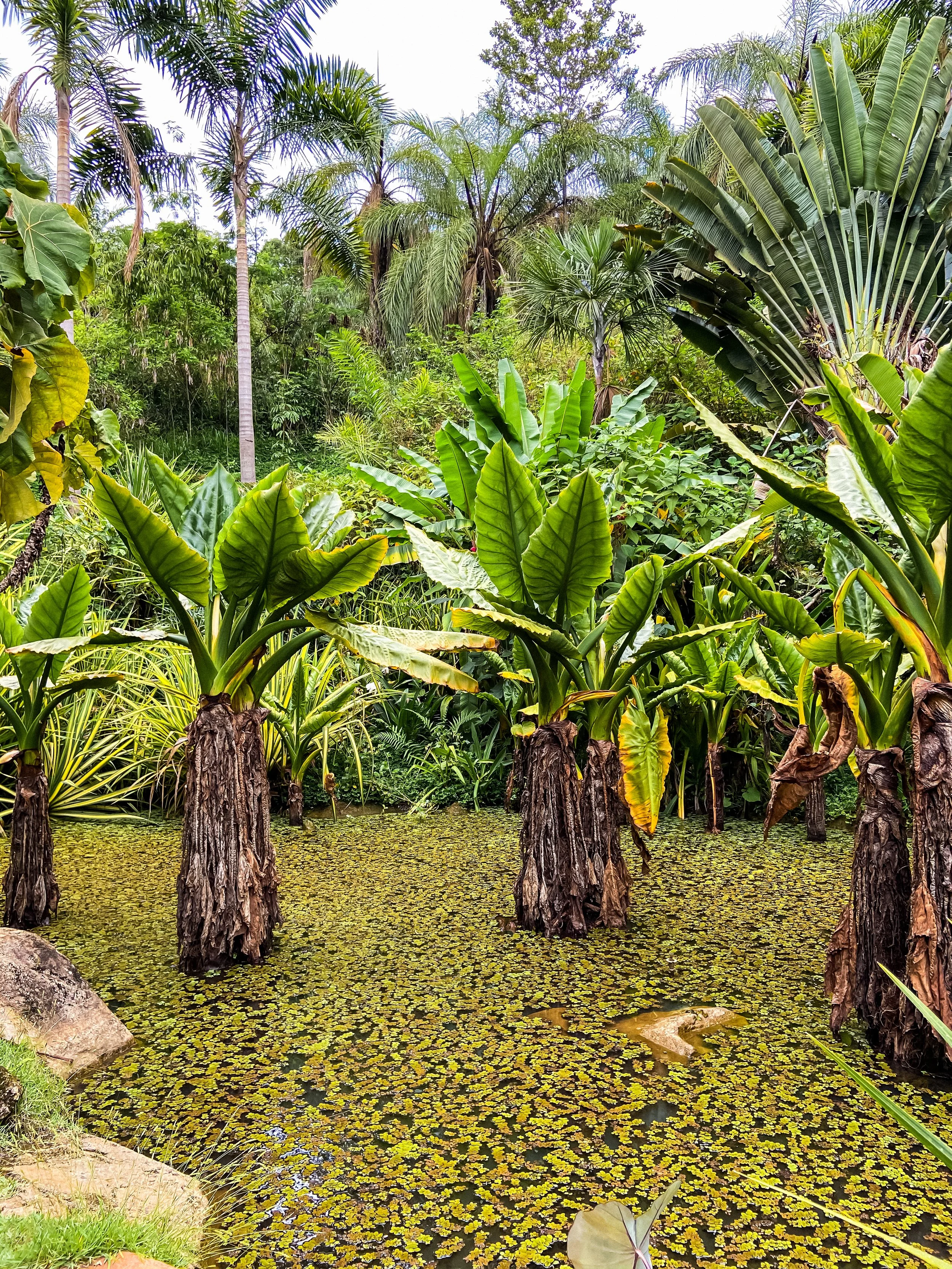
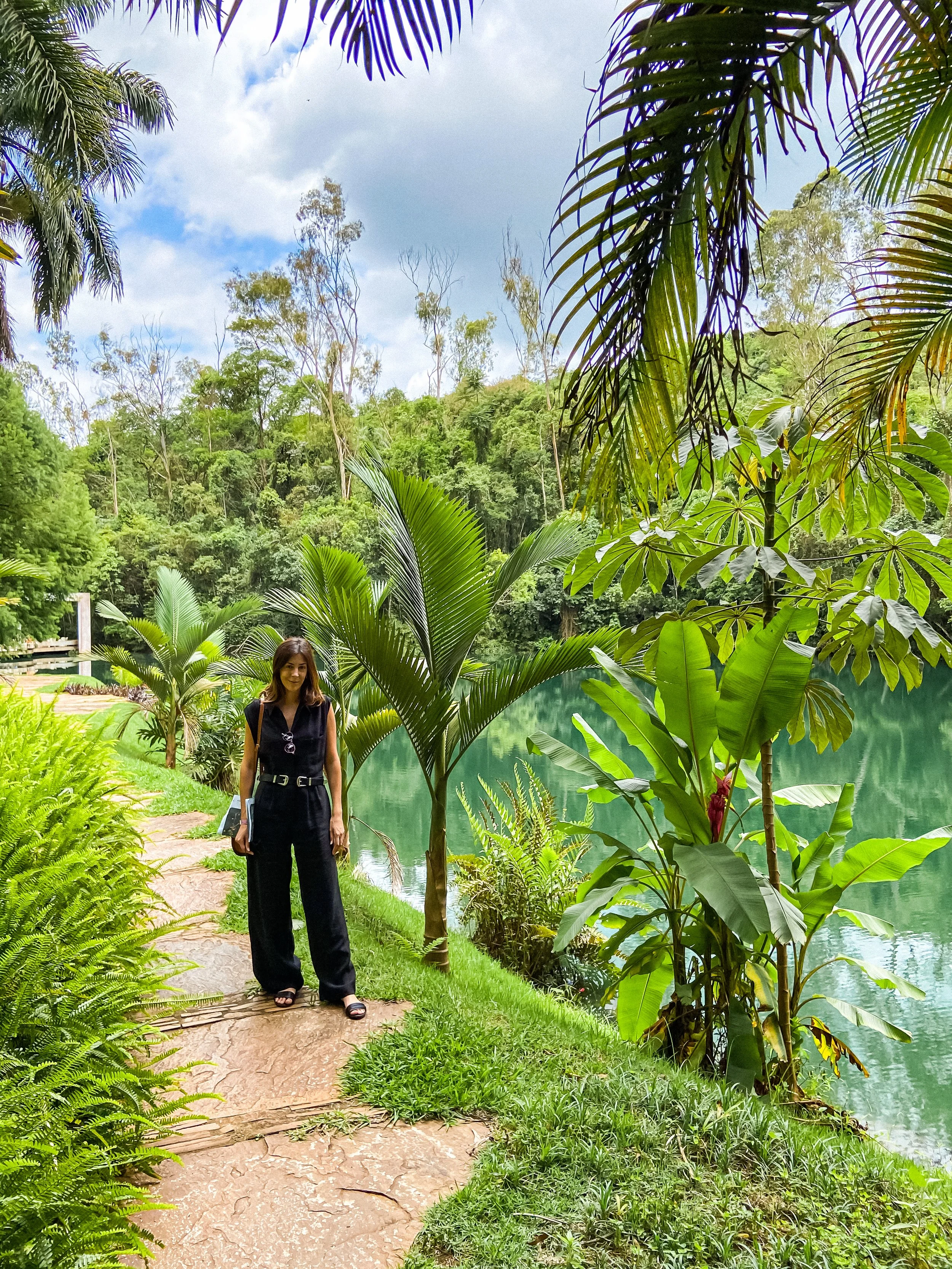
Art may be the reason many people first hear about Inhotim, but the botanical garden is just as remarkable.
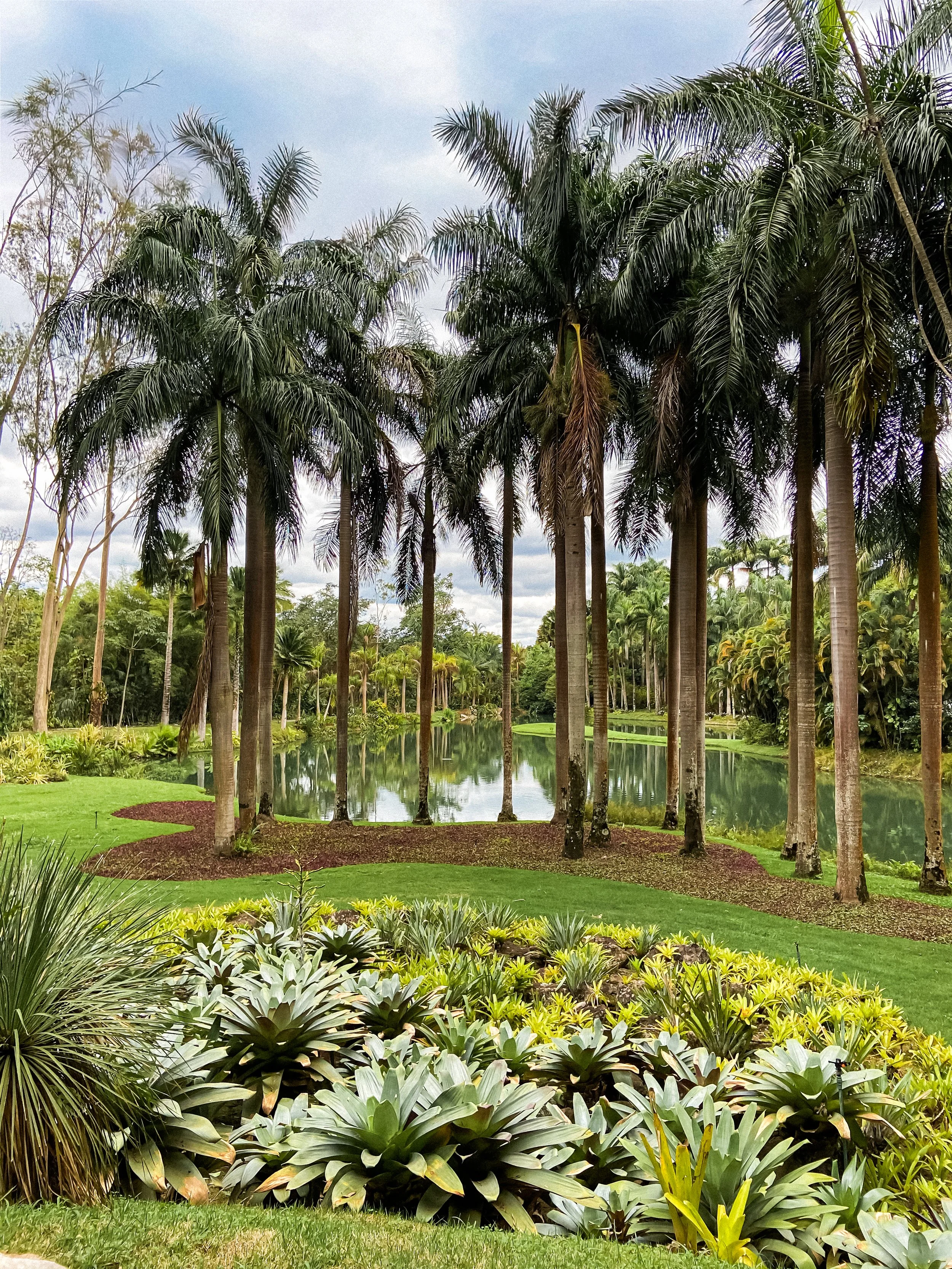
The park is officially recognized as a botanical garden and houses more than 4,000 plant species from Brazil and around the world.
One of its most extraordinary features is its palm collection, considered one of the most important in the world, with over a thousand species and varieties.
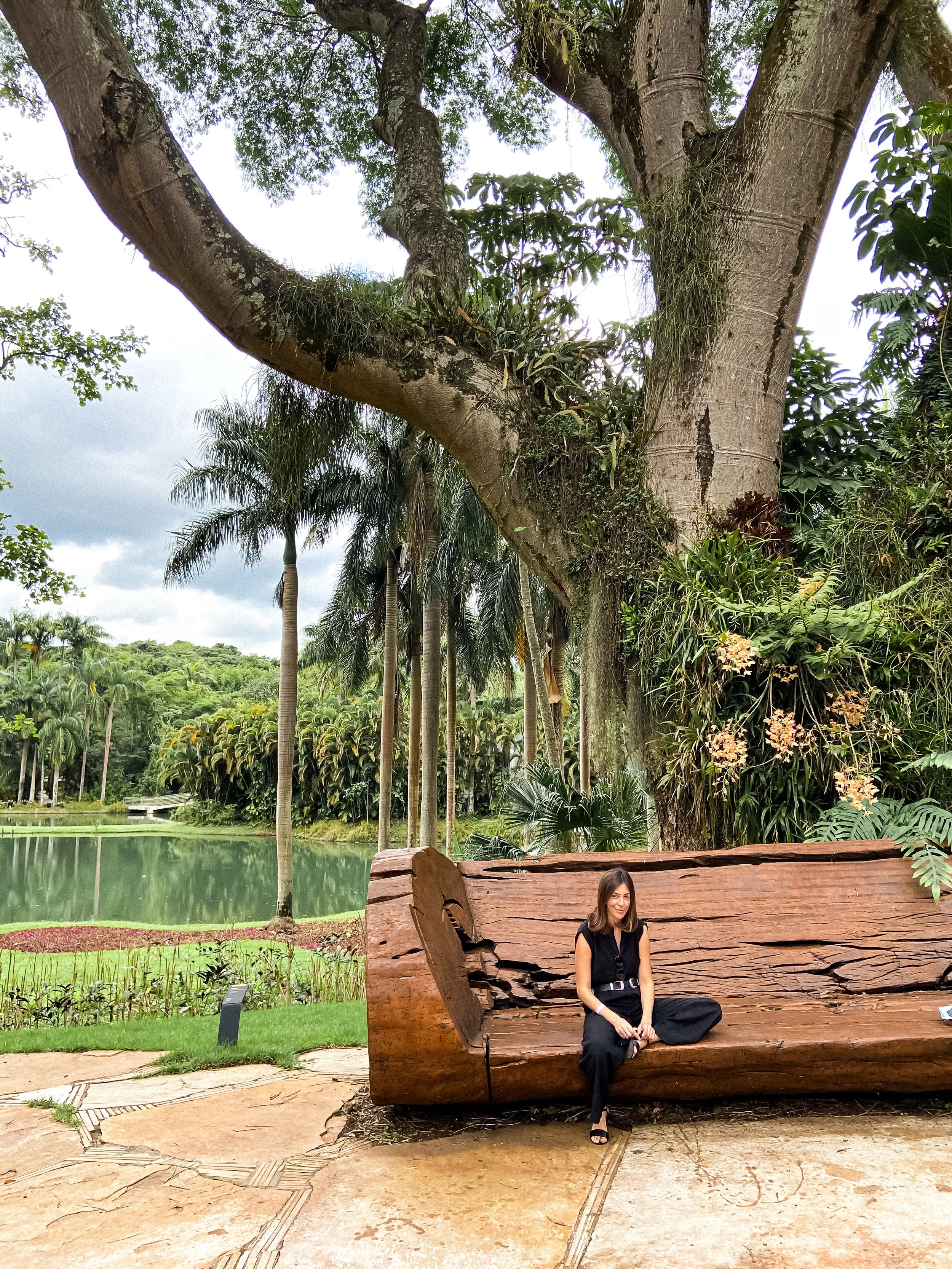
Across the property, carefully designed landscapes reveal themed gardens, lakes and forest fragments within the Atlantic Forest biome. Some plants preserved here are rare or endangered, making the garden an important site for botanical conservation and research.
This combination of art and botany creates something rare: a place where cultural and natural heritage are experienced simultaneously.
Artworks you shouldn’t miss
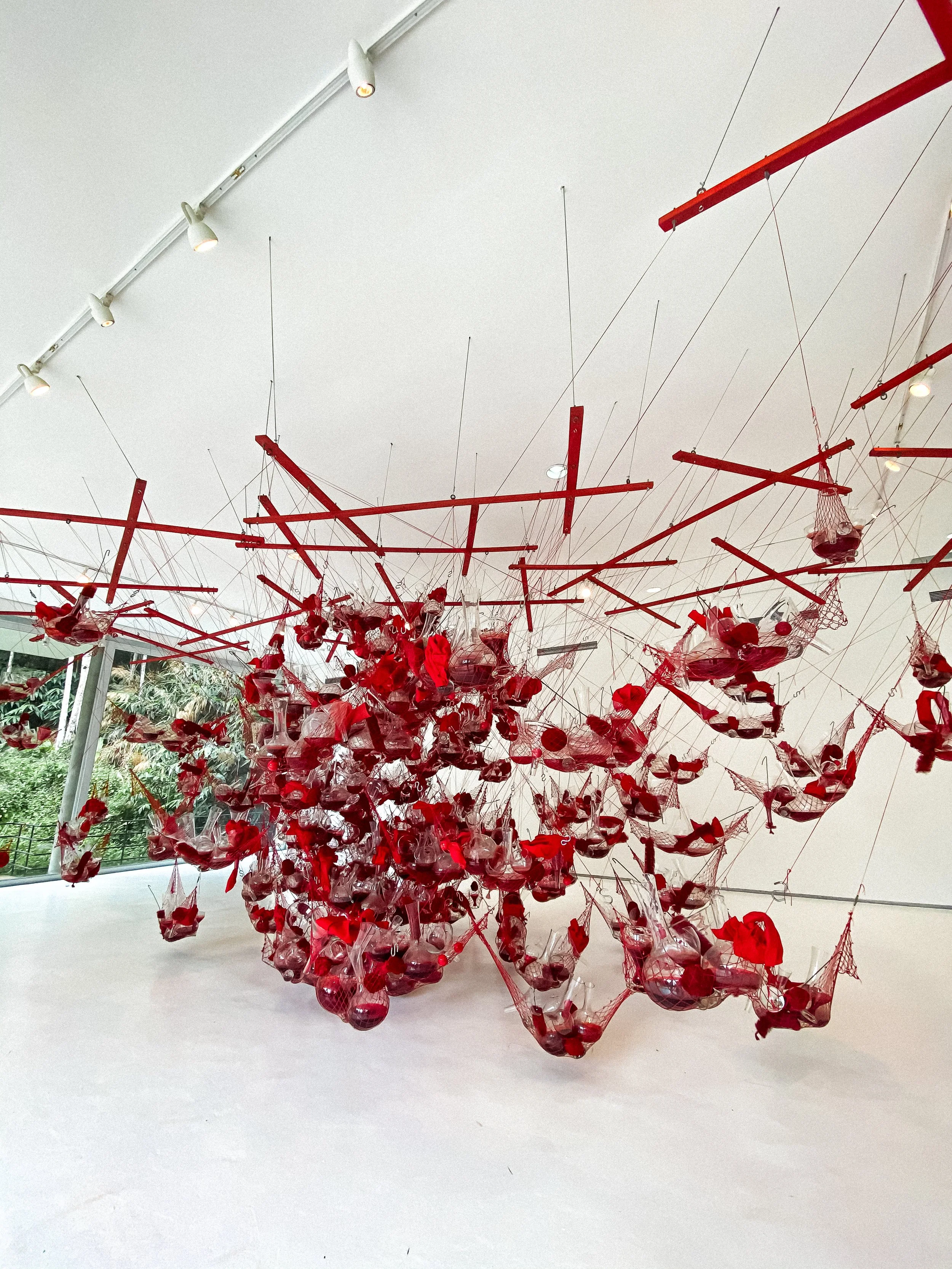
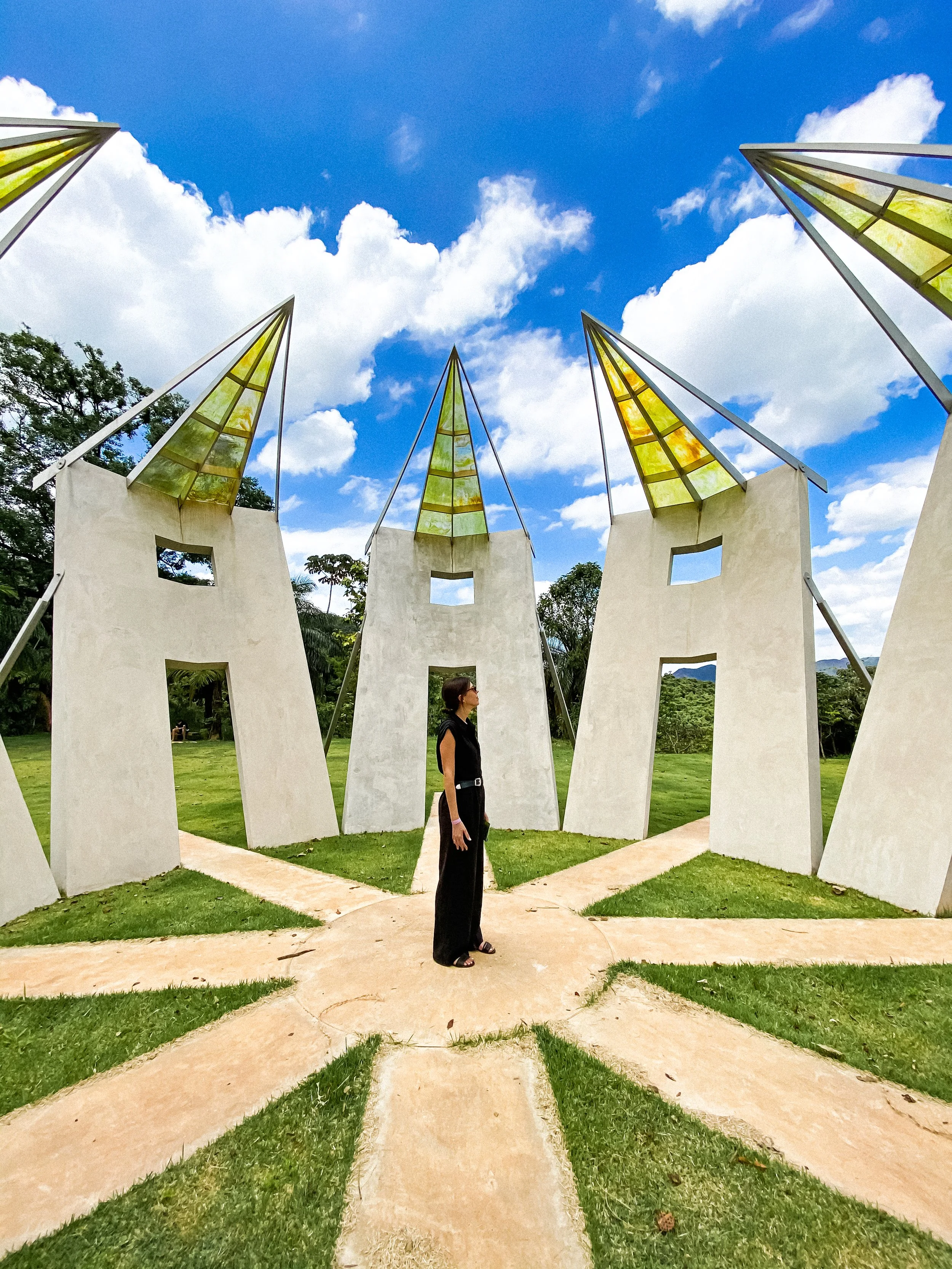
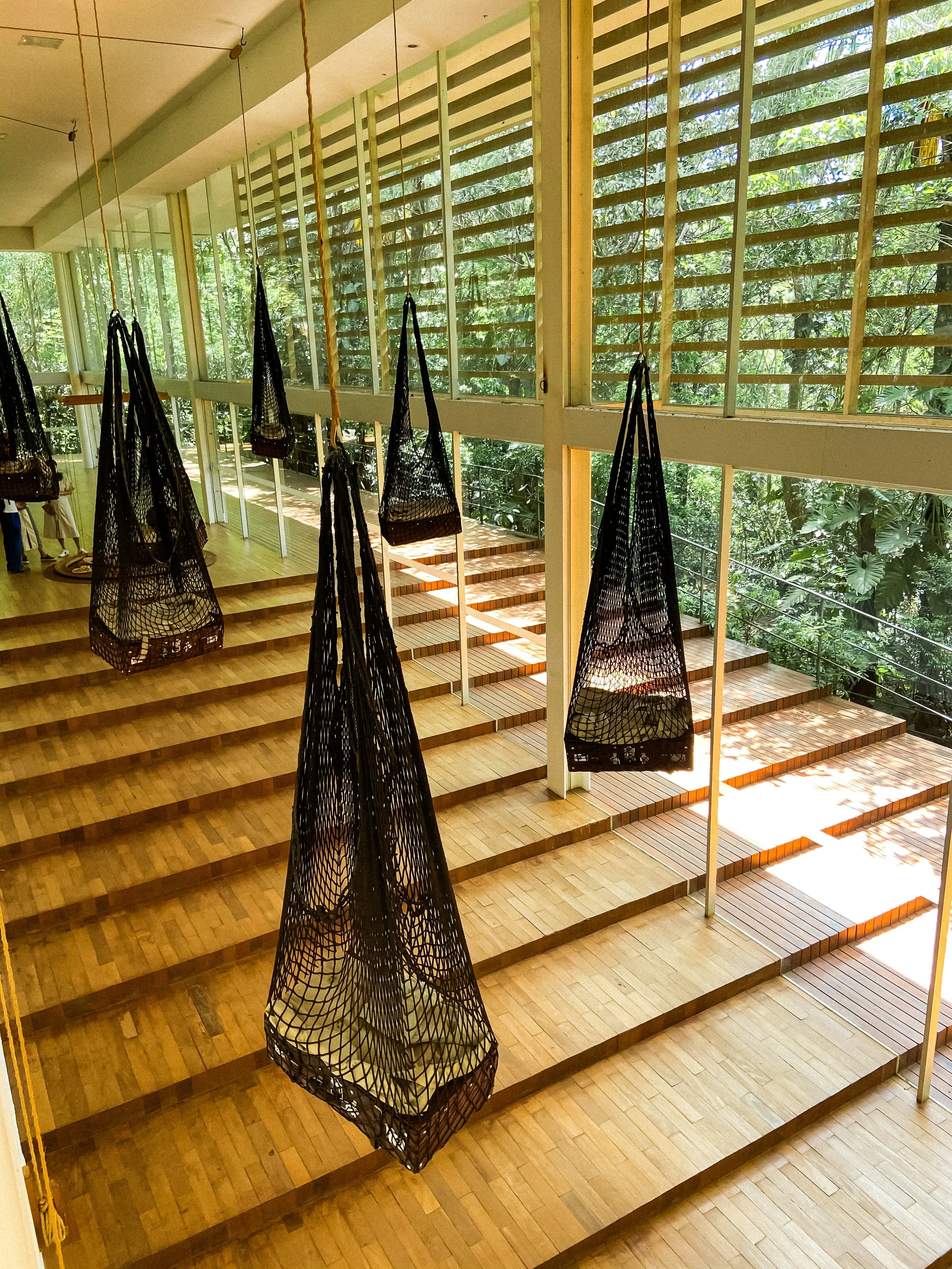


With dozens of galleries and monumental installations spread across a vast landscape, it is impossible to see everything in one visit. These are some of the artworks that stayed with me the most. Each one captures a different dimension of what makes Inhotim so unique.
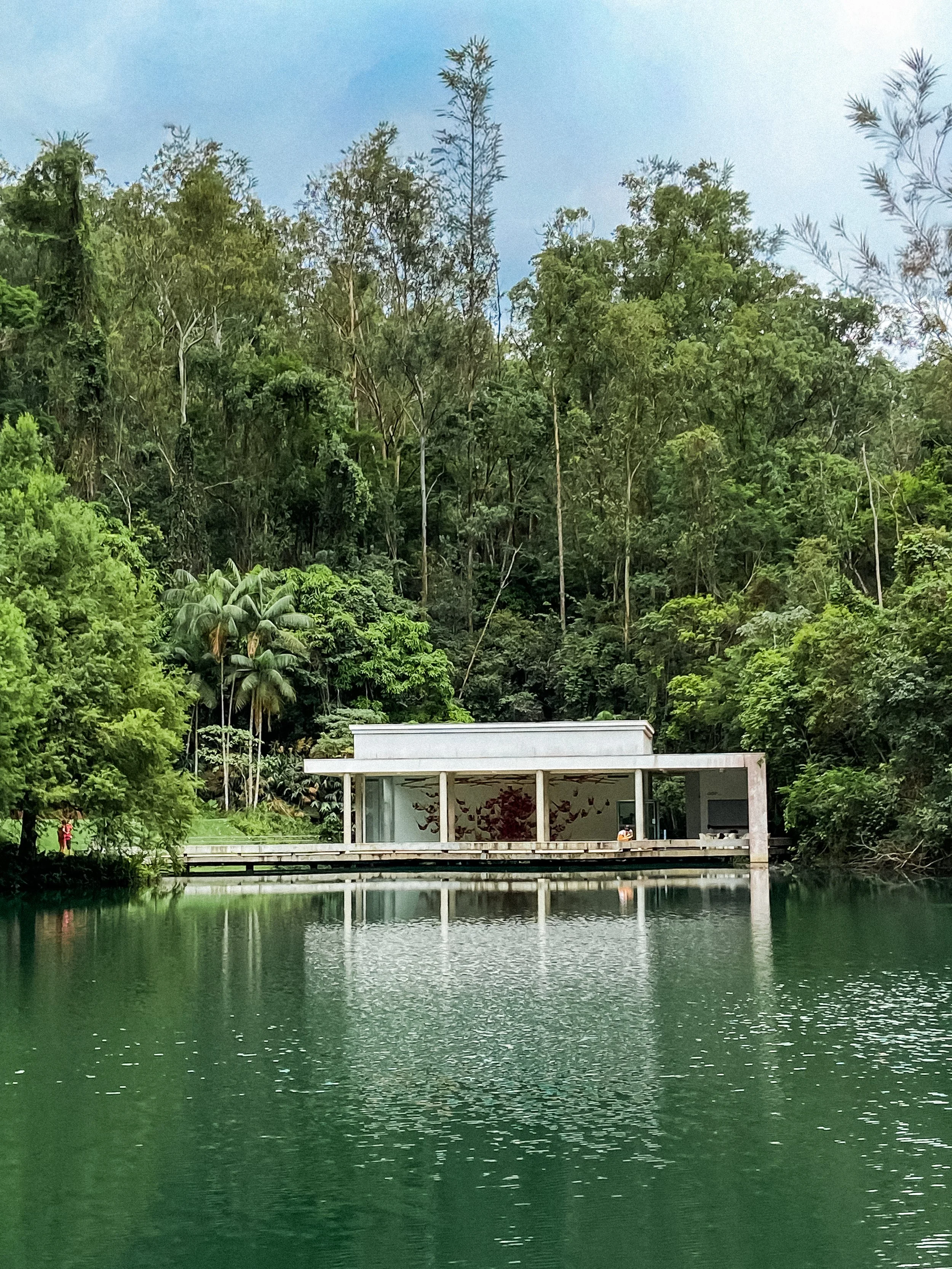
Tunga, True Rouge, 1997
An immersive and symbolic installation where deep red glass, organic forms and metallic elements create an almost ritualistic atmosphere. Tunga’s works often evoke myth, alchemy and transformation.
Robert Irwin, Untitled, 2019
A subtle yet powerful intervention where architecture, light and landscape merge. Irwin’s work invites visitors to slow down and become aware of space itself.
Matthew Barney, De Lama Lâmina, 2009
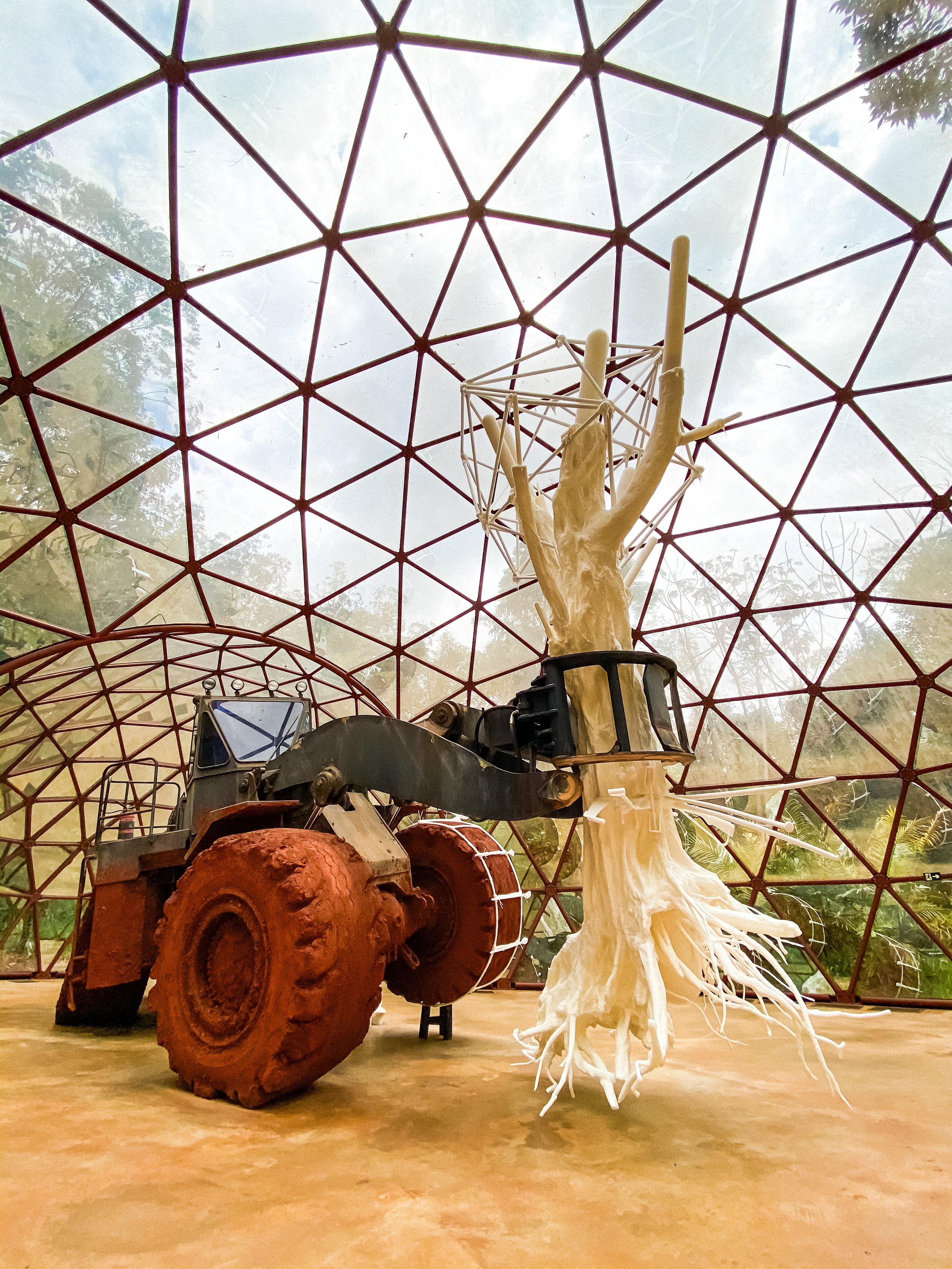
A monumental installation where a giant tree is suspended by a tractor inside a geodesic dome. Barney’s work often merges mythology, nature and industrial power, creating an atmosphere that feels both strange and compelling.
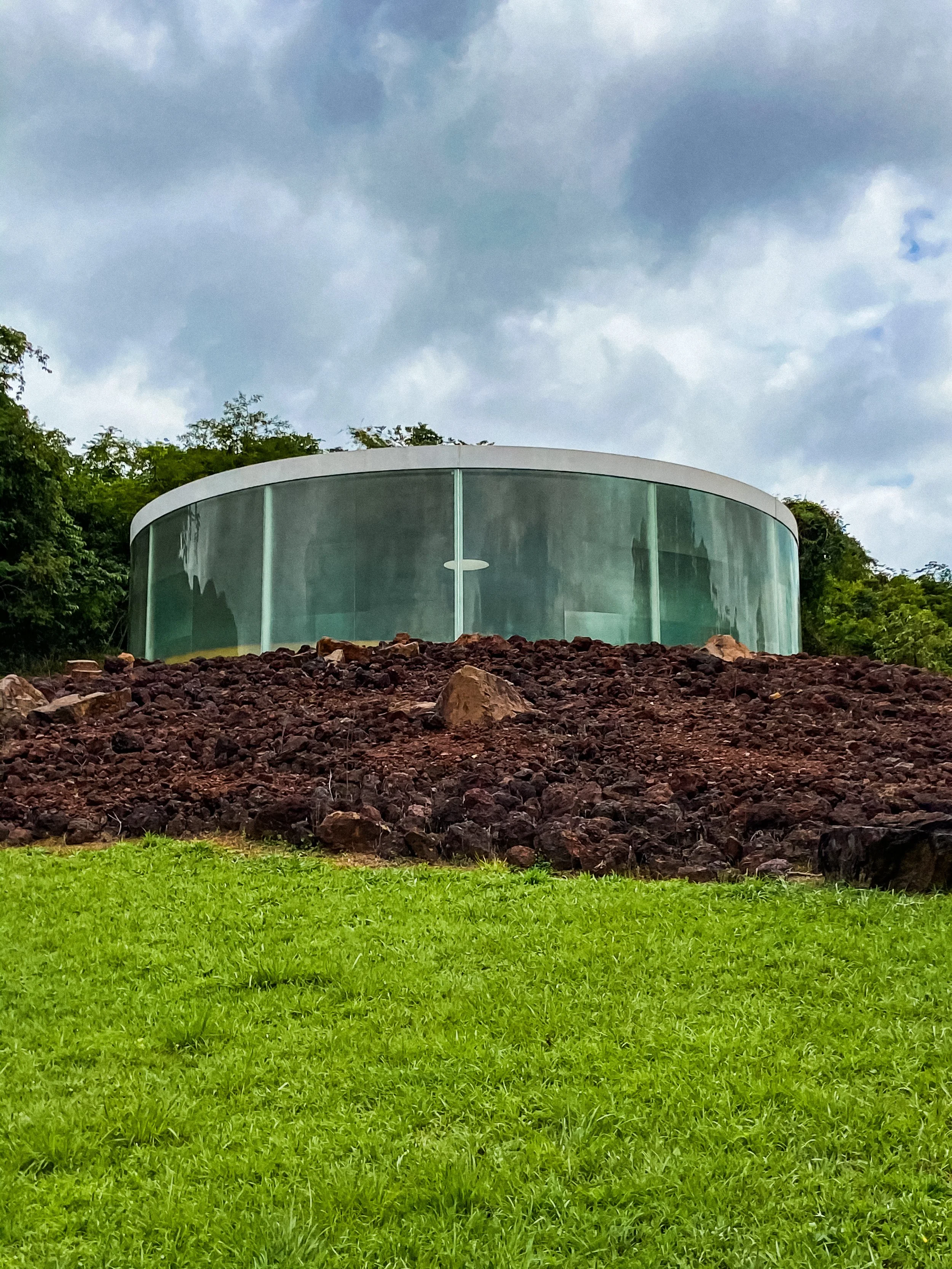
Doug Aitken, Sonic Pavilion, 2009
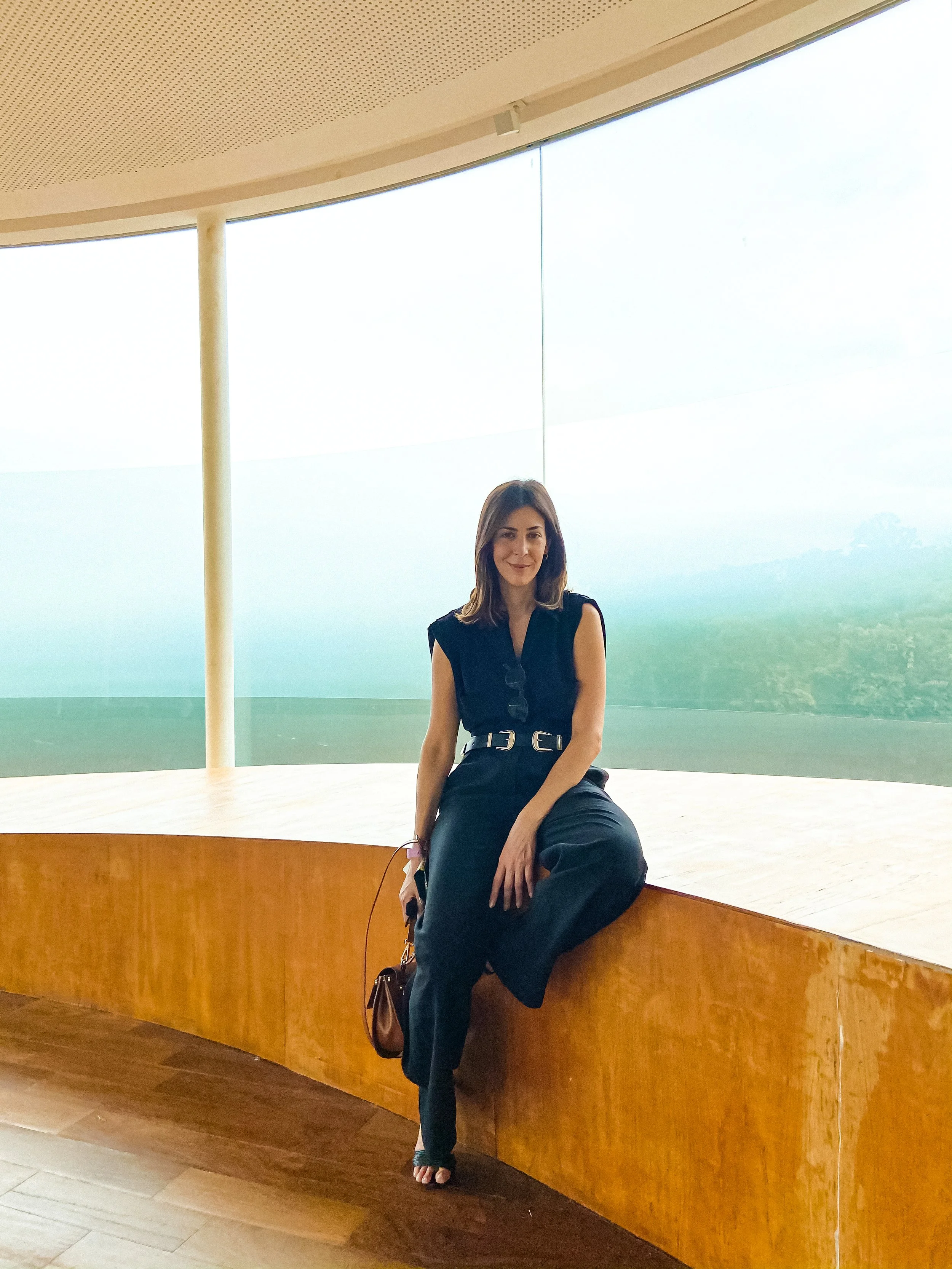
Perched on a hilltop, this glass pavilion offers panoramic views of the surrounding landscape. What makes it extraordinary is what you hear: microphones placed deep underground capture the subtle sounds of the Earth itself.
Jorge Macchi, Piscina, 2009
At first glance it looks like a perfectly ordinary swimming pool. But something feels subtly off. The Argentinian artist Jorge Macchi is known for creating quiet disruptions in familiar environments, and this work plays beautifully with perception and expectation.
Lygia Pape, Ttéia 1C, 2002
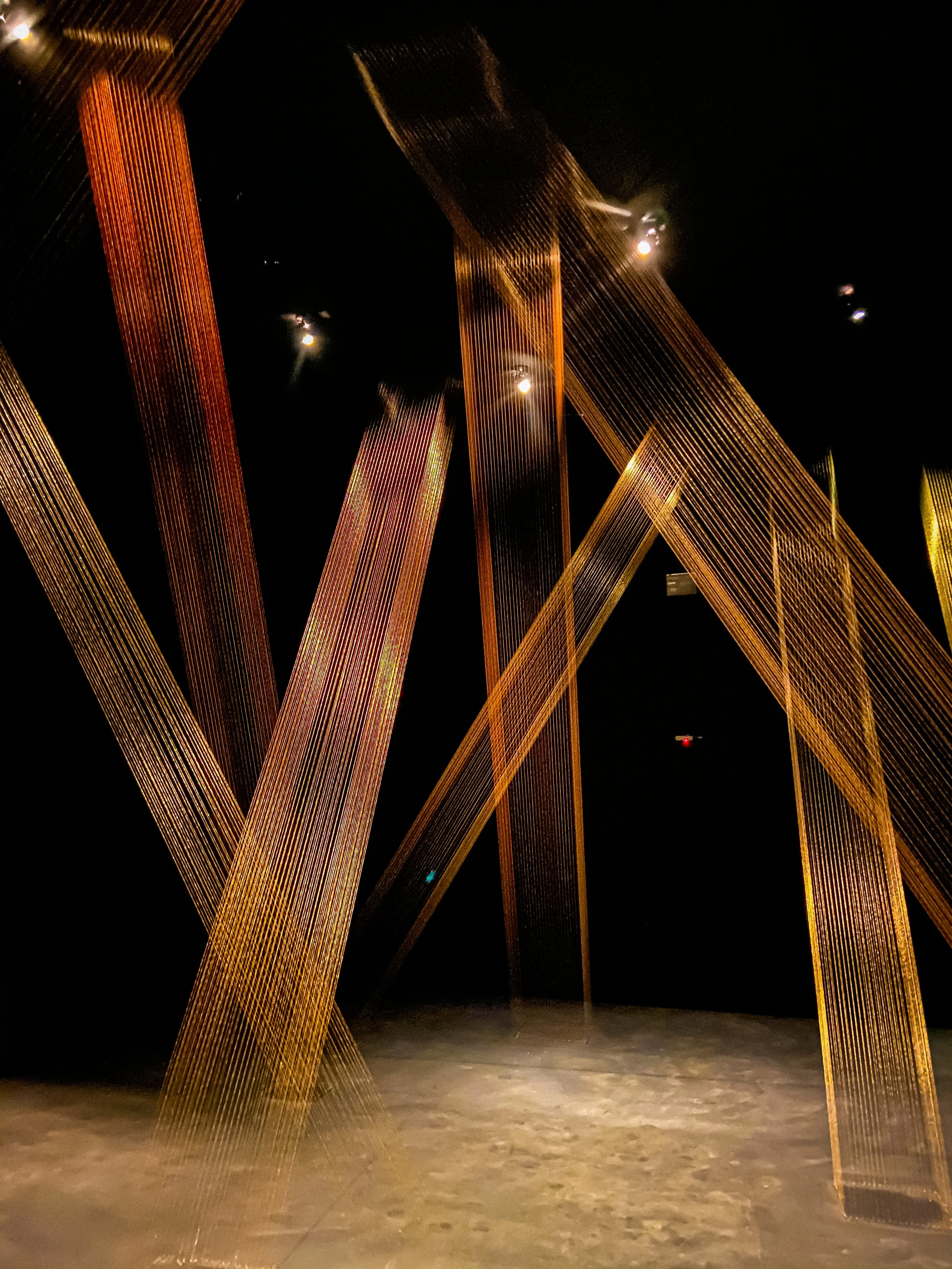
Perhaps one of the most poetic installations at Inhotim. Golden threads stretch across the room in perfect tension, catching light in ways that make the sculpture appear almost immaterial.
Yayoi Kusama, Narcissus Garden, 1966/2009
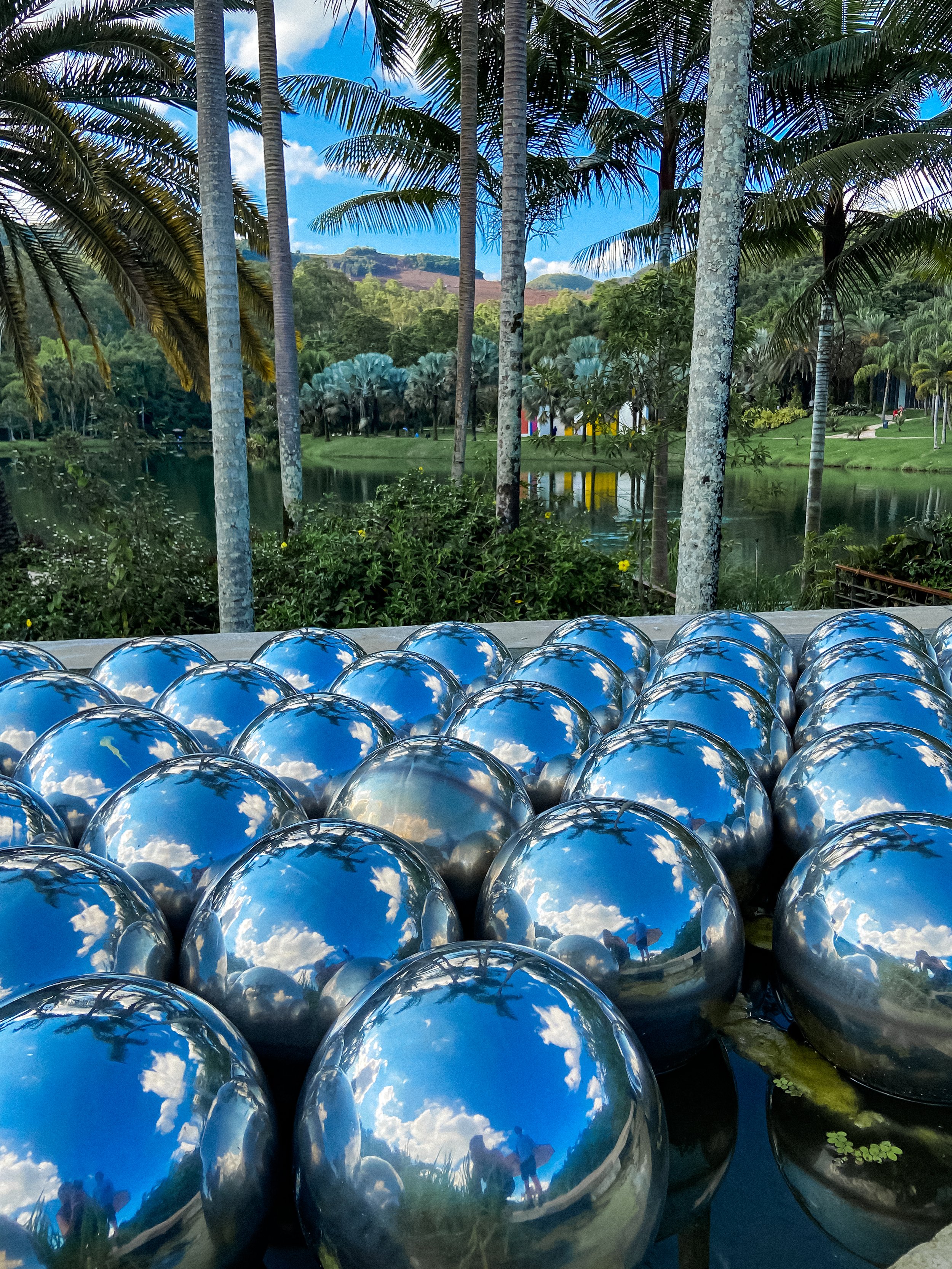
Hundreds of mirrored spheres reflect the sky and surrounding landscape. The installation creates a mesmerizing play between repetition, infinity and self-reflection.
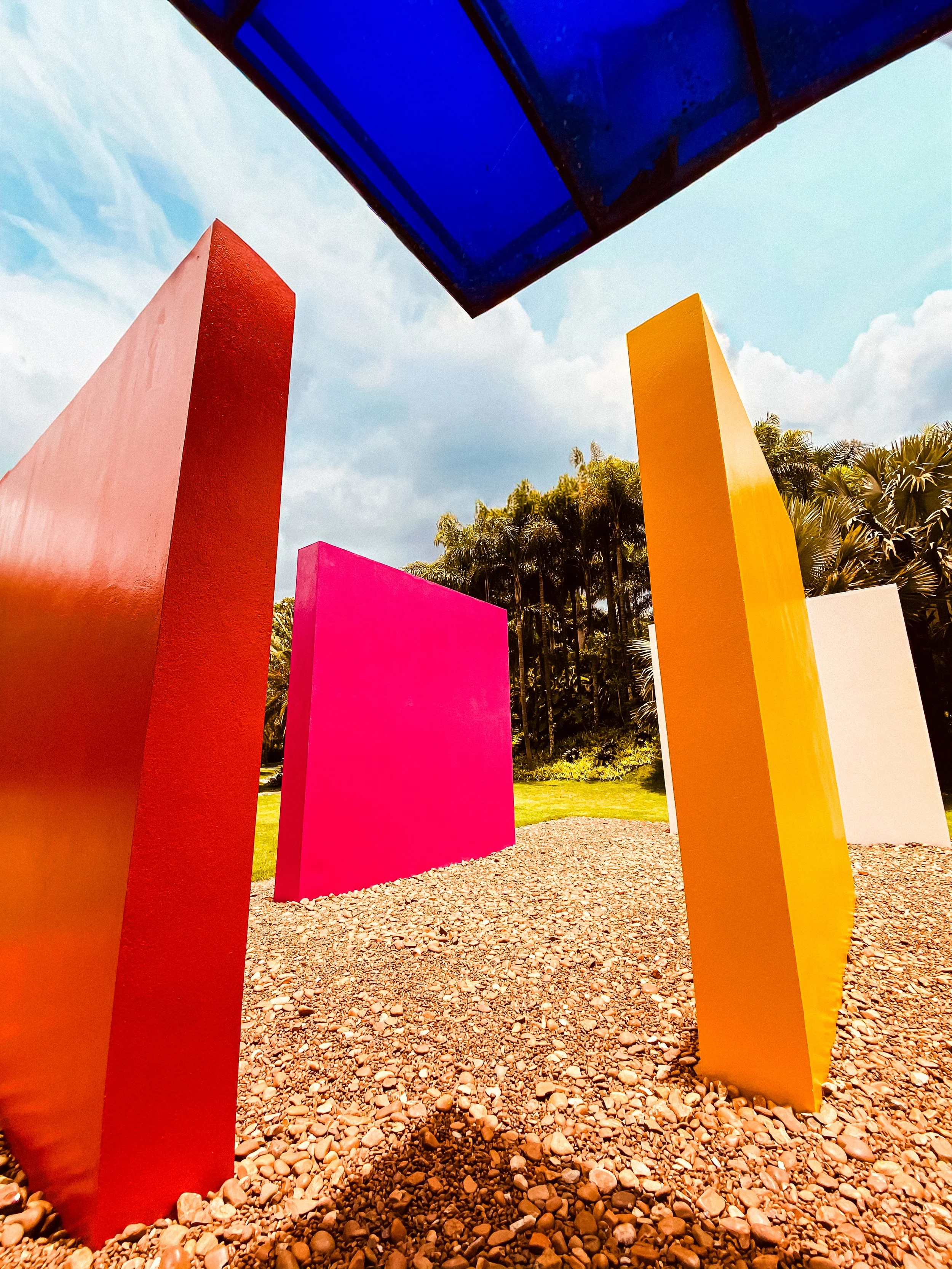
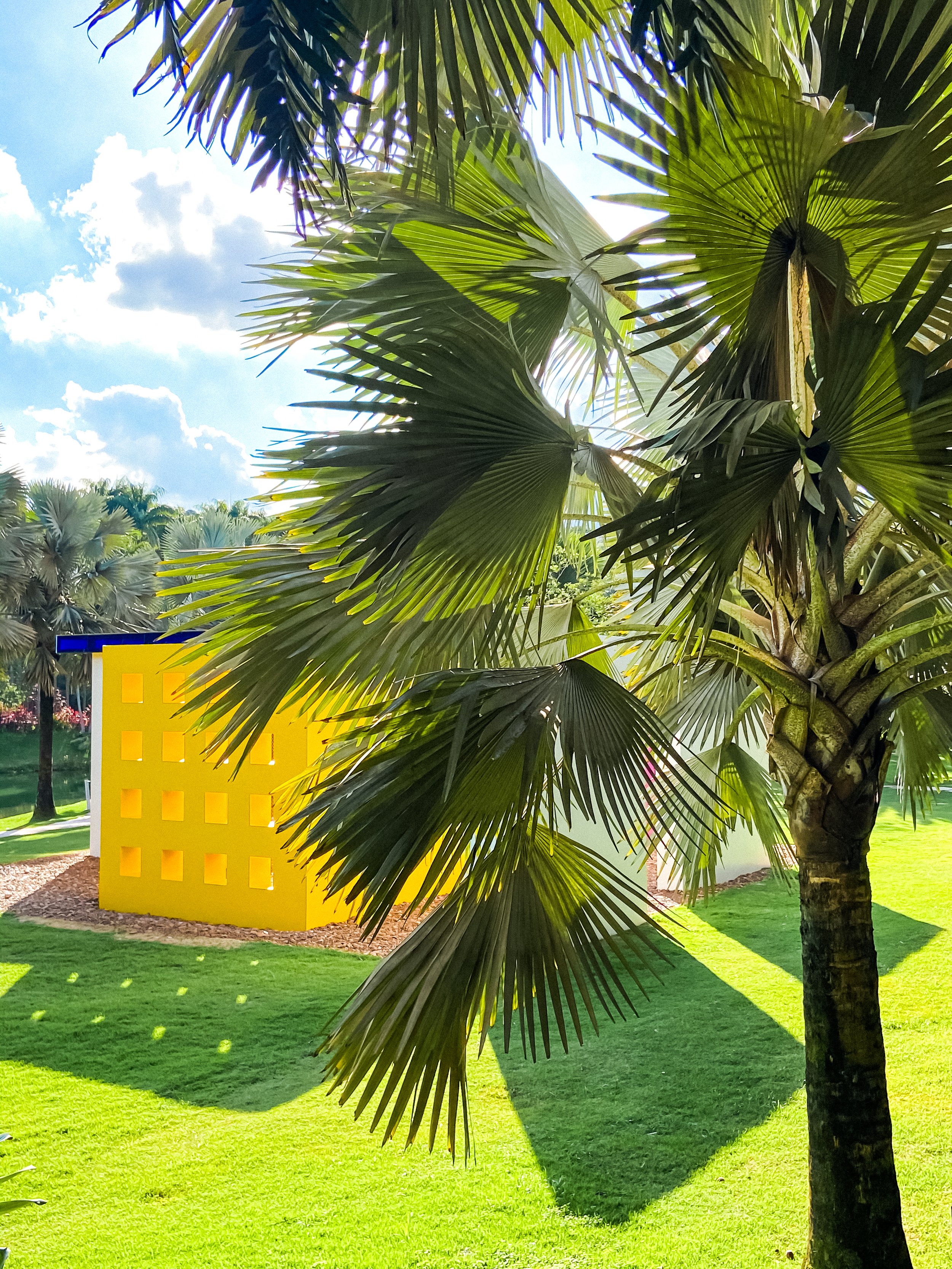
Hélio Oiticica, Invenção da Cor, Penetrável Magic Square #5, De Luxe, 1977
A monumental structure in vibrant primary colors that visitors can walk through. One of the most iconic artworks in the park and a powerful expression of Brazilian neo-concrete art.
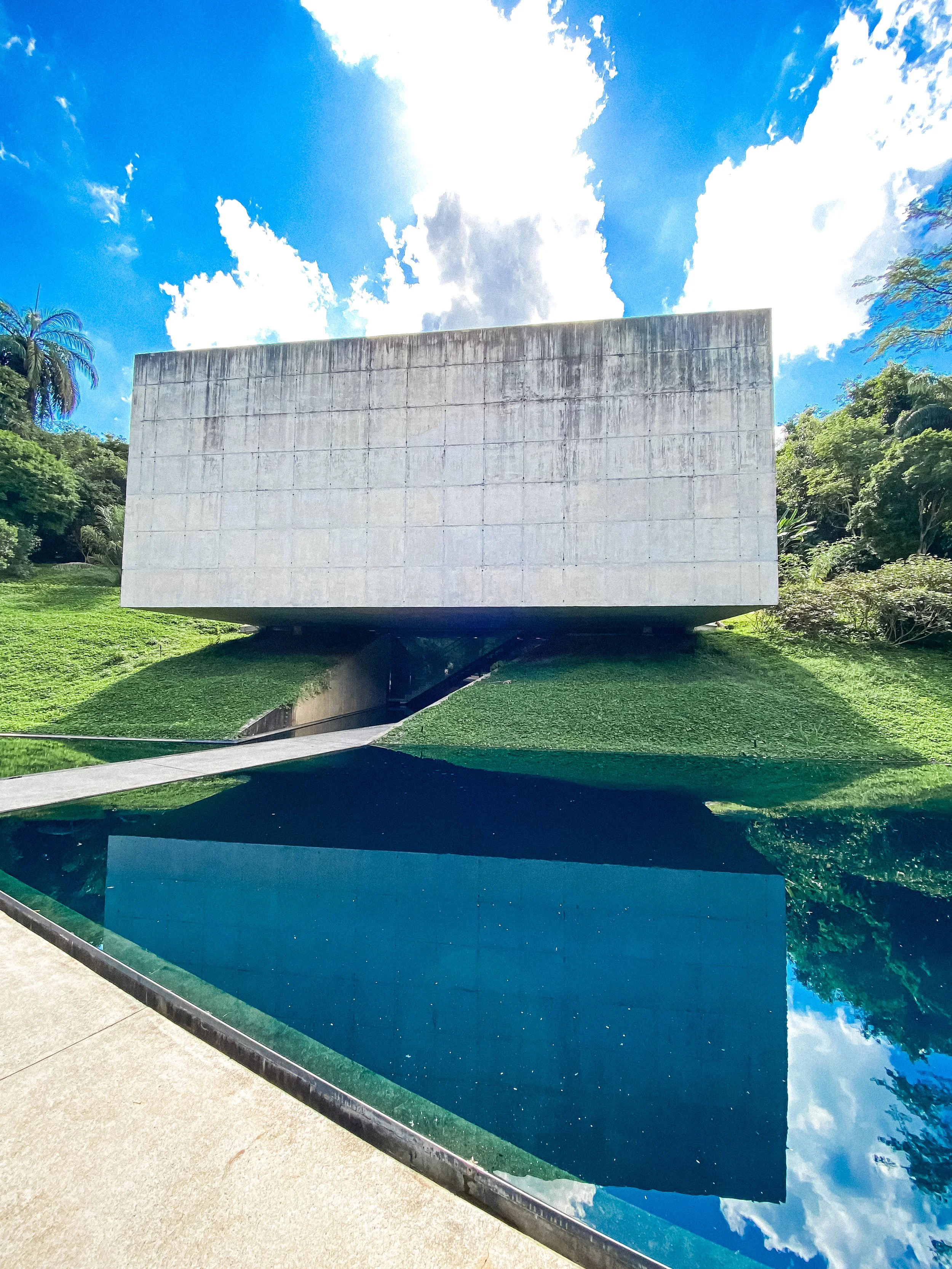
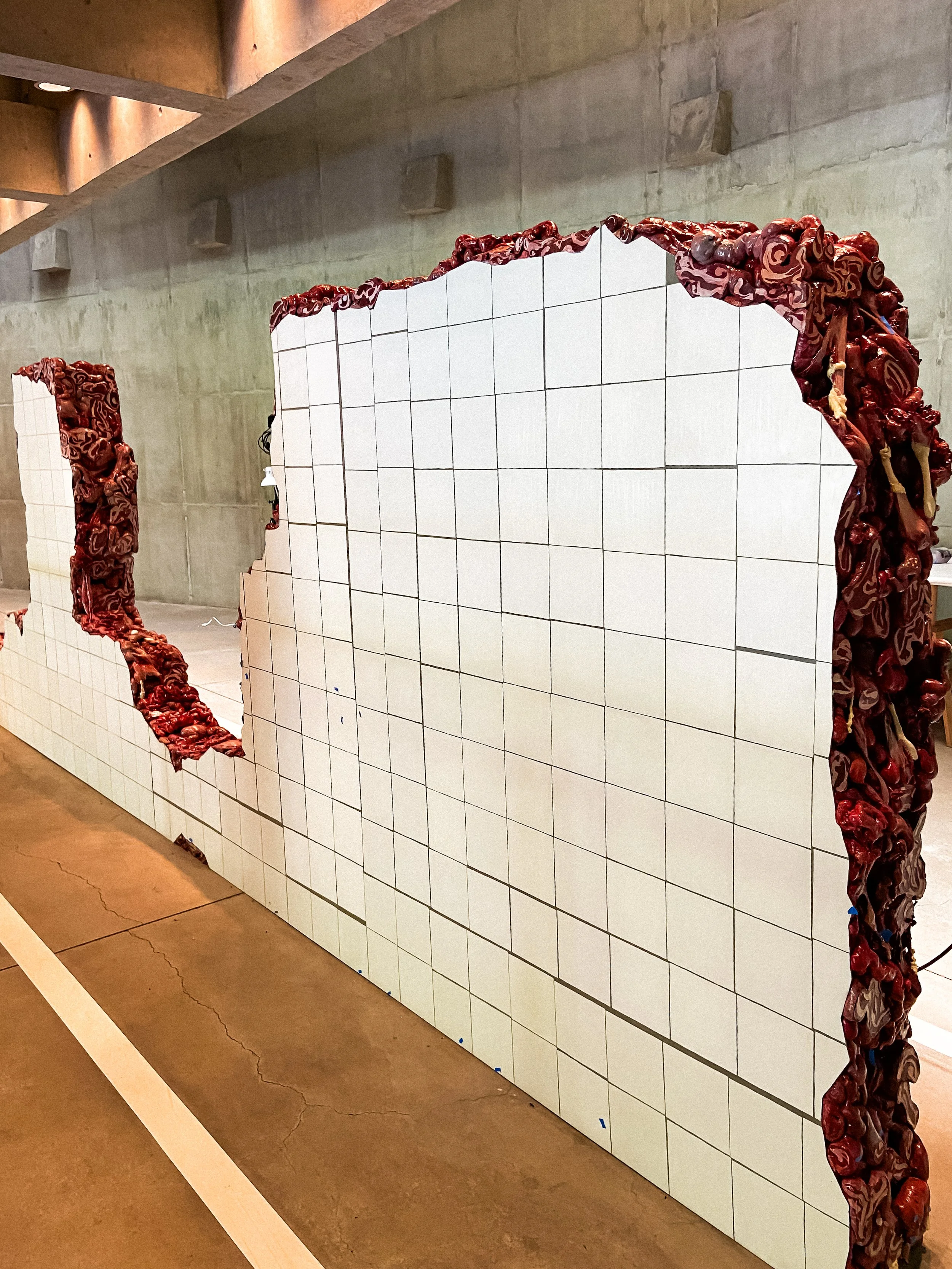
Adriana Varejão Linda do Rosário, 2004
Inside her gallery, Varejão’s work reveals layers of history and materiality. Inspired by Portuguese colonial tiles, the piece appears to rupture the wall, exposing visceral interiors that blur the line between architecture and body.
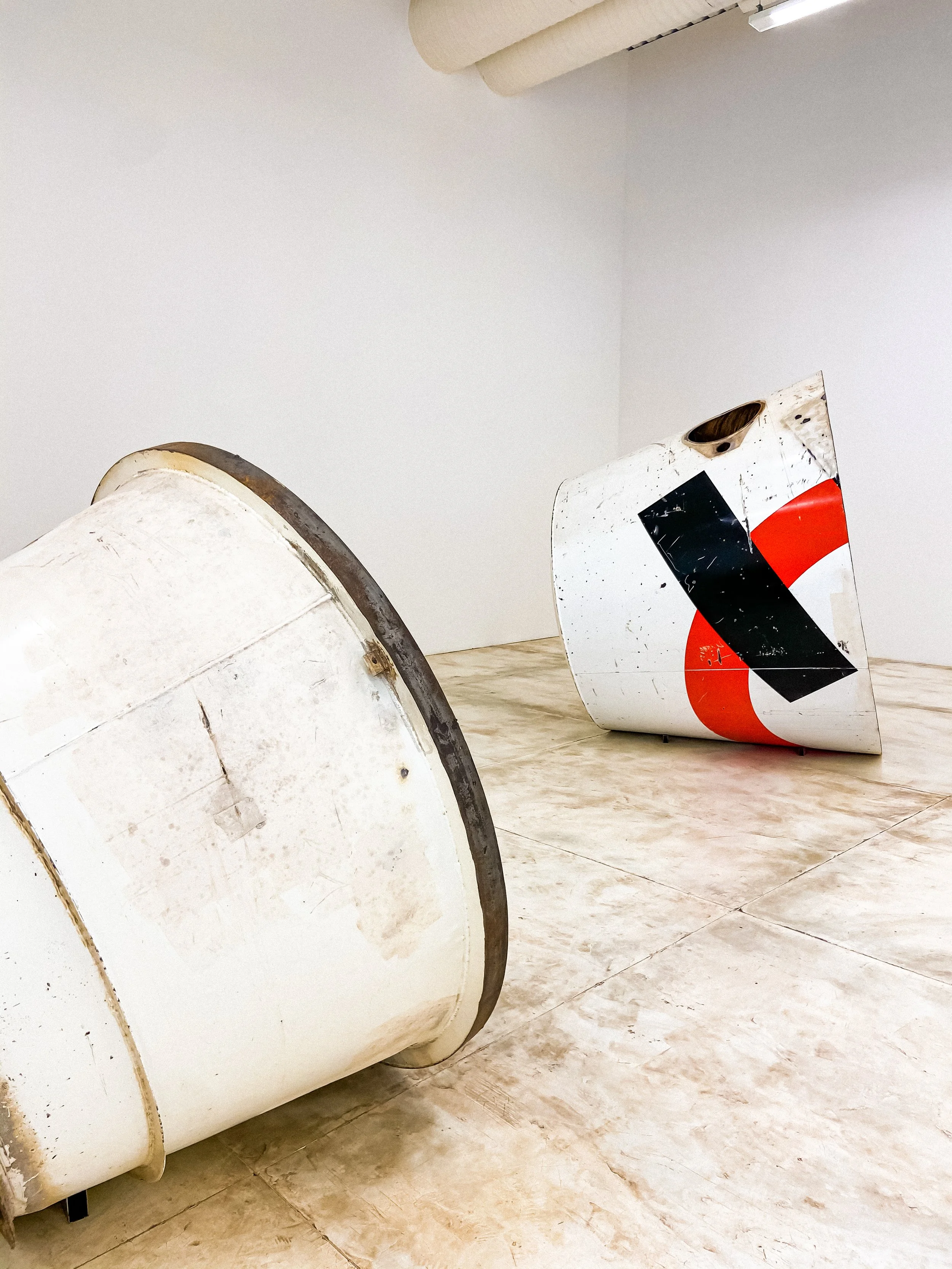
Alexandre da Cunha, Mix (Boom), 2017
Installed in the middle of the landscape, this playful sculpture transforms everyday industrial materials into a monumental gesture. Da Cunha often works with objects associated with construction and labor, elevating them into poetic forms.
José Damasceno, Método para arranque e deslocamento, 1992–93
One of the most intriguing sculptures at Inhotim. A massive tree trunk appears to be lifted and held by an impossible network of ropes and tension. The piece explores balance, gravity and the invisible forces that hold structures together.
How to Visit Inhotim
Inhotim is located in Brumadinho, about 60 km from Belo Horizonte.
The easiest way to visit is by car or private transfer, which takes roughly one hour depending on traffic.
Although it is technically possible to visit in a single day, the scale of the park makes a two-day visit far more rewarding. The gardens are vast, galleries are spread across different areas, and walking distances can be significant.
Inside the park you will also find several restaurants and cafés, making it easy to spend the entire day exploring without leaving.
Opening hours
Inhotim is open from Wednesday to Sunday and on public holidays. The institution’s current visitor hours are generally 9:30 am to 5:30 pm, and the official Visit page is the best place to check updates before going, especially because some galleries, gardens or artworks may occasionally be under maintenance.
Tickets
It is best to book tickets in advance through Inhotim’s official ticket page. The museum also offers free admission on Wednesdays and on the last Sunday of each month, subject to the institution’s current access rules.
A Perfect Stop in Minas Gerais
One of the best ways to include Inhotim in your itinerary is to combine it with other destinations in Minas Gerais.
After visiting the museum, many travelers continue to Ouro Preto, a historic colonial town located roughly two hours away. The contrast between contemporary art immersed in nature and centuries-old baroque architecture makes the experience even richer.
It is one of those rare travel pairings where two completely different worlds enhance each other.
Why Inhotim Feels So Special
Inhotim is not just about art.
It is about space, silence, scale and the pleasure of discovering something unexpected around every corner. One moment you are inside an immersive installation. The next, you are walking along a quiet tropical path with mountains in the distance.
Few places in the world combine contemporary art, architecture and nature with such ambition.
And that is what makes Inhotim unforgettable.